


Anyone claiming that Hip Hop has run out of ideas hasn’t been paying attention. The 2020s have already delivered an extraordinary amount of great music, from veteran MCs producing some of their strongest work to independent artists carving out their own lanes. Underground scenes continue to flourish, adventurous producers keep finding new approaches to familiar sounds, and lyricists across generations are putting out records that deserve serious attention. Much of this music operates well outside the commercial spotlight, but that’s nothing new. Great Hip Hop has never depended on mainstream recognition.
HipHopGoldenAge was founded out of a love for the music’s Golden Age, particularly the period from 1986 to 1996, which we still consider Hip Hop’s creative peak. That preference has never stopped us from appreciating what came afterward. We have little patience for disposable, trend-driven rap, but we’re equally uninterested in the idea that everything worth hearing was recorded thirty or forty years ago. From traditional boom-bap and gritty street rap to abstract lyricism, jazz-influenced production, politically charged records, and ambitious experiments that resist easy categorization, contemporary Hip Hop offers plenty for listeners willing to look beyond the obvious. Some of the finest albums of the decade come from familiar names; others arrive from artists who receive a fraction of the attention they deserve.
This ranking brings together our 150 favorite Hip Hop albums of the 2020s so far. As always, personal preference plays a significant role. We consider production, lyricism, creativity, consistency, cohesion, replay value, and potential longevity, with overall enjoyment carrying considerable weight. Cultural impact, influence, and commercial success matter considerably less to us than the quality of the music. This is our assessment of the decade’s best albums, rather than a reflection of streaming numbers, sales figures, or critical consensus.
A few ground rules: we’re focusing on full-length studio albums, excluding instrumental projects, compilations, and EPs. Releases running under 30 minutes are also ineligible, regardless of how they’re marketed. With the decade still unfolding, this ranking will continue to evolve as new albums arrive and existing favorites prove their staying power. There are inevitably worthy records missing, and we expect plenty of disagreement over the order. That’s part of the fun. Let us know which albums we overlooked and which placements you would challenge.
Last updated: January 2026. Next update: January 2027.
Also read: The Best Hip Hop Albums Of 2026
1. De La Soul - Cabin In The Sky (2025)

Losing Trugoy the Dove in 2023 seemed to close the book on one of Hip Hop’s greatest groups. Instead, Posdnuos and Maseo have delivered an album that celebrates everything De La Soul built together while giving their late partner a meaningful presence. Cabin In The Sky, released as part of Nas and Mass Appeal’s Legend Has It series, is an extraordinary achievement, filled with the humor, musical imagination, and unmistakable chemistry that have defined De La since 3 Feet High and Rising.
The production is gorgeous. DJ Premier, Pete Rock, Supa Dave West, Nottz, and others supply rich, soulful instrumentation, while an impressive guest list featuring Nas, Q-Tip, Black Thought, Common, Slick Rick, and Killer Mike contributes to the celebratory atmosphere. Giancarlo Esposito’s narration adds a cinematic dimension without overwhelming the music. Trugoy’s appearances are particularly affecting, especially on “Good Health” and the closing “Don’t Push Me,” where his final verse provides a fitting farewell.
Everything on Cabin In The Sky comes together naturally. There’s sadness here, inevitably, but also tremendous warmth, wit, and musical vitality. De La Soul have made a beautiful tribute to their brother and one of the finest albums in their already exceptional catalog. Our favorite Hip Hop album of 2025, and the strongest release of the decade so far.
2. Little Simz – Sometimes I Might Be Introvert (2021)

Little Simz made a major impression with GREY Area (2019), but Sometimes I Might Be Introvert operates on an entirely different scale. Working closely with producer Inflo, the British-Nigerian MC created a lavish, musically adventurous album that moves between orchestral grandeur, hard-hitting Hip Hop, neo-soul, Afrobeat, and funk without losing its identity. The sweeping strings and martial drums of opener “Introvert” announce those ambitions immediately, with Simz examining her place in the world against a backdrop that sounds almost cinematic.
Her writing is equally impressive. “Woman” celebrates Black women over an irresistible groove, while “Little Q, Pt. 2” explores her relationship with her cousin. The magnificent “I Love You, I Hate You” confronts her absent father with a mixture of anger, vulnerability, and hard-earned understanding. Elsewhere, “Point and Kill” brings infectious Afrobeat rhythms, and “Rollin Stone” finds Simz attacking a darker, more aggressive beat. Even the theatrical interludes contribute to the album’s character.
There’s something of Lauryn Hill’s The Miseducation of Lauryn Hill (1998) in the ambition, emotional honesty, and musical richness here. That’s high praise, but Simz earns the comparison. Sometimes I Might Be Introvert is an extraordinary record, overflowing with ideas and executed with remarkable confidence. One of the decade’s finest Hip Hop albums.
3. Run The Jewels - RTJ4 (2020)

Four albums in, Killer Mike and El-P are still operating at full throttle. RTJ4 arrived in June 2020, amid widespread protests against police brutality, and its furious political commentary struck with particular force. The duo had already established an extraordinary run with their first three records, but this fourth installment matches their finest work, delivering 39 minutes of relentless energy, vicious humor, and some of El-P‘s most explosive production.
The beats are magnificent: distorted bass, abrasive synthesizers, pounding drums, and unexpected rhythmic shifts give tracks like “Yankee and the Brave (Ep. 4),” “Out of Sight,” and “Holy Calamafuck” their considerable muscle. Mike’s booming delivery and El-P’s dense, intricate rhymes complement each other perfectly, their exchanges moving between outrageous boasts and pointed social criticism. “Walking in the Snow” is especially devastating, with Mike’s verse addressing systemic racism and police violence in language that became chillingly relevant upon release. The closing “A Few Words for the Firing Squad (Radiation)” brings a darker, more reflective intensity.
We’ve always heard echoes of Public Enemy’s It Takes a Nation of Millions to Hold Us Back (1988) in Run The Jewels, particularly in El-P’s chaotic, Bomb Squad-inspired production and the duo’s political urgency. RTJ4 makes that comparison easier than ever to defend. Ferocious, intelligent, frequently hilarious, and packed with outstanding tracks, it’s another triumph from one of Hip Hop’s greatest duos.
4. billy woods - GOLLIWOG (2025)

billy woods has spent years turning history, alienation, and everyday absurdity into some of the most unsettling writing in contemporary Hip Hop. On GOLLIWOG, he takes that approach into outright horror. Across 18 tracks, woods inhabits a world of inherited violence, surveillance, racial terror, and psychological decay. The production, handled by an eclectic cast including The Alchemist, Preservation, Kenny Segal, EL-P, and Steel Tipped Dove, is appropriately unnerving, full of distorted textures, warped samples, and ominous stretches of empty space.
“Jumpscare” opens with groaning metal and creeping tension, establishing the album’s nightmarish atmosphere without resorting to cheap shocks. Conductor Williams’ jagged work on “STAR87” keeps the listener off balance, while Kenny Segal’s brittle piano on “Misery” gives woods room to deliver another of his exhausted, razor-sharp dispatches. “Waterproof Mascara” is even more harrowing, Preservation’s warped vocal sample hovering over anxious piano figures. Elsewhere, EL-P and Despot join woods on the cold, distorted “Corinthians,” while “Lead Paint Test” brings ELUCID and Cavalier into the album’s claustrophobic world.
The horror here is rooted in recognizable realities. woods scatters images and references across his verses, leaving connections for the listener to make. The result is disturbing precisely because it rarely needs to exaggerate. We’ve long considered Hiding Places woods’ greatest achievement, but GOLLIWOG gives that masterpiece serious competition. It’s a chilling, uncompromising record that ranks among his finest work.
5. Danger Mouse & Black Thought - Cheat Codes (2022)

Few producer-MC pairings have arrived with expectations as high as Danger Mouse and Black Thought, and Cheat Codes meets every one of them. Danger Mouse builds a rich, soulful foundation from dusty samples, crisp drums, and unexpected musical details, giving Black Thought room to do what he does better than almost anyone: command a beat with intricate rhyme schemes, impeccable timing, and a seemingly inexhaustible vocabulary. Four decades into his career, Thought remains an extraordinary technician, delivering verses packed with precision, personality, and substance.
At a lean 38 minutes, Cheat Codes wastes no time. Each track has its own character, from the grimy Raekwon-assisted “The Darkest Part” to the propulsive “Because” and the sinister “Strangers,” featuring A$AP Rocky and Run The Jewels. Conway The Machine and Joey Bada$$ also make memorable appearances, but the most affecting guest verse comes from MF DOOM on “Belize.” His posthumous contribution is vintage DOOM, a bittersweet reminder of the singular talent Hip Hop lost in 2020.
The chemistry between producer and MC is remarkable throughout. Danger Mouse’s arrangements are inventive without crowding the vocals, while Black Thought delivers one commanding performance after another. No filler, no wasted motion, and virtually no drop in quality across twelve tracks. Cheat Codes was our album of the year for 2022, and it remains one of the decade’s defining collaborations.
6. Armand Hammer - We Buy Diabetic Test Strips (2023)

Armand Hammer have spent years building one of the most distinctive catalogs in underground Hip Hop, and We Buy Diabetic Test Strips ranks among their finest achievements. ELUCID and billy woods move through memory, aging, technology, politics, and the absurdities of modern life with their usual oblique precision, finding fresh angles in subjects other rappers might approach more predictably. The album’s appeal lies partly in that lyrical density, but its production is equally compelling. A sprawling cast of contributors, including JPEGMAFIA, DJ Haram, El-P, Kenny Segal, Preservation, Black Noi$e, and August Fanon, gives the record a remarkably varied palette without sacrificing its unmistakable Armand Hammer identity.
The eerie opening of “Landlines” establishes a mood of reflection and unease, while “Switchboard” introduces a more buoyant groove beneath the duo’s observations about technology and human connection. “Trauma Mic,” featuring Pink Siifu over DJ Haram’s abrasive production, is a particular highlight, its distorted guitars and punishing rhythm matching the intensity of the verses. El-P’s contribution to “The Gods Must Be Crazy” takes things into more chaotic territory, with fractured, restless production that suits the duo’s elliptical writing.
Moor Mother and Pink Siifu add their own distinctive voices, but the focus remains firmly on ELUCID and woods, whose contrasting styles keep the material unpredictable. Few groups make such challenging music sound so natural. Following masterworks like Paraffin and Haram, We Buy Diabetic Test Strips confirms Armand Hammer’s place among the most compelling acts in contemporary underground Hip Hop.
7. Clipse - Let God Sort Em Out (2025)

Sixteen years after Til the Casket Drops, Pusha T and Malice reunited as Clipse with an album worthy of their formidable legacy. Let God Sort Em Out finds the brothers older, sharper, and more reflective, their contrasting perspectives giving the familiar drug-trade narratives new depth. Pusha remains one of rap’s most ruthlessly precise writers, turning luxury, paranoia, and street economics into intricate boasts and cutting punchlines. Malice brings a cooler, more contemplative presence, his renewed faith adding another dimension to the duo’s longstanding dynamic. Pharrell Williams handles all the production, reconnecting the group with the creative partnership that helped make Lord Willin’ and Hell Hath No Fury classics.
The opening “The Birds Don’t Sing” takes an unexpectedly mournful turn, with piano and gospel vocals framing the brothers’ reflections on losing their parents. From there, “Chains & Whips” snaps into a harsher register, its disorienting beat setting the stage for a fierce Kendrick Lamar appearance. Pharrell keeps the album musically adventurous: “E.B.I.T.D.A.” rides a twitchy, off-kilter groove, “F.I.C.O.” pairs booming drums with soulful textures, and the abrasive horns on “Inglorious Bastards” match the brothers’ lyrical venom. “P.O.V.,” featuring Tyler, The Creator, is another standout, with the guest adding a fresh angle to Clipse’s luxury-soaked menace.
A few production choices are less successful, but the missteps barely dent the album’s momentum. The guests, including Nas, Kendrick, and Tyler, complement the brothers without stealing their spotlight. Let God Sort Em Out sounds like Clipse have picked up where they left off, while bringing the perspective of two men with another sixteen years of life behind them. A triumphant return from one of Hip Hop’s great duos.
8. E L U C I D - REVELATOR (2024)

With REVELATOR, ELUCID reaches a new peak in a solo catalog that already includes the excellent Save Yourself and I Told Bessie. Known for his work alongside billy woods in Armand Hammer, ELUCID brings that same restless imagination to his own material, pushing into increasingly abrasive and unpredictable territory. The production, much of it handled by ELUCID himself, draws on industrial noise, avant-jazz, fractured electronics, and live instrumentation. Jon Nellen, August Fanon, Child Actor, DJ Haram, and The Lasso all contribute, but the record retains a distinct identity throughout.
“The World Is Dog” opens with glitching textures and shifting layers that seem perpetually on the verge of collapse. ELUCID’s deep, measured delivery cuts through the turbulence, giving his densely packed verses a sense of purpose amid the sonic disorder. “CCTV,” featuring Creature, and “Slum of a Disregard” push the tension in different directions, while “RFID” and “Bad Pollen” turn their attention toward a world shaped by exploitation, political violence, and systemic decay. The latter features billy woods, whose bleak perspective complements ELUCID’s own reflections on survival. On “Instant Transfer,” the two rappers’ chemistry is as compelling as ever.
The album’s final stretch is especially potent. Skech185 joins ELUCID on “14.4,” over frantic drums and distorted bass, before “Xolo” and DJ Haram’s closing “Zigzagzig” leave the listener amid increasingly apocalyptic textures. ELUCID’s writing rewards close attention, balancing personal details with broader social observations and striking images that linger long after the music ends.
REVELATOR demands engagement, but its density has a purpose. The music is confrontational, strange, and often beautiful, with ELUCID navigating its shifting forms with remarkable control. An outstanding solo achievement that belongs in the same conversation as Armand Hammer’s finest work.
9. Aesop Rock – Spirit World Field Guide (2020)

Aesop Rock has spent his career building intricate worlds out of language, and Spirit World Field Guide takes that impulse to an extreme. Framed as a guide to a fictional parallel dimension, the album follows a narrator through strange terrain, unfamiliar customs, and various threats to survival. It’s an ambitious concept for a 21-track record running over an hour, but Aesop makes the setting compelling through sheer imagination, packing his verses with cryptic observations, vivid imagery, internal rhymes, and unexpected turns of phrase. As on Labor Days, None Shall Pass, and The Impossible Kid, his writing rewards repeated listens without making close analysis a prerequisite for enjoyment.
Aesop also handles the production, and the beats are every bit as distinctive as the lyrics. Restless percussion, eerie melodies, murky textures, and sudden shifts in atmosphere give the album a sense of movement through unfamiliar territory. Tracks like “The Gates” and “Pizza Alley” highlight his ability to build vivid scenes through sound, while “Kodokushi” and “Boot Soup” find him twisting dense, multisyllabic patterns around unpredictable rhythms. The instrumental choices never become mere background; they help give this imaginary world its own peculiar logic.
There’s no guest-verse relief across the album’s expansive runtime, and Aesop’s tightly packed writing demands attention. For listeners who prefer concise, immediately accessible rap, the density may prove overwhelming. Those willing to settle into its strange rhythms will find an album with remarkable depth and replay value. More than 25 years into his career, Aesop Rock remains an exceptional writer and producer, and Spirit World Field Guide ranks among his strongest solo releases.
10. Freddie Gibbs & The Alchemist – Alfredo 2 (2025)

Five years after Alfredo, Freddie Gibbs and The Alchemist return with a sequel that preserves the original’s chemistry while taking its sound in a brighter direction. Where the first album thrived on smoky, late-night tension, Alfredo 2 has a warmer, more sunlit character, drawing on vintage soul, jazz, and psychedelic flourishes. The Alchemist’s production is rich with detail, from the crunchy guitar on opener “1995” to the slippery grooves of “Ensalada,” featuring Anderson .Paak, and the cinematic synths of “Gas Station Sushi.” The beats sound luxurious without softening Gibbs’ edge.
Gibbs remains a compelling presence, switching between sharp-edged boasts, dark humor, and reflections on the costs of the life he’s lived. “Lavish Habits” finds him taking aim at DJ Akademiks over a horn-driven beat, while “Jean Claude” brings a more personal perspective to relationships. “I Still Love H.E.R.” pays tribute to Hip Hop with a soulful touch, and “Gas Station Sushi” finds room for the harder realities beneath the swagger. JID makes a strong impression on “Gold Feet,” matching Gibbs’ technical precision with nimble, intricate bars. Anderson .Paak’s hook on “Ensalada” adds another welcome texture.
The 14 tracks move with an easy confidence, with The Alchemist’s carefully layered arrangements giving Gibbs plenty of room to maneuver. Not every guest contribution lands equally well, but the duo’s partnership remains the main attraction. Alfredo 2 doesn’t need to recreate the first album’s atmosphere to justify its existence. It finds a different mood, lets Gibbs stretch out over some beautifully crafted beats, and delivers another highly satisfying collaboration from two artists who know exactly how to bring out the best in each other.
11. JPEGMAFIA & Danny Brown - SCARING THE HOES (2023)

The title is a pretty accurate warning. On SCARING THE HOES, JPEGMAFIA and Danny Brown take two already unconventional approaches to Hip Hop and push them into gloriously chaotic territory. Peggy’s production is a barrage of blown-out bass, mangled samples, abrasive electronics, and abrupt rhythmic shifts, drawing from sounds that have no obvious business sharing the same track. Danny, whose manic delivery and dark humor have made albums like XXX and Atrocity Exhibition modern classics, sounds perfectly at home amid the disorder. The two artists bring out each other’s strangest instincts, and the results are frequently hilarious, occasionally disorienting, and consistently unpredictable.
The opening title track establishes the album’s anything-goes approach, with Peggy’s fractured production giving Danny room to fire off outrageous punchlines and technical displays. “Lean Beef Patty” is a thrilling collision of distorted samples and rapid-fire exchanges, while “Garbage Pale Kids” pushes the noise into almost cartoonish extremes. “Kingdom Hearts Key” offers a different kind of intensity, its restless beat underpinning the duo’s absurdist wordplay. Even when the production threatens to swallow the vocals, that overload becomes part of the appeal: this music is designed to keep the listener off balance.
Beneath the sonic mayhem, both rappers remain remarkably sharp. Danny shifts between vulgar comedy, self-deprecation, and more unsettling observations, while Peggy’s verses are packed with the abrasive humor and provocation that define his work. SCARING THE HOES is deliberately excessive, but rarely aimless. Its best moments emerge from the friction between two distinct creative personalities, each daring the other to go further into the unknown. One of the most exhilarating and original Hip Hop albums of the decade.
12. Mach-Hommy - #RICHAXXHAITIAN (2024)

Mach-Hommy has always kept his audience at a distance, burying intricate wordplay and personal history beneath layers of abstraction. On #RICHAXXHAITIAN, he brings Haitian identity and history closer to the surface without sacrificing the mystery that makes his music so compelling. Following H.B.O. and Pray For Haiti, this 17-track release ranks among his strongest work, balancing cryptic lyricism with a broader musical palette. Mach moves between English, French, and Haitian Creole, shifting effortlessly between street-level detail, cultural pride, and reflections on Haiti’s political and social realities.
The production is exceptional throughout. Quelle Chris and Georgia Anne Muldrow supply soulful, jazz-inflected grooves, while Conductor Williams and August Fanon bring darker, more disorienting textures. Reggae influences and unexpected instrumental turns give the album a distinct character within Mach’s catalog. His deliberate, unhurried delivery sits comfortably over these varied backdrops, each verse revealing more with repeated listens. Black Thought brings formidable lyrical precision to his appearance, Roc Marciano adds his own understated menace, and Drea D’Nur contributes a welcome vocal presence.
Tracks like “COPY COLD” and “HOLY ____” reveal Mach’s knack for combining memorable refrains with densely layered writing. The album’s second half is particularly rewarding, as the arrangements become increasingly adventurous while the central themes come into sharper focus. Some of the references and linguistic shifts remain deliberately elusive, and that won’t appeal to everyone. But Mach’s opacity has always been part of his artistic language.
#RICHAXXHAITIAN finds him expanding that language without losing his identity. The production is rich, the writing demands attention, and the exploration of Haitian heritage gives the album a personal center. Another major achievement from one of underground Hip Hop’s most singular artists.
13. billy woods & Kenny Segal - Maps (2023)

ELUCID once posed a question about his Armand Hammer partner: why is every billy woods album his best one? Maps offers another compelling answer. Reuniting with producer Kenny Segal for their first full collaboration since Hiding Places (2019), woods delivers an album built around life on the road, exploring the strange mix of freedom, exhaustion, alienation, and fleeting connection that comes with constant touring. His observations move between sharp humor, personal reflection, and surreal imagery, turning the everyday details of travel into something much larger.
Segal provides an ideal backdrop, drawing on dusty boom-bap, jazz, and more abrasive experimental textures. Deep basslines and hard drums anchor the production, while shifting arrangements keep the music unpredictable. On “Soft Landing,” Danny Brown brings his trademark manic energy, while “Babylon by Bus” and “FaceTime” find woods examining the distance between life onstage and the world left behind. A varied guest list, including ELUCID, Aesop Rock, Quelle Chris, and ShrapKnel, adds color without distracting from the central partnership.
Following Hiding Places was always going to be a challenge, but woods and Segal wisely avoid trying to recreate its claustrophobic intensity. Maps has a wider perspective and a different emotional register, with Segal’s production giving woods room to roam. Over a decade after History Will Absolve Me, woods remains one of underground Hip Hop’s most consistently inventive writers. This is another exceptional entry in a catalog with remarkably few weak spots.
14. Common & Pete Rock - The Auditorium Vol. 1 (2024)

Common and Pete Rock have spent decades shaping different sides of Hip Hop, making their first full-length collaboration a particularly exciting prospect. On The Auditorium Vol. 1, the Chicago MC and Mount Vernon producer find an immediate connection, pairing Common’s thoughtful writing and relaxed delivery with Pete Rock’s soulful samples, crisp drums, and deft scratches. The result is an album steeped in the traditions of ’90s East Coast Hip Hop, made by two veterans who understand that great songwriting and great beats never go out of style.
“Dreamin'” sets the tone with vivid reflections on Black history and identity, while “Wise Up” flips elements of MC Shan’s “The Bridge” into a wonderfully textured backdrop for Common’s observations. “Fortunate” and “Stellar” are other highlights, combining warm instrumentation with reflections on gratitude, ambition, and personal growth. Pete Rock varies the palette without losing the album’s cohesion, drawing on jazz and funk while keeping the drums firmly rooted in boom-bap. Jennifer Hudson brings a soulful vocal performance to “A God (There Is),” while Posdnuos joins Common on the aptly titled “When the Sun Shines Again.”
Common remains a compelling writer, balancing social commentary with personal reflection and an easy, conversational flow. Pete Rock gives him exactly the right musical setting, and their shared sensibility carries the album from beginning to end. The Auditorium Vol. 1 honors the Hip Hop traditions that shaped these artists while sounding entirely at home in the present. A superb collaboration between two masters of their craft.
15. Nas & DJ Premier - Light-Years (2025)

The prospect of a full Nas and DJ Premier album has been tantalizing Hip Hop fans for decades. Light-Years, the closing chapter of Nas and Mass Appeal’s Legend Has It series, finally brings the two New York legends together for a project that respects their history without getting trapped in it. Premier supplies the kind of stripped-back production that made his name: hard drums, dusty samples, rugged basslines, and sparse arrangements that leave plenty of room for Nas to work his magic.
The contrast with Nas’s six-album run alongside Hit-Boy is striking. Where those records often favored polished, expansive production, Light-Years embraces a rougher, more intimate sound. “My Life Is Real” opens with understated piano and reflections on mortality and survival, while “GiT Ready” brings a funkier edge. “N.Y. State of Mind Pt. 3” revisits one of Nas’s defining titles without relying on a simple retread, using a Billy Joel sample to frame another portrait of a city in constant flux. “Madman,” “Pause Tapes,” and “Writers” find him looking back at Hip Hop’s history and the neighborhoods that shaped it.
Nas also turns inward on “Sons (Young Kings),” reflecting on fatherhood, while “Bouquet (To the Ladies)” offers a different perspective. The reunion with AZ on “My Story Your Story” is a particular highlight, the two veterans trading reflections with the ease of longtime collaborators.
Not every track reaches the heights of their individual classics, but the album’s consistency and musical focus make it a rewarding listen. Premier’s understated beats give Nas room to reflect on legacy, aging, and survival without resorting to empty nostalgia. Light-Years is a long-awaited collaboration that proves these two masters still have plenty to say together.
16. Marlowe – Marlowe 2 (2020)
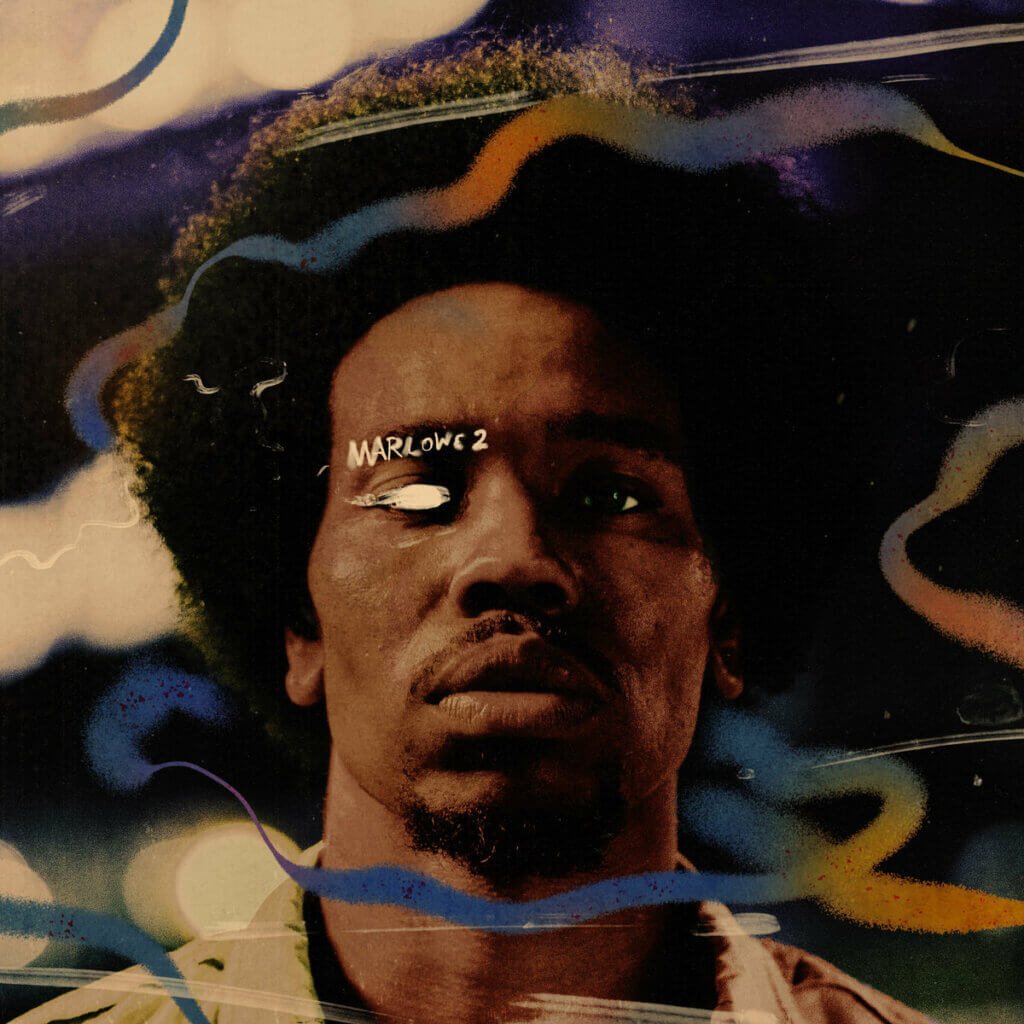
L’Orange and Solemn Brigham returned as Marlowe in 2020 with a sequel that matches the quality of their excellent, overlooked debut. The Seattle producer’s dusty, psychedelic boom-bap remains the project’s defining feature, built from obscure samples, warped textures, and chopped-up fragments that give the music an eerie, almost cinematic character. Brigham is an inspired match for these off-kilter beats, bringing an unpredictable flow and unusual vocal cadence that make his verses instantly recognizable.
The rapper’s writing has sharpened since the first Marlowe. His intricate rhyme patterns and tightly packed bars reward close listening, while his restless delivery gives the songs a sense of movement that contrasts with the murky loops beneath him. L’Orange knows how to leave space for Brigham without sanding down the production’s stranger edges, and the two have developed a creative partnership that sounds increasingly assured. The music draws from familiar boom-bap foundations, but its warped samples and unusual rhythmic choices steer it away from conventional revivalism.
Marlowe 2 isn’t an immediate, easy listen. The production can be disorienting, and Brigham’s unconventional approach may take some getting used to. Give the album time, though, and its many details begin to reveal themselves. The beats grow more distinctive with each listen, and Brigham’s technical ability becomes increasingly apparent beneath his eccentric delivery. A worthy successor to the first Marlowe, this is one of the strongest underground Hip Hop releases of 2020.
17. Armand Hammer & The Alchemist – Haram (2021)

Could The Alchemist‘s soulful, sample-driven production complement the oblique lyricism of Armand Hammer without diluting its edge? Haram answers that question emphatically. For the first time, billy woods and ELUCID built an entire album around a single producer, and the result ranks among the finest work from all three artists. The Alchemist brings a warmer, more immediately inviting sound than some of the duo’s previous collaborators, but his loops conceal plenty of menace. Beneath the dusty soul samples and languid grooves lurk unsettling textures and ominous details that suit the rappers’ disquieting observations.
The album’s title, an Arabic term for what is forbidden, provides a loose thematic thread for woods and ELUCID’s explorations of violence, power, desire, and moral contradiction. Their dense, allusive writing rarely offers easy answers, instead filling verses with vivid images and unexpected connections that reward repeated listens. Earl Sweatshirt is a natural fit on “Falling Out the Sky,” matching the duo’s introspective mood with his own elliptical style. “Chicharonnes” is especially grim, its chilling production framing reflections on police violence and racial injustice, while “Stonefruit” closes the album with a remarkable final verse from woods. “Wishing Bad” is another standout.
Guest appearances from Quelle Chris, Curly Castro, Amani, and others add variety, but the chemistry between the core trio remains the main attraction. The Alchemist’s work here is among his finest, balancing warmth and unease with extraordinary precision. Every track contributes to the album’s distinctive atmosphere, and even the grotesque cover art captures its confrontational spirit. Haram is a masterpiece of experimental underground Hip Hop, and a serious contender for Armand Hammer’s best album.
18. Navy Blue - The Sword & The Soaring (2025)
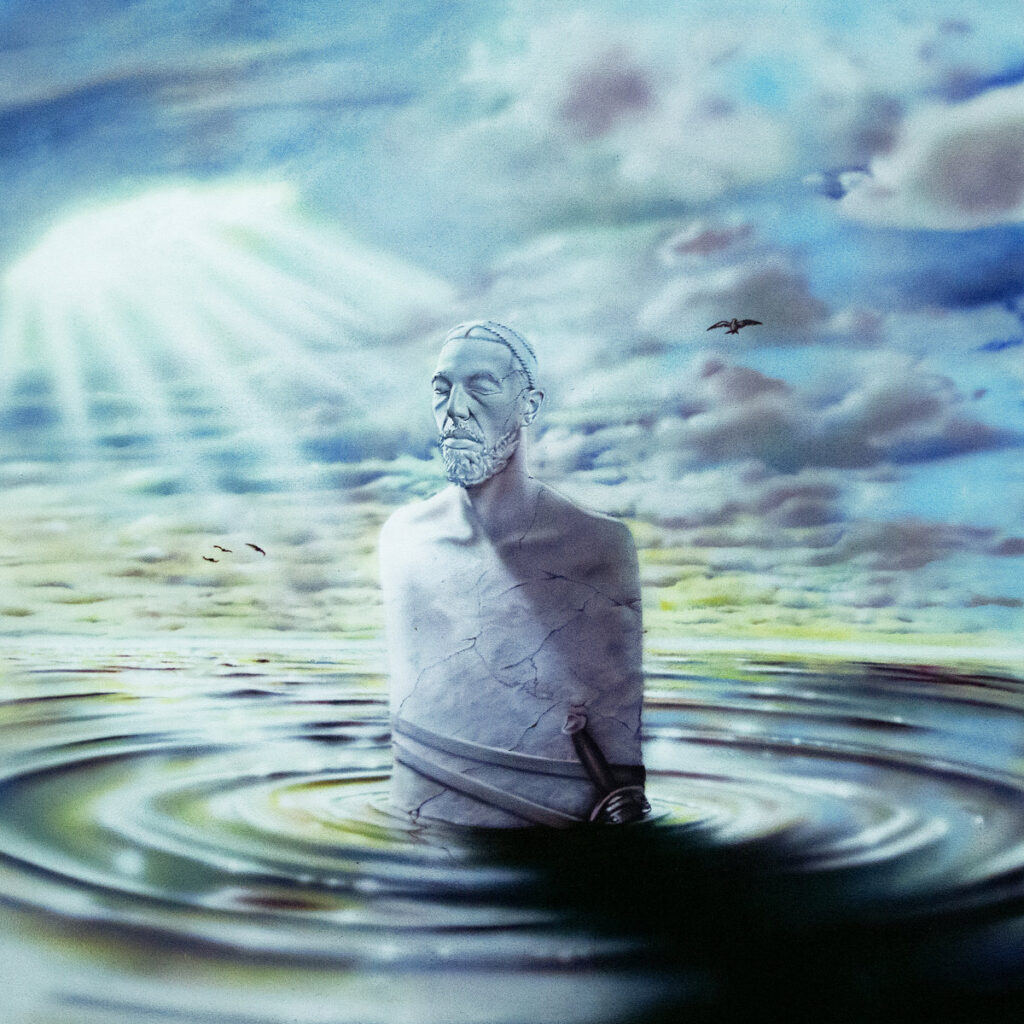
Navy Blue has built his catalog around introspection, spirituality, and the difficult work of making peace with the past. On The Sword & The Soaring, the Los Angeles-born, New York-based rapper and producer brings those concerns into especially sharp focus, delivering sixteen tracks that balance grief, gratitude, family, and personal accountability. Following Àdá Irin, Song of Sage: Post Panic! and Memoirs in Armour, this is another step forward for an artist whose understated approach rewards patience.
The production is warm and restrained, built around dusty soul samples, delicate piano, and understated percussion. Child Actor’s work on “Orchards” provides a particularly beautiful setting for Navy’s reflections, while “The Bloodletter” establishes the album’s measured pace from the outset. Tracks like “Sunlight of the Spirit,” “God’s Kingdom,” and “If Only…” turn inward, addressing spiritual discipline, family ties, and reconciliation without leaning on easy declarations or exaggerated emotion. Navy’s deliberate delivery gives his words room to breathe, and the simplicity of the arrangements keeps the focus on the writing.
The final stretch maintains that intimate atmosphere. “Soul Investments” and “Sharing Life” bring warmth and a sense of continuity, while “24 Gospel” pairs Navy with Earl Sweatshirt over an Animoss production that suits both rappers’ reflective styles. Rather than competing for attention, their contrasting voices complement each other naturally. “The Phoenix” closes the album with quiet acceptance, bringing its themes of struggle and renewal into focus without overstating the conclusion.
The Sword & The Soaring is cohesive without becoming monotonous, its subtle shifts in mood giving the songs room to develop. Navy Blue continues to refine a distinctive form of introspective underground Hip Hop, and this is among his most accomplished releases to date.
19. JPEGMAFIA - I LAY DOWN MY LIFE FOR YOU (2024)

JPEGMAFIA has never been interested in staying in one lane. From the abrasive experimentation of Veteran to the warped pop sensibilities of All My Heroes Are Cornballs and the gleeful chaos of SCARING THE HOES with Danny Brown, his catalog thrives on unpredictability. I LAY DOWN MY LIFE FOR YOU pushes that restless approach into new territory, pairing Peggy’s trademark aggression with a surprising amount of introspection and a broader palette of live instrumentation.
The opening “i scream this in the mirror before i interact with anyone” sets an antagonistic tone, but the album’s musical range quickly becomes apparent. Glitchy electronics, heavy guitar riffs, Brazilian funk rhythms, and unexpected samples collide throughout. “it’s dark and hell is hot” and “vulgar display of power” draw on the spirit of DMX and Pantera, while “Exmilitary” moves between acoustic grooves and punishing riffs, creating an uneasy tension that suits Peggy’s confrontational delivery. His production is dense and unpredictable, but the stylistic collisions generally serve the songs rather than becoming an end in themselves.
The album’s second half reveals a more vulnerable side. “either on or off the drugs” addresses depression and substance use with unusual candor, while “loop it or leave it” and “Don’t Put Anything On The Bible” offer more spacious, melodic arrangements. Vince Staples brings a sharp perspective to “New Black History,” which takes aim at cultural commodification, and Denzel Curry matches Peggy’s intensity on “JPEGULTRA!”
Lyrically, Peggy moves between industry criticism, political provocation, personal turmoil, and outrageous boasts, rarely staying with one subject for long. That volatility is part of the appeal. I LAY DOWN MY LIFE FOR YOU finds JPEGMAFIA expanding his musical vocabulary without losing the abrasive personality that sets him apart. A bold, frequently exhilarating album that ranks among his strongest work.
20. Aesop Rock - Integrated Tech Solutions (2023)

Aesop Rock has spent decades turning his obsessions into intricate lyrical worlds, and Integrated Tech Solutions finds him applying that imagination to technology, corporate culture, and the absurdities of modern life. The album’s fictional business premise gives him plenty of material to work with, from the hollow promises of consumer technology to the strange ways people adapt their lives around it. As usual, Aesop’s writing is densely packed with unexpected details and peculiar turns of phrase, but there’s a playful streak here that makes this one of his funniest releases.
The production draws on industrial electronics, robotic rhythms, and live instrumentation, giving the album a harder, more mechanical character without sacrificing Aesop’s knack for memorable melodies. He handles most of the beats himself, and the music provides an effective counterpoint to his elaborate verses. “Aggressive Steven” is a standout, turning an eccentric character study into an increasingly absurd narrative, while “Vititus” finds Aesop mining everyday frustrations for surreal comedy. “Living Curfew,” “Kyanite Toothpick,” and “Black Snow” expand the album’s palette with contributions from billy woods, Rob Sonic, Hanni El Khatib, Lealani, and Nikki Jean.
Longtime listeners will recognize elements of the sound that made Labor Days and the Def Jux era so distinctive, though the writing here is less concerned with demonstrating technical virtuosity for its own sake. Aesop remains a formidable rapper, but his attention to character, observation, and humor gives the material a different kind of momentum.
Integrated Tech Solutions is an unusually cohesive entry in an extensive catalog, with a clear concept that leaves room for Aesop’s eccentric personality to roam. Smart, strange, and frequently hilarious, it’s another outstanding album from one of underground Hip Hop’s most distinctive writers and producers.
21. Blockhead - The Aux (2023)

Blockhead has always had a knack for finding the right rapper for the right beat, and The Aux turns that talent into a full-length celebration of underground Hip Hop’s creative range. Released during a particularly strong period for Backwoodz Studioz, the album brings together artists from different generations and corners of the scene, with Blockhead’s production giving the sprawling cast a common musical ground. Following his collaboration with Aesop Rock on Garbology (2021), the veteran producer delivers one of the strongest beat-driven projects of his career.
The opening “AAU Tournaments,” pairing billy woods with Navy Blue, establishes the album’s jazz-inflected character. From there, Blockhead moves effortlessly between styles. Quelle Chris rides the loose, whistle-laced groove of “The Cella Dwellers Knew,” while Aesop Rock takes a more direct approach on the brass-heavy “Mississippi.” “Mastering How To Land,” featuring The Koreatown Oddity and Open Mike Eagle, leans into grimy guitar and organ textures, while “Give Thanks” pairs ELUCID and woods over a deceptively spare beat. Elsewhere, Bruiser Wolf’s distinctive delivery gives “Papi Seeds” a character of its own, and AKAI SOLO attacks the unusual rhythms of “God Is Busy.”
The guest list gets increasingly unpredictable as the album unfolds. Casual and Breezly Brewin bring veteran chemistry to “Hater P*rn,” while RXK Nephew surprises on the spacey “Pink Lemonade.” The closing posse cut, “Now That’s What I Call a Posse Cut Vol. 56,” gathers Bruiser Wolf, Danny Brown, billy woods, and Despot over a laid-back instrumental, ending the album with a fitting display of lyrical personality.
With so many voices in play, The Aux could easily have become a scattered collection of unrelated tracks. Blockhead’s varied but distinctive production keeps everything connected, and the guest performances rarely disappoint. A superb producer album and arguably the finest work of his career.
22. Ka - The Thief Next To Jesus (2024)
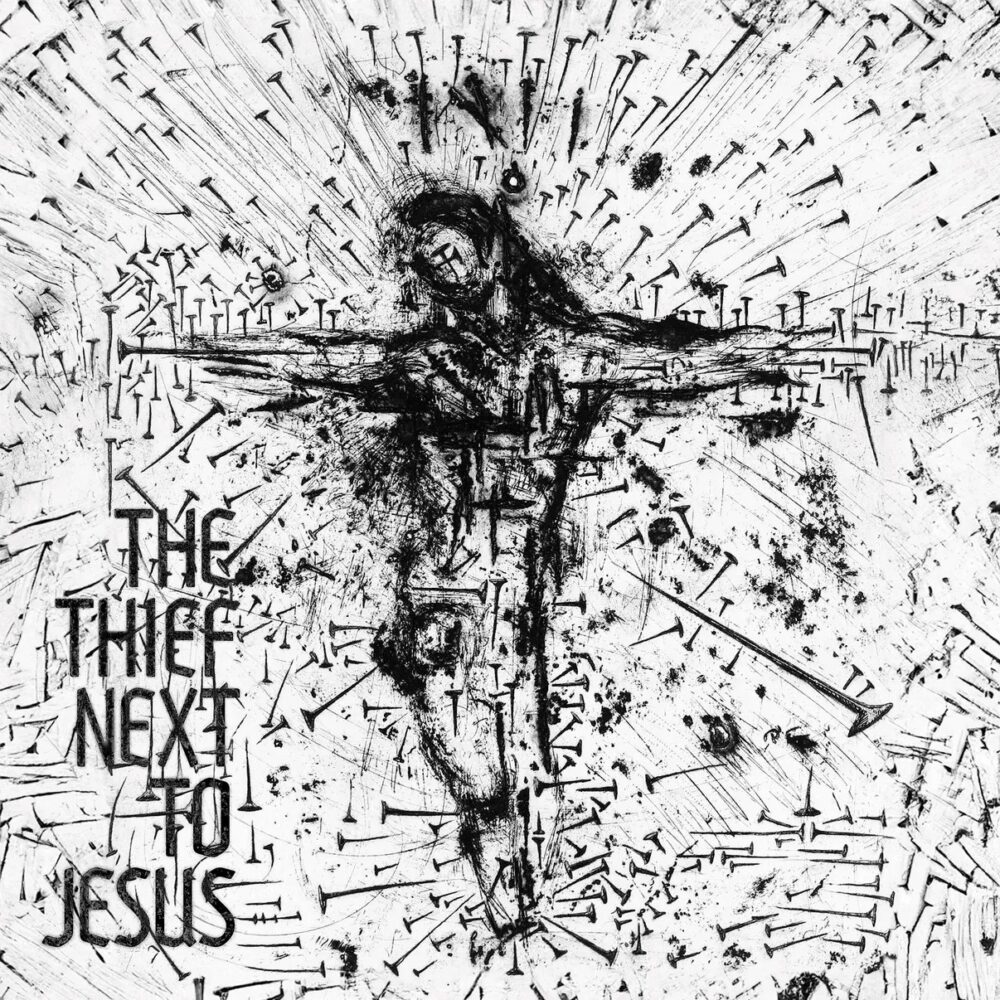
Ka’s The Thief Next to Jesus explores faith, morality, poverty, and survival with the precision and restraint that defined his remarkable catalog. Across his ninth solo album, the Brooklyn MC examines the distance between religious ideals and the compromises people make to survive, drawing on gospel and blues to deepen the music’s spiritual dimensions. As always, Ka wastes no words. His verses are dense with hard-earned observations, moral contradictions, and images that reveal more with each listen, while the sparse production gives every line room to land.
“Bread, Wine, Body, Blood” establishes the album’s solemn mood, warning against becoming an instrument of harm. “Beautiful” turns toward the hope of a long, peaceful life, its soulful warmth providing a rare moment of ease. On “Tested Testimony,” a haunting loop without drums leaves Ka alone with his reflections on the decisions that shaped him. “Collection Plate” addresses economic hardship over a gospel-tinged backdrop, while “Broken Rose Window” draws on the blues to examine suffering and perseverance. The closing pair, “Hymn & I” and “True Holy Water,” brings the album’s questions of faith and human frailty into focus without offering easy answers.
Throughout his career, Ka built a singular body of work, from Grief Pedigree and Honor Killed the Samurai to Descendants of Cain and A Martyr’s Reward. His final album belongs among his finest achievements, with its spiritual concerns giving fresh dimension to the street-level realism that runs through his writing. Ka died on October 12, 2024, only months after its release. The Thief Next to Jesus now carries the added weight of a final statement from one of underground Hip Hop’s greatest writers, a deeply considered work that rewards the patience and attention it asks of us.
23. billy woods - Aethiopes (2022)

On Aethiopes, billy woods and producer Preservation create a world of historical ghosts, political violence, cultural memory, and personal dislocation. Preservation had already supplied standout beats for woods’ Terror Management and worked with him on Eastern Medicine, Western Illness, but this full-length collaboration gives their partnership room to develop its own distinct character. His production is dense, eerie, and full of unexpected details, drawing on unusual samples and unsettling textures that suit woods’ oblique, often disquieting writing.
woods is at the height of his powers here. His verses move between historical references, street-level observations, and fragmented scenes, connecting ideas in ways that rarely reveal themselves on a first listen. The writing demands attention, but the rewards are considerable. Like Ka, woods has a gift for compressing entire worlds of meaning into a few carefully chosen lines. He leaves gaps for the listener to navigate, trusting that ambiguity can be as revealing as a direct statement.
The guest list is impressive, with ELUCID, Boldy James, Quelle Chris, Denmark Vessey, Breeze Brewin, and EL-P each adding a distinct presence. Still, the album belongs firmly to woods and Preservation. The instrumental transitions and sequencing give the thirteen tracks a remarkable sense of continuity, carrying the listener through shifting moods without disrupting the album’s dark, unsettled atmosphere.
There isn’t a weak track here. Aethiopes demands repeated listens, and its meaning remains deliberately elusive, but that complexity is central to its appeal. Preservation’s extraordinary production and woods’ formidable writing combine for one of the finest albums in either artist’s catalog, and one of the decade’s defining underground Hip Hop releases.
24. Apollo Brown & Che’ Noir – As God Intended (2020)

Apollo Brown has a remarkable track record when it comes to producer-MC collaborations, from Trophies with O.C. to The Easy Truth with Skyzoo and Sincerely, Detroit. His soulful samples, hard drums, and rugged boom-bap provide an ideal foundation for rappers who know how to make the most of his beats. On As God Intended, Buffalo MC Che’ Noir proves to be another perfect match, delivering a full-length debut that ranks among Brown’s finest collaborative projects.
Che’ Noir has the voice, diction, technical skill, and personality to command attention from the opening track. Her writing moves between personal history, street-level observations, and sharp commentary on social realities, delivered with the conviction of an artist who knows exactly what she wants to say. “Daddy’s Girl” is a particularly affecting account of growing up without a stable father figure, while “’94” traces the Hip Hop influences that shaped her. On “Follow The Money,” Skyzoo joins her over Brown’s soulful flip of Scarface’s “My Block,” and “Money Orientated” cleverly incorporates a memorable passage from AZ’s verse on Nas’ “Life’s a Bitch.”
The guest list also includes Black Thought, Planet Asia, Ty Farris, and Blakk Soul. Black Thought delivers a standout verse on “Hustle Don’t Give,” but the guests never distract from Che’ Noir’s performance. Across fourteen tracks, Brown keeps the production consistent without letting the beats blur together, and the chemistry between producer and MC remains strong throughout.
As God Intended announced Che’ Noir as a major talent in underground Hip Hop. Brown gives her exactly the right musical setting, and she responds with commanding performances and thoughtful writing. A superb collaboration that belongs alongside the producer’s best work.
25. Ka - A Martyr's Reward (2021)
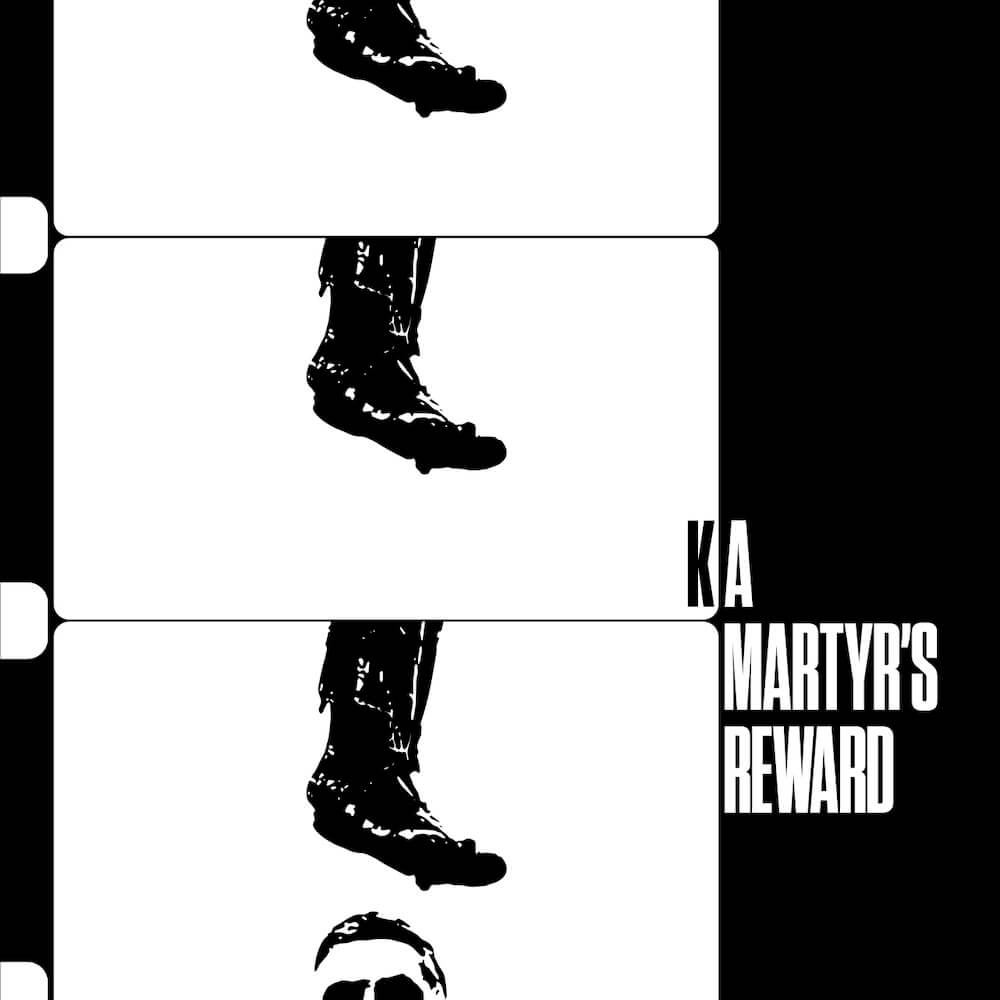
Following Descendants of Cain, one of the strongest Hip Hop albums of 2020, Ka returned with another deeply introspective work. A Martyr’s Reward continues a remarkable run that includes The Night’s Gambit and Honor Killed the Samurai, drawing on the Brownsville MC and producer’s gift for turning difficult truths into tightly constructed poetry. His writing is as intricate as ever, full of internal rhymes, layered metaphors, and stark images that reveal new meanings with repeated listens.
This time, Ka turns the focus particularly close to home. Personal history, sacrifice, loyalty, and the consequences of a life shaped by difficult choices run through the album, giving his reflections an intimate quality. He rarely spells everything out. Instead, he presents fragments of memory and hard-earned observations, leaving listeners to connect the pieces. His hushed, gravelly delivery adds to the sense of someone weighing every word before letting it go.
The production is characteristically restrained. Sparse percussion, muted samples, and brooding instrumental passages create a somber atmosphere without competing with the writing. Ka understands how little a beat needs when the words carry this much weight. The arrangements give his measured flow space to breathe, while subtle musical details gradually emerge over repeated plays.
Ka’s approach demands patience, and listeners looking for immediate hooks or conventional song structures may struggle to connect. For those drawn to atmospheric production and densely layered lyricism, however, A Martyr’s Reward offers plenty to explore. Personal, quietly devastating, and crafted with extraordinary care, it belongs among the finest entries in an exceptional catalog.
26. Boldy James & The Alchemist - Bo Jackson (2021)
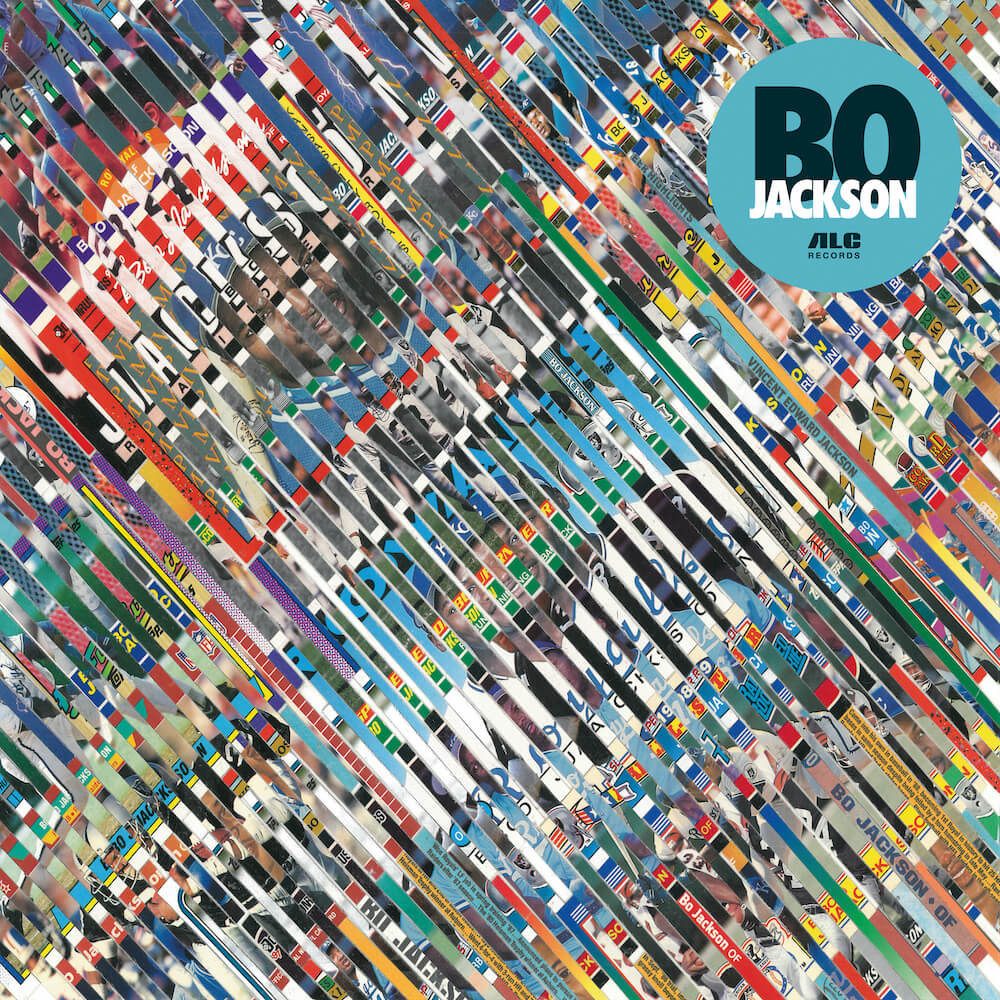
Boldy James and The Alchemist had already struck gold with The Price of Tea in China in 2020, but their third full-length collaboration might be the strongest of their partnership. Following their earlier My 1st Chemistry Set, Bo Jackson finds the Detroit MC and the veteran producer working with remarkable precision. Boldy’s measured, deadpan delivery suits Alchemist’s murky loops and understated drums, giving his detailed street narratives an almost cinematic quality. His writing is economical, but the stories are vivid, full of paranoia, hard choices, and the everyday calculations of survival.
The Alchemist’s production is exceptional throughout. The haunting boom-bap of opener “Double Hockey Sticks” establishes the mood immediately, while “Brickmile to Montana,” “E.P.M.D.,” and “Illegal Search & Seizure” find different ways to build tension from carefully chosen samples and rugged percussion. “Photographic Memories,” featuring Earl Sweatshirt, shifts into more reflective territory, with Earl’s introspective style complementing Boldy’s restrained storytelling. Other guests, including Benny the Butcher, Roc Marciano, Stove God Cooks, Curren$y, and Freddie Gibbs, fit naturally into the album’s shadowy world without disrupting its atmosphere.
The real strength of Bo Jackson is its consistency. “First 48 Freestyle,” “Fake Flowers,” and “3rd Person” are further highlights on a tracklist with remarkably few dips in quality. Alchemist gives Boldy the ideal setting for his clipped, detail-heavy narratives, while Boldy brings enough personality and precision to make every beat count.
After a prolific 2020 that included The Price of Tea in China and Manger on McNichols, Boldy James continued his extraordinary run here. Bo Jackson is grimy, controlled, and richly detailed, another outstanding collaboration from two artists whose creative chemistry seems almost effortless.
27. Marlowe - Marlowe 3 (2022)

Some producer-MC partnerships work because the two artists share a familiar musical language. Marlowe thrive on something stranger. Producer L’Orange builds dusty, psychedelic beats from obscure samples, warped melodies, and chopped-up fragments, while Solemn Brigham attacks them with a restless, unpredictable flow that seems to twist around every change in rhythm. Their styles shouldn’t necessarily fit together this naturally, but three albums in, the chemistry remains extraordinary.
Marlowe (2018) was one of the most overlooked Hip Hop albums of its year, and Marlowe 2 ranked among our favorites of 2020. The third installment maintains that standard without relying on a simple repeat of the formula. L’Orange’s production is still the main attraction, full of odd musical details and murky textures that reveal themselves gradually. Brigham, meanwhile, has developed into one of underground rap’s most distinctive voices. His cadence can sound jagged and unpredictable, but there’s real technical control beneath the eccentric delivery, along with a personality that keeps the songs from becoming exercises in style.
The appeal of Marlowe lies in the tension between the two. L’Orange’s beats are carefully assembled but often disorienting, while Brigham sounds as if he’s constantly finding new ways to move through them. Neither artist needs to smooth out their quirks to meet the other halfway.
Alongside Run The Jewels, Marlowe have made a strong case for the producer-MC series as one of contemporary Hip Hop’s most rewarding formats. Marlowe 3 extends an exceptional run, delivering another distinctive dose of left-field boom-bap from a duo that has carved out a sound entirely its own.
28. Roc Marciano & The Alchemist - The Elephant Man's Bones (2022)
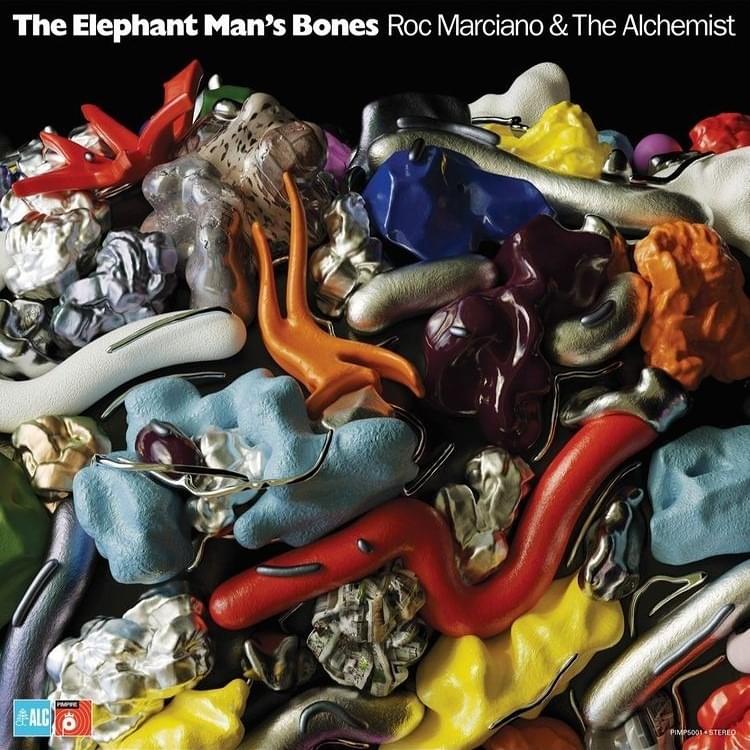
Roc Marciano helped lay the groundwork for a whole strain of underground Hip Hop when Marcberg arrived in 2010, pairing mafioso rap’s intricate criminal narratives with murky, stripped-back production. A decade later, his influence is all over the work of Griselda and countless artists who followed his lead. On The Elephant Man’s Bones, Roc joins forces with The Alchemist for a full album that sounds like the culmination of years spent refining this particular art.
Alchemist’s production is the perfect match for Roc’s sly, intricately layered writing. He moves between drumless passages and hard, knocking beats, building a hazy, cinematic atmosphere from soulful fragments, eerie samples, and bass-heavy loops. The music has a luxurious quality, but there’s always something sinister lurking beneath the surface. Roc glides through it all with his familiar unhurried delivery, packing his verses with elaborate wordplay, obscure references, and casually delivered threats. He makes criminal life sound like a private world with its own codes and rituals.
The guest appearances add welcome variations in tone. Boldy James is a natural fit for the album’s cold-blooded atmosphere, while Knowledge the Pirate brings a compelling presence to his contributions. Action Bronson adds personality, and Ice-T’s brief storytelling interludes on “The Horns of Abraxas” bring a touch of old-school menace without interrupting the album’s flow.
Across fourteen tracks, Roc and Alchemist maintain a remarkably consistent mood without letting the music become interchangeable. The production is rich enough to reward close listening, and Roc’s verses reveal new details with each return. The Elephant Man’s Bones ranks among Roc Marciano’s finest albums and another major achievement in The Alchemist’s extraordinary run. A modern street-rap classic, made by two artists who understand exactly how much atmosphere a great record needs.
29. Skyzoo - Keep Me Company (2024)

Skyzoo has spent his career making detailed storytelling and intricate lyricism look effortless. On Keep Me Company, the Brooklyn MC turns inward, reflecting on family, responsibility, memory, and the passage of time over a warm, jazz-inflected backdrop. There’s no attempt to chase contemporary trends or manufacture a grand artistic reinvention. Skyzoo sounds like a veteran who knows his strengths and has plenty left to say, with the patience to let his stories unfold at their own pace.
“Community Service” opens with swirling horns and a steady groove, setting up an album concerned with the ties that hold communities together. “Finder’s Keepers” and “Home Away From Home” pair lush instrumentation with observations about ambition, belonging, and the places that shape us. Skyzoo’s conversational delivery can make even intricate rhyme schemes sound like natural speech, a quality that serves his writing particularly well here. On “Drug Free School Zone,” the production strips back to put his reflections on survival and responsibility front and center. Chuck D’s appearance on “Courtesy Call” adds a commanding voice to the album’s meditations on choices and consequences.
There are lighter touches, too. “Record Store Day” turns vinyl culture into an engaging story about nostalgia and fleeting connections, while “Sleeping Beauty” and “Wins of the Father” offer more personal glimpses into Skyzoo’s family life. The eight-minute closer, “Jazz in the Projects,” brings the album’s concerns together through vivid scenes of struggle, growth, and hard-earned perspective.
Keep Me Company succeeds through its specificity. Skyzoo finds meaning in ordinary encounters and personal memories, while the jazz-heavy production gives his stories a lived-in warmth. A thoughtful, beautifully crafted album from one of underground Hip Hop’s most dependable storytellers.
30. Armand Hammer - Mercy (2025)

Armand Hammer and The Alchemist reunited for Mercy, their second full-length collaboration after Haram (2021). Where their first album together favored abrasive samples and unpredictable arrangements, this one takes a more economical approach. The Alchemist builds tracks around carefully selected loops, understated percussion, and unusual melodic details, giving billy woods and Elucid plenty of room to develop their intricate verses. Compared to the restless experimentation of We Buy Diabetic Test Strips, Mercy is a tighter, more deliberate record.
“Laraaji” opens with faint guitar and slow drums, introducing the contrasting approaches that make Armand Hammer such a compelling partnership. woods delivers fragmented narratives packed with historical references and pointed observations, while Elucid moves through his verses with a looser, more unpredictable cadence. “Nil by Mouth” examines moral decay and desensitization, and the heavy percussion on “Scandinavia” gives the duo a particularly forceful backdrop. Cleo Reed’s gospel-inflected vocals on “Calypso Gene” provide a striking change of pace, bringing a soulful dimension to the album’s recurring questions about faith and survival.
Earl Sweatshirt and Pink Siifu make valuable contributions, while tracks such as “California Games” and “Crisis Phone” demonstrate The Alchemist’s range, moving from flute-driven arrangements to minimal, sample-based compositions. The closing “Super Nintendo” uses a nostalgic synth figure as the foundation for another densely written exchange.
What makes Mercy particularly rewarding is the interaction between its three principal artists. The Alchemist knows when to introduce an unexpected musical element and when to leave a loop alone, while woods and Elucid approach similar subjects from distinctly different angles. Their writing is full of connections that become apparent only after repeated listens. Another excellent Armand Hammer album, and a worthy successor to Haram.
31. Apollo Brown & Planet Asia - Sardines (2023)

Six years after Anchovies, Apollo Brown and Planet Asia returned with Sardines, another excellent collaboration built around the fundamentals of sample-based Hip Hop. Brown’s production is stripped down but full of character, pairing thick basslines and crisp drums with carefully selected soul and jazz samples. Planet Asia sounds completely at home over these beats, delivering his usual combination of intricate rhymes, street wisdom, humor, and casually dismissive boasts.
The chemistry was already firmly established on Anchovies, but Sardines arguably improves on that album. Brown introduces more jazz influences into his familiar soul-heavy production, giving the music a slightly different character without abandoning the minimalist approach that made their first collaboration so effective. Planet Asia responds with commanding performances throughout, his relaxed confidence and unpredictable wordplay keeping even the simplest arrangements interesting.
“Get the Dough,” “Wide Awake,” and “Peas and Onions” are among the highlights, each demonstrating how much these two can accomplish with a well-chosen loop and a rapper who knows exactly what to do with it. Guest appearances from Sick Jacken, TriState, Marv Won, and Ty Farris bring additional personality, fitting comfortably into the album’s traditional boom-bap framework.
At a little over 45 minutes, Sardines also benefits from being conceived as a proper full-length album. The sequencing works, the production maintains a consistent identity, and Planet Asia never runs short of interesting things to say. There are no concessions to current trends, and none are needed. Two underground veterans doing what they do best, with enough imagination and attention to detail to make Sardines one of the strongest boom-bap albums of 2023.
32. Larry June & The Alchemist - The Great Escape (2023)

Larry June’s laid-back delivery and The Alchemist’s sample-driven production turn out to be an inspired combination on The Great Escape. The San Francisco rapper had already built an impressive catalog of independent releases, but this collaboration brought out something extra in his music. Alchemist supplies a luxurious collection of soulful loops, warm basslines, and crisp drums, perfectly suited to June’s conversational flow and unhurried observations about money, business, relationships, and everyday life.
June has never been a rapper who relies on elaborate rhyme schemes or aggressive delivery. His appeal lies in his personality, easy confidence, and ability to make ordinary details entertaining. Alchemist understands this, providing beats that complement his understated approach without demanding a change in style. The production draws heavily on vintage soul, with occasional jazz influences and subtle instrumental flourishes that give each track its own identity.
The extensive guest list includes Action Bronson, Boldy James, Evidence, Curren$y, Joey Bada$$, Big Sean, Slum Village, Wiz Khalifa, Jay Worthy, and Ty Dolla $ign. Their different approaches introduce welcome variety, while June remains the album’s unmistakable center of attention.
Fifteen tracks across 45 minutes, with no unnecessary skits or filler, make The Great Escape an unusually satisfying front-to-back listen. The sequencing is excellent, the cover art perfectly captures the record’s relaxed sophistication, and the chemistry between rapper and producer never falters. Arguably Larry June’s finest album, and another outstanding addition to The Alchemist’s extensive catalog of collaborations.
33. Saba & No I.D. - From The Private Collection Of Saba And No I.D. (2025)
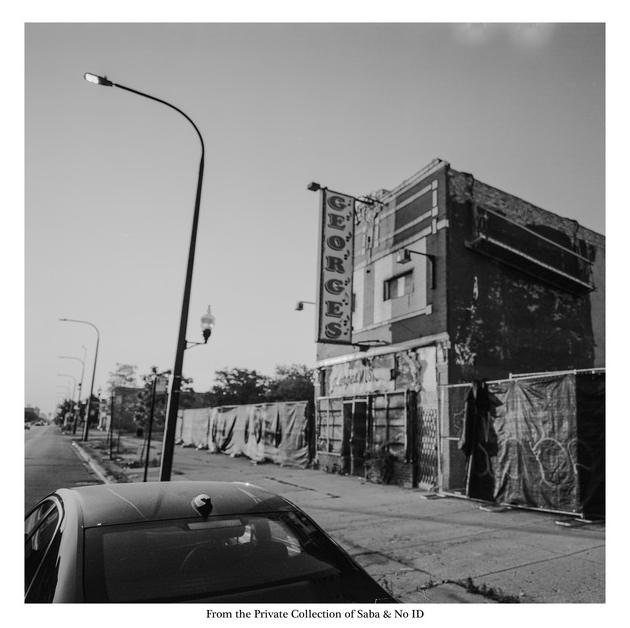
Chicago Hip Hop connects two generations on From The Private Collection Of Saba And No I.D., a collaboration years in the making. No I.D., whose production helped shape the city’s rap identity during the 1990s, brings his considerable experience to a partnership with one of Chicago’s most accomplished contemporary MCs. What began as a mixtape gradually developed into a full-length album, and the extended creative process pays off. No I.D.’s soul, jazz, and funk influences provide an excellent foundation for Saba’s agile flows, detailed storytelling, and thoughtful lyricism.
“Every Painting Has A Price” finds Saba examining personal memories over intricately layered samples, while “head.rap” turns the seemingly simple subject of hairstyles into an engaging reflection on identity and self-expression. His conversational delivery allows him to move between playful observations and serious subjects without forcing the transitions. No I.D. matches that versatility with production that draws on classic Hip Hop traditions while introducing plenty of unexpected rhythmic and melodic touches.
The guests are well chosen. Raphael Saadiq and Kelly Rowland bring soulful vocals to “Crash,” while Ibeyi adds a distinctive presence to “Reciprocity.” Frsh Waters and Smino contribute to the album’s collaborative character. Elsewhere, the jagged guitar sample on “Stomping” provides a welcome change in musical direction, and “30secchop” and “How To Impress God” give Saba room to explore weightier subjects.
The strongest quality of From The Private Collection is how naturally these two artists complement each other. No I.D.’s production is rich in musical detail, with inventive sample work and drums that give the songs plenty of movement. Saba navigates the arrangements with impressive technical control, bringing humor, vulnerability, and sharp observations to his verses. An excellent meeting of Chicago Hip Hop generations, with a veteran producer and a gifted younger MC bringing out the best in each other.
34. Danny Brown - Quaranta (2023)

Danny Brown has spent much of his career balancing outrageous humor, self-destructive behavior, and startlingly honest accounts of addiction and personal turmoil. On Quaranta, he examines the consequences with a clarity rarely heard in his earlier work. Conceived as a spiritual successor to his 2011 breakthrough XXX, the album finds Brown approaching middle age with plenty of regrets, hard-earned perspective, and a growing desire to leave his destructive habits behind.
His famously abrasive, high-pitched delivery still makes appearances, particularly on the frantic “Dark Sword Angel” and the industrial chaos of “Tantor,” but much of Quaranta features Brown rapping in his lower, conversational register. The title track opens with guitar-driven production and reflections on his troubled past, while “Down Wit It” offers one of his most vulnerable performances, examining a deteriorating relationship with painful honesty. “Celibate” pairs reflective writing with gentle piano, and “Hanami” closes the album on a contemplative note.
The production remains adventurous, moving between distorted electronics, unconventional rhythms, and surprisingly delicate arrangements. “Jenn’s Terrific Vacation” brings some of Brown’s familiar manic energy, while other tracks give his words considerably more breathing room. The contrast works because Brown has always been capable of serious, perceptive writing beneath the exaggerated vocal performances.
The second half occasionally loses some momentum, and listeners hoping for another Atrocity Exhibition may miss that album’s relentless intensity. Still, Quaranta offers something equally worthwhile: a remarkably gifted rapper confronting his own history without hiding behind the outrageous persona that made him famous. One of Brown’s most personal and revealing records, and another excellent addition to an exceptional discography.
35. Nas - King's Disease III (2022)
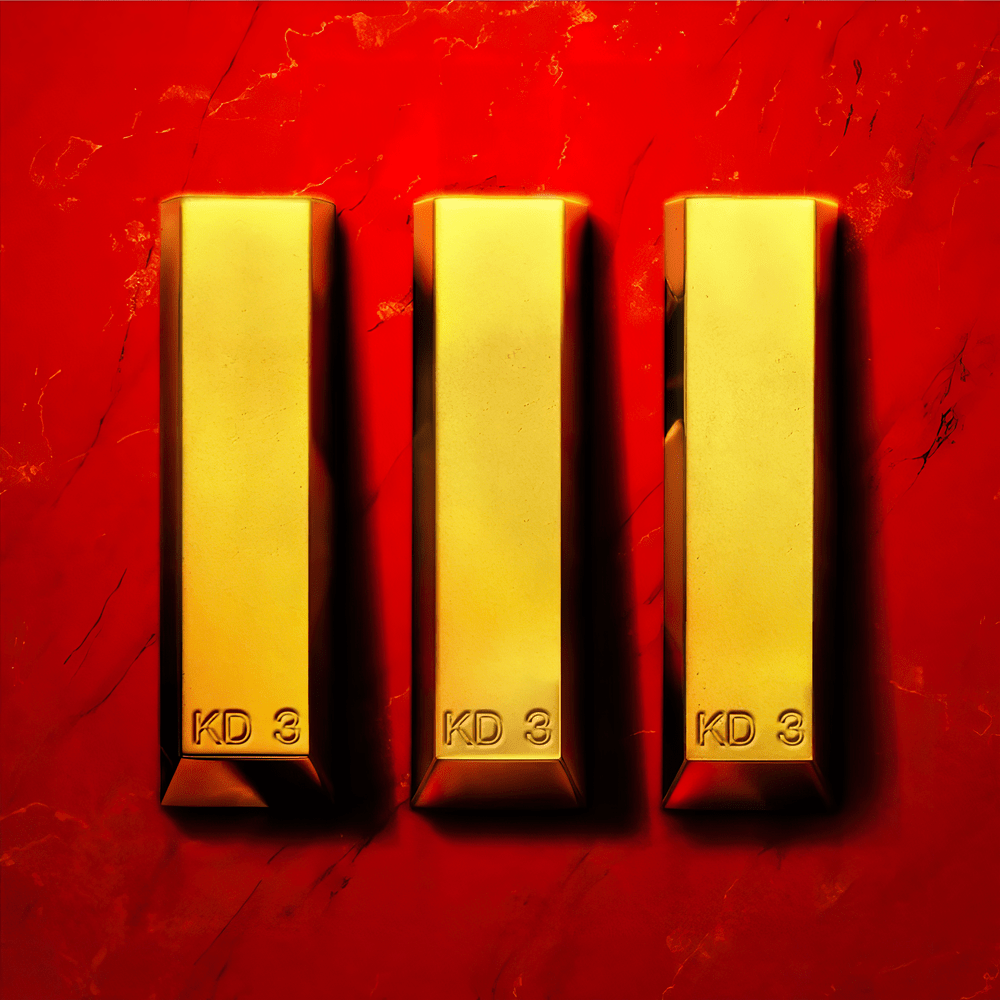
The King’s Disease series has been an uneven run, in part because Hit-Boy’s polished production and occasional pop-rap detours haven’t always suited Nas. The first installment had its share of awkward guest appearances, while King’s Disease II improved on the formula without entirely escaping the same problems. On King’s Disease III, Nas and Hit-Boy finally get everything in sync. With no guest rappers to interrupt the flow, the album gives one of Hip Hop’s greatest writers an uninterrupted 17-track run, and the result is the strongest entry in the trilogy.
Hit-Boy retains his clean, contemporary production style, but there’s more grit in the beats this time around. Soulful samples, hard drums, and touches of classic boom-bap give Nas a comfortable setting for his intricate rhyme schemes and vivid storytelling. “Ghetto Reporter,” “Thun,” and “Michael & Quincy” find him reflecting on longevity, success, and the lessons accumulated over decades in the game. “30” is a particularly effective moment of self-assessment, with Nas looking back on his career while making it clear he has no intention of slowing down.
“Hood2Hood” is a rare stumble, but the rest of the album maintains a strong level of quality. Nas sounds focused and hungry, shifting between street narratives, personal reflections, and confident displays of lyrical skill without relying on nostalgia to make his case.
By removing the guest features and tightening the musical partnership, King’s Disease III delivers the most cohesive album of the trilogy. It also ranks among Nas’s finest full-length releases since Life Is Good. Decades into his career, he remains sharp, relevant, and capable of matching his legacy with compelling new work.
36. McKinley Dixon - For My Mama And Anyone Who Look Like Her (2021)

Grief, inherited trauma, and the struggle to make sense of Black life run through McKinley Dixon’s For My Mama And Anyone Who Look Like Her, the Richmond rapper’s third album and the conclusion of a trilogy that began with Who Taught You To Hate Yourself? (2016). Dixon approaches these subjects through personal stories that connect individual pain to a broader historical experience, searching for ways to understand the past while making room for a different future. The writing is intimate and emotionally direct, with a poetic sensibility that never loses sight of the people behind the larger ideas.
Musically, Dixon draws from Hip Hop, jazz, and experimental music, using restless arrangements to match the intensity of his storytelling. “Chain Sooo Heavy” launches the album with frantic free-jazz instrumentation, creating an immediate sense of urgency. Elsewhere, shifting rhythms and layered instrumentation give his verses room to move between memory, anger, sorrow, and hard-won hope. The closing track, “Twist My Hair,” takes a more reflective approach, bringing the album to a moving conclusion without pretending that its underlying struggles have been resolved.
Listeners may hear echoes of Kendrick Lamar’s To Pimp A Butterfly or the intricate writing of Lupe Fiasco, but Dixon has his own perspective and a distinctive way of connecting personal experience with collective history. His delivery can be impassioned and densely packed, while the arrangements demand attention without reducing the songs to technical exercises.
For My Mama And Anyone Who Look Like Her is an ambitious, deeply felt work that treats grief as something to be examined, shared, and lived through. Dixon turns difficult questions about identity, history, and survival into compelling music. One of the most striking independent Hip Hop albums of 2021, and a major achievement from an artist with a singular voice.
37. Mobb Deep - Infinite (2025)
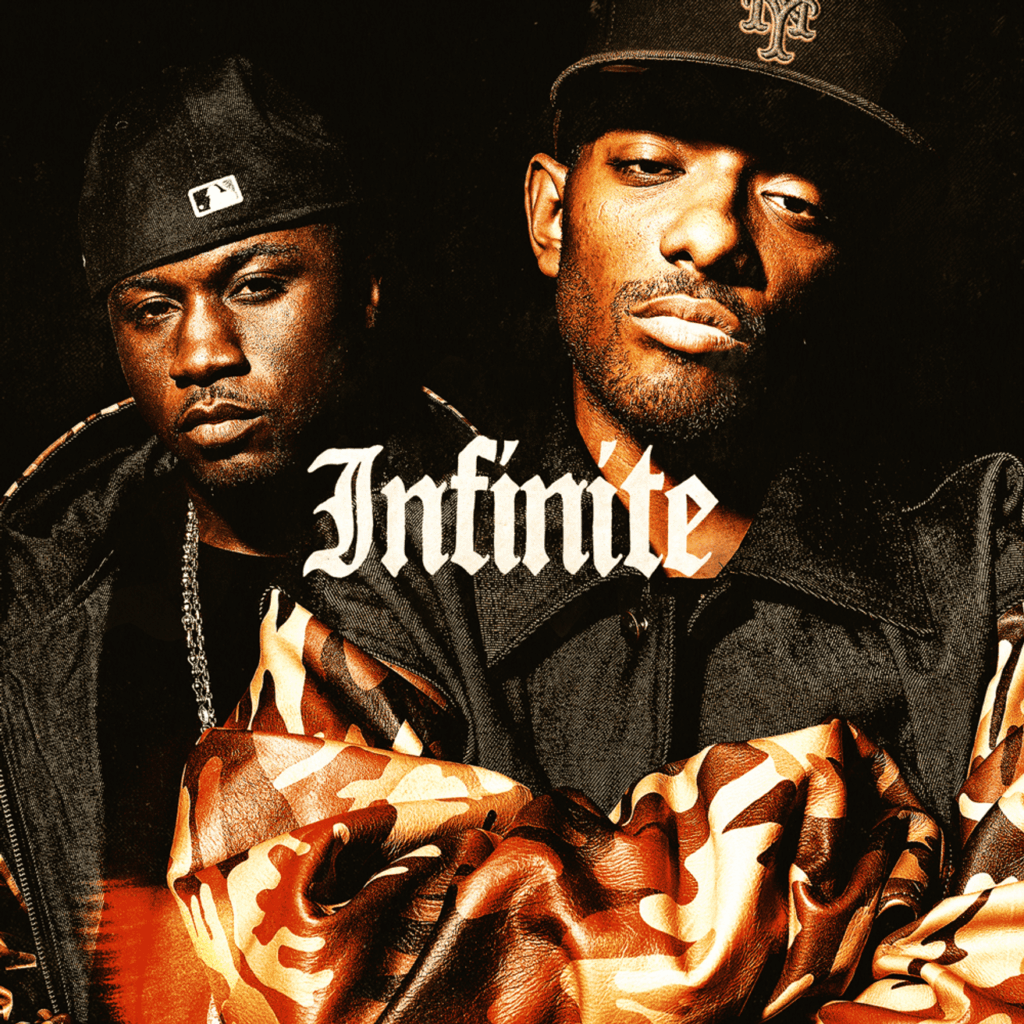
As the fourth installment in Nas and Mass Appeal’s Legend Has It series, Mobb Deep’s Infinite carries an emotional weight few posthumous Hip Hop albums can match. The first full-length from Havoc and Prodigy’s partnership since 2014, and the first released after Prodigy’s death in 2017, it brings together unreleased verses from the late Queensbridge MC with new production from Havoc and The Alchemist. The result honors Mobb Deep’s legacy without relying solely on nostalgia, reconnecting with the bleak street narratives and menacing beats that defined The Infamous and Hell on Earth.
Havoc remains in his element, building tracks around eerie piano figures, hard drums, and bass-heavy loops. The Alchemist contributes four productions that fit naturally into the album’s musical framework. “Against the World” opens with a tense instrumental as Prodigy and Havoc trade lines, while “Mr. Magik” and “Score Points” bring back the duo’s familiar mix of cold-blooded detail and understated menace.
The guest appearances add welcome variety. Nas appears three times, with “Pour the Henny” particularly affecting as he reflects on mortality and the passing of peers. Raekwon and Ghostface Killah bring their chemistry to “Clear Black Nights,” while Clipse provide a sharp contrast on “Look at Me.” Big Noyd adds a dose of Queensbridge authenticity to “The M. The O. The B. The B.”
Some hooks lack the force of the verses, and occasional production choices sound cleaner than Mobb Deep’s classic recordings. Still, the material has genuine substance. Prodigy’s distinctive delivery and cutting observations remain unmistakable, while Havoc approaches the project with a clear understanding of what made their partnership special.
Infinite cannot replace the classics, nor does it need to. It offers a dignified final chapter for one of East Coast Hip Hop’s defining groups, preserving Prodigy’s voice while giving Havoc room to carry their shared legacy forward.
38. Apollo Brown & Philmore Greene - Cost Of Living (2022)

Philmore Greene’s Cost Of Living opens with a question that hangs over the entire album: what does it take to survive in a world stacked against you? The Chicago MC has spent years turning his experiences into thoughtful street poetry, but this collaboration with Apollo Brown gives his writing a particularly compelling setting. Greene grew up on Chicago’s West Side, where violence and loss shaped his early life. Those experiences inform these songs without reducing them to tales of hardship. His writing also examines responsibility, faith, personal growth, and the complicated emotions that come with escaping circumstances others never survive.
Apollo Brown provides the ideal musical backdrop, drawing on tense strings, soulful samples, and hard-hitting drums. His production has a cinematic quality that suits Greene’s detailed storytelling, giving individual scenes room to develop. On “Paradise,” featuring Evidence, Greene paints a vivid portrait of Chicago, exposing the contradictions of a society where punishment and justice rarely seem to follow the same rules. “This Is Me” is even more personal, confronting inner turmoil and the lasting effects of painful experiences.
Greene’s measured flow and mature perspective make the album compelling from beginning to end. He avoids easy answers, acknowledging the damage done by his surroundings while holding on to the possibility of something better. Brown’s beats reinforce the emotional weight of the writing without overwhelming it.
Greene had already made an impression with Chicago: A Third World City, but Cost Of Living deserves to introduce him to a much wider audience. It also belongs among Apollo Brown’s finest collaborations, alongside Sincerely, Detroit and As God Intended. A deeply affecting portrait of survival and perseverance, and one of 2022’s strongest Hip Hop albums.
39. Ka - Descendants Of Cain (2020)
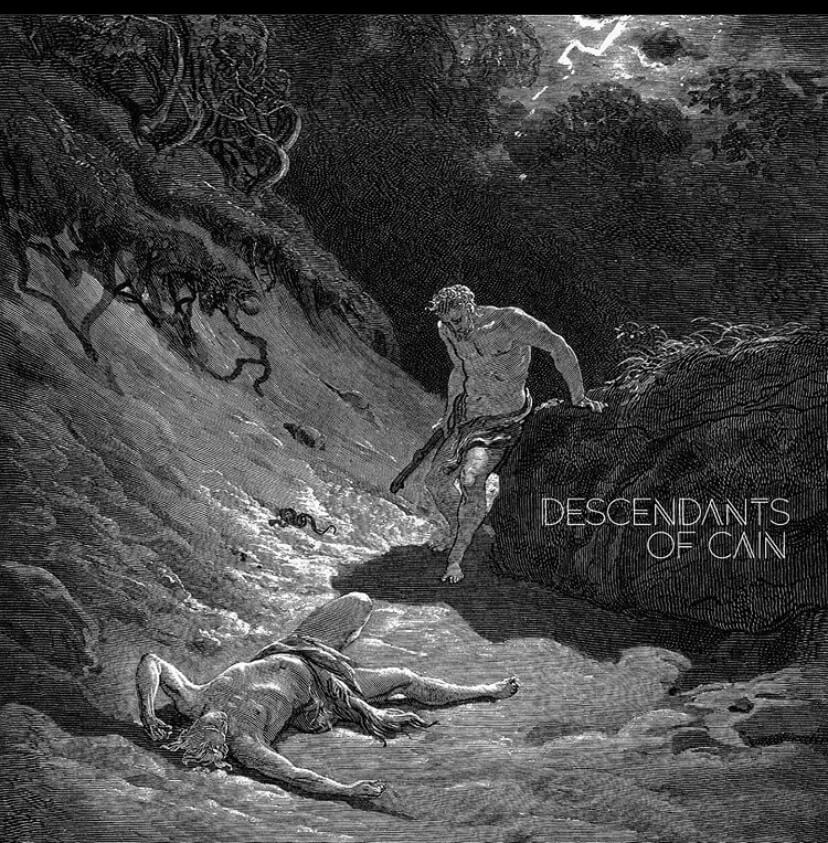
Ka had already established himself as one of underground Hip Hop’s most distinctive writers with The Night’s Gambit and Honor Killed The Samurai. On Descendants Of Cain, his first album under the Ka name since 2016, he builds another intricate body of work around biblical imagery, moral contradictions, and the realities of growing up in Brownsville, Brooklyn. The title and song names establish the religious framework, but Ka uses these references to examine human behavior, violence, loyalty, and the choices people make when survival takes precedence over virtue.
His writing is dense with metaphors, internal rhymes, and carefully chosen details. Biblical stories and street-level experience occupy the same verses, often revealing uncomfortable parallels between ancient moral conflicts and contemporary life. Ka rarely explains his meaning outright. Instead, he leaves connections for the listener to discover over repeated listens, giving the album considerable depth without sacrificing its emotional force.
Ka, Preservation, Animoss, and Roc Marciano handle the production with the same care as the writing. Sparse percussion, muted samples, and haunting melodic fragments create room for Ka’s hushed, gravelly delivery. Each instrumental contributes to the album’s identity without distracting from the lyrics, and the sequencing gives the project a natural progression despite its understated arrangements.
Ka’s music has always demanded patience and intellectual investment. His restrained delivery and minimalist beats offer little in the way of conventional hooks, but listeners willing to engage with his approach will find remarkable detail beneath the surface. Descendants Of Cain continues the extraordinary run that began with The Night’s Gambit and reached another peak on Honor Killed The Samurai. A hypnotic, meticulously constructed work from one of underground rap’s finest lyricists.
40. Sa-Roc - The Sharecropper's Daughter (2020)
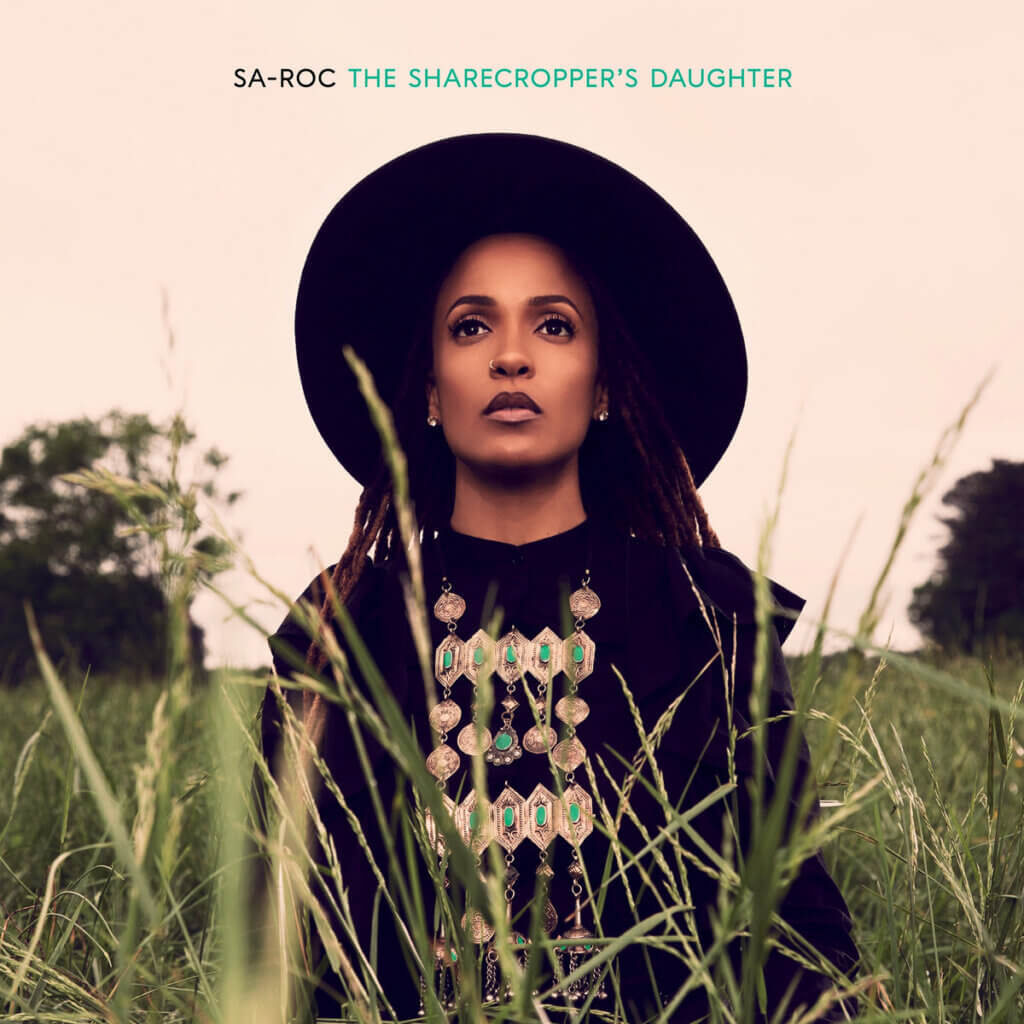
Sa-Roc had spent years building an impressive catalog before signing with Rhymesayers, with Nebuchadnezzar (2014) among the highlights. The Sharecropper’s Daughter, her long-awaited label debut, finally gave the Washington, D.C.-born, Atlanta-based MC a larger platform. The album’s title draws on her father’s childhood working on a Virginia tobacco farm, connecting his experiences under Jim Crow segregation with her own upbringing amid the consequences of the War on Drugs. Sa-Roc explores how racial oppression, family history, and inherited trauma shape successive generations, while leaving room for resilience and self-determination.
Sol Messiah handles nearly all the production, delivering soulful, musically rich boom-bap that complements Sa-Roc’s commanding delivery and intricate writing. She moves effortlessly between tightly constructed rhyme schemes, forceful declarations, and melodic passages, demonstrating an impressive range without losing her lyrical focus. “Forever” champions self-worth, while “Deliverance,” produced by Evidence and co-produced by Al B Smoov, offers another compelling display of her technical skill.
The guest list is small but formidable. Styles P, Saul Williams, Ledisi, and Chronixx each bring something distinctive, while “The Black Renaissance” is the standout. Sa-Roc and Black Thought trade densely packed verses with remarkable precision, their final exchange providing one of the album’s most memorable moments.
Across 15 tracks, The Sharecropper’s Daughter maintains an impressive level of quality, balancing socially conscious writing with excellent musicianship and genuine emotional conviction. Sa-Roc had been deserving of wider recognition for years. This is the album that should have brought her to a much larger audience, and one of 2020’s finest releases.
41. Skyzoo - All The Brilliant Things (2021)

Skyzoo has built one of the most consistent catalogs in contemporary Hip Hop, and All The Brilliant Things gives us another strong argument for his place among the finest lyricists of his generation. From The Salvation and A Dream Deferred to The Easy Truth with Apollo Brown and Retropolitan with Pete Rock, the Brooklyn MC has repeatedly delivered thoughtful writing over production rooted in classic East Coast traditions. This album belongs comfortably alongside those high points, with a case for being one of his very best.
The music leans into elegant, jazz-inflected boom-bap, pairing warm instrumentation with crisp drums and arrangements that reward close listening. Skyzoo meets the production with the intricate rhyme schemes, vivid details, and measured delivery that have long distinguished his work. His writing moves between personal reflection, observations about the world around him, and the hard-earned perspective of an artist who has spent years refining his craft. There is no need for flashy gimmicks when the bars and beats are this strong.
A well-chosen roster of guests adds color without pulling attention away from the album’s central voice. BJ The Chicago Kid, Raheem DeVaughn, Blakk Soul, and Monica Blaire bring soulful vocals, while Ill Al Skratch and the Hypnotic Brass Ensemble add welcome variety to the arrangements. Karriem Riggins also contributes to the album’s rich musical character.
All The Brilliant Things is a carefully crafted record from an MC who understands the enduring appeal of great writing and great production. Skyzoo makes it look easy, delivering another excellent album that rewards listeners who value substance, musicianship, and lyrical precision.
42. JID - The Forever Story (2022)

Four years after DiCaprio 2, JID returned with The Forever Story, an album that builds on the promise of The Never Story while offering a deeper look at the Atlanta rapper’s family history and upbringing. The title and cover art connect it to his 2017 debut, but this is a more expansive work, with personal storytelling adding substance to the technical fireworks that have always distinguished his music.
JID’s greatest asset is his ability to change gears without losing control. He switches between rapid-fire rhyme patterns, intricate internal rhymes, melodic hooks, and more conversational passages, adapting his delivery to a constantly shifting musical backdrop. Trap-heavy bangers, neo-soul arrangements, and hard-edged boom-bap all find their place across the hour-long album. Despite contributions from a wide range of producers, the transitions rarely feel forced, and the variety keeps the record moving.
The personal material gives the technical displays added weight. JID reflects on his parents, his siblings, and the circumstances that shaped his early life, turning family history into some of the album’s most affecting writing. “Dance Now” balances philosophical reflections with an infectious groove, while “Crack Sandwich” recounts a family altercation with vivid detail and sharp humor. “Surround Sound” delivers immediate impact, and “Kody Blu 31” brings a soulful, gospel-inflected warmth to the album. Guest appearances from 21 Savage, Lil Wayne, Yasiin Bey, Ari Lennox, and EARTHGANG add distinct voices without overshadowing JID.
The Forever Story succeeds on technical skill, musical range, and personal perspective. JID can make intricate rapping sound effortless, but the album’s strongest moments come when that ability serves a story worth telling. His finest work to date, and one of 2022’s standout Hip Hop releases.
43. Blu & Exile - Miles (2020)

Thirteen years after Below The Heavens, Blu and Exile reunited for Miles, an expansive double album that draws on jazz history, personal memories, and the musical traditions that shaped them. Named after Miles Davis, the record contains numerous references to jazz greats and other influential artists, placing Blu’s reflections on his upbringing and life within a broader musical lineage. Their last full-length collaboration, Give Me My Flowers While I Can Still Smell Them (2012), never quite reached the heights of their debut. This time, the chemistry is much closer to its former peak.
Blu’s writing is the main attraction. At his best, he combines conversational storytelling with intricate rhymes, thoughtful social commentary, and a genuine sense of curiosity about the world around him. His performance here is remarkably consistent, moving between personal recollections and wider reflections on Black history, artistic influence, and everyday struggles. Exile provides a warm, jazz-informed backdrop, built around soulful samples, live instrumentation, and understated rhythms that leave room for Blu’s words.
Ninety-five minutes is a considerable commitment, but Miles sustains its appeal far better than most double albums. “When The Gods Meet,” “True & Livin’,” “Spread Sunshine,” and “The End” are among the highlights, while “Miles Davis” makes the album’s musical inspirations particularly explicit. A lengthy guest list, including Aloe Blacc, Fashawn, Miguel, Aceyalone, and members of the Dag Savage collective, brings welcome changes in voice and perspective without taking the focus away from the duo.
Miles may not surpass the extraordinary achievement of Below The Heavens, but it comes closer than many would have expected. Exile’s thoughtful production and Blu’s renewed lyrical focus make this a rich, rewarding return from one of independent Hip Hop’s most enduring partnerships.
44. Lewis Parker - Frequency Of Perception (2021)

Lewis Parker has spent decades refining a style rooted in the craftsmanship of 1990s Hip Hop. The London-born producer and MC handles the beats and rhymes on Frequency Of Perception, delivering an album that draws on classic boom-bap without relying on nostalgia alone. His production favors dusty samples, crisp drums, and carefully assembled loops, with a musicality that recalls the jazz and soul influences at the heart of his work.
Parker’s approach is understated and assured. His rhymes focus on everyday observations, personal perspective, and the culture that shaped him, delivered with the calm precision of a veteran who understands his strengths. The beats are given room to breathe, but they rarely lack detail; subtle changes in the samples and arrangements keep the music engaging across an album that runs for more than an hour.
The guest list reinforces the record’s connection to independent Hip Hop’s underground tradition. Eloh Kush, John Robinson, Planet Asia, Lil Dap, Killa Sha, and T.R.A.C. are among those who contribute, bringing different voices to Parker’s carefully maintained aesthetic. Their appearances add variety while preserving the album’s coherent identity.
There is no attempt to chase contemporary trends on Frequency Of Perception. Parker sticks to the principles that have guided his career, combining thoughtful lyricism with finely crafted production. The result is a mature, musically rich album that rewards listeners who appreciate the details of traditional boom-bap and the work of an artist who treats Hip Hop as a craft.
45. Ka - Languish Arts / Woeful Studies (2022)

Ka released Languish Arts and Woeful Studies as separate projects in 2022, but the musical connection between them makes a strong case for treating them as a double album. The closing instrumental of Languish Arts introduces a flute motif that reappears at the start of Woeful Studies, linking the two halves into a continuous work. Together, they offer close to an hour of music, with Ka handling most of the production and bringing his singular approach to writing into focus once again.
Ka’s verses demand attention. His densely packed internal rhymes, carefully chosen words, and layered metaphors often compress entire moral arguments into a few lines. Biblical references, street wisdom, historical allusions, and reflections on human frailty intertwine without easy explanations. The writing rewards repeated listens, as connections between seemingly unrelated images gradually emerge. Even when the full meaning remains elusive, the cadence and precision of his delivery give the verses a hypnotic pull.
The largely drumless production is central to the experience. Sparse samples, subdued melodies, and understated arrangements leave space for Ka’s low, measured voice. Fans of Roc Marciano’s minimalist approach will recognize some common ground, while Ka’s writing reaches a level of poetic density few rappers can match.
Neither album needs conventional hooks or dramatic shifts to hold attention. Their strength lies in the cumulative effect of the writing and music, with the transition between projects reinforcing the sense of a single, carefully assembled statement. Taken together, Languish Arts and Woeful Studies rank among the finest entries in Ka’s remarkable catalog.
46. Kool Keith & Real Bad Man - Serpent (2023)

Kool Keith has spent more than three decades operating according to his own rules. Since his groundbreaking work with Ultramagnetic MCs on Critical Beatdown, he has built a sprawling catalog around surreal imagery, unpredictable vocal performances, and lyrical detours that can be funny, unsettling, or completely bewildering. The sheer volume of his output makes quality control an issue, but the best Kool Keith albums remind us why he remains such a singular figure in underground Hip Hop. Serpent is one of his strongest efforts in years, rivaling Feature Magnetic (2016).
Real Bad Man proves an ideal collaborator, supplying sinister, sample-driven beats that give Keith’s eccentric writing a coherent musical setting. The production has a grimy, nocturnal quality, built around ominous loops and hard drums, with enough variation to keep the album moving. Rather than trying to tame Keith’s unpredictability, Real Bad Man gives him room to follow his strangest impulses. Keith sounds engaged throughout, shifting between offbeat observations, bizarre imagery, and the unconventional cadences that have distinguished his work since the 1980s.
Guest appearances from Slug, ZelooperZ, Cool Calm Pete, and Edan bring additional character, while Ice-T appears on two tracks without delivering verses. These contributions add variety without disrupting the central partnership.
Serpent works because producer and MC understand each other’s strengths. Real Bad Man supplies the menacing backdrop, and Keith responds with the kind of left-field lyricism that few rappers would even attempt. It may not rank alongside his most celebrated classics, but it belongs comfortably in the upper tier of his extensive discography.
47. JPEGMAFIA - LP! (2021)

JPEGMAFIA’s music has always thrived on disruption, but his experiments work best when the chaos has direction. We loved the abrasive Veteran (2018), while All My Heroes Are Cornballs (2019) often sounded like provocation for its own sake, with muddled production and vocal performances that did little to offset the noise. LP! corrects course. Peggy retains his taste for fractured electronics, distorted bass, and unexpected samples, but the songs have sharper structures and his performances show greater control.
The production is still gloriously unpredictable. Synths buckle, rhythms switch direction, and familiar musical fragments are twisted into something strange. This time, however, the experimentation serves the songs. JPEGMAFIA sounds energized behind the microphone, shifting between sharp-edged rapping, melodic passages, and eccentric vocal flourishes without losing his grip on the material. The result is an album that remains challenging while giving listeners plenty to latch onto.
Two versions appeared: the Online Version, with samples cleared for commercial release, and the Offline Version, which preserves the original sample choices. The distinction matters. The online edition includes tracks carried over from earlier EPs and rearranges the overall experience, while the offline edition has a more cohesive identity and stronger flow. Its less compromised sampling gives the production additional character, making it our preferred version by a considerable margin.
The Offline Version is JPEGMAFIA at his most fully realized, balancing the abrasive instincts of Veteran with stronger songwriting and a wider musical palette. His sound remains unmistakably his own, but the ideas connect more convincingly here. One of the standout experimental Hip Hop albums of the decade.
48. Redman - Muddy Waters Too (2024)

Nearly three decades after Muddy Waters became one of the defining albums of his career, Redman returned with a sequel that captures much of what made the original so enjoyable. Muddy Waters Too runs 32 tracks and around 80 minutes, an ambitious undertaking for a veteran MC in an era of short releases. Redman has enough personality, humor, and lyrical invention to keep the sprawling project entertaining, even when the abundance of skits and stylistic detours occasionally gets in the way.
The Funk Doc sounds remarkably comfortable behind the microphone. His animated delivery, playful punchlines, and knack for turning outrageous ideas into memorable bars remain intact. “Da Fuck Goin’ On?” makes an immediate impression, while “Don’t You Miss” taps into a soulful New Jersey sound. “Kush,” featuring Snoop Dogg, plays to their shared affinity for laid-back humor, and “Lite It Up” brings together a formidable crew of guests, including Queen Latifah, Naughty by Nature, and Rah Digga.
The production comes from a varied cast that includes Erick Sermon, Rockwilder, Khrysis, Rick Rock, and Redman himself. The beats move between hard-edged boom-bap, funk-driven grooves, and contemporary influences, with “Dynomite,” featuring Sheek Louch, and “Pop da Trunk” offering two different sides of Redman’s approach. Despite the number of contributors, the album retains a recognizable identity rooted in his irreverent style.
Muddy Waters Too doesn’t quite escape the excesses of its length, but Redman’s enthusiasm and sharp writing carry it through. Few veteran rappers can sustain this much music without losing their personality along the way. Reggie Noble sounds like he’s having a blast, and that energy makes this long-awaited sequel a welcome addition to his catalog.
49. billy woods - Church (2022)

Less than six months after Aethiopes, billy woods delivered another of 2022’s finest Hip Hop albums. Where that collaboration with Preservation ventured deep into experimental territory, Church finds woods working with Messiah Musik on a more familiar foundation of sample-driven beats and crisp drums. Fans of his earlier projects with Blockhead and Kenny Segal will recognize the approach, although the production retains enough odd turns and unsettling details to keep things firmly in woods’ world.
The Brooklyn MC’s writing continues to evolve, and his delivery has become remarkably assured. He speaks rather than projects, maintaining an almost conversational tone while packing his verses with intricate wordplay, uncomfortable observations, and vivid details. The effect is compelling: woods can move through a verse without raising his voice, then leave us turning over a line long after the track has ended. His talent extends well beyond experimental rap, and Church makes a strong case for his place among the finest lyricists working today.
“Fever Grass,” “Cossack Wedding,” “Pollo Rico,” and “All Jokes Aside” are standouts, while “Classical Music,” featuring AKAI SOLO and FIELDED, adds another dimension to the album. Messiah Musik’s beats shift between soulful loops and more disorienting passages, giving the record a coherent sound without flattening its contrasts.
There’s little to skip across Church. Its relative accessibility never comes at the expense of woods’ lyrical complexity, and the album rewards close attention without making a chore of listening. Another exceptional release from an artist whose standards remain extraordinarily high.
50. Mach-Hommy - Pray For Haiti (2021)
Mach-Hommy’s reunion with Westside Gunn on Pray For Haiti marked a welcome rapprochement after their split in the mid-2010s. Gunn executive produced the album and appears on four of its fourteen tracks, bringing his sharp ear for beats and visual aesthetics to a project rooted in Mach-Hommy’s Haitian heritage and singular approach to underground rap. His distinctive high-pitched delivery and barrage of ad-libs remain an acquired taste, but the limited guest appearances keep them from distracting too much from the main attraction.
Mach-Hommy is in exceptional form throughout. His flows shift effortlessly, his verses brim with oblique references and intricate wordplay, and his measured delivery gives even the densest bars room to land. Tha God Fahim and Keshia Plum make brief appearances, but this is very much Mach-Hommy’s album.
The production deserves equal billing. Denny Laflare, Camoflauge Monk, Cee Gee, Sadhugold, Messiah Musik, DJ Green Lantern, and Conductor Williams supply a remarkable collection of jazz-inflected loops, dusty samples, and grimy drums. The beats have a distinctive character without competing with Mach-Hommy’s writing. “The Stellar Ray Theory” sets the tone, while “The 26th Letter,” “Folie À Deux,” “Marie,” “Magnum Band,” “Blockchain,” and “Ten Boxes – Sin Eater” keep the quality high throughout.
Griselda’s catalog has plenty of strong releases, but Pray For Haiti belongs in the conversation with its finest. It has the musical identity, lyrical depth, and staying power to sit alongside Westside Gunn’s FLYGOD and Benny The Butcher’s Tana Talk 3 among the label’s defining albums.
51. Tyler, The Creator - Chromakopia (2024)

Tyler, The Creator has spent much of his career turning personal upheaval into ambitious musical worlds. On Chromakopia, he turns inward again, examining adulthood, fame, family, and the uncertainty that comes with getting older. The warmth of Flower Boy remains audible, but the mood is more unsettled, with electronic flourishes, jazz, soul, R&B, and hard-edged Hip Hop arranged around his shifting emotional state. The production is inventive, even if it lacks some of the immersive sweep of IGOR.
Anxiety runs through the album, particularly in “Noid,” where Tyler confronts paranoia and the pressures of celebrity. Elsewhere, he questions the personas people maintain to win approval. “Take Your Mask Off” addresses the gap between public image and private reality, while “Darling, I” wrestles with commitment and the temptation to keep romantic options open. On “Hey Jane,” an unexpected pregnancy forces a difficult conversation about responsibility; “Like Him” turns toward his complicated relationship with his absent father. His mother’s spoken contributions add a personal thread that runs through the record.
Tyler still knows when to let loose. “Rah Tah Tah” delivers the brash energy of his earlier work, and the guest appearances from Doechii and ScHoolboy Q provide welcome changes in voice and attitude. The contrast between those moments and the more vulnerable songs gives the album its shape.
Chromakopia brings Tyler’s musical ambition and personal introspection together at the highest level of his career. He sounds increasingly concerned with the person behind the performance, and the tension between those two identities makes this his most revealing, fully realized album to date.
52. McKinley Dixon - Magic, Alive! (2025)

Grief and joy run side by side on McKinley Dixon’s Magic, Alive!, a compact, 35-minute album about children trying to make sense of a friend’s death. Following Beloved! Paradise! Jazz!?, the Richmond-based rapper continues to blend Hip Hop with jazz, soul, and live instrumentation, using an ensemble-driven sound to give his stories a communal quality. The music bursts with life even when the subject matter turns painful.
“Watch My Hands” opens with Eli Owens’ shimmering harp and gentle percussion, setting a nostalgic scene for Dixon’s warm, conversational delivery. On “Sugar Water,” Quelle Chris and Anjimile join him over triumphant horns and gospel harmonies, creating one of the album’s brightest moments. The mood shifts sharply on “Crooked Stick,” where Ghais Guevara and Alfred. join Dixon over jagged guitars and blaring brass. Elsewhere, “We’re Outside, Rejoice!” channels collective celebration through pounding drums and buoyant organ, while “F.F.O.L.” confronts gun violence with frantic guitar work.
Dixon’s storytelling gives the record its emotional center. His flows move from measured reflection to explosive urgency, matching the changing arrangements without losing clarity. The closing run is particularly strong: “Listen Gentle” builds around trumpet, flute, and thunderous drums; the title track erupts in saxophone and group vocals; and “Could’ve Been Different,” featuring Blu and Shamir, closes with warm strings and soulful harmonies, leaving grief and gratitude hanging in the air together.
The live drums, horns, and woodwinds give Magic, Alive! a richness that rewards repeated listens, while its brief running time keeps the narrative focused. Dixon makes music about loss that still leaves room for celebration, affection, and the unruly energy of being young. A vibrant, emotionally generous addition to an increasingly impressive catalog.
53. Rome Streetz - KISS THE RING (2022)
ome Streetz had spent years sharpening his craft in New York’s underground before KISS THE RING brought him deeper into the Griselda fold. Executive produced by Westside Gunn, the album pairs the Queens-born MC with a formidable cast of producers and guest rappers, giving his relentless street narratives a fitting backdrop. Rome doesn’t need elaborate storytelling devices to hold attention. His verses are packed with internal rhymes, hard-earned observations, grim humor, and threats delivered with the casual precision of someone who has seen too much to waste words.
“Big Steppa” and “Heart on Froze” establish the tone immediately, Rome switching between tightly wound rhyme patterns and blunt declarations. “Long Story Short” distills a grim tale into sharp, economical details, while “Reversible” and “Tyson Beckford” demonstrate his knack for memorable hooks without sacrificing lyrical density. He rarely lets a verse sit still, packing each bar with another turn of phrase or unsettling image.
The production matches his intensity. Conductor Williams builds beats from jagged loops and uneasy melodic fragments, while Daringer, Camoflauge Monk, and DJ Muggs bring dusty soul and warped jazz into the mix. The Alchemist supplies murky keys and a slow-burning groove. None of these instrumentals offers much comfort, and Rome responds with performances that stay sharp from start to finish.
The guest appearances are equally well chosen. Benny the Butcher and Stove God Cooks trade bars with Rome on “Blow 4 Blow,” Boldy James brings his cool-headed menace to “Serving,” and Armani Caesar adds bite to “Armed & Dangerous.”
The unappealing cover art hardly reflects the quality inside. KISS THE RING is a tightly executed display of lyrical technique and grimy New York street rap, with Rome Streetz sounding entirely at home among Griselda’s hardest hitters.
54. Beneficence & Jazz Spastiks - Summer Night Sessions (2023)

Brick City veteran Beneficence has spent decades keeping the spirit of traditional East Coast Hip Hop alive, and Summer Night Sessions finds him in good company. The UK production duo Jazz Spastiks supply the kind of jazz-sampling boom-bap that has defined their work, complete with crisp drums, warm loops, and well-placed scratches. There’s no attempt to modernize the formula or reinvent the wheel. The appeal lies in the chemistry between a seasoned MC and producers who understand the finer details of the craft.
Beneficence’s writing is relaxed but purposeful, moving between street-level observations, reflections on Hip Hop culture, and the kind of sharp, carefully constructed rhymes that reward close listening. The beats give him room to work without becoming background music, and the duo’s subtle arrangements keep the album moving across its tracklist. Anyone drawn to the jazz-rap tradition of the 1990s will feel at home here.
The guest list is particularly strong. Saukrates, Awon, Doodlebug of Digable Planets, Skyzoo, Rakaa Iriscience, J-Live, El Da Sensei, Kid Abstrakt, Shabaam Sahdeeq, and vocalist Anthony David all contribute, bringing different voices to the album without straying from its musical identity. The appearances from veterans such as Doodlebug and El Da Sensei make the record’s connection to earlier eras especially clear.
Summer Night Sessions offers few surprises, and its devotion to classic boom-bap will hardly convert listeners who want something more adventurous. For those who appreciate well-crafted jazz loops, sharp cuts, and thoughtful rhymes, however, Beneficence and Jazz Spastiks deliver a thoroughly enjoyable album that honors the tradition without treating it as a museum piece.
55. Elzhi – Seven Times Down Eight Times Up (2020)

Elzhi’s solo catalog has been remarkably consistent, from The Preface and his inspired Elmatic reinterpretation of Nas’ Illmatic to the deeply personal Lead Poison and his collaboration with Khrysis as Jericho Jackson. Seven Times Down Eight Times Up continues that run, giving the Detroit MC another opportunity to demonstrate why he belongs among the finest lyricists of his generation.
JR Swiftz handles the production, building a cohesive set of soulful, sample-based beats that draw on classic Detroit and East Coast traditions without falling into a repetitive loop. The sound stays consistent across the album’s 45 minutes, while subtle differences in the samples and arrangements give individual tracks their own character. Commentary from Detroit comedian Foolish links the songs, adding a local voice to the proceedings without taking the focus away from the music.
That focus belongs to Elzhi. His intricate rhyme schemes and fluid delivery are familiar strengths, but the writing deserves particular attention here. He packs his verses with vivid imagery, layered wordplay, and reflections on perseverance, responsibility, and the lessons that come with experience. The technical displays never feel like empty exercises; his bars have substance beneath their elaborate construction, and the details reveal themselves across repeated listens.
There’s a maturity to Seven Times Down Eight Times Up that suits Elzhi’s measured approach. He has little interest in chasing trends or relying on nostalgia, instead trusting his writing and JR Swiftz’s carefully chosen beats to carry the album. The result is a richly rewarding piece of grown-man rap, and one of 2020’s strongest Hip Hop releases.
56. Masta Ace & Marco Polo - Richmond Hill (2024)

Masta Ace has spent more than three decades refining his craft, moving from his early days with Marley Marl’s Juice Crew through the gangsta-rap satire of SlaughtaHouse, the car-culture experiments of Sittin’ On Chrome, and the elaborate storytelling of Disposable Arts and A Long Hot Summer. Few veterans have adapted so naturally to changing eras while maintaining such a clear sense of identity. His partnership with Toronto producer Marco Polo began with A Breukelen Story in 2018, and Richmond Hill extends their collaboration with a concept inspired by Polo’s upbringing in the Ontario community of the same name.
Marco Polo’s production is a natural fit for Ace’s measured delivery and intricate writing. Soulful samples, crisp drums, and carefully arranged loops provide a classic boom-bap foundation, but the beats have enough character to avoid sounding like exercises in nostalgia. Ace navigates them with the control of a veteran who knows exactly how to make a verse land, balancing detailed storytelling with sharp observations about life and the world around him.
The guest appearances add welcome variety. Inspectah Deck, Blu, Che Noir, Wordsworth, Stricklin, and Coast Contra bring different styles to the album, while Ace remains the central voice throughout. The collaboration also gives the record a broader perspective, connecting Ace’s Brooklyn roots with Marco Polo’s Canadian background.
Richmond Hill doesn’t need a radical new direction to justify its existence. The strength lies in the partnership: Marco Polo supplies soulful, finely crafted beats, and Masta Ace responds with the clarity, wit, and lyrical precision that have sustained his career. A rewarding album from two artists who understand the enduring appeal of well-made Hip Hop.
57. Rome Streetz & Big Ghost Ltd - Wasn't Built In A Day (2023)
Rome Streetz has become one of the most reliable voices in contemporary New York street rap, and Wasn’t Built In A Day gives him an ideal partner in Big Ghost Ltd. Across twelve tracks, the elusive producer builds a grimy basement atmosphere from dusty samples, rugged drums, and sinister loops, leaving Rome plenty of room to pack his verses with intricate rhymes and hard-nosed street narratives. The result ranks among Big Ghost’s finest projects, coming close to our personal favorite, Van Ghost with ANKHLEJOHN.
Rome’s technical ability is never in question. His dense rhyme schemes and clipped delivery give the verses a constant sense of forward motion, while his detailed writing brings the familiar themes of hustling, ambition, and survival into sharp focus. Big Ghost’s production provides a consistent framework without making every track sound interchangeable. The beats are grimy and stripped back, but the samples have enough character to give the album its own identity.
The guest list is strong throughout. Conway The Machine fits naturally into the album’s hard-edged world, while Plex Diamonds, Lukey Cage, Swab, and Chyna Streetz add further voices without diluting the central partnership. The standout feature, however, belongs to Method Man, whose commanding verse reminds us how effortlessly he can dominate a track when the beat suits him.
With so much street rap arriving every year, Wasn’t Built In A Day distinguished itself through the quality of its production and the consistency of Rome’s performances. Big Ghost Ltd. provides the grimy backdrop, Rome delivers the bars, and the guests rise to the occasion. One of 2023’s strongest releases in the underground street-rap lane.
58. Oddisee - To What End (2023)

Oddisee has built an impressive catalog by refusing to separate the skills of an MC from those of a producer. From Diamond District’s In The Ruff to Tangible Dream and The Good Fight, his best work balances thoughtful writing with musical arrangements that draw on soul, funk, jazz, and contemporary Hip Hop. To What End continues that tradition, bringing his melodic instincts and reflective perspective together in one of his strongest solo releases.
The production is a major part of the album’s appeal. Oddisee moves comfortably between head-nodding grooves, warm live instrumentation, and polished arrangements, giving the songs a musical richness that extends beyond their boom-bap foundations. His ear for melody is especially sharp, with hooks that stay in the mind without reducing the songs to pop formulas. The different influences sit naturally alongside one another, reflecting a producer who understands how to make varied sounds serve a coherent vision.
On the microphone, Oddisee is measured and articulate, examining personal responsibility, social pressures, ambition, and the contradictions of modern life. His writing favors considered observations over grand declarations, and his calm delivery gives the ideas room to breathe. The combination of lyrical substance and musical warmth is central to his appeal: the album works as an engaging listen even before the full weight of the writing comes into focus.
To What End may not have the immediate bite of Diamond District’s hardest material, but its strengths reveal themselves across repeated listens. Oddisee remains an unusually complete Hip Hop artist, equally comfortable shaping a beat, constructing a memorable hook, or building a verse around a thoughtful idea. This is sophisticated, soulful work from a veteran who continues to develop on his own terms.
59. El Michels Affair & Black Thought - Glorious Game (2023)

Leon Michels has spent years drawing richly textured instrumentals from soul, funk, and vintage film music, making El Michels Affair an inspired partner for Black Thought. On Glorious Game, the producer’s dusty loops, live instrumentation, and understated arrangements give the Roots MC a different setting from the band-driven Hip Hop he helped pioneer. The chemistry is immediate: Michels leaves room for the verses while adding enough musical detail to make each track distinctive.
Black Thought responds with the precision and composure that have made him one of rap’s most formidable lyricists. His writing moves between personal history, street-level observation, and reflections on survival, delivered with intricate rhyme patterns and a command of rhythm that never draws attention away from the substance. There is no need for theatrical flourishes. He can make a verse gripping through the density of his language and the way he shifts effortlessly between pockets.
Michels gives the album a cohesive identity without relying on one mood throughout. Soulful melodies and warm instrumentation provide the foundation, while the drums retain enough weight to keep the music grounded in Hip Hop. The production’s restraint suits Black Thought’s measured intensity, allowing the details in his writing to take center stage.
Glorious Game is a natural meeting of two artists with deep respect for musical craft. Michels brings a distinctive palette, and Black Thought makes full use of it, delivering a focused set of performances that reward close listening. A compelling collaboration between a master producer and an elite MC.
60. Evidence - Unlearning Vol. 2 (2025)

Evidence has spent decades refining a style built on understated delivery, sharp observations, and a deep understanding of sample-based production. On Unlearning Vol. 2, the follow-up to his 2021 album, the Dilated Peoples MC looks at the habits, relationships, and hard lessons that shape a life. Across fifteen concise tracks, he draws on personal experience without dressing up the past or pretending to have everything figured out.
The production brings together Evidence, The Alchemist, C-Lance, Conductor Williams, and Sebb Bash, with dusty soul samples and crisp drums providing a common thread. Sebb Bash opens with the funky bass line of “Plans Change,” while “Seeing Double” pares things back to sparse keys and a deliberate beat. The Alchemist brings jazzy horns to “Future Memories,” where Larry June joins Evidence for a relaxed reflection on perseverance. On “Nothing’s Perfect,” a chipmunk-soul loop accompanies Evidence’s comparison of life to a curated playlist, turning an everyday idea into an effective lyrical conceit.
The album’s most affecting moment arrives on “Laughing Last.” Over melancholy piano, Evidence addresses family and loss with a candor that gives his measured delivery unusual weight. “Dutch Angle” closes the record with a chopped vocal sample and a stubborn note of defiance.
Evidence’s introspection occasionally makes for heavy listening, but the production keeps the album musically engaging, and his writing is strongest when he gets specific. Unlearning Vol. 2 finds a veteran taking stock of where he has been without losing sight of where he wants to go.
61. Awon & Phoniks - Golden Era 2 (2024)

Eleven years after Return To The Golden Era, Awon and Phoniks revisit the formula that made their first collaboration such a rewarding listen. The Don’t Sleep Records founders have built a substantial catalog in the intervening years, and Golden Era 2 draws on that experience without abandoning the jazz-infused boom-bap that brought them together. The title makes their musical allegiance clear, and the album delivers exactly the kind of soulful, sample-driven Hip Hop longtime followers will be hoping for.
Phoniks handles the production with his usual attention to detail. Warm jazz loops, carefully selected vocal samples, sturdy bass lines, and crisp drums give the music an inviting, late-night character. His beats are polished without losing their dusty appeal, and the arrangements leave enough breathing room for Awon’s relaxed delivery. Awon rarely needs to raise his voice to make an impression. His conversational flow, thoughtful observations, and assured rhyme patterns fit naturally into Phoniks’ grooves, making their chemistry the album’s greatest strength.
Familiar underground names such as Anti-Lilly, Tiff the Gift, Dephlow, Hex One, Napoleon Da Legend, and John Robinson appear across the record, reflecting the community Awon and Phoniks have cultivated through Don’t Sleep Records.
There is little here that will surprise anyone familiar with the duo’s earlier work, but reinvention was never the point. Golden Era 2 succeeds through consistently excellent production, easygoing lyrical performances, and an obvious affection for jazz-rap traditions. Another fine addition to the Don’t Sleep catalog, and an easy recommendation for anyone who appreciates soulful underground Hip Hop.
62. Nuse Tyrant - Juxtaposed Echoes (2024)

San Diego’s Nuse Tyrant is the kind of MC who demands close attention. His unconventional flows, densely packed verses, and unpredictable rhythmic choices make Juxtaposed Echoes a fascinating listen, particularly when his writing moves between street-level detail and more abstract reflections. Producers Trust One and Clypto match his approach with adventurous, occasionally abrasive instrumentals that resist the familiar patterns of conventional boom-bap.
“Don’t Blink” and “24kt” examine ambition, temptation, and the pressures surrounding money, with Nuse Tyrant twisting his delivery around the beats rather than settling into comfortable pockets. “Miss You Bad” takes a more personal direction, addressing memory and loss without sacrificing his lyrical intricacy. The Dilla tribute “Ghost of Dilla” acknowledges an important influence, while “The Story of the Crane Fighter” and “Love Jones” reveal his interest in cinematic storytelling.
“Camouflaged Faces” and “Corner Pocket” are particularly impressive examples of his writing, full of carefully constructed imagery and unexpected turns of phrase. The socially conscious “UnheardCrys” brings another dimension to the record, confronting wider struggles with the same intensity he applies to his personal material.
What makes Juxtaposed Echoes interesting is the tension between Nuse Tyrant’s intricate, sometimes elusive writing and the restless production surrounding it. The music rarely settles into predictable territory, and his verses demand repeated listens to catch their details. An inventive, lyrically ambitious underground Hip Hop album that deserves a wider audience.
63. Arrested Development - For The FKN Love (2021)

Nearly thirty years after 3 Years, 5 Months and 2 Days in the Life Of…, Arrested Development were still making the kind of socially conscious, life-affirming Hip Hop that distinguished their 1992 debut from much of the era’s harder-edged mainstream rap. For The FKN Love arrived only a year after the excellent Don’t Fight Your Demons, continuing a late-career resurgence that deserves considerably more attention.
British producer Configa is instrumental to the album’s success. His soulful, 1990s-inspired boom-bap provides a muscular foundation for Speech’s thoughtful rhymes, with additional production from Cris Acosta, Clint Taylor, and Speech himself. The beats have plenty of punch, but melody remains central, drawing on the group’s longstanding affection for funk, soul, and uplifting musical arrangements.
Speech’s writing retains its familiar combination of social commentary, spirituality, and optimism. His perspective has matured over the decades, but the conviction behind his words remains intact. Masta Ace, Big Daddy Kane, Freddie Foxxx, Monie Love, and The Sugarhill Gang are among the contributors, connecting different generations of Hip Hop around the group’s positive outlook.
Seventeen tracks and nearly seventy minutes is a substantial commitment, especially for an album so consistent in its message, but the musical quality rarely dips. For The FKN Love has the energy and conviction of artists who still have something meaningful to say
64. Stress Eater - Everybody Eats! (2024)

Pairing Kool Keith with 7L & Esoteric makes almost too much sense. Keith has spent decades populating Hip Hop with bizarre characters, outrageous boasts, and unpredictable lyrical detours, while the Boston duo have built an equally eccentric universe through their Czarface projects. As Stress Eater, the three embrace their shared appetite for absurdity on Everybody Eats!, an entertaining collision of comic-book imagination, underground boom-bap, and gleefully ridiculous humor.
7L supplies the musical backbone, moving between heavy drums, sinister bass lines, chopped samples, and warped funk. “Rocket Science” opens with a lumbering groove that gives Keith and Esoteric room to trade insults and elaborate boasts. Ice-T drops by for “Here’s Some Homicide,” while “Willrow Hood” pairs their strange lyrical tangents with a particularly infectious beat.
The references get increasingly obscure. “Top Men of Rap” dips into wrestling mythology, and Mega Ran joins the proceedings on “Aladdin’s Castle,” bringing arcade nostalgia into the mix. Elsewhere, “Mecha & the Sole Brother” gets wonderfully strange, while the interludes push the album’s absurdist humor even further.
Keith’s free-associative delivery contrasts nicely with Esoteric’s more aggressive, tightly constructed rhymes. Neither makes much effort to rein in his eccentricities, and that’s precisely the appeal. “Space Cowboy” and the closing “Giving Back to the Universe” offer some welcome changes of pace.
Everybody Eats! is gloriously weird, occasionally ridiculous, and packed with the kind of imaginative lyricism that has kept these artists interesting for decades. Anyone familiar with Dr. Octagon or Czarface will know what they’re getting into. For the rest, this is an excellent introduction to three underground veterans having an enormous amount of fun.
65. Stik Figa & The Expert - Ritual (2023)

Dublin producer The Expert has a gift for turning unlikely samples into wonderfully strange Hip Hop beats. His collaboration with Jermiside, The Overview Effect, was one of our favorite albums of 2022, and Ritual finds him exploring similarly psychedelic territory alongside Kansas MC Stik Figa. The pairing works exceptionally well, with The Expert’s adventurous production complementing some of Stik Figa’s most personal writing.
The music draws heavily on 1960s psychedelia and jazz, combining Mellotron chords, vibraphones, swirling strings, and distorted guitars with thick bass lines and hard-hitting drums. The Expert frequently twists his samples into unexpected shapes, creating arrangements that can change direction halfway through a track. “Rob Peter, Pay Pallbearer,” featuring Irish pianist Daniel Luke, even introduces a solo piano passage amid the album’s more rhythmically adventurous material.
Stik Figa has worked with an impressive range of producers over the years, including Oddisee, L’Orange, Conductor Williams, Apollo Brown, and Exile. His ear for unusual beats serves him particularly well here. His writing moves between introspection, personal struggles, and intricate wordplay, with a candor that gives the record considerable emotional weight. On “Uknowhut?,” featuring Blu, he reflects on the relationship between material success and personal fulfillment, a recurring concern throughout the album.
Solemn Brigham, Defcee, Sleep Sinatra, and Tanya Morgan also appear, fitting naturally into The Expert’s colorful musical arrangements.
At around 35 minutes, Ritual leaves us wanting another track or two, but the material is consistently strong. The Expert’s psychedelic experiments and Stik Figa’s reflective lyricism make for an inspired combination, resulting in one of 2023’s most distinctive underground Hip Hop releases.
66. Mike - Showbiz! (2025)

MIKE has developed a distinctive approach to underground rap, blurring the line between producer and MC while turning fragmented memories and private reflections into music. On Showbiz!, he continues to explore that territory through short, loosely connected tracks that capture life on the move. Recorded between tours, the album weighs the uncertainty of a transient lifestyle against the desire for stability, with MIKE’s understated delivery lending intimacy to his observations.
Working primarily as dj blackpower, MIKE builds the production from warped soul samples, lounge records, reverberant saxophones, and fragments that seem to drift in and out of focus. Laron and Harrison contribute to the arrangements, but the record retains the loose, personal character of MIKE’s self-produced work. The beats often resist conventional song structures, favoring crooked rhythms and fleeting melodic ideas over fully developed grooves. “What U Bouta Do? (A Star Was Born)” brings a welcome jolt of jagged energy to the mix.
MIKE’s writing follows a similar logic. Rather than laying out a narrative, he moves between grief, ambition, gratitude, and hard-won self-belief, allowing individual lines to suggest larger stories. “Then we could be free..” turns toward patience and loss, while “Lucky” offers a more direct expression of his ambitions. He trusts listeners to find meaning in these fragments without spelling everything out.
The brevity and shifting arrangements make Showbiz! an elusive record, and some ideas disappear before they’ve had time to develop. Still, the loose construction suits MIKE’s subject matter. These songs capture passing thoughts and unsettled emotions without forcing them into neat conclusions. An intimate, idiosyncratic entry in an increasingly distinctive catalog.
67. Jorun Bombay & Phill Most Chill - Jorun PMC (2020)

Golden Age revivalism has produced plenty of worthwhile boom-bap over the past decade, but few projects capture the spirit of 1980s Hip Hop as convincingly as Jorun PMC. Jorun Bombay and Phill Most Chill approach the era with the enthusiasm of devoted students and the skills to do its influences justice. The references run deep, from Run-DMC, EPMD, and Eric B. & Rakim to UTFO, Roxanne Shanté, Mantronix, and the Cold Crush Brothers. The album title, artwork, samples, scratches, and lyrics all contribute to its affectionate celebration of Hip Hop’s formative years.
Jorun Bombay supplies crisp, funk-heavy production and sharp turntablism, drawing on the sound and techniques of the era without making the music feel like a museum piece. Phill Most Chill is an ideal partner. His nimble flow, animated delivery, and intricate rhyme patterns give the beats life, while his lyrics pack playful braggadocio and technical flair that defined the period.
Phill has explored old-school aesthetics before, but this collaboration brings his strengths into especially sharp focus. The chemistry between MC and producer is excellent throughout. Jorun PMC is a love letter to classic Hip Hop made by artists who understand its details and know how to make them work. For listeners who cherish the genre’s 1980s foundations, this is a treat.
68. CZARFACE - Czartificial Intelligence (2023)

By 2023, CZARFACE had established a reliable formula: comic-book imagery, obscure pop-culture references, rugged boom-bap, and enough lyrical firepower to keep the concept from becoming a gimmick. Czartificial Intelligence sticks to that formula while taking a more grounded approach to its subject matter. Wu-Tang Clan’s Inspectah Deck and Boston duo 7L & Esoteric are still immersed in superhero lore, but they also sound like veteran MCs comfortable with their age, their obsessions, and their place in Hip Hop.
7L’s production supplies the expected mix of hard drums, offbeat samples, and well-placed scratches. Deck and Esoteric ride the beats with practiced ease, trading intricate rhymes, punchlines, sports comparisons, and references that reward listeners who share their cultural frame of reference. “All That For A Drop of Blood” and “You Know My Style” deliver the kind of sharp, no-nonsense lyricism the group does so well. “Mama’s Basement,” which tips its hat to A Tribe Called Quest’s “I Left My Wallet in El Segundo,” takes a more humorous route, drawing laughs from the everyday absurdities behind the crew’s nerdy obsessions.
Guest appearances from Kool Keith, Godfather Don, and others add extra character without disrupting the album’s chemistry. Every Hero Needs a Villain remains the group’s high-water mark, but Czartificial Intelligence is another thoroughly enjoyable outing, driven by inventive production and two MCs who know exactly how to work together.
69. Moor Mother & billy woods - BRASS (2020)
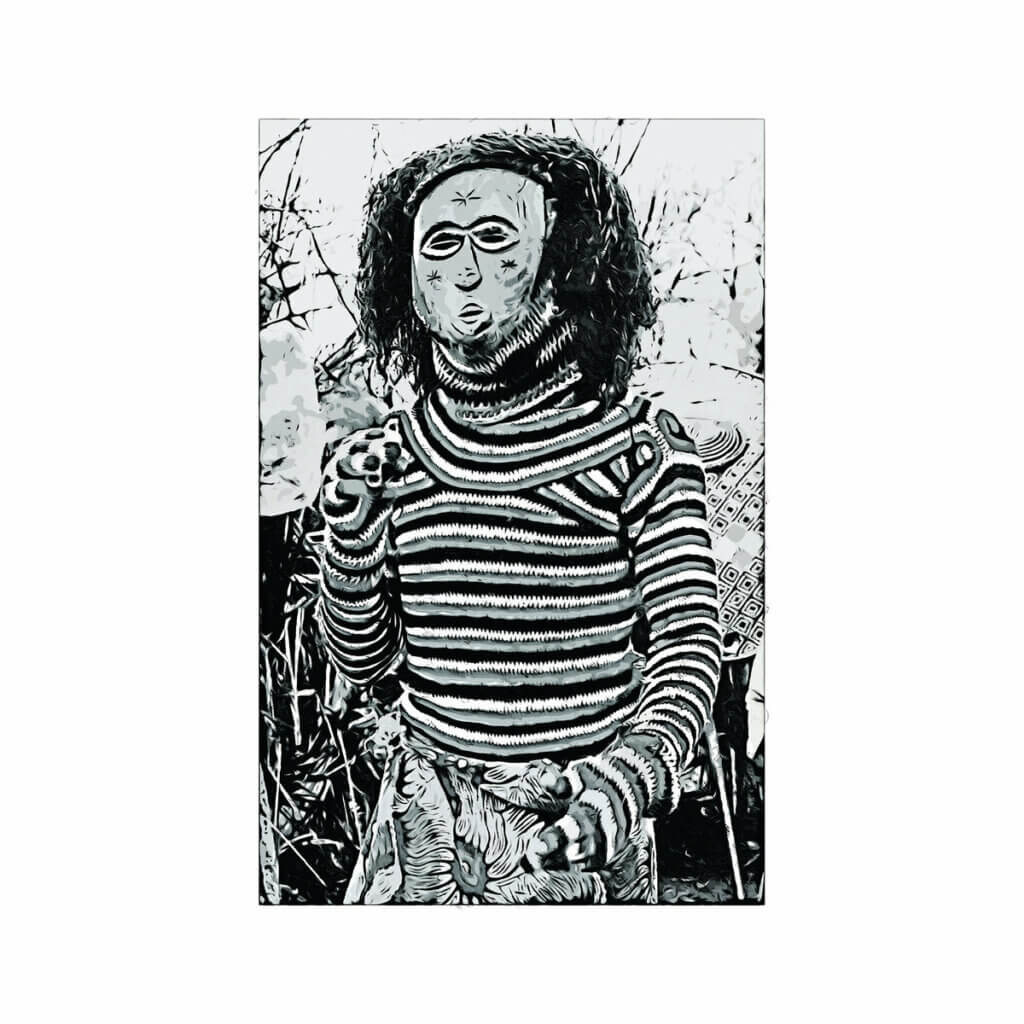
Moor Mother and billy woods had already demonstrated their creative chemistry on Armand Hammer’s Shrines when they joined forces for BRASS, one of 2020’s most adventurous Hip Hop releases. The two artists approach rap from different angles, but share an appetite for fractured narratives, political urgency, and language that rewards close attention. Together, they create music that sounds unsettled by design, with producer Willie Green and an eclectic roster of collaborators helping shape its strange, compelling world.
The production shifts between dusty loops, dissonant jazz, abstract electronics, and rhythms that seem to emerge from the surrounding noise. Contributions from The Alchemist, Preservation, Steel Tipped Dove, Navy Blue, and others give the album a varied palette without diluting its identity. Moor Mother and woods move through these arrangements with dense, elliptical writing, drawing on Black history, violence, resistance, and collective memory. Their verses rarely offer easy explanations. Images collide, references accumulate, and meaning often comes into focus gradually.
The guest list is equally inspired. ELUCID, Mach-Hommy, Navy Blue, John Forté, and Franklin James Fisher of Algiers each bring a distinct presence, adding new dimensions to the album’s restless character. “Furies,” with its hypnotic production and interlocking performances, captures the project’s volatile energy particularly well.
BRASS demands patience, especially from listeners accustomed to more conventional song structures, but repeated plays reveal connections and details that initially remain obscured. Experimental without being aimless, it finds Moor Mother and billy woods pushing each other into fascinating territory. One of the year’s most distinctive and rewarding underground Hip Hop albums.
70. Little Simz - NO THANK YOU (2022)

Following GREY Area and the extraordinary Sometimes I Might Be Introvert, Little Simz had set a high bar for herself. The latter was our Hip Hop album of the year in 2021, a sprawling, orchestral achievement that made the prospect of a successor daunting. NO THANK YOU takes a different route, finding a middle ground between the sharp economy of GREY Area and the grand arrangements of its predecessor. The result is quieter and more restrained, with Inflo leaning into warm neo-soul, understated strings, and subtle orchestral touches.
That change in scale suits Simz. Her writing remains incisive, and her charismatic delivery gives weight to reflections on fame, integrity, and the pressures of the music industry. “Angel” opens with measured confidence before “Gorilla” kicks the door open, its bass line drawing on Jurassic 5’s “Concrete Schoolyard” while Simz delivers one of the album’s most commanding performances. From there, the record moves with a patient assurance, building toward “Broken,” a seven-and-a-half-minute centerpiece that ranks among the finest songs of 2022. Simz gives the track room to unfold, balancing personal vulnerability with a wider sense of social and emotional disconnection.
The closing stretch loses some momentum on “Sideways” and “Who Even Cares,” but the stronger material outweighs those dips. NO THANK YOU doesn’t quite reach the heights of Sometimes I Might Be Introvert, an exceptionally difficult act to follow. It remains a richly rewarding record, confirming Little Simz as one of her generation’s most compelling Hip Hop artists.
71. Fatboi Sharif & Steel Tipped Dove - Decay (2023)

Backwoodz Studioz has become a dependable home for Hip Hop that takes pleasure in unsettling its audience, and Decay is among the label’s most compelling releases of 2023. New Jersey MC Fatboi Sharif teams up with New York producer Steel Tipped Dove, whose credits include work with Armand Hammer and R.A.P. Ferreira. Their collaboration lands somewhere between experimental rap and psychedelic horror, with Sharif’s eccentric performances inhabiting beats that sound as if they’re slowly coming apart.
Steel Tipped Dove is in excellent form here. His production favors warped samples, ominous melodic fragments, and uneasy shifts in rhythm, creating a strange environment for Sharif’s peculiar vocal approach. Sharif often sounds as if he’s delivering a monologue from the edge of a fever dream, stretching syllables, muttering through jagged cadences, and twisting phrases into grotesque little vignettes. The lyrics can be difficult to pin down, but their dark humor and unsettling imagery give the album a distinctive personality. Sharif has a playful streak beneath the menace, which keeps the music from becoming one-note.
With no guest MCs to break the spell, Decay remains an uninterrupted encounter with the duo’s warped imagination. Its appeal depends on a willingness to sit with the discomfort rather than look for conventional hooks or clear narratives. For listeners drawn to Hip Hop’s stranger corners, this is a richly rewarding piece of psychedelic horrorcore. Steel Tipped Dove delivers some of his finest production, while Fatboi Sharif makes a strong case for his singular place in the underground.
72. Solemn Brigham - South Sinner Street (2021)

Solemn Brigham made a strong impression alongside producer L’Orange on the two Marlowe albums, where his restless delivery thrived amid the duo’s experimental production. His solo debut, South Sinner Street, shifts the focus squarely onto his writing and vocal technique. Across fourteen tracks, Brigham examines the decline of American society through the lens of Albemarle, North Carolina, addressing economic hardship, failing institutions, physical and spiritual malaise, and the quiet anxiety woven into everyday life.
Brigham is an unusually versatile MC. His voice twists through rapid-fire passages, sudden changes in cadence, and expressive inflections, giving his verses a kinetic quality even when the subject matter turns bleak. He can sound conversational one moment and almost unhinged the next, using those shifts to bring different shades of meaning to his observations. The album’s portrait of a struggling community gradually expands into a broader indictment of a country showing signs of profound distress.
Production comes from Supa K, L’Orange, The Lasso, Krum, Scud One, Kuartz, and Frank Drake. The variety gives Brigham several different settings, although the beats don’t always match the impact or consistency of the Marlowe records. Some tracks leave his performances carrying most of the weight, and the album occasionally lacks a cohesive musical identity.
That unevenness doesn’t obscure Brigham’s considerable talent. South Sinner Street can be a challenging listen, but his vocal inventiveness and sharp social observations make it worthwhile. A compelling introduction to an MC with a genuinely distinctive voice.
73. Skyzoo & The Other Guys - The Mind Of A Saint (2023)

Concept albums built around television characters can easily become exercises in name-checking, but Skyzoo gives The Mind Of A Saint genuine narrative depth. Inspired by Franklin Saint, the ambitious young drug dealer at the center of FX’s Snowfall, the album follows his thoughts and decisions as he navigates the early-1980s crack epidemic in Los Angeles. Skyzoo understands the character well enough to get inside his head, tracing the tension between ambition, paranoia, power, and the consequences of the world Franklin has chosen to inhabit. Familiarity with the series helps, but isn’t required to follow the story.
The Other Guys handle all the production, providing a polished foundation of jazz-inflected samples, warm soul, and sturdy boom-bap drums. The music has an understated elegance that contrasts with the increasingly dangerous circumstances in Skyzoo’s narrative. Rather than leaning on exaggerated gangster posturing, he builds Franklin’s perspective through carefully observed details and measured shifts in tone. His intricate rhyme schemes and controlled flow keep the writing engaging, while the character’s gradual moral deterioration gives the album a clear dramatic arc.
The production and storytelling work in tandem, with the soulful arrangements offering moments of calm even as Franklin’s world grows more unstable. Skyzoo’s writing is the real draw: he makes the concept convincing without sacrificing the lyrical precision that has defined his career. The Mind Of A Saint is an intelligent, cohesive album that succeeds as a character study and as a strong entry in Skyzoo’s catalog.
74. Midnight Sons - Money Has No Owners (2024)

Zilla Rocca and producer Chong Wizard have little interest in chasing trends. As Midnight Sons, they make soulful, lyrically driven Hip Hop rooted in the traditions of underground boom-bap, with Money Has No Owners finding the duo in a particularly reflective mood. The follow-up to their 2020 self-titled debut considers ambition, perseverance, and the complicated relationship between financial success and personal fulfillment.
Chong Wizard gives the album a warm musical foundation, balancing sturdy drums with soulful loops and jazz-inflected arrangements. “Tough Guys Fill A Cemetery” brings a harder edge, while “Ignore The Red Flags” and “Terrible Twos” draw on jazzier instrumentation. The title track lays out the record’s central philosophy, questioning the idea of ownership and emphasizing the work required to build something lasting. “Marathon Man” fits that outlook, treating persistence as a necessity rather than a slogan.
Zilla Rocca’s writing is the album’s anchor. His delivery has a lived-in quality, and his reflections on the grind of making music outside the mainstream carry conviction because they come without grand claims or manufactured drama. PremRock and Curly Castro, longtime associates, join Blu, AJ Suede, Midaz The Beast, and Defcee across the tracklist, connecting the project to a wider circle of independent MCs.
There’s no single track here designed to grab attention at the expense of the whole. Money Has No Owners rewards listeners who appreciate thoughtful writing, well-crafted samples, and boom-bap made with patience and purpose. One of 2024’s best underground releases, and an album that deserves to travel further than its likely reach.
75. Benny The Butcher - Tana Talk 4 (2022)
Tana Talk 3 remains one of Griselda’s finest releases, a grimy street-rap classic that helped establish Benny The Butcher as one of Buffalo’s sharpest storytellers. After the comparatively polished sound of Burden Of Proof, the title Tana Talk 4 raised expectations of a return to that earlier formula. Benny delivers. With Daringer and The Alchemist handling most of the production, the album trades glossy arrangements for ominous loops, dusty samples, and hard drums that suit his detailed accounts of hustling, betrayal, and survival.
Benny’s strength has always been his ability to make street narratives sound lived-in. His gravelly delivery and tightly controlled flow give each verse authority, while his writing balances vivid details with the cold calculations of someone who knows the cost of every decision. The beats leave little room for sentimentality, and Benny rarely wastes a bar. Across twelve tracks, the combination of sharp storytelling and uncompromising production makes for a remarkably consistent listen.
“Johnny P’s Caddy” is the obvious centerpiece. The Alchemist builds around a soulful vocal sample, and J. Cole responds with one of his strongest guest verses, matching Benny’s intensity without disrupting the track’s chemistry. Conway The Machine, Westside Gunn, 38 Spesh, Stove God Cooks, and Boldy James also appear, adding familiar Griselda-area voices to the mix.
Tana Talk 3 still holds the top spot in Benny’s catalog for us, but this is a close second. The return to Daringer and The Alchemist’s rough-edged production brings out the best in Benny, and the album rarely misses its mark. A formidable set of street rap from an MC working firmly within his strengths.
76. Elzhi & Oh No - Heavy Vibrato (2023)

Elzhi has spent more than two decades earning a place among Detroit’s finest MCs, from his work with Slum Village to the enduring quality of solo albums like The Preface and Lead Poison. His output rarely gets the attention it deserves, and Heavy Vibrato, his collaboration with producer Oh No, is another welcome addition to an impressive catalog.
Oh No builds the album around vibraphone melodies, deep bass, understated drums, and jazz-tinged samples. The production has a late-night quality, with tracks flowing into one another to create a continuous listening experience rather than a succession of disconnected beats. The arrangements are deliberately restrained, but small details emerge with repeated plays, and the warmth of the instrumentation gives the album its own character.
That unhurried setting suits Elzhi’s approach. His intricate rhyme schemes and carefully calibrated delivery remain intact, with dense wordplay woven into verses that never sound rushed. He has the technical ability to dominate a beat, but here he works within the music’s understated rhythms, letting his internal rhymes and shifting cadences provide much of the movement. The contrast between his lyrical precision and Oh No’s relaxed production is the album’s central attraction.
Heavy Vibrato doesn’t aim for the immediate impact of a hard-hitting boom-bap record. Its pleasures are quieter, built around the interplay between an elite lyricist and a producer who understands the value of restraint. For listeners who have followed Elzhi’s career through 7 Times Down, 8 Times Up and beyond, this is another reminder of how consistently he delivers.
77. R.A. The Rugged Man - All My Heroes Are Dead (2020)

R.A. The Rugged Man has spent much of his career operating on his own terms, with a fiercely independent streak and a technical command of the mic that few MCs can match. His third album, All My Heroes Are Dead, arrived eight years after Legends Never Die, giving fans another sprawling dose of his unfiltered personality, intricate rhyme schemes, and astonishing breath control. At 22 tracks and 76 minutes, it’s an unruly record, but the sheer range of material is part of its appeal.
R.A. jumps from personal reflections on family and fatherhood to political commentary, Hip Hop history, outrageous humor, and deliberately provocative boasts. The tonal shifts can be jarring, especially when a heartfelt song like “Wondering” sits alongside his more vulgar, self-mocking material. His pen is the constant. He packs verses with internal rhymes, multisyllabic patterns, and punchlines, often delivering them at a speed that makes the technical work easy to underestimate.
The guest list is extraordinary, with Ice-T, Chuck D, Ghostface Killah, Kool G Rap, Inspectah Deck, Masta Killa, M.O.P., Onyx, Immortal Technique, and many others joining the proceedings. Rather than getting lost among the legends, R.A. holds his own throughout. “The Slayers Club” is a standout posse cut, while “Dragon Fire” brings Ghostface, Masta Killa, and Kool G Rap together over a suitably menacing beat. “Gotta Be Dope,” featuring A-F-R-O and cuts by DJ Jazzy Jeff, is another showcase for elite-level mic technique.
The album’s length and stylistic zigzags keep it from being an entirely smooth listen, but the highlights are exceptional. All My Heroes Are Dead is a feast for listeners who value lyrical dexterity, personality, and a deep appreciation for Hip Hop history. One of 2020’s strongest releases for the old-school faithful.
78. Conway The Machine - You Can't Kill God With Bullets (2025)

Conway The Machine has spent years turning personal trauma into some of the grittiest street rap around, and You Can’t Kill God With Bullets finds him still wrestling with the past even as his career reaches new heights. His Bell’s palsy-roughened voice carries a particular weight when he revisits the 2012 shooting that changed his life, alongside stories of betrayal, grief, and the uneasy realities of success. Across eighteen tracks, Conway moves between cold-blooded street narratives and moments of genuine vulnerability.
The production roster is unusually broad, with The Alchemist, Daringer, Conductor Williams, Apollo Brown, araabMUZIK, and Timbaland among those contributing beats. Dusty soul samples and ominous loops provide the familiar Griselda foundation, while tracks such as “Crazy Avery” introduce more unpredictable rhythms. Daringer’s sparse production on “The Painter” leaves Conway sounding particularly isolated, and “The Lightning Above the Adriatic Sea” jumps between memories of jail and the surreal experience of performing at Coachella. The shifts in sound keep the album from settling into a single groove, even if some of the grimier tracks begin to blur together.
The emotional core emerges on “I Never Sleep” and “Hold Back Tears,” where regret, depression, and family loss come into sharper focus. The closing “Don’t Even Feel Real (Dreams)” offers a soulful comedown, with Heather Victoria adding warmth to Conway’s reflections on how far he has come. Roc Marciano and G Herbo are among the other guests, but the album’s strongest moments belong to Conway alone, especially when he drops the bravado and lets the damage show.
The sequencing can be loose, and the hour-long runtime would benefit from some trimming. Still, the unevenness is offset by vivid writing and a performer who remains compelling even when circling familiar wounds. You Can’t Kill God With Bullets is a heavy, often absorbing entry in Conway’s catalog, with the scars behind the music never far from the surface.
79. Boldy James & Sterling Toles - Manger On McNichols (2020)
Boldy James had an exceptional 2020, releasing The Price Of Tea In China with The Alchemist before taking a sharp turn with Manger On McNichols. His collaboration with fellow Detroit artist Sterling Toles sounds like it comes from a different musical universe, trading the grimy, sample-driven street rap of his Alchemist project for an adventurous blend of jazz, soul, and experimental composition. It’s one of the most unusual records in Boldy’s catalog, and one of his most rewarding.
The album’s long gestation is part of its character. The collaboration began more than a decade before its 2020 release, and much of Boldy’s vocal material dates from 2007 to 2010, supplemented by newer writing on a handful of tracks. Toles builds around those performances with live instrumentation, shifting rhythms, dissonant passages, and richly layered arrangements. Horns, strings, and percussion collide and recede, giving the music an unsettled quality that reflects the bleak circumstances in Boldy’s stories.
Boldy’s delivery remains remarkably controlled amid the musical turbulence. His flat, almost conversational voice describes street life, violence, and personal hardship without dramatic embellishment. That restraint makes the contrast with Toles’ expansive arrangements especially effective: the music swells and splinters around a narrator who rarely raises his voice.
Manger On McNichols demands more patience than Boldy’s more conventional releases. The arrangements can be dense and unpredictable, and listeners drawn to the stark simplicity of his work with The Alchemist may need time to adjust. But Toles’ musical ambition gives Boldy’s writing a new dimension, making this a singular entry in an already distinctive discography. A remarkable Detroit collaboration that rewards listeners willing to meet it on its own terms.
80. Roc Marciano - Marciology (2024)
Roc Marciano has spent the past fifteen years shaping underground Hip Hop in his own image. From Marcberg and Reloaded to The Elephant Man’s Bones, he helped move street rap away from conventional boom-bap toward sparse drums, dusty samples, and understated, often drumless production. The influence on Griselda and a generation of artists working in their orbit is unmistakable. Marciology finds Marciano refining that approach rather than chasing new directions, delivering fourteen tracks of calculated menace, dry humor, and intricate street-corner storytelling.
Marciano handles much of the production himself, with The Alchemist and Animoss contributing beats that suit his unhurried delivery. The music rarely needs heavy percussion to establish a groove. Small sample fragments, warm bass lines, and carefully placed details do the work, leaving plenty of room for Roc’s densely layered rhymes and casually delivered punchlines. His writing rewards close attention, even when his voice makes the most elaborate schemes sound effortless.
Larry June, Crimeapple, T.F., and Flee Lord make welcome appearances, but the album’s appeal rests primarily on Marciano’s singular vision. Marciology may not displace Marcberg or Reloaded at the top of his catalog, but the consistency is impressive. Few artists have mastered this stripped-down approach as thoroughly as Roc, with Ka among the rare contemporaries who can rival his command of the form.
81. Logic - Vinyl Days (2022)

Logic has a complicated reputation. At his best, the Maryland MC can deliver technically sharp, entertaining Hip Hop; at his worst, his writing and production choices become painfully generic. After the misfire of Confessions of a Dangerous Mind, No Pressure offered a welcome return to form. Vinyl Days, his first album after announcing his retirement, takes that recovery a step further. It’s a sprawling, sample-heavy celebration of the Hip Hop that shaped him, and our favorite Logic project to date.
Thirty tracks and more than seventy minutes might sound excessive, but the sequencing keeps the record moving. Even the skits fit into the flow rather than interrupting it. Logic prioritizes chemistry, wordplay, and the pleasure of rapping over grand statements, while the production draws heavily from classic boom-bap. “Tetris,” “BLACKWHITEBOY,” “Quasi,” and “Bleed It” bring plenty of energy, while “Therapy Music” and “Ten Years” offer different shades of reflection. The title track, featuring DJ Premier, is a fitting centerpiece, connecting Logic’s modern-day career to the sample-driven tradition he celebrates.
The guest list is loaded, from AZ, Blu, and Royce da 5’9″ to Action Bronson, Curren$y, and RZA. Some outshine the host, but their appearances add to the album’s lively, cypher-like spirit. Vinyl Days is hardly a profound lyrical statement, and its loose, celebratory approach won’t satisfy everyone. For us, though, its warmth, momentum, and affection for Hip Hop’s golden age made it one of 2022’s biggest surprises.
82. ShrapKnel - Nobody Planning To Leave (2024)

Curly Castro and PremRock have built ShrapKnel around restless lyricism and a willingness to take underground Hip Hop into stranger territory. On their third album, Nobody Planning To Leave, the duo enlist Controller 7 for a full set of production, resulting in a record that balances rugged rap fundamentals with off-kilter rhythms and unconventional arrangements. The collaboration began with a few direct messages in 2021, but the finished album sounds like a natural extension of the duo’s work on ShrapKnel and Metal Lung.
Controller 7 gives the MCs plenty to work with, moving between hard drums, warped samples, and beats that resist predictable patterns. Castro and PremRock respond with dense, nimble writing, twisting their phrasing around the production and packing their verses with unusual imagery and sharp observations. There’s a restless energy to the performances, but the two have enough control to keep the album grounded when the instrumentals get strange.
The title carries a quiet tension. It suggests commitment to the work and the people who make it worthwhile, while acknowledging how easily life’s demands can push those ambitions aside. That idea suits two veteran underground MCs who continue to create on their own terms. Open Mike Eagle, ELUCID, Onry Ozzborn, Lungs, and Breezly Brewin contribute along the way, while D-Styles adds his turntable skills to the album’s unconventional palette.
Nobody Planning To Leave is another strong release from ShrapKnel and a welcome addition to the Backwoodz Studioz catalog. Its appeal lies in the combination of intricate rapping, unpredictable production, and two MCs still willing to take chances.
83. John Michel & Anthony James - Egotrip (2025)

John Michel and producer Anthony James make a striking first impression with Egotrip, a soul-driven album about the friction between ambition, faith, and self-doubt. Across twelve tracks, James builds a rich foundation from chopped soul samples, punchy drums, and brass arrangements that retain the looseness of a live session. The production draws on the warmth of early-2000s sample-based Hip Hop while giving its ingredients room to breathe.
Michel brings a gravelly voice and an urgent delivery to material that turns inward without losing its rhythmic bite. He wrestles with pride, belief, and the compromises that come with chasing success. On the title track, ambition collides directly with spiritual conviction; “Preacher!” and “Confrontation” push those doubts over forceful drums and looping vocal samples. “World’s End” takes a more fragile approach, its guitar and organ lending Michel’s self-examination the intimacy of a private confession.
The sequencing gives these ideas room to develop. Brief interludes provide pauses between the heavier songs, while “Nobody,” featuring Kennadi Rose and Yung Senju, brings a welcome melodic lift. Closer “Sunday Morning, Genesis.” eases the tension with a reflective calm that feels earned after the conflicts explored throughout the record.
Egotrip announces two artists with a clear sense of purpose. James supplies soulful, carefully layered beats, and Michel gives them substance through writing that confronts uncomfortable questions rather than pretending to have easy answers. One of 2025’s most rewarding underground Hip Hop releases.
84. Neak - Die Wurzel (2023)

Chicago MC and producer Neak has been making thoughtful, soul-rich Hip Hop for years, and Kwesbaar was one of our favorite releases of 2019. With Die Wurzel, he takes on his most ambitious subject yet: the roots of African-American culture and the historical experiences that continue to shape Black life in the United States. Tracing that history from 1619 to the present, Neak examines inherited trauma, cultural identity, and the complicated relationship between suffering and resilience.
The subject matter demands substance, and Neak delivers through incisive writing that balances historical reflection with personal insight. His approach is intellectual without becoming detached, allowing the weight of the material to emerge through specific observations rather than grand declarations. Musically, he draws on the traditions that inform the album’s themes, weaving gospel, soul, jazz, funk, and Hip Hop into warm, richly arranged production. Neak handles most of the beats himself, with regular collaborator Rashid Hadee contributing additional production.
Careful sequencing gives the record a sense of progression, with interludes and transitions connecting its different ideas. The arrangements provide room for the lyrics while maintaining a musical richness that rewards listening beyond the words alone. Fans of Common’s reflective writing, Oddisee’s soulful craftsmanship, or Kendrick Lamar’s explorations of Black identity will find plenty to appreciate here.
Die Wurzel demands attention, but never loses sight of the music. Neak brings historical awareness, lyrical intelligence, and a deep understanding of Black musical traditions together in a cohesive, deeply considered album. One of his finest achievements to date.
85. ShrapKnel - Metal Lung (2022)

Curly Castro and PremRock have spent years working alongside each other in Philadelphia’s Wrecking Crew, but ShrapKnel gives their partnership a sharper, more concentrated focus. Their self-titled 2020 debut introduced a duo well suited to the stranger edges of boom-bap. Metal Lung builds on that foundation, pushing their unconventional flows and densely packed writing into even more adventurous territory. We rate it above either rapper’s solo work, including Castro’s excellent Little Robert Hutton.
Steel Tipped Dove handles most of the production, with additional contributions from Child Actor and Olof Melander. The beats are deliberately disorienting, full of jagged samples, unusual rhythmic turns, and abrupt shifts that keep the listener off balance. Castro and PremRock meet that unpredictability with intricate rhyme schemes, eccentric imagery, and deliveries that twist around the instrumentals rather than settling into comfortable patterns. Their chemistry is central to the album’s appeal: each voice has its own character, but the two sound especially compelling when their verses collide and complement one another.
Metal Lung arrived in a year when plenty of high-profile releases attracted attention without offering much that felt adventurous. ShrapKnel were working in a different lane, making music that rewards concentration and refuses easy categorization. The album’s odd angles and restless energy never come across as experimentation for its own sake; the writing and performances give the strangeness real substance.
For listeners drawn to the more adventurous side of underground Hip Hop, Metal Lung is an outstanding record. ShrapKnel sharpened their identity here, delivering one of 2022’s strongest releases.
86. CRIMEAPPLE & Apollo Brown - THIS, IS NOT THAT (2024)

Apollo Brown’s soulful, sample-driven production has long suited MCs who favor detailed street narratives, and CRIMEAPPLE is an especially good match. On THIS, IS NOT THAT, the Detroit producer gives the New Jersey rapper a set of beats steeped in classic boom-bap, while CRIMEAPPLE brings his intricate writing, dry humor, and fluid switches between English and Spanish. The result is a cohesive collaboration with plenty of grit and moments of genuine introspection.
The title track establishes a foreboding tone before “Mercy” raises the intensity with booming drums and searing guitar. “Superstitious” settles into a more traditional groove, leaving room for CRIMEAPPLE’s vivid accounts of hustling and travel. “Wonderful Feelin’,” featuring Willie the Kid, indulges in mafioso imagery over lush strings, while “Know No Better” takes a more cautionary view of ambition. The album’s strongest moments often arrive when the tough exterior gives way to self-examination. On “The Problem,” CRIMEAPPLE reflects on his rise over a drumless vocal sample; “Coke with Ice” likewise strips the beat back, putting his tightly wound verses in the foreground.
Apollo’s arrangements shift naturally between hard-hitting drums, soulful loops, and more subdued passages. Sonnyjim joins “Almanacs” for a pointed examination of authenticity, but the album never loses sight of CRIMEAPPLE’s own perspective.
THIS, IS NOT THAT succeeds through the rapport between producer and MC. Apollo knows when to let a sample carry the mood and when to give the drums some muscle, while CRIMEAPPLE’s writing supplies the detail and personality. A strong entry in both artists’ catalogs, and one of 2024’s most satisfying boom-bap collaborations.
87. Aesop Rock & Blockhead - Garbology (2021)

Aesop Rock and Blockhead have worked together for over two decades, contributing to some of the MC’s best-known songs, including “Daylight” and “None Shall Pass.” Surprisingly, Garbology is their first full-length collaboration with Blockhead handling all the production. The project took shape during the pandemic, when Aesop was dealing with the loss of a close friend and struggling to find his creative footing. What began as a handful of songs gradually became an album, and the more spontaneous process gives Garbology a different character from the elaborate conceptual framework of Spirit World Field Guide.
Blockhead’s beats strike an appealing balance between experimentation and accessibility, drawing on unusual samples, off-kilter rhythms, and melodic fragments that leave plenty of room for Aesop’s writing. His dense vocabulary, intricate internal rhymes, and ability to turn mundane observations into elaborate lyrical constructions remain extraordinary. The album moves between sardonic humor, reflections on grief, and the peculiar details of everyday life, with Aesop’s distinctive perspective holding it together.
Where Spirit World Field Guide built an intricate world around a sustained concept, Garbology is looser and more grounded. That doesn’t make it a lesser achievement. The chemistry between rapper and producer is evident throughout, with Blockhead’s left-field sensibility giving Aesop a versatile setting for his restless mind.
Aesop rarely delivers a disappointing album, and Garbology is another strong entry in a catalog full of underground classics. It may lack the conceptual depth of its predecessor, but the writing and production make it one of our favorite Hip Hop releases of 2021.
88. Avantdale Bowling Club - TREES (2022)

Tom Scott set a high bar with Avantdale Bowling Club’s self-titled 2018 debut, a remarkable fusion of jazz and Hip Hop that ranked among our favorite albums of the year. Its successor, TREES, takes a less grandiose approach. The live jazz arrangements remain central, but the balance shifts toward laid-back Hip Hop, with a mellow, slightly hazy character that suits Scott’s introspective writing. The result is subtler than the debut, though nearly as affecting.
The musical palette draws on the deep relationship between jazz and rap, recalling the warmth of A Tribe Called Quest and The Roots while retaining the conversational detail and shifting perspectives of Scott’s own work. The playing is loose without sounding aimless, giving the songs an easy swing that rewards sinking into the album as a whole. Scott moves between personal reflection, everyday observations, and broader social concerns, delivering his verses with a candidness that avoids grandstanding. His writing often finds meaning in ordinary moments, allowing the music to unfold naturally rather than forcing every track toward a dramatic conclusion.
Where the first album leaned more heavily into jazz, TREES lets the Hip Hop foundation take the lead. Its unhurried grooves and understated arrangements give it a character all its own, while the musicianship keeps the music rich beneath its relaxed surface.
For listeners who appreciate the jazz-rap lineage, TREES belongs in the same conversation as the genre’s finest modern releases. It may not quite match the ambition of Avantdale Bowling Club’s debut, but it comes remarkably close. One of 2022’s best albums, and an easy recommendation for fans of To Pimp a Butterfly and the more adventurous end of jazz-inflected Hip Hop.
89. Freddie Gibbs & The Alchemist - Alfredo (2020)
Freddie Gibbs has a knack for finding producers who bring out something special in his writing. His chemistry with Madlib yielded Piñata and Bandana, two modern classics, and Alfredo confirms that The Alchemist belongs in the same conversation. Gibbs has never needed to be the most technically accomplished MC in the room. His commanding voice, elastic flow, and effortless charisma make even familiar street narratives compelling, and here he sounds completely at home over Alchemist’s soulful, finely chopped loops.
At ten tracks and around 35 minutes, Alfredo is lean by design. There’s little room for a misstep, but the pair make every song count. “1985” opens with understated menace, while “Scottie Beam” pairs Gibbs with Rick Ross over a luxurious, slow-rolling beat. “Something to Rap About,” featuring Tyler, The Creator, brings a different energy, and “Frank Lucas” finds Benny the Butcher and Gibbs trading hard-nosed bars. The guests contribute memorable verses, but the record never loses its center of gravity: Gibbs is in command throughout.
The Alchemist’s production is superb, moving between plush soul samples, ominous piano figures, and stripped-back arrangements that give the lyrics room to land. The sequencing makes the album pass almost too quickly, leaving us wanting another few tracks. That brevity is the only real reservation.
Alfredo may not quite match the scale of Piñata or Bandana, but it belongs alongside them as one of Gibbs’ finest projects. A tightly constructed rap-noir album, with two artists operating at the peak of their chemistry.
90. LL Cool J - The FORCE (Frequencies Of Real Creative Energy) (2024)
LL Cool J had spent much of the past two decades releasing albums that struggled to match the force of his early work. The FORCE, his first full-length project in eleven years, is a welcome change of pace and his best album since G.O.A.T. (2000). With Q-Tip handling the production, LL reconnects with the competitive spirit that made him one of Hip Hop’s defining MCs, trading contemporary pop polish for a more rugged, sample-driven approach. The pairing isn’t flawless, and some beats sit awkwardly beneath LL’s delivery, but there’s a hunger here that has been missing from too much of his later catalog.
The highlights are hard to overlook. “Murdergram Deux” pits LL against Eminem in a ferocious lyrical exchange, while “The Vow” brings together generations of MCs for an inspired posse cut. Nas makes a welcome appearance, and “Post Modern” and “Black Code Suite” give LL room to indulge his trademark braggadocio. “30 Decembers” takes a more reflective turn, confronting age and the passage of time.
Q-Tip moves comfortably between boom-bap, funk, and more experimental arrangements, occasionally pushing LL beyond his comfort zone. Not every track reaches its potential, but the chemistry is strong enough to carry the album through its weaker moments. At 56, LL sounds energized, sharp, and eager to compete. The FORCE doesn’t need to rewrite his legacy. It gives one of rap’s original superstars a genuinely worthwhile late-career chapter.
91. JustVibez & Negro Justice - Art Of The Craft (2023)

Nashville’s Negro Justice and producer JustVibez make a compelling case for Southern underground Hip Hop on Art Of The Craft. JustVibez handles the entire album, giving it a consistent musical identity rooted in soul, funk, and the regional traditions associated with Outkast and UGK. Those influences are apparent, but the production has its own character, balancing relaxed grooves with harder edges and enough variation to keep the record moving.
Negro Justice is an engaging presence throughout. His warm voice and unmistakable Southern drawl lend his verses an easy conversational quality, while his flexible flow adapts naturally to the changing rhythms beneath him. He moves between personal experiences and broader social and political concerns without losing the individual perspective that gives his writing its weight. There’s a thoughtful quality to the album, but the music never gets bogged down in its subject matter. The beats maintain a soulful pull, allowing the MC to explore serious themes without sacrificing the pleasure of the listening experience.
The strength of Art Of The Craft lies in how naturally its elements fit together. JustVibez provides a coherent backdrop, and Negro Justice brings the personality and lyrical substance to make the most of it. Neither artist needs a big-name cosign or an elaborate concept to make the album work. This is Southern Hip Hop made with care, conviction, and a clear respect for the craft. An under-the-radar release from 2023 that deserves a much wider audience.
92. PremRock - Did You Enjoy Your Time Here...? (2025)

PremRock has spent years carving out a distinctive place in underground Hip Hop, whether working solo or alongside Curly Castro in ShrapKnel. Did You Enjoy Your Time Here…? finds the New York MC sharpening his approach, delivering intricate writing that moves between personal reflection, dry humor, and unsettling observations about the world around him. His verses rarely announce their cleverness. Images and offhand remarks accumulate, revealing their significance as the songs unfold.
The production comes from a varied cast, including Blockhead, ELUCID, YUNGMORPHEUS, and Small Professor. Their beats range from dusty loops and firm boom-bap drums to stranger electronic passages, giving PremRock plenty of room to work through his shifting perspectives. On “A Good Man Is Hard to Find,” he examines morality with a patient, contemplative touch. “Receipts,” featuring billy woods, becomes a battle of oblique references and tightly wound wordplay, while “Plunder!” channels a more frantic energy. “Steal Wool,” with Pink Siifu, and “Aim’s True,” featuring AJ Suede and Curly Castro, bring additional character without distracting from the album’s central voice.
Following Load Bearing Crow’s Feet, this record has a sharper sense of humor and a little more spring in its step, even when the subject matter turns bleak. PremRock’s measured delivery keeps the writing intelligible amid the shifting production, allowing individual lines to reveal themselves gradually.
The closing title track leaves the album’s question hanging in the air. PremRock offers no tidy conclusion, and none is needed. This is sophisticated underground rap built around the pleasures of close listening, with an MC whose writing continues to reward the effort.
93. Canibus - Kaiju (2021)

Canibus has never lacked for lyrical firepower. His inconsistent album catalog owes as much to questionable beat selection as anything else, making the right producer a crucial ingredient in his best work. Rip The Jacker, entirely produced by Stoupe, remains the clearest example of what happens when his dense, combative writing meets music worthy of it. Kaiju, his collaboration with Oxnard producer BodyBagBen, comes closer to that standard than most of Canibus’ releases.
The difference is immediate. BodyBagBen supplies brooding, hard-edged instrumentals that suit Canibus’ aggressive delivery, giving his intricate rhyme patterns a menacing foundation. The production maintains a coherent character across the album, avoiding the mismatched beats that have undermined so much of the MC’s output. Canibus responds with the ferocity and technical ambition that made his reputation, packing his verses with complex schemes and confrontational bars. He sounds fully engaged, with little sign of the diminished intensity that has affected some of his later work.
The guest appearances add considerable weight. DMX and MF DOOM bring the presence of two departed legends, while Kool Keith, Hus Kingpin, Born Sun, and Justin Tyme contribute their own distinct styles. These collaborations broaden the album’s appeal without taking focus away from Canibus himself.
Released during a busy 2021 that also brought the excellent The Last Ride from HRSMN and the less successful Microphone Land, Kaiju is a welcome reminder of Canibus at his best. BodyBagBen gives him the musical direction his albums have often lacked, and the results rank among the strongest entries in his catalog.
94. Sadistik & Kno - Bring Me Back When The World Is Cured (2022)

Sadistik’s emotionally heavy, often introspective style has never entirely clicked with us, but Bring Me Back When The World Is Cured is a different story. Paired with Kno, the Seattle MC finds a setting that gives his writing genuine force. His verses conjure images of grief, isolation, and fragile beauty, delivered with a vulnerability that avoids tipping into melodrama. For once, the intensity of his subject matter and the music carrying it are perfectly aligned.
Kno has spent years proving himself one of underground Hip Hop’s most accomplished producers, from his work with CunninLynguists on A Piece of Strange, Oneirology, and Rose Azura Njano to his solo achievement Death Is Silent. Here, he brings that same command of melody and atmosphere to a set of beats shaped around Sadistik’s particular strengths. Soulful fragments, subdued percussion, and spectral vocal samples give the album a distinctly elegiac quality. The instrumentals don’t compete with the lyrics; they deepen their emotional impact, making the quieter moments as affecting as the more intense passages.
What makes this collaboration work is the balance between Sadistik’s exposed, sometimes uncomfortable writing and Kno’s remarkable musical sensitivity. The production gives the album a sense of cohesion without flattening its emotional range, and Sadistik responds with some of his most compelling performances.
Bring Me Back When The World Is Cured won’t appeal to everyone, especially listeners who prefer their Hip Hop less inward-looking. We came away deeply moved, though. This is one of 2022’s finest underground releases, and a reminder of just how transformative the right producer can be for an MC.
95. Injury Reserve - By The Time I Get To Phoenix (2021)
The death of Stepa J. Groggs in June 2020 changed everything for Injury Reserve. Their self-titled 2019 debut had established the Arizona trio as adventurous, unpredictable Hip Hop innovators, mixing abrasive production with sharp writing and an unusual knack for hooks. By The Time I Get To Phoenix takes that restless approach somewhere far more unsettling. Built around grief, disorientation, and the struggle to process an unimaginable loss, it sounds like a group trying to make sense of a world that no longer holds together.
Parker Corey’s production is the album’s most striking feature. Distorted electronics, fractured rhythms, industrial noise, and ghostly synth passages collide in arrangements that seem to buckle under their own tension. Conventional rap structures frequently dissolve, leaving Ritchie with a T to navigate unstable, often punishing instrumentals. His performance is deeply affecting, particularly on “Top Picks for You,” where the mundane details of digital life become reminders of someone who is gone. Groggs remains present throughout the album, and his verse on “Knees,” which addresses alcoholism and addiction, carries a painful significance in retrospect.
The music can be abrasive and deliberately difficult to settle into. Listeners expecting the punchy, more accessible approach of the previous album may find little familiar ground here. But the dissonance serves a purpose: the record’s fractured form gives its grief a physical presence, making the emotional impact impossible to separate from the sound.
Injury Reserve made an extraordinary record under circumstances that would have broken many artists. By The Time I Get To Phoenix is challenging, deeply personal, and devastatingly moving, an album that turns loss into something formally adventurous without diminishing its human weight. Rest in peace, Stepa J. Groggs.
96. Nerves Baddington - Micro/Macro (2022)

Birmingham, Alabama’s Nerves Baddington took an ambitious approach in 2022, releasing Micro and Macro as separate projects that work best as a single double album. Across roughly ninety minutes, the trio of Kilgore Doubt, inkline, and Cam the Invisible Man build an expansive body of experimental Hip Hop that rewards hearing the two halves together. Each release works on its own, but the subtle sonic and lyrical connections between them make the combined experience especially satisfying.
Production duties are shared among the three members, with Kilgore Doubt handling most of the beats and The Phasing Octopus contributing additional work. The music moves through unconventional samples, intricate arrangements, and shifting rhythms without losing its grip on the fundamentals of rap. There’s plenty to unpack in the production, but the tracks remain inviting rather than turning into exercises in abstraction. Inkline anchors the project with thoughtful, often oblique writing and nimble delivery, while a deep bench of Birmingham MCs brings different voices and perspectives into the mix.
The local connections matter. Appearances from MC Kano, Black Plastique, Shaun Judah, Nick Dire, Mane Rok, Fleetwood Deville, Akil Pratt, and others give the albums the energy of a close-knit scene pushing each other creatively. The guests fit naturally into the music, expanding its range while preserving the project’s distinctive identity.
In an era when albums often arrive in bite-sized installments, Micro/Macro makes a persuasive case for giving ideas room to develop. Its length is justified by the depth of the material, and the sequencing reveals more with each return. Nerves Baddington have delivered one of the most compelling projects of 2022: inventive, substantial, and accessible without sanding off its stranger edges.
97. Four Elements & Beyond - Clock The Chemistry (2023)

New York crew Four Elements & Beyond understand that boom-bap revivalism works best when the rapping is as compelling as the beats. On Clock The Chemistry, producer Freak Tha Monsta supplies warm, hard-hitting instrumentals that recall the golden age without reducing the album to an exercise in nostalgia. Miggs Son Daddy and WRD Life bring lively flows, sharp bars, and the kind of easy chemistry that gives the record its momentum.
Freak Tha Monsta keeps the production firmly rooted in classic New York tradition, building tracks around soulful samples, rugged drums, and grooves that leave room for the MCs to work. Shy The BeatYoda adds another layer of period authenticity with well-placed scratches, used as part of the arrangements rather than decorative callbacks. The result has the feel of a crew album made by people who understand the music’s foundations and know how to make them work in the present.
At around 45 minutes, Clock The Chemistry also gets its proportions right. The beats have enough variation to sustain the listen, while Miggs Son Daddy and WRD Life keep the verses moving with personality and rhythmic control. Nothing here depends on reinvention or elaborate concepts. The appeal is in the execution: solid production, engaging performances, and a consistent sense of purpose from beginning to end.
Plenty of artists revisit 1990s Hip Hop, but the best throwback records understand that the era’s appeal came down to craft, chemistry, and character. Four Elements & Beyond deliver on all three. Clock The Chemistry is one of 2023’s most satisfying releases for anyone who still appreciates the sound of New York boom-bap done right.
98. Godfather Don - Thesis (2024)

Godfather Don has been a quiet force in New York underground Hip Hop since the early 1990s, earning his reputation through records like Hazardous and his work with Kool Keith as The Cenobites. On Thesis, he handles the entire operation himself, writing, producing, and rapping across sixteen tracks of rugged, distinctly New York Hip Hop.
The sound is rooted in the boom-bap tradition Don helped shape, with hard drums, dusty samples, and understated loops that leave plenty of room for his voice. His production has the rough-edged character of classic underground records, while his rhymes remain sharp, direct, and full of the technical control that has defined his work for decades. There’s no need for a guest MC to change the dynamic or a producer to provide a new direction. Don knows exactly what he wants this album to sound like, and the consistency is part of its appeal.
At around an hour, Thesis gives the music room to breathe without interrupting the flow for skits, interludes, or other distractions. The uninterrupted run of tracks makes it easy to settle into Don’s world, where the beats and bars take priority over outside considerations. In an era of short releases and high-profile collaborations, the self-contained nature of the project is refreshing.
Thesis doesn’t attempt to modernize Godfather Don’s style or revisit the past with exaggerated nostalgia. It delivers the fundamentals with confidence and care. For listeners who value rugged New York production and an MC who can carry an entire album on his own terms, this is a welcome return from a veteran who still has plenty to offer.
99. Kendrick Lamar - Mr. Morale & The Big Steppers (2022)
Five years after DAMN., Kendrick Lamar returned with an album that takes his writing in a more intimate, uncomfortable direction. We have always considered his Pulitzer-winning predecessor overrated, falling short of the heights reached by good kid, m.A.A.d city and To Pimp a Butterfly. Mr. Morale & The Big Steppers is a considerable improvement, even if its place alongside those two masterpieces remains open to debate.
Across this double album, Kendrick turns inward, examining the personal damage left by his upbringing, inherited trauma, infidelity, and the contradictions between the man he wants to be and the one he remains. Where good kid, m.A.A.d city chronicled his formation in Compton and To Pimp a Butterfly confronted the wider struggles of Black America, Mr. Morale & The Big Steppers occupies a more personal middle ground. Kendrick takes stock of his life without pretending to have everything figured out. Old wounds persist, and self-awareness doesn’t automatically bring peace.
That tension gives the record much of its power. Kendrick moves between vulnerability, anger, shame, defensiveness, and moments of genuine tenderness, sometimes within the same song. The mirrored structure of the two halves reinforces these contradictions, while the varied production keeps the music as unpredictable as his state of mind. Some choices are deliberately abrasive, and the album’s many themes don’t always resolve neatly. That’s part of its appeal: Kendrick allows the messiness of personal reckoning to remain visible.
There’s plenty to unpack here, and repeated listens reveal new layers to an album that refuses easy conclusions. Mr. Morale & The Big Steppers confirms Kendrick’s standing among his generation’s most ambitious and compelling MCs.
100. The Expert - Vivid Visions (2025)

Irish producer The Expert has a knack for making underground Hip Hop sound like a trip through a particularly strange corner of the subconscious. On Vivid Visions, he brings together 21 MCs across 18 tracks, drawing from different generations and corners of the scene. Blu, Buck 65, and Jehst share space with AJ Suede, Milc, and Lungs, all working within a musical world that shifts between psychedelic disorientation, dusty boom-bap, and off-kilter funk.
The beats give the album its identity. The Expert pulls from late-1960s psychedelia, warped vocal fragments, surreal dialogue, and the familiar grit of golden-age Hip Hop, then twists those ingredients into something distinctly his own. Woozy synths and ghostly samples drift through some tracks; others hit harder, with bass-heavy grooves and crisp drums. The transitions between songs help the record unfold like one continuous listening experience, rather than a playlist of unrelated collaborations.
The MCs respond in different ways to the shifting backdrops. Defcee brings precision and vivid imagery, while ShrapKnel’s twisted wordplay finds a natural home in the stranger arrangements. NAHreally makes several appearances, helping tie the sprawling cast together. Across the album, abstract lyricism, sharp observations, and flashes of eccentric humor complement the production’s peculiar character.
Producer albums with this many contributors often struggle to maintain a coherent identity. Vivid Visions avoids that trap because The Expert’s beats remain the central thread, giving each rapper room to leave a mark without pulling the album in a dozen directions. It’s an imaginative, carefully assembled release and one of 2025’s strongest underground Hip Hop albums.
101. Arrested Development – Don’t Fight Your Demons (2020)

September 25, 2020, was a remarkable day for conscious Hip Hop. Public Enemy, Paris, and Arrested Development all released strong new albums, proving that the veterans of politically engaged rap still had plenty worth saying. Of the three, Arrested Development’s Don’t Fight Your Demons was perhaps the biggest surprise, arguably their finest work since their celebrated 1992 debut, 3 Years, 5 Months & 2 Days in the Life Of….
That debut offered a soulful, life-affirming alternative to the gangsta rap dominating the early 1990s. Nearly three decades later, Speech remains committed to the group’s socially conscious outlook, addressing personal struggles, inequality, and the political turmoil of 2020 with conviction and thoughtful lyricism. His writing is direct without becoming preachy, and the music carries much of the optimism that originally distinguished Arrested Development.
British producer Configa deserves considerable credit. His sturdy drums and sample-driven arrangements give the album a satisfying Hip Hop backbone, while the group’s familiar blend of soul, funk, and melody remains intact. “Amazing” is a rousing anthem, “Becoming” brings a warmer, soulful touch, and “Sunset In Ghana” captures the group’s musical richness particularly well. “Back Down,” “Moses,” “The Same People,” and “Play With Fire” are equally rewarding. The overly pop-oriented “Journey On” is the one track we’d happily skip.
Arrested Development have maintained a steady recording career through numerous lineup changes, with Speech as the group’s constant presence. Don’t Fight Your Demons finds them sounding unusually focused and energized, with Configa providing exactly the production their message deserves. Almost thirty years after their breakthrough, the group’s combination of musical warmth, social awareness, and genuine positivity remains a welcome presence in Hip Hop.
102. Guilty Simpson & Gensu Dean - EGO (2021)

Guilty Simpson’s imposing baritone and deliberately unhurried delivery have always given his music a distinctive character. The Detroit MC has been a favorite of ours since his excellent Stones Throw debut Ode To The Ghetto (2008), and EGO, his collaboration with Texas producer Gensu Dean, ranks among his most satisfying releases since then.
Gensu Dean understands exactly how to accommodate Guilty’s voice. His stripped-down boom-bap beats favor thick basslines, hard drums, and carefully chosen samples, leaving the MC’s blunt, economical rhymes to do the heavy lifting. Guilty rarely wastes words or chases elaborate rhyme patterns. His strength lies in his commanding presence, dry humor, and the casual authority with which he delivers his streetwise observations. That approach won’t appeal to everyone, but paired with production this well suited to his style, it’s remarkably effective.
The supporting cast includes Marv Won, Black Milk, Skyzoo, Georgia Anne Muldrow, and Yarbrough, bringing different voices into Gensu Dean’s rugged musical setting. The producer maintains a consistent aesthetic throughout, resisting the temptation to dress up the arrangements with unnecessary embellishments.
EGO succeeds through the precision of its execution. Guilty Simpson sounds completely at home, Gensu Dean supplies one excellent beat after another, and the combination recalls the uncompromising appeal of Guilty’s early work. Heavy drums, a formidable voice, and no wasted effort.
103. Evidence - Unlearning, Vol. 1 (2021)

Closing the Weatherman trilogy with Weather or Not (2018) gave Evidence an opportunity to reconsider his approach. Unlearning, Vol. 1, his fourth solo album, takes advantage of that freedom. The Los Angeles veteran retains the measured delivery and understated wit that have defined his work since Dilated Peoples, but the music is quieter, the writing more personal, and the overall approach noticeably restrained.
The production is excellent. Evidence handles several tracks himself, alongside contributions from The Alchemist, Nottz, Sebb Bash, Animoss, Mr. Green, V Don, Khrysis, Daringer, and EARDRUM. Rather than relying on the harder drums associated with much of his earlier catalog, the beats favor mellow loops, subdued percussion, and warm, soulful samples. The arrangements give Evidence’s conversational rhymes room to develop, drawing attention to his observations about relationships, personal growth, and the everyday complications of getting older.
“Better You,” “Pardon Me,” “Moving On Up,” and “Taylor Made Suit” are particular favorites, capturing different sides of an MC whose apparent simplicity conceals considerable skill. Appearances from Boldy James, Conway the Machine, Navy Blue, Fly Anakin, and Murkage Dave fit comfortably into the album’s relaxed musical setting.
Evidence has maintained an impressively consistent solo catalog, from The Weatherman LP (2007) and Cats & Dogs (2011) through Weather or Not. Unlearning, Vol. 1 belongs in that company, although its quieter character distinguishes it from its predecessors. Mr. Slow Flow has learned when to let a beat breathe, when to leave a thought hanging, and when a few carefully chosen words are enough.
104. Nord1kone & DJ MROK - Tower Of Babylon (2022)

Anyone who enjoyed Nord1kone and DJ MROK’s Escape The Yard will find plenty to appreciate on Tower Of Babylon. The duo return with another unapologetically old-school Hip Hop record, built around pounding boom-bap drums, sharp lyricism, and the kind of turntable work that has become increasingly rare on contemporary rap albums.
DJ MROK’s production has the rugged character of classic underground Hip Hop, with heavy breaks, carefully selected samples, and scratches that are integral to the music. Nord1kone holds his own alongside an extraordinary collection of veteran MCs, including Kool G Rap, Chuck D, Masta Ace, Craig G, Chip-Fu, Donald D, Chill Rob G, El Da Sensei, and Phill Most Chill. The late Gift of Gab also makes an appearance, adding another distinctive voice to an already impressive lineup.
The appeal lies in hearing these experienced lyricists attack uncompromising beats with the confidence and technical ability that made their reputations. DJ MROK keeps the rhythms forceful and the turntables busy, giving the album the energy of a traditional Hip Hop gathering where everyone comes prepared to deliver.
Tower Of Babylon makes no concessions to contemporary trends. Its allegiance is to hard drums, skilled MCing, and the art of cutting and scratching, executed by artists who know those disciplines inside out. Exactly our kind of Hip Hop.
105. Aesop Rock - Black Hole Superette (2025)

An asexual aquarium snail, a half-forgotten houseguest from the 1990s, and an unlikely fascination with ice. Few rappers would build songs around such peculiar subjects, but Aesop Rock has spent decades finding meaning in the mundane and the absurd. Black Hole Superette takes that fascination into especially eccentric territory, with some of his most playful and unexpectedly personal writing.
Entirely self-produced, the album trades some of the harder edges of earlier releases for clattering drum machines, fuzzy electronics, warped samples, and oddly comforting melodies. The beats have a homemade quality, full of little mechanical noises and musical fragments that seem to have wandered in from forgotten television broadcasts. Aesop’s famously dense lyricism remains intact, although his delivery is relaxed enough to let the humor and storytelling come through.
“John Something” is a particular highlight, turning an inability to remember an old acquaintance’s name into a funny, surprisingly touching meditation on memory. “Snail Zero” finds unexpected fascination in aquarium life, while “Ice Sold Here” indulges another wonderfully specific obsession. The Armand Hammer-assisted “1010WINS” brings a more sinister energy, with billy woods and ELUCID matching Aesop’s appetite for intricate, unsettling wordplay. “Movie Night” and “So Be It” offer quieter moments of reflection, before “Unbelievable Shenanigans,” featuring Hanni El Khatib, closes things with a warm, nostalgic touch.
Following the technological satire of Integrated Tech Solutions, Black Hole Superette is a wonderfully strange change of scenery. Aesop sounds increasingly comfortable letting his curiosity dictate the subject matter, however trivial it might initially appear. There’s something genuinely endearing about hearing one of Hip Hop’s most cerebral writers devote this much imagination to the odd little things that occupy his mind.
106. Armand Hammer - Shrines (2020)

Released during the same week as RTJ4, Armand Hammer’s Shrines offered a very different kind of political rap. Where Run The Jewels delivered their anger with blunt force, ELUCID and billy woods approached the upheaval of 2020 through oblique imagery, unsettling observations, and production that rarely offers a comfortable place to settle.
The beats are deliberately disorienting. Jagged samples, uneasy loops, and fractured rhythms create a sense of confinement, while ELUCID and woods pack their verses with allusions, strange associations, and details that resist immediate interpretation. Their writing doesn’t provide easy answers or spell out every connection. Lines that initially seem opaque often reveal more after repeated listens, as recurring images and unexpected turns of phrase begin to connect.
The guest list includes Quelle Chris, Earl Sweatshirt, Akai Solo, Curly Castro, Pink Siifu, and R.A.P. Ferreira, a collection of artists whose own approaches to rap fit naturally into Armand Hammer’s world. Their appearances add different voices without compromising the album’s uneasy cohesion. The collaborations feel like part of the record’s underlying conversation rather than a parade of names.
Even the cover, depicting authorities subduing a 425-pound tiger found living in a Harlem apartment, captures something of the period’s surreal instability. That image and the music share an affinity for the disturbing realities that emerge when the supposedly ordinary world starts coming apart.
Shrines demands patience. Its political perspective emerges through fragments, implications, and uncomfortable juxtapositions rather than slogans. ELUCID and billy woods have made an album that rewards close attention, with new connections waiting to surface long after the first listen.
107. Killah Priest - Rocket To Nebula (2020)
Killah Priest’s enormous catalog can be difficult to keep track of. Between his solo albums, group projects, collaborations, and countless guest appearances, the Wu-Tang affiliate has spent decades pursuing ideas that other MCs might explore over an entire career. Heavy Mental (1998), Elizabeth (2009), The Psychic World of Walter Reed (2013), and Planet Of The Gods (2015) remain among his finest achievements. Rocket To Nebula belongs in that conversation, although its unusual musical approach makes it an even more divisive proposition.
Priest’s writing follows his familiar stream-of-consciousness method, weaving metaphysical speculation, cryptic references, and pointed subliminals into verses that rarely follow a conventional narrative. The real departure lies in the production. Forget the bass-heavy beats and rugged drums associated with much of his best work. Rocket To Nebula is largely drumless, built around subdued, dreamlike instrumentals that drift beneath Priest’s conversational delivery. The absence of conventional rhythmic propulsion changes the listening experience considerably, placing the emphasis on his words and the shifting ideas behind them.
This is an album to absorb at its own pace, preferably without distractions. Its seventy-five minutes demand patience, and listeners looking for the immediate impact of Heavy Mental may struggle to connect. Those willing to settle into its hypnotic rhythms, however, will find Killah Priest operating in a distinctive, deeply personal mode. Rocket To Nebula is an acquired taste, but an unusually rewarding one for listeners prepared to meet it on its own terms.
108. Preservation & Gabe 'Nandez - Sortilège (2025)

Preservation has a knack for building strange, compelling musical worlds, and Sortilège, his collaboration with Gabe ’Nandez, ranks among his most absorbing productions. Across fourteen tracks, he draws on dusty boom-bap, jazz fragments, distorted guitars, and samples that seem to emerge from half-remembered dreams. “Harmattan” opens with wind-swept keys, while the muted horns of “Ball & Chain” lend the music a weary, late-night quality. The drums hit hard when needed, but Preservation also knows when to leave the arrangements exposed.
Gabe ’Nandez is a natural fit for this material. His deep baritone and controlled delivery give his densely written verses a commanding presence, even as his lyrics move through personal history, cultural references, and philosophical detours. “Shadowstep” pairs his measured flow with skittering percussion, while “War” benefits from a formidable guest verse by billy woods. The Armand Hammer and Benjamin Booker-assisted “Mondo Cane” takes a more abrasive route, its distorted guitars and pounding rhythm providing a volatile setting for ’Nandez’s storytelling.
The album’s changing forms keep the collaboration engaging. Brief pieces such as “Spire” contrast with the more expansive “Nom De Guerre,” where Ze Nkoma Mpaga Ni Ngoko’s hypnotic vocals add another dimension. The Francophone and Malian influences in the artists’ backgrounds surface subtly in the vocal samples and rhythmic choices, giving the record a character beyond its underground rap foundations.
There are occasional moments, particularly on “Kurtz,” when the dense production threatens to bury ’Nandez’s voice. Still, the partnership is remarkably well matched. Sortilège draws listeners into an unsettling world of heavy drums, elusive imagery, and carefully controlled tension, with Preservation shaping the music around an MC who thrives in its peculiar terrain.
109. Recognize Ali - Back To Mecca II (2023)

After a relatively quiet 2022, Recognize Ali returned with Back To Mecca II, revisiting the sound of his 2017 collaboration with Giallo Point. The sequel looks back to early-1990s New York underground rap, when rugged drums, grimy samples, and uncompromising lyricism ruled. Giallo Point again provides the bulk of the production, joined by Anu EL, Sibbs Roc, and Hobgoblin, and the result is a record steeped in the tougher end of boom-bap.
The beats are the main attraction. Dusty loops, hard-hitting drums, and ominous sample work give the album a distinctly street-level character, with little interest in smoothing off the rough edges. Recognize Ali sounds completely at home over this material. His raspy voice carries a natural menace, while his dense, bar-heavy verses keep the focus on technical skill and lyrical force. He has no shortage of lines to unpack, and his delivery gives the music the urgency it needs.
There is no attempt to update the formula for contemporary tastes or dilute its appeal with pop-oriented detours. Back To Mecca II commits to its chosen era and executes it with conviction. Recognize Ali has built an impressive catalog through sheer consistency, but this sequel ranks among his strongest releases, capturing the grimy production and relentless MCing that make underground boom-bap endure.
110. Open Mike Eagle - Component System With The Auto Reverse (2022)

Open Mike Eagle has a gift for turning awkward memories, everyday frustrations, and personal insecurities into sharp, funny, deeply human Hip Hop. Component System With The Auto Reverse finds him in particularly good form, pairing his clever wordplay and conversational delivery with a nostalgic look at the music and culture that shaped him. Following the intimate, often painful Anime, Trauma and Divorce (2020), this album looks outward, revisiting the formative experiences of a young Hip Hop fan finding his place in the culture.
That perspective also informs the music. The production has a deliberately mixtape-like quality, jumping between different styles and retaining some of the rough edges that give the project its personality. Diamond D, Madlib, Quelle Chris, and other contributors supply a varied selection of beats, while appearances from Aesop Rock, Armand Hammer, R.A.P. Ferreira, and Serengeti add their own eccentricities. Diamond D’s involvement is particularly fitting for an album so invested in Hip Hop history.
What makes the record work is how naturally Mike moves between humor, nostalgia, and genuine emotion. His writing is packed with memorable observations and unexpected turns of phrase, but the jokes rarely come at the expense of the underlying feeling. The songs capture the excitement of discovering Hip Hop while acknowledging how complicated growing older and finding your own identity can be.
Dark Comedy (2014) and Brick Body Kids Still Daydream (2017) remain our favorite Open Mike Eagle albums, but this one comes close. Component System With The Auto Reverse is an affectionate look back at the culture that shaped him, delivered with the wit and humanity that make his best work so distinctive.
111. Apollo Brown & Ty Farris - Run Toward The Monster (2025)
Apollo Brown has a long track record of bringing out the best in the MCs he works with, and Run Toward The Monster may be his most rewarding collaboration with Ty Farris to date. We’ve followed Farris through the No Cosign Just Cocaine series and other releases, but here the Detroit veteran sounds especially focused, matching his technical precision with writing shaped by experience, discipline, and the realities of street life.
Brown supplies the kind of production that has made him one of underground Hip Hop’s most dependable beatmakers. Dusty soul samples, thick drums, and deliberate, unhurried loops give the album a distinctly Detroit character. “Run” establishes the tone before “Follow My Soul” and “No Celebrations” explore the sacrifices required to keep moving forward. Farris doesn’t need to oversell his experiences. His clipped delivery and carefully constructed bars give his observations a quiet authority.
The details make the album rewarding. Mickey Diamond joins Farris on “Authenticity,” while “Ctrl Alt Delete” takes a more psychedelic turn. “Beautiful Struggle” looks back on the obstacles behind him without lapsing into self-pity, and “Sacred” captures the responsibility and exhilaration of stepping to the microphone. Later tracks, including “Cold Is The Gun,” “Traffic,” and “Flawless Victory,” return to the street-level perspective that anchors the record. “Young Rebels” closes by turning attention toward the next generation.
Run Toward The Monster is our favorite Ty Farris project so far. Brown gives him a coherent musical setting, and Farris responds with some of the most assured writing of his career. The result is tough, thoughtful Detroit Hip Hop with no wasted motion.
112. Lupe Fiasco - Samurai (2024)

Lupe Fiasco’s Samurai builds on an intriguing premise: imagining Amy Winehouse as a battle rapper, inspired by an actual voicemail in which the singer expressed her desire to write more. The concept doesn’t always translate clearly into the finished songs, but it gives Lupe an unusual framework for exploring ambition, artistry, and lyrical competition. Even when the connection to Winehouse feels tenuous, his writing remains a compelling reason to listen.
Musically, the eight-track album favors restrained, jazz-inflected production that leaves plenty of room for Lupe’s intricate rhyme schemes and shifting flows. The title track and “Cake” establish the approach, pairing understated instrumentation with verses packed with internal rhymes and layered meanings. “No. 1 Headband” is the standout, a dazzling display of verbal dexterity that ranks among the finest Hip Hop tracks of 2024. Lupe makes the technical intricacy sound effortless, although the beats become less compelling as the album progresses.
At just over thirty minutes, Samurai occupies an awkward space between an EP and a full-length album. Its brevity makes consistency especially important, and not every track matches the opening run’s quality. Still, the album’s compact format has advantages: Lupe gets straight to the writing, leaving little room for unnecessary detours.
We prefer Samurai to Drill Music in Zion (2022), although it falls short of Tetsuo & Youth (2015), Drogas Wave (2018), and his first two albums, Food & Liquor (2006) and The Cool (2007). The concept is more interesting than fully realized, but Lupe’s pen remains exceptional. “No. 1 Headband” alone makes this brief detour worth taking.
113. Navy Blue & Budgie - Ways Of Knowing (2023)

Navy Blue has always approached Hip Hop as a means of working through personal struggles, family history, and the search for meaning. On Ways Of Knowing, his major-label debut, he sounds more settled in himself, retaining the introspection of his earlier work while allowing greater warmth and optimism into his writing. The result is his strongest project to date, an album that captures an artist growing in confidence without losing the vulnerability that makes his music so affecting.
Budgie provides the ideal musical setting. His soulful production is gorgeous without becoming overly polished, built around warm samples, gentle melodies, and understated rhythms that give Navy Blue’s measured delivery plenty of room. The beats rarely demand attention for their own sake. Instead, they create an inviting space for reflections on family, spirituality, personal development, and the experiences that have shaped him. Navy Blue’s writing remains thoughtful and intimate, but there’s a greater sense of acceptance in his perspective, as if he has begun to make peace with parts of his past.
“Windows To The Soul” is a clear highlight, with Kelly Moonstone delivering an excellent contribution that complements the song’s reflective character. The album’s other tracks maintain that same balance of musical warmth and emotional honesty, making the full listen remarkably consistent.
Ways Of Knowing has no obvious weak spots. Navy Blue’s growth comes through in the writing, while Budgie’s production gives every song a natural sense of belonging. Together, they have made a deeply personal album that offers comfort without pretending life’s complications have disappeared.
114. Awon & Phoniks - Nothing Less (2021)

Awon and Phoniks have built one of underground Hip Hop’s most dependable catalogs, with Return To The Golden Era (2013), Knowledge Of Self (2015), and The Actual Proof (2018) setting a high standard for their collaborations. Nothing Less continues that run with another tightly focused collection of jazz-inflected boom-bap and thoughtful lyricism. For listeners who value the fundamentals of East Coast Hip Hop, this is familiar territory executed with uncommon care.
Phoniks builds his beats around warm jazz samples, dusty loops, and rugged drums, drawing on the character of vintage samplers such as the E-mu SP-1200 and Akai MPC2000XL. The production has the warmth and swing of classic New York rap without becoming a museum piece. Awon complements it with direct, reflective writing and a relaxed delivery that gives his observations room to land. Their musical partnership remains the album’s strongest asset: neither artist overcomplicates the formula, and each understands exactly what the other brings.
The guest appearances add welcome variety. “Everlasting Game,” featuring Masta Ace and DJ Ill Digitz, is a standout, while Blu brings his distinctive touch to “Sunshine.” “The Cool Out,” with Kid Abstrakt, delivers another dose of laid-back boom-bap, and “Fatherhood” offers a particularly affecting reflection on raising children as they approach adolescence. Dephlow, Anti-Lilly, Tiff The Gift, and Ill Conscious also contribute to the album’s close-knit underground character.
At 33 minutes, Nothing Less leaves us wanting another few tracks. That’s a small complaint when the material is this consistently satisfying. Awon and Phoniks understand the appeal of soulful production, meaningful writing, and well-crafted songs, and they deliver all three without unnecessary embellishment.
115. Roc Marciano - Mt. Marci (2020)
Few artists have shaped underground Hip Hop over the past decade as profoundly as Roc Marciano. After early stints with Busta Rhymes’ Flipmode Squad and the group The U.N., he forged a distinctive solo identity with Marcberg (2010), helping revive mafioso rap through intricate street narratives and sparse, sample-driven production. His influence on Griselda and the wider neo-boom-bap movement is unmistakable, but Roc’s own catalog remains the benchmark. Mt. Marci adds another formidable entry to a run that includes Reloaded, Rosebudd’s Revenge, and Marcielago.
Building on the aesthetic of its predecessor, the album pairs Roc’s laconic delivery and finely detailed boasts with production that’s soulful, strange, and frequently unsettling. He handles most of the beats himself, with contributions from Chuck Strangers and Jake One, shaping a sound that favors unusual samples, off-kilter rhythms, and basslines that seem to lurk beneath the surface. The sequencing is excellent, carrying the listener through nearly an hour of music without losing its grip.
“Downtown 81” sets the tone, while “Spirit Cookin” benefits from Action Bronson’s unruly presence. “Butterfly Effect” is another highlight, but “Broadway Billy” is the centerpiece, its sinister backdrop providing the perfect setting for Roc and Kool Keith to trade off-kilter bars. “Trenchcoat Wars” maintains the menace, and Stove God Cook$ nearly steals “The Eye Of Whorus” with his flamboyant performance. ScHoolboy Q and Trent Truce also fit naturally into Roc’s carefully constructed world.
Plenty of artists were exploring grimy, sample-heavy rap in 2020, but Mt. Marci has a character all its own. Its peculiar loops and shadowy arrangements push beyond familiar boom-bap conventions, while Roc’s writing remains as sharp and economical as ever. Another major achievement from an artist who continues to set the terms for this corner of underground Hip Hop.
116. Boldy James & The Alchemist - The Price Of Tea In China (2020)
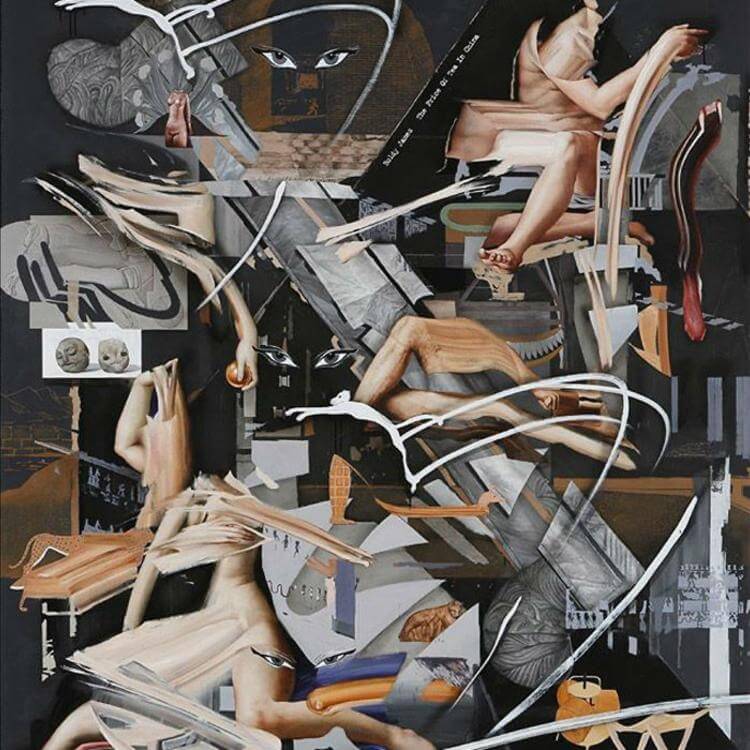
Boldy James and The Alchemist first joined forces for My 1st Chemistry Set in 2013, a collaboration that deserved considerably more attention than it received. Seven years later, they reunited for The Price Of Tea In China, picking up where that album left off while sharpening the formula. Following the excellent Boldface EP in late 2019, this twelve-track set finds the Detroit MC and the celebrated producer working in near-perfect alignment.
The Alchemist’s beats are understated but richly detailed, built from obscure samples, dusty loops, and measured drums that leave room for Boldy’s tightly controlled delivery. His writing is characteristically precise, filled with hard-earned street observations and carefully chosen details. He rarely raises his voice or spells out the significance of a scene, trusting the listener to catch what lies beneath the surface. The restrained approach gives the album its tension, with every verse adding another piece to Boldy’s bleak, matter-of-fact portrait of survival and ambition.
The guest list is lean and well judged. Freddie Gibbs, Benny The Butcher, Vince Staples, and Evidence each bring a distinct presence, complementing the central pairing without disrupting the album’s character. With only four of the twelve tracks featuring guests, Boldy remains firmly in control of the narrative, and The Alchemist maintains a consistent musical identity from beginning to end.
The Price Of Tea In China is a superb meeting of producer and MC, with neither artist needing to overstate his contribution. The Alchemist supplies beats that reveal new details over time, while Boldy delivers some of his most compelling writing. Their chemistry is so natural that a third collaboration would be welcome at any time.
117. Revival Season - Golden Age Of Self Snitching (2024)

Atlanta duo Revival Season take an unpredictable route through Hip Hop on The Golden Age Of Self-Snitching, a debut that draws on rap, rock, and electronic music without settling comfortably into any one category. Brandon “Bez” Evans handles the rhymes, while Jonah Swilley builds the musical framework, combining their strengths into fourteen tracks that thrive on restless energy and left-field ideas. Fans of the Beastie Boys and Run The Jewels will recognize something of that same appetite for collision and experimentation.
“Look Out Below” launches the album with an immediate jolt, establishing a sound driven by heavy synth bass, live drums, and jittery electronic rhythms. Swilley’s production is deliberately eclectic, but Bez adapts easily to its shifting arrangements, moving between forceful verses, nimble flows, and hooks that stick. The music has a physical, almost punk-like urgency, with enough rhythmic variation to keep the songs from settling into predictable patterns.
“The Path” and “Chop” are highlights, pairing Bez’s sharp writing with infectious grooves and social observations that never get in the way of the momentum. A key part of the duo’s chemistry is Swilley’s willingness to shape the beats around Bez’s voice, letting the MC’s phrasing dictate where the music goes instead of forcing him into conventional song structures.
The Golden Age Of Self-Snitching succeeds because its experimentation comes with personality and a genuine sense of fun. Revival Season aren’t interested in playing by established genre rules, and their best tracks make that freedom sound exhilarating. This is an adventurous debut with enough hooks and character to bring listeners along for the ride.
118. Ghais Guevara - Goyard Ibn Said (2025)

Ghais Guevara has a knack for making political anger entertaining without diminishing its substance. On Goyard Ibn Said, the Philadelphia rapper constructs a two-act story around Goyard, a fictional figure caught between the temptations of commercial success and the realities of Black life under capitalism and white supremacy. The first half revels in the spoils of fame; the second examines what that success costs. Guevara uses the character to interrogate the music industry, the commodification of Black culture, and his own place within that machinery.
The production matches the tension in his writing. Boom-bap, jazz, and electronic music collide across a restless set of beats, with distorted synths and heavy bass giving way to more restrained arrangements when the subject matter demands it. Guevara’s delivery remains agile amid the shifting backdrops, his verses packed with biting humor, intricate wordplay, and vivid detail. “Leprosy” and “3400” capture his combative side, while “Branded” adds orchestral flourishes to the album’s more theatrical moments.
The transition into Act 2 changes the perspective without draining the record of its intensity. “4L” and “The Apple That Scarcely Fell” turn inward, considering the personal consequences of ambition, while “You Can Skip This Part” pares things back to soul samples. These contrasts give the concept room to breathe, even when Guevara’s arguments occasionally compete with the music for attention.
Goyard Ibn Said refuses to separate political conviction from the contradictions of pursuing a career in Hip Hop. Guevara understands that success can offer freedom and impose its own compromises, and he makes that conflict the album’s central tension.
119. Conway The Machine - God Don't Make Mistakes (2022)

Conway The Machine built his reputation on grimy street narratives, intricate punchlines, and a voice that sounds like it has survived every hardship he describes. God Don’t Make Mistakes, his Shady Records debut, adds another dimension to that formula. Following From King to a God (2020), Conway turns inward, addressing trauma, family, mental health, and the personal cost of the life he has lived. The change in perspective gives some of his most affecting writing to date a welcome place at the center of the album.
“Guilty,” “Stress,” and the title track find Conway confronting his demons with unusual candor, while “So Much More” considers the distance between the man he has become and the life he once knew. The introspection doesn’t come at the expense of the hard-edged rap that made him a Griselda standout. “Piano Love” opens with the familiar crunch of a Daringer beat, and “John Woo Flick” reunites Conway with Westside Gunn and Benny The Butcher for a dose of crew chemistry. “Tear Gas” takes an unexpected turn with a strong Lil Wayne verse, while Jill Scott’s appearance on “Chanel Pearls” brings a different kind of presence to the album.
The production roster, including Daringer and The Alchemist, keeps the record cohesive despite noticeable shifts between dusty, abrasive beats and more polished arrangements. Not every guest or hook lands, and “Wild Chapters” is an unfortunate detour. Still, God Don’t Make Mistakes gives Conway room to address the experiences behind his hardened persona, making it one of his most revealing albums.
120. Napoleon Da Legend & Clypto – Maison De Medici (2022)

Napoleon Da Legend is one of underground Hip Hop’s most prolific MCs, regularly releasing projects without letting quantity come at the expense of craft. Maison De Medici, his second full-length of 2022, pairs the Comoros-born, Brooklyn-based rapper with West Coast producer Clypto for a more understated affair than his earlier collaboration Modus Operandi with Just Music Beats. Where that album leaned into melodic boom-bap and hard-hitting bars, this one favors refined production and a more relaxed approach.
Clypto gives Napoleon room to work, building polished instrumentals around soulful samples, measured drums, and elegant melodic touches. The beats have a smooth, considered quality, but retain enough rhythmic weight to keep the album firmly grounded in Hip Hop. Napoleon is an ideal match for the material. His cadence is remarkably natural, his flow gliding across the rhythms without sounding forced, while his writing moves comfortably between sharp observations, cultural references, and thoughtful reflections. He has the kind of command that makes technical skill seem effortless.
The guest appearances fit the album’s measured character, with Supreme Cerebral and Nejma Nefertiti among those adding their voices without pulling attention away from the central partnership. Nothing here depends on grand gestures or dramatic shifts in direction. The appeal lies in the consistency of the performances and the care taken with the musical details.
Maison De Medici demonstrates another side of Napoleon Da Legend’s range. Clypto supplies a tasteful setting, and Napoleon makes the most of it with assured delivery and well-crafted verses. For listeners who appreciate mature, lyrically focused Hip Hop, this is one of the stronger entries in his extensive catalog.
121. SKECH185 & Jeff Markey - He Left Nothing For The Swim Back (2023)
Backwoodz Studioz has spent years giving unconventional voices room to make challenging, uncompromising Hip Hop, and He Left Nothing For The Swim Back fits comfortably into that tradition. The collaboration between rapper SKECH185 and producer Jeff Markey is a turbulent listen, built around abrasive instrumentals and a vocal performance that often sounds as if it is straining against the music. The result belongs to the same adventurous underground lineage as Def Jux and Anticon, although its character is distinctly its own.
Markey’s production is the album’s most immediate shock. The beats twist and buckle, drawing on dissonant sounds, unpredictable rhythms, and arrangements that rarely settle into comfortable patterns. Rather than providing a stable foundation for the verses, the music keeps the listener slightly off balance. SKECH185 responds with a rough-edged, volatile delivery, his voice cutting through the chaos with an intensity that suits the material. His writing demands attention, even when the combination of vocal urgency and restless production makes individual details difficult to catch on first listen.
The guest appearances strengthen the album without softening its edges. PremRock is a natural fit for this kind of fractured musical terrain, while billy woods brings the sharp, unsettling perspective that has made him Backwoodz’s defining artist. Their contributions reinforce the record’s connection to a label that has consistently backed MCs and producers willing to take risks.
He Left Nothing For The Swim Back has little interest in making its ideas comfortable or immediately accessible. Its appeal lies in the friction between Markey’s volatile production and SKECH185’s uncompromising performance. Listeners drawn to experimental Hip Hop will find plenty to dig into; those looking for conventional song structures should look elsewhere.
122. Nas - Magic 3 (2023)
Nas turned 50 in September 2023, and Magic 3, released on his birthday, finds him rapping with the confidence and technical command that have defined his career for decades. The album also closes his six-project run with Hit-Boy, a partnership that has given the Queensbridge veteran a remarkable late-career revival. While King’s Disease III remains our favorite of their collaborations, this final installment offers plenty of evidence that the chemistry between rapper and producer has held up.
Hit-Boy’s polished approach has occasionally worked against Nas, particularly on the first King’s Disease, where some of the production leaned too heavily toward contemporary radio rap. The beats here are generally more varied and better suited to Nas’s strengths, moving between soulful melodies, hard-hitting drums, and sleek modern arrangements. “Sitting With My Thoughts” is a highlight, pairing reflective lyrics with a memorable melodic backdrop. “Jodeci Member” and “I Love This Feeling” find Nas in a celebratory mood, while “Based On True Events” and its sequel draw listeners into detailed street narratives. “Speechless Pt. 2” revisits familiar territory with characteristic assurance, and “Japanese Soul Bar” adds another welcome change of pace.
At 45 minutes, Magic 3 has room for Nas to explore different subjects and approaches without losing its focus. Some beats still carry Hit-Boy’s glossy signature, but Nas knows how to work within that framework, using intricate rhyme schemes, vivid details, and the authority of experience to keep the songs engaging.
The run that began with King’s Disease in 2020 ends on a high note. Magic 3 doesn’t surpass the trilogy’s best moment (KD III), but it gives this partnership a fitting conclusion and confirms that Nas remains a formidable presence well into his fifth decade.
123. Kendrick Lamar - GNX (2024)

After years of intricate concepts and carefully constructed albums, Kendrick Lamar took a different route with GNX. The surprise release trades some of the grand ambitions of To Pimp a Butterfly and good kid, m.A.A.d city for something looser, louder, and steeped in West Coast rap. The emphasis is on hard beats, sharp talk, and the kind of music that belongs blasting from car speakers on a sunny Los Angeles afternoon. Kendrick remains unmistakable, but this time he seems more interested in energy and attitude than building another elaborate statement.
The opening “wacced out murals” sets an aggressive tone, with pounding drums and ominous strings behind Kendrick’s pointed shots at the industry and figures he once admired. “reincarnated” takes a more reflective path, using imagined past lives to consider history, identity, and artistic responsibility. The SZA collaborations “gloria” and “luther” provide welcome melodic contrast, with the latter leaning into smooth R&B. Kendrick’s wordplay and command of cadence remain impressive throughout, even when the production doesn’t match his level. The title track and “dodger blue” are among the less convincing moments, with beats that lack the force or character the performances need.
The album’s unevenness is part of its mixtape-like appeal, though it also limits its staying power. GNX doesn’t have the cohesion of Kendrick’s finest work, and the early rush to declare it another career-defining masterpiece was excessive. We hear a veteran artist enjoying the freedom to make direct, sometimes messy West Coast rap without carrying the weight of a major concept. It may not rank alongside his classics, but when Kendrick locks into a beat, the results still command attention.
124. Killah Priest & Jordan River Banks - The Third Eye In Technicolor (2020)

Killah Priest’s 2020 run was remarkable, with Rocket To Nebula taking his abstract lyricism into drumless, otherworldly territory. The Third Eye In Technicolor, his collaboration with Dutch producer Jordan River Banks, explores related ideas with a firmer rhythmic foundation. The music still has a dreamlike quality, but Banks gives Priest more drums to work with, building intricate instrumentals that move between hazy melodies and rugged boom-bap. The production is a major part of the album’s appeal, providing enough structure to anchor Priest’s wandering thoughts without restricting their movement.
Priest has never been an MC who lays out his ideas in neat, linear narratives. His verses veer through metaphysics, spirituality, history, and cryptic personal reflections, often connecting subjects through associations that only gradually become clear. His stream-of-consciousness approach can be demanding, and listeners looking for straightforward storytelling may find themselves adrift. But when his ideas click into place, the density becomes part of the pleasure. Priest treats each verse like a chain of thoughts unfolding in real time, following connections that more conventional rappers might leave unexplored.
Banks proves an unusually good partner for this method. The beats have movement and detail without crowding Priest’s voice, and the stronger rhythmic presence gives the album a more immediate pull than Rocket To Nebula. The two projects complement each other, revealing different sides of Priest’s singular approach.
The Third Eye In Technicolor rewards listeners willing to let go of conventional expectations. Its combination of searching lyricism and finely crafted production makes it one of the most compelling entries in Killah Priest’s extensive catalog.
125. MIKE - Burning Desire (2023)

MIKE has been one of the defining voices to emerge from New York’s sLUms scene, developing a style built around introspective writing, understated delivery, and beats that favor feeling over polish. On Burning Desire, he brings those elements together in his most cohesive album to date, handling the bulk of the production himself. The result is intimate without becoming insular, with MIKE turning grief, family, identity, and personal growth into reflections that rarely need to be spelled out.
His relaxed, almost drowsy flow remains central to the music, lending the verses a conversational quality that draws listeners into his thoughts. The production is equally personal, built from soulful fragments, hazy loops, and loose rhythms that leave room for his voice to drift. “plz don’t cut my wings” and “Golden Hour” capture the album’s reflective side, while the title track and “Let’s Have a Ball” bring a livelier pulse to the proceedings. “African Sex Freak Fantasy” is a notable departure, pairing MIKE’s typically measured delivery with a more aggressive beat and a sharper, more forceful flow.
The changes in tempo and intensity prevent the album from settling into a single register, even as its understated sound gives the whole project a clear identity. MIKE doesn’t rely on grand declarations or dramatic performances. His strength lies in the way personal details accumulate, allowing larger questions about loss, belonging, and ambition to emerge naturally from the writing.
Burning Desire finds MIKE refining his approach without sanding away its rough edges. The self-produced beats and inward-looking verses belong together, making this a particularly complete expression of his artistic sensibility.
126. Skyzoo - Views Of A Lifetime (2025)

Skyzoo has spent years refining a style built on intricate rhyme schemes, sharp observations, and storytelling grounded in everyday experience. Views Of A Lifetime continues that tradition with the perspective of an MC who has nothing left to prove and plenty left to say. Though billed as an EP, its 36-minute running time and carefully developed ideas give it the substance of a full-length release. Following Keep Me Company (2024), Skyzoo delivers another thoughtful collection without needing to reinvent his approach.
The production draws on jazz and soul, with contributions from Thelonious Martin, Camouflage Monk, Conductor Williams, and The Other Guys. Each brings a slightly different flavor to the album’s warm boom-bap foundation. “Tags At The MOMA” connects hustler wisdom with the language of fine art, while “Pardon Me” reflects on creative lineage and the confidence that comes with knowing your place in it. “Sky Is Like” nods to Nas through layered wordplay and intricate cadences, and “Devotion” offers a fitting reflection on the lessons of experience.
The quieter moments are equally effective. “Love Day” wraps heartfelt writing in soulful samples and flute melodies, while “The Soloist” rides an easy jazz bounce. On “Half Bloom,” the reduced percussion leaves Skyzoo’s words exposed, placing the emphasis squarely on his writing. Throughout, he manages to pack his verses with detail without obscuring their meaning.
Views Of A Lifetime is another strong entry in a catalog defined by consistency and craft. Skyzoo’s greatest asset remains his ability to make technical sophistication serve the stories he wants to tell, rather than letting the technique become the story itself.
127. ELUCID - I Told Bessie (2022)

There is something deeply affecting about I Told Bessie, even when ELUCID’s lyrics resist a straightforward reading. Named after his paternal grandmother, Bessie Hall, the album draws on family memories and the lasting influence of a woman who helped shape his life. That personal foundation gives the music an emotional center, while ELUCID’s oblique writing and unconventional delivery keep the album from becoming a conventional exercise in nostalgia.
His verses move between family history, social observation, surreal imagery, and fragments of personal reflection. His unorthodox cadence can make the lyrics sound like thoughts arriving in real time, while the production gives them a physical edge. An unusually strong group of beatmakers, including The Alchemist, Kenny Segal, August Fanon, Child Actor, and The Lasso, contributes to a sound built from dusty samples, warped electronics, and hard-hitting funk. The music shifts in character from track to track without losing its grip on the album’s overall identity.
Pink Siifu and Quelle Chris fit naturally into ELUCID’s peculiar world, while billy woods brings his familiar verbal density to the collaboration. Willie Green’s engineering helps bind the different production styles together, with woods and ELUCID overseeing the album as executive producers.
What makes I Told Bessie so effective is the balance between abstraction and emotional purpose. Its lyrics don’t always yield their meaning immediately, but the album has a clear center in the family history that inspired it. ELUCID has made a challenging, deeply individual record that rewards curiosity without requiring every mystery to be solved.
128. Nas - King’s Disease II (2021)
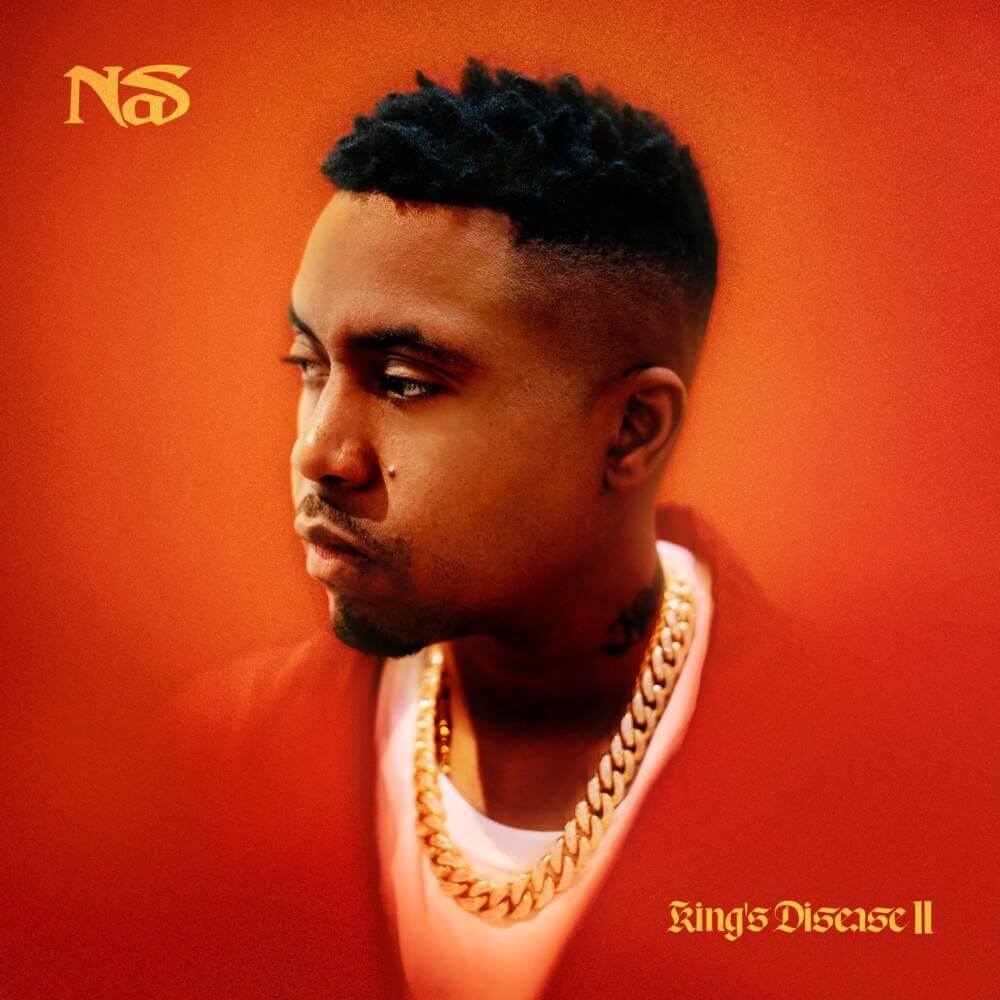
Nas sounds increasingly comfortable in his veteran role on King’s Disease II, a more substantial and consistent album than its predecessor. The first King’s Disease (2020) struggled at times to reconcile soulful East Coast production with modern trap influences, and its uneven guest list didn’t help. Here, Hit-Boy and Nas have a firmer grasp on the balance, blending contemporary polish with the veteran MC’s intricate writing and measured delivery. The production occasionally favors sleek modern touches over the dusty samples we’d prefer, but Nas fits the beats remarkably well.
“Store Run” gets things moving with sharp, assured rapping, while “Rare” and “Count Me In” find Nas reflecting on survival and success with the perspective of someone who has seen the industry change around him. “Death Row East” revisits a fascinating chapter of rap history, and “Nas Is Good” offers a confident rebuttal to those who have written him off. The standout “Nobody” pairs Nas with Lauryn Hill, whose commanding performance gives the track an emotional weight that lingers. “EPMD2” has its moments, although Eminem’s contribution is less compelling than the track deserves.
The main misstep is “YKTV,” where YG and A Boogie Wit Da Hoodie make for an awkward fit, particularly given the latter’s limp performance. Most of the remaining guests work well enough, even if the album occasionally would have benefited from a more selective approach.
King’s Disease II doesn’t belong alongside Illmatic, It Was Written, or Stillmatic, but it makes a convincing case for Nas’s late-career resurgence. Hit-Boy gives him a contemporary framework without crowding out his strengths, and Nas responds with sharp writing and the calm authority of an MC who knows exactly what he brings to the table.
129. Freddie Gibbs - You Only Die 1nce (2024)

Freddie Gibbs had little to prove at this point, but You Only Die 1nce offered another reminder of how much he can do without a high-profile producer or a stacked guest list. Across 37 minutes, Gibbs handles the microphone alone, reflecting on his past, paying tribute to fallen rappers, and delivering the tightly constructed street narratives that have defined his career. The result is lean and focused, with no features to interrupt the album’s solitary perspective.
A rotating cast of producers supplies the beats, but the changes in style never disrupt the flow. The instrumentals generally favor restrained, sometimes tranquil arrangements, giving Gibbs room to work through his verses without competing for attention. His command of rhythm remains exceptional: he shifts cadences with ease, packs lines with detail, and makes even familiar subject matter compelling through sheer precision and personality. The more introspective moments add another dimension to his tough exterior, lending the album a reflective streak without turning it into an exercise in self-pity.
You Only Die 1nce doesn’t reach the heights of Piñata (2014) or Bandana (2019), where Madlib’s distinctive production helped create a particularly memorable partnership. The beats here are less immediately identifiable, and few tracks leave the same lasting impression as Gibbs’ finest collaborations. Still, the straightforward approach suits him. There’s no elaborate concept to maintain and no guest verse competing for the spotlight, only a veteran MC working through his thoughts with confidence and control.
The album’s strength lies in its economy. Gibbs gets in, makes his point, and leaves before the material wears thin. You Only Die 1nce may not be a career peak, but it gives one of rap’s most technically assured MCs a welcome opportunity to stand entirely on his own.
130. Wiki - Half God (2021)

Wiki has always had a knack for turning the messiness of everyday life into compelling Hip Hop, but Half God finds the New York MC operating with unusual clarity and purpose. Produced entirely by Navy Blue, the sixteen-track album gives Wiki’s restless writing a musical home that feels natural from the opening moments. His verses still jump between memories, observations, humor, and uncomfortable truths, but there’s a new maturity in how he shapes those thoughts into songs. Of Wiki’s already strong catalog, this is the clear standout.
Navy Blue’s production favors understated loops, warm samples, and relaxed, Dilla-esque rhythms. The beats rarely demand attention for their own sake, instead creating a steady pull that draws out the nuances in Wiki’s delivery. “Not Today,” “Roof,” “Never Fall Off,” and “Drug Supplier” capture different sides of his writing, while “The Business” and “Gas Face” show how effectively he can turn scattered thoughts into sharp, memorable verses. “All I Need,” featuring Earl Sweatshirt, is a highlight, with Earl’s distinctive presence complementing Wiki’s loose, conversational style. MIKE and the other guests fit into the album’s close-knit world without disturbing its flow.
At an hour long, Half God asks for more time than a collection of quick singles, and its appeal grows as the songs begin to feel connected. Wiki’s writing can be deliberately untidy, but that quality gives the album its personality: these are thoughts shaped by experience rather than polished into easy slogans.
Navy Blue brings out the best in him, and Wiki responds with his most complete work to date. Half God is an album to live with, full of small details and lived-in observations that make its sixteen tracks feel like parts of a larger whole.
131. Tyler, The Creator - CALL ME IF YOU GET LOST (2021)

Chromakopia (2024) and Flower Boy (2017) are our favorite Tyler, The Creator albums, but CALL ME IF YOU GET LOST comes close. Where IGOR (2019) leaned heavily on singing and synth-driven arrangements, this album puts Tyler’s rapping back in the foreground, drawing together elements from across his catalog. The abrasive edge of Goblin and Wolf meets the soulful melodies of Flower Boy and IGOR, with Tyler sounding more comfortable than ever moving between hard-edged rap and smooth R&B.
The production is outstanding, handled almost entirely by Tyler himself, with Pharrell sharing credits on “JUGGERNAUT.” The arrangements are often more restrained than those on his previous two albums, but the variety works in the record’s favor. “CORSO” and “HOT WIND BLOWS” deliver sharp, confident rapping, while “WUSYANAME” brings a breezy melodic touch. “MASSA” and “MANIFESTO” offer more personal reflections, and “WILSHIRE” stretches into an extended, candid story about romantic complications. Tyler’s writing has grown considerably, balancing humor, vulnerability, and vivid detail without relying on a single overarching concept.
The guest list is surprisingly effective. Lil Wayne, Lil Uzi Vert, Ty Dolla $ign, 42 Dugg, and YoungBoy NBA each bring something useful to their respective tracks, while Pharrell’s influence is evident in the album’s funkier moments. Not every detour works: some of the R&B passages meander, a few skits interrupt the momentum, and DJ Drama’s frequent shouting becomes tiresome. His presence occasionally distracts from music that doesn’t need the extra noise.
Those are relatively minor flaws in an album this accomplished. CALL ME IF YOU GET LOST may lack the narrative unity of Tyler’s most conceptual work, but the combination of sharp rapping, inventive production, and increasingly assured songwriting makes it one of his strongest releases.
132. clipping. – Visions Of Bodies Being Burned (2020)

With Visions Of Bodies Being Burned, Los Angeles trio clipping. return to the horror-inspired territory of There Existed an Addiction to Blood (2019) and make it even more disturbing. The two albums form a loose diptych, but the sequel pushes the concept into stranger, more oppressive territory. From the opening title track, heavy percussion and unsettling background sounds establish a world where conventional Hip Hop structures collide with the disorienting logic of a nightmare.
Daveed Diggs remains an extraordinary presence on the microphone, delivering intricate, often abstract verses with the precision and speed that distinguish his work. His imagery is vivid and frequently grotesque, but the real source of the album’s tension lies in the production. Jonathan Snipes and William Hutson construct elaborate arrangements from industrial noise, ambient passages, techno rhythms, and fractured electronic sounds. The beats rarely settle into familiar patterns, and moments of apparent calm can be as unnerving as the more abrasive passages. Rather than treating horror as a lyrical theme alone, clipping. build it into the music itself.
That approach makes Visions Of Bodies Being Burned an unusually demanding listen. The trio’s experiments with noise and rhythm leave little room for easy hooks or comfortable repetition, while the album’s consistent focus on horror gives its many sonic detours a clear purpose. The effect is closer to being trapped inside a particularly vivid horror film than listening to a conventional rap album.
Headphones help bring out the layers of sound, though the record’s impact doesn’t depend on any particular listening ritual. Visions Of Bodies Being Burned is tense, disorienting, and frequently exhilarating, a rare sequel that finds new ways to intensify the ideas of its predecessor.
133. Ardamus - Psychedelic City Cowboy $h!t (2022)

Cities leave their mark on the people who stay long enough to know them intimately. On Psychedelic City Cowboy $h!t, Washington, DC MC and producer Ardamus explores that relationship, reflecting on how years spent in one place shape your habits, memories, and sense of identity. It’s a grounded premise for an album that balances personal observation with the pleasures of rugged, sample-driven Hip Hop. Across sixteen tracks and nearly fifty minutes, Ardamus makes a strong case for this being one of the finest releases in his catalog.
Sharing production duties with Height Keech, his collaborator on Astro Blocks (2020), Ardamus builds a lively collection of beats around booming drums, inventive samples, and the kind of dusty loops that reward fans of classic underground rap. The production has a distinctly old-school foundation, but the arrangements have enough character to avoid sounding like exercises in nostalgia. Ardamus’ flows draw on familiar boom-bap traditions, while his writing gives the music a mature perspective. He can be direct without becoming predictable, using everyday experiences to explore the accumulated effects of living in a city over time.
The chemistry between the two producers keeps the album moving, with enough variation across the tracklist to give each song its own character. Ardamus’ rapping remains the focal point, his delivery relaxed and assured over beats that provide plenty of room for the lyrics.
Psychedelic City Cowboy $h!t doesn’t need a grand concept or elaborate production tricks to make its point. Its appeal comes from the combination of lived-in writing, hard drums, and well-chosen samples. It’s an overlooked highlight of Ardamus’ career, and a rewarding find for listeners who appreciate thoughtful underground Hip Hop.
134. Yugen Blakrok - The Illusion Of Being (2025)

Yugen Blakrok occupies a lane of her own in Hip Hop, combining intricate lyricism with spiritual inquiry and uncompromising political commentary. The Illusion Of Being, her third album, continues the path established by Return Of The Astro-Goth (2013) and Anima Mysterium (2019), with thirteen tracks that pair dense writing with a strong rhythmic foundation. Blakrok moves between ancestral memory, mysticism, identity, and revolutionary thought, delivering cryptic observations with the precision of an MC who knows exactly how she wants her words to land.
Longtime collaborator Kanif the Jhatmaster handles most of the production, building beats from gritty samples, tripped-out flutes, and bursts of distorted guitar. The arrangements take unexpected turns while remaining grounded in drums and loops. “Mesmerize” establishes the album’s hypnotic pace, while “Osiris Awakens” and “Earthlinguist” explore spiritual themes through layered percussion and winding melodies. “Fighter Mantra” is more direct, dispensing with a hook in favor of concentrated lyrical force. On “The Shining,” DJ KCL’s cuts and Lee Scott’s production give the track a dusty edge, while “Tessellator” pairs Blakrok with Cambatta for a densely coded exchange. Sa-Roc appears on “The Grand Geode,” and Hannah Allen contributes to “Regrettably,” bringing their own character to two distinct moments on the album.
Blakrok’s measured delivery holds steady as the music shifts between meditative passages and more forceful rhythms. Her writing rarely offers easy answers, weaving philosophical ideas and political convictions into imagery that invites interpretation without losing its bite.
The Illusion Of Being is another strong Blakrok release. Kanif’s adventurous production gives her ideas a compelling musical framework, and her combination of technical control and unconventional subject matter remains distinctive in contemporary Hip Hop.
135. Infinity Knives & Brian Ennals - King Cobra (2022)

Baltimore duo Infinity Knives and Brian Ennals make a formidable case for experimental Hip Hop on King Cobra, an abrasive, politically charged record that sounds as though old-school rap has survived the end of the world. The description “post-apocalyptic Run-DMC” gets at the album’s strange appeal: its foundations lie in the blunt rhythms and direct delivery of 1980s rap, while the production pushes those ingredients into far more unsettling territory.
Brian Ennals attacks the microphone with a straightforward, old-school flow, giving his dense social and political commentary a directness that makes the subject matter hit hard. He has little patience for polite language or comfortable conclusions, and his writing draws its force from that refusal to soften the message. Infinity Knives provides the ideal counterweight, building beats from abrasive electronics, jagged rhythms, and disquieting sounds that seem to be coming apart around the drums. The production is adventurous without abandoning Hip Hop’s physical foundations.
“Premium Malt Freestyle” makes the connection to earlier generations particularly clear, drawing on the rough-edged spirit of Schoolly D and Sir Mix-a-Lot while putting the duo’s own stamp on that tradition. Elsewhere, the uneasy instrumentals and confrontational lyrics create a world that is as politically charged as it is sonically unpredictable.
Fans of Baltimore experimentalist JPEGMAFIA may recognize a similar appetite for disruption, although King Cobra has its own identity and priorities. This is challenging music with a clear purpose, built around the collision of blunt political expression and genuinely inventive production. Few 2022 Hip Hop releases sounded anything like it.
136. Blu & Evidence - Los Angeles (2024)

Blu has delivered some exceptional music over the years, although his output since Below The Heavens (2007) has been uneven. Los Angeles, his collaboration with Dilated Peoples’ Evidence, ranks among his best work of the 2020s. Both artists hail from the city that gives the album its title, and their shared connection to L.A. runs through these songs. Blu documents its neighborhoods, traffic, weather, nightlife, and personal losses, while Evidence supplies a varied collection of beats rooted in the city’s underground Hip Hop tradition.
“54th” opens with a stripped-back tribute to the neighborhood, establishing the local perspective that carries through the record. “The Land” and the title track offer further observations on life in Los Angeles, while “L.A. Traffic,” featuring Cashus King and Self Jupiter, turns one of the city’s defining frustrations into lyrical material. Blu’s writing is at its most affecting on “Heaven,” where gospel-inflected production accompanies a letter from a departed friend describing the afterlife. “The Cold” finds him reflecting on those rare chilly days in a city better known for sunshine.
Evidence moves comfortably between rugged boom-bap, jazz-inflected loops, soulful samples, and drumless arrangements. “L.A. Tourists” takes an unexpected psychedelic turn midway through, while “3 Wheel Motion” brings Kokane’s unmistakable West Coast drawl to a slow, hazy groove. “Lights at Night,” featuring Domo Genesis and Navy Blue, captures the city’s nocturnal side, and Evidence joins Blu on the mic for the heartfelt “Wish You Were Here.”
Blu’s flow can be loose, but his conversational delivery suits the material, allowing the details and memories to take precedence over technical display. Evidence gives each song its own character while maintaining a coherent musical identity. Los Angeles is a personal, well-observed portrait of the city, and a welcome reminder of what Blu can accomplish with the right producer beside him.
137. The High & Mighty - Sound Of Market (2025)

The High & Mighty built their reputation on punchline-heavy lyricism, rugged beats, and an irreverent streak that made 1999’s Home Field Advantage a standout of its era. On Sound Of Market, Mr. Eon and DJ Mighty Mi revisit that formula with the confidence of veterans who understand its appeal. This is their strongest album since Home Field Advantage, built around crisp boom-bap drums, thick sample loops, filtered basslines, and scratches that keep the turntables firmly in the picture.
Eon sounds sharp and hungry from the opening “2 Man Crew,” and “Zounds” finds him dispatching bars with the bite of an MC who has plenty left to say. Mighty Mi’s production draws on classic East Coast rap without turning the album into a museum piece. Horn stabs and piano riffs give the beats plenty of character, while the sequencing keeps the record moving.
The guest appearances bring a welcome range of voices. Kool Keith takes “Pinky Tuskadero” in his own eccentric direction, while Madd Skillz and Breeze Brewin make strong foils for Eon on “6ers & Squires” and “Super Sound.” Your Old Droog rides an Alchemist soul sample on “The Rose Bowl,” and King T brings a dose of G-funk to “Dubbs Up.” “Prism,” featuring Large Professor and Tash, is let down somewhat by its muted mix, but the veteran MCs still deliver. The Smut Peddlers reunion on “Most In Outs” is another highlight, with piano-driven aggression that recalls the duo’s earlier work.
There is plenty more to enjoy, from the record-store tribute “Funk ‘O’ Mart” to the punchline barrage of “Spaceport.” “Highest Degree,” featuring O.C., keeps the closing stretch lively, while “2 High Whiteys” revisits old conflicts over bluesy production. Sound Of Market has the grit, wit, and musical fundamentals that made The High & Mighty worth following in the first place, delivered by two veterans who haven’t lost their touch.
138. Danger Mouse & Jemini - Born Again (2023)

Twenty years after Danger Mouse and Jemini recorded their second collaborative album, Born Again finally surfaced, offering a long-awaited follow-up to 2003’s Ghetto Pop Life. The Brooklyn MC and the producer had already proved an inspired pairing on that overlooked gem, and these ten tracks make a convincing case that their chemistry was worth revisiting. Recorded before Danger Mouse became one of the most sought-after producers in music, the album captures him working in the psychedelic, sample-heavy underground style that first earned him attention.
“All I” opens with immediate impact, built around the off-kilter loops and head-nodding rhythms that suit Jemini’s animated delivery. Danger Mouse digs into his crates for dusty soul fragments, unusual melodic turns, and layered arrangements that reveal new details with repeated plays. The beats have a loose, funky quality, but there’s plenty of craft behind their apparent simplicity. Jemini meets them with a style that moves easily between brash boasts, humor, and more vulnerable writing.
“Dear Poppa” is the emotional center of the record, with Jemini confronting complicated feelings about his father. It’s a revealing performance from an MC whose playful swagger can sometimes obscure the personal experiences beneath it. “Knuckle Sandwich II” heads in the opposite direction, delivering gritty funk and hard-edged bravado, while “Locked Up” and “Brooklyn Basquiat” find different ways to balance personal struggle with Jemini’s natural charisma.
The album’s long delay might have made it an archival curiosity, but the music holds up as a coherent collaboration in its own right. Danger Mouse’s production has the personality and musical detail to reward close listening, while Jemini gives the beats a distinctive voice. Born Again may not quite reach the heights of Ghetto Pop Life, but it makes the wait worthwhile, finally bringing an intriguing missing chapter of their partnership into the open.
139. Quelle Chris & Chris Keys - Innocent Country 2 (2020)

Quelle Chris rarely follows a predictable path, and Innocent Country 2 finds the Detroit MC exploring a different emotional register from its 2015 predecessor. Where the original album wrestled with isolation, pessimism, and the search for peace amid personal turmoil, this sequel reaches toward optimism without pretending the world has suddenly become easier to understand. Released in 2020, during a period of widespread uncertainty, it offers a welcome dose of warmth without resorting to empty reassurance.
Chris Keys provides the musical foundation, weaving dusty drums, mellow synths, and jazz-inflected loops into beats that sound inviting without becoming lightweight. The production has a relaxed, summery quality, but Quelle’s writing gives the songs plenty to chew on. His observations move between personal reflection, social commentary, and dry humor, often finding small moments of hope in circumstances that offer little reason for it. After the pointed examination of American life on Guns (2019), this album takes a gentler approach while retaining his willingness to look at uncomfortable realities.
“Living Happy” captures the record’s underlying outlook, while “Graphic Bleeds Out” and “Black Twitter” bring sharper social observations into the mix. “Grease From The Elbows,” featuring billy woods and Pink Siifu, adds a welcome change of energy, and Homeboy Sandman delivers a memorable verse on “Sacred Safe.” The guest appearances work especially well because each MC brings a distinct voice and perspective to the songs.
Innocent Country 2 doesn’t carry the same urgency as Guns, nor does it aim to. Its appeal lies in the contrast between the warmth of Keys’ production and the thoughtfulness of Quelle’s writing. The album rewards repeated plays without demanding a particular mood or season, finding room for hope while keeping its eyes open to everything that makes hope difficult.
140. Curse Ov Dialect - Dark Days Bright Nights (2021)

Few groups approach Hip Hop with the same disregard for convention as Australian collective Curse Ov Dialect. Active since 1994, the multicultural crew has spent decades combining surrealist writing, political commentary, and a deliberately unruly musical sensibility. Dark Days Bright Nights continues that tradition across a sprawling double album that takes aim at Australian cultural hypocrisy while drawing on sounds and ideas from well beyond the usual boundaries of rap.
The production is a world of unexpected collisions. Beats draw on samples from different musical traditions and eras, shifting between rugged Hip Hop rhythms, unusual melodic fragments, and arrangements that refuse to settle into familiar patterns. The MCs match this restless backdrop with idiosyncratic flows, playful wordplay, and pointed observations about ignorance, prejudice, and social inequality. Their delivery can be as theatrical as their famously elaborate live performances, with the group’s collective identity taking precedence over conventional rap-star posturing.
That experimental spirit is the album’s greatest strength, though it also makes Dark Days Bright Nights a demanding listen. Songs can veer into strange territory without warning, and the sheer variety of ideas occasionally makes the record difficult to absorb in one sitting. Listeners looking for familiar song structures or straightforward boom-bap will have to adjust their expectations. Those willing to follow Curse Ov Dialect through its detours will find a group with a distinctive musical vocabulary and a clear ideological purpose.
The album’s political convictions are inseparable from its sound. Curse Ov Dialect use cultural references, unconventional samples, and deliberately unpredictable performances to challenge the narrow assumptions that often shape discussions of identity and belonging. Dark Days Bright Nights won’t appeal to everyone, but its ambition and eccentricity make it a compelling alternative to safer, more predictable forms of underground Hip Hop.
141. AKAI SOLO - Spirit Roaming (2022)

AKAI SOLO occupies an unusual position in Brooklyn’s underground rap scene: closely connected to its leading figures, yet committed to a style that remains distinctly his own. Spirit Roaming, his first full-length for Backwoodz Studioz, gives his introspective writing a broader musical canvas without sacrificing the intimacy and sardonic self-awareness that distinguish his work. Building on the existential concerns of his Body Feeling EP, the album finds him wrestling with identity, perception, and the uncertainties of everyday life through a deliberately unconventional approach to rapping.
An eclectic production lineup brings together established names such as Preservation, Animoss, Messiah Musik, and August Fanon with emerging talents including Theravada, ibliss, WifiGawd, Roper Williams, and JUNIE. AKAI contributes some production of his own, but the variety of collaborators gives the album a wider sonic range than much of his earlier work. The beats shift between sparse loops, woozy melodies, and more disjointed arrangements, creating a musical framework for his distinctive cadence and elliptical writing.
AKAI spends nearly the entire album alone on the microphone, making the closing appearance by Armand Hammer particularly welcome. Their contribution provides a fitting final exchange for a record built around AKAI’s solitary perspective. His delivery can be difficult to settle into, and his lyrics rarely offer straightforward narratives or easy conclusions. The production, however, gives the album enough variation to keep its many detours engaging.
Spirit Roaming remains firmly rooted in the more experimental end of underground Hip Hop, but its balance of musical variety and personal writing makes it a strong entry point into AKAI SOLO’s catalog. Backwoodz Studioz proves a natural home for his idiosyncrasies, and this is arguably his most fully realized album to date. It may not convert every listener, but it gives his singular approach room to develop.
142. Previous Industries - Service Merchandise (2024)

A defunct catalog retailer might seem like an unlikely starting point for an album about memory, identity, and the passage of time, but Previous Industries make the concept work. The trio of Open Mike Eagle, Video Dave, and STILL RIFT use Service Merchandise to revisit the everyday landmarks of a disappearing America, drawing on the names of old stores and services to evoke childhood routines, obsolete technology, and the strange intimacy of things people once took for granted.
Child Actor supplies most of the production, favoring hazy samples, off-kilter loops, and understated drums that give the album a worn-in quality. The music recalls earlier eras of independent Hip Hop without becoming an exercise in imitation. The beats leave plenty of room for the three MCs to trade observations, moving between dry humor, cultural references, and reflections on how the past changes as we grow older.
Video Dave brings a wistful perspective to “Roebuck,” while STILL RIFT finds sharper edges in his recollections on “Fotomat.” Open Mike Eagle’s intricate writing adds another layer, connecting seemingly trivial memories to broader questions about culture and personal history. The trio’s different approaches keep the album from becoming a collection of interchangeable nostalgia pieces. Their conversations have the loose, sometimes funny quality of friends comparing memories and discovering that they experienced the same world in very different ways.
The retail references give Service Merchandise a clear organizing idea, but the album’s real subject is the distance between the world we remember and the one we inhabit now. Its appeal depends partly on recognizing the names and objects that inspired it, although the underlying reflections reach beyond any particular generation. Previous Industries turn an unlikely concept into a thoughtful, often funny record about growing older and realizing how much of everyday life eventually disappears.
143. Aesop Rock – I Heard It’s A Mess There Too (2025)
Aesop Rock released two albums in 2025, but I Heard It’s A Mess There Too takes a noticeably different approach from Black Hole Superette. Dropped without advance notice, initially available for free online, this twelve-track set strips away some of the denser arrangements of its predecessor in favor of leaner, more direct production. Aesop handles the beats himself, using taut drums, steady basslines, and carefully placed details to create music that leaves his voice plenty of room.
The title grew out of conversations with friends abroad. Checking in on people in different parts of the world, Aesop found that trouble seemed to be everywhere. His writing approaches that shared uncertainty through observation, dry humor, and the occasional flash of wonder rather than grand pronouncements. His vocabulary remains characteristically intricate, but his delivery is relaxed and conversational, giving the songs an immediacy that can get lost in his more densely packed work.
“Crystals and Herbs” sets the tone with crooked percussion and a low, persistent bassline. “The Cut” moves at a more subdued pace, while “Full House Pinball” brings springy drums and playful piano into the mix. “Spin to Win” rides a funky loop with an easy swing, and “Oh My Stars” balances deadpan wit with moments of genuine curiosity. Later, “Pay the Man” and “Poly Cotton Blend” bring harder drums and a more traditional boom-bap feel. “Call Home” closes the album on an intimate note, returning to the importance of staying connected when circumstances feel increasingly unstable.
The production’s restraint suits the material. Aesop leaves gaps in the arrangements where his words can settle, and the small instrumental details give the tracks personality without cluttering them. I Heard It’s A Mess There Too is a thoughtful counterpoint to the busier Black Hole Superette, finding Aesop at his most understated while still unmistakably himself.
144. Killer Mike - MICHAEL (2023)

Killer Mike’s first solo album in over a decade finds him taking stock of the experiences, beliefs, and personal struggles that shaped him. MICHAEL is deeply autobiographical, moving between childhood memories, family, faith, and grief with the conviction of a man confronting his own contradictions. The cover art, depicting a nine-year-old Mike with a halo and horns, captures the tension running through the record: the pull between righteousness and the damage we inflict on ourselves and others.
The Atlanta veteran draws heavily on Southern musical traditions, bringing gospel choirs, church organs, bluesy instrumentation, and deep basslines into arrangements that also carry the weight of hard-edged boom-bap and contemporary Atlanta rap. The music gives Mike room to alternate between measured reflection and forceful, sermon-like delivery. The guest list is formidable, with André 3000’s appearance providing a particular highlight, but the album’s emotional center remains Mike’s own story.
Listeners expecting another R.A.P. Music or a Run The Jewels-style barrage will find a different side of the MC. The political fire is still there, but MICHAEL turns inward, examining the personal history behind the public persona. Mike’s writing can be blunt, but his willingness to address uncomfortable truths gives the album its weight. Gospel-inflected and full of hard-earned perspective, MICHAEL is a compelling portrait of a veteran rapper wrestling with where he has been and what he wants to leave behind.
145. One Be Lo - Baby (Being A Black Youth) (2020)

One Be Lo has never been short on ideas, and BABY (Being A Black Youth) puts his fondness for wordplay and elaborate concepts to good use. The title spells out the album’s central theme, while every track name is built from the same four letters. It’s a typically inventive touch from the Binary Star MC, whose solo catalog has produced some excellent work but rarely matched the heights of S.O.N.O.G.R.A.M. (2005). BABY comes closer than anything he has released since.
The sixteen tracks share a consistent musical identity, thanks to Seattle producer Eric G, who handles the bulk of the production alongside One Be Lo. Soulful samples, sturdy boom-bap drums, and DJ Abilities’ scratches give the album the character of a carefully assembled independent Hip Hop record, with enough variation to sustain its nearly hour-long running time. One Be Lo’s thoughtful writing addresses Black identity, social pressures, and the experiences of growing up, balancing personal reflection with the broader concerns that have long informed his work.
The guest list includes Freeway, Guilty Simpson, Black Milk, Royce da 5’9″, Jean Grae, and Phonte, bringing several distinctive voices into the mix. Their appearances add variety to a record whose musical continuity is one of its chief strengths.
BABY combines a clear conceptual framework with warm production and substantial lyricism. One Be Lo sounds fully engaged with his craft, delivering an album that recalls the qualities that made his earlier work so compelling without relying on nostalgia. For listeners who have followed his career since Binary Star, this is a particularly satisfying return to form.
146. Anti-Lilly & Phoniks - All Good Things (2025)

Six years after That’s The World, Anti-Lilly and Phoniks reunited for All Good Things, an album shaped by the Houston MC’s experiences with isolation, sobriety, and recovery. Anti-Lilly approaches these subjects with a measured, conversational delivery, tracing the pressure of everyday life and the difficult work of putting yourself back together. His writing finds meaning in small details and gradual changes, giving personal struggles room to breathe without dressing them up in grand statements.
Phoniks supplies the kind of jazz- and soul-inflected production that has made Don’t Sleep Records a reliable home for understated, thoughtful Hip Hop. Warm loops, soft Rhodes chords, and crisp drums establish an easy groove, with enough melodic variation to keep the fourteen tracks from blending together. The arrangements suit Anti-Lilly’s unhurried flow, leaving space for his words to register. ScienZe, Devante, and Awon contribute additional perspectives, while the production maintains a consistent musical thread.
Tracks such as “Too Late,” “Swim in Fire,” and “Window” explore burnout, uncertainty, and the possibility of renewal. Anti-Lilly doesn’t pretend recovery follows a neat progression, and the album’s restrained writing makes its moments of hope more convincing. The partnership has always worked well because Phoniks understands how to build a musical setting around Anti-Lilly’s introspection without crowding it with unnecessary embellishments.
We have a soft spot for the Don’t Sleep Records catalog, and All Good Things is another release that plays to the label’s strengths. Mature, soulful, and quietly affecting, it is an excellent fit for listeners who prefer their Hip Hop reflective and jazz-soaked rather than built around spectacle.
147. dälek - Precipice (2022)

dälek have spent decades testing the limits of experimental Hip Hop, combining abrasive noise, heavy beats, and politically charged writing into music that rarely offers an easy ride. Since emerging from the East Coast underground in the 1990s, MC Dälek and producer Mike Manteca have developed a sound that draws as readily from industrial music and drone as it does from hardcore rap. Their eighth album, Precipice, finds the New Jersey duo channeling that approach into another imposing collection of songs, with Tool guitarist Adam Jones making a guest appearance.
The album’s production revolves around forceful boom-bap rhythms buried beneath layers of ominous drones, distorted textures, and sustained noise. The contrast gives the music a physical weight, while the surrounding sounds create a sense of unease that persists long after the drums fade. MC Dälek delivers his lyrics in a forceful, measured cadence, weaving social criticism and abstract imagery into verses that demand attention without spelling out every conclusion. The result is a record that reveals its character gradually, through accumulation rather than immediate hooks.
dälek’s finest work remains From Filthy Tongue Of Gods And Griots (2002) and Absence (2005), two defining albums in industrial Hip Hop. Precipice doesn’t reach quite the same heights, and some of its ideas lack the lasting impact of those earlier classics. Still, its deliberate pacing suits the material, capturing the anxiety and instability of the period surrounding its release.
Precipice is bleak, confrontational, and uncompromising in its musical vision. Listeners seeking conventional song structures may find little to hold onto, but those willing to sit with its dense arrangements will find Dälek continuing to explore the uneasy territory where Hip Hop, noise, and protest collide.
148. ScHoolboy Q - Blue Lips (2024)

Five years after CrasH Talk fell short of expectations, ScHoolboy Q returned with Blue Lips, an album that ranks among his finest work. The Los Angeles rapper sounds reinvigorated, balancing the confrontational personality that made his name with a more reflective side that has developed over the years. The result recalls the ambition of Habits & Contradictions and Oxymoron, even if Blank Face LP remains our favorite Q album.
The production is a major part of the appeal. Jazz passages and soulful samples sit alongside unsettling melodies, hard drums, and sudden beat switches, giving Q plenty of room to change gears. He can sound playful, vulnerable, menacing, or downright vicious, sometimes within the same song. “Pop” kicks things off with a jolt, while “THank God 4 Me” brings his trademark bravado over a forceful beat. “Blueslides” turns inward, and “Love Birds,” “Cooties,” “oHio,” and “Foux” keep the first half moving through contrasting moods and arrangements.
Q’s willingness to take chances distinguishes Blue Lips from a straightforward return to form. The album moves between trap-heavy aggression and jazzier detours without losing its grip on his personality. Freddie Gibbs, Ab-Soul, and Rico Nasty add their own energy, with the guest appearances fitting the record’s shifting character.
The second half doesn’t maintain quite the same run of highlights, but the album’s ambition and musical variety carry it through. Blue Lips sounds like an artist reconnecting with his instincts while finding fresh ways to express them. ScHoolboy Q has made a compelling return, and one of the strongest albums of his career.
149. Knowledge The Pirate & Roc Marciano - The Round Table (2025)
Knowledge the Pirate has spent years developing a style that rewards patience: measured delivery, street-level observations, and the quiet authority of someone who has little interest in dressing up his experiences. On The Round Table, he finds an ideal setting for that approach. Roc Marciano handles all fourteen tracks, building a cohesive album around sparse arrangements, chopped soul samples, and drumless loops that leave the MC’s words exposed. For us, this is Knowledge’s strongest project to date.
A Harlem native and longtime Marciano associate, Knowledge emerged as a solo artist in the 2010s after an early, brief stint with Interscope. Since Flintlock (2018), his albums have drawn on street experience and Five Percent Nation teachings, delivered in a clipped, conversational style that rarely needs to raise its voice. The Round Table plays to those strengths. On “Eating Etiquette” and “Addicted to Danger,” the absence of drums puts every pause and inflection under the microscope. “Golden Rules” and “The Outfit” are equally economical, with minimal backing that gives Knowledge room to control the pace.
Marciano varies the formula without disrupting the album’s continuity. “Takes a 10” brings a funkier pulse, while “Magic & Kareem” and “Food for Thought” lean into pitched-up soul samples. Dry humor surfaces on “Ride wit a P” and “1 on Me,” before “Servitude” and “Receipts” bring the record to a measured close.
There are no guest verses or elaborate hooks to break the spell. The focus stays on the interplay between Marciano’s carefully selected samples and Knowledge’s unhurried bars. The Round Table is understated by design, and its restraint is precisely what makes it work. Marciano’s production gives Knowledge the perfect platform, resulting in his most complete album yet.
150. Third Root – Passion Of The Poets (2020)

San Antonio trio Third Root bring education, political awareness, and a healthy dose of irreverence to Passion Of The Poets, their fourth full-length album. MCs Easy Lee and Mexican StepGrandfather draw on their backgrounds as educators to address contemporary social and political realities, but there’s no classroom stiffness to their approach. They move easily between pointed commentary, sharp wordplay, and straight-up trash talk, keeping the writing lively even when the subject matter gets serious.
The musical foundation draws from several traditions without losing its Hip Hop center. Grammy-winning producer Adrian Quesada, nu-cumbia innovator El Dusty, and veteran beatsmith Illfudge contribute a mix of 1990s-inspired boom-bap, Southern rhythms, soulful instrumentation, and Latin influences. DJ Chicken George ties the record together with his turntable work and deep musical knowledge. The twelve tracks are sequenced with care, giving the album a natural flow as its production shifts between rugged rap foundations and more distinctly Latin grooves.
The guest list adds further color, with contributions from Black Pumas, Kam Franklin, Grupo Fantasma, Bavu Blakes, and Mad1ne. These appearances expand the musical palette while keeping the album rooted in the San Antonio scene and its blend of cultural influences. The cover art also captures the project’s identity, matching its combination of intellectual substance and street-level attitude.
Passion Of The Poets makes its points without sacrificing humor or musical enjoyment. Easy Lee and MexStep understand that political rap works best when sharp ideas arrive alongside personality and memorable beats. The album may have passed beneath the radar of many listeners in 2020, but its combination of thoughtful writing, varied production, and regional character makes it well worth seeking out.