
1988 was an extraordinary year for Hip Hop. The genre was expanding at a remarkable pace, with artists and producers exploring new approaches to sampling, drum programming, lyricism, and songwriting. The records coming out of New York, Los Angeles, Oakland, Philadelphia, and beyond reflected a culture growing increasingly diverse in its musical ambitions and regional identities. The old-school foundations were still recognizable, but the music was becoming harder, denser, more sophisticated, and increasingly adventurous.
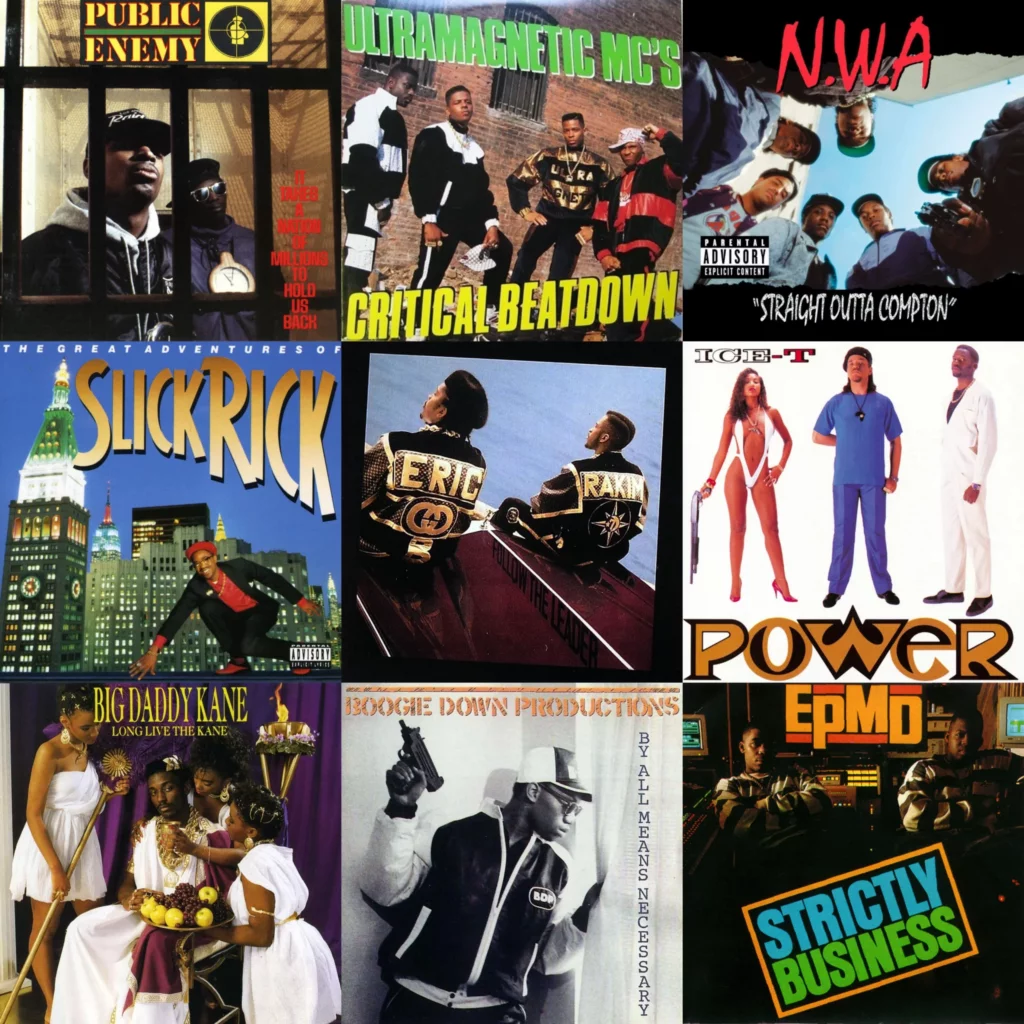
New York was at the center of many of these developments. Public Enemy’s It Takes a Nation of Millions to Hold Us Back pushed sample-based production into exhilarating new territory, with The Bomb Squad assembling an almost overwhelming barrage of funk fragments, scratches, horns, and breakbeats. Eric B. & Rakim’s Follow the Leader continued to raise the bar for MCing, while Big Daddy Kane’s Long Live the Kane combined technical precision with an effortless sense of style. Boogie Down Productions took a more confrontational approach on By All Means Necessary, bringing political awareness and street-level observations together through KRS-One’s increasingly commanding presence.
Elsewhere, the musical possibilities seemed just as exciting. Slick Rick brought his distinctive storytelling to The Great Adventures of Slick Rick, EPMD developed their unmistakable funk-driven formula on Strictly Business, and Ultramagnetic MCs ventured into stranger territory with the inventive production and eccentric lyricism of Critical Beatdown. The emerging Native Tongues movement offered another perspective, with Jungle Brothers’ Straight Out the Jungle introducing an Afrocentric sensibility that would influence an entire generation of artists.
Meanwhile, the West Coast was finding its own identity. N.W.A.’s Straight Outta Compton brought an uncompromising perspective from Los Angeles to a national audience, while Ice-T, Eazy-E, King Tee, and Too $hort each contributed to the growing diversity of West Coast rap. Across the country, female MCs, party rappers, and crossover acts were expanding the audience without necessarily following the increasingly harder direction of much East and West Coast Hip Hop.
From politically charged manifestos and intricate lyrical displays to playful party records, inventive storytelling, and uncompromising street narratives, 1988 offered an extraordinary range of music. Forty albums provide a glimpse into a year when Hip Hop was developing in several directions simultaneously, with artists pushing their own ideas rather than following a single formula. The results make 1988 one of the richest years in the genre’s history, and certainly one of HHGA’s favorites.
Also read: Top 150 Hip Hop Albums Of The 1980s
1. Public Enemy - It Takes A Nation Of Millions To Hold Us Back

At HHGA, we consider It Takes a Nation of Millions to Hold Us Back the greatest album ever made, regardless of genre. Public Enemy’s second album took the urgency of Yo! Bum Rush the Show and pushed it into considerably more ambitious territory. Released in June 1988, the record grew out of Chuck D’s vision of a Hip Hop equivalent to Marvin Gaye’s What’s Going On, addressing the political tensions, racial inequalities, and social realities of contemporary America. The result was an uncompromising statement that gave the group an extraordinary musical and ideological identity.
The Bomb Squad, consisting of Hank Shocklee, Keith Shocklee, Eric Sadler, and Chuck D, created a production approach unlike anything heard in Hip Hop at the time. Their densely layered constructions combined funk breaks, distorted horns, rock guitar, vocal fragments, scratches, and electronic noise into an exhilarating wall of sound. Rather than settling into conventional beat patterns, the music constantly shifts and collides, generating an intensity that matches Chuck D’s commanding presence. From the ominous opening of “Countdown to Armageddon” through “Bring the Noise,” “Don’t Believe the Hype,” and “Rebel Without a Pause,” the album barely gives the listener room to breathe. Terminator X cuts through the sonic turbulence with precision, while Flavor Flav’s unpredictable interjections provide another essential dimension to the group’s chemistry.
Chuck D’s writing gives this musical assault its purpose. “Night of the Living Baseheads” confronts the crack epidemic and the forces exploiting it, while “Black Steel in the Hour of Chaos” turns incarceration into a gripping story of resistance. “Caught, Can We Get a Witness?” addresses the music industry’s treatment of sampling, an issue that would become increasingly important as Hip Hop developed. Institutional racism, media manipulation, Black empowerment, and cultural ownership run throughout the record.
Few albums have combined such extraordinary sonic invention with such conviction. It Takes a Nation of Millions to Hold Us Back is ferocious, imaginative, politically charged, and remarkably cohesive. Four decades later, its urgency has lost none of its force. For us, this is the absolute pinnacle of recorded music.
2. Ultramagnetic MCs - Critical Beatdown

Ultramagnetic MCs approached Hip Hop from an entirely different angle. Where many of their contemporaries were refining established formulas, the Bronx group seemed intent on dismantling them. Their debut, Critical Beatdown, released in October 1988, is an extraordinary collection of hard breakbeats, fragmented funk samples, frenetic scratching, and unconventional rhyming. Its restless character and disregard for conventional song structures made it one of the most adventurous albums of its time.
Ced-Gee’s production is central to the record’s appeal. Working extensively with the E-mu SP-1200, he chopped, rearranged, and manipulated samples into dense constructions that rarely settle into predictable patterns. Funk fragments, including material from James Brown recordings, become building blocks for beats that sound abrasive, skeletal, and intricately assembled. DJ Moe Love adds another dimension with his sharp turntable work, while the overall production approach points toward the more experimental side of underground Hip Hop that would develop over the following decades. The Bomb Squad’s appreciation of this approach also speaks to the album’s importance within the production landscape of the late eighties.
On the microphone, Kool Keith and Ced-Gee operate according to their own rules. Keith’s peculiar imagery, staccato delivery, and unpredictable rhyme patterns give the music an eccentric personality that few other MCs could match. “Watch Me Now” and “Kool Keith Housing Things” capture his unconventional approach, while “Ego Trippin'” is an outstanding exercise in abstract braggadocio. “Give the Drummer Some” takes a more direct route, with the group’s rhythmic instincts and lyrical dexterity coming to the forefront.
Critical Beatdown received relatively little attention upon its initial release, but its reputation has grown considerably. Its influence reaches across generations of underground producers and MCs drawn to unconventional sampling, off-kilter rhythms, and unrestricted lyrical expression. Strange, challenging, and consistently inventive, this is Hip Hop at its most imaginative.
3. N.W.A. - Straight Outta Compton

When N.W.A brought Compton‘s street realities to a national audience, the established New York-centered Hip Hop landscape suddenly had a serious challenger. Straight Outta Compton captured a volatile period in Los Angeles through Ice Cube’s incisive writing, Eazy-E’s unmistakable delivery, MC Ren’s forceful rhymes, and the production of Dr. Dre, DJ Yella, and Arabian Prince. The group’s confrontational approach gave West Coast rap a new visibility and made gangsta rap a major force in the genre.
The opening title track announces N.W.A’s intentions with aggressive performances and vivid street imagery. “F**k tha Police” takes the confrontation directly to law enforcement, expressing anger over police harassment and brutality with a fury that eventually attracted the attention of the FBI. “Gangsta Gangsta” combines provocative humor with criminal narratives, while “Express Yourself” offers a different perspective. Over a funky, sample-driven beat, Dr. Dre argues for creative freedom and the right to express oneself without restrictions.
The production is a major part of the album’s appeal. Hard-hitting TR-808 drums, funk samples, sharp vocal snippets, and relatively stripped-down arrangements give the individual MCs plenty of room to make their presence felt. Ice Cube and MC Ren supplied much of the writing, and their contributions give the group’s street narratives considerable verbal force. Eazy-E’s high-pitched, conversational delivery provides a striking contrast to their more aggressive performances, while Dre and Yella give the music a cohesive identity.
The album’s explicit misogyny and glorification of violence are difficult to overlook, and its depictions of criminal life frequently blur observation and fantasy. Still, Straight Outta Compton captured the anger, tensions, and confrontational spirit of its particular environment with an impact that extended far beyond California. Its success challenged the prevailing geography of mainstream Hip Hop, brought Los Angeles to the forefront, and sparked fierce debates about censorship, race, policing, and artistic expression. Few records have altered the public perception of Hip Hop as dramatically.
4. Slick Rick - The Great Adventures Of…

Before releasing his solo debut, Slick Rick had already contributed two of Hip Hop’s most celebrated early recordings. His performances on Doug E. Fresh & the Get Fresh Crew’s “The Show” and “La Di Da Di” in 1985 introduced an MC with an extraordinary ear for dialogue, character, and comic timing. The Great Adventures of Slick Rick gave him an entire album to explore those abilities. Born in London and raised in the Bronx, Ricky Walters brought an unmistakable British accent, conversational flow, and mischievous personality to a style of storytelling that was entirely his own.
“Children’s Story” is the obvious centerpiece. Rick constructs a cautionary tale about a young man’s descent into crime with the detail, pacing, and character development of a short film. Every verse moves the narrative forward, building toward a conclusion that hits with genuine impact. “Mona Lisa” takes a different approach, turning an encounter with an attractive woman into an increasingly absurd narrative, while “The Moment I Feared” finds Rick exploring sexual bravado and its unfortunate consequences with his characteristic dark humor. His ability to make elaborate fictional situations sound like conversations with a friend is remarkable.
The musical backdrop is equally varied. Production contributions from Rick himself, Jam Master Jay, and Public Enemy’s Bomb Squad give the album a mixture of stripped-down funk, hard breaks, and denser sample-based arrangements. “Hey Young World” deserves particular attention for its thoughtful message about responsibility, ambition, and the choices facing younger generations. Its reflective tone adds another dimension to an album otherwise dominated by humor and outrageous storytelling.
Rick’s influence on narrative-driven rap can be heard in artists ranging from Nas and The Notorious B.I.G. to Snoop Dogg. His gift for creating memorable characters and turning everyday situations into entertaining, fully developed stories is extraordinary. The Great Adventures of Slick Rick is a remarkably individual debut, powered by an MC whose personality comes through in every rhyme.
5. Eric B & Rakim - Follow The Leader

Following the extraordinary success of Paid in Full, Eric B. & Rakim faced the difficult task of matching a debut that had already altered the course of Hip Hop. Follow the Leader, released in July 1988, demonstrated that the duo had plenty of room to grow. Eric B. expanded his production vocabulary beyond the James Brown breaks that had defined much of their first album, while Rakim sounded increasingly comfortable with the possibilities of his own writing. The result is a confident, ambitious follow-up that ranks among the finest sophomore albums in Hip Hop.
The title track immediately establishes a different kind of momentum. Over a rolling groove, Rakim delivers intricate rhymes with his characteristic composure, shifting cadences and placing internal rhymes in unexpected spaces without ever sounding forced. “Microphone Fiend” takes his obsession with MCing as its subject, comparing the need to rhyme to an addict’s dependence on a substance. His controlled delivery and remarkable rhythmic precision turn the familiar theme into something extraordinary.
Then comes “Lyrics of Fury”, an astonishing display of lyrical aggression. Rakim attacks the beat with greater urgency, filling his verses with internal rhymes, intricate patterns, and vivid imagery. The contrast with his more relaxed performances elsewhere makes the track especially effective. Few recordings capture his technical command quite so convincingly.
There is more to the album than its celebrated lyrical showcases. “Put Your Hands Together” introduces a communal energy, while “To the Listeners” addresses the audience directly. Instrumental pieces such as “Eric B. Never Scared” and “Beats for the Listeners” give Eric B. room to emphasize his skills behind the turntables. Across the record, the production moves through different textures while maintaining the duo’s unmistakable musical identity.
Rakim’s writing had become denser and more inventive, and Eric B. provided an increasingly varied musical framework for his partner’s ideas. Follow the Leader never needed to replicate Paid in Full. It took the foundation of that groundbreaking debut and delivered another exceptional album, confirming the duo’s remarkable creative chemistry.
6. Ice-T - Power
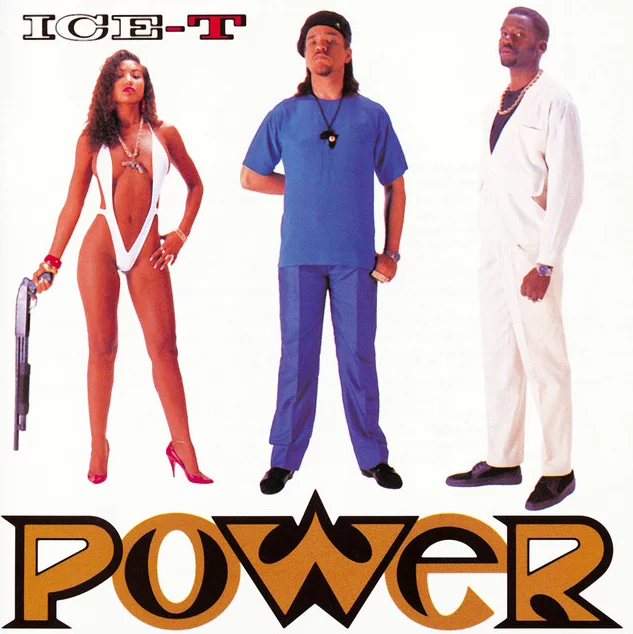
On his second album, Power, Ice-T broadened the approach introduced on Rhyme Pays. His sharp observations of street life and commanding delivery were still central, but the subject matter now extended into social commentary, industry criticism, and the ambitions and contradictions of hustler culture. Working with Afrika Islam, he also moved beyond the relatively stripped-down sound of his debut, exploring darker electronic textures and more varied production.
The title track lays out Ice-T’s philosophy of survival and control, while “High Rollers” follows hustlers pursuing money and status. “Radio Suckers” turns its attention to radio programmers reluctant to give rap proper exposure. “I’m Your Pusher” is one of the album’s most memorable ideas, recasting the drug dealer as someone offering music as an intoxicating alternative. Ice-T stretches the premise into an extended performance, balancing humor with a persuasive sense of showmanship.
Afrika Islam’s production gives the record much of its character. Drum programming and sample work draw on funk while reaching into more unusual electronic territory. “Drama” is a particularly striking example, with its Roland TB-303 bass line creating a tense, futuristic atmosphere that separates it from the more familiar break-driven sounds of the period.
The provocative cover, featuring Ice-T, DJ Evil E, and Darlene Ortiz, reinforced the album’s confrontational image. The music, however, has considerably more to offer than its presentation alone. Power captures Ice-T developing a broader perspective on the world around him, while retaining the directness and narrative instincts that made his debut distinctive.
7. Big Daddy Kane - Long Live The Kane

Big Daddy Kane’s debut introduced an MC with an exceptional command of rhythm, rhyme, and delivery. Long Live the Kane finds him moving effortlessly between rapid-fire passages and smooth, controlled performances, combining intricate rhyme schemes with razor-sharp punchlines and a charisma that makes even familiar braggadocio sound fresh. He had the technical ability to overwhelm an opponent, but also the style and timing to make every verse entertaining.
Produced primarily by Marley Marl, the album gives Kane a lean, funk-driven musical setting. Hard drums and cleverly manipulated samples leave plenty of space for his voice, while the beats provide a steady foundation for his constantly shifting flows. “Raw (Remix)” and “Set It Off” are particularly explosive, with Kane racing through verses at remarkable speed without sacrificing clarity. “Ain’t No Half-Steppin'” is the standout. Built around a memorable sample from The Emotions’ “Blind Alley,” it gives Kane room to demonstrate his intricate internal rhymes and seemingly effortless transitions between patterns. His performance is so assured that the technical complexity never gets in the way of the music.
There is more variety here than the battle-ready material might suggest. “Just Rhymin’ with Biz” brings Biz Markie’s playful personality into the mix, while “Word to the Mother (Land)” introduces an Afrocentric perspective. “I’ll Take You There” reveals Kane’s smoother side, anticipating the romantic material he would explore later in his career.
Not every track reaches the same level, but the album’s strongest moments are extraordinary. Long Live the Kane captures a young MC already operating with remarkable confidence, marrying technical brilliance to an instinctive sense of showmanship. Kane made virtuosity sound effortless, and “Ain’t No Half-Steppin‘” remains one of the clearest demonstrations of that gift.
8. Boogie Down Productions - By All Means Necessary

Scott La Rock’s murder in August 1987 changed the direction of Boogie Down Productions. Their debut, Criminal Minded, had made KRS-One and La Rock leading figures in New York’s emerging hard-edged rap scene. Less than a year later, KRS-One returned with By All Means Necessary, redirecting the group’s focus toward social criticism, political awareness, and education. The shift in subject matter was considerable, although the confrontational energy of their first album remained firmly in place.
“My Philosophy” sets the tone. Over a stripped-down, hard-hitting beat, KRS-One challenges fellow MCs, questions the direction of Hip Hop, and assumes the role of a teacher addressing his audience directly. His forceful delivery gives the track the urgency of a public address. “Stop the Violence” turns to the bloodshed within Black communities and the violence increasingly surrounding Hip Hop, while “Illegal Business” examines the drug trade and the interests profiting from it. “Part Time Suckers” takes aim at those who exploit others for personal gain. KRS-One approaches each subject with the same conviction, making the album’s social commentary feel inseparable from its music.
The cover reinforces the political message. KRS-One is pictured holding a gun and looking through a window, referencing an iconic photograph of Malcolm X. The title itself adapts Malcolm X’s famous declaration of self-determination, placing the album within a longer tradition of Black resistance. Musically, the production is lean and functional, built around forceful drums, funk samples, and uncluttered arrangements that keep the focus on the lyrics.
The loss of Scott La Rock gave By All Means Necessary its historical context, but KRS-One’s response defines the record. Here, the Teacher began to take shape, with a voice that would become one of conscious Hip Hop’s most recognizable.
9. EPMD - Strictly Business
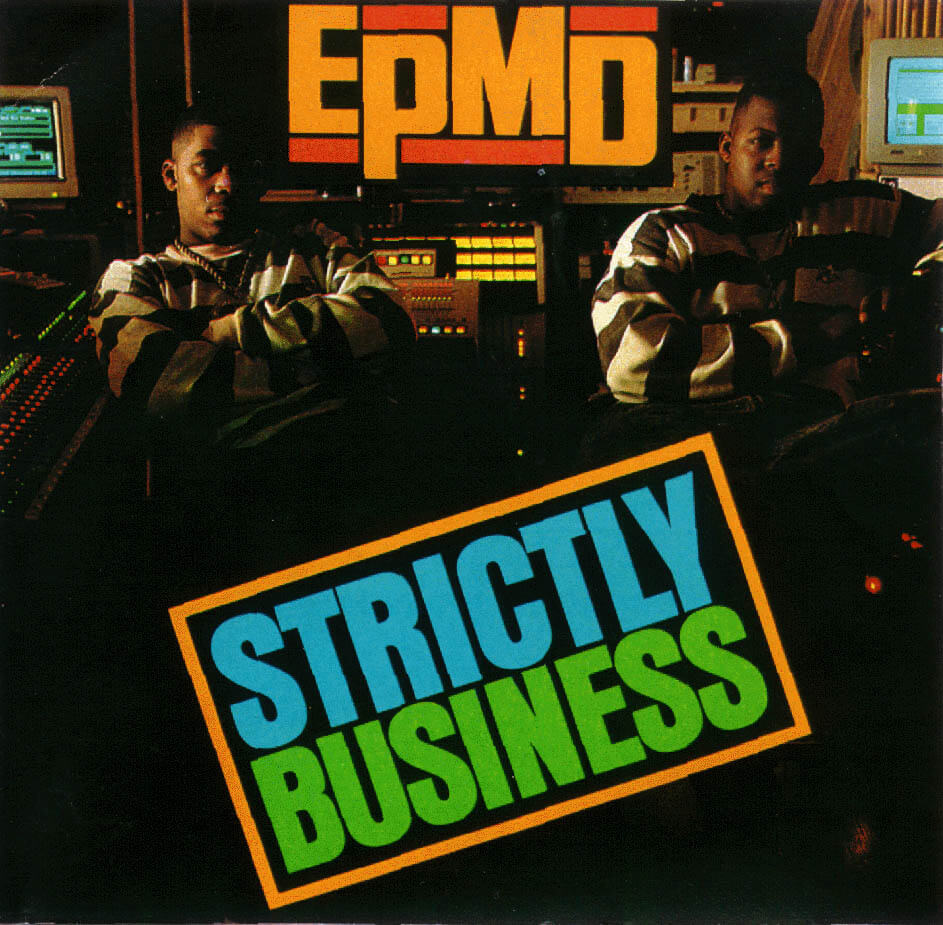
While much of New York rap in 1988 leaned toward increasingly forceful performances and dense production, EPMD took a more relaxed route. Strictly Business, released in June, introduced Erick Sermon and Parrish Smith as a duo with a distinctive musical identity: Sermon’s inventive, funk-heavy beats provided the foundation for their conversational delivery, playful braggadocio, and unhurried chemistry. They sounded entirely comfortable in their own style, allowing the grooves to do much of the talking.
The title track sets the mood with its memorable use of Eric Clapton’s version of Bob Marley’s “I Shot the Sheriff.” “You Gots to Chill” is another highlight, flipping a Zapp sample into an irresistible party record. Sermon’s production relies on funk and soul fragments, hard drum patterns, and uncluttered arrangements, often finding the perfect loop and letting it run. “I’m Housin'” and “Let the Funk Flow” capture the duo’s easy rapport, while “You’re a Customer” features a distinctive drum break that would find a second life in Mario Winans and P. Diddy’s “I Don’t Wanna Know” and The Weeknd and 21 Savage’s “Creepin’.”
“Jane” introduces the fictional woman who would become a recurring character throughout EPMD’s catalogue, adding a humorous storytelling element to the album’s boasts and party rhymes. Sermon and Smith rarely sound as if they are competing for the spotlight. Their understated performances complement each other naturally, giving the music an easy flow that suits the production.
Strictly Business laid the groundwork for a remarkably consistent run of EPMD albums. Its combination of infectious funk loops, understated rhyming, and effortless chemistry gave the duo a sound that was unmistakably theirs.
10. Jungle Brothers - Straight Out The Jungle

Jungle Brothers brought a different sensibility to New York Hip Hop with their debut, Straight Out the Jungle. Released in November 1988, the album introduced Afrika Baby Bam and Mike Gee as MCs with an interest in Afrocentric ideas, playful lyricism, adventurous sampling, and funk-driven grooves. It also marked an early moment in the development of the Native Tongues, the creative collective that connected Jungle Brothers with De La Soul, A Tribe Called Quest, and other artists who shared a more expansive view of Hip Hop.
The duo produced most of the album themselves, assembling funk breaks, quirky samples, and occasional rainforest sound effects into a loose, unpredictable musical backdrop. The title track lays out their approach, while “Black Is Black,” featuring a young Q-Tip, addresses Black identity and cultural pride. “Because I Got It Like That” is among the strongest cuts, pairing an infectious groove with confident, good-humored performances. “Jimbrowski” and “Braggin’ & Boastin'” lean into the duo’s playful side, giving the album much of its personality.
“I’ll House You,” produced by Todd Terry, takes a different direction. Its combination of rap vocals and house music rhythms became an important early hip-house crossover, connecting Hip Hop with the club scene and opening another avenue for experimentation.
The album’s sound quality is uneven, and some performances retain the straightforward rhythms and delivery of earlier Hip Hop. Its rough edges are part of the record’s character, though, and its best moments brim with ideas. Straight Out the Jungle captures the Native Tongues spirit before De La Soul’s 3 Feet High and Rising and A Tribe Called Quest’s People’s Instinctive Travels and the Paths of Rhythm brought it to a much wider audience. Jungle Brothers helped build the relationships and creative environment from which those records grew.
11. MC Lyte - Lyte As A Rock

MC Lyte was only 17 when she released Lyte as a Rock in April 1988, but she was already a remarkably assured writer and performer. She had written “I Cram to Understand U (Sam)” as a teenager, addressing drug addiction and its destructive effect on relationships. First released as a single in 1987, the song introduced an MC whose lyrical ability demanded attention. Her debut became the first studio album by a solo female rapper, arriving at a time when women in Hip Hop were still too often treated as novelties.
The production by Audio Two, King of Chill, Alliance, and Prince Paul is spare and drum-driven, giving Lyte plenty of room to command the microphone. The title track is a direct declaration of her abilities, while “10% Dis” delivers a blistering response to rival MC Antoinette. On “Paper Thin,” she addresses an unfaithful partner with cool precision, turning relationship troubles into a memorable lyrical takedown. “I Am Woman” and “Kickin’ 4 Brooklyn” add further personality and local pride.
Lyte as a Rock is built around writing, delivery, and conviction rather than elaborate production. MC Lyte made her case through the music itself, opening doors for generations of women in Hip Hop and demonstrating that lyrical authority had no gender.
12. Eazy E - Eazy Duz It

Although marketed as a solo debut, Eazy-Duz-It was very much an N.W.A production. Dr. Dre and DJ Yella handled the music, while Ice Cube, MC Ren, and The D.O.C. contributed the writing. Released in November 1988, the album gave Eazy-E an opportunity to step out from the group and develop the larger-than-life persona that made him one of gangsta rap’s most distinctive characters.
Eazy’s high-pitched, nasal delivery was never technically polished, but his attitude and comic timing made him an engaging frontman. The title track introduces him as a cartoonishly exaggerated street villain, surrounded by booming bass, funk samples, and layers of drums. “Boyz-n-the-Hood (Remix)” revisits his early signature song, while “We Want Eazy” brings MC Ren and Dr. Dre into the party. “No More ?’s” uses a mock interview to frame Eazy’s tales of crime and street life, and “Radio” turns its attention to the group’s relationship with mainstream radio.
Dre and Yella’s production is the album’s other major attraction. Drawing on P-Funk, electro, and hard-hitting breakbeats, they create dense, funky arrangements that give the record a distinctly Los Angeles identity. The writing is sharp and often darkly humorous, although Eazy’s performances occasionally struggle to keep pace with the more intricate verses supplied by his collaborators. Some of the violent and misogynistic material is also difficult to overlook.
Eazy-Duz-It has a looser, more mischievous personality than N.W.A’s Straight Outta Compton. Its combination of Dre and Yella’s booming production, strong writing, and Eazy’s unmistakable presence makes it a compelling companion to the group’s defining album.
13. Biz Markie - Goin Off

Biz Markie’s debut, Goin’ Off, introduced one of Hip Hop’s most distinctive personalities. A member of Marley Marl’s Juice Crew, Biz approached the microphone with a loose, animated delivery and an unusual sense of humor. He had little interest in matching the technical precision of fellow crew members such as Big Daddy Kane. His appeal came from an entirely different place: an infectious personality that made even the most ridiculous subject matter entertaining.
Marley Marl provides a punchy, funk-driven backdrop throughout. The first five tracks feature lyrics written by Kane, whose sharper rhyme patterns give songs like “Pickin’ Boogers” and “Albee Square Mall” an interesting contrast with Biz’s eccentric performance style. “Vapors” is the album’s standout storytelling track, observing how people who once ignored someone suddenly change their attitude when he becomes successful. “Nobody Beats the Biz” finds Biz playing the dozens with infectious confidence, while “Make the Music with Your Mouth, Biz” puts his human beatboxing skills front and center.
The album also captures Biz’s instinct for turning simple ideas into memorable records. “This Is Something for the Radio” and “Return of the Biz Dance” add to the playful atmosphere, while Marley Marl’s crisp sampling and hard drums keep the music firmly grounded in the Queensbridge sound.
Goin’ Off helped bring humor and eccentricity into a genre increasingly associated with hard-edged competition and serious subject matter. Biz Markie had a style nobody else could replicate, and this debut gives that individuality room to run.
14. Too Short - Life Is…

Too $hort’s Life Is… Too Short brought the Oakland rapper’s independent success to a much wider audience while preserving the loose, unhurried style that had made him a local phenomenon. The album’s release history is a little complicated: it circulated independently through Dangerous Music in late 1988, before Jive’s wider national distribution in early 1989. Its inclusion here reflects that original 1988 release.
The title track sets the scene with Too $hort’s deadpan delivery and straightforward account of street life, while “Rhymes” and “I Ain’t Trippin'” demonstrate his ability to make simple, conversational rhymes work over extended grooves. The production favors thick basslines, keyboards, and funk-influenced instrumentation over the harder breakbeat approach coming out of New York. The result has a distinctly Oakland character, built for cruising rather than lyrical showmanship.
There is more substance here than Too $hort’s reputation as a purveyor of explicit pimp rap might suggest. “Oakland” celebrates his hometown, while “City of Dope” offers a bleak picture of the damage caused by drugs in the Bay Area. “CussWords” takes his deliberately provocative persona to an extreme, and “Don’t Fight the Feelin'” adds guest appearances from Danger Zone and Rappin’ 4-Tay.
Too $hort’s relaxed flow and repetitive grooves are central to the album’s identity. Life Is… Too Short captures an independent West Coast sound finding an audience far beyond its original territory.
15. Run DMC - Tougher Than Leather

By 1988, Run-D.M.C. faced a Hip Hop landscape that had changed considerably since Raising Hell. Tougher Than Leather finds the group adapting to the rise of more intricate lyricism and sample-heavy production without abandoning the rap-rock formula that had made them famous. Produced by the group, Davy D. and Rick Rubin, the album is a more varied and musically adventurous effort than its reputation sometimes suggests.
“Run’s House” is an outstanding opener, driven by hard breaks and the group’s commanding delivery. “Beats to the Rhyme” and “I’m Not Going Out Like That” reveal Run and D.M.C. developing more elaborate rhyme patterns, while “Ragtime” introduces storytelling. The Monkees cover “Mary, Mary” and the funk-driven “Papa Crazy” continue their interest in rock and soul, but the album’s tougher cuts have the greatest impact.
The group was no longer setting the pace for the entire genre, but Tougher Than Leather deserves a more generous assessment. Its combination of forceful performances, adventurous sampling, and musical variety makes it arguably stronger than Run-D.M.C.’s first two albums.
16. DJ Jazzy Jeff & The Fresh Prince - He's The DJ I'm The Rapper

DJ Jazzy Jeff & The Fresh Prince’s second album was an important crossover moment for Hip Hop. Released as a double LP in March 1988, He’s the DJ, I’m the Rapper gave Will Smith’s playful storytelling and Jeff Townes’ exceptional turntable skills plenty of room. Its commercial success brought the duo into homes that might otherwise have been unfamiliar with rap.
“Parents Just Don’t Understand” is the centerpiece, turning teenage frustrations into an entertaining comic narrative. Its Grammy win in 1989 was historic: the first award for Best Rap Performance. “Brand New Funk” delivers a tougher James Brown-inspired groove, while “A Nightmare on My Street” turns Freddy Krueger into the subject of a humorous horror story. Jeff’s scratching and instrumental work, particularly on “Live at Union Square, November 1986,” give the album another dimension.
The double-album format occasionally tests its limits, but the duo’s chemistry carries the record. He’s the DJ, I’m the Rapper made accessible, entertaining Hip Hop a major commercial force without losing sight of the DJ’s importance.
17. Superlover Cee & Casanova Rud - Girls I Got Em Locked

Super Lover Cee & Casanova Rud’s Girls I Got ‘Em Locked is an overlooked New York gem from 1988. The duo combine confident boasting, playful battle rhymes, and party-ready energy across an album that never takes itself too seriously. Their easy chemistry gives tracks like “I’m Back,” “Girls Act Stupid-aly,” and “All You MC’s” an infectious, good-humored character.
The production deserves particular attention. Although the duo handled most of it themselves, Paul C. played an important role as recording and mixing engineer, receiving full production credit for “I Gotta Good Thing.” His influence is especially apparent on the closing track, “Do the James…,” an inventive construction built around layers of James Brown samples and funky breaks. It offers an early glimpse of the sample manipulation that would become central to East Coast production.
Girls I Got ‘Em Locked never received the recognition of some better-known 1988 releases, but its combination of lyrical confidence, infectious grooves, and adventurous beatmaking makes it a rewarding discovery.
18. Stetsasonic - In Full Gear

Stetsasonic’s In Full Gear is an ambitious double album that captures the group’s unusual position in late-eighties Hip Hop. With rappers, a human beatboxer, musicians, and producer Prince Paul in the lineup, they approached the music with a broader palette than most of their contemporaries. Funk, jazz, R&B, reggae, and rock influences all find their way into the mix, alongside sampling and live instrumentation.
“Talkin’ All That Jazz” is the essential track, a spirited defense of sampling against accusations that Hip Hop producers were simply stealing other people’s music. “Freedom or Death” brings a political edge, while “Float On” offers a soulful reinterpretation of the Floaters’ classic. Prince Paul’s inventive production and Daddy-O’s direction help give the album its variety, with Frukwan and the other members adding their own character.
The double-LP format occasionally wanders, but In Full Gear rewards listeners willing to follow its many detours. Its combination of musical curiosity, group chemistry, and production experimentation points toward the more eclectic Hip Hop that Prince Paul would help develop in the years ahead.
19. King Tee - Act A Fool
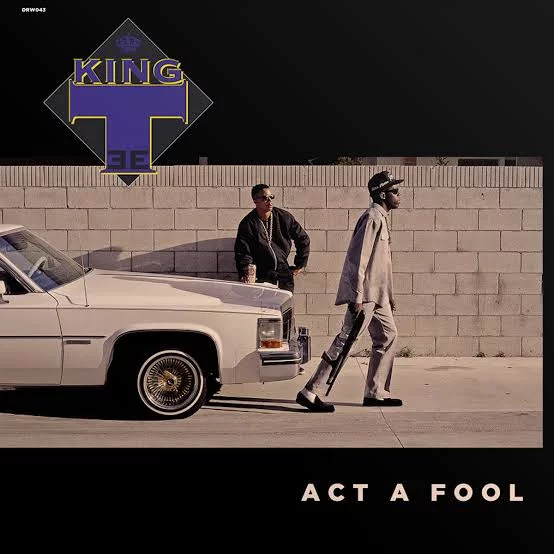
King Tee’s Act a Fool captures a side of late-eighties Los Angeles rap that tends to get overlooked when the era is discussed primarily through N.W.A and the rise of gangsta rap. Released in November 1988, his debut combines party-minded storytelling, playful boasts, and funk-heavy production, with DJ Pooh providing most of the musical backdrop.
The title track is the centerpiece. King Tee narrates a Friday night cruising around Los Angeles, picking up friends, choosing music, and heading to a party. His deep, commanding voice and conversational humor make the story entertaining, while the references to wearing neutral colors hint at the street tensions surrounding everyday life in Compton. DJ Pooh’s production supplies booming bass, funk samples, and rock guitar, giving the record an infectious groove.
“Payback’s a Mutha,” “The Coolest,” and “Just Clowning” reveal more of King Tee’s personality, while “Bass” pushes the album toward the dance floor. Act a Fool has the loose, good-humored energy of an earlier West Coast tradition, with a distinctive Compton identity beginning to take shape.
20. Kid N Play - 2 Hype

Kid ’n Play’s debut, 2 Hype, represents the lighter, party-oriented side of late-eighties Hip Hop. Released in October 1988, it introduced Christopher Reid and Christopher Martin as a duo with an easy chemistry, plenty of charisma, and little interest in projecting a tough image. Their appeal rested on humor, danceable grooves, and an infectious sense of fun.
Produced by Hurby “Luv Bug” Azor and the Invincibles, the album is built around punchy drums, funky samples, and catchy hooks. The title track and “Rollin’ with Kid ’n Play” establish the mood, while “Gittin’ Funky” is an irresistible dance-floor cut. “Brother Man Get Hip” adds a communal spirit, and “Last Night” and “Undercover” explore romantic misadventures, with The Real Roxanne appearing on the latter. Even “Do the Kid ’n Play Kick Step” captures the duo’s knack for getting an audience involved.
2 Hype is cheerful, charismatic party rap, delivered with infectious enthusiasm.
21. Marley Marl - In Control Vol 1

Marley Marl’s In Control, Volume 1, released in September 1988, was an ambitious extension of his work as one of Hip Hop’s most influential producers. Rather than making a conventional solo album, he assembled a collection of Juice Crew members and affiliated MCs, giving them a common musical framework while allowing their individual personalities to come through. The result is an engaging snapshot of a crew at the height of its creative powers.
The centerpiece is undoubtedly “The Symphony.” Masta Ace, Craig G, Kool G Rap, and Big Daddy Kane take turns delivering outstanding verses, making the track one of the defining posse cuts of the era. Its success lies in the contrast between four distinct styles, with each MC finding a different way to command the same beat. “Droppin’ Science” gives Craig G another opportunity to shine, while “The Rebel” introduces Tragedy Khadafi’s fierce delivery. Masta Ace also makes an impression on “Keep Your Eye on the Prize.”
Marley’s production holds everything together. His punchy drums, carefully selected funk samples, and economical arrangements give the album a consistent identity without making every track sound interchangeable. “We Write the Songs,” featuring Heavy D and Biz Markie, adds a playful touch, while Roxanne Shanté brings her sharp wordplay to “Wack Itt.”
Not every MC or track reaches the level of “The Symphony,” but the album’s collective energy makes up for the occasional unevenness. In Control, Volume 1 demonstrated how a producer could bring a roster of distinctive voices together and make the whole greater than the individual parts.
22. Salt N Pepa - A Salt With A Deadly Pepa
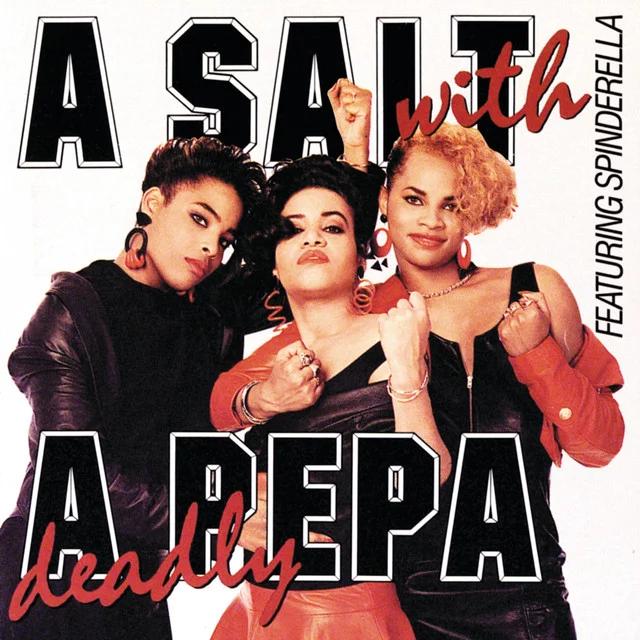
Salt-N-Pepa’s second album, A Salt with a Deadly Pepa, finds Cheryl James, Sandra Denton, and DJ Spinderella building on the success of Hot, Cool & Vicious. Released in July 1988, it combines confident rhyming, cheeky humor, and dance-floor appeal. Salt’s measured delivery and Pepa’s animated personality give the duo a lively chemistry, while their lyrics about relationships, independence, and having a good time come with plenty of attitude.
Produced by Hurby “Luv Bug” Azor and the Invincibles, the album runs on funky basslines, booming drum machines, and catchy hooks. “Shake Your Thang,” featuring go-go group E.U. and built around the Isley Brothers’ “It’s Your Thing,” is the highlight. “I Like It Like That” and “Solo Power (Let’s Get Paid)” bring the focus back to their rhyming, while “Spinderella’s Not a Fella (But a Girl D.J.)” gives their DJ a deserved moment in the spotlight.
A Salt with a Deadly Pepa captures Salt-N-Pepa’s exuberant early style at its best.
23. Two Live Crew - Move Somethin'
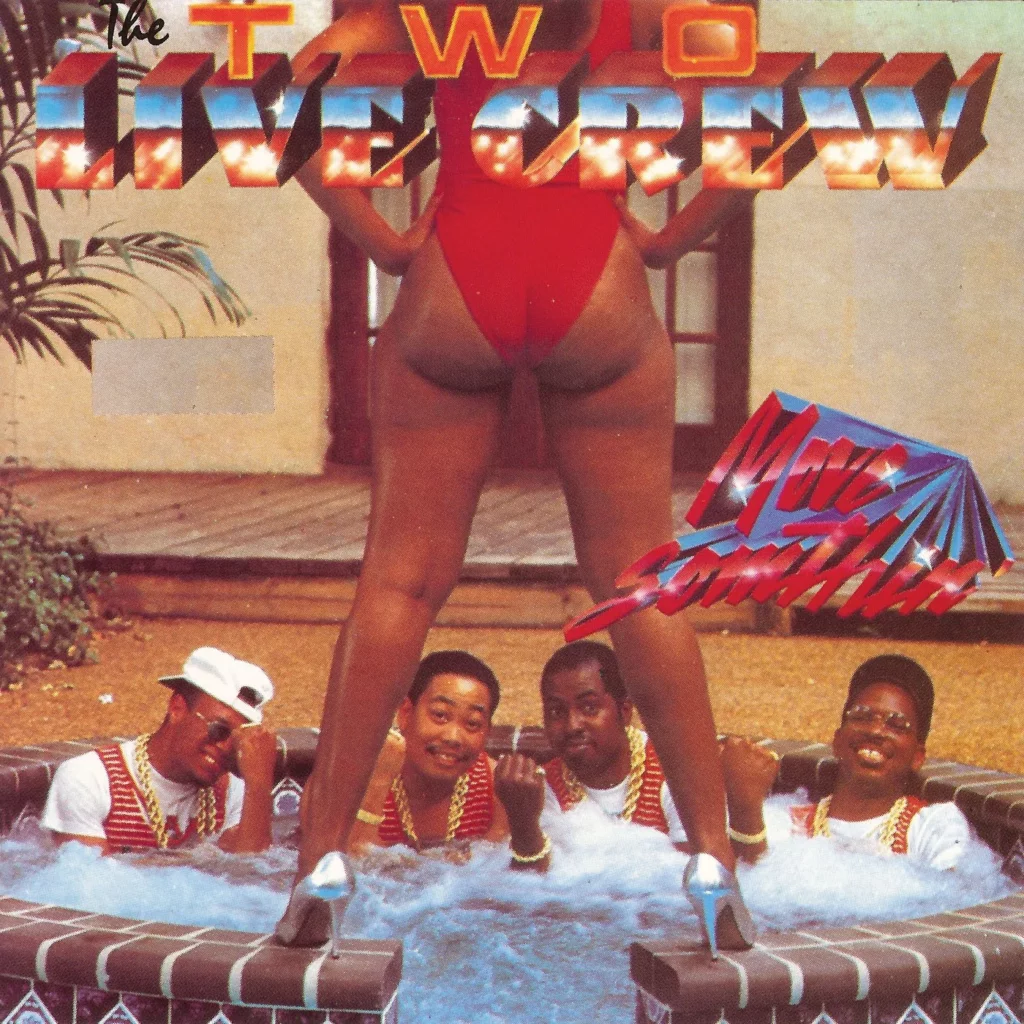
We have to admit, Move Somethin’ is something of a guilty pleasure. 2 Live Crew’s second album takes the Miami bass formula to another level, with Luke Skyywalker and DJ Mr. Mixx delivering pounding TR-808 drums, heavy bass, inventive sampling, and relentless party energy. The production is the main attraction, drawing on an unexpectedly wide range of sources, from Kraftwerk and James Brown to The Kinks and Queen.
The title track and “Drop the Bomb” get the party started, while “Do Wah Diddy” turns Manfred Mann’s pop hit into a bawdy dance-floor number. “Word II” makes particularly inventive use of Queen’s “We Will Rock You,” with Mr. Mixx cutting up Brian May’s guitar. Fresh Kid Ice and Brother Marquis supply plenty of outrageous sexual humor, although lyrical sophistication isn’t the point.
Move Somethin’ is crude, repetitive, and often deliberately ridiculous. Its irresistible beats make it hard to resist.
24. DJ Cash Money & Marvelous - Where's The Party At?

Philadelphia’s DJ Cash Money and MC Marvelous brought a distinctly playful approach to their debut, Where’s the Party At?, released in 1988 on Sleeping Bag Records. The album is built around party rhymes, juvenile humor, funky grooves, and the kind of DJ showmanship that made late-eighties Hip Hop such an entertaining period.
Marvelous supplies the jokes and outrageous boasts on tracks like “Find an Ugly Woman,” “Ugly People Be Quiet,” and “Marvelous’ Drawers.” The material is deliberately silly, but his animated delivery gives it plenty of personality. The title track and “All About Partyin'” make the duo’s intentions clear.
DJ Cash Money is the real attraction, though. His inventive scratching, cuts, and sample manipulation give the music an identity beyond its party-rap foundations. “The Mighty Hard Rocker” and “Music Maker” offer particularly good opportunities to appreciate his technical ability. Where’s the Party At? is an enjoyable reminder of an era when a gifted DJ and a charismatic MC could make an entire album out of having fun.
25. The 7A3 - Coolin In Cali

The 7A3’s Coolin’ in Cali captures an interesting meeting of East Coast and West Coast Hip Hop. Brooklyn-born brothers Brett B and Sean B moved to Los Angeles in the eighties, where they teamed up with Queens native DJ Muggs, later known for his work with Cypress Hill. Their New York background comes through in their forceful delivery and Run-D.M.C.-influenced approach, even as the album embraces its California setting.
The production is the main attraction. Joe “The Butcher” Nicolo handles most of the tracks, with Daddy-O contributing two productions and Cash Money co-producing “Goes Like Dis.” The Bomb Squad produced the title track, an infectious, funk-driven party cut that ranks among the album’s highlights. “Hit ‘Em Again” and “1/2 Bouldin, The Other 1/2 Ince” bring Daddy-O’s distinctive touch, while “Lucifer” adds a darker note.
Brett B and Sean B rely largely on traditional boast-and-brag rhymes, but their energetic performances suit the music. Coolin’ in Cali is an enjoyable snapshot of a transitional moment in West Coast Hip Hop.
26. Rhyme Syndicate - Comin' Through
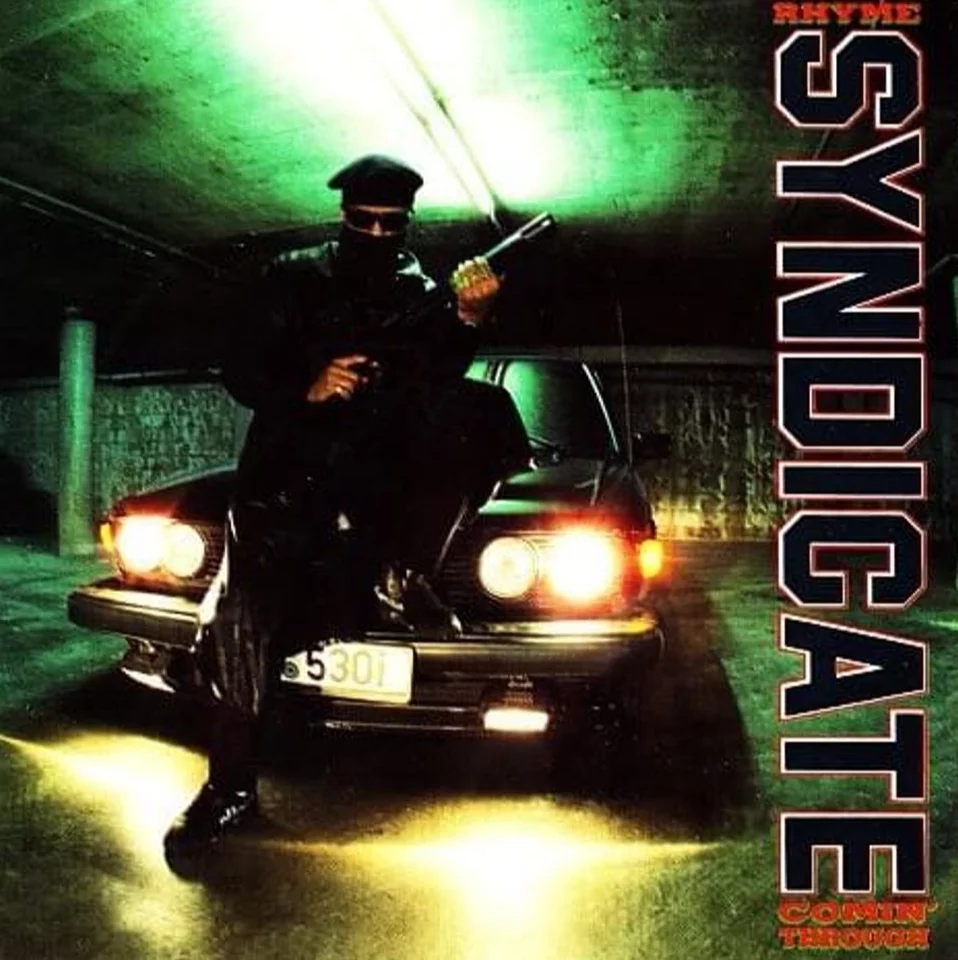
Ice-T used the momentum of Power to introduce the wider Rhyme Syndicate collective with Rhyme Syndicate Comin’ Through. Released in late 1988, this compilation brings together West Coast artists and East Coast connections under one banner, offering an interesting snapshot of the crew’s developing identity. Ice-T and Afrika Islam handle much of the production, giving the record a tough, bass-heavy sound rooted in the street rap of the period.
The title track sets the tone, while Low Profile’s “Think You Can Hang?” is a standout, featuring WC and DJ Aladdin. Everlast appears years before his success with House of Pain on “Syndication,” and Donald D delivers a strong performance on “Name of the Game.” Nat The Cat’s “While You’ve Been Waiting” is another highlight, driven by an impressively relentless flow. Daddy-O contributes production to Bango’s “Ghettoish,” adding some variety to the collection. Domination’s “You Haven’t Heard Nothing,” with Kid Jaz’s relentless rhyming, is our favorite track.
The quality overall varies, as is inevitable with a compilation of this kind, but there are several excellent cuts here. Unfortunately, Rhyme Syndicate Comin’ Through is absent from streaming services, making it a particularly rewarding find for those of us who own a copy.
27. Schoolly D - Smoke Some Kill

Schoolly D’s Smoke Some Kill finds the Philadelphia rapper taking his uncompromising style to Jive Records. His third album retains the confrontational attitude of his earlier independent releases, but the production has a slightly fuller character, incorporating funk samples and live instrumentation alongside the familiar hard drums and DJ Code Money’s scratching. Schoolly handles the production himself, maintaining the murky, unsettling atmosphere that defines his music.
The title track, “Gangster Boogie II,” and “We Don’t Rock, We Rap” deliver his familiar street-level bravado. “Signifying Rapper” is the most unusual track, adapting an African-American folklore tale over a rhythm guitar figure from Led Zeppelin’s “Kashmir.” Its later use in Abel Ferrara’s Bad Lieutenant led to a copyright dispute. Elsewhere, “Here We Go Again” and “No More Rock n’ Roll” reveal the album’s interest in less conventional textures. The results are mixed, but Smoke Some Kill is a fascinating, often abrasive entry in Schoolly D’s catalogue.
28. Rob Base & DJ EZ Rock - It Takes Two

Rob Base and DJ E-Z Rock’s It Takes Two is one of the defining party albums of 1988. Built around booming drums, funk samples, and Rob Base’s animated delivery, the duo’s debut captures the excitement of Hip Hop taking over dance floors. The title track is the obvious centerpiece, using a heavily chopped sample of Lyn Collins’ “Think (About It)” to create an irresistible groove. DJ E-Z Rock’s cuts and Rob Base’s enthusiastic rhymes keep the energy high throughout, making it one of the era’s great crossover anthems.
The album has other strong moments. “Joy and Pain” reworks Maze featuring Frankie Beverly’s soul classic into a lively Hip Hop party record, while “Get on the Dance Floor” and “Keep It Going Now” maintain the momentum. Rob Base isn’t the most intricate lyricist, but his charisma suits the material perfectly. Most tracks struggle to match the title song, yet It Takes Two delivers exactly what it promises: infectious, uncomplicated party music.
29. Lakim Shabazz - Pure Righteousness

Lakim Shabazz’s Pure Righteousness is a strong example of the Afrocentric, spiritually informed underground rap emerging from New Jersey in the late eighties. A founding member of the Flavor Unit, Shabazz was part of a collective that would also include Queen Latifah, Chill Rob G, and Apache. For his 1988 debut, he teamed up with DJ Mark The 45 King, whose production gives the album its distinctive sound.
The 45 King supplies dusty funk breaks, punchy drums, and sharp horn samples, creating an ideal backdrop for Shabazz’s booming voice and precise delivery. “Black Is Back,” “First in Existence,” and “Don’t Try Us” combine battle-ready rhymes with Five-Percent Nation teachings and Black consciousness. The title track captures the album’s balance of lyrical aggression and spiritual conviction. “Adding On” ventures into hip-house territory, with less convincing results.
At barely half an hour, Pure Righteousness leaves us wanting considerably more. The 45 King’s beats and Shabazz’s commanding performances make this an especially frustratingly short debut.
30. Tuff Crew - Danger Zone

Philadelphia’s Tuff Crew brought plenty of energy to Danger Zone, their breakthrough album following the 1987 Phanjam split-LP. The five-man crew, featuring MCs Ice Dog, L.A. Kid, Tone Love, and Monty G alongside DJ Too Tuff, combine straightforward battle rhymes with hard-hitting production and an unusually strong emphasis on turntablism.
The beats are built around booming TR-808 drums, funk samples, and forceful rhythms, but DJ Too Tuff’s scratching is the real attraction. His cuts give the music an extra layer of excitement, particularly on tracks like “Let It Rip” and “Open Field Attack.” “My Part of Town” is the album’s standout, a gritty Philadelphia anthem that captures the group’s local pride. “Smooth Momentum” and “North Side” add to the street-level atmosphere.
The lyricism is fairly conventional, but the performances are energetic, and the production hits hard. Danger Zone is an overlooked Philly rap album with DJ Too Tuff providing plenty of reasons to revisit it.
31. Chubb Rock – Chubb Rock Featuring Hitman Howie Tee
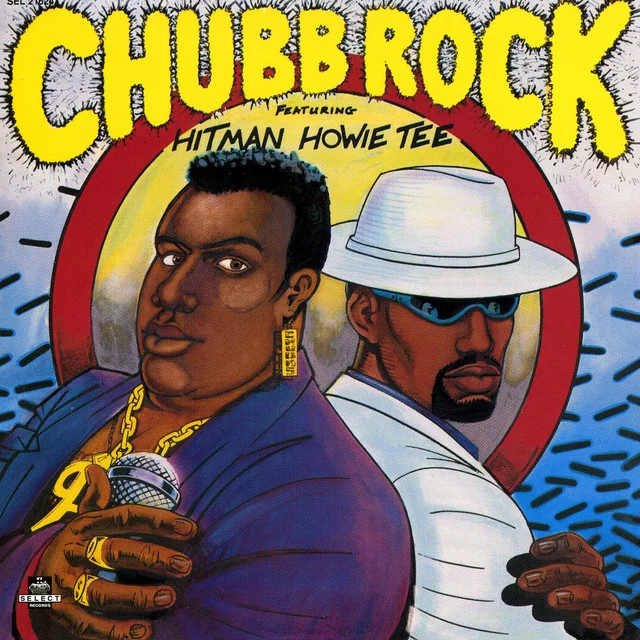
Chubb Rock’s debut pairs the Brooklyn MC with producer Hitman Howie Tee for a lively collection of funky grooves, playful boasts, and youthful energy. On Chubb Rock Featuring Hitman Howie Tee, Chubb already displays the verbal dexterity that would define his early-nineties work, although his approach here is lighter and more party-oriented.
“DJ Innovator” opens with a salute to turntablism, while “I Feel Good” and “Do It Again” bring plenty of dance-floor appeal. Chubb’s humor comes through on “Joker” and “Rock ‘N Roll Dude,” and “Daddy’s Home” and “Girl I Love You” explore romantic territory. Howie Tee’s funky, sample-based production gives the MC room to work through his nimble rhyme patterns without losing the groove. The album is occasionally uneven, but Chubb’s charisma and technical ability are already evident.
32. Mantronix - In Full Effect
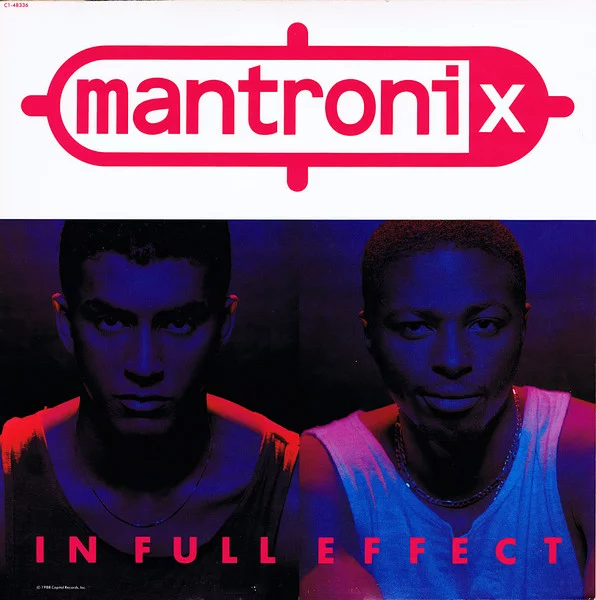
Mantronix’s In Full Effect finds Kurtis Mantronik and MC Tee at a crossroads. Their third album, and first for Capitol Records, was also the final collaboration between the original duo. Mantronik’s production had become increasingly polished and futuristic, combining hard electronic percussion, electro-funk, new wave, rock, and Hip Hop into a distinctive sound.
Tracks like “Join Me, Please… (Homeboys—Make Some Noise),” “In Full Effect,” and “Get Stupid Fresh (Part III)” retain the duo’s party-oriented approach, while “Do You Like…Mantronik (?)” puts the producer’s technical imagination and turntable skills in the foreground. The closing “Mega-Mix (’88)” offers another opportunity to appreciate his studio craftsmanship. The album was also an early digital recording mastered from DAT rather than conventional reel-to-reel tape.
MC Tee’s straightforward rhymes sound somewhat dated alongside the increasingly sophisticated production, and the move toward smoother, club-oriented arrangements lacks some of the urgency of their earlier work. Still, In Full Effect is an intriguing document of Mantronik’s forward-looking production ideas.
33. Derek B - Bullet From A Gun

Derek B’s Bullet from a Gun was an important breakthrough for British Hip Hop. Released in 1988, the London rapper and producer’s only album became one of the first commercially successful UK rap releases, reaching the Top 10 of the British album chart. Its success also attracted the attention of Russell Simmons, who helped secure an American release through Profile Records and brought Derek B on tour with Public Enemy and Run-D.M.C.
Musically, the album draws on the hard drum programming, funk samples, and scratching associated with contemporary American rap. Tracks like “Bullet from a Gun,” “Bad Young Brother,” “Power Move,” and “Good Groove” have plenty of rhythmic drive, while Derek’s accessible delivery gives the music a distinctly British character. His rhyming isn’t as technically sophisticated as that of the leading American MCs of the period, but his confident performances suit the material.
Bullet from a Gun is an uneven but enjoyable record with a significant place in British Hip Hop history.
34. Sweet Tee - It's Tee Time
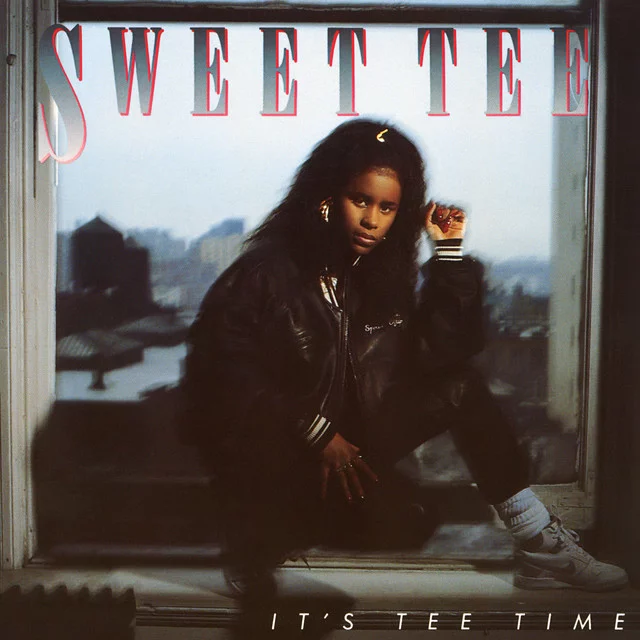
Sweet Tee’s It’s Tee Time is a largely overlooked 1988 album with plenty of personality. The Queens MC, born Toi Jackson, was part of Hurby “Luv Bug” Azor’s Idol Makers roster, alongside acts such as Salt-N-Pepa and Kid ‘n Play. Azor and the Invincibles provide most of the production, giving Sweet Tee a mix of funky breaks, upbeat party grooves, and dance-oriented rhythms.
“On the Smooth Tip” and “As the Beat Goes On” are excellent examples of her confident, flexible flow, while “I Got Da Feelin'” is an irresistible party cut. “It’s My Beat,” featuring DJ Jazzy Joyce, is another highlight, with Joyce’s turntable work adding extra spark. The album even closes with “Why Did It Have to Be Me,” one of the better Hip Hop ballads of its era.
It’s Tee Time is lightweight in places, but its strongest tracks are absolute bangers. Sweet Tee deserved a bigger place in the conversation.
35. Masters Of Ceremony - Dynamite
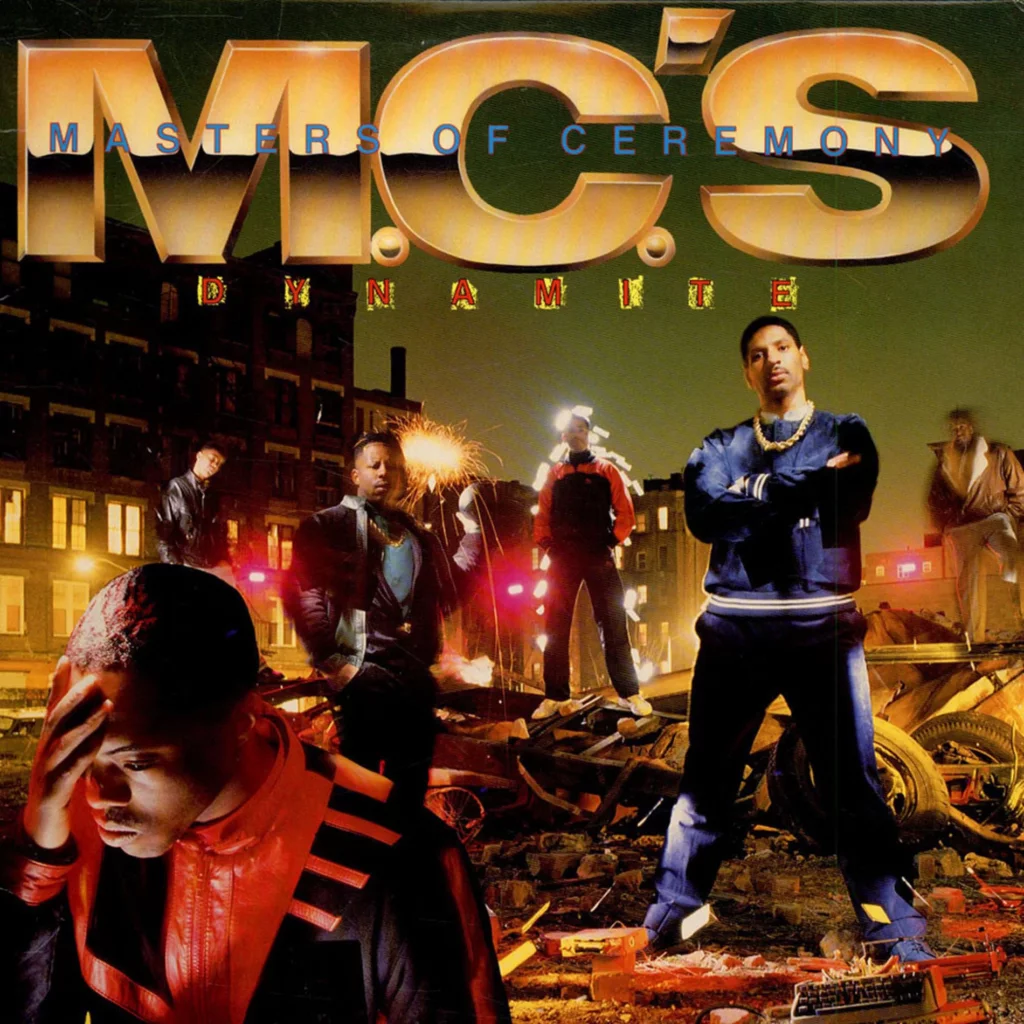
Masters Of Ceremony’s Dynamite is an interesting early chapter in the career of Grand Puba, who would soon find a much larger audience with Brand Nubian. Formed in New Rochelle, New York, the group also featured MC Dr. Who and DJ Shabazz. Their only album brings together material recorded over several years, giving it the character of a collection of singles rather than a fully unified studio project.
Jazzy Jay’s production is sparse and stripped down, relying on hard drum-machine patterns and scratching instead of the increasingly elaborate sample arrangements heard elsewhere in New York rap. The title track gives Puba room to display his nimble flow and clever wordplay, while “Cracked Out” takes a darker turn with its account of the crack epidemic. “Sexy” and “Rock Steady” offer more straightforward party material. Puba’s personality carries much of the album. Dynamite is a mixed bag, but an appealing document of a talented MC finding his voice.
36. MC Shan - Born To Be Wild

MC Shan’s Born to Be Wild arrived while the Bridge Wars with Boogie Down Productions were still raging. With KRS-One having landed some damaging blows through “South Bronx” and “The Bridge Is Over,” Shan used his second album to defend his position and reaffirm his Queensbridge credentials. “Juice Crew Law” takes direct aim at BDP, keeping the rivalry alive.
Marley Marl handles all the production, providing a strong collection of funk-driven beats. “I Pioneered This” is an early highlight, with Shan’s relaxed flow riding a memorable sample of Keni Burke’s “Risin’ to the Top.” The title track adds a rock-influenced edge, while “Back to the Basics” and “Words of a Freestyle” capture his familiar b-boy attitude. “She’s Gone” is a less convincing detour.
Born to Be Wild may not settle the score with KRS-One, but Marley Marl’s production and Shan’s confident performances make it a worthwhile Juice Crew release.
37. JVC Force - Doin' Damage

JVC Force’s debut, Doin’ Damage, captures the infectious energy of late-eighties Long Island rap. The trio, consisting of MCs AJ Rok and B-Luv and DJ/producer Curt Cazal, built their sound around funky sample loops, hard drums, and straightforward party rhymes. Curt Cazal is the album’s main attraction, bringing plenty of imagination to the production. “Stylin’ Lyrics” makes excellent use of Isaac Hayes’ “Ike’s Mood I,” while “Take It Away” rides a hefty sample of Vaughn Mason & Crew’s “Bounce, Rock, Skate, Roll.”
“Strong Island” is the standout, an infectious hometown anthem that put Long Island firmly on the Hip Hop map. AJ Rok and B-Luv have an easy rapport, even if their rhymes lack the technical sophistication of the era’s leading MCs. Doin’ Damage is a funky, entertaining slice of New York rap.
38. Audio Two - What More Can I Say?

Audio Two’s debut, What More Can I Say?, is largely a vehicle for two outstanding singles. Brothers Milk Dee and DJ Gizmo had already made their mark with “Top Billin’,” and the album gave them an opportunity to build on its success. The production, handled mainly by the duo with contributions from Daddy-O and the King of Chill, is sparse and drum-heavy, leaving plenty of room for Milk Dee’s energetic, slightly erratic delivery.
“Top Billin'” is the obvious classic, with its unmistakable off-kilter drum pattern and memorable boasts. “I Don’t Care” is the other major highlight, delivering the same infectious attitude over a hard-hitting beat. “When the 2 Is on the Mic” and “Hickeys Around My Neck” have their moments, but much of the remaining material struggles to match those two tracks. What More Can I Say? is a disappointing album overall, but those two bangers are undeniable.
39. Doug E Fresh - The World's Greatest Entertainer
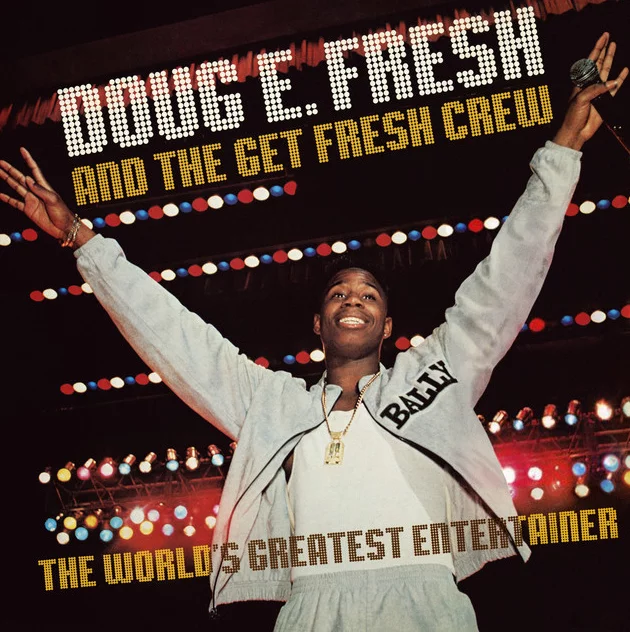
With Slick Rick having left the Get Fresh Crew to pursue his solo career, Doug E. Fresh had to carry The World’s Greatest Entertainer largely on his own. His second album leans into the showmanship and crowd-pleasing energy that made him famous, combining playful rhymes, beatboxing, and funk-driven production.
“Keep Risin’ to the Top” is the highlight, built around Keni Burke’s irresistible “Risin’ to the Top” groove. “On the Strength” and “D.E.F. = Doug E. Fresh” bring plenty of b-boy energy, while “Africa (Goin’ Back Home)” adds a more reflective, Afrocentric dimension. The album also benefits from contributions by Eric “Vietnam” Sadler and other producers who give the music a fuller sound. Doug’s charisma carries the record, even when the material doesn’t reach the heights of his earlier work.
40. Sir Mix-A-Lot - Swass
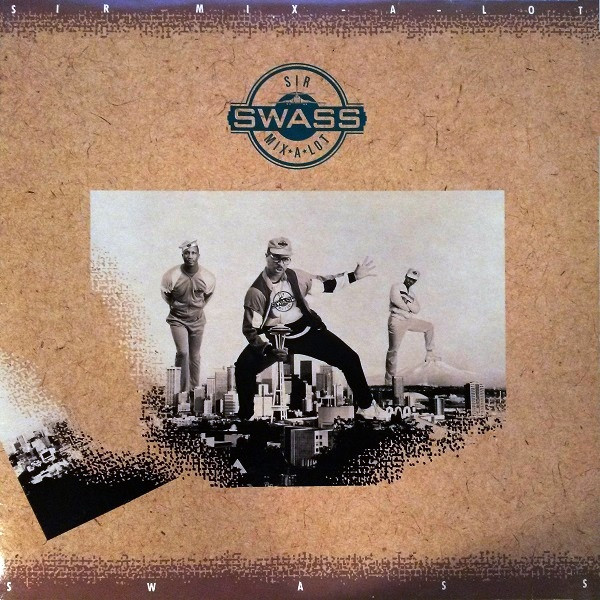
Sir Mix-A-Lot’s Swass brought a distinctly different sound to the 1988 Hip Hop landscape. Working out of Seattle, Anthony Ray helped build an independent local scene through his Nastymix label, combining electro-funk, Miami bass, and playful party rap. The album’s defining moment is “Posse on Broadway,” an infectious hometown anthem that takes listeners on a ride through Seattle with booming 808s and memorable details. “Rippn’,” featuring Kid Sensation, is another strong cut, while “Buttermilk Biscuits” and “Square Dance Rap” lean into Mix-A-Lot’s humorous side. The rap-metal version of Black Sabbath’s “Iron Man,” recorded with Metal Church, is an unusual experiment. Other tracks are considerably less convincing, particularly the awkward “Romantic Interlude.” Swass earns its place here primarily because “Posse on Broadway” is an undeniable classic.
Honorable mentions
- J.J. Fad – Supersonic
- Kaos’ – Court’s In Session
- Skinny Boys – They Can’t Get Enough
- Steady B – Let The Hustlers Play
- MC Shy D – Comin’ Correct in 88
- Numarx – Our Time Has Come
- Def IV – Nice & Hard
- Rodney-O & Joe Cooley – Me and Joe
- The Krown Rulers – Paper Chase
- K-9 Posse – K-9 Posse
- The Real Roxanne – The Real Roxanne
- Ghetto Boys – Making Trouble
- Raheem – The Vigilante
- L’Trimm – Grab It!
- MC Hammer – Let’s Get It Started
- Boogie Boys – Romeo Knight
- Sparky D – This is Sparky D’s World
- Kurtis Blow – Back By Popular Demand
- Cold Crush Brothers – Troopers
- Grandmaster Flash – On The Strength
Looking back at 1988, it’s hard to single out one development that defines the year. Public Enemy, Eric B. & Rakim, Boogie Down Productions, and Big Daddy Kane pushed lyrical and musical ambition to new heights, while artists such as N.W.A, Ice-T, and Too $hort gave West Coast rap an increasingly distinctive identity. Elsewhere, the Native Tongues were beginning to take shape, Miami bass was finding a wider audience, and independent scenes from Philadelphia to Seattle were adding their own voices to the culture.
The forty albums on this list reflect that extraordinary range. Some are undisputed classics that changed Hip Hop’s direction; others are overlooked records with a handful of unforgettable tracks or a particular local flavor. They don’t all hold up equally well, and not every release was destined to have a lasting impact. That’s part of what makes revisiting the year worthwhile.
1988 was a year of remarkable creativity, competition, and experimentation. The music was expanding in every direction, and the records collected here capture Hip Hop at a particularly exciting moment in its history.