

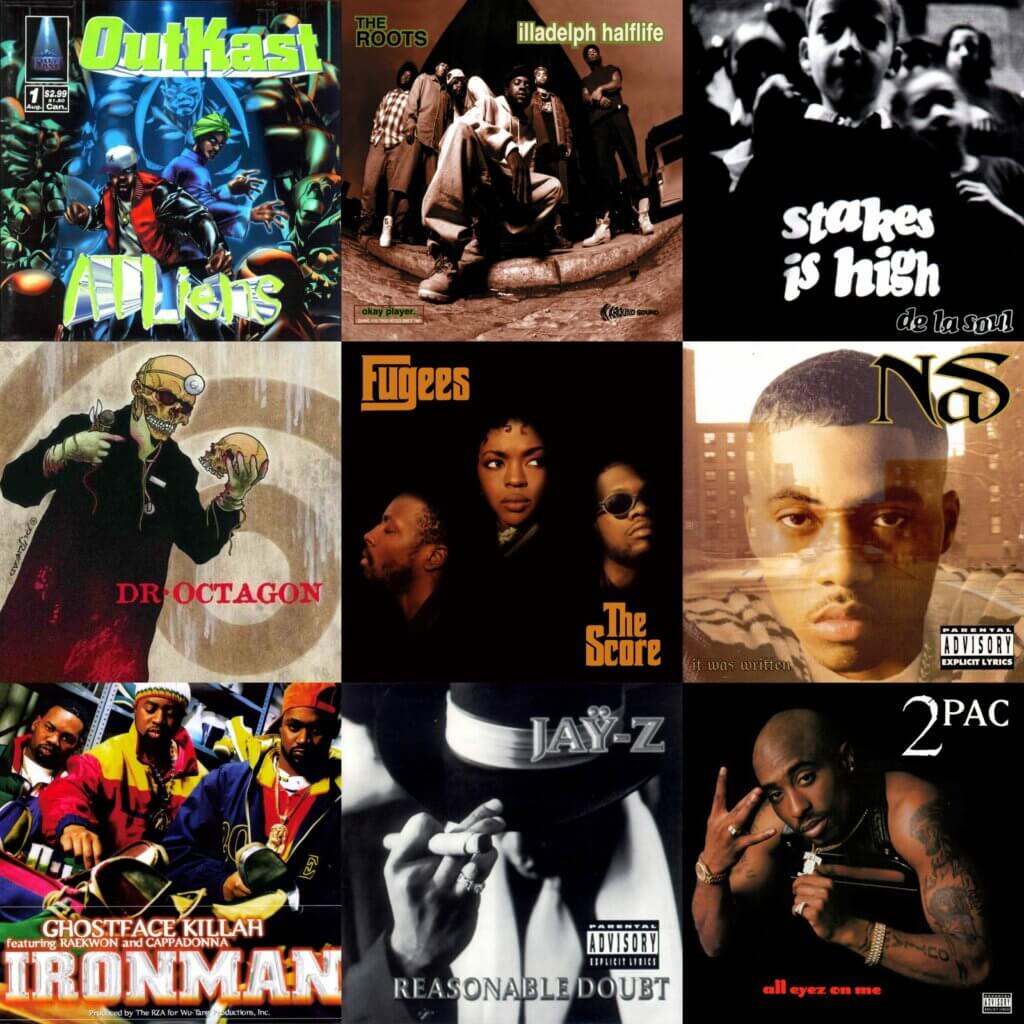
By 1996, Hip Hop was in full flight. The culture’s energy hit a boiling point where creativity, competition, and commercial reach collided. Artists from every region pushed forward with distinct voices — from Brooklyn street poets and Philly live bands to Houston storytellers and Atlanta futurists. The underground remained fierce, the mainstream expanded, and innovation linked them more tightly than ever. It was a year of platinum plaques, underground classics, and personal breakthroughs that still echo today.
Three decades later, the music from 1996 still defines an era often called Hip Hop’s last golden stretch. The albums from that year carry the hunger of independent minds chasing lyrical sharpness and sonic experimentation. Producers stretched the sampler’s limits, from DJ Premier’s clean drum chops to Organized Noize’s humid funk. Rhymers blurred the line between autobiography and imagination, recording in small studios that would soon shape entire regions. What came out of those sessions wasn’t nostalgia bait; it was a body of work that mapped Hip Hop’s expanding future.
Commercially, the culture was larger than ever. Major labels poured money into street rap while regional artists leveraged local followings into national recognition. The East Coast boom-bap stronghold had competition from the South’s slow-burn grooves and the West’s cinematic intensity. Every zone had its own momentum — UGK moved tapes through Texas, OutKast lifted Atlanta from regional success to critical authority, and Bay Area figures like E-40 reshaped slang into language. The country no longer looked to one coast for leadership. 1996 confirmed Hip Hop’s reach was continental.
But the energy was double-edged. Fame and media pressure shadowed some of the culture’s brightest stars. The feud between Death Row and Bad Boy turned from industry tension into national spectacle. By the end of the year, 2Pac was gone, and his death shifted the music’s mood overnight. Even so, artists like Nas, Jay-Z, and Ghostface Killah kept raising the lyrical bar in New York, while innovators such as Kool Keith and DJ Shadow proved the underground still thrived outside radio rotation. Every week brought another record that rewired expectations of what Hip Hop production could deliver.
1996 also carried strong creative diversity. De La Soul reflected adulthood on Stakes Is High, The Roots tightened their live instrumentation on Illadelph Halflife, and Bahamadia recorded with grace and technical precision on Kollage. Redman twisted humor into chaos with Muddy Waters, and Mobb Deep held steady with Hell on Earth. From platinum success to low-pressing cult records, the range was wide. The connective thread was intent — an ambition to advance form and voice without losing identity. You can trace nearly every stylistic shift of the late ’90s back to these records.
The year produced no single direction, which is why its influence still runs so deep. Some projects pointed toward the glossy, hook-driven late-’90s aesthetic; others built the blueprint for independent resilience. A Tribe Called Quest, newly introspective on Beats, Rhymes and Life, hinted at the group’s fracture but delivered mature songwriting. Nas’s It Was Written perfected cinematic street narratives that later shaped a decade of rap albums. OutKast’s ATLiens expanded southern production into galactic themes, making the South impossible to deny. Across the Atlantic, DJ Shadow built Endtroducing….. entirely from samples, proving production could speak without vocals. Every release in 1996 carried purpose — whether through social insight, regional representation, or pure technical mastery.
Now thirty years on, these albums are more than artifacts. They explain how the genre reached its current range — underground-adjacent, globally scaled, and stylistically limitless. Their producers and emcees laid blueprints for generations that rarely knew a world without them. You can hear The Score’s melodic blend in today’s mainstream hooks, Reasonable Doubt’s economic storytelling in countless rap memoirs, and Ridin’ Dirty’s realism in every southern street tape that came after. These records are still active forces.
In celebrating the albums turning 30 in 2026, this list revisits 1996 with precision. No empty nostalgia — only context, detail, and respect for execution. The range covers platinum juggernauts and quiet cult essentials, each built on distinct craft: narrative writing, regional slang, production innovation, or cultural insight. Together they form a snapshot of Hip Hop at full capacity — restless, confident, commercial, and deeply creative at once.
Thirty years later, these 30 albums prove why 1996 remains one of Hip Hop’s most relentless years.
Fugees - The Score (February 13)
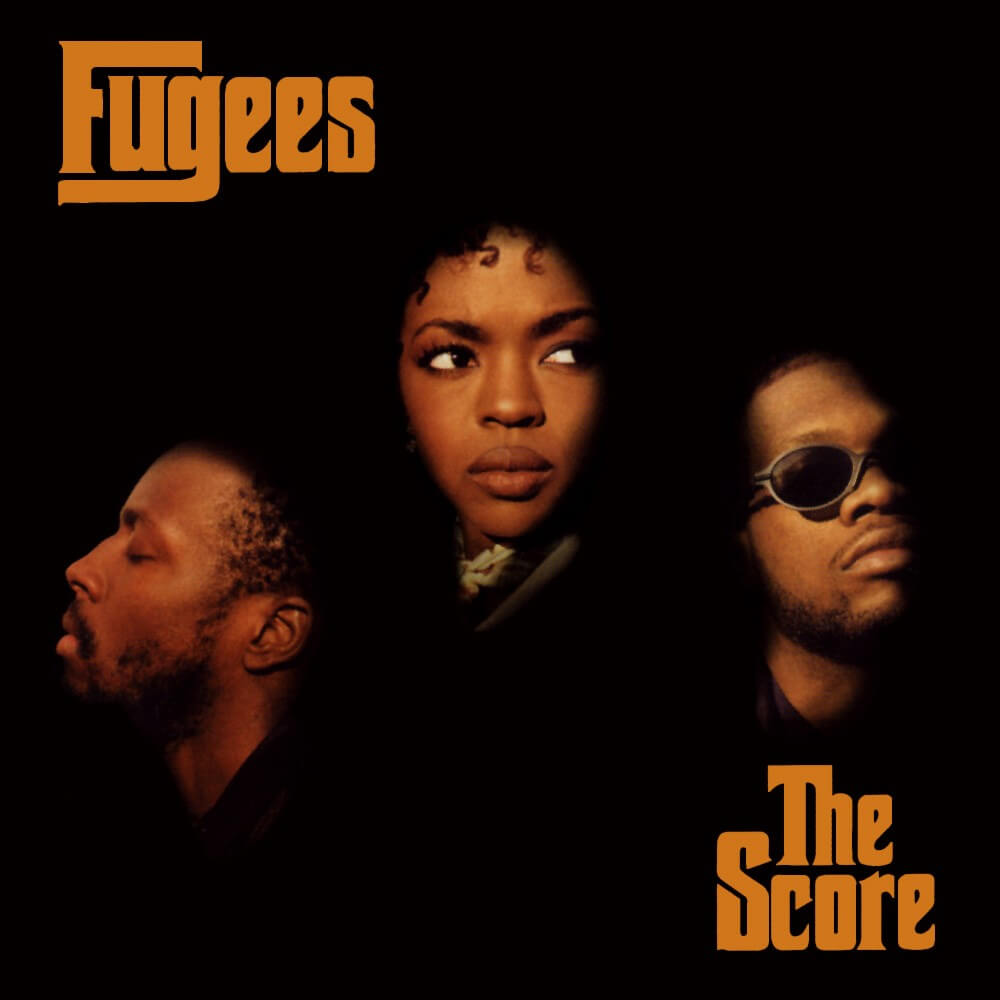
Fugees released The Score on February 13, 1996, transforming their sound into a massive commercial and critical success that marked a substantial improvement over the enjoyable but uneven Blunted On Reality debut while establishing a timeless, flawless masterpiece blending Hip Hop with soul, reggae, and diverse genres through samples and live instrumentation.
During an era dominated by gangsta rap in mainstream Hip Hop, this New Jersey trio offered a refreshing alternative appealing to broad audiences via the distinct vocal styles of Lauryn Hill, Wyclef Jean, and Pras Michel, where production handled primarily by the group and Jerry “Wonder” Duplessis created inventive warmth drawing creatively from varied musical styles to enrich both classic and contemporary textures. Lauryn Hill’s sharp lyrics, confident delivery, and revelatory rapping-singing interplay combined with Wyclef’s melodic playful flow and Pras’s understated foundation to rewrite commercial Hip Hop blueprints effortlessly rather than through calculation, expanding what the genre could encompass and whom it might reach.
“Red Intro” opens with a funky energetic vibe sampled from Lee Dorsey’s “Get Out of My Life, Woman,” setting the stage for “How Many Mics” where Lauryn Hill’s prominent sharp lyrics contrast Wyclef Jean’s melodic flow through alternating verses and catchy hooks that address the group’s place in the Hip Hop world. “Fu-Gee-La” builds on this with an upbeat tempo and catchy melody sampled from Teena Marie’s “Ooo La La La,” where Wyclef’s playful lyrics merge with Lauryn’s smooth vocals to generate party atmosphere as one of the album’s most recognizable tracks alongside “Ready or Not” which explores love and danger through sustained rotation across formats.
Covers like “Killing Me Softly,” reimagined from Roberta Flack with Hip Hop beats and Lauryn’s powerful emotional vocals amplified by new arrangement, became inescapable cultural moments and major hits, while “No Woman, No Cry” from Bob Marley receives similar treatment blending reggae rhythms with Hip Hop production to heighten its depth.
The album shifts fluidly between celebration and social commentary, as tracks like “The Beast” confront police brutality and racial profiling with lyrical skill and emotional weight that showcase the group’s range. Production layers richness through creative sampling and live elements, making The Score a varied engaging listen where vocal dynamics remain central to success. Peaking at number one with six million copies sold in a year, the record proved Hip Hop crossover potential without compromise, paving pathways for Lauryn Hill’s future solo work.
2Pac - All Eyez On Me (February 13)

2Pac released All Eyez on Me on February 13, 1996, delivering a sprawling double-disc masterpiece that redefined Hip Hop ambition. Spanning 27 tracks and more than two hours, the album cemented his status as one of the best-selling artists of all time, moving over 10 million units in the U.S. alone.
Freshly released from prison and newly signed to Death Row Records, 2Pac was at the absolute peak of his fame. He channeled his signature charisma, poetic depth, and magnetic star power into a commercial juggernaut widely regarded as one of Hip Hop’s greatest albums: one that continues to dominate cultural conversations decades later. The project demonstrated his rare ability to fuse massive hit singles with raw personal storytelling, creating an enduring classic through sheer dominance and universal appeal.
The album explodes open with “Ambitionz Az a Ridah”, its pulsating piano loops and chest-thumping bass instantly establishing a tone of resilience that carries through the entire record. Timeless singles like “California Love” and “How Do You Want It” dominated radio, while “I Ain’t Mad at Cha” delivered smooth, reflective melodies. “2 of Amerikaz Most Wanted” (featuring Snoop Dogg) became a swaggering West Coast anthem, and “Picture Me Rollin'” rode funky beats with triumphant reflections on freedom.
Tracks such as “Heartz of Men” channeled high-energy G-funk with razor-sharp delivery, and introspective cuts like “Life Goes On” and “Only God Can Judge Me” revealed 2Pac’s soulful intelligence. The commanding title track “All Eyez on Me” and “Got My Mind Made Up” showcased his unmistakable voice and lyrical command. Features from Nate Dogg and Snoop Dogg added chemistry without ever overshadowing 2Pac’s central star power.
The album’s ambitious scope perfectly matched 2Pac’s larger-than-life persona, capturing a prolific, chaotic burst of creativity at the height of his career. Its consistently polished G-funk production elevated a string of instant cultural cornerstones. While 1995’s Me Against the World offered deeper introspection, All Eyez on Me remains Hip Hop’s ultimate victory lap: towering in commercial success and iconic weight.
All Eyez on Me remains a genre-defining touchstone, radiating 2Pac’s GOAT-level charisma on every track. It masterfully balances bravado with vulnerability, capturing snapshots of a fast life. Despite some flaws—its excessive length, some filler in the second half, and the overrepresentation of the mid-tier Outlawz crew—it is universally recognized as one of rap’s greatest commercial and artistic triumphs.
Lord Finesse - The Awakening (February 20)
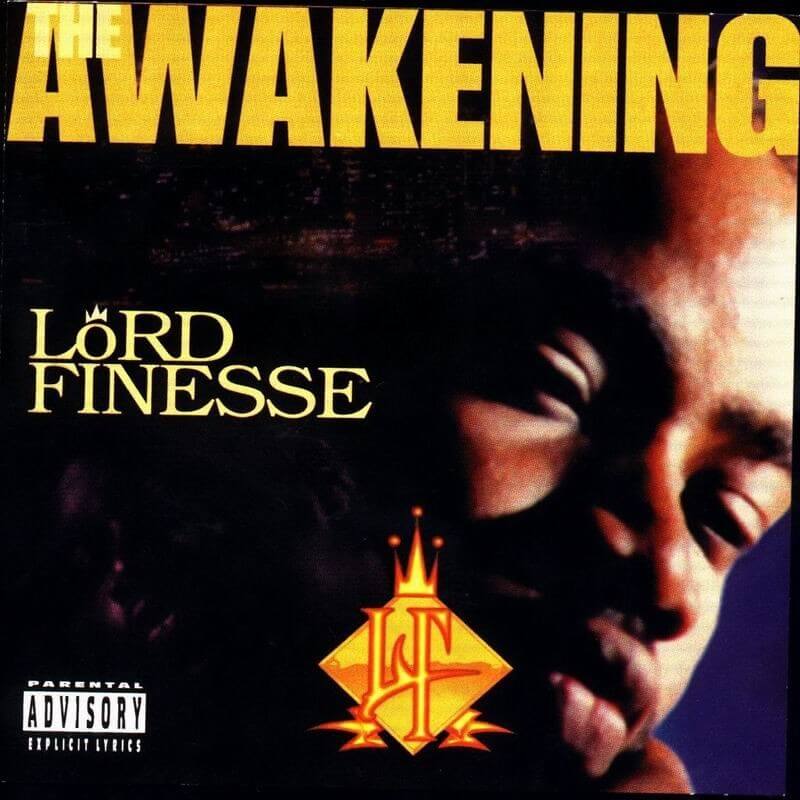
Lord Finesse reclaimed East Coast rap’s frontlines with The Awakening, his third solo album released in 1996. As a Bronx native and founding D.I.T.C. member, he had long earned MC’s MC status through clever punchlines, intricate metaphors, and sharp delivery. After ghost-producing for Biggie, Big L, and others in the early 90s, this project let him flex both rhymes and boardsmanship. He largely succeeds, bridging his past work with mature production amid a golden era packed with heavyweights.
Finesse handles most production himself for the first time. He ditches loop-heavy funk from albums like Return of the Funky Man for jazz-tinged, mellow grooves. These range from light and airy to darker, contemplative tones that spotlight his bars. “True and Livin'” nails it: soft chimes, subtle vocal samples, and tactful rhythm section create space for metaphors to breathe. Singles “Hip 2 Da Game” and “Gameplan” keep the smooth aesthetic. They embody Finesse’s call to stay authentic amid hip-hop’s commercial shift toward gangsta flash.
Collaborations boost without stealing focus. KRS-One drops wisdom on posse cuts, OC brings Jazzmatic precision, MC Lyte adds queenly fire, Akinyele spits irreverent heat, and Marquee holds court. D.I.T.C. shines brightest on “Brainstorm/P.S.K. (No Gimmicks Remix)” and “Actual Facts,” uniting Large Professor, Sadat X, and Grand Puba. These deliver mid-90s collective bars at peak potency. Even outside producer Myke Loe’s contributions blend into Finesse’s vision. The star power feels organic, not forced.
Lyrically, Finesse balances humor, street observations, and storytelling with ease. “Flip Da Style” paints vivid narratives through punchline chains. “Food For Thought” traces a young hustler’s ghetto rise and crash with clarity that hits decades later. His one-liners dazzle: clever flips on industry fakes, battle disse,s and life lessons land surgical. Some moments scan slightly dated against Nas or Ras Kass pushing abstract structures. Yet Finesse’s confident, theatrical cadence keeps every track locked in. No weak links dilute the pen game.
From spiritually charged intro “Da Sermon” to anthemic closer “No Gimmicks,” The Awakening exudes personality and skill. Production matures into intricate jazz-rap backdrops that reward close listens. It missed mainstream sales but stands quintessential 1996 East Coast: a lyrical authority affirming D.I.T.C.’s crate-digging legacy. For golden-age fans, the beats, bars, and crew synergy demand repeated spins, cementing Finesse as an enduring craftsman.
Bahamadia - Kollage (March 19)
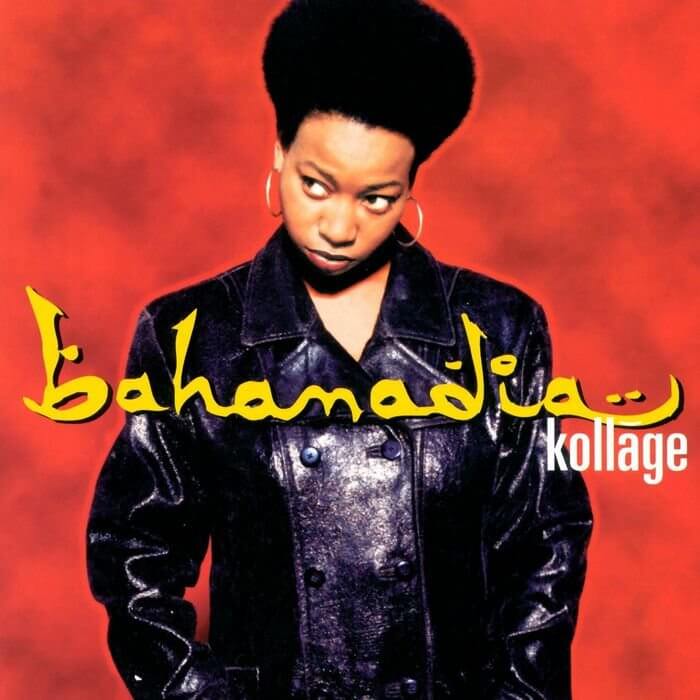
Bahamadia made her official debut with Kollage on March 19, 1996, arriving as one of the most self-possessed voices on the East Coast during Hip Hop’s mid-’90s peak. Emerging from Philadelphia’s rich musical lineage, home to DJ Jazzy Jeff, The Roots, and a fiercely local rap identity, she brought a presence that felt grounded rather than attention-seeking. Before signing with Chrysalis/EMI, Bahamadia had already built momentum through independent releases that caught the ear of Guru, whose mentorship helped shape Kollage into a measured, thoughtful debut. While the album never found commercial footing, its critical reception and long-term influence have elevated it to cult-classic status, praised for its jazz-driven sound, composure, and refusal to rely on volume or bravado.
At the center of the album is Bahamadia’s unmistakable delivery. Her calm, even-keeled tone rarely shifts, but instead of sounding flat, it functions like a rhythmic constant: steady, hypnotic, and precise. That voice threads seamlessly through a lineup of elite producers, including DJ Premier, Guru, Da Beatminerz, The Roots, Ski, and N.O. Joe. Despite the variety of contributors, Kollage maintains a cohesive atmosphere, built on smoky jazz samples, muted funk basslines, and a subdued East Coast melancholy. Premier’s intro sets the tone with a blunted groove and looping vocal calls, easing the listener into the album’s hazy world. “WordPlay” follows over Guru’s buoyant bass and light horn accents, giving Bahamadia space to display her technical clarity and control while sounding perfectly at home within the Gang Starr aesthetic.
The album reaches one of its sharpest moments on “Rugged Ruff,” where Premier’s jagged jazz collage meets Bahamadia’s quick, off-beat flow. She punctures the rhythm with deliberate pauses, turning restraint into tension. “Spontaneity,” produced by Da Beatminerz, roughens the texture with sparse, off-kilter drums, yet Bahamadia glides through with relaxed confidence. “UKNOWHOWWEDU,” crafted by Ski and Redhanded, offers a melodic shift, doubling as a roll call for Illadelph pride. Its airy production and celebratory tone have helped it endure as one of the album’s defining tracks.
Kollage balances toughness with vulnerability. “I Confess” leans into intimacy, riding N.O. Joe’s warm bass guitar as Bahamadia delivers conversational love verses. “Total Wreck” flips the energy with grittier horns and a more aggressive vocal stance. Collaborations like “Da Jawn,” featuring Black Thought and Malik B, reinforce Philadelphia’s interconnected scene, while “3 Tha Hard Way” showcases collective strength alongside K-Swift and Mecca Starr. “True Honey Buns (Dat Freak Shit)” injects humor and storytelling, and the closing “Biggest Part of Me” offers heartfelt reflection dedicated to her son.
Though minor missteps like the underwhelming “Innovation” exist, Kollage remains a confident, enduring debut. Bahamadia never raises her voice or compromises her identity, proving that precision, poise, and thoughtful collaboration can resonate long after louder trends fade.
Busta Rhymes - The Coming (March 26)

Busta Rhymes launched The Coming on March 26, 1996, unleashing a lightning bolt that tore through mid-90s Hip Hop with unmatched energy, balancing intensity and playfulness across tracks, demanding full attention through bombastic, frantic vibes and a larger-than-life voice shaking the ground beneath listeners’ feet relentlessly. The cinematic intro establishes an ominous tone with chaotic chords and hype, blending storytelling immersion, pulling audiences into Busta’s loud, unpredictable yet precise world immediately, where lyrical acrobatics meet futuristic beats, refusing predictability throughout every explosive moment vividly.
“Everything Remains Raw” and “Abandon Ship” deliver aggressive ferocity, where Easy Mo Bee’s raw, jagged, methodical production matches Busta’s explosive, chaotic delivery with speaker-rattling intensity perfectly. “Woo Hah!! Got You All in Check” crowns the album as the ultimate jewel, translating Busta’s larger-than-life personality into a zany bass-heavy playful beat turned chaotic infectious anthem throughout outlandish ad-libs, quick-witted bars, and Hype Williams’ kaleidoscopic video amplifying surreal animated energy captivatingly.
“It’s a Party,” featuring R&B duo Zhané, brings laid-back sophistication and smooth counterbalance to high-octane moments, where Easy Mo Bee’s lush production glides beneath Busta’s restrained delivery, proving gear-switching capability without losing signature charisma, driving a relentless whirlwind from start to finish seamlessly. Even calmer musical moments carry inescapable energy as Busta’s persona dominates, refusing conventional molds through precision aligning beats with bars across mid-1990s Brooklyn grit infused with futuristic ambition, defying expectations masterfully.
The album refuses to settle into one mode, keeping audiences on their toes through controlled mayhem, tying sharp lyricism to dynamic, rapid-fire delivery throughout. Brooklyn grit meets futuristic ambition in beats feeling both precise and wild, where aggressive ferocity meets playful anthems and smooth breathers demanding attention through a frantic, larger-than-life presence consistently.
The Coming is a debut that defied norms through a wild ride of acrobatic lyricism and production swinging wildly yet cohesively, establishing Busta Rhymes among Hip Hop’s most captivating figures with time capsule energy radiating controlled chaos brilliantly. Jagged raw beats complement glossy party grooves naturally, where each element serves dynamic flow balancing ferocity, playfulness, intensity, and restraint into an immersive experience, refusing predictability while commanding presence across every unpredictable turn powerfully.
Geto Boys - The Resurrection (April 2)
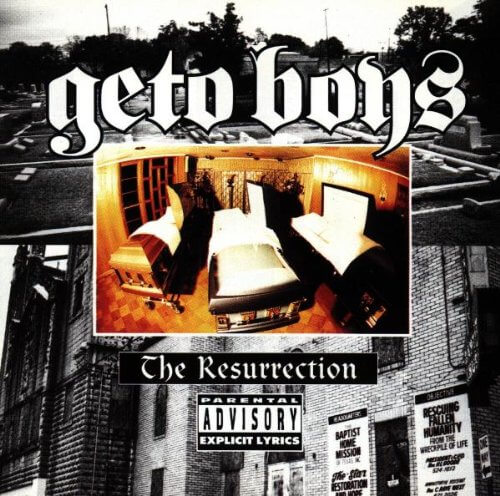
Geto Boys roared back with The Resurrection on April 2, 1996, reuniting the classic Houston trio in the group’s most iconic line-up—Scarface, Willie D, and Bushwick Bill—after a five-year gap since We Can’t Be Stopped. Dropping into hip-hop’s most volatile year, amid East-West feuds and G-funk’s reign, Rap-A-Lot’s flagship crew delivered a mature, razor-focused statement blending Southern grit with sociopolitical depth. This evolved effort earned cross-regional nods, fueling Southern rap’s rise while showcasing the lineup’s restored chemistry.
Willie D’s return injected pugilistic fury, his rage sharpened by solo runs and boxing grit, trading bars in verse-by-committee precision with Scarface’s contemplative peak, fresh off The Diary, and Bushwick Bill’s manic, horror-flecked lens, haunted by his 1991 eye injury. Production hit label highs via Mike Dean, N.O. Joe, Scarface, and Uncle Eddie: a thick Texas funk twang, featuring stinging blues guitars, gospel soul hooks, snapping drums, eerie synths, and pounding pianos that conjure claustrophobic dread and cinematic menace. Lean and furious, it ditches early shock-rap excess for balanced aggression that spotlights lyrical heft.
Opener “Still” erupts deranged—”DIE motherf**ker DIE” hook driving vengeance immortalized in Office Space—while “The World Is A Ghetto” lands a gut-punch global critique of urban poverty, police rot, systemic neglect hitting Black and Latino corners worldwide. Larry Hoover’s prison clips frame government betrayal, pushing organization over street wars. Bushwick’s “I Just Wanna Die” bares suicidal demons, “Time Taker” probes regrets, and “First Light of the Day” peaks as a lyrical summit—trio debating life’s grind in standout verses. “Open Minded” (with DMG) and closers like “Point of No Return” and “Niggas & Flies” hurl frenetic energy at capitalism’s poison, brutality, adaptation.
Non-core cuts like “Hold It Down” (Facemob, young Devin the Dude) and “Blind Leading the Blind” (Menace Clan) align thematically but nudge group flow. No filler drags it; political layers elevate Geto Boys from provocateurs to sharp commentators, exposing nihilism’s roots in oppression without glorifying Fifth Ward hell.
The Resurrection crowns Rap-A-Lot’s artistic zenith and the trio’s tightest evolution. Commercial fire dimmed amid trends, but its stinging riffs, emotional sweep, and timeless injustice echoes have swelled its rep: an underrated masterpiece wielding gangsta rap’s blade to carve ugly truths with raw, beautiful force.
Chino XL - Here To Save You All (April 9)
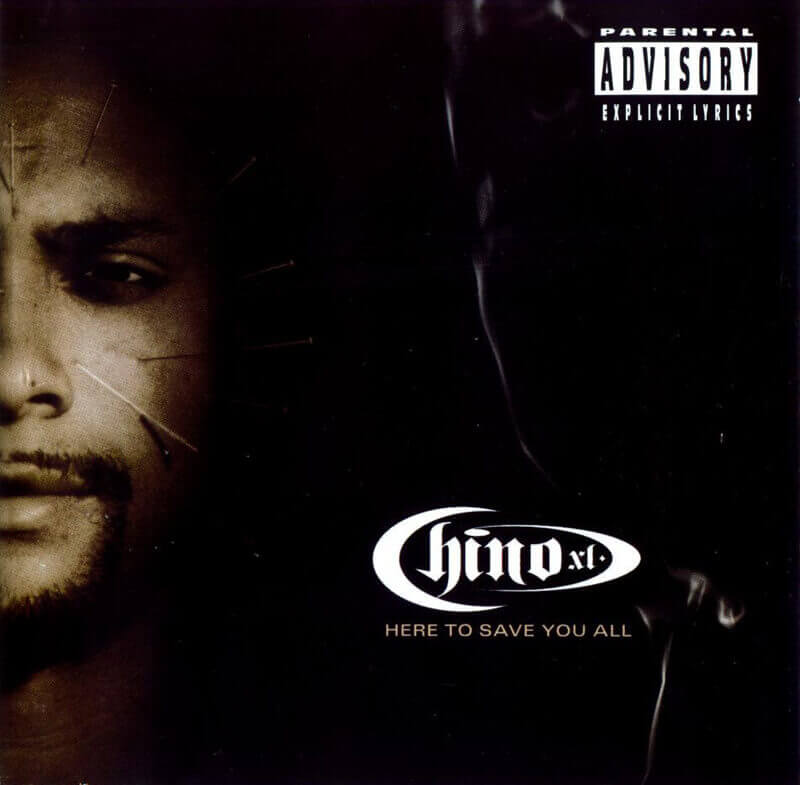
The late Chino XL’s debut Here To Save You All is a fearless, dense, and unapologetically provocative solo statement that cemented him as one of rap’s most audacious technicians. A Bronx-born, New Jersey-raised MC who first surfaced in Art of Origin, Chino stepped out under Rick Rubin’s American Recordings banner with a style that mixed humor, confrontation, and cerebral intricacy, firing razor-sharp metaphors at celebrities, cultural icons, and the industry with zero restraint.
The album opens with “Deliver,” an urgent, eerie KutMasta Kurt production that immediately establishes his commanding mic presence. His wordplay comes in relentless bursts of pop culture, sports, and social commentary, a pattern that continues on “No Complex” and “Partner To Swing,” where he stacks intricate punchlines and wild similes with breathless intensity. Even when the beats lean minimalist or uneven, his lyrical precision dominates, proving he can carry a track on sheer pen and delivery.
There is more here than irreverent battle rap. “It’s All Bad” dives into darker personal territory, including the death of his infant daughter, while “What Am I?” unpacks his bi-racial Black and Puerto Rican identity and the social tensions that come with it. “Kreep” stands as the emotional centerpiece, pairing melancholic, bluesy production with a haunting narrative of lost love and spiraling turmoil. It’s the clearest example of Chino balancing vulnerability with his trademark aggression.
Guest spots are sparse but potent. Ras Kass trades dense bars with him on “Riiiot!,” a showcase for high-level lyricism hampered slightly by middling production. Kool Keith brings surreal energy to “The Shabba-Doo Conspiracy,” amplifying the album’s eccentric streak, while other cameos, like Gravitation on “Waiting To Exhale,” are less essential, reinforcing that this is largely Chino’s stage.
If the album has a major flaw, it’s the inconsistent production. Many beats from B Wiz and others feel cluttered or uninspired next to Chino’s intensity, with notable exceptions like Kurt’s “Deliver” and Erik Romero’s brooding “Kreep.” At seventeen tracks, the runtime can drag, and some of the most controversial punchlines, drawn from recent tragedies or aimed at high-profile figures, will alienate some listeners, even as they underline his disregard for boundaries.
Despite those issues, Here To Save You All is a remarkable debut. Tracks like “Riiiot!,” “Kreep,” “Many Different Ways,” and “Rise” reveal an MC capable of combining technical brilliance with genuine emotional weight. It may have missed commercial glory, but its impact is lasting: an unforgettable, risk-taking opening salvo from a young lyricist determined to etch his name into Hip Hop history.
Master P - Ice Cream Man (April 16)
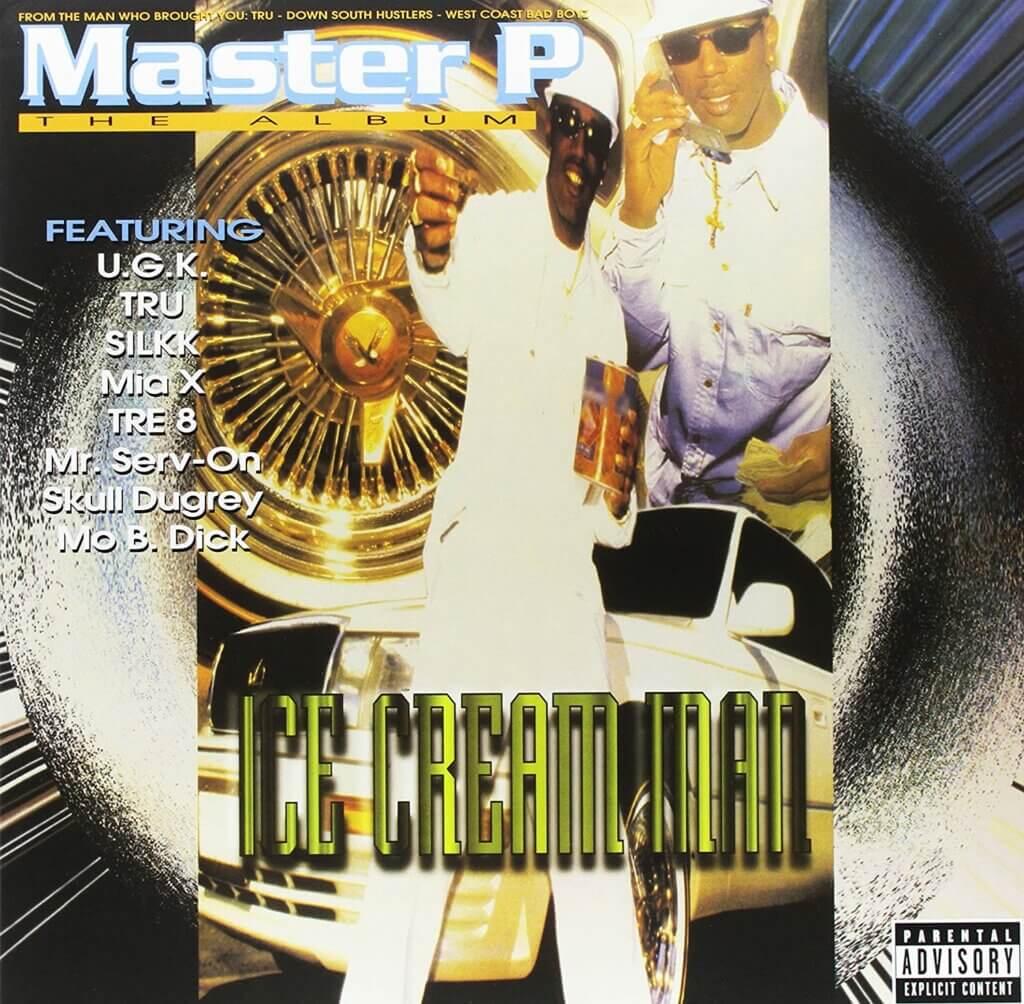
Master P unleashed Ice Cream Man on April 16, 1996, catapulting No Limit Records from New Orleans grit to national dominance and cementing his status as a Southern Hip Hop titan. This fifth studio album—his strongest in a massive catalog—bridged West Coast G-funk traces with unapologetic Southern swagger, thanks to the transformative Beats by the Pound crew, laying the groundwork for 1997’s diamond-certified Ghetto D.
Production defines the project’s muscle: thick, seismic basslines rumble under slow-rolling drums and eerie, atmospheric synths that evoke humid bayou nights laced with tension. “Time for a 187” kicks off cinematic menace, ominous keys swelling over hard-hitting beats like a murder plot unfolding in real time. The Al Green-sampled “The Ghetto Won’t Change” carves out rare reflection amid street survival tales, its soulful loop contrasting the rugged pulse. “Bout It, Bout It II” locks in as the defining anthem: hypnotic groove meshing with P’s steady, conversational drawl, radiating rebellious celebration that demands crunked-up replays from portable speakers.
Master P commands tracks through sheer charisma, not technical fireworks—his steady cadence and confident presence paint ghetto realism with hustler’s authority. He revels in violence, survival, and street lore, but introspection pierces the bravado: “Things Ain’t What They Used to Be” reveals weariness under the armor, humanizing the narrator without softening the edge. Guests like Silkk the Shocker and Mia X amplify the family vibe, trading bars on posse cuts that flex No Limit loyalty over fusion beats—G-funk smoothness ruggedized for Southern soil.
At over 80 minutes, Ice Cream Man sprawls with ambition, occasionally dipping into filler that tests patience amid relentless pacing. Yet the infectious knock keeps it glued: head-nodders like “Tryin 2 Do Something” and “Ain’t No Cars in the Ghetto” blend raw tales of trapping and loss into era-defining grooves, accessible enough to cross coasts but rooted deep in NOLA tradition.
This project snapped national eyes to No Limit’s rise, blending gritty storytelling with beats that reshaped Southern rap’s blueprint. Master P’s unfiltered vision—hustle anthems laced with fleeting vulnerability: captures a label and artist on superstardom’s cusp, turning regional heat into enduring firepower. For ’90s gangsta rap heads, it’s essential: a raw, ambitious snapshot outpacing its flaws with charisma and knock.
Dr Octagon - Dr Octagonecologyst (May 7)
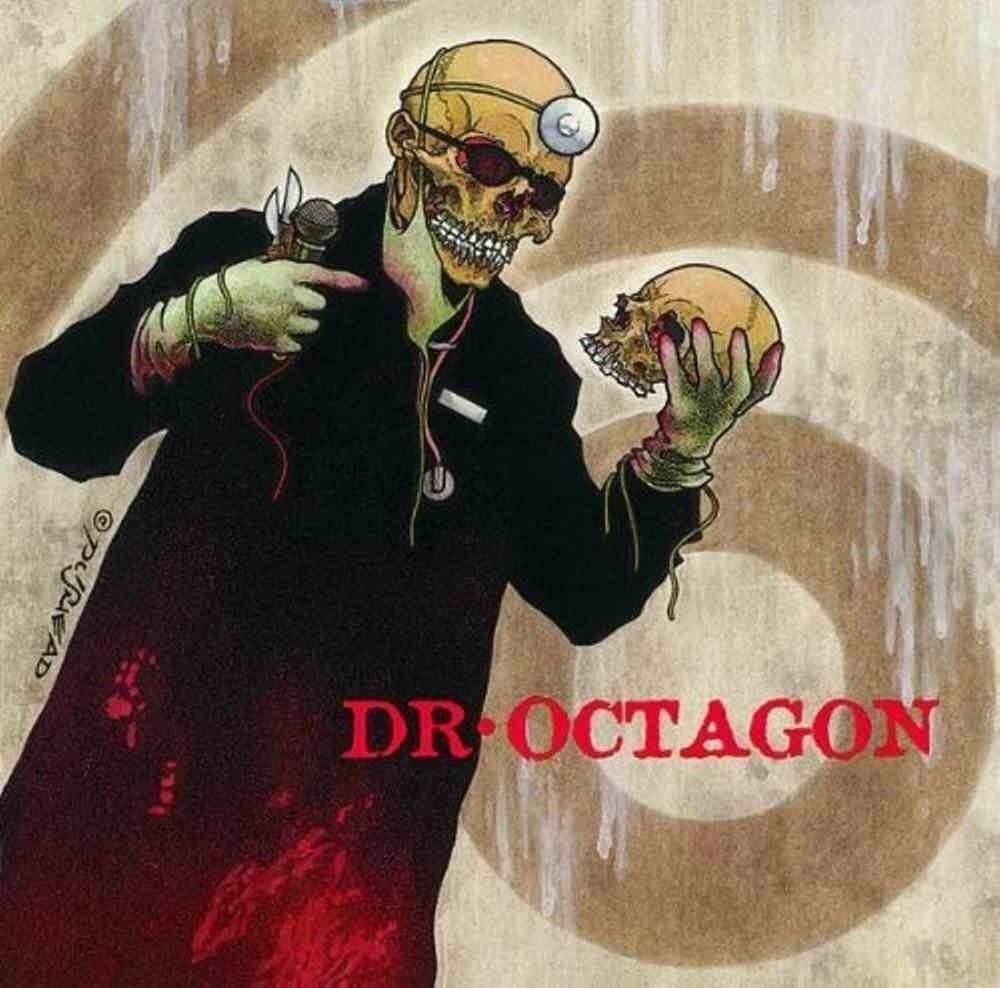
On May 7, 1996, Kool Keith dropped Dr. Octagonecologyst, fully inhabiting the persona of Dr. Octagon: a time-traveling alien gynecologist who commits homicidal acts with hypersexual intent. The album weaves together nonsensical rhymes, grotesque imagery, and bizarre storytelling, blending science fiction and dark comedy into a distinctive form of Hip Hop.
Dan the Automator provides eerie, atmospheric production built around haunting strings and otherworldly soundscapes, while DJ Q-Bert layers dizzying scratches throughout. Together, they guide listeners through surreal journeys marked by dark hospital hallways and cosmic absurdity.
Tracks like “3000” draw listeners into Dr. Octagon’s twisted domain, where Keith mixes medical jargon with offbeat metaphors over Automator’s cinematic, warped beats that maintain a constant sense of unease and medical horror. “Blue Flowers” evokes eerie space vibes with lush production and haunting undertones, as Keith’s phrasing fuses humor with menace. “Earth People” delivers unpredictable verses over equally rich beats, including memorable lines about supersonic bionic robot voodoo power, equator flexes, and oxygen intoxicants.
“No Awareness” captures Keith’s unhinged energy, with frenzied verses that swing between coherent thought and total chaos. “Real Raw” erupts into sonic frenzy as Q-Bert’s scratches sync perfectly with Keith’s rapid-fire delivery, while fragmented phrases challenge listeners to follow the scatter. “Halfsharkalligatorhalfman” plunges into horrorcore absurdity, and “Girl Let Me Touch You” mixes deranged lust with uncomfortable humor. Interspersed skits draw from horror films and surgical sounds, and disorienting noise sustains the album’s fever-dream atmosphere.
Keith’s rhymes break from convention, alternating rapid bursts with broken phrasing while a hypnotic rhythm carries the madness forward. The production largely skips traditional hooks in favor of immersive, layered soundtracks. Automator’s hollow echoes build tension, and Q-Bert’s precise cuts add texture to key moments. Absurd imagery flows freely without a clear narrative spine, letting hallucination guide the experience instead of structure.
In 1996, mainstream Hip Hop increasingly favored commercial formulas, big budgets, and predictable patterns. Dr. Octagonecologyst rejected that path entirely, as Keith, Automator, and Q-Bert committed to experimental sounds and wildly inventive concepts. Though it found little chart success, underground tape trading helped build a dedicated cult following.
Thirty years later, the album retains its raw strangeness. Its dark hospital visions and warped reality still land with full force. Keith’s complete immersion in bizarre characters, combined with Automator’s inventive arrangements and Q-Bert’s precision, creates an alternate audio plane that transcends its original context and secures its lasting place in Hip Hop.
Heltah Skeltah - Nocturnal (June 18)

Heltah Skeltah plunged into Brooklyn’s dark corridors with Nocturnal, released June 18, 1996, where Ruck (later Sean Price) and Rock delivered their Boot Camp Clik debut as a grimy, unapologetically rugged exploration of street battles and clever humor through relentless gritty storytelling that leaned into imperfections to amplify raw character across an album split between Da Beatminerz production and select others. The sound emerged from moody samples, rugged drums, and constant tension, creating cold and claustrophobic beats like smoke in dimly lit basements, as the duo’s dynamic sharpened with Ruck’s punchline-heavy wit bouncing off Rock’s booming baritone and unpredictable flow to forge chaotic, calculated chemistry in mid-1990s New York Hip Hop, steeped in dark and menacing lyrics and strictly NYC energy.
Peaking at number thirty-five on the Billboard 200, Nocturnal earned positive critical reviews despite modest commercial reach, introducing the BCC’s third chapter after Black Moon’s Enta Da Stage and Smif-N-Wessun’s Dah Shinin’ with hilarious Ruck shoutouts in the liner notes, adding personality to its masterful underappreciated debut status.
“Intro (Here We Come)” shocks with a bizarre milkman quip over basic drums, wah-wah guitar licks from Lord Jamar and Buckshot Shorty, and posse chants where Starang Wondah defines “nocturnal” before Rock’s deep baritone robotic-reggae flow warms the night, leading into “Letha Brainz Blo” laced by Baby Paul’s symphonic backdrop for the duo’s thugged-out hook and one-two punch dosage. “Undastand” sprinkles melodic “Soul Girl” sample manna over rugged drums as Heltah Skeltah wage war on rappers with censored curses preserving creamy goodness, while “Who Dat?” delivers quick freestyles on Buckshot’s relaxed devious beat interrupted mid-Rock verse bleeding into “Sean Price” where Ruck duets with Illa Noyz’s hood Shakespeare vibes and tipsy dancehall chant hook. “Clan’s, Posse’s, Crew’s & Clik’s” bristles bully energy over Evil Dee’s thick, bending bass, threatening all outsiders with disrespectful hooks, as “Therapy,” the third single, turns imagined sessions darkly comedic with Ruck’s Dr. Kill Patient lobbing absurd questions at Rock’s violent trauma unpacked over Baby Paul’s soothing Vinia Mojica-vocaled instrumental.
“Leflaur Leflah Eshkoshka,” the lead single, trances with soothing bass as O.G.C. joins to bash Baby Paul’s beauty, while “Prowl” chills with Mr. Walt’s Mission Impossible loop for nighttime reps and Ruck’s standout journaled attack bars, and “Operation Lockdown,” the second single, swings via E-Swift’s silky George Benson harp loop landing final blows with Buckshot adlibs. Skits like “Gettin Ass Gettin Ass” provide comic relief amid steady hard beats and violent battle bars targeted at non-BCC foes, as Ruck and Rock emerge as formidable lyricists rivaling Buckshot through unrelenting east coast thuggery broken by humor. Though less revered than BCC predecessors, Nocturnal is a great debut from an underappreciated duo capable of living their inflicted violence.
Jay Z - Reasonable Doubt (June 25)

Jay-Z introduced himself to the world with Reasonable Doubt, released June 25, 1996, as a rare debut that sounded like a classic from the moment it dropped where he regaled listeners with tales of street life’s highs and lows through smooth mixtures of humor and regret across soulful loops, jazzy piano lines, and boom-bap drums crafted by producers like Ski, DJ Premier, and Clark Kent that pulsed with understated elegance.
Jay-Z plays the hustler leaving his past behind, delivering arrogant yet grounded bars with conversational flow that feels like he’s talking directly to each listener. His vivid imagery, witty wordplay, coded slang, and double entendres demand multiple listens to unpack fully. Boasting about street success always balances with regret over different choices wished, carrying undercurrents of doom and melancholy over rich, restrained beats. The album peaked at number 23 on the Billboard 200 initially, but its influence far outweighed commercial numbers significantly.
Tracks like “Dead Presidents II,” “Ain’t No N—a,” and “Can’t Knock the Hustle” became instant staples, setting a blueprint for street rap intersecting commercial ambition as Jay-Z’s sharp, unhurried delivery and absolute confidence built a foundational text for studying his journey from New York ambition, hustle, and grit. “Can’t Knock the Hustle” opens carrying earned confidence where Jay speaks from experience, sharing journey with effortless flow over production laying a perfect backdrop, while “Brooklyn’s Finest” features haunting looped instrumentals elevating storytelling on betrayal, ambition, and success cost feeling universal despite street roots.
“D’Evils” merges words syllables homophones and imagery concluding with chilling line “In time, I’ll take away your miseries and make it mine” capturing rap equivalent of Michael Corleone staring at water, as “Regrets” and “Feelin’ It” balance swagger reflection exploring darker loyalty fleeting world where even hustler persona tracks like “22 Two’s” lace introspection allowing lyricism center stage through clever wordplay memorable punchlines. Originally criticized for a materialistic approach, the album’s polished yet grounded sound never felt like a rookie impress attempt but a work of lived stories moving between street weight and greater dreams, creating a grounded, aspirational experience capturing the creator’s darkness and brilliance.
Though commercial numbers took time catching up, Reasonable Doubt endures as a time capsule of 1990s New York streets, far removed from Jay-Z’s later flashy commercial persona. The album offers raw, reflective portraits of a hustler breaking free while climbing the ladder, delivered with smoothness that distinguishes it from harder, grittier contemporaries significantly. Jay-Z’s characterizations avoided caricature through sharp wit and layered bars, standing as a cornerstone of Brooklyn Hip Hop legacy for studying where street life becomes universally poetic. No later project surpasses this culmination of his life experiences, captured when Jaÿ-Z still used the umlaut over his name.
De La Soul - Stakes Is High (July 2)
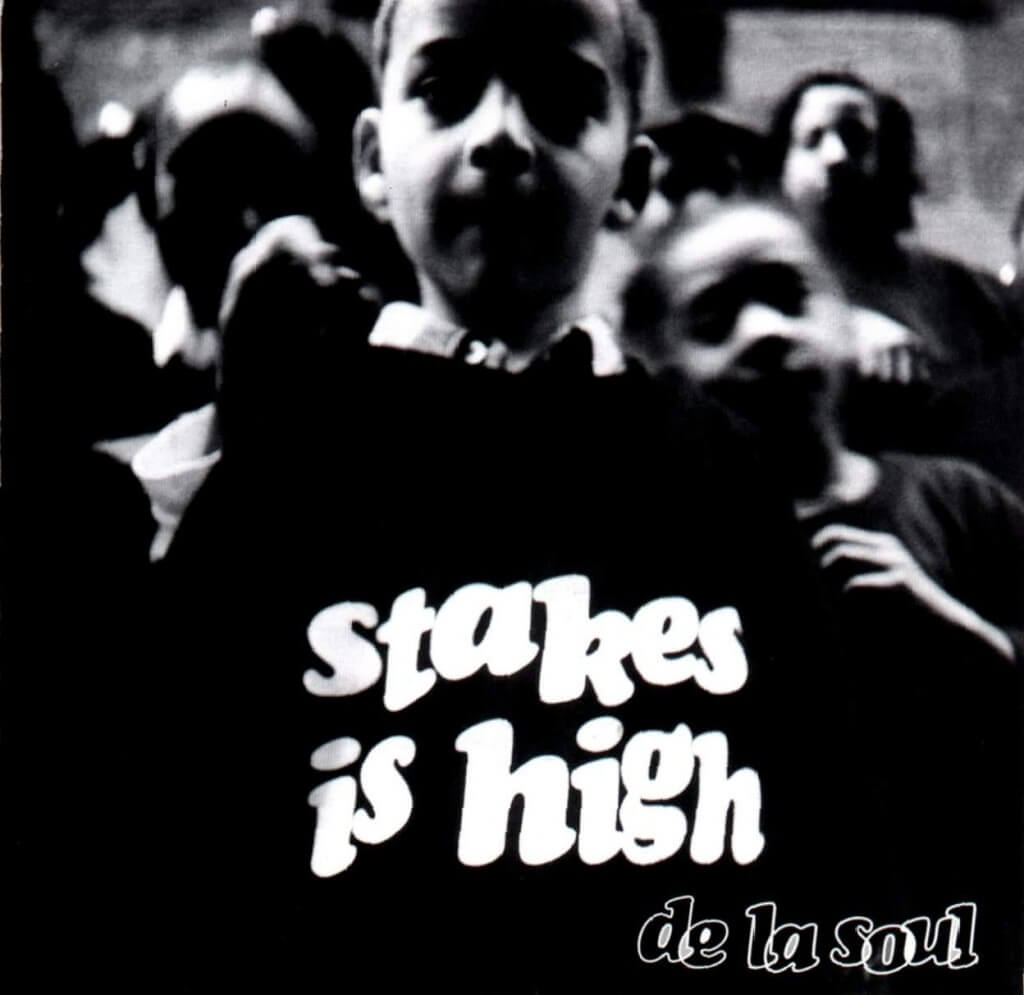
De La Soul released Stakes Is High on July 2, 1996, entering a Hip Hop landscape in rapid flux. The trio of Posdnous, Trugoy the Dove, and Maseo confront the genre’s commercial evolution with seasoned maturity. Their fourth album carries reflective verses over soul-infused beats, addressing a culture where their earlier playful sound had grown rare. Production marks a clear shift as the group assumes greater creative control, moving away from past quirkiness toward organic layers that reward close listening.
The opening “Intro” establishes urgency through spoken thoughts on Hip Hop’s past, backed by driving instrumentals that pull listeners into the conversation. “Supa Emcees” follows with moody, bass-heavy production, where Posdnous and Trugoy question the integrity of modern MCs. Their verses form an impassioned plea for a return to roots, matched by a melancholic tone that echoes broader concerns about rap’s direction. “The Bizness” brings Common into the fold over a minimalist beat, centering sharp industry critique where each verse conveys mounting frustration with the business of music. “Dog Eat Dog” employs zany instrumentals to satirize gangsta rap’s rise alongside shady label practices.
Jay Dee’s influence shapes the title track “Stakes Is High,” with smooth horns and laid-back groove underscoring Posdnous’s commentary on racism, gun violence, and community breakdown. The understated sound amplifies the weight of these observations. Tracks like “Itzsoweezee (HOT)” provide contrast, evolving the group’s identity without abandoning core strengths. J Dilla and De La handle most production, crafting an organic feel that builds depth across spins.
All of the first four De La Soul albums qualify as classics, with Stakes Is High emerging as their most mature and confident statement. The group sustains elite consistency across three decades. The record peaks at number 13 on the Billboard 200, a solid result for work that avoids chasing trends. De La pushes boundaries through introspective commentary, experimental beats, and social awareness, confronting Hip Hop’s changes while upholding artistic integrity.
This release proves the trio’s enduring relevance amid shifting priorities. They navigate commercial pressures with focus, delivering a vital perspective on the culture’s path.
Nas - It Was Written (July 2)
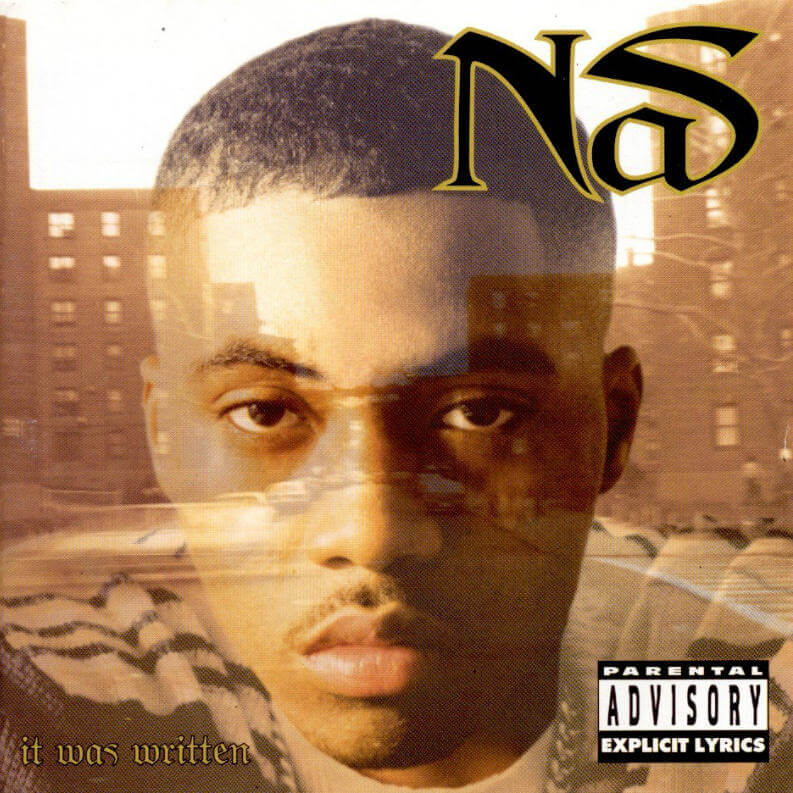
On the same day as De La Soul’s Stakes Is High, Nas released It Was Written, following the critical acclaim of his debut Illmatic which sold modestly at first while building legendary status, as he pursued the near-impossible task of matching or surpassing that classic through a second album that adopted a more commercial-friendly sound and explored mafioso themes without fully matching the debut’s tightness yet displaying his lyrical brilliance consistently across tracks.
Collaborators like Trackmasters, Puff Daddy, DJ Premier, Havoc, and Dr. Dre expanded Nas’s sonic palette with lusher polished production leaning into expansive layered arrangements and cinematic lush instrumentation that balanced grit with accessibility while bringing radio appeal through hits that debuted the record at number one on the Billboard 200 with over 270,000 first-week copies sold. Though some fans debated the smoother shift from Illmatic‘s rawness, Nas navigated artistic integrity against commercial success with grace, cementing his status among Hip Hop’s most talented all-around emcees as he bridged street narratives with broader ambitions.
“The Message” opens the album with haunting strings and introspective lyrics where Nas delivers sharp reflective bars on betrayal, resilience, and fame’s weight, as the production’s dramatic flair mirrors his storytelling to create timeless quality that sets tone for themes of power, loyalt,y and survival in a treacherous, enticing world. “I Gave You Power” stands out with Nas rapping from a gun’s chilling vivid perspective where DJ Premier’s sparse menacing beat intensifies metaphor blended with reality to pull listeners into gripping narrative, while “Shootouts” evokes mob movie scenes through Nas painting gritty violence and scheming over Havoc’s eerie piano-laden production that maintains edge amid polish. “Street Dreams” and “The Message” sustained heavy rotation alongside “If I Ruled the World (Imagine That)” featuring Lauryn Hill, where smooth melodic hook contrasts Nas’s optimistic grounded realism for crossover appeal as one of his most recognizable songs rooted in core mafioso and reflective themes.
Tracks like “Suspect” carry gritty street tales while “Black Girl Lost” reveals vulnerability, and the posse cut “Affirmative Action” with The Firm maintains cohesion and vision rather than feeling added on, as each purposeful song contributes to larger narrative on growth ambition and success complexities showcasing Nas’s range as writer and performer. It Was Written bridges street realism with cinematic flair and lyrical complexity with commercial reach, defining a key career chapter through bold experimentation that solidified Nas among Hip Hop elites and influenced genre evolution.
UGK - Ridin’ Dirty (July 30)
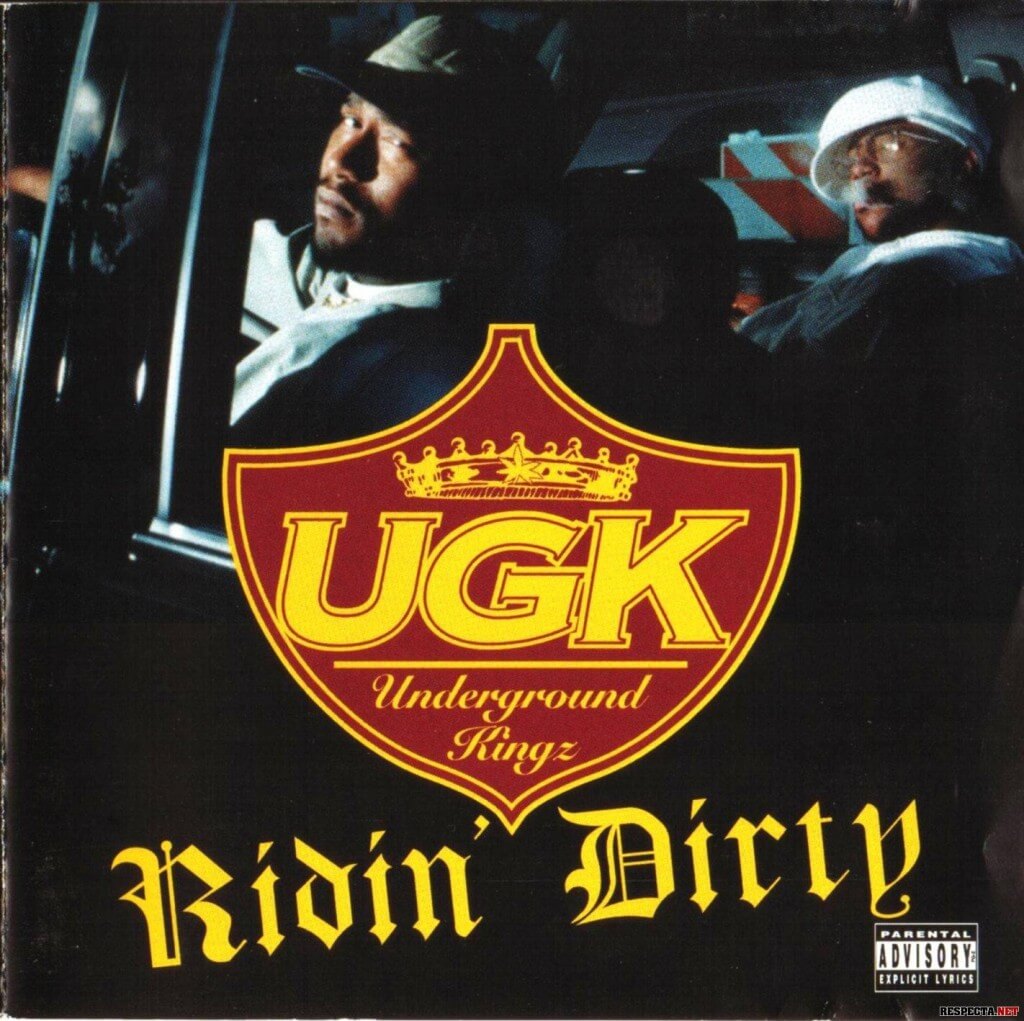
Pimp C and Bun B refined their approach on Ridin’ Dirty, their third album released July 30, 1996, where they delivered gritty Southern rap across 15 tracks that reveal the raw mindset of street life through detailed storytelling. Pimp C shaped most production through soul chops, thick basslines, and slow-rolling drums characteristic of Texas sound while Bun B’s measured cadences paired with Pimp C’s syrupy drawl to transform street codes and daily risks into vivid dispatches that drive every cut with raw detail and deliberate grooves.
“One Day” opens reflectively with piano loops and pitched-down samples framing verses where Bun B catalogs losses and Pimp C adds melodic weight to the chorus, all while the beat hovers at half-speed to underscore life’s shortness and constant threats. “Murder” shifts into harder territory through staccato hi-hats and synth stabs where Bun B accelerates through aggression as Pimp C anchors the menace with steady force. “Diamonds & Wood” glides across hypnotic organ riffs through which the pair dissects hustle’s shine and cost, with Pimp C’s hook lingering like smoke in the air.
“3 in the Mornin'” stretches nocturnal tension over creeping keys and rimshots where verses pile up tales of late-night moves and paranoia that fill the atmosphere with unease. “Pinky Ring” flaunts jewelry and status through funky guitar licks while flows trade boasts with lived-in authority that carries real weight. Production throughout remains rooted in Parliament-Funkadelic flips and Stax soul, with Pimp C scratching vinyl textures into slabs of sound that maintain pure UGK focus without guest dilution.
Ridin’ Dirty reached number 15 on the Billboard 200, marking their best chart run then as Southern tape circuits and national curiosity drove sales while radio picked up “One Day” as a quiet storm staple. The album captures Port Arthur’s reality without apology, blending bravado, loss, and resilience into a template for Southern rap whose beats and bars continue fueling imitation three decades later.
A Tribe Called Quest - Beats Rhymes & Life (July 30)
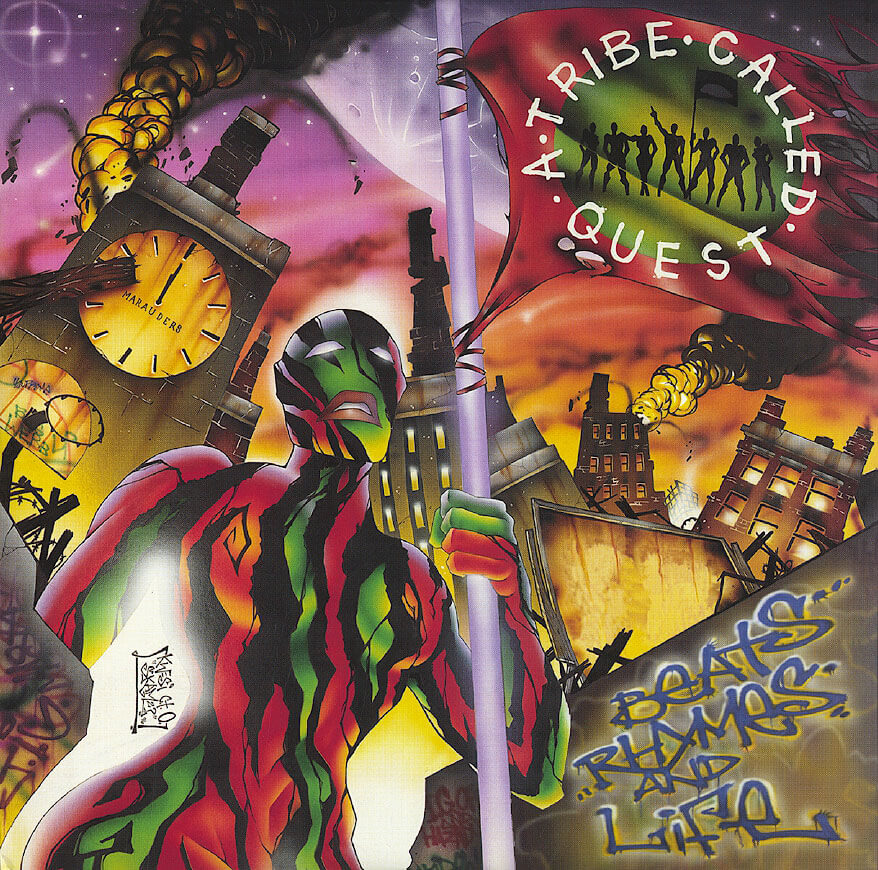
A Tribe Called Quest dropped Beats, Rhymes & Life on July 30, 1996, returning after three years since the landmark Midnight Marauders amid high expectations and whispers of tension between Q-Tip and Phife Dawg, who’d relocated to Atlanta. Following their classic run—People’s Instinctive Travels, The Low End Theory, and Midnight Marauders—this fourth album introduced shifts: production largely from The Ummah (Q-Tip, Ali Shaheed Muhammad, J Dilla), bringing polished jazz-hip-hop fusion with thicker basslines, organ swells, guitar loops, and crisp, radio-friendly drums that traded some raw edge for sheen. Rashad Smith handled the melodic standout “The Hop,” while Q-Tip’s cousin Consequence joined multiple tracks, blending philosophy and battle bars in a way that felt like an audition—effective at times, intrusive at others.
The Ummah’s sound maintains jazzy integrity but leans progressive, with repetition in patterns and a cleaner vibe that fueled debates over commercial drift amid mid-90s East/West beefs. “1nce Again,” sampling their own “Check the Rhime” with Tammy Lucas, and “Stressed Out” featuring Faith Evans, drove platinum success, debuting at #1 on the Billboard 200. Yet beneath the accessibility, lyrics balance lighthearted boasts, social jabs, and raw reflection: the opener “Phony Rappers” dismantles fake MCs lacking dedication, Q-Tip and Phife trading surgical disses with Consequence.
“Jam” captures summer nightlife spiraling into violence and cops, segueing into Q-Tip’s tense “Crew,” a jealous rage-fueled betrayal tale delivered in one raw verse. “Get A Hold” spotlights Q-Tip’s solo hypnosis over moody grooves, while “Keeping It Moving” asserts coast neutrality. Phife resurfaces strong on “Baby Phife’s Return” with witty punchlines, “Wordplay” flexes clever definitional flips, and “Separate/Together” pushes unity. “Stressed Out” probes life’s derailing pressures, landing emotional punches amid the polish.
Critics are split on the gloss and guests—Consequence’s overpresence occasionally disrupts the flow, and some cuts feel contrived or censored—but the core rhymes remain concise and potent, showcasing both members at peak sharpness. Production evolves without losing soul, though it lacks predecessors’ revolutionary spark. Beats, Rhymes & Life endures as a cohesive, enjoyable pivot reflecting growth, industry pressures, and refined chemistry—a worthy classic chapter from Hip Hop’s most influential collectives, rewarding deep spins beyond its hits.
OutKast - ATLiens (August 27)
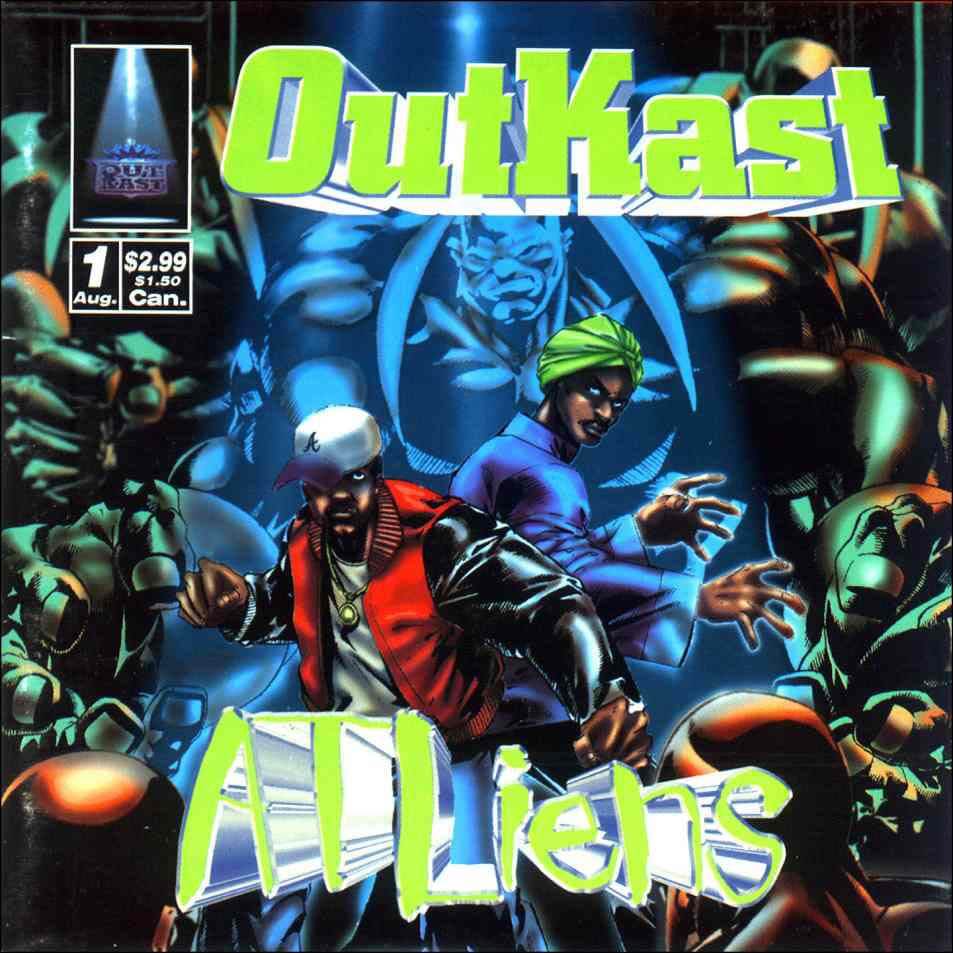
OutKast released ATLiens on August 27, 1996, marking a clear step up from their Southernplayalisticadillacmuzik debut, where the duo demonstrated real growth and newfound maturity through an album amazing both lyrically and musically. Big Boi and André 3000 stepped fully into their own vision, trading some of the Southern-fried funk from their first project for cosmic and introspective territory.
Organized Noize delivered innovative production that blended Atlanta’s roots with futuristic sounds and themes across 15 tracks free of skits, filler, or interruptions. The comic book-inspired cover art and spacey beats position the record as a transmission from another dimension, with André and Big Boi pushing their writing and performance to explore alienation, ambition, and identity through nuance as they connect their starting point to future directions in Hip Hop.
“You May Die (Intro)” establishes a contemplative tone through haunting prayer and melancholy melodies, segueing into “Two Dope Boyz (In a Cadillac)” where tough drumbeats and dark piano loops underpin frustrations with imitators and superficiality in the rap game. The title track “ATLiens” introduces the duo’s first production attempt featuring rolling drums and an alien gospel choir that highlights their lyrical skill and philosophical musings, while “Wheels of Steel” presents Big Boi and André trading verses over anxious organ chords and guitar riffs to create synergy between their distinct yet complementary styles.
“Jazzy Belle” addresses promiscuity and morality with somber vocals and pulsating drums through which the pair confronts complex social issues, as “Elevators (Me & You)” envelops listeners in a cool atmosphere via hypnotic bass line and minimalist beat where André’s reflective verse on a high school reunion emerges as a standout moment.
“Ova Da Wudz” finds André critiquing the music industry while Big Boi weaves tales of everyday struggles over a beat reminiscent of tribal celebration, continuing into “Babylon” and “Wailin’” where foreboding instrumentation complements thought-provoking verses and Cee-Lo’s soulful moans enhance southern-fried production. “Mainstream,” featuring Goodie Mob’s Khujo and T-Mo, examines consequences of naivety and poor choices with André’s verses shining brightly, while “Decatur Psalm” incorporates Big Gipp and Cool Breeze discussing street life over a gloomy backdrop contrasted by soothing hook vocals.
“Millennium” delves into unity and perseverance through dark layered beats underscoring André’s introspection and Big Boi’s community focus, as “E.T. (Extraterrestrial)” embraces alien personas with eerie sounds and faint war chant elevating out-of-this-world rhymes before “13th Floor/Growing Old” closes via Big Rube’s poem and somber piano notes framing reflections on change, mortality, and time’s passage through André’s poignant bars.
ATLiens debuted at number two on the Billboard 200 and achieved double platinum status, proving OutKast expanded their audience while deepening artistry through dope Hip Hop carrying their unique twist. The masterful blend of philosophical musings and innovative production transformed the duo into enduring Hip Hop inventors, securing the album’s place in the 1990s Dirty South rap canon.
DJ Shadow - Endtroducing.... (September 16)
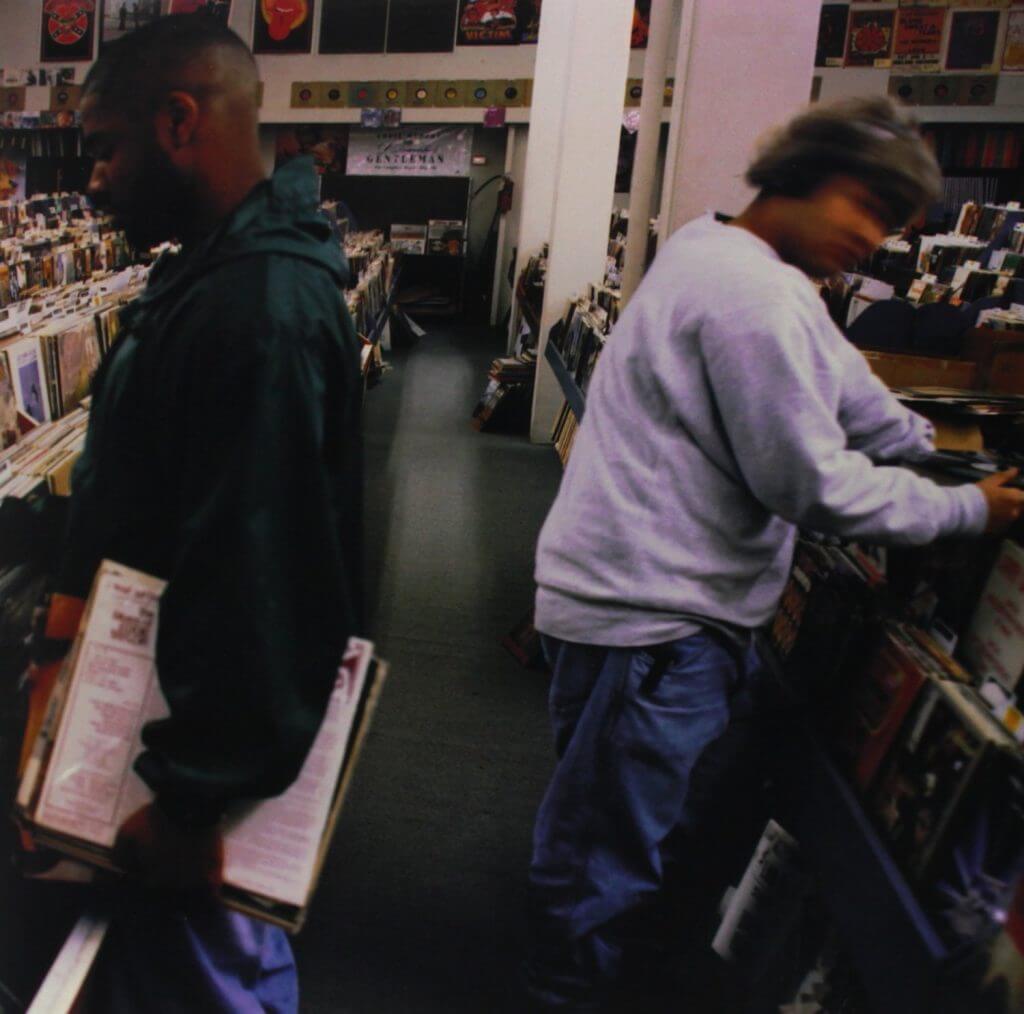
DJ Shadow unleashed Endtroducing….. on September 16, 1996, via Mo’ Wax, redefining instrumental Hip Hop as a crate-digging kid from Davis, California. Josh Davis, barely out of college, spent years unearthing obscure jazz, funk, rock, and spoken-word vinyl from record shop basements, transforming hundreds of samples into a hypnotic, hour-long collage using an AKAI MPC60, turntables, and Pro Tools. The result crackles like a radio scanning forgotten signals—a dense, textured dreamscape pulsing with dusty grooves, restless energy, and emotional weight, free from rappers to let pure sound tell cinematic stories.
“Building Steam With a Grain of Salt” launches the core vibe: mournful piano loops swirl over thumping drums, ghostly choir fades adding haunted depth, wah-wah guitars, and breaks punctuating brooding tension like sifting memories in a dim attic. “The Number Song” erupts in chaos—pounding drums, metal riffs, countdown snippets flipping to jazzy horn breaks, disorienting like a warped chase scene. “Stem/Long Stem” forms the wild heart, a nine-minute bipolar swing from mystic piano and electronic haze to frenzied drums, screeching horror strings, soulful vocals, and paranoid rants over otherworldly synths, collapsing into fragile calm.
“Midnight in a Perfect World” crowns it all, layered keys gliding over pounding drums, soft female hums, and “midnight” chants evoking a 3 a.m. city drive—accessible yet experimental, blurred instruments and scratches glowing with somber warmth. “Changeling” floats serenely unease with airy keys, plush guitars, drifting sax, and tense strings over funky bass; “What Does Your Soul Look Like (Part 1)” closes melancholically, with jazzy sax and soothing melody rolling over slick drums like a rain-streaked reflection.
Interludes keep flow unpredictable: “Transmission 1” mutters dream-distorted static like deep-space signals; quirky “Untitled” rambles about “Maureen’s five sisters”; “Why Hip Hop Sucks in ’96” jabs commercialism with pimped funk. “Organ Donor” grooves on wild organ improv, “Napalm Brain/Scatter Brain” lurches from funky bass to hyper snares and slow-motion strings.
In 1996’s split Hip Hop landscape—mainstream radio chasers vs. underground purists—Davis carved innovation from Public Enemy density and Beastie Boys sprawl, blending jazz, soul, electronica into moody, sampledelic gumbo. Critics were split initially, but time crowned it: Time’s 100 Greatest Albums, Guinness World Record for first fully sampled album, rippling into J Dilla, MF DOOM, and the Avalanches. Minor flaws like “Long Stem”’s flat calm barely dent its depth: a resurrection of “broken dreams,” a timeless masterclass in mood, rhythm, and deep listening.
The Roots - Illadelph Halflife (September 24)

The Roots issued Illadelph Halflife on September 24, 1996, crafting their third album into a defining statement of 1990s Philadelphia Hip Hop where they blended the grit of local surroundings with finesse from live musicianship and sharp lyricism across 78 minutes of dense material.
By this point, the crew had perfected a balance between technical precision and raw expression through sound that emerged uniquely from a live band rooted in jazz, soul, and boom-bap traditions, refusing to rush while exploring mood, texture, and city life’s complexities with few wasted moments. Black Thought and Malik B reached peak form, weaving intricate wordplay alongside sharp observations on inner-city violence and artistic integrity, as Questlove’s drum patterns provided heartbeat propulsion without overpowering, and live instrumentation anchored by Kamal Gray on keys and Hub on bass created rare depth for Hip Hop at the time.
The opening track drops listeners into layered introspective space where “Respond/React” and “Clones” establish the duo’s lyrical dominance through verses flipping between braggadocious cleverness and piercing social commentary that waste no time asserting authority. “What They Do” stands out by stripping glamour from rap to deliver biting critique of materialism fixation, complemented by a music video filled with ironic captions targeting champagne-soaked clichés for a wry view on authenticity amid cultural excess. “Concerto of the Desperado” builds tension through ominous strings and brooding production that forms perfect backdrop for Black Thought’s lyrical sermon, showcasing group range from radio-ready singles to sprawling ambitious compositions within a darker experimental territory than its predecessors.
Tracks like “Episodes” delve into harsh street realities where somber tone gains strength from haunting Jazzyfatnastees vocals, even as softer moments in “Push Up Ya Lighter” maintain underlying urgency that sustains the album’s weight. Every element feels deliberate, whether through jazz-infused introspection of “No Alibi” or stripped-down experimentation in interludes like “? Vs. Scratch,” reflecting The Roots’ commitment to craft by blending lyrical complexity with live instrumentation grounded uniquely in Philadelphia. Production stays dense and layered, rewarding close listening with new details on each spin, proving a live band could compete amid sample-driven landscapes while pushing sound into urgent unpredictable directions.
Illadelph Halflife peaked at number twenty-one on the Billboard 200, marking their highest chart position then, smooth jazzy Hip Hop at its finest with exceptional lyricism from Philly’s legendary crew. The record endures as a career cornerstone and an essential city legacy through evolution that avoids repetition.
Ras Kass - Soul On Ice (October 1)
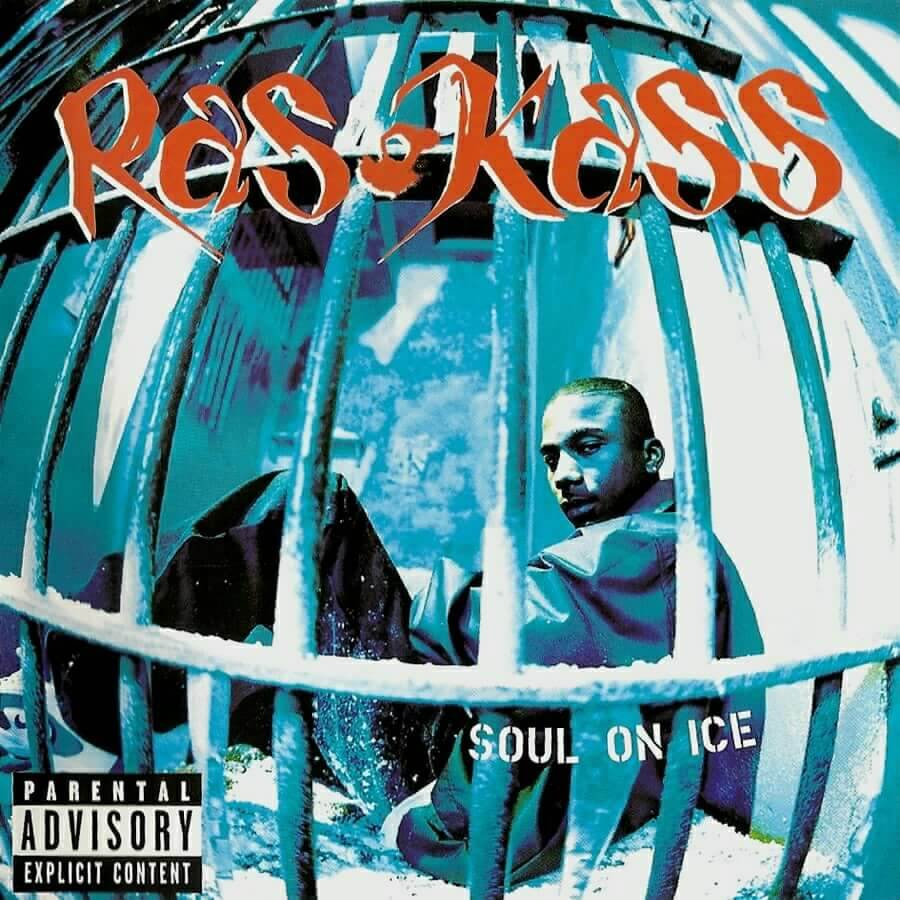
Ras Kass released Soul On Ice on October 1, 1996, a bold declaration of intellectual force that reshaped lyrical ambition during Hip Hop’s golden age. The debut album positioned him among the genre’s most overlooked lyricists, threading dense rhyme schemes, historical analysis, and social critique into a landmark work that stands as a reference point for conscious rap nearly three decades on.
Born John Austin IV in Los Angeles, Ras Kass confronts race, identity, poverty, inequality, police violence, capitalism, and the prison-industrial system with uncommon density. His sharp lyricism breaks down social structures through disciplined storytelling, earning the album recognition as a high point of lyrical complexity and his defining artistic statement.
“Nature of the Threat” anchors the record, an eight-minute epic that merges history lesson and relentless delivery across a barrage of references. Ras Kass traces human civilization from African origins through slavery, colonialism, religion, and cultural power. The track’s scope rewards repeated listening, placing sustained attention against spare production that serves the narrative.
“Anything Goes” targets the moral collapse tied to capitalism over a buoyant Al B. Sure! sample, pairing an easy groove with grim observations on greed and crime. The hook underscores the cost of illegal gain, while the verses argue for lawful paths to wealth and expose failures within the justice system.
“Reelishymn” captures disillusionment with the music industry against a somber jazz backdrop, as lines on label politics reveal conflict with corporate control. “Miami Life” turns to escapist fantasy through shimmering harp tones and light rhythms, cutting into the surface appeal of money and fame.
The closing track, “Ordo Ab Chao,” gathers themes of power, oppression, and resistance, probing the tension between order and chaos through stark imagery and cryptic verse. Open production leaves questions about authority, control, and revolt.
Ras Kass handled production with a circle of lesser-known beatmakers, choosing raw, minimal soundscapes that place emphasis on lyrical force rather than ornament. The album’s layered narratives call for close listening to uncover metaphors tied to issues that persist.
Titled after Eldridge Cleaver’s essays, Soul On Ice draws from a tradition of radical thought while pushing Hip Hop into new intellectual territory through personal confession and social critique. Ras Kass’s commitment to speaking truth to power secures the album’s place as a core document of socially conscious rap.
Jeru The Damaja - Wrath Of The Math (October 15)
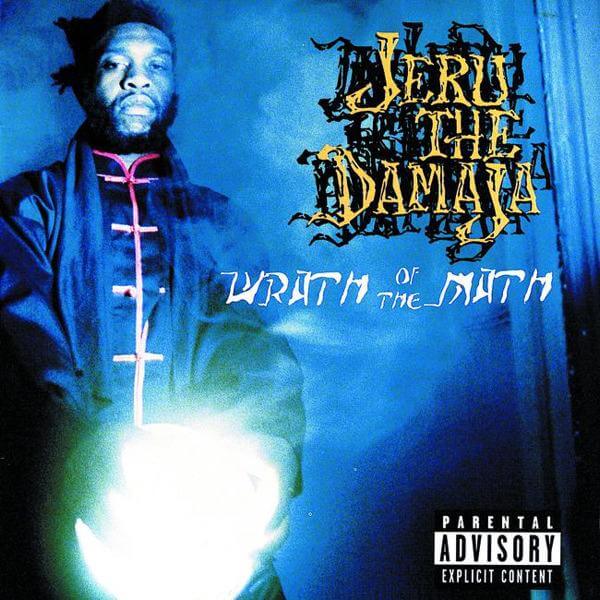
Jeru The Damaja released Wrath of the Math on October 15, 1996, arriving as a sophomore salvo in an era when Hip Hop tilted hard toward gangsta tales and shiny materialism, with Jeru standing firm as a defender of raw authenticity. Following 1994’s groundbreaking The Sun Rises in the East, this DJ Premier-produced effort doubles down on Afrocentric principles, self-knowledge, and fierce critiques of commercial exploitation, cementing their legendary partnership through 15 tracks of rugged boom-bap mastery.
Premier’s beats form a versatile, cohesive backbone—uptempo energy laced with intricate loops, piano flourishes, eerie violins, jazzy textures, and rock-tinged edges that let Jeru’s deliberate, authoritative cadence cut through. High points hit like “Ya Playin’ Yaself,” where bouncy basslines and vocal snippets frame Jeru’s surgical dismantling of fake hustlers chasing hollow wealth. “One Day” opens with frustrated fire against societal ills, while “Tha Bullsh**” parodies gangsta fantasies in a dream-nightmare reveal, and “Whatever” delivers hypnotic sparseness for incisive bars on police profiling and systemic traps.
Lyrically, Jeru wields prophetic insight, mocking “jiggy” excess with mathematically precise schemes and conceptual storytelling that personifies Hip Hop as a hostage rescued from big-label pimps—veiled shots at Bad Boy, Puff Daddy, Foxy Brown, and West Coast dynamics that sparked industry static, including a Notorious B.I.G. response. He condemns gangsta posturing, conspiracy themes, and community erosion, blending sharp battle wit with rare vulnerability on relationship cuts probing paranoia around riches and realness, though some gender takes now scan dated.
Standouts like the Afu-Ra collab sequel, superhero continuations, and racial profiling bookends amplify the resistance vibe. Production dips occasionally—sequel tracks feel less fresh, a couple beats clutter up—but Premier’s peak-era craft keeps it catchy, dramatic, and balanced for Jeru’s disjointed yet rhythmic flow.
Peaking at #35 on the Billboard 200, with singles like “Ya Playin’ Yaself” and “Me or the Papes,” it lacks the debut’s seismic punch or a monster hit, yet endures as a near-classic underground bulwark. Wrath of the Math captures mid-90s defiance uncompromised, rewarding spins with timeless conviction and substance over sales—a vital countervoice where intelligence meets raw power.
Xzibit - At The Speed Of Life (October 15)
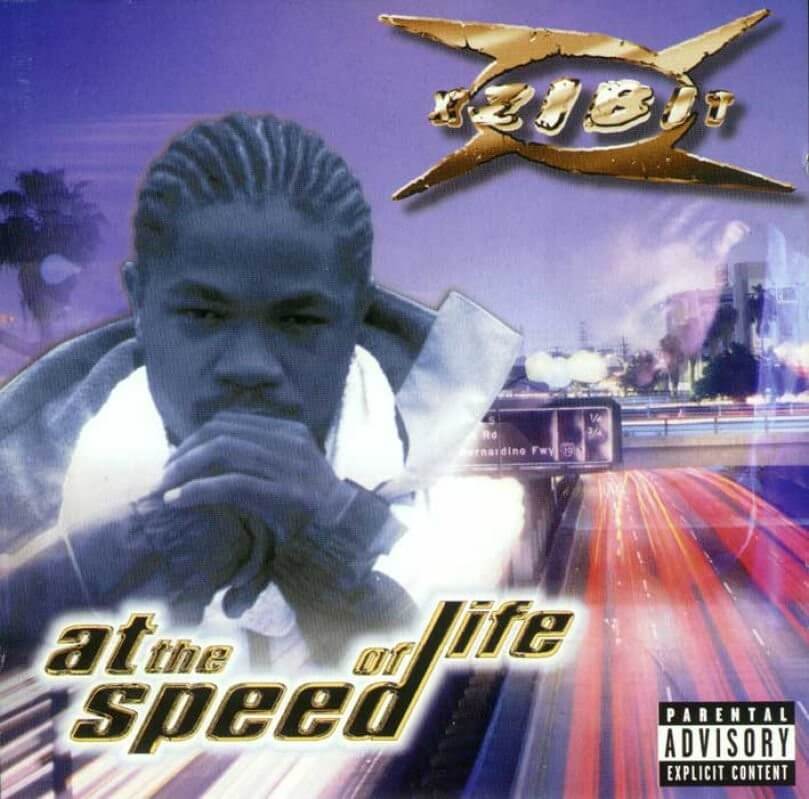
Xzibit debuted with At The Speed of Life on October 15, 1996, delivering a striking debut that balanced grit, introspection, and sharp craftsmanship while carving out his place in the Los Angeles Hip Hop scene with a distinctly East Coast feel. The album introduced his narrative-rich style and commanding gravelly voice, as he confronted the growing commercialization of rap over dark beats, creative loops, and lyrics that felt both relentless and reflective.
Much of the production comes from Tha Alkaholiks’ E-Swift and Thayod Ausar, who craft a moody, introspective backdrop where tension and atmosphere do as much work as the drums. “Paparazzi” stands as the centerpiece, its orchestral strings and cinematic sweep framing Xzibit’s biting critique of fame-chasing artists, creating a stark, memorable warning to those rapping for cameras instead of craft. “The Foundation” shifts the tone without softening it, as DJ Muggs lays down a haunting piano loop over which Xzibit offers heartfelt advice to his newborn son, blending somber textures with genuinely poignant storytelling.
The title track, “At The Speed of Life,” brims with urgency as Xzibit navigates industry pressures, using his commanding delivery to spell out what survival looks like when everything moves too fast. “Carry the Weight” digs into his turbulent upbringing with unvarnished candor, grounding the record in personal history that deepens the impact of his hardened exterior. He balances that heaviness with concept-driven cuts like “Plastic Surgery,” where he joins Ras Kass and Saafir as metaphorical surgeons exposing fake rappers, folding brash humor into sharp critique.
Guest appearances add color without ever overwhelming the core voice of the album. Tha Alkaholiks light up “Bird’s Eye View,” bringing playful energy to Diamond D’s shadowy production in a way that underscores, rather than undercuts, the record’s darker tone. Hurricane G’s fiery turn on “Just Maintain” injects unfiltered charisma, her presence bouncing dynamically off Xzibit’s gruff cadence to keep the momentum alive.
The interludes and a few muted beats slightly disrupt the flow, hinting at an album that could have hit even harder with some trimming. Still, Xzibit’s lyrical intensity, strong concepts, and knack for memorable moments carry the project through its weaker spots, leaving the overall impression of a cohesive, underrated debut. At The Speed of Life stands as a cornerstone of 90s Los Angeles Hip Hop, a dope first statement where Xzibit’s fusion of hard-hitting rhymes and emotional resonance clearly signals the evolution still to come.
M.O.P. – Firing Squad (October 22)
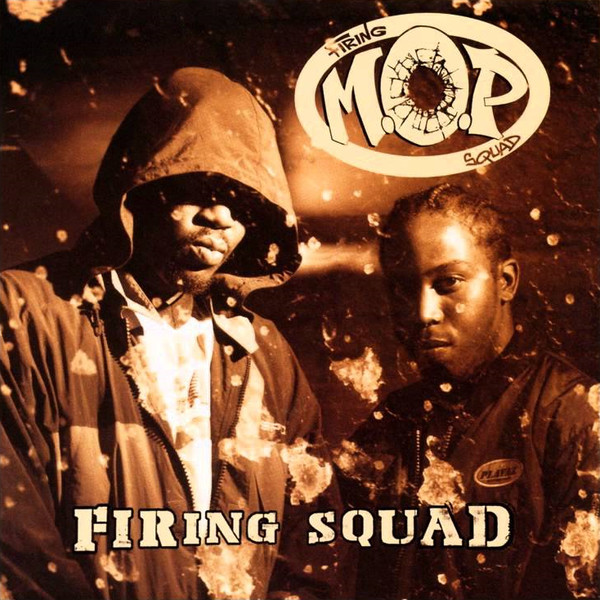
M.O.P. unleashed Firing Squad on October 22, 1996, where Lil’ Fame and Billy Danze from Brownsville, Brooklyn, delivered a hardcore tag-team lyrical assault with infectious energy and attitude that hit like a wrecking ball, kicking down doors through raw, gravelly voices used as weapons across 18 tracks, screaming electrifying intimidation. After their 1994 debut To The Death established a solid fanbase via DR Period’s production, the duo signed with Relativity Records for this sophomore effort where DJ Premier handled about a third of the instrumentals crafting gritty stripped essentials and unrelentingly cold beats with Jaz-O, Laze E Laze, and M.O.P. filling the rest to maintain raw mood through quality boom bap slaps that justified their relentless vigor despite not charting highly or moving massive units yet earning mostly positive reviews.
Their chemistry and thug swagger shone through bully raps and survival loyalty themes revolving around violence specter, as Billy Danze’s thunderous delivery balanced Lil’ Fame’s sharp, fiery tone, sounding like synchronized battlefield warriors pulling no punches, whether threatening rivals or portraying bleak Brownsville portraits.
“Firing Squad” launches lively with guns blazing over DJ Premier’s jazz piano loop flipped into thugged-out concerto where Fame warns “we can bust raps or bust caps” and threatens rap ciphers turned homicides alongside guest Teflon matching high energy, while “New Jack City” builds dark marvel around pensive xylophone for addressing new school rappers with fake attitudes dissin’ the game as M.O.P. fire from retirement with llamas. “Stick To Ya Gunz” invites Kool G Rap for a riveting banger brutalized by thug raps where his rapid-fire blends with brute force, as “Brownsville” concocts unsettling, grimy harp loop describing crews’ lives, cops knocked down, and slaughter risks in Wild Wild West hood, turning the neighborhood into a menacing character. “Downtown Swinga (‘96)” straddles rugged and smooth, irresistible loop for buck shots and head-busting reps, while “Born 2 Kill” exchanges violent gun tales, leaving Jaz-O’s laidback jazzy instrumental bloodstained.
Though running long with redundant bully raps midway where four or five tracks could shave off without loss, Firing Squad thrives on ferocious energy rarely wavering through unapologetic grittiness for streets rather than mass appeal, as production mirrors intensity with Premier’s sharp, precise cuts and eerie instrumentation adding weight to every bar. “Dead & Gone” shifts pace with Staples Singers sample and Battle choir for mortality reflections censoring curses amid eulogy vibes, proving M.O.P. a force through hardcore synergy and dope material, making enjoyable solid sophomore from Brownsville Bombers thriving in chaos.
E-40 - Tha Hall Of Game (October 29)
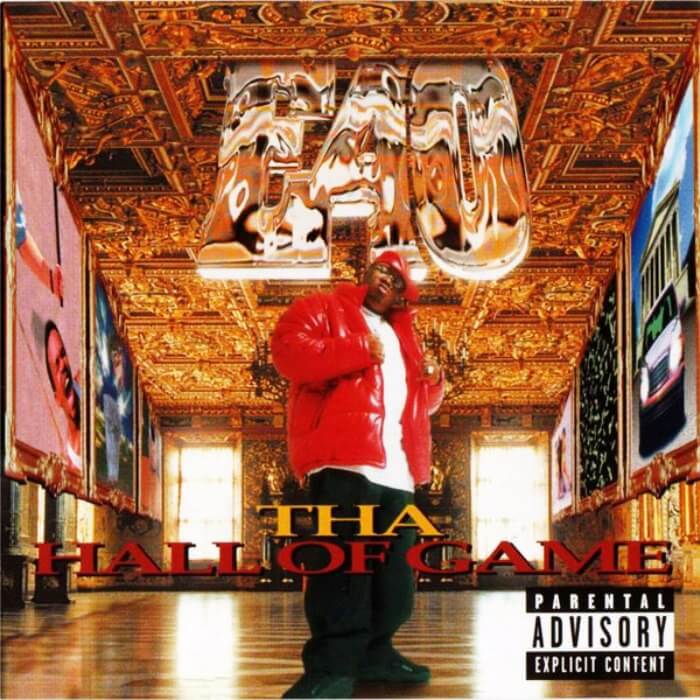
E-40 cemented his mainstream rise with Tha Hall of Game on October 29, 1996, his third solo shot after a $3 million Jive deal capped years of Sick Wid It trunk-sales grind from Vallejo, California. Teaming with The Click—B-Legit, D-Shot, Suga T—this project fused Bay Area funk, mobb menace, and unorthodox charisma, celebrating ascent while swatting “record haters” like NBA’s Rasheed Wallace and AZ who questioned his credentials. E-40’s elastic drawl—stuttering, rapid-filling, high-pitched barking dense slang into mind-bending schemes—steers the chaos like a candy-painted Oldsmobile hydroplaning sharp turns.
Production spans West Coast heavyweights: Ant Banks, Mike Mosley, Rick Rock, Studio Ton, and Tone Capone craft bouncy funk grooves, summery head-nodders, and swampy mobb knocks that flex E-40’s range without diluting roots. Opener “Record Haters” unleashes haunted Big Lurch hooks dismissing doubters, while “Rapper’s Ball”—his first Too $hort collab with K-Ci—morphs slick beats for cruising sunshine, contrasting styles in triumphant party flex. “Million Dollar Spot” chills with relaxed 2Pac and B-Legit over smooth knock, celebrating new bags from the game. “My Drinking Club” erupts in hoe-down fast flows, “Growin’ Up” charms with his infant son’s bars, and “The Story” flips “Paul Revere” vocals for clever introspection.
The front half pops with good-vibe anthems crediting pimps, players, and mentors who schooled his linguistic wizardry: extra-wordy counts of illiterate cash flips packed tight. “Things’ll Never Change” interpolates Bruce Hornsby’s “The Way It Is” into sharp social darts on systemic traps, clever yet grounded in hustler’s realism. Back half bloats slightly: “Ring It” mismatches Keak da Sneak and Spice 1 on breezy Tone Capone; “Circumstances” boasts Luniz and Celly Cel verses but weak hooks; Cameo-sampled “I Like What You Do to Me” grates despite B-Legit’s fit. Still, “Keep Pimpin'” tightens mobb edges, “It Is What It Is” swamps Southern flavor with Kaveo’s baggage-shedding close.
Radio-friendly sheen and funk tilt—less raw than pure mobb predecessors—risked alienating purists, but diversity births career peaks, tighter lyrics, and timeless Bay pride. No filler swamps the personality; even dips entertain via E-40’s unpredictable ramble. Tha Hall of Game captures a legend leveling up, pioneering independence into national spotlight, a varied Jive-era gem worth every unpredictable loop.
Ghostface Killah - Iron Man (October 29)
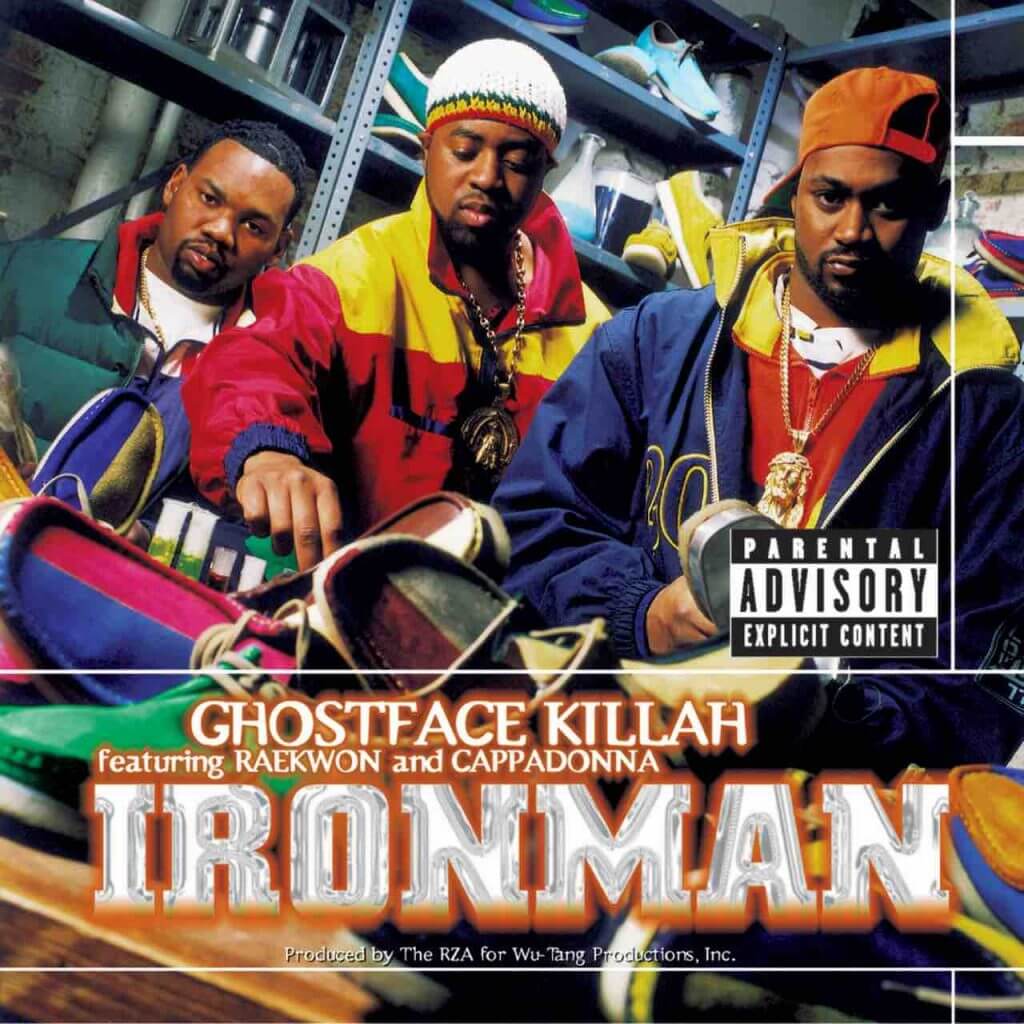
Ghostface Killah delivered Ironman, his solo debut released October 22, 1996, as one of the strongest albums in Wu-Tang Clan’s prolific catalog and part of their epic run of classic solo projects where he embodied raw intensity and intricate storytelling through RZA’s rich soul-sampled production radiating cinematic quality both gritty and grand across tracks densely packed with sharp imagery, emotional weight, and spiritual undertones. Ghostface crafted alongside frequent collaborators Raekwon and Cappadonna a world where his raspy, urgent voice full of personality, cut through every beat, redefining personal and street narratives to make the intimate universal while peaking at number two on the Billboard 20,0 proving Wu-Tang solo efforts stood commercially and artistically strong as a timeless cornerstone of Hip Hop history.
“Iron Maiden” opens with ferocious energy where RZA’s eerie string-laden beat underpins verses tumbling like street brawl punches as Ghostface’s fiery, unpredictable delivery wields voice as a weapon through chaos amplified by Raekwon and Cappadonna interlocking like tense heist film pieces. “260” showcases vivid narrative over smooth Al Green sample where Ghostface and Raekwon recount botched robbery details down to cheese instead of cash, tethering surreal slang-laced imagery to visceral emotion hallmarking the album’s storytelling prowess.
“All That I Got Is You” featuring Mary J. Blige provides counterpoint, stripping bravado for raw vulnerability as heartfelt ode to upbringing resonates with piercing honesty elevated by Blige’s haunting vocals into deeply affecting single, while “Daytona 500” propelled by RZA’s Bob James “Nautilus” reimagining races at breakneck speed matching breathless delivery from Ghostface, Raekwon, and Cappadonna. “Motherless Child” delves melancholically through a Delfonics sample, haunting like a ghostly refrain, as “After the Smoke Is Clear” balances reflection and resilience, concluding on introspective notes where soul and funk samples maintain cohesion, allowing Ghostface’s unpredictable charisma and poetic flair to shine throughout.
Ironman established Ghostface’s identity through narrative gifts turning street poetic and personal universal, remaining one of Wu-Tang’s finest solo efforts and 1990s Hip Hop’s high storytelling points with grimy production supporting voice that carried each track, blending urgency emotional depth and vivid mastery.
2Pac (Makaveli) - The Don Killuminati: The 7 Day Theory (November 5)
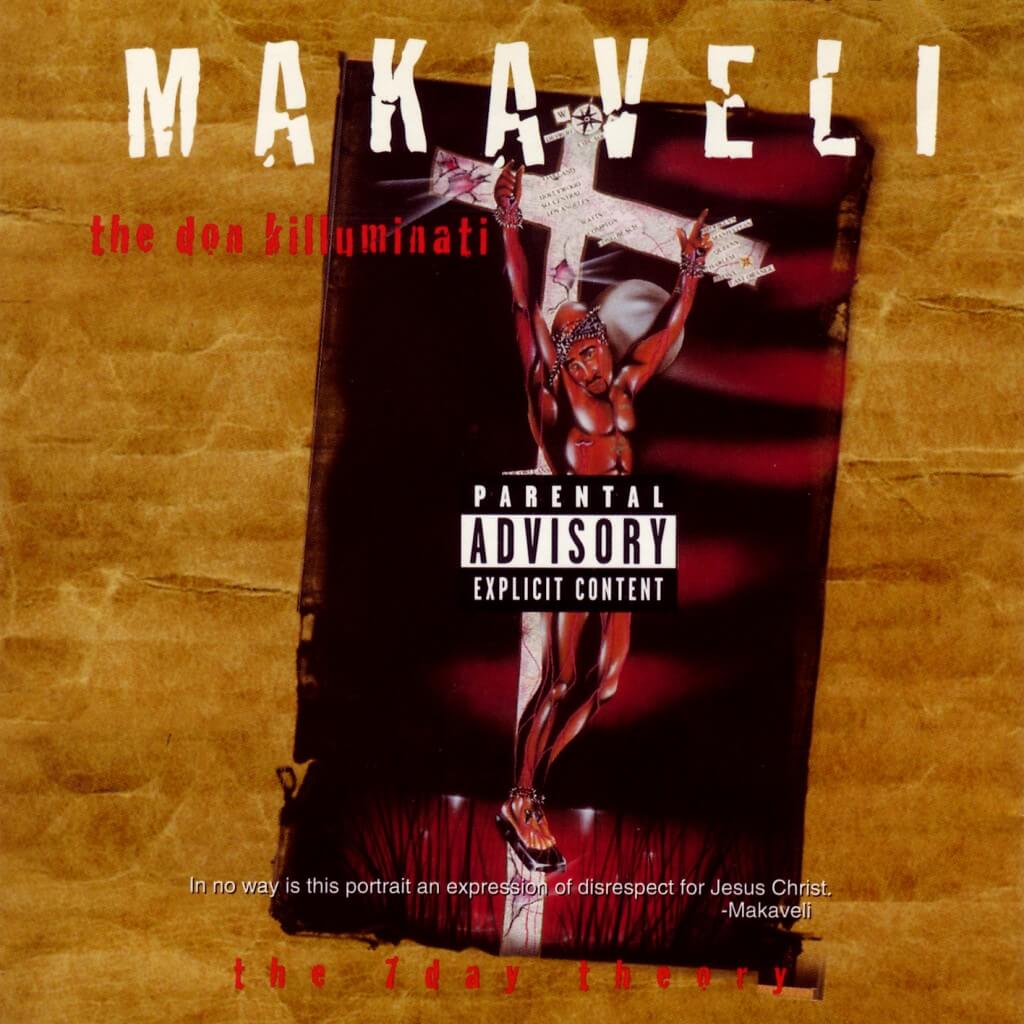
2Pac (as Makaveli) completed The Don Killuminati: The 7 Day Theory a few months before his death, with its November 5, 1996 release—mere weeks after his murder—turning it into an artistic tempest that traded All Eyez on Me‘s celebratory bombast for something intimate, incendiary, and prophetically haunted. Recorded in just seven days, the album burns with urgency, channeling raw emotion, pointed critique, and eerie premonitions of death into a dark, confrontational sound that feels like 2Pac staring down his fate.
Production stays minimal but hits with maximum impact, stripped down to let his sharpened voice pierce through haunting, ecclesiastical beats. “Hail Mary” sets the tone as a chilling prophecy: tolling bells and a lurching bassline propel lyrics blending despair, defiance, and mortality, delivered with unrelenting force. “To Live and Die in L.A.” flips to melodic shimmer—synths and smooth backing vocals paint a vibrant ode to his adopted city, soaked in California sunlight yet undercut by survival’s contradictions and subtle melancholy.
Lyrically, 2Pac oscillates between personal vulnerability and broad confrontation, his poetic finesse balancing harshness and introspection at a creative peak. “Blasphemy” dives into existential dread, questioning religion and oppression over moody, cinematic swells that amplify his rebellious wrestle with faith. The closer “Against All Odds” unleashes pure venom, naming industry foes over tense, combative beats—no holds barred from an artist unafraid to burn bridges.
The Outlawz and guests like Kastro feature heavily, adding a collective defiance that underscores 2Pac’s dominance without overshadowing it, though their abundance sometimes dilutes focus alongside a few filler tracks that sap momentum. Instrumentals rank among his finest: robust backdrops elevating rhymes that hit with emotional weight and foresight, like foretold obituaries that haunt in hindsight.
Flaws notwithstanding, The Don Killuminati transcends critique through its cultural heft and circumstances, securing classic status in Hip Hop lore. No easy resolutions here—just unfiltered truth from a towering icon on the brink, where aggression meets vulnerability in meticulously raw energy. Its highs decisively outweigh the lows, capturing 2Pac in full command as life ebbed, earning a solid 8/10 for chilling resonance and indelible peaks.
Lil' Kim - Hardcore (November 12)

Lil’ Kim exploded onto the Brooklyn Hip Hop scene, with Hard Core, released November 12, 1996, where her debut solo effort detonated a cultural bomb through no-holds-barred assertions of sexuality, confidence, and street narratives, delivered with brazen, intricate lyrical delivery merging provocative themes, clever wordplay, and unapologetic explicit content over crisp East Coast sampling and minimalist beats leaning into commercial hardcore sensibilities.
Widely regarded as a landmark, sex-positive, genre-defining rap classic, that shifted landscapes for female emcees, the album established Kim as a confident “Queen B” figure blending gritty street tales with high-fashion, unapologetic femininity across consistent production showcasing her talented emcee skills, whether audiences embraced sexpot mafia queen lyrics or craved deeper substance, as Puff Daddy’s involvement amplified controversial shock value marketing opening doors for clones while cementing its classic influence through mic prowess.
Despite personal preferences dividing listeners on hyper-sexualized focus blending female empowerment, sexual liberation, and luxury, Hard Core challenged norms, paving the way for future MCs with fearless authenticity, marking quintessential Brooklyn rap despite occasional cringeworthy indulgence.
“Big Momma Thang,” featuring a Jay-Z cameo, sets an audacious bravado tone with infectious rhythm, where Kim’s explicit sexual imagery and power claims unfold with nimble delivery few contemporaries matched, while “No Time” complements Puff Daddy’s slick production for declarations of opulence, dominance, weaving complex, multi-layered narratives within a hardcore framework. “Drugs” stands out through minimalist beat and haunting Biggie-provided hook, highlighting symbiotic creative energy between Kim and mentor.
The narrative-driven “M.A.F.I.A. Land” blends vivid, gritty, cinematic imagery, as “Queen Bitch” and “Not Tonight” turn tables on male-centric sexual norms with relentless explicit focus, despite skits like the hard-to-sit-through “Intro in A-Minor” occasionally detracting from listening flow. “Crush on You” further showcases strong rhythmic flows amid notable tracks, turning femme fatale persona into celebrated delivery widely praised despite ghostwriting rumors, as Notorious B.I.G.’s evident influence permeated throughout, maintaining high-quality impact.
Though the lyrical content and excessive interludes can get monotonous, Hard Core wove unfiltered female sexuality with power explorations, challenging 1990s norms with pioneering mic skills and stellar production, which, for many, holds seminal status today. Lil’ Kim’s commercial, yet raw assertion broke molds for women in rap, influencing hosts while standing influential classic through controversial, bold style blending street, high-fashion grit into enduring genre shift.
Mobb Deep - Hell On Earth (November 19)
Mobb Deep unleashed Hell on Earth on November 19, 1996, sharpening their edges after The Infamous to craft a sonic embodiment of paranoia, survival, and hard street ambition where Havoc and Prodigy dragged listeners into shadowy Queensbridge worlds through beats and bars creeping like dark alleyway passages across an album colder, more menacing, and isolating than its predecessor.
The production emerged stripped down yet suffocatingly heavy as Havoc leaned into eerie loops, haunting samples, and sparse drums that allowed tension to breathe while creating relentlessly dark and gritty atmospheres flawlessly executed with Prodigy at his lyrical prime, delivering ruthless and grim calculated lines painting betrayal, survival, and unbreakable street codes alongside Havoc’s quiet aggression speaking directly to desperation and distrust. Their undeniable chemistry played like two sides of the same coin, pulling audiences into unrelenting bleakness without escape or redemption, where each track fed into the next like chapters in a grim novel, doubling down on mid-1990s New York street life’s unforgiving realities.
“G.O.D. Pt. III” evoked abandoned warehouses through distant strings, ghostly piano flickers, and rumbling basslines like subways under cracked pavement, while the title track “Hell on Earth (Front Lines)” drove relentless hypnotic energy, reinforcing the claustrophobic, menacing tone that debuted at number six on the Billboard 200, cementing Mobb Deep as East Coast hip-hop heavyweights. Guest appearances weighted the core without overshadowing, as Nas slid into the icy “Give It Up Fast” bringing Queensbridge perspective, Method Man elevated “Extortion” with sinister energy into standout status, and Raekwon extended Wu-Tang aesthetic on “Nighttime Vultures,” where each contributor stepped into the duo’s foreboding world, adding layers to its hypnotic atmosphere. Though lacking a super classic single like “Shook Ones,” the record maintained flawless production, balancing extreme tough-guy lyrics and dark thematics that demanded listeners take it with a grain of salt while proving essential through minimalist bone-chilling execution.
Hell on Earth is one of Mobb Deep’s two best albums, commanding importance in East Coast rap through Prodigy’s stark storytelling, Havoc’s production, and their interplay that rendered the project unforgettable despite not appealing universally. The unflinching portrayal of chaos and isolation rewarded immersion in its grim, unflagging mood, securing lasting impact amid 1990s Hip Hop’s gritty evolution.
Foxy Brown - Il Na Na (November 19)
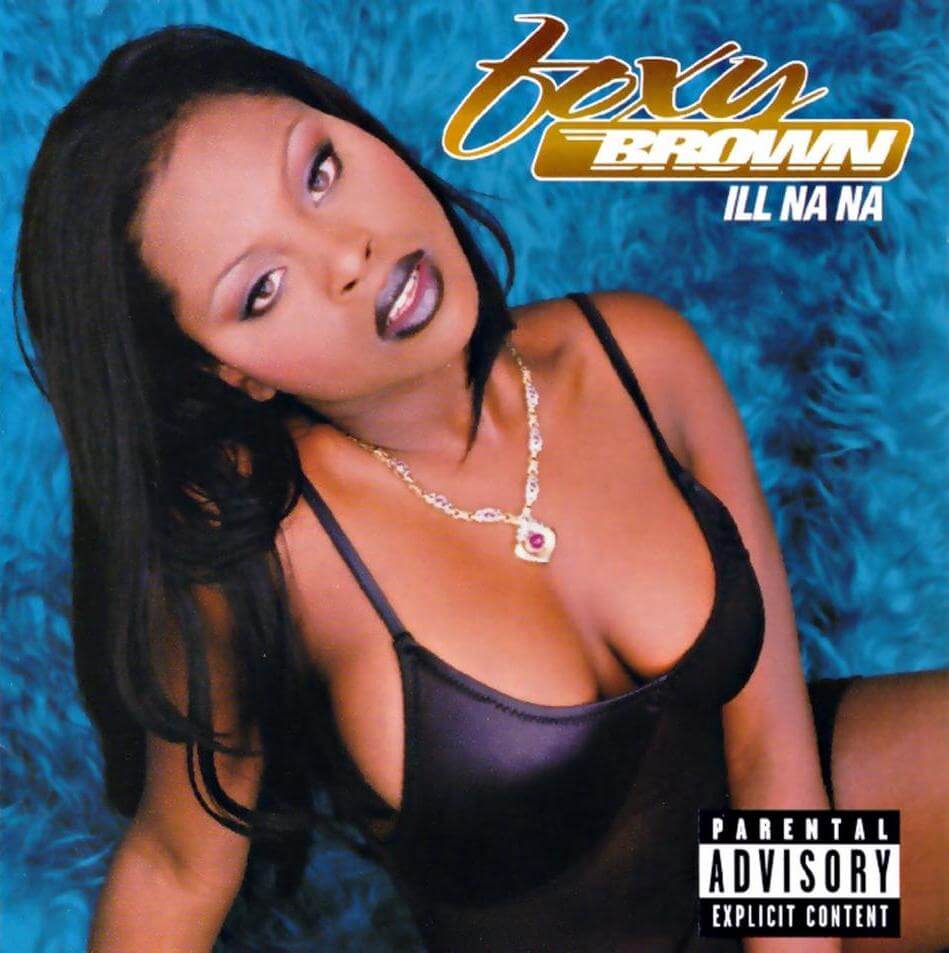
Foxy Brown launched Ill Na Na on November 19, 1996, arriving with a debut that matched ambition with execution where she delivered street narratives and radio singles with equal conviction across an album packed with sultry confidence, razor-sharp wordplay, and themes of luxury, desire, and power commanded through smooth unbothered flow over Trackmasters’ powerhouse production layering familiar samples with glossy arrangements swinging between polished R&B grooves and gritty street-ready beats.
At just 18, Foxy rapped with veteran’s authority holding her own against booth challengers, as “Get Me Home” featuring Blackstreet fused Hip Hop and R&B by sampling Eugene Wilde’s “Gotta Get You Home Tonight” into natural ease balancing sultry hooks with her commanding presence that clarified radio-friendly hits without style compromise while debuting the record at number seven on the Billboard 200. The production provided perfect canvas for Foxy’s low-pitched voice, carrying effortless authority, whether spitting about expensive taste, fleeting romance, or carving space in a male-dominated genre where she created her own lane rather than joining stereotypes, proving she helped define the moment through contrasts of luxury against loyalty and confidence against vulnerability.
“I’ll Be,” her duet with Jay-Z, flipped René & Angela’s “I’ll Be Good” into high-energy anthem equal parts playful and self-assured where Foxy matched him bar for bar exuding confidence without missing beats, while deeper cuts like “Foxy’s Bells” and “The Promise” revealed skill riding aggressive production switching seamlessly from club vibes to corner grit demonstrating versatility thriving in Brooklyn’s unshy contrasts. Trackmasters anchored sleek commercial sound, giving an ideal backdrop for her confident delivery and sharp wordplay, as nods to The Firm on “Holy Matrimony” and chemistry with Mobb Deep’s Havoc underscored independence indulgence, blending high-fashion polish with raw street edge that opened doors on her terms without soft edges.
Foxy’s swagger and teenage Brooklyn polish shone through glossy yet grounded arrangements, pairing effortless flow with production that felt both contemporary and rooted, making Ill Na Na a showcase of commanding presence, proving she stepped through thresholds she herself forged.
Throughout the album, Foxy commanded attention with authority feeling earned from lived experience, weaving sultry narratives that balanced playful self-assurance against deeper street loyalty while her rhythmic prowess rode beats, switching gears fluidly from R&B polish to hardcore pulse. Ill Na Na is proof that Foxy Brown transcended moment participation to actively shape Hip Hop’s evolving lane for women, blending commercial shine with uncompromised Brooklyn identity across hits and cuts that resonated through contrasts thriving on power desire and unflinching self-definition.
Keith Murray - Enigma (November 26)
Keith Murray released Enigma on November 26, 1996, solidifying his Def Squad status after the gold-certified buzz of his 1994 debut The Most Beautifullest Thing In This World. Riding momentum from his neuroscience-laced verse on Erick Sermon’s “Hostile,” Murray’s sophomore effort arrived in a crowded New York Hip Hop landscape, armed with his signature high-pitched, relentless delivery and intricate wordplay. Though it earned solid reviews, Enigma didn’t match the debut’s commercial peak—releasing just one single amid industry shifts and headlines like his clash with Prodigy—but it stepped up in cohesion, depth, and battle-ready lyricism.
Erick Sermon dominates production, laying gritty boom-bap foundations with dark piano loops, heavy basslines, bluesy horns, and jazzy synths that amplify Murray’s aggressive cadence without overwhelming it. The Ummah (Q-Tip, Ali Shaheed Muhammad, J Dilla) adds flavor on cuts like the whimsical “Dangerous Ground” and a zany “The Rhyme” remix, while Sugarless (Ty Fyffe) co-productions bring warm melodies and crisp drums for contrast—menacing energy meets laid-back grooves. Mid-album dips feel repetitive at times, and some hooks underwhelm, but the sound stays supportive, letting Murray’s “murderous poetry” shine.
Lyrically, he flexes as a “mad matador of metaphor,” dismantling rivals with expansive vocabulary, multis like punching “phony emcees dead in their esophagus,” and grammar lessons delivered “in a hostile manner.” The Maze-sampled single “The Rhyme” bounces with self-proclaimed mastery, while “Manifique (Original Rules)” fuses elegant thug poetry over vibrating melodies. “Call My Name” channels real-life menace with tense references, and “Hot to Def” recycles bars into theoretical haymakers. Posse tracks like “Yeah” (Redman, Erick Sermon, Busta Rhymes, Jamal) and “Love L.O.D.” (Kel-Vicious, 50 Grand) flex crew loyalty, with Murray often outshining guests. Vulnerability cuts through on “To My Mans,” a somber street-life reflection with Dave Hollister’s soulful hook, proving his range beyond warfare.
Clearance snags yanked the Marvin Gaye-sampling “Whut’s Happnin’” from later pressings, and guests occasionally dilute focus, yet Murray’s in-your-face rhythm and dexterity carry it. Steering clear of materialism flexes, he prioritizes introspection and lyrical dominance, hungry to prove himself amid affiliations and drama. Enigma captures golden-age New York rap’s underbelly—a slept-on gem for fans craving sharp, cohesive battle rap from one of the era’s most distinctive voices.
Redman - Muddy Waters (December 10)
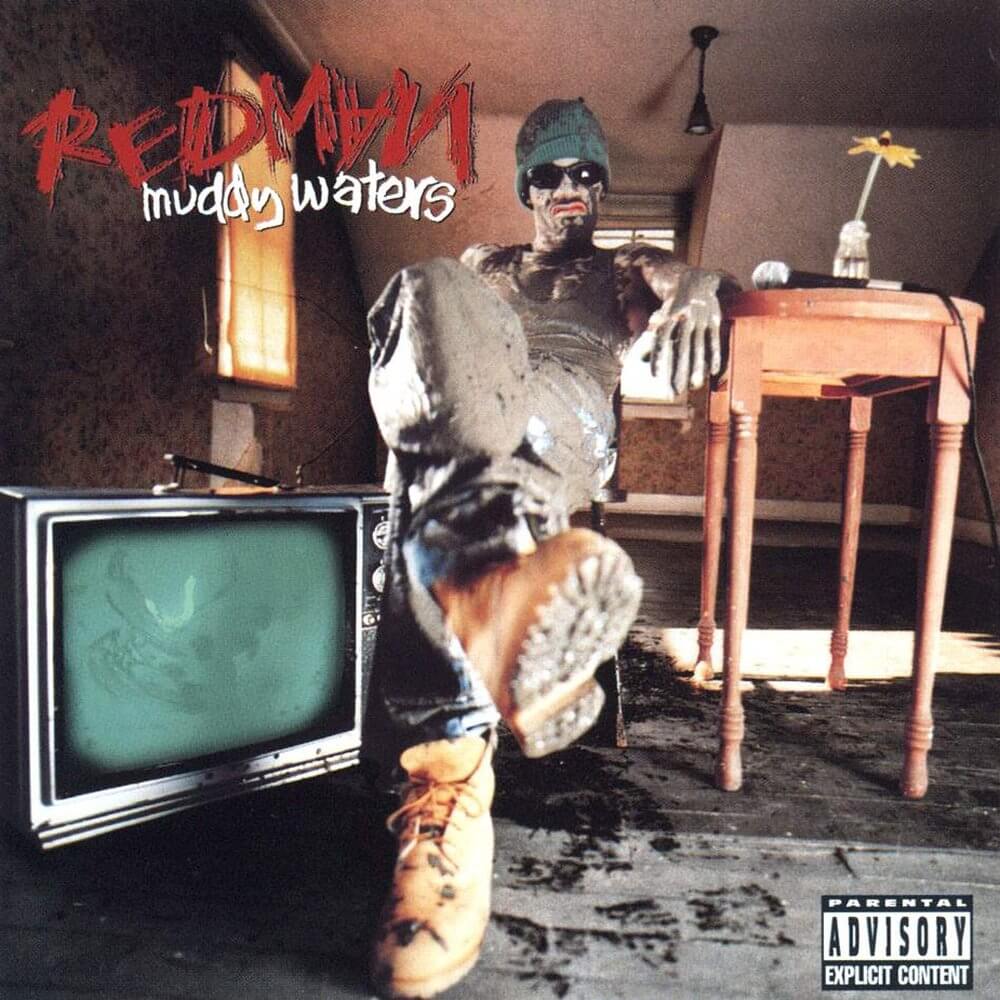
Redman capped his incredible three-album run with Muddy Waters, released December 10, 1996, where he elevated his dynamic Hip Hop voice to secure a lasting place in rap history through an unapologetically raw experience that edges out classics like Whut? Thee Album and Dare Iz A Darkside as his absolute best work.
By this point Redman had proven his lyrical ability as second to none, delivering bizarre and humorous content through his typical crazy flow across a record dripping with funk-infused beats, signature grit, and dexterity that balanced dark mood with mischievous energy while production led by Erick Sermon and Rockwilder thrived on murky basslines, haunting melodies, and crisp drum patterns feeling both rugged and polished. The album’s smoky basement chaos turned block party vibe emerged from funk and soul influences baked into every beat, providing rich foundation for verses that exploded with razor-sharp shifts from aggressive bursts to laid-back coolness, dense punchlines, and surreal humor.
Tracks like “Creepin’” and “Whateva Man” demonstrate how Redman and his producers crafted hypnotic, immersive grooves where his chemistry with Erick Sermon and Method Man laid groundwork for future collaborations, as “Do What Ya Feel” showcased undeniable partnership and “Pick It Up” brought infectious bounce to carry unpredictable charisma. “Smoke Buddah” wove dense punchlines into smoky grooves while “It’s Like That (My Big Brother)” blended humor, technical skill, and adventurous production incorporating live instruments and unexpected samples that pushed sound into new experimental territory beyond previous efforts. Even posse cuts like “Da Ill Out” featuring Def Squad members maintained the grimy funk-heavy aesthetic, and skits scattered throughout blended into the gritty atmosphere without overstaying their welcome unlike some other projects.
Consistency ties the record together as Redman dove into street narratives and personal reflections with vibrant flow that kept every bar full of life, commanding attention from start to finish through relentless energy and rich production rewarding close listening. Debuting at number twelve on the Billboard 200, Muddy Waters confirmed Redman’s loyal growing fanbase while proving his confidence as an MC comfortable enough to take risks in an era of evolving Hip Hop sounds.
The project remains one of Redman’s strongest efforts and a cornerstone of mid-1990s rap, encapsulating his unique voice with freshness enduring nearly three decades later through razor-sharp lyricism and immersive chaotic personality.
HONORABLE MENTIONS
Lost Boyz - Legal Drug Money

Lost Boyz dropped Legal Drug Money on June 4, 1996, cutting through a brutal competitive rap scene ruled by Death Row and Bad Boy. This South Jamaica quartet, led by Mr. Cheeks’ melodic sing-song flow, hype man Freaky Tah (R.I.P.), Spigg Nice, and Pretty Lou, fused party anthems with street realism. Cheeks’ hooks and Tah’s electric ad-libs built communal anthems blending hood struggle and uplifting vibes.
Production balanced heavyweights and locals for versatile boom-bap. Easy Mo Bee shaped hits like “Lifestyles of the Rich and Shameless,” its cinematic strings carrying Cheeks’ redemption tale from crime. “Jeeps, Lex Coups, Bimaz & Benz” became a summer staple with sparse organ grooves and chants for locked-up soldiers and global unity. Mr. Sex’s gold smash “Renee” gripped with a stripped beat under a tragic drug-laced romance. “Music Makes Me High” flipped “Bounce, Rock, Skate, Roll” into club bangers mixing realness, jail nods, and social truths.
Big Dex led the rest, crafting head-nodders like the title track, music as their “legal drug,” and cipher “All Right.” “Channel Zero” hit systemic issues with mournful strings and Black power calls. Pete Rock’s “The Yearn” added safe-sex messaging and Tah’s rare verse.
Gold-certified fast with Hot 100 peaks, it stood out for party tracks, storytelling, and darts amid 1996 giants. Cheeks foreshadowed melodic rap while Tah’s energy proved irreplaceable. Despite later tragedies like Freaky’s ’99 murder and Spigg’s sentence, the debut captures Queens’ gritty celebration, demanding spins.
Too $hort - Gettin' It (Album Number Ten)

Too $hort closed a platinum streak with Gettin’ It (Album Number Ten) on May 21, 1996. His tenth album and sixth straight commercial hit peaked at #3 on the Billboard 200. It capped a decade of Jive/RCA success from Oakland trunk sales. At 30, the Bay Area pimp-rap pioneer reflected on legacy, retirement hints, and street survival. He stayed raw and regional over Dangerous Crew funk: trunk-rattling drums, hypnotic bass, wah-wah guitars, and P-Funk/go-go licks from George Clinton and Parliament. These layered triumph with weathered depth, skipping crossover gloss.
The title track sets it off. A silky Bootsy Collins flip carries Clinton’s motivational hook on grabbing cash, education, and freedom. $hort boasts millionaire status without a diploma. Pure hustler gospel lands as a victory lap. “Survivin’ the Game” sobers up with weary synths and troubled keys for cautionary hood tales. “That’s Why” fires back at KMEL bans, Luniz disses, and Atlanta move rumors tied to warrants and Freaknik. “So Watcha Sayin’” muses torch-passing like Kareem to LeBron, questioning fan love.
Pimp core dominates. “Bad Ways” stacks crew confessions over smooth grooves. “Fuck My Car,” “Pimp Me,” and “Take My Bitch” revel in misogynistic flex. Music becomes the “ho” being pimped with MC Breed guests adding clunky bars. “Nasty Rhymes” defiantly rebuts objectification gripes. Lighter ciphers pop: “Buy You Some” with MC Breed, Kool-Ace, and Erick Sermon plays cash flaunts. “Never Talk Down” pairs Rappin’ 4-Tay for veteran flow. “I Must Confess” addicts with lusty funk vulnerability. “Baby D” nods to a young protégé amid wah licks.
Production outshines simpler rhymes. Monotone delivery and basic schemes grate through repetition and raunch. Layered jams deliver eargasm,s though. They root pure Oakland mobb in Bay soil, no G-funk chase. Billed as farewell but spawning decades more, it seals Dangerous Crew’s era. Pimp bravado meets elder hindsight as sales taper. Funk-drenched honesty endures for regional heads craving grind truth over trends, influencing hyphy heirs.
Real Live - The Turnaround: A Long-Awaited Drama
Real Live’s The Turnaround: A Long-Awaited Drama stands as a noteworthy mid-1990s New Jersey Hip Hop release where producer K-Def and MC Larry-O crafted a distinct sonic identity through dark atmospheric production that framed believable street narratives across tracks defined by inventive sampling. K-Def handled nearly all beats, opening with an intro leading into “Pop the Trunk” where samples from Mobb Deep’s “Survival of the Fittest,” Redman’s “Can’t Wait,” and a slowed James Brown “Slaughter Theme” loop established gritty menacing mood for Larry-O’s straightforward rhymes on corner life.
“The Gimmicks” advanced this approach as K-Def blended Diana Ross, Isaac Hayes, and Average White Band samples into intricate textured backdrops supporting Larry-O’s flows, while “They Got Me” shifted perspective to a hustler facing capture and death through narrative detail that painted vivid scenes. “Ain’t No Love” evoked somber reflection via Bobby Bland and Freddie Hubbard samples where soul-jazz fusion amplified Larry-O’s strongest depictions of street despair, and “Iceberg Slick” introduced an aggressive alter ego before “Larry-O Meets Iceberg Slick,” produced by Marley Marl with Isaac Hayes sampling, altered the album’s core sound slightly.
“The Turnaround” and “Trilogy of Error” returned to K-Def’s shadowy beats carrying Larry-O’s street-focused content, culminating in lead single “Real Live Shit” with its hard-hitting rhythm and confident delivery elevated by a remix featuring Ghostface Killah, Lord Tariq, and Killa Sin who each contributed strong verses. While K-Def’s sample blending created cohesive compelling moods throughout, The Turnaround may not be a 1996 essential but it is the most underrated and underappreciated album on this list through its slept-on Jersey grit and production finesse.
Do Or Die – Picture This

Picture This marked a major moment for Chicago Hip Hop in 1996, even though it arrived via Houston’s Rap-A-Lot Records. Do or Die infused the album with the city’s grit and streetwise swagger, blending hard-edged gangsta themes with a melodic sensibility that helped distinguish Midwest rap from its coastal counterparts. The result was a sound that felt both regional and accessible, rooted in Chicago while borrowing broadly from hip-hop’s national palette.
The trio of AK-47, Belo Zero, and N.A.R.D. built their identity around rapid-fire delivery that remained surprisingly clear. Where speed often sacrificed clarity, Do or Die balanced both, giving their verses urgency without losing impact. That approach paid off on the breakout single “Po Pimp,” where Twista’s blistering guest verse became a defining moment. His velocity matched the group’s energy and added a level of intensity that pushed the track into classic status.
Production across the album leans heavily on West Coast influences, with smooth, bass-driven beats and shimmering synths reminiscent of G-funk. Tracks like “Money Flow” and “Paperchase” pair relaxed grooves with ominous undertones, underscoring themes of hustling, survival, and ambition. Songs such as “Shut ’Em Down” and “Kill or Be Killed” further highlight the group’s gift for catchy hooks that never dull the album’s edge.
While the tone shifts between celebration and confrontation, moments like “Anotha One Dead and Gone” introduce reflection and consequence. Taken as a whole, Picture This remains as a vital chapter in Chicago’s Hip Hop legacy, offering speed, melody, and menace in equal measure.
Poor Righteous Teachers - The New World Order
Poor Righteous Teachers released The New World Order amid Hip Hop’s shift toward hardcore and gangsta themes where conscious styles receded, as this New Jersey crew known for Afrocentric lyrics and Five-Percent Nation teachings offered an alternative through social commentary, spiritual messages, and fundamentals delivered with distinct sound across tracks produced primarily by the group. The album opens with “Who Shot the President?” intro leading into “Miss Ghetto,” where straightforward boom-bap production featuring steady drums and simple bassline frames Wise Intelligent’s direct observational lyrics painting ghetto struggles vividly for listeners.
“Word Iz Life,” the lead single, maintains crisp clean production that emphasizes the power of words and knowledge through Wise Intelligent’s sharp flow, while “Allies” featuring The Fugees introduces layered melodic quality from Culture Freedom’s beats where Lauryn Hill’s soulful vocals highlight unity and collective strength alongside Wise Intelligent’s thought-provoking content. “Gods, Earths and 85ers” with Nine shifts to dark ominous production creating tense atmosphere as the two trade confrontational verses addressing social injustice and spiritual awareness with clear forceful delivery.
“They Turned Gangsta,” featuring Brother J and Sluggy Ranks, incorporates reggae and dancehall rhythms for varied texture, while “Fo Da Love Of Dis” serves as an ode to Hip Hop culture through Portishead samples that lend atmospheric uniqueness to Wise Intelligent’s passionate expression for the art form. Production draws from boom-bap, reggae, and other influences to support his clear sharp flow and lyrical depth, making The New World Order a significant New Jersey conscious Hip Hop statement.
Dru Down - Can You Feel Me
Dru Down’s Can You Feel Me is peak Bay Area mobb music, an album that rides like a lowrider through East Oakland. Released in 1996, it blends funk-soaked production with laid-back swagger, rooted in West Coast G-funk but unmistakably Bay in spirit. Dru’s delivery is smooth and charismatic, full of sly confidence as he spins pimp tales and hustler narratives with an easy grin you can hear in his voice.
The title track, “Can You Feel Me,” is the album’s centerpiece, built on a shimmering groove that feels both streetwise and sun-drenched. Dru doesn’t rush the beat. He glides through it, his sing-song flow locking perfectly into the bassline. Songs like “Baby Bubba” and “Breezy” continue that formula, pairing soulful melodies with slapping drums and polished keys.
Lyrically, Dru sticks to Bay staples: pimping, partying, and plotting success. Tracks like “Freaks Come Out” and “Mista Busta,” a Too Short diss, show he can get sharp when needed, balancing humor, flexing, and aggression without losing his cool.
The production stays funky and consistent, never overproduced and always ride-ready. Can You Feel Me stands as a defining Dru Down moment and a mid-90s Oakland classic, smooth, bass-heavy, and built to roll slow while hitting hard.
OGC – Da Storm
Da Storm by O.G.C. (Originoo Gunn Clappaz) captures mid-1990s New York’s murky street atmosphere, immersing listeners in unrelenting Brooklyn intensity through Da Beatminerz’ gritty production that carves a distinct Boot Camp Clik corner with heavy energy and unapologetic attitude from the opening moments. Tracks like “No Fear” deliver defiant confidence where dusty samples and hard-hitting drums amplify Starang Wondah’s sharp, unflinching bars alongside Top Dog and Louieville Sluggah’s rugged flows, heightened by subliminal shots at Biggie and Junior M.A.F.I.A. that sharpen the palpable Brooklyn edge, prioritizing raw defiance over radio play.
“Hurricane Starang” stands out as Starang’s magnetic charisma drives razor-sharp punchlines through stripped-down beats, creating claustrophobic hunger that functions like an underdog anthem impossible to ignore, while the album’s dark, unrelenting mood persists through deep muffled basslines and eerie loops on cuts like “God Don’t Like Ugly” and “Danjer.” These tracks evoke shadowy backstreets where Louieville Sluggah and Top Dog anchor street-level realism with grimy beats and relentless bars that maintain an uncompromising vibe dug straight from Brooklyn dirt.
Though arriving in the shadow of other Boot Camp releases, Da Storm remains a crucial movement piece through its unfiltered toughness and immersive production.
Mad Skillz - From Where???
Released on February 13, 1996, From Where??? landed on the same day as All Eyez on Me and The Score, all but guaranteeing Mad Skillz’s debut would be overshadowed commercially. Yet for the underground, the album was a watershed moment. Skillz delivered a densely lyrical statement that put Virginia on the Hip Hop map and challenged the idea that elite MCs had to come from New York.
The title directly addresses the disbelief Skillz faced in cyphers, a theme reinforced in the intro as onlookers marvel at his skill level. Once the rapping begins, Skillz makes his case clear: sharp writing outweighs geography. Sonically, the album is a Golden Era showcase, featuring production from Jay Dee on the soulful “It’s Goin’ Down,” The Beatnuts on the infectious “The Nod Factor,” and additional contributions from Buckwild, Large Professor, and Nick Wiz. The sound is murky, jazzy, and unmistakably East Coast in spirit.
Lyrically, Skillz thrives on pure technique. He avoids mafioso posturing in favor of metaphors, wordplay, and competitive sparring. Tracks like “Doin’ Time in the Cypha” and “Extra Abstract Skillz” highlight his precision and confidence alongside respected peers.
While commercially overlooked, From Where??? has aged as a definitive rapper’s album. It remains the cornerstone of Virginia Hip Hop, proving lyrical excellence transcends regional boundaries.
Westside Connection – Bow Down

When Bow Down landed in late 1996, it arrived with blunt force. Westside Connection, made up of Ice Cube, WC, and Mack 10, used the album as a declaration of West Coast unity and dominance during a volatile moment in Hip Hop history. Fueled by regional pride and sharpened by East Coast–West Coast tensions, the record positioned Los Angeles as an unchallenged stronghold, delivering confrontation without apology.
Sonically, Bow Down is rooted in classic West Coast gangsta rap. Thick basslines rumble beneath sharp, piercing synths, creating a tense, street-level atmosphere. Bud’da’s production anchors the album with hard, percussive beats that demand attention. The title track sets the tone with unrelenting aggression, while “Gangstas Make the World Go Round” briefly smooths the edges with a hypnotic groove that still carries an underlying menace.
Lyrically, the album thrives on intimidation and confidence. Ice Cube commands with authoritative precision, acting as the group’s strategist and mouthpiece. WC injects animated grit and rhythmic flexibility, while Mack 10’s booming delivery adds raw weight. Their contrasting styles lock together with purpose, unified by a single goal of asserting West Coast supremacy.
Tracks like “All the Critics in New York” and “Cross ’Em Out and Put a K” openly challenge perceived disrespect and media bias, leaning fully into confrontation. “King of the Hill,” aimed at Cypress Hill, mixes sharp wit with spiteful intent. While thematically narrow, Bow Down succeeds through sheer force, standing as a loud, unapologetic statement of power and regional loyalty.
Chuck D - Autobiography Of Mistachuc
Autobiography of Mistachuc arrived in 1996 with little fanfare, an oddly muted reception given Chuck D’s stature as one of Hip Hop’s most commanding voices. Rather than positioning itself as a continuation of Public Enemy, the album stands apart with leaner production, warmer grooves, and a reflective tone shaped by an artist confronting a shifting culture, an evolving industry, and a new generation pushing the form in unfamiliar directions.
The album opens with a brief film sample before settling into the thick, soulful rhythm of “Mistachuck.” Stacked basslines, scattered synth flashes, and a measured mid-tempo beat create space for Chuck’s blunt frustrations. His voice sits high in the mix, heavy and authoritative even as his phrasing loosens, a quality that complements the record’s jazz-funk and R&B textures. Throughout the album, drums sit deeper in the pocket, and samples hum rather than strike sharply.
“No” best illustrates this aesthetic shift, riding a rolling groove reminiscent of warped 1970s funk as Chuck catalogs forces he sees diluting Hip Hop’s substance. “Talk Show Created the Fool” turns darker, pairing a shadowy bassline with a deadpan hook critiquing the spectacle of televised misery. Elsewhere, “Niggativity…Do I Dare Disturb the Universe?” offers sparse introspection, while “Generation Wrekkked” snaps with James Brown-style drums. “The Pride” closes the emotional arc with warmth and personal history.
Though overlong and uneven, the album’s core holds firm. Stripped of Bomb Squad chaos, Chuck D delivers direct, resilient commentary that gives this underrated record lasting weight.
Blahzay Blahzay – Blah, Blah, Blah
Blahzay Blahzay’s debut captures mid-90s Brooklyn grit through rapper Outloud’s commanding bars and PF Cuttin’s dusty, sample-heavy beats. The duo shines brightest on breakout single “Danger,” a hypnotic minimalist anthem blending Jeru the Damaja and Ol’ Dirty Bastard samples into raw East Coast menace. DJ Premier’s remix works but can’t top the original’s tense energy.
The title track opens strong with piano-driven punch, showcasing Outloud’s solid flow over Cuttin’s sparse precision. Short interludes like “Medina’s In The House” nod to coastal pride but fade fast. Collaborations elevate key cuts. “Danger Part 2” packs Dark Man, Smoothe Da Hustler, Trigger Tha Gambler and D.V. Alias Khrist over crisp drums, stealing the show with posse ferocity.
“Pain I Feel” flexes Outloud’s flow switches on soulful, Nine-like production. “Good Cop/Bad Cop” delivers vivid storytelling with vocal-sample wizardry. “Posse Jumpa” thrives on guest interplay despite repetition. Weaker spots drag: “Sendin’ Dem Back,” “Jackpot” and bloated “Don’t Let This Rap Shit Fool You” stall momentum, exposing quality swings even as Outloud stays sharp.
No commercial smash and quick obscurity followed, but Blah, Blah, Blah nails underground East Coast essence. Cuttin’s uneven but gritty backdrops perfectly frame Outloud’s lyricism. Highs like “Danger Part 2” and “Pain I Feel” make it a hidden gem worth digging for.
Sadat X - Wild Cowboys
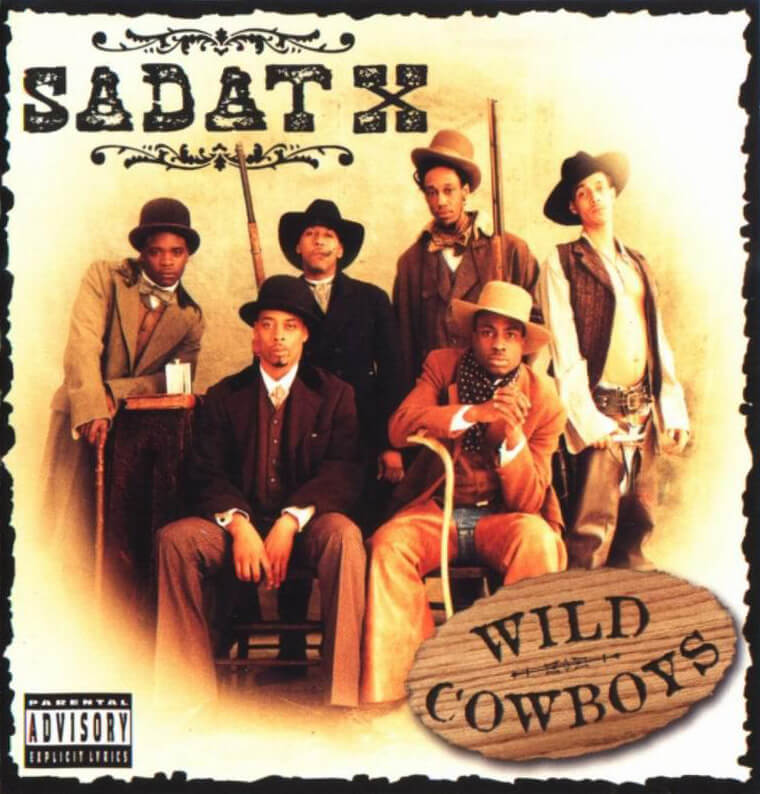
Sadat X stepped from Brand Nubian’s shadow with Wild Cowboys, his 1996 solo debut staking independence through nasal timbre and eccentric flow. The Bronx MC, who held the Five Percent Nation torch after Grand Puba’s exit, explores playful, risqué lyrics over elite New York production from Diamond D, Buckwild, Pete Rock, Showbiz, Ali Malek and Da Beatminerz. This freedom yields a freewheeling journey blending humor, street tales and social darts.
Opener “The Lump Lump” sets the tone over Buckwild’s crisp samples. Sadat’s personality dominates with relationship quips signaling theatrical charm. Title track from Diamond D flexes pop culture flips in his signature cadence. “Sauce for Birdheads” and “Game’s Sober” collab with Shawn Black and Money Boss Players for chaotic, intricate storytelling that charms through density.
Western motif threads subtly. Ali Malek’s “Hang ‘Em High” ingeniously flips Ennio Morricone’s The Good, the Bad and the Ugly theme, paralleling Old West lawlessness with NYC streets alongside DV Alias Khrist. “Open Bar” reunites with Grand Puba for nostalgic Nubian continuity over smooth beats and lyrical rapport. Introspective “Move On” balances laughs with heavy truths on personal duty and systemic traps.
Flaws surface in unfocused cuts like “Do It Again” and “Smoking on the Low,” where lyrics wander and beats falter. The 15-track runtime stretches his idiosyncratic style thin at times, begging a trim for tighter flow.
High points redeem it though. “Hang ‘Em High,” the title track and “Move On” showcase inventive voice, sharp wit and boom-bap backbone. Wild Cowboys captures mid-90s New York flavor: experimental narratives, humor and personality over A-list grooves. No commercial smash, but Sadat’s debut endures as a compelling East Coast oddity, proving his theatrical pen resonates beyond the collective.
MC Ren – The Villain In Black

MC Ren’s sophomore album, The Villain in Black, is the record that quietly but convincingly cements his place as the most underrated voice to emerge from N.W.A. Long overshadowed by the commercial peaks of Dre, Cube, and Eazy, Ren steps fully into his own here, delivering a focused and formidable showcase of his skills. Arriving three years after Shock of the Hour, the album reflects a period of personal change shaped by his conversion to Islam and the loss of his mentor, DJ Train. Those experiences deepen the writing, as street-level realism intertwines with political awareness and philosophical weight, all set against a cleaner, more refined G-Funk backdrop.
The opening track, “Bitch Made Nigga Killa,” establishes a cold, ominous mood through subterranean bass, sharp West Coast drums, and eerie synth lines. From there, songs like “Keep It Real” and “It’s Like That” strike a balance between classic G-Funk swing and the raw aggression Ren honed in his N.W.A days. Where his debut leaned heavily into horrorcore aesthetics, this album favors more traditional Hip Hop structures without sacrificing its sense of menace. That darker edge still surfaces on tracks like “Mad Scientist” and “Live From Compton ‘Saturday Night.’”
Ren’s performance is consistently sharp and versatile. He shifts comfortably from braggadocious confidence on “Mind Blown” to apocalyptic intensity on “Bring It On,” while tracks such as “Muhammad Speaks” weave in socio-political commentary and Nation of Islam influences. The production complements this range, pairing ribcage-rattling low end with melodic guitar touches. Guest appearances from Above the Law, Bigg Rocc, and Triggerman add texture without pulling focus.
Though a few moments lean toward familiar bravado, the album’s pacing forms a cohesive arc from hostility to reflection. The Villain in Black builds on Ren’s strengths with sharper writing, richer production, and greater thematic depth, making it an essential listen for fans of West Coast rap and N.W.A’s deeper cuts.
Cella Dwellas – Realms ‘n Reality
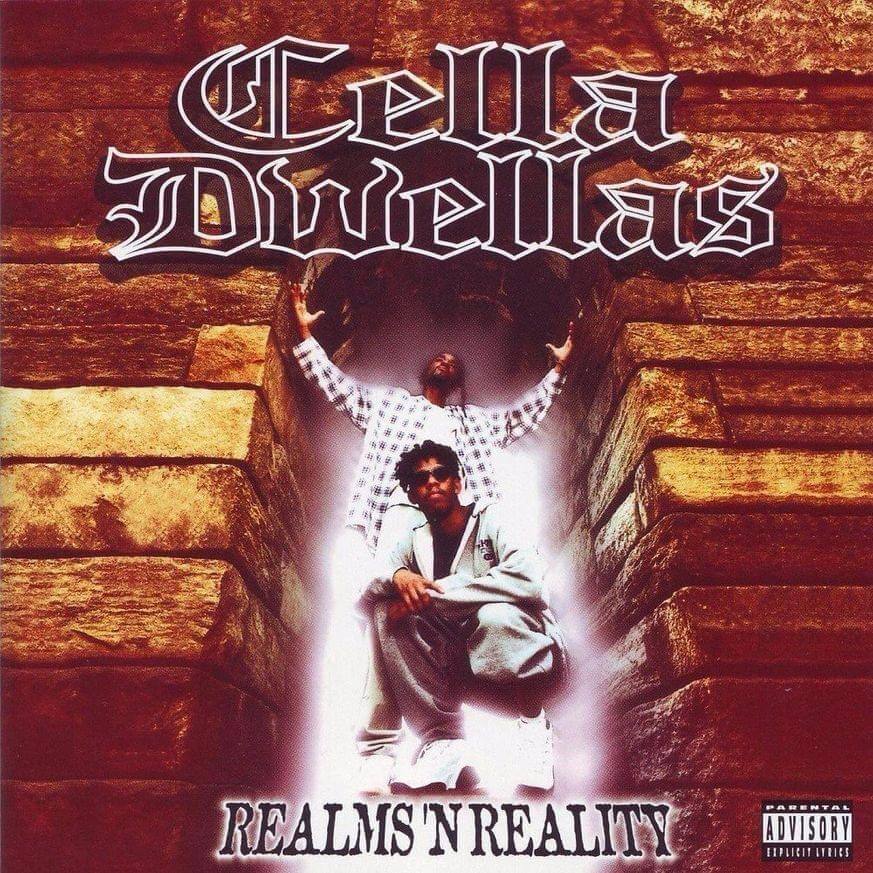
Cella Dwellas’ debut Realms ‘n Reality stands among the mid-’90s East Coast underground’s most imaginative cuts. Brooklyn duo U.G. and Phantasm fuse gritty street realism with surreal, fantastical lyricism. This unique aesthetic sets it apart from standard hardcore rap. Peaking at #160 on the Billboard 200, it missed mainstream but grew into a cult classic for originality and consistency.
Opener “Advance to Boardwalk” launches a conceptual journey blending everyday with otherworldly. Phantasm’s sharp precision contrasts U.G.’s rugged, unpredictable imagination. They shift fluidly between fantasia, nearing horrorcore and raw boom-bap. “Mystic Freestyle,” “Realm Three” and “Cella Dwellas” evoke role-playing games and comic sorcery. “Hold U Down,” “Good Dwellas” and “Medina Style” root deep in Brooklyn streets. “Medina Style” balances melodic grooves with vicious, hypnotic call-and-response rhymes.
Nick Wiz leads production, joined by DJ Slice and Megahurtz. Dusty jazz samples hit over hard boom-bap drums in an eclectic style. Gritty yet polished textures amplify the duo’s voices perfectly. Minimal filler results. “Land of the Lost” and “Perfect Match” showcase seamless beat-lyric synergy, cementing underground blueprint status.
Realms ‘n Reality rewards deep spins beyond its era. Technical skill meets imaginative storytelling and Brooklyn ethos commitment. Esoteric yet accessible, it endures for boom-bap lovers, abstract lyric heads, and golden-age East Coast fans. A hidden gem influencing underground rap for decades.
Grav - Down To Earth

In Chicago Hip Hop lore, 1996 is usually framed around Common’s rise, but deeper in the city’s underground, Grav quietly delivered a standout debut with Down To Earth. Released on Correct Records, the album captures a distinct Midwest sensibility that blended East Coast boom-bap toughness with the soulful, jazz-leaning sound that would soon define Chicago on a larger stage.
The album is now most notable for featuring the earliest professional production work from a teenage Kanye West, who handled eight tracks. Even in its raw form, his touch is evident in the warm soul samples, clean drums, and melodic instincts that give the record a polish uncommon for an independent debut. The production feels cohesive and inviting, setting a strong foundation for Grav’s understated approach.
As an emcee, Grav favors smoothness over aggression. His relaxed delivery and grounded perspective make his reflections on city life and ambition feel natural and relatable. “Line For Line” highlights his controlled flow, while “City to City” plays like a snapshot of mid-90s urban travel and observation. Songs such as “Sick Thoughts” and “Keep Movin’” avoid trendy mafioso themes, opting instead for consistency and everyday realism.
Down To Earth remains a vital Chicago artifact, documenting hunger, talent, and a formative moment before the cit reshaped Hip Hop’s future.
Celly Cel - Killa Kali

Killa Kali solidified Celly Cel as a central figure in Northern California’s “Mob Music” scene. Unlike the eccentricity of E-40, Celly Cel delivers a calm, precise narrative, guiding listeners through the streets of Vallejo with measured authority. The album captures the Bay Area sound at its peak, combining polished production with a menacing, atmospheric vibe.
Producers K-Lou, Studio Ton, and Kevin Gardner create a late-night G-Funk aesthetic, featuring deep basslines, high-pitched synths, and crisp snares. This darker, cinematic approach distinguishes the project from the sunny G-Funk of Los Angeles, giving each track a moody, immersive feel.
Celly Cel’s flow is relaxed but sharp, turning songs like “It’z Goin’ Down” into iconic West Coast anthems while delivering vivid storytelling on tracks such as “Tha Bullet.” Collaborations enhance the album, with E-40 and B-Legit on “4 tha Scrilla” and Spice 1 on “Red Rum” providing dynamic chemistry and regional authenticity.
Killa Kali balances street realism with accessibility, combining raw posturing with reflective nods to the volatile environment that shaped Vallejo. Over two decades later, the album remains a defining example of Northern California hip-hop, a testament to Mob Music, and a high point in Celly Cel’s career. Its dark funk, compelling narratives, and tight collaborations make it essential listening for fans of 90s West Coast rap.
Da Bush Babees – Gravity
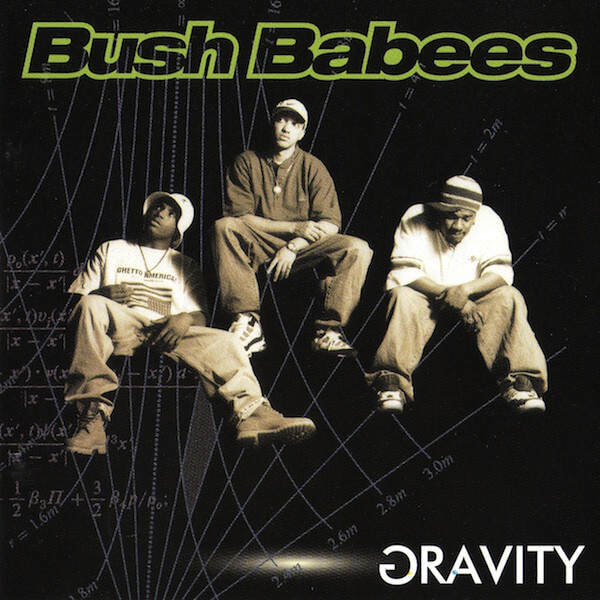
Bush Babees returned stronger with Gravity in 1996, ditching the gimmicky cartoon vibe of their 1994 debut, Ambushed. The Flatbush trio, Mr. Man, Lee Majors, and Light, crafted a smart, cohesive sophomore blending jazzy boom-bap, dub-reggae grooves, and sharp lyricism. No commercial smash, but it earned underground acclaim as a major artistic leap, marking them as a distinct East Coast voice.
The Intro sets a contemplative tone with Mos Def reciting an Islamic prayer. The trio explores gravity’s literal, metaphorical, and societal pulls through intellectual yet accessible bars. Mr. Man and Lee Majors tackle self-determination, social duty, and Hip Hop’s state. Light’s reggae-inflected cuts nod to Caribbean roots, though peripheral at times.
Production excels. Mr. Man helms most beats, joined by The Ummah, Posdnuos, and Rahzel. Jazzy piano loops, warm synths, and rubbery, echoey bass weave dub-reggae with classic New York boom-bap. “Gravity” glides smoothly on piano and Nicole Johnson’s airy vocals. “Wax” vibrates with high energy. Mos Def’s “S.O.S.” and Q-Tip’s “3 MCs” anchor Native Tongues flavor with Brooklyn edge.
Lyrically sharper than the debut, Mr. Man leads socially conscious calls against complacency. Lee Majors mixes wordplay and bravado. Chemistry livens thoughtful flow. Reggae-tinged “In Meh Dreams” integrates seamlessly.
Gravity triumphs through craft over charts. Jazzy-dub production, intelligent bars and measured experiments define mid-90s underground. Post-breakup, it endures as testament to their growth and Hip Hop’s subtle power.
Smoothe Da Hustler – Once Upon A Time In America

In the packed field of 1996 New York Hip Hop, Smoothe da Hustler’s Once Upon a Time in America stood apart by capturing Brooklyn in its rawest form. Released March 19 on Profile Records, the album arrived during the peak of the Mafioso era but rejected cinematic excess in favor of unfiltered Brownsville realism. Despite its film-inspired title, the project felt closer to a survival manual than a gangster epic.
The album is driven almost entirely by D/R Period’s production, a masterclass in mid-90s boom-bap. His beats are grimy and compressed, built from menacing basslines and hard percussion that create a tense, enclosed atmosphere. This sound perfectly frames Smoothe’s harsh baritone and clipped delivery, a voice that cuts rather than glides.
The centerpiece is “Broken Language,” featuring Trigger tha Gambler. Abandoning hooks altogether, the brothers trade rapid-fire phrases in a tightly synchronized exchange that redefined underground lyricism. It was less a song than a new rap language, emphasizing technique, timing, and chemistry over melody.
Elsewhere, tracks like “Dollar Bill” and “My Brother My Ace” maintain the album’s momentum with vivid street narratives. Even the Curtis Mayfield-inspired “Hustler’s Theme” shows Smoothe adapting to a bigger sound without softening his edge.
Once Upon a Time in America endures as a cult classic: stripped-down, technically sharp, and unapologetically Brooklyn.
Heather B - Takin’ Mine
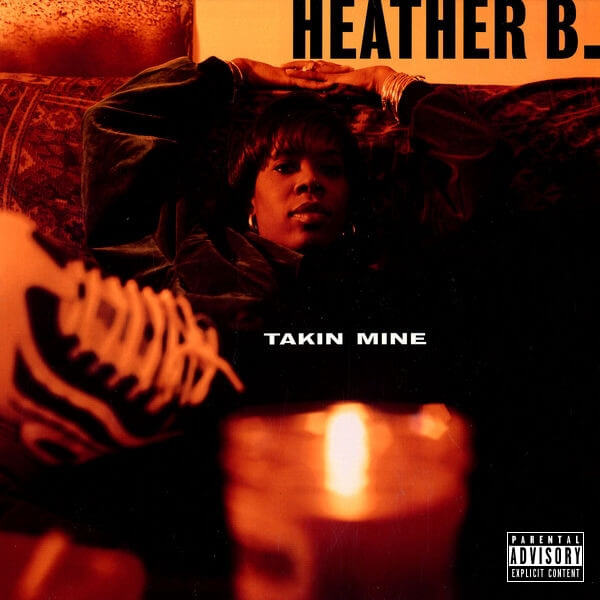
Released on June 11, 1996, Takin’ Mine positioned Heather B as a sharp counterpoint to the hyper-glamorous female rap archetypes dominating the mid-90s. While Lil’ Kim and Foxy Brown leaned into sex appeal and mafioso flair, Heather B delivered a boots-on-concrete debut rooted in hardcore credibility. Affiliated with Boogie Down Productions, she brought Jersey City grit and pure boom-bap discipline to the forefront.
The album’s power comes from its tight sonic focus. With production handled largely by DJ Premier and Da Beatminerz, Takin’ Mine is built from dusty jazz loops, hard drums, and razor-sharp cuts. Premier’s “All Glocks Down” stands out as a defining moment, pairing a somber, reflective beat with a clear-eyed warning about street violence, echoing KRS-One’s edutainment ethos without sounding preachy.
Heather B’s voice is deep, commanding, and unforced, with a conversational flow that feels earned rather than stylized. Tracks like “If Headz Only Knew” show her comfort in the pocket, relying on skill instead of gimmicks. Lyrically, the album centers independence, survival, and respect, reframing the title Takin’ Mine as a declaration of self-worth rather than aggression.
Takin’ Mine endures as a cult classic because it never chased trends. It stands as proof that a woman could thrive as a rapper’s rapper, judged solely on bars, presence, and authenticity.
B-Legit – The Hemp Museum

Released in November 1996, The Hemp Museum cemented B-Legit’s reputation as a refined, commanding voice of Northern California Hip Hop. Building on his foundational work with The Click, the album showcased a sophisticated sound that blended cold-blooded street narratives with lush G-Funk textures.
The production, led by Studio Ton, Mike Mosley, Tone Capone, and Kevin Gardner, benefited from a major-label budget, creating panoramic soundscapes of rolling basslines, live instrumentation, and rhythmic swing. The result was a polished, expansive version of the Bay Area’s Mob Music, with hints of Southern G-Funk elegance.
Standout tracks illustrate the album’s versatility. “Ghetto Smile,” featuring Daryl Hall, reimagines Sara Smile into a soulful street anthem that balances introspection with B-Legit’s signature grit. “Check It Out” pairs him with E-40 and Kurupt for a high-energy cross-coastal collaboration, while “Gotta Buy Your Dope From Us” and the title track assert his authoritative, deliberate flow and connection to cannabis culture.
Lyrically and sonically, The Hemp Museum is a curated, cohesive statement of style and substance. Decades later, it remains a foundational West Coast release, proving B-Legit could move beyond Vallejo while staying rooted in its streets.
Nine - Cloud 9

Emerging from the 1990s New York underground, Nine returned on August 6, 1996, with his sophomore album Cloud 9, following the success of Nine Livez and the hit “Whutcha Want?”. Despite its title, the album is far from euphoric—this is gritty, raspy-voiced boom-bap that captures the smog and steel of the Bronx.
Largely produced by Rob Lewis, Cloud 9 excels in creating a dark, cinematic atmosphere. Haunting violins on “Tha Product” and horn-laden loops on “Make or Take” complement Nine’s gravelly delivery, giving the album both sonic weight and emotional depth. The production perfectly frames his lyrics, which navigate street-level betrayal, industry fakery, and survivalist philosophy. The lead single, “Lyin’ King,” targets the archetype of the “studio gangster,” asserting Nine as a voice of authenticity in a Mafioso-obsessed era.
Collaborations are sparing but impactful. Smoothe Da Hustler delivers a hard-hitting sparring session on “Make or Take,” while Bounty Killer adds a dancehall edge to “Warriors” without breaking the album’s cohesion. Tracks like “Every Man 4 Himself” showcase Nine’s disciplined, deliberate flow and lyrical authority.
Though it didn’t match the commercial success of his debut, Cloud 9 remains a pitch-black underground classic. Three decades on, Nine’s raw, raspy voice still embodies the uncompromising spirit of 90s New York Hip Hop.
Ultra - Big Time
Big Time, the sole album from Ultra—the duo of Kool Keith and Tim Dog—remains an underappreciated gem of mid-90s underground Hip Hop. Though framed as a collaboration, it largely serves as a Kool Keith showcase, with Tim Dog offering gritty street counterpoint. Born from Keith’s frustration over unauthorized Ultramagnetic MCs demos, the project satirizes Hip Hop industry hypocrisies while unleashing his eccentricities.
Kool Keith dominates at peak unhinged form. His surreal, abstract lyricism blends cosmic absurdity, sexual quirks, and grotesque humor into a bewildering yet compelling world. Tim Dog grounds the chaos with blunt aggression, creating dynamic tension despite uneven chemistry.
KutMasta Kurt helms most production, joined by P-I-RE-X and Keith. Dark, menacing boom-bap foundations mix spacey and industrial textures. “Ain’t Nobody Happenin’” exemplifies Kurt’s moody hypnosis, letting Keith and guest Motion Man thrive. “Super Luv” and “Private Eyes” experiment with structures, not always landing. Frequent bizarre skits amplify the off-kilter vibe.
Flaws aside, Big Time endures for underground fans. It bridges Keith’s Dr. Octagon surrealism with confrontational East Coast grit. Raw beats, strange humor and chaotic energy reward deep listens. Criminally overlooked in Keith’s catalog, it captures mid-90s Hip Hop’s weirdest corners: a fascinating essential.
Wise Intelligent - Killin U… For Fun

Released on March 12, 1996, Killin U… For Fun is Wise Intelligent’s solo debut and a sharp extension of the ideas he explored with Poor Righteous Teachers. Rather than chasing the flashier sounds dominating mid-90s Hip Hop, Wise doubles down on substance, speed, and purpose, delivering a dense and challenging album that quietly slipped past the mainstream.
Most of the production comes from the late Tony D, whose warm, jazz-leaning beats create a smoother and more reflective backdrop than much of PRT’s work. The sound favors basslines, piano loops, and subtle reggae touches, giving Wise room to unleash his rapid-fire, ragga-tinged flow. Tracks like “My Sound” and “Steady Slangin’” highlight his control and clarity, while cuts such as “I’ll Never Kill Again” and “Freestyle” demonstrate his ability to shift effortlessly between chanting, boasting, and sharp social critique.
Lyrically, Wise fully embraces the teacher role, weaving Five Percent philosophy, Black pride, and political commentary into tightly packed verses. Songs like “Black Juice” and “Kingpins” aim their fire at corporate exploitation, government hypocrisy, and self-inflicted community harm. While the album can feel heavy and occasionally repetitive, and some moments reflect the era’s limitations, its consistency and intent remain impressive.
Killin U… For Fun is not an easy listen, but it is a rewarding one. It stands as a hidden gem of 90s conscious Hip Hop, capturing Wise Intelligent at a technical and intellectual peak.
Al Tariq - God Connections

God Connections marked a sharp and effective reinvention for Al Tariq. Formerly known as Fashion of The Beatnuts, he stepped away from his group’s playful, sample-driven energy and delivered a darker, more cinematic solo debut. The album captures a key mid-90s moment when classic boom-bap began merging with the era’s growing mafioso tone, grounding its sound firmly in New York street realism.
The production is the album’s backbone. Contributions from Psycho Les and JuJu anchor the project, while The Groove Merchantz and No Joe add depth. The beats favor dusty piano loops, ominous orchestral touches, and heavy low-end, creating a nocturnal atmosphere that feels tailor-made for late-night city blocks and rain-soaked sidewalks.
Lyrically, Al Tariq sounds revitalized. His rapid, charismatic delivery remains intact, but his perspective is more hardened and reflective. He mixes street confidence with flashes of Five Percent philosophy, a common thread in the city at the time. “Peace Akki” stands out as a moody, introspective moment, highlighting his ability to balance toughness with thoughtfulness.
God Connections endures as a cult classic because it stayed true to its purpose. It avoided commercial trends and focused instead on delivering a focused, authentic New York street album, one that continues to reward dedicated listeners decades later.
Ice T - VI: The Return Of The Real
By 1996, Ice-T was a burgeoning Hollywood presence, but VI: The Return of the Real proved that his transition from street narrator to television star came with a musical cost. While his legacy was already cemented, this sixth outing lacks the revolutionary fire and cultural impact of his first four masterpieces or the raw defiance of Home Invasion. The primary issue lies in the production; the departure of longtime collaborators Afrika Islam and DJ Aladdin left a void filled by inconsistent “Syndicate” affiliates, resulting in beats that often feel like dated G-Funk imitations.
The album is further hampered by jarring sequencing and a bloated tracklist. Ice-T attempts a powerful reformist pivot on “I Must Stand,” only to immediately retreat into redundant gangsta rhetoric and questionable “bedroom” tracks like the cringeworthy “Inside of a Gangsta.” However, flashes of his legendary charisma remain. “Rap Game’s Hijacked” offers a sharp, seasoned critique of corporate greed, and “Pimp Anthem” provides a sinister, confident groove that recalls his peak. “They Want Me Back In” stands as a rare cinematic success, but these moments are buried under subpar guest verses and mid-grade filler. Ultimately, VI serves as a sign of the times—an O.G. attempting to navigate a rap game that had outpaced his formula.
Snoop Doggy Dogg – Tha Doggfather
Tha Doggfather, Snoop Doggy Dogg’s 1996 sophomore album, followed the massive success of Doggystyle and his acquittal in a high-profile murder case. Without Dr. Dre’s production, Snoop relied on a rotating team including DJ Pooh, Daz Dillinger, Soopafly, and Sam Sneed. The album mixes strong West Coast funk and occasional brilliance with filler, often padded by skits across its 21 tracks.
The title track opens with a bouncy, funky groove and Charlie Wilson’s hook, paired with Snoop’s relaxed and confident flow. “Up Jump Tha Boogie” continues the energy, and “Gold Rush” stands out as a posse cut that blends western motifs with gangsta flair from Kurupt, Bad Azz, and Techniec. The middle of the album is weaker. Skits such as “Ride 4 Me” and freestyles like “Freestyle Conversation” or “Sixx Minutes” feel uninspired, and tracks like “(Tear ‘Em Off) Me & My Doggz” expose lazy moments that dilute the album’s impact.
Highlights redeem the record. “Vapors” pays clever homage to Biz Markie. “Groupie” brings energy from Tha Dogg Pound, Nate Dogg, and Charlie Wilson. “Snoop’s Upside Ya Head” restores the groove, and “Blueberry” and “Downtown Assassins” deliver atmospheric West Coast funk.
While never reaching the heights of Doggystyle, Tha Doggfather captures a transitional Snoop who is defiant, distracted, and charismatic, making it a valuable entry in his 90s catalog.
Thirty years on, 1996’s albums endure not as museum pieces, but as living blueprints for Hip Hop’s boundless evolution. They captured a culture at its most restless—balancing commercial conquest with underground defiance, regional pride with universal hunger. From Jay-Z’s street ledger on Reasonable Doubt to DJ Shadow’s sample-sculpted dreamscapes in Endtroducing….., these records stretched what the genre could hold: raw confession, cosmic abstraction, Southern knock, and jazz-rap poise.
What ties them together is unrelenting ambition. Producers like DJ Premier, Organized Noize, and J Dilla bent tools to their will, while emcees from Snoop to Bahamadia sharpened pens against personal and industry storms. The year’s tragedies sharpened its edges; its triumphs expanded the map. No single sound ruled because none could contain the moment.
Revisiting these 30 albums in 2026 reveals their quiet power. They seeded hyphy’s bounce, trap’s minimalism, and indie rap’s introspection. Play ATLiens today and hear Atlanta’s blueprint. Spin All Eyez On Me for West Coast transition. Drop Kollage for timeless craft. These records, platinum or obscure, mapped a future still unfolding, proving the form’s deepest strength: creation born from constraint, forever pushing forward.