


Darkness has always lived in Hip Hop, even when the spotlight preferred party anthems and luxury raps. From the earliest street narratives to today’s experimental underground, rappers have used the genre to explore fear, grief, addiction, paranoia, and the ugliest corners of the human psyche. This article compiles 100 albums where darkness is not just an accent, but the very atmosphere: records steeped in horror, depressive confessions, and stories of cycles that never quite break.
“Horrorcore” is the most obvious starting point, with its graphic violence, occult imagery, and splatter‑film theatrics pushed over dusty drums or low‑fi synths. Those albums turn nightmares into cinema, pushing taboos to confront listeners with the sheer extremity of what Hip Hop can contain. Elsewhere, darkness is quieter but no less suffocating: the lonely insomnia of addiction, the guilt of survival, the sense that trauma has become a permanent roommate in the mind. Some of these projects sound like diary entries set to beats, others like dispatches from neighborhoods where hope feels like a rumor.
What ties these records together is not a single sound but a shared refusal to look away. Some artists weaponize dense lyricism and abstract production to capture anxiety in motion; others lean into minimalist, blown‑out sonics that feel as hostile as the worlds they describe. A few of these albums are canonized classics that defined eras, while others remain cult favorites that whispered their way through message boards and late-night conversations. All of them, in different ways, use darkness as both subject and texture.
This list is not meant as a ranking or a definitive canon. Think of it as a map: a way to trace how Hip Hop has dealt with fear, death, despair, and self‑destruction across decades and regions. Some records may feel cathartic, some may feel suffocating, and a few might be too much to sit with in one go. That tension is part of their power. If Hip Hop is often framed as music of resilience, these 100 albums show that sometimes resilience begins with simply admitting how bad things really are—and daring to press play anyway.
Esham – Boomin' Words From Hell (1989/1990)

Boomin’ Words From Hell marks the raw genesis of horrorcore, unleashed by 16-year-old Detroit prodigy Esham through a hyper-limited 1989 cassette known as the “Red Tape,” later refined for 1990 release on his own Reel Life Productions. Crafted in a single feverish day with primitive tools—bass guitar, cheap keyboard, and early drum machine—this lo-fi artifact feels like a basement séance, blending gangsta rap’s street grit with heavy metal riffs, devil worship, and hallucinogenic violence amid the crack era’s shadows. Rough around the edges, with thin production that burps rather than booms, it nonetheless establishes acid rap’s blueprint through urgent, hypnotic loops and eerie synth stabs.
Esham commands every element solo, his possessed-gremlin flow channeling adolescent psychosis into unfiltered wickedness. The opener sets a tone of gleeful ultraviolence, while tracks delve into suicide ideation, murder spells, and satanic grooves, filtering Detroit’s Young Boys Inc. turmoil through occult shock. Lyrically raw and repetitive at times, it evokes a teen’s gleeful embrace of evil—Rambo-fueled cop chases, Hitler aspirations, church-cussing sins, and body-count boasts that disturb and provoke. The primitive urgency overshadows polish, creating an unsettling hypnosis rather than refined menace.
Very rough around the edges, with underdeveloped moments compared to Esham’s later peaks, its charm lies in that unrefined authenticity—no theatrical flair like later Gravediggaz, just a lone kid’s genuine darkness. Young and profoundly disturbed, Esham emerges as a true pioneer, terrifying parents and laying horrorcore’s foundation before Geto Boys’ “Mind of a Lunatic,” ICP’s antics, or Eminem’s nods.
Influence ripples nationwide, seeding Detroit’s morbid underground and beyond. Crucial despite flaws, Boomin’ Words From Hell endures as the unholy origin: a bad-ass teen’s hellfire words booming Hip Hop’s abyss into wicked eternity.
Geto Boys - The Geto Boys (1990)
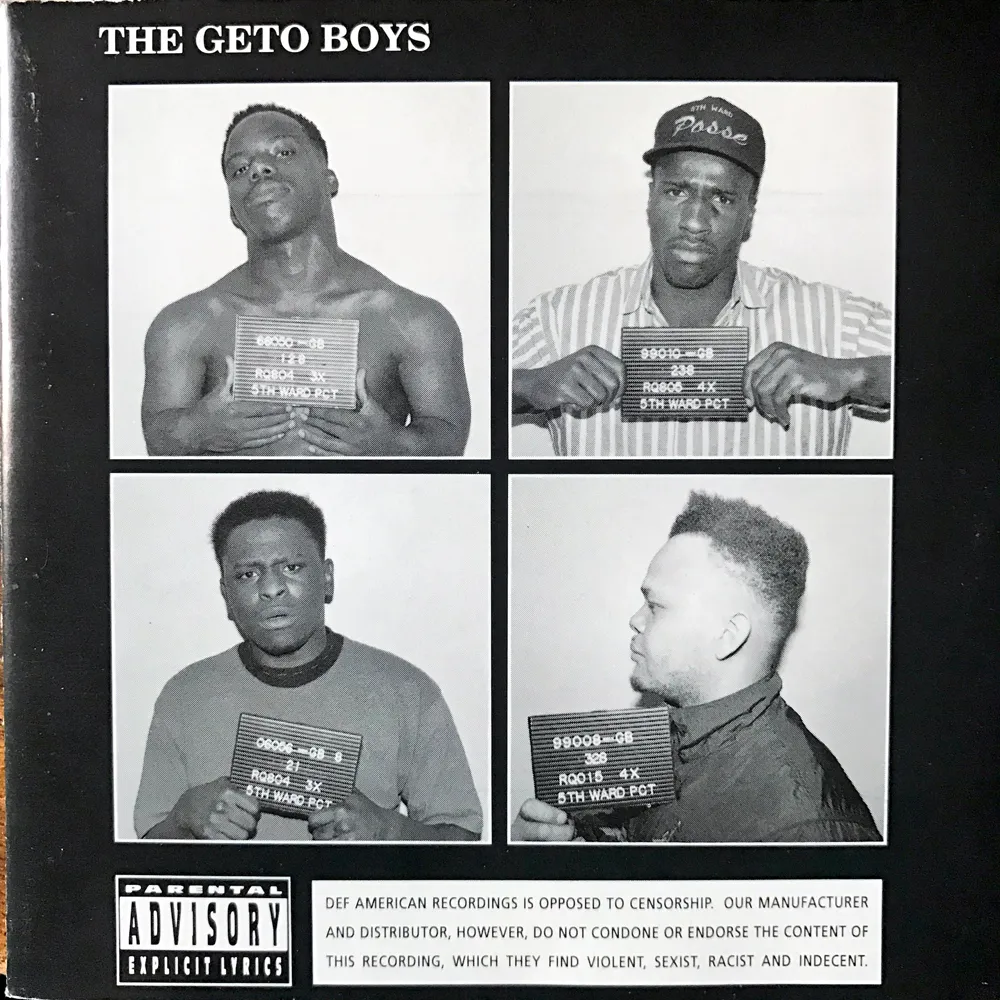
The Geto Boys self‑titled album roars like a controlled detonation—an electrified expansion of 1989’s Grip It! On That Other Level, rebuilt under Rick Rubin’s ruthless production. What began as Houston underground chaos becomes, here, a sharpened declaration of Southern dominance. Scarface, Willie D, and Bushwick Bill sound possessed, their raw narratives tightened into something monumental. It’s both refinement and escalation: a record that turns horror, humor, and heartbreak into the foundation of a region’s sound.
Rubin’s minimalist approach amplifies the menace. Heavy drums land like crowbars on concrete; murky basslines and skeletal funk samples leave no space to hide. The production strips away excess until only tension remains. Over that frame, the trio collides in distinct contrasts—Scarface’s measured introspection, Willie D’s volcanic fury, and Bill’s unhinged theatrics forming a trinity of survival. Together, they transform violence and inner chaos into grim literature.
“Mind of a Lunatic” still freezes blood decades later—Bill’s calm delivery a study in psychosis. “Trigga Happy N**a*” shocks without glorifying, its humor laced with horror. “Scarface” foreshadows his solo mythos through tales of betrayal and street endurance, while “Assassins” pushes horrorcore into cinematic territory. Even the controversial “Gangsta of Love” reflects its era’s contradictions, sitting uneasily between parody and provocation. Every track confronts what polite society avoids.
In Rubin’s hands, the Geto Boys didn’t just speak for Houston—they demanded the nation listen. Their mix of theatrical menace and emotional grit redefined what Southern Hip Hop could be: confrontational, introspective, and unapologetically political beneath the carnage.
For this list’s lineage of darkness, Geto Boys stands as a pivotal origin point—a landmark of horrorcore realism and Southern resistance, still echoing through the genre’s most honest expressions of madness and survival.
N.W.A - Efil4zaggin (1991)
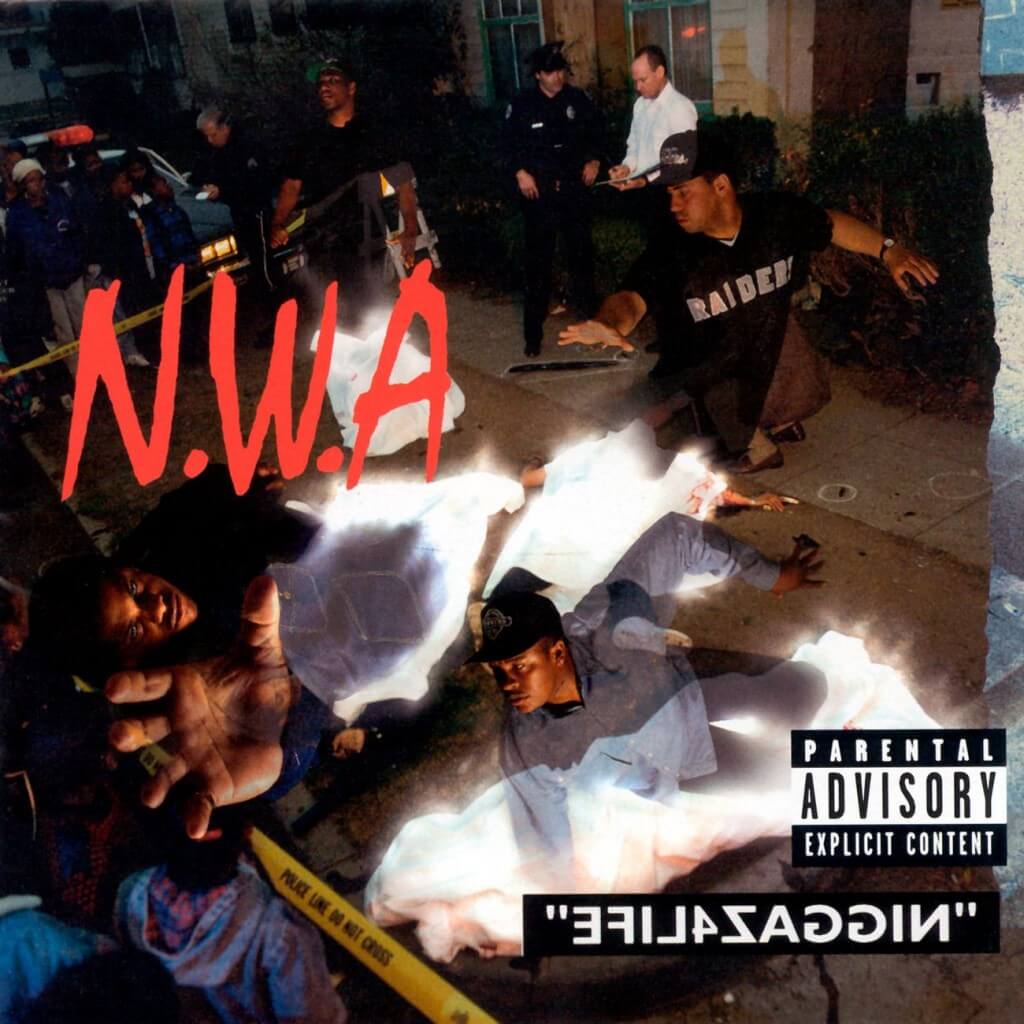
Efil4zaggin navigates the fallout from Straight Outta Compton‘s explosive impact, arriving without Ice Cube and leaning into Dr. Dre’s emerging production mastery amid a shift toward more commercial gangsta rap. The album grapples with the pressure of revolutionizing Hip Hop while occasionally stumbling into shock tactics over substance, creating a work that thrills sonically yet reveals the growing pains of mainstream transition. It bridges N.W.A’s raw Compton origins to the polished G-funk era, marked by both innovation and excess.
At its heart lies Dre’s boardwork, which lays essential groundwork for The Chronic through rich funk samples, crisp drums, and enveloping synth layers that craft a unified atmosphere. Production on tracks like “Alwayz Into Somethin’,” “N****z 4 Life,” and “Appetite for Destruction” demonstrates his forward-thinking approach, blending cohesion with bold experimentation that would shape Hip Hop production for years to come. These elements provide a sense of forward momentum, even as the lyrical content wavers.
Lyrically, the absence of Cube’s incisive edge leaves room for controversy-driven excess, with skits like “To Kill A Hooker” and songs such as “One Less B****” and “She Swallowed It” prioritizing crude provocation over depth. Eazy-E’s throwaway efforts, “Automobile” and “I’d Rather F*** You,” feel underdeveloped compared to his earlier charisma, contributing to a juvenile tone amid the group’s commercialization struggles.
Still, moments of brilliance emerge, such as the aggressive interplay on “Real N****z Don’t Die” and the technical sharpness of Real N**z,” with potent verses over Dre’s brooding backdrops. These highlights suggest greater potential, lifting the album above its weaker spots.
Efil4zaggin captures stark contrasts—sonic excellence against uneven writing, street authenticity clashing with shock value. As a transitional document in N.W.A’s arc and Hip Hop’s broader evolution, it remains essential, despite its dated indulgences.
Scarface - Mr. Scarface Is Back (1991)
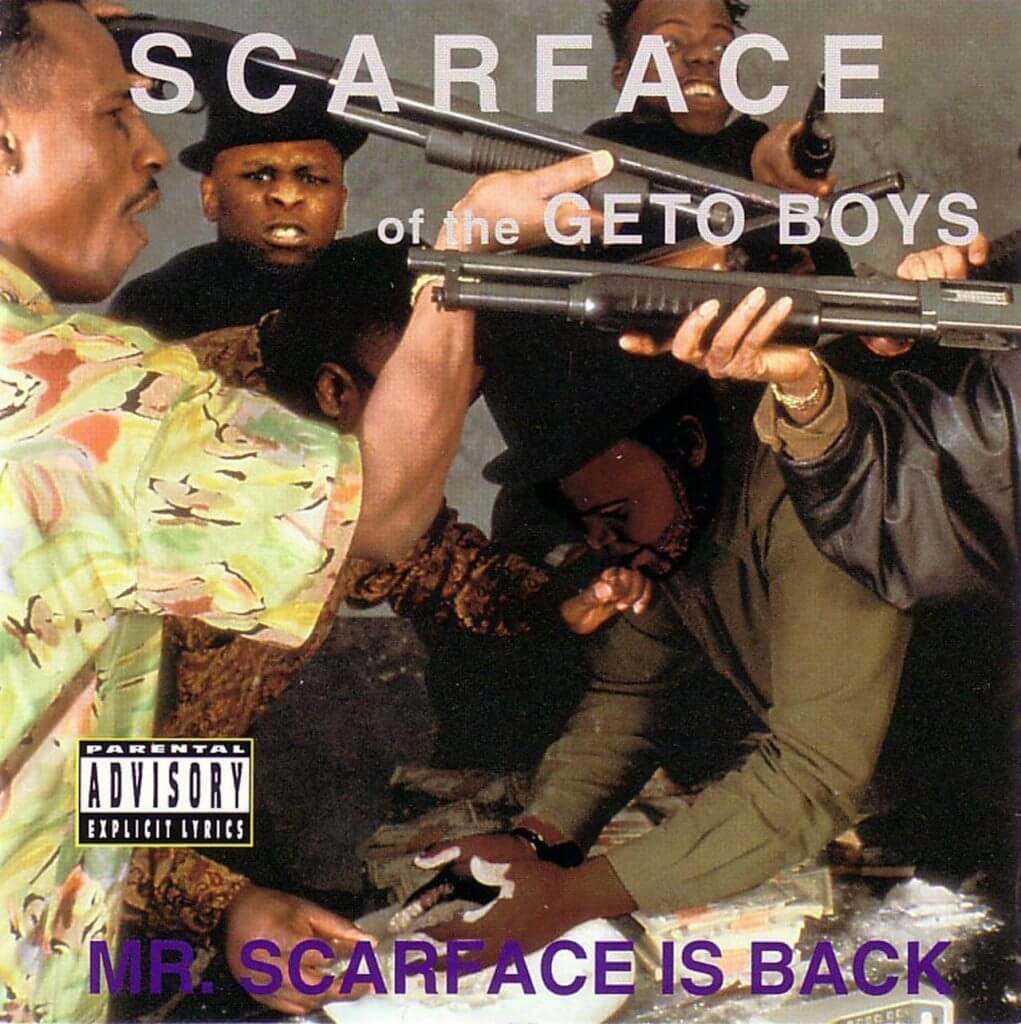
Scarface’s debut solo album, Mr. Scarface Is Back, is a gripping exploration of crime, violence, and survival, delivered with vivid storytelling and an undeniable sense of menace. Released in 1991, the album builds on the gritty foundation Scarface helped establish with the Geto Boys but digs deeper into his own psyche, weaving vivid narratives over dark, funk-infused production.
The opening track, “Mr. Scarface,” immediately sets a chilling tone. Over a sinister, creeping beat, Scarface introduces himself with a calm but menacing delivery, pulling listeners into his world of drug deals and brutal revenge. His voice—deep, deliberate, and authoritative—commands attention as he paints scenes that are as cinematic as they are unsettling.
“A Minute to Pray and a Second to Die” is one of the album’s most haunting moments. Scarface narrates a cycle of street violence from multiple perspectives, adding layers of tragedy to the inevitable fallout. The Marvin Gaye sample hauntingly underscores the track, creating a sense of sorrow that lingers long after the song ends. It’s one of many examples on the album where Scarface transforms street tales into something more human and reflective.
The production, largely handled by Crazy C and others in Rap-A-Lot’s camp, is tight and atmospheric. Funky basslines and sharp drums form the backbone, while eerie samples and melodies add tension. Tracks like “Born Killer” and “Diary of a Madman” push into unsettling territory, blending chaotic energy with chilling introspection. On “Money and the Power,” Scarface dives into the pursuit of wealth, breaking down its allure with brutal honesty, while tracks like “Murder by Reason of Insanity” delve into themes of mental instability, making the album as psychological as it is physical.
Even when Scarface veers into lighter territory, like on “The Pimp,” his delivery doesn’t lose its weight. His humor is sharp and calculated, providing brief moments of levity in an otherwise grim portrait of life on the edge.
Mr. Scarface Is Back is an unflinching debut that balances ruthless storytelling with raw emotion. It cemented Scarface’s reputation as one of Hip Hop’s most compelling narrators and laid the groundwork for Houston’s dominance in the genre.
The Terrorists Terror Strikes - Always Bizness, Never Personal (1991)

The Terrorists’ Terror Strikes – Always Bizness, Never Personal delivers a harsh, gritty snapshot of Houston street life on Rap-A-Lot Records, where Dope E’s aggressive mic work meets Egypt E’s production in a tense, confrontational brew defining early Southern Hip Hop’s raw edge.
Production sets a bleak, ominous tone from the jump—stripped-down, hard-hitting beats with heavy drum programming and sparse samples craft a coarse, skeletal unease, unpolished and deliberate like flickering streetlights over cracked pavement. This mirrors the label’s dark hallmark, pulling listeners into Houston’s underbelly without refinement or escape.
Dope E unleashes forceful, direct flows painting vivid violence, crime, and social injustice, his confrontational snarl turning tracks into stark declarations. Standouts channel graphic intensity with political bite: media bias gets shredded, neighborhood struggles laid bare raw. Collaborations amplify the grit—Bushwick Bill’s spoken interludes from Geto Boys inject unsettling menace, while the closing “South Park Coalition” posse cut rallies SPC voices into a chaotic, powerful finale blending styles and fury.
The album balances solo menace with collective heat, never veering into mere shock but grounding horror in realistic depictions of conflict, misrepresentation, and survival. Straightforward structure keeps the pressure unrelenting, every bar and loop a vice grip on 90s alienation.
Always Bizness, Never Personal captures Houston’s shadows authentically—valuable early document where sound and themes forge an immersive, tense world of struggle. Essential for grasping Rap-A-Lot’s foundational darkness.
Esham - Judgement Day (1992)

Judgement Day represents Esham’s most expansive early vision, a double album divided into Day and Night volumes that anticipates rap’s double-LP era, probing apocalypse through lenses of racism, abuse, addiction, faith’s erosion, and human corruption. At 18, the Detroit innovator self-produces this 30-track odyssey on Reel Life Productions, advancing Boomin’ Words From Hell’s raw evil into sample-saturated grit—fuzzy rock loops from Funkadelic echoes, Black Sabbath heaviness, and lo-fi boom-bap conjuring bedroom occult rites. Amid crack-era gloom, it contrasts daylight funk twisted into horror with night’s creeping psychosis, unpolished yet densely ambitious.
Production embodies underground rawness: Vol. 1 warps soul snippets into dread rituals, Vol. 2 slows into midnight unease with distorted funk and metal edges. Comedy interludes from Richard Pryor, Rudy Ray Moore, and Sam Kinison inject surreal menace, merging hellish earth. Esham’s beats stay grimy and immersive—no commercial gloss, just hypnotic fuzz that mirrors his demented flows, blending shock with societal barbs in ritualistic cohesion.
Lyrically, Esham descends into nihilistic spirals: suicide’s allure amid jobless rage and familial freebase voids, maternal junkie laments where devils whisper nightly, incestuous familial horrors, and soul-selling temptations. Tracks evoke Detroit as infernal cradle—unplanned births in lust-hate, religious hypocrisy shredded, nonbelievers damned in rock-fused fury. Sex warps trippy and outrageous, crib deaths and daytime undead blur realms, while pleas for homicide trials plead discrimination in black courtrooms. The sprawl tests endurance, filler creeps especially in Vol. 2‘s nastier grit, yet solo mastery testifies to his MC prowess.
Flaws notwithstanding, its scope influences Eminem, D12, and horrorcore’s roots—Vol. 1 inspires cohesion, Vol. 2 raw nightmare vibe. For this list’s disturbances, Judgement Day crowns Esham’s ’90s raw pinnacle: precedent rawness where prodigy dawn summons Hip Hop’s uncharted hell.
Kool G Rap & DJ Polo - Live And Let Die (1992)
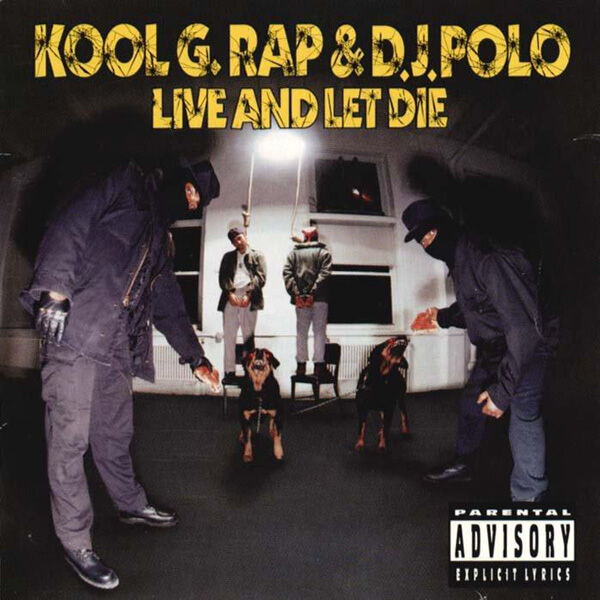
Live And Let Die remains one of Kool G Rap’s darkest and most accomplished statements, a relentless plunge into New York’s criminal underbelly delivered with dizzying technical skill. Across the album, he turns street-level desperation into vivid crime cinema, pairing densely packed multisyllabic rhymes with cold, matter‑of‑fact brutality. From the opening chase narratives onward, the record feels like being strapped into the passenger seat while a getaway unfolds block by block, every verse tightening the knot of paranoia and survival instinct.
Production is central to its impact. Sir Jinx builds a gloomy, hard-edged backdrop of murky bass, eerie textures, and pounding drums, giving the record a tense, almost noir feel. Haunting piano loops and thick drum programming pull the listener deep into alleys, back rooms, and interrogation spaces, while contributions from the Trackmasters add a jazzy but still rugged sheen that never softens the blow. The beats feel composed like short films: tightly edited, atmospheric, and always serving the narrative.
G Rap’s pen is at full power here. Heist narratives, botched runs, and breakdowns at the edge of sanity are rendered in minute detail, his internal rhymes and breath control turning each verse into an unbroken reel of images. What could have been simple shock value becomes something heavier: a study of cause and consequence, of how crime corrodes trust, family, and the mind itself.
The album’s climactic posse cut “Two to the Head” brings together multiple regional heavyweights—Scarface, Bushwick Bill, and Ice Cube—over a slow, sinister groove, sealing the project with a cross‑country exchange of threats and confessions. Elsewhere, flashes of grim humor and sex‑rap absurdity briefly puncture the tension without breaking the overall mood.
Overshadowed at the time by label pushback and controversy, Live And Let Die has endured as a blueprint for mafioso rap and one of the most cold‑blooded, narratively rich gangsta records ever made.
Geto Boys - We Can't Be Stopped (1992)

Geto Boys’ We Can’t Be Stopped is an unflinching and brutally raw piece of Dirty South rap that captured Houston’s underground grit in 1992. From its infamous cover—a shocking hospital shot of Bushwick Bill after a near-fatal, self-inflicted gunshot wound—to the unvarnished content within, the album feels like an unfiltered broadcast of chaos, anger, and survival. It’s not an album that pulls punches; it throws them with reckless abandon.
The sound of We Can’t Be Stopped is steeped in eerie funk loops, thick basslines, and gritty, low-budget production that amplifies its unpolished charm. The album’s standout track “Mind Playing Tricks on Me” transforms a haunting Isaac Hayes sample into a dark meditation on paranoia and mental disarray. Over the hypnotic instrumental, Scarface, Willie D, and Bushwick Bill dissect their inner demons with brutal honesty, creating a song that manages to be both swaggering and deeply vulnerable. It’s a moment where the group’s street-hardened bravado peels back, revealing a layer of emotional depth rarely seen in rap at the time.
Other tracks, however, are less introspective, diving headfirst into the group’s trademark vulgarity and brashness. “Homie Don’t Play That” pairs Willie D’s shouted threats with wobbly funk, while Bushwick’s “Chuckie” turns a campy horrorcore narrative into something genuinely unsettling. The minimalist production—relying on sharp drum loops and eerie synth textures—feels like a deliberate choice, leaving no distractions from the group’s aggressive delivery and unrelenting lyrics.
Lyrically, the album operates like a Molotov cocktail hurled at institutions the group felt had wronged them. The title track fires shots at the music industry and society’s double standards, with lines that slice through hypocrisy like a razor. Bushwick Bill’s venomous takedown of record labels is backed by defiant energy from Scarface and Willie D, whose collective sneer practically oozes through the speakers.
Despite its harsh exterior, the album thrives on its unpredictability. Tracks like “F*** a War” rage against systemic exploitation with the same fervor as the group’s more personal stories, showcasing their range without softening their edge. Even less memorable tracks, like Bushwick’s plodding “The Other Level” sex-rap, fail to derail the album’s ferocity.
We Can’t Be Stopped is an undeniable product of its time and place—Houston’s unforgiving streets—but it carries a timeless appeal for its audaciousness and willingness to embrace the uncomfortable. Few records hit harder or feel as raw.
Insane Poetry - Grim Reality (1992)

Grim Reality explodes like a slasher flick spliced with a social documentary. The Los Angeles collective Insane Poetry turned their 1992 debut into horrorcore’s ground zero—a deranged fusion of gore, paranoia, and commentary that split neatly down its middle. The “Grim Side” delivers one long killing spree; the “Reality Side” dissects the world that breeds those killers. Together, they capture the early 1990s knife‑edge between spectacle and survival.
“Grim Side” goes straight for the throat. “Angel of Death,” “Bring Ya Daughter to the Slaughter,” and the notorious single “How Ya Gonna Reason with a Psycho” revel in over‑the‑top carnage—beheadings, satanic rituals, splattered puns—delivered with manic glee. The backlash was immediate, with critics and activists accusing the group of glorifying violence, but the chaos had purpose. Beneath the blood lies sharp wordplay and furious energy, vaulted by classic breakbeats and sinister drones. Cuts like “If Rhymes Could Kill” and the posse track “Stalkin with the Nightbreed” channel adrenaline into rhythm, turning horror into propulsion.
Flip the record and “Reality Side” drags the nightmare back into daylight. “One Careless Moment” unpacks AIDS urban myths, “Manic Depressive” traces mental collapse through poverty, and “Six in the Chamber” stalks the liminal fear between gangs and police. “Till Death Do Us Part” spins domestic tragedy, while “Raise the Devil” ties systemic anger to spiritual unrest—its Jack Nicholson Joker samples amplifying the madness. The production stays funky and tactile, thanks in part to Joe Cooley’s contributions and dusty East Coast nods, balancing West Coast groove with psychological decay.
Though repetition occasionally sets in, Grim Reality endures as horrorcore’s primal scream—a gleefully grotesque yet shrewd reflection of early‑’90s unrest. For listeners drawn to the genre’s blood‑stained roots, it remains both blueprint and cautionary tale: shock as catharsis, violence as mirror.
Ganksta N-I-P - The South Park Psycho (1992)
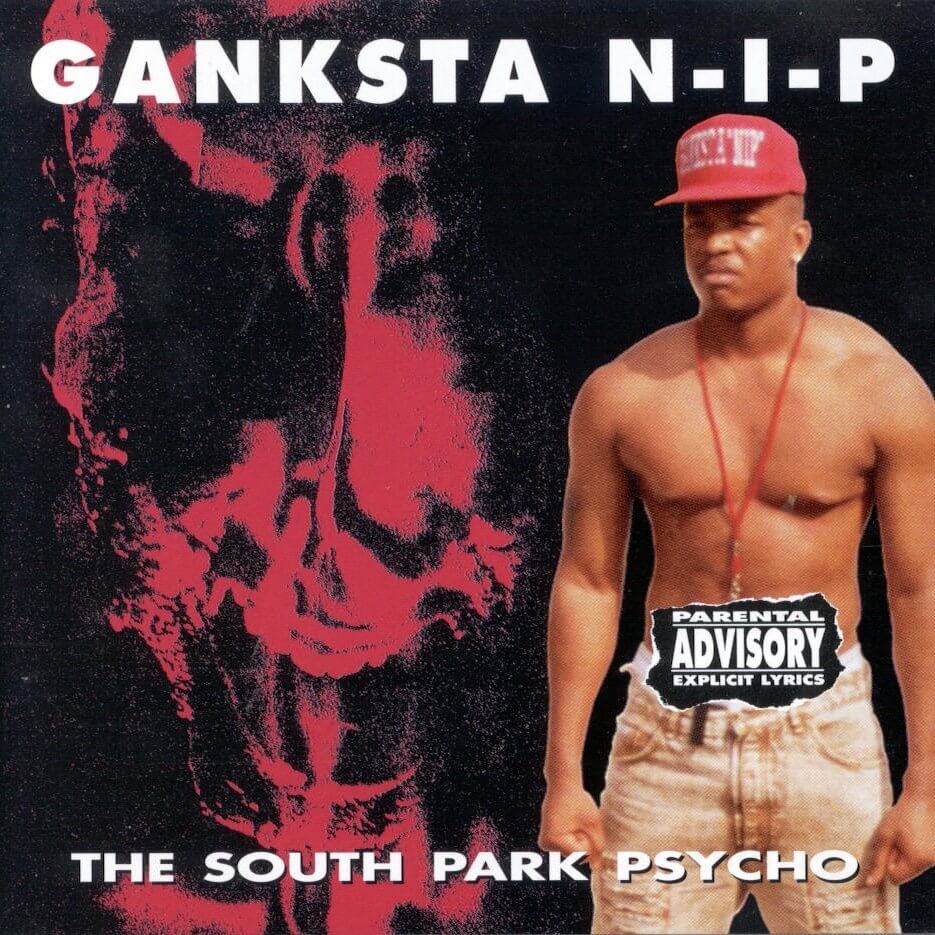
Ganksta NIP’s The South Park Psycho is a brutal plunge into the darkest corners of Houston Hip Hop, released on Rap-A-Lot, the Houston-based label long associated with controversial material. Across its runtime, the album leans into psychotic, deranged, and outrageous subject matter that goes even further than much of what labelmates Geto Boys were known for at their bleakest. The result is an early horrorcore landmark built on deep bass and lyrics that play like vivid horror-movie screenplays, clearly designed to shock and disturb.
Production from Rap-A-Lot affiliates, including The Terrorists, favors dark, heavy beats with slow, deliberate pacing, emphasizing the graphic nature of NIP’s violent narratives. Tracks such as “Psycho” and “Disgusting” push the limits of acceptable content even within gangsta rap, as NIP delivers direct, confrontational rhymes that paint detailed scenes of murder, torture, and other macabre scenarios. Samples like the slowed-down Ted Nugent “Stranglehold” on “Paranoid” and the Halloween theme on “Horror Movie Rap” intensify the menacing, unsettling atmosphere.
Guest appearances deepen the record’s impact: future collaborators Dope-E, K-Rino, and Seagram appear, while Willie D and Scarface of the Geto Boys join Seagram on the standout “Actions Speak Louder Than Words,” creating a powerful posse cut charged with distinct voices and added energy. “H-Town” offers a rare moment of straightforward city pride, briefly breaking from the extreme horror to salute Houston, though the underlying tension never fully disappears.
The South Park Psycho is neither polished nor easy to digest; its gritty, raw sound and graphic content demand listeners dissociate and take it with a grain of salt. Still, it stands as Ganksta NIP’s most notable effort and an important document of early horrorcore, capturing a specific time and place where shock imagery, violence, poverty, and alienation collided in uncompromising form.
Esham - KKKill The Fetus (1993)

KKKill the Fetus is Esham’s most intense statement, his third album and the rawest distillation of the Detroit pioneer’s warped vision. Released across 23 tracks, it builds on his teenage invention of acid rap through Boomin’ Words from Hell, predating horrorcore’s wider emergence. Esham’s solo work here channels schizophrenia, satanic imagery, and extreme violence into lo-fi production that feels ritualistic and unpolished.
Self-produced beats chop funk samples with horror elements and screeching synths, creating a heavy, metal-inflected sound more akin to distorted guitars than typical Hip Hop loops. The atmosphere evokes basement sessions laced with hallucinogenic dread, supporting flows that shift from whispery menace to aggressive bursts. Themes explore evil’s origins, mental disintegration, pornographic obsessions, and hellish encounters, presented through twisted narratives that question innate darkness versus learned corruption.
Tracks maintain a hallucinogenic consistency, blending short vignettes of insanity and depravity. Production emphasizes rawness over polish, with minimalism amplifying the lyrical descent into personal and supernatural horror. Esham’s delivery carries multisyllabic complexity, pioneering a theatrical style that influenced later acts from Flatlinerz to broader horrorcore practitioners.
The album’s extremity—focusing on serial impulses, suicide ideation, and misogynistic voids—rejects mainstream accessibility, thriving instead as headphone immersion for the unflinching. As Detroit’s underground architect, Esham crafts a confessional abyss here, too visceral for casual spins yet hypnotic in its unrelenting gaze. KKKill the Fetus captures acid rap’s fetal core: unfiltered, prophetic, and enduringly bleak.
Geto Boys - Till Death Do Us Part (1993)
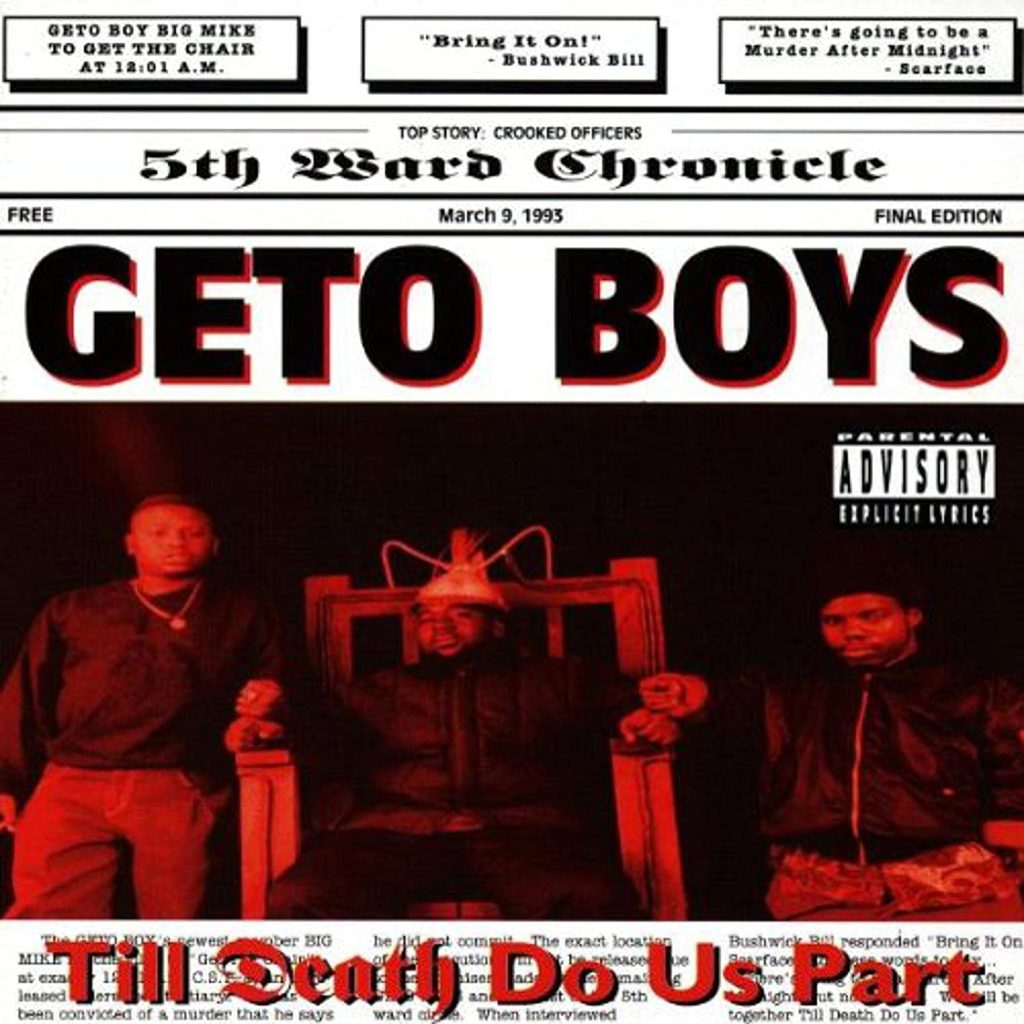
Till Death Do Us Part emerges during a pivotal shift for the Geto Boys, as Willie D steps away and Big Mike joins Scarface and Bushwick Bill, infusing fresh dynamics into their unflinching portrayal of street torment, loss, and institutional betrayal. Released amid Rap-A-Lot’s legal battles, this album weaves gritty realism with introspective grief, exploring the emotional toll of violence and survival in Houston’s underbelly. J. Prince’s tense intro frames the pressure, grounding the darkness in real-world scrutiny rather than mere bravado.
Production, led by N.O. Joe and others, crafts a varied sonic palette—from hard-hitting drums and funky grooves to slowed, melancholic samples evoking profound sorrow. “G.E.T.O.” launches with raw energy, each member’s verse asserting individual scars amid chaotic beats. “Crooked Officer” channels fury at police corruption through pointed bars and a memorable hook, its straightforward structure amplifying communal rage. “Six Feet Deep” shifts to somber reflection, layering Marvin Gaye and Commodores samples for a haunting dirge on burying loved ones, Scarface’s vivid anguish piercing deepest.
Big Mike’s arrival adds bitterness and resolve: “No Nuts No Glory” narrates betrayal’s vengeful cycle, his steady flow underscoring hardened determination. “Straight Gangstaism,” with Lord 3-2, lays back into funky tales of relentless hustling. Solo outings deepen the despair—Scarface’s “Street Life” paints poignant South Central narratives, Bushwick Bill’s “Murder Avenue” plunges into horror-tinged nightmares of perpetual threat. The sprawling “Bring It On” posse cut unites Rap-A-Lot voices in lyrical barrage, affirming regional bonds amid chaos.
Though Willie D’s absence alters the chemistry, Big Mike integrates seamlessly, enriching the blend of political ire, personal mourning, and unyielding street lore. Dense with emotional layers, Till Death Do Us Part rewards close listens and remains a cornerstone of Southern rap’s raw undercurrents—where triumph eludes, and death’s shadow binds every tale.
Gravediggaz - 6 Feet Deep (1994)
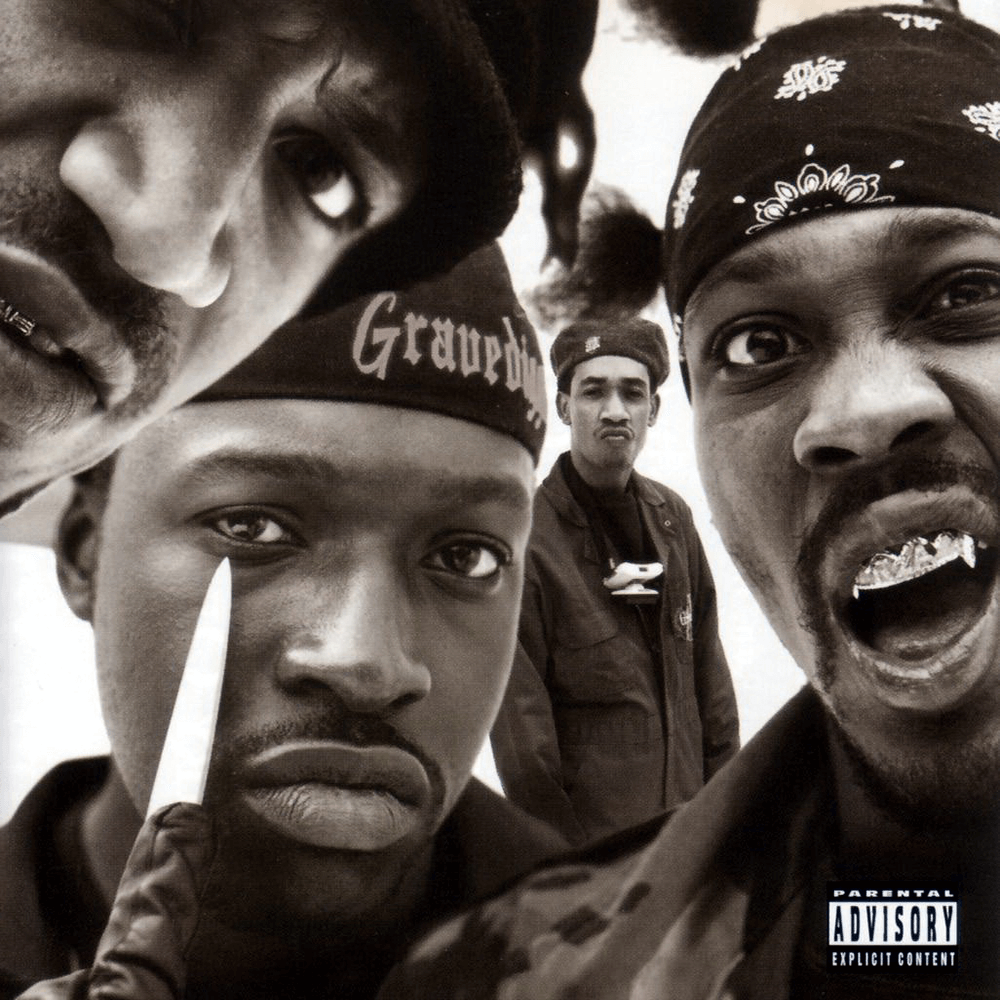
6 Feet Deep marks the arrival of horrorcore as a defined force in Hip Hop, brought by a supergroup shaped by shared industry frustration. Prince Paul (Undertaker), RZA (Rzarector), Frukwan (Gatekeeper), and Too Poetic (Grym Reaper)—each with histories of label struggles at Tommy Boy—formed to channel resentment into 16 tracks spanning 50 minutes. The album blends Wu-Tang’s raw edge with De La Soul’s inventive spirit, exploring death, madness, and violence through a macabre lens.
Production centers on Prince Paul’s contributions, with RZA adding sparse, ominous layers. Samples from horror films, funk loops, and ghostly vocals create a consistent atmosphere of unease. “Constant Elevation” sets a tone with its eerie keys and supernatural references. “Diary of a Madman” presents courtroom confessions of brutality, supported by haunting choir loops. “1-800 Suicide” addresses despair with dark humor over a jazzy backdrop, while “Nowhere to Run, Nowhere to Hide” builds tension through frantic strings. Tracks like “Blood Brothers” and “2 Cups of Blood” emphasize group loyalty amid vampiric imagery, and “Deathtrap” details fatal encounters with trapdoor rhythms. “Mommy, What’s a Gravedigga?” distorts innocence with nursery-rhyme elements, as “Graveyard Chamber” gathers guests in a crypt setting. The title track closes with pounding drums and chants.
Each member’s style contributes distinctly: Grym Reaper’s precise flows, Frukwan’s gravelly threats, RZA’s authoritative presence, and Paul’s ad-libs. Lyrics mix graphic violence with satirical edge, covering suicide, murder, and psychosis in an over-the-top manner that invites interpretation as jest or warning.
The result is a cohesive concept album that established horrorcore’s template, influencing later acts while standing apart in the 1990s landscape. Accessible production supports dense themes, making 6 Feet Deep a lasting entry in underground Hip Hop.
Scarface - The Diary (1994)
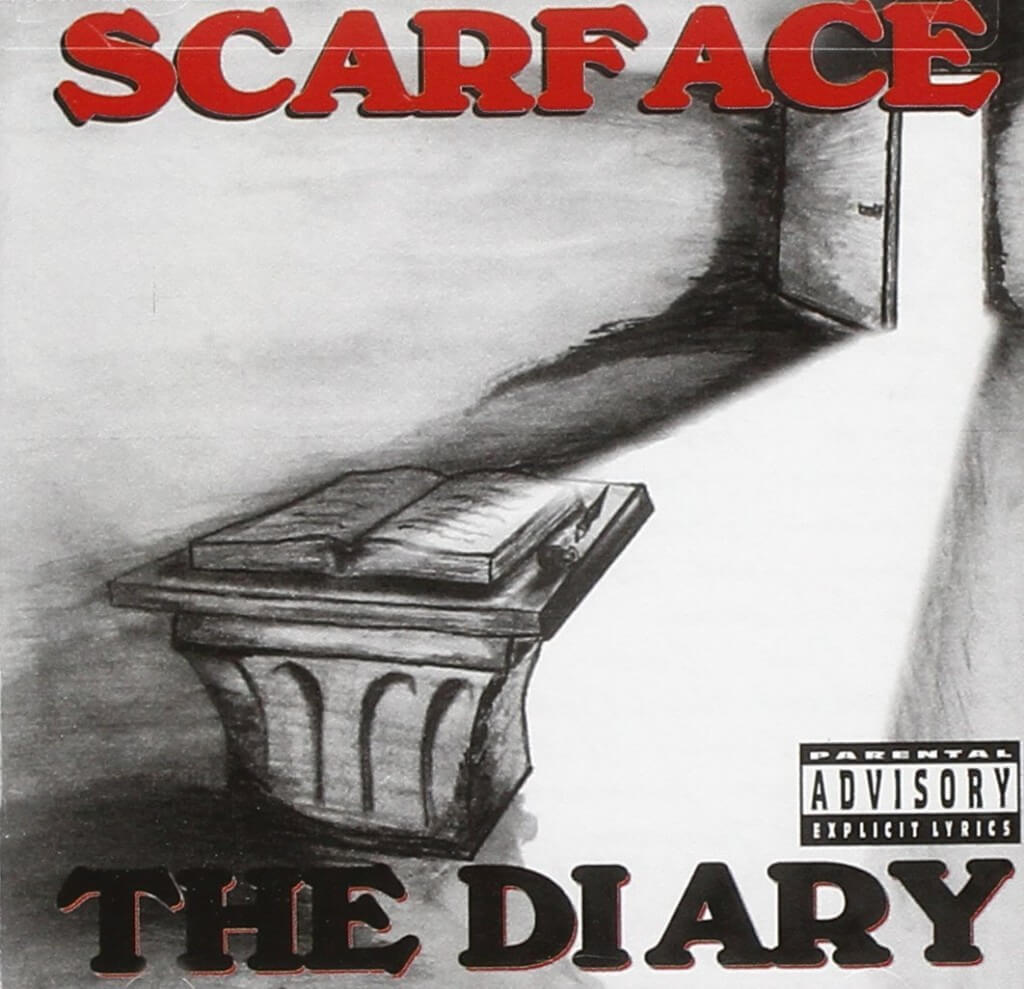
Scarface’s The Diary is as personal as a torn page from a hidden journal, blending vulnerability with the harshness of street life. Clocking in at just 43 minutes, the album doesn’t waste a single second, offering a tightly packed mix of grim introspection, vivid storytelling, and gangsta bravado. The sound here is quintessential mid-’90s Houston—thick, brooding basslines, ominous piano chords, and eerie synths—crafted by Houston’s finest producers, including Mike Dean and N.O. Joe. The result is music that feels as heavy as the weight of the themes Scarface takes on.
From the opening moments, The Diary immerses you in its world. Tracks like “The White Sheet” and “Jesse James” pull no punches, delivering hard-edged narratives of violence and revenge over menacing grooves. Scarface’s delivery is commanding, his voice deep and deliberate, making every line hit with the force of a confession. The lyrics paint vivid pictures, like moments ripped from the streets, but there’s an unmistakable depth beneath the aggression. Even when Scarface is rapping about vendettas and shootouts, there’s a sense of consequence, as if every bullet has a ripple effect on the soul.
But the album’s true power lies in its moments of reflection. “I Seen a Man Die” is a centerpiece, where Scarface steps back from the chaos to explore mortality and spiritual reckoning. Over somber production punctuated by a mournful bassline, he delivers one of his most haunting verses, describing death as both an end and a transition. The track shifts the album’s tone, offering a glimpse into Scarface’s inner conflicts and his constant battle with his environment and himself—it’s a meditation on the fragility of life.
The balance between lightheartedness and gravity keeps the album engaging. “Goin’ Down” adds humor and swagger with its playful keyboard riff, offering a temporary escape from the gloom. But even in these lighter moments, Scarface’s charisma and wit remain sharp.
Ending with the unflinching title track, The Diary circles back to its darker themes, leaving no room for doubt about Scarface’s place as one of Hip Hop’s great storytellers. This album is timeless, a snapshot of human complexity wrapped in the beats of Houston’s gritty streets. Few albums have managed to straddle raw honesty and technical excellence as effortlessly as this one.
Flatlinerz - U.S.A. (1994)

U.S.A. (Under Satan’s Authority) is one of the most polarizing experiments in early 1990s Hip Hop—a bold, often misunderstood fusion of East Coast grit and horrorcore theatrics. Released by Def Jam and led by the Flatlinerz trio, the album pushed New York’s hardcore energy into the occult’s shadow, outpacing peers like Gravediggaz in sheer darkness. It courted shock, controversy, and criticism in equal measure, its fascination with death and Satanic lore earning both cult devotion and public outrage.
The production embraces tension between street realism and cinematic horror. Sparse loops rooted in NY’s boom‑bap tradition—recalling Redman, EPMD, or Onyx—twist into eerie soundscapes filled with moans, screams, and distorted samples. “Scary Us” sets the tone with raw chaos, while later cuts like “Takin’ ’Em Underground” descend into full theatrical dread. By the album’s midpoint, the beats feel drenched in dread: minimalist drums pulsing under samples that flicker like dying bulbs.
Lyrically, the Flatlinerz commit completely to their vision. Murder, mayhem, and morbidity dominate, the lines oscillating between gangsta bravado and occult sermon. Redrum’s rapid‑fire flow, though often compared to Das EFX or Onyx, delivers conviction if not variety. Songs like “Satanic Verses,” “Live Evil,” and “Rivaz of Red” showcase the group at their sharpest—macabre but playful, underscored by samples from Redman, Michael Jackson’s “Thriller,” and even Street Fighter sound effects. Other highlights—“Good Day to Die,” “718,” and “Flatline”—mix urban aggression with graveyard ambience, crafting the blueprint for horrorcore’s theatrical excess.
Despite uneven flows, U.S.A. remains an essential relic of rap’s morbid frontier—a moment when New York’s bravado collided with superstition and spectacle. It’s flawed but fearless, an experiment that embodied Hip Hop’s appetite for taboo—not just reflecting darkness, but amplifying it until it echoed back from the underground.
The Notorious B.I.G. - Ready To Die (1994)
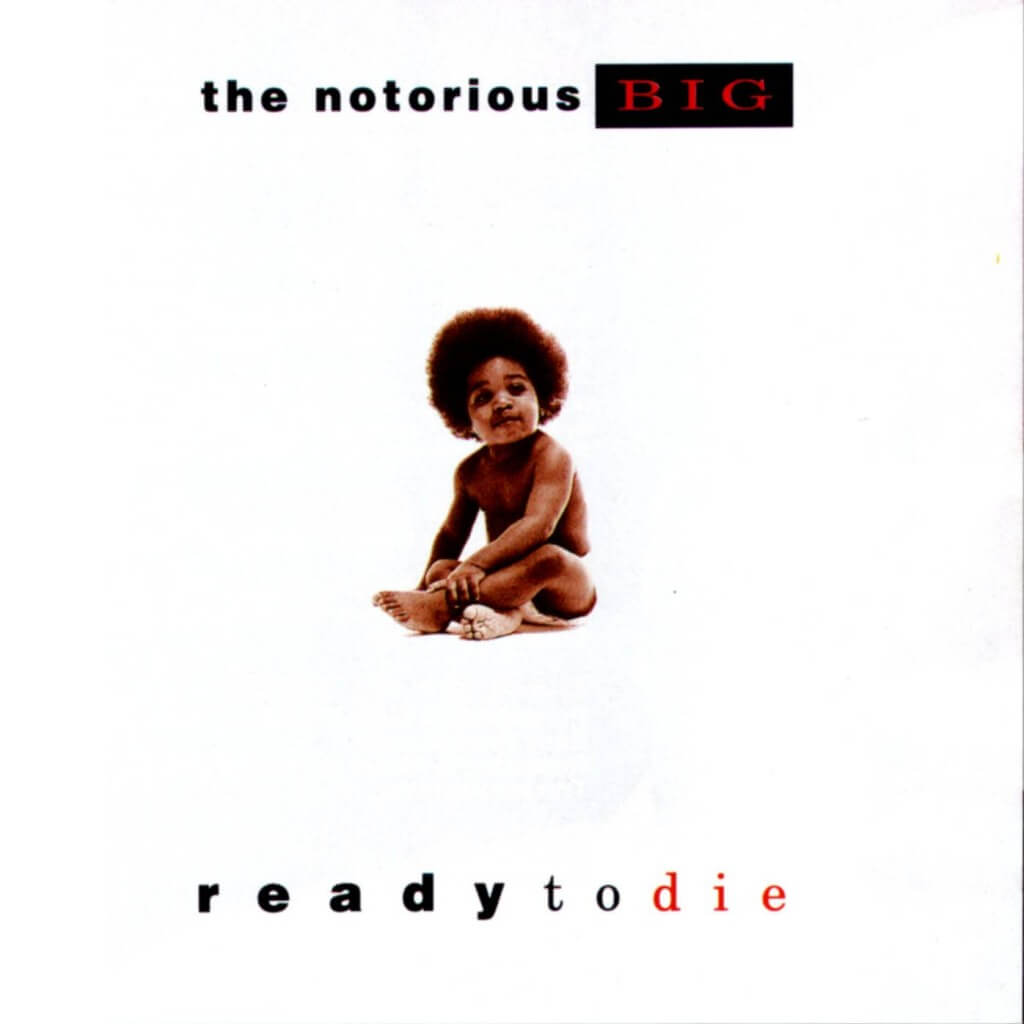
Ready to Die remains the definitive portrait of Brooklyn’s shadows—a cinematic journey through the rise and ruin of Christopher Wallace, better known as the Notorious B.I.G. Spanning seventeen tracks, the album documents life at the intersection of ambition and fatalism, tracing one man’s evolution from hunger and hustle to self‑destruction. It’s both triumph and tragedy, autobiography and requiem, delivered with hypnotic precision.
Produced by Easy Mo Bee, DJ Premier, Chucky Thompson, and others, the record builds its world from cement and smoke. Piano loops and static‑laden drums set a mood so claustrophobic you can almost feel the block closing in. “Things Done Changed” crackles with generational mourning; “Gimme the Loot” stages crime as theater, split voices mapping desperation and pride; “Warning” and “Everyday Struggle” stretch paranoia into philosophy. Even in moments of humor, like “Big Poppa,” the ease feels fragile, a brief flash of warmth in a freezing room.
Biggie’s voice anchors the chaos—booming yet conversational, able to turn brutality into poetry without softening its blow. His wordplay captures contradictions few MCs ever balanced: swagger and fear, greed and guilt, joy and exhaustion. The storytelling moves like film stock running out, scenes etched in blood and bravado. By the time he reaches the suicidal spiral of “Suicidal Thoughts,” the saga completes its grim orbit, ending not in catharsis but understanding.
There are minor stumbles—a crude interlude that’s aged poorly—but they barely nick the album’s cohesion. Ready to Die bridges the Golden Age’s discipline with the raw honesty that would define modern Hip Hop, standing as both an origin story and an obituary. For this list’s lineage of darkness, it remains unmatched: the sound of survival collapsing under its own weight, rendered eternal through rhythm and regret.
Esham - Closed Casket (1994)
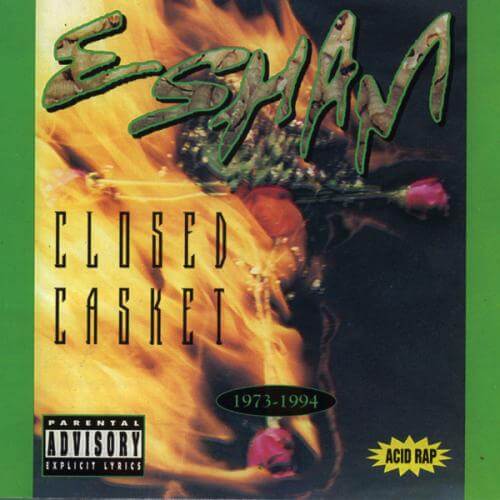
Closed Casket is Esham’s last great album—an unflinching exorcism that solidified his reign as horrorcore’s earliest and most radical visionary. Released when he was barely twenty, the album marks both culmination and farewell, sealing a four‑record run that redefined underground Detroit rap. After the sprawling chaos of Judgement Day and the depravity of KKKill the Fetus, this 1994 Reel Life production feels like deliberate closure: horror reborn through discipline, its menace made focused and fatal.
Esham produces the entire record himself, and the beats are dense with purpose. Funk and soul fragments warp under basslines that rumble like trapped machinery, while distorted synths and snarling guitars bring a grimy G‑funk undertone. The sound is simultaneously raw and refined—less satanic caricature, more psychological dirge. Early tracks hit with manic energy before the back half envelops the listener in hypnotic, bass‑heavy dread. Even through lo‑fi grit, the atmosphere feels cinematic: claustrophobic, delirious, and relentlessly alive.
Lyrically, Esham delivers with frightening coherence. His verses careen between madness and lucidity—suicidal ideation, violent fantasy, and urban decay rendered as spiritual metaphor. The shock remains, but it’s shaped by craft rather than chaos. Revenge arcs, self‑therapy sessions, and moments of nihilist humor flow in tight, breathless bars. Where earlier records flirted with anarchy, Closed Casket turns mania into composition, proving how conviction can outlast carnage.
If the second half meanders slightly, the cohesion and ferocity still eclipse his earlier extremes. Esham closes the era he created with total authority—no gimmicks, no mercy. For this list’s chronicle of darkness, Closed Casket is horrorcore’s black mass: a prodigy’s final sermon before sealing his own myth, leaving the casket shut on a subgenre still skulking in his shadow.
Organized Konfusion – Stress: The Extinction Agenda (1994)
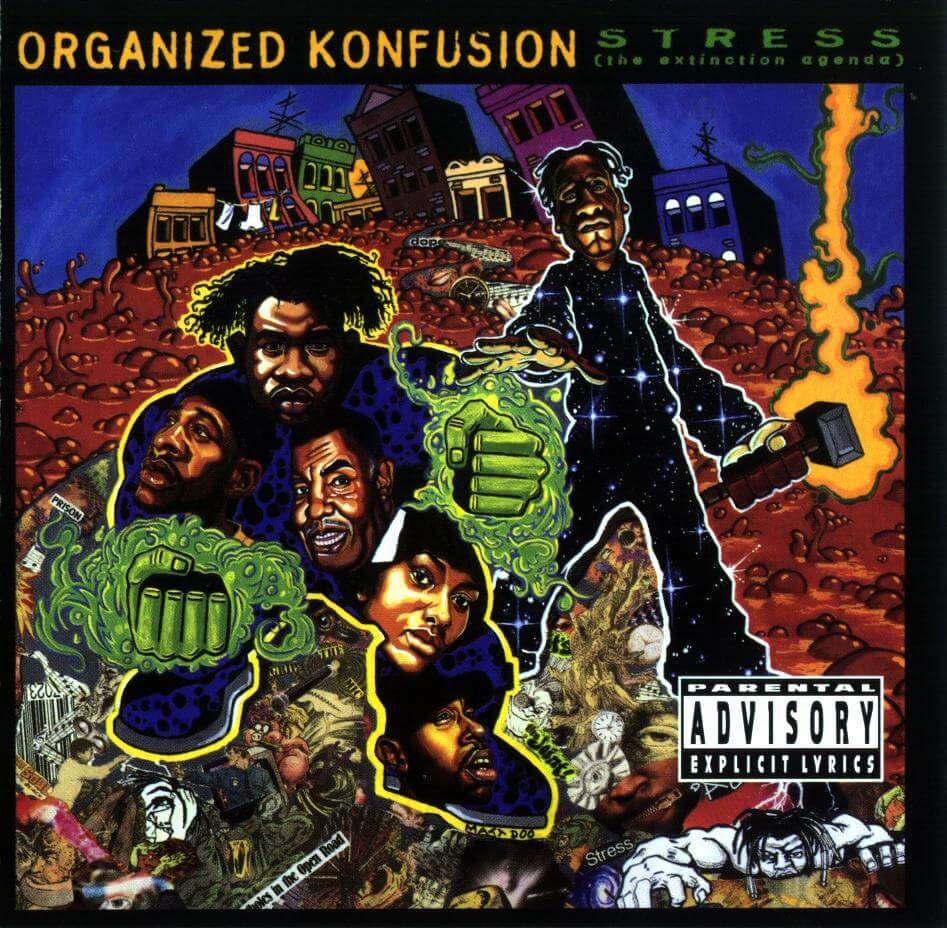
Few Hip Hop albums embody pressure—social, systemic, existential—quite like Stress: The Extinction Agenda. On their second record, Pharoahe Monch and Prince Po sharpened their already formidable lyricism into something heavier, more claustrophobic, and frighteningly precise. The result is an album that feels like it’s fighting for air, where every verse doubles as both documentation and resistance.
The title track sets the tone immediately: a jagged, looping bassline and grimy drums under two emcees dissecting survival under constant surveillance. Their flows interlock with uncanny rhythm, as if reacting to each other’s thoughts in real time. That synchronicity becomes a weapon across the album—dense, rapid, and frequently devastating. “The Extinction Agenda” builds on this fury, pairing the duo’s intellectual force with production that sounds like thunder clashing with machinery.
“Black Sunday” slows the pace but not the weight, unraveling systemic oppression with imagery so vivid it feels carved into the beat itself. The album’s most chilling moment, “Stray Bullet,” transforms violence into narrative horror. Told from the perspective of a bullet on its path to destruction, it compresses tragedy into seconds—a meditation on randomness, mortality, and consequence that still feels daring decades later.
Organized Konfusion handled much of the production themselves, layering jazz fragments, somber pianos, and bruising drums into a sound that’s cinematic yet intimate. Each track bleeds tension; even its silences bristle.
In an era when complexity could be mistaken for abstraction, Stress: The Extinction Agenda remained brutally direct. It captured the psychological toll of city life without sensationalizing it. The album’s brilliance lies in its density—a mind under siege rendered through rhyme, rhythm, and relentless intellect. To listen is to shoulder its weight.
Bone Thugs-N-Harmony - E. 1999 Eternal (1995)
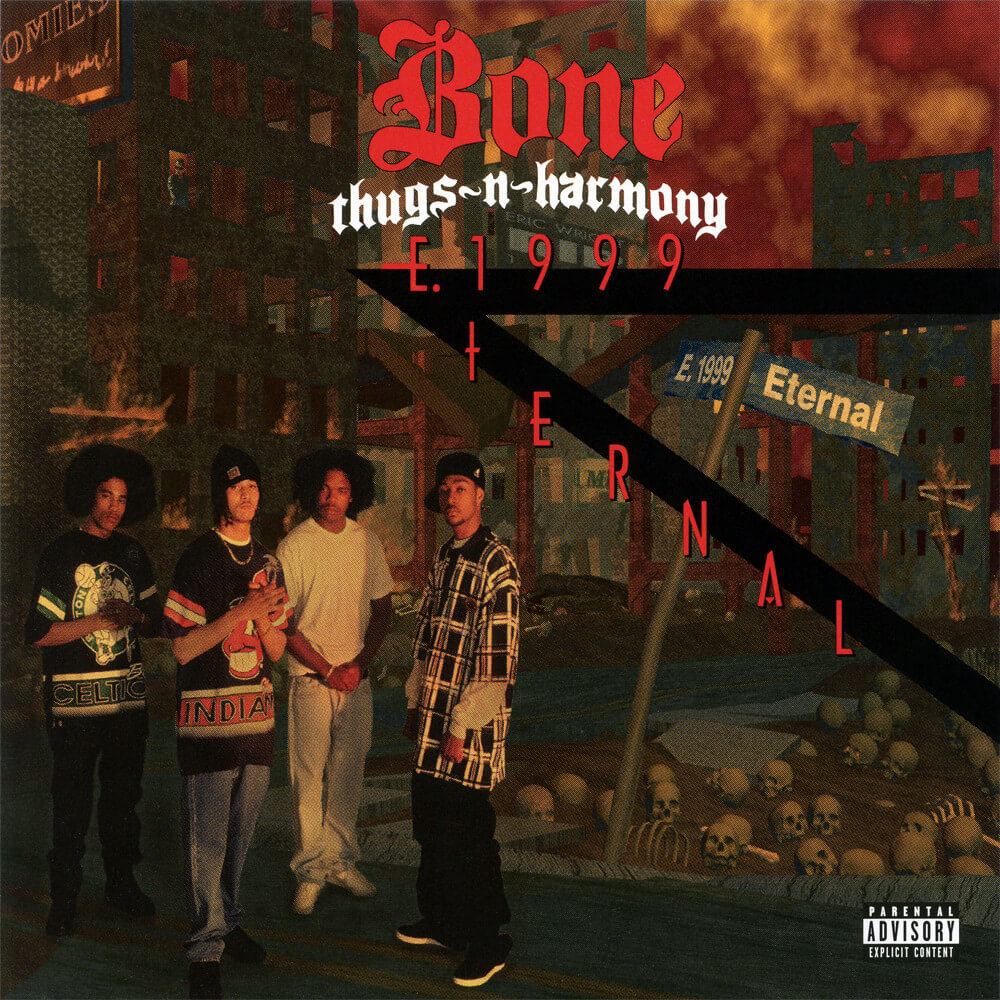
E. 1999 Eternal traps Cleveland’s East 99th Street in permanent dusk, a twilight caught between mourning and motion. Released in 1995, Bone Thugs‑N‑Harmony’s sophomore album turned grief for Eazy‑E into artful defiance, blending their rapid‑fire harmonies with the creeping shadows of horrorcore and the lush sheen of G‑funk. It’s both elegy and celebration—a record where death and devotion coexist in hypnotic sync.
Producer DJ U‑Neek builds the blueprint for Midwest melancholy. Pianos strike like distant sirens, basslines churn in fog, and orchestral samples flicker through layered synthesizers. The sonic world feels half‑holy, half‑haunted: ritual chants on “Da Introduction,” séance skits like “Mr. Ouija 2,” and transitions that glide as if guided by unseen hands. Sampling everything from Bootsy Collins to Chapter 8, from Earth, Wind & Fire to Sega’s Eternal Champions, U‑Neek fuses funk’s warmth with post‑apocalyptic chill—turning street life into spectral gospel.
Krayzie, Layzie, Bizzy, Wish, and Flesh move as one organism, their staccato flows folding violence, weed ecstasy, and despair into interlocking cadences. “1st of tha Month” transforms paycheck ritual into uplift, while “Budsmokers Only” and “Buddah Lovaz” drift toward euphoric release. On the darker end, “Land of tha Heartless” and “Mo’ Murda” drag faith through blood and smoke. Every verse aches with speed and melody—a fusion of despair’s pulse and heaven’s rhythm.
Then comes “Tha Crossroads,” reworking an earlier track into a radiant farewell: choral guitars, whispered prayers, Eazy’s name floating like incense. It topped charts and won a Grammy, but more importantly, it crystallized Bone’s mission—to find harmony inside horror.
Quadruple‑platinum yet enduringly strange, E. 1999 Eternal set the tone for melodic trap and emo rap decades early. It remains a timeless contradiction: brutal and beautiful, a requiem that still moves like breath on a midnight drive through purgatory.
Mobb Deep - The Infamous (1995)

The Infamous drags listeners deep into Queensbridge’s unrelenting haze, a 1995 masterpiece forged from paranoia and endurance. Mobb Deep—Havoc and Prodigy—don’t mythologize the streets; they document them with surgical calm, stripping every illusion of glamour from survival. Across its runtime, the record feels claustrophobic and lived‑in—a world of thin margins, sleepless eyes, and loyalty tested under fluorescent light.
Havoc’s production defines austerity. His beats hang in air thick with dread: skeletal drums, ghostly piano loops, and distant sirens bleeding through static. The sparseness amplifies tension; every note feels rationed, every silence weighted. “Shook Ones Pt. II” and “Survival of the Fittest” remain the genre’s high watermark—Prodigy’s ice‑veined delivery dissecting violence, fear, and fatigue with frightening precision. “Temperature’s Rising” offers rare tenderness, chronicling guilt and absence as quietly devastating as the gunfire that shadows it.
Their chemistry is elemental. Havoc’s gruff stoicism offsets Prodigy’s surgical menace, the two moving in lockstep through moral erosion and street despair. Guests like Nas, Raekwon, and Ghostface Killah fold seamlessly into Mobb Deep’s gray universe, helping expand it without breaking tone. The imagery is cinematic yet grounded: cracked walls, stashed burners, a paranoia so real it pulses like heartbeat percussion beneath the mix.
What makes The Infamous eternal is its stillness—the refusal to exaggerate pain into heroism. Havoc’s minimalist production gives no escape route; Prodigy’s lyricism admits no rest. Even reflection feels burdened, each track circling loss and loyalty like ritual.
In Hip Hop’s canon, The Infamous remains the definitive portrait of inner‑city dread—a cold, perfectly calibrated descent that redefined East Coast realism. Its darkness doesn’t shock; it seeps, slow and inevitable, like fog curling through the cracks of concrete memory.
2Pac - Me Against The World (1995)

Me Against the World finds Tupac Shakur at his most vulnerable and visionary—a prison‑born confessional where anger, fear, and love intertwine into Hip Hop’s most human blues. Released in 1995 while Pac was behind bars, the album captures a man suspended between fame and fatalism, his voice equal parts gospel and gunfire. Across fifteen tracks, he transforms persecution and pain into art that balances tenderness with terror, resolve with regret.
The record opens like a prayer from the edge. “If I Die 2Nite” shimmers ominously over funk‑laden keys, and the title track—featuring Dramacydal—turns defiance into an anthem for the forsaken. “So Many Tears” bleeds sorrow over mournful piano, while “Temptations” seduces with weary charm, its smooth swing masking exhaustion. “Young Niggaz” and “It Ain’t Easy” mentor through empathy, acknowledging that survival itself exacts a price. By “Dear Mama,” Pac delivers Hip Hop’s most moving ode to unconditional love—the calm heart inside an album otherwise haunted by loss and paranoia.
Production from Shock G, Easy Mo Bee, Johnny “J,” and Soulshock & Karlin layers live instrumentation and subdued G‑funk, balancing gloss with gravity. Glossy basslines, blues‑tinged guitars, and dusty drums frame Pac’s mercurial flow—a voice that can soothe, snarl, or plead in the same breath. Songs like “Lord Knows,” “Can U Get Away,” and “Death Around the Corner” mirror his shifting psyche: mistrust, compassion, defiance, and fatigue cycling like weather inside a single verse.
Debuting at #1 while he served time, Me Against the World transcended both coasts and categories. It’s not a lament or a manifesto but a reckoning—Hip Hop’s first true emotional autobiography. For this list’s lineage of darkness, it marks the genre’s most profound confrontation with mortality: a soul searching for peace amid gunfire, singing through the storm because silence was never an option.
Brotha Lynch Hung - Season Of Da Siccness (1995)
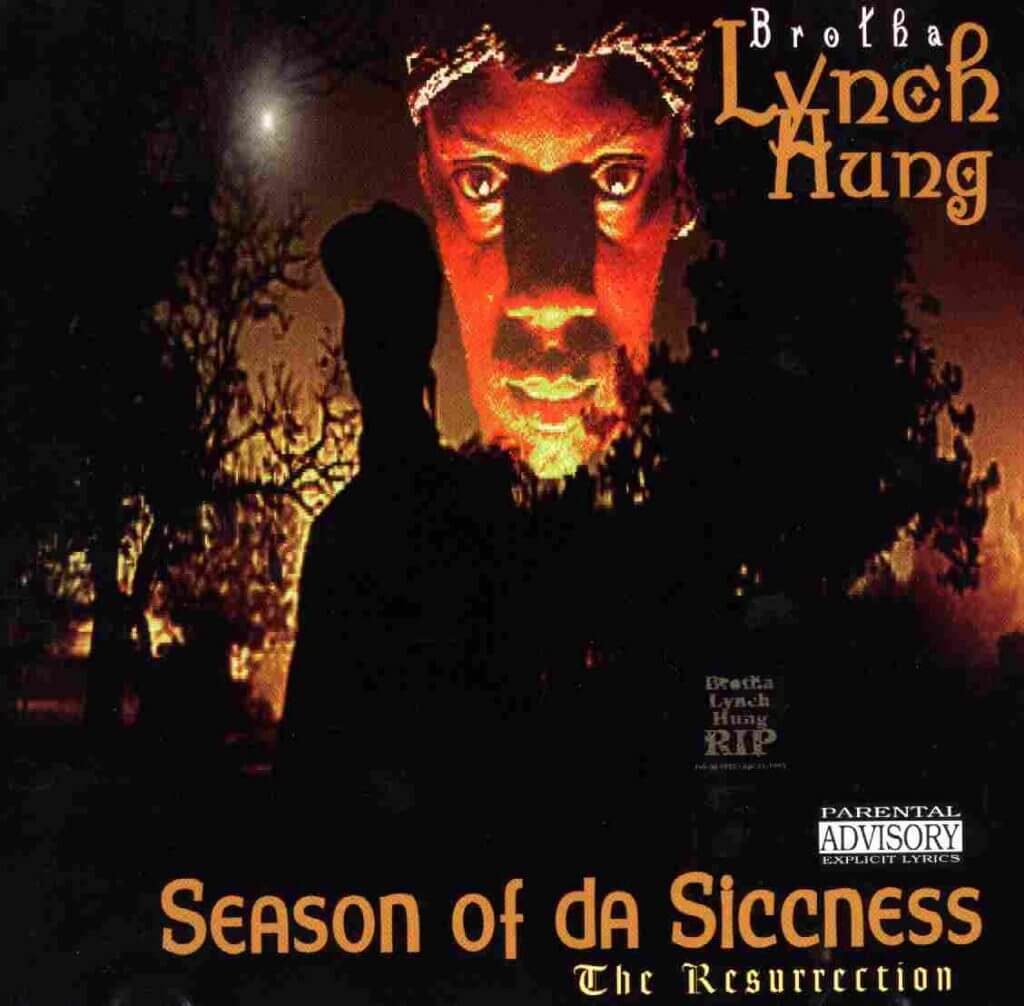
Season of da Siccness crawls out of Sacramento’s gutters like a fevered nightmare, its creator Brotha Lynch Hung turning trauma into horror with unrivaled conviction. Released in 1995, the album fused gangsta rap’s cold realism with pure cinematic depravity, transforming grief and rage into a viscous art form. Lynch—Kevin James Mann in the daylight—had seen too much: slain friends, incarcerated allies, and lingering loss. What poured out became horrorcore’s West Coast apex, a record as disturbing as it is disciplined.
Self‑produced on what sounds like haunted machinery, Season of da Siccness drips sleaze through a warped G‑funk filter. The synths feel plastic and poisonous, basslines drag like chain links, and the drums stagger with uneasy groove. “Sicc Made” simmers in haunted paranoia; “Liquor Sicc” channels gang violence into mournful vengeance; while “Return of da Baby Killa,” featuring Sicx, indulges in explicit grotesquery that borders on the surreal. From “Locc 2 Da Brain” to “Deep Down,” the production feels trapped inside its own rot—roach clicks, metallic echoes, and faintly humming menace building a claustrophobic atmosphere no cleaner studio could replicate.
Lyrically, Lynch blends street anguish and lyrical trickery with psychotic flair. His elastic flow mutates from deadpan to deranged mid‑verse, his voice equal parts technician and undertaker. Cannibalism and corpse imagery serve less as shock for shock’s sake than as distorted metaphors for trauma and despair—a funhouse mirror reflecting the violence he lived.
The weaker moments rest in repetition, but that monotony functions like hypnosis. The gloom loops until it consumes. By its close, Season of da Siccness doesn’t simply depict horror—it enacts it, pulling listeners into its hallucinatory spiral. For this list’s lineage of darkness, it’s the genre’s blood‑slick altar: a DIY requiem where grief curdles into gore, and survival sounds indistinguishable from sin.
Onyx – All We Got Iz Us (1995)

Onyx’s All We Got Iz Us listens like walking into a world where hope was swallowed whole by rage and the only language left is violence. It’s raw, unapologetic, and drenched in darkness—the kind that leaks out of cracked streetlights and gathers in the corners of alleys. The beats hit like bricks, rough and jagged, while Sticky Fingaz and Fredro Starr spit venom with voices that could peel paint off walls. This isn’t music you relax to; it’s music that grips your chest, clenches its fists, and drags you down into the chaos.
The album opens with the chilling “Life or Death (Skit),” where Sticky Fingaz debates with himself about pulling the trigger, setting the tone for everything that follows. Tracks like “Last Dayz” and “All We Got Iz Us” carry an oppressive weight, with slow, creeping beats that feel like shadows closing in. The lyrics read like grim diary entries scrawled by men staring into the abyss: survival at all costs, morality thrown out with the trash, and a nihilism that burns brighter than any fleeting flicker of hope. Sticky’s raspy growl is unhinged, almost gleeful in its darkness, while Fredro’s aggressive delivery feels like he’s spitting teeth at the mic.
The production mirrors this bleakness perfectly. There’s no polish here—just stripped-down, menacing loops and basslines that rumble like subway trains in the distance. Tracks like “Walk in New York” and “Shout” sound like they were stitched together from shards of broken glass, their rhythms jagged and unpredictable. Even the slower cuts, like “Betta Off Dead,” carry a tension that feels like it could snap at any moment.
But for all its gloom, the album has a strange kind of energy—a defiance that gives it life. Onyx doesn’t mourn their circumstances; they revel in them, finding a twisted joy in the chaos. You don’t listen to this record to feel good. You listen to it because it doesn’t flinch, doesn’t lie, and doesn’t care if you can’t handle it. All We Got Iz Us is brutal, unrelenting, and utterly unforgettable. It’s not an album you revisit casually—it’s an experience, one that leaves you shaken, drained, and maybe a little more alive.
Three 6 Mafia – Mystic Stylez (1995)

Mystic Stylez drags Memphis rap from the basement into legend. In 1995, Three 6 Mafia—DJ Paul, Juicy J, Lord Infamous, Gangsta Boo, and Crunchy Black—crafted a debut so raw and atmospheric it reshaped the Southern underground. Neither East nor West Coast in sound, it forged its own punishing rhythm: lo‑fi 808s, funeral‑paced tempos, and synths thick enough to suffocate. This was music built from darkness, not about it—a ritual of paranoia, violence, and trance.
From “Da Beginning,” the album feels less like a collection of songs and more like one long séance. The production lingers in minimal repetition, loops circling until hypnotic tension becomes its own beat. “Tear Da Club Up” erupts with primal catharsis, “Now I’m Hi, Pt. 3” turns intoxication into spiritual fugue, and “Porno Movie” drags lust through the gutter until it sounds like confession. Even “Da Summa,” one of their rare glimpses of light, feels haunted by dusk.
The group’s chemistry anchors the chaos. None of the members chase complexity; instead, their blunt vocals, eerie ad‑libs, and overlapping chants merge into an unsettling symphony. Lord Infamous embodies the project’s horrorcore pulse, while Gangsta Boo’s presence cuts through like a preacher turned seer. Paul and Juicy’s production ties everything together—grainy, claustrophobic, addictive.
What Mystic Stylez lacks in polish, it builds in atmosphere. The imperfections—tape hiss, uneven mixes, lingering pauses—become its signature. It sounds haunted because it lives in the residue of its own environment: smoke‑filled rooms, cracked speakers, half‑remembered incantations.
Nearly three decades later, Mystic Stylez still feels prophetic. It laid the foundation for Southern goth rap, trap’s low‑end hypnosis, and horrorcore’s modern rebirth. As a blueprint of eternal dread and defiance, it endures—Memphis scripture where chaos whispers and the dark keeps perfect rhythm.
Bushwick Bill – Phantom Of The Rapra (1995)
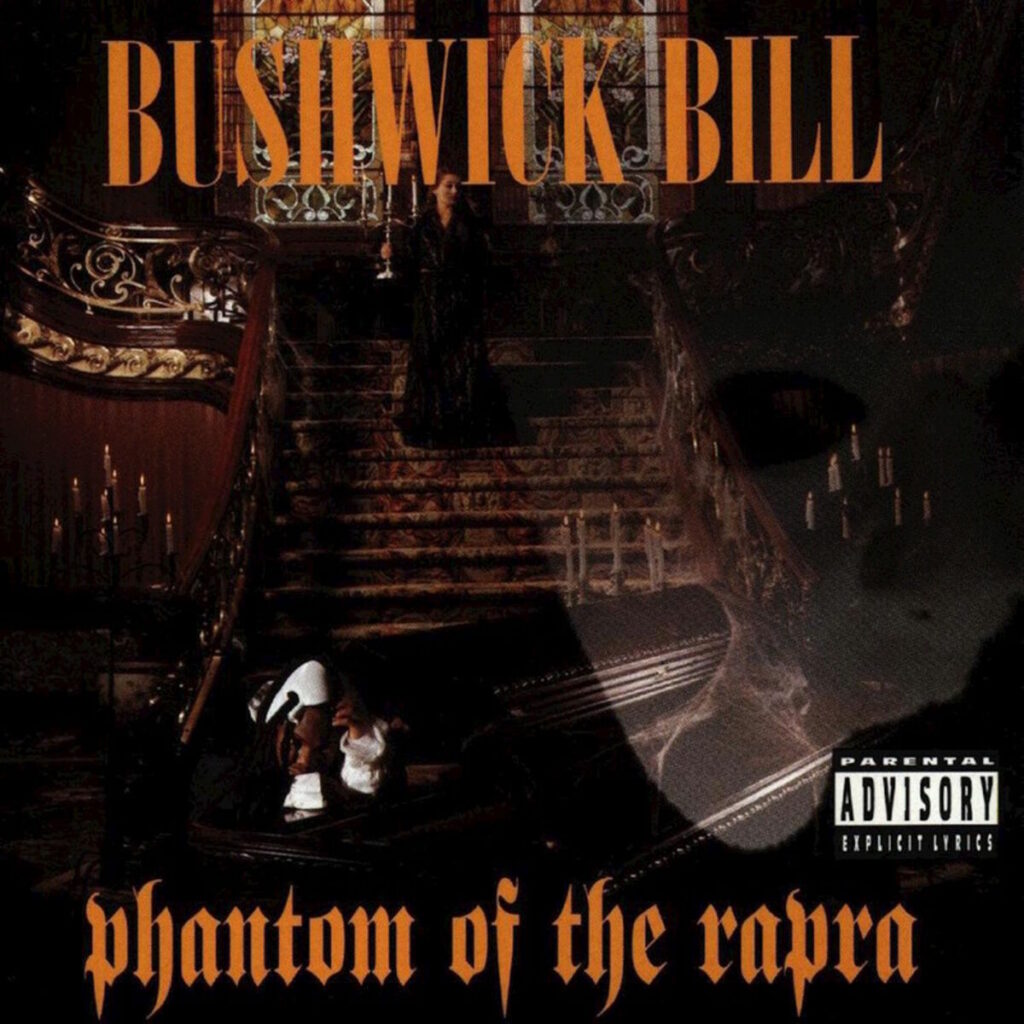
Phantom of the Rapra drifts through Bushwick Bill’s fractured consciousness like a fever dream—the smallest Geto Boy standing alone inside the noise he helped create. Released in 1995, the album reshapes his group’s notoriety into something stranger and more personal: horrorcore on the surface, confession underneath. Jamaica‑born but Houston‑hardened, Bill treats street life as grand tragedy, turning trauma into opera, where every violent flourish hides a sigh and every joke masks grief.
The journey begins theatrically. “Phantom’s Theme” introduces the concept through narration, likening the ghetto’s blood‑stained theater to high art’s spectacle. “Wha Cha Gonna Do?” explodes from there—gutturally loud and unhinged, suicidal panic painted over crunching drums and sinister guitar lines. Tracks like “The Bushwicken” and “Already Dead” revel in horror imagery, Bill’s twisted humor amplifying the grotesque while hinting at self‑destruction beneath the bravado.
Then the mask slips. “Times Is Hard” sways on gentle keys and lonely bass, a somber portrait of addiction and poverty. “Only God Knows,” built around Isaac Hayes samples, mourns mortality with startling tenderness. Even “Ex‑Girlfriend” folds heartbreak into regretful absurdity—a reminder that pain and parody often share the same breath. “Who’s the Biggest?” and “Mr. President” pull him back into aggression, the former a claustrophobic flex, the latter a fiery critique of hypocrisy and power, with guest 3D matching the intensity.
Production matches Bill’s volatility—jumping from hard‑hitting grooves to reflective interludes without warning. The tonal whiplash feels deliberate, reflecting a mind caught between street myth and self‑awareness.
In the end, Phantom of the Rapra transcends horrorcore shock for something rawer: a candid, chaotic self‑portrait. Equal parts sermon and sideshow, it captures Bushwick Bill at his most human—a Houston phantom laughing through the abyss, haunted by the echo of his own stage.
Insane Poetry - Blacc Plague (1996)

Blacc Plague reaffirms Insane Poetry’s place as one of horrorcore’s original architects. Released in 1996 through independent React Records, the Los Angeles crew—forming back in 1988 under frontman Psycho—followed their infamous debut Grim Reality with another unflinching descent into darkness. Their self‑branded “Terrifying Style” remains intact: rough, uncompromising, and utterly uninterested in mainstream validation.
Across forty‑one minutes, the record moves like a parade of nightmares. “Wrong Neck of da’ Woodz” sets the mood with regional intimidation and low‑riding gloom, while “Who Runs the Mutha Fucka” and “You Better Ask Somebody ’96” channel pure street aggression through barked cadences and sludgy drums. Tracks like “On Deadly Ground,” “Mr. Swine,” and “Niggaz Only Live to Die” steep the violence in fatalism, turning the grim pageantry of body counts into a meditation on doom. “Home of the Body Bagz” and “Killa’ Instinct” deliver escalating carnage, but moments such as “In the Mouth of Maddness” and “Mirror‑Mirror” push deeper—into paranoia, self‑reflection, and the creeping realization that monsters mirror their creators.
The production stays raw and skeletal: heavy drums, warped samples, scratched snippets of funk and fright, everything muffled by basement acoustics. That roughness becomes part of the appeal—it situates Blacc Plague squarely within L.A.’s underground, bridging gangsta realism and horror surrealism. Without major‑label polish, the music feels more like documentation than entertainment—each track a grim field report from rap’s shadowlands.
Commercial ambition died in label conflict, leaving Blacc Plague buried until its 2008 reissue through Grim Reality Entertainment reignited cult devotion. It never sought radio play or cinematic polish; its triumph is its purity. For this list’s lineage of darkness, Blacc Plague remains scripture—an obscure relic turned cornerstone, proof that horrorcore’s lifeblood has always pumped strongest on the margins.
Mobb Deep – Hell On Earth (1996)
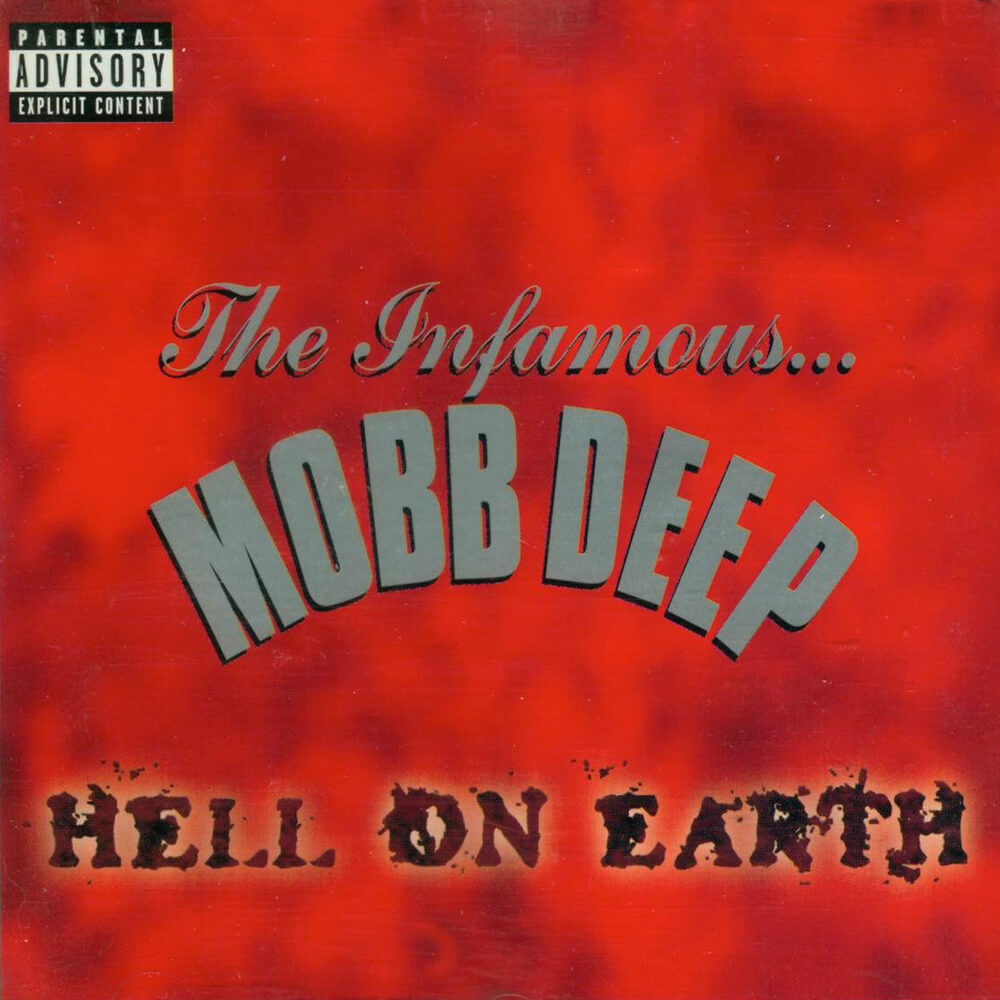
Hell on Earth tightens the noose first drawn by The Infamous, pushing Mobb Deep’s stark realism into something colder and more spectral. Released in 1996, the album transforms Queensbridge paranoia into total environment—a labyrinth of shadow, hum, and perpetual dread. Havoc and Prodigy sound locked inside their own world, transmitting dispatches from within it rather than performing for anyone outside. If The Infamous observed survival, Hell on Earth embodies it.
Havoc’s production strips away warmth until only menace remains: looping minor‑key pianos, distorted strings, and cavernous basslines over drums that land like heavy boots in empty stairwells. Each beat feels sculpted from silence, its simplicity amplifying unease. “G.O.D. Pt. III” drifts through hollows of reverb and regret, while the title track moves like machinery—steady, mechanical, unfeeling. “Drop a Gem on ’Em,” written ahead of 2Pac’s death and later clouded by it, turns aggression into uneasy premonition.
Lyrically, the duo refine their balance of fatalism and precision. Prodigy’s delivery, cold as winter metal, turns everyday paranoia into philosophy. Havoc counters with restrained aggression, grounding the fear in practical defiance. Together, they map a morality of vigilance—no mercy, no redemption, only rhythm and instinct. Guest appearances blend seamlessly into the darkness: Nas trades quiet menace on “Give It Up Fast,” Method Man ignites “Extortion,” and Raekwon extends Wu‑Tang’s smoky gravity on “Nighttime Vultures.” They orbit Mobb Deep’s void without dispelling it.
Across eighteen tracks, continuity becomes narrative—each song a dimly lit room connected by echo and exhaustion. The album offers no dramatic resolution, only endurance. Hell on Earth stands as Mobb Deep’s most uncompromising statement: stillness shaped into tension, fear turned architectural. It doesn’t document hell; it lives there, perfecting its grim music.
Dr. Octagon - Dr. Octagonocologyst (1996)
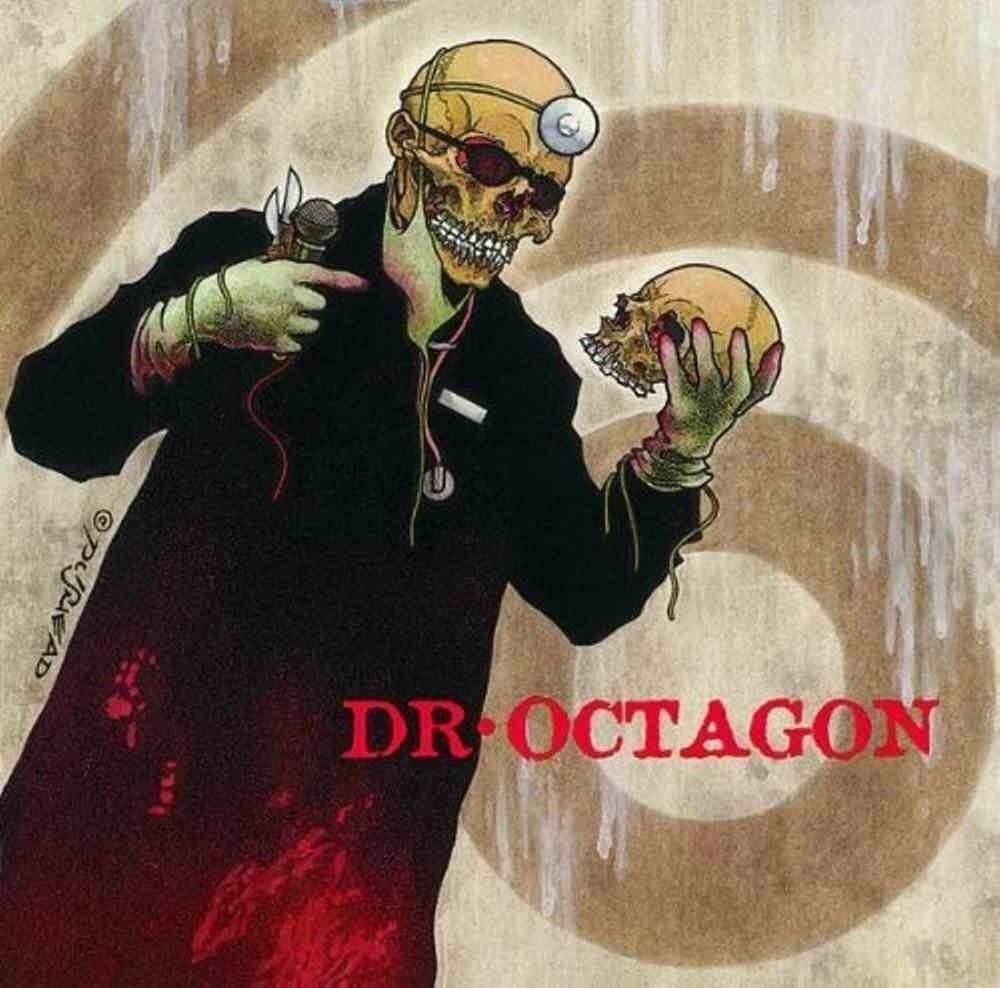
Dr. Octagon’s Dr. Octagonecologyst is Kool Keith’s magnum opus, a groundbreaking plunge into a bizarre universe where he embodies Dr. Octagon—a homicidal, hypersexual, time-traveling extraterrestrial gynecologist and surgeon with twisted ethics. This concept album crafts a surreal fever dream blending Hip Hop with horror, sci-fi, and dark comedy, rejecting mid-90s mainstream polish for radical experimentation that set new boundaries for the genre.
Dan The Automator’s production floats in eerie, spaced-out space, pulsing with alien synthesizers, haunting samples, and cinematic atmospheres like warped medical equipment or interdimensional transmissions. DJ Q-Bert’s dizzying scratches add chaotic texture, turning tracks into soundtracks of uneasy beauty—lush yet hollow, futuristic funk echoing abandoned operating rooms without straightforward hooks or formulaic beats.
Kool Keith commits fully to absurdity, unleashing stream-of-consciousness flows mixing medical jargon, sexual deviance, obscure references, and violent surrealism in rapid-fire, unpredictable delivery. His rhymes explode into hypnotic chaos—half-shark-alligator-half-man hybrids, supersonic bionic voodoo—disturbing yet fascinating, with humor masking menace. Skits, horror movie samples, and surgical noises maintain warped internal logic, never breaking character from opener “3000” to closer “1977,” tying fictional madness to Keith’s real Hip Hop roots alongside pioneers like Grandmaster Flash.
The result defies categorization, a timeless masterpiece as fresh today as in ’96, teaching Hip Hop needs no rules. It dares listeners into uncharted territory, proving underground creativity rivals any commercial hit. Essential for boundary-pushers.
Three 6 Mafia - Chapter. 2: World Domination (1997)
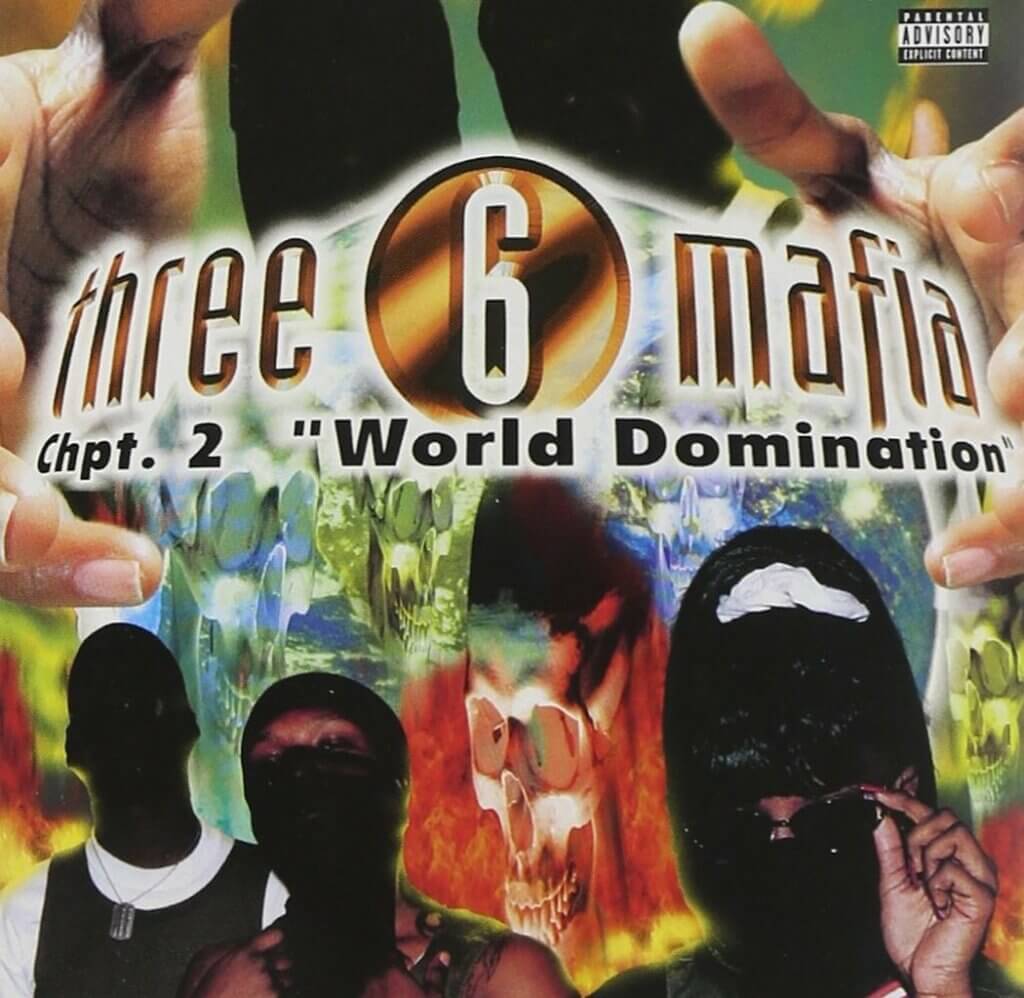
Chapter 2: World Domination roars like a victory lap through the fog of Memphis basements. In 1997, Three 6 Mafia transformed their underground ferocity into a national statement—an album that tightened their chaos without taming it. DJ Paul and Juicy J orchestrate mayhem with intention now, driving their horror‑laced sound toward broad impact while keeping it steeped in menace. It’s the moment where regional darkness found mass rhythm, where the South began rewriting Hip Hop’s center of gravity.
The production remains heavy and hypnotic: thick basslines, eerie synths, and ritualistic 808s pounding like club exorcisms. From the opening haze, the record grips with tangible tension. Old anthems like “Tear Da Club Up ’97” and “Late Nite Tip” return sharper, their smoky hooks reengineered for cohesion. “Hit A Muthafucka” detonates chaos into dance‑floor ignition, while “Weed Is Got Me High” and “Neighborhood Hoe” slide between dread and intoxicated tranquility. The pacing never relaxes—the shadows pulse even beneath the party lights.
As performers, Juicy J, DJ Paul, Gangsta Boo, Crunchy Black, Lord Infamous, and Koopsta Knicca fuse aggression and charisma into collective hypnosis. Their voices blur into chant, threat, and celebration all at once. Every verse feels contagious: laughter on the edge of violence, rhythm on the verge of riot. What began as unpolished horrorcore mystique now morphs into sleek intimidation—a trap prototype wrapped in gothic charm.
World Domination balances hellish intensity with club energy, distilling Three 6’s underground grit into something seismic. The sound still terrifies, but it also moves; every sinister line hides a demand to dance. In retrospect, the title feels prophetic. Memphis never softened—its darkness simply spread. This is the blueprint for Southern conquest: bass as weapon, fear as groove, and chaos finally learning to run the world.
DMX – It’s Dark and Hell Is Hot (1998)
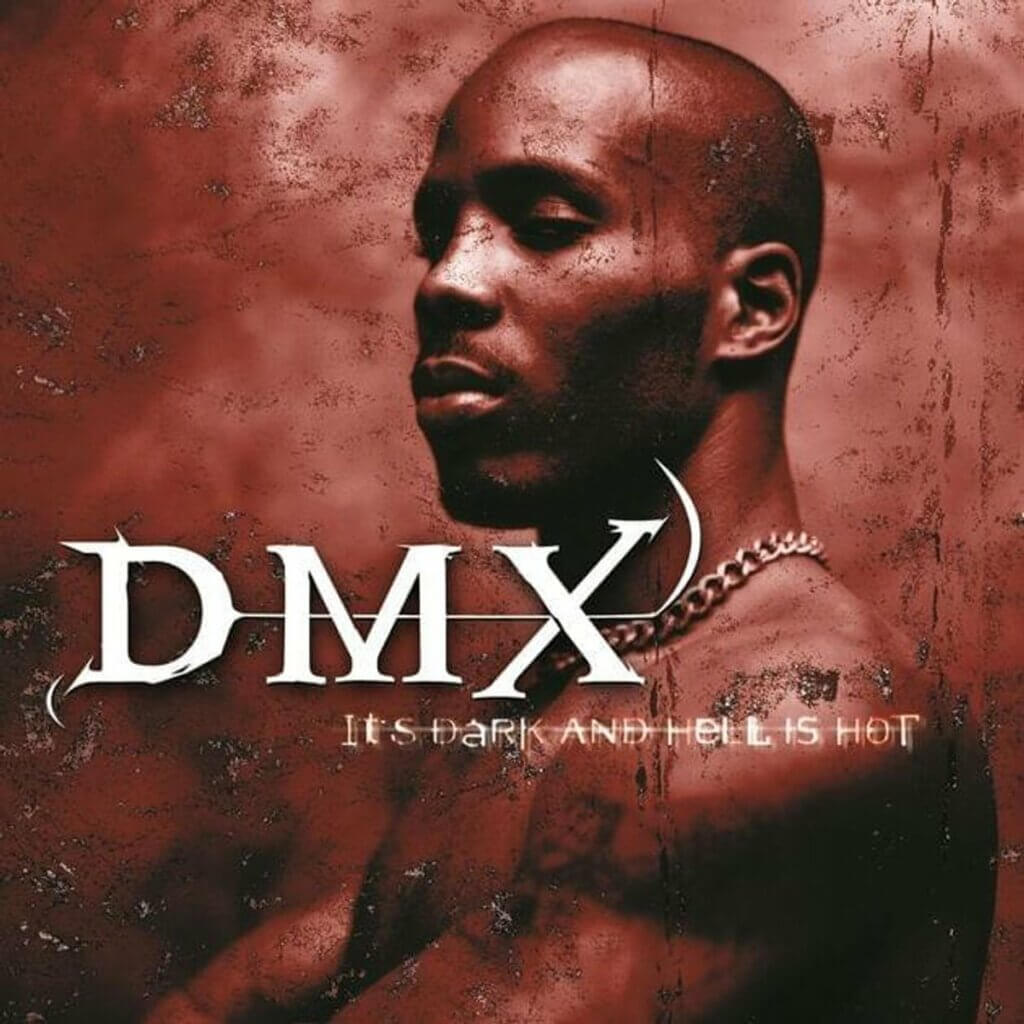
It’s Dark and Hell Is Hot is DMX’s explosive debut, spanning 19 tracks over 65 minutes of raw intensity. Released via Ruff Ryders and Def Jam, the album presents Earl Simmons’ gravelly delivery and inner turmoil—street survival clashing with spiritual pleas. Production from Swizz Beatz, Dame Grease, Irv Gotti, and P. Killer Trackz employs heavy bass, eerie samples, and driving rhythms to maintain a gritty atmosphere throughout.
Key tracks like “Ruff Ryders’ Anthem” and “Get at Me Dog” deliver high-energy anthems with barking hooks and pounding beats, capturing DMX’s aggressive edge. “How’s It Goin’ Down” slows into tense narratives, while “Damien” introduces darker, introspective elements. Skits such as “The Storm” and “Mickey” interrupt the flow, building pressure amid posse cuts and solo reflections. Guest spots from Ruff Ryders members and The LOX add crew solidarity to the proceedings.
DMX’s raspy flows shift between snarls, yelps, and confessions, revealing vulnerability beneath the bravado. Themes revolve around addiction, betrayal, loyalty, and fleeting redemption, conveyed with preacher-like fervor. Production balances club appeal with underground hardness, creating a pressure-filled environment that mirrors the artist’s duality. The album’s length sustains its heaviness without much relief, demanding full attention.
This release propelled DMX to prominence, blending hardcore grit with emotional depth. Tracks vary from explosive bangers to brooding confessions, held together by his commanding presence and mic control. Ruff Ryders’ energy permeates the sound, establishing a blueprint for early-2000s street Hip Hop.
It’s Dark and Hell Is Hot captures DMX at peak form: unfiltered aggression intertwined with personal struggle. Its dense execution and raw charisma make it a cornerstone of intense, era-defining work.
For this list’s foundational darkness, It’s Dark… captures X at fever pitch: a blood oath to survival’s shadows, where prayer and pistol grip hands. Essential bark from the abyss.
DMX – Flesh Of My Flesh Blood Of My Blood (1998)
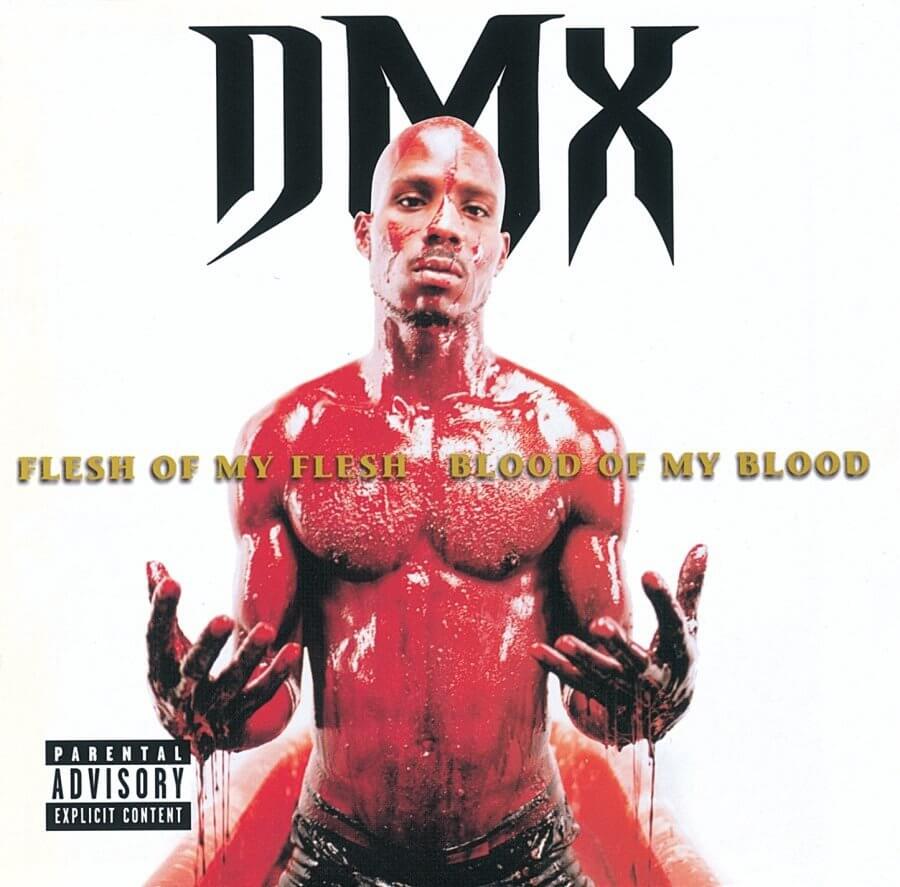
Flesh of My Flesh, Blood of My Blood picks up where It’s Dark and Hell Is Hot left off, but the triumph has curdled into despair. Released only seven months later, DMX’s sophomore effort pushes deeper into self‑interrogation—a 16‑track, 70‑minute odyssey where rage, faith, and exhaustion battle for control. Earl Simmons sounds less like a rapper than a man mid‑exorcism, his gravel voice breaking between confrontations with sin and fleeting moments of salvation.
Swizz Beatz, Irv Gotti, and P. Killer Trackz cloak his confessions in thunder: heavy drums, ominous choirs, and warped soul loops stretching tension across every measure. The sound is darker, thicker, tighter. “Slippin’,” the album’s emotional core, turns lament into resilience—its mournful strings underscoring addiction, trauma, and the fragile climb toward redemption. “Ready to Meet Him” casts DMX as spiritual conduit, praying through panic while orchestral swells mimic revelation. Elsewhere, “We Don’t Give a F**k” and “Blackout” erupt in posse fury, Ruff Ryders camaraderie countering solitude with adrenaline. Mary J. Blige’s appearance adds warmth; the rest of the guests orbit DMX’s gravitational anguish without softening it.
As lyricist and performer, DMX channels duality with feral command. He growls, prays, barks, and pleads—often within the same verse—stretching vulnerability until it feels militant. His writing wrestles with loyalty and loss, crime and conscience, addiction’s pull and faith’s exhaustion. Every confession lands as gospel born of street survival.
If the debut announced a new force, Flesh of My Flesh reveals the cost of that power. The confidence has collapsed into catharsis, the mania replaced by mortal awareness. It’s both continuation and reckoning: Ruff Ryders grit infused with biblical gravity. In DMX’s world, darkness isn’t metaphorical—it’s blood and spirit intertwined, howling its way toward grace.
Koopsta Knicca - Da Devil's Playground: Underground Solo (1999)

Koopsta Knicca, who passed away in 2015, left behind an unforgettable legacy within the Memphis rap scene. His solo debut Da Devil’s Playground: Underground Solo, released in 1999, offers a deep dive into the darker corners of Memphis Hip Hop. This album is particularly interesting as much of its material originates from 1994, before Three 6 Mafia, the group he was part of, achieved mainstream success. This context provides a glimpse into his early solo work and the development of his style within the broader Memphis sound. It’s a record with a specific atmosphere: thick, hazy, and imbued with a sense of unease. The production, primarily handled by DJ Paul and Juicy J, provides a consistent backdrop for Koopsta’s laid-back yet menacing delivery.
The music on Da Devil’s Playground has a hypnotic quality. The beats are often slow and drawn-out, with heavy bass and eerie samples creating a sense of dread. Tracks like “Torture Chamber” set this tone early, with a dark, almost cinematic feel. The music has a way of pulling the listener into its world, creating a feeling of immersion.
Koopsta’s rapping style is a key component of the album’s impact. He doesn’t rely on aggressive shouting or rapid-fire delivery. Instead, his flow is smooth and controlled, almost conversational. This approach makes the often-violent lyrics even more unsettling. He speaks about crime and the realities of street life with a detached coolness that adds to the overall sense of menace.
The album has a consistent mood, maintaining a dark and hazy atmosphere throughout its runtime. There are shifts in tempo and intensity, but the overall feeling remains. Tracks like “Smokin on a Junt” lean into a more relaxed, drug-influenced vibe, while others, like “Front a Busta,” have a harder edge. This variety within a consistent framework keeps the listening experience engaging.
While certain tracks, such as “Ready 2 Ride,” which features DJ Paul and Crunchy Black, have a sound closer to typical Three 6 Mafia material, much of Da Devil’s Playground has a distinct character. The combination of the slow, hypnotic beats and Koopsta’s distinct delivery makes it a notable entry in the Memphis Hip Hop catalog. It’s an album that offers a specific experience, a trip into a dark and often unsettling world, and a valuable look at Koopsta Knicca’s work before his wider recognition.
Dr. Dooom - First Come, First Served (1999)
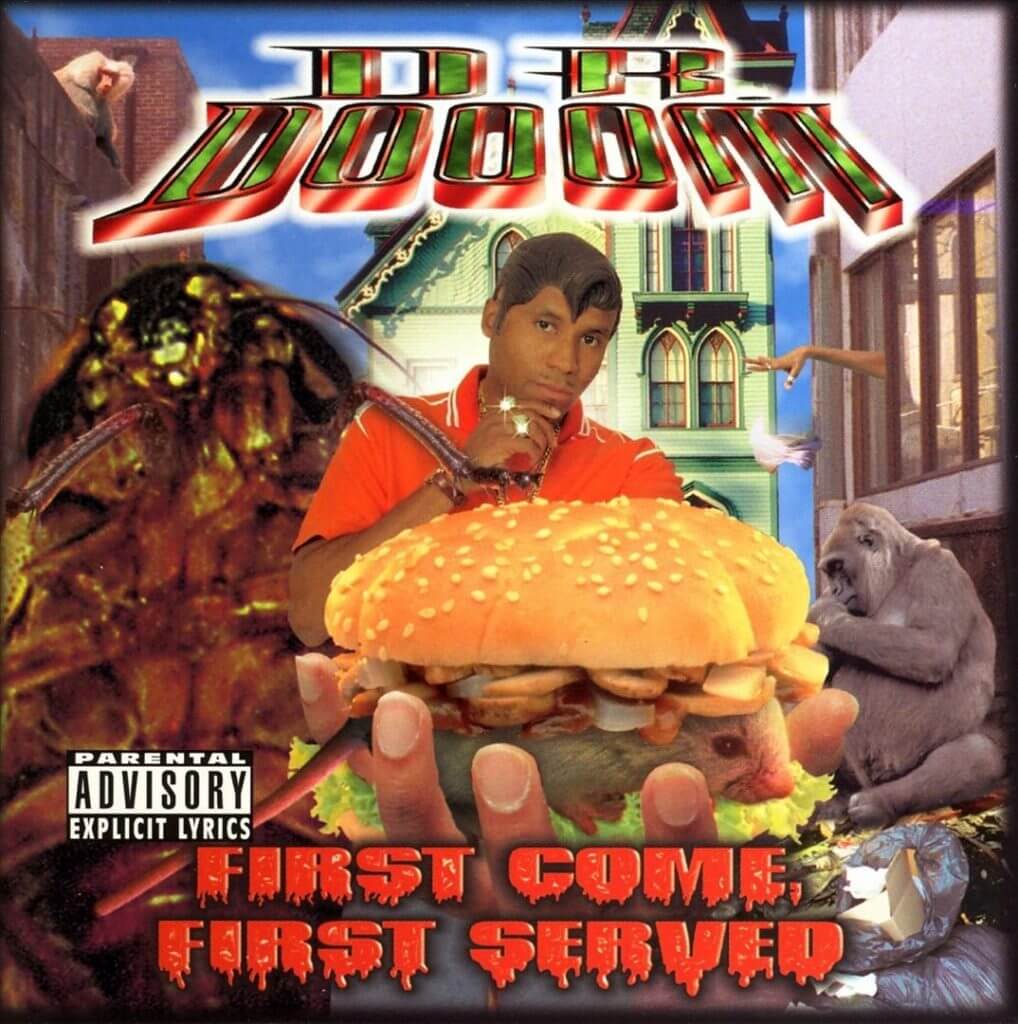
First Come, First Served is Kool Keith’s masterpiece of rejection and reinvention—a brutally funny, grotesquely vivid antidote to the fame that followed Dr. Octagonecologyst. From its first track, Keith kills off his sci‑fi alter ego and resurrects himself as Dr. Dooom: a Bronx landlord turned cannibalistic recluse, surrounded by roaches, paranoia, and creative freedom. It’s horrorcore taken literally and satirically at once, a descent into the basement where Keith always felt most alive.
Producer KutMasta Kurt outfits this world with minimalist grime: eerie keys, brittle snares, and skeletal funk loops that trap the listener inside crumbling apartment walls. There’s no neon polish here—only the humid claustrophobia of hallways lit by flickering bulbs. Every beat feels improvised from scavenged machinery, perfectly framing Keith’s deranged vignettes of body parts, busted fridges, and hallucinatory errands.
Keith’s performance borders on possession: muttering, barking, and snapping from topic to topic with manic precision. His verses dismember both genre and ego, railing against corporate rap complacency, fame fatigue, and artistic mediocrity. Beneath the absurdity lies genuine exasperation—a man overwhelmed by his own brilliance and suffocated by attention. Cuts like “Housing Authority” and “No Chorus” blend confession with carnage, while guest turns from Motion Man and Jacky Jasper momentarily stabilize the chaos without diluting it.
Even the packaging mocks the industry—its No Limit‑style cover a troll in jewel‑case form. What begins as parody becomes rebellion, a declaration that Kool Keith will answer only to his own delirium.
First Come, First Served remains essential Kool Keith: a grotesque carnival of murder, satire, and self‑liberation. In killing his old persona, he proved immortality through madness—Hip Hop’s strangest genius reveling in the joy of burning his own mythology down to bone and beat.
Mobb Deep – Murda Muzik (1999)

Murda Muzik arrived battle‑scarred—leaked early, delayed repeatedly, and still undiminished when it finally hit the streets in 1999. The fourth chapter in Mobb Deep’s saga expands Queensbridge’s mythology without softening it. Havoc and Prodigy remain trapped in survival mode, their gaze sharpened but weary, the shine of late‑’90s Hip Hop glinting just out of reach. What they deliver is war music disguised as elegy: seventy minutes of paranoia and poise, of armor cracking beneath weight.
Havoc’s production dictates the mood—icier and more cinematic than ever. Rolling basslines and brittle snares anchor haunted organ loops, while orchestral fragments hover like ghosts. His beats mix brutal precision with mournful space, each one a chamber of tension. The Alchemist provides complementary menace, his contributions adding metallic clarity to the grit. “Quiet Storm” and “It’s Mine” bridge hardcore ethos with radio reach; “Allustrious” and “Adrenaline” pulse with the familiar Mobb cadence, restless and hypnotic.
Lyrically, Prodigy and Havoc balance menace with reflection. Prodigy’s measured snarl and Havoc’s dead‑eyed calm give their verses the weight of lived prophecy: talk of gunplay, betrayal, addiction, and the numbing repetition of daily threat. Even moments of success sound haunted, as if fame only widened the battlefield. Songs like “Where Ya Heart At?” expose rare vulnerability beneath all that iron—mourning delivered in code, sorrow masked as strategy. Guests from Nas to Raekwon and Kool G Rap reinforce the lineage without diluting it; every voice shares the same fatal rhythm.
Despite label pressure and bootleg chaos, Murder Muzik emerged cohesive—a renewal, not retreat. It hardened the template for atmospheric street realism while hinting at grief’s quieter cost. In the end, Mobb Deep proved endurance could sound this bleak, this beautiful, and this completely uncompromised.
Eminem - The Marshall Mathers LP (2000)

Eminem’s The Marshall Mathers LP captures him in absolute prime, wedged between The Slim Shady LP and The Eminem Show as his definitive statement and centerpiece of that three-album run. Lyrically, this is where he becomes nearly untouchable: dense internal rhymes, shifting cadences, and a balance of dark humor, rage, and self-exposure that very few MCs have matched. The album became one of the best-selling and most debated Hip Hop releases ever, pushing him from rising star to global flashpoint.
Dr. Dre and company drape the record in cinematic, often ominous production that fits the subject matter: bleak pianos, tense strings, and hard drums framing Slim Shady’s outbursts and Marshall’s confessions. “The Real Slim Shady” offers the cartoonish, media-savaging side; “The Way I Am” is a snarling rejection of industry and fame pressure, written in response to label demands for a hit single. “Stan” sits at the center as the album’s emotional and conceptual anchor, a fully realized narrative about dangerous fandom that was so impactful it turned “stan” into dictionary shorthand for obsessive fans.
Elsewhere, songs like “Kim” push the domestic-violence narrative to its most disturbing extreme, while other cuts aim at pop culture, critics, and his own upbringing with a mix of comedy and venom. The graphic violence, homophobia, and misogyny sparked national debate and protests, making the record a cultural flashpoint even as critics hailed its technical brilliance.
Recorded quickly while he was still hungry to prove himself more MC than pop act, The Marshall Mathers LP sold millions in its first week, won Grammys, and is still the project by which every later Eminem album is measured. It remains his magnum opus: a dark, polarizing, and remarkably crafted look at fame, family, and fury.
Jedi Mind Tricks - Violent By Design (2000)
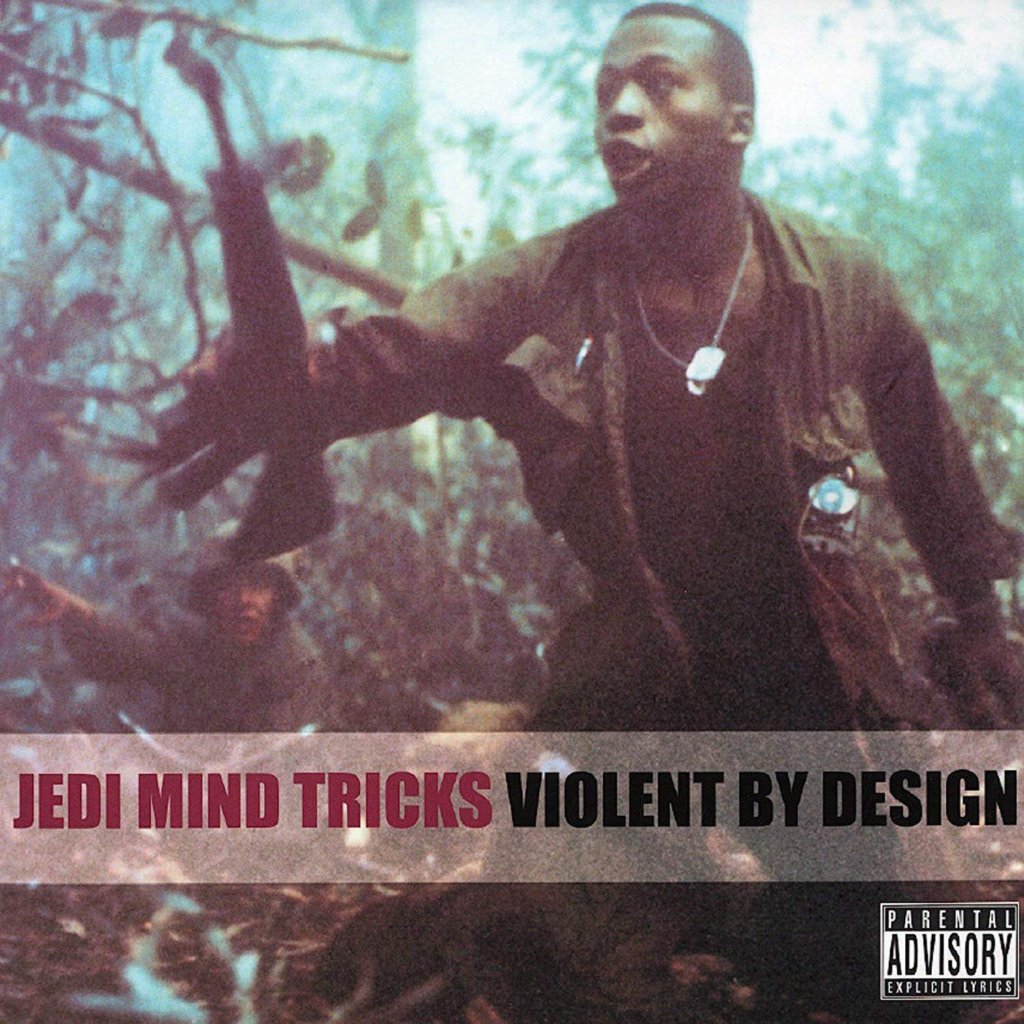
Jedi Mind Tricks’ Violent By Design is a defining moment in underground Hip Hop, where Philadelphia’s Vinnie Paz and Jus Allah deliver a raw exploration of occult paranoia, historical violence, and anti-imperial fury across 24 tracks. Stoupe the Enemy of Mankind provides the backbone with his shadowy, sample-heavy production, drawing from horror films, global cinema, and eclectic sources to create an unsettling yet captivating atmosphere that feels both ritualistic and immersive.
The production shines through diverse soundscapes: “Sacrifice” builds with swirling strings, precise scratches, and thunderous drums into one of Hip Hop’s most striking instrumentals, while “Heavenly Divine” layers haunting violins and vocal samples for emotional depth. Tracks like “The Deer Hunter” incorporate delicate harps alongside mournful wails, and “Blood Reign” adds uplifting guitar amid the chaos. These elements—spaghetti western whistles, Middle Eastern strings, ghostly cuts from Planet of the Apes and Antz—weave a cohesive sense of dread, influenced by RZA but distinctly Stoupe’s own vision.
Vinnie Paz and Jus Allah match this intensity with aggressive, intricate flows that shift from preacher-like rants to whispered threats. They tackle religion, government conspiracies, and medieval carnage with dense references to Crowley, ancient conquerors, and demons. “Retaliation” opens with hypnotic chopped voices and graphic slugs, “Contra” (feat. Killasha) pits pagan battles against Christ-like figures, and “Speech Cobras” (feat. Mr. Lif) cuts deep with lyrical precision. Standouts like “Death March” (feat. Esoteric, Virtuoso), “Genghis Khan” (feat. Tragedy Khadafi), and “I Against I” (feat. Planetary) expand the coven with guests such as Chief Kamachi and Louis Logic, maintaining energy without overshadowing the core duo.
Interludes like “Breath of God” and “The Prophecy” heighten tension, though the album’s length and lo-fi mixes can occasionally test patience. Even so, its unpolished 2000s hunger and intellectual savagery make it a dark Hip Hop cornerstone—eternally replayable for those drawn to Hip Hop’s darker paths.
Necro – I Need Drugs (2000)

Necro’s I Need Drugs is a cornerstone of underground horrorcore, a self-produced nightmare where the Brooklyn rapper unleashes his most depraved obsessions over grimy, sample-driven beats. Released on his own Psycho+Logical-Records, this 16-track compilation pulls together early singles, freestyles, and new cuts into an hour-long assault on the senses, fixating on addiction, ultraviolence, and sexual sadism. The title track—a grotesque flip of LL Cool J’s “I Need Love”—reimagines romance as a junkie’s lament, with Necro crooning about heroin highs and crackhouse despair amid pounding drums and eerie scratches. It’s peak Necro: shockingly literal, hilariously twisted, and thematically aligned with the dark Hip Hop canon of paranoia and self-destruction.
The production is Necro’s masterstroke, looping obscure horror flicks, ’70s soul, and metal riffs into claustrophobic soundscapes that amplify the lyrical gore. Tracks like “The Most Sadistic” (feat. brother Ill Bill) revel in decapitation fantasies and corpse desecration, delivered with machine-gun flows and guttural snarls. “Your F**king Head Split” lives up to its name with chainsaw imagery, while “Get on Your Knees” mixes misogynistic brutality with razor wit. “Cockroaches,” sampling Scarface, evokes roach-infested tenements and inevitable downfall. The infamous title-track video, featuring his real-life uncle injecting heroin, pushed boundaries further, cementing its cult notoriety and sparking debates on art versus exploitation.
Pacing dips in the back half, and the unrelenting nastiness can numb casual ears. Yet for horrorcore devotees—alongside Gravediggaz’s 6 Feet Deep or Brotha Lynch Hung’s Season of da Siccness—it’s revelatory, a blueprint for weaponizing rap as therapy-through-trauma.
In the broader list of 100 dark Hip Hop albums, I Need Drugs exemplifies addiction’s grip and horror’s catharsis, unapologetically nasty yet undeniably addictive. Necro doesn’t redeem or resolve; he revels in the filth, daring listeners to join the descent. Essential for those chasing Hip Hop’s shadows.
M.O.P. - Warriorz (2000)

Warriorz channels the unyielding intensity of Billy Danze and Lil’ Fame as they portray the harsh realities of Brownsville life across 19 tracks of hardcore aggression. The album stands apart from the era’s polished trends, embracing a raw street authenticity that prioritizes unrelenting energy over commercial appeal. This approach yields a sound centered on survival and pride, conveyed through powerful anthems that command attention without relying on melody or compromise.
The production forms a solid foundation of raw power, with contributions from key figures enhancing the album’s atmosphere. DJ Premier sets a commanding tone from the outset, blending heavy basslines with soulful elements that contrast sharply against the duo’s fierce delivery. DR Period brings a chaotic edge to standout moments, while Fizzy Womack—Lil’ Fame’s production alias—creates gritty, minimal backdrops reminiscent of Premier’s style, evoking a sense of impending confrontation. Additional work from Pete Rock, Buckwild, and Curt Cazal adds layers of dark funk and tension, such as the menacing reinterpretation of familiar samples that heighten the sense of danger.
Danze and Fame work in tandem, utilizing high-energy shouts and intricate wordplay to explore themes of neighborhood loyalty, family bonds, and disdain for adversaries. Their verses convey a duality—sharp lyrical skill paired with an air of constant threat—while guests like Tephlon reinforce the local perspective without shifting the focus. Even relatively smoother tracks maintain a rugged undercurrent, reflecting resilience amid hardship.
At 73 minutes, the album’s length occasionally leads to minor inconsistencies, such as tracks that feel slightly out of step with the dominant mood. Overall, however, it sustains a remarkable consistency, embodying M.O.P.’s warrior mindset of loyalty and endurance. Warriorz captures Hip Hop at its most visceral, a declaration from Brownsville that resonates through its sheer force and unapologetic stance.
Tech N9ne's - Anghellic (2001)
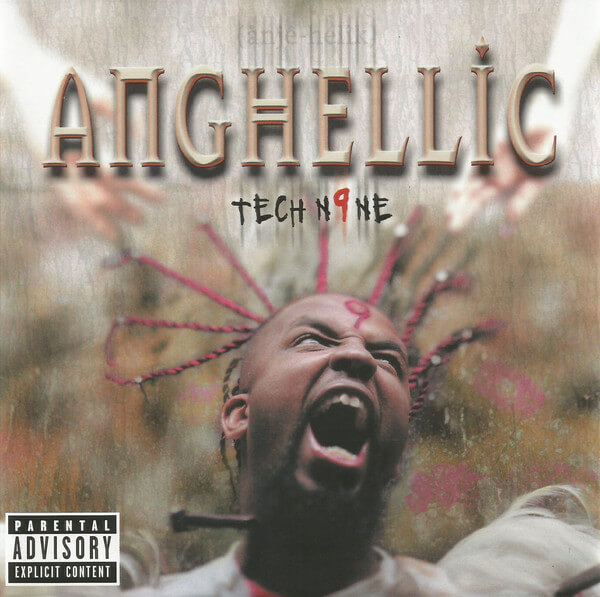
Tech N9ne’s Anghellic is a cornerstone of his catalog, the Kansas City rapper’s breakthrough that accelerated his fast-flow style into a gritty indie horrorcore force, laying groundwork for Strange Music’s rise. Released amid a label fallout—JCOR original swapped for the reissue—this third album spans dark introspection and raw energy, addressing abortion, suicide, religion, drugs, stalkers, and industry betrayals with commanding vocal clarity.
It opens strong with “Devil Boy,” setting an unrelenting tone echoed in horror-tinged “Psycho Bitch,” a fast-paced stalker tale over chilling beats, and the deeply personal “Suicide Letters,” mapping torment through Tech’s headspace. “Tormented” pits conscience against present turmoil, “F.T.I.” rails against the industry with forehead-defying controversy, while standouts like “Breathe,” “Einstein,” “This Ring,” and “Going Bad” showcase vocal range—opera flourishes, low growls, melodic shifts, drum-n-bass pulses in “It’s Alive.”
Production blends Midwestern hardcore with progressive oddities: intricate loops, Halloween samples, rock edges keeping each track distinct, ensuring the long runtime flows without monotony. Themes mix party anthems and KC pride with heavy depths, like mother’s loss fueling emotional weight—personal struggles far beyond most rappers’ comfort zones.
Skits occasionally overstay, and lighter party tracks pale beside the introspective peaks, yet Tech’s versatility—clear enunciation, anger’s intensity—drives high replay value, rewarding full-album listens over skips. Not ideal for newcomers, but a fan favorite for its raw aggression and sonic diversity.
Anghellic captures Tech’s uniqueness in flow, beats, and themes, a solid underground classic bridging dark heart to commercial edge. Essential for Midwest rap’s shadowed evolution.
Cannibal Ox – The Cold Vein (2001)
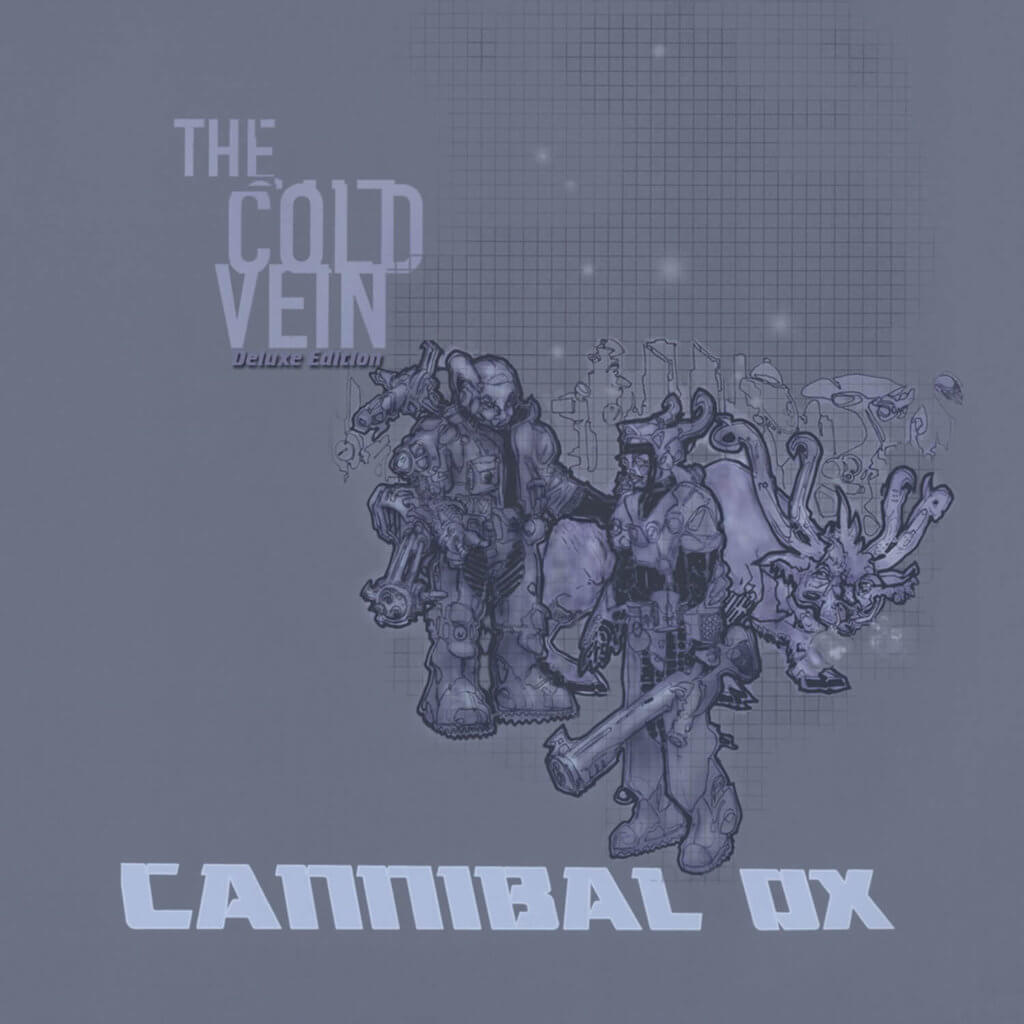
Few Hip Hop albums capture urban isolation with the scope and precision of The Cold Vein. Released in 2001, Cannibal Ox’s debut feels less like a record than a dispatch from a frozen dystopia. El-P’s production imagines New York City as a metallic organism—alive, decaying, and endlessly humming—while Vast Aire and Vordul Mega move through its veins like haunted narrators, reporting from a future that feels frighteningly near.
“Iron Galaxy” opens like machinery coming back online, metallic percussion clanging against vaporous synths. The duo’s verses twist through abstract meditations on survival and technology, their poetics cold yet deeply human. They sound detached, even alienated, but their distance cuts deeper than rage—it’s the exhaustion of living in endless winter. On “Pigeon,” that ice cracks. Vordul turns inward, delivering one of the era’s most quietly devastating performances, his voice trembling between stoicism and surrender while El-P’s beat pulses like a dying circuit.
Throughout the album, El-P constructs soundscapes that feel mechanical yet mournful. His production fuses industrial grit with moments of eerie beauty—glitched strings, low-end drones, and static bursts that mimic a city’s electrical heartbeat. Tracks like “Raspberry Fields” and “Ridiculoid” embody tension as architecture, each bar echoing off invisible skyscrapers in a city that’s collapsing under its own gravity.
What makes The Cold Vein so disturbing isn’t just its atmosphere—it’s the precision of its despair. Vast and Vordul render the apocalypse not as spectacle but as routine: poverty, alienation, the dull ache of being forgotten. The record turns ruin into poetry, machinery into memory. Two decades later, its temperature hasn’t risen a degree. In the chill of its sound, The Cold Vein remains Hip Hop’s most haunting vision of a world already ending.
Necro - Gory Days (2001)

Gory Days marks Necro’s refined plunge into death rap, a self-produced horrorcore pinnacle blending hip-hop grit with death metal savagery across 14 tracks of unrelenting gore, serial-killer fantasies, and satanic menace. Following the raw basement shock of I Need Drugs, this sophomore polishes the depravity into cinematic boom-bap—sinister piano loops, bombastic horns, and distorted samples evoking triumphant brutality. Necro’s vision repulses and captivates, cementing his underground notoriety with polarizing extremity that repays the daring.
Production shines as Necro’s forte: dusty East Coast knocks laced with horror-film flair. “Bury You With Satan” remixes classics into head-nodding evil, while “Dead Body Disposal”—infamously dissected by Complex and XXL as rap’s most violent tutorial—guides corpse dismantling with clinical menace. “Morbid” launches singles amid graphic excess, “Circle of Tyrants” unites Ill Bill, Goretex, and Mr. Hyde in posse ferocity, and “Light My Fire” ignites with warped heat. Beats pulse celebratory amid the slaughter, accessible yet unyielding.
Lyrically, shock overload reigns: necrophilia nods, misogynistic barbs, and unapologetic offensiveness in “Scalpel,” “You’re All Dying,” and “All Hotties Eat the Jizz.” Dark humor threads the sadism—designed to thrill through repulsion, not introspection. Flows sharpen over the debut’s chaos, though some mourn its unhinged spark; later works like The Pre-Fix for Death veer more metallic.
This blueprint influences Ghostemane and $uicideboy$, proving extreme Hip Hop’s viability—Necro’s fastest seller at release. For the list’s horrorcore heart, Gory Days endures as dense, disturbing essential: play loud in shadows if stomach holds, a sadistic feast where polish amplifies the abyss.
Cage - Movies For The Blind (2002)

Movies For The Blind unfolds like a snuff reel from Cage’s fractured mind, raw documentation of institutional horror, PCP psychosis, and suicidal collapse. This debut plunges into the emcee’s institutional past—Stoney Lodge experiments, childhood trauma, chemical detachment—with verses that weaponize confession against silence. Production from Mighty Mi, El-P, RJD2, Necro, and J-Zone frames the madness in boom-bap grit: cold snares on “Morning Dips,” warped synths on “Holdin a Jar 2,” dusty swings on “In Stoney Lodge.”
Cage’s delivery snarls through vivid decay. “Agent Orange” erupts in clipped frenzy over Necro’s claustrophobic loop, blending dark comedy with infanticide visions. “Escape to ’88” jumps jagged guitars for erratic boasts laced with regret, while “A Suicidal Failure” strips to bare beats, voice steady amid overdose recount. “Among the Sleep” drifts dreamlike on RJD2’s pulse, mirroring dissociation’s haze. Childhood standoffs, maggot-eyed corpses, lung hairs as dying children—imagery lands unfiltered, horrorcore laced with autobiography.
The album thrives on instability: punchlines twist into pathology, bravado crumbles into vulnerability. No track seeks redemption; survival mocks itself in lines like waking from hospital beds with grim relief. Guests amplify without diluting—Cage dominates, his flow a battle-rap scar turned therapy.
Movies For The Blind rejects polish for potency, turning personal abyss into communal unease. Beats never eclipse the voice; they amplify its twitch. Decades on, the record retains visceral punch—a landmark where underground confession meets cinematic dread, proving Cage’s singular descent demands witness.
Sage Francis - Personal Journals (2002)

Personal Journals exposes the raw underbelly of self-examination, where Sage Francis dissects childhood scars, fractured family bonds, and obsessive love with surgical candor. Drawing from spoken word roots, this Anticon cornerstone transforms vulnerability into verbal weaponry—introspective confessionals over lo-fi beats that pulse like anxious heartbeats. Production from Joe Beats, Jel, Sixtoo, and Odd Nosdam crafts moody, claustrophobic soundscapes: throbbing bass on “Different,” hypnotic hand drums on “Buckets of Silence,” piano glides on “Broken Wings.”
Francis navigates personal wreckage without bravado. “Eviction Notice” evokes a child cowering under the bed amid parental fights, Odd Nosdam’s eerie haze amplifying domestic dread. “Inherited Scars” confronts his sister’s self-harm, grappling with absent-father guilt in verses that blur blame and helplessness. Love twists into pathology on “Specialist” and “Pitchers of Silence,” frantic wordplay painting rejection as shark-infested obsession—”slow self-esteem engine in need of a whore’s power.” Even humor surfaces darkly, like the sub-karaoke “Turn the Page” cover, voice straining through mockery and menace.
The album rejects hip hop machismo for emotional archaeology. Tracks like “Crack Pipes” and “Climb Trees” layer abstract poetry with battle-rap precision, revealing a straight-edge vegetarian haunted by inherited trauma. No redemption bows; resolution evades, leaving listeners in the hall of mirrors Francis promises to illuminate but never fully maps.
At its core, Personal Journals thrives on unflinching honesty—family dysfunction, romantic abuse, identity flux—delivered with intellectual ferocity. Sage emerges not as hero but fractured witness, his flow a bridge between poetry slam intensity and underground grit. This record lingers like unearthed journals, dense with unease and reluctant catharsis.
Dälek – From Filthy Tongue Of Gods And Griots (2002)
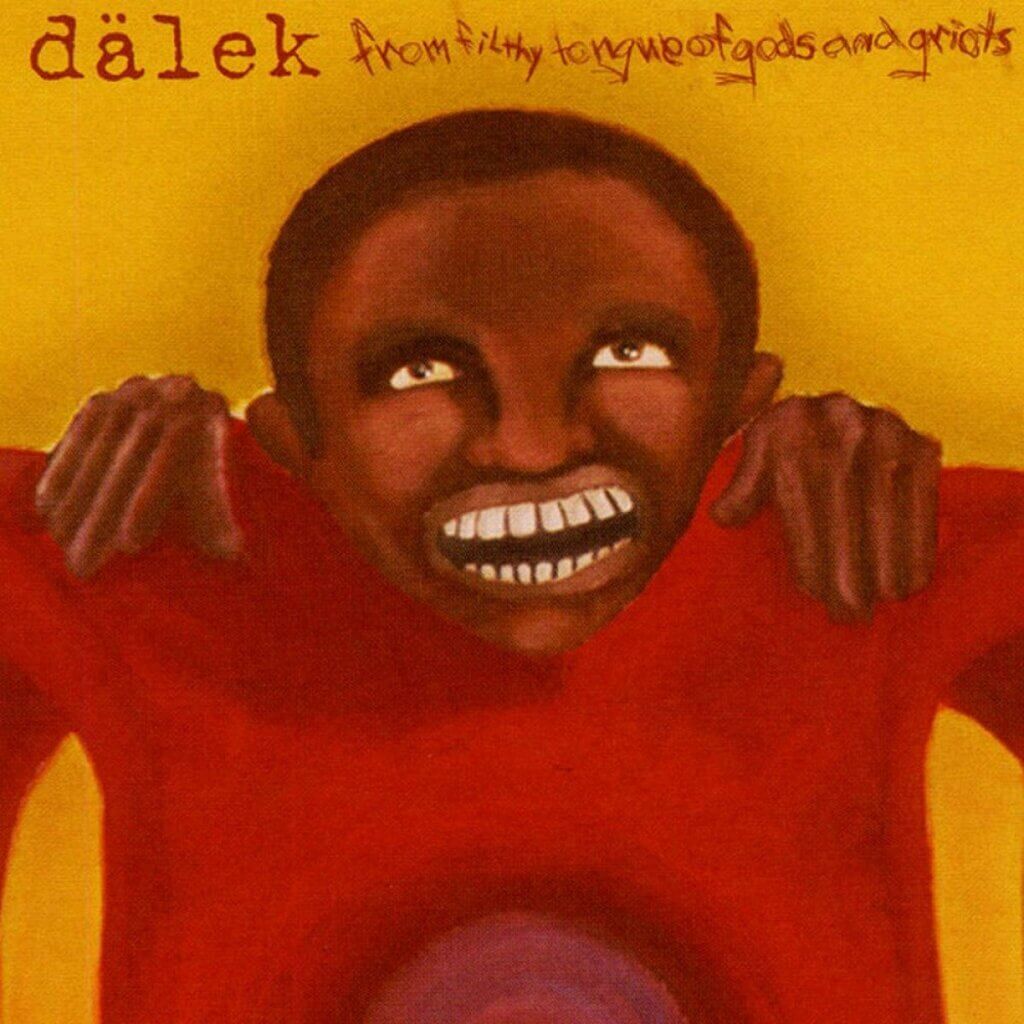
From Filthy Tongue of Gods and Griots sounds like the end of the world transmitted through a busted radio tower. Released in 2002, Dälek’s second record fused industrial wreckage with bruised poetics, transforming Hip Hop into something vast, oppressive, and strangely devotional. MC Dälek, Oktopus, and DJ Still didn’t make songs so much as monuments—towering slabs of noise and rhythm built from static, distortion, and dissent.
The opening track, “Spiritual Healing,” sets the scene in smoke and chaos: sirens spiral, drums crumble, and Dälek’s voice emerges like a prophet shouting through electrical storms. His delivery—slow, deliberate, incantatory—feels sculpted from concrete. But beneath the monotone lies something urgent, even holy. These are verses about corruption, decay, and resistance, not screamed but endured. Tracks like “Classical Homicide” twist boom-bap foundations into seismic noise, while “Forever Close My Eyes” drifts into near-spiritual abstraction. Amid the wreckage, sitars hum, organs swell, and silence itself becomes a percussive element.
Oktopus’s production is suffocating by design. The beats pulse like machinery malfunctioning under its own gravity, weaving in textures reminiscent of krautrock and post-rock. Every sound fights for equilibrium—beauty struggling against feedback, melody dissolving into ruin. The result is hypnotic, like standing in the middle of a collapsing factory and finding rhythm in the fall.
“Black Smoke Rises,” the album’s sprawling finale, pushes this tension to its limit—twelve minutes of collapse and ascension, where harmony flickers just long enough to remind you what was lost. From Filthy Tongue of Gods and Griots isn’t simply experimental; it’s existential. Dälek crafted a soundtrack for cities eroding from within, for faith tested by noise. Few Hip Hop records have sounded this apocalyptic—or this alive.
Non Phixion – The Future Is Now (2002)
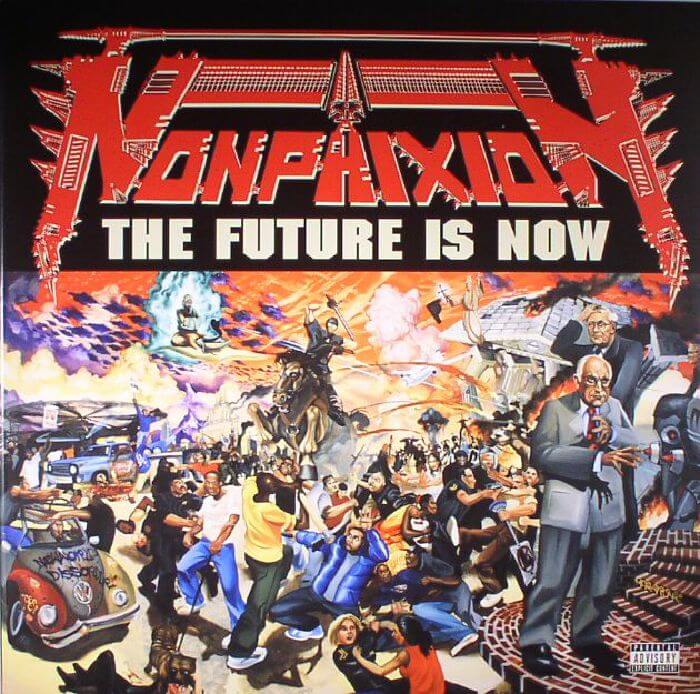
The Future Is Now feels like a transmission from Hip Hop’s bunker—Brooklyn underground fire sharpened into apocalyptic prophecy. Released in 2002, Non Phixion’s long‑awaited debut captures a world teetering between millennium paranoia and street fatalism. Ill Bill, Goretex, and Sabac Red weaponize grime and intellect, wrapping conspiracy, theology, and chaos into one of the era’s most complete underground documents.
The production roster reads like a cipher super‑team. DJ Premier’s surgical scratches ignite “Rock Stars” into militant energy; Pete Rock swaps his trademark horns for minor‑key menace on “If You Got Love.” Large Professor brings The Infamous edge to “Drug Music,” while Necro—Ill Bill’s brother—steers the album’s darker pulse with “Futurama” and the morbid “The C.I.A. Is Trying to Kill Me.” Beats blur mid‑’90s boom‑bap with dystopian futurism, incorporating scratches, warped samples, and industrial undertones. The result is vivid yet unstable—a world in mechanical decay.
Lyrically, the trio thrives on collision. Ill Bill’s barked rationalism, Goretex’s nihilist sneer, and Sabac’s dense polemics intertwine like three vantage points on the same collapsing city. “Black Helicopters” and “The C.I.A.” spiral through surveillance nightmares; “Cult Leader” flips messiah complexes into satire; “Say Goodbye to Yesterday” finds rare introspection among ashes. MF DOOM’s verse on “Strange Universe” widens the cosmos, grounding Non Phixion’s madness in poetic orbit.
Their chemistry keeps ideology kinetic—part street sermon, part mosh‑pit manifesto. Misogyny and excess sometimes blur politics into pulp, but the conviction never wavers. The Future Is Now channels fear and fury with intellectual voltage, turning underground urgency into countercultural scripture.
Two decades on, it remains a crucial outlier—an unfiltered artifact of post‑9/11 dread and boom‑bap devotion. Non Phixion didn’t predict the future so much as narrate it: corrupt, digital, godless—and still thumping through torn speaker wires.
El-P - Fantastic Damage (2002)
Fantastic Damage is the sound of a world short-circuiting. El-P’s debut solo album takes the rubble of late capitalism and molds it into something jagged, metallic, and feverishly alive. Released in 2002, it stands as both prophecy and postmortem—a blueprint for the sound of collapse. Every drum hit lands like machinery malfunctioning; every synth groans like a city coming apart at its seams. It’s abrasive by design, thrilling in its hostility, and eerily accurate in its despair.
The opener, “Fantastic Damage,” lays out El-P’s vision with surgical chaos—synths scream, snares ricochet, and the rapper’s voice cuts through like rusted wire. Across the record, El-P builds an architecture of noise where paranoia becomes a rhythm and anxiety becomes scripture. “Deep Space 9mm” fuses noir cynicism with science-fiction dread, his rhymes dense and overflowing, delivered with the urgency of a man broadcasting from inside the machine. “Tuned Mass Damper” deals in entropy—repetition, collision, exhaustion—its beat grinding forward like industrial machinery chewing on its own bolts.
Lyrically, Fantastic Damage is as impenetrable as it is vivid. El-P’s verses jam technological paranoia beside human frailty, crafting an image of a society that’s mechanized its own decay. His cadence is relentless; words tumble like debris in a digital storm, binding apocalyptic critique to human pain. He’s not just rapping about ruin—he’s rapping from within it.
Produced entirely by El-P, the album’s claustrophobic sonics fuse live instrumentation with samples that squeal, crack, and refract under pressure. It’s Hip Hop as warning flare, equal parts philosophy and panic attack. Fantastic Damage wasn’t ahead of its time—it revealed the time we were already living in. Two decades later, its grim pulse still sounds freshly scorched.
Atmosphere – God Loves Ugly (2002)
Atmosphere’s God Loves Ugly seethes with a suffocating mood of frustration, anger, and raw pain, Slug’s Midwest confessional fury excavating self-loathing and fleeting love across its runtime, perfectly suiting this list’s depressive core.
At the venomous heart lies “F*@k You Lucy,” Slug’s extended tirade against “Lucy”—an allegory for his drug addictions that gripped him relentlessly, the inability to forge meaningful relationships that left him isolated, and the demonization of women in his orbit who became symbols of betrayal. Some hear Hip Hop itself in Lucy’s shadow, a love-hate industry trap sucking vitality dry, its ambiguity inviting listeners to overlay their own addictions or vices. The track boils over five minutes of cathartic rage, frustration exploding into a primal scream against life’s destructive forces, pain so visceral it universalizes personal hell.
This centerpiece amplifies the album’s overarching torment, Slug wielding narrative scalpel as playground philosopher meets barstool prophet, unpacking everyman struggles—addiction’s insidious creep, love’s inevitable bruise, doubt’s grinding weight—without tidy redemption or false hope. His charisma transforms diary confessions into shadowed catharsis, charisma drawing listeners into the void alongside Ant’s soul-chopped loops that cradle the wounds from the outset.
For this list’s depressive core, God Loves Ugly humanizes the abyss—Hip Hop therapy stripped naked, where ugliness begs grace it never finds. Essential mirror to the soul’s quiet wars.
Goretex – The Art Of Dying (2004)

The Art of Dying arrives from the murky world of Non Phixion as Goretex’s solo statement, a 19-track horrorcore journey through violence, occult mysteries, street hardships, and personal catharsis, all shaped by Necro’s unwavering production. Released on Psycho+Logical-Records in 2004, this 46-minute effort captures the essence of underground darkness with dusty boom-bap foundations, haunting synth lines, subtle piano echoes, and steady drum pulses that evoke a sense of ritual. Goretex’s distinctive nasal delivery ties it together, revealing his role as the steady force behind his group’s intensity, now fully unleashed on his own terms.
Necro’s contributions stand out as some of his most cohesive work, providing a cinematic backdrop that complements the lyrical weight. The title track unfolds with symphonic tension, painting scenes of desperation like crushed dreams amid drug haze and hidden predators. “Pigmartyr” dives into visceral horror, while “Born of Fire” reflects quietly on survival’s chill and betrayals from those closest. Collaborations add layers—”Blessed Are the Sick” brings Necro’s presence with hard-edged rock influences, and “The Virtual Goat” features Ill Bill over menacing strings. Even lighter moments like “Celebrity Roast” blend sharp satire with cultural decay, from faded stars to infamous crimes, mixing fact with myth in a way that provokes thought.
Goretex’s words carry a mix of cleverness and raw edge, pondering life’s enigmas while grappling with addiction, loss, and unseen forces at play. Tracks explore conspiracy-laced rage and emotional freezes born from poverty, offering release through their unflinching gaze. Though short interludes slightly dilute the runtime and some beats fall short of Necro’s absolute peaks, Goretex’s command holds firm.
In the realm of dense, disturbing Hip Hop, The Art of Dying remains a hidden treasure of the 2000s—witty yet profoundly grim, a testament to dying as craft amid profane realities.
Leak Bros. - Waterworld (2004)
Waterworld plunges into the hallucinatory abyss of PCP addiction, a dissociative drug that warps reality into something cold, mechanical, and merciless. Cage Kennylz and Tame One, united as Leak Bros, document its grip with unflinching detail—dipping blunts in embalming fluid-laced “leak,” chasing numbness through psychotic episodes and near-death spirals. This one-off collaboration captures two scarred survivors trading verses like confessions from a submerged nightmare.
Production draws from the early-2000s underground elite: Camu Tao’s gravelly guitars on “Got Wet,” J-Zone’s quirky chops on “G.O.D.,” El-P’s dystopian bass on “Submerged.” Beats pulse with menace—gothic organs, skittering samples, dirge-like riffs—mirroring the drug’s lilliputian distortions and out-of-body detachment. The sound evokes a flooded city at dusk, where every loop feels like lungs filling with fluid.
Cage’s verses dissect personal trauma: childhood beatings, institutional Prozac experiments, suicidal ideation turned rap fuel. His flow snarls through surreal imagery—”hairs in my lungs are my dying kids”—blending bravado with vulnerability, as if exhaling damned souls. Tame One counters with acrobatic precision, graffiti-rooted wordplay, and harrowing narratives like visiting his ex in a psych ward, her mind shattered by “purple rain,” twitching behind glass under Thorazine restraint. Their chemistry thrives on contrast: Cage’s raw psychosis against Tame’s rhythmic menace.
The album revels in addiction’s paradox—euphoria masking annihilation—without romanticizing it. Tracks like “See Thru” and “Stargate” personify death as companion, while “Druggie Fresh” twists nursery rhymes into strung-out absurdity. Waterworld endures as Hip Hop’s starkest dissociative odyssey, a concept album of mental prisons and chemical floods. Its horror lies in authenticity: no redemption, just the relentless drip of survival.
Dälek - Absence (2005)
Absence opens like a rupture—an immense wall of distortion collapsing into rhythm, defying any clear boundary between Hip Hop, noise, and industrial sound design. On their third album, the New Jersey trio Dälek, Oktopus, and Still push experimental Hip Hop to its extreme edges, transforming minimal beats into cathedrals of static. The result isn’t chaos for its own sake, but a sculpted dissonance: noise rendered with purpose, unease built into architecture.
Every layer feels alive with pressure. Oktopus’s production folds feedback, drones, and feedback loops into dense crescendos that swallow silence whole. Metallic tones grind against buried breaks, while ghostly scratches slice through like coded distress signals. It’s music that shifts constantly between trance and collapse—each squall of noise subtly aligned to rhythm until the mix moves like machinery breathing. Compared to the denser …From Filthy Tongues of Gods and Griots, Absence feels somehow clearer: just as brutal, but sharper in detail.
MC Dälek’s voice cuts through that sound storm like sermon and siren at once. His flow is deliberate, the baritone steady, the message uncompromising. He raps about isolation, addiction, political rot, and the death of authenticity within Hip Hop itself, his tone more weary philosopher than agitator. His vocals—half‑submerged in distortion—suggest that clarity is not comfort; meaning must be dug out of noise like truth from rubble.
No love songs, no gloss, no respite. Absence exists as protest and reflection, a record that demands attention as both endurance test and reward. It’s heavy without mess, cerebral without distance—music built to confront despair until it reveals something almost spiritual beneath the static. In noise, Dälek finds revelation, making Absence a cornerstone of sound as confrontation: abrasive, relentless, illuminating.
Circle Of Tyrants - The Circle Of Tyrants (2005)
Circle Of Tyrants brings together Necro, Ill Bill, Goretex, and Mr. Hyde for a singular horrorcore project, expanding on the intense posse cut from Necro’s earlier Gory Days into 13 tracks of unrelenting death rap. Released on Psycho+Logical-Records, the album immerses listeners in graphic violence, occult themes, serial-killer imagery, and cinematic samples drawn from films like American Psycho and The Shining, all supported by Necro’s ritualistic boom-bap production. It offers no compromises for mainstream appeal, delivering a raw, underground experience suited to those drawn to the genre’s darker edges.
Necro handles the entire production, creating a varied yet cohesive sound through distorted guitars, swelling horror synths, and pounding drums that evoke an apocalyptic atmosphere. Tracks unfold with gritty intensity, from cannibalistic frenzy and Ennio Morricone-inspired bass lines to Slayer nods delivered at double speed over slower beats. Organ-driven tension and metal-infused detours with Sepultura guests add layers of overkill, though these elements can divide opinions while fitting the overall mood of bloodlust.
The four members deliver raw, aggressive bars centered on drugs, murder, sex, and slaughter, blending repulsion with a sense of thrill. Ill Bill and Goretex offer some of their strongest verses, Hyde brings a guttural edge, and Necro directs the chaos with precision. The themes revolve around death and depravity in familiar patterns, echoing Non Phixion’s paranoia but filtered through Necro’s gore-focused lens, resulting in dense and offensive content without much novelty.
Fans regard it as a high point in death rap, rawer than many solo efforts and more focused than some horrorcore predecessors. While the metal experiments and repetitive lyrics may not appeal to everyone, the album’s tight cohesion holds strong. For this list’s exploration of disturbing Hip Hop, Circle Of Tyrants is a key underground ritual—brutal and immersive, where the group’s collective menace rides into an enduring abyss.
Cage - Hell's Winter (2005)
Hell’s Winter reveals the layers beneath Cage’s chaotic persona, presenting a somber examination of childhood trauma and the enduring hold of addiction. As his second album on Def Jux, it moves away from the frenetic energy of Movies For The Blind toward a more introspective analysis, where personal pain shapes the structure of each track. The production draws from collaborators like El-P, RJD2, Blockhead, and Camu Tao, creating a dense soundscape of metallic edges, drifting pianos, warped strings, and clipped rhythms that enclose the listener much like the confines of a troubled mind.
The album opens with reflections on family struggles, where mournful loops accompany hushed accounts of a parent lost to heroin, a child stepping into impossible roles. Other moments trace the shedding of past identities over irregular beats, marking a shift from anger to a quieter rebuilding. Emotional anchors emerge in resigned piano lines that linger, while political frustration builds against siren-like pulses, channeling rage toward broader injustices. Tracks evoke a sense of entrapment, with flows that blend seamlessly into metallic isolation, as if voicing long-held silences.
A posse cut with The Weathermen brings crew dynamics into focus, their traded verses over taut snares adding urgency before the title track draws matters to a close. There, twisted strings underscore the toll of institutional interventions, fractured relationships, and cycles of self-doubt, offering no easy triumphs or resolutions. Survival persists, but redemption remains elusive, tempered by hard-won clarity.
Hell’s Winter transforms elements of horrorcore and acid rap into a deeply personal narrative, balancing futuristic production with unvarnished emotion. The beats support the confessions without overshadowing them, laced with dread that deepens over time. Cage positions himself as a survivor shaped by adversity, crafting an underground milestone that invites repeated confrontation with its lingering chill.
ILL Bill – The Hour Of Reprisal (2008)
The Hour Of Reprisal lays bare ILL Bill’s inner world with deliberate intensity, weaving together threads of conspiracy theories, street hardships, and personal struggles into a sustained New York narrative. As a solo release from the Non Phixion veteran, it reflects his resistance to simplifying life’s complexities, portraying existence as a continuous cycle of conflict—from neighborhood rivalries to shadowy global forces. The production draws from DJ Muggs, Necro, DJ Premier, and ILL Bill himself, combining soulful samples with metallic edges to form beats that evoke the strain of rusted machinery under constant pressure.
The album begins by establishing a sense of widespread decay, touching on failing urban systems, media manipulation, and images of fallen leaders. ILL Bill’s delivery—a mix of hardcore aggression and spoken-word gravity—explores his experiences growing up as a white youth in predominantly Black housing projects, marked by events like the Crown Heights riots and conflicting forms of resentment. Family dynamics come into focus in reflections on relatives battling heroin and crack addiction, delivered with emotional rawness over brooding instrumental backdrops.
Other moments delve into speculative territory, questioning societal conditioning and ancient prophecies, while homages to thrash metal blend rapid flows with heavy influences. Guests such as Immortal Technique contribute pointed political insights, Max Cavalera brings a Sepultura-style growl, Tech N9ne adds precise rapid-fire lines, and Hero with Slaine offer warnings about the dangers of youth detention. The sound merges metal riffs with hip-hop rhythms, producing a hybrid that feels both vast in scope and deeply personal, like emergency signals underscoring stories of substance abuse and criminal life.
The album embraces inherent tensions: ILL Bill as both analytical skeptic and street-hardened figure, theorist decrying manipulation yet drawn to violence, and family member confronting decline without resolution. Survival emerges not as triumph but as a grim calculation. The Hour Of Reprisal holds its place as a cornerstone of underground Hip Hop—layered and uncompromising, offering a steady gaze into the depths without turning away.
Tech N9ne - K.O.D. (2009)
K.O.D. captures Tech N9ne at a moment of profound emotional exposure, structuring a 78-minute concept album across acts like Anger, Madness, and The Hole to explore his struggles as the King of Darkness. Released amid his mother’s declining health and personal battles, this Strange Music milestone follows Sickology 101 by blending horrorcore elements with candid reflections on faith, frustration, and internal conflict, laying bare the Kansas City artist’s vulnerabilities in a way that resonates deeply with fans.
The album’s narrative flows through atmospheric instrumentals that support its extended runtime, maintaining a sense of cohesion despite the length. Opening reflections question divine presence in the face of disasters and family hardship, while later tracks address industry pressures and neighborhood tensions. Collaborations such as one with Three 6 Mafia highlight internal conflicts between angelic and demonic sides, and other features bring predator-like intensity through sharp wordplay and powerful hooks. Deeper explorations delve into paranoia, loss, and torment, with moments that push toward extremes of isolation and rage.
Guest appearances from artists like Brotha Lynch Hung, King Gordy, Kutt Calhoun, Krizz Kaliko, and Big Scoob integrate seamlessly into Tech’s signature rapid-fire style, known as the “Technique.” His delivery shifts fluidly—low growls giving way to high shrieks and rhythmic variations—over a mix of jazzy pianos, R&B interludes, and shadowy loops. The production embodies Strange Music’s distinctive edge, incorporating eclectic influences that range from punk energy to atmospheric dread, broadening its appeal.
While some choruses feel less impactful compared to the verses’ strength and certain beats lack sharpness, the lyrical substance compensates through its unflinching examination of skepticism, mental strain, and hard-won insights. Not all lighter moments fully connect, but the personal depth raises the project above routine commercial efforts, securing its place alongside works like Anghellic.
K.O.D. affirms Tech N9ne’s stature in the indie Hip Hop landscape: a blend of aggression, darkness, and raw vulnerability that forges a unique space within his catalog, where hardship shapes an enduring emotional core.
Eminem - Relapse (2009)
Eminem’s Relapse marks a focused return from hiatus, channeling Slim Shady’s horrorcore relapse after years lost to drugs, weight gain, divorce, and Proof’s death. Following his big three—The Slim Shady LP, The Marshall Mathers LP, and The Eminem Show—Eminem faces overhate on later work, even if later albums admittedly are often more miss than hit with weak beats, corny hooks, and poor pop features. But Relapse is way better than some critics suggest, a dark concept album largely produced by Dr. Dre, free of pop missteps and anchored by Em’s unbeatable pen game.
The record unfolds as lyrical fury, blending real addiction struggles with fictional depravities—murders, rapes, familial psychosis—in dense wordplay and altered flows that take spins to unpack. “3 A.M.” shines as a top Eminem track, a slasher epic quoting Silence of the Lambs with graphic family slaughters, its technical verses demanding close listens. Standouts like “Stay Wide Awake,” “Déjà Vu,” “Hello,” and “Medicine Ball” recapture Dre-Em chemistry, while “Underground” evokes old-school brilliance and “Beautiful” cuts through haze with raw introspection.
Dr. Dre’s production provides a solid, sinister backdrop—evoking American Gangster-style character arcs—but lacks standout classics, with some tracks like “Same Song & Dance,” “Must Be the Ganja,” “Insane,” and “Bagpipes from Baghdad” feeling average or divisive. Hooks work adequately overall, though skits—Officer McNulty doctor warnings, Paul’s stepfather rants, taped hitchhikers—drag with dated excess. Crude sex and violence risk immaturity, yet committed fans cut through to the comic edge and concept’s grip.
“Crack a Bottle” (with Dre and 50 Cent) delivers lazy posse energy, “My Mom” and “Insane” revisit parental blame amid auto-tune clunk, but the pen remains sharp, sustaining devotion over mass hits.
Relapse caters to heads, consolidating loyalty rather than chasing sales. A stronger comeback than detractors admit.
La Coka Nostra – A Brand You Can Trust (2009)

La Coka Nostra – A Brand You Can Trust (2009)
A Brand You Can Trust forms from the merger of House of Pain’s remnants and Non Phixion’s underground edge, bringing together Everlast, DJ Lethal, Danny Boy, Ill Bill, and Slaine for a hardcore supergroup debut. The album moves with the force of colliding forces, combining raw aggression and underlying paranoia over gritty boom-bap that suggests a landscape of aftermath and ruin. It avoids nostalgic polish, instead offering direct explorations of crime, substance struggles, terrorism, and frustration with the music industry, creating a sound that feels both immediate and shadowed.
The production carries a consistent sense of weight and foreboding, with DJ Lethal overseeing most tracks through layers of heavy metal textures, brooding pianos, and sharp guitars. Contributions from Alchemist and Everlast add folk influences and rock elements, allowing shifts from hazy G-funk atmospheres to more exotic backdrops. The overall tone remains dark and driving, with hard-hitting rhythms that provide no easy moments of release, maintaining an atmosphere suited to the group’s intense perspective.
Lyrically, the members draw on mafioso-style narratives and broader social critiques. Ill Bill delivers gruff accounts of addiction and conflict, Slaine examines the exhaustion of dependency, and Everlast brings a reflective irony to the machismo. Themes center on the pull of violence, with declarations rejecting sentimentality and depictions of exchanges in high-stakes environments. Guests including Bun B, Snoop Dogg, Sick Jacken, and Q-Unique enhance the energy through their contributions, fitting naturally into the group’s dynamic without overshadowing it.
Certain shifts toward folkier elements can occasionally soften the intensity, and some vocal performances push toward strain, yet the overall impact remains strong and cohesive. The album stands as a response to the perceived weaknesses of its time, delivering a raw and immersive experience. For this list’s focus on dark and disturbing Hip Hop, A Brand You Can Trust offers a powerful blend of hardcore drive and unflinching content, marking a significant moment in underground collaboration.
Brotha Lynch Hung - Dinner And A Movie (2010)
Brotha Lynch Hung’s Dinner And A Movie was released on Tech N9ne’s Strange Music label, representing his most prominent release since Season of da Siccness. The album unfolds as a 22-track conceptual piece framed like an “audio movie,” incorporating skits, shocking imagery, and subtle emotional layers that blend serial-killer storytelling with elements of gangsta rap. It centers on the persona of the “Coat Hanger Strangler,” a disturbed figure confessing to murders from an interrogation room, progressing through stages of struggle, violence, internal conflict, and a surprising turn toward resolution.
The narrative balances graphic horror with glimpses of real-world hardship, as seen in the lead single where themes of father-son poverty intertwine with cannibalistic fantasy. Other tracks explore throat-strangling brutality and detailed murder plots assisted by twisted accomplices, set against club-ready rhythms, while explorations of good-versus-evil duality add psychological depth. Production, largely overseen by Lynch with contributions from Strange Music associates, draws on West Coast menace enhanced by effects reminiscent of Rob Zombie, including voice manipulations and unsettling interludes that maintain tension. Catchy hooks support the murder-themed ballads, even amid the most extreme content.
Moments of vulnerability surface in reflections on career ups and downs or bursts of raw anger, allowing the album to evolve from pure shock value into a more sympathetic haze without feeling overly drawn out. Lynch’s flowing delivery remains vivid and consistent, sustaining loyalty among his dedicated audience within horror rap’s niche, much like fans of slasher films who appreciate the genre’s thrills over broader appeal. The gore serves the overarching story rather than standing alone, showcasing his ability to integrate hardcore lyrics into a cohesive cinematic structure.
Though sometimes undervalued, Dinner and a Movie breathes new life into Lynch’s established style, demonstrating strong synergy with Strange Music through its ambitious scope and diabolical execution at a high level.
Kid Cudi - Man On The Moon II: The Legend Of Mr. Rager (2010)
Man on the Moon II: The Legend of Mr. Rager delves deeply into Kid Cudi’s alter ego, Mr. Rager, shifting the hopeful introspection of his debut into a 17-track exploration of cocaine-fueled psychosis, addiction, paranoia, and self-destructive tendencies. Developed during Cudi’s most intense period of substance use and isolation following fame, the album unfolds like a tragic opera divided into acts, moving from manic highs to moments of complete surrender. It captures a sense of deliberate self-sabotage, presented without easy resolution or uplift, its emotional weight rooted in raw vulnerability that resonates with the fractures of emo-rap.
The production takes on a heavier tone with industrial influences from Emile, Dot da Genius, and touches of Kanye West, featuring wailing distorted guitars, looming ominous synths, and screaming samples that blend into a numbing haze. Tracks progress with insistent marching drums and soaring choruses, genial frenzies amid drugged states, lush medicinal drifts reminiscent of earlier works, 90s pop-rock infusions, and challenging pulses paired with intense collaborations. The atmosphere builds a sense of claustrophobia through ghostly echoes, stabbing laughs, and anti-melodic hardness, creating a persistent mood of entrapment.
Lyrically, Cudi confronts suicidal thoughts and psychological confinement, glorifying death’s appeal, confessing deep disorientation, and voicing psychic struggles. Reflections on parental regrets gain emotional force through strong vocal support, while fleeting humor emerges amid the despair, such as precise timing in tracks about substance reliance. Isolation remains central, from resigned solitude to endings without catharsis. Although some observers point to occasional bloat and less memorable hooks compared to the debut’s tighter structure, the standout melodies and overall mood maintain a strong hold.
Darker than the cathartic loneliness of the first Man on the Moon or the punk-infused chaos of Speedin’ Bullet to Heaven, this album stands as Cudi’s most unfiltered descent—influential and challenging, a raw journey that demonstrates how vulnerability can connect with those feeling alone.
Vinnie Paz - Season Of The Assassin (2010)

Season of the Assassin serves as Vinnie Paz’s solo platform, allowing the Jedi Mind Tricks frontman to channel years of accumulated intensity across 21 tracks filled with aggression and raw conviction. Free from group dynamics, this release from Philadelphia’s underground scene draws on his distinctive guttural delivery to explore themes of violence, conspiracy theories, and personal struggles, reflecting 15 years of honed lyrical style without concessions to broader appeal.
The production draws from a range of contributors, creating a varied yet consistently heavy backdrop that supports Paz’s forceful presence. Tracks feature electronic weightiness, expansive keyboard arrangements paired with collaborations, infectious nods, and twisted samples that evoke reverence for weaponry. Other moments incorporate seething organs and blues-infused guitars, while smoother R&B choruses provide contrast without diminishing the hardcore foundation. Paz’s verses integrate seamlessly over these elements, maintaining a sense of unrelenting drive.
His rapid-fire approach echoes influences like Kool G Rap, delivering detailed accounts of confrontations, religious imagery, and habits of destruction. The content delves into the origins of anger—street hustling, unintended consequences of violence, distrust of extremists, and reflections on family losses. Guest appearances from artists such as Ill Bill, R.A. the Rugged Man, Paul Wall, and Freeway add layers to the energy, with unexpected pairings highlighting regional contrasts. Songs like “Monster’s Ball,” “Street Wars,” “Drag You to Hell,” “Aristotle’s Dilemma,” and “No Spiritual Surrender” sustain the momentum, while “Pistolvania” and “Kill ‘Em All” build chains of relentless scenarios.
The album’s extended length holds its ferocity, reaching a strong close with introspective narratives and rhythmic standouts. Paz expresses a particular affinity for firearms amid broader paranoia and unyielding attitude, avoiding any sense of resolution in favor of sustained determination. For this list’s focus on dark and disturbing Hip Hop, Season of the Assassin stands as a direct and immersive statement—a testament to underground intensity that resonates through its unfiltered depth.
Danny Brown - X X X (2011)
Danny Brown’s X X X is deranged, self-aware, and unsettlingly honest. The album opens like a panic attack: twitching hi-hats, distorted synths, and Brown’s helium-laced bark tearing through beats that sound half-rave, half-nightmare. At first, it feels like pure chaos—a delirious celebration of sex, drugs, and reckless abandon—but beneath the mania lurks something far darker.
Structured like a descent, X X X begins with hedonistic highs and spirals downward into self-examination and decay. Early tracks like “Die Like a Rockstar” and “Adderall Admiral” revel in excess, their production buzzing and claustrophobic, matching Brown’s gleeful nihilism. But halfway through, the party curdles. “DNA” and “Fields” strip away the bravado, exposing the toll of addiction, poverty, and aging in a city that chews up ambition. On “Fields,” his voice drops low and weary, recounting Detroit’s generational struggle with haunting precision.
What makes X X X so disturbing isn’t just its subject matter—it’s Brown’s refusal to flinch. His humor is sharp but defensive, masking despair that seeps into every bar. The production, by Skywlkr and others, mirrors this instability with beats that fracture and convulse, capturing both the thrill and horror of collapse. It’s a soundscape that feels physically unstable, like a floor that might give way at any moment.
By the album’s closer, “30,” the mask slips entirely. Brown stares down mortality and failure with raw, unfiltered clarity. There’s no redemption here—just exhaustion and the hollow echo of lived excess. X X X is the sound of a man performing his own breakdown, caught between ecstasy and oblivion. In the pantheon of dark Hip Hop, few records feel this alive—and this haunted.
Tyler, The Creator - Goblin (2011)

Goblin, Tyler, the Creator’s major-label debut spanning 15 tracks and 54 minutes, offers a deep exploration of teenage emotional turmoil through self-loathing reflections set against warped, maximalist production. While Tyler later distanced himself from the project amid backlash, it builds on the raw intensity of his earlier mixtape Bastard, expanding themes of addiction, isolation, and aggressive impulses into a more chaotic expression that helped define Odd Future’s provocative presence in Hip Hop.
The album opens with stark imagery of personal struggle, featuring minimal piano accompaniment to verses that confront substance use and defiant acts. Subsequent tracks encourage youthful defiance with energetic synth layers, while collaborations introduce seduction laced with disturbing undertones and confessions of fame’s isolating effects over intense guitar work. Other moments embrace violent fantasies and confrontational energy with guest contributions, and a climactic piece brings orchestral elements to pleas for recognition amid a sense of overwhelming despair.
Tyler handles the production himself, creating a dense soundscape of fuzzy synths, manipulated soul samples, horror-inspired elements, and sudden shifts that mirror a distorted sense of reality. This approach feels raw yet expansive compared to earlier lo-fi efforts, supporting his varied vocal delivery—ranging from yelps to whispers—that examines fragile self-image, internalized conflicts, and self-destructive tendencies with directness. The result often divides listeners, appealing to those who connect with its sense of unease.
Though Tyler has expressed reservations about Goblin in later years, the album retains its place as a bold statement of unfiltered emotion, functioning almost like a form of therapy through confrontation with inner chaos. It played a key role in shaping a generation’s approach to boundary-pushing Hip Hop. For this list’s focus on dark and disturbing works, Goblin remains a significant entry—raw, challenging, and resonant in its emotional depth.
Ill Bill & Vinnie Paz - Heavy Metal Kings (2011)
Heavy Metal Kings unites underground titans Ill Bill and Vinnie Paz in a relentless barrage of guttural aggression and conspiratorial venom, their duo debut channeling Jedi Mind Tricks ferocity with Non Phixion’s shadowy paranoia. Across 16 tracks, the pair unleashes a lightless realm where firearms reign supreme, Western collapse looms, and every bar drips acrid malice—no joy, no redemption, just malevolent immersion in a world of CIA plots, holy wars, and endless quarrels.
Production throbs with menacing precision: C-Lance’s explosive openers like “Keeper Of The Seven Keys,” DJ Muggs’ dark electronic ritual on “Leviathan (The Spell Of Kingu),” Ill Bill’s self-crafted rock-edged “Children Of God.” Jack of All Trades nods heads on “Age Of Quarrel,” Sicknature horns rally war cries in “The Vice Of Killing” with Reef the Lost Cauze and Sabac Red. Beats sample somber strings, Ghostface queries, and heavy bass, doubling as horror backdrops—head-nodding yet oppressive, demanding encyclopedic chases through religious icons and global cabals.
Lyrically, the kings spit rapid-fire heresy: Ill Bill as elegant terrorist toppling regimes from Compton to Queens, Vinnie as O’Drama Bin Laden with Mao wisdom and Jehovah taunts. “Impaled Nazarene” probes Jesus’ lost years, “Final Call” invokes Farrakhan amid jihad chants, “Terror Network” maps invisible militias. Posse cuts like “Metal In Your Mouth” with Q-Unique and Slaine jab sharply, while “Blood Meridian” and “Oath Of The Goat” fester in occult fury. Their synergy thrives—Paz shoots up hell as Bill leads the descent, blending sadism with cryptic depth.
Unflinching and unquantifiable, the album repels casuals, thriving for devotees of their fatalistic gospel. Newcomers beware its bleak artistry. For this list’s dark throne, Heavy Metal Kings crowns a poisonous pinnacle: raw, sadistic substance where venomous intellect devours light entire.
Brotha Lynch Hung - Coathanga Strangla (2011)

Coathanga Strangla advances Brotha Lynch Hung’s compelling horrorcore trilogy, begun with Dinner and a Movie, by extending the “Coat Hanger Strangler” storyline on Tech N9ne’s Strange Music label. Across 21 tracks, the Sacramento artist deepens the narrative with greater polish and structural focus, picking up from the previous installment’s chaotic escape to explore victim encounters, serial violence, and psychological fragmentation, while weaving in moments of personal reflection.
The storyline progresses through intense sequences that balance graphic horror with underlying emotional weight. Opening tracks establish anthemic brutality, incorporating dark imagery tied to everyday settings and detailed acts of savagery, while later pieces build tension with foreboding rhythms and collaborative energy. Production, primarily handled by Michael “Seven” Summers alongside Strange Music contributors, achieves a refined West Coast sound—trunk-rattling bass paired with delicate pianos, swelling strings, eerie effects, and funky undertones—that maintains immersion across the runtime without unnecessary length.
Skit-driven segments advance the loose plot, depicting law enforcement frustration and personal turmoil, supported by features from artists like COS, Tech N9ne, and a closing posse including Bleezo, Big NoLove, Sav Sicc, Skitso, First Degree the D.E., and Tall Cann. Lynch’s distinctive growling and stuttering delivery commands the material, blending exaggerated performance with genuine vulnerability, as in reflections on maternal absence amid cycles of isolation and excess. Extreme vulgarity occasionally pushes boundaries, yet the work finds strength in its ability to evoke empathy alongside revulsion, mapping a fractured mind from hardship to horror.
More concise and visceral than its predecessor—which some regard slightly higher—this installment confirms Lynch’s renewed momentum through precise diabolical storytelling and effective label synergy. It sets the stage for the trilogy’s conclusion in Mannibalector, offering horror Hip Hop enthusiasts a richer, more immersive entry in his catalog.
Has-Lo - In Case I Don't Make It (2011)
In Case I Don’t Make It feels like a dimly lit confessional—Has-Lo’s self-produced debut where depression doesn’t explode but quietly corrodes. Across its brooding, minimalist soundscape, he builds a world that feels trapped inside itself: dusty boom-bap echoing against mournful piano, fragments of jazz and ghostly samples circling like thoughts that won’t quiet down. Every sound moves with purpose, refuses spectacle. It’s not music meant to fill space—it inhabits it like a slow exhale.
The production folds intimacy and menace together. Muted scratches hum against smoky chords; the mood hovers somewhere between RZA’s grime and J Dilla’s haze. Nothing feels overworked. Each track stands in delicate balance—small, looping pieces stitched into something cohesive and claustrophobic. The effect is hypnotic but heavy, pulling listeners inward until time itself dissolves.
Has-Lo writes like someone dissecting his life mid-collapse, documenting despair with poetic restraint and flashes of black humor. His verses land like half-spoken confessions, steeped in irony and exhaustion. Depression here isn’t a concept—it’s a condition of breathing. Songs blur together on purpose, repeating phrases and loops that mimic the mental churn of endurance. Even moments of reflection resist release; the beats rarely swell, the energy never rises above survival.
There’s no grand catharsis, no chase for optimism—just quiet persistence through the fog. The monotony becomes its meaning, each loop a mantra of remaining. Has-Lo delivers underground Hip Hop at its most austere and human, crafting both structure and suffering with the same careful hands. For listeners who know the inertia he describes, In Case I Don’t Make It resonates, a whispered journal entry left open beside the light.
Lil Ugly Mane – Mista Thug Isolation (2012)
Mista Thug Isolation bends Memphis rap’s grit into something far stranger: a lo-fi horrorcore hallucination where menace turns surreal. Under the alias Lil Ugly Mane, Travis Miller distills the ghost of Three 6 Mafia through distorted bass, haunted synths, and chopped-and-screwed samples, sculpting a sound both nostalgic and nightmarishly new. Produced largely under his Shawn Kemp moniker, the project feels like a warped transmission from a cursed basement—a mix of humor, decay, and hypnotic darkness.
The production is suffocating and oddly beautiful. “Serious Shit” drapes smoky jazz over subs that quake like distant thunder, while “Cup Fulla Beetlejuice” rattles with spectral laughter and carnival distortion. “B*** I’m Lugubrious” stalks forward on skeletal drums, eerie and playful all at once. Miller twists Memphis’s foundational sound into woozy abstraction, reshaping its violence and swagger into something dreamlike. Despite the grime, the atmosphere glows—abrasive and ethereal, like horror rendered in neon.
Vocally, Ugly Mane occupies a blurred space between parody and prophecy. His pitch-shifted drawl delivers lines that oscillate from cartoon violence to existential drift, mixing absurd jokes with cryptic despair. Tracks such as “Breezem Out” and “Alone and Suffering” hint at vulnerability beneath the irony—loneliness cloaked in smirk and static. That sly self-awareness grounds the chaos, giving the album emotional gravity without breaking its detached façade.
The sequencing mirrors mental disarray: tracks bleed together, haunted interludes interrupt, and the sound mutates with noise, metal, and psychedelic distortion. Denzel Curry’s burst of energy on “Twistin” and Supa Sortahuman’s drift on “Wishmaster” add dimension without dulling the mood.
Imperfect and intoxicating, Mista Thug Isolation thrives on its own disorder. It’s not a retro homage but a bizarre resurrection—Memphis rap reimagined as underground art-horror, where dark humor laughs through static and the end never quite arrives.
El-P – Cancer 4 Cure (2012)

A decade after Fantastic Damage tore apart the machinery of modern life, Cancer 4 Cure finds El-P standing alone amid its wreckage. His 2012 album isn’t about rebuilding—it’s about enduring the ruins. The result is an industrial storm, a record that sounds electrocuted from the inside out. Every detail feels corroded: synths wail like short circuits, drums detonate in arrhythmic bursts, and basslines grind against metallic static. El-P raps through the chaos with clenched precision, like a survivor broadcasting through the final frequency before the grid goes dark.
The production feels almost impossible—dense but precise, chaos rendered with mathematical care. “Drones Over Brooklyn” opens in disarray, paranoia layered over pounding percussion that never resolves. “The Full Retard” transforms meltdown into motion, a manic explosion turned anthem. Then “Tougher Colder Killer,” featuring Killer Mike and Despot, pushes fury to its breaking point—three voices snarling against invisible systems, their rage turning ritualistic. It’s annihilation as choreography.
Yet beneath the metal and noise runs a deep elegy. Cancer 4 Cure carries grief like circuitry carries current—it hums beneath everything, powering the aggression. Dedicated to El-P’s late friend Camu Tao, the album’s defiance always feels shadowed by loss. Even the sharpest punchlines carry fatigue; even triumph sounds haunted. “For My Upstairs Neighbor” and “The Jig Is Up” reveal cracks in the armor, moments where bravado falters into exhaustion.
What emerges is El-P’s most human apocalypse: a fusion of concrete and compassion, circuitry and soul. There’s no promise of hope here, only endurance—the will to keep transmitting after everything collapses. Cancer 4 Cure turns despair into propulsion, finding clarity inside distortion. In El-P’s world, survival isn’t redemption; it’s resistance at full voltage.
Death Grips - The Money Store (2012)
The Money Store delivers an unrelenting surge of energy, immersing listeners in a landscape of raw chaos and industrial textures that avoid any sense of comfort or familiarity. Across its tracks, the album maintains a consistent intensity through a combination of Hip Hop rhythms, punk influences, and electronic noise, creating a sound that draws people into its disorienting yet compelling environment with persistent force.
MC Ride’s vocal approach stands out as a central element, pushing beyond conventional rap delivery with aggressive shouts that address themes of paranoia, societal decay, political issues, mental health challenges, and substance struggles. His performance carries a sense of immediacy and confrontation, where the clarity of lyrics sometimes gives way to the overall emotional impact, fostering a pervasive atmosphere of tension and unease that aligns with the music’s drive.
The production from Zach Hill and Andy Morin forms a dense foundation of compressed sounds, blending futuristic elements with retro-inspired beats, heavy distortion, metal-like aggression, and manipulated loops. This approach expands the boundaries of Hip Hop production, maintaining a tight structure amid the abrasiveness that feels both innovative and immersive. The result is a cohesive experience that challenges expectations while remaining engaging through its bold choices.
The Money Store rejects conventional refinement, offering a direct and boundary-pushing entry that resists easy classification. Its willingness to embrace confrontation and experimentation has earned widespread recognition for advancing alternative Hip Hop. For those interested in works that explore dark and intense expressions within the genre, this album provides a significant and influential example of fearless creativity.
La Coka Nostra - Masters Of The Dark Arts (2012)
Masters of the Dark Arts plunges La Coka Nostra deeper into underground shadows, stripping away Everlast’s melodic traces from their 2009 debut to reveal a grimmer core of Ill Bill, Slaine, Danny Boy, and DJ Lethal. This second full-length unfolds as a one-way descent into hellish paranoia, cults, apocalypse, and unrelenting violence, its interconnected beats evoking a sinister ritual far rawer than the supergroup’s bombastic origins. No levity pierces the void—pure, unredeemed hardcore for an era craving unfiltered menace.
Production hardens into ominous decay: Sicknature’s thumping strings on “Creed of the Greedier,” DJ Premier’s saliva-flecked boom-bap on “Mind Your Business,” Ill Bill and Lethal’s rattletrap eeriness in “Letter to Ouisch.” Jack of All Trades loops old-school nods on “Snow Beach,” while cuts and crossfades bind tracks into a menacing whole. Absent bright hooks or folk drifts, the sound throbs with hard-knocking grit, scratches ripping like Guru samples over cypher-ready menace. Guests like Vinnie Paz, Sean Price, and Thirstin Howl III amplify the fury without softening edges.
Lyrically, the crew unleashes conspiracy-litany overload and happily violent realism. “Masters of the Dark Arts” chants occult rants, “Electronic Funeral” buries foes in digital graves, “My Universe” expands paranoia to cosmic scales. Ill Bill spits at Twitter weirdos and Non Phixion rumors, Slaine spots online rats hiding real-world cowardice. Themes fester in greed’s creed, nuclear threats, and street cyphers evoking pre-skinny-jeans thugs—oversized sweats, Phillies Blunts, Gang Starr Jeeps blasting amid corner-store standoffs. Headbanging mandates submission to the ritual.
Tighter and more suffocating than A Brand You Can Trust, the album forges pluperfect union: bombastic scratches, realism-hardcore rhymes conjuring hip-hop’s seedier pre-mainstream underbelly. For this list’s horrorcore abyss, Masters of the Dark Arts crowns LCN’s hell plunge—sinister, grimier, a masterful void where dark arts reign supreme.
Brotha Lynch Hung - Mannibalector (2013)
Mannibalector brings Brotha Lynch Hung’s underappreciated horrorcore trilogy to a close on Strange Music, a series that demonstrates careful attention to narrative structure and visual design, transforming the Sacramento artist from a niche cult favorite into a skilled conceptual storyteller within Hip Hop.
The album wraps up the “Coat Hanger Strangler” storyline by delving into the character’s psychological breakdown, supported by TV-style news segments, skits, sound effects, and a pacing that resembles a complete slasher film translated into music. Producers create distinctive beats filled with atmospheric details—buzzing insects, cries of distress, and immersive horror elements—that blend seamlessly with references to Hip Hop history and subtle humor. Tracks maintain a balance between visceral intensity and thoughtful progression, keeping the listener engaged throughout.
Lynch’s signature growling delivery guides the narrative, linking recurring elements and dramatic pauses into a cohesive arc that invites discussion among fans of the trilogy. Guest appearances from artists like Tech N9ne and Hopsin add energy to key moments without pulling focus from the central story, which explores themes from physical violence to the extremes of criminal acts with consistent precision. The production incorporates delicate pianos and strings alongside powerful rhythms, countering views that dismiss horror rap as mere sensationalism.
Lynch weaves in references to his own catalog and personal background, crafting a level of detail that rivals horror fiction. The trilogy’s album artwork also forms a unified visual narrative, enhancing the overall experience. We think this series ranks among Hip Hop’s more overlooked achievements, offering a form of musical filmmaking that showcases Lynch’s control over complex themes of inner conflict.
Mannibalector provides a fitting and intense conclusion, highlighting the effective partnership with Strange Music and marking a high point in Lynch’s career through its ambitious execution.
Cubbiebear - Force Back To Sleep (2013)
Force Back To Sleep plunges listeners into Cubbiebear’s troubled psyche — a 56-minute industrial rap odyssey self-produced during his descent into alcoholism and existential despair. Affiliated with Strange Famous Records, this sophomore release refines the abrasive energy of his debut, The Rape, into something sharper and more cohesive. Distorted beats and pounding drums fracture like emotional fault lines; the darkness here isn’t theatrical but claustrophobic, the sound of a mind wrestling with sobriety and the limits of being human.
The production erupts with controlled chaos. Explosive loops and jagged bursts reflect Cubbiebear’s frantic flow, evoking the intensity of early Doseone or El-P’s Cancer 4 Cure at its most severe. “Alcohol for Sleep” opens with numbed pleading over relentless distortion, while “Tame” skewers social hypocrisy. The recurring “Still Can’t Fly” becomes a symbol of frustrated striving, contrasted by smoother cuts like “I Don’t Care,” where narrative defiance pierces through the noise. Tracks such as “Sick” and “Make Fist” (featuring Seez Mics) confront addiction, broken relationships, and modern absurdity head-on. Samples from Joe Rogan drop philosophical fragments that rip into religion, fame, and Hip Hop’s contradictions.
Lyrically, Cubbiebear turns despair into poetry. “Adam” exposes raw vulnerability; “Tame” channels chaos into manic clarity. Across eleven tracks, he strips away illusion after illusion until only brutal honesty remains. There are no hooks or clean resolutions—just tight, organized madness that mirrors a collapsing psyche.
Fans regard Force Back To Sleep as a bold evolution from his debut, a work both conceptually mature and tragically prophetic before his 2017 passing. The album lingers like a confession you were never meant to hear—an experimental Hip Hop gem that fuses noise, emotion, and weary truth into something hauntingly human.
Ka - The Night's Gambit (2013)
The Night’s Gambit stands as Ka’s starkest descent into regret and confinement — a chessboard where past choices move steadily toward an inevitable checkmate. Entirely self-produced, the Brownsville veteran’s third solo record strips everything to its bare essentials, fusing heavy drums with traces of blues, soul, and spy-jazz into a sound as dense as concrete. At just under 40 minutes, the album recalls the shadows of 1990s New York City: the paranoia of Mobb Deep without the bravado, and Wu-Tang’s grit distilled to a whisper.
Ka’s low, unhurried delivery grounds the darkness. His measured flow reads like reflection rather than performance — an internal conversation filled with remorse, spiritual doubt, and a fierce search for meaning. Lyrically, he blends street parables with biblical and historical references, turning every verse into a meditation on survival, discipline, and moral consequence. Songs like “Jungle,” “Soap Box,” “30 Pieces of Silver,” and “Knighthood” move in slow, deliberate tension, circling themes of sacrifice and endurance. There’s no flash, only the weight of quiet reckoning.
The production embraces emptiness as much as sound. Sparse loops build without release; congas and faint guitar lines pulse beneath Ka’s solitary voice. His delivery becomes the main instrument—a heartbeat in a near-silent landscape. The result feels deeply isolated, mirroring his reality as a firefighter-turned-rapper unconcerned with fame or accessibility. Compared to the faint shimmer of Grief Pedigree, The Night’s Gambit feels stripped to bone and steel, equal parts noir minimalism and burned-out soul.
This is arguably Ka’s darkest work—poetic, ascetic, and crushing in its restraint. There are no hooks, no radio flourishes, only an artist confronting his past in deliberate whispers. Within Hip Hop’s heartbreak canon, The Night’s Gambit remains a meditative noir, a whispered checkmate in life’s dim corners.
Danny Brown - Old (2013)

If XXX was the manic collapse, Old is the uneasy morning after—the dizzy haze between regret and relapse. Danny Brown builds his third album like a psychological meltdown split into two halves: one consumed by memory and pain, the other frantically escaping them through motion and noise. It’s not just a tracklist division but a reflection of a fractured mind—caught between Detroit’s ghosts and fame’s hollow promises.
Side A digs into Brown’s past with a heavy, subdued tone. His voice drops, roughened by experience, as he recounts poverty, violence, and addiction with unflinching detail. On “Torture,” his verses unspool like flashbacks from a life lived too close to the edge, while “25 Bucks,” featuring Purity Ring, turns domestic struggle into eerie beauty. The production—grainy and echoing—feels like a faded VHS tape looping through half-forgotten trauma.
Side B crashes in like a rave at the apocalypse. The energy spikes, synths flash like sirens, and Brown’s voice leaps back into full, cartoonish mania. Tracks such as “Dip,” “Smokin’ & Drinkin’,” and “Kush Coma” surge with propulsion, but their euphoria teeters on panic. Every beat sounds like escape in real time, each drop more about survival than celebration.
Working with producers like Paul White, Rustie, and Oh No, Brown maps a cycle of excess and exhaustion that feels painfully contemporary—hedonism as anesthesia, humor as self-defense. The structure makes Old less a sequel to XXX than its aftermath: a document of survival that refuses the comfort of closure.
In the end, Old captures the dizzy space between catharsis and collapse, laughter and despair. It’s Danny Brown staring himself down in the strobe lights—alive, exhausted, and still searching for peace he might never find.
Earl Sweatshirt - Doris (2013)
By the time Doris arrived, Earl Sweatshirt had already become a myth—an absent prodigy turned reluctant icon. His debut full-length plays less like a victory lap and more like an exorcism—a slow, deliberate unspooling of memory, guilt, and isolation. Gone are the fireworks of his Odd Future beginnings; Doris sits alone in its own cold corner of Hip Hop, self-contained, brittle, and painfully still.
Produced largely by Earl himself under the name Randomblackdude, alongside The RZA, The Neptunes, and Tyler, The Creator, the album’s sound is skeletal and uneasy. The beats drift instead of hit, while basslines crawl through an almost ghostly haze. “Pre” opens like a room dimly lit by a single flickering bulb, setting the tone for what follows. On “Chum,” Earl lays bare childhood abandonment and fractured identity with startling honesty, his voice trembling between detachment and confession. “Sunday,” featuring Frank Ocean, captures the quiet ache of disconnection—two artists circling love, ego, and self-doubt. Even in moments of lyrical brilliance, there’s no sense of triumph, only survival.
Earl’s writing turns inward, sharp but restrained. His verses spiral through self-analysis, dense with imagery yet stripped of theatrics. Listening feels like overhearing a conversation he’s only half willing to have with himself. The result is claustrophobic but purposeful; the art emerges from the tension.
Doris rejects the chaos of Odd Future rebellion in favor of something deeper, smaller, and lonelier. The humor that once masked pain has faded, leaving reflection and fatigue in its place. What remains is an album obsessed with memory and silence—the kind that doesn’t demand attention but earns it through restraint. Doris doesn’t illuminate darkness; it simply makes peace with it, one measured breath at a time.
Mac Miller - Faces (2014)

Faces unfolds like a fever dream—24 tracks and an unbroken 90 minutes of Mac Miller staring into the depths of his own addiction. Released after Watching Movies with the Sound Off, the mixtape trades youthful hedonism for haunted reflection. Produced mostly by Miller himself under his Larry Fisherman alias, it pairs jazz-blessed boom-bap with warped psychedelia, creating a sound both fluid and fragmented. Gone is the college-party wit; in its place lies a portrait of isolation, excess, and mental collapse under the weight of fame.
The beats move like mood swings. “Inside Outside” opens on blaring horns before sliding into the mournful organs of “Malibu” and the drifting haze of “Colours and Shapes.” Elsewhere, flashes of alt-rock distortion and R&B glitch textures blur genre boundaries. With assists from Thundercat and 9th Wonder, the production feels elastic and immersive, constantly shifting between clarity and chaos. Guest appearances from Earl Sweatshirt, Vince Staples, and Rick Ross sharpen the introspection, their verses echoing Miller’s own spiraling awareness.
Lyrically, Faces is a self-aware descent—drug highs, withdrawal lows, and the blurred edges between them. Miller writes with a mix of wit and weariness, cataloging late-night fixations, emotional numbness, and creeping mortality. Songs like “Here We Go” and “Happy Birthday” swing from bravado to heartbreak, while “Grand Finale” sounds eerily like a farewell. Even at his most disoriented, he remains painfully lucid, turning each relapse into confession and every excess into reflection.
Though sprawling and unhurried, the mixtape never drags; its looseness feels intentional, mimicking the fog it describes. In hindsight, Faces stands as Miller’s creative apex—a raw, unguarded map of self-destruction and fleeting clarity. It’s heartbreak distilled through narcotic haze, both devastating and beautiful, the sound of someone trying to breathe through the smoke.
The sprawl demands patience, directionless yet filler-free, replay revealing nuanced therapy. Miller sheds baby-face past, emerging auteur: technical peak, honest reckoning with self-destruction’s lit path. Posthumous weight deepens its prescience, a magnum opus baring cyclical torment.
For this list’s heartbreak arc, Faces throbs with raw vulnerability: drug-riddled psyche laid bare, eerie beauty in the unravel. Miller’s methodical dismemberment of innocence lingers, salvation glimpsed amid the haze.
Army Of The Pharaohs - In Death Reborn (2014)
When In Death Reborn dropped, it felt like Army of the Pharaohs had clawed its way out of the tomb for one last campaign. Vinnie Paz’s massive supergroup—Apathy, Blacastan, Celph Titled, Esoteric, Reef the Lost Cauze, and a legion more—returns sharpened by absence, forging an hour of resurrection through pure, old-school brutality. After a four-year hiatus, the collective sounds both ancient and alive, turning decay into power.
The album wastes no time with subtlety. Esoteric and Paz spark the charge, spilling threats and apocalyptic imagery like scripture rewritten in blood. “Midnight Burial” and “7th Ghost” summon their violence with dark humor and menace, while thematic throughlines reach into myth and mysticism—Egyptian curses, Sumerian ghosts, angels of death. The crew folds these allusions into their usual barrage of street grit and occult warfare, treating the mic like a weapon of ritual.
Production hits just as forcefully. Stu Bangas and Apathy’s contributions pulse with a kind of cinematic menace: warped samples, stomping drums, and eerie flourishes that make every verse feel like a battle hymn. Tracks like “God Particle” and “Headless Ritual” pair aggressive rhyme schemes with unsettling beats that thump like war drums echoing through catacombs. It’s relentless but deliberate, invoking the boom-bap spirit without nostalgia or gloss.
Despite the roster’s size, the energy stays consistent—militant but disciplined. Songs such as “Curse of the Pharaohs,” “Azrael,” and “Luxor Temple” weave mythological grandeur into street realism, grounding fantasy in fury. There are no radio concessions, no wasted bars—just a grim, focused performance from rappers who sound like they’ve accepted immortality through craft alone.
In Death Reborn might not be Pharaohs’ peak, but it stands as their most shadowed testament: unity through chaos, a resurrection fueled by blood, faith, and unbreakable form.
Kendrick Lamar - To Pimp A Butterfly (2015)
To Pimp a Butterfly finds Kendrick Lamar at his most exposed—wrestling with fame, guilt, and the weight of Black identity in America. Across its 79 minutes, the album moves like a therapy session turned fever dream, confronting systemic racism, spiritual fatigue, and a corrosive sense of self. There’s no gore or shock here—just the slow suffocation of expectation, survival, and sin. Kendrick’s darkness is interior and institutional, a portrait of a man fighting not to drown in everything meant to elevate him.
The sound is fluid chaos: funk, jazz, and soul tangled in freeform dissonance. Thundercat’s slippery bass lines, Flying Lotus’s cosmic paranoia, and Dr. Dre’s polishing touch merge into a dizzying mass of sound. “Wesley’s Theory” detonates with George Clinton’s demonic funk, “King Kunta” struts with defiant menace, and “u” collapses into one of rap’s most harrowing self-interrogations—Kendrick crying through distortion, unraveling line by line. “Momma” and “These Walls” twist vulnerability into rhythm, pairing fractured beats with emotional excavation. Every saxophone squeal and warped harmony feels like another thread snapping in real time.
His writing spirals between revelation and despair. “The Blacker the Berry” confronts identity and contradiction with militant rage, while “How Much a Dollar Cost” refracts spiritual redemption through guilt and recognition. “Institutionalized” exposes how fame replicates the systems it promises escape from, and “Mortal Man” ends in eerie dialogue with Tupac—an imagined mentor who fades into silence. The transformation implied by the title isn’t triumph but a cracked metamorphosis: from rage to vulnerability, from cocoon to wound.
If good kid, m.A.A.d city told a story, To Pimp a Butterfly searches for meaning inside collapse. It’s a masterpiece that demands patience—a dense, soulful sermon where every groove hides grief, and healing never feels guaranteed.
Travis Scott – Rodeo (2015)

Trap is normally not our bag, but Rodeo has always been a glaring exception. Houston rapper Travis Scott’s 2015 debut studio album feels less like a collection of bangers and more like a drugged‑out theme park ride through fame, loneliness, and self-destruction. It’s a record where atmosphere does most of the storytelling, wrapping fairly hedonistic lyrics in a murky, nocturnal mood that fits right into a list of dark, emotionally fraught Hip Hop albums.
What makes Rodeo stand out is how fully it commits to its world. The production is dense and immersive: syrupy synths, cavernous bass, and cavern‑echo ad‑libs blend into something that feels like being trapped inside a hazy afterparty where the high has gone on too long. Songs like “90210” and “Maria I’m Drunk” drift and morph, changing beats and moods mid‑track, reflecting a mind slipping between bravado and vulnerability. Even the more straightforward hits, such as “Antidote,” carry an undercurrent of numbness that undercuts their anthemic surfaces.
Lyrically, Travis is not the most intricate writer, but on Rodeo that almost works in his favor. His fragmented hooks, repetitive mantras, and chantlike delivery mirror the album’s themes of addiction, excess, and emotional disconnection. There’s a persistent sense of being surrounded yet alone—famous, intoxicated, and still empty—that gives the project its darker edge. The guests (from Future and Young Thug to Kanye West and The Weeknd) feel folded into his universe rather than stealing the show, reinforcing the cohesive mood.
Even for listeners who don’t usually gravitate toward trap, Rodeo offers a compelling, almost cinematic experience. It’s an album less about individual songs and more about being submerged in a specific headspace: woozy, glamorous, and quietly miserable. That uneasy blend is exactly why it earns a place among dark, disturbing, and devastating Hip Hop records.
Earl Sweatshirt - I Don't Like Shit, I Don't Go Outside (2015)
I Don’t Like Shit, I Don’t Go Outside locks Earl Sweatshirt inside his own head—a 30-minute descent into isolation, numbness, and reluctant clarity. Self-produced under his alias randomblackdude, the album compresses his world into lo-fi claustrophobia, every sound seemingly recorded through a half-closed door. If Doris was the sound of withdrawal, this is the aftermath: a survivor pacing his cell, unsure if he even wants to leave. There’s no pretense of grandeur, no chase for hooks or relief—just the sound of a young artist making peace with his solitude.
The production is skeletal and murky, trading polish for pressure. Fuzzy basslines, chopped jazz fragments, and warped keys churn like machinery starting to falter. “Huey” kicks things off with ragged swagger, only for “Grief” to sink into a fog of distortion and fatigue—Earl’s voice buried under static as if he’s rapping from inside a hangover. “Faucet” and “DNA” trace family fractures and personal drift, each track edging closer to emotional collapse. The mixing feels deliberately suffocating, shrinking the space until every breath sounds heavier. Occasional guests like Vince Staples and Wiki pass through like voices in another room, their brief appearances emphasizing how alone Earl remains.
Lyrically, he turns self-loathing into precision. Grief, paranoia, and resignation blur together—lost friendships, drugs as dull prayer, women and fame viewed through distrust. His tone is weary but razor-sharp, cutting through monotony with flashes of bitter humor and weary acceptance.
What makes I Don’t Like Shit, I Don’t Go Outside powerful is its restraint. It doesn’t sprawl or perform; it tightens inward until all that remains is pulse and pressure. The record lingers like stale air—beautiful in its confinement, devastating in its stillness.
Vince Staples - Summertime '06 (2015)
Summertime ’06 serves as a somber double-disc exploration of life in Long Beach’s Ramona Park, capturing the lingering effects of the crack era and the unrest following the Rodney King incident. Across its 20 tracks spanning 60 minutes, Vince Staples, then just 21 and recently distanced from street life, presents an unsparing look at gang involvement, the loss of friends, entrenched poverty, and a pervasive sense of paranoia shaped by systemic challenges. This debut avoids any sense of glamour or victory, portraying survival itself as the only fragile achievement in an environment marked by endless tension and emotional numbness.
The production draws from a minimalist West Coast palette, courtesy of No I.D., DJ Dahi, and Clams Casino, featuring sparse beats layered with eerie synths, distant gunshots, tolling church bells, and groaning distorted guitars. Tracks like “Norf Norf” move with a restless percussive unease, while “Señorita” builds quiet menace around themes of isolation. “Lift Me Up” unfolds slowly with weary chants over heavy, dragging rhythms, and “3230” evokes haunting echoes of violence through its skeletal arrangement. These elements create a nocturnal atmosphere, as if cruising empty streets in the dead of night, where silence amplifies the weight of every sound.
Staples delivers his reflections in a conversational tone stripped of false optimism, laying bare inescapable pasts and internal conflicts. On “Like It Is,” he observes that growth cannot outrun origins; “Might Be Wrong” mourns lost innocence amid violence, and “C.N.B.” voices a quiet plea for respite from oppression’s shifting forms. Even fleeting tenderness in “Summertime,” with its half-sung musings on conflicting histories of enslavement and royalty, carries resignation rather than warmth, questioning love’s place in a lethal world. His words highlight the disconnect of performing block realities for distant audiences.
Though its length invites minor notes on pacing, the album’s thematic and sonic unity remains striking, standing darker than Staples’ later, more varied works. It endures as a raw document of realism, where hope flickers faintly against profound weariness.
Joe Budden - All Love Lost (2015)

All Love Lost captures Joe Budden at his lowest ebb, a 78-minute descent into unrelenting despair that lays bare his battles with depression, addiction relapse, and shattered relationships. Released amid personal collapse—including toxic cycles with Cyn Santana and Slaughterhouse tensions—this album serves as raw therapy, what Budden later dubbed his “suicide album.” Gone are flashes of bravado or wit; instead, 13 tracks immerse in self-hatred, suicidal thoughts, and mental unraveling, offering no easy hope or escape.
Production envelops in moody shadows: AraabMuzik’s ghostly pianos and distorted guitars on “Love, I’m Good,” Louis Bell’s epic swells underpinning “Broke,” slow tempos from 8 Bars dragging like emotional weight. Beats favor minor keys and eerie atmospheres, mirroring drowning isolation—seven-minute title track as suicide note, nine-minute “Only Human” reliving drug-fueled meltdowns. Guests like Jadakiss and Marsha Ambrosius on “Make It Through the Night” add plush contrast, yet Budden’s confessions dominate, from victim-playing exes to fame’s dead-end traps.
Lyrically, Budden confronts his fractured core without mercy. “Slaughtermouse” questions his crew’s obscurity and rap’s toll—”If the words didn’t rhyme, what would I do for a livin’?”—while “Immortal” weighs quitting for freedom amid inner death. “Playing Our Part” and “Broke” dissect relational wreckage, admitting mutual damage; “Man Down” spirals into paranoia and pleas. Existential pleas peak in “Where Do We Go,” a cinematic rock-bottom acceptance with Emanny. His split persona—womanizer versus wounded soul—fuels cathartic exorcism, channeling pain into crafty wordplay that connects the lost.
Tight at 12 strong cuts despite lengths, the record prioritizes unflinching honesty over hooks, demanding patient immersion. For this list’s heartbreak depths, All Love Lost remains Budden’s darkest triumph—a public breakdown transformed into sobering art, where salvation flickers faintly through recorded torment.
Dr. Yen Lo – Days With Dr. Yen Lo (2015)
Days With Dr. Yen Lo unfolds like a psychological dossier—part therapy session, part interrogation. Across forty shadowy minutes, Ka and producer Preservation construct a study in conditioning, memory, and quiet dread. Loosely inspired by The Manchurian Candidate, the project trades cinematic suspense for hypnosis: every track labeled as a “day,” every beat paced like a controlled experiment. Ka’s Brownsville roots remain in the background, but the focus shifts from external violence to how years of exposure warp reflection itself.
Ka’s voice barely rises above a murmur. His delivery is so measured it demands stillness—the listener becomes the subject. Each line arrives compressed and deliberate: parables, confessions, survival codes folded into coded rhyme. Paranoia doesn’t decorate these verses; it defines their architecture. When he raps about loyalty or betrayal, it sounds like he’s testing himself, unsure which instincts belong to him and which were planted long ago.
Preservation’s production amplifies that unease with eerie restraint. Drums rarely appear. Instead, brittle samples, ghostly horns, and degraded film snippets drift in and out of frame. The texture feels fragile, as if the music itself is trying not to reveal too much. Ka’s calm narration becomes the album’s only consistent rhythm, anchoring the disorientation.
What emerges is a record allergic to convention. There are no hooks, no release—only atmosphere tightening over time. Yet its austerity feels purposeful, each silence heavy with implication. Days With Dr. Yen Lo captures a quieter form of darkness: less explosion, more erosion. It shows how prolonged exposure—to violence, power, or ideology—reprograms thought until obedience replaces identity. For all its restraint, it’s one of modern Hip Hop’s most unsettling feats: a work where danger whispers and control speaks softly enough to be mistaken for calm.
Schoolboy Q – Blank Face LP (2016)
Blank Face LP sprawls like a haunted cityscape—a fractured West Coast opus where ScHoolboy Q wrestles his demons in real time. Coming off the high of Oxymoron, he returns leaner but heavier, reclaiming his grit after relapse and disillusion. Over seventy minutes, Q maps addiction, police brutality, absent fathers, and weary survival—all filtered through the wary optimism of a man raising a daughter in the same streets that nearly erased him. The result is both sprawling and incisive: gangsta rap as self-examination.
Q’s delivery remains magnetic in its volatility. His off-kilter cadence twists from menacing double-time raps to melodic croons, balancing swagger with exhaustion. He raps less like a performer than a storyteller pacing between pride and paranoia. The grime of South Central hangs over every verse—cheap liquor, hand-me-down couches, bullet echoes—but so does a hard-earned tenderness. His humor stays laced with fatigue, his toughness shadowed by conscience.
Production from DJ Dahi, Tae Beast, The Alchemist, Terrace Martin, and Willie B turns the album into an atmospheric sprawl: G-funk smoke curling through trap drums, blues riffs, and jazz fragments. “Groovy Tony / Eddie Kane” explodes with raw aggression, while “THat Part” (with Kanye West) flexes absurdist swagger. Tracks like “Black Thoughts” and “Neva Change,” meanwhile, slow the pulse—vignettes of broken homes and lingering ghosts told with painful stillness.
Features enrich rather than crowd the vision. Anderson .Paak brings vulnerability to the title track, E‑40 animates “Dope Dealer,” and SZA’s voice pierces through “Neva Change” like breath after smoke. Even moments of bloat feel born from ambition rather than excess.
Blank Face LP is Q’s most complete statement—a dense, cinematic reckoning that fuses menace with melancholy. Where Kendrick seeks redemption, Q finds endurance, carving empathy into concrete.
Aesop Rock - The Impossible Kid (2016)
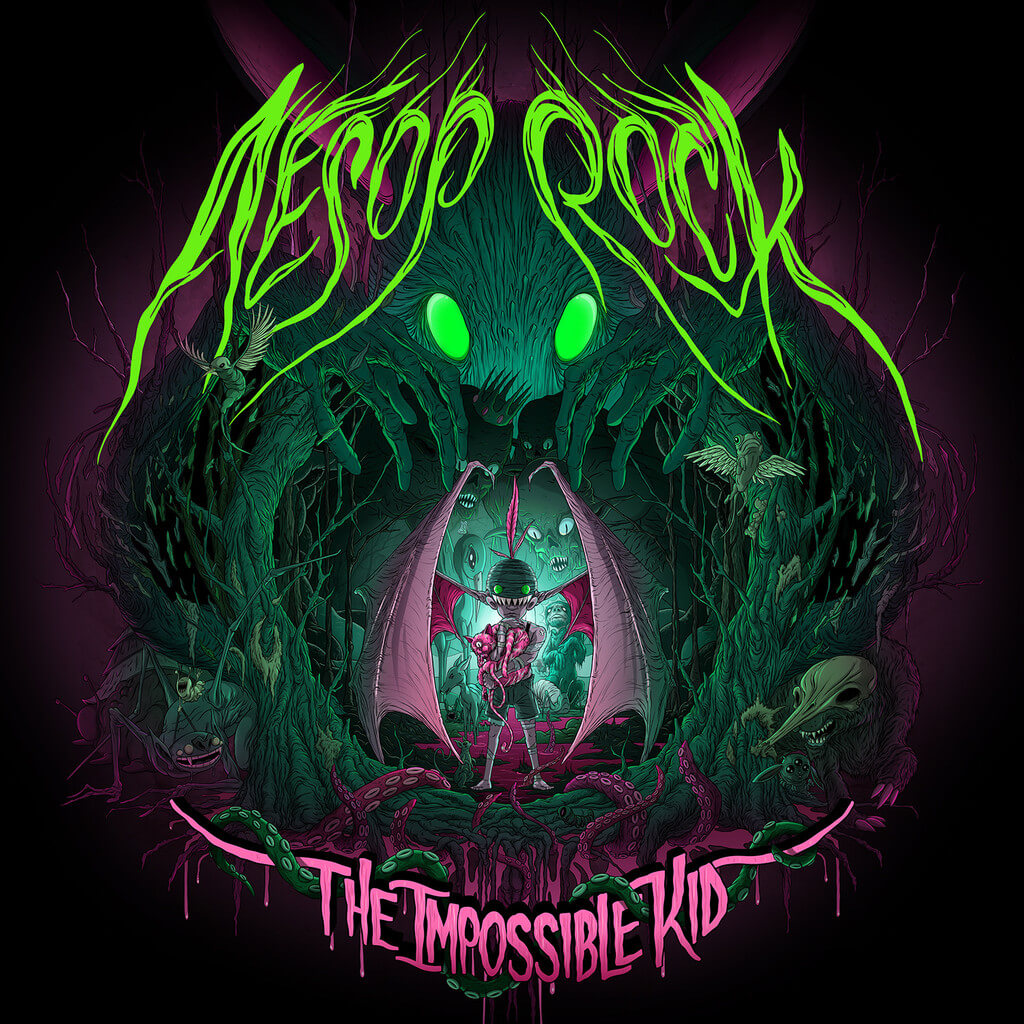
The Impossible Kid finds Aesop Rock turning his lens inward, trading cryptic storytelling for something startlingly personal. Written and recorded in isolation inside a converted barn, the album stretches fifteen tracks of dense lyricism into an unflinching self‑portrait. Across forty‑eight minutes, he filters years of grief, anxiety, and self‑doubt—including the lasting ache of friend Camu Tao’s death—into sharp, confessional clarity. It’s the sound of intellect meeting emotion head‑on, the armored poet finally lifting his visor.
Aesop produced the entire record himself, stitching together ominous piano loops, off‑kilter synths, and staggered drums that bubble with both tension and humor. The production feels hand‑built, packed with detail yet deeply human—murky enough to mirror depression, playful enough to suggest recovery. His famous labyrinthine wordplay remains, but here it bends toward vulnerability instead of obfuscation. “Rings” mourns creative drift and lost passion; “Kirby” turns a therapist’s doubt into a meditation on pet companionship; “Get Out of the Car” faces grief with surgical honesty; “Blood Sandwich” revisits childhood through the small, aching details that only family can hold.
The mood oscillates between claustrophobia and catharsis. Humor slips through like light under a door, while recurring themes of withdrawal, disconnection, and fragile hope keep the tone grounded. The beats flirt with garage rock grit and video‑game surrealism, reinforcing the tension between absurdity and sincerity that has always defined his style.
Released through Rhymesayers, The Impossible Kid feels like a creative homecoming—Aesop Rock stripped of pretense but none of his complexity. It’s an album of puzzles you can actually feel your way through, a blueprint for how technical mastery can still bleed. In the long arc of his career, this stands as his most complete reflection: not a retreat from the world, but a hard‑won dialogue with himself.
Death Grips - Bottomless Pit (2016)

For most artists, chaos is something to control. For Death Grips, it’s sacred. On Bottomless Pit, the trio—MC Ride, Zach Hill, and Andy Morin—turn disorder into design, fusing industrial brutality, cybernetic anxiety, and punk precision into their most fearsome and cohesive release. It’s not a descent into madness but an exploration of what happens when you live there permanently.
From the first seconds of “Giving Bad People Good Ideas,” the album lunges forward like a body thrown down a staircase—thrashing, mechanical, and unrelenting. MC Ride’s voice feels less spoken than carved, a serrated instrument slicing through Hill’s convulsive drumming and Morin’s glitch-heavy production. “Hot Head,” one of the group’s most volatile tracks, detonates in bursts of white noise and seizure-like rhythm shifts, while “Eh” and “BB Poison” flirt with virality in their own warped way—catchy, yes, but in the way a panic attack can be rhythmic.
Lyrically, the album teeters between despair and control, with Ride channeling existential collapse through imagery of consumption, violence, and erasure. His voice, compressed and distorted, often sounds like it’s trying to escape the machine that contains it. The production mirrors that fight: Hill’s drums ricochet off metallic synthscapes, guitars grind into digital debris, and samples are reassembled into volatile forms.
While Bottomless Pit harnesses more structure than earlier records, it remains deeply unsettling. Even its moments of accessibility feel poisoned, melodies clawing for air beneath distortion. By the title track’s final scream, the listener isn’t released—it’s a reset, another loop in an infinite spiral.
Bottomless Pit is Death Grips at their clearest and most confrontational. It imagines modern anxiety not as metaphor but as music—a perpetual overload, raw and unforgettable.
Ab-Soul - Do What Thou Wilt.(2016)
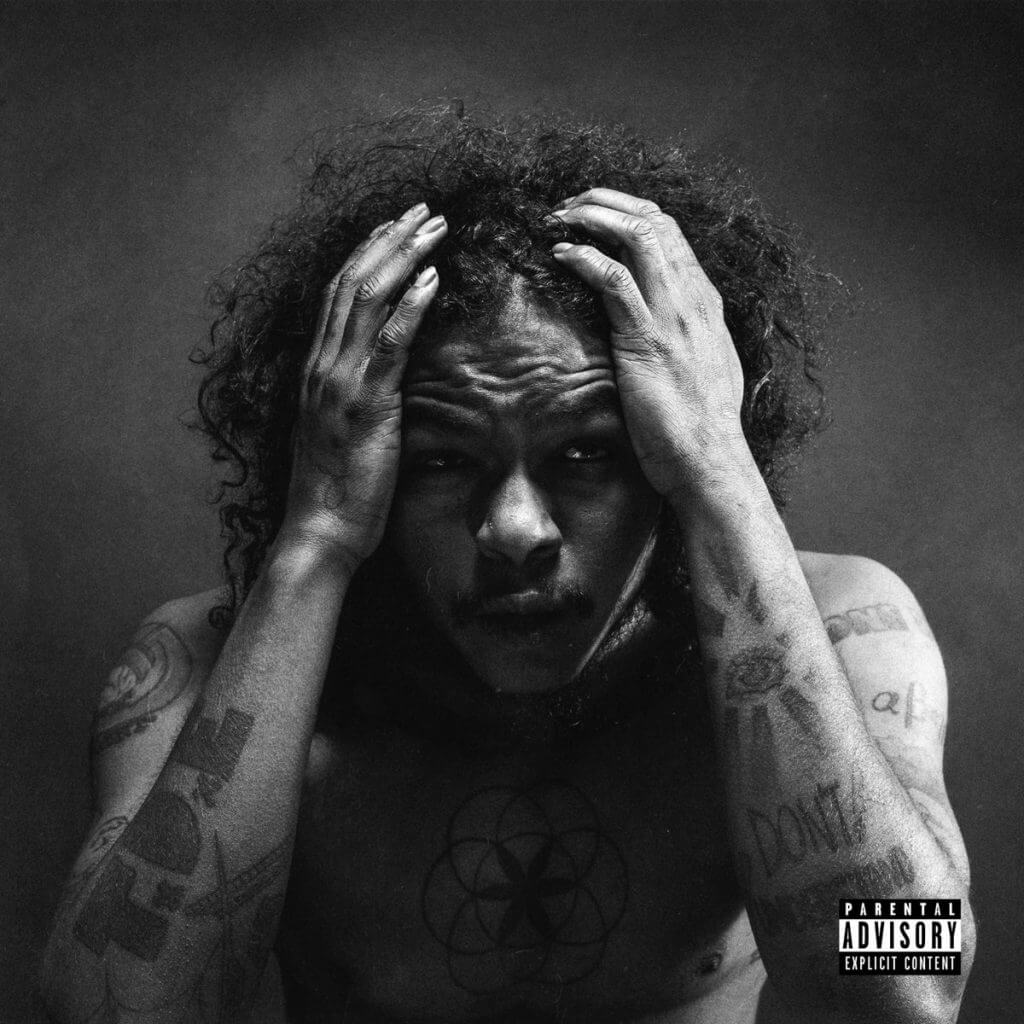
This album moves like a séance gone wrong, and that’s exactly why it belongs here. Ab-Soul’s Do What Thou Wilt. swims in occult symbols, grief, lust, and paranoia, threading Aleister Crowley, biblical fragments, and conspiracy into something closer to a fever dream than a manifesto. It has always felt overhated. The common complaint—that the writing veers into the incomprehensible—holds some truth, but the power of this record lies in the way it sustains a suffocating, dark mood from front to back.
The production leans into that unease: gothic swells, church bells, grainy guitars, and murky low-end wrap Ab-Soul’s voice like smoke. Tracks such as “Threatening Nature,” “D.R.U.G.S.,” “INvocation,” and “Huey Knew THEN” sound like dispatches from a candlelit bunker, where every snare crack feels ritualistic rather than radio-ready. Hooks rarely chase catharsis; they circle back like intrusive thoughts.
Lyrically, Ab-Soul stacks references until the lines buckle under their own weight—Thelema, numerology, black radical history, psychedelics, sex, suicide, God-as-woman, anarchism. At times the bars sprawl into tangled provocation, undercutting themselves with contradictions, tasteless jokes, and abrupt pivots. That instability becomes part of the experience: a mind spiraling through half-digested scripture and trauma, lashing out at religion, patriarchy, America, and itself. The album often reads less like clear doctrine and more like a notebook of late-night obsessions scorched into wax.
Guest appearances—ScHoolboy Q, Rapsody, SZA, Mac Miller and others—mostly blur into this vortex, adding texture rather than relief. No obvious single emerges, but the absence of a clean entry point deepens the sense of being trapped in someone else’s labyrinth.
Do What Thou Wilt. is messy, uneven, at times baffling—but its commitment to a pitch-black, claustrophobic headspace makes it one of the most unsettling major-label releases of its era. The logic may fracture; the mood never does.
Danny Brown - Atrocity Exhibition (2016)
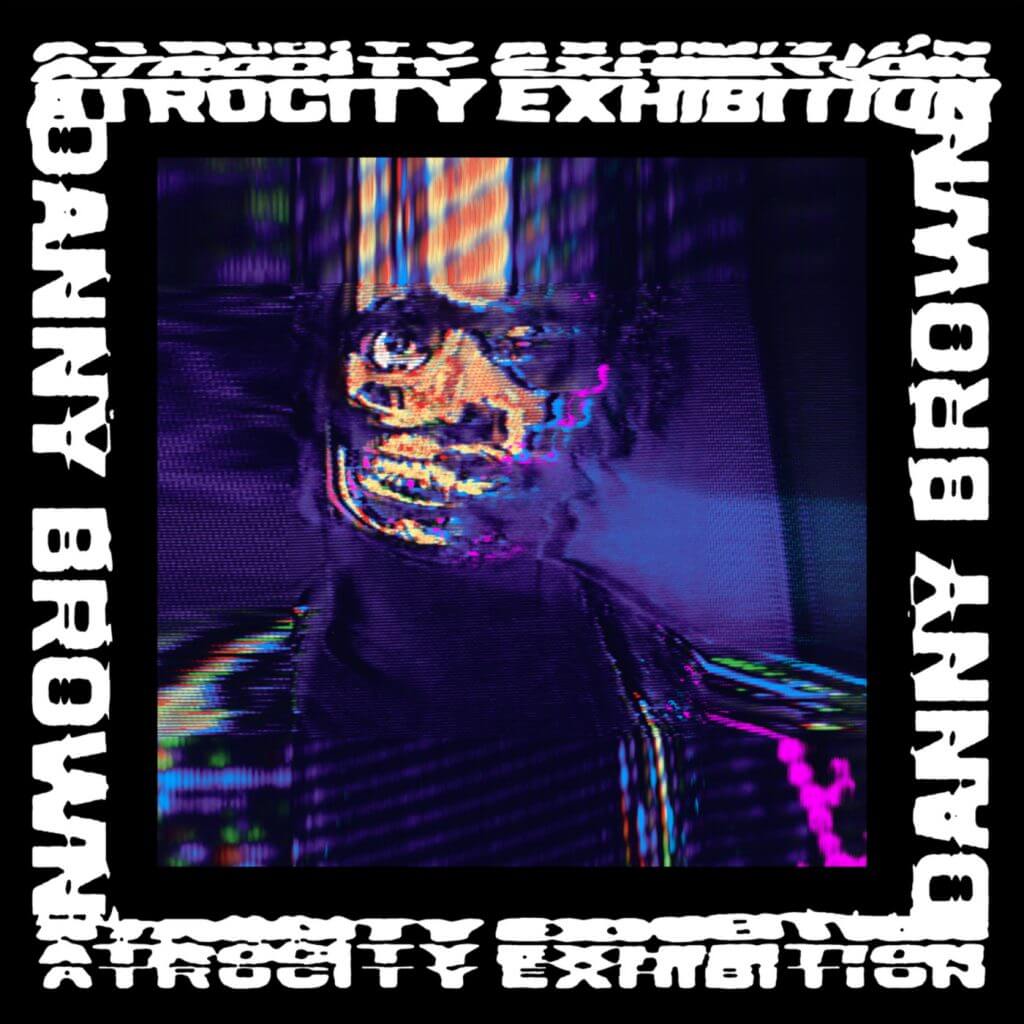
By the time Atrocity Exhibition arrived, Danny Brown had already built a reputation for chaos—but here, he weaponized it. This is a descent. From the suffocating first notes of “Downward Spiral,” Brown invites the listener into a mind fraying under the weight of addiction, paranoia, and fame. His voice quivers between mania and fatigue, laughing at his own deterioration while the music clatters and folds in on itself.
Produced largely by Paul White, the soundscape is jagged and skeletal—industrial drum loops, shrieking horns, and basslines that crawl rather than groove. “Ain’t It Funny” erupts like a carnival exploding in real time, while “When It Rain” thrashes with twitchy, drum-heavy tension, its rhythm barely containing Brown’s spiraling delivery. Elsewhere, “Rolling Stone” and “Golddust” imagine Hip Hop filtered through post-punk and no wave, their unease both cerebral and physical.
Lyrically, Atrocity Exhibition reads like a confession dragged through delirium. Brown’s humor is still intact, but his laughter feels nervous, almost pleading. The album obsesses over cycles—substance abuse, fleeting joy, the performance of survival. On “Dance in the Water,” even movement feels desperate, a ritual to keep from drowning. When he trades verses with Kendrick Lamar, Earl Sweatshirt, and Ab-Soul on “Really Doe,” the claustrophobia doesn’t lift—it expands.
What separates Atrocity Exhibition from its predecessors is its total refusal to comfort. Every track rips at the boundary between pleasure and horror until they become indistinguishable. It’s the sound of euphoria decomposing, of celebration curdling into panic. With this record, Danny Brown didn’t just document the breakdown—he turned it into theater. In Hip Hop’s darker corridors, few albums illuminate madness this vividly.
Heavy Metal Kings - Black God White Devil (2017)

Black God White Devil marks Heavy Metal Kings’ return six years after their feral debut, a leaner and more cohesive immersion into unholy boom‑bap. Ill Bill and Vinnie Paz refine—not soften—their occult‑hardcore chemistry, turning their fixation on spiritual warfare, conspiracy, and apocalypse into something focused and ritualistic. Across thirteen blunt‑force tracks, they strip away any trace of nostalgia or polish in favor of pure underground menace: mafioso grit fused with biblical chaos.
Giallo Point leads the production, darkening the palette without flattening it. Classic head‑nod drums meet grim symphonies, distorted organ loops, and creeping samples that feel summoned rather than sampled. “Séance Gone Wrong” opens with spectral tension, Goretex’s reappearance amplifying the unease. “If He Dies, He Dies” tightens the noose with cinematic strings, while “Golan & Globus” pairs elite verses with molten menace. Elsewhere, “Mercyful Fate” and “Black Mass Lucifer” throb in ritual rhythm, and “Bad Hombres” binds street scripture to end‑times prophecy. The sequencing flows with rare cohesion—a front‑to‑back invocation rather than a scatter of bangers.
Vocally, the trio sound possessed. Ill Bill’s nasal snarl and Vinnie’s gravel roar trade verses like hexes, their imagery splitting Scripture open and stitching it back with blood and wire. Goretex slips naturally between them, his tone flattening irony into dread. The themes remain gleefully blasphemous—séances turned disasters, Luciferian rites, and dystopian politics unfolding with pulp‑novel ferocity—but the conviction feels absolute.
Where their debut impressed through shock and scale, Black God White Devil impresses through focus. It’s harder, sharper, less concerned with chaos for its own sake and more with sculpting it. Play it loud with the lights off: this is rap as invocation, a charged descent into faith’s negative space, and proof that true darkness doesn’t fade with age—it refines.
21 Savage – i am > i was (2018)
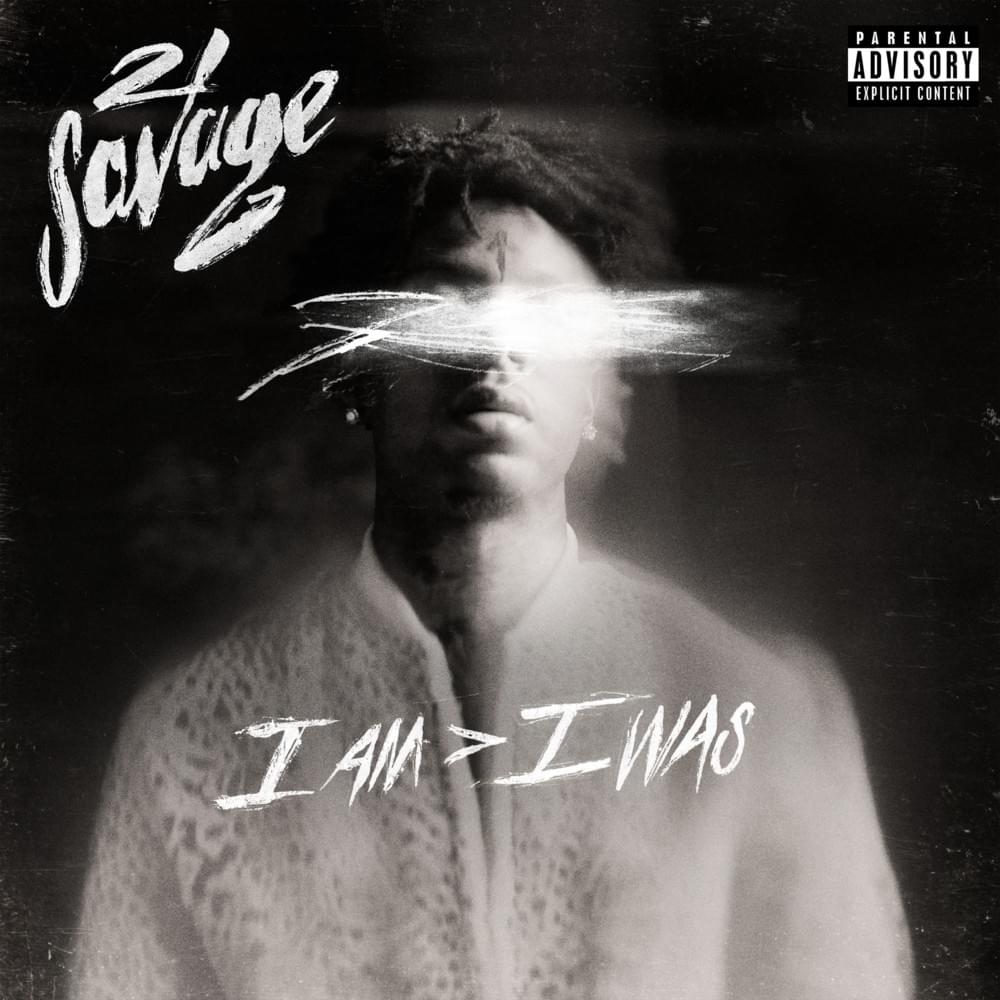
Along with Travis Scott’s Rodeo, 21 Savage’s i am > i was remains as one of the rare trap albums we actually like, elevating the subgenre’s brooding menace into something introspective and artistically refined. This sophomore effort marks Savage’s evolution from raw street menace to a conflicted survivor grappling with fame, loss, and lingering trauma, all over crisp, varied production that dodges trap clichés. At 15 tracks and 50 minutes, it balances menace with maturity, proving 21’s growth without abandoning his chilling core.
The opener “a lot” sets a soulful tone, dissecting personal flaws and toxic ties with incisive bars over moody keys, while “asmr” whispers eerie threats amid compressed hi-hats, evoking haunted isolation. Tracks like “can’t leave without it” swing between flexes and grim memories, capturing detachment from success’s highs and street lows. “monster” delivers aggressive funk with Childish Gambino’s standout verse, and “all my friends” broods on isolation amid wealth. Solo cuts like “ball w/o you,” “gun smoke,” and “out for the night” shine brightest, showcasing Savage’s dynamic flows—drowsy menace to urgent inflection—over R&B rhythms and soul samples that humanize his detachment.
Production from Metro Boomin, Southside, and others deploys weirder beats: spasmodic ad-libs, guitar whistles, and sharp mixing create replay value without muddiness. Lyrically, 21 reflects on progression amid trouble—wealth juxtaposed with paranoia, humor amid cruelty—making the darkness feel authentic rather than posed. Features from Schoolboy Q, Offset, Lil Baby, Childish Gambino, Project Pat, Gunna, and J. Cole integrate seamlessly, enhancing without dominating.
Flaws are minor: some pop-rap sheen and tracklist obfuscation dilute focus. Yet i am > i was refines Issa Album’s promise into a sophomore triumph—dark, honest, and versatile. For this list’s street despair, it’s essential trap that transcends, blending haunted vibes with real progression.
Armand Hammer - Paraffin (2018)
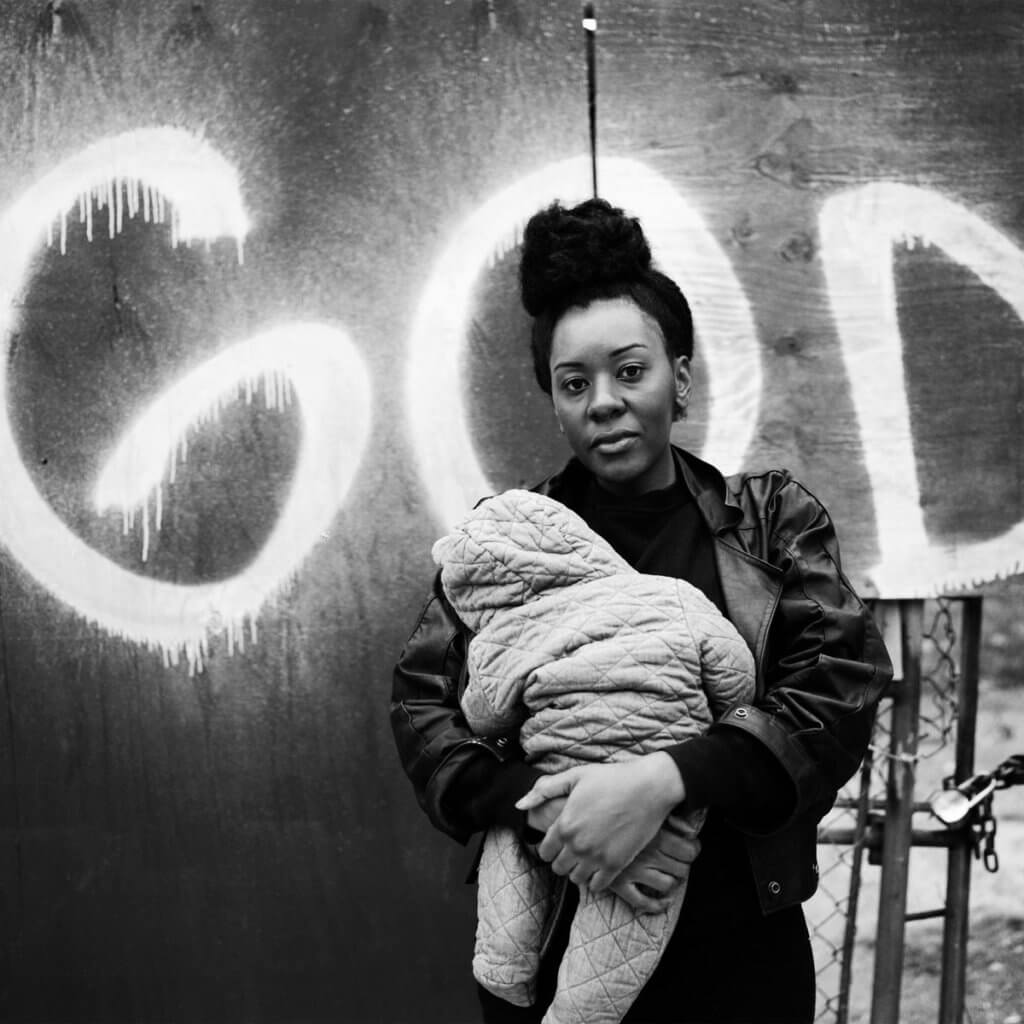
Paraffin smolders. The third full-length from Armand Hammer, the Brooklyn duo of billy woods and Elucid, radiates the slow heat of frustration, paranoia, and survival under collapsing systems. Its title evokes wax, a substance used for preservation and burn alike; fitting, since this album flickers between exhaustion and eruption, both a document of endurance and a slow-motion immolation.
The production, drawn from a constellation of experimental underground minds, is murky and volatile. Jazz samples melt into feedback, drums hit like distant footsteps, and fragments of melody drift through static before being swallowed whole. There’s a constant sense that the world outside the mix is burning. The restraint is just as harrowing as the noise—beats feel brittle, half-alive, as if collapsing under the weight of the words they carry.
And those words are dense. billy woods and Elucid write in coded language, stitching together personal history with social commentary, scripture with street corner observation. “Rehearse with Ornette” and “No Days Off” twist everyday fatigue into parables about capitalism and identity. Their flows are somber and deliberate, more confession than performance, circling violence, poverty, and resistance from opposite angles but with shared gravity. No punches are thrown for spectacle; each bar feels measured, necessary, weary.
For all its darkness, Paraffin isn’t nihilistic. There’s a fragile humor buried in its realism, a recognition that surviving under pressure is itself rebellious. Unlike many dystopian Hip Hop records, it doesn’t dramatize ruin—it accepts that we’re already living in it.
Paraffin is not a fire meant to illuminate, but to expose—the kind of heat that melts masks and leaves truth raw and unshaped. It’s one of those rare records that sounds less recorded than excavated.
JPEGMAFIA – Veteran (2018)
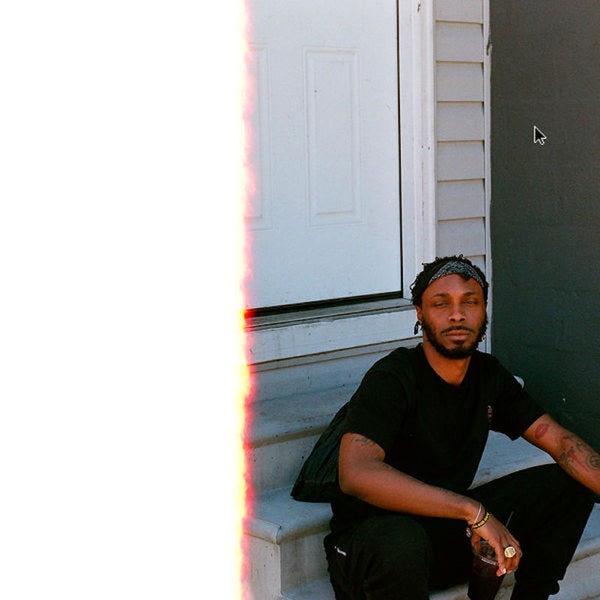
eteran detonates like a digital riot. Across nineteen tracks, JPEGMAFIA—rapper, producer, and ex‑soldier—channels trauma, rage, and absurdity into an experimental Hip Hop maelstrom that feels both meticulously crafted and barely contained. The 47‑minute sprawl fuses drill, punk, and chopped soul with internet static, memes, and broken loops, turning confusion itself into design. It’s not horrorcore, but something stranger: a confessional meltdown filtered through satire, post‑traumatic memory, and a cracked screen’s glare.
The sequencing feels reckless on purpose. “1539 N. Calvert” sets a disorienting tone, its ghostly pianos framing confessions from a Baltimore basement. “Real Nega” and “Thug Tears” turn grief into resistance anthems, swinging between heartbreak and bravado. “Baby I’m Bleeding” folds anxious R&B into panic‑attack percussion, while “Rock N Roll Is Dead” and the caustic “I Cannot F**king Wait Til Morrissey Dies” channel punk chaos into cultural exorcism. Military motifs surface in “DD Form 214,” a nod to discharge papers that haunt both memory and identity, while quick interludes like “My Thoughts on Neogaf Dying” and “DJ Snitch Bitch” distort structure into scrolling disorder.
Peggy’s production feels alive and volatile—distorted guitars clash with chopped vocals, tempos mutate mid‑bar, and samples flicker like intrusive thoughts. Lyrically, he juggles racial tension, self‑doubt, and online alienation with dark humor and violent poetry. His bars are both manifesto and meltdown, dissecting fame and trauma in the same breath.
Not everything lands cleanly. Some fragments blur, collapsing into noise—but that chaos is the point. Veteran captures a psyche stretched thin by modern absurdity, translating pain and irony into sonic shrapnel. It’s cathartic, confrontational, and utterly singular—a war report from the digital age where every scream doubles as a laugh. In Peggy’s wreckage, darkness doesn’t consume; it adapts.
Dave - PSYCHODRAMA (2019)
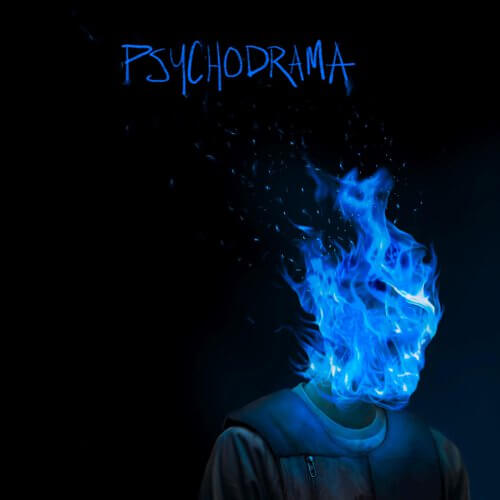
Psychodrama frames Dave’s debut as a year-long therapy session, drawing from his incarcerated brother’s real experiences to unpack mental health scars, childhood voids, and systemic weights across 11 tracks. This UK rap landmark rejects bravado for raw vulnerability, channeling South London’s unforgiving grit into a cathartic urban opera—moody piano figures and sparse beats creating claustrophobic immersion. No celebration here; it’s tough, unflinching confrontation with pain’s ripple effects.
Production stays sullen and hypnotic, often Dave’s own piano weaving minor-key atmospheres with ghostly vocals and light percussion. “Psycho” opens the emotional pry, “Screwface Capital” and “Streatham” deliver street odes laced with intricate wordplay and sullen admissions, while “Location” absorbs afrobeat hues from Burna Boy for fleeting color. The centerpiece “Lesley” stretches 11 minutes into a harrowing abusive relationship narrative, colliding worlds in intimate devastation—a call for trapped women to seek support. Fraser T Smith adds polish without dilution, ensuring every bar grips.
Lyrically, Dave wields surgical insight: “Black” dissects racial language’s limits and institutional bias, provoking backlash yet demanding nuance; “Drama” closes with a prison call from his brother, raging idol-loss and survival guilt. Absent fathers haunt, poverty crushes, toxic bonds fracture—emotional shutdown battles determination, world domination clashing wedding-ring voids. Therapist skits guide the psychodrama, blending old-soul wisdom with youthful fury.
At 51 minutes, the conceptual cohesion wastes no moment, earning Mercury Prize acclaim as British rap’s boldest. Minor critiques note rhythmic sparsity, yet its density rewards scrutiny. For this list’s heartbreak spectrum, Psychodrama towers as Dave’s abyss masterpiece—an emotional roadmap through black British trauma, where therapy’s glue binds demons in resonant, paradigm-shifting rawness.
Denzel Curry – TA13OO (2018)
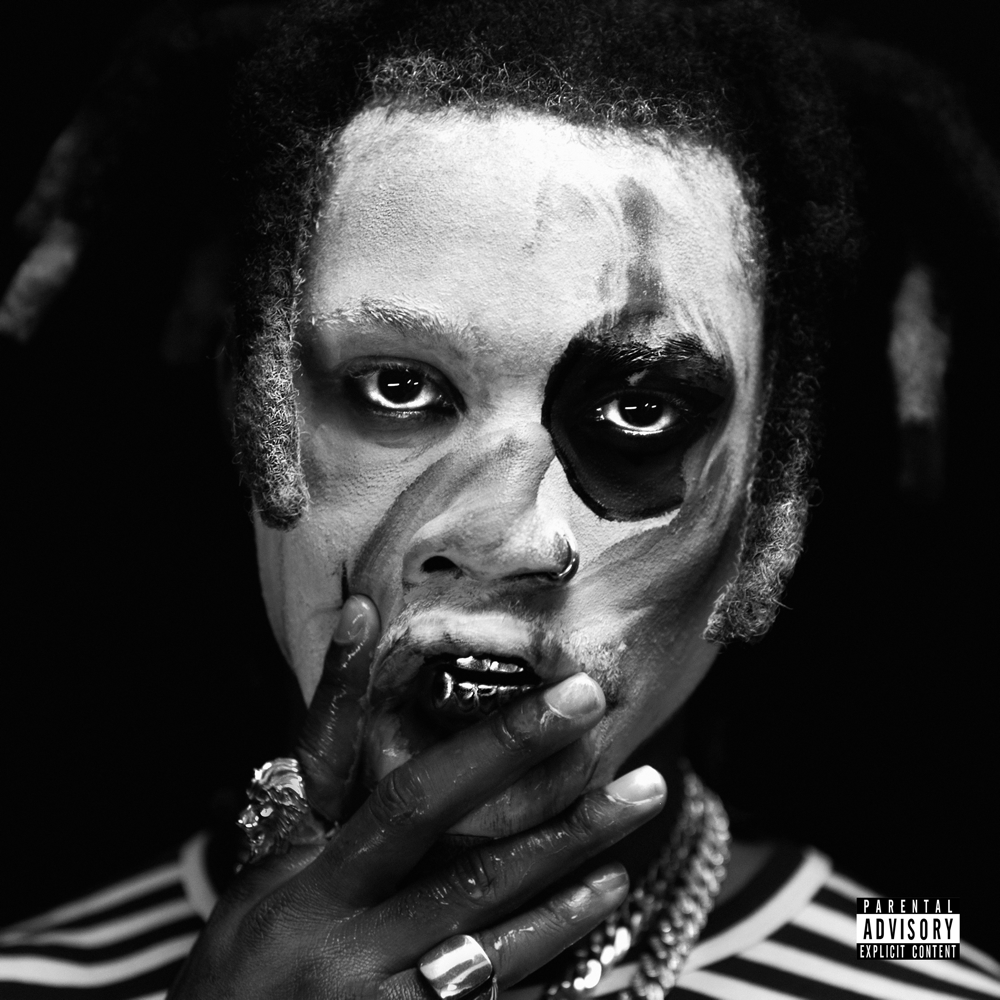
Denzel Curry’s TA13OO is a structural masterpiece of Hip Hop darkness, dividing its 13 tracks into three acts—Light, Gray, and Dark—that trace a visceral descent from defiant bravado into raw psychological torment. At just over 43 minutes, this sophomore album confronts addiction, grief, police brutality, and suicidal ideation with ferocious lyricism and explosive energy, channeling Curry’s personal losses—like his brother’s death—into a cathartic reckoning that fits seamlessly in this canon of bleak records.
Act 1 (Light) erupts with aggressive trap anthems masking inner turmoil, blending booming bass and frantic flows to project invincibility while hinting at fragility. Act 2 (Gray) hazes into numb introspection, exploring percocet dependency, fame’s illusions, and systemic paranoia through hazy beats and vulnerable bars. Act 3 (Dark) plunges deepest, unleashing chaotic rage and mournful confessionals that strip away pretense, culminating in industrial fury over haunted piano and glitchy synths.
Production—courtesy of talents like FnZ, Ronny J, Charlie Heat, and DJ Dahi—fuses trap menace with soul samples, orchestral swells, and punkish glitches, creating a cinematic pressure cooker that amplifies Curry’s versatile delivery: screamed hooks give way to poetic introspection. Guests including GoldLink, JID, JPEGMAFIA, and ZillaKami enhance the emotional arc without overshadowing, their chemistry fueling the narrative pull. Lyrically, lines like pleas for escape amid violence cut deep, balancing rage with fragility to make the despair feel profoundly lived-in.
The taut runtime keeps momentum high, though abrupt act shifts demand active listening. Minor quibbles aside, TA13OO transcends SoundCloud rap roots, proving Hip Hop’s shadows can forge resilience. It’s not mere aggression but therapy through torment—urgent, unflinching, essential for fans of the list’s modern dread.
clipping. – There Existed An Addiction To Blood (2019)

There Existed an Addiction to Blood launches clipping.’s horrorcore experiment, merging Hip Hop with industrial noise, ambient dread, and techno pulses across 15 tracks spanning 68 minutes. The Los Angeles trio—Daveed Diggs on vocals, producers Jonathan Snipes and William Hutson—crafts a gauntlet of unease, using vampiric motifs to probe racial violence, police brutality, and systemic oppression. This boundary-pushing work demands immersion, best experienced through headphones in darkness for its visceral impact.
Production layers screeching synths, distorted beats, static, and field recordings into claustrophobic soundscapes that evoke body horror and supernatural paranoia. Snipes and Hutson build nightmarish atmospheres, blending horror film vibes with abrasive textures that amplify Diggs’ urgent, razor-sharp flows. Tracks like “Nothing Is Safe,” “Blood of the Fang,” and “Attunement” sustain the frenzy, while the 18-minute closer “Piano Burning”—a literal field recording of flames consuming an instrument—provides unsettling meditation amid natural sounds.
Diggs delivers brutal vignettes with captivating precision, his lyricism syncing to the chaos as a lens for cultural identity and injustice. The album elevates 90s horrorcore absurdity into political radicalism, where bloodlust allegorizes real-world survival and transformation’s allure. Cohesion prevails despite sonic diversity, rejecting casual listening for total confrontation with fear’s physicality.
This release polarizes through its graphic intensity and noise, yet rewards with masterful genre fusion. clipping. channels influences from Ganja & Hess to Three 6 Mafia, reimagining the body as resistance site against normative power. Far from gimmickry, it throbs with purposeful disturbance—Hip Hop as ritualistic terror, addictive in its unflinching depth.
Yugen Blakrok - Anima Mysterium (2019)
Anima Mysterium feels like an awakening from deep space. Across thirteen tracks, South African MC Yugen Blakrok crafts a ritual of language and atmosphere, where prophecy, mysticism, and science fiction blur into one shared vision. Her voice moves through the record like smoke through circuitry—measured, elemental, unflinching—as she turns Hip Hop into invocation.
Producer Kanif the Jhatmaster sets the stage with dense but deliberate production: basslines churn like dormant engines beneath crackling static, while drums surface sparingly, more pulse than rhythm. “Gorgon Madonna” and “Obsidian Night” unfold with slow, gravitational pull, each moment heavy with silence that feels alive. The sound design evokes planets rotating in darkness—ritualistic, patient, and immense.
Blakrok’s lyricism is opaque by design, her imagery folding myth, science, and esoterica into a seamless cosmology. “Mars Attacks,” featuring Kool Keith, conjures cosmic warfare as allegory for survival, while “Monatomic Mushroom” transforms psychedelic imagery into spiritual research. She doesn’t preach so much as channel, her low timbre carrying the gravitas of an oracle in orbit. Each verse feels decoded rather than written—messages discovered through repetition and focus.
Beneath the cosmic metaphors, Blakrok grounds her meditation in earthly fractures: colonial residue, spiritual erosion, the quiet horror of progress. Her cosmic vantage point becomes political in its distance; from above, she maps repeated human mistakes with measured sorrow.
Anima Mysterium doesn’t demand understanding but it requires surrender. Its darkness doesn’t shout; it hums, vibrating somewhere between ritual and revelation. Both ancient and futuristic, it transforms Hip Hop’s structure into ceremony. For those who listen closely, the record leaves silence charged and sacred.
billy woods – Hiding Places (2019)
Hiding Places traps the listener inside survival’s tightest corners. A collaboration between billy woods and producer Kenny Segal, the record spans twelve tracks and forty minutes, each one tunneling deeper into anxiety’s crawl space. It’s an album built on unease—soul samples chopped until they splinter, basslines heavy with fatigue, drums stumbling just off beat. The music moves between dream and dread, capturing what it feels like to endure rather than overcome.
“Spongebob” opens submerged in debt and detachment, woods muttering through waterlogged loops with the weariness of someone cataloguing ghosts. “Steak Knives” cuts into domestic tension, “Checkpoints” maps the surveillance state as interior landscape, and “Spider Hole” with ELUCID finds both rappers wedged between paranoia and defiance. The despair grows methodical: “Houthi” grinds through wartime fatalism, “[A Day in a Week in a Year]” measures hopelessness by increments, and “Bedtime” drifts toward uneasy stillness. Nothing resolves; everything fades.
Woods’ voice is the constant—a baritone murmur steeped in irony and exhaustion. His writing coils into cryptic vignettes: family houses filled with locked rooms, revolutions gone stale, laughter that sounds like surrender. Even moments of humor feel brittle, worn thin by repetition. Guests add texture rather than relief, mirroring the record’s claustrophobic logic; there’s no air anywhere, only sharp detail.
Segal’s production matches woods’ focus beat for beat, turning raw musicianship into psychological mapping. His unquantized rhythms and grainy loops channel both L.A. abstraction and East Coast gravity, giving the album its uneasy pulse.
Hiding Places is less a narrative than a condition—a space where pressure turns thought into rhythm. It’s the sound of endurance disguised as confession, the quiet philosophy of those still breathing in the dark.
clipping. – Visions Of Bodies Being Burned (2020)

Visions Of Bodies Being Burned completes clipping.’s horrorcore diptych, surpassing the intensity of There Existed an Addiction to Blood across 16 tracks of experimental dread. The Los Angeles trio—Daveed Diggs on vocals, producers Jonathan Snipes and William Hutson—delivers a second installment that amplifies unease through boundary-pushing sound design. Heavy drums and spectral noises establish a chilling tone from the outset, sustaining an atmosphere of hallucinatory immersion over its runtime.
Production fuses industrial noise, ambient textures, techno pulses, and Hip Hop rhythms into dense, cinematic layers. Snipes and Hutson craft unpredictable soundscapes that evoke film scores, blending shattered genre fragments with deference to horrorcore roots like Three 6 Mafia and Brotha Lynch Hung. Diggs’ rapid-fire flows weave abstract imagery and social commentary, his flexible delivery navigating the chaos with precision. The result demands headphones and darkness, transforming listening into a meditative confrontation with anxiety.
Themes draw from horror tropes—Clive Barker, Shirley Jackson, Candyman—to probe real-world terrors: racism, police violence, monstrosity’s politics. This reimagining elevates 90s absurdity into radical unease, where fictional carnage mirrors contemporary fractures. Cohesion holds amid sonic frenzy, each element reinforcing the uncanny without resolution.
The album rejects casual spins for total surrender, its ominous weight both discomforting and exhilarating. clipping. honors influences while twisting them into something deranged yet intricate, proving experimental Hip Hop’s capacity for profound disturbance. As the diptych’s stronger half, Visions Of Bodies Being Burned lingers like a nightmare’s echo—chilling, resonant, essential for those seeking Hip Hop’s blackest frontiers.
Injury Reserve - By The Time I Get To Phoenix (2021)
By the Time I Get to Phoenix emerges as Injury Reserve’s fractured final statement, a posthumous release shadowed by Stepa J. Groggs’ sudden death at 32 in 2020. Spanning roughly 40 minutes, the album channels collective grief into disorienting sonic collapse, where Ritchie with a T and Parker Corey’s production dismantles Hip Hop conventions amid raw emotional wreckage. What survives Groggs’ absence feels like ghostly residue—his pre-recorded verses flickering through the haze.
Beats shatter into glitch-hop abrasion, industrial noise walls, warped jazz loops, and shoegaze synths, abandoning structure for immersive dread. Sudden volume surges, distorted samples, and ambient voids create a feverish purgatory, evoking societal unraveling and personal alienation. Tracks pulse with existential paranoia, self-loathing confessions, and addiction’s grip, Ritchie’s fragmented lyrics unraveling like “I’m losing my mind” amid isolation’s throb. Production mirrors bodily torment—aching joints, cortisol floods—turning listening into embodied transmission.
The album defies genre, blending post-punk dissonance, post-rap experimentation, and noise collages into a “miserable apocalypse.” “Knees” confronts alcoholism’s flatline, “Superman That” spirals in wonky IDM frenzy, while the 9-minute “Bye Storm” dissolves into static funeral procession. No traditional hooks anchor the chaos; instead, cathartic warmth pierces despair, balancing devastation with resilience.
This work transforms trauma into avant-garde requiem, closer to experimental rock than rap norms. Its density demands surrender, repelling casual spins yet rewarding immersion with profound unease. For the list’s heartbreak spectrum, By the Time I Get to Phoenix captures post-loss fugue: a shattered psyche navigating apocalypse, where music breaks apart in real time. Injury Reserve’s boldest descent endures as 2020s rap’s rawest elegy—haunting, alienating, unbreakable.
Armand Hammer - Haram (2021)

Haram finds Armand Hammer—billy woods and ELUCID—in forbidden territory. Across fourteen tracks entirely produced by The Alchemist, the duo dissects society’s twisted hierarchies and their own internal hauntings with surgical precision. Its title, derived from the Arabic word for “forbidden,” doubles as both warning and invitation: a descent into taboo, where brutality and beauty share the same breath.
The Alchemist crafts a soundscape that’s ghostly yet organic, balancing grit with gravity. His production pulses through dusty loops, warped horns, and woozy fragments of jazz and soul. It’s less abrasive than the duo’s previous work, but no gentler—every beat feels deliberately unsettled, like air heavy with tension before a storm. The result grounds woods’ weary observation and ELUCID’s abstract incantations in atmosphere thick enough to breathe.
From the opening paranoia of “Sir Benni Miles” to the final ache of “Stonefruit,” Haram reads as both scripture and autopsy. “Roaches Don’t Fly” reframes survival as defiance, “Black Sunlight” (featuring KAYANA) flickers with eclipsed resolve, and “Indian Summer” mocks fleeting relief. “Aubergine” and “Peppertree” turn self‑interrogation into lineage tracing, while “Scaffolds” erects gallows for systemic rot. The guests extend the dialogue without breaking the spell—Earl Sweatshirt’s verse on “Falling Out the Sky” mirrors woods’ dread, Quelle Chris haunts “Chicharonnes,” and the collective venom of “Wishing Bad” turns ancient grievance into ritual.
What emerges is a work of unlikely cohesion—a mirror of contemporary decay rendered in code. Haram doesn’t moralize or console; it bears witness. Its darkness comes not from shock but from endurance, the persistent act of seeing clearly in a collapsing world. For Armand Hammer, clarity itself is resistance, and Haram delivers it with sacred contamination.
Killah Priest - Horrah Scope (2022)
Horrah Scope finds Killah Priest descending further into the strange orbit he’s charted for decades, a space where Hip Hop dissolves into ritual. Across its winding runtime, the veteran MC blends the eerie and the metaphysical into an experience that feels less produced than conjured. Continuing the surreal lineage of Rocket to Nebula and Lord Sun Heavy Mental 1.1, this record dives even deeper into abstraction—Wu‑Tang’s ghostly residue reshaped into cosmic solitude.
The atmosphere is skeletal and hypnotic. Drumless loops drift like incense smoke around fragments of chant and static; samples seem to materialize from shortwave transmissions or forgotten temples. Each track feels self‑contained, alive with strange gravity, refusing rhythm in favor of vibration. Priest’s presence becomes the rhythm itself—his deep cadence and supernatural calm turning fragmented instrumentals into immersive spells.
Lyrically, he remains one of rap’s true mystics. Historical allegory, biblical warning, and esoteric science build into a stream of consciousness that blurs prophecy with poetry. It’s dense, sometimes impenetrable, but rewardingly so—the kind of record that demands stillness and repetition to decipher. Highlights emerge through the fog: mythic narratives of alternate realities, astral journeys, and cryptic admonitions that flicker between ancient scripture and modern paranoia.
Compared to his more anchored projects, Horrah Scope leans deep into Priest’s experimental instincts, prioritizing texture and language over tempo. The result is polarizing but daring—a record made for listeners willing to inhabit its silence and strangeness.
In its fearless weirdness, Horrah Scope reasserts Killah Priest as Hip Hop’s hermetic visionary, a poet still stretching the genre’s spiritual and sonic boundaries. It’s not an easy listen, but for the devoted, it’s revelation through repetition—dark, entrancing, and utterly its own dimension.
Kendrick Lamar - Mr. Morale & The Big Steppers (2022)
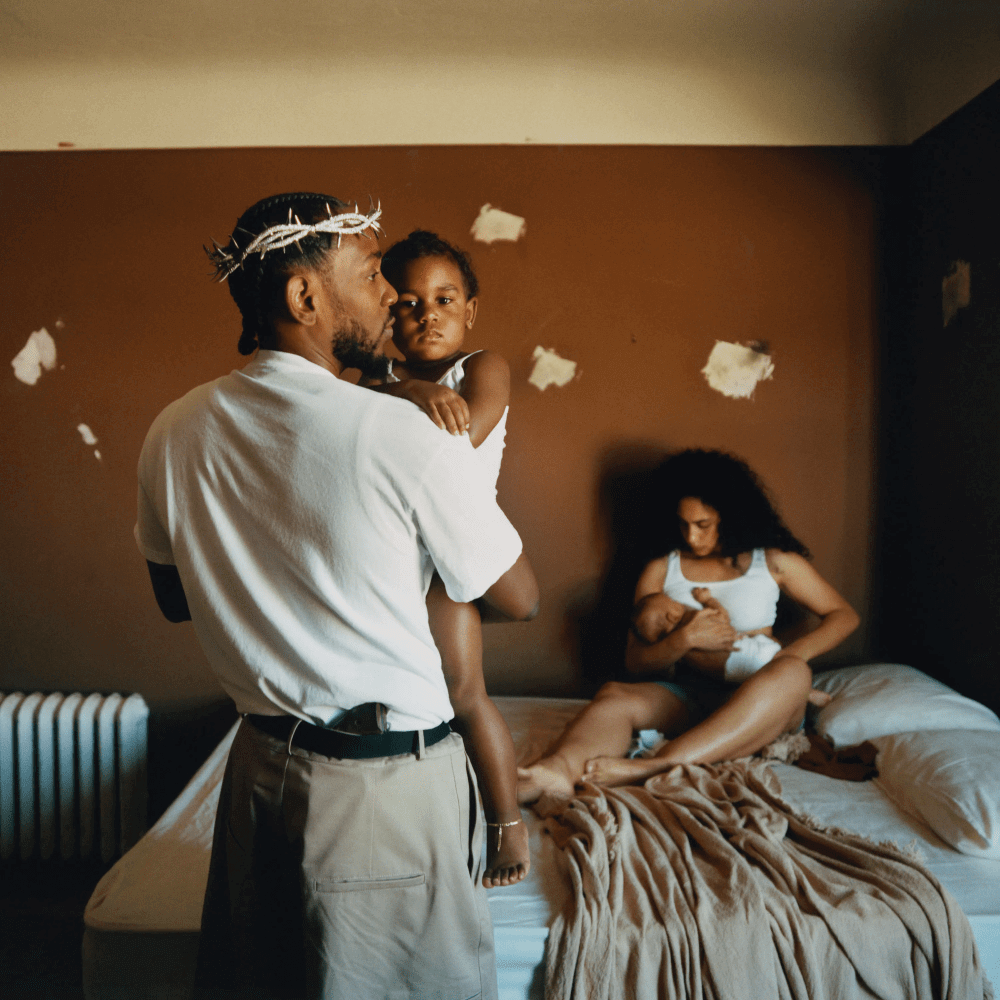
Mr. Morale & The Big Steppers marks Kendrick Lamar’s return after a five-year absence, delivering a double-disc exploration of his inner turmoil over 73 minutes. This album shifts inward from the street narratives of good kid, m.A.A.d city and the societal critiques of To Pimp A Butterfly, focusing instead on personal confessions of therapy, infidelity, and the weight of unmet expectations. Narrated by partner Whitney Alford, it begins with a warning of emotional peril, unfolding as a raw account of grief, shame, and self-doubt rather than triumphant resolution.
The production reflects this fractured mindset, blending slick funk rhythms with precarious soul samples and drifting piano lines from producers like Duval Timothy. Tracks like “N95” pulse with tense cowbells amid jabs at materialism, while “We Cry Together” builds into a volatile argument with Taylour Paige, evoking raw relational strife. “Worldwide Steppers” layers Kodak Black’s presence over brooding vamps, and “Purple Hearts” lets Ghostface Killah navigate shifting drums. Kendrick’s flows move in jagged sketches, prioritizing messy honesty over polished hooks, creating an antipop feel that resists easy consumption.
At its core, the record grapples with generational trauma and moral contradictions. “Father Time” confronts daddy issues and toxic masculinity with Sampha’s haunting support, “Auntie Diaries” navigates homophobia through family stories with uncomfortable candor, and “Mother I Sober” features Beth Gibbons in a tearful reckoning of maternal assault and silenced pain. Infidelity, cancel culture, and fame’s dehumanizing pull emerge unresolved, blending hood messiah imagery with admissions of imperfection.
Though not his most accessible work, the album’s density rewards close listening, its sprawl embodying Kendrick’s refusal to simplify his multitudes. For this list’s heartbreak spectrum, Mr. Morale & The Big Steppers is his most misunderstood triumph—a soul-baring descent where gods dissolve into probing human voids.
Darkness in Hip Hop has never been static; across these hundred albums, it shifts from jump-scare spectacle to slow, interior burn, but it always reveals something true about the costs of living under pressure. Some projects here weaponize shock—decapitations over dusty drums, occult chants over lo‑fi synths—while others turn the same violence inward, tracing how paranoia, grief, and addiction calcify into daily routine. Taken together, they show how the genre has used horror not just to provoke, but to name what polite narratives leave out: how it feels when danger becomes background noise and survival is less victory than habit.
What emerges is a continuum rather than a niche. Early horrorcore carved out a space where rappers could exaggerate brutality into fable, yet those same impulses echo in later works that sound more like therapy sessions than thrillers—records where vulnerability and dread coexist, and where confessions about trauma, mental health, and self‑destruction become a form of resistance instead of weakness. These albums blur lines between subgenre and mainstream, between cult artifacts and canon, proving that the urge to document darkness runs parallel to Hip Hop’s better‑known story of triumph.
If this list functions as a map, its last point isn’t closure so much as recognition. Darkness here is not an aesthetic costume to be shed when the beat fades; it’s a record of what people have had to carry, and of the strange, necessary art that weight produces. To sit with these albums is to accept that resilience is rarely clean or celebratory. Sometimes it looks like rage, sometimes numbness, sometimes jokes told at the edge of a breakdown. All of them, in their own ways, prove that Hip Hop’s most unsettling work is also some of its most honest—music that doesn’t just survive the night, but insists on describing every shadow in it.