
Plenty of Hip Hop records carry a horn stab or a Blue Note loop somewhere in the mix. The 25 albums on this list go much deeper. On these records, the jazz decides everything: the chord voicings under the verses, the walk of the upright bass, the brushed snares and ride cymbals that set the tempo, the solos that open up between hooks. The MCs answer in kind, phrasing behind the beat, trading lines like horn players and leaving room for the band to reply.
The link between the two forms goes back to the early sampling era, when producers dug through crates of Lou Donaldson, Donald Byrd and Bob James records for breaks. In 1990, Gang Starr cut “Jazz Thing” for Spike Lee’s Mo’ Better Blues, and a year later A Tribe Called Quest brought Ron Carter into the studio to play bass on The Low End Theory. In 1993, the idea grew into a full album format. Guru moved past loops on Jazzmatazz, Vol. 1, recording with Donald Byrd, Roy Ayers and Branford Marsalis. Digable Planets wrapped their cool, unhurried cadences around jazz samples on Reachin’ (A New Refutation of Time and Space).
From there the sound travelled. In Tokyo, Nujabes built Modal Soul from melancholy piano figures and loose, swinging drums. In France, Jazz Liberatorz brought in American MCs to rhyme over warm, dusty jazz samples on Clin d’Oeil. In 2018, Common teamed up with Robert Glasper and Karriem Riggins as August Greene, a trio that writes like a working band. That same year in Auckland, Tom Scott’s Avantdale Bowling Club set dense, autobiographical verses over a live ensemble that takes its time and lets the tunes stretch out.
That range shaped how we picked the list. Some entries are sample collages, some were cut live in a room, and a few sit closer to jazz than to rap. We held every one of them to the same test: take the vocals away, and there has to be a jazz record left standing.
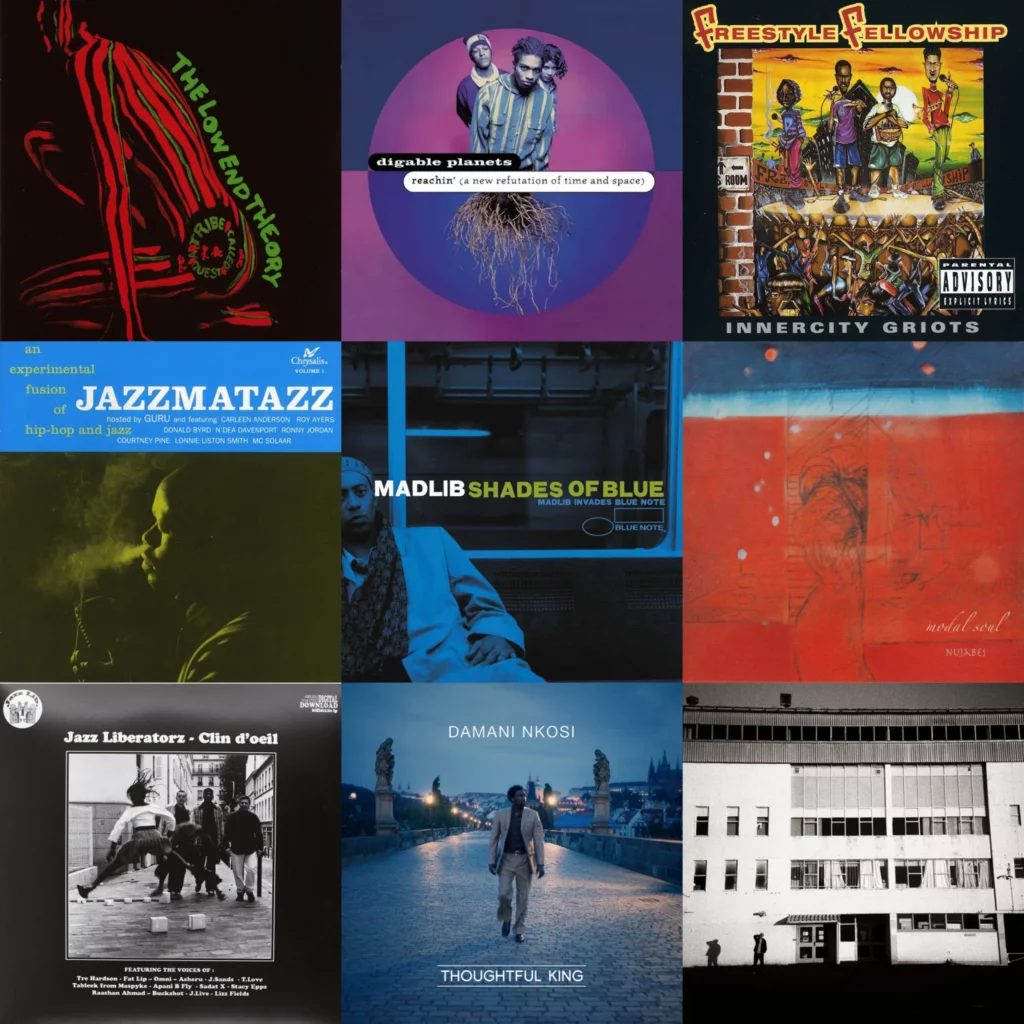
A Tribe Called Quest - The Low End Theory (1991)

The low end in the title is a double bass. Across The Low End Theory, Q-Tip and Ali Shaheed Muhammad pull jazz records apart for their bass figures, electric keyboard chords and stray melodic fragments, then set them on drums with the weight of a street record. Q-Tip has said the bottom end of N.W.A’s Straight Outta Compton was what stuck with him, and that drive is all over this album: the kick and the vocals land together on the downbeat, with as many as three snares stacked into a single crack. The jazz gives the songs their colour and harmony, and the drums keep them out of the lounge. The playful, sample-crowded mood of People’s Instinctive Travels and the Paths of Rhythm is gone, replaced by vocals, drums and bass with very little in between.
That space suits Phife Dawg, who arrives here as a complete MC: high-pitched, quick with a punchline, streetwise and happy to laugh at himself. Next to Q-Tip’s mellow, contemplative tone he plays like the second horn in a quintet, cutting in, answering phrases and finishing lines. “Check the Rhime” is the textbook case, the two trading bars like players who have rehearsed for years. “Butter” belongs to Phife alone, a tale of romantic misadventure he insisted on carrying solo.
The jazz link goes deeper than the samples. “Excursions” opens the album by tracing Hip Hop’s lineage back to jazz, and “Jazz (We’ve Got)” spells out the group’s philosophy over a beat Pete Rock first made before Q-Tip rebuilt it, with a thank-you to Rock in the outro. On “Verses from the Abstract”, Ron Carter, who played bass in the Miles Davis Quintet, plays live, and he agreed to do it only if the group kept the language clean. “Buggin’ Out” was the first track where Q-Tip ran two drum breaks at once, and the result sounds like a drummer and a percussionist locked in a pocket together. Elsewhere, “Rap Promoter”, “The Infamous Date Rape” and “Show Business”, with Lord Jamar, Sadat X and Diamond D, turn the group’s attention to the industry and to sexual assault.
Then comes “Scenario”, the posse cut with Leaders of the New School that hands the last word to Busta Rhymes and a verse that launched a career.
Plenty of producers had looped jazz records before 1991. Here the whole album swings for 48 minutes.
Gang Starr - Daily Operation (1992)

DJ Premier treats a jazz record like bolt cloth: he cuts it down to a fraction of a bar and wastes nothing. On Daily Operation, the scissors go through serious material. A sliver of the Cannonball Adderley Quintet’s “Fun” opens the album and comes back on “The Place Where We Dwell”. Charles Mingus’s “II B.S.” and Johnny Hammond’s “Gambler’s Life” sit under “I’m the Man”. Ahmad Jamal appears twice, and Buddy Rich records surface four times, on “Take It Personal” and “Hardcore Composer,” among others. Premier loops each fragment short, lays drums with a dry snap underneath, and drops in lines from EPMD, Boogie Down Productions, and LL Cool J. The jazz brings the harmony and the late-night hush, and the Hip Hop records bring the attitude. In 1990, Gang Starr made the jazz link explicit with “Jazz Thing” for Spike Lee’s Mo’ Better Blues. Here it is built into the method.
Guru works over the top like a soloist who never overblows. His delivery is steady and deliberate, cool where his peers shouted, and his writing moves between street observation, personal experience, social commentary and philosophy. “Flip the Script” has him dealing with rivals over Grover Washington, Jr.’s “Lock It in the Pocket” without raising his pulse. “Ex Girl to Next Girl” turns to romantic disappointment, set to a groove taken from soul-jazz organist Caesar Frazier’s “Funk It Down”, and it’s one of Premier’s catchiest beats.
The tension peaks on “Soliloquy of Chaos”. There, Ahmad Jamal’s “Misdemeanor” and Billy Cobham’s “Stratus” carry Guru’s look at the violence around nightlife. On “I’m the Man”, Jeru the Damaja and Lil Dap, two rising members of the Gang Starr Foundation, pass the Mingus-laced track around with Guru like a front line trading solos. “2 Deep” lays Eddie Harris’s “Lovely Is Today” over “Funky Drummer”. “No Shame in My Game” defends honest work over the Crusaders, and “The Illest Brother” brings Jamal back with “Ghetto Child”, stacked into a dense arrangement that never gets cluttered.
The title fits the record. Across 18 tracks, nothing is ornamental, and every loop does a job. A year later, Guru took jazz out of the sampler and into the studio with Donald Byrd and Roy Ayers on Jazzmatazz, Vol. 1. Daily Operation is where you hear him getting ready for that move.
Digable Planetss - Reachin’ (A New Refutation of Time and Space) (1993)
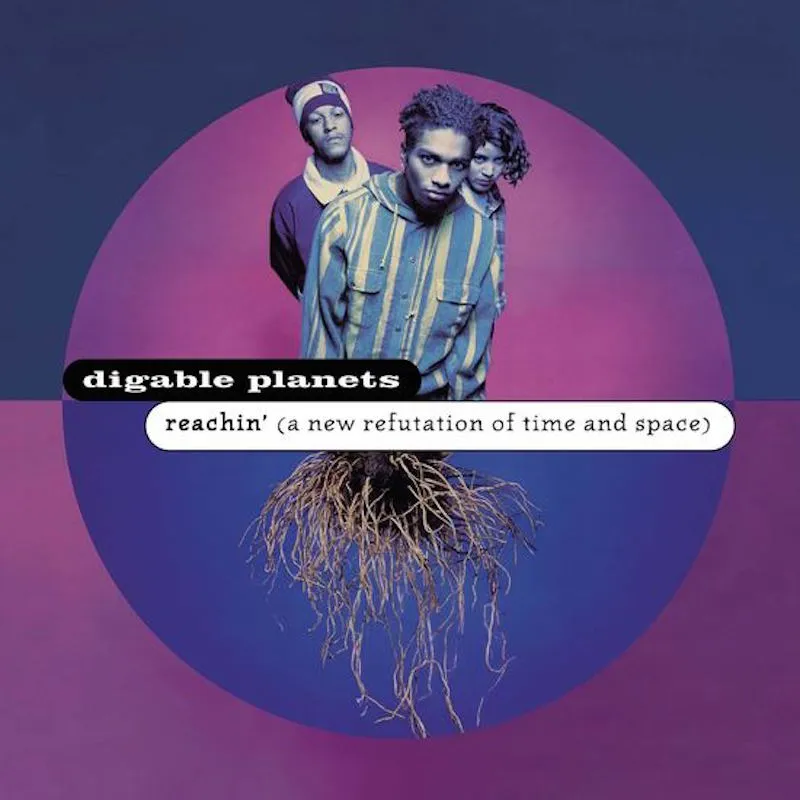
Butterfly built Reachin’ from the records within arm’s reach, and many of them were his father’s jazz albums. He has said the jazz direction came out of necessity and out of admiration for DJ Premier, who was looping jazz long before Digable Planets made their debut. In a year when harder-edged street rap was taking up much of New York’s attention, the trio turned that crate into a whole aesthetic: bebop slang, finger-snap tempos and a sense of cool borrowed straight from the bandstand.
The sample sources lay out the plan. “Rebirth of Slick (Cool Like Dat)” sets a loop from Art Blakey and the Jazz Messengers’ “Stretching” against Fred Wesley and the J.B.’s, with jazz harmony on top and funk drums underneath. “Time & Space (A New Refutation Of)” reaches back to a 1953 Sonny Rollins session with the Modern Jazz Quartet. “Pacifics” floats on Lonnie Liston Smith’s “Devika (Goddess)”, and “Escapism (Gettin’ Free)” borrows from Herbie Hancock’s 1973 “Watermelon Man”. Eddie Harris turns up on “What Cool Breezes Do”, Herbie Mann on “Nickel Bags” and Grant Green on the opener, “It’s Good to Be Here”. The single reached the Top 15 and won a Grammy, a rare result for a song this hushed.
Butterfly, Ladybug Mecca and Doodlebug rap the way brushes sound on a snare: soft attack, steady pulse, nothing forced. They never crowd each other. Verses pass between them mid-thought, and each voice slips back into the groove once its turn is done. “Where I’m From” lays social observation over a laid-back groove anchored by “Funky Drummer”, and the delivery stays conversational even when the subject turns serious.
The serious subjects are there, handled lightly. “La Femme Fetal” defends abortion rights, and “Nickel Bags” looks at drug culture. “Last of the Spiddyocks” tells of jazz musicians lost to drugs over a sample of Cannonball Adderley with Nancy Wilson, the music answering the lyric from inside the tradition it describes. The politics would sharpen on Blowout Comb. Here they sit beneath the surface.
Us3 - Hand On The Torch (1993)

Hand on the Torch opens with a voice from Birdland: Pee Wee Marquette, the club’s MC, introducing the Art Blakey Quintet on stage. Moments later, Herbie Hancock’s “Cantaloupe Island” vamp drops onto a breakbeat, and the album’s premise is clear before the first verse. “Cantaloop (Flip Fantasia)” reached No. 9 on the Billboard Hot 100, and Hand on the Torch became the first platinum album in Blue Note’s history. That was an unlikely result for a record made almost entirely from the label’s own past.
The access was the story. London producers Geoff Wilkinson and Mel Simpson first used Blue Note material without permission, and the label’s parent company threatened legal action. Then Blue Note changed course and opened its vault to them. With the catalogue cleared, Us3 went for the canon. Thelonious Monk’s “Straight No Chaser” drives “I Go to Work”. Horace Silver’s “Song for My Father” sits under “Eleven Long Years”, and his “Filthy McNasty” meets Donald Byrd’s “Jeannine” on “Make Tracks”. Bobby Hutcherson’s “Goin’ Down South” sets the drowsy tempo of “Lazy Day”, Byrd returns on “The Darkside”, and Lou Donaldson and Big John Patton share “It’s Like That”. The duo also put UK session players on top, including trumpeter Gerard Presencer and saxophonist Ed Jones. Their live horn lines blow over the loops, so many tracks play like a hard bop combo sitting in with a drum machine. “Different Rhythms Different People” drops the beat altogether for Blakey’s spoken comments, a reminder of whose music this is.
The MCs are where the album lets up. Rahsaan Kelly and Kobie Powell bring East Coast cadences and ride the grooves comfortably, but their verses work as rhythm more than content. They rarely leave a line behind once the horns return. British-Jamaican MC Tukka Yoot gives the record its sharpest change of colour, toasting in a dancehall style over Grant Green’s “Sookie Sookie” on “Tukka Yoot’s Riddim”. Next to the writing on The Low End Theory or Daily Operation, the rapping here sounds like one more instrument in the arrangement, and the album is built that way on purpose.
On its own terms the record is a celebration of a back catalogue, upbeat and made for the dancefloor, with every hook chosen to send listeners back to the originals. The title talks about passing a torch, but what Blue Note really handed Us3 was the keys to its vault.
Freestyle Fellowship - Innercity Griots (1993)

Freestyle Fellowship read a beat like a chord chart. On Innercity Griots, Myka 9, Aceyalone, P.E.A.C.E. and Self Jupiter stretch phrases across bar lines, double the tempo, drop back to half time and cut into each other’s patterns mid-rhyme, the way bebop players attacked a set of changes. They developed that approach in the Los Angeles underground around the Good Life Cafe and Project Blowed, where MCs were pushed to experiment with rhythm and language. Their second album turns the rough promise of To Whom It May Concern into a complete statement.
Each voice has its own character: Myka 9’s elastic flow, Aceyalone’s inventive phrasing, the intensity of P.E.A.C.E. and the authority of Self Jupiter. The excitement comes from collisions. On “Respect Due”, built on Lou Donaldson’s “Pot Belly”, the four switch cadences so often that the hook works like a reset button. “Heavyweights” adds five guests and runs past six minutes, an open session where every MC tries to outrun the last.
The beats give them room. The Earthquake Brothers, credited on most of the album, draw heavily on soul-jazz and fusion. Les McCann’s “The Lovers” sits under “Everything’s Everything”, Junior Mance turns up on “Shammy’s”, and organ-funk guitarist Melvin Sparks brings the groove on “Way Cool”. “Mary” takes a Henry Mancini theme and guitarist O’Donel Levy, and the CD bonus “Pure Thought” runs on Billy Cobham’s “Stratus”. The arrangements stay loose and shift without warning, which suits MCs who rarely land where you expect. “Inner City Boundaries” brings in Stetsasonic’s Daddy-O for observations on urban life and identity. “Hot Potato” swaps the jazz for a Grass Roots sample and a bouncy change of pace.
The album’s quietest moment hits hardest. On “Park Bench People”, Myka 9 sets down the acrobatics and watches the people around him, sketching poverty, addiction, and the daily grind of the street. Underneath, a sample of guitarist Jack Wilkins playing “Red Clay” moves at a walking pace, and the space in the track gives every image time to land. Fifteen years later, the jazz singer José James recorded his own version, bringing the song back to the music it came from.
De La Soul - Buhloone Mind State (1993)
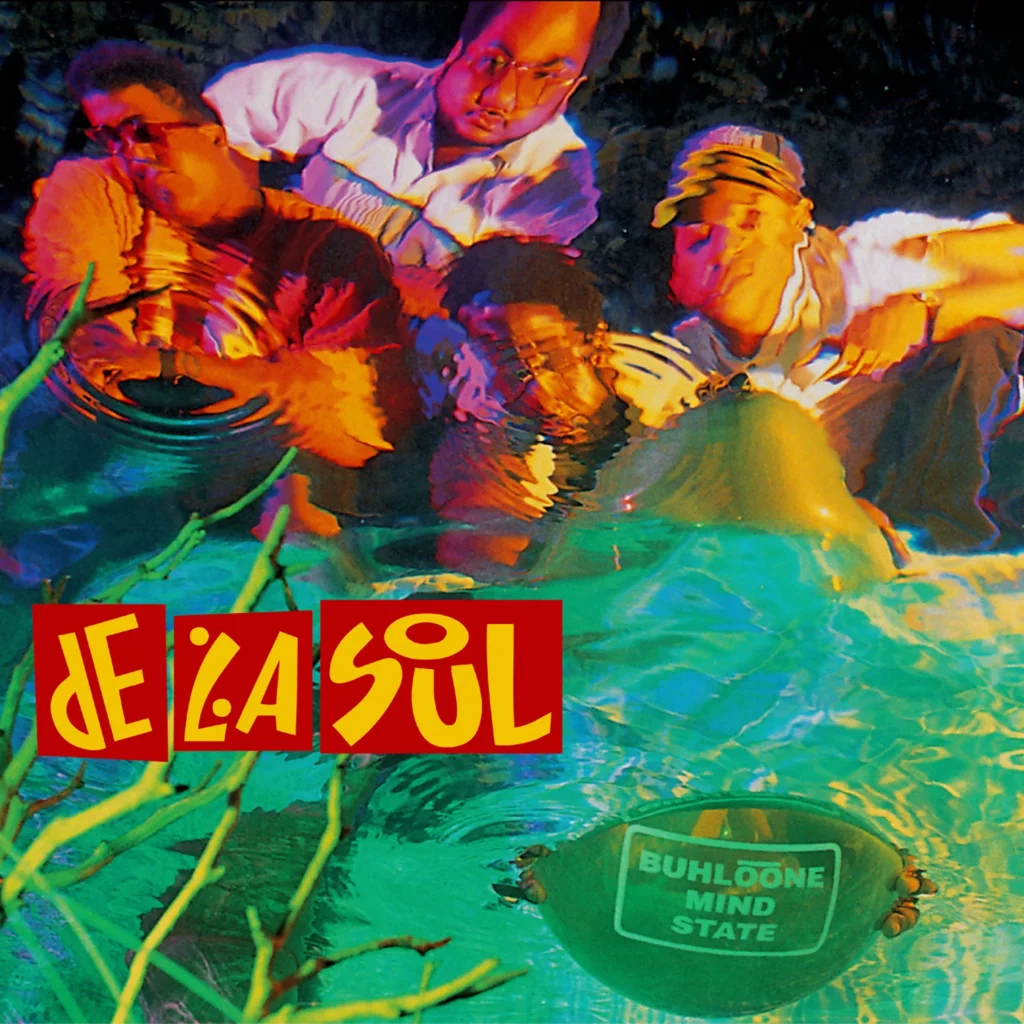
Prince Paul’s last full album with De La Soul is also the group’s jazziest, and the one most often passed over. Buhloone Mindstate has none of the instant oddball charm of 3 Feet High and Rising and few of the easy grooves of De La Soul Is Dead. It asks you to sit with it. Do that, and Posdnuos, Trugoy and Maseo reveal their most organic and best-played record.
The title spells “balloon” phonetically. Posdnuos explained it as a band that had become popular without wanting to make pop music, and the intro acts it out: a balloon inflates while a chant promises growth without selling out, until a pop cuts off the last word. To keep their sound from going soft, the trio brought in a horn section. Maceo Parker, Fred Wesley and Pee Wee Ellis, the brass behind James Brown, play on “Patti Dooke” and “I Am I Be”. Their lines push and answer the MCs like a live band sitting in, and on “I Be Blowin’” Parker solos with the stage to himself over an Eddie Harris sample.
Prince Paul’s crates tilt the same way. Milt Jackson’s vibraphone sits under “Patti Dooke”, a track about the mainstream trying to steer Black music, with Guru, fresh from Daily Operation, delivering the spoken chorus. Duke Pearson’s “Ground Hog” drives “Long Island Wildin’”, where Japanese MCs Scha Dara Parr and Takagi Kan take over the mic. Lou Donaldson’s “Hot Dog” turns up on “3 Days Later”, jazz guitarist Jimmy Ponder colours “I Am I Be”, and a Joe Newman trumpet record from 1958 slips into “In the Woods”. The short interludes connect it all, so the album plays as one long set where the band never quite leaves the stage.
The jazz never smothers the personality. “Ego Trippin’ (Part Two)” carries the group’s old mischief over an Al Hirt sample, “En Focus” lets Shortie No Mass and Black Sheep’s Dres loose, and Biz Markie clowns through “Stone Age”. “Breakadawn” turns Michael Jackson’s “I Can’t Help It” into one of the warmest grooves De La ever rhymed over. The writing peaks on “I Am I Be”, where Posdnuos and Trugoy reflect on identity, experience and artistic independence over horns that move with the verses.
The record belongs with the group’s finest work. The intro inflates a balloon until it bursts, and over the rest of the album De La Soul make sure their own success never does.
Greg Osby – 3-D Lifestyles (1993)

Every other jazz rap record on this list so far starts from the Hip Hop side of the room. 3-D Lifestyles starts from the other end. Greg Osby was an alto saxophonist steeped in Brooklyn’s M-Base collective, the circle around Steve Coleman and Cassandra Wilson that built music from interlocking rhythmic cycles and unconventional harmony. Instead of hiring session players to mimic breakbeats, he invited Hip Hop producers and MCs into his own record and met them on their terms.
The credits show how the album works. Ali Shaheed Muhammad co-produces three tracks with Osby, “Raise”, “Hardcopy” and “Flow to the Underculture”, and on all three Geri Allen is on piano. That pairing sits at the album’s centre: one of the most adventurous pianists of her generation voicing chords over drums programmed by the man who had just helped build The Low End Theory. Darrell Grant takes the piano chair on “God-Man Cometh”, the title track, and “Thelonious”, whose name points straight at Monk, while Lee Johnson, Robert Johnson and Street Element handle the remaining beats. The 100X Posse share writing credits on “Mr. Gutterman” and “3-D Lifestyles”. Cassandra Wilson, Osby’s M-Base colleague, sings on the brief “Honor the Example”.
Over all of it, Osby’s alto plays angular, post-bop lines, cutting across the grid of the drum programming. He doesn’t decorate the beat with a smooth jazz-funk hook. He solos the way he would with a live rhythm section, and the friction between his phrasing and the fixed loops gives the record its tension. The MC verses are the weaker element. They’re functional and at times blunt, and some jazz critics at the time heard them as repetitive. The record sounds best when the rappers step back, and the horn and piano argue with the drums.
3-D Lifestyles came out on Blue Note in 1993, the same year the label gave Us3 the keys to its vault. Us3 built hits out of Blue Note’s past. Osby used the same label to write something new.
Guru - Jazzmatazz, Vol. 1 (1993)
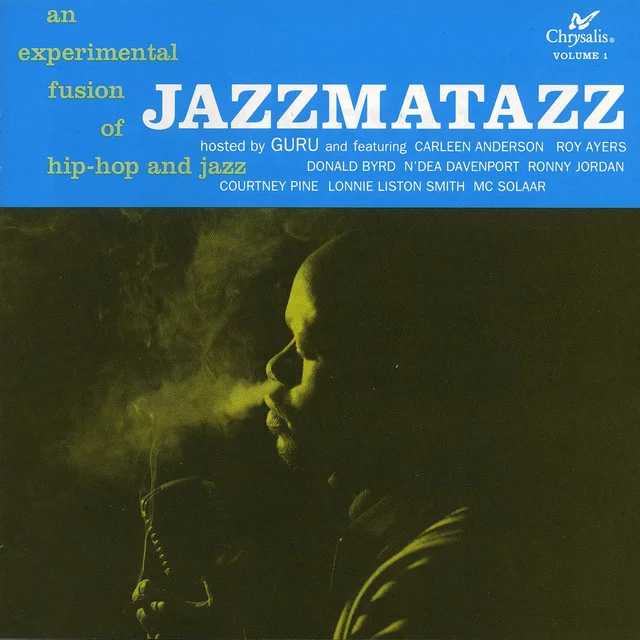
The same drum break runs under three songs on Jazzmatazz, Vol. 1. Melvin Bliss’s “Synthetic Substitution” drives “Trust Me”, “Take a Look (At Yourself)” and “Transit Ride”, and that choice explains the whole design. Guru kept Hip Hop’s foundation, the looped break and the steady head-nod tempo, and invited jazz musicians to play live on top of it. In the liner notes he said the mellow side of jazz and the hard rap beat fit his voice naturally, and the album is built on that belief.
The guest list mixes generations. Donald Byrd plays trumpet and piano on “Loungin’” and co-produced it, his phrases curling around a Monk Higgins sample. Roy Ayers brings vibraphone to “Take a Look (At Yourself)”, where it rings over a figure from Gene Harris and The Three Sounds. On “Transit Ride”, Branford Marsalis switches between alto and soprano saxophone while Zachary Breaux plays guitar and DJ Jazzy Nice scratches between the horn lines. Lonnie Liston Smith plays acoustic and electric piano on “Down the Backstreets”. London’s acid jazz scene fills out the rest: Ronny Jordan’s guitar and Dee C Lee’s vocals on “No Time to Play”, Courtney Pine on flute and saxophones next to Carleen Anderson on “Sights in the City”. N’Dea Davenport sings on “When You’re Near”, built on Freddie Hubbard’s “Povo”, and on “Trust Me”, the album’s lead single. MC Solaar rhymes in French on “Le Bien, le Mal”, with Jimmy Jay cutting records behind him.
Guru plays host more than lead. His measured, even delivery leaves space for every soloist, and he rarely crowds a bar. That restraint comes at a cost. His verses here are gentler and more conversational than his work with Premier, and at least one critic at the time heard polite commentary where the musicians around him were reaching for deeper moods. The album works best as a set of meetings, with Guru setting the table and his guests doing the talking. American listeners were slow to catch on. The album stalled at No. 94 on the Billboard 200 but charted across Europe, where jazz had a larger audience in the early 90s.
One credit ties the album back to its source. On “Down the Backstreets”, Lil’ Dap, who was rapping on Daily Operation a year earlier, plays live drums next to Lonnie Liston Smith. For one track, the Gang Starr Foundation and a jazz combo were the same band.
Clever Jeff - Jazz Hop Soul (1994)

Clever Jeff found his sound with a bass guitar in his hands. While working day jobs in San Francisco, the Oakland rapper, singer, and multi-instrumentalist Clever Jeff spent evenings at producer Dave G’s studio, laying bass grooves over Dave’s drum tracks and freestyling on top. Those sessions became demos; the demos reached Quincy Jones, and Jones signed him to Qwest Records. Jazz Hop Soul came out of that after-hours routine, and it keeps the loose, late-night feel of a jam that runs past closing time.
The title works like a manifesto, and the credits back it up. Co-produced by Jeff and Dave G, the album sets programmed beats against live playing. Trumpeter Scott Roberts plays on “Catch Rek” and “The Birth”, and Adam Bergman takes the horn part on “Late Night Tip”. Malachi Padron scratches on “Let the Man Command”, and Ed Broussard adds backing vocals to “Down Low”. Short interludes called “Jazz”, “Rainy Day”, “Refresh” and “At the Club” link the full songs, so the 19 tracks play like a night moving from room to room.
In 1994, the West Coast sound was dominated by G-funk, and a track called “Gangsta Jazz” reads like a quiet reply. Jeff later described his aim as “adult contemporary hip hop” in a clip on his official YouTube channel: music for grown-up conversations about life and community, played over a game of dominoes. His rhymes move between social and political commentary and relaxed, everyday storytelling, and the album balances polish with grit. “Full Stride”, “The City” and “Late Night Tip” are where that balance works best. The record slipped past most listeners on release, and it has been waiting for a wider audience ever since.
Few major-label rap debuts from 1994 sound this much like a man who clocks out, picks up an instrument, and starts talking.
Justice System - Rooftop Soundcheck (1994)

Justice System built their beats the slow way, with eight people in a room. Rooftop Soundcheck is the work of a working band. MCs Jahbaz and Folex rhyme over guitarist Wizard C-Roc, drummer Eric G, and Mo’ Betta Al on saxophone and Rhodes, with Coz Boogie, Bim-E and Sugadeezil filling out the lineup. The New York collective came up through talent shows and club gigs and played as a house band for the Universal Zulu Nation. That history shows: the record plays like an act used to reading a crowd.
The jazz enters through the instruments, not the crates. Al’s Rhodes chords and sax lines give the grooves their colour. The arrangements open up for extended instrumental breaks, and the songs stretch to five and six minutes because the band likes to let a vamp ride. “Summer in the City”, the lead single, is the clearest example: smooth guitar figures and electric piano chords set a relaxed New York afternoon, and it returns near the end as the “Sunshine Blend”. Jahbaz produced the album, and he and Folex split the mic well. Folex is the punchier voice and Jahbaz the smoother one, and the contrast keeps the long tracks moving.
The band’s references run wide. “Dedication to Bambaataa” salutes the man whose Zulu Nation gave them a stage, and “Santana” nods to the guitarist whose Latin-rock jams the band clearly loved. Opener “Due Our Time” makes the case for staying true to Hip Hop’s roots, and “Flexin’ tha Ill Funk” and “Justice Funkin’” lean toward the funk side of the band’s sound.
The studio mix doesn’t always capture what made them exciting live. A few of the grooves settle into polite smoothness, and the rhymes sometimes play it safe next to the musicianship. When the band locks in, though, Rooftop Soundcheck points straight at what The Roots would bring to a bigger audience a year later: a live jazz-funk band treating Hip Hop as its native language.
Digable Planets – Blowout Comb (1994)

The voices on Blowout Comb sit low in the mix on purpose. Ishmael Butler had taken note of George Clinton’s idea that half-heard lyrics keep listeners coming back, and he wanted the raps woven into the music instead of laid on top. The label complained that nobody could hear the words. Thirty years on, that choice is exactly why the record keeps revealing new details.
By the time they made it, Digable Planets had moved from Philadelphia to Fort Greene, dropped their insect names and lost much of their lightness. Black Moon’s Enta Da Stage and Wu-Tang’s Enter the Wu-Tang (36 Chambers) had shifted their sense of what New York rap sounded like, and the jazz on this album goes darker and grittier to match. Butler programmed the drums and told the players what he heard. Co-producer Dave Darlington then helped blend those live parts with vinyl collected on the group’s world tour, until it was hard to tell which was which. Wes Montgomery’s “Prelude to a Kiss” opens the album. Grant Green and The Meters wind through the seven minutes of “Black Ego”, Bob James’s “Blue Lick” carries “Jettin’”, and Bobbi Humphrey’s flute colours “The Art of Easing”. Roy Ayers turns up three times: his “We Live in Brooklyn, Baby” gives Guru a home on “Borough Check”, “Slow Motion” sits under Jeru the Damaja’s turn on “Graffiti”, and “Ebony Blaze” feeds the closing “For Corners”. The tracks unfold like extended jams, closer in spirit to The Roots than to the coffeehouse cool of Reachin’.
The writing changed too. Ish, Mecca and C-Know trade verses in the same relaxed, unhurried flow, now packed with Five Percent lessons, Black Panther history, block parties, barbershops and corner stores. Both of Butler’s parents had been Panthers, and before recording, he spent time in Watts with elders steeped in Black history. The artwork copies the layout of the Panthers’ newspaper, down to the ads for imaginary soul food restaurants. Mecca put it plainly: it was time to be more direct.
The label barely promoted the album, the singles stalled, and the trio split early in 1995. Blowout Comb catches a group at the moment it found a new sound, and then the story stopped. What it leaves behind is Brooklyn, mapped corner by corner by people who had only recently arrived.
Common - Resurrection (1994)

Listen for the vibraphone. Across Resurrection, No I.D. keeps returning to its soft, ringing tone. Gary Burton’s vibes surface on “In My Own World (Check the Method)” and “Nuthin’ to Do”, the Modern Jazz Quartet’s “But Not for Me” sits under “Maintaining”; and Roy Ayers’s “Everybody Loves the Sunshine” bends through “Book of Life”. The title track opens on the Ahmad Jamal Trio’s “Dolphin Dance”. It’s a cool, late-night palette, and it gives Common, still billed as Common Sense here, the space he needed to find his voice. The jump from Can I Borrow a Dollar? is enormous. The crass moments of the debut are mostly gone, replaced by intricate rhyme patterns, sharp observation and a growing streak of introspection.
The arrangements are understated: warm samples, relaxed drum breaks and piano loops with plenty of air between them. Common uses that air. On the title track, he moves between inventive wordplay and reflections on how far he has come. “Communism”, built on two Freddie Hubbard records, turns into a word game, a run of words starting with “com” strung together for the joy of it. “Thisisme” is a plainer declaration of identity, and on “Sum Sh*t I Wrote” he attacks Ynot’s laid-back production, which samples the Jonah Jones Quartet, with confidence and precision. The record is split into “East Side of Stony” and “West Side of Stony”, after the avenue that runs through Chicago’s South Side, and short interludes stitch together a loose picture of daily life there.
“I Used to Love H.E.R.” is the centrepiece and one of Hip Hop’s great feats of storytelling. Over a sample of George Benson’s “The Changing World”, Common describes a relationship with a woman who turns out to be the culture itself, tracing her drift from creative expression toward commercialism and gangsta posturing. He keeps the allegory hidden until the final line, the writing is sharp without preaching, and the guitar line keeps the mood tender. The song brought him real attention, and it started a feud with Ice Cube and Westside Connection.
Common’s partnership with No I.D. already sounds fully formed. The album sold poorly at first, but its reputation grew steadily. The last voice on it isn’t Common’s. “Pop’s Rap” hands the mic to his father, Lonnie “Pops” Lynn, for a closing poem, the first of many he would deliver at the end of his son’s albums.
The Roots - Do You Want More?!!!??! (1995)

The Roots sampled themselves. For their second album, the Philadelphia band taped their own jam sessions and cut the recordings into loops. That let them keep the repetition and pocket of boom bap while every note came from their own hands. On the opening track Black Thought introduces the music as organic Hip Hop jazz, and the label holds for the next 73 minutes.
Scott Storch’s Fender Rhodes is the album’s signature colour. Its soft, chiming chords hover over Questlove’s crisp, dry drums and Hub’s round bass, while Steve Coleman’s saxophone slips in and out and Rahzel fills the gaps with his mouth. Compared with the independently released Organix, which still had rough edges, this record is smooth and assured from the first bar. It’s the sound of musicians listening closely to one another, a band that has played these grooves on street corners long enough to know where every accent falls. “Mellow My Man” is the purest jazz moment in their whole discography, and “Datskat” lets the band stretch out on a groove. “Essaywhuman?!!!??!”, recorded live at the Trocadero, shows what the band sounded like in a room full of people.
The rapping keeps all that warmth from turning into lounge music. Black Thought is already precise, landing his syllables dead on the snare. Malik B.’s gruffer, slightly lopsided voice pulls against him in a way the later albums missed. “Proceed” lays out that partnership over a laid-back groove, and “Distortion to Static” carried the band’s case to radio and MTV. “Silent Treatment” slows into a tender song about a relationship gone quiet. At the far end, Ursula Rucker’s eight-minute spoken-word piece “The Unlocking” closes the record on a completely different frequency.
Next to Resurrection or The Low End Theory, this is the gentlest jazz rap record of its era, and the sweetness is the point. It found its first audience among alternative fans after the band’s Lollapalooza slot and on stage at Montreux, and it opened one of the most consistent catalogues in Hip Hop. The master tapes burned in the 2008 Universal fire, so every surviving copy is now the closest anyone can get to the sound of those Philadelphia rehearsal rooms.
Typical Cats - Typical Cats (2001)
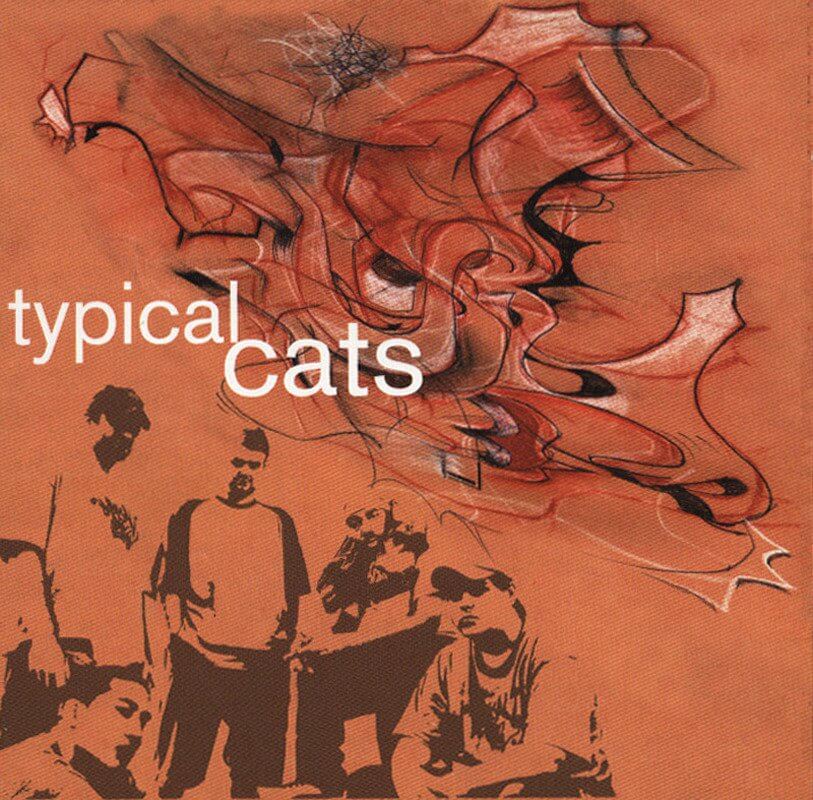
Typical Cats started on the radio. In 1996, DJ Natural and Kid Knish, two New Yorkers who had moved to Chicago, began hosting the Wednesday Night Rap Show on the University of Chicago’s WHPK 88.5 FM. The broadcasts ended in open freestyle sessions, and the regulars who kept stepping up became the group: Qwel, Qwazaar and the spoken-word poet Denizen Kane. Their self-titled debut, released on the Chicago indie Galapagos4 in 2001, captures the underground energy of those late nights on the air.
The jazz is in how they rhyme as much as in the records they sample. Three MCs from a radio cypher learn to enter, take a turn and hand off, the way players in a small combo trade fours. Each has a distinct pocket. Qwel fires dense, multisyllabic punchlines at speed. Qwazaar’s cadence is rougher and more forceful. Denizen Kane comes from poetry, and he phrases off the beat, sliding behind the drums and catching up at the end of a line. Put together, they sound like three soloists with very different tones working over one set of changes.
DJ Natural keeps the beats lean: warm jazz loops, crisp breaks and a lot of scratching, with the cuts between verses doing the work a horn break would do in a jazz arrangement. Nothing is cluttered, because the words are meant to carry the tracks. “Any Day” is the easiest entry point, and “The Manhattan Project” shows the group building a whole song around one concept. The closer, “Thin Red Line”, turns three verses into three parallel stories.
The tracklist includes a song called “Reinventing the Wheel” and another called “Cliché”, and Typical Cats sit comfortably between the two. Nothing in their sound was new in 2001. Their way with it, three very different voices passing the mic around a jazz loop in the small hours, was entirely their own.
Madlib - Shades of Blue (2003)
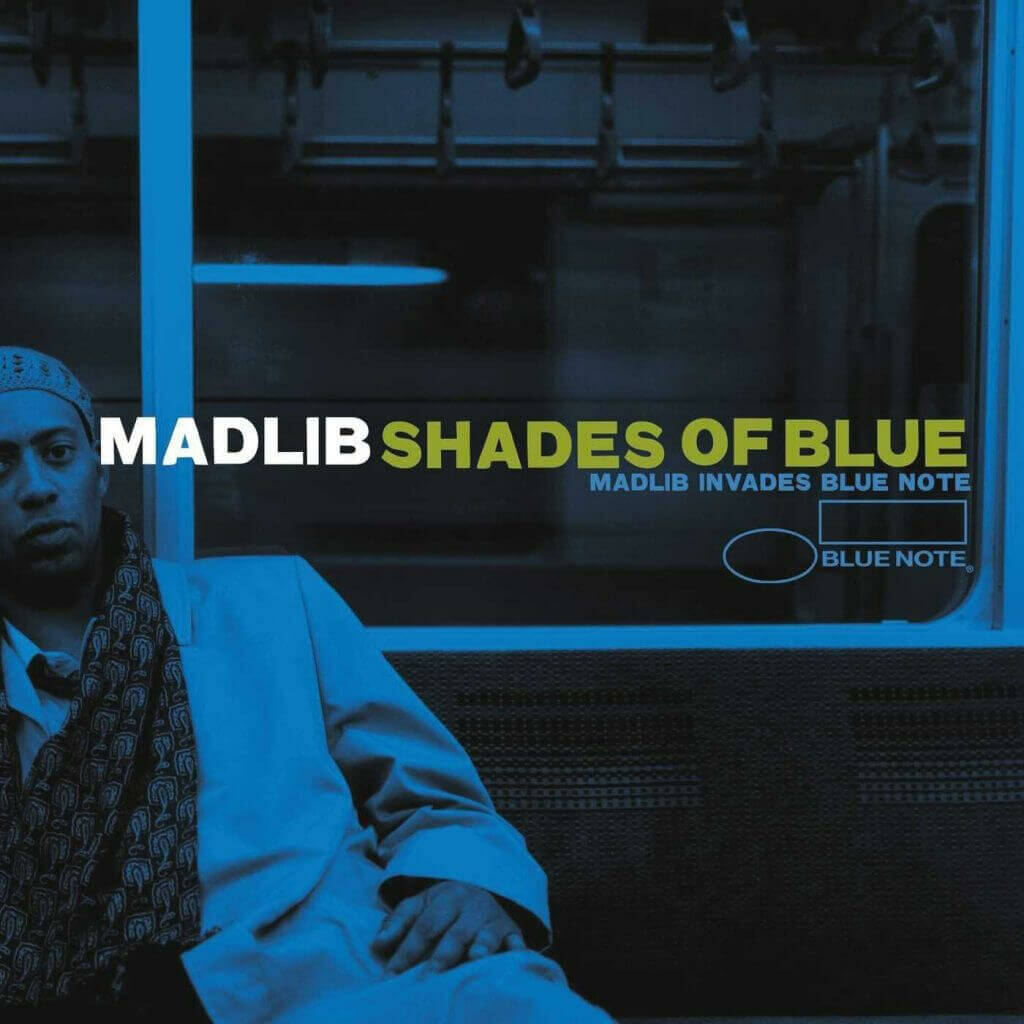
Several of the bands credited on Shades of Blue exist only in Madlib’s head. Yesterdays New Quintet, Sound Directions and the Joe McDuphrey Experience are his own aliases, imaginary combos he staffed by playing the instruments himself. When Blue Note, the most storied label in jazz, opened its catalogue to him in 2003, he did two things with it. He flipped the records the way a Hip Hop producer would, and he sat down and replayed them the way a jazz musician would.
Jazz was family business. His father is the singer and bandleader Otis Jackson Sr., his uncle is the trumpeter Jon Faddis, and Madlib had been digging through jazz records for years before Blue Note came calling. The sample side of the album is dusty and head-nodding. “Mystic Bounce” and “Slim’s Return” lock label grooves into tight loops, and his seven-minute take on Donald Byrd’s “Stepping into Tomorrow” lets the original’s glide run long over fresh drums. The live side goes further. Madlib cuts new versions of Wayne Shorter’s “Footprints”, Horace Silver’s “Song for My Father” and a medley of Silver’s “Peace” with Herbie Hancock’s “Dolphin Dance”. His playing is loose and a little homemade, and it’s clearly made by someone who knows these tunes from the inside. Short pieces like “Alfred Lion Interlude”, named for the label’s co-founder, and “Andrew Hill Break” tip a hat to Blue Note’s history along the way.
On a jazz rap list, this is the most instrumental entry, and the rapping comes in small doses. M.E.D. rhymes on “Please Set Me at Ease”, and the rest of the record stays rooted in the grooves, smooth without going soft. The rap here is in the method: the chopping, the looping and the drum programming that keep these tunes moving like Hip Hop records. The packaging nods to Blue Note’s classic cover design, and that fits a project built entirely on reverence.
In 1993, Us3 looped “Song for My Father” for Hand on the Torch. Ten years later, on the same label, Madlib picked up the instruments and played it. Between those two records, jazz rap went from borrowing the music to performing it.
Nujabes - Modal Soul (2005)

Modal Soul takes its name from modal jazz, the approach Miles Davis and John Coltrane used to improvise over a single scale instead of racing through chord changes, and it shares that music’s temperament. Nujabes builds his tracks on one or two chords and lets them circle. Each loop works like a vamp, and each guest gets room to stretch over it. Released in 2005 on his own Hydeout Productions, it was the last album Jun Seba completed before his death in 2010. It plays like the work of someone with no interest in hurrying.
The jazz sits close to the surface. “Feather” opens the album on a Yusef Lateef sample, light drums and warm keys, while Cise Starr and Akin of CYNE rhyme about kindness and letting negativity drift off like a feather on the wind. “Reflection Eternal” chops a Noriko Kose piano figure and threads Kenny Rankin’s voice through it, a love song carried on boom bap that never presses too hard. Uyama Hiroto, Nujabes’s closest collaborator, adds live keys and lends his name to the title track. That puts real playing next to the samples, and the seams are hard to find.
The guest list keeps changing the colour. Terry Callier turns up on “Ordinary Joe”, his own song reworked into a meditation on daily obligations and the freedom of birds overhead. Shing02 uses “Luv (Sic.) Part 3” to write about music’s power to heal and connect people, and he wonders how far modern life can stretch before the human detail blurs. Substantial, Pase Rock and Apani B take the middle stretch, Pase Rock’s spoken piece “The Sign” cutting through like a wake-up call. “World’s End Rhapsody” picks up the pace, and the seven-minute “Horizon” closes on a long exhale of piano and layered synths.
Long before “lo-fi beats” became a genre, this was the blueprint. The warm textures, slightly unsteady drums, and soft jazz loops spread worldwide through Samurai Champloo and, later, through YouTube. The imitators mostly copied the mood. Few copied the detail.
On “Music Is Mine”, the only track where Nujabes uses his own voice, he talks about music crossing borders and bringing people together. In one of his rare live appearances he called himself an ordinary guy, and the album he left behind sounds like that self-description.
Jazz Addixx – Oxygen (2005)
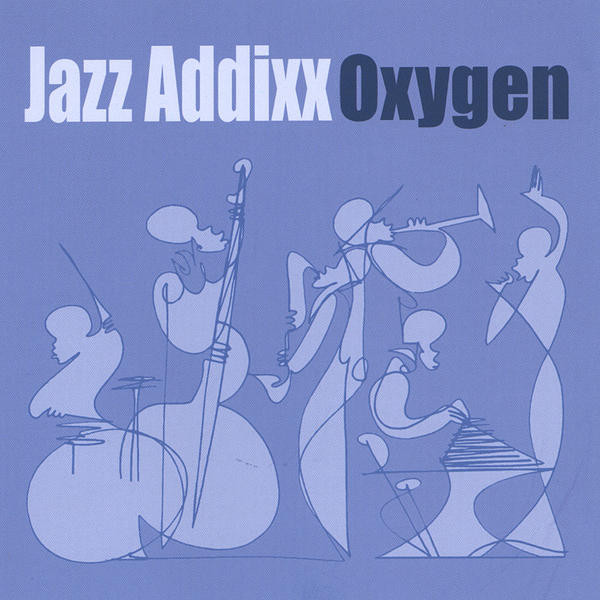
DJ Ragz has a cutting credit on almost every track of Oxygen, and the album is built around that steady thread of scratches. Jazz Addixx came together in Fredericksburg, Virginia, as a three-way partnership. M.U.D.D. raps and produces most of the record, Boom produces his own tracks and cuts alongside Ragz, and Ragz scratches around both of them. The arrangement works like a trio where every member can take the lead, and the credits change hands from track to track.
The group’s name and opening statement, “Say Jazzy”, set the agenda. The beats lean on lounge-style samples, warm horns and piano loops over classic boom-bap breaks, with the scratches often standing in for hooks. M.U.D.D.’s production holds the album together, and Boom’s tracks (“Body Flow”, “Stress”, “Catch Wrek” and “Unborn”) add some grit to the polish. On “Body Flow”, Kristy Ulrich’s voice softens the edges. Dr. Becket joins M.U.D.D. on “Something You Live” and “Flowin”, and Primo the Cinematic shares the title track. There, M.U.D.D.’s beat hands over to an ending that Boom produced.
M.U.D.D. comes from the Golden Age school. KRS-One and the Native Tongues are the clear models, and he writes about everyday struggle, positivity, and love for the culture itself, most directly on “H.I.P-H.O.P”. His delivery is understated more than commanding. That suits an album built on mood, though a few of the 20 tracks drift by without leaving much behind. The interludes named for each member, “Boom’s Interlude”, “Ragz Interlude” and “Mudd’s Intermission”, work like the moments in a set when each player gets a short feature.
The bonus track shows the band underneath. On the live recording of “Catch Wrek”, Boom plays the beat on an MPC while Ragz cuts and M.U.D.D. rhymes, three people making a jazzy Hip Hop track in real time. Fittingly, the album found its second home in Japan, where a 2007 reissue on Goon Trax put it in front of the audience Nujabes had built for exactly this sound.
Jazz Liberatorz - Clin d’Oeil (2008)
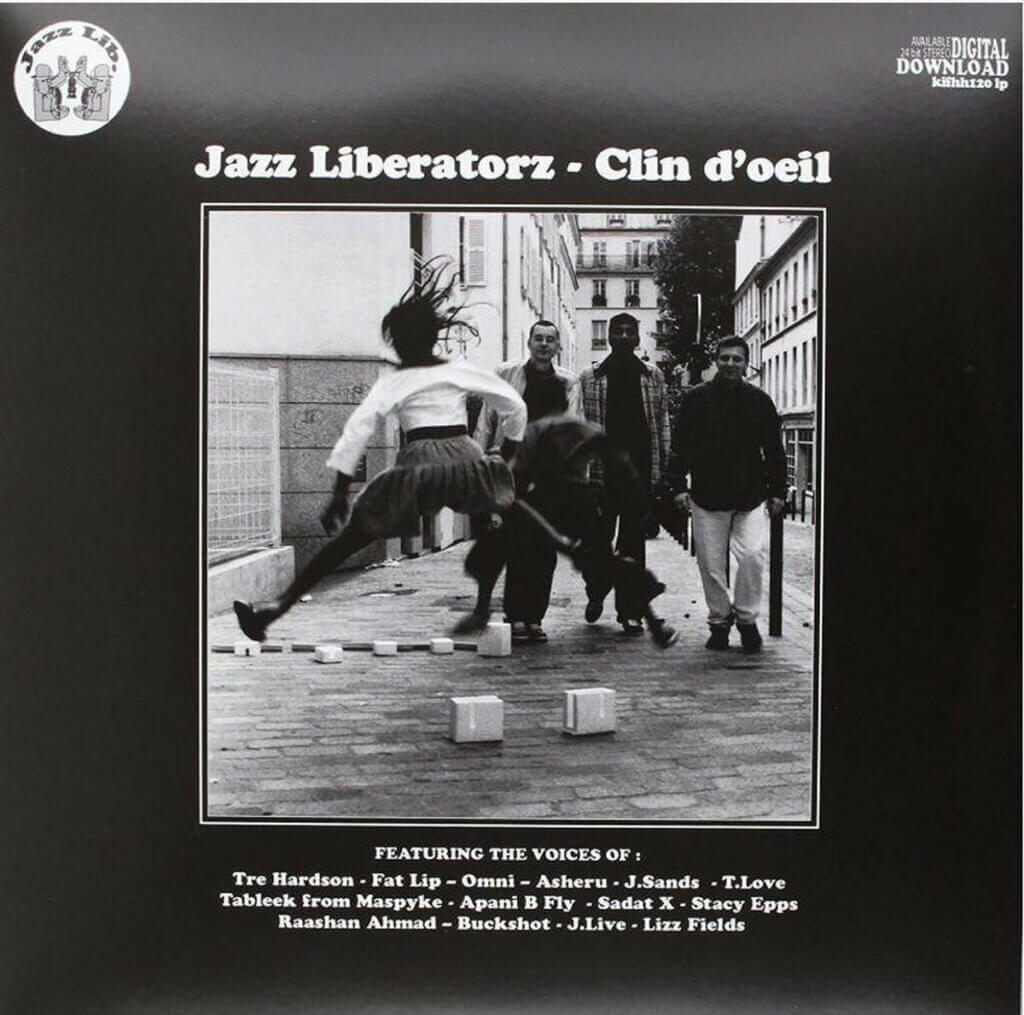
Most songs on Clin d’Oeil don’t end when the rapping stops. As the last verse fades, the band keeps vamping, and the guest MC or singer starts talking: about the first jazz records they loved, about bebop, about how this music fed into Hip Hop. Those spoken codas carry the album’s thesis. Jazz Liberatorz, a production trio from Meaux in France, built a record about lineage, and they asked their American guests to tell the story in their own words.
The title means “wink” or “nod”, and the nod goes to the mid-90s, to the era of A Tribe Called Quest, Gang Starr, Pete Rock and Digable Planets. The trio blends samples from 70s jazz records with live playing, and the result is warm and unhurried: deep basslines, sampled horns and flute, and drums that knock without hitting hard. The seven-minute title track sets the mood before any MC arrives. “Indonesia”, with Tableek, drifts into the cosmic territory of Lonnie Liston Smith, and Stacy Epps sings “U Do” smoothly over a gently swaying groove.
The guest list reads like an underground reunion. “Ease My Mind” brings former Pharcyde partners Fatlip and Tre Hardson back together, with Omni alongside them over a flute-led beat. Asheru, J. Sands, T Love, Raashan Ahmad, Buckshot and J-Live each take a track. Apani B, who also appears on Modal Soul, takes “The Process”. The weakness comes with that format. Over 14 long tracks at much the same tempo, a few of the MCs blend into the backdrop, and the album works best as an atmosphere you step into, less as a run of individual songs.
The best wink comes in the middle. Sadat X, who rhymed on “Show Business” from The Low End Theory in 1991, turns up 17 years later on a track called “The Return”, invited back by three Frenchmen who learned the music from records he helped make.
Superstar Quamallah & DeQawn - Talkin’ All That Jazz (2011)

In 1988, Stetsasonic released “Talkin’ All That Jazz”, a defence of sampling aimed at critics who claimed Hip Hop was stealing from older Black music. Twenty-three years later, Superstar Quamallah and DeQawn took the same title for an album that answers the argument by example. Its sound is built from the jazz and soul records Hip Hop was accused of raiding, and it treats them as an inheritance.
The setup is deliberately small. There are no outside guests. Quamallah, a Brooklyn-born MC who had settled in California, shares every track with the younger Bronx MC DeQawn, and Izznyce, who had worked on Quamallah’s Invisible Man, produces throughout. The beats look back to the mid-90s: filtered jazz loops, dusty drums and mellow soul samples, cut with the restraint of a producer who wants the MCs out front. Released on Boston’s Brick Records, it’s an underground record with no interest in radio hooks.
The partnership gives it energy. Quamallah writes like the teacher he became during his years away from music, with thoughtful reflections on Black history and culture, and on “Guerilla Tactics,” the politics come into the open. DeQawn brings the hunger of a newcomer, and the two pass bars back and forth in a way that keeps the album’s even tempo from going slack. “Get ’Em” picks up the pace, “Bad Muthaf@kah” rides a warm soul sample, and titles like “The Blues” and “Conversations” make the jazz lineage explicit.
The album opens with “Manhattan Reflections” and closes with “Cali Reflections”, tracing the route Quamallah himself took from one coast to the other. Jazz records were the map he used to get there.
Soweto Kinch - The Legend Of Mike Smith (2013)

Soweto Kinch doesn’t need guests to cover both sides of jazz rap. The Birmingham alto saxophonist is also an MC, and on The Legend of Mike Smith he splits himself in two on purpose. His brother, Toyin Omari-Kinch, voices Mike Smith, an earnest underground MC courted by a predatory record label. Kinch plays the darker voice in Mike’s head, the one whispering temptation. The double role fits a musician who has spent his career playing jazz and rapping at the same time.
The scale is huge: 41 tracks across two CDs, about two and a half hours, designed from the start as a stage show and later produced with Hip Hop theatre pioneer Jonzi D. Kinch structured the story around the Seven Deadly Sins, with Dante’s Inferno as a guide, and took the dramatic interludes, built on voice and keyboard, from Bach’s St John Passion. The setting is Britain after the 2008 crash, a country of shopping megamalls and shrinking prospects. Each sin becomes a psychological state for Mike to pass through. “Invidia”, Latin for envy, turns that idea into a recession anthem, angry about money and status without lecturing.
The jazz comes from a serious band. “Vacuum” brings in pianist Julian Joseph and trumpeter Jay Phelps for a smoky, old-school feel, the horns and piano leaving room around the verses. Kinch’s own alto runs through the record in hard, bright lines, and he raps with the same rhythmic precision he plays with, landing syllables like phrases in a solo. Elsewhere, the music jumps between post-bop, boom-bap and classical textures, sometimes within a single track.
That ambition is also the problem. The spoken-word drama takes up a great deal of space, and over two and a half hours the story sometimes buries the music. Listeners who come for the saxophone will find long stretches where it waits offstage. This album rewards a start-to-finish listen and resists casual dipping. Taken as intended, it is the most ambitious work on this list.
The record ends with “The Bounce”, where Kinch’s alto squares off against Shabaka Hutchings’ tenor in a post-bop sprint with Ornette Coleman’s freedom in it. Two British saxophonists trade lines at the close of a rap opera, a few years before British jazz broke wide open.
Damani Nkosi - Thoughtful King (2014)

The title is his name, translated. Damani means “thoughtful,” and Nkosi means “king” or “ruler”, names his father chose because he wanted his son to grow up with African names and walk with pride. That father’s voice opens the album on “The Origin”, explaining how he raised Damani to see himself as royalty. Everything after it is the Inglewood MC asking what that upbringing demands of a grown man. Thoughtful King is his independent debut, made after years inside the Los Angeles major-label system, and it sounds like an artist who has finally been left alone to say what he means.
Warryn Campbell produced most of it, with Ric Rude and Jarius Mosey handling the rest. Together they swap West Coast funk for something warmer and more played: jazz chords, neo-soul textures and live instrumentation. The jazz link is clearest on “Now That’s Love”, where Robert Glasper’s piano curls around Musiq Soulchild’s vocal, the voicings rich enough to carry the song on their own. “A Man”, with PJ Morton, sets the album’s themes early: manhood, responsibility and self-worth, written with care and still sharp. “On My Way to Inglewood” heads back to the neighbourhood that shaped him, and “Free Dumb (Chains Off)” takes on systemic racism with a pun for a title.
Nkosi’s delivery is measured and clear, and he leaves the arrangements room to breathe. BJ the Chicago Kid and Bad Lucc join him on “Rich”, and Sid Sriram’s voice takes “Ethiopia” somewhere quieter and more spiritual. Of all the albums on this list, this one leans furthest toward soul. The jazz often sits in the harmony more than in the solos, but the instincts are a jazz musician’s: give the players space, and let the chords tell part of the story.
After “Good Night” closes the main album, the bonus “Scoe’s Special #9” throws the doors open to a posse cut with IllCamille, Oh No, Problem, S-Mak and Thurz. The father who opened the record named a thoughtful king. The son ends it surrounded by peers, a ruler sharing the mic.
Ghostface Killah & BADBADNOTGOOD - Sour Soul (2015)

Ghostface Killah and BADBADNOTGOOD never shared a studio while making Sour Soul. The Toronto trio and producer Frank Dukes built the music, sent it to Ghost, then shaped arrangements and instrumental interludes around the vocals that came back. You would never guess it. The record plays like a working band and a front man who had toured together for years, and it’s one of the most enjoyable albums in Ghostface’s later catalogue.
Sampling was off the table. Dukes and the band went to 60s and 70s soul, crime-film scores and their recording techniques, and they played everything live. Most of it was tracked at Thomas Brenneck’s Dunham Sound in Brooklyn, with players from the Budos Band and Daptone engineer Wayne Gordon in the room, and more sessions ran at Dukes’ Kingsway Studios in Toronto. Chester Hansen’s warm bass, Alexander Sowinski’s crisp drums and Matthew Tavares’s guitar and keys build cinematic grooves, shaded with eerie horns and, in places, Sowinski’s vibraphone. The musicians came up through jazz, and you can hear it in the voicings and in how patiently they let a figure build before Ghost steps in.
Ghost’s animated flow and instinctive sense of rhythm sit easily on top. The title track sets the tone, and “Tone’s Rap” and the instrumental “Stark’s Reality” nod to his Tony Starks alias. The guests sharpen the contrast. Danny Brown’s unpredictable energy crackles against Ghost’s seasoned delivery on “Six Degrees”, Elzhi turns in a dense, precise verse on “Gunshowers”, and “Ray Gun” pairs him with MF Doom, two of rap’s great eccentrics trading lines over a lurching groove.
At under 33 minutes, with three of its 12 tracks instrumental, the album is brief. There’s no grand concept and less Ghostface than you might want, but the short format keeps every track tight and the replay value high. This isn’t Ghost’s most important statement. But it may be the one we put on most often.
Lex released an instrumental version of the album the same day, and it plays as a jazz-funk record in its own right. That tells you how much weight the band carries here. For once, Ghostface sounds happy to ride in the passenger seat.
Anti-Lilly & Phoniks - It's Nice Outside (2017)
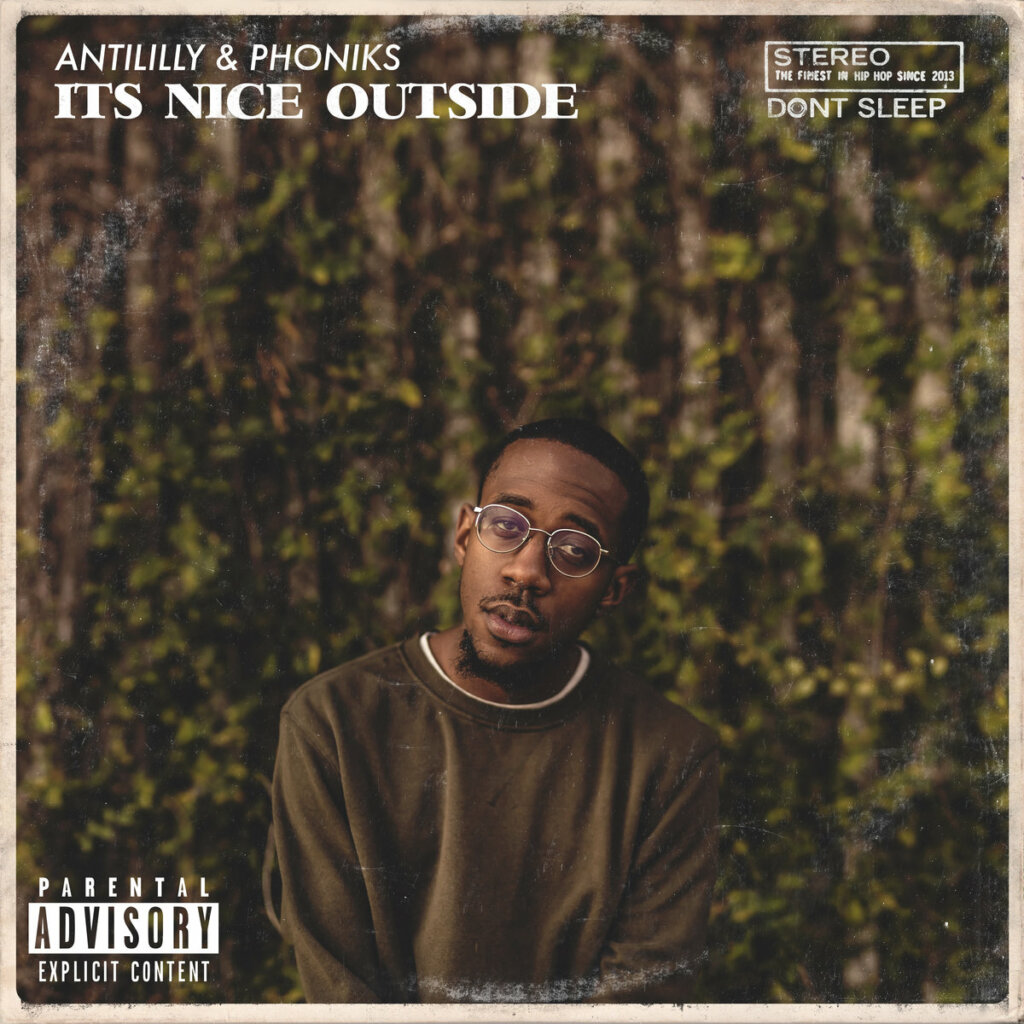
Voicemails hold It’s Nice Outside together. Between the songs, friends and family leave messages for Anti-Lilly, checking in and asking where he’s been, trying to reach someone who had shut himself off. The Houston MC had been through long stretches of depression, the grind of a nine-to-five, the pull of the streets and the betrayal of a close friend. On his second album with producer Phoniks, he writes his way back out, and he called the record the only way he knew how to get through it.
Phoniks gives him the right room to do it. The beats are made from soul and jazz records: dusty breaks, warm piano loops and horn lines, and basslines that walk more than they thump. The production looks back to the mid-90s but never sounds like a museum piece. “Sunshine”, with Mariel, and “Better Days” let the jazz glow through. Elsewhere, Phoniks keeps the loops sparse and slightly melancholy, so Anti’s words carry the weight. The pairing goes back to Stories from the Brass Section in 2014, and the chemistry has deepened since.
Anti-Lilly raps like he’s talking to one person across a table. His flow is steady and unhurried, without bravado, and the honesty is the point. “Nobody’s Perfect” admits failure without self-pity, “I Found Me” marks a turning point, and “Grow” sets out what he took from the dark years. “Company Cigarettes” and “Product of My Environment”, with Devante Hunter, look at the pressures that pushed him inward. Awon, Phoniks’s other regular partner, joins him on “Every Season”. The 17 tracks hold together as one story, not a playlist.
The title track opens the album and sets the destination before the story starts: get outside, back among people. By the time the voicemails stop, he has picked up the phone.
August Greene - August Greene (2018)

An Emmy started it. While making Common’s Black America Again, he, pianist Robert Glasper, and drummer Karriem Riggins wrote “Letter to the Free” for Ava DuVernay’s prison-reform documentary 13th. When the song won the Emmy in 2017 for original music and lyrics, the three decided the chemistry deserved a name. August Greene began as another Common solo project and became an equal partnership, and the songwriting credits show it: Lonnie Lynn, Glasper and Riggins appear on every original track, with Samora Pinderhughes on almost all of them.
The connection is audible from the first bar. Glasper plays supple minor-key chords and fluid runs, Riggins answers with syncopated, conversational grooves, and Burniss Travis’s bass keeps the floor warm underneath. There are no sampled loops. The tracks come out of jam sessions, recorded in New York at Electric Lady and Brooklyn Recording and in Los Angeles at Henson and NRG. Common sounds settled in the middle of it, measured and thoughtful, and willing to let the band play. “Black Kennedy” is the early high point, his thoughts on Black identity and leadership riding Glasper’s keyboard. “Practice” keeps the focus tight, and “Fly Away” opens up for Elena Pinderhughes’s flute.
The album’s mood is practical optimism: personal growth, social responsibility and the work of keeping perspective. The cover of Sounds of Blackness’s “Optimistic”, written by Jimmy Jam, Terry Lewis and Gary Hines, puts that ethos in plain view, and Brandy sings it with real conviction. The closer, “Swisha Suite”, stretches past twelve minutes with Bilal, Brandy, Estelle and the late Roy Hargrove on trumpet, the band jamming like a club set heading toward last call. The second half sometimes gives up momentum for atmosphere, and the brief “Piano Interlude” breaks the flow more than it links it. Repeated listens reward the patience. It’s an overlooked high point in Common’s later catalogue.
On Resurrection, in 1994, No I.D. looped vibraphone records under a young Common Sense. Twenty-four years later, he raps over jazz played live by two of the musicians who define it today. The distance between those two albums covers the history of this list.
Avantdale Bowling Club - Avantdale Bowling Club (2018)
“Years Gone By” runs for seven minutes and walks through Tom Scott’s life one year at a time. That opening sets the terms for Avantdale Bowling Club. Scott throws out the 16-bar verse and writes long, unbroken passages that unfold the way a solo does, over arrangements that stretch past five, seven and even nine minutes. The name joins avant-garde to Avondale, the Auckland suburb where he grew up, and that pairing describes the album well: experimental music rooted in a specific neighbourhood.
Jazz ran in the family. Scott’s father played jazz bass, and he grew up surrounded by jazz, funk and soul. While making this record, he was listening to Alice Coltrane and Pharoah Sanders. He sketched the basic melodies himself, then brought in a large cast of musicians to fill out the arrangements: drummer Julien Dyne, pianist Guy Harrison, and Ben Lawson in the producer’s chair. Dyne’s drums swing more than they knock. Harrison’s piano moves between spiritual-jazz modal vamps and late-night chords, and the band follows Scott’s phrasing instead of locking him to a grid. “Home”, the slow-burning centrepiece, adds a Chico Hamilton sample to the live playing and turns his years away and his return to New Zealand into a song.
Scott began the album in Melbourne after his group @peace broke up, and the first song he finished, “Pocket Lint”, dates from 2014. Somewhere along the way, the record became what he called a self-help book addressed to himself. Addiction and parenthood are its two poles. “F(r)iends” is an ode to people close to him who struggle with drugs, his parents among them, and it mourns a friend he lost in 2006. At the other end, “Quincy’s March”, named for his son, lays out the hopes and anxieties of a new father. He raps with dense, interlocking rhymes in a completely conversational tone, a grown man talking frankly about his own mistakes. In New Zealand, the album went to number one and won Album of the Year at the national music awards.
It closes with “Tea Break”, an instrumental inspired by his aunt’s fight with early-onset dementia. After 50 minutes of long, unguarded verses, Scott lets the band have the last word. He learned from his jazz-bassist father when to lay out.
Across these 25 albums the direction of travel is clear. In 1991 Ron Carter walked into a studio to play bass for A Tribe Called Quest, a jazz legend lending his sound to a Hip Hop record. By 2018, Robert Glasper, a pianist who grew up with The Low End Theory, was sitting in a band with Common, and the musicians around him had learned their jazz partly through Hip Hop. Somewhere in between, the borrowing stopped going one way.
You can hear that shift in the list’s quieter pairings. Us3 looped “Song for My Father”, and Madlib replayed it. No I.D. built Resurrection from vibraphone records, and two decades later Common rapped over keys played live in the room. Premier sliced Ahmad Jamal into four-bar fragments, while Freestyle Fellowship rapped like bebop soloists, BADBADNOTGOOD came to Ghostface as players, and Soweto Kinch took the solo and the verse himself. The tools changed from sampler to bandstand and back again, but the instinct stayed the same: treat a groove as a conversation and listen before you speak.
Our list leaves out plenty. Some records sat on the line between jazz-tinted boom bap and true jazz rap, and others are still waiting for a wider audience. New ones keep arriving from London, Auckland, Tokyo and well beyond, made by artists for whom the two forms were never separate.
If you’re starting somewhere, start with any record here and follow its credits backwards. Every one of them points to a stack of jazz albums, and those albums are worth hearing too.