


Some Hip Hop albums are difficult to listen to for reasons that have nothing to do with the music. They take you into places most people spend their lives trying to avoid: the loneliness of depression, the aftermath of a death, the slow collapse of a relationship, or the exhausting struggle to live with your own thoughts. There are records that sound like someone trying to hold themselves together, and others where you can almost hear them falling apart.
Hip Hop has a long history of confronting painful realities, from poverty and violence to addiction, grief, and personal failure. But there’s a particular kind of emotional weight that comes when artists turn their attention inward. The confidence and bravado traditionally associated with rap give way to self-doubt, shame, regret, and uncomfortable honesty. Sometimes the writing is painfully direct. Sometimes the artist circles around an experience, revealing fragments of a story that becomes increasingly disturbing as the album progresses. And sometimes the music communicates what the words struggle to express.
The atmosphere matters enormously. A desolate piano loop, a distorted sample, an exhausted voice, or a beat that seems to drag itself forward can make an already painful story almost unbearable. On albums like Has-Lo’s In Case I Don’t Make It, Edward Scissortongue’s Tell Them It’s Winter, or Elzhi’s Lead Poison, the production becomes inseparable from the emotional state of the person behind the microphone. These records draw you into their world and leave you there, surrounded by thoughts and memories that refuse to go away.
The 25 albums selected here explore grief, depression, heartbreak, isolation, addiction, family trauma, and the complicated ways people respond to suffering. Some are intensely autobiographical, while others use fictional characters, abstract imagery, or dark humor to approach experiences that resist straightforward explanation. And although melancholy runs through much of this selection, there is room for tenderness, love, nostalgia, resilience, and the occasional glimpse of hope.
We’ve focused on albums that maintain their emotional impact from beginning to end, including underground releases that deserve far greater recognition alongside established classics. These aren’t necessarily comfortable records, and they don’t always provide answers or reassurance. Some document genuine attempts at recovery. Others end with the same uncertainty and pain they began with.
What makes them powerful is their willingness to confront emotions that are difficult to articulate and even harder to share. At their most affecting, these albums give a voice to thoughts people rarely admit to having, and remind us how much of the human experience takes place beneath the surface.

Scarface – The Diary (1994)

Scarface’s The Diary is a portrait of a man living with the constant expectation that his life could end violently. The Houston rapper’s third solo album moves beyond the street narratives that defined much of his earlier work, examining the psychological consequences of violence, the inevitability of death, and the paranoia that comes with living in a world where trust can be fatal. Scarface has always possessed an exceptional talent for storytelling, but here his writing takes on an especially bleak, introspective quality. The characters and situations he describes are frightening partly because he understands their motivations so well.
“I Seen a Man Die” is the album’s emotional centerpiece. Scarface follows a young man’s progression toward an early death, tracing the circumstances and decisions that make his fate seem almost inevitable. His restrained delivery gives the narrative an air of weary resignation. There is no triumphant gangster mythology here, only the consequences of violence and the realization that the people involved often have little opportunity to escape the cycle. The song’s title captures its central horror: death becomes so familiar that witnessing it can begin to feel like an ordinary part of life.
“Mind Playin’ Tricks ’94” revisits the psychological torment explored in the original Geto Boys classic, bringing paranoia and inner conflict into a darker, more solitary setting. Scarface’s greatest strength is his ability to make mental distress sound immediate without losing control of the narrative. On “The White Sheet” and “Jesse James,” violence carries its own atmosphere of dread, while “G’s” examines the cold calculations of street survival. The characters may project toughness, but fear and insecurity remain close beneath the surface.
The album also turns its attention toward the people who condemn rap while ignoring the conditions it describes. On “Hand of the Dead Body,” featuring Ice Cube and Devin the Dude, Scarface challenges politicians and media figures who blame Hip Hop for social violence while avoiding the deeper realities of poverty, racism, and neglected communities. The argument gains force from the album’s own stories, which present violence as a lived reality with devastating consequences rather than an entertainment fantasy.
The production from Scarface, N.O. Joe, and Mike Dean reinforces the oppressive mood through ominous samples, heavy drums, and somber melodies. Every element seems to point toward the same uneasy conclusion.
The Diary is emotionally powerful because Scarface never treats survival as proof of invulnerability. His characters remain haunted by what they have witnessed and what they have done. Death hangs over the album, but the deeper tragedy is the psychological toll of living as though it might arrive at any moment.
2Pac – Me Against The World (1995)
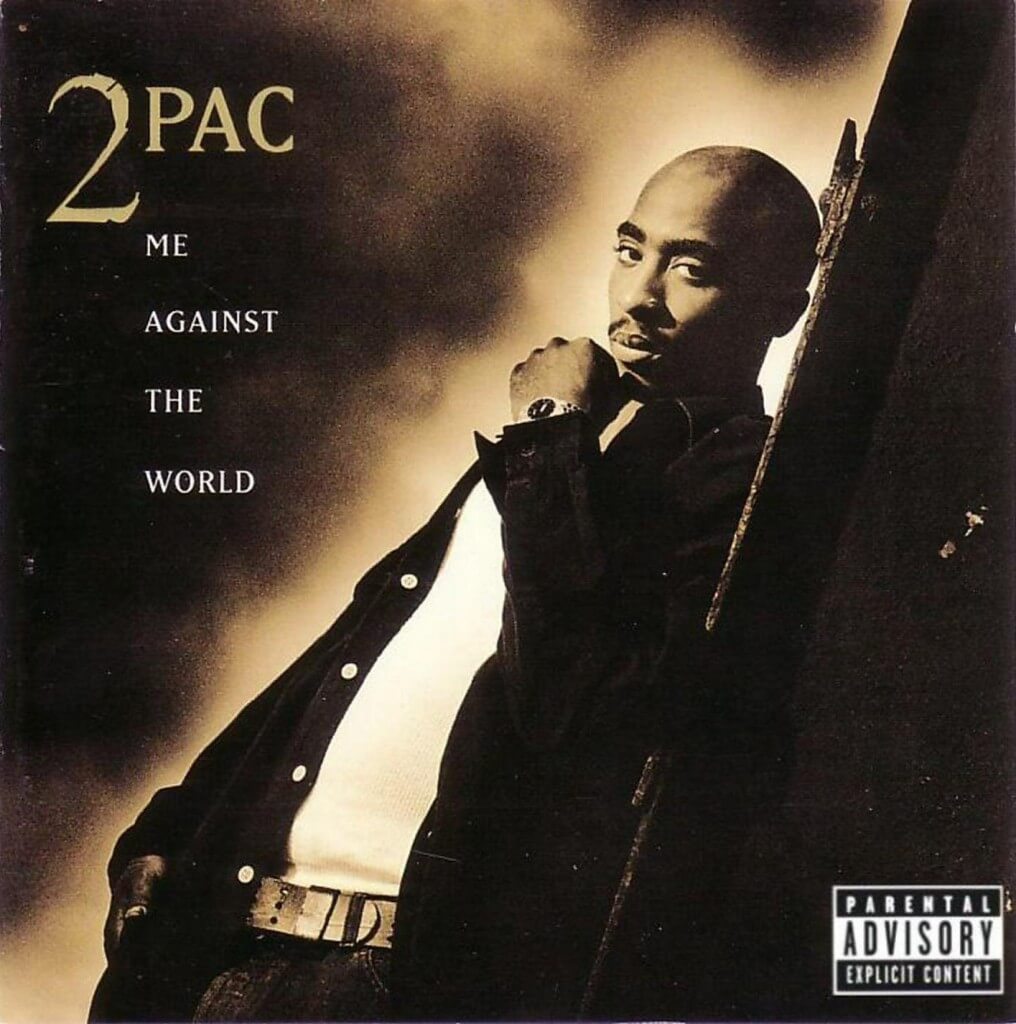
Released on March 14, 1995, Me Against the World captures 2Pac at a point when the pressures surrounding him threatened to overwhelm the man behind the public persona. Legal troubles, financial hardship, and the constant threat of violence had left him increasingly suspicious of the people around him. Recorded before he survived a shooting in New York and began serving a prison sentence, the album carries an eerie awareness of mortality. It is the work of an artist who seemed to anticipate his own fate while struggling to understand how he had arrived at this point in his life.
On “If I Die 2Nite,” 2Pac confronts death with a mixture of bravado and dread, turning thoughts of his own demise into a meditation on the violence surrounding him. “Death Around the Corner” takes the fear inward, revealing a mind unable to escape the possibility of an early end. The paranoia becomes more explicit on the title track, where distrust of the outside world feeds an increasingly isolated outlook. Beneath the defiance, however, is a man wrestling with his own vulnerability. The album’s emotional weight comes from the tension between his determination to survive and his growing sense that survival may be beyond his control.
“Dear Mama” offers a different kind of intimacy. Addressing his mother, Afeni Shakur, 2Pac acknowledges her struggles with addiction and the hardships of his childhood without diminishing the love and sacrifices that shaped him. The song’s honesty allows gratitude, hurt, and regret to coexist. On “So Many Tears,” he turns toward spiritual uncertainty, expressing remorse for his mistakes while searching for some measure of peace. “Lord Knows” finds him battling similar demons, caught between the desire to change and the circumstances that keep pulling him back.
The album also looks beyond personal suffering. “Young Niggaz” examines the poverty, limited opportunities, and destructive cycles confronting Black youth, while “It Ain’t Easy” reflects on the exhausting effort required to keep going when life offers so few reasons for optimism. Throughout, soulful production from producers including Johnny J, Easy Mo Bee, and Soulshock & Karlin gives the record a melancholy atmosphere without softening its harsher realities.
Me Against the World debuted at number one on the Billboard 200 while 2Pac was incarcerated. Its enduring power lies in the contradictions it refuses to resolve: toughness and tenderness, anger and remorse, fatalism and hope. Beneath the image of an artist perpetually at war with the world is someone frightened by his own thoughts, concerned for his family, and desperate to find a way forward.
Eyedea & Abilities – First Born (2001)
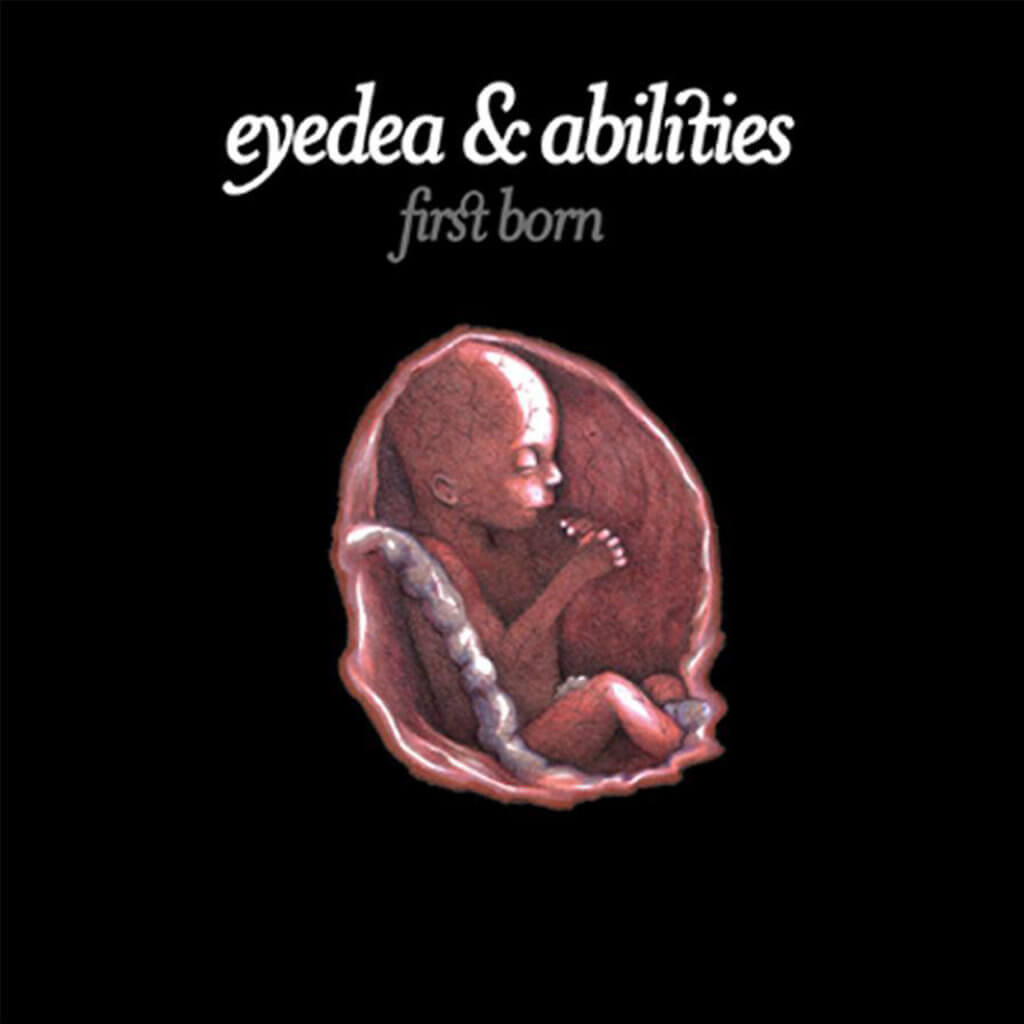
Eyedea’s mind rarely stays in one place on First Born. The debut album from the Minnesota duo finds Michael Larsen questioning the nature of reality, the limits of human understanding, and the psychological burdens that come with self-awareness. Known initially for his extraordinary freestyle ability, Eyedea turns inward here, using intricate, often abstract writing to examine what it means to exist, to remember, and to understand yourself. DJ Abilities supplies the unsettled musical backdrop, keeping the focus on the thoughts unfolding over his beats.
The album’s philosophical explorations often take unexpected forms. “Birth of a Fish” uses the life of a creature confined to its own limited understanding of the world to consider the unsettling possibilities of consciousness. The two-part “…Powdered Water Too” pushes further into questions about knowledge and perception, while “Color My World Mine” examines the isolation of an individual mind trying to establish its own version of reality. Eyedea’s writing can be deliberately difficult to pin down, reflecting the uncertainty at the center of these questions. Understanding the world begins with questioning the assumptions through which we experience it.
The emotional impact becomes more immediate on “A Murder of Memories,” a disturbing portrait of a Vietnam veteran haunted by traumatic experiences. Here, Eyedea’s interest in consciousness takes on a human dimension: memory can preserve the past, but it can also trap someone inside it. “Read Wiped in Blue” turns toward personal history and family, bringing a more intimate vulnerability to an album otherwise preoccupied with abstract ideas. These tracks suggest that the mind is not simply an instrument for understanding reality. It is also where suffering takes root, sometimes long after the original events have passed.
DJ Abilities’ production reinforces the album’s inward focus. Sparse drums, shadowy melodies, and restrained scratching create an atmosphere of isolation, leaving space for Eyedea’s restless verses. Even “Music Music,” a tribute to the creative impulse, carries the sense of someone searching for meaning through artistic expression.
First Born captures the uneasy side of self-awareness: the more we question existence, the less certain our place in it becomes. Its emotional force lies in the connection between philosophical doubt and ordinary human suffering. We can spend our lives trying to understand ourselves and the world around us, only to discover that greater awareness sometimes brings greater pain.
Atmosphere – God Loves Ugly (2002)
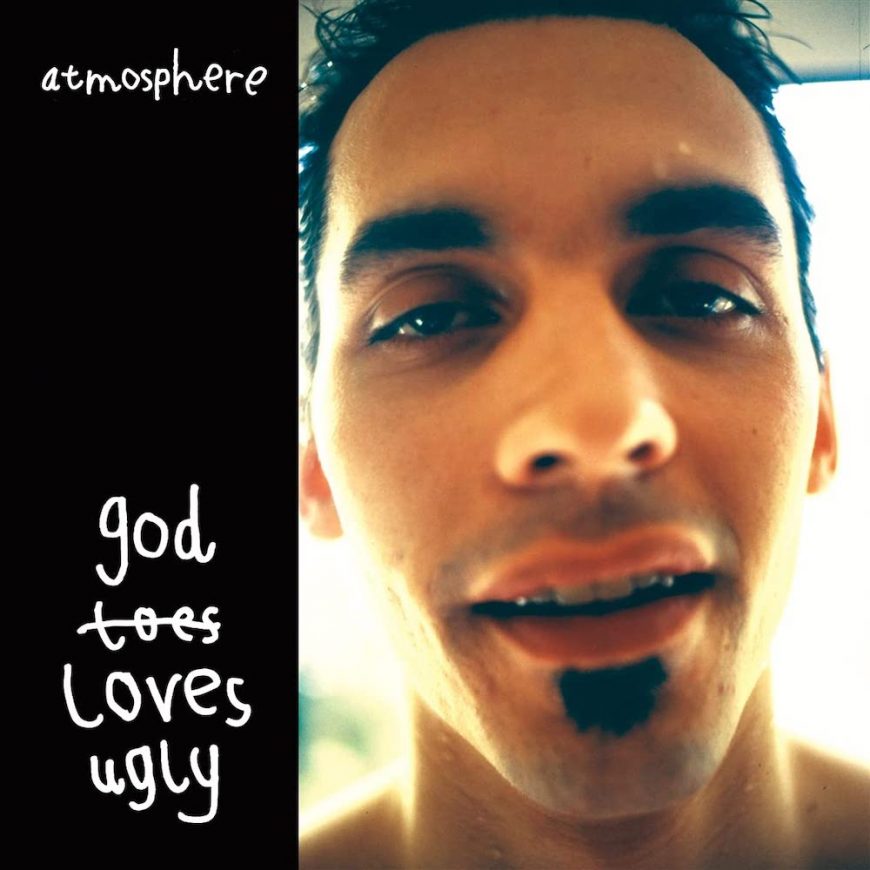
Atmosphere’s God Loves Ugly captures the uncomfortable space between wanting to be loved and believing you don’t deserve it. The Minnesota duo’s second studio album helped establish a more emotionally exposed strain of underground Hip Hop, with Slug turning insecurity, romantic obsession, loneliness, and self-destructive behavior into the substance of his writing. Ant’s production provides a fitting backdrop, built around dusty drums, soulful fragments, and shadowy loops that give the record an intimate, late-night atmosphere.
The album’s most painful moments revolve around Lucy, the recurring figure at the center of Slug’s troubled romantic life. On “F**k You Lucy,” bitterness and lingering attachment collide. The anger is unmistakable, but so is the sense that Slug remains emotionally trapped by the relationship he claims to reject. “Hair” approaches the same turmoil from another angle, dwelling on the small details that survive after a breakup. These songs abandon the familiar rap fantasy of emotional invulnerability. Slug can be resentful, obsessive, petty, and painfully aware of his own shortcomings, often within the same verse. The honesty is uncomfortable because he rarely presents himself as the innocent party.
The title track takes that self-examination further. Slug swings between defensive bravado and the suspicion that something fundamental is wrong with him. His confidence as an MC offers little protection against the insecurities running beneath the surface. Elsewhere, “A Song About a Friend” turns toward the helplessness of watching someone close to you self-destruct, while “Vampires” evokes a world of paranoia and emotional exhaustion. The album’s darkness comes from recognizing how difficult it can be to escape destructive patterns, even when you understand what they are doing to you.
There are moments of relief. “Saves the Day” and “Lovelife” introduce a more generous perspective, urging listeners to recognize the value of being alive and to find something worth holding on to amid the damage. Their optimism remains tentative, surrounded by songs full of resentment, doubt, and despair.
God Loves Ugly draws its emotional power from that tension. Slug exposes the less flattering parts of himself without pretending that confession automatically brings healing. The album understands that people can recognize their own destructive behavior and still struggle to change it. Sometimes, getting through the night is the only victory available.
Sage Francis – Personal Journals (2002)

Few Hip Hop albums from the early 2000s exposed their creator’s emotional vulnerabilities as openly as Sage Francis’ Personal Journals. Released through Anticon in 2002, the Rhode Island rapper’s solo debut draws heavily on his background in spoken-word poetry and battle rap, combining intricate lyricism with deeply personal accounts of family trauma, troubled relationships, depression, and alienation. Francis approaches these subjects with an intensity that can be exhausting, frequently moving between anger, dark humor, self-criticism, and moments of startling tenderness. The result is an album that sounds like someone emptying years of accumulated thoughts onto tape, regardless of how uncomfortable those thoughts might be.
“Inherited Scars” is among its most devastating moments. Addressing his younger sister’s struggles with self-harm, Francis explores the helplessness of watching someone you love suffer while recognizing the emotional damage that can pass through a family. His writing is compassionate without becoming sentimental, acknowledging that understanding another person’s pain doesn’t necessarily give you the power to relieve it. “Runaways,” the haunting closing track, similarly examines the lasting consequences of childhood experiences and the complicated desire to escape circumstances that continue to shape your identity.
Elsewhere, “Personal Journalist” turns the act of writing into a form of psychological excavation, while “Different” confronts feelings of alienation and the difficulties of fitting into a world whose expectations seem impossible to satisfy. Francis’ delivery is central to the album’s impact. He can sound confrontational one moment and painfully exposed the next, often packing his verses with internal rhymes, abrupt changes in perspective, and observations that reveal as much about his insecurities as his intelligence.
The production, supplied by an impressive collection of underground figures including Sixtoo, Jel, DJ Mayonnaise, Odd Nosdam, and Alias, complements this emotional turbulence. Uneasy samples, fractured rhythms, and sparse arrangements create an unpredictable musical environment, allowing Francis’ words to dominate without reducing the album to spoken-word performances over incidental beats.
Personal Journals can be difficult listening because Francis rarely offers emotional distance from his subject matter. His accounts of shame, resentment, loneliness, and family dysfunction retain their contradictions, with little attempt to make himself appear sympathetic. That willingness to document his own psychological messiness helped establish the album as an important early example of deeply confessional underground Hip Hop. Its most affecting passages capture the frustration of understanding where your emotional wounds came from while having no clear idea how to heal them.
Brother Ali – Shadows On The Sun (2003)
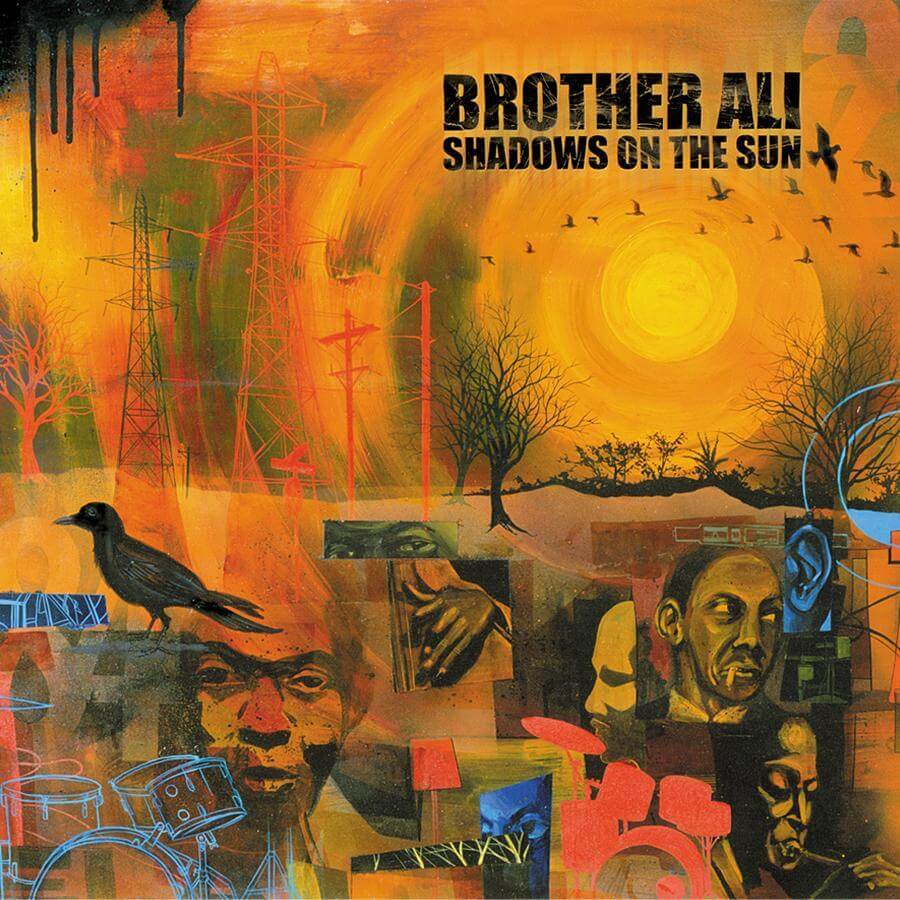
Brother Ali has always possessed an extraordinary ability to communicate emotion through his voice alone. His booming delivery can convey anger, compassion, humor, and vulnerability with equal conviction, often shifting between them within a single verse. On Shadows on the Sun, released through Rhymesayers Entertainment in 2003, that expressive power meets some of his finest writing. Produced entirely by Atmosphere’s Ant, the album examines personal insecurity, childhood trauma, poverty, domestic violence, and the struggle to find dignity in circumstances that offer little encouragement.
“Forest Whitiker” is perhaps the album’s most immediately affecting statement. Ali addresses his albinism, poor eyesight, weight, and other physical characteristics that have made him a target for ridicule. With humor and remarkable confidence, he turns a lifetime of being judged by his appearance into a celebration of self-acceptance. The song’s warmth is infectious, but its emotional significance runs deeper. Behind the jokes lies the experience of someone who has spent years being reminded that he looks different, eventually deciding that other people’s discomfort doesn’t have to become his own.
The storytelling takes a considerably darker turn on “Dorian,” a disturbing account of domestic violence involving a neighbor. Ali’s detailed narration captures the anger and helplessness of witnessing abuse, along with the difficult moral questions surrounding intervention. “Picket Fence” reaches into his own childhood, examining family dysfunction and the painful distance between the promise of a happy home and the reality of growing up inside a troubled one. These songs are particularly powerful because Ali allows their human consequences to emerge through specific experiences rather than abstract statements about suffering.
Elsewhere, “Room With a View” observes the struggles unfolding outside his window, finding individual lives behind the poverty and hardship of his Minneapolis surroundings. The title track extends that compassion to people routinely overlooked or dismissed by society. Ali’s identification with outsiders gives his social commentary a deeply personal foundation.
Ant’s warm, sample-driven production provides an essential counterweight to the heavier material. Soulful melodies, sturdy drums, and occasional moments of exuberance keep the album grounded in the musical traditions Ali clearly loves.
What makes Shadows on the Sun especially moving is the generosity running through its darkest passages. Ali understands humiliation, anger, and suffering, but refuses to let those experiences define the limits of his compassion. His faith, humor, and determination give the album an emotional range that extends well beyond sadness. It is a record about learning to value yourself while recognizing the humanity of people whose struggles are too easily ignored.
Cage - Hell’s Winter (2005)
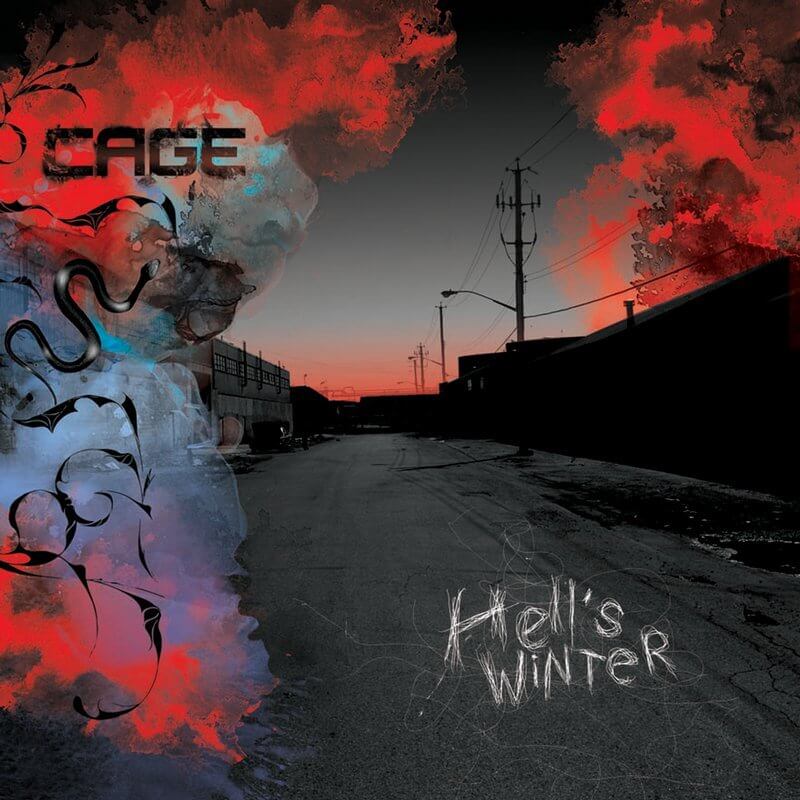
By the time Cage released Hell’s Winter in 2005, he had spent years cultivating one of underground Hip Hop’s most disturbing personas. His earlier work, particularly Movies for the Blind (2002), reveled in drug abuse, violence, and grotesque imagery, often making it difficult to distinguish autobiography from deliberate provocation. On Hell’s Winter, released through Definitive Jux, Chris Palko begins dismantling that persona, confronting the experiences that helped create it. The result is a deeply unsettling account of childhood abuse, psychiatric institutionalization, addiction, and the psychological consequences of growing up surrounded by violence.
“Too Heavy for Cherubs” is among the album’s most devastating tracks, revisiting a childhood shaped by fear, instability, and an abusive father. Cage describes traumatic experiences with an almost detached precision, allowing the details to communicate the emotional damage. “Stripes” continues this examination of his upbringing, including his experiences in psychiatric care, where treatment involved powerful medication and confinement. These songs provide disturbing context for the anger and self-destructive impulses that dominated his earlier recordings. What once sounded like calculated shock tactics begins to resemble the desperate behavior of someone struggling to process years of trauma.
“The Death of Chris Palko,” featuring Camu Tao, addresses the conflict between Cage’s public identity and the person behind it. There is a sense of exhaustion throughout the album, as though the character he created has become another burden to escape. “Peeranoia” examines suspicion and alienation, while “Shoot Frank” brings a particularly bleak emotional intensity to his reflections on damaged relationships and personal collapse.
The production is essential to the album’s oppressive atmosphere. El-P, Blockhead, RJD2, DJ Shadow, and others contribute an unpredictable mixture of distorted electronics, uneasy melodies, and heavy drums. El-P’s contributions are especially effective, giving Cage’s increasingly personal writing a harsh, claustrophobic setting. The music frequently sounds as troubled as the memories being described.
The closing title track brings the album’s central concerns together, reflecting on addiction, suffering, and the difficult possibility of rebuilding a life after years of destructive behavior. There is little comfort in Cage’s recollections, and his attempts at self-examination offer no convenient resolution.
Hell’s Winter is emotionally exhausting because its darkest material comes from experiences Cage actually lived through. By exposing the damaged individual behind his notorious reputation, he transforms an identity built around provocation into something considerably more disturbing: a portrait of someone trying to understand how his past has shaped the person he became.
Atmosphere – You Can't Imagine How Much Fun We're Having (2005)

On You Can’t Imagine How Much Fun We’re Having, Atmosphere turn the frustrations of adulthood into some of their most emotionally revealing music. The duo’s fourth studio album finds Slug and producer Ant moving beyond the bitterness and romantic turmoil that defined much of their earlier work. The old problems haven’t disappeared, and Slug remains capable of self-sabotage, resentment, and questionable decisions. What changes is his willingness to examine the consequences, including the damage his behavior inflicts on the people closest to him.
The album’s title carries a familiar irony. Life on the road might look exciting from the outside, but the reality involves exhaustion, excess, and the uneasy transition from youthful recklessness to adult responsibility. “Panic Attack” captures the anxiety beneath the bravado, while “Pour Me Another” finds Slug confronting the repetitive cycle of drinking and waking up to the same problems. On “Say Hey There” and “Get Fly,” relationships become complicated negotiations between desire, insecurity, and the need for human connection. Slug rarely presents himself as the innocent party. His ability to recognize his own flaws doesn’t necessarily mean he knows how to overcome them.
The album’s emotional centerpiece is “Little Man,” a conversation between Slug and his young son, who has begun to question his father’s absence. The song gradually reveals a painful generational pattern: Slug’s strained relationship with his own father has shaped the parent he has become. He tries to explain himself to his son while recognizing that explanations cannot replace the time he has missed. The vulnerability is devastating because the song refuses an easy reconciliation. Love is present, but so are disappointment, guilt, and the possibility of repeating mistakes inherited from the previous generation.
“That Night” confronts a different kind of pain, recounting the sexual assault and murder of a young woman connected to the group’s concert scene. Its sober treatment of an actual tragedy cuts through the album’s more personal grievances, confronting the vulnerability of people whose lives intersect with the underground music community.
Ant’s production gives these stories a warmer, more expansive setting than the duo’s earlier, grittier records. Soulful samples and melodic arrangements provide moments of relief without diminishing the weight of Slug’s writing.
You Can’t Imagine How Much Fun We’re Having captures the uncomfortable realization that growing older doesn’t automatically make anyone wiser or more reliable. Slug can identify the damage, trace it back through his own life, and articulate his regrets with remarkable clarity. Learning to live differently remains the harder part.
Sage Francis – A Healthy Distrust (2005)
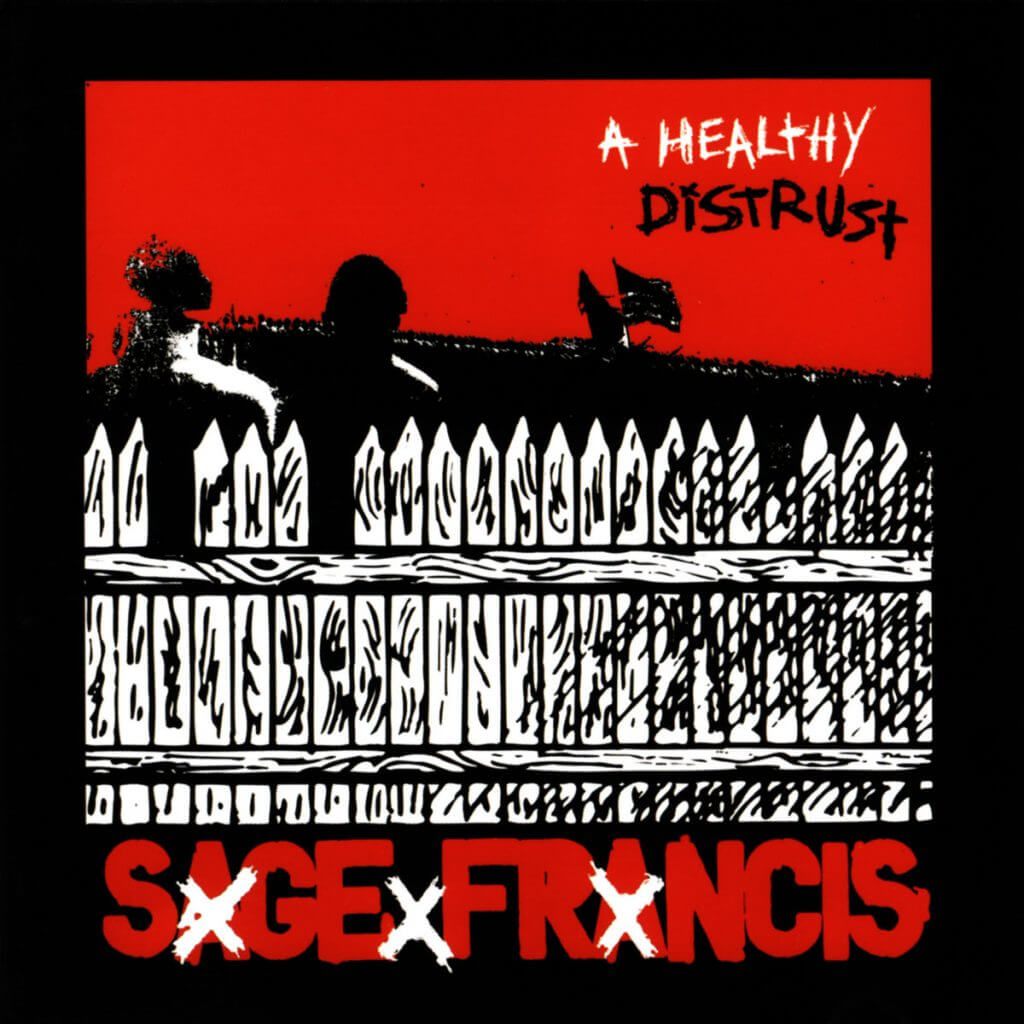
Sage Francis’s A Healthy Distrust is an album fueled by anger, suspicion, and an uncomfortable degree of self-awareness. Released in 2005 on Epitaph Records, it finds the Rhode Island rapper attacking political corruption, corporate influence, American gun culture, and the excesses of mainstream Hip Hop while exposing the insecurities and contradictions behind his own convictions. The emotional force comes from the tension between these two impulses. Francis is furious at the world around him, but he also recognizes how difficult it is to separate his personal frustrations from the larger problems he condemns.
The album’s confrontational side is immediately apparent. On “The Buzz Kill,” Francis takes aim at celebrity culture and the numbing effects of mass entertainment. “Gunz Yo” uses dark humor to ridicule America’s fixation on firearms, exposing the fear and insecurity beneath the posturing. “Slow Down Gandhi” delivers an especially pointed attack on authority and institutional hypocrisy. Francis’s political writing is often dense and deliberately provocative, driven by the conviction that complacency allows injustice to flourish. His distrust extends beyond government and corporations to the music industry itself, where commercial success often rewards materialism, misogyny, and manufactured bravado.
Beneath the polemics, however, lies a more personal struggle. Francis is hardly a detached observer standing above the world’s problems. His writing repeatedly exposes insecurity, frustration, and a sense of futility that complicate his righteous anger. The distinction between activist and troubled individual becomes increasingly difficult to maintain. On “Escape Artist,” the impulse to flee from uncomfortable realities becomes a subject in itself, while “Sun vs. Moon” turns conflict into an intimate confrontation between opposing sides of a personality. The album’s hostility often sounds like an attempt to regain control in a world Francis considers fundamentally untrustworthy.
The production reinforces that unease. Rather than relying on a single sonic approach, Francis works with an eclectic group of underground producers, including Alias, Reanimator, Sixtoo, Controller 7, and Danger Mouse. Their contributions range from abrasive, disorienting textures to more restrained, sample-driven arrangements. The shifting musical backdrop suits an album that refuses to settle into one emotional register.
A Healthy Distrust can be abrasive, suspicious, and deliberately uncomfortable. Its political arguments sometimes threaten to overwhelm its personal revelations, but that friction is central to its character. Francis understands that anger can be a response to genuine injustice and a refuge from private pain. The album’s most affecting moments emerge when those two sources of frustration become indistinguishable, leaving a portrait of someone struggling to preserve his convictions without losing himself in the fight.
Blu & Exile - Below The Heavens (2007)

Below The Heavens captures the uncertainty of being young, broke, and unsure where life is heading. Blu was around 22 when he made his debut alongside producer Exile, and that proximity to the experiences he describes gives the album an intimacy that more polished accounts of adulthood often lack. He writes about money troubles, romantic disappointments, spiritual doubt, and the uneasy process of figuring out who he wants to become. There is ambition here, but also anxiety about whether ambition will ever be enough.
On “The Narrow Path,” Blu wrestles with faith, temptation, and the distance between the person he is and the person he believes he should be. Spirituality runs throughout the album, although his search for answers rarely produces certainty. The title suggests an earthly existence separated from the peace and perfection of heaven, a place where good intentions collide with everyday pressures. Blu’s struggles are recognizably human: he wants to live right, make something of himself, and maintain meaningful relationships, but his own shortcomings keep getting in the way.
The economic side of that struggle receives equally personal treatment. “Blu Colla Workers” addresses the frustration of working to survive while trying to pursue a creative calling. The grind offers little security, and the dream of a better life remains frustratingly distant. Rather than adopting the hardened persona often associated with West Coast rap, Blu describes ordinary experiences in Southern California with the perspective of someone still learning how the world works. “Dancing in the Rain” and “In Remembrance of Me” reveal a young man trying to make sense of his circumstances without losing sight of what matters to him.
Exile’s production is essential to the album’s emotional balance. Built around warm soul samples, rich melodies, and understated drums, the music carries a natural tenderness that complements Blu’s conversational, sometimes restless delivery. The beats give his doubts room to breathe, while their warmth prevents the album’s introspection from becoming oppressive. Songs such as “So(ul) Amazin’ (Steel Blazin’)” celebrate the music itself as a source of inspiration and belonging. “Show Me the Good Life,” featuring Aloe Blacc, turns toward the possibility that a more fulfilling existence remains within reach.
What makes Below The Heavens so affecting is its refusal to separate hope from insecurity. Blu doesn’t speak as someone who has conquered his problems and arrived at a place of wisdom. He is still working things out, sometimes contradicting himself, sometimes finding temporary clarity before uncertainty returns. The album captures that unsettled stage of life when the future remains open but the present feels difficult to navigate. Its warmth comes from the belief that growing up doesn’t require having everything figured out.
Has-Lo – In Case I Don't Make It (2011)
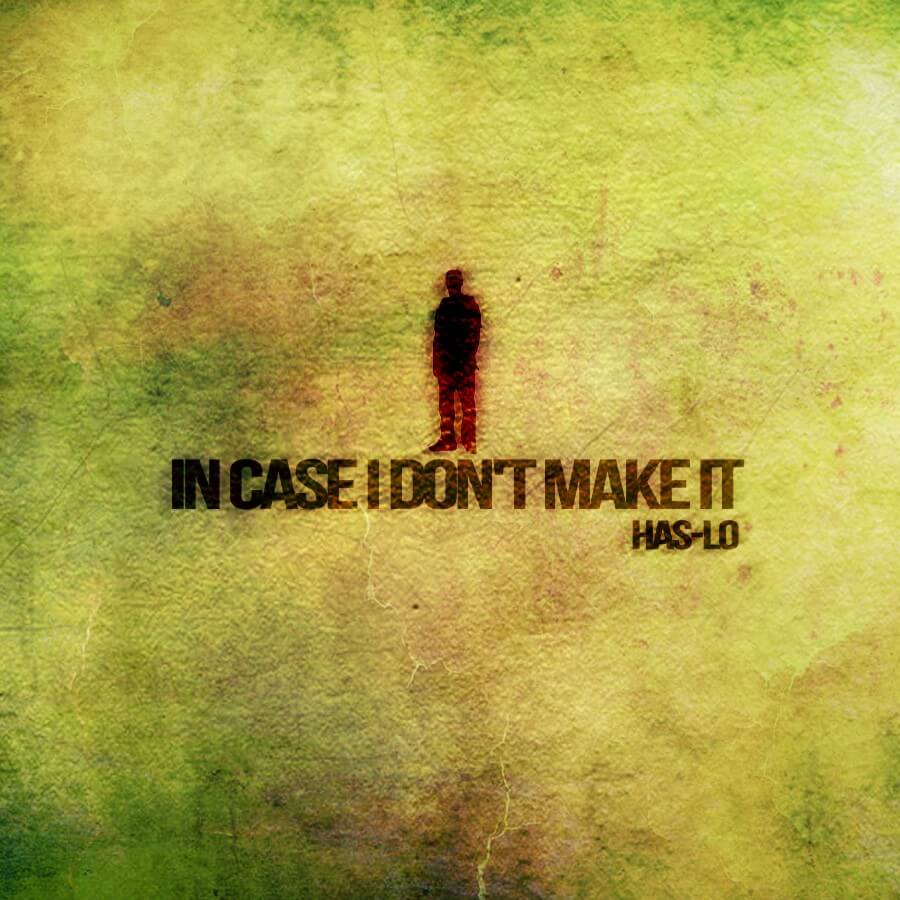
Has-Lo’s In Case I Don’t Make It is a portrait of depression without the reassuring promise of recovery. The Philadelphia rapper and producer turns inward, documenting the exhaustion of living with persistent self-doubt, fading ambitions, fractured relationships, and the sense that time is passing without bringing him any closer to peace. The title carries an unsettling ambiguity, suggesting a farewell to a music career that has failed to meet expectations while hinting at something far more final. Throughout the album, Has-Lo sounds like someone struggling to find a reason to keep moving.
“Utero” establishes the psychological turmoil from the outset. His mind becomes a place of constant conflict, with competing thoughts and identities preventing any lasting sense of calm. On “Everything Is,” he confronts aging and the uncomfortable realization that his ambitions may never become reality. The feeling of being left behind permeates the record. Has-Lo questions his relevance and place in a culture that keeps moving, looking back at earlier expectations with disappointment rather than nostalgia. There is no triumphant underdog narrative here, only the uncomfortable prospect of having to live with the gap between the person you imagined becoming and the person you are.
The album becomes especially affecting when its concerns move from existential uncertainty to specific personal experiences. “Untitled #1 (Hold On)” addresses his grandmother’s declining health, placing the helplessness of watching someone deteriorate alongside his own emotional struggles. Childhood bullying and damaged relationships also haunt the record, suggesting that experiences long past can retain their grip on the present. On “Subliminal Oppression,” his questioning of faith offers no easy spiritual resolution. The search for answers only emphasizes how isolated he feels.
Musically, In Case I Don’t Make It is as claustrophobic as its writing. Has-Lo builds the album around murky, understated boom-bap, shadowy samples, and restrained percussion. His subdued delivery rarely rises into dramatic outbursts. That emotional flatness is central to the effect: the voice of someone running out of energy can be more unsettling than an outright cry of anguish. The production leaves little room for escape, maintaining a weary atmosphere across the album’s fifteen tracks.
The title track brings the record’s despair into sharp focus. Has-Lo struggles to imagine a future in which depression no longer defines his existence. There is no neat resolution waiting at the end, no sudden transformation of suffering into wisdom. In Case I Don’t Make It captures a darker, less celebrated side of vulnerability: the difficulty of continuing when hope itself has become difficult to picture.
Grieves – Together/Apart (2011)
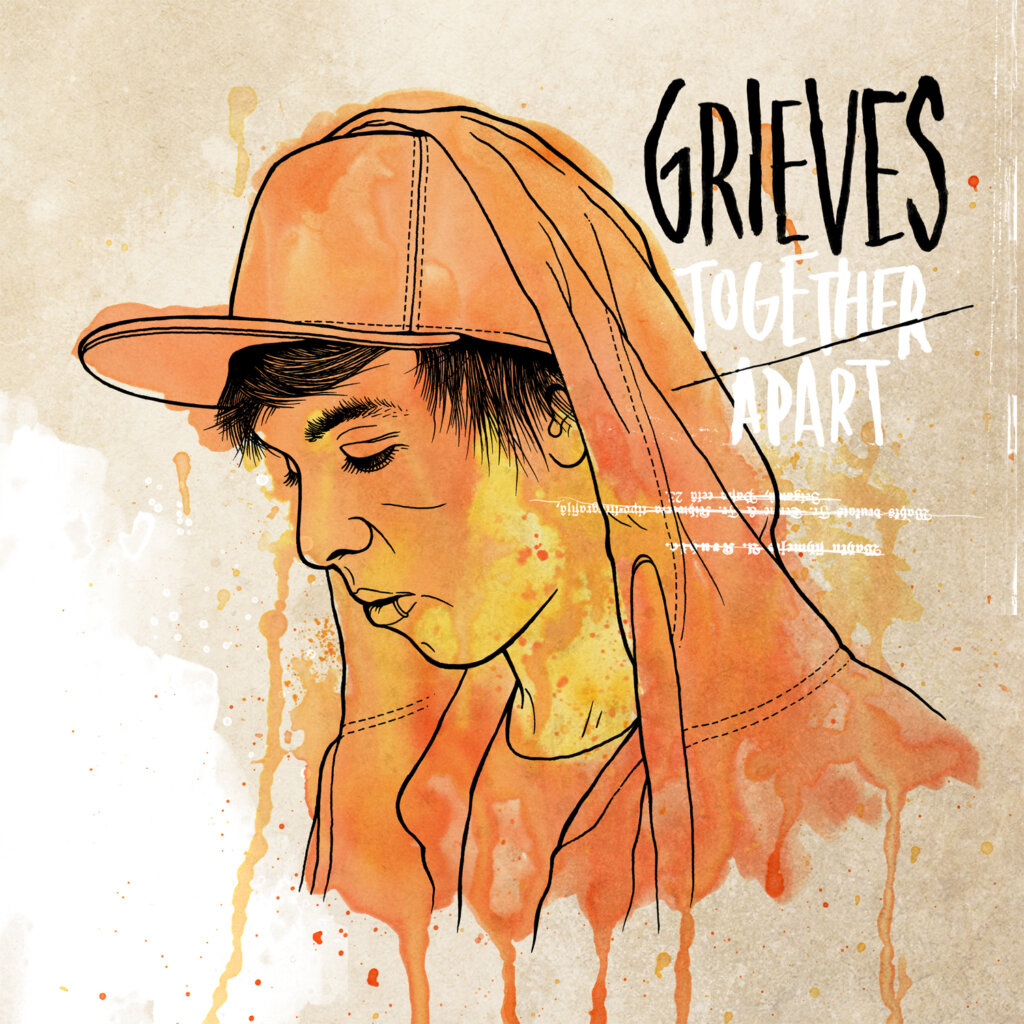
Grieves’ Together/Apart, released on Rhymesayers Entertainment in 2011, explores the damage people inflict on themselves while trying to hold their lives together. Working with producer and multi-instrumentalist Budo, the Seattle-based rapper made an unusually personal record about failed relationships, addiction, financial insecurity, and the exhausting pursuit of a career that threatens to consume everything around it. Its title captures the central contradiction: the desire for closeness alongside the habits and circumstances that keep people apart.
Romantic heartbreak runs through much of the album, with Grieves examining his own part in relationships that have deteriorated. On “Falling from You,” regret and self-doubt surface as he struggles to make sense of a connection slipping away. “Heartbreak Hotel” extends that sense of loss across a five-minute meditation on emotional wreckage. These songs avoid the convenient perspective of someone who has been wronged and deserves sympathy. Grieves turns the scrutiny inward, acknowledging how his decisions and priorities contributed to the damage. Life on the road and the relentless demands of pursuing music have consequences that affection alone cannot repair.
Addiction gives the album another dimension. “On the Rocks” and “Vice Grip” address destructive habits as attempts to escape dissatisfaction, anxiety, and the pressures of everyday life. The relief they offer is temporary, and the underlying problems remain. Grieves writes about these struggles without dressing them up as romantic rebellion. His vulnerabilities are bound up with less dramatic frustrations, too: money troubles, exhausting work, and the uncertainty of trying to build a future in an unforgiving industry. “Light Speed” looks back on youth and ambition with an awareness of how much the pursuit of a dream can demand.
Budo’s production gives these confessions an accessible musical setting. Soulful melodies, live instrumentation, and polished arrangements bring warmth to material concerned with loneliness and personal failure. That contrast prevents the album from becoming emotionally suffocating, even when Grieves is at his most self-critical. Brother Ali’s appearance on “Tragic” adds another thoughtful voice to the record’s reflections on suffering and perseverance.
The closing stretch, particularly “Growing Pains” and “Against the Bottom,” points toward survival without pretending that change comes easily. Together/Apart is the work of someone trying to recognize his own destructive patterns before they define the rest of his life. Its emotional honesty lies in that uncertainty: understanding what has gone wrong is one thing; finding the strength to live differently is another.
Ka - The Night's Gambit (2013)
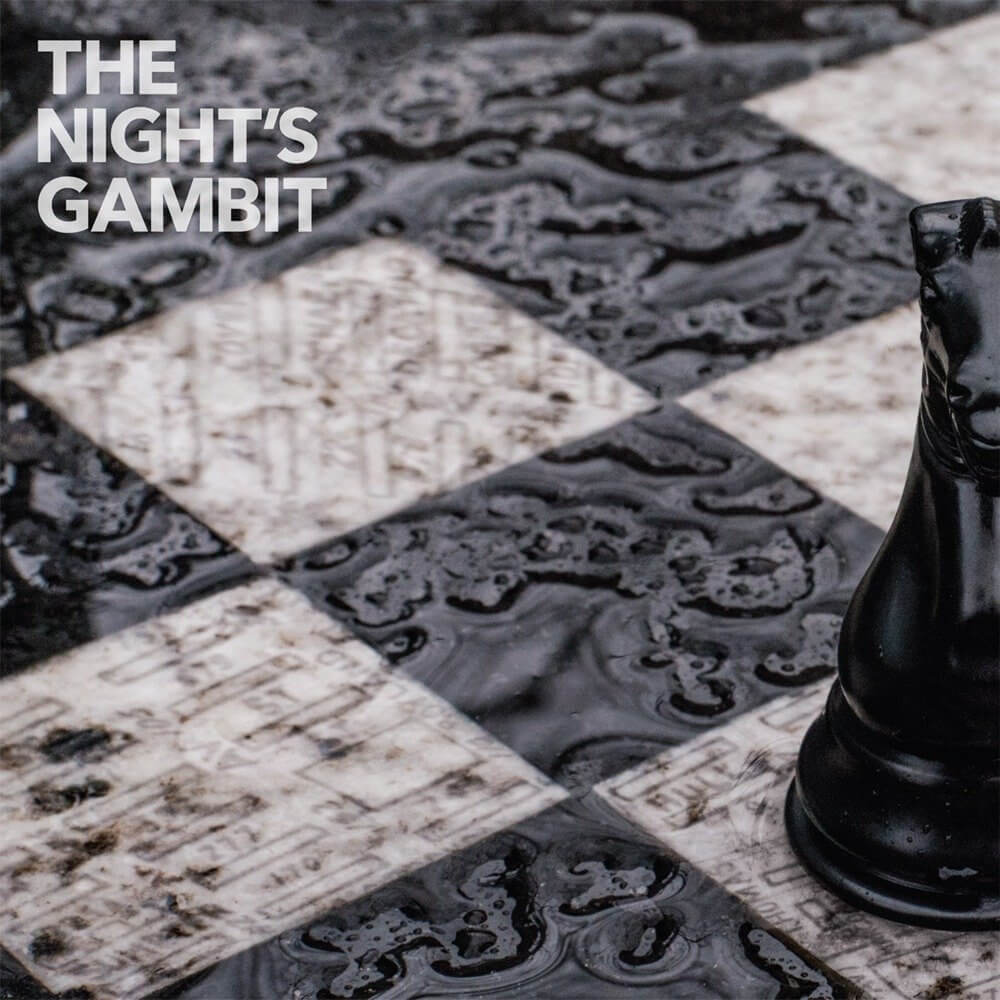
Ka’s The Night’s Gambit is a study in survival, guilt, and the psychological cost of escaping a life shaped by violence. Released in 2013, the Brooklyn rapper and producer’s third solo album revisits the streets of Brownsville with the perspective of someone who has lived long enough to understand the consequences of his decisions. Working full-time as a New York City firefighter while building an uncompromising underground catalog, Ka approaches his past without nostalgia or bravado. His quiet, deliberate delivery sounds like a man taking inventory of memories he cannot entirely leave behind.
Chess provides the album’s central metaphor. The title plays on the familiar Queen’s Gambit, substituting the knight for a piece whose unusual movement reflects the unpredictable calculations required to survive dangerous surroundings. Ka presents himself as a vulnerable figure navigating a board where every move carries consequences. On “Jungle” and “Knighthood,” street life emerges as a game of positioning, anticipation, and sacrifice. Staying alive often means thinking several steps ahead, but surviving the immediate danger doesn’t erase the moral compromises made along the way.
That lingering guilt gives the album its emotional depth. Ka recounts violence and criminality with the measured distance of someone examining evidence from his own past. He understands the pressures that shaped his decisions, but offers no easy absolution. On “Our Father,” religious language collides with the realities of street retribution. The desire for divine protection exists alongside the knowledge that survival may require actions that contradict the principles he hopes to uphold. Spirituality becomes a source of uncertainty as much as comfort: asking forgiveness is one thing, living with what requires forgiveness is another.
The production reinforces this sense of isolation. Ka builds the entire album himself, favoring skeletal percussion, shadowy samples, subdued guitar figures, and haunting melodic fragments over conventional boom-bap arrangements. The beats seem to emerge from the darkness rather than drive toward a release. Even Roc Marciano’s appearance on “Soap Box” fits the album’s restrained atmosphere, with neither rapper needing to raise his voice to convey the weight of his observations.
At just under 40 minutes, The Night’s Gambit leaves little room for distraction. Its emotional force comes from the distance between the man Ka has become and the person he had to be to reach this point. Escape doesn’t erase the past, and understanding one’s mistakes doesn’t guarantee peace. Ka’s victory is survival itself, though the memories of the game remain long after the board has been cleared.
Mac Miller - Faces (2014)

Mac Miller’s Faces is the sound of a young artist losing control while becoming increasingly aware of what is happening to him. Released as a free mixtape in May 2014, the 24-track project finds Miller confronting drug addiction, depression, isolation, and the possibility of an early death with a candor that makes much of his earlier work seem distant. He had already begun moving beyond the carefree image associated with his breakthrough, but Faces takes that transformation into considerably darker territory. For us, it remains his finest work, surpassing even his celebrated studio albums in its emotional depth and artistic ambition.
Miller produced much of the mixtape himself under his Larry Fisherman alias, building woozy, jazz-inflected instrumentals that seem to drift between moments of clarity and psychological disorientation. The music can be playful, grotesque, and strangely beautiful, sometimes within the same track. Beneath its surreal humor, however, lies a man increasingly dependent on substances to manage his thoughts. On “Malibu,” he confronts the possibility that his drug use might kill him before he ever manages to get clean. “Angel Dust” and “San Francisco” turn intoxication into a disorienting experience, blurring the line between escape and self-destruction.
Death hangs over the entire project. “Funeral” opens with Miller imagining his own demise, while “Grand Finale” closes the original mixtape with an unsettling sense of finality. Knowing that Miller died in 2018 makes these songs especially painful to revisit, though Faces shouldn’t be reduced to a collection of apparent premonitions. Its references to mortality belong to a broader struggle with depression, addiction, and the exhausting effort to keep moving when life has become difficult to bear.
There are quieter wounds, too. “Happy Birthday” finds Miller isolated on a day traditionally associated with celebration, while “Friends,” featuring Schoolboy Q, questions the value of relationships when genuine connection becomes increasingly difficult to find. “Colors and Shapes” offers a more dreamlike exploration of consciousness, its psychedelic production suggesting a search for peace beyond the chaos of everyday existence. Even the absurdist humor and outrageous imagery serve a purpose, allowing Miller to approach subjects that might otherwise be unbearable.
At 85 minutes, Faces is deliberately sprawling and frequently uncomfortable. Its emotional force comes from the collision between Miller’s remarkable creativity and the destructive habits threatening to overwhelm him. He sounds funny, frightened, arrogant, vulnerable, and exhausted, sometimes all at once. Few Hip Hop records capture the experience of being young, gifted, and profoundly unhappy with such unsettling honesty.
Joe Budden – All Love Lost (2015)

Joe Budden built much of his career around exposing the parts of himself that other rappers preferred to keep hidden. On All Love Lost, that instinct leads him into some of the darkest territory of his discography. The final installment of a trilogy that began with No Love Lost and continued with Some Love Lost, the album examines relationships falling apart, depression, addiction, family struggles, and the fear that years of personal damage have left little room for happiness. Budden isn’t interested in presenting himself as the wounded hero. He documents his own mistakes alongside the pain inflicted on him.
Romantic relationships occupy much of the record, but the recurring problem is emotional exhaustion. On “Broke” and “Playing Our Part,” intimacy has deteriorated into resentment, miscommunication, and the realization that two people can remain together long after their relationship has stopped working. “Unnecessary Pain” and “Love for You” examine the way unresolved baggage follows people into new relationships, turning affection into another opportunity to hurt someone. Budden’s detailed writing captures the contradictions of wanting connection while repeatedly sabotaging it.
The album’s deeper despair emerges when he turns away from romance. “Love, I’m Good” addresses the painful struggle to maintain access to his son, while “Where Do We Go” moves from uncertainty about the future into an intensely personal reflection on family loss. Budden speaks to his deceased grandfather and confronts the illness affecting both of his parents. The shift from broad questions about life to direct expressions of grief gives the song its devastating force. These aren’t abstract reflections on mortality; they concern people whose absence or suffering has changed his everyday existence.
Mental health and substance dependency run beneath the album’s relationship drama, suggesting that the problems Budden describes cannot be separated from his own psychological struggles. His vulnerability can be uncomfortable, particularly when self-awareness fails to produce any obvious improvement. On “Slaughtermouse,” he also turns his anxieties toward his career, questioning his place in a changing Hip Hop industry and the expectations attached to his position within Slaughterhouse.
Across nearly 66 minutes, All Love Lost becomes an exhausting account of a man struggling to find stable ground in his personal life, family relationships, and creative identity. Its emotional impact comes from the absence of easy redemption. Budden can articulate his pain with remarkable precision, but articulating it doesn’t make it disappear. Sometimes the most honest thing he can offer is an admission that he still has no idea how to make things right.
Earl Sweatshirt – I Don't Like Shit, I Don't Go Outside (2015)
The title of Earl Sweatshirt’s I Don’t Like Shit, I Don’t Go Outside tells you almost everything about the state of mind behind it. Released in 2015, his second studio album is a claustrophobic account of depression, grief, distrust, and withdrawal from the outside world. Earl was barely 21 when he recorded these songs, but his writing carries the exhaustion of someone who has already grown tired of the people and circumstances surrounding him. Across ten tracks and less than 30 minutes, he documents a period of emotional deterioration with remarkable precision, rarely allowing himself or the listener a moment of relief.
“Grief” is the album’s psychological center. Over a murky, suffocating beat, Earl examines isolation, substance abuse, and the difficulty of trusting anyone when your own thoughts have become increasingly hostile. His delivery is subdued and almost detached, with dense rhymes emerging from the production as though he barely has the energy to articulate them. The song captures the particular exhaustion of depression, when ordinary interactions become overwhelming and retreating from the world seems preferable to confronting it.
“Faucet” approaches similar feelings through memories of fractured relationships and the growing distance between Earl and the people around him. There is bitterness here, but also an awareness that his own behavior contributes to the isolation he resents. “Mantra” addresses emotional conflict and romantic disappointment, while “Inside” reflects on the uncomfortable relationship between personal identity, public expectations, and the pressures that accompany success. Earl’s increasing disillusionment with fame runs throughout the album, particularly his frustration with people who mistake proximity for genuine understanding.
The production, handled almost entirely by Earl himself under the name randomblackdude, is deliberately oppressive. Muted drums, distorted samples, and thick, low-frequency textures create an enclosed musical environment. Beats often sound unfinished or partially obscured, mirroring the fragmented thoughts and emotional numbness of the lyrics. Even the more energetic “Wool,” featuring Vince Staples, offers only temporary relief from the prevailing darkness.
The death of Earl’s grandmother and his complicated family relationships add another layer of grief to the record. On “DNA,” featuring Na-Kel, personal loss and attempts to cope through intoxication become especially painful.
I Don’t Like Shit, I Don’t Go Outside offers little reassurance or resolution. Its emotional impact comes from how convincingly Earl captures the experience of becoming trapped inside your own head, watching relationships deteriorate while struggling to find the motivation to reconnect. Few Hip Hop albums have communicated the suffocating loneliness of depression with such economy.
Aesop Rock - The Impossible Kid (2016)
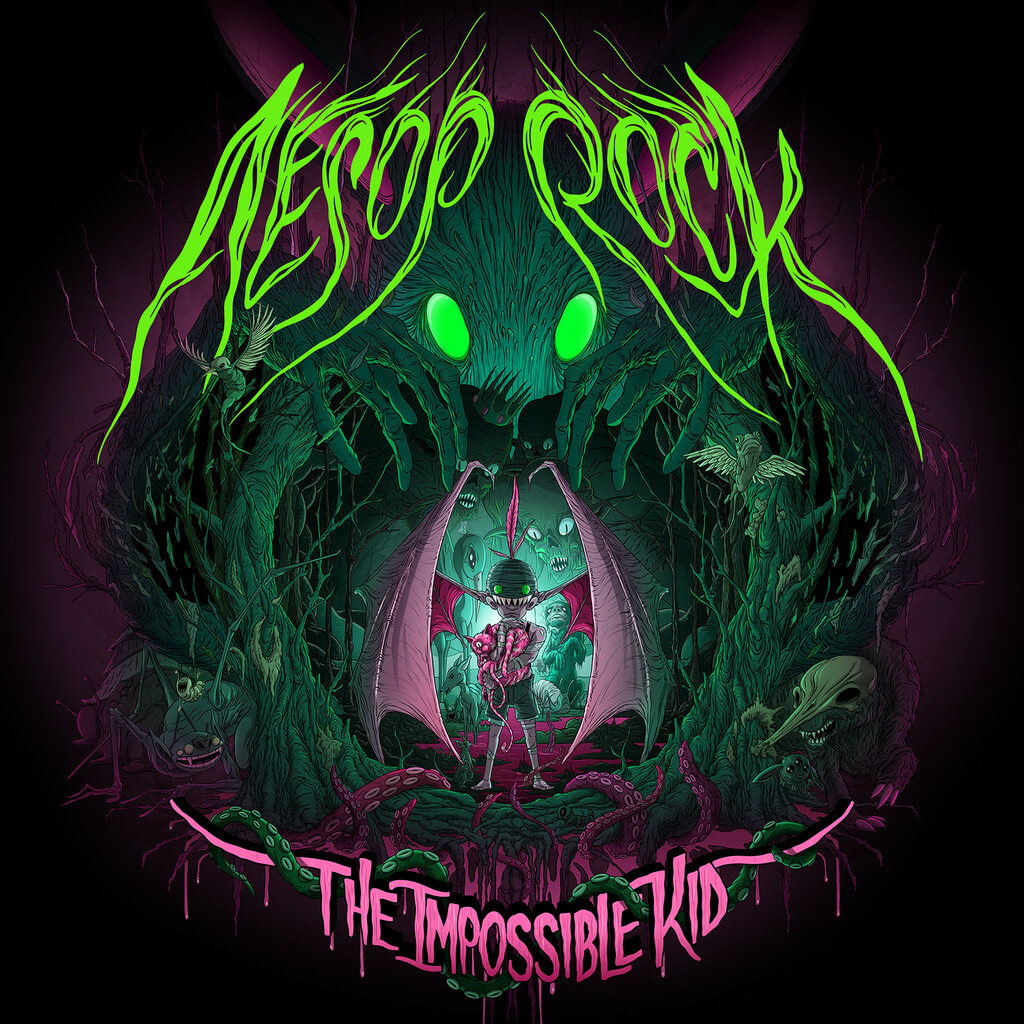
Aesop Rock’s The Impossible Kid finds one of underground Hip Hop’s most intricate lyricists turning his attention inward with unusual clarity. This self-produced album examines social anxiety, depression, grief, aging, and the persistent feeling of being out of step with the world. Aesop’s writing remains packed with strange images and tangled associations, but the personal details are unusually accessible. Beneath the wordplay is a man trying to understand why ordinary life, social interaction, and even his own memories can become so difficult to navigate.
The album’s most devastating moment arrives on “Get Out of the Car,” a brief account of the depression that followed the 2008 death of his close friend Camu Tao. Aesop describes years spent withdrawing from the world, struggling to regain momentum while time continues to pass. The song’s restrained production leaves little to distract from the weight of that admission. There is no neat resolution, only the recognition that grief can consume years before a person understands how much of life has slipped away.
Other tracks reveal different corners of the same troubled mind. On “Shrunk,” a visit to a psychiatrist becomes an absurd, defensive exchange in which Aesop’s reluctance to open up collides with the very reason he is there. “Water Tower” captures his preference for solitude, while “Dorks” draws a line between his outsider identity and the social rituals of the Hip Hop world. “Rings” carries a different kind of regret: looking back on his abandoned ambitions as a visual artist, he considers the creative life he left behind when he chose music. The questions remain unresolved, making the song’s longing all the more recognizable.
Family memories offer occasional relief. “Blood Sandwich” revisits childhood episodes involving his brothers, turning seemingly minor incidents into vivid portraits of family dynamics and the passage of time. “Kirby,” an affectionate tribute to his cat, brings some welcome warmth to an album crowded with neuroses and self-examination. These moments matter because they reveal the ordinary attachments that persist beneath Aesop’s isolation.
Recorded after Aesop retreated to a barn in the woods, The Impossible Kid has a deliberately enclosed atmosphere. His beats are restless and densely layered, mirroring thoughts that refuse to settle. The album’s emotional honesty lies in its refusal to manufacture a breakthrough. Aesop can identify his patterns, revisit his regrets, and articulate his fears with extraordinary precision. Understanding himself, however, does not automatically make life easier.
Ka - Descendants Of Cain (2016)
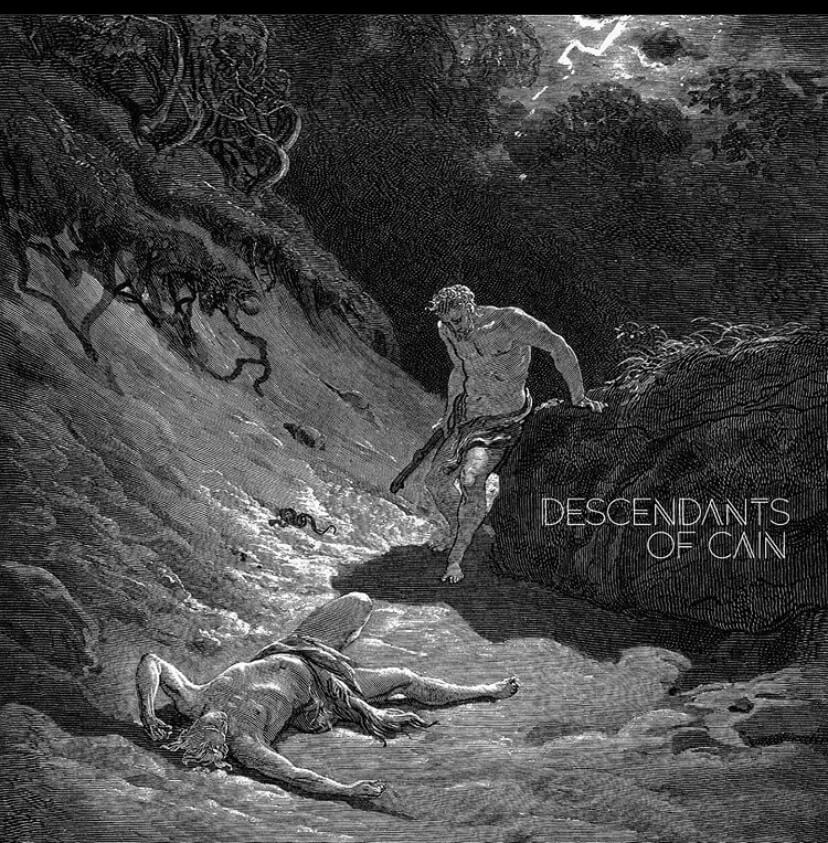
Ka’s Descendants of Cain is a meditation on violence, inherited suffering, and the moral compromises people make to survive. The Brooklyn rapper and producer’s fifth solo album draws on the biblical story of Cain and Abel, using the first murder between brothers as a lens through which to examine generations of street violence in Brownsville. Its emotional power lies in Ka’s ability to connect ancient moral questions to lives shaped by poverty, addiction, and the lingering consequences of the crack epidemic.
The title carries a second meaning, hinting at the descendants of cocaine and the communities left to deal with its devastation. On “My Brother’s Keeper” and “Solitude of Enoch,” biblical references illuminate the tragic repetition of violence between people who share the same circumstances. Ka rarely needs to spell out the parallels. His measured delivery and compressed, carefully constructed verses leave space for the listener to consider how cycles of retaliation become normalized, and how difficult it is to escape a world in which survival often demands actions that bring lasting guilt.
“Sins of the Father,” featuring Roc Marciano, examines the burden passed from one generation to the next. The song’s perspective is neither sentimental nor judgmental. Ka understands the pressures that shape people’s choices, while refusing to pretend that those choices have no consequences. “Old Justice” takes a similarly clear-eyed view of a system that offers little protection to the people who need it most. The production, handled by Ka and collaborators including DJ Preservation, Animoss, and Roc Marciano, reinforces the album’s spiritual melancholy through sparse drums, shadowy samples, and understated arrangements.
The closing track, “I Love (Mimi, Moms, Kev),” brings the album’s concerns into intimate focus. After so much reflection on violence, history, and moral failure, Ka turns toward his wife, mother, and departed friend. Love and human connection emerge as fragile sources of meaning in a world that rarely offers easy redemption. Descendants of Cain is steeped in grief and fatalism, but its emotional center lies in the people Ka refuses to forget. Beneath its biblical imagery and bleak street observations is a deeply personal question: how do you preserve your humanity when suffering has been handed down for generations?
Edward Scissortongue – Tell Them It's Winter (2016)

Edward Scissortongue and Glasgow producer Lamplighter created something unusually bleak with Tell Them It’s Winter, an album that sounds like the inside of a mind unable to escape its own past. Released in 2016, the British rapper’s second album trades conventional song structures and straightforward narratives for abstract reflections on memory, isolation, urban decay, and the search for meaning. Its emotional weight comes partly from what remains unresolved. The people inhabiting these songs seem caught between the lives they have lived and futures they struggle to imagine.
Lamplighter’s production establishes an atmosphere of perpetual winter. Fragile melodies, spectral samples, and slowly shifting arrangements create a sense of a world gradually falling apart. The music rarely offers the comfort of a familiar groove or a satisfying release. Tracks stretch out, accumulate tension, and linger in uncomfortable spaces. On “Any Infrastructure,” images of deteriorating surroundings suggest a broader emotional collapse, while the sprawling “Detours,” running nearly eleven minutes, draws the listener deeper into the album’s desolate landscape. The decaying city and the troubled mind become reflections of each other.
Scissortongue’s writing is equally elusive. Rather than offering a straightforward autobiography, he moves between abstract imagery and fragments of other people’s lives. His unnamed characters remain difficult to pin down, their motives and histories only partially visible. That distance makes the album strangely intimate. The details may be obscure, but the underlying feelings are recognizable: the temptation to retreat into memories, the use of drugs or other distractions to dull dissatisfaction, and the suspicion that everyone is searching for something they cannot quite identify.
The title suggests a season that has settled in and refuses to end. Nostalgia becomes a form of paralysis, offering shelter from an uncertain future while keeping its inhabitants trapped. Even the album’s quieter moments carry an uneasy awareness that time is passing without necessarily bringing change.
Tell Them It’s Winter is emotionally demanding precisely because it refuses easy catharsis. Its characters rarely reach clarity, and its music offers little reassurance. Instead, Scissortongue and Lamplighter capture the peculiar loneliness of feeling disconnected from the world while remaining painfully aware of the people moving through it. The album finds empathy in that distance, reminding us that beneath our private disappointments and defenses, the need for love, meaning, and belonging remains universal.
Elzhi – Lead Poison (2016)

Elzhi built his reputation on intricate rhyme schemes, complex wordplay, and the kind of technical precision that invites comparisons with Hip Hop’s finest lyricists. On Lead Poison, the Detroit MC turns that formidable writing ability toward a far more personal struggle. Depression, isolation, anxiety, and a prolonged period of writer’s block had left him questioning his place as an artist. Instead of trying to out-rap his peers, Elzhi documents the battle to regain his confidence and find a reason to keep creating.
The album’s title suggests something toxic accumulating inside the mind, gradually affecting everything around it. On “Introverted,” Elzhi examines his withdrawal from the outside world, describing the distance that can develop between a person and the people trying to reach him. “February” draws on the bleakness associated with its namesake, capturing the emotional stagnation of a period when even ordinary life can become difficult to navigate. The writing is unusually exposed for an MC whose technical skill has often been the main focus of discussion. Here, the elaborate rhyme patterns remain, but the subject is the person struggling behind them.
“Egocentric” examines the relationship between artistic ambition and insecurity, while “Friendzone” turns toward the complications of romantic attachment. These subjects may appear smaller beside the album’s heavier reflections on depression, but they belong to the same emotional landscape. When self-worth is already fragile, rejection and strained relationships can reinforce the suspicion that something is fundamentally wrong with you. Elzhi understands how personal disappointments accumulate, feeding an increasingly negative view of yourself and the world around you.
The latter part of the album moves toward recovery without pretending that the process is straightforward. “The Healing Process” suggests an attempt to understand the source of his suffering, while “Alienated,” featuring Smitty Soul, confronts the loneliness that accompanies feeling disconnected from others. On “The Turning Point,” featuring Thabisile Griffin, the possibility of change begins to emerge. The closing “Keep Dreaming” offers a measure of determination, suggesting that continuing to pursue a creative purpose can itself become an act of resistance against despair.
The production gives Elzhi room to work through these thoughts, supporting his dense writing without turning every song into a display of technical prowess. The result retains the precision longtime listeners expect while revealing the emotional strain beneath it.
Lead Poison is particularly affecting because its central conflict concerns an artist who has lost faith in one of the things that defines him. Elzhi doesn’t present recovery as a dramatic breakthrough. He documents the harder, less visible work of confronting his own mind and trying to move forward, one uncertain step at a time.
Open Mike Eagle - Brick Body Kids Still Daydream (2017)
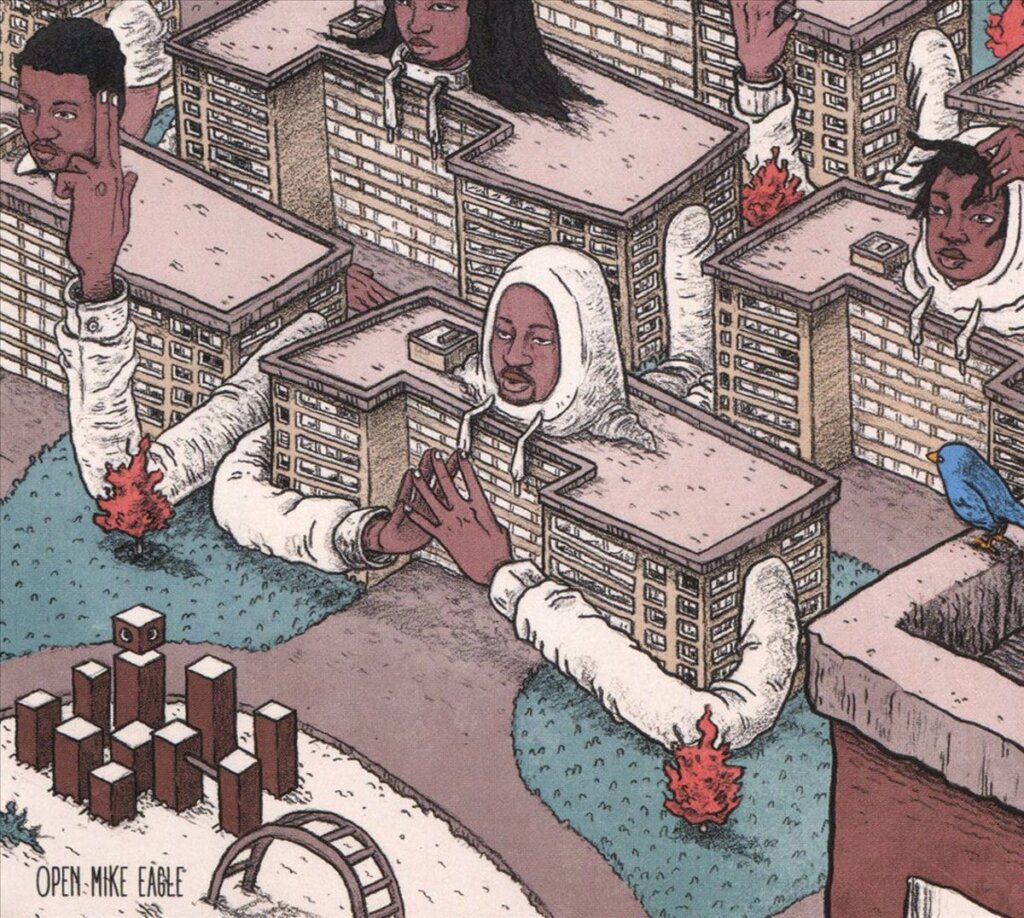
Open Mike Eagle’s Brick Body Kids Still Daydream explores how a place can become part of a person’s identity, and what happens when that place is taken away. Released in September 2017, the album centers on Chicago’s Robert Taylor Homes, a public housing complex on the city’s South Side that was demolished, scattering families and dismantling a community built over generations. Eagle approaches this history through childhood memories, surreal imagery, and his characteristic offbeat humor, creating a deeply personal portrait of displacement and the psychological damage caused by treating people’s homes as disposable.
The album’s central conceit is striking. Eagle imagines the housing complex as a living, towering figure, its concrete body reflecting the strength of the people who inhabit it. On “Legendary Iron Hood,” comic-book imagery transforms the projects into something almost invincible, capturing the imaginative world a child might construct around an environment adults regard as hopeless. But the fantasy carries an underlying sadness. The buildings may possess the stature of superheroes, yet their residents remain vulnerable to decisions made by people who have never shared their lives. Imagination offers temporary protection from reality, not immunity from it.
That tension runs through “(How Could Anybody) Feel at Home,” which questions how anyone can establish a lasting sense of security when the structures supporting an entire community can disappear. “No Selling (Uncle Butch Pretending It Don’t Hurt)” uses a professional wrestling term for concealing the impact of a blow as a metaphor for emotional stoicism. The humor makes the idea accessible, but the underlying observation is painful: people facing persistent hardship often learn to hide their injuries because acknowledging them offers little relief.
Nostalgia provides another source of emotional weight. “95 Radios,” featuring Has-Lo, recalls the pleasures of childhood and the communal experience of music, preserving small moments of happiness against a backdrop of instability. “Happy Wasteland Day” finds darker absurdity in the neglect surrounding these communities. The album’s final track, “My Auntie’s Building,” brings its themes into devastating focus. Eagle describes the demolition not as an abstract urban-planning decision but as the destruction of a place tied to family history, belonging, and generations of shared experience. The question of who deserves to suffer such a loss hangs over the song.
The varied production, with contributions from Exile, Kenny Segal, DJ Nobody, Illingsworth, and others, mirrors Eagle’s shifting perspective, moving between playful eccentricity and somber reflection. His intricate writing and dry wit prevent the political message from becoming a lecture.
Brick Body Kids Still Daydream is emotionally powerful because it understands that displacement destroys more than buildings. It erases familiar streets, shared memories, and the everyday connections that make a place feel like home. Eagle gives those losses a voice, insisting that the people left behind deserve to have their stories remembered.
Quelle Chris - Being You Is Great, I Wish I Could Be You More Often (2019)
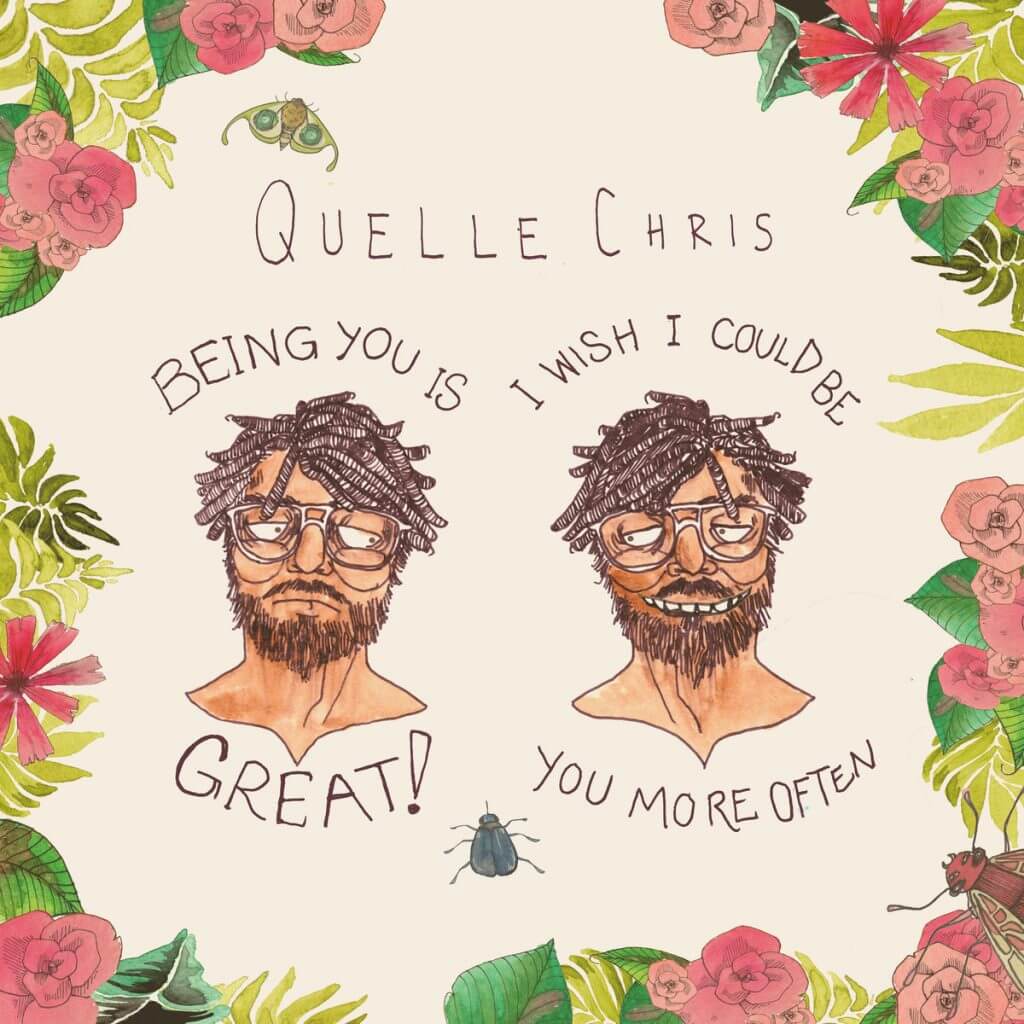
Quelle Chris’s Being You Is Great, I Wish I Could Be You More Often takes an awkward question and turns it into an entire album: how do you learn to like yourself when you’re painfully aware of your own shortcomings? The Detroit-born rapper and producer’s fourth solo album moves between self-confidence, insecurity, regret, and existential confusion, often within the same song. Its humor can be disarming, but beneath the absurdity is someone trying to work out whether self-acceptance is possible without ignoring the things he dislikes about himself.
The title captures the central contradiction. Being yourself should be enough, but what happens when you aren’t particularly comfortable with the person you are? On “Buddies,” Quelle approaches self-love with a playful mixture of sincerity and exaggeration, leaving room for the possibility that confidence can become another performance. “Popeye” turns the gap between ambition and achievement into a source of frustration, dwelling on the distance between the person you hoped to become and the one you’ve actually become. The album recognizes how easily reflection becomes self-criticism, with old disappointments accumulating until they begin to define the present.
Quelle’s writing rarely offers the straightforward confessions associated with more conventional introspective rap. Instead, he approaches emotional discomfort through strange observations, deadpan humor, surreal imagery, and deliberately uncomfortable turns of phrase. “In Case I Lose Myself,” featuring Cavalier, Denmark Vessey, and Goose, suggests how fragile one’s sense of identity can become. “The Prestige,” featuring Jean Grae, adds another perspective to the album’s tangled questions of identity and self-perception. These collaborations bring different voices into the conversation without distracting from its central concern: the struggle to understand yourself while living among other imperfect people.
The production reflects that unsettled state of mind. Quelle’s own beats sit alongside contributions from Mndsgn, Iman Omari, Chris Keys, Swarvy, and The Alchemist. The resulting mix moves between off-kilter rhythms, hazy soul, and unconventional loops, giving the album a loose, sometimes disorienting character. Its seventeen tracks don’t follow a neat progression from self-doubt to enlightenment. Moments of apparent confidence give way to fresh uncertainties, while flashes of humor prevent the introspection from becoming oppressive.
On “It’s Great to Be,” the album briefly approaches a more affirmative outlook, while “Don’t Get Changed,” featuring Denmark Vessey and Elzhi, considers the pressure to become someone other than yourself. The closing “Pendulum Swing,” produced by The Alchemist and featuring Homeboy Sandman, leaves the listener with a sense of continued movement rather than a final answer.
Being You Is Great, I Wish I Could Be You More Often understands that self-acceptance isn’t a switch you flip once you’ve identified your problems. You can recognize your flaws, laugh at your own absurdity, and still struggle to live comfortably inside your own head. Quelle Chris makes that contradiction funny, uncomfortable, and deeply human.
Dave – Psychodrama (2019)

Dave’s Psychodrama is built around the idea that understanding yourself requires revisiting the experiences you’d rather leave behind. Released in March 2019, the South London rapper’s debut album unfolds like a therapy session, using memories of childhood, family conflict, and life in a disadvantaged community to examine the forces that shape a person’s mental health. Dave’s writing is remarkably perceptive, but the album’s emotional weight comes from the distance between his ability to analyze suffering and his ability to escape it.
The shadow of Dave’s older brother Christopher, who is serving a life sentence in prison, hangs over the record. On “Drama,” the closing track, Dave addresses his brother directly, reflecting on the family circumstances and difficult choices that contributed to their different paths. His questions carry affection, frustration, and a sense of helplessness. Christopher’s incarceration has consequences far beyond the person behind bars, leaving those outside to live with absence, uncertainty, and the knowledge that love cannot undo the past. That personal history also informs the album’s therapeutic framework, inspired in part by the rehabilitation sessions his brother experienced in prison.
“Lesley,” an extraordinary eleven-minute narrative, shifts the focus to a woman trapped in an abusive relationship. Dave patiently traces the relationship’s progression, showing how affection and hope give way to manipulation, fear, and violence. Rather than treating the story as a distant social issue, he gives its central character an interior life, making her suffering impossible to reduce to a headline. The song’s emotional force lies in the gradual realization of how difficult it can be to recognize danger and escape its grip.
Elsewhere, “Black” examines racial identity and the burden of confronting prejudice in British society. Dave speaks about the beauty, history, and diversity of Blackness while challenging the stereotypes imposed on Black people. “Psycho” and “Voices” turn inward, exploring the competing thoughts and emotional defenses that complicate self-understanding. Even “Environment,” with its reflections on fame and distrust, suggests that success offers little protection from anxiety or loneliness.
Dave’s piano playing and Fraser T. Smith’s production give these subjects room to breathe. Classical strings, brass, and carefully placed electronic elements create a cinematic backdrop without overwhelming the writing. The shifts between intimate piano passages and harder, rhythm-driven tracks mirror the album’s movement between private reflection and the outside world.
Psychodrama won the 2019 Mercury Prize, recognition that reflected its ambition as much as its musical accomplishment. Its deepest insight is that personal suffering rarely exists in isolation. Family history, social inequality, racism, and institutional failure shape individual lives in ways that can take years to understand. Dave examines those forces with unusual patience, making an emotionally demanding album that never loses sight of the people living through them.
Navy Blue – Song of Sage: Post Panic! (2020)
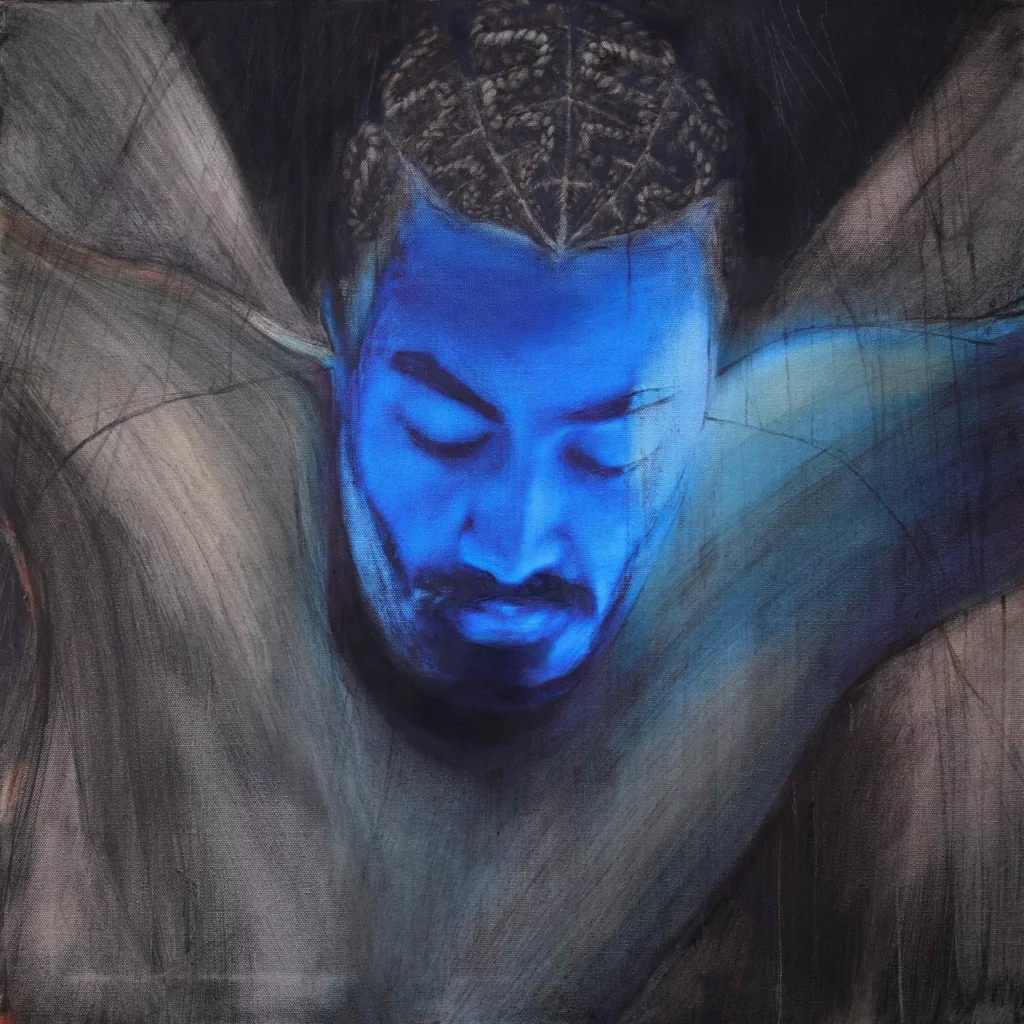
Navy Blue’s Song of Sage: Post Panic! is an intensely personal account of what happens after the worst moments have passed, when the immediate crisis gives way to the difficult work of understanding and living with its consequences. The album finds Sage Elsesser confronting depression, anxiety, grief, and the psychological weight of family history. His subdued delivery and fragmented, conversational writing create the impression of someone thinking aloud, trying to make sense of experiences that remain painfully close. Across 18 tracks, he searches for stability while acknowledging how easily his thoughts can pull him back toward darker places.
The exhaustion is apparent on “Tired,” where emotional fatigue becomes almost tangible. The title track, “Post Panic!,” addresses the aftermath of psychological distress, capturing the uneasy calm that follows periods of overwhelming anxiety. “Self Harm” is particularly difficult, bringing the album’s examination of mental health into deeply uncomfortable territory. Navy Blue approaches these experiences without dramatic declarations, allowing the vulnerability in his words and delivery to carry their significance. His restraint makes the admissions especially affecting.
Grief and memory are equally important. “Memory Lane” revisits the past with a mixture of affection and sorrow, while “Aunt Gerry’s Fried Chicken” draws on family connections and the small details through which loved ones remain present in our lives. Throughout the record, personal loss becomes inseparable from questions of identity, ancestry, and belonging. On “1491,” Navy Blue widens his perspective to historical violence and inherited suffering, connecting his individual experiences to the deeper wounds carried across generations.
The production gives these reflections their distinctive atmosphere. Hazy soul samples, delicate piano passages, and loosely arranged drums create a warm but melancholy setting, often allowing the music to drift around Navy Blue’s quiet voice. The understated approach suits his writing, which moves between painful recollections, spiritual reflection, and expressions of gratitude. Contributions from Maxo, billy woods, Yasiin Bey, and Zeroh add different perspectives without disturbing the album’s intimate character.
There is a persistent desire for recovery running through Song of Sage: Post Panic!. Tracks such as “Breathe” and “Alignment” suggest that healing requires patience, self-awareness, and a willingness to accept help and connection. Navy Blue never presents emotional recovery as a permanent achievement. His sadness remains close, even during moments of peace.
That uncertainty gives the album its emotional depth. Song of Sage: Post Panic! documents the fragile process of rebuilding yourself while carrying memories and experiences that cannot simply be left behind.
billy woods & Kenny Segal – Maps (2023)

Travel can be a way of escaping your problems, but it can also make you more aware of everything you leave behind. On Maps, billy woods and producer Kenny Segal explore the contradictions of a life spent moving: the freedom of the road, the loneliness of unfamiliar places, and the growing distance between the life you lead and the one you imagined. Four years after Hiding Places, the duo reunite for an album that trades some of that record’s claustrophobic dread for a more reflective, restless melancholy.
The road becomes a metaphor for woods’ complicated relationship with home, family, and belonging. Constant movement offers new experiences, but it also makes lasting connections harder to maintain. On “Soft Landing,” the excitement and uncertainty of travel give way to thoughts about mortality and the passage of time. “Soundcheck,” featuring Quelle Chris, and “Waiting Around,” featuring Aesop Rock, capture different sides of life on the road, where routine, absurdity, and exhaustion blur together. Woods’ writing moves between wry observations and darker reflections, finding uncomfortable truths in the mundane details of everyday life.
“FaceTime,” featuring Sam Herring of Future Islands, is one of the album’s emotional high points. Its melodic refrain brings a note of longing to a record full of restless movement, touching on the difficulty of maintaining intimacy across distance. “As the Crow Flies,” featuring ELUCID, adds another layer of reflection, with the image of a direct route contrasting with the complicated paths people actually take through life. The album never settles into easy nostalgia. Woods understands that home is tied to people and memories, but also to experiences that cannot be revisited or repaired.
Segal’s production gives these thoughts room to unfold. Deep basslines and hard drums provide momentum, while warped samples, unexpected textures, and shifts in mood keep the music unsettled. The guest appearances from Danny Brown, ELUCID, Quelle Chris, and others add different voices without distracting from the album’s introspective core.
Maps captures the emotional cost of a life spent chasing possibilities. Success and movement bring their own rewards, but neither guarantees contentment or protects against loneliness. Woods writes from the uneasy space between wanting to be somewhere else and realizing that distance doesn’t necessarily bring you closer to what matters. Sometimes the hardest part of finding your way is figuring out where you belong when you’ve learned to live almost anywhere.