

Hip Hop has always been a vehicle for telling stories about life, but some albums reach beyond the immediate realities of the streets, the struggle for success, or the state of the world. They grapple with bigger questions: Who are we? What gives life meaning? How do we deal with grief, guilt, and mortality? What shapes our beliefs, our identities, and the way we treat others? And is there something beyond what we can see and understand?
The answers vary wildly. Some MCs turn to scripture, ancient civilizations, and esoteric knowledge in search of higher truths. Others examine the human psyche, wrestle with questions of morality, or confront the psychological toll of loss and hardship. Personal stories become meditations on existence; observations about society lead to questions about individual responsibility. Sometimes the exploration is explicit and philosophical. Sometimes it emerges through fragmented memories, cryptic imagery, or the details of an ordinary life falling apart.
The 25 albums on this list approach these subjects from different angles. Killah Priest’s mystical visions, Ka’s reflections on honor and moral compromise, Saba’s deeply personal account of grief, and CunninLynguists’ explorations of faith and the subconscious may sound worlds apart. What connects them is a willingness to look beneath the surface and wrestle with the experiences, beliefs, and uncertainties that shape us. Some are firm favorites that have appeared on other HHGA lists, while others are simply quality Hip Hop albums that deserve recognition for the depth of their writing and ideas. Together, they offer a range of perspectives on questions that have no easy answers.
This isn’t a list of the most conscious Hip Hop albums, nor is it limited to records with an explicitly spiritual message. It’s about artists using music to explore what it means to be human: to suffer, believe, doubt, change, and find meaning in a world that rarely makes things simple.
Jeru the Damaja – The Sun Rises in the East (1994)
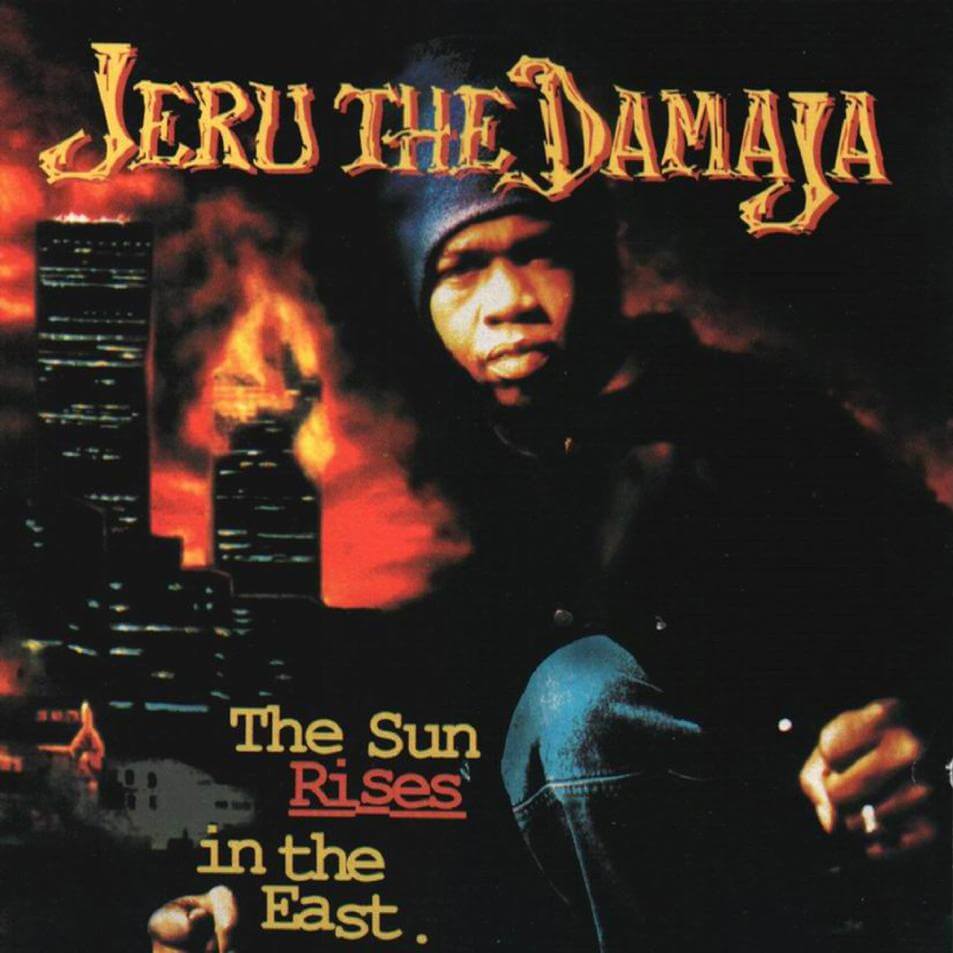
Jeru the Damaja’s The Sun Rises in the East is an album built around the idea that understanding the world begins with understanding yourself. Released in 1994 and produced entirely by DJ Premier, the Brooklyn MC’s debut combines street-level observation with Five Percent Nation teachings, philosophical reflections, and a fierce distrust of ignorance. Beneath its hard-edged exterior lies a recurring concern with the choices people make, the forces that mislead them, and the knowledge required to see through the deception.
Jeru approaches these ideas with the intensity of a street preacher, though his lessons rarely come wrapped in easy slogans. On “You Can’t Stop the Prophet,” he casts himself as a warrior confronting the forces of evil, turning spiritual conflict into an elaborate allegory. “Ain’t the Devil Happy” examines greed, violence, and destructive behavior through a similar moral lens. The point is less about religious doctrine than the struggle to recognize the influences that pull people away from a more enlightened existence. Knowledge of self becomes a means of resisting manipulation and taking responsibility for one’s actions.
That philosophy extends to Hip Hop itself. On “Come Clean,” Jeru attacks materialism, empty posturing, and the culture’s growing fixation on commercial success. His weapons are his words and his understanding, delivered with a measured, slightly off-kilter cadence that cuts through Premier’s ominous production. The beats are integral to the album’s worldview: warped samples, strange melodic fragments, and hard, skeletal drums give the music an uneasy quality, as if something beneath the surface is always waiting to be exposed.
The Sun Rises in the East is hardly a serene exercise in contemplation. Jeru is combative, sometimes abrasive, and occasionally prone to reducing complicated human behavior to stark judgments. That tension is part of the album’s appeal. His search for truth takes place in a world of temptation, conflict, and competing versions of reality, where wisdom has to be earned and ignorance carries consequences.
Over three decades later, Jeru’s debut remains a compelling example of Hip Hop as philosophical inquiry. Its questions about self-knowledge, integrity, and the difference between appearance and truth establish a foundation for this list: music that looks beyond the surface to examine what shapes us and how we choose to live.
Ras Kass – Soul on Ice (1996)
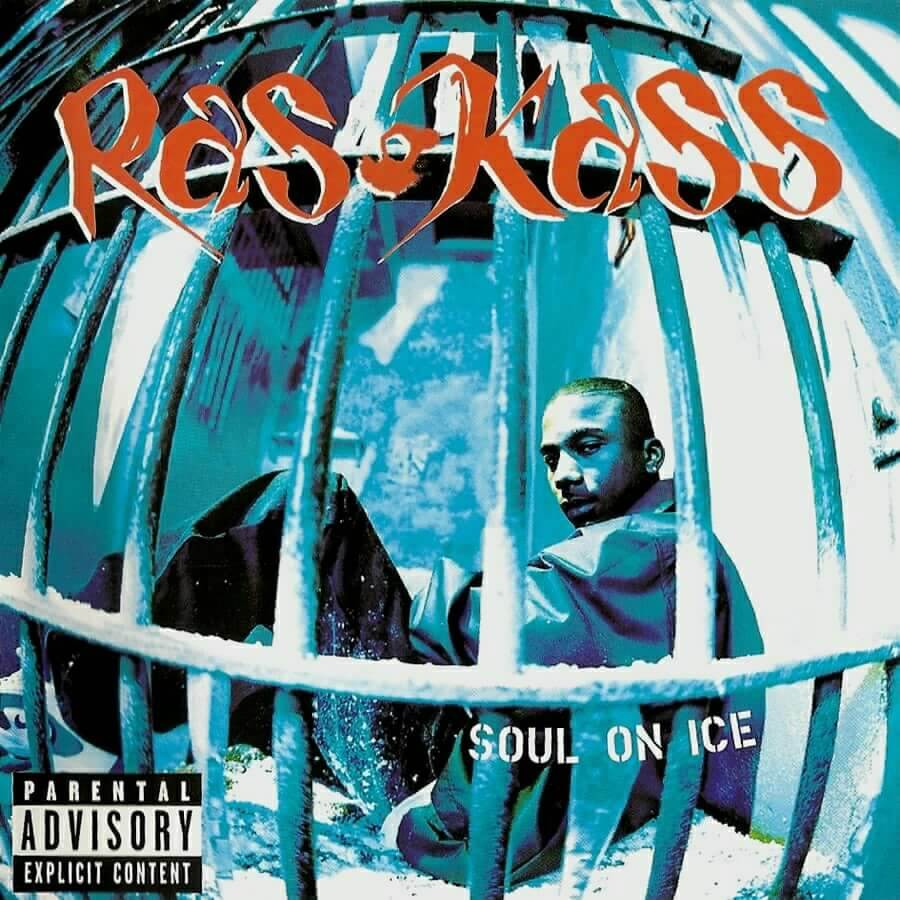
Ras Kass approached Hip Hop as a way to investigate the world, drawing on history, theology, philosophy, and anthropology to make sense of the forces that shape human existence. His 1996 debut, Soul on Ice, takes its title from Eldridge Cleaver’s collection of essays, and shares its interest in race, identity, power, and the contradictions of American society. Relatively overlooked upon release, the album has since earned recognition for the ambition and intellectual range of its writing.
The centerpiece is “Nature of the Threat,” a sprawling, nearly eight-minute examination of racism across human history. Ras Kass traces the development of racial hierarchies and challenges conventional accounts of civilization, weaving historical research with religious interpretation and arguments about the origins of prejudice. He reportedly took classes in anthropology and history to prepare for the track, treating the recording as an opportunity to test his own understanding as much as to educate his audience. The result is provocative, densely packed, and occasionally contentious, but its ambition is unmistakable. Ras Kass wants listeners to question the stories they’ve inherited and examine how those stories shape their understanding of themselves and others.
That desire to get beneath accepted narratives runs throughout Soul on Ice. “On Earth as It Is…” introduces the album’s spiritual and philosophical concerns, while “The Evil That Men Do” considers the destructive impulses that run through human behavior. The title track draws the focus inward, exploring the relationship between identity, experience, and the wider forces acting upon an individual. Ras Kass moves easily between the historical, the theological, and the personal, approaching each subject with the curiosity of someone determined to understand how the pieces fit together.
Musically, the album draws on a varied group of West Coast producers, including Battlecat and Vooodu. The production moves between warm funk, rugged drums, and darker, more atmospheric passages, giving Ras Kass room to navigate his intricate rhyme schemes. Coolio’s appearance on “Drama” provides the only guest feature, leaving the MC himself firmly at the center.
Soul on Ice rewards listeners willing to follow its arguments and sit with its contradictions. Ras Kass isn’t content to describe the world as he finds it; he wants to trace its beliefs and power structures back to their origins. That restless pursuit of understanding makes the album a natural fit for a list about Hip Hop’s capacity to examine the human condition.
Killah Priest - Heavy Mental (1998)
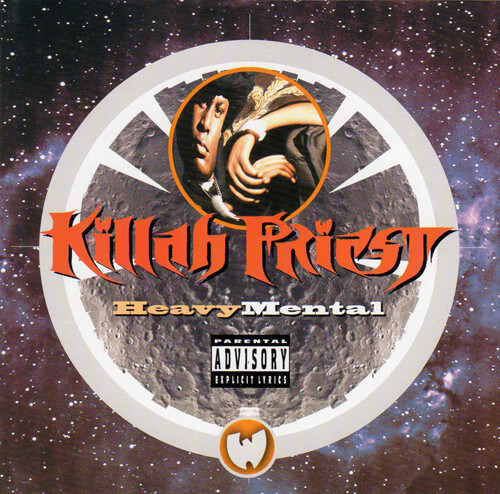
Killah Priest’s debut Heavy Mental is one of the most ambitious expressions of the wider Wu-Tang Clan family’s philosophical side. Released in March 1998, the album takes the spiritual teachings and esoteric preoccupations associated with the Wu-Tang universe and expands them into an elaborate meditation on history, identity, consciousness, and humanity’s relationship with the divine. Priest draws from Judeo-Christian and Islamic traditions, ancient civilizations, and Five Percent Nation teachings, weaving religious imagery into reflections on the historical and contemporary condition of Black people in America.
The biblical Exodus becomes a recurring point of reference. Priest draws parallels between the enslavement and liberation of the Israelites and the historical oppression of Black Americans, using scripture to examine collective suffering and the possibility of spiritual emancipation. His writing often moves freely between different eras, belief systems, and levels of reality. History, mythology, and personal revelation become parts of the same search for knowledge, although the sheer density of his references can make the album deliberately challenging.
“B.I.B.L.E. (Basic Instructions Before Leaving Earth),” an expanded version of the track first heard on GZA’s Liquid Swords, captures Priest’s approach particularly well. The song treats spiritual understanding as essential to navigating a world shaped by ignorance, deception, and oppression. On “One Step,” the refrain “Your arms too short to box with God” places human ambition and arrogance against a higher power. The title track takes a more abstract route, with Priest delivering a stream of poetic imagery over a hypnotic didgeridoo, blurring the boundaries between spoken-word performance and conventional rapping.
The production reinforces the album’s otherworldly character. True Master, 4th Disciple, Y-Kim the Illfigure, and others provide murky samples, heavy drums, and unsettling textures that suit Priest’s dense, often apocalyptic writing. The result is an album that can sound like a dispatch from another realm, even when its concerns are firmly rooted in earthly injustice.
Heavy Mental is occasionally overwhelming, but that intensity belongs to its larger purpose. Priest approaches human existence as a struggle to understand where we come from, why suffering persists, and what knowledge might offer a way forward. His answers are rooted in spiritual conviction, though the questions reach well beyond any single doctrine.
Mos Def – Black on Both Sides (1999)
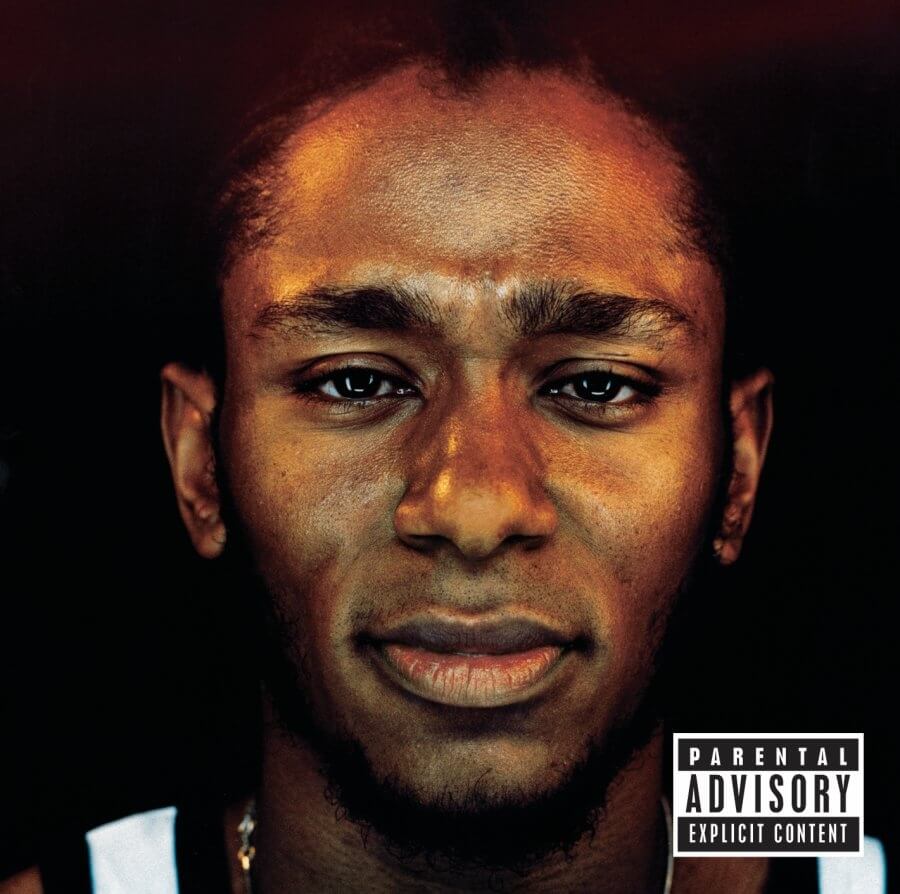
Mos Def’s Black on Both Sides is an expansive portrait of the human experience, examining personal identity, social responsibility, love, spirituality, and the contradictions of modern American life. Released in October 1999, his solo debut followed Mos Def & Talib Kweli Are Black Star, but its ambitions reach well beyond the concerns typically associated with conscious Hip Hop. Mos moves between intimate reflection and cultural criticism, grounding abstract questions in the everyday experiences of a young Black man trying to understand his place in the world.
The opening track, “Fear Not of Man,” establishes the album’s philosophical framework. Drawing on Fela Kuti, Mos questions the direction of Hip Hop and the forces shaping society, insisting that cultural change begins with individuals. “Mathematics,” produced by DJ Premier, approaches the same questions through statistics, historical context, and observations about inequality, incarceration, and economic hardship. On “New World Water,” environmental destruction becomes a question of collective responsibility, while “Mr. Nigga,” featuring Q-Tip, examines the racial assumptions that influence how Black men are perceived in everyday life. Mos connects systemic problems to the attitudes and habits that allow them to persist.
His exploration of the human condition also extends inward. “Love” considers the difficulty of understanding and expressing an emotion that can inspire generosity as easily as confusion. “Umi Says,” one of the album’s emotional high points, builds around the desire to live freely and recognize the possibilities within oneself. Its warm, organic arrangement gives Mos room to move from personal affirmation toward a broader vision of human potential. On “Brooklyn,” he turns to his own neighborhood, capturing its character and contradictions through three distinct musical movements.
That range is central to the album’s appeal. Mos can be playful and sharply observant on “Ms. Fat Booty,” then shift into serious reflection without sounding as though he has entered a different artistic world. The production draws from soul, jazz, funk, and live instrumentation, giving the record a musical openness that matches its intellectual curiosity.
Black on Both Sides argues that understanding the world requires attention to the personal and the political, the material and the spiritual. Mos Def questions injustice while examining the beliefs, choices, and relationships that shape individual lives. His vision of human progress begins with self-knowledge, empathy, and the willingness to challenge what society takes for granted.
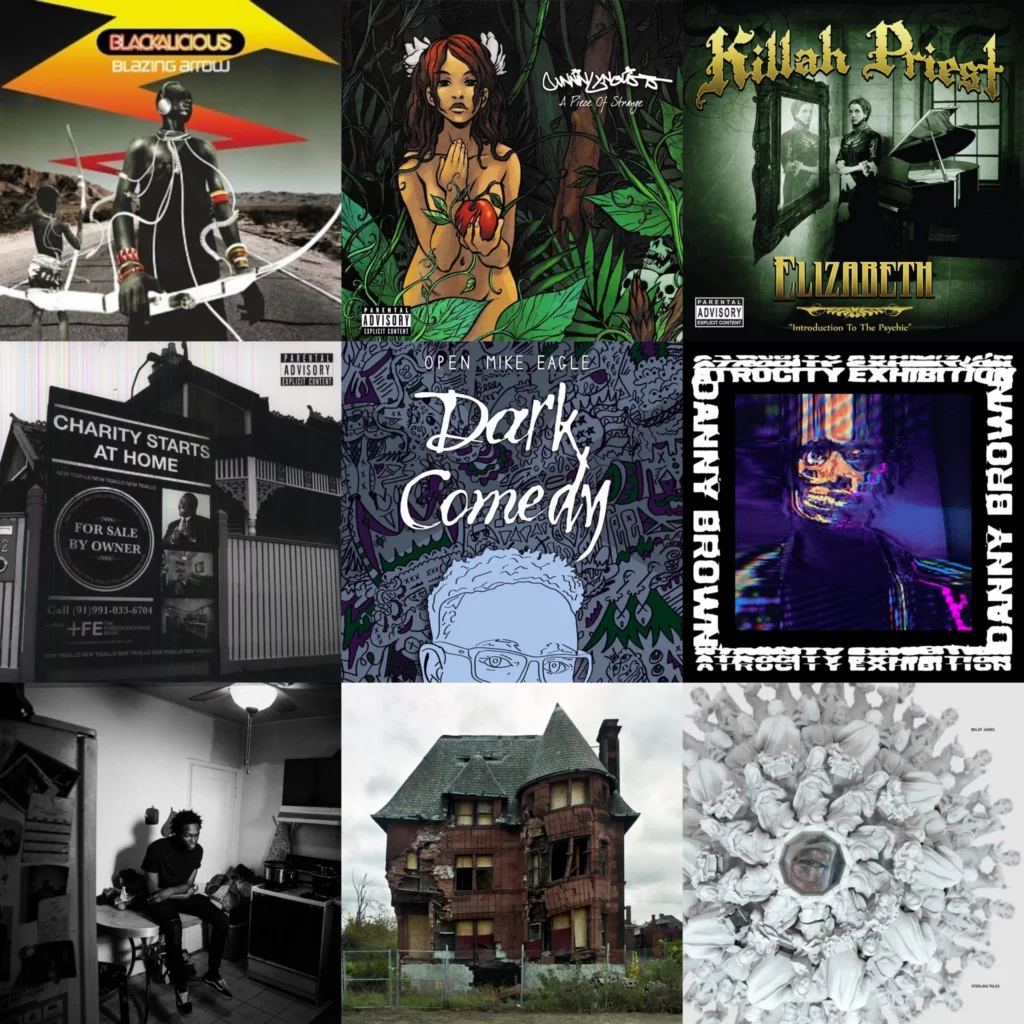
Blackalicious – Blazing Arrow (2002)
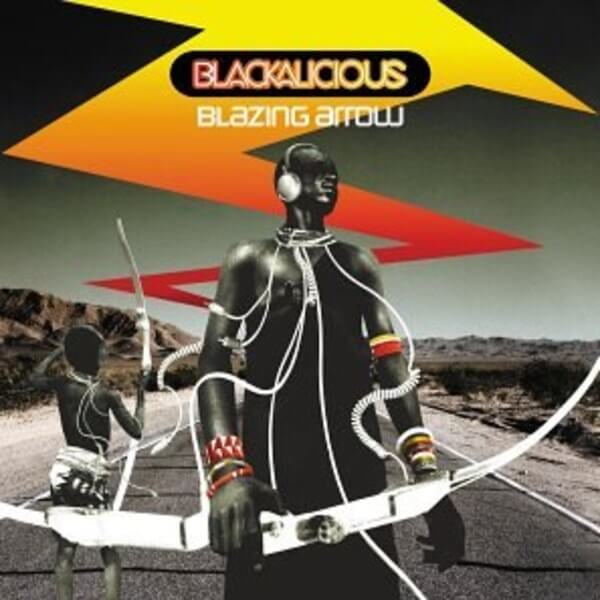
Blackalicious approaches the human condition with curiosity, compassion, and an abiding belief in the possibility of personal growth. On their second album, Blazing Arrow, Gift of Gab and producer Chief Xcel explore spirituality, self-knowledge, social conditioning, and the power of music to bring people together. Released in 2002, the record moves between intricate lyrical exercises and broader reflections on how people find purpose, overcome adversity, and make sense of the world around them.
Gift of Gab’s extraordinary verbal dexterity is a defining feature, but his writing reaches beyond technical display. “Chemical Calisthenics,” featuring Cut Chemist, treats language and mental discipline as forms of exercise, turning the rapper’s command of vocabulary into an exuberant demonstration of the mind’s potential. “Paragraph President” similarly celebrates the craft of writing and the possibilities of Hip Hop as an art form. Underneath the wordplay lies a conviction that developing one’s abilities, intellectual or otherwise, is a worthwhile pursuit.
The album also examines the forces that shape human thought. “Brain Washers,” featuring Ben Harper, addresses manipulation and the systems that influence what people believe, encouraging listeners to question the messages they absorb. “Sky Is Falling” takes a more anxious view of the world, confronting uncertainty and the sense that established structures are coming apart. Blackalicious acknowledge the difficulties of living in a troubled society without surrendering to cynicism.
Spirituality provides a counterweight to those concerns. On “First in Flight,” Gil Scott-Heron’s presence connects the duo’s perspective to an older tradition of music as social commentary and personal testimony. “Purest Love” turns toward the emotional and spiritual foundations of a meaningful life, while the expansive “Release,” featuring Zack de la Rocha, Saul Williams, and Lyrics Born, brings together different voices in a search for freedom and renewal. Chief Xcel’s production gives these ideas room to breathe, combining warm soul samples, live instrumentation, and shifting rhythms with the energy of a communal celebration.
What distinguishes Blazing Arrow is its optimism without naivety. Blackalicious recognize manipulation, uncertainty, and human weakness, but remain interested in what people can learn, create, and change. Intellectual curiosity, spiritual conviction, and artistic expression are presented as ways to develop a clearer understanding of oneself and one’s responsibilities to others. The album’s underlying message is that growth begins with an active mind and a willingness to keep searching.
CunninLynguists - A Piece Of Strange (2006)
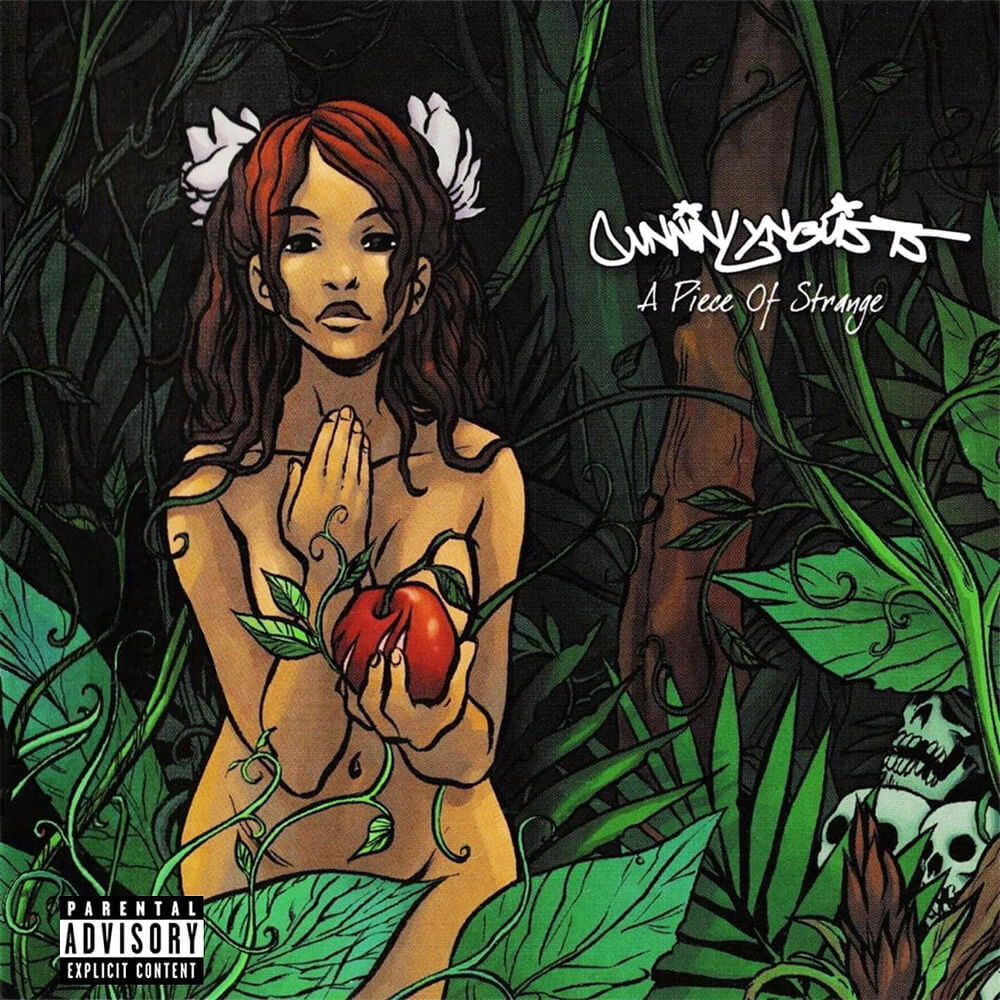
With A Piece of Strange, CunninLynguists turned their third album into an extended examination of human weakness, tracing the path from temptation and wrongdoing toward self-awareness and redemption. Released in January 2006, the record marked a significant step for the Kentucky trio. Natti joined Deacon the Villain and Kno, who handled the production, as the group moved toward a more ambitious form of storytelling. The result is a concept album that uses religious imagery to explore recognizable moral and psychological conflicts.
Sin provides the framework, but the album’s concerns extend into the circumstances that shape human behavior. Desire, prejudice, greed, and self-deception run through its narrative, raising questions about personal responsibility and the stories people tell themselves to justify their choices. The characters are vulnerable to their impulses and to the social environments that encourage them. Spiritual language gives these conflicts a larger dimension without reducing them to a simple sermon about good and evil.
“Caved In,” featuring Cee-Lo Green, brings temptation and surrender into focus, while “America Loves Gangsters” examines the public fascination with criminality and the way violence becomes entertainment. On “Never Know Why,” Immortal Technique joins the group for a pointed examination of racism and the contradictions embedded in American society. “Remember Me (Abstract/Reality)” considers the distance between the image people construct of their lives and the truths they would rather avoid. Across the album, individual choices are inseparable from the wider systems and cultural myths that influence them.
Kno’s production gives the narrative its emotional weight. Soul samples, live instrumentation, shifting textures, and carefully layered arrangements create a sound that is warm in places and unsettling in others. The music has room to breathe, allowing the album’s recurring ideas to develop across its sixteen tracks. Deacon and Kno bring different perspectives to the writing, while Natti’s arrival adds another voice to the group’s evolving dynamic.
The closing stretch moves toward the possibility of renewal, though the preceding material makes clear that redemption requires confronting uncomfortable truths. A Piece of Strange understands morality as a struggle shaped by desire, circumstance, and conscience. Its characters stumble, rationalize, and search for answers, reflecting the contradictions that make human behavior difficult to explain. The album’s spiritual questions ultimately lead back to earthly concerns: how people treat one another, what they choose to believe, and whether they can change.
Hell Razah & Blue Sky Black Death - Razah's Ladder (2007)
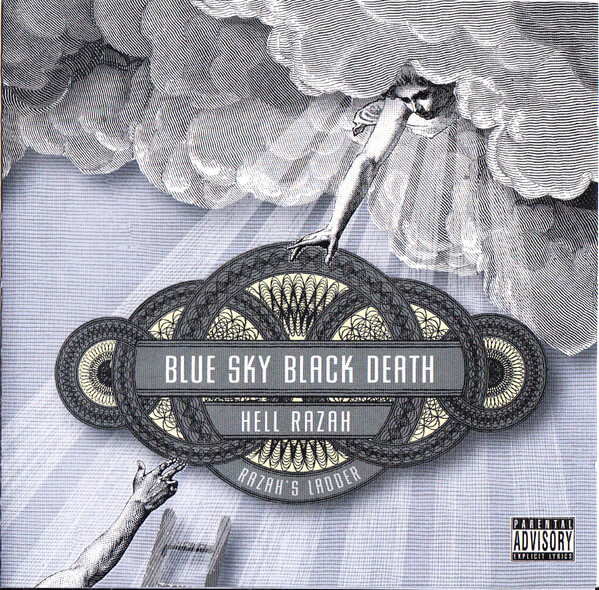
Hell Razah’s spiritual outlook takes on a more personal dimension on Razah’s Ladder, his 2007 collaboration with production duo Blue Sky Black Death. Named after the biblical account of Jacob’s Ladder, the album explores the connection between earthly suffering and spiritual elevation. The death of Razah’s father during the project’s creation gave those questions added weight. Grief, mortality, faith, and the search for meaning run through an album that looks toward transcendence without losing sight of the difficult realities of everyday life.
Razah draws on several traditions, combining biblical references, Five-Percent Nation teachings, and Gnostic ideas into a worldview shaped by his own experiences. The title track frames spiritual growth as a climb, while “Most Merciful” and “Pray Together” turn toward faith as a source of guidance and solidarity. The emphasis is on acquiring knowledge and developing an understanding of one’s place in the world. For Razah, spiritual awareness also has a practical dimension: it offers a way to confront hardship without surrendering to it.
Street life remains part of that picture. On “The Cube,” survival and self-defense exist alongside reflections on Black identity and inherited worth. “Poor Righteous Dreams” addresses aspiration under difficult circumstances, while “Project Prophecy,” featuring Ill Bill and Sabac Red, brings a more confrontational edge to the album’s social and political concerns. Razah moves between street-level observation and sweeping spiritual claims, sometimes compressing complex ideas into dense, cryptic verses. His perspective is rooted in the belief that understanding history and recognizing one’s own value can help people resist forces that seek to diminish them.
Blue Sky Black Death provide a striking musical setting for these reflections. Known for the shadowy atmosphere of their earlier work, the duo adopt a more soulful approach here, layering melancholic strings, cinematic flourishes, warm melodies, and imposing drums. The production gives Razah’s writing room to breathe, balancing the weight of his subject matter with moments of genuine uplift. The contrast between harsh realities and expansive, almost heavenly instrumentation reinforces the album’s central tension.
Razah’s Ladder ultimately treats spiritual growth as an ongoing response to loss and adversity. Its search for enlightenment is grounded in the recognition that suffering cannot always be explained away. Faith becomes a means of facing mortality, preserving a connection to those who have died, and finding direction amid uncertainty. The result is an introspective record in which the climb toward understanding begins with the pain and contradictions of human life.
Killah Priest - Elizabeth (2009)
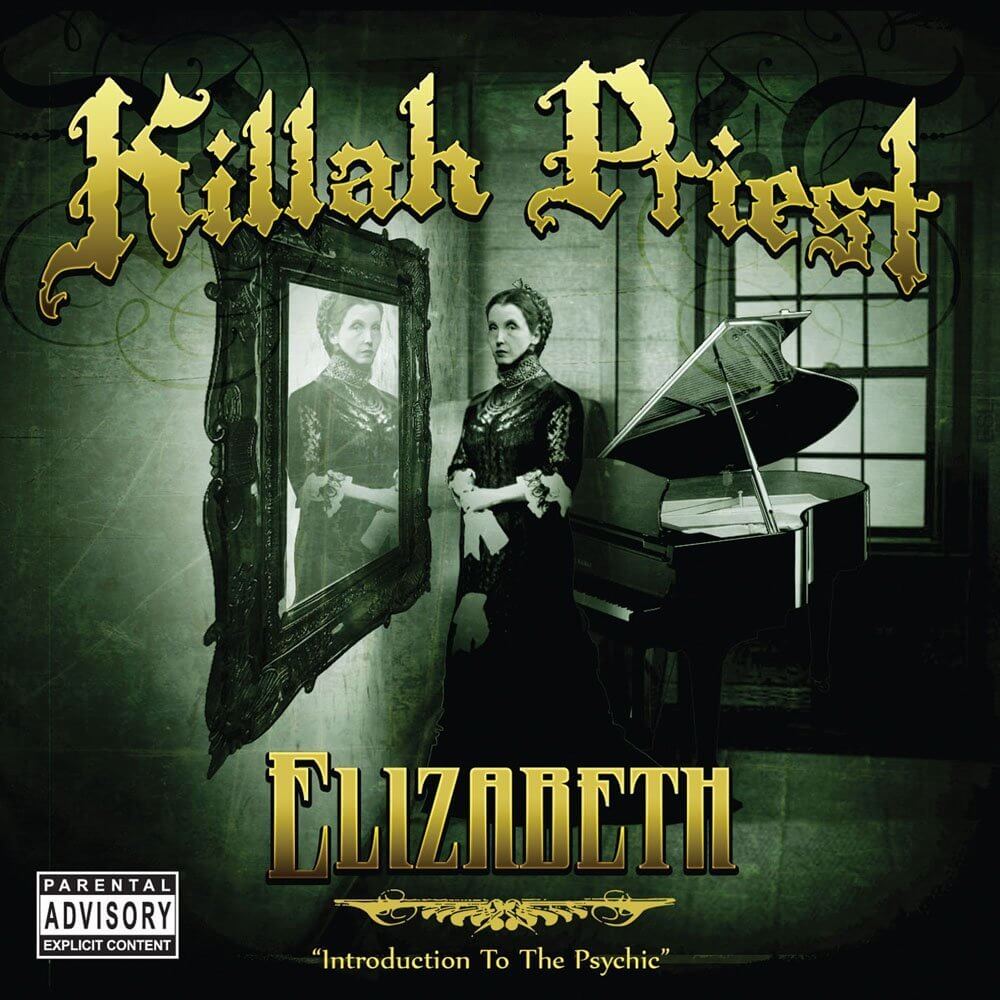
Killah Priest has spent his career exploring the territory where street wisdom, religious mythology, and cosmic speculation meet. On Elizabeth (Introduction to the Psychic), released in 2009 and produced entirely by DJ Woool, he takes that approach into particularly strange and unsettling territory. Drawing on the legend of Elizabeth Báthory, the Hungarian countess associated with tales of aristocratic cruelty and bloodshed, Priest constructs a world of gothic horror, biblical visions, and psychological unease. Among an extensive catalog filled with ambitious records, this is our favorite Killah Priest album, a standout among standouts.
The album’s medieval atmosphere provides a dark setting for Priest’s investigations into the human mind. Tracks such as “Murdah Murdah at Dawn” and “Color of Murder 2 (Old Castle Hop)” evoke a world of paranoia, violence, and creeping madness. Priest’s writing rarely follows a straightforward narrative. Images of ancient rulers, spiritual warfare, and human depravity collide in densely packed verses, leaving listeners to piece together the connections. His fascination with the occult and the supernatural serves a broader interest in the forces that govern human behavior, including fear, ambition, and the capacity for cruelty.
Spiritual inquiry remains central to the record. “The 7 Crowns of God,” “Jacob Never Died,” and “Let Us Pray” draw on biblical imagery and the Black Hebrew Israelite traditions that inform much of Priest’s work. These references offer a counterweight to the album’s sinister subject matter, directing attention toward divine knowledge, ancestry, and the possibility of looking beyond material existence. On “Street Matrix” and “The God Within,” Priest turns inward, questioning the limits of ordinary perception and suggesting that understanding the world begins with examining the mind itself.
“Diagnose” offers a particularly revealing glimpse into his creative process. Priest describes writing as an obsessive, almost pathological compulsion, linking the act of putting words on paper to depression, strange behavior, and a mind that refuses to settle. The passage captures the tension at the heart of Elizabeth: the same imagination that produces elaborate spiritual visions also ventures into disturbing psychological territory.
DJ Woool’s production supplies murky samples, ominous melodies, and claustrophobic rhythms that reinforce the album’s unsettling character. With no guest appearances to interrupt the atmosphere, Priest occupies the entire space, following his thoughts wherever they lead. Elizabeth can be cryptic to the point of disorientation, but that quality suits its subject. It examines humanity through the shadowy intersection of consciousness, faith, violence, and madness, making the album one of the most distinctive expressions of Priest’s singular vision.
Phonte – Charity Starts at Home (2011)

Phonte’s Charity Starts at Home explores a side of the human condition that rarely gets the same attention as spiritual crises, political struggles, or existential despair: the compromises and responsibilities of adult life. Released in 2011, his debut solo album finds the Little Brother MC taking stock of work, marriage, money, ambition, and the effort required to maintain a sense of self while meeting other people’s expectations. The questions are familiar to anyone who has had to make a living, sustain a relationship, or reconsider what success actually means.
Phonte has always been a perceptive writer, but the perspective here is distinctly mature. The youthful idealism associated with Little Brother gives way to a more pragmatic outlook. On “The Good Fight,” he considers the persistence required to keep going when life offers few dramatic victories. His ambitions remain intact, though music is also a job, with bills to pay and responsibilities beyond the studio. There is dignity in that admission. Artistic fulfillment matters, but so does making sure the mortgage gets paid.
Relationships receive equally candid treatment. “Ball and Chain” examines the frustrations and obligations of long-term commitment, finding humor in the friction that develops between two people who know each other intimately. “Sendin’ My Love” approaches affection from a more tender angle, while “Everything Is Falling Down” acknowledges the strain that can accumulate when life refuses to cooperate. Phonte writes about love without idealizing it. Commitment involves attraction and affection, but also patience, negotiation, and the willingness to keep showing up when romance loses some of its early glamour.
The album’s musical warmth reinforces its grounded perspective. Production from 9th Wonder, Khrysis, Swiff D, and others draws on soul, smooth grooves, and understated melodies, giving Phonte room to balance humor with introspection. Guests including Elzhi, Median, Evidence, and Big K.R.I.T. add different voices without distracting from the personal nature of the project.
The title offers the album’s guiding principle: before attempting to fix the world, a person has to attend to the relationships and obligations closest to home. Phonte understands that this work is rarely glamorous. It means accepting limits, reconsidering priorities, and finding satisfaction in responsibilities that can sometimes feel burdensome. Charity Starts at Home explores the human condition through ordinary pressures rather than grand declarations, finding meaning in the daily effort to build a life worth living.
CunninLynguists - Oneirology (2011)

The human mind rarely observes reality without distorting it. Dreams expose buried fears, desires, and memories, sometimes revealing uncomfortable truths that remain hidden during waking hours. CunninLynguists built their fifth album, Oneirology, around this intersection of consciousness and the subconscious. Released in 2011, the concept album follows the progression from falling asleep to waking up, using dream theory to examine personal demons, destructive habits, political complacency, and the nightmares society creates for itself.
Kno, Deacon the Villain, and Natti approach these subjects through shifting perspectives and elaborate storytelling. On “Hard as They Come (Act I),” featuring Freddie Gibbs, the rappers adopt the personas of destructive forces, including substance abuse and disease, turning addiction and illness into characters that confront their victims. Its companion piece, “Murder (Act II),” featuring Big K.R.I.T., widens the focus to institutional violence and humanity’s recurring appetite for conflict. The two tracks connect individual suffering to larger systems of destruction, suggesting that some of our worst nightmares are manufactured in the world outside our heads.
Elsewhere, the album turns its attention to the ways people deceive themselves. “My Habit (I Haven’t Changed)” examines the grip of dependency and the difficulty of escaping familiar patterns, even when their consequences are clear. “Shattered Dreams” considers disappointment and the collapse of expectations, while “Enemies with Benefits,” featuring Tonedeff, explores the damaging cycles that can develop between people who remain attached despite their mutual frustrations. These are different forms of entrapment, driven by impulses and decisions that become increasingly difficult to control.
The political dimension is equally important. “Get Ignorant” challenges passive acceptance of the status quo, suggesting that people can move through life in a state of collective sleep, accepting corruption and injustice rather than questioning the conditions around them. The dream motif becomes a way to examine the gap between the world as it is and the world people convince themselves they inhabit.
Kno’s production gives the album its unsettling coherence. Haunting vocals, layered samples, live instrumentation, and shifting arrangements create an atmosphere that moves between beauty and dread. The framing tracks, “Predormitum (Prologue)” and “Hypnopomp (Epilogue),” mark the transitions into sleep and back toward consciousness, reinforcing the album’s carefully constructed form.
Oneirology ultimately asks how much of human suffering comes from forces beyond our control and how much persists because we refuse to confront ourselves. Dreams may distort reality, but they also expose what we would prefer to ignore. CunninLynguists turn that contradiction into an expansive meditation on self-deception, addiction, violence, and the difficult work of becoming conscious.
Akua Naru – The Journey Aflame (2011)
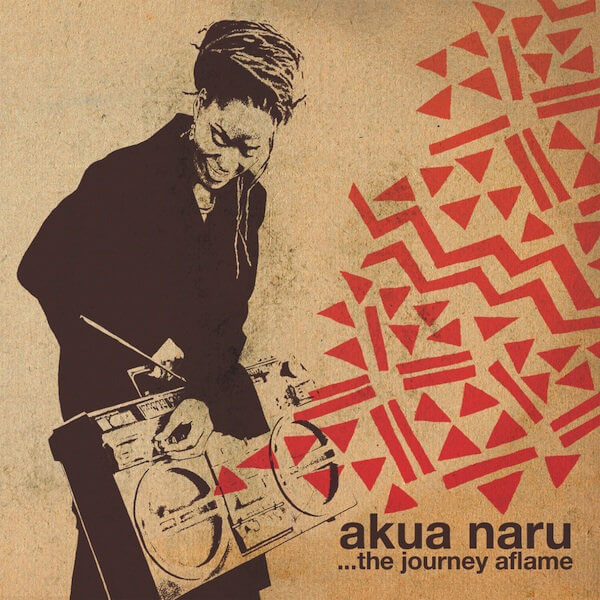
Akua Naru’s The Journey Aflame approaches the human condition through history, identity, intimacy, and the struggle to understand where we come from. The 2011 debut draws connections between personal experience and the collective memory of the African diaspora, placing Black womanhood and the preservation of cultural knowledge at the center of its reflections. Naru is a compelling guide through this material, combining intricate lyricism with the instincts of a poet and storyteller.
The album’s historical perspective comes into sharp focus on “The Journey…,” where Naru traces the legacy of slavery and its lasting consequences across generations. The past is never sealed off from the present: historical violence continues to shape identity, opportunity, and the ways people understand themselves. “The Block” turns toward contemporary urban life, while “Mo(u)rning” carries a sense of grief that extends beyond individual loss. Naru addresses suffering without reducing Black experience to hardship alone. Community, cultural memory, and the ability to speak back to history remain central to her vision.
Gender and intimacy receive equally thoughtful treatment. On “Tales of Men,” featuring African Footprint, Naru considers relationships between men and women, including the tensions surrounding female independence and survival. “Poetry: How Does It Feel?” takes a more intimate route, intertwining sensuality, spirituality, and emotional openness. Naru claims space for a woman’s desires and interior life, offering a perspective often pushed aside in Hip Hop’s portrayals of women.
The music reinforces these ideas. Traditional boom-bap provides a foundation, enriched by jazz, blues, soul, and West African influences. Live instrumentation gives the record warmth and movement, connecting its contemporary Hip Hop language to a much older musical inheritance. That lineage matters: music becomes a means of carrying memory forward, processing pain, and finding common ground across generations.
On “Find Yourself,” the search turns inward, toward the work of developing an identity amid external pressures. The extended “Rhyme-Writer’s High” also emphasizes the creative process as a source of purpose. Naru treats writing as a responsibility, a way to question accepted narratives and give shape to experiences that might otherwise go unheard.
The Journey Aflame links private emotions to collective history without losing sight of either. Its central concern is how people live with inherited wounds while creating lives, relationships, and traditions of their own. For Naru, self-knowledge and cultural remembrance are essential parts of that process.
Ab-Soul – Control System (2012)
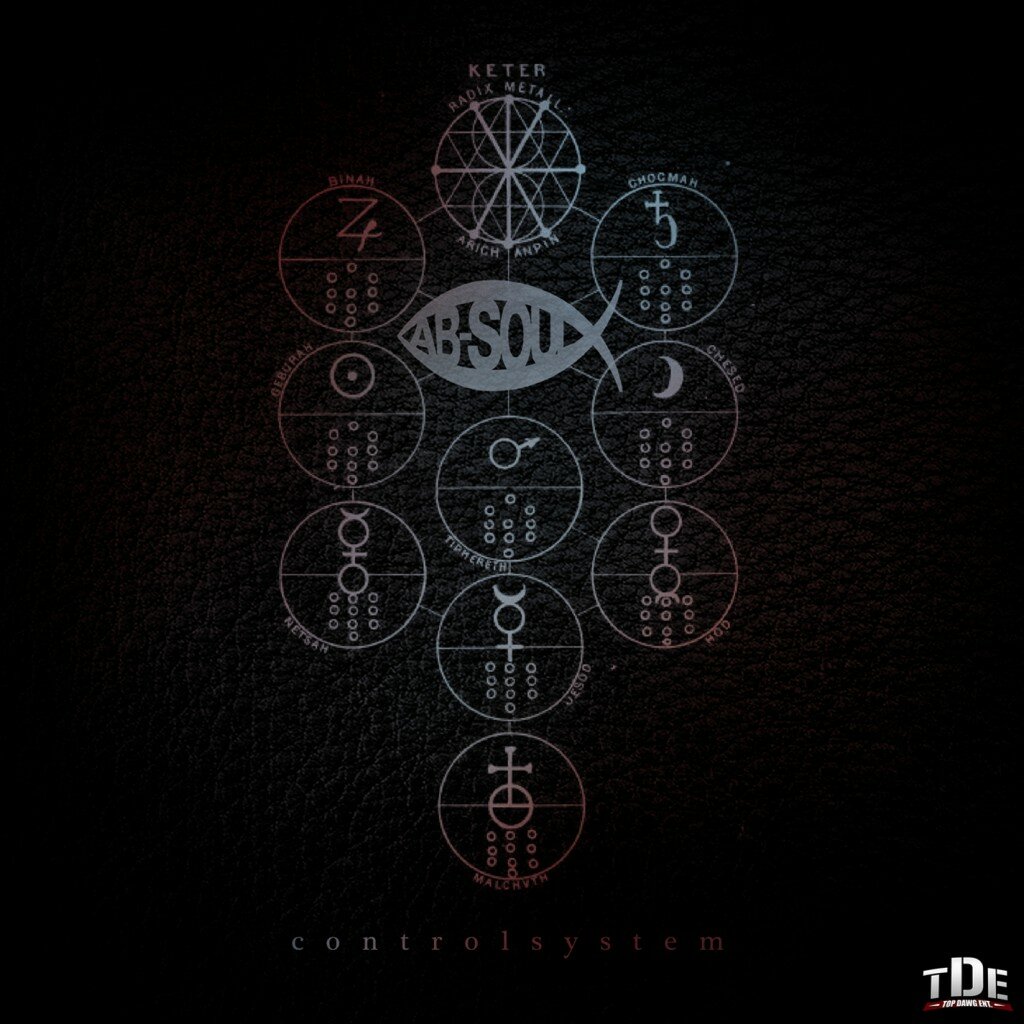
Ab-Soul’s Control System examines the forces that shape human behavior, from political institutions and media manipulation to spiritual beliefs and personal trauma. Released in May 2012, the album moves between conspiracy theories, philosophical speculation, and intimate confession, reflecting an artist trying to make sense of a world he often regards with suspicion. Its most affecting moments emerge when those larger questions collide with private grief.
The idea of control runs through the record. On “SOPA,” featuring ScHoolboy Q, Ab-Soul takes aim at government efforts to regulate the internet, questioning who gets to determine what people can access and believe. “Bohemian Grove” ventures into secret societies and hidden power structures, while “Terrorist Threats,” featuring Jhené Aiko and Danny Brown, mixes political anxiety with a broader sense of instability. Ab-Soul’s thinking can be speculative and deliberately provocative, but the questions beneath the theories are recognizably human: who holds power, how much of what we believe is shaped by others, and how do we distinguish truth from manipulation?
“Pineal Gland” turns inward, exploring spirituality and expanded consciousness through the idea of awakening the mind beyond conventional ways of seeing the world. This search for understanding gives the album a restless, sometimes paranoid quality. Ab-Soul wants to look behind appearances, even when the answers remain elusive.
The record’s emotional center, however, is “The Book of Soul.” Written after the death of his girlfriend and frequent collaborator Alori Joh, the song is a deeply personal account of love, loss, and the difficulty of carrying on after someone disappears from your life. Ab-Soul reflects on their relationship and his own struggles, allowing uncertainty and pain to interrupt the intellectual arguments elsewhere on the album. Joh’s presence also gives “Empathy” and “A Rebellion” an added poignancy, turning the record into a tribute to someone whose creative life was intertwined with his own.
Musically, Control System moves between hazy, sample-driven production, unsettling textures, and melodic passages that leave room for introspection. The contrast mirrors Ab-Soul’s concerns: the desire to decode an overwhelming world alongside the need to understand his own reactions to it.
The album’s most compelling tension lies between suspicion and vulnerability. Ab-Soul questions the systems that govern society, searches for knowledge beyond accepted explanations, and confronts a personal loss no theory can resolve. Control System ultimately suggests that understanding the world means little without confronting the emotional realities of living in it.
Killah Priest - The Psychic World Of Walter Reed (2013)
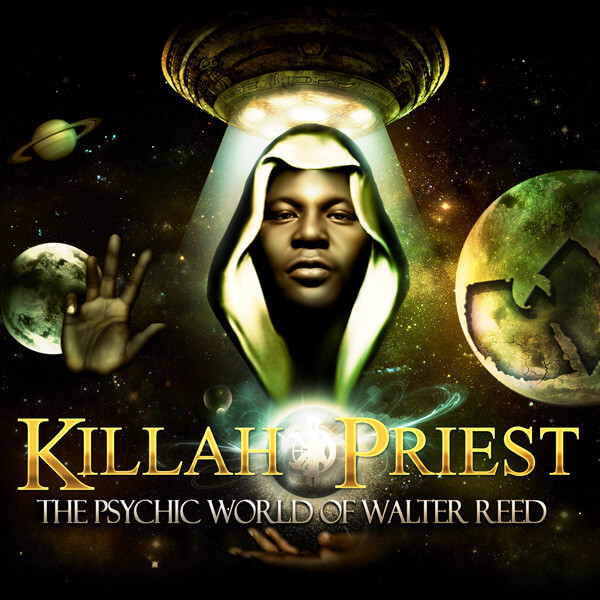
Killah Priest’s The Psychic World of Walter Reed expands the spiritual and philosophical territory he explored on Heavy Mental into a sprawling meditation on consciousness, human origins, and the relationship between earthly suffering and cosmic existence. Released independently in 2013, this double album moves between street-level observation, ancient mythology, religious symbolism, and speculation about the universe. Its scale can be overwhelming, but that ambition is central to Priest’s vision of the human condition.
The album treats existence as a mystery to be investigated from every conceivable angle. On “Ein Sof (Paradise),” Priest invokes the Kabbalistic concept of the infinite divine, while “The Spell” and “Devotion to the Saints,” featuring Ghostface Killah and Inspectah Deck, draw on religious imagery to explore the relationship between spiritual knowledge and worldly experience. His references range across biblical traditions, mysticism, and ancient civilizations, often connecting humanity’s origins to forces beyond ordinary perception. Priest rarely confines himself to a single interpretation. His verses read like fragments of an ongoing inquiry, in which every revelation opens the door to another question.
Cosmic speculation runs alongside observations of life on the ground. “Street Thesis” and “Developing Story” return to environments shaped by poverty, violence, and the struggle for survival. Priest views these experiences through the same searching lens he applies to theology and ancient history. The street becomes another place to study human nature, exposing the competing impulses toward destruction, knowledge, and transcendence.
The sheer breadth of the project reflects Priest’s restless mind. Across 41 tracks, he moves from “The Winged People” and “Music of the Spheres” to the introspective “Think Priest (Good Thoughts)” and “How I Write.” The latter tracks turn attention toward mental discipline and the role of the writer as observer, interpreter, and messenger. Production from RZA, 4th Disciple, True Master, Ayatollah, and a broad roster of lesser-known collaborators gives the album a varied backdrop, rooted in the murky textures and atmospheric samples associated with Priest’s Wu-Tang lineage.
The Psychic World of Walter Reed is an uncompromising portrait of a mind unwilling to accept the visible world as the full extent of reality. Its ideas sometimes arrive in dense, cryptic bursts, but that density reflects Priest’s central preoccupation: the search for meaning in a universe whose mysteries remain far beyond our grasp.
Open Mike Eagle – Dark Comedy (2014)

Open Mike Eagle’s Dark Comedy examines the anxieties, contradictions, and quiet humiliations of contemporary life through an unusual combination of intellectual wit and self-deprecation. Released in 2014, the album finds meaning in the gap between how people present themselves and how they actually feel. Its humor can be absurd, uncomfortable, and deliberately awkward, reflecting a world where financial insecurity, digital overload, and social expectations leave plenty of room for existential doubt.
Mike approaches Hip Hop’s familiar conventions with a mixture of affection and skepticism. On “Qualifiers,” he punctures the certainty of rap braggadocio with qualifications and caveats, acknowledging the distance between claiming greatness and actually attaining it. “Golden Age Raps” similarly questions nostalgia and the value assigned to music in an era when listeners can consume endless amounts of art while the people making it struggle to earn a living. On “Very Much Money (Ice King Dream),” the contrast between creative ambition and financial reality becomes especially pointed. Talent and intelligence offer no guarantee of stability, a frustrating truth for anyone trying to make a life out of creative work.
The album’s title captures its central method. Comedy gives Mike a way to examine uncomfortable realities without pretending to have them figured out. “Dark Comedy Morning Show” frames the record with a warped broadcast sensibility, turning the everyday flow of information into something surreal. “Informations” addresses the overwhelming accumulation of media and data, while “A History of Modern Dance” takes an oblique route through contemporary absurdity. The humor often arrives at an angle, making the listener work out where the joke ends and the underlying unease begins.
Beneath the eccentricity lies a persistent concern with isolation and identity. Mike’s characters are frequently self-conscious, uncertain of their place in the world, and aware of the absurdity of their own behavior. Rather than adopting the invulnerable persona common in rap, he makes insecurity part of his artistic vocabulary. That honesty gives the album an emotional dimension its jokes might initially obscure.
The production, spread across a varied cast of underground beatmakers, matches Mike’s unconventional perspective with off-kilter rhythms, unusual samples, and shifting textures. The result resists easy categorization, much like the experiences it describes.
Dark Comedy finds the human condition in the gap between aspiration and reality, between the person we want to be and the one we recognize in private. Its laughter often carries a trace of discomfort, because the absurdities Mike describes are difficult to separate from everyday life.
Ka – Honor Killed the Samurai (2016)
Ka’s Honor Killed the Samurai uses the code of the Japanese warrior as a framework for examining morality, violence, loyalty, and the price of survival. Released in 2016, the Brooklyn rapper’s fourth solo album draws parallels between feudal Japan and the streets of Brownsville, where unwritten rules can offer protection while binding people to destructive choices. Across ten spare, carefully constructed tracks, Ka reflects on a life shaped by difficult decisions and the burden of outliving those who made them alongside him.
The conflict is established immediately on “Conflicted.” Ka recalls the opposing lessons he received growing up: the values of peace and compassion alongside the need to defend himself in a dangerous environment. Neither instinct disappears with adulthood. Survival demands decisions that conscience may struggle to accept, leaving a person to live with the consequences long after the immediate threat has passed. Ka recounts this tension without romanticizing his past or pretending that moral clarity comes easily.
The samurai metaphor gives these reflections a wider historical dimension. Loyalty, discipline, and honor can provide a code to live by, but they can also become justifications for violence. The album’s title suggests the ultimate contradiction: a person may adhere faithfully to a code and still be destroyed by it. On “That Cold and Lonely” and “Mourn at Night,” Ka considers isolation, loss, and the emotional cost of a life spent navigating danger. Death hangs over the record, lending his observations the gravity of someone who has watched friends and contemporaries disappear.
Money receives similarly skeptical treatment on “$.” Where rap often presents wealth as proof of success, Ka questions the moral value of accumulation when the communities people come from continue to suffer. His perspective is grounded in a sense of responsibility to those left behind, and in the recognition that personal advancement means little if it comes at the expense of everyone else.
Ka produces the album himself, building its atmosphere from sparse percussion, haunting samples, and shadowy loops. His low, restrained delivery demands attention to every carefully chosen word. There are no grand declarations or easy resolutions. The music’s austerity mirrors the discipline of the warrior while leaving space for doubt, regret, and reflection.
Honor Killed the Samurai examines what happens when the principles that help people survive also prevent them from escaping the conditions that shaped them. Ka finds tragedy in that contradiction, and hard-earned wisdom in recognizing it.
Danny Brown - Atrocity Exhibition (2016)
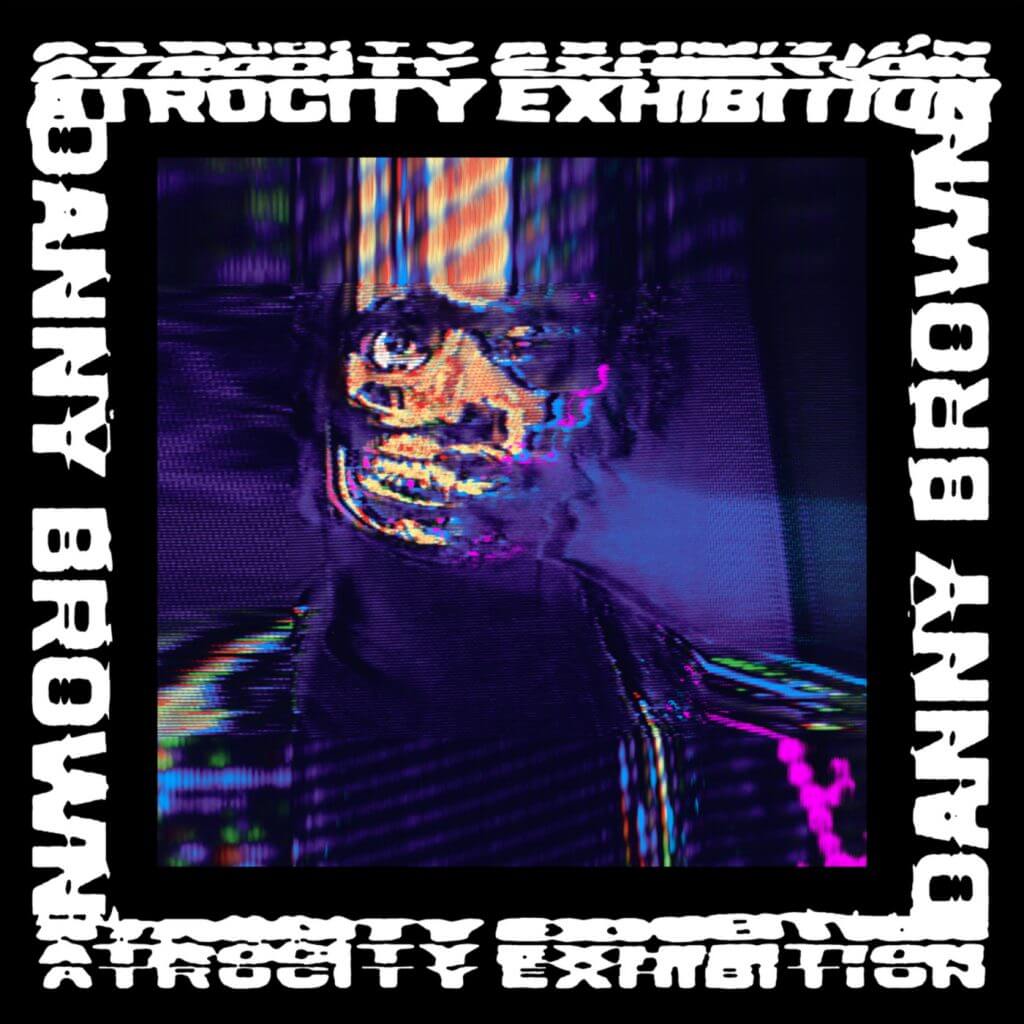
Danny Brown’s Atrocity Exhibition is a portrait of a man watching himself come apart, acutely aware of his destructive habits without knowing how to escape them. Released in September 2016 through Warp Records and Fool’s Gold, his third studio album turns addiction, paranoia, isolation, and painful memories into an unsettling examination of self-destruction. Its title, borrowed from a Joy Division song and a novel by J.G. Ballard, also raises an uncomfortable question: when personal suffering becomes entertainment, what does that say about the people watching?
“Downward Spiral” opens with a disorienting rush of sound, placing the listener inside the confusion and exhaustion of a drug-fueled binge. On “White Lines,” Brown explores the compulsive pursuit of intoxication, while “Ain’t It Funny” pushes the album’s central contradiction into sharp focus. Paul White’s manic, almost celebratory production clashes with lyrics about losing control and watching life deteriorate. The effect is deeply unsettling. Brown’s pain becomes something to dance to, and the song challenges listeners to consider how easily suffering can be consumed as spectacle when it arrives with a compelling beat.
There are quieter traces of the person beneath the chaos. “Tell Me What I Don’t Know” looks back at Brown’s youth in Detroit, where friends faced prison, violence, and limited prospects. His eventual escape from those circumstances carries its own burden, with memories of the people left behind complicating his success. Elsewhere, “Lost” captures a sense of disconnection that persists even amid constant stimulation. Brown’s humor and outrageous persona remain present, but they often resemble defenses against uncomfortable truths rather than signs that he has everything under control.
Paul White supplies most of the production, using distorted samples, abrasive electronic textures, and unstable rhythms that refuse the comfort of conventional Hip Hop arrangements. Contributions from The Alchemist, Evian Christ, and Black Milk add to the album’s fractured character. The music rarely allows the listener to settle into a single mood; moments of exhilaration give way to anxiety and dread.
Atrocity Exhibition offers no neat recovery narrative. Brown’s self-awareness doesn’t automatically free him from his compulsions, and his ability to turn distress into compelling art creates another uneasy paradox. The album captures a difficult truth about human behavior: knowing what is hurting us and understanding why we keep returning to it are two very different things.
Brother Ali – All The Beauty In This Whole Life (2017)
By the time Brother Ali released All the Beauty in This Whole Life in May 2017, he had spent years examining the relationship between personal conviction and social responsibility. His sixth studio album, released through Rhymesayers Entertainment after a five-year gap, turns inward without losing sight of the world around him. Rooted in his Muslim faith, the record grapples with racial injustice, inherited trauma, self-acceptance, and the daily work of living according to one’s beliefs. With Ant handling all the production, Ali builds a warm, soulful setting for songs that ask how people can treat themselves and one another with greater compassion.
On “Own Light (What Hearts Are For),” Ali argues for recognizing the value within ourselves and others, while “Can’t Take That Away” considers the inner strength required to withstand hostility and hardship. His convictions never keep him at a comfortable distance from the subjects he addresses. “Pray for Me” draws on his experience living with albinism, confronting the isolation and judgment that have shaped his understanding of himself. Ali’s candor gives the song its weight: self-acceptance is something worked toward, especially in a world quick to treat difference as a reason for exclusion.
The album’s social commentary is equally direct. “Dear Black Son” addresses the dangers Black men face in America, framing a father’s advice as an expression of love and fear. “Before They Called You White” examines the historical construction of racial identity, questioning the divisions people inherit and perpetuate. Ali’s approach connects political injustice to personal responsibility, insisting that understanding how prejudice operates must accompany efforts to overcome it. Elsewhere, “Special Effects,” featuring Dem Atlas, considers how technology can interfere with genuine human connection, while “The Bitten Apple” confronts private weaknesses and the struggle to live according to one’s principles.
The most painful material arrives on “Out of Here,” where Ali reflects on the suicides of his father and grandfather. Generational trauma becomes an invitation to understand suffering rather than condemn those caught in it. That compassion informs the closing title track, which finds beauty in humanity despite its capacity for cruelty and division.
Ant’s warm, soulful production gives these reflections room to breathe, favoring organic musical textures over aggression. Across All the Beauty in This Whole Life, Ali treats spiritual growth as an ongoing practice, demanding honesty about personal failings alongside resistance to injustice. The album’s central idea is that changing the world and changing ourselves are inseparable responsibilities.
Avantdale Bowling Club – Avantdale Bowling Club (2018)
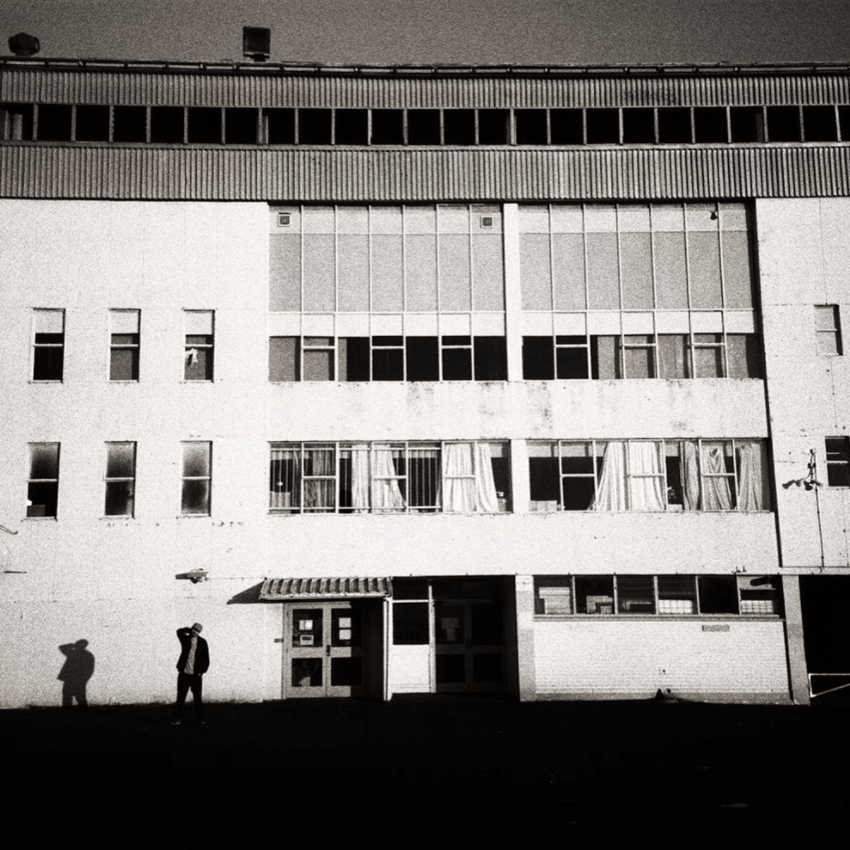
Growing up means recognizing how much of ourselves has been shaped by circumstances we didn’t choose, then deciding what to do with that knowledge. On Avantdale Bowling Club, New Zealand rapper Tom Scott takes stock of his past, confronting addiction, family trauma, financial insecurity, and the responsibilities of adulthood. Released in 2018, his debut under the Avantdale Bowling Club name trades the youthful cynicism of his earlier work for a more searching perspective. The result is an unusually candid record about accepting personal responsibility without pretending that individual choices exist in a vacuum.
The opening track, “Years Gone By,” establishes the autobiographical framework, moving through different stages of Scott’s life with the benefit of hindsight. He acknowledges his mistakes and the people who shaped him, tracing the connections between childhood experiences and adult behavior. “Pocket Lint” turns to money worries and working-class frustration, while “Home” examines the realities facing his community in Auckland, including racism, economic pressure, and the gap between New Zealand’s idyllic international image and everyday life for those struggling to get by.
The emotional center of the album is “F(r)iends,” a painful account of people caught in cycles of addiction and self-destruction. Scott writes about friends and family members whose lives have been damaged by drugs, while remembering a close friend who died by suicide. He approaches their struggles with affection and grief rather than easy moral judgments. The song recognizes how difficult it is to help people who are hurting, particularly when destructive patterns have become part of their daily lives.
Fatherhood gives these reflections a new urgency. Named after his son, “Quincy’s March” captures Scott’s determination to become a better parent and interrupt the transmission of pain between generations. The prospect of raising another person forces him to reconsider the example he sets and the kind of life he wants to leave behind. On “Water Medley,” extended verses and fluid musical movements allow him to explore personal balance, creativity, and the wider forces shaping human life.
Musically, Avantdale Bowling Club unfolds like a late-night jazz session, with Scott’s unhurried, densely packed verses weaving through live drums, warm piano chords, nimble bass lines, and horn arrangements that rise and recede around him. Julien Dyne’s drumming gives the songs a supple, shifting pulse, while the musicians leave enough space for small instrumental details to emerge between Scott’s lines. The nearly ten-minute “Water Medley” stretches this approach into an evolving suite, moving through changes in rhythm and mood rather than settling into a conventional rap structure. The result is immersive without becoming sleepy, its loose, organic arrangements lending the record the intimacy of a personal conversation.
Avantdale Bowling Club understands maturity as an ongoing struggle between inherited patterns and the possibility of change. Scott cannot undo his past or rescue everyone he loves, but he can examine his own behavior and take responsibility for what comes next. That hard-won recognition gives the album its emotional depth.
Saba – Care For Me (2018)
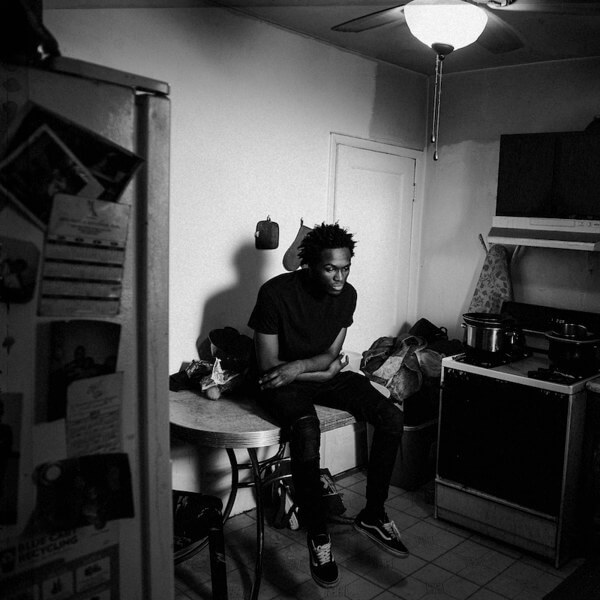
Grief can make familiar places, everyday routines, and even success feel strangely distant. On CARE FOR ME, Saba tries to understand that distance after the February 2017 murder of his cousin and close collaborator Walter “John Walt” Long, whose death left a hole in his personal life and Chicago’s Pivot Gang community. Released in April 2018, the rapper’s second album turns mourning into an intimate account of depression, anxiety, isolation, and the difficulty of carrying on when someone who helped define your world is suddenly gone.
“BUSY / SIRENS” establishes the central conflict. Saba moves between the demands of his career and an overwhelming sense of loneliness, revealing how constant activity can become a way to avoid confronting pain. On “CALLIGRAPHY,” writing becomes a means of facing feelings he has struggled to articulate. “LIFE” places his anxieties within the precarious reality of growing up in Chicago, where violence and premature death shadow ordinary existence. The personal and the social remain inseparable: grief belongs to the individual, but the circumstances surrounding it are shaped by the world that individual inhabits.
The seven-minute “PROM / KING” is the album’s emotional centerpiece. Saba recounts how Walt arranged a prom date for him, turning a potentially embarrassing night into a cherished memory of friendship. The story gradually darkens as the two move into adulthood and violence enters their lives. Its final passages confront Walt’s death with devastating directness, forcing the listener to reckon with the distance between the ordinary moments that make up a life and the suddenness with which that life can end. The detail makes the loss especially painful. Walt emerges as a person Saba loved, not simply the subject of a memorial.
Musically, CARE FOR ME surrounds these memories with restrained, jazz-inflected production. Muted piano, warm bass, delicate keys, and understated percussion create a sense of space around Saba’s nimble, conversational delivery. The arrangements rarely overwhelm his voice, allowing small changes in tone and rhythm to carry emotional weight. On “SMILE,” memories of childhood offer a brief respite from the album’s heaviness. “HEAVEN ALL AROUND ME” closes from an imagined perspective beyond death, reaching toward the possibility of peace without erasing the pain that came before.
Saba cannot make sense of every aspect of his loss, and the album offers no simple path through grief. Instead, CARE FOR ME captures the difficult work of learning to live with absence. Its deepest insight is that remembering someone means carrying their presence forward while accepting that the world they inhabited together has irreversibly changed.
billy woods & Kenny Segal - Hiding Places (2019)

Few albums capture the psychological exhaustion of modern life as convincingly as Hiding Places. Released in 2019, this collaboration between billy woods and producer Kenny Segal is one of our favorite Hip Hop albums of the past decade, so we rarely need much encouragement to include it on a list. Here, though, its place is especially deserved. Across twelve tracks, woods examines fear, poverty, memory, isolation, and the uncomfortable realization that the past has a way of finding us, regardless of how carefully we try to bury it.
The album’s cover, a photograph of Detroit’s decaying William Livingstone House, provides a fitting visual introduction. A home should offer protection, but this one is collapsing under the weight of time and neglect. Throughout Hiding Places, physical shelter and psychological retreat become increasingly difficult to distinguish. Safety is temporary, and the threats outside have a habit of following you indoors.
On “Spongebob,” financial anxiety becomes an almost suffocating presence, while “Checkpoints” examines the constant vigilance required to navigate a world shaped by institutional power and suspicion. “Spider Hole” and “Houthi” find woods moving between personal experience, historical references, and grim observations about survival. His writing is dense, elliptical, and frequently darkly funny, with seemingly unrelated images gradually revealing disturbing connections.
“A Day in a Week in a Year,” featuring Mothermary, addresses the exhausting repetition of depression and the difficulty of escaping destructive patterns. “Red Dust,” the album’s furious closer, brings accumulated resentment and frustration to the surface. Throughout, woods draws connections between private suffering and larger histories of exploitation, colonialism, and economic inequality. Individual circumstances are inseparable from the systems that helped create them.
Kenny Segal’s production is essential to the experience. Uneasy guitar loops, distorted samples, fractured rhythms, and dissonant melodies create an atmosphere of persistent instability. The beats sometimes threaten to collapse beneath woods’ verses, while quieter passages leave uncomfortable amounts of space around his words. It’s an extraordinarily effective partnership.
What makes Hiding Places such a powerful examination of the human condition is its understanding of survival as a complicated psychological burden. People develop habits, defenses, and elaborate explanations to protect themselves from suffering. Those same mechanisms can eventually become prisons. woods offers little reassurance, but his observations about fear, memory, and the compromises demanded by everyday existence are devastatingly perceptive.
Yugen Blakrock - Anima Mysterium (2019)
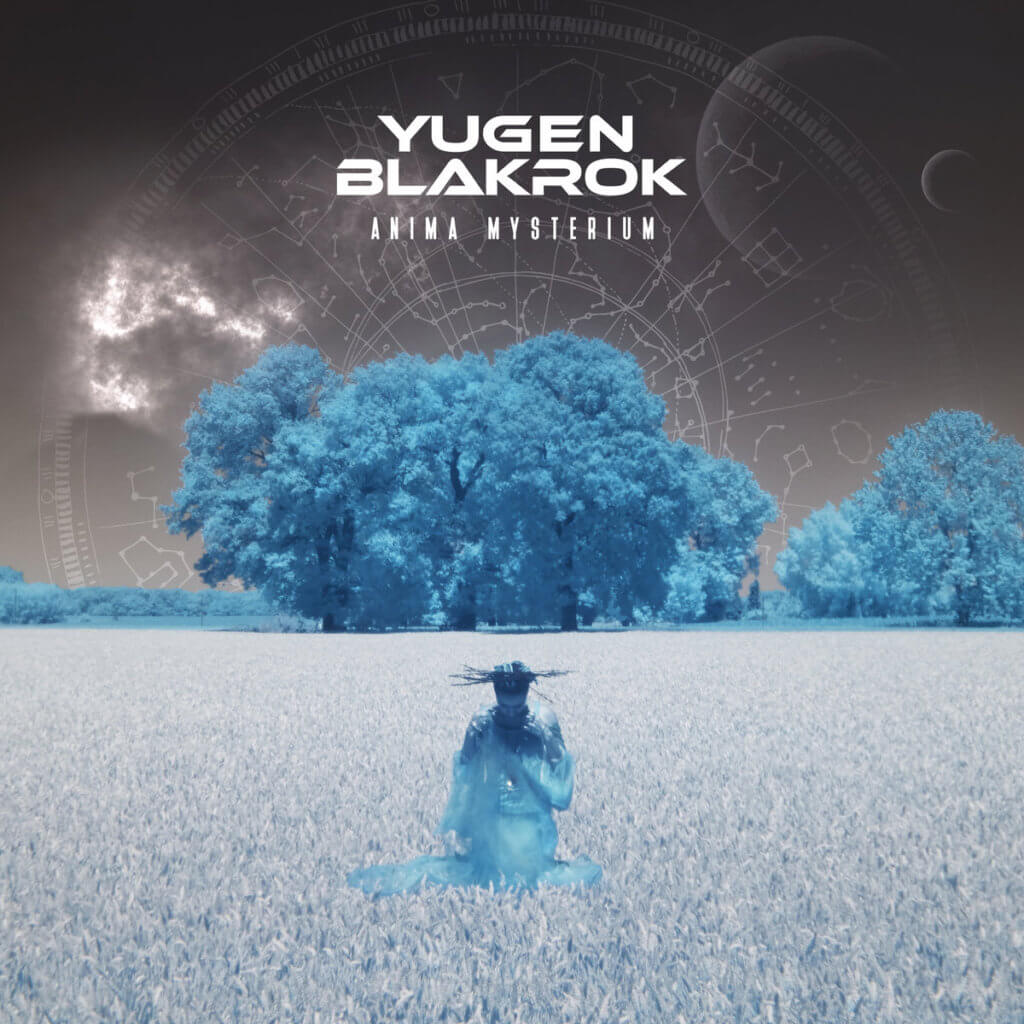
South African emcee Yugen Blakrok operates in a universe where ancient mythology, occult philosophy, science fiction, and contemporary politics exist on the same plane. Her second album, Anima Mysterium (2019), takes the cosmic explorations of her debut, Return of the Astro-Goth (2013), into darker territory, turning its attention toward humanity’s troubled relationship with itself. Produced entirely by longtime collaborator Kanif the Jhatmaster, it’s a dense, hypnotic record concerned with consciousness, spiritual transformation, and the forces that shape human behavior.
Blakrok’s lyrical universe draws from astrology, alchemy, African spirituality, and esoteric traditions. On the opening “Gorgon Madonna,” she assumes the presence of a supernatural figure, treating language as an instrument of transformation and power. “Picture Box” invokes the pineal gland and altered perception, suggesting that ordinary consciousness offers only a limited understanding of existence. Her verses overflow with references to celestial bodies, ancient symbols, and hidden dimensions, delivered with remarkable precision and an almost ritualistic intensity.
However, the album’s mystical vocabulary frequently leads back to recognizable earthly concerns. “Monatomic Mushroom,” featuring Bravestarr, addresses greed, corruption, and the structures that divide societies. “Carbon Form” and “Ochre” explore humanity’s elemental origins, placing individual existence within an immense cosmic framework. The implication is fascinating: human beings are products of the universe, capable of extraordinary thought and creativity, while remaining trapped in destructive patterns of their own making.
Kanif’s production gives these ideas an appropriately strange environment. Heavy boom-bap drums collide with murky basslines, psychedelic guitar passages, dub echoes, and unsettling electronic textures. “Obsidian Night” and “Morbid Abakus” establish an ominous atmosphere, while “Mars Attacks,” featuring Kool Keith, embraces the album’s extraterrestrial eccentricity. The instrumentals have a physical weight that keeps Blakrok’s increasingly abstract writing connected to Hip Hop’s rhythmic foundations.
The closing “Land of Gray” brings the album’s concerns into sharper focus, contemplating humanity’s spiritual blindness and the suffering that accompanies awakening. Knowledge carries responsibility, and greater awareness can make the world’s cruelty harder to endure.
Anima Mysterium belongs on this list because its elaborate mythology ultimately revolves around familiar human questions. Where do we come from? What limits our understanding? Why do societies repeatedly reproduce oppression and suffering? Blakrok approaches these mysteries through symbolism and cosmic speculation, inviting listeners to reconsider humanity’s place in a universe far larger than its ambitions.
Boldy James & Sterling Toles - Manger On McNichols (2020)
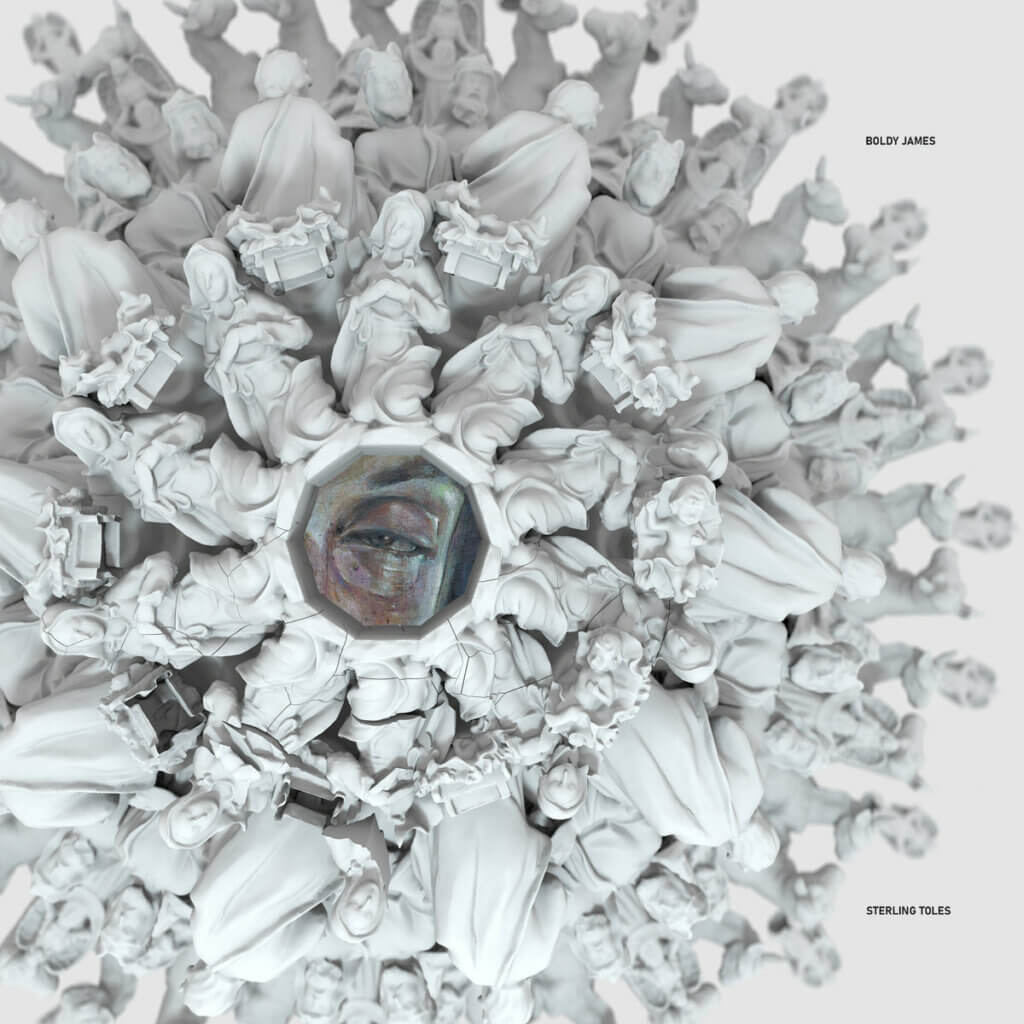
Boldy James has built an impressive catalog documenting Detroit street life, but Manger on McNichols (2020) remains our favorite of his projects. Recorded with producer Sterling Toles over more than a decade, it finds Boldy revisiting his childhood, his difficult relationship with his parents, the loss of unborn children, and the circumstances that led him into the drug trade. It’s his most revealing work, accompanied by some of the most extraordinary production heard on a Hip Hop album in recent years.
The story behind the record is nearly as remarkable as the music. Boldy recorded most of his verses between 2007 and 2010 in Toles’ basement studio. Rather than release them over conventional boom-bap beats, Toles spent the following years inviting Detroit musicians to contribute new instrumental layers. The finished album incorporates free-jazz saxophones, mournful cellos, wandering basslines, intricate percussion, and occasional passages that approach spiritual jazz. At times, the arrangements become almost overwhelming, while Boldy maintains his familiar measured delivery.
The album’s loose narrative follows a cycle of birth, death, and rebirth. “Medusa” introduces the fears and responsibilities surrounding parenthood, while “Welcome to 76,” featuring Dej Loaf, deals with the miscarriage of Boldy’s unborn twins. “Middle of Next Month” addresses the financial pressures of everyday survival, with the next payday or payment deadline always looming.
“Mommy Dearest (A Eulogy)” is especially painful. Boldy confronts his troubled relationship with his mother, exposing childhood wounds that remain unresolved. On “Birth of Bold (The Christening),” he considers how his experiences growing up in Detroit shaped the man and rapper he became. The eight-minute “Got Flicked (The Rebirth)” closes the record with another sprawling account of street life and its consequences.
Toles’ production gives these stories tremendous emotional weight. Saxophones wail, rhythms shift unexpectedly, and delicate instrumental passages emerge from dense arrangements. The music often communicates feelings that Boldy’s understated voice leaves unspoken.
What makes Manger on McNichols so effective is Boldy’s willingness to examine the experiences behind his street persona. He remembers the people who raised him, the children he lost, and the decisions he made when his options seemed limited. There is regret, affection, resentment, and considerable pain in these accounts. The album gives those memories room to breathe, with Toles’ remarkable arrangements making them even harder to forget.
Cambatta – LSD: Lunar Solar Duality (2020)
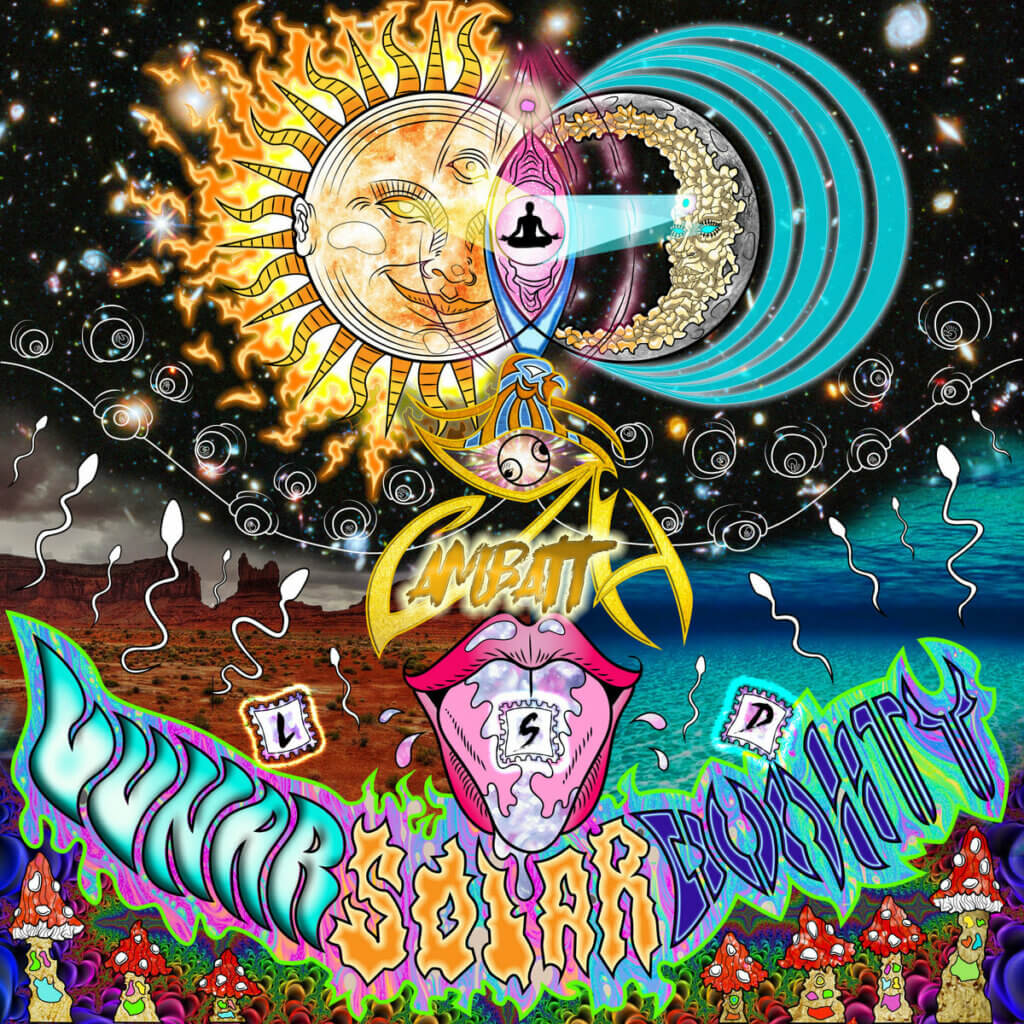
Cambatta’s LSD: Lunar Solar Duality (2020) is one of underground Hip Hop’s most ambitious lyrical excursions into spirituality, mythology, and consciousness. Created over four years marked by psychedelic experimentation and personal upheaval, the album examines the boundaries between perception and reality. Its title refers to the hallucinogen LSD and the opposing forces of the sun and moon, establishing a recurring tension between light and darkness, knowledge and ignorance.
Cambatta approaches these subjects with remarkable verbal dexterity. His verses combine intricate internal rhymes, double meanings, numerical patterns, and references spanning ancient civilizations and modern science. “Bones of Osiris” draws on Egyptian mythology to explore death and resurrection, while “Scale of Anubis,” featuring Natural Onyx, invokes the ancient Egyptian weighing of the heart to consider morality and judgment.
Religious authority receives particularly aggressive scrutiny. On “nXggXr chrXst,” Cambatta challenges conventional representations of divinity and examines the relationship between Christianity, colonialism, and Black identity. “Sun of Whorus” continues his interrogation of inherited religious beliefs, advocating spiritual independence. His arguments mix historical references, esoteric traditions, and personal convictions, occasionally venturing into provocative territory.
Elsewhere, “nXggXrla tXsla” and “Grand Number TheoRam” incorporate mathematics, science, and historical figures into elaborate lyrical puzzles. “Mic El JahXsun” reimagines Michael Jackson through Cambatta’s symbolic vocabulary, while “Wings of Icarus” draws on Greek mythology and its warning about the dangers of excessive ambition.
The production reinforces the album’s psychedelic character through ominous melodies, heavy drums, and disorienting textures. Despite the unusual subject matter, the rhythms remain grounded in underground boom-bap, giving Cambatta a solid foundation for his densely constructed verses.
Beneath the occult references and elaborate wordplay lies a recognizable human concern: how beliefs shape our understanding of ourselves and the world around us. Cambatta challenges religious conditioning and inherited assumptions while searching for a deeper understanding of consciousness and identity. LSD: Lunar Solar Duality can be difficult to untangle, but its restless curiosity makes it a compelling fit for a list exploring Hip Hop’s attempts to grapple with existence.
Killah Priest - Rocket To Nebula (2020)
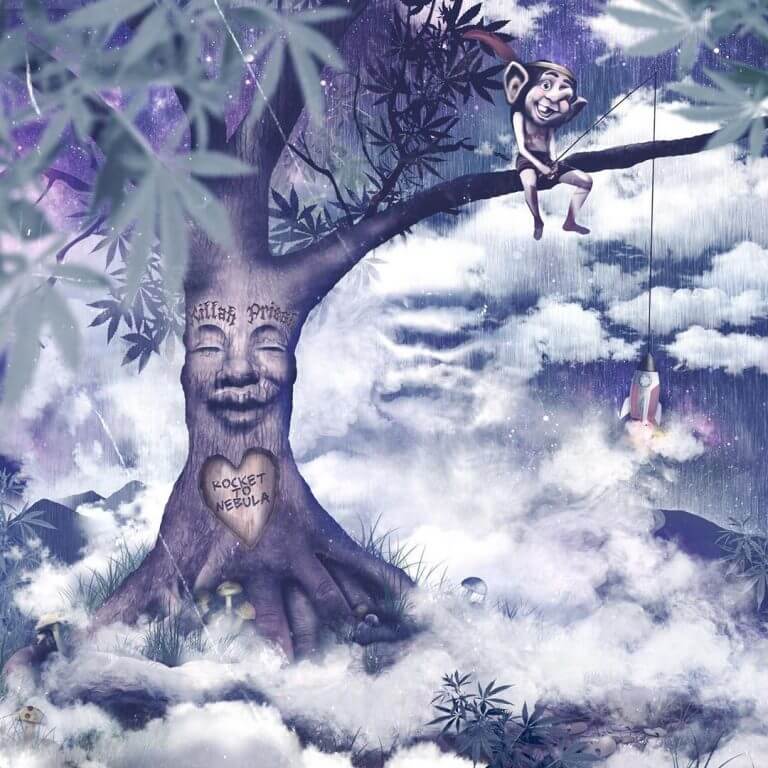
Killah Priest has spent much of his career exploring the connections between ancient civilizations, religious traditions, and the mysteries of existence. On Rocket to Nebula (2020), he takes these preoccupations into stranger territory, imagining a voyage through outer space that doubles as an exploration of the mind. Released during the isolation of the pandemic, this unusual album abandons many of Hip Hop’s conventional structures in favor of drumless instrumentals, hypnotic passages, and extended spoken-word reflections.
The absence of drums changes the way Priest’s writing lands. Without a steady beat dictating the pace, his voice wanders freely between autobiography, cosmic speculation, spiritual teachings, and seemingly spontaneous observations. The title track establishes the album’s interstellar premise, while “Stare Directly Into the Sun” suggests a search for knowledge that demands confronting uncomfortable truths. On “Andromeda,” celestial imagery expands his familiar interest in ancient wisdom and the possibility of realities beyond ordinary human perception.
Priest’s imagination moves easily between the cosmic and the mundane. “One Hundred Mummies” draws on ancient Egyptian imagery, while “Memoirs” turns toward personal history. “Magnificent Interview,” nearly eight minutes long, unfolds as an extended meditation, with Priest allowing his thoughts to develop without the usual constraints of verse and chorus. The effect can be disorienting, but it also gives his ideas room to wander in unexpected directions.
Some of the album’s most striking moments arrive when Priest returns his attention to Earth. “Bob Ross” invokes the painter’s gentle appreciation of nature, while “Grandmother’s Land” suggests a connection to ancestry and the places that shape our sense of belonging. These quieter subjects provide a welcome counterweight to the references to mystical knowledge, alien worlds, and hidden dimensions. Spiritual understanding, the album suggests, need not depend entirely on grand revelations; it can begin with attention to the world immediately around us.
The production is sparse and atmospheric, favoring sustained tones, eerie textures, and drifting musical fragments over conventional drum patterns. This creates an almost meditative listening experience, placing Priest’s voice and associations at the center.
Rocket to Nebula is an unconventional entry in Priest’s extensive catalog, and its free-form approach demands patience. Its appeal lies in the freedom to move between personal memory, ancestral history, and cosmic speculation without forcing everything into a tidy explanation. For Priest, contemplating the universe is also a way of examining the mind trying to understand it.
Skech185 - He Left Nothing For The Swim Back (2023)
SKECH185’s He Left Nothing for the Swim Back examines what it takes to keep going when retreat is no longer an option. The title, borrowed from the science-fiction film Gattaca, describes a swimmer who pushes out to sea without saving energy for the return. It is an apt image for an album shaped by economic pressure, childhood trauma, and the determination to survive without illusions. Across nine tracks, SKECH moves between memories of growing up on Chicago’s Southeast Side and the grinding realities of adult life in New York, where rent, precarious work, and isolation leave little room to breathe.
On “East Side Summer,” recollections of Chicago bring street violence into focus without turning it into mythology. SKECH recalls relatives caught up in addiction and violence, describing a world where such experiences were commonplace. His insistence that there is nothing glamorous about surviving these circumstances cuts through the familiar romanticism of street rap. The past remains present, shaping how he understands the world and the people living in it. “Jay Street” and “Nights and Weekends,” featuring PremRock and Lt Headtrip, shift the perspective to New York, where years behind a bar, irregular shifts, and the struggle to maintain a home offer their own tests of endurance.
SKECH also challenges the comforting fictions people construct around progress and social change. His critique of corporate activism, including the infamous Pepsi advertisement starring Kendall Jenner, exposes the distance between commercial gestures of solidarity and the realities confronting marginalized communities. His writing is dense, agitated, and deliberately resistant to easy explanation. He expects listeners to meet him on his own terms.
Jeff Markey’s production reinforces that sense of confinement. Industrial drums, warped textures, and twisting arrangements crowd the verses, creating an atmosphere in which tension rarely subsides. The contributions from I.B. Fokuz, Collasoul Structure, Lamon Manuel, PremRock, and billy woods introduce other voices into SKECH’s world, giving the album a communal dimension without softening its central concerns.
He Left Nothing for the Swim Back recognizes that survival demands relentless effort without guaranteeing escape. The past follows, the bills keep coming, and the systems that produce hardship rarely bend for those caught inside them. SKECH’s refusal to romanticize any of this gives the album its force. Sometimes the human struggle is less about finding a way out than deciding what you refuse to surrender while you keep going.