

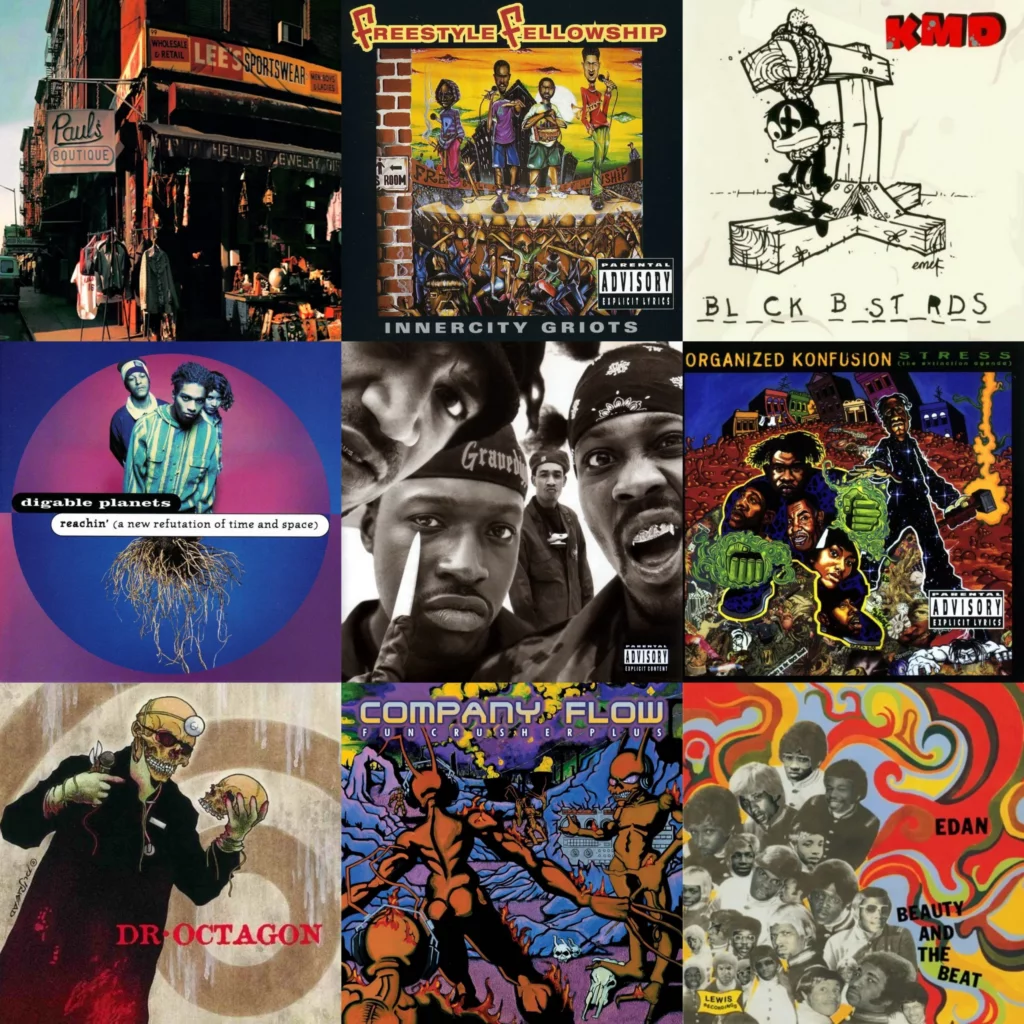
Hip Hop has never stood still, but some albums have moved further ahead than their era was ready for. They introduced unfamiliar production techniques, challenged established ideas about what an MC or a rap album should sound like, or explored creative directions that wouldn’t become widely appreciated until years later. Some were misunderstood on release. Others eventually found their audience, and their influence spread far beyond their initial reception.
There’s a strong argument that many Hip Hop albums from the 1980s belong in this category almost by definition. The genre was still in its infancy, and artists and producers were constantly figuring out what rap records could be. From the pioneering sampling techniques of Marley Marl to the experimental production and lyrical approaches of Kool G Rap, KRS One, Eric B. & Rakim, Public Enemy, and De La Soul, plenty of records from that decade helped establish ideas that would shape Hip Hop for years to come. We’ve included a few more of those early innovators here, and we wouldn’t argue with readers who believe other 1980s albums deserve a place on this list. The challenge was to look beyond the genre’s formative years and explore albums from different eras that pushed against the expectations of their time.
Think of the fractured beats and eccentric lyricism of Ultramagnetic MCs’ Critical Beatdown, the abrasive, futuristic production of Company Flow’s Funcrusher Plus, or the drumless minimalism Roc Marciano brought to Reloaded. These records emerged in different periods and under different circumstances, but each pointed to possibilities Hip Hop would keep exploring long after its release.
Being ahead of your time doesn’t necessarily mean inventing something entirely new, and influence alone doesn’t make an album ahead of its time. It’s about hearing something in a record that wasn’t fully understood, accepted, or developed when it first appeared. The 25 albums on this list span different eras and styles, but they share a willingness to push beyond what was expected of them. Some anticipated future production trends, others challenged conventions around lyricism and album-making, and a few sounded so unfamiliar that their full significance only became clear in retrospect. Together, they offer a look at the records that pushed Hip Hop forward before the rest of the culture had quite caught up.
Mantronix – The Album (1985)

Before sampling became the defining production technique of Hip Hop, Kurtis Mantronik was already treating the studio like an electronic instrument. Released in 1985, Mantronix’s The Album pushed rap toward a machine-driven future, combining hip-hop rhythms with electro, synthesizers, and drum programming that owed as much to club music as to the Bronx park jams that had birthed the genre. Alongside MC Tee, Mantronik created a sound that was harder, colder, and more precise than much of what was coming out of New York at the time.
“Needle to the Groove,” makes the group’s priorities clear. Electronic pulses, tightly programmed percussion, and sharp rhythmic changes give the music a mechanical intensity, while MC Tee’s delivery cuts through the production without competing with it. “Bassline” takes a similarly stripped-down approach, building its appeal around a powerful low end and an insistent groove. These records weren’t simply rap songs with synthesizers added for effect. Mantronik built his productions from the machines outward, using repetition, texture, and rhythmic precision to create something that stood apart from the funk breaks and disco-derived arrangements still central to much of Hip Hop.
The album’s most striking quality is its economy. Mantronik understood that a few carefully chosen sounds could have more impact than a crowded arrangement, and he used drum machines and synthesizers to give each element room to breathe. That approach anticipated production styles that would later become common in electro, Miami bass, and electronic dance music. His emphasis on heavy bass, sharp percussion, and tightly controlled rhythms also pointed toward the increasingly electronic direction rap would take in subsequent decades.
There was a trade-off. The Album sometimes prioritizes rhythmic experimentation over lyrical complexity, and its machine-led sound lacks the warmth of more sample-heavy records. But that distance from conventional boom-bap was precisely what made Mantronix interesting. The duo weren’t trying to reproduce the sound of a live band or recreate the block-party atmosphere. They were exploring what Hip Hop could become when technology took center stage.
Mantronix never achieved the same lasting name recognition as many of their contemporaries, but their influence can be heard in the work of producers who approached rap as electronic music rather than simply music built around sampled breaks. The Album arrived at a time when Hip Hop was still defining its musical vocabulary. By embracing drum machines, synthesizers, and a distinctly futuristic sense of rhythm, Mantronix helped expand that vocabulary well beyond the limits of the technology and conventions of the era. Its sound was already pointing toward the future in 1985.
Ultramagnetic MCs – Critical Beatdown (1988)
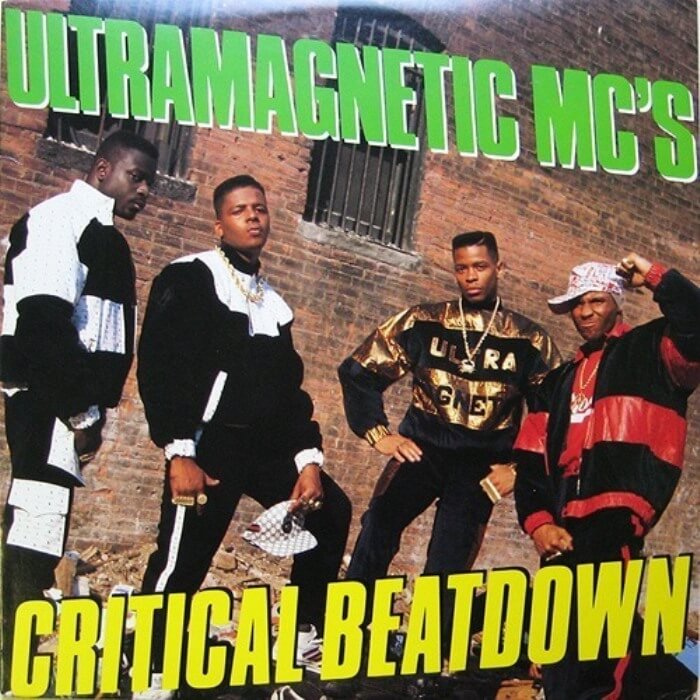
When Ultramagnetic MCs released Critical Beatdown in 1988, Hip Hop was entering a period of rapid creative growth. Rakim had changed expectations for MCs, Public Enemy were building a dense, confrontational sound, and producers were finding new ways to stretch the possibilities of sampling. Kool Keith, Ced-Gee, TR Love, and Moe Love took a different route. Their debut album sounded like it came from another dimension, full of bizarre rhymes, off-kilter rhythms, obscure samples, and a sense of humor that refused to follow conventional rules.
Kool Keith was the group’s most unpredictable element. His lyrics jumped between science fiction, cartoonish insults, surreal imagery, and intricate wordplay, delivered in a voice that could shift from deadpan to manic without warning. He had little interest in the straightforward braggadocio that dominated much of the era’s rap. Even when he was boasting, the results were strange and disorienting. His approach anticipated the eccentric character work of MF DOOM, the abstract writing of alternative MCs, and the anything-goes sensibility that would eventually become a defining feature of underground Hip Hop.
Ced-Gee’s production was equally unconventional. Built from fragments of funk, jazz, and electronic music, his beats often sounded jagged and unsettled. Rather than smoothing samples into familiar grooves, he left their odd edges intact, creating tracks that seemed to lurch, stutter, and collide. Songs like “Ego Trippin'” and “Watch Me Now” demonstrated how sampling could become an exercise in sonic collage, with unusual textures and abrupt rhythmic shifts taking precedence over conventional polish. The production helped establish a template for beatmakers who would later push Hip Hop toward more experimental territory.
The album’s influence wasn’t always immediately obvious. Critical Beatdown didn’t offer the accessible hooks or clear-cut formulas that made many contemporary records easier to embrace. Its appeal lay in the details: the strange vocal inflections, the densely packed references, the unexpected sample choices, and the feeling that another listen might reveal something missed the first time. Those qualities became increasingly familiar in underground rap over the following decades.
Kool Keith would go on to explore even stranger territory through his many alter egos, while producers and MCs across generations drew inspiration from the group’s willingness to disregard convention. Critical Beatdown didn’t predict every development that followed, and its innovations didn’t emerge in isolation. Still, its combination of abstract lyricism, eccentric personalities, and adventurous production was remarkably far ahead of its time. In 1988, it sounded like an alternative future for Hip Hop. Years later, much of that future had become reality.
Jungle Brothers – Straight Out The Jungle (1988)
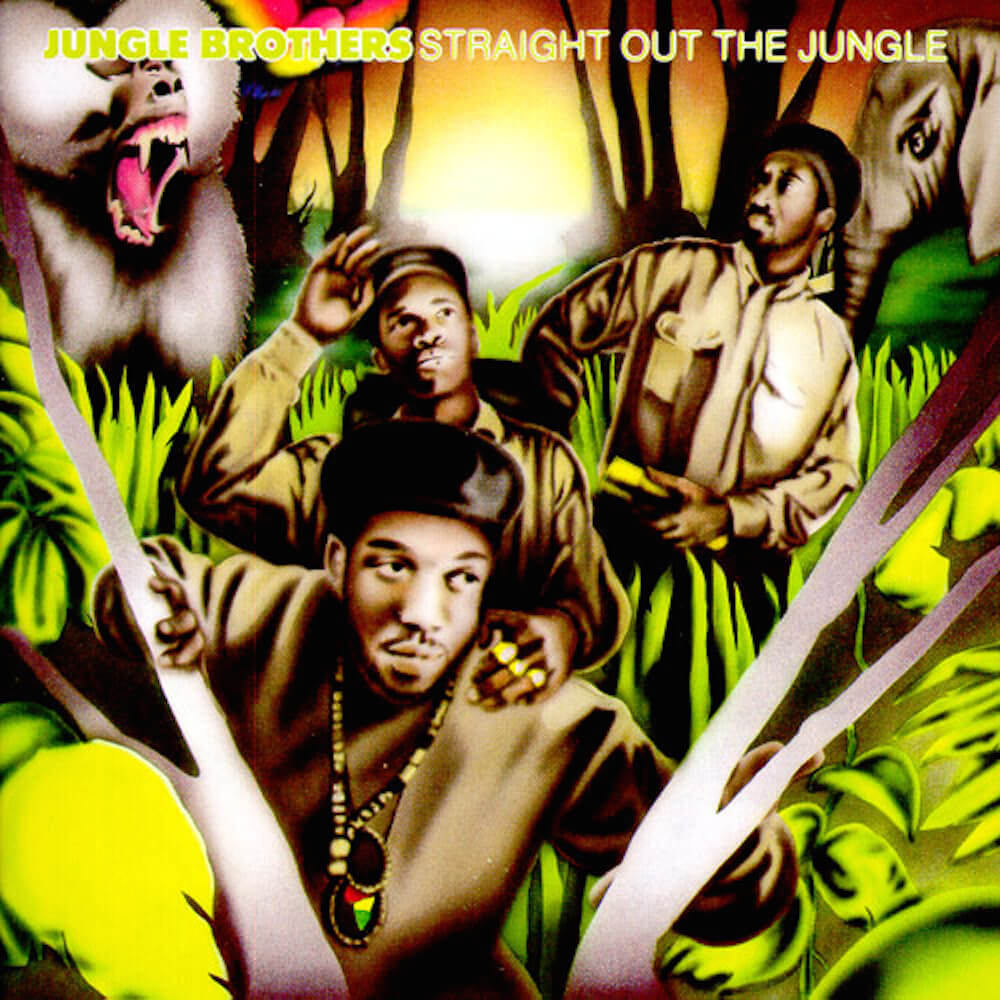
When the Jungle Brothers released Straight Out the Jungle in 1988, Hip Hop was still largely defined by hard-hitting drum breaks, battle rhymes, and the emerging possibilities of sample-based production. The Native Tongues collective had yet to make its full impact, and the genre’s commercial center of gravity remained firmly rooted in the streetwise bravado of New York rap. Against that backdrop, the Jungle Brothers offered something different: an eclectic, jazz-inflected sound, playful lyricism, and a vision of Hip Hop that embraced African identity, musical experimentation, and positivity without sacrificing its connection to the streets.
The production was central to that shift. Michael Small and Sammy B, better known as Mike Gee and DJ Sammy B, worked with DJ Red Alert to create beats that drew from jazz, funk, and soul while incorporating unconventional sample choices and loose, swinging rhythms. The title track, built around a sample of the jungle sounds that inspired the group’s name, announced their willingness to look beyond the familiar musical vocabulary of rap. “I’ll House You,” produced by Todd Terry, went even further, blending Hip Hop with the emerging sound of house music. Its four-on-the-floor rhythm and club-oriented production anticipated the growing crossover between rap and dance music, opening a door that many artists would walk through in the decades that followed.
The group’s lyrical approach was equally distinctive. Mike Gee, Afrika Baby Bam, and Sammy B brought humor, personality, and a sense of cultural awareness to their performances. Tracks such as “Black Is Black” celebrated Black identity, while “Jimbrowski” tackled sexuality with an openness that was unusual in late-1980s rap. Their music offered an alternative to the increasingly aggressive posturing that dominated much of the genre, emphasizing knowledge, community, and individuality instead. This approach would become a defining characteristic of the Native Tongues movement, which also included De La Soul and A Tribe Called Quest.
The album’s importance becomes even clearer in retrospect. Straight Out the Jungle helped establish the musical and philosophical groundwork for the alternative Hip Hop explosion that followed. Its jazz influences, unconventional samples, and relaxed vocal interplay anticipated the direction taken by De La Soul’s 3 Feet High and Rising and A Tribe Called Quest’s People’s Instinctive Travels and the Paths of Rhythm. The Jungle Brothers helped create the environment in which those records could thrive.
Straight Out the Jungle was ahead of its time because it expanded Hip Hop’s idea of itself. It showed that rap could be adventurous without losing its groove, politically aware without becoming preachy, and playful without sacrificing substance. The Native Tongues sound would soon become an essential part of Hip Hop’s evolution, but the Jungle Brothers were already laying the groundwork in 1988. They were instrumental in setting an emerging movement in motion.
Beastie Boys – Paul's Boutique (1989)
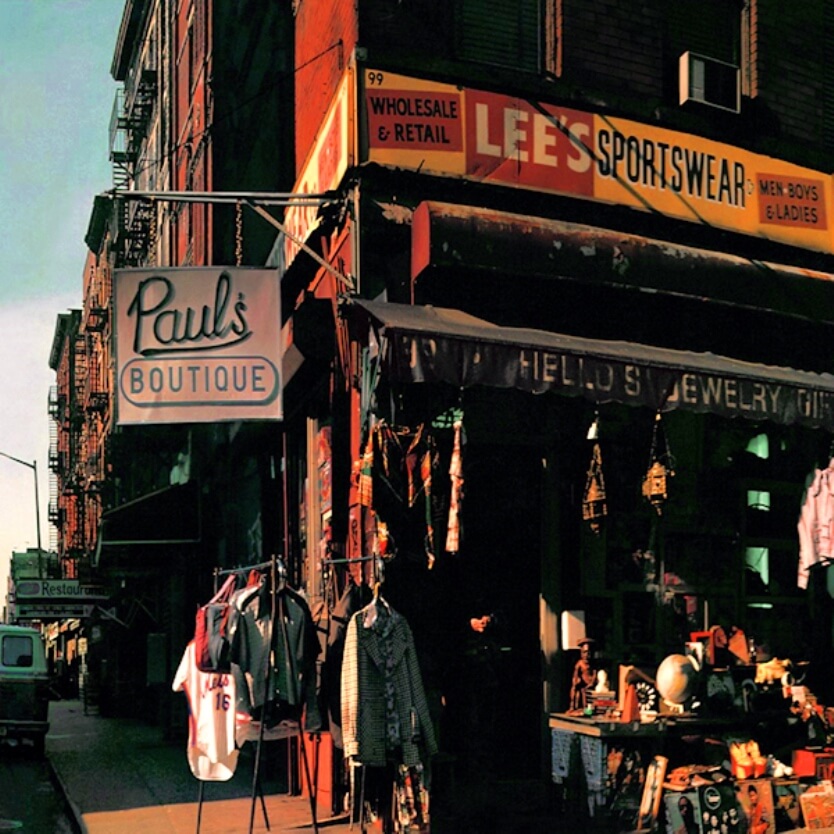
When the Beastie Boys released Paul’s Boutique in July 1989, the response was a far cry from the commercial success of their debut, Licensed to Ill. Audiences expecting another collection of rowdy party anthems got something considerably stranger. Working with the Dust Brothers, Adam Horovitz, Adam Yauch, and Mike Diamond traded arena-ready riffs for a densely layered collage of samples, obscure references, and increasingly surreal rhymes. The album initially struggled to find an audience, but its reputation grew as listeners began to appreciate what the group had accomplished.
The production was the real revelation. The Dust Brothers assembled hundreds of sample fragments from funk, soul, rock, television, and other sources, weaving them into intricate compositions that rewarded repeated listening. Where many producers used samples to build a recognizable loop around an MC, Paul’s Boutique treated the entire record collection as raw material. Background vocals, stray guitar lines, drum breaks, and fleeting snippets appeared and disappeared with remarkable precision. Tracks like “Shake Your Rump” and “Hey Ladies” were packed with details that could easily escape notice on a first listen, while “B-Boy Bouillabaisse” stretched the approach across an ambitious, multi-part suite.
This was a radically different way to construct a Hip Hop album in 1989. Sampling was already central to the genre, and Public Enemy’s It Takes a Nation of Millions to Hold Us Back had demonstrated the possibilities of dense, layered production a year earlier. The Beastie Boys and the Dust Brothers took that experimentation in another direction, favoring playful musical references, intricate arrangements, and a sense of controlled chaos. The result was closer to a sonic jigsaw puzzle than a conventional collection of rap tracks.
The writing matched the production’s anything-goes spirit. The Beasties piled up absurd boasts, pop-culture references, shifting perspectives, and rapid-fire wordplay, turning their verses into another layer of the collage. Their chemistry gave the album a loose, mischievous character without sacrificing the precision of the arrangements.
Paul’s Boutique didn’t invent sample-based production, and its eventual acclaim shouldn’t obscure the innovation already happening elsewhere in Hip Hop. Its achievement was to push the technique toward an extraordinary level of complexity and musical detail. As sample clearance became more expensive and the original era of unrestricted digging faded, the album also came to represent a particular creative freedom. In 1989, it sounded like a commercial misstep. In hindsight, it was a remarkably ambitious record whose possibilities took years for the wider audience to catch up with.
De La Soul – De La Soul Is Dead (1991)
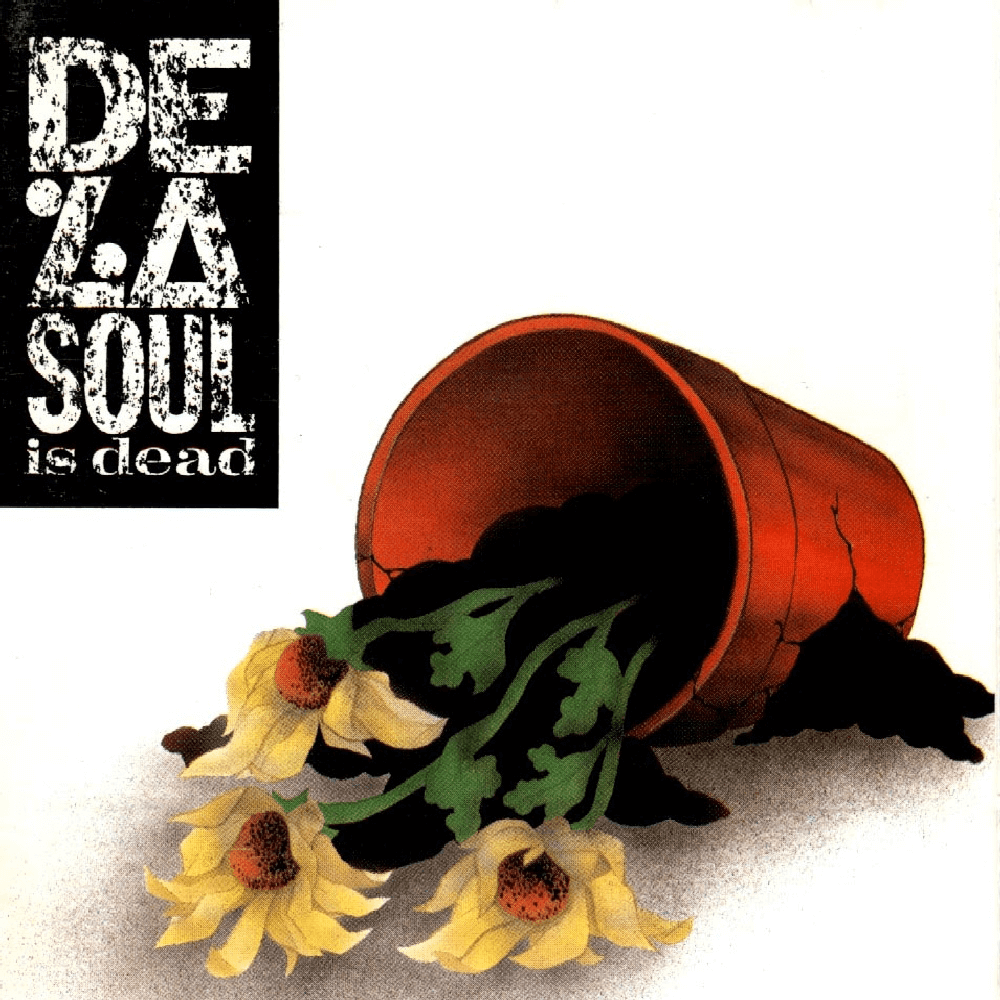
After the success of 3 Feet High and Rising, De La Soul faced a problem few groups would have anticipated. Their playful lyrics, colorful imagery, and Daisy Age associations had made them alternative Hip Hop favorites, but the media’s obsession with positivity and flower-power aesthetics threatened to reduce them to a novelty. On De La Soul Is Dead, Posdnuos, Trugoy the Dove, and Maseo pushed back. Their second album was darker, more cynical, and considerably more complicated than its predecessor, anticipating a more personal and self-critical approach to Hip Hop that would become increasingly common in later years.
The change was apparent from the opening skit, in which children mock and destroy a De La Soul record. The group was burying its old image, and the music followed suit. Prince Paul’s production retained the adventurous sampling and unpredictable arrangements of 3 Feet High and Rising, but the atmosphere had shifted. Jazz, funk, soul, and oddball samples remained central, although the playful collage now served songs about violence, hypocrisy, substance abuse, and the limitations of the group’s own reputation. “My Brother’s a Basehead” addressed addiction within a family, while “Millie Pulled a Pistol on Santa” told a disturbing story of sexual abuse and revenge. These were difficult subjects for a group many listeners still associated with whimsical wordplay and carefree positivity.
The album also turned its attention toward Hip Hop itself. On “Afro Connections at a Hi 5 (In the Eyes of the Hoodlum),” De La Soul confronted the growing influence of gangsta rap and the pressure to adopt a harder image. Their criticism wasn’t always subtle, but it revealed a group struggling with the expectations attached to its own success. They weren’t interested in repeating the formula that had made them famous, even if abandoning it meant confusing listeners who wanted another dose of the Daisy Age.
That willingness to complicate their identity is a major part of the album’s lasting significance. De La Soul Is Dead challenged the assumption that an alternative group had to remain cheerful, harmless, or musically predictable. Its storytelling could be bleak, its humor deliberately uncomfortable, and its production adventurous without losing sight of the songs themselves.
The album was acclaimed, but its significance extends beyond its initial reception. De La Soul helped establish that an artist’s identity needn’t become a creative prison. By dismantling their own mythology while expanding their musical and lyrical range, they made a statement that later generations of independent and alternative MCs would continue to explore. De La Soul Is Dead wasn’t a rejection of the group’s past so much as a refusal to let that past dictate its future.
Freestyle Fellowship – Innercity Griots (1993)
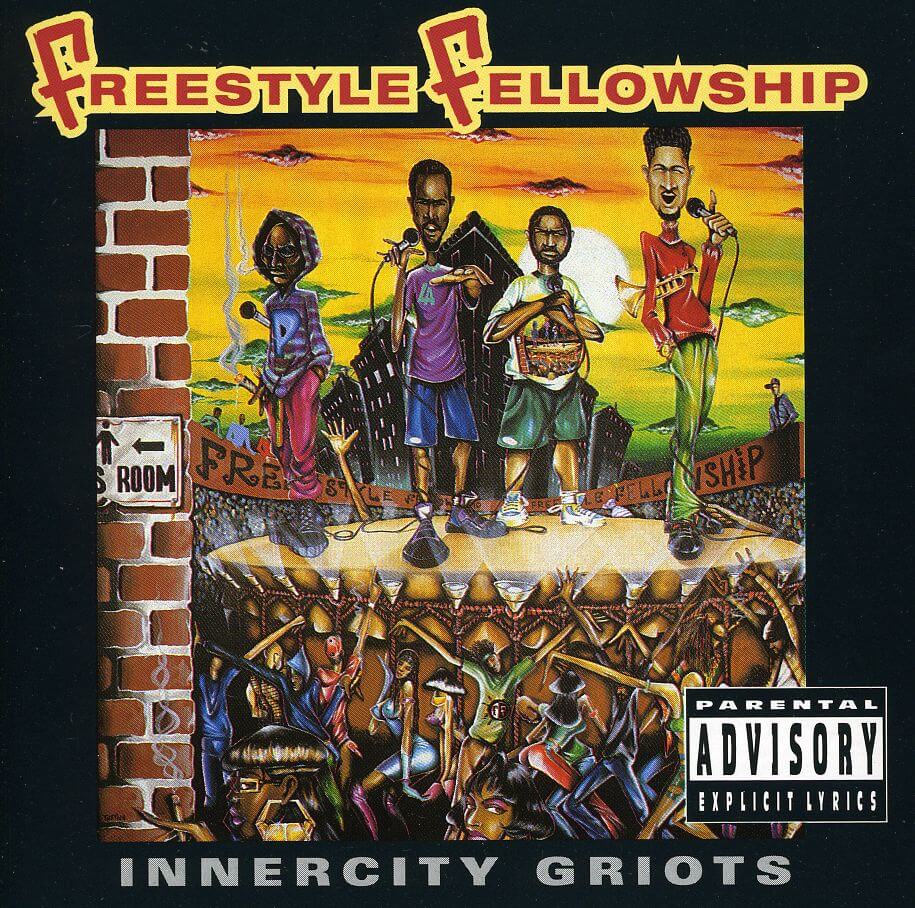
Released in 1993, Freestyle Fellowship’s Innercity Griots took alternative Hip Hop somewhere few groups had ventured before. The Los Angeles quartet of Aceyalone, Myka 9, Self Jupiter, and P.E.A.C.E. had already established their unconventional approach on 1991’s To Whom It May Concern…, but their second album pushed their ideas further. At a time when much of mainstream rap was moving toward harder street narratives and increasingly polished production, Freestyle Fellowship made an album that put complex lyricism, unconventional vocal rhythms, and musical experimentation front and center.
The group’s approach to rapping was the real revelation. Rather than sticking to predictable bar structures and familiar cadences, the four MCs treated their voices as instruments, stretching syllables, changing pace mid-line, stacking internal rhymes, and shifting between spoken-word delivery and rapid-fire bursts of syllables. Their verses often sounded closer to jazz improvisation than conventional rap, with each MC finding unexpected ways to ride the beat. Myka 9’s elastic flow, Aceyalone’s intricate wordplay, Self Jupiter’s distinctive delivery, and P.E.A.C.E.’s unpredictable phrasing gave the album a restless energy that few contemporaries could match.
This was not technical showboating for its own sake. Freestyle Fellowship used their unorthodox styles to explore subjects that extended beyond the usual boundaries of rap. Tracks such as “Inner City Boundaries” and “Cornbread” connect the group’s experimental approach to observations about urban life, identity, and the conditions surrounding them. Their writing could be abstract and demanding, but it also reflected a distinctly Los Angeles perspective, far removed from the East Coast dominance of much critical Hip Hop discourse.
The production reinforced that independence. Drawing on jazz, funk, and soul, the beats gave the MCs room to experiment rather than forcing them into rigid rhythmic patterns. The result was music that felt organic and unpredictable, with the interplay between vocals and instrumentation recalling the spontaneity of a live ensemble. Innercity Griots helped establish the foundation for what would later be called the underground Hip Hop movement, demonstrating that technical ambition and musical freedom could take precedence over commercial formulas.
Its influence became clearer as subsequent generations of MCs explored increasingly intricate flows and more adventurous approaches to rhyme. The Los Angeles underground, in particular, would continue to draw on the possibilities Freestyle Fellowship opened up. The group’s influence can also be heard in later artists who blurred the boundaries between rap, spoken word, and jazz-inspired improvisation.
Innercity Griots was ahead of its time because it challenged assumptions about how rap could be performed, structured, and experienced. In 1993, its free-form lyricism sounded radically different from much of what surrounded it. Today, its innovations are easier to recognize, but the album still sounds like a group pushing toward possibilities that Hip Hop had barely begun to explore.
KMD – Black Bastards (shelved 1993, released 2000)
When KMD recorded Black Bastards in the early 1990s, the group was moving far beyond the playful, sample-heavy approach of their 1991 debut, Mr. Hood. The trio of Zev Love X, DJ Subroc, and Onyx the Birthstone Kid had already established an unusual identity, mixing offbeat humor with socially conscious lyrics and cartoon-inspired imagery. Their second album was a darker, stranger proposition. Completed in 1993 but shelved before its release, Black Bastards eventually emerged in 2000, giving listeners a glimpse of an experimental Hip Hop record that had been sitting outside the public conversation for years.
The album’s production is central to its appeal. DJ Subroc and Zev Love X assembled a sound built from disjointed samples, jagged rhythms, unexpected musical shifts, and deliberately rough textures. The beats could be playful one moment and sinister the next, drawing on soul, funk, and obscure fragments that resisted conventional song structures. Tracks such as “What a Nigga Know?” and “Plumskinzz” balance dense, inventive sampling with an unpredictable sense of rhythm, while “Contact Blitz” pushes the music toward a more abrasive, almost chaotic sound. The production never settles into a comfortable groove for long. Instead, it keeps the listener slightly off balance, creating a sonic world that matches the album’s surreal humor and confrontational attitude.
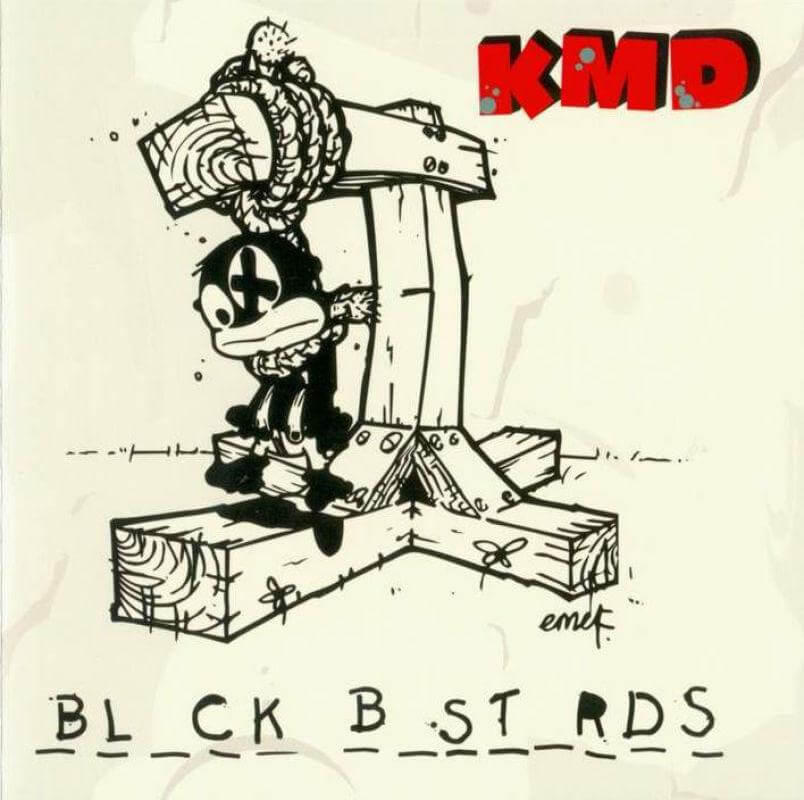
Zev Love X, who would later become MF DOOM, was already developing the abstract writing and off-kilter persona that would define his later work. His verses are packed with unusual phrasing, twisted punchlines, and cartoonish imagery, but beneath the absurdity lies a sharp awareness of racism, exploitation, and social hypocrisy. The group’s name and the album’s title deliberately confront racial language, while the original cover artwork, depicting a caricatured figure hanging from a gallows, provoked controversy and contributed to Elektra Records shelving the project. The label’s decision effectively ended KMD’s career as a group. DJ Subroc had died in 1993, and Zev Love X subsequently withdrew from public view before eventually returning as MF DOOM.
The album’s delayed release makes its ahead-of-time status especially compelling. By the time Black Bastards appeared in 2000, the underground was increasingly receptive to the kind of abstract lyricism, unconventional sampling, and dark humor that had made the record so difficult to market seven years earlier. Its aesthetic anticipated elements of the alternative Hip Hop that would flourish around the turn of the millennium, including the deliberately crooked production and eccentric wordplay associated with DOOM’s later work.
Wu-Tang Clan – Enter the Wu-Tang (36 Chambers) (1993)
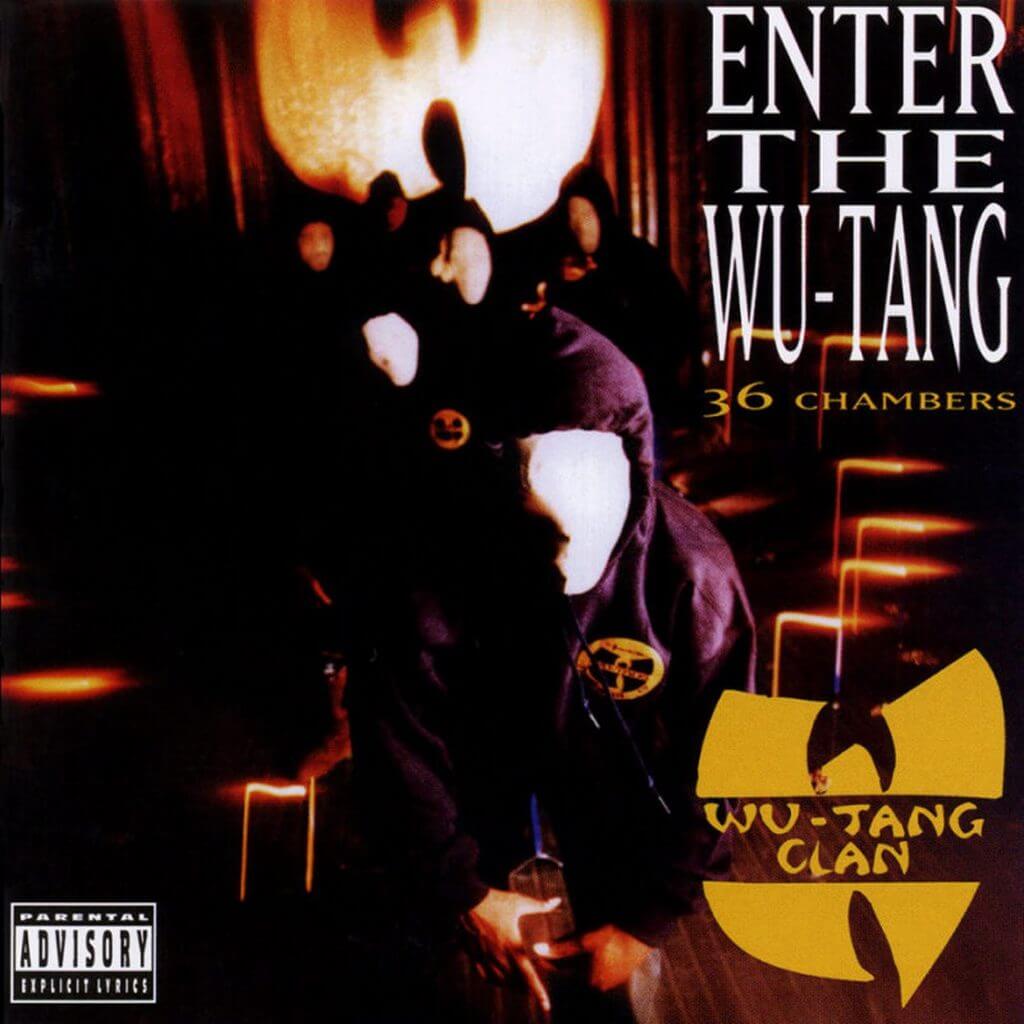
When Wu-Tang Clan arrived in 1993, New York Hip Hop was already undergoing a transformation. Yet few groups had a plan as audacious as RZA’s: bring together nine MCs with distinct voices and personalities, give them a shared mythology, and build a musical identity around production that sounded as though it had been pulled from a neglected basement. Enter the Wu-Tang (36 Chambers) was grimy, unpredictable, and deliberately rough around the edges. Its influence would reach far beyond the sound of its era.
RZA’s production was central to that impact. Built from chopped soul samples, kung-fu film dialogue, eerie piano loops, and hard, stripped-down drums, the beats had a claustrophobic quality that contrasted sharply with the polished production associated with much of mainstream rap. “Bring da Ruckus” announced the group’s arrival with barely contained aggression, while “C.R.E.A.M.” turned a mournful piano loop into the foundation for one of Hip Hop’s most enduring accounts of poverty and survival. The album’s sound was economical without being simple. Every crack in the drums and every strange vocal fragment contributed to its atmosphere.
The nine members gave the record a further dimension. Method Man’s charisma, GZA’s precision, Raekwon’s vivid street narratives, Ghostface Killah’s unpredictable delivery, and Ol’ Dirty Bastard’s wild energy made the group feel like a collection of distinct characters rather than interchangeable voices. Their chemistry was strengthened by the sense of a larger world surrounding the music, from Shaolin mythology to the martial-arts references threaded through their lyrics and skits. The Clan created a universe listeners could enter, with its own language, codes, and internal history.
The business strategy was equally forward-looking. After establishing the group, RZA and the Clan’s management helped members secure solo deals with different labels, allowing Wu-Tang to expand its reach without dissolving the collective identity. The run of solo releases that followed turned the Wu-Tang name into a network of interconnected careers, an approach that anticipated later label collectives and artist-led musical ecosystems.
Plenty of groups had multiple strong MCs, and rugged production was hardly new. Wu-Tang’s achievement was bringing its sound, mythology, group chemistry, and business model together into one coherent movement. Enter the Wu-Tang (36 Chambers) sounded deliberately unfinished beside more polished rap releases of 1993, but that roughness became part of its appeal. It helped redefine what underground Hip Hop could sound like, and how far a crew could take its identity beyond a single album.
Digable Planets – Reachin’ (A New Refutation of Time and Space) (1993)
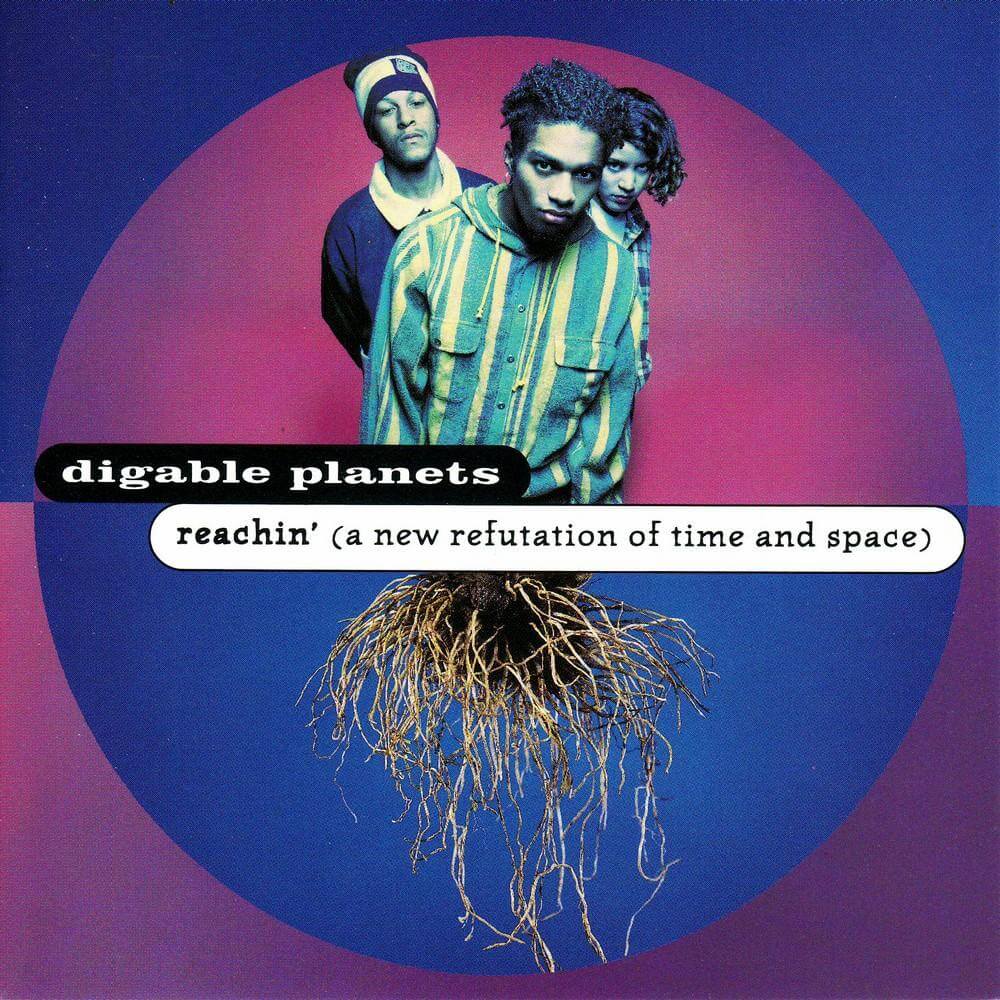
When Digable Planets released Reachin’ (A New Refutation of Time and Space) in 1993, jazz-influenced Hip Hop was gaining momentum, but few groups approached the sound with the same ease and imagination as Butterfly, Ladybug Mecca, and Doodlebug. Their debut album combined dusty jazz samples, loose rhythms, conversational rhymes, and an understated political consciousness into a sound that felt removed from the increasingly hard-edged direction of East Coast rap. Rather than chasing aggression or technical showmanship, Digable Planets built a world around musical warmth, intellectual curiosity, and the everyday experiences of young Black people. Its influence would extend well beyond the jazz-rap moment of the early 1990s.
The production was central to the album’s appeal. Butterfly, the group’s principal beatmaker, drew heavily on the recordings of jazz musicians such as Art Blakey, Donald Byrd, and Sonny Rollins, weaving fragments of horns, upright bass, and drums into relaxed, subtly shifting grooves. The result was not simply rap laid over jazz samples. The music borrowed jazz’s sense of space and interplay, allowing individual sounds to drift in and out of focus while maintaining a steady Hip Hop pulse. Tracks such as “Rebirth of Slick (Cool Like Dat)” and “Where I’m From” demonstrate how a restrained arrangement can be as compelling as a densely layered beat. The production leaves room for the voices, and the voices leave room for one another.
Digable Planets’ approach to lyricism was just as distinctive. Butterfly, Ladybug Mecca, and Doodlebug traded verses and phrases with an easygoing chemistry that resisted the conventional hierarchy of a lead rapper supported by guests. Their writing mixed street observations, Black cultural history, political awareness, and playful wordplay without turning every track into a manifesto. “Pacifics” captures the atmosphere of urban life through vivid details, while “La Femme Fétal” addresses abortion rights from a perspective rarely heard in mainstream rap at the time. The group could be thoughtful without becoming solemn, and politically aware without losing its sense of humor.
What made Reachin’ ahead of its time was the way it treated jazz as a living creative language rather than a nostalgic backdrop. Its mellow production and collective vocal style anticipated later generations of alternative Hip Hop, from the neo-soul movement to the more understated, sample-driven sounds explored by artists in subsequent decades. The album also helped demonstrate that rap could accommodate subtlety and intimacy without sacrificing its identity.
Digable Planets won a Grammy for “Rebirth of Slick,” so the group was hardly invisible upon release. The deeper significance of Reachin’ lies in the possibilities it opened up. It offered an alternative vision of Hip Hop built on curiosity, musical restraint, and collective expression, proving that a record didn’t need to shout to leave a lasting impression. Three decades later, its laid-back sophistication still sounds remarkably fresh.
Gravediggaz – 6 Feet Deep (1994)
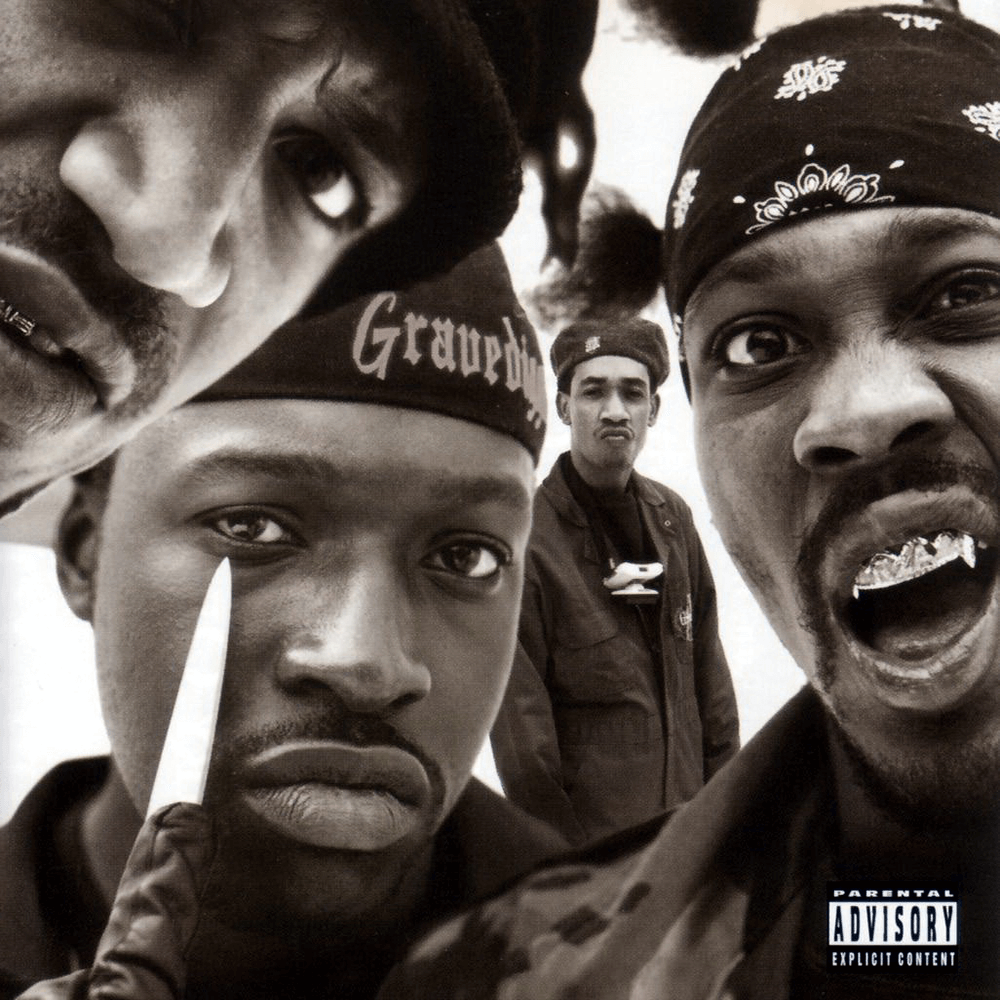
When Gravediggaz released 6 Feet Deep in 1994, horrorcore was hardly a new concept. Detroit teenager Esham pioneered the genre; Geto Boys had already explored murder, paranoia, and psychological breakdown, while Memphis rap was developing its own sinister underground aesthetic. What made Gravediggaz different was the way they turned these dark themes into a complete musical identity, mixing horror-movie imagery, black comedy, social commentary, and production that sounded as if it had crawled out of a crypt. The group called its approach “horrorcore,” and the name stuck. The album helped establish a template that would influence underground Hip Hop for decades.
The lineup brought together four artists with very different backgrounds: Prince Paul, the inventive producer behind De La Soul’s early work; RZA, then emerging as the sonic architect of Wu-Tang Clan; Frukwan of Stetsasonic; and Poetic, formerly of Brothers Grym. Their combined experience gave 6 Feet Deep a musical range that set it apart from a straightforward shock-rap project. RZA’s production leaned into grimy loops, eerie melodies, and hard, stripped-down drums, while Prince Paul brought a more theatrical sensibility, weaving in samples and arrangements that heightened the album’s macabre atmosphere. The beats could be menacing, absurd, or strangely infectious, often shifting between all three.
Tracks such as “Diary of a Madman,” “Nowhere to Run, Nowhere to Hide,” and “1-800-SUICIDE” pushed the group’s morbid imagination to extremes. The imagery was deliberately outrageous, but the album’s appeal extended beyond shock value. Beneath the tales of madness, death, and violence lay a broader sense of alienation and distrust. The members adopted grotesque personas to examine a world they viewed as equally twisted, using horror as a language for anger, social decay, and psychological distress. Their dark humor also kept the record from becoming relentlessly grim.
The timing mattered. Wu-Tang Clan had recently demonstrated how a distinctive, almost cinematic mythology could bind together a group of individual voices, while alternative rap was expanding the boundaries of subject matter and production. 6 Feet Deep took those possibilities somewhere stranger. It helped turn horrorcore into a recognizable subgenre and anticipated the growing influence of darker, more theatrical underground rap, from later horror-themed acts to artists who blurred the line between disturbing imagery and psychological storytelling.
6 Feet Deep was ahead of its time because it treated horror as an entire aesthetic rather than a lyrical gimmick. Its grimy production, unsettling humor, and exaggerated characters gave the album a world of its own. Three decades later, its influence remains audible wherever Hip Hop ventures into the grotesque, the surreal, and the uncomfortable. Gravediggaz made darkness part of the music’s vocabulary.
Organized Konfusion – Stress: The Extinction Agenda (1994)
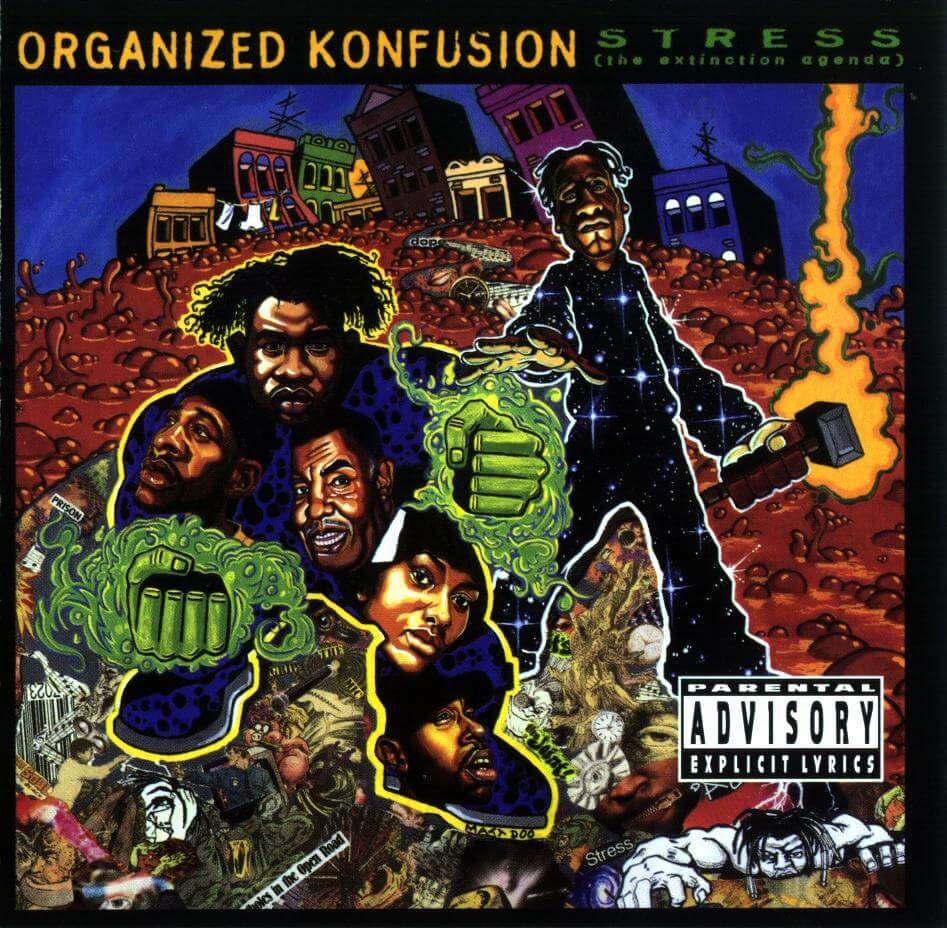
By 1994, much of New York Hip Hop was moving toward harder drums, darker street narratives, and increasingly polished production. Organized Konfusion took those ingredients and pushed them into something considerably more unsettling. On Stress: The Extinction Agenda, Pharoahe Monch and Prince Po turned urban anxiety into a full-blown atmosphere, pairing intricate rhyme schemes with beats that sounded like the city closing in around them. The album was fiercely technical, but its greatest strength was how that technique served its bleak view of the world.
The production, handled primarily by the duo themselves with contributions from Ogee, relied on ominous samples, dissonant horns, jagged piano figures, and drums that rarely offered much comfort. The title track established the mood with a tense, almost cinematic arrangement, while “Bring It On” and “Stray Bullet” approached the same darkness from different angles. On the latter, a bullet narrates its path through the city, passing between lives without regard for who gets caught in its trajectory. The concept was stark and effective, turning gun violence into a chain of consequences rather than a convenient backdrop for tough talk.
Monch and Prince Po also treated the MC’s craft as something to be stretched to its limits. Their verses were dense with internal rhymes, sudden changes in cadence, and intricate patterns that demanded close listening. Monch in particular could make a line seem to fold back on itself before launching into another burst of syllables. The pair were technically formidable without relying on battle-rap boasts alone. Their writing moved between social observation, psychological tension, and vivid storytelling, often within the same track.
That combination made Stress an important precursor to the more cerebral, formally adventurous underground Hip Hop that gained traction later in the decade and into the 2000s. Its grim production and tightly wound lyricism anticipated artists who treated albums as coherent artistic statements rather than collections of singles. The record also demonstrated that complexity did not have to mean abstraction: “Stray Bullet” communicated its message through a simple, memorable premise, while the title track gave everyday pressure an almost apocalyptic scale.
Organized Konfusion were already respected after their 1991 debut, so Stress was not an overlooked experiment waiting decades for recognition. Its forward-looking quality lies in the way it brought technical precision, conceptual storytelling, and psychological darkness together without smoothing away their edges. Nearly every element contributes to the album’s claustrophobic world. In 1994, that made Stress: The Extinction Agenda one of the most uncompromising visions of where lyric-driven Hip Hop could go.
Three 6 Mafia – Mystic Stylez (1995)

When Three 6 Mafia released Mystic Stylez in 1995, the Memphis group sounded like they were operating by an entirely different set of rules. While New York rap was deep into the boom-bap era and West Coast gangsta rap dominated much of the mainstream, DJ Paul, Juicy J, Lord Infamous, Koopsta Knicca, Gangsta Boo, and Crunchy Black were building a sound from eerie keyboards, distorted bass, hypnotic loops, and horror-movie atmospherics. Their debut album was dark, lo-fi, and deliberately unsettling, establishing a musical vocabulary that would eventually become central to Southern rap and influence genres that barely existed at the time.
The production was the key to its originality. DJ Paul and Juicy J constructed beats from sparse drum patterns, ominous synthesizers, chopped vocal samples, and repetitive melodic fragments that created a claustrophobic atmosphere. The music often sounded as if it were recorded in a basement at three in the morning, with the rough edges adding to its menace. Tracks such as “Break da Law ’95,” “Live by Yo Rep,” and the title track combined booming low end with skeletal arrangements, leaving space for the MCs to move between conversational threats, rapid-fire verses, and the triplet flows that would later become a defining feature of Southern rap. The production was minimal in places, but its impact came from how effectively it used repetition, texture, and mood.
The group’s lyrical content reinforced the sound. Drawing on horror films, occult imagery, street violence, and Memphis’s underground rap-battle culture, Three 6 Mafia created a world that was both theatrical and threatening. Lord Infamous’s rapid, multi-syllabic delivery was particularly distinctive, introducing rhythmic patterns that would echo through Southern rap for decades. The group’s use of multiple voices, overlapping chants, and ad-libs also helped establish a collective vocal style that differed from the conventional solo-MC format.
The influence of Mystic Stylez on trap is difficult to overstate. Its ominous synths, heavy bass, repetitive hooks, and hypnotic rhythmic patterns anticipated many of the genre’s defining characteristics. The triplet cadences associated with later Atlanta rap, including the styles popularized by artists such as Migos, have clear precedents in Lord Infamous’s delivery. Three 6 Mafia’s production approach also helped lay the groundwork for the darker, minimalist sounds later explored by Lex Luger, Young Chop, and other trap producers. Their influence reached beyond rap, too, inspiring elements of crunk, horrorcore, and the darker side of contemporary underground music.
Mystic Stylez was ahead of its time because it established an alternative blueprint for Hip Hop, one built around atmosphere, repetition, and rhythmic experimentation rather than lyrical complexity alone. Three 6 Mafia helped prove that regional underground rap could develop its own sound without seeking approval from New York or Los Angeles. Decades later, the sonic ideas they developed in Memphis remain embedded in mainstream rap. What once sounded strange and abrasive became part of the genre’s foundation.
Dr. Octagon – Dr. Octagonecologyst (1996)
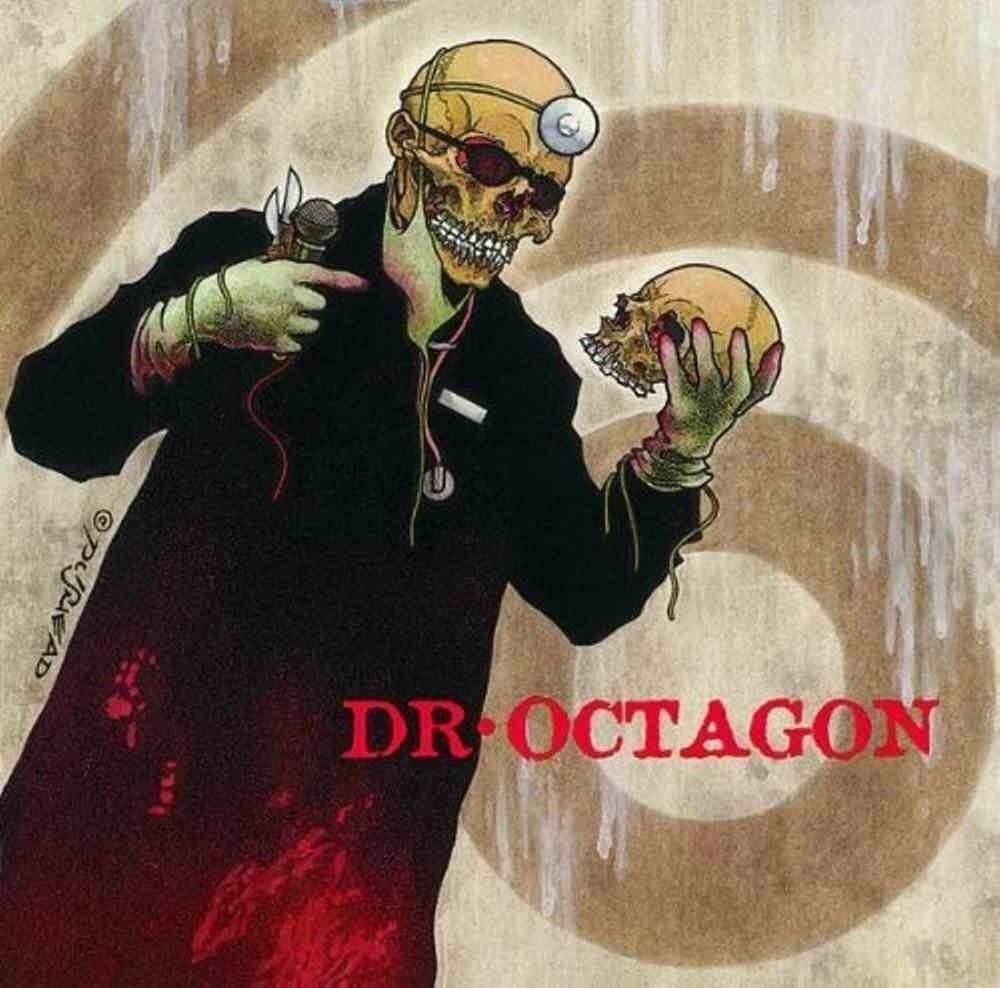
When Kool Keith introduced Dr. Octagon, he created a character with little connection to the rules governing most Hip Hop personas. A time-traveling alien surgeon and gynecologist from Jupiter, the character inhabited a bizarre universe of medical procedures, extraterrestrial encounters, sexual absurdity, and surreal violence. Dr. Octagonecologyst, released in 1996, took the strange, fragmented imagination Keith had developed with Ultramagnetic MCs and pushed it into territory that much of Hip Hop had yet to explore.
The project brought together Keith, producer Dan “The Automator” Nakamura, and turntablist Q-Bert. The Automator supplied an unsettling mix of dusty loops, eerie keyboards, sci-fi effects, and off-kilter rhythms, while Q-Bert’s scratches added another layer of controlled chaos. Tracks such as “Blue Flowers,” “Earth People,” and “Halfsharkalligatorhalfman” sounded like transmissions from a parallel Hip Hop scene. The beats were too strange for conventional radio rap, too rhythmic to be dismissed as experimental noise, and too distinctive to sit comfortably within any established subgenre.
Keith’s writing was equally disorienting. Rather than build songs around personal struggle, street credibility, or straightforward storytelling, he fired off surreal images and disconnected scenes with the confidence of someone operating according to an entirely different logic. His delivery shifted between deadpan observation, cartoonish menace, and deliberately ridiculous boasts. The humor was essential, but the music never reduced the concept to a novelty act. The alien persona gave Keith room to dismantle expectations about what an MC should sound like, talk about, or even represent.
The album’s influence became clearer as alternative Hip Hop expanded in the late 1990s and 2000s. Its combination of eccentric characters, unconventional production, and deliberately fractured lyricism anticipated a generation of artists willing to build entire worlds around their music. The connection to later underground figures, from MF DOOM to artists working in the abstract and experimental corners of Hip Hop, is especially apparent. Its production also pointed toward a strain of electronic, psychedelic rap that valued atmosphere and oddity as much as the beat’s immediate impact.
Dr. Octagonecologyst was hardly the first strange record in Hip Hop, and Keith’s earlier work had already challenged conventional ideas about lyricism. What made this album different was the scale of its vision: an entire fictional universe supported by production that sounded as alien as its central character. In 1996, it occupied a corner of Hip Hop that few artists were prepared to enter. In the years that followed, that corner grew considerably larger.
DJ Shadow – Endtroducing….. (1996)
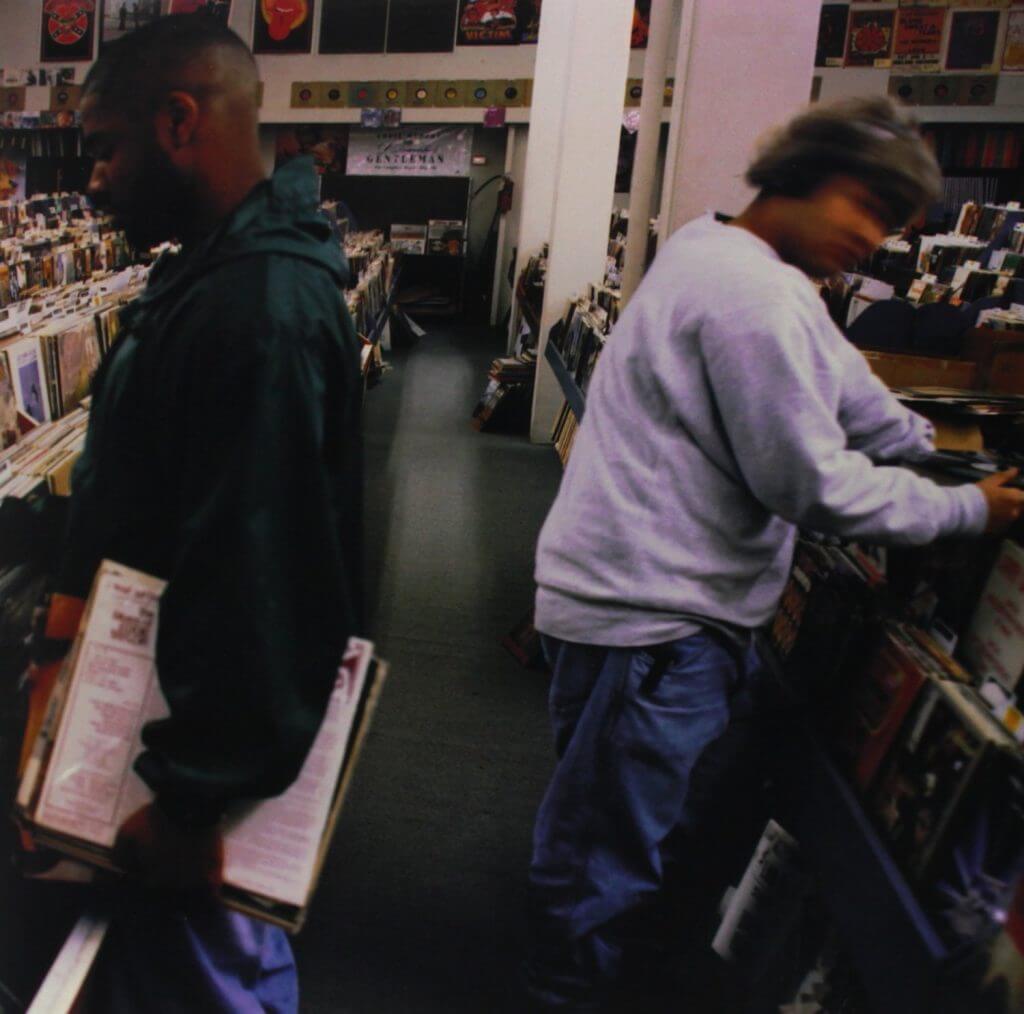
In 1996, Josh Davis, better known as DJ Shadow, released an album built almost entirely from other people’s records. There were no guest MCs, no conventional band, and no newly recorded performances in the usual sense. Instead, Endtroducing….. assembled fragments of funk, jazz, soul, rock, and obscure library music into a record that sounded like a continuous passage through someone else’s memories. Hip Hop had always relied on sampling, but Shadow pushed the technique toward an entirely different kind of album.
Working with an extensive collection of vinyl and an Akai MPC60 sampler, Shadow treated individual sounds as building blocks for compositions that developed their own emotional narratives. The opening “Building Steam with a Grain of Salt” moved from hushed piano and distant voices into a dramatic, densely layered arrangement. “Midnight in a Perfect World” paired melancholy melodies with a slow, heavy beat, while “Stem/Long Stem” shifted through contrasting moods and textures without losing its underlying momentum. Each track drew from existing recordings, but the finished music rarely sounded like a collection of borrowed parts. The samples became the raw material for something with its own identity.
The album also challenged the assumption that instrumental Hip Hop was best suited to background listening or DJ showcases. Endtroducing….. demanded attention across its full running time, using recurring sounds, changes in pace, and carefully controlled tension to create an experience closer to a film without pictures. Its emotional range was striking: ominous passages gave way to moments of warmth and introspection, and small details often carried as much weight as the drums. Shadow made the sampler a compositional instrument capable of sustaining an album-length vision.
Its influence reached well beyond instrumental Hip Hop. The record helped establish a model for sample-based music that valued atmosphere, narrative, and album sequencing as highly as individual beats. Its approach anticipated later developments in trip-hop, experimental electronic music, and the work of producers who built immersive records from fragments of existing recordings. It also arrived before digital production tools made manipulating and arranging audio increasingly accessible, demonstrating what painstaking crate-digging and creative editing could achieve with limited equipment.
Endtroducing….. was not the first album made from samples, nor did DJ Shadow invent instrumental Hip Hop. Its achievement lay in treating sampling as the foundation for an entire musical world. Nearly three decades later, the record still sounds meticulously assembled and emotionally immediate, a reminder that a producer’s imagination can transform the past into music that seems to exist outside its own time.
Company Flow – Funcrusher Plus (1997)
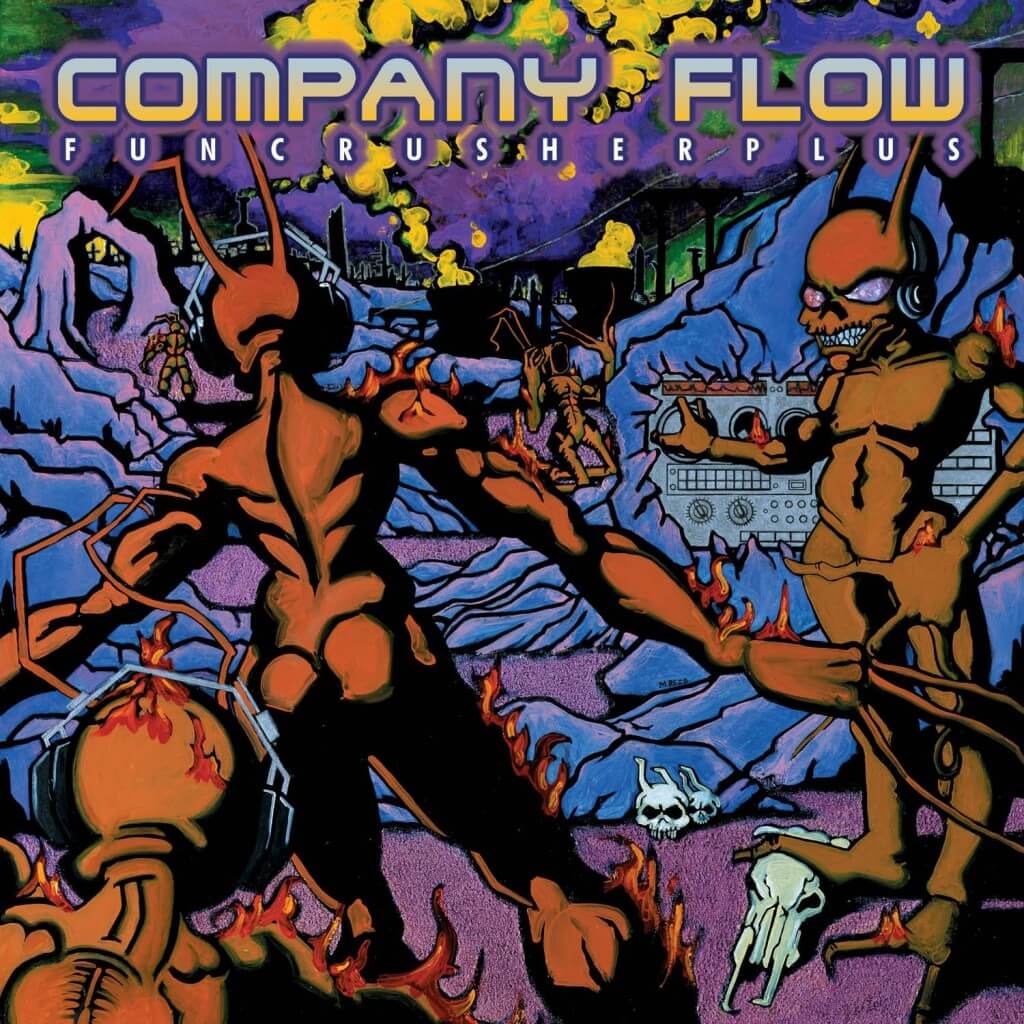
By the late 1990s, New York Hip Hop was caught between the commercial dominance of Bad Boy, the lingering influence of Wu-Tang Clan, and a growing underground scene searching for alternatives. Company Flow arrived with little interest in fitting into any of those worlds. El-P, Bigg Jus, and Mr. Len had spent years developing their own approach, and Funcrusher Plus, released in 1997, captured a vision of Hip Hop that was abrasive, paranoid, fiercely independent, and deliberately difficult to digest. Its influence would extend well beyond the audience that embraced it at the time.
El-P’s production was central to the album’s appeal. His beats rejected the warmth and familiar soul samples associated with much of the boom-bap tradition, favoring dissonant loops, distorted textures, industrial noise, and rhythms that seemed to lurch out of alignment. Tracks like “Vital Nerve” and “8 Steps to Perfection” sounded less like conventional rap productions than fragments of a dystopian city, with the music creating an atmosphere of tension and unease. The beats weren’t designed to provide comfortable backdrops for the MCs. They demanded attention in their own right, often making the listener work to find the rhythm.
The lyrics were equally uncompromising. El-P and Bigg Jus delivered dense, politically charged verses filled with technological paranoia, urban alienation, and attacks on the commercial machinery surrounding Hip Hop. Their writing could be cryptic and confrontational, with little interest in simplifying ideas for casual listeners. Rather than chasing radio play, Company Flow built an identity around creative control and resistance to industry expectations. The group’s independent release through Rawkus helped establish a model for underground artists who wanted to operate outside the major-label system.
That independence became part of the album’s legacy. Funcrusher Plus arrived before underground Hip Hop had fully developed the infrastructure, audience, and critical vocabulary that would later support artists working in similarly unconventional territory. Its combination of hostile electronics, abstract lyricism, and anti-commercial principles anticipated aspects of the Def Jux movement that El-P would later lead, as well as the broader experimental rap scene that flourished in the 2000s.
The album wasn’t without precedents, and Company Flow weren’t working in isolation. Hip Hop had long contained experimental producers and fiercely independent voices. What made Funcrusher Plus distinctive was how completely its musical language, lyrical outlook, and independent ethos reinforced one another. It offered no concessions and made no attempt to disguise its strangeness. In 1997, that approach placed Company Flow at the margins of the genre’s commercial landscape. In the years that followed, their once-uncompromising sound became a reference point for artists who saw those margins as a place to build something of their own.
OutKast – Aquemini (1998)
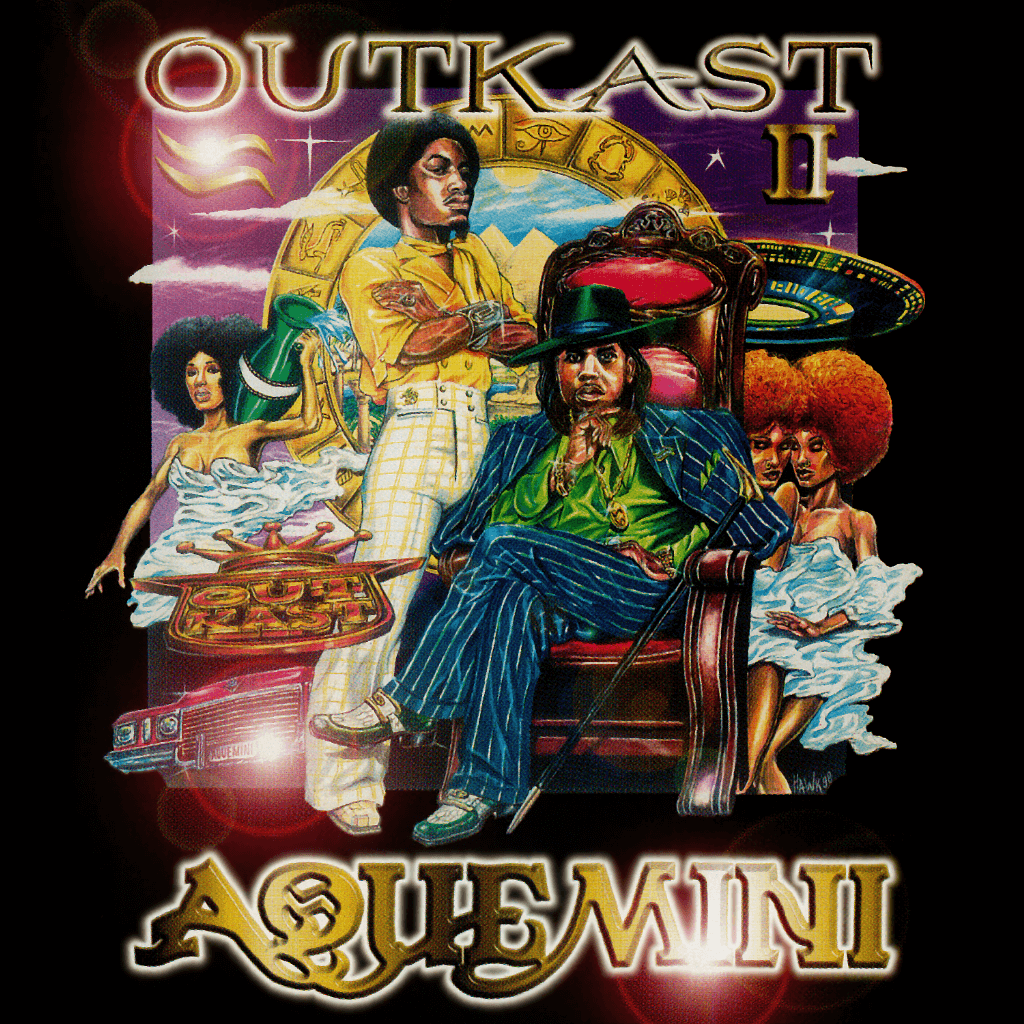
When OutKast released Aquemini in September 1998, André 3000 and Big Boi were already established as two of the most distinctive MCs in Southern Hip Hop. Their first two albums had challenged the idea that serious rap had to come from New York or Los Angeles, but Aquemini took their ambitions somewhere else entirely. Drawing on funk, soul, gospel, psychedelia, and live instrumentation, the Atlanta duo created an album that refused to fit comfortably into any single category. Its willingness to embrace contradiction, musical experimentation, and unconventional song structures made it one of the most forward-thinking rap albums of the late 1990s.
The production was a major part of that achievement. Organized Noize, the Atlanta production team behind much of OutKast’s early work, helped establish the warm, organic sound associated with the Dungeon Family. On Aquemini, that foundation became more expansive. Live bass, guitar, and layered instrumentation sit alongside programmed drums and samples, giving tracks such as “Rosa Parks” and “Skew It on the Bar-B” a musicality that extended beyond conventional loop-based production. The title track unfolds through shifting sections and guest appearances, while “SpottieOttieDopaliscious” stretches into an extended funk meditation, complete with languid horns and spoken-word narration. These arrangements were willing to let songs develop at their own pace, without rushing toward a familiar hook or predictable structure.
The contrast between André and Big Boi was equally important. Big Boi’s tightly controlled, rhythmically precise delivery provided an anchor, while André increasingly explored abstract imagery, philosophical questions, and personal vulnerability. On “Aquemini,” their differences become the album’s central strength. They approach the same world from different angles, and neither has to surrender his identity for the partnership to work. André’s willingness to question himself and challenge expectations also helped broaden the emotional and intellectual range of mainstream rap.
The album’s thematic scope was unusually wide. “Da Art of Storytellin’ (Pt. 1)” delivered vivid, tragic narratives, while “SpottieOttieDopaliscious” captured the intoxication and disillusionment of nightlife. “Chonkyfire” closed the record with a furious collision of distorted guitars, political frustration, and Southern defiance. OutKast moved between humor, social commentary, introspection, and outright musical indulgence without losing their identity.
Aquemini was commercially successful and critically acclaimed, so its importance wasn’t a case of an album waiting years to be understood. Its ahead-of-its-time quality lies in how far it stretched the possibilities of mainstream Hip Hop. It helped establish the South as a center of musical innovation and anticipated an era in which rap artists would increasingly draw from live bands, genre-blurring arrangements, and deeply personal songwriting. OutKast didn’t need to abandon Hip Hop to expand its boundaries. With Aquemini, they made those boundaries feel irrelevant.
Prince Paul – A Prince Among Thieves (1999)
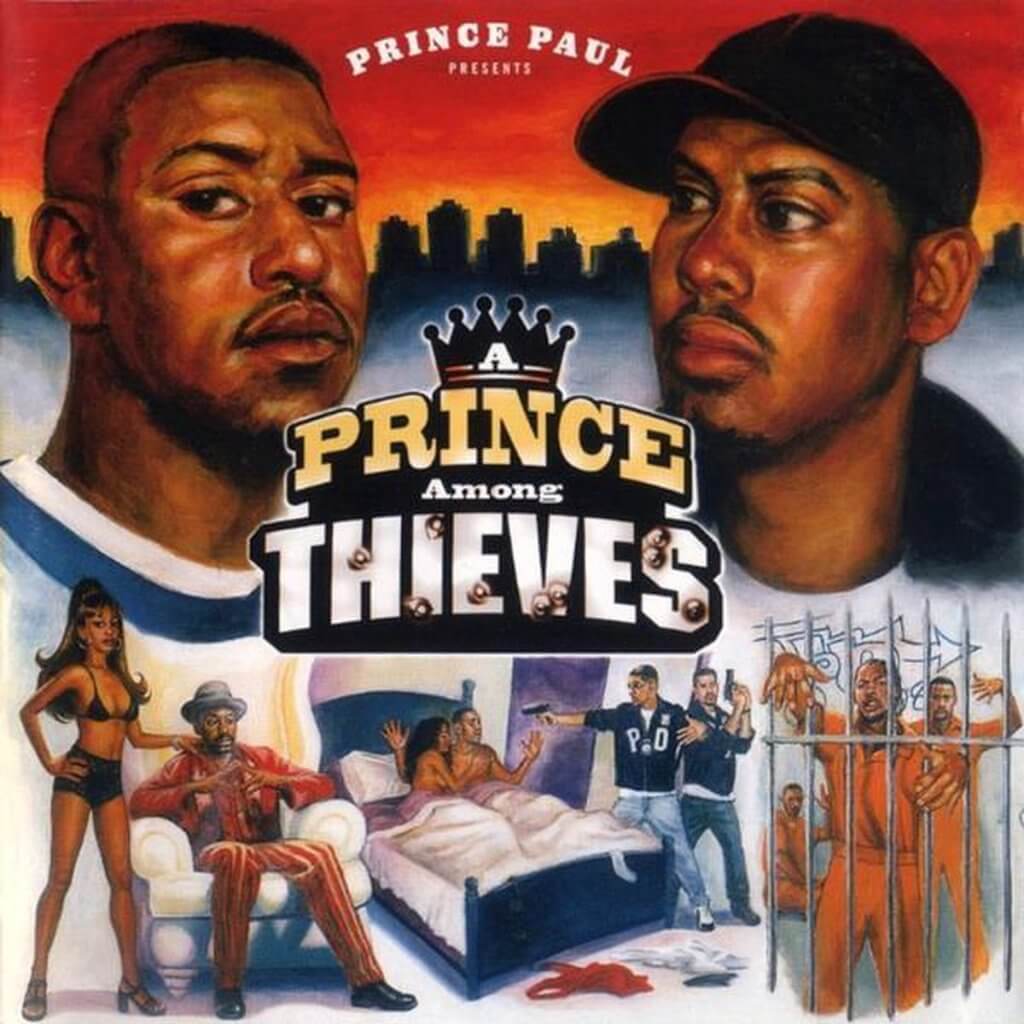
Prince Paul’s A Prince Among Thieves arrived in 1999 with an idea that seemed almost absurdly ambitious for a Hip Hop album: a full-length crime story told through rap songs, dialogue, skits, and an extensive cast of characters. Following his groundbreaking production work with De La Soul and Gravediggaz, Paul created a theatrical concept album about a young aspiring rapper whose attempt to finance his musical ambitions pulls him into a dangerous world of drug dealing. The result was one of Hip Hop’s most imaginative experiments in storytelling, a record that anticipated the possibilities of narrative-driven albums long before the format became fashionable again.
The plot follows Tariq, played by Breeze Brewin of the Juggaknots, as he seeks money to fund his demo and pursue a career in rap. His search leads him to True, a drug dealer portrayed by Kool Keith, and eventually into a web of criminal schemes that becomes increasingly difficult to escape. Across the album’s 35 tracks, Prince Paul constructs a detailed cast of characters, with appearances from De La Soul, Chubb Rock, Biz Markie, Sadat X, Xzibit, and many others. Rather than simply assembling guest verses, he gives the performers specific roles within a larger narrative. Their exchanges move the story forward, creating the sensation of listening to a crime film translated into Hip Hop.
Prince Paul’s production is central to the album’s success. He draws on soul samples, dramatic instrumental passages, recurring musical themes, and abrupt changes in tone to establish different settings and moods. The beats shift to accommodate the story, while dialogue and sound effects bridge the gaps between songs. His experience with De La Soul’s playful sample collage and Gravediggaz’s darker atmosphere comes together in a project that is humorous, unsettling, and occasionally tragic. The music never feels like a collection of unrelated tracks; every piece serves the larger narrative.
What made A Prince Among Thieves ahead of its time was its commitment to the concept. Hip Hop had already produced ambitious narrative records, and Prince Paul was not the first artist to experiment with interconnected songs. His achievement was to build an entire album around a sustained dramatic arc, complete with character development, dialogue, and consequences that carry from one track to the next. The format demanded the listener’s attention in ways that conventional rap albums rarely did.
The album also arrived before streaming made serialized listening and interconnected musical projects easier to explore. Its sprawling structure and theatrical approach anticipated later experiments with rap operas, cinematic albums, and narrative-driven releases.
A Prince Among Thieves remains a remarkable demonstration of what happens when a producer treats Hip Hop as a storytelling medium without sacrificing its musical identity. Prince Paul didn’t simply make an album with a plot. He built a world, populated it with characters, and let the music carry them toward an ending that hits harder because of everything that came before it.
Deltron 3030 – Deltron 3030 (2000)
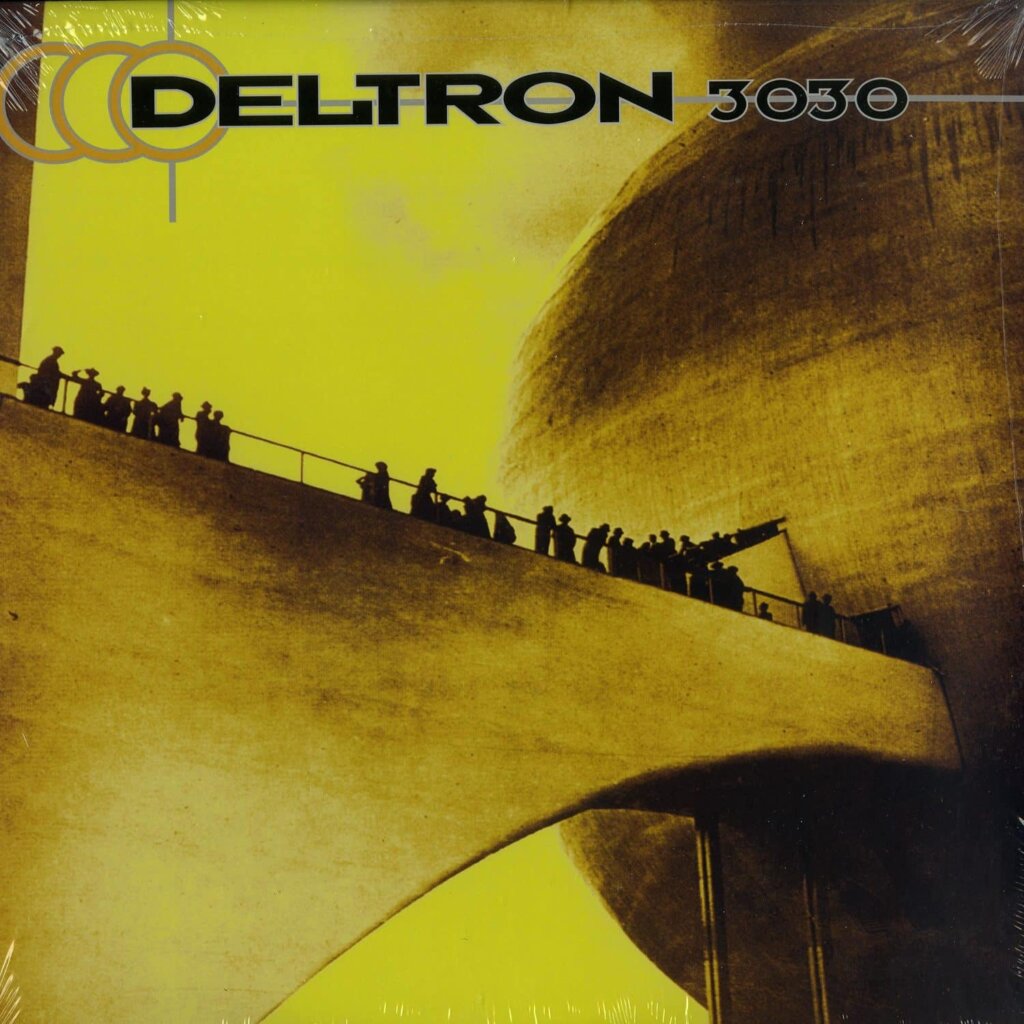
At the turn of the millennium, Del the Funky Homosapien, Dan the Automator, and Kid Koala imagined a future where corporate power had swallowed civilization and an underground MC fought back through Hip Hop. Released in 2000, Deltron 3030 turned that premise into a full-length science-fiction epic, complete with intergalactic battles, dystopian cities, and a protagonist whose greatest weapon was his ability to rhyme. Concept albums were hardly new, but few rap records had committed so completely to building an alternate universe around their music.
Del played Deltron Zero, a rebel MC battling the oppressive forces of the 31st century. His lyrics moved between futuristic warfare, absurdist humor, and sharp observations about technology, consumerism, and corporate control. Tracks such as “3030” and “Mastermind” established the scale of the project, while “Virus” gave Deltron a memorable rallying cry against the system. The futuristic setting allowed Del to exaggerate problems already visible in 2000, making the album’s imagined future an extension of contemporary anxieties rather than an escape from them.
Dan the Automator’s production gave the concept its own musical geography. Orchestral flourishes, strange electronic details, dusty samples, and cinematic transitions created an atmosphere somewhere between a science-fiction soundtrack and an underground Hip Hop record. Kid Koala’s turntable work added movement and texture, keeping the arrangements connected to Hip Hop’s foundational techniques even as the album reached beyond familiar boom-bap conventions. The music was elaborate without sacrificing the beats and rhymes at its center.
The album anticipated several directions that would become increasingly visible in Hip Hop over the following decades. Its commitment to world-building pointed toward artists who developed elaborate fictional identities and connected projects through recurring characters and narratives. Its blend of rap, electronic production, and cinematic composition also anticipated a period when genre boundaries became less restrictive. Deltron’s dystopian themes gained renewed relevance as technology companies accumulated power and digital life became increasingly difficult to separate from everyday experience.
There were precedents, from Parliament-Funkadelic’s elaborate mythology to earlier science-fiction rap, and Deltron 3030 did not invent the concept album. Its achievement was the coherence of its vision. The production, character, lyrics, and narrative all belonged to the same imagined future, without turning the record into a theatrical exercise at the expense of the music. In 2000, that ambition made Deltron 3030 an unusually expansive underground release. Its future was fictional, but the questions at its center have only become harder to ignore.
Cannibal Ox – The Cold Vein (2001)
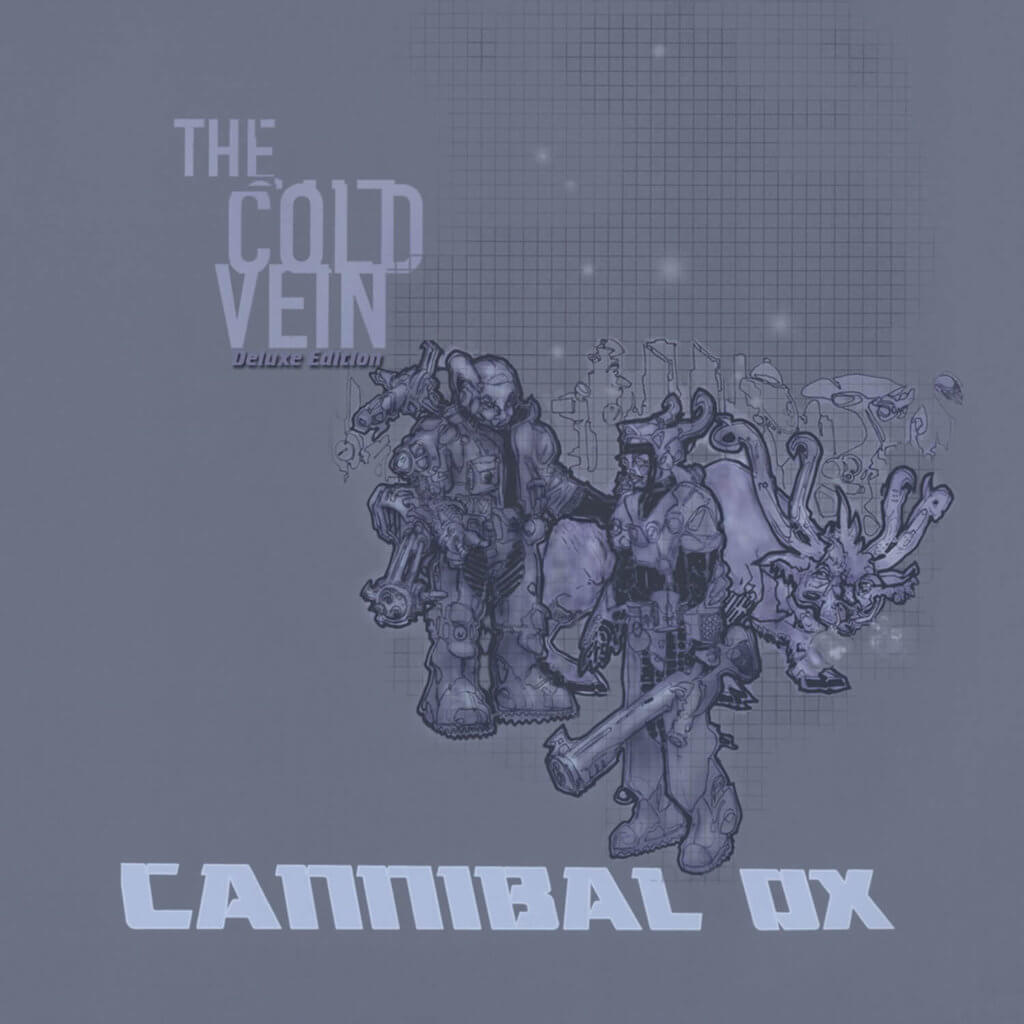
By 2001, New York underground Hip Hop was searching for new ways to express the city’s darker corners. Cannibal Ox, the Harlem duo of Vast Aire and Vordul Mega, found theirs on The Cold Vein, released in 2001 as the first full-length album on El-P’s Definitive Jux label. With El-P handling the production, the record traded familiar boom-bap warmth for a cold, disorienting vision of urban life. Its New York was a place of concrete, isolation, paranoia, and fading possibility.
El-P’s beats sounded unlike much of what surrounded them. Rather than build around dusty jazz loops and comfortably swinging drums, he assembled fractured samples, metallic percussion, distorted textures, and uneasy melodies into something closer to industrial music filtered through Hip Hop. “Iron Galaxy” opened the album with a sense of impending collapse, its production shifting beneath Vast Aire and Vordul Mega as they described a world where violence and alienation had become ordinary. “Ox Out the Cage” and “The F-Word” carried that tension into stranger, more unpredictable territory. The music rarely settled into a reassuring groove, and that instability was central to its appeal.
Vast Aire and Vordul Mega brought contrasting voices to this environment. Vast Aire’s idiosyncratic humor, unexpected images, and elastic delivery gave his verses a surreal quality, while Vordul’s more inward-looking writing conveyed exhaustion and vulnerability. Their lyrics moved between street-level observation and abstract imagery without neatly separating the two. The result was a portrait of city life that resisted easy explanation. Instead of relying on conventional narratives of triumph or survival, The Cold Vein captured the psychological weight of simply existing in a hostile environment.
The album’s influence became increasingly apparent as underground Hip Hop moved deeper into experimental production and unconventional songwriting. Its combination of bleak atmosphere, fractured beats, and densely written verses anticipated later artists who pushed rap toward more abstract, emotionally difficult territory. El-P’s production also foreshadowed the abrasive, dystopian direction he would develop with Run the Jewels, although The Cold Vein remains stranger and less direct than that later work.
The record was not without predecessors. Company Flow had already challenged the boundaries of underground production, and the album emerged from a scene actively questioning commercial Hip Hop’s conventions. Cannibal Ox took those ideas somewhere more fully realized: a complete world in which the beats, lyrics, and emotional temperature all belonged together. The Cold Vein sounded alien in 2001, and its influence helped make that alienation a lasting part of Hip Hop’s vocabulary.
Edan - Primitive Plus (2002)
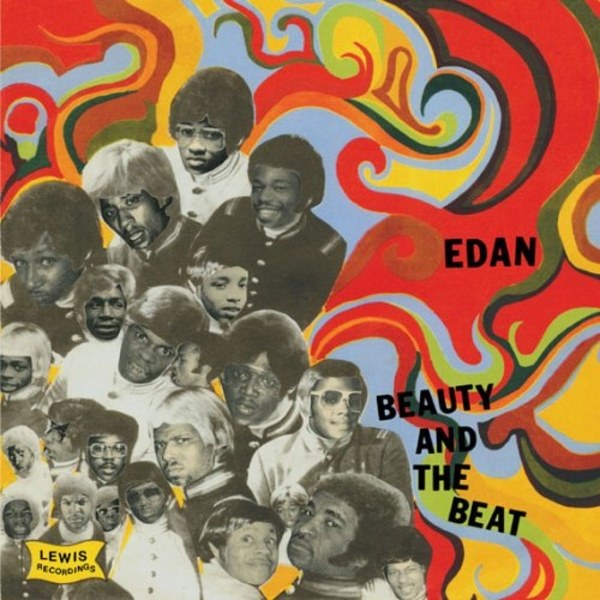
When Edan released Primitive Plus in 2002, Hip Hop was moving in several different directions. Mainstream rap was increasingly dominated by glossy production and commercial polish, while the underground was developing its own distinct sounds through artists such as Company Flow, J-Live, and the emerging Anticon scene. Edan, a Boston rapper and producer with an encyclopedic knowledge of Hip Hop’s early years, took a different route. He made an album that sounded as if it had been assembled from forgotten records, old-school tapes, and fragments of a musical history he refused to leave behind.
The production is the key to Primitive Plus. Edan draws heavily on psychedelic rock, vintage funk, soul, and obscure samples, building beats that sound dusty, strange, and deliberately out of step with the era’s prevailing trends. Guitars, warped vocal snippets, odd percussion, and chopped-up breaks give the album an almost handmade quality. Rather than chasing the increasingly polished sound of commercial rap, he embraces the limitations and eccentricities of older recording styles. The result is an album that connects the breakbeat foundations of early Hip Hop with the experimental instincts of alternative rap, without sounding like a straightforward nostalgia exercise.
Edan’s approach to rapping is equally distinctive. His delivery is animated and tightly packed, full of intricate internal rhymes, unexpected wordplay, and sudden changes in rhythm. He draws on the playful showmanship of early MCs while pushing his verses into more abstract territory. Tracks such as “One Man Arsenal” and “Primitive Plus” capture his ability to combine technical precision with a loose, unpredictable energy. His lyrics often reference Hip Hop’s history directly, but his knowledge never reduces the album to a collection of tributes. Edan uses the past as material for something decidedly personal.
That combination of historical awareness and sonic experimentation anticipated a strand of underground Hip Hop that would become increasingly prominent in the years that followed. Producers and rappers began treating old records, obscure musical references, and unconventional textures as ingredients for new creative possibilities. Edan was already operating in that space, making an album that treated Hip Hop’s past as a living resource rather than a fixed golden age to be recreated.
Primitive Plus was ahead of its time because it understood that looking backward could be a way of moving forward. Edan took the music’s foundational elements, filtered them through psychedelic rock and his own eccentric imagination, and arrived somewhere few of his contemporaries were exploring. The album sounded out of place in 2002. That was precisely the point.
Madvillain – Madvillainy (2004)
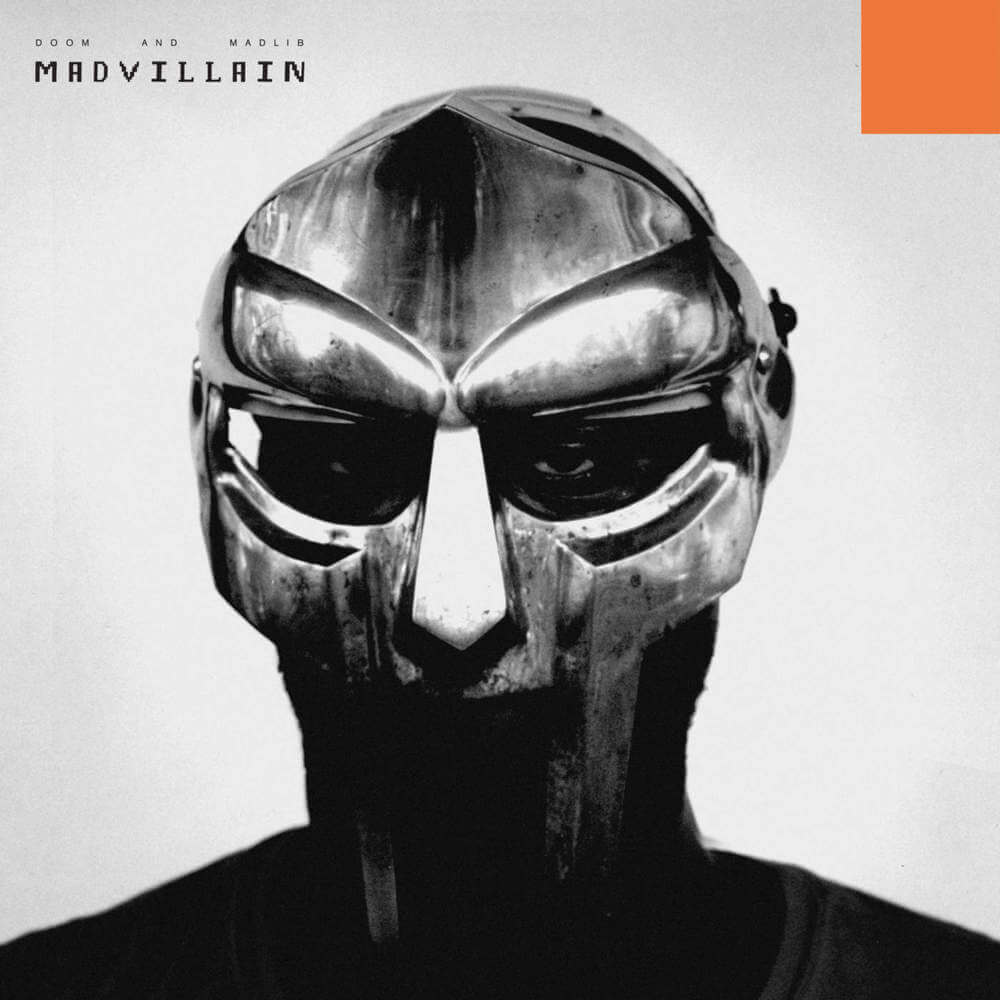
When MF DOOM and Madlib released Madvillainy in 2004, they made an album that seemed indifferent to the conventions governing Hip Hop releases. There were no obvious radio singles, no guest appearances designed to broaden its appeal, and few tracks that followed a familiar verse-hook-verse structure. Instead, DOOM’s densely packed rhymes collided with Madlib’s brief, off-kilter productions in a sequence of musical fragments that rarely lasted long enough to become predictable. The album’s influence would extend well beyond the underground scene that embraced it first.
Madlib approaches production as a crate-digger with an unusually restless imagination. Soul, jazz, psychedelic rock, and obscure vocal samples appeared in short bursts, often with the edges left deliberately rough. Beats stopped almost as soon as they began, melodies emerged from unexpected places, and transitions sometimes felt like someone changing records in the middle of a thought. “Accordion” built its hypnotic groove around a strange melodic loop, while “Meat Grinder” paired a crooked rhythm with DOOM’s tightly knotted delivery. “Raid,” featuring MED, moved through another brief, dusty construction before making way for the next idea. The album refused to settle into a single mood or formula.
DOOM was equally unconcerned with conventional rap writing. Performing through the persona of a masked supervillain, he filled his verses with obscure references, cartoon imagery, internal rhymes, and punchlines that rewarded repeated listening. His phrasing often seemed to tumble ahead of the beat, with words packed into spaces other MCs might leave empty. Rather than explain every reference or build toward obvious climaxes, he let listeners find their own way through the material. The combination of Madlib’s unpredictable loops and DOOM’s intricate wordplay gave the record a density that belied its short running time.
Madvillainy anticipated an era in which underground artists could build devoted audiences around distinctive aesthetics, unconventional album structures, and creative independence. Its influence can be heard in the rise of producer-rapper collaborations that prioritize chemistry over commercial calculation, as well as in a generation of listeners comfortable with music that rewards close attention rather than immediate accessibility. Its fragmented construction also suits the streaming era, where individual moments circulate independently while the album remains a coherent whole.
Neither artist invented sample-based production or eccentric lyricism. The achievement was the precision with which they brought their instincts together. Madvillainy sounded like a private exchange between two artists following their own rules, and its refusal to accommodate expectations became part of its lasting appeal. Two decades later, its strange little loops and densely packed verses still offer new details with every listen.
Danny Brown – XXX (2011)
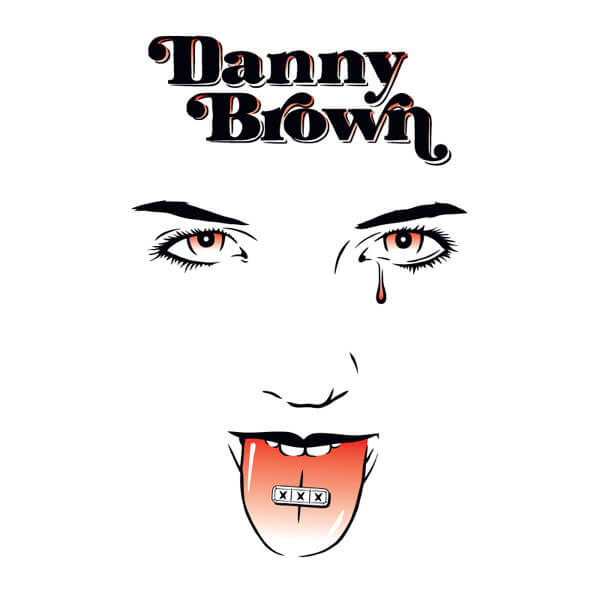
When Danny Brown released XXX in 2011, he sounded like he had arrived from a different corner of Hip Hop’s future. Detroit had a rich history of unconventional rap, but Brown took that tradition somewhere especially strange, combining abrasive beats, manic vocal performances, dark humor, and painfully candid accounts of addiction, sex, and self-destruction. At a time when mainstream rap was increasingly dominated by polished production and the commercial rise of Southern rap, XXX embraced discomfort. It was chaotic, funny, ugly, vulnerable, and often difficult to separate from the troubled life its creator was describing.
The album’s production helped establish its unsettling atmosphere. Working with producers including Paul White, Skywlkr, and Quelle Chris, Brown moved between murky, sample-heavy beats, skeletal percussion, warped synths, and unexpected melodic fragments. The instrumentals rarely offered the kind of clean, predictable structure associated with radio rap. Instead, they created unstable environments for Brown’s voice, which could jump from a high-pitched, almost cartoonish delivery to a weary, low-register flow without warning. Tracks such as “Die Like a Rockstar” and “Pac Blood” pushed this approach toward delirium, while “30” delivered a bleak account of aging, substance abuse, and the consequences of years spent living recklessly.
Brown’s vocal style was one of the album’s most radical elements. His exaggerated nasal delivery could sound deliberately ridiculous, but the humor concealed a remarkable degree of control. He manipulated pitch, cadence, and tone to make his voice another instrument within the production, treating conventional ideas about what a rapper should sound like as something to dismantle. The approach was divisive, but it opened up new possibilities for rappers who wanted to prioritize personality and emotional volatility over traditional ideas of vocal authority.
Beneath the shock value, XXX was also a deeply personal record. Brown could be grotesque and hilarious one moment, then suddenly reveal the loneliness and desperation behind his behavior. “30” is particularly effective because its confessions are delivered without the reassuring distance of a cautionary tale. The album doesn’t neatly resolve its contradictions or turn its narrator into a conventional redemption story. Brown is often his own worst enemy, and the music refuses to disguise that fact.
The album’s influence became clearer as underground rap embraced stranger production, more elastic vocal performances, and a greater willingness to expose personal dysfunction. Artists exploring the boundaries between rap, punk, electronic music, and abrasive experimentation would find plenty to build on in XXX. Its impact also anticipated a generation of rappers whose distinctive voices and unconventional personas became central to their music.
XXX was ahead of its time because it rejected the idea that a rapper needed to sound cool, composed, or even remotely likable to command attention. Danny Brown turned addiction, self-loathing, vulgarity, and emotional instability into the building blocks of an album that was as inventive musically as it was uncomfortable personally. Its influence can be heard in the rise of underground rap that blurred the lines between Hip Hop, punk, and electronic music, as well as in a generation of artists who made unconventional voices and personal dysfunction central to their work. Brown didn’t polish his excesses into a marketable persona. He made them impossible to ignore, creating a record that sounded like a warning from a future Hip Hop hadn’t reached yet.
Shabazz Palaces – Black Up (2011)

When Ishmael Butler resurfaced as Shabazz Palaces, nearly two decades after making his name with Digable Planets, he approached Hip Hop from an unexpected direction. Black Up, released in 2011, sounded disconnected from the dominant trends of its time. Its beats were fragmented, its rhythms slippery, and its lyrics deliberately elusive. Butler and multi-instrumentalist Tendai “Baba” Maraire built music that drew on Hip Hop, electronic experimentation, African instrumentation, and psychedelic textures without settling comfortably into any one tradition.
The album’s opening track, “Free Press and Curl,” established the terms. Murky bass, scattered percussion, and strange vocal fragments moved around Butler’s measured delivery, creating a sense of motion without a conventional groove. “An Echo from the Hosts That Profess Infinitum” pushed further into abstraction, its shifting layers making the track sound as though it were constantly rearranging itself. On “Swerve… the Reeping of All That Is Worthwhile (Noir Not Withstanding),” the duo turned repetition into something hypnotic and unsettling. The production rarely offered the familiar signposts of a verse-and-hook rap song, and its unpredictability was part of the design.
Butler’s writing was equally resistant to easy interpretation. His verses arrived in compressed phrases, cryptic images, and sudden changes of direction. Rather than explain every idea, he left gaps for listeners to navigate. His voice remained calm and controlled amid the music’s shifting textures, giving the album a distinctive tension. The result was intellectually demanding without becoming detached from Hip Hop’s rhythmic foundations.
Black Up anticipated a period when the boundaries between rap and experimental music became increasingly porous. Its unconventional arrangements and atmospheric production pointed toward artists who would build their work around texture, mood, and abstraction rather than familiar song structures. It also arrived before the streaming era fully changed how listeners discovered and consumed music, offering an album that rewarded immersion and repeated listening instead of immediate accessibility. The record’s approach to Black identity, history, and cultural memory added another dimension, connecting its futuristic sound to ideas reaching well beyond the present.
Experimental Hip Hop had a long history, from the Bomb Squad’s dense productions to the eccentricities of early alternative rap. Shabazz Palaces drew from that tradition while moving into less familiar territory. Black Up did not sound like a conventional blueprint for what followed, and its influence is difficult to reduce to a single sound. Its importance lies in the freedom it claimed: Hip Hop could remain unmistakably Hip Hop while abandoning many of the structures that had come to define it.
Roc Marciano – Reloaded (2012)
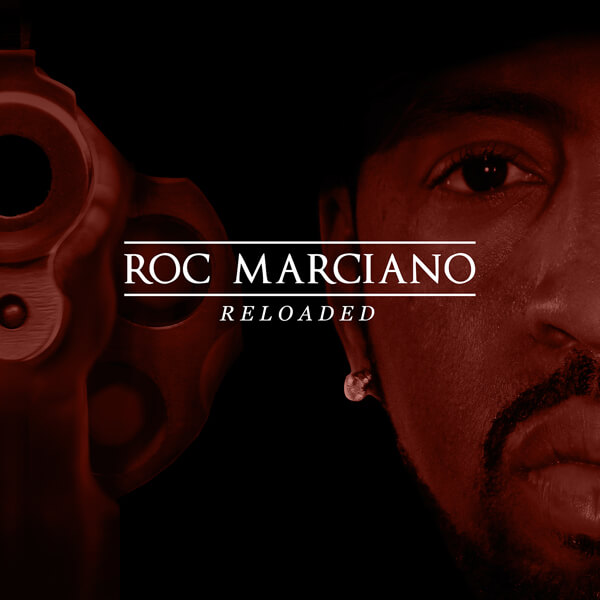
When Roc Marciano released Marcberg in 2010, he helped establish a new direction for underground New York Hip Hop. The Long Island MC and producer stripped rap back to its essentials, replacing booming drums and elaborate arrangements with skeletal loops, understated rhythms, and verses full of criminal detail, dry humor, and understated menace. Two years later, Reloaded refined that approach into something even more distinctive. Its influence would become apparent as a new generation of underground artists embraced minimalism as an aesthetic in its own right.
Where Marcberg announced the formula, Reloaded demonstrated how far it could go. Marciano built tracks around dusty soul fragments, obscure samples, and bass lines that often seemed to hover in the background. Drums were sparse or absent altogether, leaving melodies and carefully placed sounds to carry the rhythm. “76” established the album’s luxurious but sinister atmosphere, while “Emeralds” and “The Man” found Marciano navigating these stripped-down arrangements with unhurried precision. His production gave every detail room to breathe, and the absence of conventional drum patterns made the music sound strangely suspended in time.
Marciano’s writing matched the music’s economy. His verses were packed with vivid descriptions of hustling, designer clothes, weapons, and criminal codes, delivered in a conversational tone that rarely rose above a murmur. He favored oblique references and compact punchlines over elaborate storytelling, leaving listeners to assemble the scenes themselves. The effect was cinematic without requiring a traditional narrative. Marciano sounded entirely comfortable in this world, and his relaxed delivery made the material’s darker implications all the more unsettling.
The album’s importance becomes clearer when viewed against the underground Hip Hop that followed. Artists such as Ka, Mach-Hommy, and Griselda would develop different versions of the same fascination with austere production, coded street narratives, and the atmosphere of old crime films. Marciano did not single-handedly create that movement, and Marcberg had already laid much of the groundwork. Reloaded, however, offered a more complete demonstration of how minimal beats and densely written verses could sustain an entire album without conventional commercial concessions.
Its influence also extended to production itself. The drumless and near-drumless approach that became increasingly prominent in underground rap during the following decade owes a significant debt to Marciano’s willingness to leave space where other producers would instinctively add percussion. The emptiness was deliberate, giving the smallest sample or vocal inflection unusual weight.
Marcberg opened the door. Reloaded walked through it with greater confidence, establishing a blueprint that underground Hip Hop would keep revisiting long after 2012. What once sounded like a radical reduction of rap’s familiar ingredients eventually became an entire aesthetic.
Kendrick Lamar – To Pimp A Butterfly (2015)
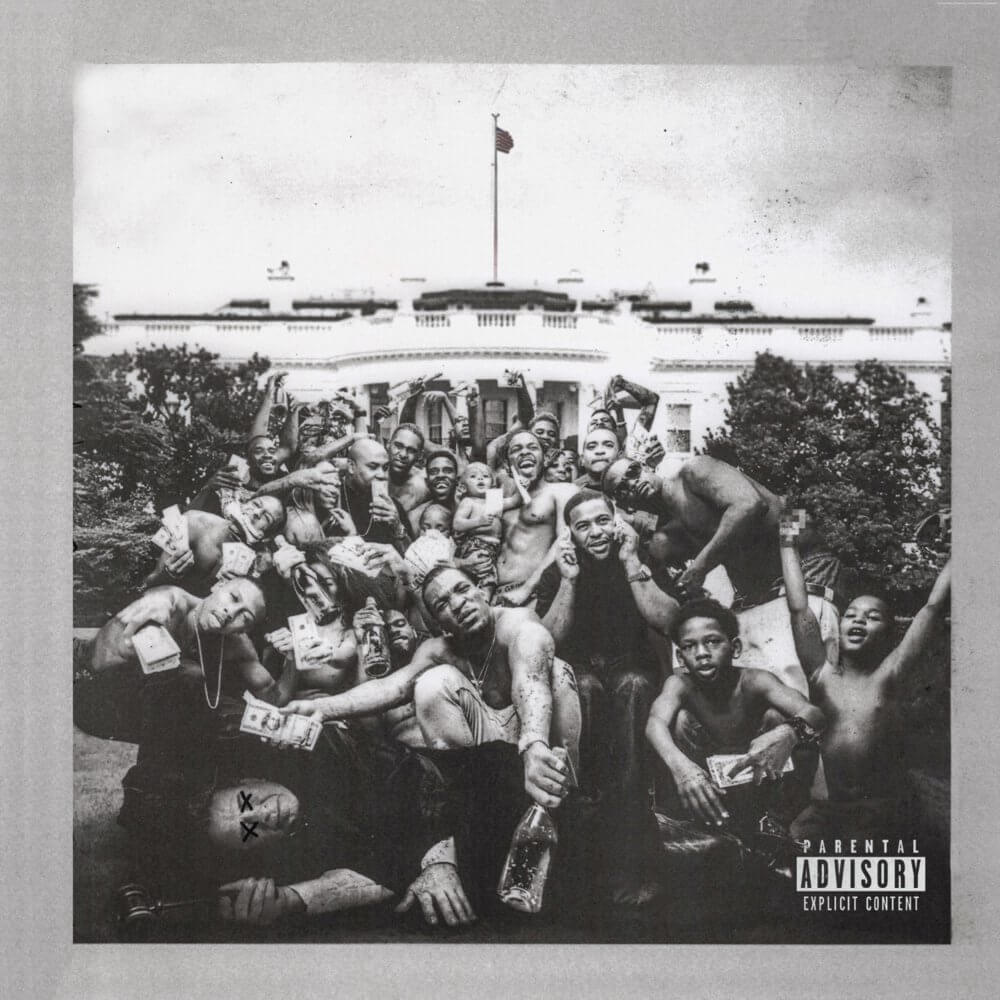
When Kendrick Lamar released To Pimp a Butterfly in March 2015, he delivered an album that seemed to operate outside the usual rules of mainstream rap. Following the success of good kid, m.A.A.d city, Kendrick could have consolidated his position with another accessible, narrative-driven album. Instead, he made a sprawling, politically charged, musically adventurous record that drew as much from jazz, funk, soul, and spoken word as it did from contemporary Hip Hop. A decade later, its ambitions look even more prescient.
The production was a major part of what made To Pimp a Butterfly so different. Working with collaborators including Thundercat, Terrace Martin, Sounwave, Flying Lotus, and Pharrell Williams, Kendrick built a sound that rejected the dominant trends of mid-2010s rap. Live instrumentation, elastic bass lines, restless jazz arrangements, and P-Funk grooves replaced the streamlined beats and trap conventions that were increasingly defining mainstream radio. Songs such as “Wesley’s Theory,” “King Kunta,” and “The Blacker the Berry” move between musical traditions without losing their connection to rap. The result is an album that sounds alive, unpredictable, and deliberately uncomfortable.
Its lyrical ambition was equally striking. Kendrick examined racism, systemic inequality, fame, survivor’s guilt, depression, self-doubt, and the contradictions of becoming successful while remaining connected to the community that shaped him. “Alright” became an enduring anthem of resilience associated with Black Lives Matter protests, while “The Blacker the Berry” confronted racial identity and internal contradictions with a ferocity rarely heard on such a prominent release. Kendrick refused to present himself as an uncomplicated hero. His own flaws, anxieties, and moral uncertainties were part of the story.
The album’s structure pushed beyond conventional sequencing, too. A poem gradually unfolds across the record, with fragments appearing between tracks before Kendrick delivers its full meaning in the closing moments. The conversation with Tupac on “Mortal Man” turns the album into something resembling an extended dialogue about leadership, responsibility, and legacy. These choices reward listening to the entire record rather than treating it as a collection of singles.
To Pimp a Butterfly arrived during a period when streaming, playlists, and increasingly fragmented listening habits were reshaping how people consumed music. Kendrick responded with a demanding, interconnected work that required time and attention. Its jazz influences also helped bring renewed mainstream visibility to musicians and traditions that existed outside contemporary rap’s commercial center.
The album won the Grammy for Best Rap Album and earned widespread critical acclaim, so it was hardly overlooked upon release. Its ahead-of-its-time quality lies elsewhere: in the scale of its ambition and its refusal to separate musical experimentation from political and personal complexity. To Pimp a Butterfly expanded the possibilities of a major-label rap album, proving that commercial prominence need not come at the expense of artistic risk. It remains a reminder of how far Hip Hop can go when an artist refuses to accept the limits of the moment.