

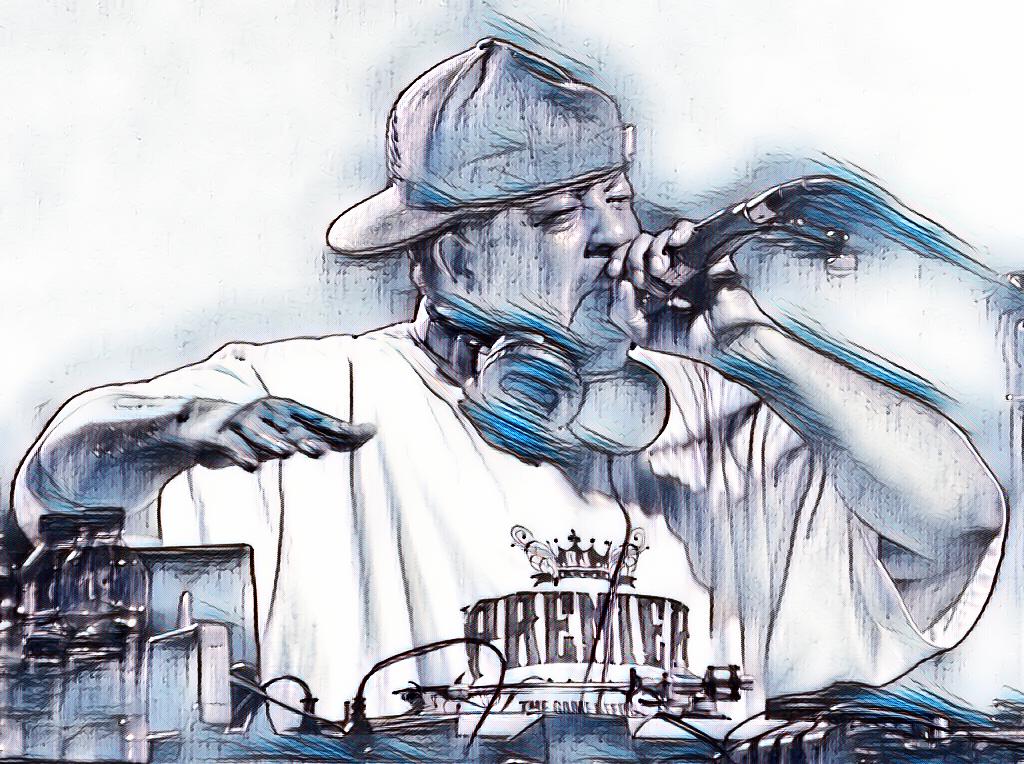
Hip Hop starts with rhythm. Before an MC delivers a line, a producer has already decided how that line will land: where the drums hit, how much space surrounds the voice, which sample repeats until it becomes part of the song’s identity. Production can make a record sound dusty and loose, cold and mechanical, heavy enough to rattle a car, or strange enough to demand another listen.
We have already ranked the rappers who put those beats to work in The Definitive List: Top 50 Greatest Rappers of All Time and the groups that gave Hip Hop some of its most important records in The Definitive List: Top 50 Greatest Rap Groups of All Time. Now the attention shifts to the people behind the boards and turntables. The producers who found the right break, chopped the right bar, programmed the right drum pattern, and knew when to leave a loop alone.
Think of Marley Marl turning dusty funk and soul records into the foundation for Queensbridge rap. Dr. Dre reshaping West Coast Hip Hop through deep bass, melodic synthesizers and meticulously programmed drums. RZA twisting obscure samples into the murky, martial world of the Wu-Tang Clan. J Dilla pushing drums slightly ahead or behind the expected beat until the rhythm seemed to breathe on its own. These approaches sound nothing alike. That is part of what makes Hip Hop production so fascinating. A great producer gives an MC a setting where words gain extra weight. DJ Premier’s chopped samples and scratches provide a hard-edged frame for Guru, Nas, Biggie and countless others. Pete Rock brings warmth, horns, and soulful loops. Madlib can make a beat sound like it was pulled from a damaged cassette found in an old record store.
This list covers 50 producers whose records changed the way Hip Hop sounded. Some worked primarily with samplers and vinyl. Others built their reputations through drum machines, keyboards, software, and increasingly elaborate studio setups. Their methods vary wildly, and so do their results.
The ranking considers the quality of the music, consistency, influence, originality, major collaborations, and the ability to create beats that remain compelling long after their original moment has passed. There is plenty of Golden Age production here, alongside artists who helped push Hip Hop into new eras. And maybe a personal HHGA favorite or two that you will not see on any other list of this kind. Let’s get into it!
50. Just Blaze
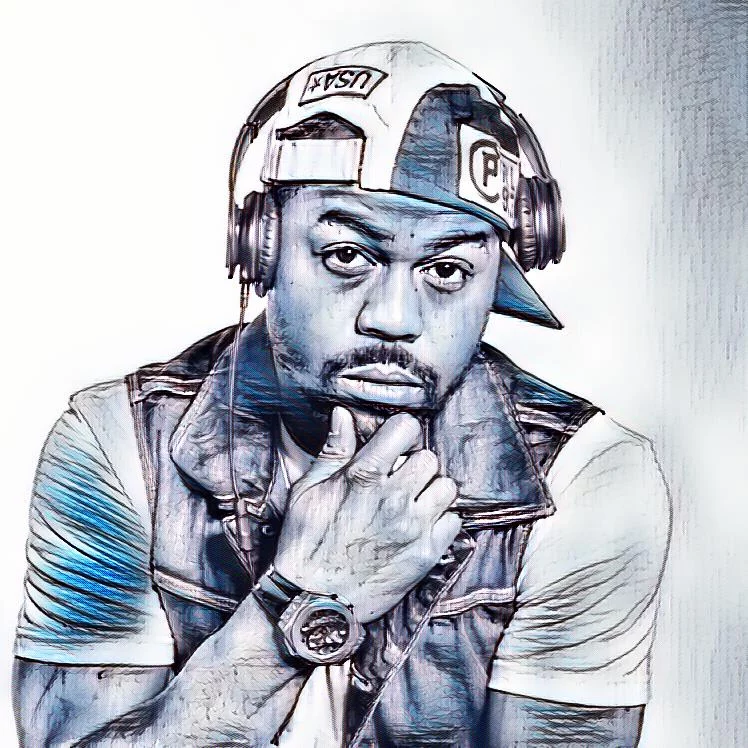
Just Blaze became one of the defining producers of the Roc-A-Fella era by giving sample-based Hip Hop a huge, triumphant sound. His production often starts with a soulful sample, pitched vocals, or chopped orchestration, then piles on pounding drums and dramatic arrangements. The result can sound grand without losing its connection to the source material.
His run with Roc-A-Fella in the early 2000s produced some of Jay-Z’s strongest records. On The Blueprint, Just Blaze handled “Girls, Girls, Girls,” “U Don’t Know,” and “Song Cry,” then returned for The Blueprint² and The Black Album. “Public Service Announcement” and “December 4th” remain two of his signature productions, built around commanding samples and drums that demand attention.
He was equally important to the label’s wider roster. Cam’ron’s “Oh Boy,” Freeway’s “What We Do,” Joe Budden’s “Pump It Up,” Beanie Sigel’s catalog, and The Diplomats’ “I Really Mean It” all carried his fingerprints. Outside Roc-A-Fella, he produced T.I.’s “Live Your Life,” Kanye West’s “Touch the Sky,” Ghostface Killah’s “The Champ,” Eminem’s “No Love,” and Kendrick Lamar’s “Compton.”
Just Blaze also helped bridge sample-based Hip Hop with newer electronic production. His collaboration with Baauer on “Higher” and later work with artists from Beyoncé to Westside Gunn showed an ability to move with changing production styles without abandoning his own instincts.
There is a theatrical quality to Just Blaze’s best beats. Strings rise, vocals get pitched skyward, drums hit hard, and the whole arrangement seems built for a large room. At his peak, few producers made Hip Hop sound quite that big.
49. Metro Boomin
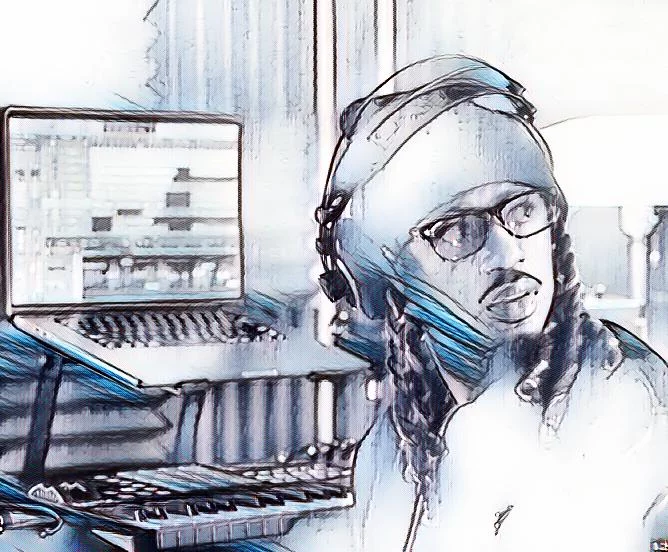
For regular HHGA readers, Metro Boomin on this list might raise an eyebrow. Trap and mainstream rap have never been our main interests, and that hasn’t changed. Still, production quality is production quality. When a trap record does catch our attention, there is a good chance Metro Boomin is behind it.
Leland Tyler Wayne came up through Atlanta’s scene after starting to make beats as a teenager in St. Louis. His partnership with Future helped establish his reputation, leading to major work on DS2, What a Time to Be Alive, and a long run of Atlanta trap records. His production is built around heavy 808s, crisp percussion, ominous melodies, and carefully placed vocal samples, with a knack for making relatively sparse arrangements hit hard.
The 21 Savage collaborations are especially strong. Savage Mode and Savage Mode II show how well Metro’s dark, minimal beats suit Savage’s delivery. “No Heart,” “X,” “Runnin” and “Mr. Right Now” all demonstrate that chemistry.
There is also a strong case for his work on Travis Scott’s Rodeo. “3500,” “Nightcrawler” and “Wasted” place Metro’s production alongside a larger cast of producers, while his contribution to the album’s darker, psychedelic side fits naturally into Scott’s world.
His résumé since then is difficult to ignore: “Bad and Boujee,” “Mask Off,” “Bank Account,” “Congratulations,” “Heartless” and “Knife Talk,” followed by Heroes & Villains and the two We Don’t Trust You albums with Future.
Metro Boomin may be an unlikely HHGA pick. The quality of his best production makes leaving him off harder to justify.
48. Easy Mo Bee
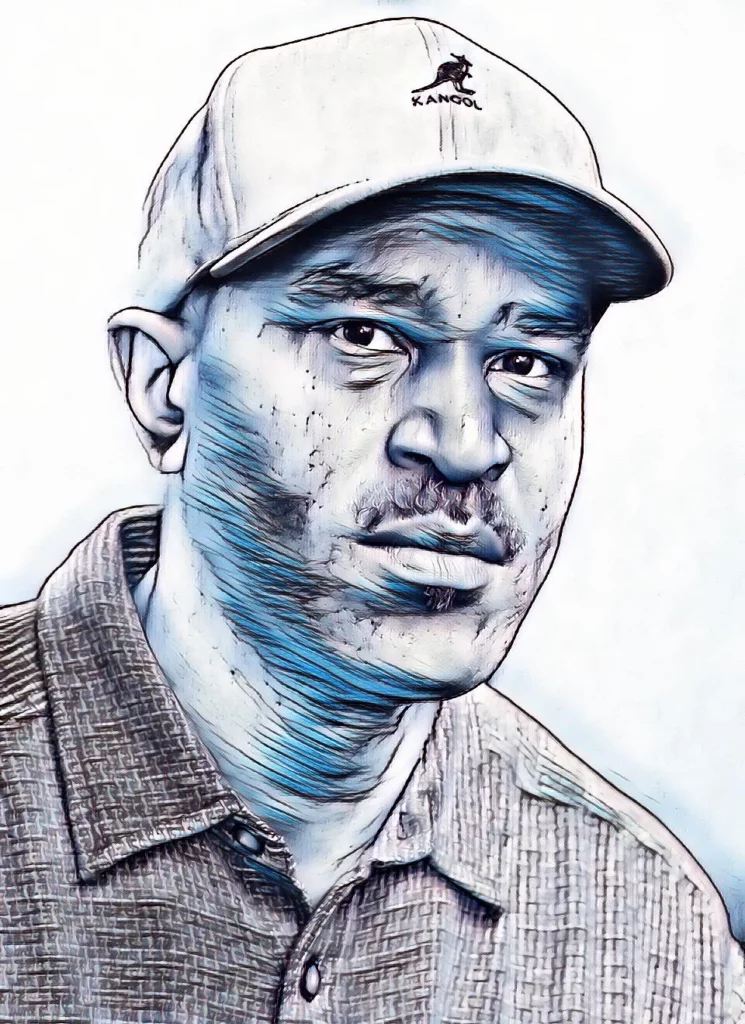
Easy Mo Bee’s résumé reads like a map of New York Hip Hop’s golden era. Coming out of Bedford-Stuyvesant, he absorbed the work of Marley Marl and Ced Gee before landing early production credits with Big Daddy Kane and The Genius. His sound combined hard drums, soulful samples, and a strong sense of rhythm, giving his beats plenty of space for MCs to attack.
Then came Bad Boy. Mo Bee produced much of Craig Mack’s Project: Funk da World and a substantial portion of The Notorious B.I.G.’s Ready to Die. “Gimme the Loot,” “Machine Gun Funk,” “Warning,” “The What,” and “Ready to Die” all carry his production, while “Flava in Ya Ear” and its remix helped establish the label’s early sound. He returned for Biggie’s Life After Death, producing “I Love the Dough” and “Going Back to Cali.”
His connections ran deeper than Bad Boy. Mo Bee produced “If I Die 2Nite” and “Temptations” for 2Pac’s Me Against the World, while “Runnin’ from tha Police” famously brought Pac and Biggie together on one record. His production also reached Big Daddy Kane, Busta Rhymes, Das EFX, Lost Boyz, Wu-Tang Clan and Public Enemy.
There was a musical curiosity behind all this. In 1992, Mo Bee worked with Miles Davis on Doo-Bop, helping Davis explore Hip Hop from a jazz perspective. That alone makes his résumé unusual.
Mo Bee’s best work has a distinctly Brooklyn feel: tough drums, funky basslines, vocal fragments and samples arranged with an ear for the MC. Few producers were positioned so centrally across the early ’90s New York scene.
47. Snowgoons
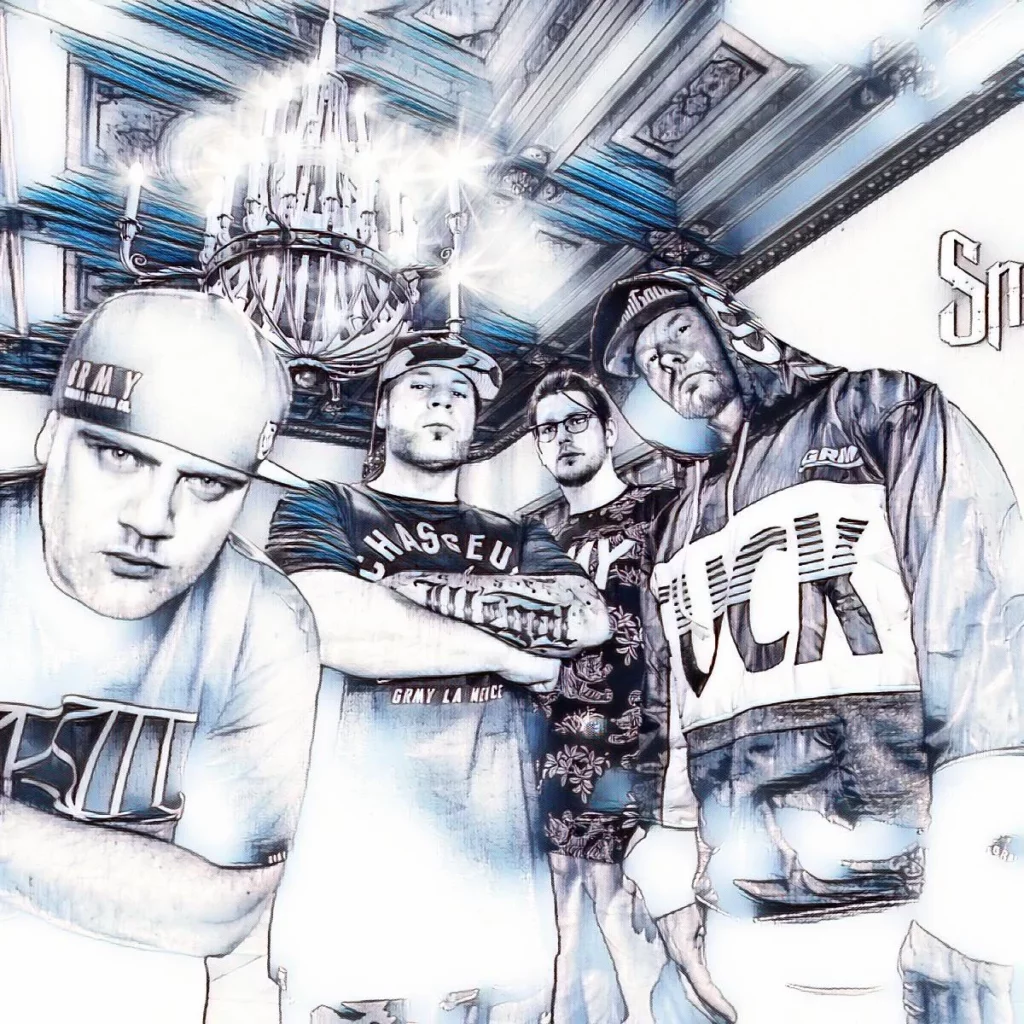
The Snowgoons have never been interested in subtlety. DJ Illegal and Det Gunner built their reputation on huge drums, orchestral samples, and beats that hit with the force of a soundtrack to a war movie. When Sicknature joined in 2011, the Danish producer added another layer to a production style already firmly established in underground Hip Hop.
The German production team emerged around the turn of the millennium, drawing from DJ Premier, RZA and Alchemist while developing their own bombastic approach. German Lugers (2007) and Black Snow (2008) established the formula: heavy percussion, dramatic strings, dark samples and enough space for rugged MCs to attack. Their production has since provided a backdrop for artists from Wu-Tang Clan, Army of the Pharaohs, Boot Camp Clik and La Coka Nostra.
The Snowgoons are remarkably prolific. Their catalog includes full projects with M.O.P. (Sparta), Onyx (#Wakedafucup and SnowMads), PMD and Sean Strange (Welcome to the Goondox), Reef the Lost Cauze, N.B.S., Planet Asia and others. They also founded Goon MuSick in 2011, giving their growing network of underground artists a home.
What makes the Snowgoons worthy of this list is their consistency. You know what you are getting when that orchestral swell arrives, and the drums start pounding. There is no attempt to disguise the machinery. Their beats are loud, dark, and built to bang, keeping the rugged spirit of underground Hip Hop alive across decades and continents.
46. Swizz Beatz
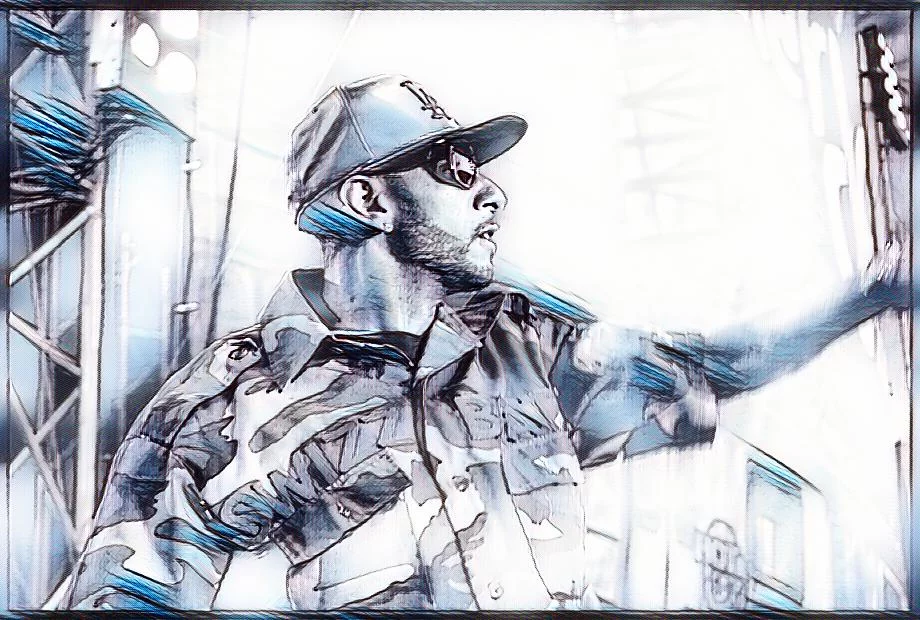
For a producer list, Swizz Beatz brings a different kind of energy. His beats rarely depend on dense sample layers or elaborate chopping. From the late ’90s onward, he built a style around hard drums, stark keyboard melodies, unusual sound choices, and arrangements designed to hit immediately.
Swizz was still a teenager when he started producing for Ruff Ryders, working alongside his uncles at the label. His first major placement was DMX’s “Ruff Ryders’ Anthem,” a record whose spare, ominous beat became one of the defining sounds of late-’90s New York Hip Hop. He soon followed with “Money, Cash, Hoes” for Jay-Z, Noreaga’s “Banned from T.V.” and a large portion of the first Ryde or Die projects and Eve’s Let There Be Eve…Ruff Ryders’ First Lady.
His approach was strikingly different from the dominant sample-based production of the era. Korg Trinity and Triton keyboards provided much of his early palette, with pounding drums, synth melodies and abrupt rhythmic changes giving tracks such as DMX’s “Party Up (Up in Here),” Cassidy’s “Hotel” and T.I.’s “Bring ’Em Out” their unmistakable punch. He later moved comfortably into R&B and pop, producing for Beyoncé, Whitney Houston, Alicia Keys and others.
Swizz’s catalog also includes songs like Jay-Z’s “On to the Next One,” Busta Rhymes’ “Touch It,” Kanye West’s “Famous,” and Lil Wayne’s “Uproar.”
His influence comes from recognizing how much personality a producer can create with a small set of sounds. Swizz made minimalism loud, giving late-’90s and 2000s mainstream Hip Hop a distinctly Bronx-bred rhythmic vocabulary.
45. Dan The Automater
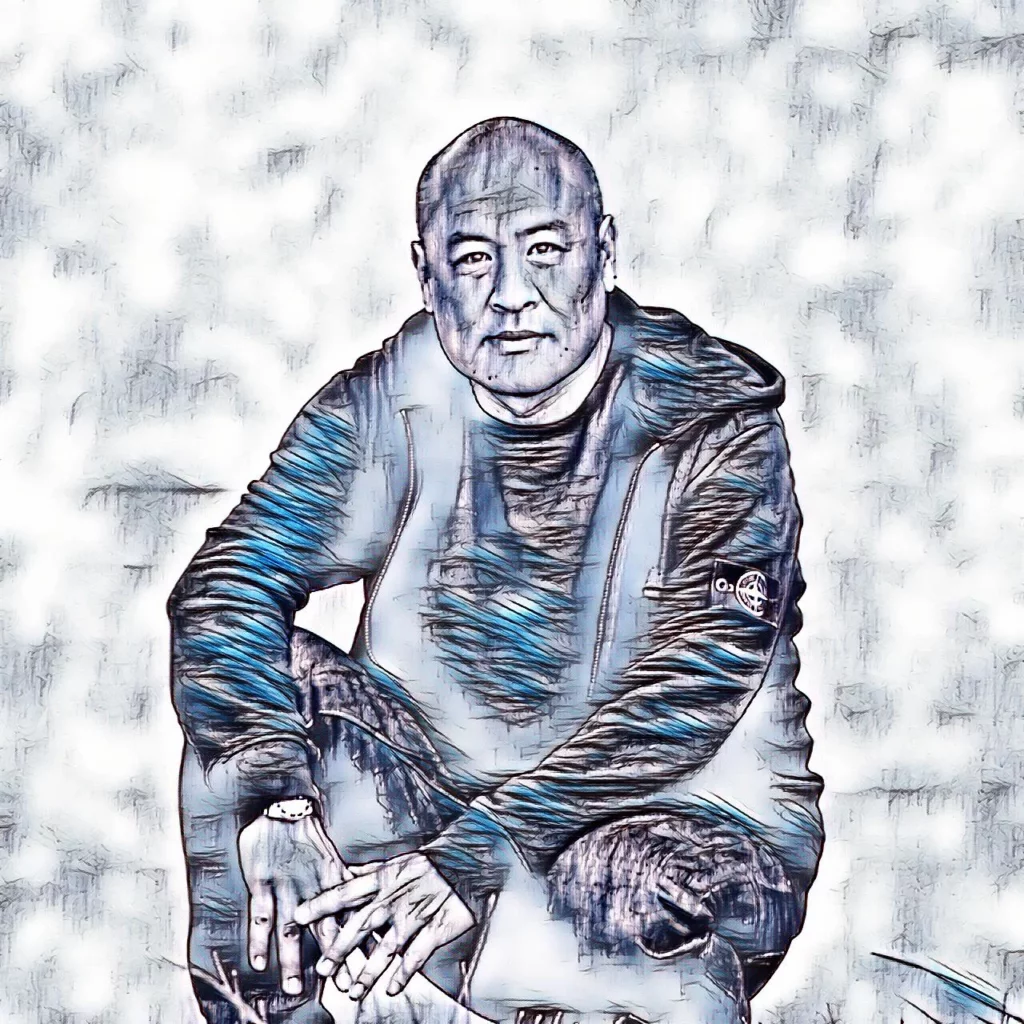
Dan the Automator has never been easy to confine to one genre. His production credits stretch into rock, pop, electronic music, and film, with projects involving Gorillaz, Kasabian, Primal Scream and many others. For this list, though, the case for including him can be made on the strength of two underground classics alone: Dr. Octagonecologyst and Deltron 3030. At a time when Hip Hop was becoming increasingly commercial, those records kept the music strange, ambitious, and deeply rooted in underground culture.
Dan Nakamura came out of San Francisco’s DJ scene, initially influenced by the turntablist skills of Qbert and Mix Master Mike before concentrating on production. His breakthrough arrived with Kool Keith’s Dr. Octagonecologyst in 1996, where warped samples, eerie electronics, strange vocal effects, and unconventional arrangements created the perfect setting for Keith’s futuristic alter ego.
Deltron 3030, released in 2000 with Del the Funky Homosapien and Kid Koala, pushed that approach into science-fiction territory. Dense electronic textures, cinematic samples, and futuristic drums gave Del an enormous canvas for his dystopian rhymes. The album remains one of the great left-field Hip Hop records of its era.
Dan also formed Handsome Boy Modeling School with Prince Paul, producing So… How’s Your Girl? and White People, and contributed heavily to the first Gorillaz album.
His career has taken him in countless directions, but those early underground projects are the reason he belongs here. Few producers made weird Hip Hop sound so musical, imaginative, and accessible.
44.. Stoupe The Enemy Of Mankind
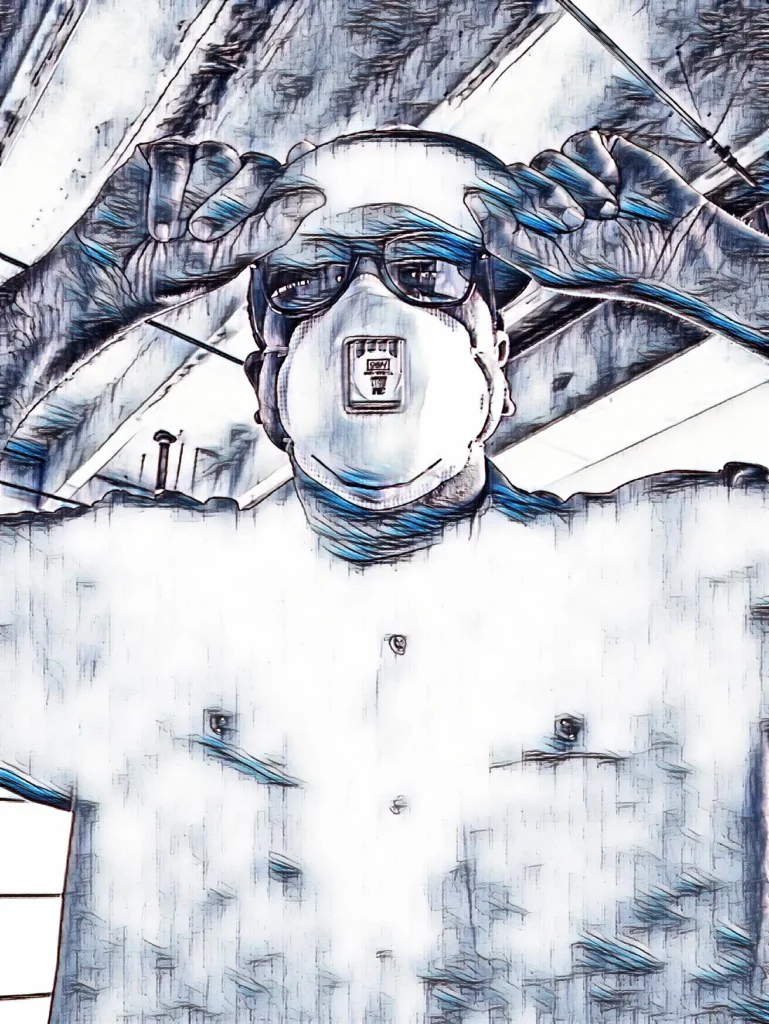
Stoupe the Enemy of Mankind built one of underground Hip Hop’s most distinctive sonic worlds through Jedi Mind Tricks. Where many producers from the same era leaned heavily on soul and funk breaks, Stoupe reached into classical music, orchestral recordings, rock and obscure cinematic material, turning those sources into dark, dramatic backdrops for Vinnie Paz and Jus Allah.
The early Jedi Mind Tricks albums established the formula. The Psycho-Social, Chemical, Biological & Electro-Magnetic Manipulation of Human Consciousness, Violent by Design, Visions of Gandhi and Legacy of Blood are packed with tense strings, ominous samples, crashing drums and abrupt shifts. Stoupe had a talent for making sampled material sound enormous without losing the underground character of the records. On Servants in Heaven, Kings in Hell and A History of Violence, that approach became increasingly polished and cinematic.
His production outside JMT has always been selective. He produced the entirety of Canibus’ Rip the Jacker, worked with 7L & Esoteric, Guru, Virtuoso and Slaine, and released his own Decalogue in 2009, bringing together M.O.P. and other MCs over his productions. Later projects including Red Martina’s Intransit and Golden Rail Motel with Eamon allowed him to move into different musical territory.
Stoupe briefly left Jedi Mind Tricks in 2011, returning for The Thief and the Fallen in 2015. His limited outside résumé makes his inclusion here unconventional, but the quality and identity of his JMT catalog make the case. Few producers have given underground Hip Hop such a recognizable cinematic atmosphere.
43. Blockhead
Blockhead built a career around a particular kind of underground Hip Hop: instrumental, sample-heavy, and often melancholy, with dusty drums anchoring elaborate arrangements. Tony Simon grew up in downtown Manhattan and initially wanted to rap himself. Meeting Aesop Rock at Boston University changed that direction, leading him toward production and one of the most enduring producer-MC partnerships of the underground.
Their collaboration produced some of Aesop’s strongest early work. Blockhead supplied much of Labor Days, then continued through Bazooka Tooth, None Shall Pass, and later projects. “Daylight,” “No Regrets,” “None Shall Pass,” “Fumes,” and “Cat Food” show his ability to build beats that leave room for Aesop’s dense writing while adding plenty of detail of their own.
Blockhead’s solo catalog reveals the full extent of his production instincts. Music by Cavelight (2004), The Music Scene (2009), Interludes After Midnight (2012), and Space Werewolves Will Be the End of Us All (2021) are built from carefully selected samples, layered melodies, unusual textures, and drums that retain a strong Hip Hop backbone, with The Aux (2023) being one of our favorite albums released in 2023. His beats often have a cinematic quality, though the source material can be surprisingly obscure and playful.
His production credits also include Cage, Illogic, Murs, Vordul Mega, billy woods, Armand Hammer, Open Mike Eagle, and others. Garbology, his 2021 album with Aesop Rock, brought their long-running chemistry into a new era.
Blockhead belongs here because his work helped expand the possibilities of sample-based underground Hip Hop. He can make a beat contemplative, strange, funky, or deeply heavy without losing its rhythmic center.
42. Paul C
Paul C’s career lasted only a few years, but his fingerprints are all over the development of late-1980s Hip Hop production. His importance goes beyond the records he officially received credit for. He was an engineer, producer, mixer, beatmaker, and obsessive record collector who approached sampling like a musician solving a puzzle.
His work on Ultramagnetic MCs’ Critical Beatdown is the clearest example. Although officially credited with producing only “Give the Drummer Some,” Paul C helped shape the album’s overall sound. He used the SP-12 to chop records into small pieces, isolate individual drums through stereo panning, and rebuild samples into new patterns. On “Give the Drummer Some,” he pulled drums, guitar, and horns from a James Brown recording, turning separate elements into a completely new arrangement. His drum programming was equally advanced, with re-sampling, doubled elements, and tightly constructed patterns.
Paul’s musical background as a bass player also informed his approach. He tuned samples to the correct key and could turn unconventional sounds into musical parts. On Mikey D’s “I Get Rough,” he sampled Rahzel’s vocal sounds, changed their pitch, and transformed them into a bassline.
His influence spread through the next generation. He mentored Large Professor on the SP-1200, helping move him beyond pause-tape production, and worked with Eric B. & Rakim, Super Lover Cee & Casanova Rud, Stezo, Biz Markie, Queen Latifah, and Organized Konfusion.
Paul C was murdered in Queens in 1989 at only 24. His body of work was small, much of it uncredited or unreleased, but his ideas traveled through the producers he taught and influenced. That alone makes his place on this list essential.
41. Roc Marciano
Roc Marciano changed the possibilities of underground street rap by stripping the music down to its bare essentials. His production on Marcberg (2010) helped establish a style built around murky samples, skeletal arrangements, and, frequently, no drums at all. Instead of filling every pocket, Marciano lets loops breathe, creating space for his intricate rhymes and detailed street narratives.
That approach became increasingly influential through Reloaded, Marci Beaucoup, Rosebudd’s Revenge and Behold a Dark Horse. Marciano’s beats often sound like fragments pulled from an old crime film: dusty soul samples, eerie keyboards, muted horns, and basslines that arrive without warning. His use of vintage equipment, including the MPC60 and MPC2500, is central to the handmade quality of the production.
His influence on modern underground Hip Hop is difficult to overstate. Producers and artists associated with Griselda, Ka, Mach-Hommy and the wider drumless movement have developed along paths that Marciano helped clear. His work showed that street rap could function without the conventional boom-bap drum loop, allowing the sample itself to carry rhythm and atmosphere.
Marciano has also maintained a selective collaborative streak. Kaos with DJ Muggs, The Elephant Man’s Bones and The Skeleton Key with Alchemist, and production for Action Bronson, Knowledge the Pirate and others have expanded his reach without diluting his identity.
For a producer list, Marciano is an unusual case because he is equally celebrated as an MC. Still, his production is central to why his music sounds so distinctive. Marcberg did not merely announce a rapper. It established a production language that has influenced a significant part of underground Hip Hop ever since.
40. Kenny Segal
Kenny Segal has become one of the defining producers of the modern underground, with a catalog built around rappers who thrive in unusual spaces. Born in Rockville, Maryland, he moved to Los Angeles in the late 1990s and initially worked in drum and bass under the name Syndakit. His connection with Project Blowed and Freestyle Fellowship gradually pulled him toward Hip Hop, and he became an early presence at Low End Theory.
His background as a cellist still informs the music. Segal combines chopped samples and dusty drums with live cello, keys, bass, and other instrumentation, giving his beats an organic quality even when the arrangements become strange or abrasive. There is often plenty of room between the sounds, allowing highly verbal MCs to operate without fighting the production.
That approach reached a high point with Milo’s So the Flies Don’t Come in 2015, followed by Hiding Places with billy woods and Back at the House with Hemlock Ernst in 2019. Maps, his second full-length with woods, arrived in 2023, while collaborations with R.A.P. Ferreira, Serengeti, Pink Navel, and K-the-I??? expanded the palette.
Segal’s individual production credits are equally impressive. He has supplied beats for Armand Hammer, Open Mike Eagle, Busdriver, Milo, Freestyle Fellowship, and Elucid, while Lower saw him co-produce an album for Benjamin Booker.
DOOMED! with Open Mike Eagle arrived in 2026, adding another chapter to a catalog where grimy drums, melancholy instrumentation, strange textures, and plenty of breathing room have become a recognizable signature.
39. People Under The Stairs
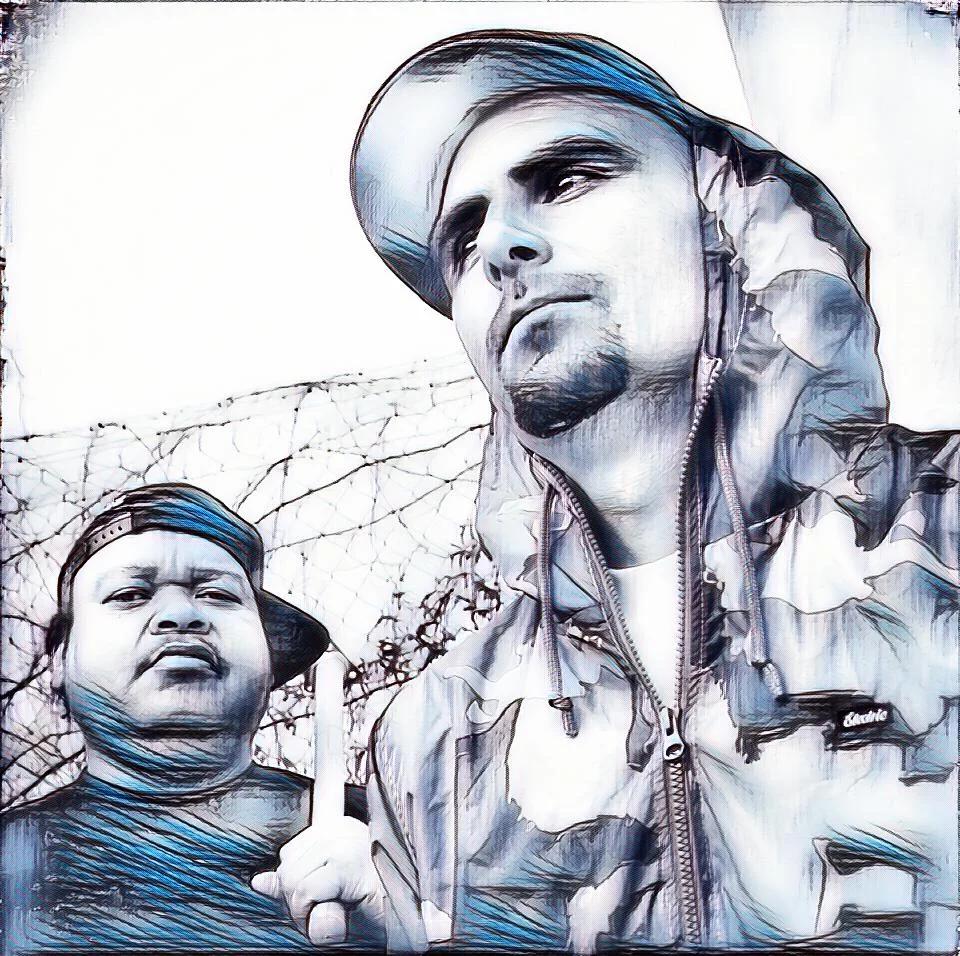
You won’t see People Under The Stairs on many other lists of the greatest Hip Hop producers. Thes One and Double K didn’t build long résumés producing for outside artists. Their production legacy is the People Under The Stairs catalog, which the duo created almost entirely over more than two decades. For us, that is reason enough to include them.
Thes One’s production developed through years of digging and experimenting with samplers. He started with a cassette deck and Gemini sampler before moving through a Tascam 4-track and, from 1994, the MPC-3000. The MPC became central to his approach, allowing him to chop tiny pieces of records, layer several unrelated sources, filter individual elements, and rebuild them into something that sounded like a complete piece of music. Rather than relying on a single loop, he often treated records as raw material, assembling drums, basslines, horns, vocals and other fragments into densely constructed arrangements. “Montego Slay” from O.S.T. uses more than 20 tiny pieces of Jamaican souvenir records.
Double K brought his own production instincts to the duo. A lifelong Parliament-Funkadelic obsessive, he had been making beats and DJing as DJ Kaos before adopting the Double K name. His production credits include Murs’ early solo material, while within PUTS he contributed beats, samples, DJ work, and musical ideas alongside Thes One.
From The Next Step through Question in the Form of an Answer, O.S.T., Stepfather, Fun DMC and Carried Away, their records reveal an obsessive approach to sampling, rooted in jazz, funk, soul, rock and the sounds of Los Angeles.
PUTS produced their entire world. That consistency is why they belong here, even if they might not appear on your list.
38. Kutmasta Kurt
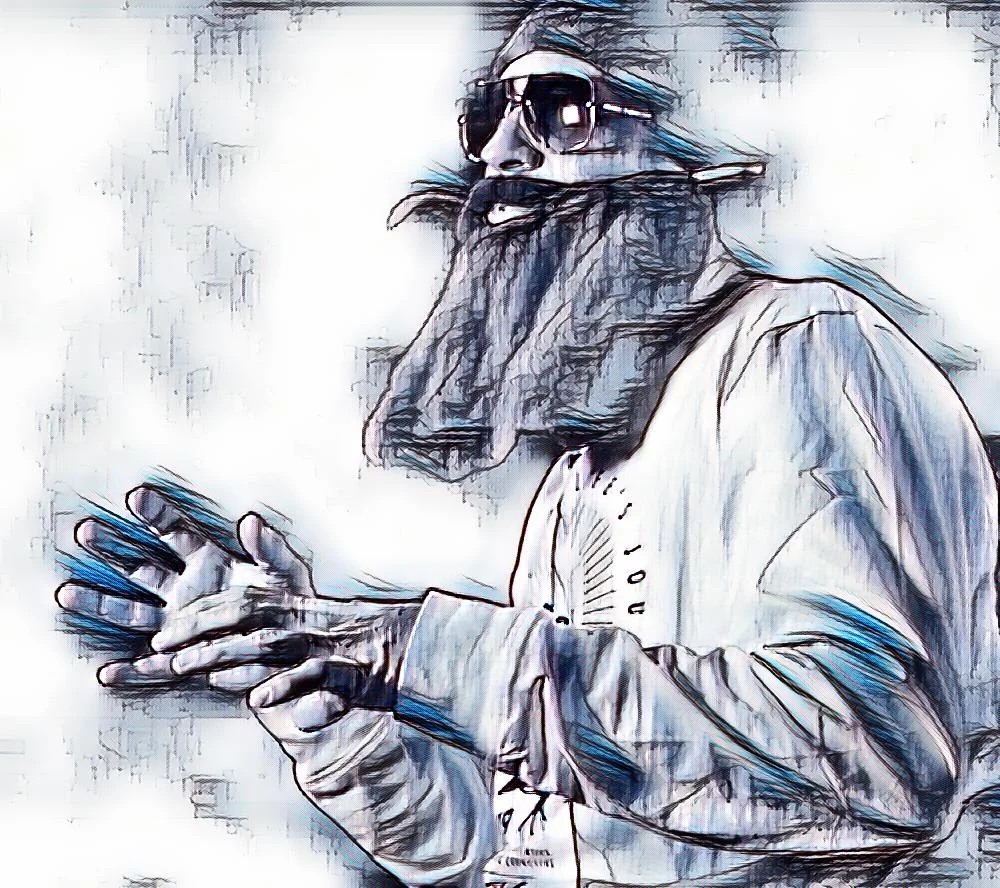
Kutmasta Kurt occupies a strange corner of Hip Hop production history. His name is closely tied to Kool Keith, whose post-Ultramagnetic MCs career gave Kurt an ideal outlet for his offbeat production instincts. Across Sex Style and First Come, First Served, Kurt created sturdy musical foundations for Keith’s increasingly bizarre characters and concepts.
His beats rarely need excessive decoration. Thick bass, sharp drums, funky samples, and occasional jazz textures give them plenty of weight, while small production details keep the tracks moving. On Sex Style, “Plastic World” combines a warm sample with hard drums, creating enough space for Keith’s eccentric observations to dominate. First Come, First Served, released under Keith’s Dr. Dooom persona, takes a darker route, with Kurt’s heavy low end matching the album’s sinister humor.
Kurt’s chemistry with Keith reached another level on Masters of Illusion, his 2000 collaboration with Keith and Motion Man. Tracks such as “U Want Freestyle?” and “The Bay-Bronx Bridge” swing between chunky drums, strange samples, scratches, and abrupt rhythmic shifts. Kurt gives the album an unruly energy while keeping its production remarkably focused.
His résumé extends well beyond Keith. He has produced and remixed material for artists including Beastie Boys, Dilated Peoples, and Linkin Park. His remix of the Beastie Boys’ “Body Movin’” adds heavier drums and bass while preserving the track’s playful bounce.
We picked Kurt because Kool Keith ranks among our favorite rappers, and Kurt nails the rare trick of building beats with enough clarity and structure to harness Keith’s chaos. His production gives Keith room to throw out wild ideas while providing enough rhythm and shape for those ideas to stick. That chemistry is a big part of why their collaborations remain so memorable, and why Kurt belongs on this list.
37. L'Orange
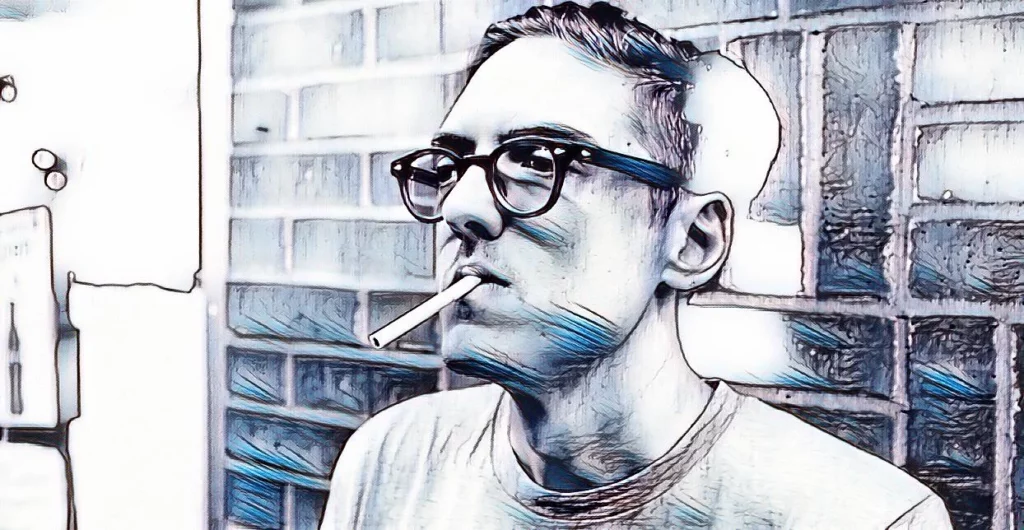
L’Orange has a gift for making old records sound like fragments from another world. Jazz, swing, soul, dusty breaks, radio broadcasts and dialogue from old films become the raw material for beats that often carry a strong narrative quality. His MPC work is meticulous, with chopped samples arranged into strange, detailed compositions that reward close listening.
The North Carolina producer built his reputation through concept-driven projects such as The Mad Writer, The Orchid Days and The Ordinary Man. His collaborations have been especially fruitful. The Night Took Us In Like Family and Complicate Your Life with Violence with Jeremiah Jae, Time? Astonishing! with Kool Keith, and The Life & Death of Scenery with Mr. Lif all gave his production different characters to inhabit.
Then there is Marlowe, his partnership with Solemn Brigham. The three Marlowe albums are particular favorites at HHGA and rank among the best trilogies in modern Hip Hop. Here L’Orange pushes his production into a faster, harder mode, combining booming drums, frantic chops, psychedelic samples and snippets of historical recordings with Brigham’s rapid-fire delivery. Marlowe 2 and Marlowe 3 show how much range exists within his approach.
His own hearing loss, caused by repeated surgeries for cholesteatoma, eventually left him with severe hearing impairment in one ear. Adapting his studio process did nothing to diminish the imagination in his work.
L’Orange has spent his career making underground Hip Hop that sounds carefully constructed, strange and deeply musical. Few producers have built such convincing worlds from the leftovers of old records.
36. Marco Polo
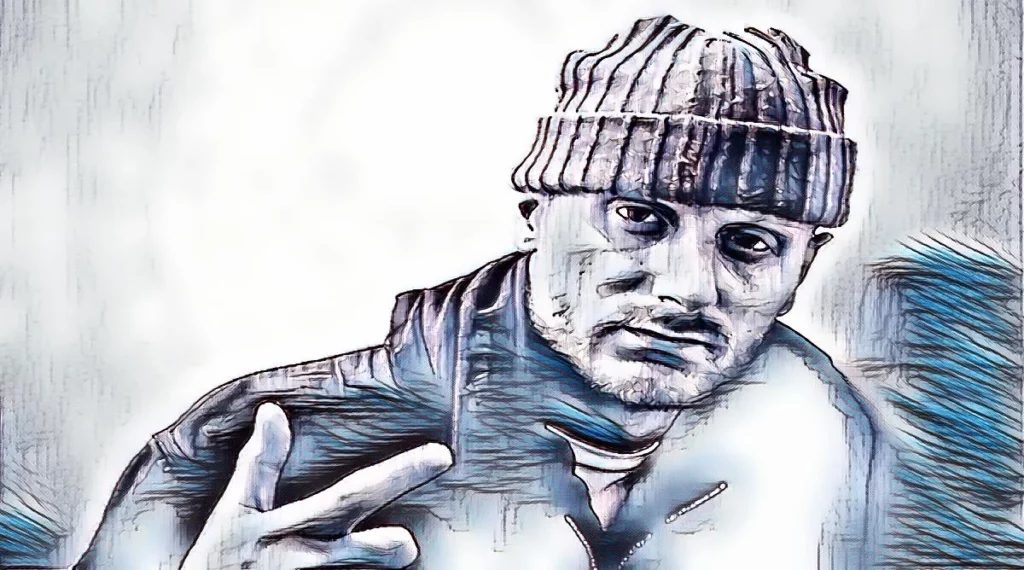
Marco Polo has spent nearly two decades keeping the sound of East Coast Hip Hop firmly connected to its roots. The Toronto native moved to New York in the early 2000s, where an internship at The Cutting Room and years of digging helped shape a production style built around dusty samples, hard drums, chopped loops, and plenty of room for an MC.
His 2007 debut Port Authority announced him as a serious producer, bringing together names such as Large Professor, Masta Ace, Kool G Rap, Sean Price, O.C. and others. The follow-up projects only expanded his reach. Double Barrel with Torae, The Exxecution with Ruste Juxx and Seize the Day with Hannibal Stax all draw from the same traditionalist production vocabulary without sounding interchangeable.
Masta Ace has been one of Polo’s most important collaborators. Their partnership began with “Do It Man” on A Long Hot Summer and eventually produced A Breukelen Story in 2018. The pairing returned for Richmond Hill in 2024, with Polo’s production providing Ace with a musical setting that connects his Brooklyn storytelling to classic New York boom-bap.
His production résumé is packed with underground heavyweights. KRS-One and Buckshot, Pharoahe Monch, Talib Kweli, R.A. the Rugged Man, Large Professor, J-Live, Sean Price, Phonte, La Coka Nostra, and many others have all benefited from his beats.
Marco Polo rarely chases production trends. He digs for the right sample, chops it carefully, and builds around drums that hit with authority. That consistency has made him one of the most dependable producers of traditional East Coast Hip Hop in the 21st century.
35. Oddisee
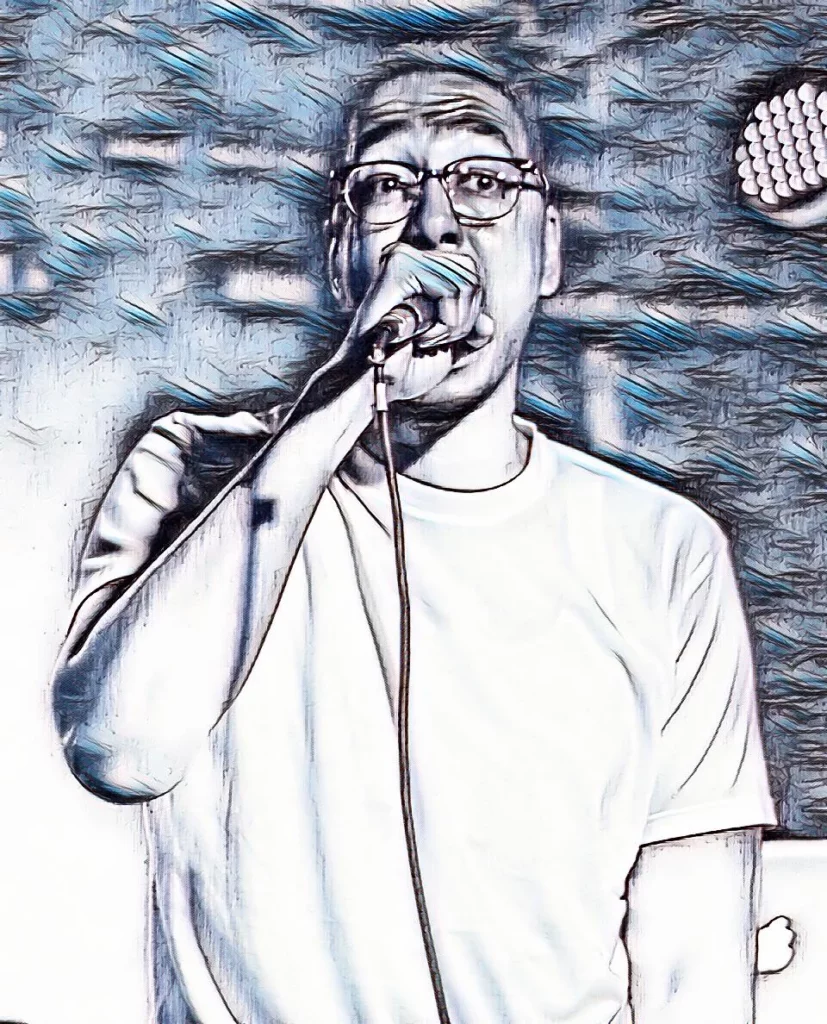
Oddisee has spent his career building a distinctly Washington, D.C. version of independent Hip Hop. Born Amir Mohamed el Khalifa and raised in Prince George’s County, Maryland, he developed a production style where boom-bap, soul, Go-Go rhythms, and live instrumentation sit comfortably together. He also handles the microphone on much of his solo work, giving his albums a remarkably unified character.
After early projects including 101, Mental Liberation, and Traveling Man, Oddisee hit a wider audience with People Hear What They See in 2012. Warm samples, live instrumentation, and crisp drums support lyrics about ambition, independence, money, and everyday life. The Good Fight followed in 2015, digging deeper into the tension between artistic integrity and commercial pressures.
His connection to the DMV runs deep. Oddisee co-founded the Low Budget Crew with Kev Brown, Kenn Starr, and Cy Young, while Diamond District brought him together with yU and Uptown XO. Their In the Ruff and March on Washington albums placed his production at the center of a distinctly local sound, combining soulful loops, hard drums, and Go-Go rhythms.
Oddisee continued expanding that palette on The Iceberg, which brought sharper social and political observations into his music, and To What End, where questions of motivation, work, burnout, and purpose received a more personal treatment.
His production has always had a strong musical quality. Brass, keys, bass, percussion, and samples often interact like parts of a live ensemble. Few independent producers have maintained such a clear identity while allowing their sound to evolve across nearly two decades.
34. Statik Selektah
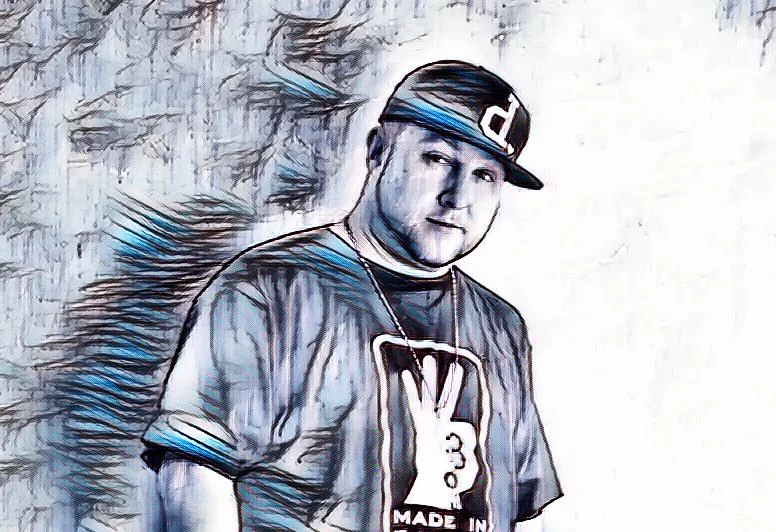
Statik Selektah has built a career around keeping the classic DJ-producer connection alive while maintaining an unusually high level of output. Growing up in Lawrence, Massachusetts, Patrick Baril started experimenting with turntables and recording equipment as a kid. Hearing DJ Premier and Funkmaster Flex on Hot 97 gave him a clear idea of where he wanted to take those skills.
After studying audio production in Boston, Statik began releasing the Spell My Name Right mixtape series and established Showoff, first as a marketing company and later as a record label. Termanology became one of his closest collaborators, leading to the 1982 partnership and a long run of projects together.
Statik’s production is rooted in sample-driven East Coast Hip Hop, with crisp drums, soulful loops, scratches, and a strong emphasis on MC chemistry. His albums are often packed with guest appearances, making them sprawling snapshots of underground and mainstream Hip Hop at a particular moment. Spell My Name Right, Stick 2 the Script, 100 Proof: The Hangover, Population Control, 8, The Balancing Act and Once in a Blue Moon all follow that approach.
His production résumé is enormous, with credits spanning artists such as Nas, Freddie Gibbs, Action Bronson, Joey Bada$$, Black Thought, Bun B, Mac Miller, Freeway, Sean Price, Styles P, Raekwon, Prodigy and many others. He has also remained active as a radio DJ, including his long-running work on Shade 45.
Statik’s consistency is perhaps his greatest strength. Few producers have released so much music while remaining so committed to traditional DJing, sampling, and the album-as-a-crew concept.
33. Kno
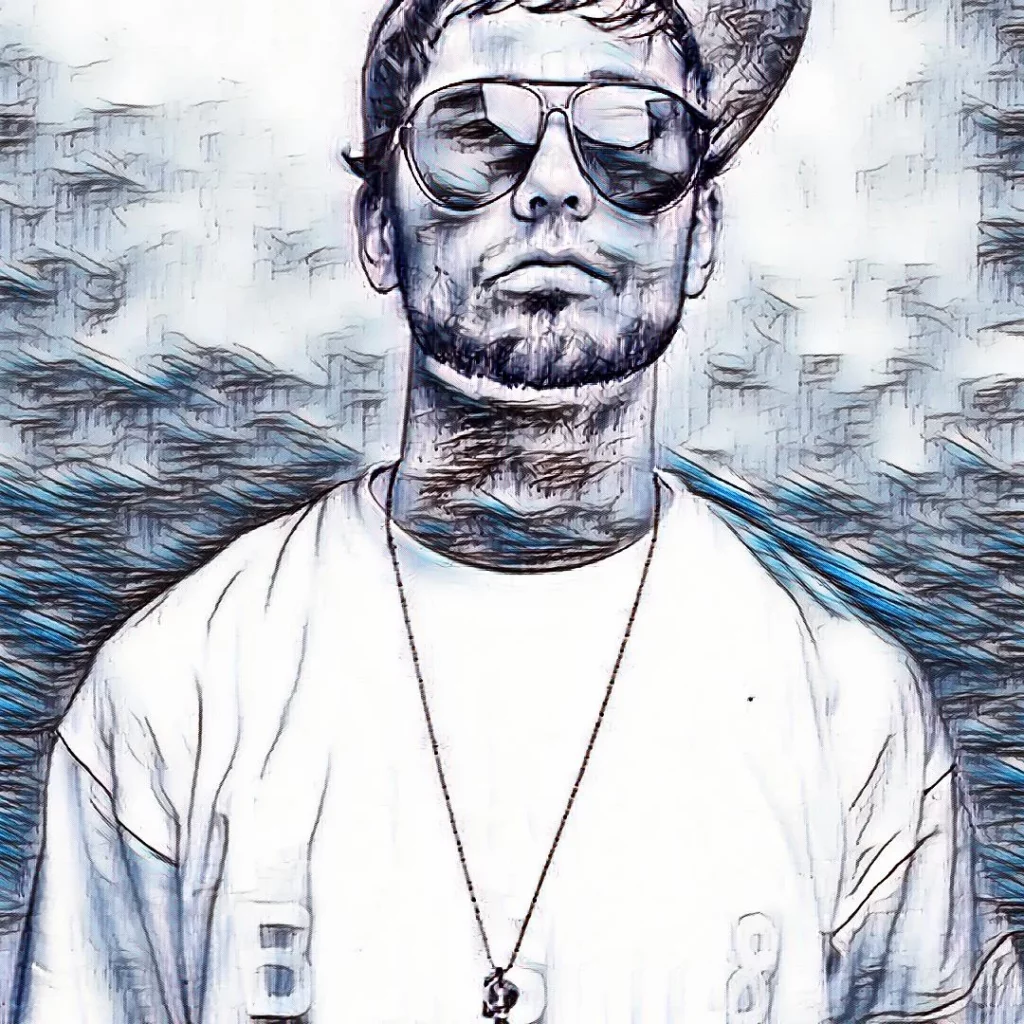
Kno has built one of underground Hip Hop’s richest and most recognizable production styles without ever needing a major-label platform. Born Ryan Dean Wisler, he became the main producer of CunninLynguists, shaping the Kentucky group’s music around intricate samples, heavy drums, melancholy melodies, and an unusually cinematic sense of atmosphere.
A Piece of Strange in 2006 remains the clearest example. Kno produced the entire album, using soul samples, strings, vocal fragments, and dramatic arrangements to accompany Deacon the Villain and Natti’s writing about morality, religion, addiction, and mortality. Five years later, Oneirology took that approach into dream psychology, with electronic textures and layered samples creating an appropriately hazy setting.
Kno’s solo Death Is Silent pushed the personal side of his work to the front. Released in 2010, the album combines mournful production with his own rapping and a fixation on death, loss, and isolation. Bones continued that direction, while collaborations with Sadistik produced some of his darkest material, including Bring Me Back When The World Is Cured.
His sample choices are remarkably broad. Classical music, soul, psychedelic rock, folk, and obscure vocal recordings can all end up inside his beats, often heavily filtered, pitched, or chopped. The resulting productions sound expansive without losing the snap of boom-bap drums.
Kno has also worked with Freddie Gibbs, Killer Mike, Big K.R.I.T., CeeLo Green, and Devin the Dude, while projects such as Built to Fade allowed him to explore indie and electronic territory. Through CunninLynguists and his Knomercy Productions imprint, he has spent decades developing a dark, emotional strain of sample-based Hip Hop that remains distinctly his own.
32. Daringer
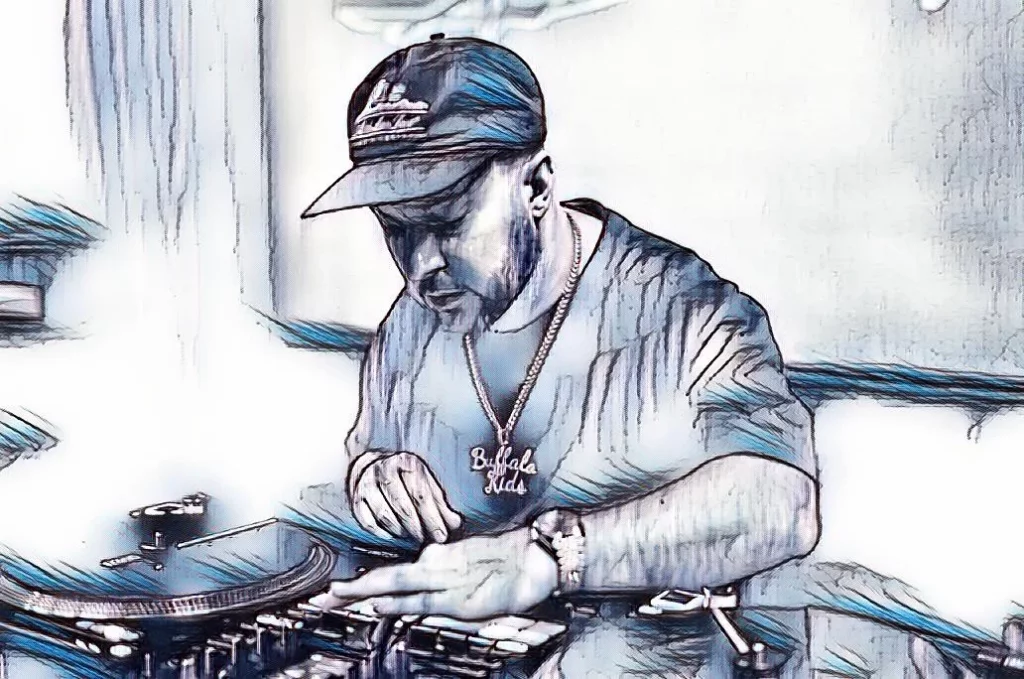
Daringer helped turn Buffalo into one of the most important production centers in modern underground Hip Hop. His beats for Griselda gave Westside Gunn, Conway the Machine and Benny the Butcher a musical foundation built from grimy samples, heavy drums and a distinctly ’90s East Coast sensibility. The formula is spare, sinister and instantly recognizable.
Daringer started producing around 2005 after getting into DJing and buying an MPC2000XL with money saved from working in a kitchen. His father’s jazz collection, particularly Blue Note records, provided an early musical education. The MPC became central to his process, with chopped samples and rough-edged loops forming the basis of beats that rarely need much decoration.
His partnership with Griselda began after meeting Westside Gunn at Buffalo Hip Hop shows. Their first Hitler Wears Hermes project was reportedly recorded in a single night, setting the tone for a prolific run. Daringer produced heavily across Flygod, Conway’s Reject 2 and Benny’s Tana Talk 3, while WWCD placed his production alongside Beat Butcha across Griselda’s major-label debut.
Outside the core collective, Daringer has worked with Prodigy, Action Bronson, Meyhem Lauren, Rome Streetz, Kool G Rap, Termanology, and many others. Black Vladimir with Meyhem Lauren and Hatton Garden Holdup with Rome Streetz show how naturally his sound translates beyond Griselda.
The impact is enormous. Daringer’s approach helped revive a particular strain of grimy, sample-driven boom-bap and influenced countless producers who followed. That sound now dominates a large part of underground Hip Hop, making his MPC, dusty samples, and Buffalo darkness part of a much bigger production movement.
31. Evidence
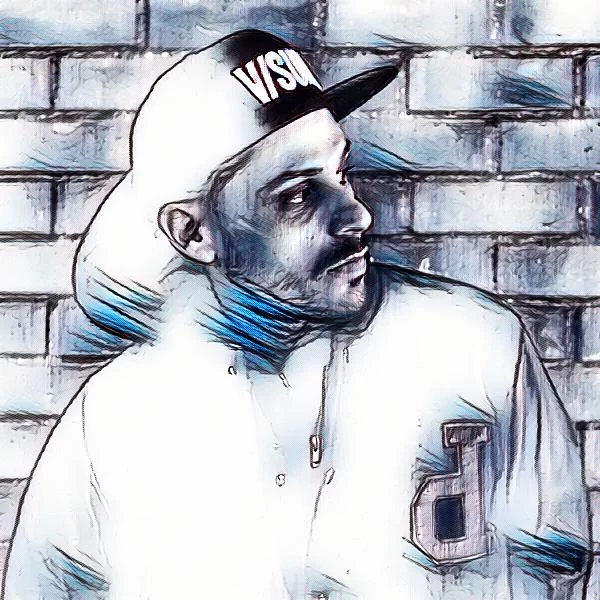
Evidence’s production has always carried a distinctly Los Angeles character. Dusty samples, heavy drums, scratched textures, and carefully placed soul fragments give his beats a worn-in quality, while his work rarely loses sight of the MC riding over it. That balance has been central to his career with Dilated Peoples, alongside Rakaa and DJ Babu, since the group’s emergence in the late 1990s.
His production résumé stretches well beyond the group. Evidence co-produced “Last Call” on Kanye West’s The College Dropout, an early high-profile credit that earned him a Grammy nomination when the album was nominated for Album of the Year. His own color-coded instrumental tapes, beginning with Yellow Tape Instrumentals, revealed how much attention he paid to beats as compositions in their own right.
Evidence’s solo albums expanded that approach. The Weatherman LP arrived in 2007, followed by Cats & Dogs in 2011 and Weather or Not in 2018. The latter paired introspective writing with production from Evidence and a circle of collaborators including Alchemist, Nottz, and others. His partnership with Alchemist also produced Lord Steppington, the 2014 Step Brothers album.
As a producer for other artists, Evidence has worked with Planet Asia, Defari, Brother Ali, Domo Genesis, Madchild, CookBook, Blu, and Crimeapple, among many others. Los Angeles with Blu and War Cash with Crimeapple show that his production remains deeply rooted in underground Hip Hop.
There is a consistency to Evidence’s work that makes his beats immediately recognizable. He understands the value of a strong loop, a hard drum pattern, and enough open space for an MC to make the record his own.
30. Buckwild
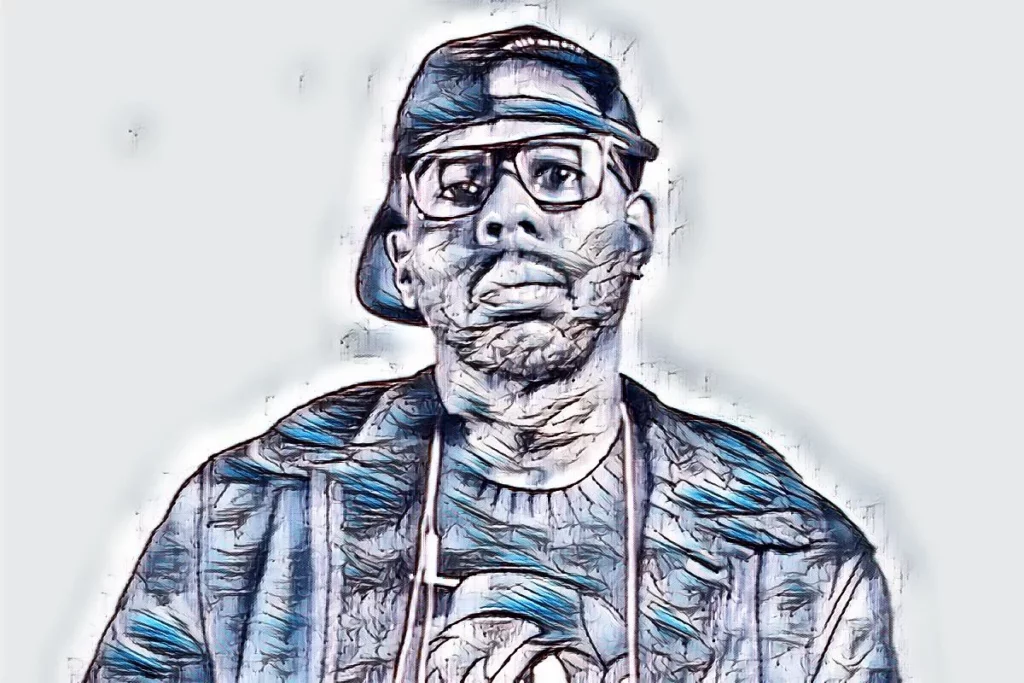
Buckwild’s production is deeply tied to the D.I.T.C. tradition, though his résumé extends far beyond the crew’s Bronx foundations. A former DJ who came up alongside Lord Finesse and Diamond D, Anthony Best developed a reputation in New York’s mixtape circuit before moving behind the boards. His early run included work with O.C., Organized Konfusion, Artifacts, Big L and Kool G Rap, establishing a knack for hard drums, soulful samples and loops that give rappers plenty of room to work.
The 1994 production on O.C.’s “Time’s Up” remains one of his signature moments, pairing a mournful sample with crisp percussion and an understated groove. Buckwild was equally effective on the remix circuit, handling tracks for The Alkaholiks, Funkdoobiest, Brand Nubian, Guru, and Lord Finesse. By the middle of the decade, the “Buckwild Remix” had become a sought-after stamp.
His reach expanded considerably in the late ’90s. He produced several tracks on Big L’s Lifestylez Ov Da Poor & Dangerous, including “Put It On,” “8 Iz Enuff,” “Danger Zone,” and “Da Graveyard,” then supplied The Notorious B.I.G. with “I Got a Story to Tell” on Life After Death. Capone-N-Noreaga’s The War Report, O.C.’s Jewelz and Jay-Z’s “Lucky Me” added to an already formidable catalog.
Then came Black Rob’s “Whoa!”, one of Buckwild’s biggest commercial successes. The record’s booming drums and infectious sample helped make it a defining Bad Boy hit.
His longevity is reflected in projects such as Nineteen Ninety Now, his 2010 collaboration with Celph Titled, as well as later work with Nas, Raekwon, Jadakiss and AZ. Three decades into his career, Buckwild remains a master of sample selection, hard drums, and impeccable timing.
29. Big Ghost Ltd
Big Ghost Ltd is one of the relative newcomers on this list, emerging as a producer in the mid-2010s after making a name for himself as an anonymous Hip Hop blogger. His Big Ghost Chronicles site began as a parody of Ghostface Killah, complete with a deliberately exaggerated writing style, before Big Ghost shifted his attention toward making beats. That background makes the later collaboration with Ghostface on The Lost Tapes in 2018 particularly fitting.
Griselda Ghost, the 2015 collaboration with Westside Gunn and Conway, announced Big Ghost Ltd as a producer with a clear affinity for grimy New York Hip Hop. Dusty samples, sinister melodies, heavy drums and sparse arrangements became recurring ingredients, giving rappers plenty of space to tell bleak street stories. The same approach worked with Vic Spencer, Hus Kingpin, Crimeapple, Ankhlejohn and 38 Spesh across a remarkably prolific run.
The sheer volume of Big Ghost’s output is impressive. From 2020 through 2023, he was involved in an extraordinary number of full-length projects, including No One Mourns the Wicked with Conway, Heavy Is the Head with Ransom, Wasn’t Built in a Day with Rome Streetz, and Noir or Never with Che Noir. His four Gucci Ghost projects with Mickey Diamond extended that partnership into 2023, followed by more collaborations in the years since.
There is plenty of nostalgia in Big Ghost’s production, though the beats rarely sound like museum pieces. He understands the appeal of dusty loops and hard drums while keeping arrangements stark and contemporary. Big Ghost Ltd is one of our favorite producers of the past decade, and his enormous catalog already gives him a place among the defining names of modern underground Hip Hop.
28. Lord Finesse
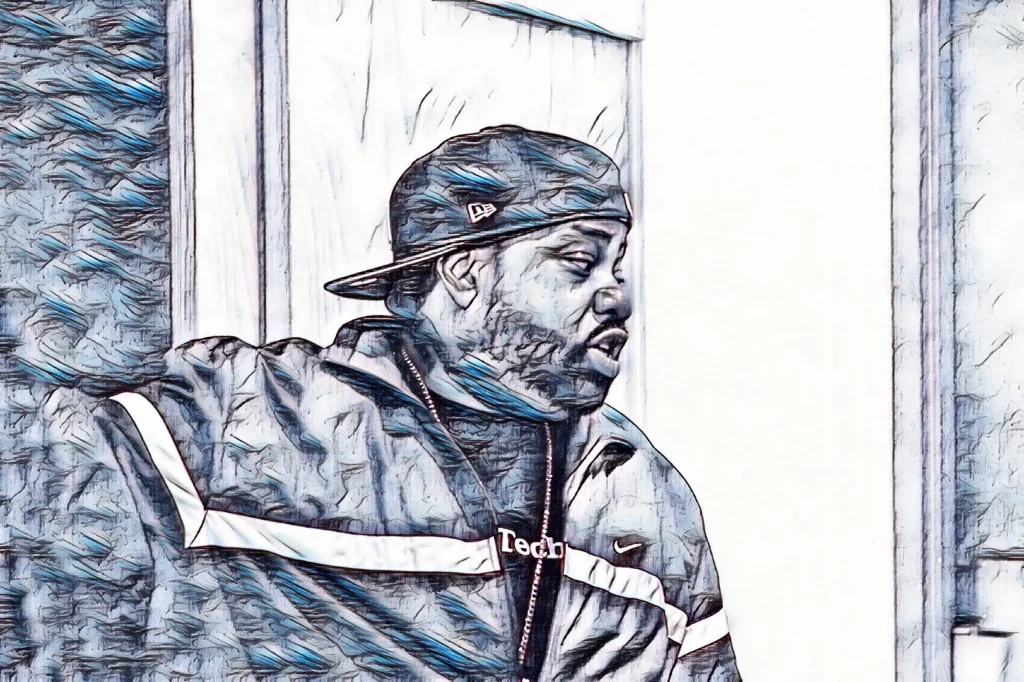
Lord Finesse’s production is rooted in the same Bronx tradition that produced D.I.T.C., where digging for the right break mattered as much as the rapper riding it. As a member of the crew he helped build with Diamond D, Showbiz and A.G., Finesse developed a style based on dusty samples, crisp drums, funky basslines and a strong sense of swing. His beats leave room for an MC while still carrying enough character to make the tracks memorable.
Finesse first established himself as an MC on Funky Technician with DJ Mike Smooth in 1990, before Return of the Funky Man revealed a growing interest in production. By The Awakening in 1996, he was handling the entire album himself. The record brought together KRS-One, MC Lyte, Akinyele, O.C., Diamond D, and others, with Finesse tying the different voices together through a remarkably consistent sonic palette.
His production credits around this period tell the story of his influence. He produced “Suicidal Thoughts” for The Notorious B.I.G.’s Ready to Die, much of Big L’s Lifestylez Ov Da Poor & Dangerous, including “M.V.P.”, and tracks for O.C., Showbiz & A.G., Capone-N-Noreaga and Akinyele. He even supplied “The Message” for Dr. Dre’s 2001.
Finesse’s beats rarely rely on excessive layering. He finds a strong loop, gives the drums room to knock, and lets the MC dictate the mood. That approach made him a natural fit for D.I.T.C.’s lyrical aesthetic and helped define the rugged New York sound of the 1990s. His production remains a crucial part of the crew’s legacy.
27. Black Milk
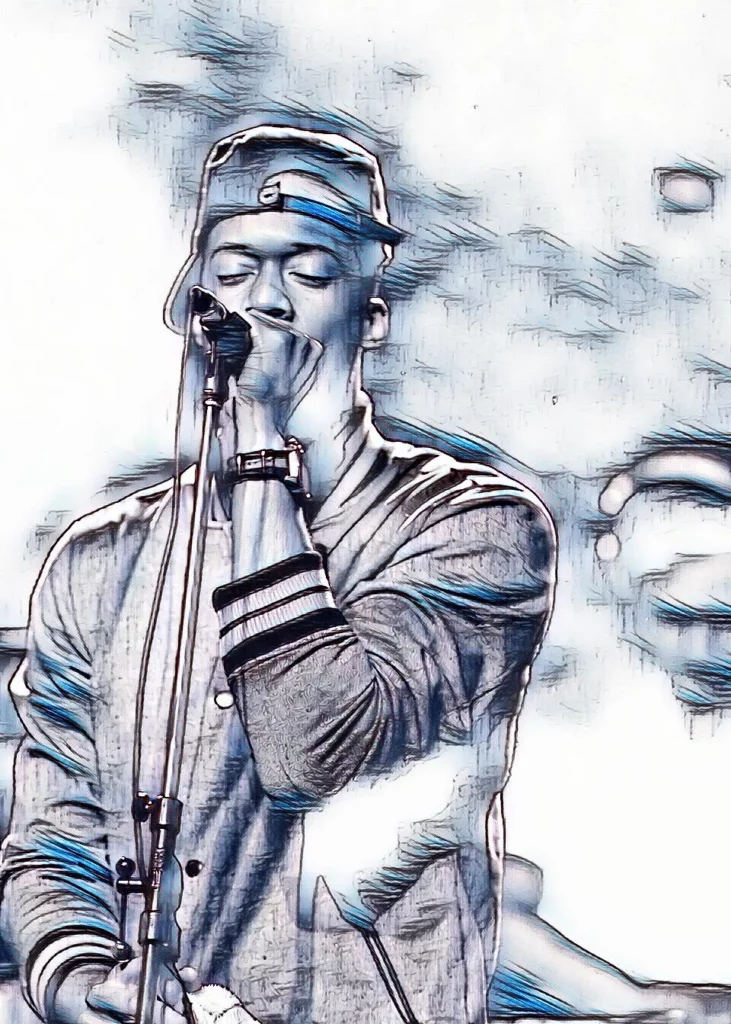
Black Milk came out of Detroit with a deep respect for the city’s production tradition, while quickly developing a sound of his own. Born Curtis Eugene Cross, he started making beats as a teenager and landed early production work with Slum Village. J Dilla was a major influence, and Black Milk eventually worked alongside several members of Detroit’s close-knit Hip Hop community, including Elzhi, Phat Kat, Guilty Simpson and Fat Ray.
His early work leaned heavily on chopped samples, hard drums, soul and funk, with Popular Demand and Tronic establishing him as one of Detroit’s most distinctive young producers. The Preface, his heavily self-produced 2008 album with Elzhi, remains a particularly strong example of how he could build dense, soulful beats around technically demanding MCs.
Black Milk’s production expanded considerably from there. He began incorporating keyboards, bass, percussion, and live instrumentation into his work, with projects such as Album of the Year, No Poison No Paradise, and If There’s a Hell Below revealing a broader palette of jazz, psych rock, soul, and electronic influences. His collaboration with Danny Brown on Black and Brown! brought another side of that sound, while Random Axe paired him with Sean Price and Guilty Simpson.
His résumé also includes work with Black Thought, Pharoahe Monch, RZA, Pete Rock, Cypress Hill and Jack White, whose Third Man Records collaboration produced the striking “Brain.” Black Milk has continued producing and rapping on his own terms, from Fever and Everybody Good? to the 2026 album CEREMONIAL. His drum-heavy foundation remains distinctly Detroit, even as the instrumentation and textures around it continue to evolve.
26. Aesop Rock
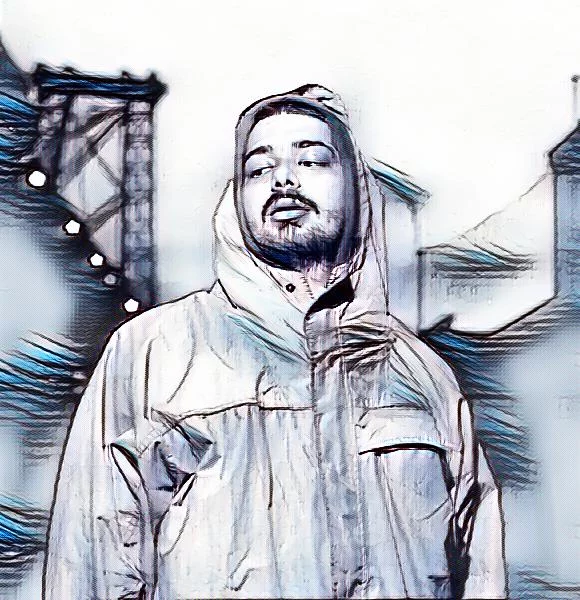
Aesop Rock has always had an unusual relationship with production. Ian Bavitz is known primarily for his dense writing and enormous vocabulary, but he has spent much of his career building the musical worlds around those words himself. His beats have grown increasingly detailed over time, moving from sample-heavy underground Hip Hop toward synths, live instrumentation, unusual percussion, and intricate arrangements.
Bazooka Tooth (2003) was an important step in that evolution, with Aesop handling most of the production and pushing toward abrasive textures and harsher electronic sounds. By Skelethon (2012) and The Impossible Kid (2016), his approach had become more refined. Warm analog synths, punchy drums, bass, guitars, and samples are layered into arrangements that rarely sit still for long.
Aesop’s production often has a slightly claustrophobic quality. Sounds appear in unexpected places, rhythms shift beneath the vocals, and small details reward repeated listens. His background in visual art is apparent in the way he builds these tracks, treating individual sounds almost like pieces of a larger composition.
His production extends well beyond his solo work. He produced Felt 3: A Tribute to Rosie Perez for Slug and Murs, worked alongside Rob Sonic in Hail Mary Mallon, and co-produced the Lice series with Homeboy Sandman. He has also contributed production to projects involving Kimya Dawson, Blueprint, Busdriver, and Open Mike Eagle.
From the fractured beats of his early work to the synth-heavy precision of Integrated Tech Solutions, Aesop Rock has developed a production style as distinctive as his writing.
25. Organized Noize
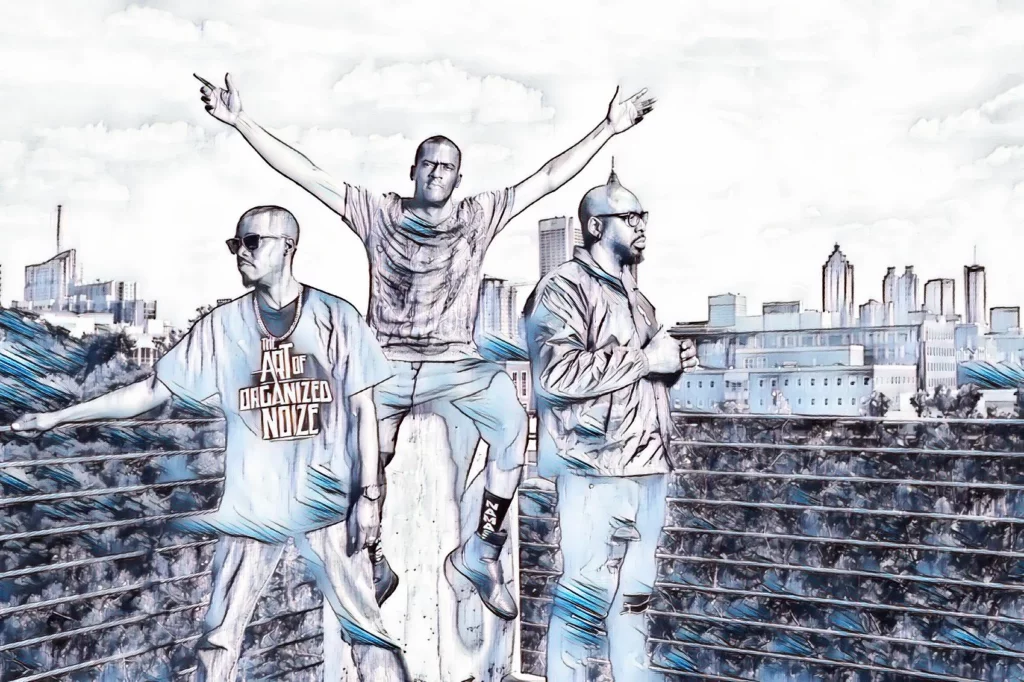
Atlanta’s rise as a major force in Hip Hop during the 1990s owes a great deal to Organized Noize. Rico Wade, Ray Murray, and Sleepy Brown developed a production style that brought Southern rhythm, soul, funk, and live instrumentation into a rap landscape still heavily dominated by New York and Los Angeles. Their work helped establish the musical identity of an entire city.
The connection with OutKast was especially important. Organized Noize produced the duo’s first four albums, from Southernplayalisticadillacmuzik through Stankonia, giving André 3000 and Big Boi a musical foundation that could be funky, atmospheric, melodic, or deeply rooted in the South. “Player’s Ball” rides a smooth bassline and soulful textures, while “Rosa Parks” turns acoustic guitar, percussion, and a loose funk groove into something distinctly Atlanta.
Their influence reached well beyond OutKast. Goodie Mob’s Soul Food is another cornerstone of the Dungeon Family sound, with Organized Noize using live-feeling instrumentation and warm, sometimes melancholy arrangements to complement the group’s socially conscious writing. They also produced TLC’s “Waterfalls,” a massive R&B hit that demonstrated how naturally their musical instincts translated outside rap.
That versatility became part of Organized Noize’s legacy. Ludacris’ “Saturday (Oooh Ooooh!)” brings a much more celebratory energy, while their wider Dungeon Family network connected them to artists who would shape Atlanta music for decades. The collective included OutKast, Goodie Mob, CeeLo Green, and later generations of artists such as Janelle Monáe, Killer Mike, and Future.
Organized Noize helped turn Atlanta into a production center with its own musical vocabulary. Their records rarely sound confined to programmed drums and samples. Basslines, keyboards, guitars, horns, and percussion give the music a physical quality, creating a bridge between Southern soul, funk, R&B, and Hip Hop that remains central to Atlanta’s sound.
24. Rick Rubin
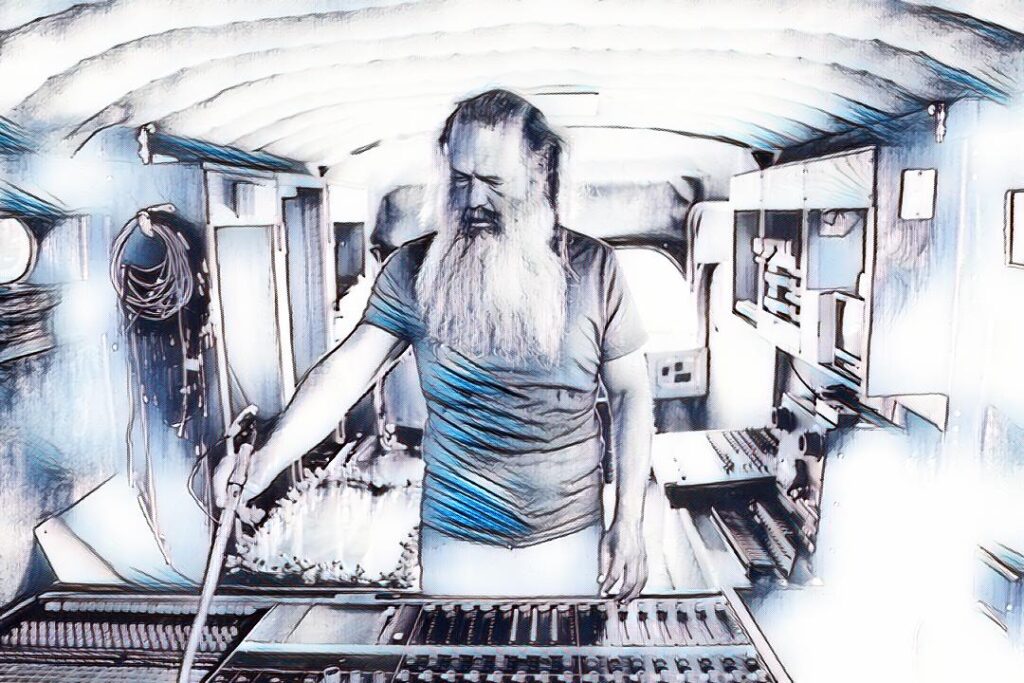
Rick Rubin approached Hip Hop production with an almost radical sense of economy. While studying at NYU in the early ’80s, he co-founded Def Jam with Russell Simmons and began shaping records around heavy drums, minimal arrangements, and the meeting point between rap and rock. T La Rock’s “It’s Yours” and LL Cool J’s “I Need a Beat” established that stripped-back aesthetic, with plenty of space around the MC and little wasted motion.
LL Cool J’s Radio in 1985 made the formula unmistakable. “Rock the Bells” rides a hard drum pattern and sparse instrumentation, giving LL’s delivery maximum impact. Rubin then pushed the approach into new territory with Run-DMC’s Raising Hell. His production on “Walk This Way” placed Aerosmith’s guitar riff inside a rap framework that became a huge crossover record without losing the physical punch of the drums.
Licensed to Ill followed, with “No Sleep till Brooklyn” adding live rock instrumentation to the Beastie Boys’ chaotic energy. Rubin also helped bring Public Enemy to Def Jam, executive producing Yo! Bum Rush the Show, and It Takes a Nation of Millions to Hold Us Back.
His production instincts extended into darker territory through The Geto Boys, where his work on their 1990 album helped sharpen the group’s grim, confrontational sound. Years later, Rubin returned to stripped-down Hip Hop with Jay-Z’s “99 Problems,” built around a Billy Squier sample and a huge drum break.
Rubin’s importance lies partly in what he removed. His beats leave room for voices, drums, and a strong central idea. He helped establish a harder, louder strain of Hip Hop production while showing that rap could absorb rock without losing its identity.
23. Large Pro
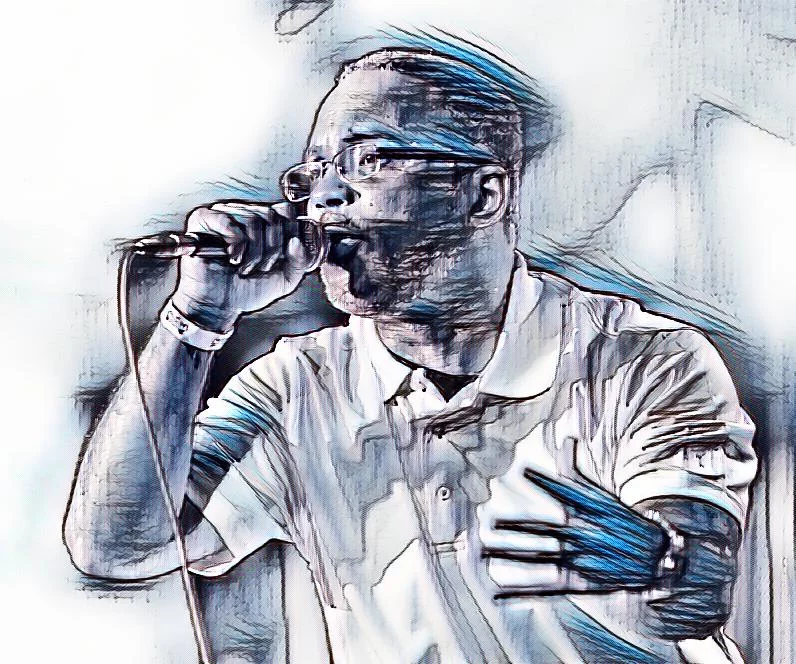
Large Professor’s influence on New York Hip Hop reaches well beyond the records attached to his own name. Born William Paul Mitchell in Queens, he developed his production skills alongside the golden-era Queensbridge scene and became an important link between the sound of the late ’80s and the classic boom-bap of the ’90s. One of his early students was DJ Premier, whom he taught to work with the SP-12 drum machine.
As part of Main Source, Large Professor helped create Breaking Atoms in 1991, one of the era’s essential underground albums. “Looking at the Front Door” is built around a warm, jazz-inflected sample and crisp drums, while “Live at the Barbeque” became historic for another reason. The posse cut introduced a young Nas to a wider audience, with his opening verse offering an early glimpse of the rapper he would become.
Large Pro’s production work also extended to Eric B. & Rakim’s Let the Rhythm Hit ’Em, where he contributed after the death of Paul C. His own production style draws heavily from jazz, funk, soul, and obscure breaks, often favoring smooth sample loops and rugged drums over elaborate arrangements.
His connection with Nas continued throughout the years, including production on Illmatic and later projects. He has also worked with Cormega, AZ, Jeru the Damaja, Torae and Joell Ortiz, among many others. That list says plenty about his standing among New York MCs.
Large Professor’s long-delayed debut The LP eventually appeared years after its original planned release, giving listeners a fuller picture of his skills as rapper and producer. His catalog is relatively small compared with some peers, but his fingerprints are all over the sound and history of Queens Hip Hop.
22. Mannie Fresh
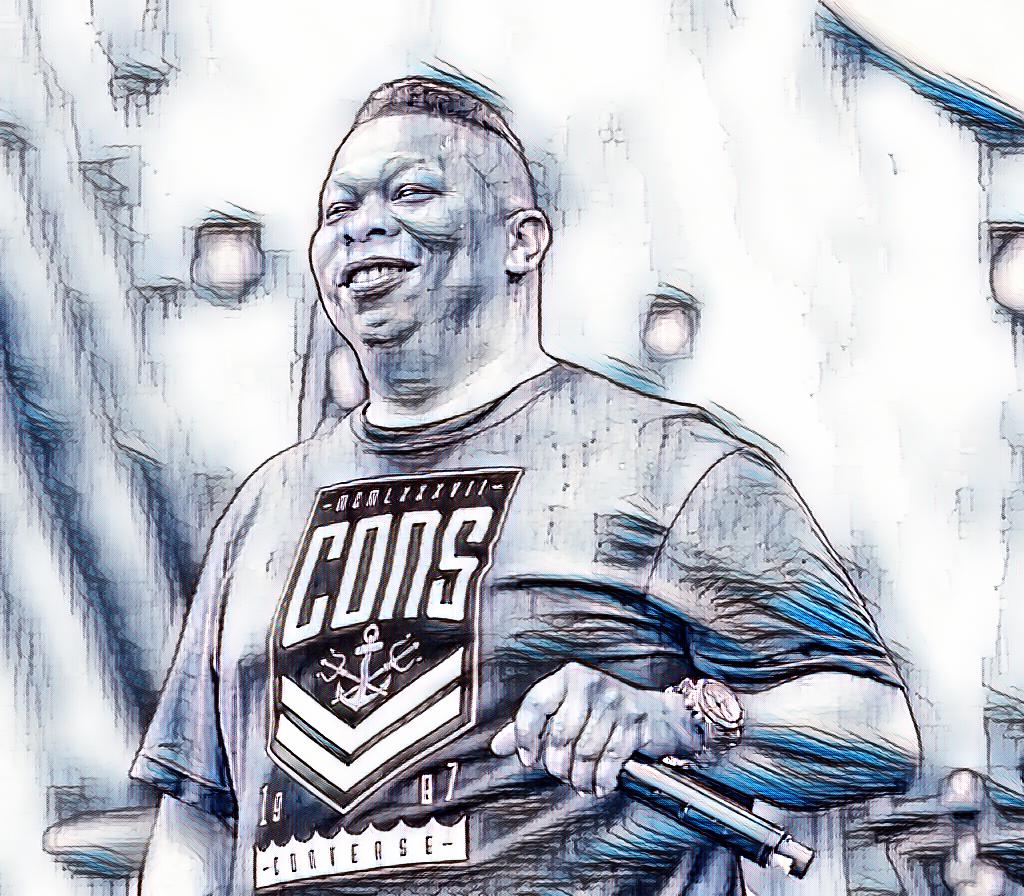
Mannie Fresh helped put New Orleans bounce into the vocabulary of mainstream Hip Hop. Born Byron Thomas and raised in the city’s Seventh Ward, he grew up around his father’s record collection before starting out as a DJ and producer in the 1980s. His early work with Gregory D produced The Real Deal in 1987, but his audience expanded dramatically after joining Cash Money Records in the mid-’90s.
As the label’s primary producer, Fresh developed a sound built around heavy 808s, sharp snares, animated synths, and chopped funk, with the rhythmic energy of New Orleans always at its center. Juvenile’s “Back That Azz Up” turned that formula into a massive hit, while B.G.’s “Bling Bling” and Lil Wayne’s “Go D.J.” showed how flexible his approach could be. With Birdman as the Big Tymers, “Still Fly” added marching-band percussion and bright melodies to the mix.
Fresh’s importance goes beyond individual hits. His production helped establish a distinctly Southern rhythmic language at a time when New York and Los Angeles still dominated much of the national conversation. The repetition, booming low end, fast hi-hats, and synthetic melodies he favored would become important ingredients in the trap sound that emerged years later.
His own The Mind of Mannie Fresh arrived in 2004, offering tracks such as “Real Big” and “Real Big” that put his production personality front and center. He has also worked with artists including T.I., Kanye West, Snoop Dogg, and Lil Wayne. Fresh understood that a beat could be simple, strange and ridiculously catchy at the same time. His work gave New Orleans a huge voice in Hip Hop and helped lay groundwork for the Southern sound that followed.
21. Havoc
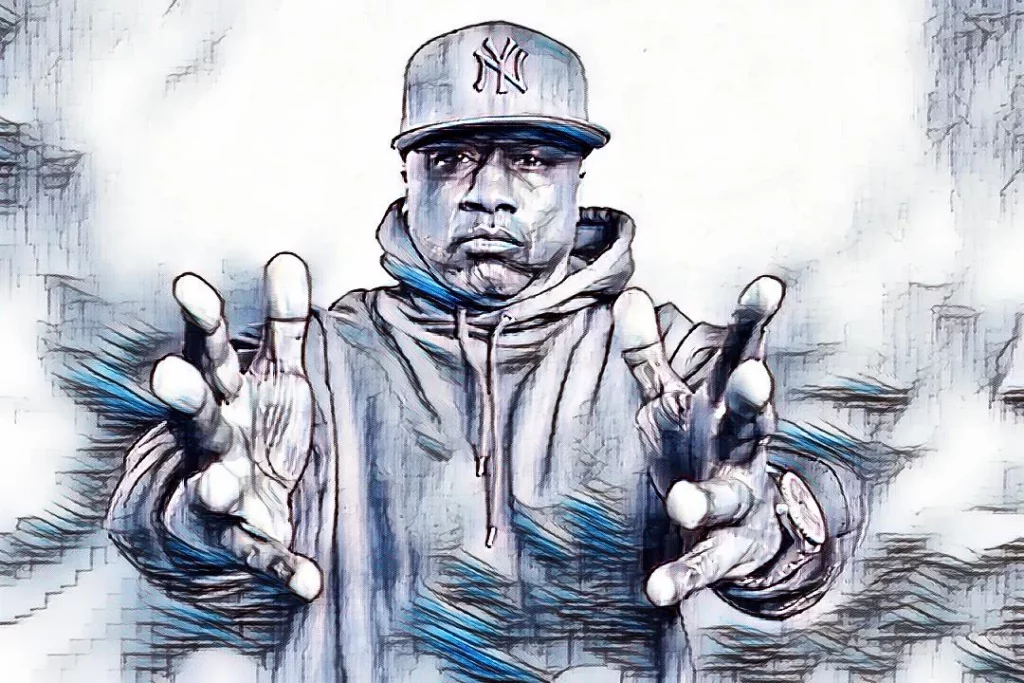
Havoc’s production is inseparable from the sound of Queensbridge. As one half of Mobb Deep, alongside Prodigy, he built a catalog where bleak melodies, hard drums, and carefully chosen samples created an atmosphere that matched the duo’s stark street narratives. The Infamous remains the defining example. “Shook Ones Pt. II,” “Survival of the Fittest,” “Trife Life,” and “Cradle to the Grave” established a cold, stripped-down sound that became closely associated with New York Hip Hop in the mid-’90s.
Havoc refined that approach on Hell on Earth, where classical samples and darker textures gave tracks such as “Drop a Gem on ’Em,” “G.O.D. Pt. III” and “Front Lines” an almost haunted quality. His production on Murda Muzik continued the formula, with “Quiet Storm” becoming one of his most recognizable beats.
His résumé outside Mobb Deep is extensive. Nas’ “The Set Up,” Jadakiss’ “Why,” Eminem’s “Untitled,” Raekwon’s “Your World & My World,” and Kanye West’s “Real Friends” and “Famous” all carry his production. He has also worked with Big Noyd, Cormega, Prodigy, 50 Cent, Method Man, Styles P, Conway the Machine, and many others.
What separates Havoc from producers who rely on a recognizable sonic trick is his sense of atmosphere. A few notes, a grimy drum pattern, and a carefully chosen vocal fragment can create an entire world. His production remains deeply rooted in Queensbridge, even when the records themselves move elsewhere.
20. Prince Paul
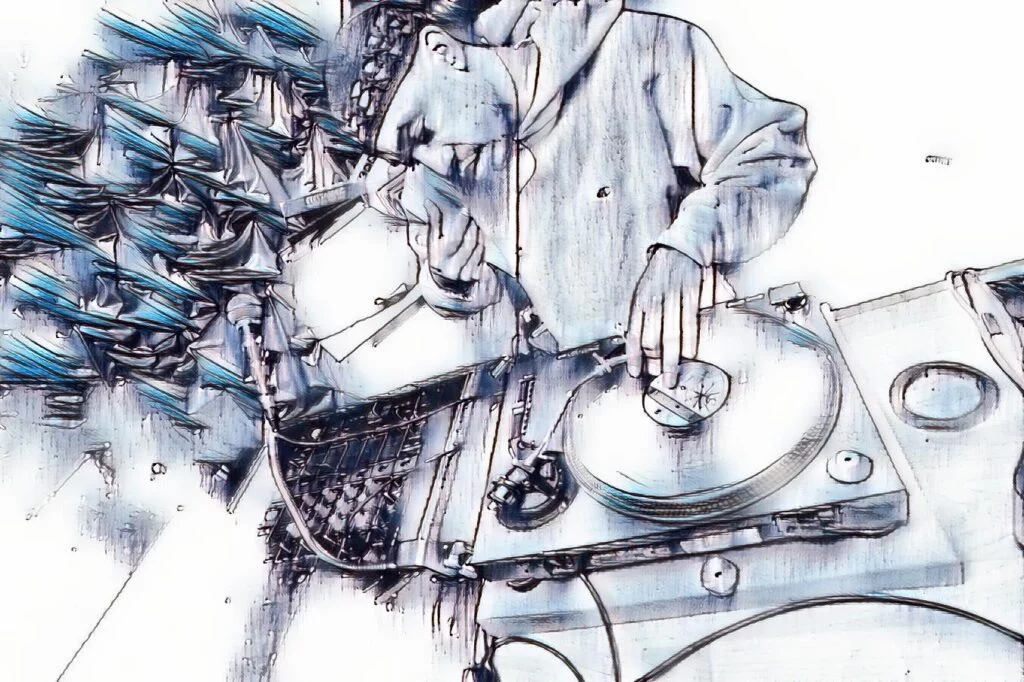
Prince Paul brought a strange, playful imagination to Hip Hop production, always willing to push a track somewhere unexpected. Born Paul Huston in Amityville, New York, he began with Stetsasonic in the mid-’80s, contributing to the group’s funk-heavy sound. His production on On Fire, including “4 Ever My Beat,” already showed an ear for chunky drums, bass, and off-kilter samples.
De La Soul’s 3 Feet High and Rising in 1989 changed the scale of his ambitions. “The Magic Number” turns a simple piano loop into a dense collage of drums, voices, samples and Paul’s skits, while the album constantly jumps between humor, soul, funk and bizarre fragments. De La Soul Is Dead pushed the approach into even stranger territory. “A Roller Skating Jam Named ‘Saturdays’” layers disco horns, bass and conversational snippets into a loose, constantly moving arrangement.
Paul also had a darker side. As part of Gravediggaz, he helped shape 6 Feet Deep, where “1-800-Suicide” uses ominous synths, heavy drums and RZA’s grim aesthetic to create something genuinely unsettling. His solo Psychoanalysis: What Is It? continued that fascination with skits, odd samples and warped humor.
Then came A Prince Among Thieves, a full-length Hip Hop story built like a film, with characters, dialogue and guest appearances woven into the songs. Paul’s production has always been driven by curiosity. Funk, jazz, soul, comedy records and forgotten fragments all become material for his elaborate sample constructions. Few producers have given Hip Hop such a mischievous personality while still keeping the drums hitting hard.
19. MF DOOM
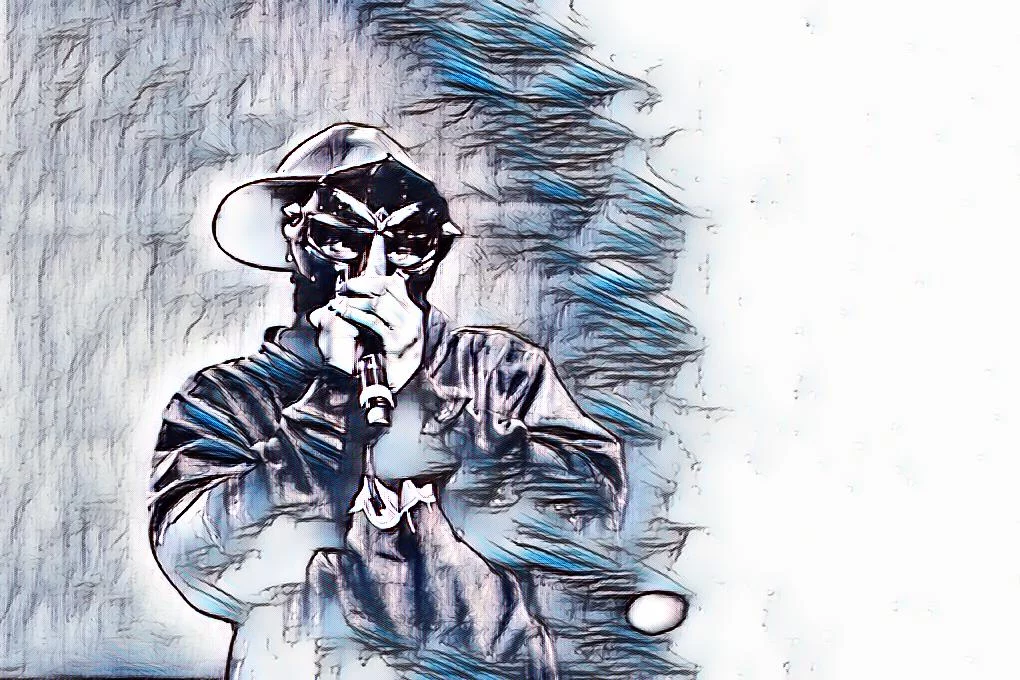
MF DOOM’s production deserves the same attention as his legendary rhyming. Born Daniel Dumile, he developed his craft behind the boards during his KMD years as Zev Love X, working alongside his brother Subroc. After Subroc’s death and the collapse of KMD, Dumile disappeared for several years before returning as MF DOOM with a production style that sounded completely unlike the polished rap dominating the mainstream.
Operation: Doomsday (1999) was largely self-produced, built from dusty soul samples, strange vocal snippets, cartoon dialogue and loose, off-kilter drums. DOOM had little interest in making his samples pristine. Vinyl hiss, awkward edits and uneven drum timing became part of the character. Under the Metal Fingers name, he developed this approach across the Special Herbs instrumental series, a huge collection of beats that became a resource for underground MCs and producers.
His aliases gave him different ways to explore the same obsession with sound. Take Me to Your Leader (2003), released as King Geedorah, pushed toward cinematic arrangements and monster-movie imagery. Madvillainy with Madlib found a stranger balance, with DOOM’s production helping shape the album’s bizarre sequencing and collage-like atmosphere. Mm..Food returned to his own voice and production, while Born Like This drew heavily from his beats alongside contributions from Madlib and J Dilla.
DOOM also supplied production for Ghostface Killah, MF Grimm and others, proving his beats worked outside his own eccentric universe. His method was deceptively simple: find an unusual piece of music, chop it unpredictably, add drums with a human swing, and leave enough space for an MC. That combination of dusty samples, strange source material and crooked rhythms made Metal Fingers one of the defining producers of underground Hip Hop.
18. DJ Paul & Juicy J
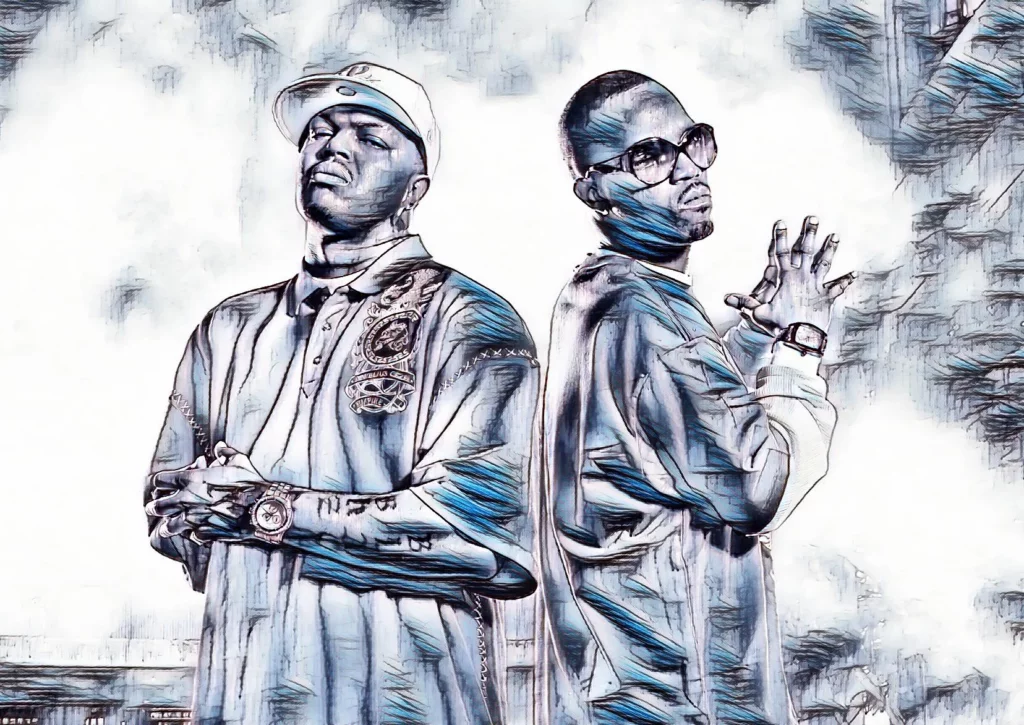
DJ Paul and Juicy J developed a Memphis sound that would eventually become one of the foundations of Southern Hip Hop and, years later, trap. Working alongside Lord Infamous and other Three 6 Mafia members, the pair began building dark, hypnotic productions in the early ’90s, drawing from horror films, Memphis soul, funk, chopped vocal samples, heavy bass, and stripped-down drum patterns. The early tapes led to Mystic Stylez in 1995, where tracks such as “Tear Da Club Up ’97” and “Live by Yo Rep” established their sinister, lo-fi aesthetic.
Their influence grew through Hypnotize Minds, the independent label they founded in 1997. DJ Paul and Juicy J handled production across releases from Three 6 Mafia, Project Pat, Gangsta Boo, Lil Wyte, La Chat, and other members of their Memphis circle. The sheer volume of material helped establish a recognizable production language: booming 808s, rapid hi-hats, ominous melodies, repeated vocal phrases and minimal arrangements built for maximum impact. Much of what would later define trap production is already present in these records.
Three 6 Mafia eventually reached the mainstream with When the Smoke Clears: Sixty 6, Sixty 1 and Most Known Unknown, while their 2006 Academy Award for “It’s Hard out Here for a Pimp” brought an unlikely Memphis underground story to Hollywood.
Their influence extends well beyond those milestones. The production techniques Paul and Juicy J developed in Memphis became part of the blueprint for Southern rap’s next generation, from crunk to trap. Their sound was strange, heavy and distinctly local, and they had the independence and infrastructure to spread it through an entire Memphis movement.
17. Erick Sermon
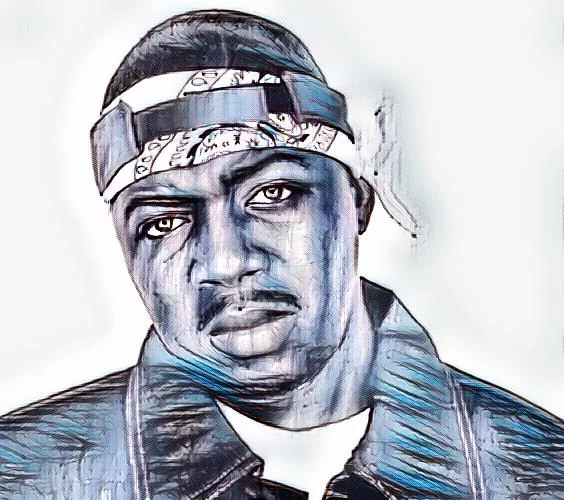
Erick Sermon has always had a deep relationship with funk. As one-half of EPMD alongside Parrish Smith, he helped establish a stripped-down, sample-heavy sound on albums such as Strictly Business and Unfinished Business. Funk basslines, breakbeats, clipped vocal samples, and heavy drums became central to the EPMD formula, with Sermon handling much of the production.
His solo career gave that sound a different shape. No Pressure arrived in 1993, with tracks such as “Stay Real” and “Hittin’ Switches” reflecting his growing confidence behind the boards. Sermon’s production was never overly complicated. He found a strong groove, loaded it with funk, and gave the MC plenty of room.
That approach carried into his work with Def Squad, the trio he formed with Redman and Keith Murray. Sermon produced substantial portions of Redman’s Muddy Waters, Keith Murray’s Enigma, and the group’s El Niño. His work with Redman in particular became a major part of the rapper’s distinctive sound during the ’90s.
Outside Def Squad, Sermon’s production credits stretch across generations and styles. Scarface, Busta Rhymes, Xzibit, Ludacris, 50 Cent and many others have all benefited from his knack for turning funk records into hard, immediately recognizable Hip Hop beats. “Music” by Erick Sermon featuring Marvin Gaye is perhaps his most famous solo production statement, built around a remarkable use of Gaye’s “I Want You.”
The Green-Eyed Bandit has never needed elaborate production tricks. His strength lies in groove, timing, and knowing exactly which part of a funk record deserves to become the centerpiece. Few producers have carried the P-Funk influence into mainstream Hip Hop with such consistency.
16. The Bomb Squad
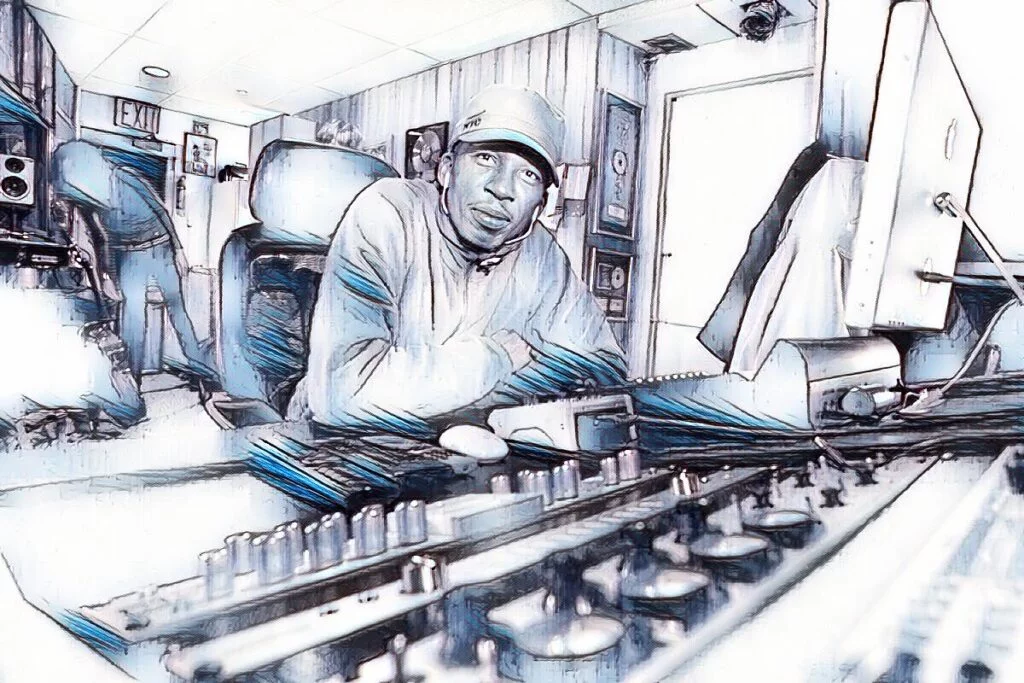
The Bomb Squad turned sampling into controlled overload. Led by Hank Shocklee alongside Keith Shocklee, Eric “Vietnam” Sadler, Chuck D, Gary G-Wiz, and Bill Stephney, the production collective gave Public Enemy a sound that seemed to pull from every corner of the record store at once. On It Takes a Nation of Millions to Hold Us Back, “Bring the Noise” piles distorted funk, abrasive horns, vocal fragments, and pounding drums into a dense barrage, leaving Chuck D and Flavor Flav plenty of energy to attack.
The formula became even more extreme on Fear of a Black Planet. “Fight the Power” layers bass, scratches, chants, and dissonant samples into a rhythm that keeps shifting beneath the surface. “Rebel Without a Pause” is even more stripped to its essentials: heavy percussion, piercing whistles, and a restless beat that never settles.
The Bomb Squad’s influence reached well beyond Public Enemy. On Ice Cube’s AmeriKKKa’s Most Wanted, “The N**** Ya Love to Hate” places sirens, horns, and a heavy bassline around Cube’s voice, while Slick Rick’s “The Moment I Feared” takes a more cinematic route with eerie keys and a lurching rhythm. With “Nitro” and “It Gets No Rougher,” they were responsible for some of the best tracks on LL Cool J’s third album Walking with a Panther. Even Bell Biv DeVoe’s “BBD (I Thought It Was Me?)” gets the treatment, with layered vocals and funky breaks pushing the group’s pop sound into stranger territory.
By Apocalypse 91… The Enemy Strikes Black, the approach remained ferocious. “Can’t Truss It” combines deep bass, frantic scratches, and jagged percussion, proving how much impact could come from refusing conventional arrangement. The Bomb Squad treated noise as musical material, pulling funk, soul, rock and electronic textures into crowded compositions where every sound competes for attention.
Few production teams made Hip Hop this dense, confrontational, and physically imposing. The Bomb Squad turned chaos into a language, and its influence still runs through aggressive, sample-heavy Hip Hop decades later.
15. DJ Quik
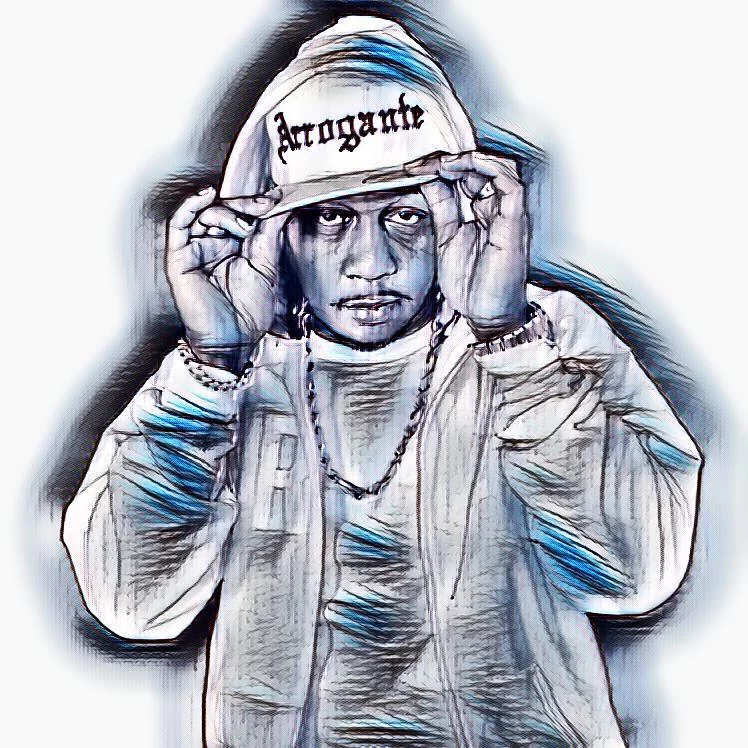
DJ Quik brought a musician’s ear to Compton’s emerging West Coast sound. Born David Marvin Blake, he came up DJing and making tapes before releasing Quik Is the Name in 1991. The album established him as a producer with a strong sense of funk, mixing talk-box textures, live-sounding bass, crisp drums, and P-Funk-inspired samples into a polished version of West Coast Hip Hop. “Tonite” became an early signature, while “Born and Raised in Compton” and “Jus Lyke Compton” reflected his ability to turn local identity into memorable records.
Way 2 Fonky followed in 1992, expanding the formula without losing Quik’s personality. His beats had plenty of musical detail, with basslines, keyboards, percussion, and samples moving around the vocals instead of sitting behind them. That musicianship became one of his defining traits as G-funk took over the West Coast.
Quik’s production work reached well beyond his own albums. He worked with 2Pac, Snoop Dogg, Jay-Z, Dr. Dre, Eazy-E, Too $hort, and many others, adapting his sound to different rappers while retaining a distinctly West Coast character. His collaboration with 2Pac on “Heartz of Men” and production for Snoop demonstrated how naturally his funk-heavy approach translated to other artists.
His career also includes a long-running partnership with Mausberg and the production collective the Quikster camp, as well as later albums such as Balance & Options and The Book of David. Throughout, Quik has treated the studio like a bandleader, layering bass, keys, drums, samples, and vocals into grooves that rarely sound static. Few West Coast producers have made funk this central to Hip Hop while maintaining such a strong identity as an MC.
14. 9th Wonder
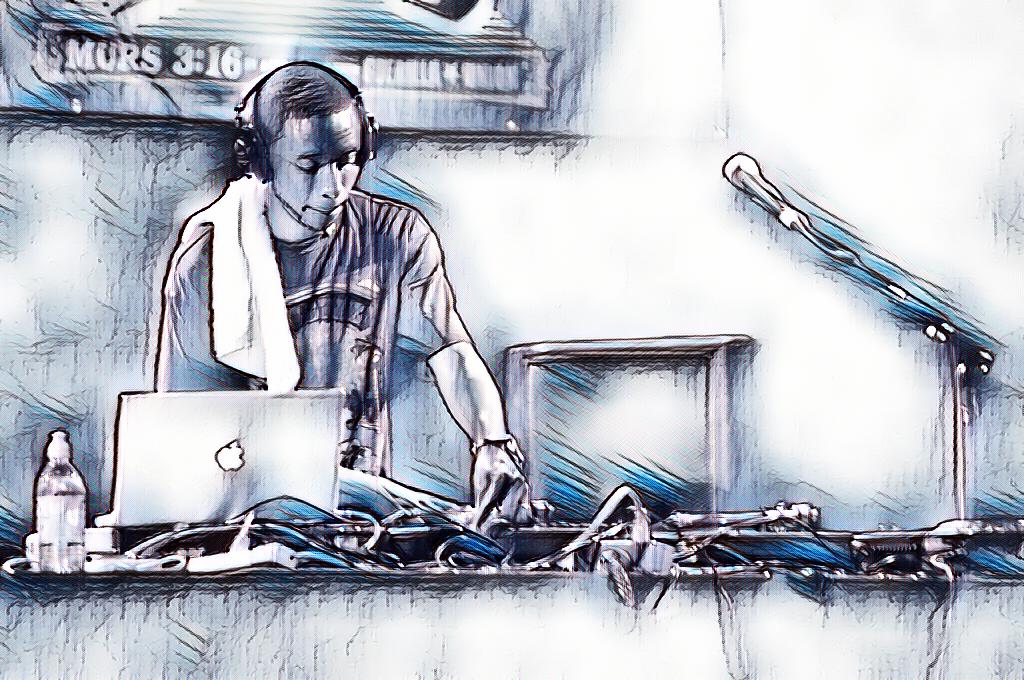
9th Wonder built his reputation around a simple idea: soul samples, strong drums, and enough space for an MC to breathe. Born Patrick Douthit in Winston-Salem, North Carolina, he developed an early interest in keyboards and funk and R&B records before studying at North Carolina Central University. Rather than building beats around an MPC, he used a computer, eventually forming Little Brother with Phonte and Big Pooh. The Listening (2003) introduced his warm, sample-heavy production to a wider audience, with “The Way You Do It” pairing chopped soul with heavy bass and an easy groove.
The Minstrel Show (2005) sharpened that formula. “Lovin’ It” rides a smooth vocal sample and crisp drums, giving Phonte room for his conversational flow. Jay-Z’s The Black Album brought 9th Wonder into a very different setting. On “Threat,” a dark R. Kelly sample and hard drums create a tense backdrop that suits Jay-Z’s confrontational delivery.
His collaborative catalog kept expanding. He worked with Murs on Fornever and The Final Adventure, while his Zion series offered instrumental explorations of funk, soul, and Hip Hop. Elsewhere, Destiny’s Child’s “Girl,” Erykah Badu’s “Honey,” and Rapsody’s “Sojourner” show how naturally his production can move between underground rap and major-label R&B.
Kendrick Lamar’s “DUCKWORTH.” gave him another opportunity to stretch the formula, with reversed samples and a carefully constructed beat adding a cinematic quality to Kendrick’s story. His own The Wonder Years continued that connection between soulful loops and straightforward drum programming.
Beyond producing, 9th Wonder has become an important educator and archivist of Hip Hop history. His work at Duke University and involvement with The Soul Council reflect the same values found in his beats: deep knowledge of the music, careful craftsmanship, and respect for the culture that supplied his raw material.
13. DJ Muggs
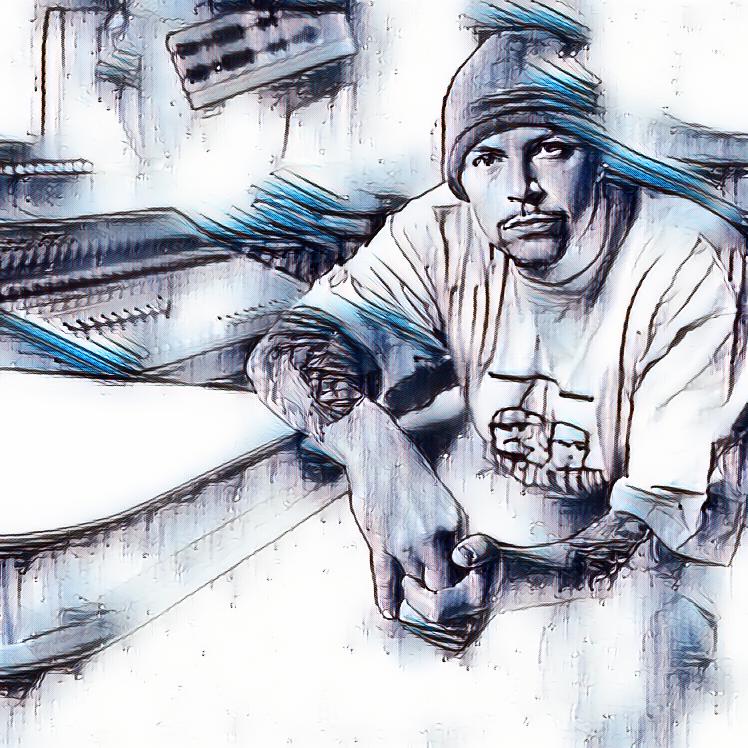
DJ Muggs brought an East Coast crate-digger’s instincts to the West Coast, giving Cypress Hill some of the darkest production of the early ’90s. Born Lawrence Muggerud in Queens, he moved to Los Angeles in 1984 and began DJing with 7A3. Their Coolin’ in Cali arrived in 1988, offering an early glimpse of his sample-heavy approach. A few years later, Cypress Hill gave him a perfect outlet.
On “How I Could Just Kill a Man,” a slow bassline and hard drum breaks create a threatening crawl, while “Insane in the Brain” from Black Sunday pushes things into stranger territory with its warped guitar riff and pounding percussion. Cypress Hill III: Temples of Boom took that atmosphere even deeper. “Illusions” hangs on eerie piano, deep bass, and murky textures, creating the kind of beat that seems to exist somewhere between Hip Hop and horror cinema.
Muggs was never confined to one group. He produced House of Pain’s “Jump Around,” turning a funky horn sample into one of Hip Hop’s most recognizable party records, and worked with Ice Cube on “Check Yo Self.” His Soul Assassins collective brought together an impressive cast, with “Puppet Master” featuring Dr. Dre among its darker highlights.
His solo catalog reveals another side. Dust explored trip-hop and downtempo electronics, while Grandmasters with GZA paired Muggs’ murky production with the Wu-Tang MC’s precise lyricism. Later projects such as Dies Occidendum continued his fascination with bleak, psychedelic textures.
Muggs’ production has evolved without losing its core character. Whether working with Cypress Hill, GZA, Roc Marciano or his Soul Assassins collaborators, he gravitates toward heavy drums, strange samples, and ominous atmospheres. There is a distinctive grime to his beats, linking New York’s sample tradition with the darker side of Los Angeles Hip Hop.
12. Kanye West
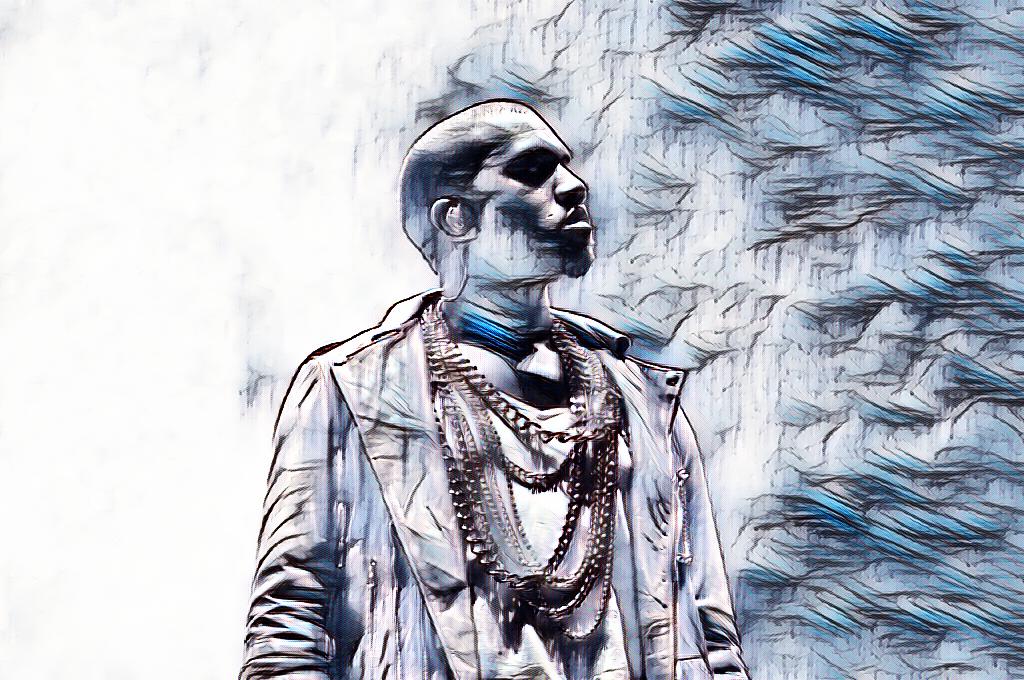
Kanye West changed the sound of mainstream Hip Hop by treating samples as raw material for something bigger. Raised in Chicago, he developed his production skills under No I.D., learning how to chop soul records into bright, dramatic loops. His breakthrough came through Roc-A-Fella, where his work on Jay-Z’s The Blueprint helped define the label’s sound. “Izzo (H.O.V.A.)” flips The Jackson 5 into a buoyant, instantly recognizable groove, with crisp drums underneath the sped-up vocal sample.
The College Dropout turned that approach into a full musical world. “Through the Wire” places a pitched-up Chaka Khan sample over warm bass and sharp drums, while “Jesus Walks” transforms a soul sample into something grand and gospel-driven. Late Registration expanded the palette with orchestration, horns, and live instrumentation. On “Touch the Sky,” those elements give the track a huge, celebratory lift.
Then Kanye started pushing against his own formulas. My Beautiful Dark Twisted Fantasy is packed with layered arrangements and maximal production, while “Runaway” builds from a stark piano figure into a sprawling combination of drums, synths and vocal textures. His work on Common’s Be brought the emphasis back toward warmth and soul. Later, Yeezus stripped much of that warmth away, with “On Sight” built from distorted electronics and abrasive percussion. Pusha T’s Daytona showed he could still work with severe economy, particularly on “If You Know You Know.”
Kanye’s later albums became increasingly uneven, with The Life of Pablo and Donda containing inspired production alongside unfinished ideas and sprawling arrangements. His public behavior has also become increasingly difficult to separate from his career. None of that erases what came before. As a producer, Kanye expanded the possibilities of sample-based Hip Hop and pushed mainstream rap toward stranger, richer and more ambitious territory.
11. Apollo Brown
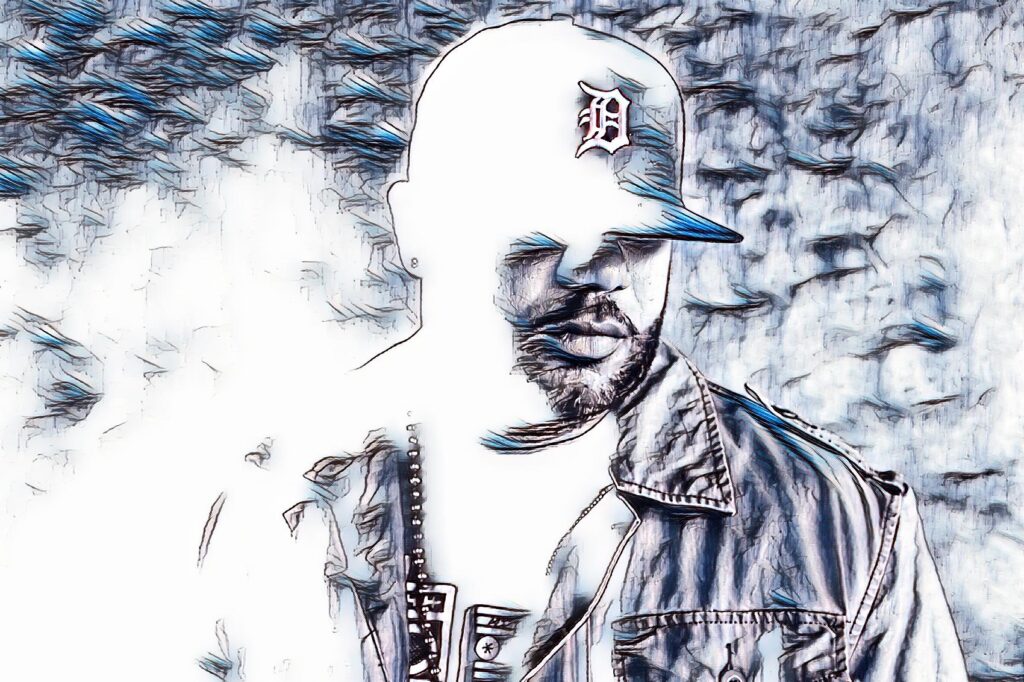
Apollo Brown makes boom-bap that takes its time. Born Erik Stephens and raised in Grand Rapids, Michigan, he eventually moved to Detroit, where he developed a production style grounded in soul, funk, and the hard-edged drums of ’90s Hip Hop. The Reset established that direction in 2010. “Our Time” pairs a deep bassline and sharp snares with a mournful piano loop, giving the track a heavy emotional pull without losing its head-nod appeal.
Brown’s strength lies in the details. He digs through yacht rock, R&B, funk, and soul for samples that carry warmth and character, then builds around them with thick kicks and precise percussion. On Trophies with O.C., “Prove Me Wrong” revolves around soulful organ and steady drums. Blasphemy with Ras Kass takes a darker route, with “Humble Pi” built from gritty bass and jazz-inflected horns that leave plenty of room for Ras Kass’ dense writing.
His catalog is packed with strong rapper-producer partnerships. The Easy Truth with Skyzoo uses warm guitars and crisp hi-hats, while Mona Lisa with Joell Ortiz leans into darker piano and heavy drums. Dice Game with Guilty Simpson and Sardines with Planet Asia show Brown working comfortably with Detroit and underground MCs, keeping the beats forceful without crowding their verses.
His instrumental records reveal another side. Clouds turns his production into miniature film scores, with “Never in a Million Years” building around swelling strings and persistent drums. Sincerely, Detroit goes even deeper into his connection with the city, combining soul samples and hard percussion across a tribute to Detroit’s musical history.
Brown’s beats carry a particular patience. The drums hit with weight, samples are given room to breathe, and melancholy sits comfortably beside toughness. Whether working with O.C., Ras Kass, Skyzoo or Guilty Simpson, he keeps his production firmly connected to boom-bap while giving every collaboration its own character.
10. J. Dilla
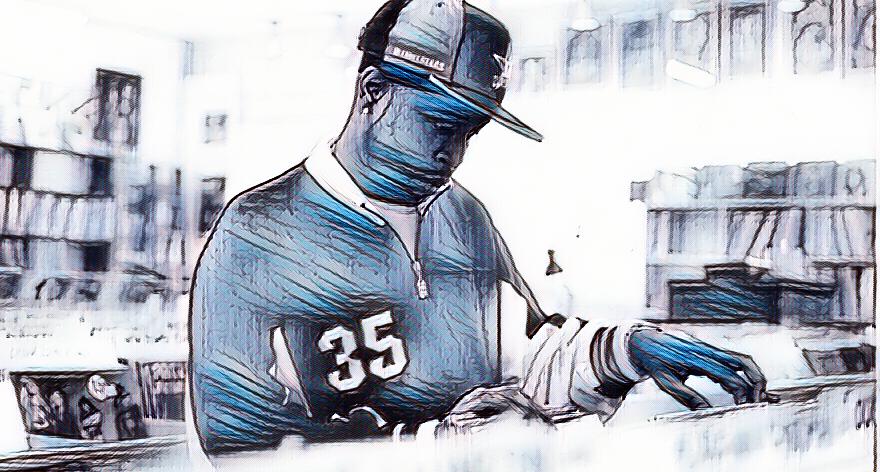
J Dilla changed the way a Hip Hop beat could move. James Yancey grew up on Detroit’s east side, surrounded by funk and jazz, learning drums before developing his production skills with the MPC under Amp Fiddler. With Slum Village, he helped shape Fantastic, Vol. 2, where “Fall in Love” drifts on warm bass and loose, shuffling drums. His rhythms often sound slightly late or early, giving samples and percussion a sense of physical movement.
That quality became unmistakable across his work. The Pharcyde’s “Runnin’” pairs a steady bassline and hazy guitar with drums that seem to stumble before snapping back into place. Common’s “The Light” takes a gentler approach, built around a warm piano figure and understated percussion. With the Soulquarians, Dilla produced Erykah Badu’s “Didn’t Cha Know,” using a hazy guitar sample and swaying drums to create a spacious, intimate groove.
His fingerprints were everywhere during the late ’90s and early 2000s. A Tribe Called Quest’s “Find a Way,” De La Soul’s “Stakes Is High,” and Janet Jackson’s “Got ’til It’s Gone” all carry his instinct for unusual rhythm and soulful sampling. His collaboration with Madlib on Champion Sound produced another essential chapter, with “The Official” built around chopped soul and heavy drums.
Then came Donuts, completed during hospital stays before Dilla died in 2006 at only 32. “Workinonit” turns distorted horns and a lurching beat into a compact burst of ideas, with samples appearing and disappearing almost before you can place them. The Shining and Ruff Draft revealed different sides of the same restless producer.
Dilla’s influence comes from that tension between machinery and human touch. His beats never sit perfectly still. Hi-hats shuffle, kicks land at strange angles, samples bend unexpectedly. The imperfections became the point, opening new possibilities for rhythm in Hip Hop.
9. Q-Tip
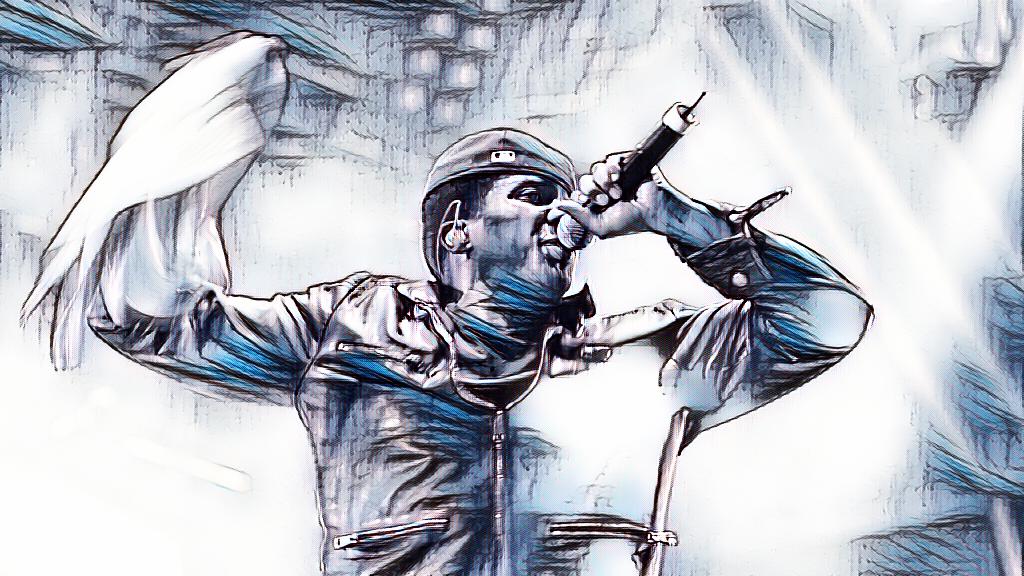
Q-Tip built some of the smoothest production in Golden Age Hip Hop without sanding away its edge. Born Jonathan Davis in Queens, he grew up surrounded by his father’s record collection and the sounds of New York. As A Tribe Called Quest’s primary sonic architect, he helped define the group’s jazz-heavy approach, particularly on The Low End Theory. “Excursions” opens with a deep bass figure and crisp drums, while “Buggin’ Out” flips a restless jazz sample into something loose, funky, and instantly memorable.
Midnight Marauders pushed that approach into an even richer direction. “Award Tour” rides a funky guitar figure and tight percussion, while “Electric Relaxation” settles into a slower groove built around a silky vibraphone sample. Q-Tip had a rare ability to make complex source material sound natural, pulling from bebop, funk, soul, and psychedelic rock without cluttering the tracks.
His influence reached well beyond Tribe. He produced Nas’ “One Love” on Illmatic, where mellow vibraphone and restrained drums give Nas room for his reflective storytelling. Mobb Deep’s “Give Up the Goods (Just Step)” takes a darker route, using a brooding piano loop and hard drums. He also worked with Busta Rhymes on “Ill Vibe” and continued developing his own sound through solo projects.
Amplified brought a more electronic and dance-oriented side to the surface, with “Breathe and Stop” driven by funky bass and stuttering rhythms. Years later, The Renaissance returned to his soulful instincts, while his production on “That’s My Bitch” with Jay-Z and Kanye West showed he could operate comfortably within a much larger commercial production.
Q-Tip’s greatest strength is rhythm. His samples swing, his drums breathe, and even intricate arrangements leave space for the MC. That balance remains central to his place among Hip Hop’s most influential producers.
8. Madlib

Madlib treats the record collection like an instrument. Born Otis Jackson Jr. in Oxnard, California, in 1973, he grew up around jazz through his father and uncle Jon Faddis, and that background runs deep through his production. With Lootpack, he established himself on Soundpieces: Da Antidote! in 1999, where “Questions” rides a loose bassline and crisp drums with the off-kilter swing that would become a Madlib trademark.
He has rarely stayed in one lane for long. As Quasimoto, The Unseen turned warped samples, high-pitched vocals and crooked rhythms into something entirely its own. Then came Madvillainy with MF DOOM, including “Accordion,” where a mournful accordion figure sits over a beat that seems deliberately out of balance. Champion Sound with J Dilla brought another kind of chemistry, while Freddie Gibbs’ Piñata found Madlib working in darker territory on “Thuggin’,” with eerie keys and heavy drums.
His jazz interests run through almost everything he does. Madlib plays keys, drums and bass, and the Yesterdays New Quintet project gave those abilities a central role. Shades of Blue reworked Blue Note material into loose, jazz-heavy Hip Hop, while The Beat Konducta series reduced ideas to brief instrumental sketches. On Bandana, “Crime Pays” places Gibbs over silky piano and sharply clipped percussion.
Then there is the sheer volume of his work. Percee P’s Perseverance, Sound Ancestors with Four Tet, and Black Star’s No Fear of Time all occupy different corners of his catalog. Across projects and aliases, Madlib leaves room for accidents: a drum that lands slightly late, a sample that cuts off unexpectedly, a melody that takes an odd turn. His beats have a human looseness that survives decades of change.
7. El-P
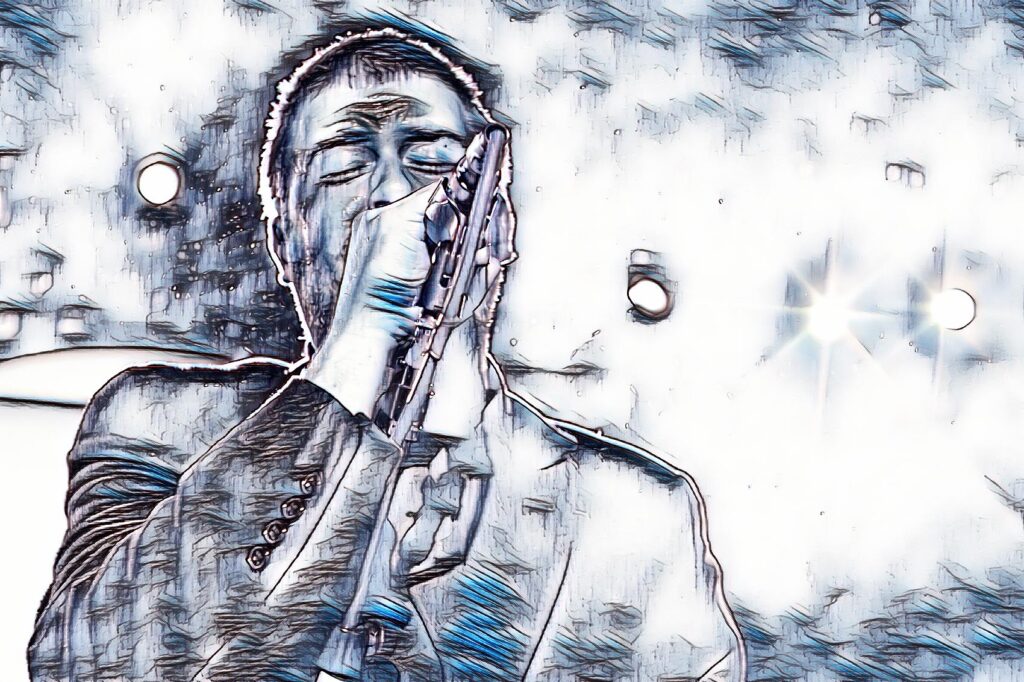
El-P has always approached Hip Hop production like a piece of machinery assembled from broken parts. Born Jaime Meline in New York in 1975, he left high school for a music engineering program before forming Company Flow with Mr. Len in 1992. Their Funcrusher Plus arrived in 1997, packed with distorted drums, strange samples and cold electronic textures. “8 Steps to Perfection” sounds like a malfunctioning city block, with clipped percussion and warped loops pushing the track forward.
That abrasive approach became even more pronounced on Fantastic Damage. “Stepfather Factory” rattles with metallic percussion, warped bass, and an uneasy vocal sample, while I’ll Sleep When You’re Dead expanded the palette with dense synthesizers and pounding drums. On “The Overly Dramatic Truth,” layers of distortion and heavy rhythm create a tense, almost industrial pressure. His collaboration with The Blue Series Continuum on High Water took him into jazz, retaining his taste for fractured arrangements while allowing more room for improvisation.
El-P also changed the infrastructure around underground Hip Hop. He founded Definitive Jux in 2001, releasing influential records including Cannibal Ox’s The Cold Vein, where “Iron Galaxy” pairs hollow drums and icy electronics with one of the era’s most distinctive production styles.
After Cancer4Cure and Killer Mike’s R.A.P. Music in 2012, El-P entered a new phase with Run The Jewels. Across the duo’s albums, his production became louder and more immediate without losing its strange edges, moving from crushing drums to warped funk and twitching percussion. El-P’s beats remain unmistakable: mechanical, abrasive, and deeply rooted in underground Hip Hop.
6. The Alchemist
The Alchemist has spent decades making Hip Hop beats sound slightly dangerous. Born Alan Maman in Beverly Hills, he started out as Mudfoot, rapping alongside Scott Caan in The Whooliganz. His direction changed after working with DJ Muggs and the Soul Assassins, where production on Cypress Hill III: Temples of Boom helped shape his taste for murky samples, heavy drums, and unsettling textures. After moving to New York in the late ’90s, his connection with Mobb Deep led to Murda Muzik and the ominous “The Realest.”
His production has always thrived on unusual source material. Psychedelic rock, soul, film scores, obscure records, and stray vocal fragments become crooked loops and strange little pockets of sound. “Hold You Down” from 1st Infantry is a prime example, with warped drums and a twisted horn figure creating constant tension. On “Scottie Beam,” from Alfredo, a slow bassline and clipped drums give Freddie Gibbs and Rick Ross plenty of room to operate.
The range is remarkable. Covert Coup with Curren$y drifts through hazy West Coast grooves, while The Elephant Man’s Bones with Roc Marciano sits in darker territory. Haram with Armand Hammer is sparse and abrasive. The Great Escape with Larry June opens things up with warm keys and smooth bass.
Since the 2000s, The Alchemist has worked with Mobb Deep, Eminem, Nas, Evidence, Boldy James, Conway, Freddie Gibbs, Action Bronson, Roc Marciano, and countless others. Albums such as The Price of Tea in China, Bo Jackson, Alfredo, and The Great Escape show how little his core approach has changed. Dusty samples, odd loops, heavy drums, and an instinct for giving rappers exactly the space they need.
5. Pete Rock
Pete Rock’s production has a warmth that comes from the records he digs into and the way he handles them. Born Peter Phillips in the Bronx and raised in Mount Vernon, New York, he grew up around music through his cousin Heavy D, then developed his skills as a DJ and producer while working with Marley Marl at WBLS. By the early 1990s, his partnership with CL Smooth had produced some of the most soulful Hip Hop of its era.
Mecca and the Soul Brother is the clearest starting point. “They Reminisce Over You (T.R.O.Y.)” turns a mournful subject into something deeply musical, built around a memorable horn sample, heavy bass, and crisp drums. The groove moves with an easy swing while the horns give the track its emotional weight. “Straighten It Out” takes a lighter approach, with tight drums, vocal fragments, and a loose rhythmic pocket that leaves plenty of room for CL Smooth.
Rock’s production reaches far beyond his own catalog. On Nas’ “The World Is Yours” from Illmatic, a bright piano sample gives the track an optimistic quality while the drums keep everything grounded. His remix of Public Enemy’s “Shut ’Em Down” takes the original in a funkier direction, replacing some of its tension with a swinging groove and heavy bass. Common’s “The Bitch in Yoo” brings another side of Rock’s production, with hard drums underneath Common’s attack.
Much of that sound came from Rock’s mastery of the SP-1200. He chops samples into compact pieces, rearranges them, and builds grooves where drums, bass, horns, and vocals occupy very specific spaces. The samples often retain their warmth and imperfections. That gives his beats a human quality even when the construction is highly precise.
His production credits stretch across decades and generations, from Redman’s “How to Roll a Blunt” to later work with Kanye West, including contributions to My Beautiful Dark Twisted Fantasy. Rock has maintained a recognizable musical identity through all of it. Soul and jazz provide the raw material, the SP-1200 provides the machinery, and the drums give everything its pulse. His best beats sound rich without becoming crowded, melodic without losing their punch.
4. Marley Marl
Marley Marl changed what a Hip Hop producer could do with a sampler. Born Marlon Williams in 1962, he grew up in Queensbridge, where block parties, DJs and local MCs provided a constant soundtrack. Working from that environment, he became one of the first producers to make sampling a central part of Hip Hop production. His approach to drums, bass and funk records helped establish the rhythmic language later associated with boom bap.
The Juice Crew became his creative base in the mid-1980s, bringing together artists such as MC Shan, Roxanne Shanté, Big Daddy Kane, Biz Markie, Kool G Rap and Craig G. Marl’s productions gave each rapper room to develop a personality while keeping the beats immediately recognizable.
“Roxanne’s Revenge” showed what he could do with a few well-placed drum hits and a sparse loop, giving Roxanne Shanté a tense backdrop for her battle rhymes. MC Shan’s “The Bridge” took a different route, with a warm sample-driven groove beneath his Queensbridge pride. The track later became part of the Queensbridge-Bronx rivalry that produced one of Hip Hop’s defining exchanges.
Marl’s influence reached beyond the Juice Crew. He produced Eric B. & Rakim’s “Eric B. Is President” and “My Melody,” two foundational records from one of Hip Hop’s most important MC-DJ partnerships. “Eric B. Is President” rides a stripped-down funk loop and hard drums, while “My Melody” gives Rakim a spacious, rhythmically intricate backdrop for his dense internal rhymes. Marl’s production leaves room for Rakim’s voice while keeping the beat in constant motion.
At Cold Chillin’ Records, Marl’s production credits piled up. Big Daddy Kane’s Long Live the Kane contains some of his sharpest work, including the punchy “Set It Off.” Biz Markie’s Goin’ Off showed another side of his production, with “Vapors” built around a relaxed groove and Marl’s knack for memorable hooks. Kool G Rap & DJ Polo’s Road to the Riches brought darker textures and hard drums.
Marl reached another level with LL Cool J’s Mama Said Knock You Out. The title track pairs pounding drums with brass hits and a stripped-down arrangement that gives LL plenty of space to attack the beat. The album became one of the defining Hip Hop releases of 1990.
Marl’s importance lies in how he treated samples as building material. He isolated drums, rearranged fragments and found new rhythms inside old records. From Queensbridge in the 1980s through his work with Rakim, Kane, LL and others, Marley Marl helped establish the vocabulary of sample-based Hip Hop production.
3. RZA
RZA’s production on the Wu-Tang Clan’s early records sounds like Hip Hop being assembled from whatever was lying around. Born Robert Diggs in Brooklyn in 1969, he developed a style built from dusty soul records, hard drums, strange vocal fragments and samples drawn from martial arts films. The imperfections became part of the character. Drum hits land slightly crooked. Samples arrive chopped into unexpected shapes. Background noise stays in the mix.
Enter the Wu-Tang (36 Chambers) remains the clearest expression of that approach. On “C.R.E.A.M.,” a mournful piano loop circles around heavy drums and a stripped-back bassline, leaving plenty of room for Raekwon and Inspectah Deck to tell their stories. “Protect Ya Neck” is more chaotic, with abrupt drum changes and a crowded mix matching the energy of a nine-member crew fighting for space. “Da Mystery of Chessboxin’” slows the pace and lets its bassline lumber beneath the verses.
RZA’s influence within Wu-Tang went far beyond the group’s first album. During an extraordinary run from 1993 through 1997, he produced major portions of Method Man’s Tical, Ol’ Dirty Bastard’s Return to the 36 Chambers: The Dirty Version, Raekwon’s Only Built 4 Cuban Linx…, GZA’s Liquid Swords and Ghostface Killah’s Ironman. Each album has its own identity, even with RZA’s fingerprints all over the production.
Liquid Swords pushes his darker instincts into a colder space, while Only Built 4 Cuban Linx… gives Raekwon and Ghostface a cinematic backdrop for detailed street narratives. The samples often sound aged and damaged, with drums carrying enormous weight underneath them.
By Wu-Tang Forever, RZA had expanded his palette. “Triumph” uses racing strings, sharp drums and a dense arrangement that sounds considerably larger than the murky basement production of 36 Chambers. He took that cinematic instinct into film scoring with Ghost Dog: The Way of the Samurai, incorporating Japanese musical elements alongside his Hip Hop foundations.
RZA’s greatest production work has a handmade quality. You can hear the cuts, the distortion, the rough edges. He turned those limitations into a defining aesthetic, giving Wu-Tang a sound that remains immediately recognizable decades later.
2. Dr. Dre
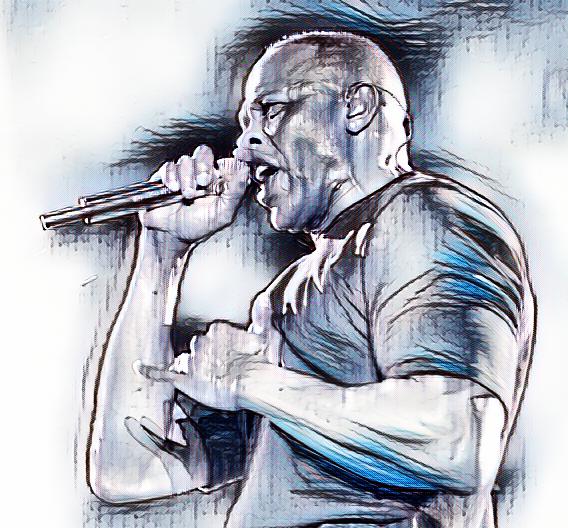
Dr. Dre’s production career is built around reinvention. André Young came out of Compton through the World Class Wreckin’ Cru before joining N.W.A., where his approach to drums, bass, and funk samples helped establish a distinctly West Coast sound. By the time Straight Outta Compton arrived in 1988, Dre was working with a palette that sounded radically different from the sample-heavy production coming out of New York. Heavy bass, sharp snares, and stripped-down arrangements gave tracks such as “Gangsta Gangsta” an imposing physical presence.
N.W.A.’s Efil4zaggin pushed that approach into even darker territory. Dre tightened the drum programming and put enormous weight into the low end, creating beats that hit with unusual force. The production was carefully constructed underneath the chaos. Every kick and snare had a specific place.
After leaving N.W.A. and co-founding Death Row Records, Dre changed direction again. The Chronic turned his production into a study in G-funk. Parliament-Funkadelic samples, deep bass, melodic synthesizers and slower tempos created an entirely different environment. “Nuthin’ but a ‘G’ Thang” is the obvious centerpiece, with its whining synth line, loose groove and unmistakable bass. Dre gave gangsta rap a cruising rhythm. The music could carry menace without sounding tense.
That formula reached another level on Snoop Dogg’s Doggystyle. “Who Am I (What’s My Name)?” has a deep, rolling groove built around Snoop’s languid delivery, while tracks such as “Gin and Juice” demonstrate how much space Dre was willing to leave inside his arrangements. The production is polished without becoming sterile. Snoop sounds completely at home inside those beats.
Dre’s influence reached beyond his own records. “California Love” brought his production together with Tupac’s larger-than-life presence, using piano, synths and enormous drums to create one of the defining West Coast anthems of the 1990s. He also produced for artists including The D.O.C., King T, Above the Law and Michel’le during his early career.
After leaving Death Row, Dre founded Aftermath Entertainment and began another phase of his career. 2001 arrived in 1999 with a denser, highly controlled sound. “Still D.R.E.” uses a repeating piano motif and precise drums to create an instantly recognizable groove, while “Xxplosive” leans heavily into bass and funk. Dre’s production on Eminem’s The Slim Shady LP and The Marshall Mathers LP, alongside his work with 50 Cent, Game and others, helped shape the sound of mainstream Hip Hop in the 2000s.
Dre’s strength lies in control. He can reduce a beat to a few essential elements, then spend enormous effort getting every sound into the right position. His best records have weight, space and melody. Few producers have had as much influence on the course of Hip Hop as Dr. Dre.
1. DJ Premier
DJ Premier takes the No. 1 spot because few producers have such a recognizable fingerprint across so many different MCs. Born Christopher Martin in Houston and raised partly in Brooklyn, Premier developed a production style built around hard drums, chopped samples, scratched vocals and carefully selected jazz, funk, and soul records. His beats rarely need much decoration. A snare, a bassline, a chopped horn and a few cuts can be enough. The details do the work.
Gang Starr gave Premier the perfect laboratory. With Guru, he refined the formula across Step in the Arena, Daily Operation, Hard to Earn and Moment of Truth. Tracks such as “Take It Personal,” “Mass Appeal” and “You Know My Steez” demonstrate how much movement he can create inside a relatively tight loop. Premier chops samples into sharp fragments, drops scratches into the hook, then leaves Guru room to control the track. The drums hit hard without swallowing the MC.
Then there was 1994. Premier produced three tracks on Nas’ Illmatic, including “N.Y. State of Mind,” two on The Notorious B.I.G.’s Ready to Die, and the entirety of Jeru the Damaja’s The Sun Rises in the East. He also produced Hard to Earn with Gang Starr and contributed to projects involving Big Daddy Kane and Branford Marsalis’ Buckshot LeFonque. That workload alone would put most producers in the conversation.
“Come Clean” is a particularly good example of his restraint. The dripping faucet sample hangs over the beat while the drums snap underneath Jeru’s dense verses. On Nas’ “N.Y. State of Mind,” the piano loop creates a claustrophobic New York mood, with Premier’s drums giving Nas a hard surface to work against. “Unbelievable” gives Biggie a darker, more sinister groove. KRS-One’s “MC’s Act Like They Don’t Know” takes another route, using a bright piano figure and crisp percussion beneath the Blastmaster’s commands.
Premier’s production discography kept expanding after the Golden Age. He worked with Jay-Z, M.O.P., Rakim, O.C., Common, D’Angelo, Mos Def, Royce da 5’9″, Christina Aguilera and generations of younger rappers. His partnership with Royce became PRhyme, while later work with Griselda artists, Joey Bada$$ and others showed that the Premier formula still works when the MC has something substantial to say.
At his best, Premier makes the turntable part of the composition. Scratches become hooks. Samples become percussion. A familiar record gets chopped into something distinctly his. No. 1 makes sense.