

A great debut album introduces an artist to the world. The second album presents a different challenge. Expectations have been established, audiences have formed opinions, and the artist has to decide where to go next. Some build on the strengths of their debut, refining their sound and sharpening their skills. Others take a completely different direction, experimenting with new production techniques, exploring unfamiliar subjects, or abandoning the approach that first brought them attention. The results can be extraordinary.
Hip Hop has a particularly rich history of exceptional sophomore albums. Public Enemy’s It Takes a Nation of Millions to Hold Us Back, A Tribe Called Quest’s The Low End Theory, Mobb Deep’s The Infamous, and OutKast’s ATLiens are obvious examples of artists taking enormous creative strides between their first and second releases. Beastie Boys followed the commercial breakthrough of Licensed to Ill with the sample-heavy experimentation of Paul’s Boutique, while De La Soul responded to the success of 3 Feet High and Rising with the darker, more confrontational De La Soul Is Dead. These albums took their creators into new territory, often producing music that remains central to Hip Hop’s history.
Of course, artistic growth doesn’t always mean a dramatic reinvention. Some second albums succeed because an artist develops an already distinctive style into something even stronger. Others capture a particular creative moment, with the right combination of production, writing, chemistry, and ambition. And while the familiar classics tend to dominate discussions, the underground has produced an enormous number of outstanding sophomore efforts that deserve recognition alongside the established favorites.
For this selection of 100 of the best sophomore albums in Hip Hop, we’ve considered musical quality, originality, lyrical ability, production, cultural significance, lasting influence, and our own preferences. As always, we’re primarily interested in albums that deliver a rewarding listening experience from beginning to end. Commercial success is no requirement, and an album’s reputation matters less to us than the music itself. Only official second full-length studio albums qualify, including second solo albums by artists who previously recorded with groups. Mixtapes, EPs, compilations, and collaborative side projects outside an artist’s main discography are excluded.
The list is arranged chronologically rather than ranked, covering several generations of Hip Hop and a wide range of regional styles and musical approaches. As always, the 1980s and 1990s are particularly well represented, reflecting HHGA’s appreciation for the Golden Age and the remarkable concentration of classic albums released during those years. But Hip Hop’s tradition of outstanding second albums has continued well into the 21st century, with independent artists and mainstream names alike finding new creative heights on their sophomore releases.
Some of these records represent major breakthroughs, others mark unexpected changes in direction, and a few remain underappreciated gems in otherwise celebrated discographies. What connects them is the quality of the music and the conviction with which their creators approached that crucial second album.
Also read: 100 Of The Best Debut Albums In Hip Hop
Run-D.M.C. - King Of Rock (1985)
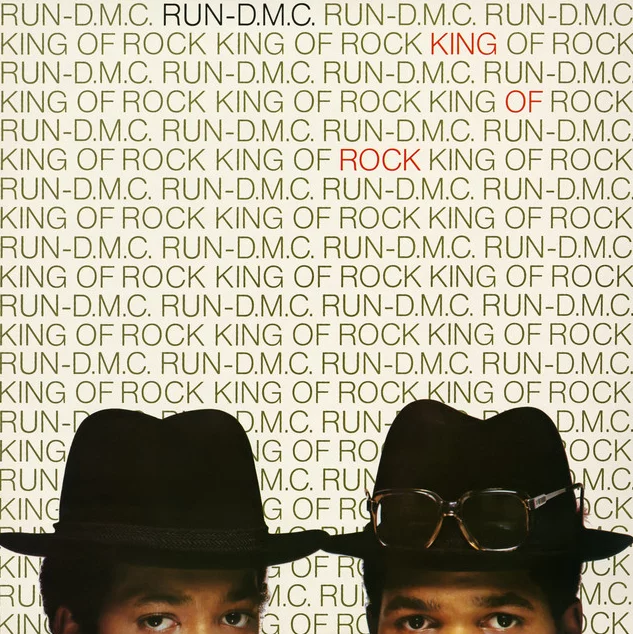
Run-D.M.C. had already changed the direction of Hip Hop with their groundbreaking 1984 debut, stripping away disco influences in favor of hard drum machines, aggressive rhymes, and Jam Master Jay’s turntable work. Their second album, King of Rock, pushed that minimalist approach into new territory, bringing electric guitars into the foreground and challenging the boundaries separating rap and rock music. Released in January 1985, it found Run, D.M.C., and Jam Master Jay sounding increasingly confident in their ability to reach audiences far beyond Hip Hop’s original following.
The title track is the album’s undisputed centerpiece. Built around a crushing guitar riff, pounding drums, and the duo’s commanding vocal exchanges, “King of Rock” remains one of the defining recordings of early Hip Hop. Its confrontational attitude and famous music video made the group’s ambitions unmistakable. “You Talk Too Much” is another timeless classic, combining a stripped-down beat with playful, sharply delivered criticism of people who never stop talking. The excellent “Darryl and Joe (Krush-Groove 3)” closes the album with an extended display of the duo’s chemistry, while “Jam-Master Jammin’” gives their DJ room to shine.
We recognize that King of Rock isn’t a flawless album. The Yellowman collaboration “Roots, Rap, Reggae” is an awkward experiment that never really comes together, and a few other tracks lack the impact of its strongest material. Still, Larry Smith’s production, the group’s unmistakable vocal interplay, and the sheer force of the best songs make this an important record.
Like their debut, King of Rock was enormously influential, helping establish the stripped-down, guitar-driven approach that would reach an even larger audience with Raising Hell the following year. Its imperfections are easy to acknowledge, but its greatest moments remain essential Hip Hop.
LL Cool J – Bigger and Deffer (1987)

LL Cool J’s Radio established him as one of Hip Hop’s first solo superstars, combining Rick Rubin’s stripped-down production with an aggressive delivery and youthful bravado. On his second album, Bigger and Deffer, LL broadened his appeal without abandoning the battle-tested confidence that made his debut so compelling. Released in 1987, the album became a commercial breakthrough, reaching the Top 3 of the Billboard 200 and spending eleven weeks atop the R&B chart.
The record’s defining moment was “I Need Love,” one of the first rap ballads to achieve major commercial success. LL traded his usual braggadocio for a sincere expression of romantic longing, opening a door for a more vulnerable side of male rap performance. The song was a substantial risk for an MC whose reputation rested on toughness, but its success demonstrated the breadth of his appeal. The contrast with “I’m Bad” is striking. Over a hard, funky beat, LL delivers a barrage of boasts with the authority and rhythmic precision of a seasoned battle rapper. “The Breakthrough” and “Go Cut Creator Go,” his tribute to DJ Cut Creator, keep the competitive spirit alive, while “The Do Wop” brings an old-school party sensibility to the mix.
Working with the L.A. Posse, LL moved beyond the stark minimalism of Radio toward fuller arrangements, funkier basslines, and more melodic production. The results aren’t uniformly strong, and some tracks lack the impact of the album’s best moments. Still, Bigger and Deffer captures an important stage in Hip Hop’s expansion, when an artist could move between hard-edged battle rap and romantic vulnerability without losing his identity. LL’s second album helped establish a template for the commercially ambitious rap superstar.
Public Enemy – It Takes A Nation Of Millions To Hold Us Back (1988)
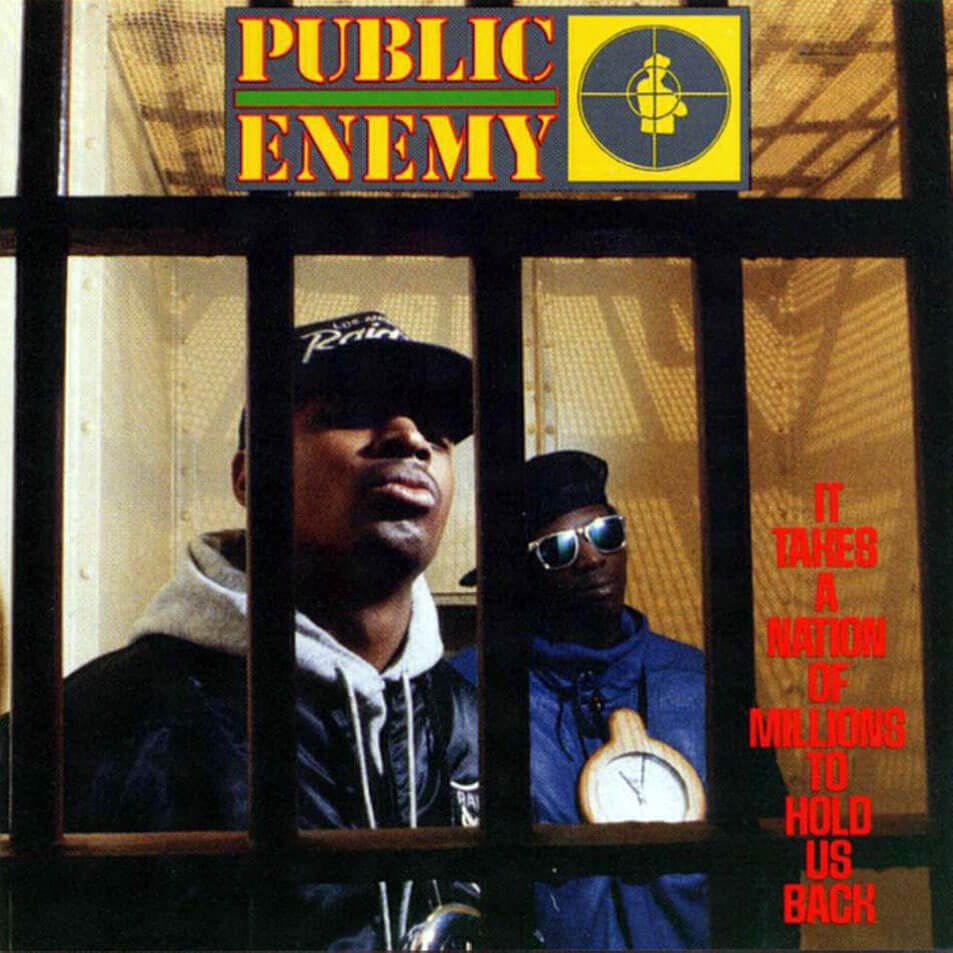
Public Enemy’s It Takes a Nation of Millions to Hold Us Back is the greatest album ever made, in any genre, if you ask HHGA. Released in June 1988, the group’s second album took the urgency of Yo! Bum Rush the Show and pushed it into territory Hip Hop had never explored with such force. Chuck D envisioned a rap equivalent of Marvin Gaye’s What’s Going On, an album that confronted the social and political realities of its time. Working with the Bomb Squad, he and his crew created something far more confrontational than a conventional protest record.
The Bomb Squad’s production is the album’s defining achievement. Hank Shocklee, Keith Shocklee, Eric Sadler, and Chuck D assembled a dense, volatile collage of funk breaks, distorted horns, rock guitar, vocal fragments, scratches, and electronic noise. The beats rarely settle into comfortable patterns. Instead, they surge, collide, and shift beneath Chuck D’s commanding voice, creating music that sounds as urgent as the ideas driving it. The opening “Countdown to Armageddon” sets the scene, before “Bring the Noise,” “Don’t Believe the Hype,” and “Rebel Without a Pause” launch an almost relentless assault. Flavor Flav’s unpredictable interjections give the music another dimension, while Terminator X cuts through the chaos with razor-sharp precision.
The album’s political reach is equally remarkable. “Night of the Living Baseheads” attacks the crack epidemic and its exploitation, “Black Steel in the Hour of Chaos” turns a prison escape into a gripping narrative of resistance, and “Caught, Can We Get a Witness?” challenges the industry’s treatment of sampling. Chuck D addresses institutional racism, media manipulation, Black empowerment, and the ownership of Black cultural expression with an authority few MCs have matched.
It Takes a Nation of Millions to Hold Us Back changed the scale of what a Hip Hop album could communicate, musically and politically. Its influence extends well beyond rap, and its combination of sonic invention, lyrical conviction, and sheer intensity remains extraordinary. We consider it the pinnacle of recorded music: a record that still sounds radical, still demands attention, and still has something urgent to say.
Eric B. & Rakim – Follow The Leader (1988)

Following the extraordinary success of Paid in Full, Eric B. & Rakim faced the challenge of living up to an album that had already changed the direction of Hip Hop. Their response, Follow the Leader, arrived in July 1988 and pushed the duo’s music into more ambitious territory. Eric B. broadened his production palette beyond the James Brown breaks that had defined much of their debut, while Rakim sounded increasingly assured as he explored the full range of his lyrical abilities. The result is one of the strongest sophomore albums in Hip Hop history.
The title track announces the duo’s intentions with a rolling groove and Rakim’s controlled, almost conversational delivery. He makes intricate rhyme patterns sound effortless, shifting his cadence and placing words in unexpected spaces without sacrificing clarity. On “Microphone Fiend,” he compares his compulsion to rap with an addict’s need for a fix, turning a familiar Hip Hop subject into a masterclass in rhythmic control. “Lyrics of Fury” is even more formidable. Rakim attacks the beat with a sharper, more aggressive flow, packing internal rhymes and vivid imagery into every verse. Few MCs have matched its combination of technical precision and sheer force.
Eric B. gives the album room to breathe between these lyrical displays. “Put Your Hands Together” brings a communal energy, while “To the Listeners” addresses the audience directly. Instrumentals such as “Eric B. Never Scared” and “Beats for the Listeners” underline the importance of the DJ’s craft, and the production’s varied textures point toward a broader musical vocabulary.
Follow the Leader captures Eric B. & Rakim at the height of their partnership. Rakim’s writing had grown denser and more inventive, while Eric B.’s production supplied the right balance of space, momentum, and atmosphere. The album confirmed that Paid in Full was no fluke and gave Hip Hop another classic to build on.
Boogie Down Productions – By All Means Necessary (1988)

The murder of Scott La Rock in August 1987 changed the course of Boogie Down Productions. Their debut, Criminal Minded, had established KRS-One and La Rock as major forces in a new wave of hard-edged New York rap. With La Rock gone, KRS-One returned less than a year later with By All Means Necessary, a second album that redirected the group’s energy toward social criticism, political awareness, and education. The change in emphasis was striking, but the confrontational spirit of their debut remained intact.
The album opens with “My Philosophy,” one of KRS-One’s defining statements of purpose. Over a stripped-down, hard-hitting beat, he challenges other MCs, questions the direction of Hip Hop, and establishes himself as a teacher willing to confront uncomfortable subjects. His delivery is forceful and direct, with the authority of someone addressing a crowd rather than simply performing for an audience. “Stop the Violence” takes aim at the bloodshed within Black communities and the growing violence surrounding Hip Hop itself. “Illegal Business” examines the drug trade and the forces profiting from it, while “Part Time Suckers” targets people who exploit others for personal gain. Even the title track reinforces the album’s sense of urgency.
The cover, depicting KRS-One holding a gun while peering through a window, references an iconic photograph of Malcolm X. The title adapts Malcolm X’s famous declaration of self-determination, connecting the album’s political outlook to a longer tradition of Black resistance. Musically, the production is lean and functional, built around forceful drum patterns, funk samples, and uncluttered arrangements that keep KRS-One’s words in the foreground.
By All Means Necessary marked a defining step in KRS-One’s development as the Teacher. In the aftermath of personal tragedy, he turned Boogie Down Productions into a vehicle for social and political commentary, helping establish a foundation for conscious Hip Hop that would influence generations of MCs.
Ice-T – Power (1988)
Ice-T’s debut, Rhyme Pays, introduced a Los Angeles rapper with a sharp eye for street life, a commanding delivery, and a gift for turning hard experiences into compelling narratives. On Power, he expands that approach, balancing gangsta rap storytelling with social observation, industry criticism, and an increasingly distinctive musical backdrop. Working with Afrika Islam, Ice-T moves beyond the stripped-down attack of his first album into darker, more varied territory.
The title track lays out Ice-T’s philosophy of survival and control, while “High Rollers” follows hustlers chasing money and status. On “Radio Suckers,” he takes aim at radio programmers who refuse to give rap its due. “I’m Your Pusher” flips the drug-dealer narrative into a pitch for getting high on music, built around a memorable premise and an extended performance from Ice-T. The album also makes room for the unusual electronic edge of “Drama,” where a Roland TB-303 bass line gives the production a tense, almost futuristic quality. Afrika Islam’s drum programming and sample work give the record a sound that reaches beyond the familiar funk breaks of the period.
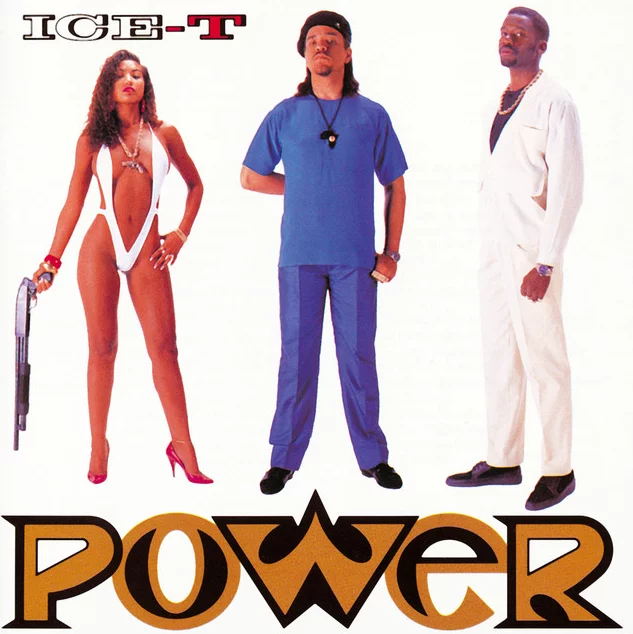
The provocative cover, featuring Ice-T, DJ Evil E, and Darlene Ortiz, matched the album’s confrontational image, but the music has more substance than its notorious presentation might suggest. Power helped carry West Coast gangsta rap to a wider audience while giving Ice-T space to explore the politics, ambition, and contradictions of street life. It remains a compelling snapshot of a rapper sharpening his voice and widening his scope.
DJ Jazzy Jeff & The Fresh Prince – He’s The DJ, I’m The Rapper (1998)

DJ Jazzy Jeff & The Fresh Prince’s second album arrived at a moment when Hip Hop was expanding its commercial reach without abandoning the creativity that had driven its early years. Released as a double LP in March 1988, He’s the DJ, I’m the Rapper gave the duo room to explore two complementary strengths: Will Smith’s playful, accessible storytelling and Jeff Townes’ exceptional turntable skills. The result became one of the biggest rap albums of its era, eventually going multi-platinum and winning wider recognition for a genre still fighting for acceptance.
“Parents Just Don’t Understand” became the defining hit, turning the everyday frustrations of teenage life into an inventive comic narrative. Its Grammy win in 1989 marked the first award for Best Rap Performance, although the duo boycotted the televised ceremony because the category wasn’t being broadcast. Elsewhere, “Brand New Funk” rides a punchy James Brown-inspired groove, while “A Nightmare on My Street” turns the Freddy Krueger films into a playful horror story. The album also makes room for Jeff’s craft, from the live performance on “Live at Union Square, November 1986” to the scratching and instrumental workouts on the bonus sides.
The double-album format was an ambitious move for a rap act, and the record occasionally stretches its material thin. Still, its combination of sharp DJ technique, accessible humor, memorable hooks, and carefully constructed stories gave Hip Hop a route into households that might have been wary of its harder-edged forms. He’s the DJ, I’m the Rapper helped make the Fresh Prince a mainstream star while reminding listeners that the DJ was an essential part of the equation.
Big Daddy Kane – It’s A Big Daddy Thing (1989)

Big Daddy Kane had little to prove after Long Live the Kane. His debut had made him one of the most formidable MCs in New York, with intricate rhyme schemes, a smooth baritone, and the kind of command that made other rappers sound tentative by comparison. It’s a Big Daddy Thing, released in September 1989, finds him stretching out. He handles much of the production himself, with additional contributions from Marley Marl, Prince Paul, Easy Mo Bee, Teddy Riley, and Mister Cee. The result is a sprawling record that moves from battle rhymes to social commentary, funk, and romantic ballads.
Kane’s pen remains the main attraction. On “Mortal Combat” and “Warm It Up, Kane,” he piles internal rhymes into long, tightly controlled verses without sacrificing his flow. “Young, Gifted and Black,” produced by Marley Marl, has a more purposeful message, while “Calling Mr. Welfare” takes aim at the welfare system with DJ Red Alert in the mix. Then there’s “Smooth Operator,” where Kane leans into his ladies’ man persona over a beat of his own making. Teddy Riley gives “I Get the Job Done” a New Jack Swing sheen, a reminder of how quickly rap was absorbing the sounds dominating Black radio. Prince Paul brings a different touch to the title track, and the live “Wrath of Kane” catches the force of Kane’s stage performance.
At 76 minutes, the album is overlong, and the detours don’t all pay off. But Kane’s lyrical control rarely slips, and the stylistic range makes this a revealing portrait of an MC expanding his ambitions without losing sight of what made him special. It became his biggest commercial success, and for good reason.
Jungle Brothers - Done By The Forces Of Nature (1989)

With Straight Out the Jungle, the Jungle Brothers helped set the Native Tongues movement in motion. Their second album, Done by the Forces of Nature, takes the collective’s adventurous spirit into deeper musical and lyrical territory. Released in November 1989, it draws on jazz, funk, soul, African music, and house, with the group handling production themselves alongside mixing contributions from Kool DJ Red Alert. The result is a record with a distinctive sense of movement, rooted in New York Hip Hop but open to sounds well beyond its usual boundaries.
“Beyond This World” sets the tone with an expansive, almost spiritual outlook, while “What U Waitin’ 4?” rides a buoyant groove that makes its call to action sound like an invitation to the dance floor. “Acknowledge Your Own History,” featuring Vinia Mojica, puts Black identity and cultural memory at the center. “Black Woman,” with Caron Wheeler, offers a warm tribute, while “Tribe Vibes” brings KRS-One into the mix. Then there’s “Doin’ Our Own Dang,” a Native Tongues gathering featuring De La Soul, Queen Latifah, Q-Tip, and Monie Love. It captures the collective’s playful chemistry while keeping its shared outlook in focus.
The album’s optimism never comes at the expense of its musical invention. The Jungle Brothers move easily between house-influenced rhythms, jazz-derived samples, and funk-heavy grooves, while their relaxed delivery gives the songs room to breathe. At times, the eclecticism makes the record less immediate than Straight Out the Jungle, but its ambitions reward repeated listening. Done by the Forces of Nature remains one of the Native Tongues movement’s defining statements, a deeply musical expression of Afrocentric pride and creative freedom.
Beastie Boys - Paul's Boutique (1989)

After Licensed to Ill turned the Beastie Boys into unlikely superstars, plenty of people expected another round of beer-soaked party rap. Instead, the trio relocated to Los Angeles, teamed up with production duo the Dust Brothers, and spent two years assembling an album that sounded nothing like its predecessor. Released in July 1989, Paul’s Boutique was a commercial disappointment at first, but its reputation grew as listeners began to appreciate the extraordinary detail packed into its grooves.
The production is the obvious starting point. Drawing on funk, soul, jazz, rock, and psychedelic records, the Dust Brothers built intricate collages in which samples collide, disappear, and return in unexpected combinations. “Shake Your Rump” is a dizzying rush of bass lines, guitar fragments, and shifting rhythms. “Hey Ladies” rides a loose funk groove, while “Shadrach” builds around a sample of Johnny Cash’s “Five Feet High and Rising.” On “The Sounds of Science,” Beatles recordings become raw material for a playful, densely layered tribute to the possibilities of sampling. The closing suite, “B-Boy Bouillabaisse,” pushes the album’s anything-goes approach into a sprawling sequence of styles and characters.
The Beasties rise to the challenge lyrically, trading absurd boasts, street-corner observations, pop-culture references, and surreal stories with an energy that rewards close listening. Their humor remains intact, but the writing is more intricate and unpredictable than on Licensed to Ill. The album’s initial commercial performance obscured what they had accomplished. Sampling laws would soon make this kind of production far harder and more expensive to recreate. Paul’s Boutique remains a singular achievement, a record whose musical and lyrical details keep revealing themselves decades later.
EPMD – Unfinished Business (1989)

EPMD had little reason to change the formula after Strictly Business made them one of Hip Hop’s most exciting new acts. Released in July 1989, Unfinished Business picks up where that debut left off, with Erick Sermon and Parrish Smith handling all the production themselves. The sound is spare, funky, and built around chunky bass lines, hard drums, and well-chosen samples. Sermon’s beats have a loose, almost playful quality, as if the duo are having fun in the studio and inviting the listener into the room.
Lead single “So Wat Cha Sayin’” gets things moving with a loping groove and the pair’s familiar back-and-forth delivery. “Get the Bozack” is tougher and more confrontational, while “Jane II” brings back the fictional woman from their debut for another comic tale of romantic misadventure. On “Please Listen to My Demo,” EPMD poke fun at aspiring rappers looking for a break, and “The Big Payback” draws on James Brown’s funk legacy. K-Solo joins them on “Knick Knack Patty Wack,” adding another voice to the album’s loose, conversational exchanges.
The record’s humor and unpolished charm are part of its appeal. Sermon and Smith aren’t reaching for grand statements or elaborate concepts; they sound comfortable trading verses over beats that leave plenty of room for the rhymes. The extended “You Had Too Much to Drink” and “It Wasn’t Me, It Was the Fame” stretch the album out, and the full 57-minute runtime occasionally tests the formula. Still, Unfinished Business delivers the kind of stripped-down funk that made EPMD distinctive, with enough character in the beats and exchanges to keep the duo’s second album firmly in the conversation about their best work.
MC Lyte - Eyes On This (1989)

MC Lyte came into her own on Lyte as a Rock, delivering sharp battle rhymes with a force and authority that few rappers, male or female, could match. On Eyes on This, released in October 1989, she sounds even more assured, with production from Audio Two, King of Chill, Marley Marl, Grand Puba, and PMD giving her a broader range of beats to work with. Lyte remains eager to put lesser MCs in their place, but her second album also gives her room to address the realities facing the people around her.
“Cha Cha Cha” became her biggest hit to date, riding a funky, stripped-down beat while Lyte tears through her verses with effortless control. “Shut the Eff Up! (Hoe)” is a particularly vicious response to rival Antoinette, delivered with the kind of cutting humor that made Lyte such a formidable battle rapper. “Slave 2 the Rhythm,” produced by PMD, has a tougher funk groove, while “Stop, Look, Listen” keeps the focus on her commanding delivery. The album’s finest moment, however, is “Cappucino.” Over a Marley Marl production, Lyte tells a cautionary story involving drugs, violence, and the consequences of getting caught up in street life. The narrative takes an unexpected turn, giving the song a complexity that distinguishes it from the album’s more straightforward boasts.
“Not wit’ a Dealer” tackles the damage caused by drug dealing, while “Please Understand” addresses the double standards and disrespect women face from men. These tracks reveal an MC who can do considerably more than out-rhyme her competition. Eyes on This also became the first album by a female solo rapper to enter the Billboard 200, a significant achievement in a genre where women were routinely pushed to the margins. Lyte’s pen, personality, and refusal to back down make this a worthy follow-up to her debut.
Geto Boys – Grip It! On That Other Level (1989)

After Making Trouble failed to make much of an impression, Rap-A-Lot Records boss James Prince rebuilt the Geto Boys around a new lineup. Willie D and Scarface, then recording as Akshen, joined Bushwick Bill and DJ Ready Red for Grip It! On That Other Level, released in March 1989. The chemistry was immediate. Ready Red’s production draws heavily on funk, with thick bass lines, hard breaks, and samples that give the record a grimy, claustrophobic edge. The three MCs bring distinct personalities to material that pushes into territory few rap groups were exploring so explicitly at the time.
Scarface’s early promise is evident on “Scarface,” a dark introduction to the storytelling instincts he would develop throughout his career. “Mind of a Lunatic” ventures into disturbing psychological territory, while “Trigga Happy N***a” and “Life in the Fast Lane” depict violence and street life without much concern for making listeners comfortable. Willie D brings a confrontational presence to “No Sell Out,” and Bushwick Bill adds his own unpredictable energy to the group’s exchanges. There is humor here too, often deliberately tasteless, alongside a hostility that runs through much of the record. The material can be misogynistic and gratuitously violent, but its unsettling atmosphere became a defining part of the Geto Boys’ identity.
The album initially found its audience through word of mouth, eventually selling around half a million copies independently and bringing Houston rap to listeners who rarely looked beyond the established coastal scenes. Rick Rubin recognized its potential and remixed ten tracks for the 1990 album The Geto Boys, released through Def American Recordings. That version introduced the group to a wider national audience, although the original has a rougher character of its own. Grip It! On That Other Level laid the groundwork for the Geto Boys’ breakthrough with We Can’t Be Stopped and gave Scarface an early platform for the storytelling talent that would make him one of Southern Hip Hop’s most respected MCs.
Kool G Rap & DJ Polo – Wanted: Dead or Alive (1990)
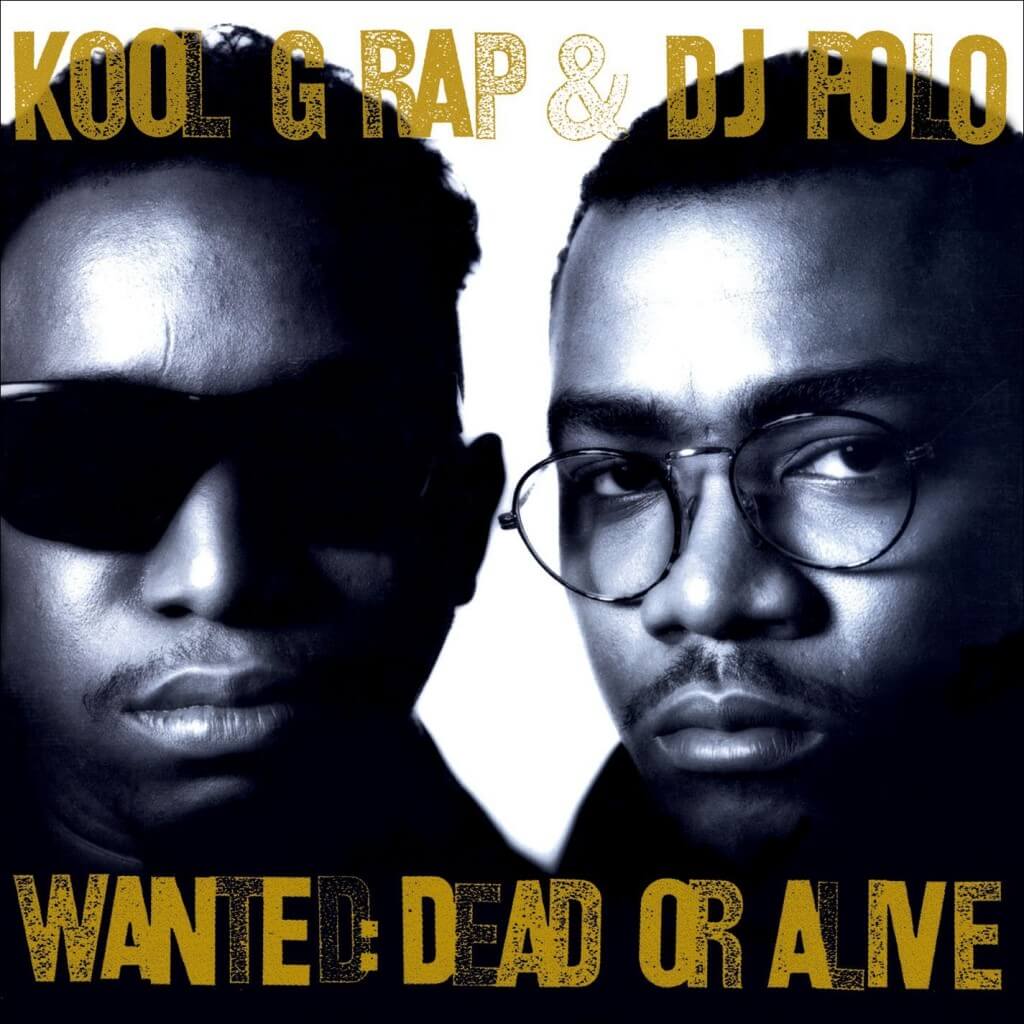
With Road to the Riches, Kool G Rap and DJ Polo introduced a formidable MC whose intricate rhyme schemes and rapid-fire delivery set him apart from the competition. Their second album, Wanted: Dead or Alive, takes G Rap’s writing into darker territory. Crime, poverty, street violence, and organized crime run through the record, with G Rap developing the vivid, cinematic storytelling that would influence generations of MCs and lay important groundwork for mafioso rap.
“Streets of New York” is the centerpiece. Over a stark, sample-driven beat, G Rap paints a picture of urban hardship with details that make the city’s desperation tangible. Nas later cited the track as an influence on “N.Y. State of Mind,” and the connection is easy to hear in the way both rappers turn street observations into tightly constructed narratives. The title track, “Money in the Bank,” and “Death Wish” bring mob-movie menace and ruthless braggadocio, while “Bad to the Bone” gives G Rap room to unload his dense internal rhymes. On “Talk Like Sex,” he switches gears for an explicit exercise in sexual boasting.
“Erase Racism” offers a different perspective, bringing Big Daddy Kane into the mix for a direct attack on racial prejudice, with Biz Markie providing the memorable hook. The production draws on several hands, including Large Professor, Eric B, and Marley Marl, while DJ Polo remains central to the duo’s identity. The changing beats give G Rap room to move between battle rhymes, social commentary, and elaborate crime tales without losing his distinctive voice.
Wanted: Dead or Alive expanded the scope of the duo’s debut and sharpened the qualities that made Kool G Rap such an influential lyricist. His precise rhyme construction and detailed street narratives would leave their mark on artists including Nas, The Notorious B.I.G., and Jay-Z. The album captures that style taking shape, with DJ Polo providing the framework for some of G Rap’s most enduring early performances.
N.W.A - Efil4zaggin (1991)
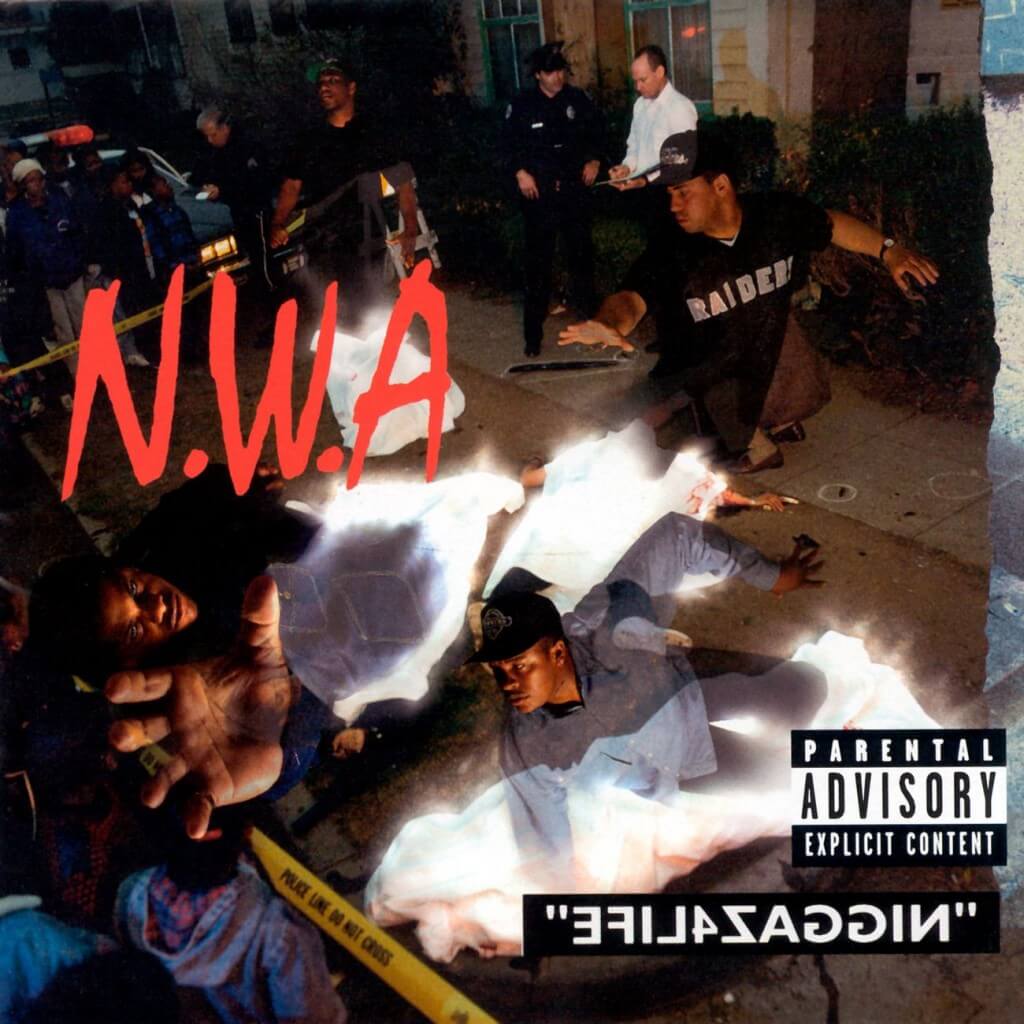
N.W.A’s second album, Efil4zaggin, arrived three years after Straight Outta Compton, with Ice Cube gone and MC Ren taking on a greater share of the lyrical duties. Released in May 1991, it became the first hardcore gangsta rap album to top the Billboard 200, a remarkable commercial achievement for a record that received virtually no mainstream radio airplay. It was also the group’s final album, with Dr. Dre and The D.O.C. leaving later that year to form Death Row Records.
Ice Cube’s absence is felt most clearly in the writing. Where Straight Outta Compton balanced its aggression with sharp observations about police brutality, racism, and life in Compton, Efil4zaggin often substitutes shock value for that perspective. Its relentless misogyny, graphic sexual content, and cartoonish violence make parts of the album difficult to defend, with tracks like “One Less Bitch” and “She Swallowed It” pushing the group’s nastiness into particularly ugly territory. The controversy was so intense that British authorities seized thousands of copies, leading to an obscenity case that N.W.A’s label eventually won.
Musically, however, Dr. Dre and DJ Yella are operating at an extraordinary level. The dense funk samples, heavy bass, layered loops, and eerie textures give tracks like “Alwayz into Somethin’,” “Appetite for Destruction,” and “Approach to Danger” a cinematic intensity. “Real N****z Don’t Die” collides heavy guitar riffs with a barrage of samples, while “Automobile” and “I’d Rather F**k You” draw on P-Funk and soul for deliberately crude comic relief. This production points directly toward the smoother, synthesizer-heavy G-funk Dre would develop on The Chronic the following year.
Efil4zaggin is a frustrating split between lyrical excess and remarkable musical invention. The writing often lacks the bite of the group’s earlier work, but Dre’s production makes it an important bridge between N.W.A’s Compton sound and the West Coast rap that followed.
De La Soul - De La Soul Is Dead (1991)
After the success of 3 Feet High and Rising, De La Soul faced a problem many artists encounter after a breakthrough debut: being reduced to an image they never intended to inhabit permanently. The trio’s colorful D.A.I.S.Y. Age identity had earned them critical acclaim, but the association with Hip Hop’s happy-go-lucky hippies threatened to become a creative straitjacket. Released in May 1991, De La Soul Is Dead was their answer, a darker, more cynical, and musically adventurous record that deliberately dismantled the expectations surrounding them.
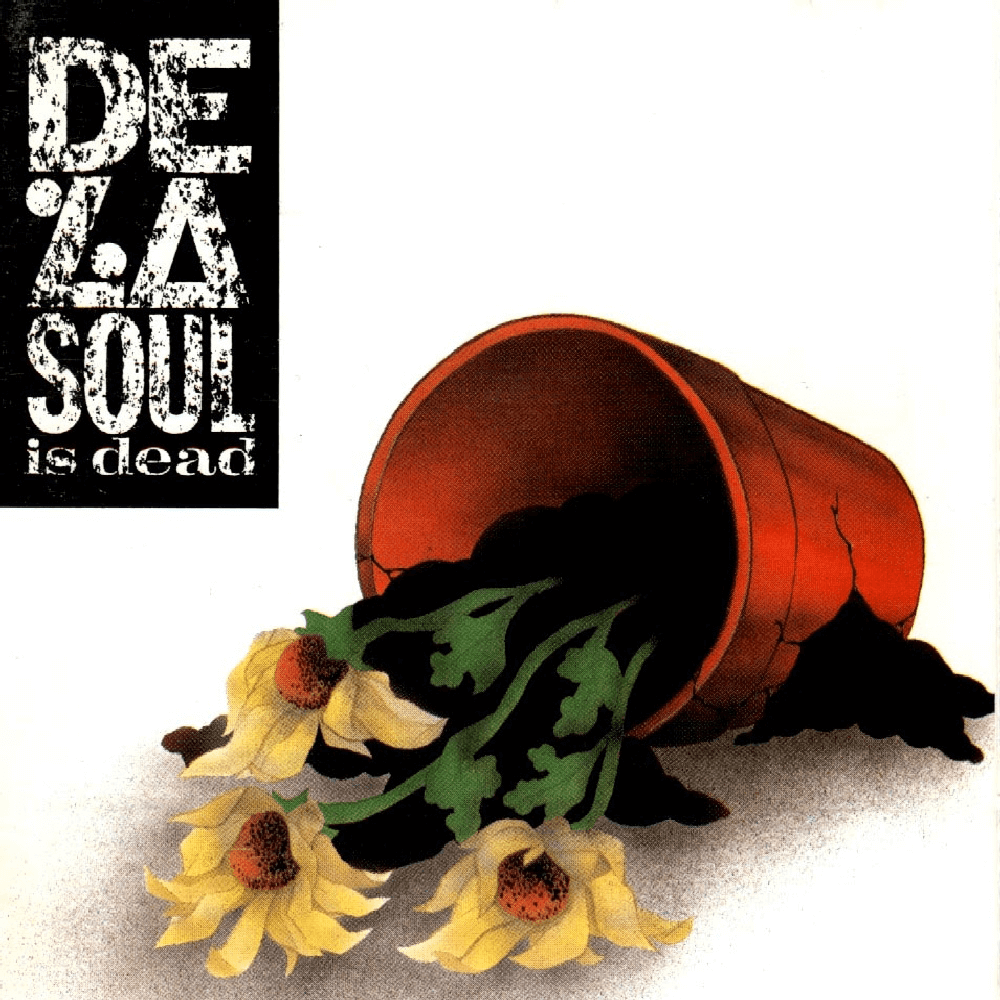
The title and cover, featuring a smashed flowerpot, announce the break. A running series of skits follows neighborhood bullies who find a De La Soul cassette in the trash and ridicule the group’s music, turning the album itself into a target for satire. Prince Paul’s production is even more unpredictable than on the debut, stitching together an eclectic assortment of samples, odd vocal fragments, and unexpected rhythmic shifts. “Oodles of O’s” and “Talkin’ Bout Hey Love” set the tone, while “A Roller Skating Jam Named ‘Saturdays’” brings an irresistible disco groove. “Ring Ring Ring (Ha Ha Hey)” takes aim at aspiring artists and opportunists trying to exploit the group’s success.
The humor has a sharper edge, and the subject matter often turns grim. “My Brother’s a Basehead” examines the damage caused by drug addiction, while “Millie Pulled a Pistol on Santa” tells a disturbing story of sexual abuse and revenge. These tracks give the album emotional weight beyond its playful surface, even as some of the skits and looser cuts interrupt its momentum.
Initially a more challenging proposition for listeners expecting another 3 Feet High and Rising, De La Soul Is Dead was ahead of its time. The group traded an easy-to-market identity for greater creative freedom, and Prince Paul met that ambition with some of the most inventive sample-based production of the era.
Compton’s Most Wanted – Straight Checkn’ Em (1991)

Compton’s Most Wanted’s Music to Driveby (1992) is the group’s crowning achievement, but we have always had a soft spot for its predecessor, Straight Checkn’ Em. Released in July 1991, the group’s second album is an underrated piece of early West Coast gangsta rap, with MC Eiht’s hard-edged street narratives set against the funk-heavy production of DJ Slip and the Unknown DJ.
The album opens with “They Still Gafflin’,” a grim account of police harassment that establishes the distrust running through much of the record. “Growin’ Up in the Hood,” which appeared in Boyz n the Hood and its soundtrack, captures the pressures of coming of age in Compton, while “Raised in Compton” offers another vivid portrait of the environment that shaped the group. Eiht’s delivery is measured and conversational, giving his accounts of street life a grounded quality that suits the production.
The title track brings a harder, more confrontational energy, while “Def Wish” introduces the kind of menacing atmosphere that would become central to CMW’s sound. “Compton’s Lynchin’” and “Can I Kill It?” keep the mood dark, with DJ Slip and the Unknown DJ drawing on deep funk and soul samples to create a thick, low-slung backdrop. “Mike T’s Funky Scratch” gives the group’s DJ room to step forward, adding a welcome change of pace to an album built around tense street narratives.
Straight Checkn’ Em lacks the full creative force of Music to Driveby, but its best tracks deserve to be heard alongside the era’s better-known West Coast classics. We love this record, and its place on this list reflects that conviction.
Gang Starr – Step In The Arena (1991)

Gang Starr’s 1989 debut, No More Mr. Nice Guy, introduced a distinctive duo, with a handful of classics already in place, but the album still sounded like a group finding its footing. On Step in the Arena, Guru and DJ Premier hit their stride. Released in January 1991, the second album marks the beginning of an extraordinary run that would include Daily Operation, Hard to Earn, and Moment of Truth, four albums that rank among the finest in Hip Hop.
Premier’s production gives the record its identity. His jazz and funk samples, sharp drum breaks, and carefully placed scratches create a lean, unmistakable New York sound. The beats leave room for Guru’s measured delivery, his calm authority contrasting with the precision of Premier’s cuts. The title track sets the tone, while “Form of Intellect” and “Check the Technique” make a case for the duo’s technical command without sacrificing the music’s groove.
“Who’s Gonna Take the Weight?” is a standout, with Premier’s looping horns providing a backdrop for Guru’s reflections on responsibility and self-awareness. “Just to Get a Rep” turns to street-level storytelling, examining the pursuit of reputation and the consequences that follow. “Take a Rest” brings a looser, funkier energy, while “Beyond Comprehension” and “Precisely the Right Rhymes” put the focus squarely on the craft of MCing. Even the short interludes contribute to the album’s tightly connected feel.
Step in the Arena is where Gang Starr’s partnership truly came into focus. Guru and Premier developed a musical and lyrical chemistry that would define their best work, balancing street knowledge, thoughtful observations, and pure Hip Hop technique. The album laid the foundation for one of the strongest four-album runs in the genre’s history.
Ice Cube – Death Certificate (1991)
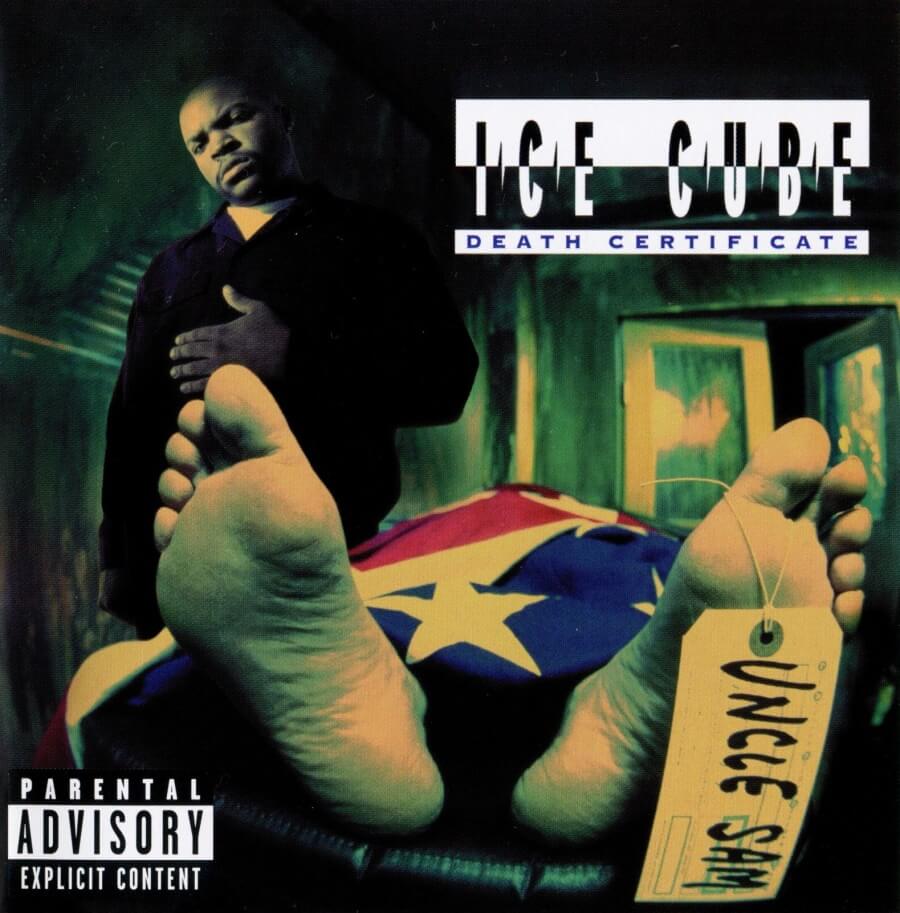
With AmeriKKKa’s Most Wanted, Ice Cube proved he could thrive outside N.W.A. On Death Certificate, his second solo album, he sharpened his political commentary, deepened his street narratives, and delivered one of the most confrontational records of the early 1990s. Released in October 1991, the album arrived amid escalating racial tensions in Los Angeles, months after the beating of Rodney King and shortly before the unrest that followed the acquittal of the officers involved. Cube captured the anger and desperation of Black communities with a fury that rarely allowed room for comfortable listening.
The album is divided into two sections, “The Death Side” and “The Life Side.” The first examines the damage caused by poverty, violence, drugs, and institutional neglect. “My Summer Vacation” traces the migration of Los Angeles gang culture into other cities, while “A Bird in the Hand” follows a young man pushed toward drug dealing by limited economic prospects. “Alive on Arrival” delivers one of Cube’s most harrowing narratives, following a shooting victim left waiting for medical attention as his condition deteriorates. The production, handled by Cube, Sir Jinx, DJ Pooh, and the Boogie Men, trades the Bomb Squad’s abrasive East Coast attack for thick funk samples and a distinctly West Coast groove.
The second half turns toward Black identity, community, and self-determination, although its politics are often as provocative as its street tales. “True to the Game” attacks opportunism, “Color Blind” calls for an end to gang divisions, and “No Vaseline” dismantles Cube’s former N.W.A bandmates with vicious precision and dark humor. “Black Korea,” meanwhile, remains a deeply troubling expression of racial hostility, written in response to tensions between Black residents and Korean American shopkeepers.
Death Certificate is Ice Cube at his peak: a commanding MC, a vivid storyteller, and a political voice willing to provoke as well as challenge. Its contradictions are impossible to ignore, but neither are its musical force, narrative ambition, or historical weight.
A Tribe Called Quest – The Low End Theory (1991)

A Tribe Called Quest’s People’s Instinctive Travels and the Paths of Rhythm introduced a fresh voice in Hip Hop, with playful rhymes, eclectic samples, and an easygoing spirit. On their second album, The Low End Theory, the group sharpened its approach and found a sound that would influence generations of producers and MCs. Q-Tip stripped the music down to deep bass, crisp drums, and carefully chosen jazz samples, creating a warmer, more focused backdrop for the group’s rhymes.
The change also gave Phife Dawg room to step forward. Where Q-Tip favored abstract observations and a relaxed delivery, Phife brought punchlines, self-deprecating humor, and streetwise confidence. Their exchanges give the album much of its personality, particularly on “Buggin’ Out,” where Phife’s opening verse announces his arrival as a fully formed MC. “Check the Rhime” captures their chemistry at its best, with the two trading lines over a supple groove, while “Jazz (We’ve Got)” makes the connection between jazz and Hip Hop sound entirely natural. The presence of legendary double bassist Ron Carter on “Verses from the Abstract” takes that connection beyond sampling alone.
The album also addresses subjects that reach beyond lyrical sparring. “Rap Promoter” takes aim at the music industry, “The Infamous Date Rape” confronts sexual assault, and “Show Business” features sharp contributions from Brand Nubian’s Lord Jamar and Sadat X, alongside Diamond D. Then there is “Scenario,” whose explosive closing verse from Busta Rhymes gives the album one of Hip Hop’s most memorable guest appearances.
The Low End Theory is where A Tribe Called Quest’s musical identity and lyrical chemistry fully converged. Its bass-heavy minimalism influenced everyone from Nas and the Roots to Dr. Dre, while its balance of intelligence, humor, and groove gave alternative Hip Hop a defining statement. Few sophomore albums have had this kind of lasting impact.
Naughty By Nature - Naughty By Nature (1991)

Naughty By Nature’s self-titled second album brought the East Orange, New Jersey trio from local favorites to mainstream stars. Following their earlier incarnation as The New Style, Treach, Vin Rock, and DJ Kay Gee found their identity with a harder-edged sound, nimble lyricism, and hooks built for a crowd. Released in September 1991, the album struck a balance between street-level storytelling and accessible, sample-driven production that few rap acts had managed so effectively.
The key was Kay Gee’s knack for turning familiar funk and soul samples into punchy, uncluttered beats. “O.P.P.” reworked the Jackson 5’s “ABC” into an irresistible call-and-response anthem, its playful code for infidelity giving the song an edge that helped propel it to number six on the Billboard Hot 100. Treach’s rapid-fire delivery keeps the verses lively, while the hook invites everyone in. The success did not mean the group had softened their approach. “Yoke the Joker” and “Guard Your Grill” deliver forceful battle rhymes, while “Wickedest Man Alive,” featuring mentor Queen Latifah, brings a combative energy. “Everything’s Gonna Be Alright,” originally released as “Ghetto Bastard” on explicit versions, shifts toward the realities of poverty and growing up with limited options, carried by a warm soul sample. “Uptown Anthem,” also associated with the Juice soundtrack, adds a darker, cinematic note.
The album went platinum within months, proving that accessible hooks and hard-edged rap were not mutually exclusive. Treach’s acrobatic flow gave the group a distinctive lyrical identity, while Kay Gee’s production left room for each sample to breathe. Naughty By Nature helped establish the rap anthem as a mainstream force without abandoning the grit that gave the trio its character.
Digital Underground - Sons Of The P (1991)

Digital Underground’s Sex Packets introduced a group whose playful humor, theatrical characters, and funk-heavy production made them stand out in West Coast rap. On Sons of the P, their second album, Shock G and the Underground Production Squad take their Parliament-Funkadelic obsession to another level. Released in 1991, the record draws heavily on George Clinton’s musical universe, with Clinton himself contributing to the title track. The result is a deeper, more cohesive funk-rap hybrid that trades some of the debut’s unpredictable absurdity for extended grooves and richer arrangements.
The opening “The DFLO Shuffle” sets the mood with loose rhythms and the group’s familiar comic energy, while “Heartbeat Props” rides a thick Funkadelic groove and demands respect for Hip Hop’s innovators. The nine-minute title track brings Shock G and Clinton together in an affectionate celebration of P-Funk mythology. On “Kiss You Back,” layered harmonies and an infectious hook turn the group’s funk fixation into an irresistible pop-rap single. “No Nose Job” uses Humpty Hump’s absurd persona to take aim at Black celebrities who alter their appearance to fit conventional beauty standards, giving the humor a sharper edge.
The album’s long-form approach reaches its peak on “Good Thing We’re Rappin’,” an extended closer that spins an elaborate origin story around Humpty Hump. Elsewhere, “Family of the Underground,” featuring Stretch and Treach, connects Digital Underground’s eccentric world to a wider circle of East and West Coast MCs.
Although Sex Packets remains the group’s better-known album with the iconic DU hit singles on it, Sons of the P is the stronger overall statement. Its extended grooves and deeper commitment to funk mythology give the music a consistency the debut sometimes sacrifices for novelty. Digital Underground sound entirely at home in Clinton’s universe, turning P-Funk’s sprawling spirit into a distinctive form of Hip Hop.
Paris – Sleeping With The Enemy (1992)

Paris followed his 1990 debut, The Devil Made Me Do It, with an album that pushed his militant political rap into even more confrontational territory. Sleeping with the Enemy was originally intended for release through Tommy Boy Records, but controversy surrounding its lyrics and pressure on parent company Warner Bros. derailed the plan. Paris took the project to his own Scarface Records, turning the album’s release into a statement of independence as well as a challenge to corporate censorship.
The controversy centered on “Bush Killa,” a revenge fantasy targeting then-president George H. W. Bush, and “Coffee, Donuts & Death,” an incendiary attack on police brutality. Paris delivers his politics without softening the edges, addressing systemic racism, government neglect, and the violence inflicted on Black communities. The approach is deliberately provocative, sometimes to the point of overshadowing the arguments behind it, but the anger has a clear political target. “Make Way for a Panther” and “Conspiracy of Silence” extend the album’s focus on Black liberation and institutional power, while “Assata’s Song” pays tribute to activist Assata Shakur.
Paris handles the production himself, grounding the polemics in hard drums, funk-heavy basslines, and smooth, sample-based grooves. The music gives the album a relaxed West Coast swing that contrasts with the hostility of its subject matter. DJ Shadow also contributed to the record, early evidence of his work within the Bay Area underground. “The Days of Old” offers a more reflective moment amid the political fury.
Sleeping with the Enemy reached listeners through independent distribution after its major-label release fell apart, eventually selling hundreds of thousands of copies. Its combination of uncompromising politics and self-reliance made it an important entry in early-1990s political rap, even as its most incendiary moments remain deliberately difficult to digest.
Lord Finesse - Return Of The Funky Man (1992)

After establishing himself as one of the sharpest punchline MCs in New York with Funky Technician, Lord Finesse returned in 1992 with a second album that expanded his role within the Diggin’ in the Crates crew. Following his split from DJ Mike Smooth and Wild Pitch Records, Finesse signed with Giant Records, a Warner Bros. subsidiary, and brought in fellow D.I.T.C. members Showbiz and Diamond D alongside several other producers. He also began producing his own tracks, an early step toward the respected beatmaking career that would run alongside his work on the mic.
Finesse’s appeal lies in his effortless command of the boastful, humorous battle-rap tradition. He packs his verses with internal rhymes, slick wordplay, and playful putdowns, delivering them with a relaxed confidence that never needs to be forced. The title track, produced by Showbiz, is a standout statement of intent, while “I Like My Girls with a Boom” leans into Finesse’s cheekier side. “Yes You May,” featuring Showbiz & A.G. and Percee P, brings together three distinctive New York lyricists, with Percee P’s rapid-fire delivery providing a sharp contrast to Finesse’s smoother flow.
The production varies across the album, from Diamond D’s funk-driven work on “Praise the Lord” and “Isn’t He Something” to the heavier grooves of “Save That Shit” and “Stop Sweating the Next Man.” “Fat for the 90’s,” featuring A.G., captures the competitive spirit and easy chemistry of the D.I.T.C. circle.
Finesse’s punchlines and laid-back delivery keep the album lively, especially when he trades verses with D.I.T.C. peers or rides the funk-heavy beats of Showbiz and Diamond D. Although the nearly 70-minute runtime has a few detours, cuts like “Return of the Funky Man,” “Yes You May,” and “Fat for the 90’s” capture the competitive lyricism and sample-driven grooves that made the D.I.T.C. crew such a force in early-’90s New York rap. The album also catches Finesse at the start of his transition from formidable MC to producer in his own right.
Del The Funky Homosapien - No Need for Alarm (1993)

After the commercial success of I Wish My Brother George Was Here, Del the Funky Homosapien took a sharp turn with his second album. Moving away from the playful funk of his debut, No Need for Alarm embraced harder drums, darker samples, and densely packed rhymes. Del’s cousin Ice Cube had helped shape the sound of the first record, but this time Del worked more closely with Oakland’s emerging Hieroglyphics collective, including Casual, A-Plus, and Domino. The shift gave Del room to develop a style that was distinctly his own.
The album opens with “You’re in Shambles,” setting up a record full of intricate boasts, unpredictable cadences, and elaborate putdowns. “Catch a Bad One,” produced by Casual, is a highlight, with Del dismantling rival MCs through tightly woven internal rhymes and a nimble delivery. On “Wack M.C.’s,” he turns his attention to inferior imitators, while the title track delivers another round of lyrical sparring over Domino’s rugged production. The beats vary across the album, but the stripped-back drums and jazz-tinged loops keep the focus on Del’s voice and wordplay.
There’s more to the record than battle rap. “Wrong Place” and “No More Worries” bring different shades to Del’s writing, while “Check It Ooout” stretches across five minutes of shifting rhythms and freewheeling verses. The contributions from Hieroglyphics affiliates give the album a communal energy without taking attention away from its central figure.
No Need for Alarm helped put Oakland on the map as a major center for alternative West Coast Hip Hop, alongside Souls of Mischief’s ’93 ’til Infinity. Del traded the accessible humor of his debut for a more demanding style, packed with technical flourishes and restless ideas. The result is a compelling snapshot of an MC sharpening his craft while laying the groundwork for the Hieroglyphics sound.
Cypress Hill - Black Sunday (1993)
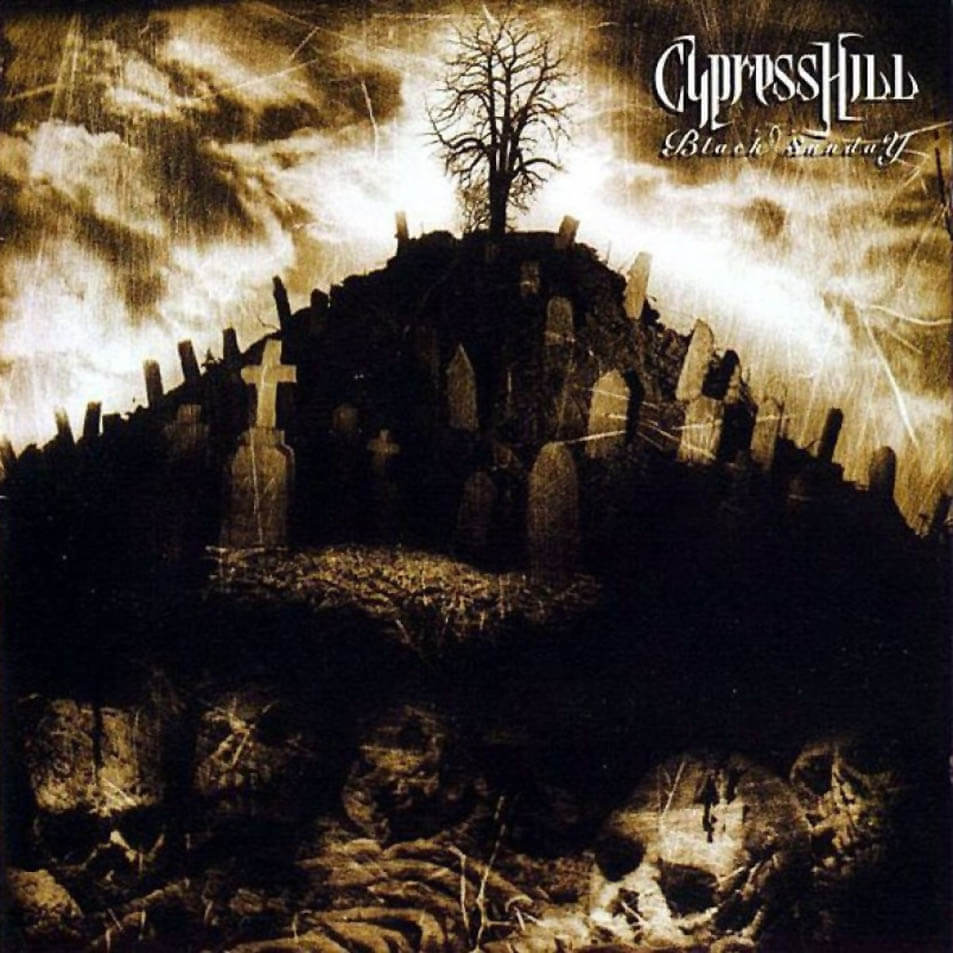
Cypress Hill’s self-titled debut introduced a distinctive blend of Latin-inflected identity, stoned humor, and grimy West Coast beats. Black Sunday took that formula to a much wider audience without sanding down its stranger edges. DJ Muggs built the album around murky basslines, eerie samples, and hard, stripped-back drums, while B-Real’s high-pitched, nasal delivery bounced off Sen Dog’s gravelly interjections. The result had little in common with the polished funk dominating West Coast radio in 1993.
“Insane in the Brain” became the group’s signature crossover hit, its warped vocal hook and lurching beat reaching far beyond rap audiences. “I Ain’t Goin’ Out Like That” brought a heavier, almost rock-like attack, while “When the Shit Goes Down” and “Cock the Hammer” leaned into the group’s darker street narratives. Cannabis culture remained central to their identity: “I Wanna Get High” and “Hits from the Bong” turned getting stoned into hazy, sample-driven rituals, with Muggs’ production giving the latter an especially hypnotic pull. The brief “Legalize It” made their position explicit.
The album’s appeal extended well beyond traditional Hip Hop audiences. Its horror-film atmosphere, cemetery imagery, and abrasive grooves connected with skaters, alternative-rock fans, and listeners drawn to music outside the dominant gangsta-rap and G-funk styles. That crossover did not require Cypress Hill to abandon their identity or dilute their lyrical obsessions.
Black Sunday debuted at number one on the Billboard 200, selling 261,000 copies in its first week. With their debut still in the Top 10, Cypress Hill became the first Hip Hop group to place two albums there simultaneously. The commercial breakthrough was enormous, but the record’s real distinction lies in how completely Muggs’ shadowy production, B-Real’s unmistakable voice, and the group’s cannabis advocacy came together as a sound no one else could quite replicate.
Spice 1 - 187 He Wrote (1993)
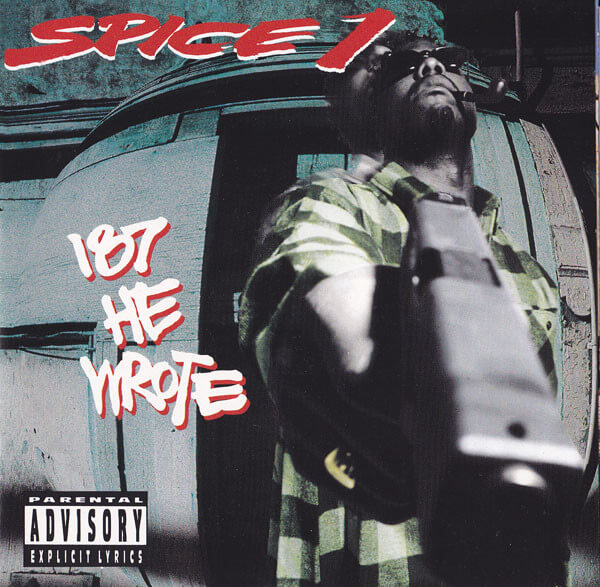
Spice 1’s 187 He Wrote arrived in September 1993, building on the success of his self-titled debut with a darker, more elaborate vision of Bay Area gangsta rap. The Oakland MC had a distinctive weapon in his stuttering, rapid-fire delivery, which made his violent street narratives sound unnervingly immediate. Across fifteen tracks, he explores the paranoia, retaliation, and fatalism surrounding street life, backed by a varied lineup of West Coast producers. The album reached the top of Billboard’s R&B/Hip-Hop Albums chart and earned gold certification within months of release.
The opening run sets a grim tone. “I’m the Fuckin’ Murder” announces Spice 1’s ruthless persona before E-A-Ski and CMT’s eerie production on “Dumpin’ Em in Ditches” pushes the atmosphere into even darker territory. “Gas Chamber,” produced by Too $hort, combines ominous funk with Spice’s tightly wound descriptions of violence, while the title track takes a more cinematic approach to its street-level storytelling. Rather than relying on one uniform G-funk template, the production shifts between creeping bass lines, hard percussion, and unsettling melodic touches.
The guest appearances broaden the album’s West Coast perspective without distracting from Spice 1’s presence. Bo$$ joins him on “Don’t Ring the Alarm (The Heist),” bringing a sharp counterpoint to the track’s criminal narrative. “The Murda Show” pairs Spice with Compton’s MC Eiht, uniting two distinctive voices whose performances share a grim, matter-of-fact approach to gangsta rap. Too $hort also contributes to the album’s musical identity as a producer, while Ant Banks supplies the beat for “Clip & the Trigga.”
“Trigga Gots No Heart” captures the record’s central tension between hard-edged bravado and a world shaped by constant danger. 187 He Wrote is especially compelling when its ominous production and Spice 1’s fractured, breathless flow work together, turning familiar street-rap themes into something distinctly unsettling. It remains one of the defining statements of early-1990s Bay Area gangsta rap.
Masta Ace - SlaughtaHouse (1993)

Masta Ace has always been one of Hip Hop’s smartest storytellers, and SlaughtaHouse is where his conceptual ambitions really started taking shape. Following his excellent solo debut Take a Look Around (1990), the Brooklyn MC assembled Masta Ace Incorporated and delivered a second album that took aim at the increasingly cartoonish violence dominating commercial rap in the early 1990s.
The title track captures the album’s central idea perfectly. Through exaggerated characters, ridiculous threats, and biting humor, Ace mocks rappers who manufacture murderous personas to sell records. It’s funny, vicious satire, especially considering how enthusiastically the music industry was embracing gangsta rap at the time. Elsewhere, “The Big East” addresses street violence with considerably greater seriousness, demonstrating Ace’s ability to approach related subjects from different angles.
Musically, SlaughtaHouse is equally interesting. Heavy basslines and rolling funk grooves bring a West Coast influence to the production, while the rhyming remains unmistakably New York. “Jeep Ass Niguh” is a particular highlight, built for booming car stereos and later transformed into the hit “Born to Roll.” Tracks such as “A Walk Thru the Valley,” “Jack B. Nimble,” and “Saturday Nite Live” offer plenty of lyrical dexterity, personality, and humor.
At 65 minutes, the album occasionally loses momentum, but its strongest material is exceptional. Its mixture of dark comedy, intricate rhyming, and social criticism also left a considerable impression on a young Eminem, who has repeatedly acknowledged Masta Ace’s influence.
SlaughtaHouse deserves recognition as one of 1993’s most inventive underground releases. It also marks an important stage in Ace’s development into arguably Hip Hop’s greatest concept-album artist, a reputation he would strengthen with Sittin’ on Chrome, Disposable Arts, andA Long Hot Summer.
Freestyle Fellowship – Innercity Griots (1993)

Freestyle Fellowship’s debut, To Whom It May Concern…, introduced a Los Angeles crew whose approach to MCing owed as much to jazz improvisation as to traditional rap technique. On Innercity Griots, Aceyalone, Myka 9, P.E.A.C.E., and Self Jupiter pushed that approach into more intricate territory, twisting syllables, switching rhythms mid-verse, and passing phrases between voices with the spontaneity of a live ensemble. While West Coast rap was increasingly associated with gangsta narratives and G-funk, Freestyle Fellowship offered a distinctly different account of life in Los Angeles.
The production, handled largely by the group and the Earthquake Brothers, combines programmed beats with live instrumentation, including bass, guitar, horns, and percussion. The music gives the MCs room to experiment, though the shifting cadences and dense wordplay demand close attention. “Hot Potato” and “Everything’s Everything” are showcases for their rapid-fire delivery, with verses that seem to tumble over one another before snapping into new patterns. “Bullies of the Block” brings a more direct attack, while “Inner City Boundaries,” featuring Daddy-O, connects the group’s experimental style to a wider Hip Hop tradition. On “Park Bench People,” the quartet turns its attention to poverty and homelessness, observing the lives of people pushed to the margins with empathy rather than gangsta-rap bravado. “Heavyweights,” featuring an extended lineup of guests, turns the album into a gathering of kindred underground voices.
The record grew out of the creative culture surrounding the Good Life Café, the South Central Los Angeles open-mic scene that encouraged originality and technical risk-taking. Innercity Griots never became a mainstream hit, but its influence reached well beyond its sales. Freestyle Fellowship expanded the possibilities of rap cadence and group interplay, leaving a lasting mark on generations of technically adventurous MCs.
2Pac - Strictly 4 My N.I.G.G.A.Z. (1993)

With his debut, 2Pacalypse Now, Tupac Shakur introduced himself as an outspoken young MC confronting police brutality, racism, and life in America’s poorest neighborhoods. His second album broadened that vision, pairing politically charged rhymes with more accessible production and a growing sense of his own star power. Released in February 1993, Strictly 4 My N.I.G.G.A.Z. arrived after Tupac’s breakout role in Juice and marked his transition from underground firebrand to a major force in rap.
“Holler If Ya Hear Me” opens with a furious call to resistance, its militant energy carried by the Live Squad’s production. “Last Wordz,” featuring Ice Cube and Ice-T, brings together three uncompromising voices, while the title track and “The Streetz R Deathrow” return to the poverty, institutional neglect, and racial injustice that shaped Tupac’s worldview. He also makes room for humor and easygoing charm. “I Get Around,” featuring Digital Underground’s Shock G and Money-B, is a playful party record built around a memorable groove, showing the lighter side of the personality audiences had first encountered through Digital Underground.
The album’s emotional center is “Keep Ya Head Up,” a soulful address to Black women that condemns sexism, absent fathers, and the hardships faced by single mothers. Its compassion and directness stand in sharp contrast to the confrontational posturing elsewhere on the record. “Papa’z Song,” featuring Tupac’s stepbrother Mopreme, examines the pain of growing up without a present father, adding another deeply personal dimension to his social commentary.
Strictly 4 My N.I.G.G.A.Z. became Tupac’s first platinum-certified album, establishing a broader audience for an artist whose music moved between anger, vulnerability, humor, and political conviction. That range would become central to his identity, and here it was beginning to take shape.
Digable Planets - Blowout Comb (1994)

After the laid-back, jazz-inflected charm of Reachin’ (A New Refutation of Time and Space), Digable Planets took a more grounded and politically direct approach on their second album. Having relocated from Philadelphia to Brooklyn, Ishmael Butler, Mary Ann Vieira, and Craig Irving absorbed the sounds and everyday rhythms of their new surroundings. Released in October 1994, Blowout Comb trades much of the debut’s playful accessibility for extended grooves, denser arrangements, and lyrics rooted in Black history, community, and self-determination.
Butler and co-producer Dave Darlington weave live instrumentation into an intricate web of samples, making the distinction between the two difficult to discern. Deep basslines, warm jazz textures, and loose, unhurried drums give the music the character of a late-night session stretching across a Brooklyn block. “The May 4th Movement Starring Doodlebug” sets the mood, while the seven-minute “Black Ego” lets its groove develop patiently. “Borough Check,” featuring Gang Starr’s Guru, is an affectionate portrait of Brooklyn, and “Graffiti,” with Jeru the Damaja, connects the group’s reflective style to the borough’s harder-edged underground. On “9th Wonder (Blackitolism),” DJ Jazzy Joyce joins a track that brings Black consciousness and political conviction to the forefront. The title’s reference to the Afro pick reflects the album’s embrace of natural Black identity, a theme echoed in the artwork and liner notes.
Digable Planets received little promotional support from their label, and the album failed to match the commercial success of their debut. Its increasingly explicit Black nationalist perspective and refusal to chase another crossover hit may have narrowed its audience at the time. In retrospect, Blowout Comb stands as the group’s most fully realized work, a richly detailed portrait of Black urban life whose patient grooves and political focus have only grown in stature.
Common – Resurrection (1994)

With Can I Borrow a Dollar?, Common Sense introduced himself as a playful, technically gifted Chicago MC with an ear for inventive wordplay. Resurrection finds him more focused, pairing sharper writing with the warm, jazz-inflected production of longtime collaborator No I.D. Released in October 1994, the album captures Common developing a distinctive voice, grounded in South Side life but increasingly concerned with Hip Hop’s direction, personal responsibility, and the values behind the music.
No I.D.’s production favors dusty jazz samples, supple basslines, and uncluttered drums, leaving room for Common’s conversational delivery and intricate rhymes. The title track announces his growth as an MC, while “Thisisme” offers a candid self-portrait that balances confidence with self-examination. “Book of Life” takes a reflective look at life’s lessons, and “Chapter 13 (Rich Man Vs. Poor Man)” examines economic inequality through contrasting perspectives. Brief interludes and recurring references to Chicago’s Stony Island Avenue give the album a loose sense of place, dividing it into East Side and West Side sections.
The defining moment is “I Used to Love H.E.R.,” a deceptively simple allegory that personifies Hip Hop as a woman whose original spirit has been compromised by commercialism and the growing dominance of gangsta rap. Common traces the culture’s evolution with affection and disappointment, making his critique personal rather than abstract. The song also provoked a response from Ice Cube, who interpreted its criticism as a shot at West Coast rap. Their feud escalated before eventually being resolved privately.
Although Resurrection received strong reviews, it initially attracted little commercial attention. Its reputation grew over time, and the album became a touchstone for thoughtful, lyrically ambitious rap. No I.D.’s understated beats and Common’s increasingly mature writing made this a defining record for Chicago Hip Hop, while “I Used to Love H.E.R.” remains one of the genre’s most memorable examinations of its own changing identity.
UGK - Super Tight (1994)

Following their debut, Too Hard to Swallow, UGK returned with Super Tight…, an album that sharpened the Texas duo’s distinctive blend of Southern funk, street narratives, and blues-inflected soul. Pimp C handled most of the production, building thick, bass-heavy grooves around live instrumentation, gospel-flavored keyboards, and loose, funky guitar. The appearance of Leo Nocentelli, guitarist for New Orleans funk legends The Meters, adds another layer to the album’s organic sound. Over these beats, Pimp C’s melodic, sometimes nasal delivery contrasts with Bun B’s measured authority and tightly packed verses.
“Return” sets the tone before “Underground” lays out the duo’s identity. “It’s Supposed to Bubble” rides a relaxed groove, while “Front, Back & Side to Side” celebrates Houston’s slab culture, complete with custom paint, hydraulics, and cruising music built for a car’s sound system. “Pocket Full of Stones Pt. 2” revisits a standout from the debut, extending UGK’s detailed accounts of the drug trade. The mood turns confrontational on “Protect & Serve,” which samples N.W.A.’s “Fuck tha Police” in a critique of police misconduct. Elsewhere, “Feds in Town” and “Stoned Junkee” explore the pressures and consequences surrounding street life.
Super Tight… didn’t make UGK national stars overnight, but it gave their sound greater definition. Pimp C’s production has a warmth and musicality that distinguish the album from the harder-edged rap coming out of other regions, while Bun B and Pimp C bring different strengths to every track. That combination would reach its full expression on Ridin’ Dirty, but the foundation is already firmly in place here.
Organized Konfusion - Stress: The Extinction Agenda (1994)
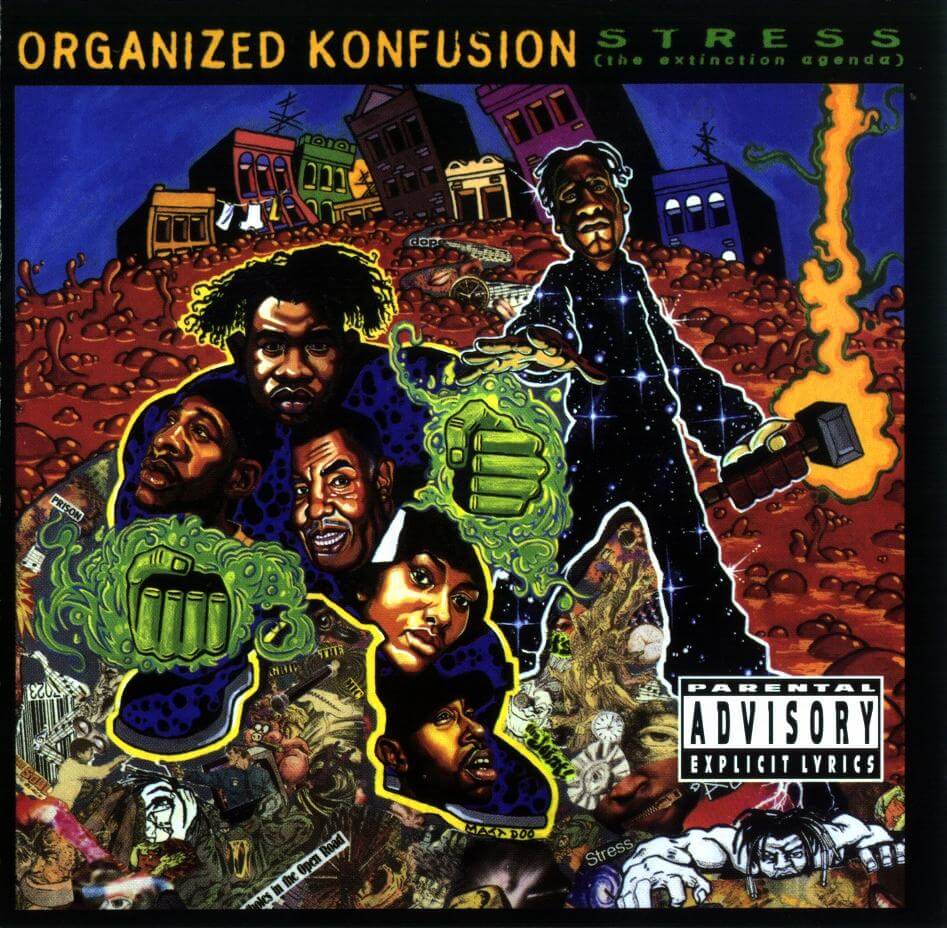
Organized Konfusion’s self-titled 1991 debut was already an extraordinary display of lyrical creativity, but Stress: The Extinction Agenda pushed Pharoahe Monch and Prince Po into another league. Darker, angrier, and considerably more intense, their second album captures the anxiety of urban life through some of the most intricate rhyming ever committed to a Hip Hop record.
The title track immediately establishes the mood. Buckwild’s unsettling production provides the backdrop for Monch and Po’s breathless descriptions of pressure, paranoia, and everyday frustration. “The Extinction Agenda” is equally formidable, with twisting rhyme patterns and dense imagery that demand close attention. Throughout the album, the two MCs constantly change their flows, manipulate syllables, and bounce ideas off each other without losing sight of what they’re saying.
“Stray Bullet” is the album’s most remarkable achievement. Rapping from the perspective of a bullet, Monch traces its deadly trajectory with chilling precision. It’s a brilliant piece of conceptual storytelling that makes its point about gun violence through imagination rather than preaching. “Black Sunday,” “Bring It On,” and “3-2-1” offer additional examples of the duo’s exceptional technical ability, while “Let’s Organize,” featuring O.C. and Q-Tip, provides a welcome change of pace.
The production, largely handled by Organized Konfusion themselves with contributions from Buckwild and Rockwilder, matches the lyrical complexity. Warped jazz samples, heavy drums, and ominous basslines create a claustrophobic atmosphere perfectly suited to the album’s themes.
Stress: The Extinction Agenda belongs among the finest Hip Hop albums of 1994, an exceptionally competitive year. Few records from that era combine technical brilliance, imaginative storytelling, and psychological intensity so convincingly. For us, it’s Organized Konfusion’s masterpiece and one of the greatest underground Hip Hop albums ever recorded.
The Coup – Genocide & Juice (1994)
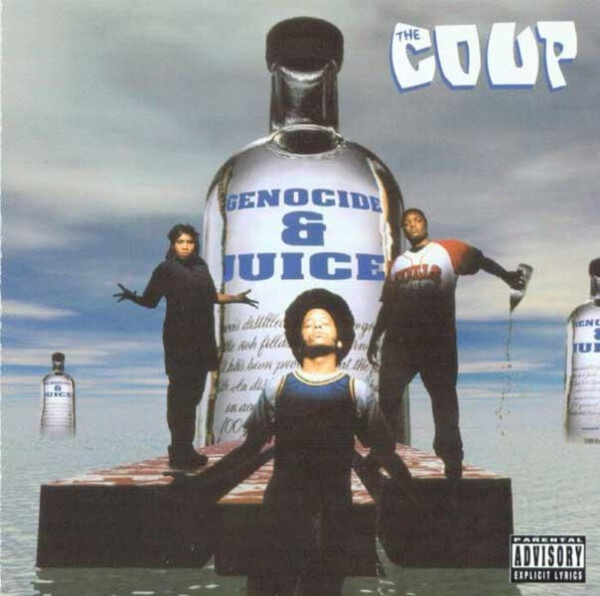
On their second album, Oakland’s The Coup sharpened their blend of radical politics, street-level storytelling, and funk-driven West Coast rap. Led by MC and producer Boots Riley, the group targets capitalism as a system built on exploitation, arguing that the difference between street crime and corporate business often comes down to who writes the laws. The title Genocide & Juice twists Snoop Dogg’s “Gin and Juice” into a dark joke about the violence underpinning American wealth, where the powerful profit from suffering while presenting themselves as respectable citizens.
“Fat Cats, Bigga Fish” turns that argument into a story. Boots sneaks into an exclusive party and discovers that the executives and wealthy guests are running scams of their own, exploiting workers and manipulating the rules while enjoying the protection of money and status. “Pimps (Free Stylin’ at the Fortune 500 Club)” makes the comparison explicit, imagining corporate leaders boasting about their ability to extract profit from other people’s labor. For The Coup, exploitation isn’t an aberration in an otherwise fair economy; it is how the economy works. “Hip 2 tha Skeme” extends the album’s suspicion of official respectability, while “Santa Rita Weekend,” featuring E-40, Spice 1, and E-Roc, brings the focus to incarceration and the machinery of the criminal justice system.
The production keeps the critique grounded in funk rather than turning the album into a lecture. Deep basslines, looping grooves, and live-instrument textures give tracks like “Hard Concrete” a physical, street-level feel. Riley’s humor makes the politics memorable, but the jokes have a hard edge: corporate executives, police, and prison authorities all belong to institutions with the power to determine whose behavior gets punished and whose gets rewarded.
Genocide & Juice never reached the audience of the era’s biggest West Coast releases, peaking at No. 62 on the R&B/Hip-Hop Albums chart. Its combination of danceable funk, class analysis, and pointed satire gave The Coup a distinctive place in underground rap, anticipating the more expansive political work Boots Riley would pursue in later years.
Pete Rock & CL Smooth – The Main Ingredient (1994)
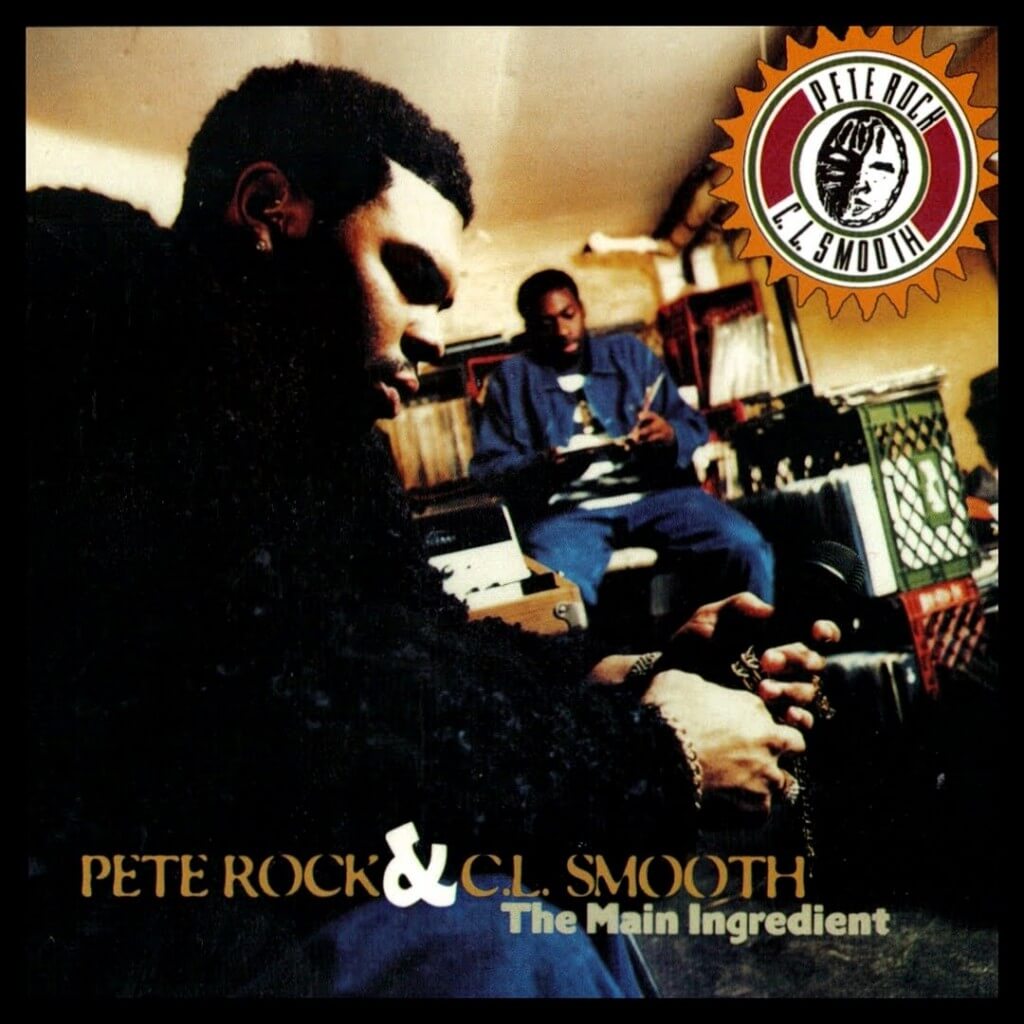
Following Mecca and the Soul Brother, Pete Rock & CL Smooth returned with an album that refined their jazz-inflected East Coast sound. Pete Rock’s production is warmer and more fluid here, built from soulful vocal samples, swirling horns, deep basslines, and crisp drums. Brief instrumental passages often frame the tracks, giving the record a continuous flow rather than a collection of disconnected songs. Vocal scratches, frequently drawn from Biz Markie records, add rhythmic accents and a playful touch. CL Smooth matches the music with a relaxed but precise delivery, balancing introspective writing with the confidence of a seasoned MC.
“In the House” opens with an immediate burst of energy, while “Carmel City” and “I Get Physical” bring the duo’s trademark combination of sharp drums and soulful loops. “Sun Won’t Come Out” wraps CL’s verses in a lush vocal sample, and “I Got a Love” rides a buoyant groove that makes its affection for classic soul unmistakable. “Searching,” featuring Vinia Mojica, takes a more reflective turn, while “Worldwide” and “In the Flesh” bring in members of the extended Mount Vernon crew. There is no single track with quite the cultural reach of “They Reminisce Over You (T.R.O.Y.),” but the album’s strength lies in the consistency of its production and the way its songs fit together.
The 16-track album runs for over 76 minutes, and a few passages could have benefited from tighter editing. Still, Pete Rock’s arrangements rarely lose their musical detail, and CL Smooth remains engaging throughout. Released in November 1994, The Main Ingredient would be the duo’s final studio album together. Their partnership soon fractured, leaving behind a second album that refined their shared sound and demonstrated how much character Pete Rock could draw from a soul sample, a bassline, and a perfectly placed drum break.
Redman – Dare Iz a Darkside (1994)

Redman’s Whut? Thee Album introduced one of Hip Hop’s funniest and most naturally gifted MCs, a wild personality with an extraordinary flow and a deep appreciation for funk. His second album, Dare Iz a Darkside, takes that personality somewhere considerably stranger. Released in November 1994, it’s a murky, psychedelic excursion into Redman’s increasingly chaotic imagination, packed with twisted humor, bizarre characters, and some of the dirtiest funk production of the decade.
The Funkadelic influence runs deep. Even the cover pays tribute to Maggot Brain, depicting Redman buried up to his neck in the ground. Musically, the album is equally indebted to George Clinton’s universe, although the grooves are slower, heavier, and frequently distorted beyond recognition. Redman handles much of the production himself, with Erick Sermon and Rockwilder contributing to the thick, bass-soaked atmosphere.
“Rockafella” and “Can’t Wait” are the obvious highlights, but the album’s peculiar character emerges most clearly on tracks like “Bobyahed2dis,” “Noorotic,” “Green Island,” and “Winicumuhround.” Redman’s delivery is wonderfully unpredictable, switching between slurred observations, frantic bursts of rhyming, and absurd punchlines. “Cosmic Slop,” featuring Erick Sermon and Keith Murray, adds another dose of grimy funk, while “Sooperman Luva II” continues his outrageous storytelling series.
Redman has spoken openly about the heavy drug use and personal difficulties surrounding the recording, admitting that he rarely revisits the album. That troubled period is audible in its paranoid, disorienting atmosphere.
Dare Iz a Darkside is less immediately accessible than Whut? Thee Album or Muddy Waters (1996), and its relentless murk won’t appeal to everyone. We consider it one of Redman’s finest achievements, though. Few mainstream Hip Hop albums from the mid-1990s were this weird, this funky, or this willing to disappear into their creator’s darkest impulses.
Mobb Deep - The Infamous (1995)

Few Hip Hop groups have made a greater leap between their first and second albums than Mobb Deep. Their 1993 debut, Juvenile Hell, was an uneven effort from two teenage MCs still developing their identity. Two years later, Havoc and Prodigy returned with The Infamous, a chilling portrait of life in Queensbridge that ranks among the greatest Hip Hop albums ever recorded.
The transformation begins with Havoc’s production. Eerie piano loops, muffled basslines, skeletal drums, and unsettling jazz samples create an atmosphere of constant danger. Q-Tip contributes production and mixing expertise, helping refine the album’s distinctive sound without softening its menace. The beats are remarkably economical, leaving plenty of space for the duo’s increasingly confident rhymes.
Prodigy, in particular, emerges as an extraordinary MC. His cold, conversational delivery makes descriptions of violence, paranoia, and survival genuinely disturbing. “Shook Ones, Pt. II” is the obvious centerpiece, with one of Hip Hop’s most recognizable beats and verses that capture the psychology of street confrontation. “Survival of the Fittest” is equally devastating, while “Trife Life,” “Up North Trip,” and “Cradle to the Grave” explore the everyday consequences of growing up surrounded by danger.
The guest appearances are excellent. Nas and Raekwon join the duo on “Eye for a Eye (Your Beef Is Mines),” Ghostface Killah appears on “Right Back at You,” and Big Noyd contributes throughout. “Temperature’s Rising,” meanwhile, reveals a more vulnerable side through its story of a friend facing imprisonment.
What makes The Infamous exceptional is its consistency of mood and perspective. Havoc and Prodigy created a fully realized musical world, one where distrust is instinctive and violence is never far away. Alongside Illmatic, Ready to Die, and Enter the Wu-Tang (36 Chambers), it represents the absolute peak of 1990s New York street rap.
KRS One - KRS One (1995)
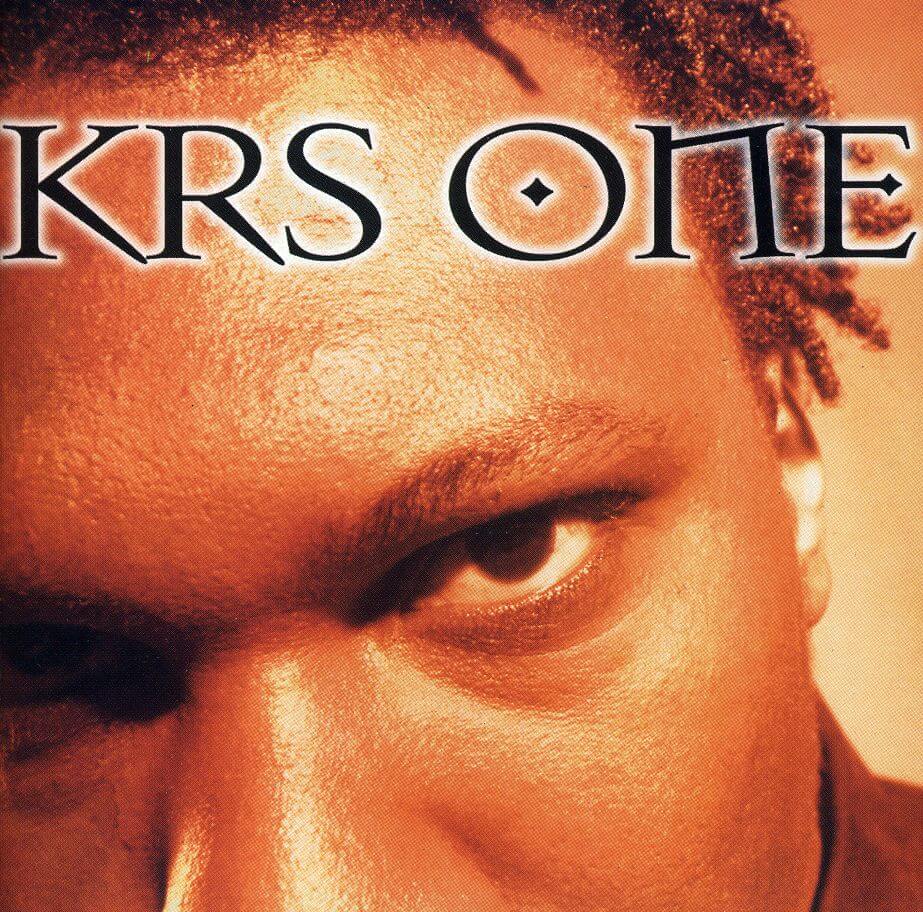
After Boogie Down Productions disbanded, KRS-One’s solo career got off to a strong start with Return of the Boom Bap (1993), an album that reconnected him with the hard beats and battle-ready rhymes of his earlier work. His self-titled follow-up keeps that momentum going, pairing the Bronx veteran with an impressive selection of New York producers and guests.
DJ Premier provides two of the album’s strongest tracks, “Rappaz R. N. Dainja” and “MC’s Act Like They Don’t Know.” The latter is a classic KRS-One performance, full of sharp declarations about MC skills, Hip Hop culture, and the difference between genuine knowledge and empty posturing. Premier’s crisp drums and chopped samples give KRS the ideal platform for his commanding delivery. Diamond D’s “Build Ya Skillz,” featuring Busta Rhymes, is another highlight, with both MCs attacking the beat with force and agility.
The guest list reflects KRS-One’s place in the New York scene. Das EFX appear on “Represent the Real Hip Hop,” while Fat Joe, Mad Lion, and Channel Live contribute elsewhere. The album also returns to KRS’s political concerns on “Free Mumia,” his defense of imprisoned journalist and activist Mumia Abu-Jamal, and “R.E.A.L.I.T.Y.,” which challenges listeners to look beyond appearances and conventional narratives.
At 66 minutes, the album occasionally stretches its ideas too far, and the production varies in quality across its fourteen tracks. Still, KRS’s conviction and technical command rarely waver. KRS-One is a strong second solo album, with “MC’s Act Like They Don’t Know” alone ranking among his finest recordings. It captures an MC determined to defend Hip Hop’s cultural values while remaining a formidable presence on the microphone.
The Pharcyde – Labcabincalifornia (1995)

Three years after Bizarre Ride II the Pharcyde, the Los Angeles quartet returned with a markedly different record. The debut’s playful absurdity gave way to a more subdued, introspective mood, as Fatlip, Slimkid3, Bootie Brown, and Imani grappled with changing relationships, drug use, and the less glamorous side of growing success. Much of that shift comes through the production. Jay Dee, later known as J Dilla, produced several of the album’s defining tracks, using jazz and soul samples, crisp drums, and subtly unsettled rhythms that gave the music a melancholy distinct from the dominant West Coast G-funk sound.
“Runnin’” is the clearest expression of this new direction. Built around a sample of Stan Getz and Luiz Bonfá’s “Saudade Vem Correndo,” its wistful melody carries verses about trying to escape personal troubles. On “Drop,” Jay Dee constructs an unusually spare, hypnotic beat, while Spike Jonze’s reverse-filmed video made the single one of the group’s most memorable visual statements. “She Said” explores the complications of relationships, and “Groupie Therapy” turns the group’s humor toward the awkwardness of newfound attention. The closing stretch grows darker, particularly on “Devil Music,” where Fatlip’s verse exposes the strain beneath the group’s outward confidence.
The album’s 65-minute running time occasionally tests the pacing, but its mood and production hold together across a wide range of subjects. Initially overshadowed by the success of Bizarre Ride II the Pharcyde, Labcabincalifornia gained recognition as Jay Dee’s influence became more widely understood. Fatlip’s departure after its release adds another dimension to the record: it captures a group in transition, moving away from youthful exuberance while confronting the personal costs of that change.
Onyx - All We Got Iz Us (1995)

On 1993’s Bacdafucup, Onyx turned shouted hooks, manic energy, and confrontational humor into a platinum-selling breakthrough. Their second album takes that aggression somewhere much darker. Released in October 1995, All We Got Iz Us strips away much of the debut’s party atmosphere in favor of bleak street narratives, paranoia, drug abuse, and suicidal thoughts. Fredro Starr, Sticky Fingaz, and Sonee Seeza sound increasingly boxed in by the world they describe. The title reflects the group’s sense of isolation: with danger seemingly everywhere, loyalty to their own circle becomes a matter of survival.
The opening skit, “Life or Death,” establishes the mood with Sticky Fingaz threatening himself at gunpoint. From there, “Last Dayz” paints a grim picture of life under constant pressure, its mournful sample and heavy drums setting it apart from the group’s more explosive earlier material. “All We Got Iz Us (Evil Streets)” returns to the album’s central idea of people trapped in hostile surroundings, while “Purse Snatchaz” and “Betta Off Dead” push the violence and desperation into uncomfortable territory. On “Live Niguz,” the group’s furious delivery cuts through a funk-driven beat, and “Walk in New York” closes with a hard-edged portrait of the city they inhabit.
The production, handled largely by Onyx themselves with contributions from 8-Off Assassin, draws on dark soul and jazz samples, thick drums, and abrupt shifts that reinforce the album’s claustrophobic atmosphere. There is little of the playful personality that made “Slam” a crossover hit, and the unrelenting hostility can be exhausting by design. The group’s willingness to confront despair gives the record its force.
All We Got Iz Us is Onyx at their best: a stark, deeply unsettling portrait of street life that trades commercial accessibility for a more personal and uncompromising vision.
Tha Alkaholiks - Coast II Coast (1995)
Tha Alkaholiks were among the most entertaining groups to emerge from the West Coast underground in the 1990s. Their 1993 debut, 21 & Over, introduced Tash, J-Ro, and E-Swift as three skilled, charismatic Hip Hop heads who preferred drinking, joking, and trading punchlines to the gangsta narratives dominating California rap. With Coast II Coast, they returned with sharper production, stronger chemistry, and some of their best material.
E-Swift handles most of the production, building tracks around thick basslines, crisp drums, and infectious funk samples. Diamond D contributes two excellent cuts, including “The Next Level,” a standout collaboration that brings his East Coast sensibilities into the Liks’ world. The album’s biggest track, “DAAAM!,” is vintage Alkaholiks: ridiculous boasts, clever wordplay, and an irresistible beat. Tash’s rapid-fire delivery and J-Ro’s unpredictable humor make the combination particularly effective.
The guest appearances add plenty of personality. Q-Tip and longtime mentor King Tee join the group on “All the Way Live,” while a young Xzibit delivers an early appearance on “Hit and Run.” The opening “WLIX,” featuring Lootpack and Declaime, also offers an early glimpse of Madlib’s production talents.
There’s little interest in profound statements here, and that’s perfectly fine. Tha Alkaholiks understood that great Hip Hop could come from three friends having fun over exceptional beats. Coast II Coast captures that spirit without sacrificing lyrical skill or musical substance. It’s one of the most enjoyable West Coast underground albums of the mid-1990s, and arguably the group’s finest record.
The Roots – Do You Want More?!!!??! (1995)

The Roots’ independent debut, Organix, introduced a Hip Hop group built around live musicianship. With Do You Want More?!!!??!, their major-label debut, they developed that approach into a distinctive alternative to sample-based production. Released in January 1995, the album pairs Questlove’s precise, deeply grooving drumming with Black Thought’s intricate rhymes, while keyboards, bass, horns, and vocal improvisations give the music a fluidity rarely heard in rap at the time. The band draws on jazz, funk, and soul without losing the rhythmic punch of boom-bap.
“Proceed” sets the tone with nimble percussion and Black Thought’s confident delivery. “Distortion to Static” and “Mellow My Man” balance loose, jazz-inflected instrumentation with tightly controlled rhythms, while “Datskat” lets the musicians stretch out around a playful vocal performance. “I Remain Calm” highlights Black Thought’s technical command, and “? vs. Rahzel” turns the human beatbox’s vocal dexterity into the centerpiece. The live recording of “Essaywhuman?!!!??!” captures the group’s improvisational instincts onstage, where rap, scat, and instrumental interplay move together naturally.
The album also makes room for quieter passages. “Silent Treatment,” featuring jazz vocalist Cassandra Wilson, brings a soulful intimacy to the record, while “The Lesson Pt. 1” features Dice Raw and “The Unlocking” closes with spoken word from poet Ursula Rucker. These moments broaden the album’s palette without losing its sense of cohesion.
Do You Want More?!!!??! initially made a modest commercial impression, but its reputation grew steadily, and it was certified Gold in 2015. The Roots demonstrated that a live band could carry Hip Hop with the rhythmic authority, lyrical precision, and musical depth of the genre’s leading producers. They had found a sound that belonged entirely to them.
E-40 - In a Major Way (1995)
With In a Major Way, E-40 took the sound and slang he had developed in the Bay Area to a national audience. Released in March 1995, his second studio album brought together the region’s emerging mobb music style and a rapper whose delivery seemed to bend around the beat. E-40 stretched syllables, twisted familiar phrases into new slang, and packed his verses with unusual expressions and offbeat humor. His style was difficult to imitate convincingly because the personality behind it mattered as much as the technique.
The production, handled by a range of Bay Area collaborators including Mike Mosley, Sam Bostic, Studio Ton, and Funk Daddy, leans on thick basslines, crisp percussion, and smooth funk grooves. “Da Bumble” captures E-40’s elastic flow, while “Sideways,” featuring B-Legit and Mac Shawn, brings the Sick Wid It crew’s chemistry to the fore. “Sprinkle Me,” with his sister Suga-T, became one of the album’s signature tracks, pairing a laid-back groove with a catchy hook. “1-Luv,” featuring Levitti, takes a more reflective approach, and “Dusted ’n’ Disgusted” assembles 2Pac, Spice 1, and Mac Mall alongside E-40 for a formidable Bay Area posse cut.
E-40’s conversational delivery and inventive vocabulary give the album a character all its own. He can sound playful, menacing, or casually observant without abandoning his distinctive cadence. The guest appearances reinforce the sense of a regional scene coming into its own, with The Click’s family chemistry sitting naturally alongside collaborations with established West Coast names.
In a Major Way reached the Billboard 200’s top 15 and eventually went platinum, turning E-40 into a nationally recognized figure while keeping the Bay Area at the center of his music. It remains a defining document of the region’s mid-1990s sound and an early demonstration of how much personality a rapper could build into his vocabulary and flow.
Bone Thugs N Harmony – E. 1999 Eternal (1995)

Bone Thugs-N-Harmony’s E. 1999 Eternal is often mistaken for their debut, but the Cleveland group had already released Faces of Death in 1993, before signing with Eazy-E’s Ruthless Records. That obscure first album offered an early glimpse of their rapid-fire rhymes and melodic harmonies, while their breakthrough 1994 EP Creepin on ah Come Up introduced their distinctive approach to a wider audience. With E. 1999 Eternal, Bone Thugs transformed those early ideas into a dark, atmospheric masterpiece that remains their defining achievement.
Krayzie Bone, Layzie Bone, Bizzy Bone, Wish Bone, and Flesh-n-Bone weave intricate vocal patterns around DJ U-Neek’s haunting production, shifting effortlessly between lightning-fast verses, synchronized harmonies, and mournful melodies. The ominous “East 1999” and “Land of tha Heartless” establish the album’s sinister atmosphere, while “Crept & We Came” and “Mo’ Murda” combine violent street narratives with mesmerizing rhythmic interplay. “1st of tha Month” brings a lighter, celebratory mood, and “Tha Crossroads,” a tribute to deceased loved ones including Eazy-E, became one of the most affecting songs of the decade.
DJ U-Neek’s production ties everything together through deep bass, eerie synthesizers, melancholy piano melodies, and slow, spacious rhythms that contrast beautifully with the group’s frantic delivery. The combination of darkness and melody gives the album an identity that remains instantly recognizable.
E. 1999 Eternal took Bone Thugs-N-Harmony from underground promise to international superstardom, topping the Billboard 200 and influencing countless artists who subsequently incorporated melodic singing into their rapping. Their second album perfected a vocal approach that few groups have ever matched, making it one of the most distinctive and enduring Hip Hop records of the 1990s.
GZA – Liquid Swords (1995)
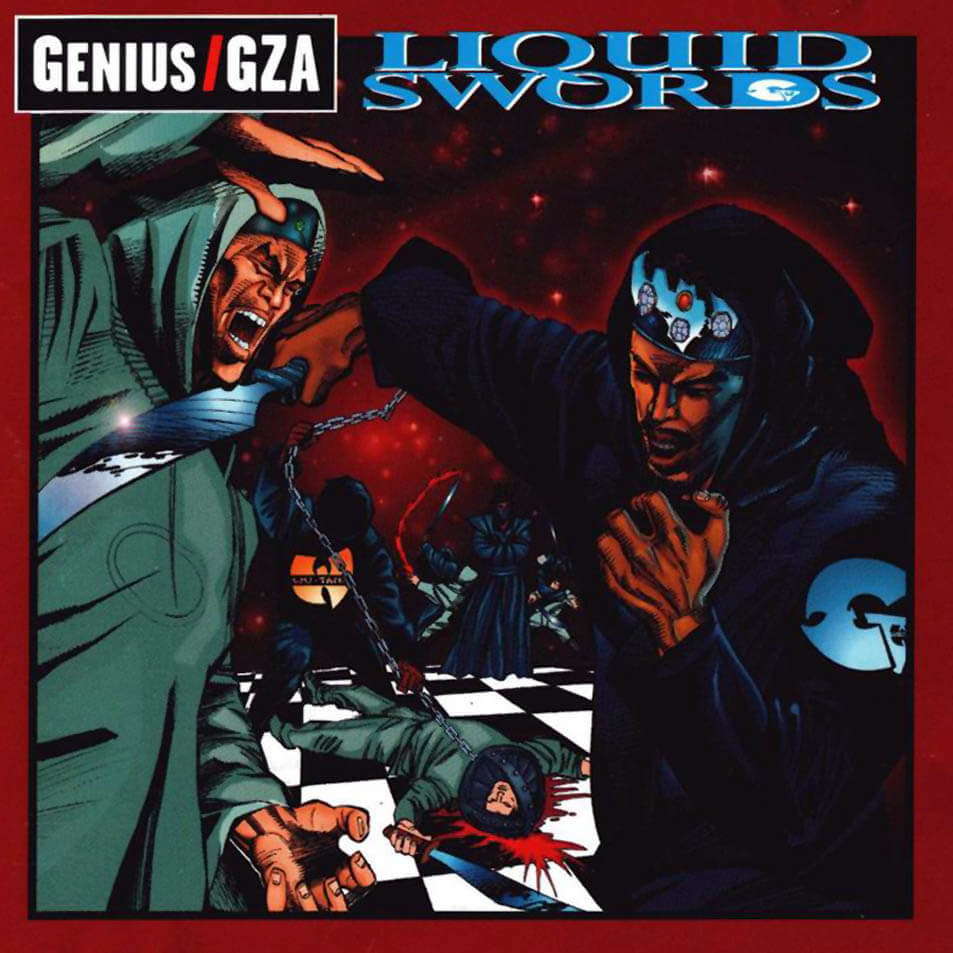
Before the Wu-Tang Clan conquered Hip Hop, GZA had already released a solo album. His 1991 debut, Words from the Genius, appeared on Cold Chillin’ Records and received little attention, despite demonstrating his considerable lyrical ability. Four years later, following the success of Enter the Wu-Tang (36 Chambers), he returned with Liquid Swords, an extraordinary second album that remains one of the finest achievements in the Wu-Tang catalog and one of Hip Hop’s greatest lyrical showcases.
GZA’s measured, analytical delivery gives the album its distinctive character. His verses are meticulously constructed, filled with intricate wordplay, philosophical observations, criminal imagery, and carefully developed narratives. On “Labels,” he attacks the record industry through an ingenious sequence of company-name references. “Cold World” offers a bleak account of street violence, while “Killah Hills 10304” unfolds like a densely plotted crime thriller. Method Man joins him for the exceptional “Shadowboxin’,” and “4th Chamber” brings together Ghostface Killah, Killah Priest, RZA, and GZA over one of the album’s most menacing beats.
RZA’s production is equally remarkable. Murky soul samples, ominous strings, sparse percussion, and dialogue from Shogun Assassin create a cold, cinematic atmosphere that perfectly complements GZA’s controlled delivery. The title track, “Duel of the Iron Mic,” and “Investigative Reports” demonstrate how effectively the production and lyrics reinforce each other, building a world of strategy, violence, and intellectual competition.
Liquid Swords was a tremendous artistic leap from Words from the Genius. GZA had already established his technical abilities, but here he found the ideal musical setting for his writing. The result is a dark, intricate, endlessly rewarding masterpiece, and arguably the strongest solo album to emerge from the Wu-Tang Clan.
Show & AG - Goodfellas (1995)

Showbiz & A.G. followed their acclaimed debut, Runaway Slave (1992), with Goodfellas, a second album that captures the rugged, sample-driven sound of the Diggin’ in the Crates crew at its mid-1990s peak. Showbiz supplies most of the production, with contributions from Lord Finesse, DJ Premier, Roc Raida, and Dres. The beats favor hard drums, dusty loops, and lean funk grooves, leaving room for A.G.’s conversational delivery and sharp punchlines. The result is a distinctly New York record, built around the chemistry between an MC with an easy sense of timing and a producer who knows how to make a small sample carry a whole track.
“Never Less Than III” opens with a brief statement of intent before “You Know Now” and “Check It Out” establish the album’s brisk, streetwise rhythm. Lord Finesse takes the boards for “Add On,” bringing his own D.I.T.C. sensibility to the track, while DJ Premier’s “Next Level (Nyte Time Mix)” is the album’s signature moment. Its chopped vocal fragments and hard, insistent groove later reached a wider audience when the instrumental appeared in the rap-battle scenes of 8 Mile. The album also benefits from a lively guest roster: Method Man joins Party Arty, Wali World, and D-Flow on “Got the Flava,” while Diamond D appears on “You Want It.” “Neighbahood Sickness” and “All Out” bring the focus back to the duo’s street-level perspective.
Goodfellas never strays far from the fundamentals of New York boom-bap, but its producers give those fundamentals enough variation to keep the album moving. A.G. brings personality and precision to the microphone, while Showbiz’s production anchors the record in the gritty funk that defined D.I.T.C. The album is a strong statement from the collective’s core duo, with “Next Level” providing one of the era’s most enduring beats.
OutKast – ATLiens (1996)

After Southernplayalisticadillacmuzik introduced OutKast as a force in Southern rap, André 3000 and Big Boi used their second album to push well beyond the player personas of their debut. Released in August 1996, ATLiens reflects two young artists coming to terms with fame, adulthood, and their place in a Hip Hop culture still dominated by New York and Los Angeles. The title combines Atlanta’s abbreviation, ATL, with “aliens,” capturing the sense of being outsiders while remaining firmly rooted in their hometown.
Organized Noize provides much of the production, layering deep bass, echoing percussion, gospel touches, and hazy keyboard textures into a sound that seems to float while retaining a Southern funk groove. OutKast also began producing tracks themselves, with “Elevators (Me & You)” and “ATLiens” marking important steps in that development. The former turns the duo’s unlikely rise to fame into an understated reflection on success and changing relationships, while the title track pairs its futuristic atmosphere with a proud declaration of Southern identity. On “Wheelz of Steel,” Mr. DJ’s scratching brings a more traditional turntable showcase into the album’s unusual musical palette.
The writing is equally ambitious. “Jazzy Belle” examines changing attitudes toward women, “Babylon” explores the tension between religious upbringing and sexual desire, and “Mainstream,” featuring Goodie Mob members T-Mo and Khujo, questions the pressures of commercial success. “E.T. (Extraterrestrial)” takes the space-age concept further, while “13th Floor / Growing Old” closes the album with a meditation on mortality, maturity, and Southern Hip Hop’s place in the wider culture.
ATLiens debuted at number two on the Billboard 200 and eventually went double platinum. Its achievement runs deeper than commercial success: OutKast created a distinctly Southern vision that was introspective, musically adventurous, and entirely comfortable with its own eccentricity. They didn’t need to imitate either coast to make Atlanta impossible to ignore.
Fugees – The Score (1996)
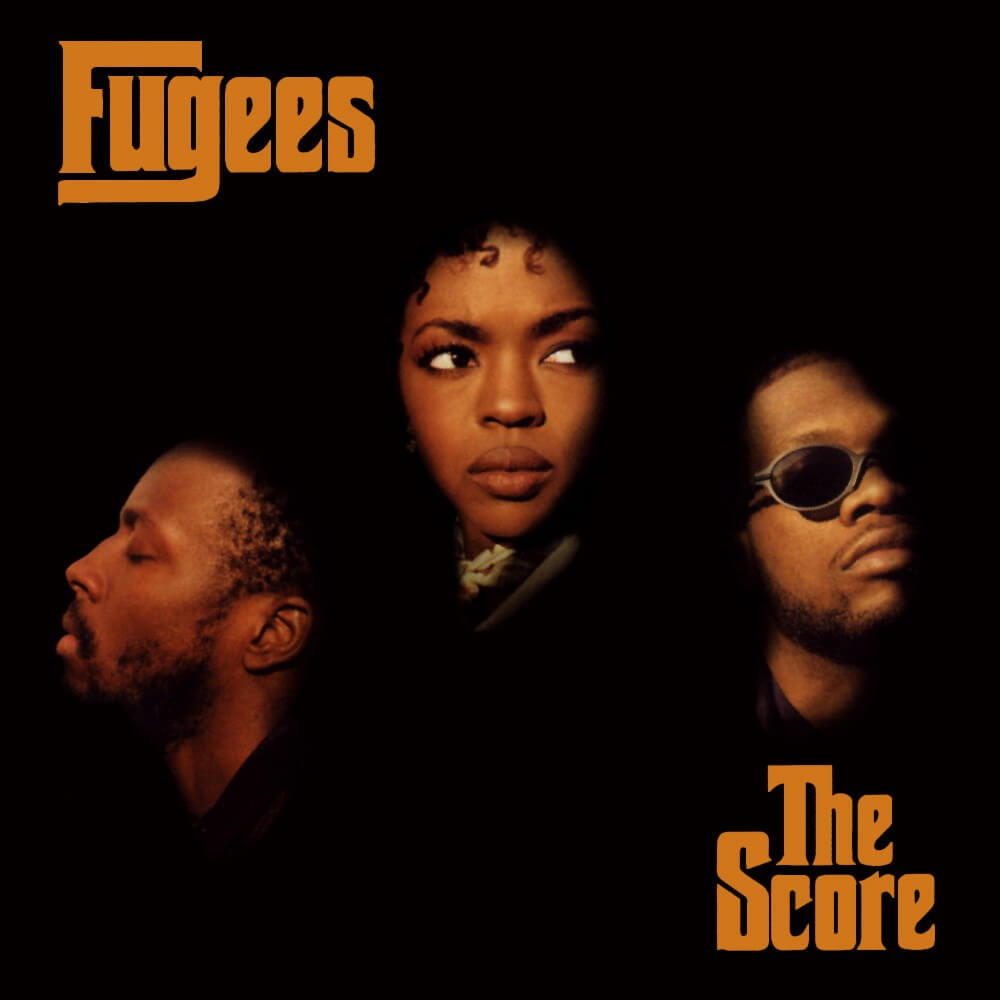
The Fugees’ debut, Blunted on Reality (1994), went largely unnoticed, but the trio returned two years later with an album that took their music to an entirely different level. The Score blends Hip Hop, soul, reggae, and R&B into a distinctive sound built around inventive sampling, live instrumentation, and the contrasting personalities of Lauryn Hill, Wyclef Jean, and Pras. With the group given artistic freedom and recording sessions taking place in a makeshift studio in Wyclef’s uncle’s basement, the music developed a relaxed chemistry that belied its careful construction.
Hill emerged as a commanding vocalist and MC, Wyclef brought melodic instincts and Caribbean influences, and Pras provided a counterweight with his conversational delivery. Their interplay drives tracks like “How Many Mics” and “Zealots,” while “Fu-Gee-La,” produced by Salaam Remi around a Teena Marie interpolation, became the group’s signature groove. “Ready or Not” builds its tension around an Enya sample and a memorable Delfonics interpolation, giving the track a cinematic atmosphere. Hill’s extraordinary vocal performance on “Killing Me Softly” turned a familiar song into a defining moment of 1990s R&B and Hip Hop crossover. Elsewhere, “The Beast” and “Cowboys” reveal a harder, more confrontational side, while “No Woman, No Cry” connects the album to Wyclef’s reggae roots.
The Score topped the Billboard 200, won the Grammy for Best Rap Album, and brought the Fugees international recognition. Its commercial reach never came at the expense of musical character. The trio made an album where sharp rhymes, memorable melodies, and richly layered production work in concert, helping open mainstream audiences to a broader vision of Hip Hop.
Jeru The Damaja - Wrath Of The Math (1996)

After The Sun Rises in the East introduced Jeru the Damaja as one of New York’s most uncompromising voices, his second album continued his campaign against materialism, commercial rap, and what he saw as the erosion of Hip Hop’s cultural values. DJ Premier again handled the production, building the record around stripped-down drums, dusty jazz samples, and lean funk loops that leave plenty of room for Jeru’s sharply articulated rhymes. His delivery is measured but forceful, with intricate wordplay and vivid narratives carrying the weight of his arguments.
“Ya Playin’ Yaself” attacks the pursuit of status and possessions, while “Me or the Papes” questions the influence of money and record-industry priorities on rap. Jeru takes a more direct shot at the commercial mainstream on “One Day,” imagining Hip Hop kidnapped by Puff Daddy, Foxy Brown, and Bad Boy Records. The track turns his concerns about the direction of the culture into an elaborate allegory, and its pointed references placed him at odds with figures associated with Bad Boy, including The Notorious B.I.G. Elsewhere, “Black Cowboys” explores Black identity through the lens of the American West, while “Physical Stamina” reunites Jeru with Afu-Ra, whose appearance on the debut made him the album’s sole guest MC.
The album’s message is uncompromising, sometimes to the point of self-righteousness, but Premier’s production gives Jeru’s arguments a compelling musical foundation. “Scientifical Madness,” “Not the Average,” and “Revenge of the Prophet (Part 5)” demonstrate the chemistry between producer and MC, with Premier’s economical beats complementing Jeru’s dense writing without crowding it.
Although Wrath of the Math did not quite match the critical impact of its predecessor, it reached number 35 on the Billboard 200. Jeru remained committed to his vision, using the album to challenge rap’s growing fixation on wealth and celebrity while delivering some of DJ Premier’s most focused production of the mid-1990s.
M.O.P. - Firing Squad (1996)
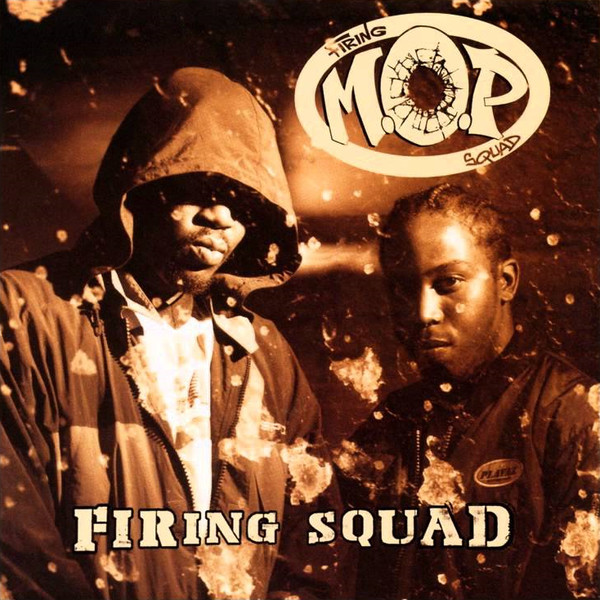
M.O.P.’s debut, To the Death, introduced Billy Danze and Lil’ Fame as a ferocious duo from Brownsville, Brooklyn, with a delivery that sounded like a street confrontation. Their second album, Firing Squad, sharpened that approach, pairing their shouted exchanges and relentless energy with hard-edged production. DJ Premier oversaw and mixed the album, producing several of its strongest tracks, while Big Jaz, Ali Dee, and the duo themselves contributed to the sound. The beats draw on grimy funk loops, heavy drums, and ominous samples, giving the album a consistent New York street-rap atmosphere.
Premier’s title track, featuring Teflon, sets the tone, while “New Jack City” and “Brownsville” bring the duo’s neighborhood perspective to the forefront. “Stick to Ya Gunz,” featuring Kool G Rap, is a standout collaboration between two acts known for forceful delivery and uncompromising street narratives. The track’s militant energy suits M.O.P.’s themes of loyalty and survival, with Kool G Rap matching the duo’s intensity. “Downtown Swinga ’96” became another signature cut, its memorable hook and rugged beat providing a natural showcase for their chemistry. Elsewhere, “World Famous” and “Lifestyles of a Ghetto Child” reinforce the album’s focus on street identity, while “Anticipation” and “Revolution” offer changes in texture without softening the duo’s attack.
The production credits also hint at Lil’ Fame’s growing role behind the boards, a skill he would develop more fully in later years. Although Firing Squad did not bring M.O.P. mainstream stardom, it strengthened their standing in underground rap and laid groundwork for the wider breakthrough of Warriorz in 2000. The album captures the duo honing the sound that would become their calling card: forceful vocals, hard drums, and an intensity that rarely lets up.
Nas – It Was Written (1996)

Following Illmatic, one of the most celebrated debuts in Hip Hop history, Nas faced an awkward commercial reality: critical acclaim hadn’t translated into the sales enjoyed by his biggest contemporaries. For It Was Written, he teamed with Trackmasters and adopted a more polished sound, trading some of the stark Queensbridge minimalism of his debut for lush samples, cinematic arrangements, and the mafioso persona of Nas Escobar. The shift divided listeners who wanted another Illmatic, but it also made Nas a mainstream star.
The opening track, “The Message,” sets a grim tone with a vivid tale of street ambition and betrayal. “Street Dreams” reworks the Eurythmics’ “Sweet Dreams (Are Made of This)” into a smooth account of the drug trade’s grip on his neighborhood, while “If I Ruled the World (Imagine That),” featuring Lauryn Hill, imagines a more hopeful alternative. Nas’s storytelling remains the album’s greatest asset. On “I Gave You Power,” produced by DJ Premier, he narrates from the perspective of a handgun, turning an overused symbol of street violence into a gripping study of its consequences. “Affirmative Action” introduces The Firm, with AZ, Foxy Brown, and Cormega joining Nas for a cinematic crime saga. Dr. Dre’s appearance on “Nas Is Coming” adds another dimension, bridging the East Coast and West Coast at a time when regional tensions ran high.
Some of the mafioso posturing lacks the lived-in intimacy of Illmatic, and the glossy production occasionally smooths away Nas’s rougher edges. Still, It Was Written has an identity of its own, balancing elaborate street narratives with ambitious concepts and memorable hooks. Its commercial success expanded Nas’s audience dramatically, while its best tracks confirmed that his storytelling could thrive beyond the sound that first made his name.
Wu-Tang Clan – Wu-Tang Forever (1997)

After four years of solo albums that expanded the Wu-Tang Clan universe, the nine original members reunited for Wu-Tang Forever, a double album that arrived with enormous expectations. The success of Enter the Wu-Tang (36 Chambers) and the individual releases that followed had turned the Clan into one of rap’s dominant forces. Rather than return to the debut’s skeletal production, RZA built a richer, more layered sound, combining grimy soul samples with strings, synthesizers, and martial-arts film dialogue. He also gave emerging Clan producers 4th Disciple, True Master, and Inspectah Deck room behind the boards.
The opening stretch makes the reunion count. “Reunited” revisits the group’s chemistry, while “For Heavens Sake” and “Cash Still Rules / Scary Hours” bring their street narratives into RZA’s increasingly cinematic world. “Triumph” is the album’s defining moment: all nine members deliver verses over a restless, densely layered beat, with no conventional chorus to break the momentum. Inspectah Deck’s opening verse is particularly extraordinary, setting a high bar that the rest of the Clan meets with distinctive styles of their own. Ghostface Killah and Raekwon remain compelling storytellers on “Impossible,” “The Projects,” and “Heaterz,” while Ol’ Dirty Bastard’s “Dog Shit” provides a welcome dose of his unpredictable humor.
The album also reaches beyond crime narratives and battle rhymes. “A Better Tomorrow” calls for social change, “Little Ghetto Boys” examines the damage inflicted on young lives, and “Second Coming” introduces a spiritual dimension through its choral arrangement. Five-Percent Nation teachings run throughout the lyrics, giving the Clan’s dense wordplay another layer of meaning.
At 27 tracks, Wu-Tang Forever occasionally loses momentum, but its strongest material justifies the expansive format. The album debuted at number one and went on to sell millions of copies, confirming the commercial reach of a group that had built its reputation outside mainstream rap conventions. It also captures the Clan at the height of its collective power, before increasingly divergent solo careers made another reunion on this scale difficult to sustain.
O.C. - Jewelz (1997)

Following Word…Life, O.C. returned with Jewelz, a strong sophomore album that retains his intricate lyricism while drawing on a wider range of producers and collaborators. The Brooklyn MC has a measured delivery, packing internal rhymes and sharp observations into verses that never need to shout to make their point. The production roster includes DJ Premier, Lord Finesse, Showbiz, and other members of the D.I.T.C. circle, giving the album a variety of boom-bap textures without losing its New York identity.
Premier’s “My World” opens with scratched vocal hooks and a gritty, sample-driven beat that suits O.C.’s reflections on ambition, street life, and the pressures surrounding him. “War Games,” featuring Organized Konfusion, brings together three technically gifted MCs, with Pharoahe Monch and Prince Po matching O.C.’s intricate writing. On “Dangerous,” Big L joins him for a fierce lyrical exchange, their contrasting voices and punchline-heavy verses making the track one of the album’s highlights. Lord Finesse handles the title track, while “Win the G,” featuring Bumpy Knuckles, leans into the competitive spirit of New York lyricism.
“Far from Yours,” featuring Yvette Michele, takes a smoother R&B direction, with a melodic hook that contrasts with the harder material surrounding it. Positioned in the middle of the album, it interrupts the prevailing mood, even if its accessible sound provides a welcome change of pace. Elsewhere, “The Chosen One” and “M.U.G.” keep the focus on O.C.’s lyrical skill, while “You and Yours” and “Hypocrite” add further reflections on loyalty and personal conduct.
Jewelz lacks the singular conceptual focus of Word…Life, but the range of production and guest appearances gives O.C. room to work in different settings without losing his identity. The album may not reach the heights of his debut, but it is a dope follow-up, packed with sharp writing and the kind of rugged New York production that made the D.I.T.C. sound so enduring.
The Notorious B.I.G. – Life After Death (1997)

After Ready to Die introduced The Notorious B.I.G. as one of New York’s most compelling storytellers, Life After Death expanded his ambitions considerably. Released on March 25, 1997, sixteen days after Christopher Wallace was murdered in Los Angeles, the double album finds Biggie moving between grim street narratives, mafioso fantasies, personal reflection, and polished pop rap. The tragedy surrounding its release inevitably shaped its reception, but the music reveals an MC with remarkable command of his craft and an ear for a wide range of styles.
The production brings together Bad Boy’s Hitmen team with established underground names, including DJ Premier, Easy Mo Bee, Havoc, Buckwild, and RZA. The contrast works in Biggie’s favor. Premier’s menacing, sample-heavy beat on “Kick in the Door” gives him room to dismantle his rivals with surgical precision, while “Ten Crack Commandments” distills street wisdom into ten memorable rules over a spare, hypnotic loop. “Somebody’s Gotta Die” and “Niggas Bleed” extend his gift for cinematic crime stories, full of shifting perspectives and grim details. Elsewhere, “Hypnotize” and “Mo Money Mo Problems” turn familiar samples into irresistible party records, the latter pairing Biggie with Mase and Puff Daddy over Diana Ross’s “I’m Coming Out.”
The album’s range extends to the rapid-fire exchanges with Bone Thugs-N-Harmony on “Notorious Thugs,” the reflective “I Got a Story to Tell,” and “Sky’s the Limit,” where Biggie considers ambition and the possibilities beyond his upbringing. Some tracks lean heavily into Bad Boy’s glossy R&B formula, and the two-disc format leaves room for uneven moments. Still, the sheer variety rarely obscures Biggie’s personality or lyrical precision.
Life After Death captures a rapper at the height of his powers, balancing street-level storytelling with an expansive vision of mainstream rap. Its scale, ambition, and enduring highlights make it one of Hip Hop’s defining sophomore albums.
Jay Z – In My Lifetime Vol. 1 (1997)
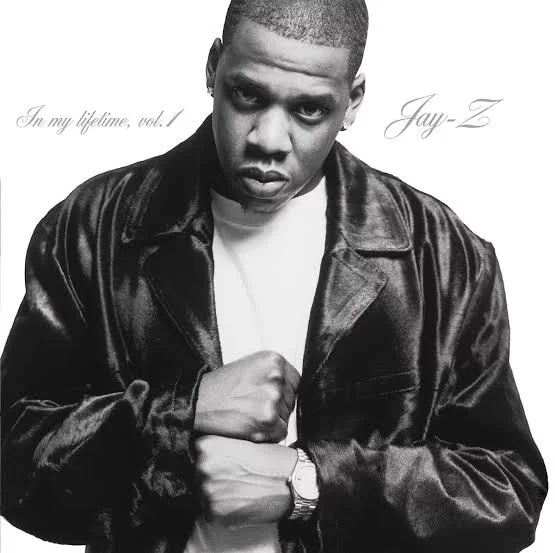
Following the streetwise confidence and intricate storytelling of Reasonable Doubt, Jay-Z took a more commercially ambitious direction on his second album. Released in November 1997, In My Lifetime, Vol. 1 arrived in the aftermath of The Notorious B.I.G.’s murder, at a moment when Jay-Z was emerging as one of Brooklyn’s leading voices. The album retains his sharp writing and hustler’s perspective, but the production leans toward the polished, radio-friendly sound Sean “Puff Daddy” Combs and Bad Boy had brought to the forefront of mainstream rap.
The shift is apparent from the opening track, where DJ Premier’s rugged production on “A Million and One Questions / Rhyme No More” briefly reconnects with the sound of Jay’s debut. Premier also handles “Friend or Foe ’98,” a sequel to one of Reasonable Doubt’s standout tracks. Elsewhere, Teddy Riley’s glossy production drives “The City Is Mine,” featuring Blackstreet, while “(Always Be My) Sunshine,” with Babyface and Foxy Brown, aims squarely at the R&B charts. “I Know What Girls Like,” featuring Puff Daddy and Lil’ Kim, is a less convincing attempt at crossover appeal.
The harder material gives the album its strongest moments. On “Where I’m From,” Jay paints a detailed portrait of the Marcy Projects, grounding his growing ambitions in the neighborhood that shaped him. “Streets Is Watching” and “Imaginary Players” balance street credibility with his increasingly extravagant persona, while “You Must Love Me” closes the album with a candid account of personal guilt and past mistakes. The latter reveals a vulnerability that the album’s flashier tracks often leave unexplored.
In My Lifetime, Vol. 1 lacks the consistency of Reasonable Doubt, and Jay-Z himself has expressed reservations about its commercial compromises. Still, the album captures a crucial stage in his evolution, as he tested the balance between street lyricism and mainstream success that would define his career.
Busta Rymes – When Disaster Strikes (1997)

After The Coming presented Busta Rhymes as a solo artist with a larger-than-life presence and an apocalyptic vision, When Disaster Strikes… pushed that formula further. Released in September 1997, the album finds Busta balancing his explosive delivery and eccentric personality with a wider range of production styles. Dedicated to his late friend The Notorious B.I.G., it also captures Busta at a moment when his reputation as one of rap’s most electrifying MCs was translating into major commercial success.
DJ Scratch handles much of the production, supplying hard drums, funk-heavy samples, and a rugged foundation for Busta’s rapid-fire verses. “The Whole World Lookin’ at Me” and “Survival Hungry” announce his ambitions with the kind of breathless intensity that became his trademark, while the title track returns to the end-of-the-world imagery running through his solo work. The sound shifts on “So Hardcore,” produced by Jay Dee, whose off-kilter groove gives Busta a different rhythmic landscape to attack.
The album’s biggest moments reveal his instinct for theatrical hooks and memorable concepts. “Put Your Hands Where My Eyes Could See” rides a distinctive, slinking groove, with a video inspired by Coming to America that matched Busta’s taste for extravagant visual ideas. “Dangerous,” built around a production by Rashad Smith, brings a more direct club energy, while “Turn It Up” draws on Al Green’s “Love and Happiness.” Elsewhere, “One,” featuring Erykah Badu, offers a soulful change of pace, and the two-part “Things We Be Doin’ for Money” finds Busta turning his attention to the hustles and compromises of street life.
When Disaster Strikes… answered doubts about whether Busta could sustain the impact of his debut. Its mix of hard-edged rap, funk, soul, and outsized performance expanded his appeal without taming his personality. The album remains one of the defining releases of his late-1990s run.
Kool Keith - Sex Style (1997)

Kool Keith’s discography can be difficult to follow, given his numerous aliases and collaborations. For this list, we consider Sex Style his second solo album, following the groundbreaking Dr. Octagonecologyst, released under his Dr. Octagon persona. Where that album explored surreal science-fiction horror, Sex Style takes Keith’s eccentricity in a decidedly more explicit direction. Released in 1997 on Funky Ass Records, it introduced what Keith called “pornocore,” a combination of graphic sexual imagery, bizarre characters, and twisted humor.
KutMasta Kurt handles most of the production, with T.R. Love contributing several tracks. The beats are stripped-down and bass-heavy, built around deep funk grooves, hard drums, and occasional oddball samples. This uncluttered approach leaves plenty of room for Keith’s peculiar delivery and densely packed rhymes. On the title track and “Don’t Crush It,” he fires off outrageous boasts and grotesque sexual metaphors with the same deadpan confidence he brings to more conventional battle rap. The subject matter is deliberately abrasive, frequently turning women and sexual encounters into objects of crude humor, which can make the album a difficult listen even for those accustomed to Keith’s provocations.
There are moments when his writing reaches beyond the central concept. “Plastic World” takes aim at imitation and conformity in the music industry, with Keith mocking rappers who copy his style. “Keep It Real…Represent” twists familiar battle-rap insults into surreal, sexually charged put-downs, while “Sly We Fly,” featuring Motion Man, adds another dose of offbeat character work. The recurring theme can become monotonous, but Keith’s strange vocabulary and unpredictable associations keep individual verses interesting.
Sex Style is an acquired taste, deliberately vulgar and often uncomfortable. Its appeal lies in hearing one of Hip Hop’s most unconventional lyricists pursue an idea few others would attempt, with KutMasta Kurt’s funky, minimalist production giving his bizarre imagination room to run.
Goodie Mob - Still Standing (1998)

Goodie Mob’s Soul Food (1995) was a defining album for Southern Hip Hop, introducing a distinctly Atlanta perspective rooted in Black community life, spirituality, and social consciousness. Three years later, Still Standing found CeeLo Green, Big Gipp, Khujo, and T-Mo digging deeper into those concerns. Their second album is darker and more confrontational, examining poverty, racism, survival, and the contradictions of American society without losing the warmth and humanity that made their debut so compelling.
Organized Noize remains central to the group’s sound, building thick Southern funk grooves around live instrumentation, gospel influences, and soulful melodies. Mr. DJ contributes the hypnotic “Black Ice (Sky High),” featuring OutKast, one of the album’s finest moments and a reminder of the extraordinary chemistry within the Dungeon Family. “They Don’t Dance No Mo’” brings a harder, more aggressive energy, while “The Damm” and “Gutta Butta” explore the pressures of street life with considerable urgency.
The album’s emotional depth comes through particularly strongly on “Beautiful Skin,” a celebration of Black women and self-worth, and “Distant Wilderness,” which confronts the struggle to maintain hope in difficult circumstances. “I Refuse Limitation” captures the group’s determination to resist the restrictions imposed by their surroundings. CeeLo’s extraordinary voice frequently commands attention, but the contrasting personalities and perspectives of all four MCs give the record much of its character. Even the unexpected rock excursion “Just About Over” fits the group’s willingness to explore different musical approaches.
Still Standing deserves to be mentioned alongside Soul Food among the finest Southern Hip Hop albums of the 1990s. Where OutKast increasingly explored futuristic imagery and musical experimentation, Goodie Mob kept their attention on the everyday realities of Black life in the South. Their combination of political awareness, spiritual conviction, and deeply rooted Southern funk gave Atlanta another classic during a period when the city’s creative influence was growing rapidly.
DMX – Flesh Of My Flesh, Blood Of My Blood (1998)
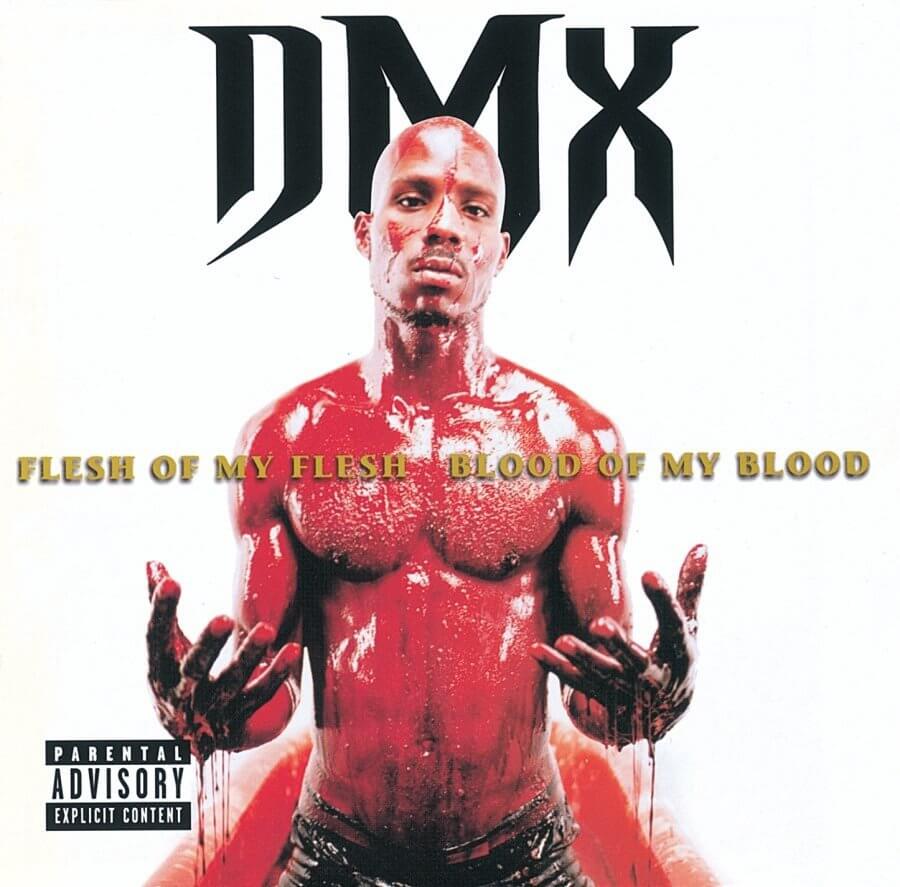
DMX had already conquered Hip Hop with It’s Dark and Hell Is Hot, one of 1998’s most explosive debuts. Seven months later, he returned with Flesh of My Flesh, Blood of My Blood, an album that pushed his tortured, confrontational persona even deeper into darkness. Released in December, it made DMX the first living rapper to debut two albums at number one on the Billboard 200 in the same calendar year. The blood-soaked cover photograph was an appropriate introduction to a record filled with violence, paranoia, desperation, and religious anguish.
Swizz Beatz handles much of the production, replacing some of the debut’s eerie atmosphere with pounding drums, aggressive synthesizers, and stripped-down arrangements. “Bring Your Whole Crew” opens the album’s musical assault with extraordinary intensity, while “We Don’t Give a Fuck,” featuring Jadakiss and Styles P, and “Blackout,” with The LOX and Jay-Z, capture the competitive energy surrounding the Ruff Ryders camp. “The Omen (Damien II)” revisits DMX’s conversations with his demonic alter ego, this time with Marilyn Manson adding to the unsettling atmosphere.
The album’s defining moment, however, is “Slippin’.” Over DJ Shok’s melancholy Grover Washington Jr. sample, DMX recounts childhood trauma, addiction, incarceration, and his determination to recover from years of self-destruction. His voice cracks with exhaustion and conviction, making it one of the most affecting autobiographical performances in Hip Hop. The closing “Prayer II/Ready to Meet Him” returns to the spiritual conflict running through his music, exposing the vulnerability beneath his ferocious delivery.
Flesh of My Flesh, Blood of My Blood is less consistent than its predecessor, with some of Swizz Beatz’s harder productions lacking the debut’s sinister depth. Still, its strongest tracks capture what made DMX such a compelling figure: a rapper capable of sounding genuinely terrifying one moment and painfully exposed the next. Few artists have matched the intensity of his extraordinary 1998 run.
Eminem – The Slim Shady LP (1999)

Before Dr. Dre brought him to a worldwide audience, Eminem had already released Infinite (1996), an independent debut that attracted little attention. Its failure pushed the Detroit MC toward a far more abrasive style, culminating in the creation of Slim Shady, an alter ego through which he could indulge his darkest fantasies, frustrations, and twisted sense of humor. The Slim Shady LP, released in February 1999, introduced that character to the mainstream and turned Eminem into one of Hip Hop’s most controversial new stars.
Dr. Dre’s production gives “My Name Is” its instantly recognizable bounce, built around a Labi Siffre sample, while “Guilty Conscience” pairs the two rappers in a series of increasingly disturbing moral dilemmas. The Bass Brothers contribute much of the remaining production, providing relatively understated backdrops for Eminem’s elaborate rhyme patterns, exaggerated voices, and unpredictable storytelling. “Role Model” and “Just Don’t Give a Fuck” capture his extraordinary technical ability and appetite for provocation, while “Bad Meets Evil,” featuring Royce da 5’9″, offers a glimpse of the competitive Detroit lyricist beneath the cartoonish persona.
The album becomes considerably more interesting when Eminem drops some of the theatrics. “Rock Bottom” and “If I Had” address poverty, dead-end jobs, and the frustration of struggling to support his daughter. These songs give his anger a recognizable source. Elsewhere, the grotesque storytelling of “Brain Damage,” “My Fault,” and “‘97 Bonnie & Clyde” pushes black comedy into deeply uncomfortable territory. Some of the misogyny and violent fantasies are difficult to defend, even within the album’s deliberately exaggerated framework.
What makes The Slim Shady LP remarkable is Eminem’s command of language. His internal rhymes, comic timing, shifting cadences, and ability to construct elaborate narratives were exceptional, regardless of how listeners responded to the subject matter. The album’s success changed his career almost overnight, but its lasting appeal comes from hearing a fiercely talented underground MC discover a voice that nobody was going to mistake for anyone else’s.
Dr. Dre – 2001 (1999)

Seven years after The Chronic transformed West Coast Hip Hop, Dr. Dre returned with a second solo album that silenced doubts about his ability to remain relevant. His departure from Death Row Records, the uneven reception of Dr. Dre Presents…The Aftermath, and the rise of competing regional sounds had left some questioning his position. Released in November 1999, 2001 answered with some of the most meticulously constructed production of his career.
Working closely with Mel-Man and musicians including Scott Storch, Dre updated his G-funk formula with sharper drums, deep bass, ominous piano melodies, and sweeping orchestral arrangements. The sound is cleaner and colder than The Chronic, with every instrument occupying its own space. “Still D.R.E.,” featuring Snoop Dogg and written by Jay-Z, announces Dre’s return over an instantly recognizable piano riff. “Forgot About Dre” pairs him with Eminem, whose rapid-fire delivery brings explosive energy, while “The Next Episode” reunites Dre, Snoop, Kurupt, and Nate Dogg for another West Coast anthem.
The album’s production reaches equally impressive heights beyond the singles. “Xxplosive,” featuring Kurupt, Nate Dogg, Hittman, and Six-Two, combines a gorgeous soul sample with thunderous drums, creating a sound that would influence producers for years. “What’s the Difference,” featuring Eminem and Xzibit, builds its tension around dramatic strings, while “Murder Ink” transforms John Carpenter’s Halloween theme into a sinister street-rap backdrop. The closing “The Message,” produced by Lord Finesse, offers a rare moment of genuine vulnerability as Dre reflects on the death of his brother.
Lyrically, 2001 is considerably less impressive. The endless gangster posturing, misogyny, and sexual skits frequently undermine the sophistication of the music, while some guest performances contribute little beyond familiar threats and boasts. Dre has always been a stronger producer than rapper, and the contrast is particularly obvious here.
Still, the production is extraordinary. 2001 brought Dre’s sound into a new decade, influenced an entire generation of beatmakers, and helped restore the West Coast’s commercial prominence. Whatever its lyrical shortcomings, few Hip Hop albums have matched its combination of musical precision, atmosphere, and sheer sonic impact.
Missy Elliott - Da Real World (1999)

Following the success of Supa Dupa Fly, Missy Elliott faced the familiar challenge of a second album while resisting any pressure to repeat herself. Released in 1999, Da Real World takes a darker, more confrontational approach, with Timbaland pushing his futuristic production into stranger and more aggressive territory. Missy sounds increasingly assured as a rapper and songwriter, balancing outrageous humor, sexual confidence, and pointed commentary on the expectations placed on women in Hip Hop.
Timbaland builds the album around metallic percussion, elastic basslines, unexpected rhythmic shifts, and eerie electronic textures. “She’s a Bitch” announces the change immediately, turning a derogatory label into a declaration of female authority over one of his most imposing beats. The accompanying bald-headed, leather-clad visual reinforced Missy’s willingness to challenge conventional images of female sexuality. “Busa Rhyme,” featuring Eminem, pits two eccentric, technically agile MCs against each other, while “Hot Boyz” wraps Missy’s flirtatious writing around a more accessible groove. “All n My Grill,” featuring Big Boi and Nicole Wray, brings a smoother R&B touch without losing the album’s attitude.
The guest list is extensive, with Redman, Aaliyah, Da Brat, Lil’ Kim, Juvenile, and others adding different shades to Missy’s world. Some of the relationship songs and interludes are less compelling, but the contrast between the album’s playful side and its harder edges gives it character. “You Don’t Know,” featuring Lil’ Mo, and “Crazy Feelings,” featuring a young Beyoncé, reveal a more vulnerable side beneath the bravado.
We prefer Da Real World to the more celebrated Supa Dupa Fly. Its production is more adventurous, its attitude more assertive, and its vision more fully developed. Missy and Timbaland sound like artists determined to make their own rules, expanding the possibilities of mainstream rap without compromising their eccentricity.
Slum Village – Fan-Tas-Tic Vol 2 (2000)

Slum Village’s Fantastic, Vol. 2 took several years to reach stores, but the delay did little to diminish its impact. Recorded in the late 1990s, the Detroit trio’s second album finally appeared in June 2000 after their original label situation collapsed and underground anticipation grew through word of mouth. With T3, Baatin, and J Dilla working in sync, the record offered a soulful alternative to the increasingly polished sounds dominating mainstream rap, built around understated rhymes and some of Dilla’s most influential production.
Dilla’s beats rarely need dramatic gestures. Loose, slightly off-center drums, warm basslines, and finely chopped soul and jazz samples give tracks like “Conant Gardens,” “Jealousy,” and “Fall in Love” an effortless swing. “Get Dis Money” pairs a relaxed groove with the trio’s playful chemistry, while “Raise It Up” brings a tougher edge. On “Untitled / Fantastic,” the production and vocals settle into a hazy pocket that captures the album’s appeal: nothing is overworked, and every element has room to breathe.
The guest appearances broaden the sound without distracting from the group. Q-Tip joins “Hold Tight,” D’Angelo adds his distinctive voice to “Tell Me,” and Busta Rhymes brings more animated energy to “What’s It All About.” Pete Rock appears on “Once Upon a Time,” while the hidden track “Thelonious,” featuring Common, connects Slum Village’s Detroit sensibility to the wider Chicago and New York underground.
The lyrics sometimes take a back seat to the music, but that balance is central to the album’s character. Fantastic, Vol. 2 helped bring Dilla’s distinctive rhythmic approach to a wider audience and influenced a generation of producers seeking warmth, swing, and subtlety. It remains a defining statement from Slum Village’s original lineup.
People Under The Stairs – Question In The Form Of An Answer (2000)

People Under The Stairs followed their 1998 debut, The Next Step, with Question in the Form of an Answer, a more sophisticated take on the duo’s sample-heavy underground Hip Hop. After touring internationally, Thes One and Double K returned to Los Angeles and dug deeper into their record collections, using an MPC3000 and an SP-1200 to build warmer, more intricately layered beats. Released through Om Records in 2000, the album keeps the independent spirit of its predecessor while reflecting a growing command of sampling, filtering, and sound manipulation.
Record collecting, partying, smoking weed, and the pleasures of making music dominate the lyrics. There is little posturing or manufactured drama, just two MCs comfortable in their own world. “Youth Explosion” and “Blowin Wax” bring punchier drums and horn-heavy grooves, while “43 Labels I Like” turns record collecting into a celebration of the labels and musicians that shaped their tastes. “Earth Travelers” is a production highlight, layering horns, drums, and filtered samples into a smooth, hypnotic groove beneath Thes One and Double K’s reflections on history and Hip Hop culture.
“July 3rd” provides a striking change of mood. Thes One recounts a frightening real-life incident in which he was struck by a minivan and the driver attempted to abduct him. The directness of the story gives the track a personal weight rarely found elsewhere on an album so devoted to good times and musical discovery.
The abundance of brief interludes and skits occasionally interrupts the flow, but the duo’s musical curiosity keeps the record engaging. Question in the Form of an Answer captures People Under The Stairs refining their craft without losing the homemade charm and crate-digging enthusiasm that made their music distinctive.
Jedi Mind Tricks – Violent By Design (2000)

Jedi Mind Tricks took a darker, more aggressive direction on Violent by Design, their second album and a defining release in Philadelphia’s underground Hip Hop scene. Released in 2000 on the group’s own Superegular Records, the album introduced Jus Allah alongside Vinnie Paz and producer Stoupe the Enemy of Mankind. The expanded lineup brought another forceful voice to the group’s densely packed verses, while Stoupe developed a distinctive production style built around ominous orchestral passages, martial rhythms, Latin samples, and unsettling fragments of dialogue.
Stoupe is the album’s chief architect. His beats create a cinematic atmosphere that draws on war films, martial arts imagery, and classical music without sacrificing the hard drums required for hardcore boom-bap. “Retaliation” establishes the confrontational mood, while “I Against I,” featuring Planetary, pairs relentless performances with a tense, propulsive backdrop. “Genghis Khan,” featuring Tragedy Khadafi, brings historical and military imagery into the group’s elaborate lyrical universe. Then there is “Sacrifice,” where Stoupe’s dramatic strings and carefully layered samples give the track an almost operatic intensity.
The guest appearances strengthen the album’s underground credentials. Mr. Lif joins “Speech Cobras,” Bahamadia appears on “Exertions (Remix),” and Esoteric and Virtuoso contribute to “Death March.” Vinnie Paz and Jus Allah attack the beats with intricate rhyme schemes and fierce conviction, moving between battle rap, metaphysical references, conspiracy theories, and political hostility.
The album’s relentless aggression occasionally becomes repetitive, and its homophobic lyrics have aged particularly badly. Still, Violent by Design possesses a musical identity few hardcore rap records of its era could match. Stoupe’s production gives the album its lasting distinction, creating a dark, elaborate world that helped make Jedi Mind Tricks a major force in independent Hip Hop.
Jurassic 5 – Quality Control (2000)

Jurassic 5’s major-label debut, Quality Control, brought the Los Angeles crew’s old-school sensibility to a wider audience without sacrificing the independent spirit that had built their following. Released in 2000, the album arrived when commercial rap was increasingly dominated by glossy production and larger-than-life personas. Chali 2na, Akil, Marc 7, and Zaakir offered a different approach, drawing on the collective energy of early Hip Hop crews, with four distinct MCs trading lines, completing each other’s rhymes, and locking into tightly arranged vocal patterns. Cut Chemist and DJ Nu-Mark provided the musical foundation, combining funk, soul, jazz, and unexpected samples into crisp, head-nodding beats.
The opening stretch establishes the group’s strengths. “The Influence” pairs an infectious groove with the crew’s interlocking verses, while “Great Expectations” finds them navigating a more intricate instrumental. The title track is a forceful defense of Hip Hop’s values, and “LAUSD” turns its attention to the Los Angeles school system over a bluesy, hard-hitting loop. On “W.O.E. Is Me (World of Entertainment),” the group takes aim at commercial media and consumer culture, balancing social criticism with their characteristic humor. Their shared commitment to the craft never comes at the expense of personality, with Chali 2na’s unmistakable baritone providing a strong contrast to the others’ quicker, more agile deliveries.
The production deserves equal billing. DJ Nu-Mark’s sample work gives tracks like “Monkey Bars” a loose funkiness, while “Swing Set” closes the album with a dazzling turntablism piece built around vintage swing recordings. Shafiq Husayn’s contributions to “Contribution” and “Twelve” add another dimension to the sound.
Quality Control captures Jurassic 5 at their most cohesive. Its combination of intricate group rhyming, inventive sampling, and an upbeat, proudly traditional approach gave underground Hip Hop a distinctive voice at the turn of the millennium.
Ghostface Killah – Supreme Clientele (2000)

With Supreme Clientele, Ghostface Killah delivered one of the strongest solo albums to emerge from the Wu-Tang Clan, returning in 2000 with a style that pushed his eccentric lyricism into new territory. Following Ironman, he traded much of its cinematic crime storytelling for a more fragmented, unpredictable approach, packed with surreal imagery, obscure slang, sudden shifts in subject, and intricate internal rhymes. The writing can sound almost stream-of-consciousness, but Ghostface’s animated delivery gives its strangest turns an undeniable musical logic.
RZA played a central role in shaping the album, reworking and mixing contributions from several producers into a coherent whole. The beats combine dusty soul samples, sharp drums, and unconventional arrangements, creating a sound that retains Wu-Tang’s grimy edge while opening up new melodic possibilities. “Nutmeg” launches Ghostface into a dizzying stream of images and rhythmic changes, while “Mighty Healthy” strips the production back to a skeletal groove that lets his verbal dexterity take center stage. On “Stroke of Death,” RZA builds a disorienting backdrop of chopped vocal fragments and abrupt transitions, matching the wild intensity of Ghostface’s performance.
The album also has an exceptional run of more accessible tracks. “One” rides a beautiful, melancholic loop, “Apollo Kids” brings Ghostface and Raekwon together over buoyant soul, and “Cherchez LaGhost” pairs an infectious groove with a playful club-ready hook. “Wu Banga 101,” featuring GZA, Raekwon, Cappadonna, and Masta Killa, reconnects Ghostface with the lyrical firepower of the Wu-Tang collective.
Some skits interrupt the momentum, but the music more than compensates. Supreme Clientele captures Ghostface at his most inventive, transforming densely packed street narratives and surreal wordplay into an exhilarating form of Hip Hop that remains unmistakably his own.
Atmosphere – God Loves Ugly (2002)
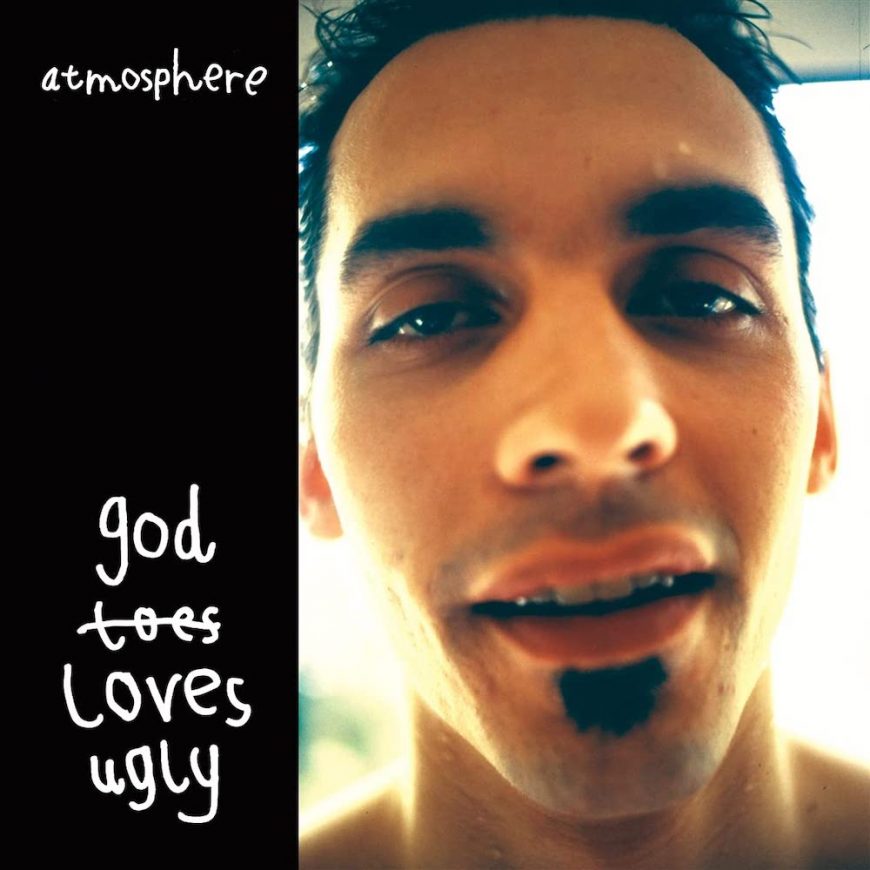
Atmosphere’s God Loves Ugly helped bring the Minneapolis underground to a wider audience, built around a style of Hip Hop that put personal shortcomings and emotional conflict ahead of conventional rap bravado. Released in 2002 on Rhymesayers Entertainment, the duo’s second album pairs Slug’s confessional writing with Ant’s dusty, often melancholic production. Slug writes about failed relationships, insecurity, resentment, and the difficulty of living with his own contradictions. His delivery shifts between conversational storytelling and sudden bursts of anger, giving these deeply personal subjects an abrasive edge.
The title track captures the album’s central tension. Over a haunting, repetitive loop, Slug lays bare his insecurities while adopting the defensive posture of someone who expects rejection. “Fuck You Lucy” is more openly hostile, turning the collapse of a relationship into a bitter, extended confrontation. The Lucy figure recurs throughout Slug’s writing, taking on different meanings as romantic obsession, destructive attachment, and a symbol of his own inner turmoil. “Modern Man’s Hustle” looks beyond intimate relationships to the compromises and frustrations of adult life, while “Vampires” describes the draining effect of people who feed on the energy of those around them.
Ant keeps the music grounded in stripped-down boom-bap, using hard drums, dark melodic fragments, and understated arrangements that leave Slug’s voice at the center. “The Bass and the Movement” has a more forceful rhythmic drive, while “Flesh,” featuring I Self Devine, brings another Minneapolis MC into the mix. On “A Song About a Friend,” Slug turns his attention to friendship and loss, adding another dimension to an album largely preoccupied with troubled relationships and self-examination.
God Loves Ugly became a defining release for Rhymesayers and the wider independent Hip Hop movement. Slug’s willingness to write openly about insecurity, anger, and personal failure gave underground rap a different kind of leading voice, one whose appeal came from exposing his flaws rather than concealing them.
Blackalicious – Blazing Arrow (2002)
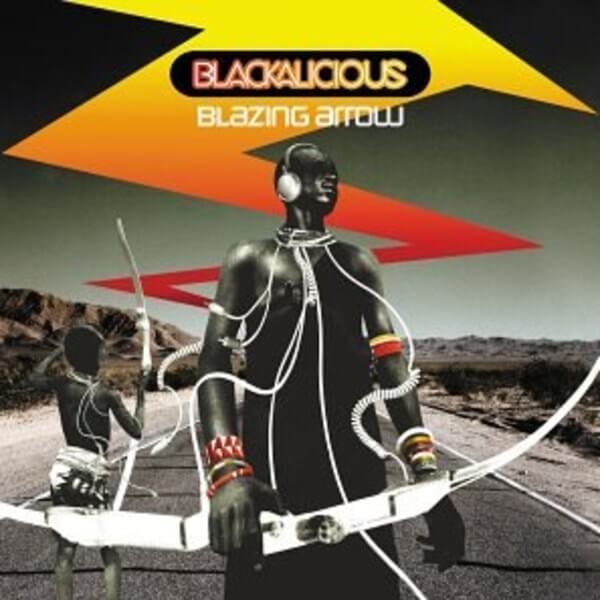
Blackalicious followed their acclaimed 1999 debut, Nia, with Blazing Arrow, an ambitious second album that brought Gift of Gab and Chief Xcel to MCA Records without diluting their independent sensibilities. Released in 2002, the record expands the Sacramento duo’s musical palette, drawing on funk, soul, jazz, and gospel while giving Gift of Gab ample room to demonstrate his extraordinary command of rhyme and rhythm. Where many underground MCs built their reputations on technical complexity alone, Gab combined intricate multisyllabic patterns with an infectious enthusiasm that made his performances accessible as well as impressive.
Chief Xcel’s production gives the album its expansive character. The title track sets the tone with a buoyant groove, while “Sky Is Falling” introduces a more troubled perspective on social decay. “First in Flight,” featuring spoken-word pioneer Gil Scott-Heron, brings a reflective, almost spiritual dimension to the record. On “4000 Miles,” Chali 2na and Lateef the Truthspeaker join Gab for a showcase of distinct vocal styles, each bringing a different texture to the exchange.
The album’s lighter side is equally compelling. “Make You Feel That Way” wraps an uplifting message in warm, accessible soul, while “Chemical Calisthenics” turns scientific terminology into a dazzling exercise in verbal dexterity, with Cut Chemist’s scratches adding another rhythmic layer. “Paragraph President,” featuring DJ Shadow, and “It’s Going Down,” with Lateef and singer Keke Wyatt, extend the musical range. The sprawling “Release,” featuring Zack de la Rocha, Saul Williams, and Lyrics Born, brings the album to an intense, nine-minute climax.
Blazing Arrow connects the technical ingenuity of underground Hip Hop with the warmth and musical richness of Black musical traditions. Gift of Gab’s verbal agility and Chief Xcel’s adventurous arrangements give the album a distinctive sense of purpose, while its optimism provides a welcome counterpoint to the cynicism prevalent in much of early-2000s rap.
J-Live – All Of The Above (2002)

J-Live’s All of the Above confirmed the New York MC’s standing as one of underground Hip Hop’s most accomplished lyricists. Released independently on Coup d’État in 2002, the album followed The Best Part, a debut that had suffered from major-label complications and reached many listeners through underground circulation. This time, J-Live delivered a full-length statement on his own terms, combining intricate rhyme schemes, social observation, humor, and thoughtful commentary on Hip Hop itself. His smooth, controlled delivery recalls the playful precision of Native Tongues-era MCs, while his writing reveals an artist equally interested in technical ingenuity and the substance behind the rhymes.
“First Things First” sets out his priorities, and “How Real It Is” examines authenticity without resorting to empty declarations of superiority. On “Satisfied?,” produced by DJ Spinna, J-Live questions the music industry and the compromises artists make to succeed within it. “MCee” turns the spotlight on the craft of rapping, while “Like This Anna” builds a playful narrative around an extended wordplay conceit. The remarkable “All in Together Now” is a lyrical puzzle, weaving its verses together in a way that allows the same lines to produce different meanings depending on how they are read. It is an impressive demonstration of J-Live’s command of language without sacrificing musicality.
The production is handled by J-Live himself, DJ Spinna, Joe Money, and others, giving the album a warm, understated sound rooted in jazz-inflected boom-bap. Spinna’s soulful touch complements J-Live’s own dusty rhythms, while tracks like “Stir of Echoes” allow the rapper to stretch out over a more atmospheric backdrop. The cover’s homage to John Coltrane’s Blue Train reflects the album’s affinity for jazz, craftsmanship, and improvisational thinking.
Across All of the Above, J-Live makes technical skill serve ideas, stories, and a genuine love for Hip Hop. It is an unusually complete portrait of an MC who can dissect the culture, entertain, and challenge listeners without losing his effortless flow.
Immortal Technique – Revolutionary Vol. 2 (2003)

Immortal Technique’s Revolutionary Vol. 2 is one of the most forceful political statements in early-2000s underground Hip Hop. Released independently through Viper Records in 2003, the follow-up to Revolutionary Vol. 1 takes aim at U.S. imperialism, institutional racism, corporate power, economic exploitation, and the prison-industrial complex. Technique approaches rap as a means of political confrontation, connecting conditions in poor urban communities to larger systems of power. His anger is directed at institutions that profit from inequality, governments that manufacture consent, and a music industry that packages rebellion while discouraging meaningful dissent. His arguments can be polemical, and his reliance on conspiracy theories sometimes blurs the line between documented abuses and speculation, but his refusal to separate Hip Hop from political reality gives the album its urgency.
“Point of No Return” establishes his militant stance, while “The 4th Branch” attacks corporate media for shaping public perception and narrowing the boundaries of acceptable debate. “Industrial Revolution” turns the criticism inward, accusing the music industry of rewarding commercial conformity and suppressing artists whose messages threaten its interests. The centerpiece, “Peruvian Cocaine,” uses a sequence of guest verses to trace the drug trade from South American production through international trafficking to American consumption. The shifting perspectives expose a chain of exploitation in which poverty, corruption, and organized crime intersect, challenging the tendency to blame the communities suffering the consequences. “Harlem Streets” brings the focus back to New York, depicting urban hardship without detaching it from the broader political and economic forces surrounding it.
The album also makes room for personal tragedy. “You Never Know,” featuring Jean Grae, tells a devastating story of love and loss, revealing the human consequences of circumstances that political rhetoric alone cannot convey. Mumia Abu-Jamal’s contributions reinforce the record’s concerns with state power, media control, and the political responsibilities of Hip Hop.
The production is generally stark, built around dark loops and hard boom-bap drums that leave Technique’s arguments at the forefront. The beats vary in distinction, and his relentless delivery sometimes sacrifices nuance for sheer force. Still, Revolutionary Vol. 2 gives political anger a coherent musical platform, challenging listeners to question who benefits from the systems presented as normal and inevitable.
T.I. – Trap Muzik (2003)

After a so-so debut, T.I. returned with Trap Muzik, the album that announced Atlanta’s Clifford Harris as a major force in Southern Hip Hop. Released in 2003 through Atlantic Records and his newly established Grand Hustle label, the record helped bring the realities of the trap into mainstream rap. T.I. approaches street life from several angles, balancing hustler bravado with reflections on poverty, survival, and the limited options facing people caught in the drug economy. His smooth, controlled flow and sharp sense of phrasing distinguish him from the more explosive styles dominating Southern rap at the time.
DJ Toomp provides much of the album’s musical foundation, delivering hard, spacious beats that give T.I.’s voice room to command attention. David Banner’s production on “Rubber Band Man” revolves around an insistent organ riff, turning a reference to T.I.’s hustling days into one of the album’s most memorable anthems. “24’s” rides a booming, stripped-down groove, while “Be Easy” pairs a soulful sample with T.I.’s relaxed confidence. Kanye West contributes the reflective “Doin’ My Job,” where T.I. explains the pressures behind the street economy without romanticizing its consequences. “Bezzle,” featuring 8Ball & MJG and Bun B, brings together three distinct Southern rap styles over DJ Toomp’s muscular production.
The album’s strongest moments extend beyond its street anthems. On “T.I. vs. T.I.P.,” Harris dramatizes the conflict between his hustler identity and his ambitions as a successful artist, a tension that would become central to his career. “I Still Luv You” offers a more personal perspective, while “Let’s Get Away” adds a smoother, flirtatious change of pace.
Trap Muzik helped define Atlanta’s emerging trap sound without reducing the subject to empty glorification. T.I. made the music compelling while acknowledging the circumstances behind the hustle, giving the album a perspective that reached beyond its hard-hitting singles.
Brother Ali - Shadows On The Sun (2003)
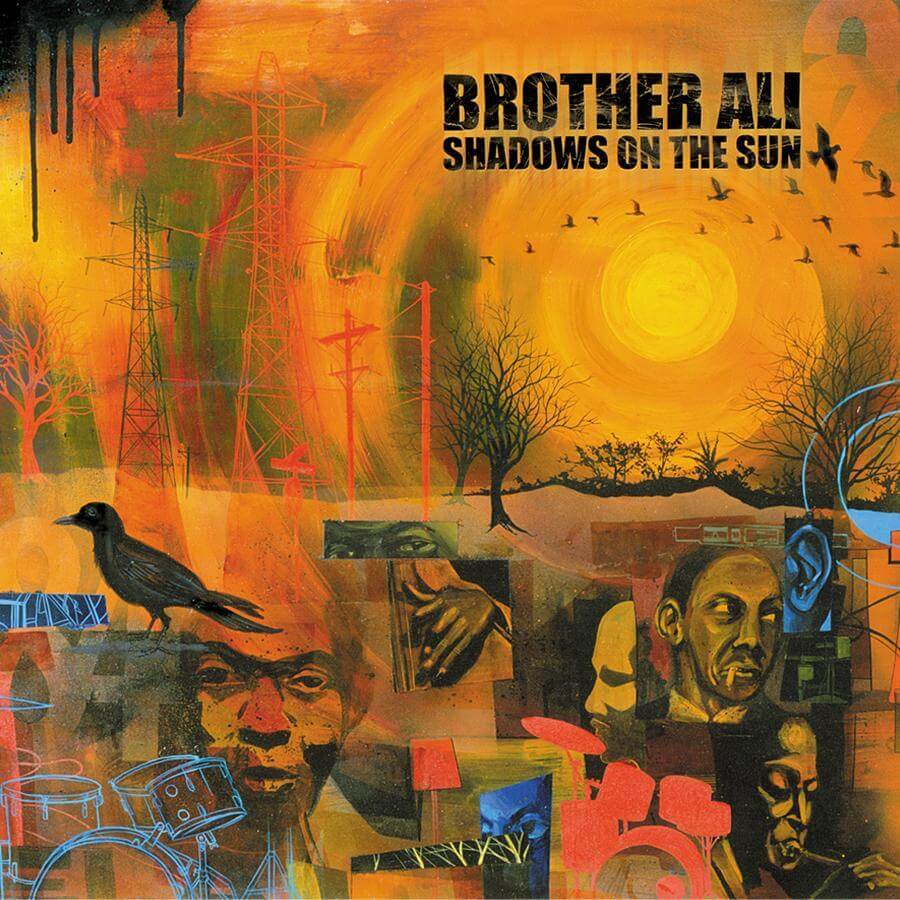
Brother Ali’s Shadows on the Sun was the album that brought the Minneapolis MC to a wider underground audience and announced a distinctive voice in independent Hip Hop. Released through Rhymesayers Entertainment, it pairs Ali’s booming, preacher-like delivery with production by Ant of Atmosphere, whose warm soul samples, gospel touches, and rugged drums give the record a consistent musical identity. The beats leave room for Ali’s densely packed verses while adding enough melody and funk to keep the album moving.
Ali’s writing is personal without becoming insular. On “Room with a View,” he sketches the world around him with the eye of a storyteller, while “Champion…” and “Star Quality” confront ambition, self-worth, and the pressure to prove himself. “Forest Whitaker” is the album’s most memorable statement of self-acceptance. Ali turns his albinism, poor eyesight, and physical appearance into reasons to celebrate himself, delivering the message with humor and conviction rather than asking for sympathy. His willingness to put insecurity and pride in the same verse gives the song an enduring appeal.
The album also looks beyond individual struggles. “Picket Fence” examines the damage hidden behind the image of a stable family, while “Dorian” takes on painful personal realities with empathy. “Blah Blah Blah” and “Missing Teeth,” featuring Slug, bring the Rhymesayers connection into focus, with the two MCs sharing an easy chemistry. Ant’s production shifts between soulful warmth and harder, sample-driven boom-bap, giving each song its own character without disrupting the album’s flow.
Shadows on the Sun helped establish Brother Ali as one of underground rap’s most compelling voices. Its strength lies in the combination of forceful delivery, sharp observation, and a hard-won sense of self-respect.
Eyedea & Abilities - E&A (2004)
Following First Born, Eyedea and DJ Abilities took a more direct approach on their second album, E&A. Released in 2004 through Rhymesayers Entertainment and Epitaph Records, it shifts the emphasis toward battle-ready lyricism, intricate turntablism, and the chemistry between two artists who had already made their names on the underground competition circuit. Eyedea attacks beats with rapid-fire multisyllabic rhymes and restless changes in cadence, while Abilities treats the turntables as an equal voice in the conversation.
“Reintroducing” and “Now” announce the change of direction immediately, pairing Eyedea’s relentless delivery with Abilities’ sharp cuts and tightly constructed beats. The interplay is especially inventive on “Kept,” where scratched vocal fragments respond to the MC as if they were another participant in the exchange. “Act Right” pushes Abilities’ production into more unpredictable territory, with chopped samples and abrupt rhythmic shifts giving Eyedea plenty to navigate. On “Star Destroyer,” featuring Carnage the Executioner, the competitive spirit extends to another formidable underground MC.
The album isn’t all technical sparring. “Exhausted Love” finds Eyedea examining a failing relationship with unusual openness, its reflective writing and more restrained musical backdrop offering a welcome contrast to the brashness elsewhere. The expansive “Paradise” also breaks from the album’s rapid-fire battle mentality, giving the duo space to explore a more atmospheric approach.
Some of the album’s confrontational material lacks the philosophical depth of First Born, and the production occasionally favors familiar underground rap conventions. Still, E&A makes a compelling case for the MC-and-DJ partnership. Eyedea’s verbal dexterity and Abilities’ restless sample work operate as genuine equals, giving the album a distinct identity within early-2000s underground Hip Hop.
Little Brother - The Minstrel Show (2005)

Little Brother’s The Listening (2003) introduced a North Carolina trio with a gift for sharp lyricism, understated humor, and warm, sample-based production. Their second album, The Minstrel Show, expanded that formula into a pointed satire of how Black culture was packaged and sold by mainstream entertainment. Built around UBN, a fictional television network whose programming trades in racial stereotypes, the album uses fake commercials, sitcom-style interludes, and exaggerated characters to expose the narrow roles offered to Black artists. The title invokes the minstrel shows of the nineteenth century, drawing a line between those degrading spectacles and modern entertainment’s commercial incentives.
Producer 9th Wonder supplies the musical foundation, layering soulful samples and crisp boom-bap drums beneath Phonte and Rapper Big Pooh’s conversational chemistry. “Beautiful Morning” opens with an easygoing groove, while “Not Enough” and “Slow It Down” find the group working through relationships without resorting to tired rap clichés. On “Cheatin’,” Phonte adopts his Percy Miracles alter ego to parody melodramatic R&B, turning the era’s excesses into comedy. “Lovin’ It” offers a concise statement of the group’s approach, and “Watch Me” brings Khrysis into the production mix. “Hiding Place,” featuring Elzhi, adds another dose of intricate lyricism.
The concept attracted controversy before the album even arrived. BET declined to play the “Lovin’ It” video, prompting claims that the network considered it too intelligent, although BET disputed that characterization. The Minstrel Show gives its critique a memorable musical setting, with humor and social observation woven into the songs themselves. Little Brother made a record about the limits imposed on Black entertainment while refusing to let those limits dictate their own approach.
Kanye West – Late Registration (2005)

Kanye West’s Late Registration took the soulful sampling of The College Dropout in a more ambitious direction, pairing his production with film composer Jon Brion’s orchestral arrangements. Released in 2005, the album incorporates strings, brass, piano, and unusual instrumental textures without abandoning the warmth and rhythmic feel of West’s Hip Hop foundations. The collaboration gave him a broader musical vocabulary and allowed him to build songs around changing arrangements rather than relying primarily on looped samples. His writing also reaches beyond personal ambition, examining poverty, institutional racism, consumerism, and the contradictions between material success and social conscience.
“Heard ’Em Say,” featuring Adam Levine, opens with a delicate piano melody and reflections on economic insecurity and the difficulty of getting ahead. “Touch the Sky,” produced by Just Blaze and built around Curtis Mayfield’s “Move On Up,” turns West’s ambition into an exuberant celebration, with Lupe Fiasco making an early impression on the closing verse. “Gold Digger,” featuring Jamie Foxx, became the commercial centerpiece, using humor and a buoyant groove to explore money and relationships. Elsewhere, “Crack Music” connects the crack epidemic to the exploitation of Black communities, while “Roses” confronts the inadequacies of American healthcare through the fear of losing his hospitalized grandmother.
The album’s most revealing moments often emerge from its contradictions. “Diamonds from Sierra Leone” examines the human cost of the diamond trade while acknowledging West’s own attraction to luxury, a tension that gives his critique genuine complexity. “Drive Slow” looks back at youthful ambition, while “Hey Mama” offers a heartfelt tribute to his mother. On “We Major,” Nas joins West for an expansive celebration of success, and the closing “Gone” gradually builds into an orchestral release.
The interplay between West’s restless ambition and Brion’s elaborate arrangements gives Late Registration its distinctive character. From the social indictment of “Crack Music” to the emotional intimacy of “Hey Mama,” the album moves between grand musical gestures and personal reflection, with West’s appetite for experimentation pushing his soul-based Hip Hop into unexpected territory.
Felt – Felt 2: A Tribute To Lisa Bonet (2005)
On Felt 2: A Tribute to Lisa Bonet, Slug of Atmosphere and Murs of Living Legends step away from the introspection associated with their solo work to indulge in braggadocio, flirtation, and friendly competition. The concept grew out of a tour-bus debate about which rapper had the better chance with actress Lisa Bonet, giving the duo an excuse to build an album around their own ridiculous romantic ambitions. Released through Rhymesayers Entertainment in 2005, the follow-up to A Tribute to Christina Ricci replaces The Grouch’s production with a full album of beats from Ant, whose funk and soul foundations give the project its own identity.
Ant’s production is the crucial difference. Rather than leaning on the melancholy loops often associated with Atmosphere, he draws from funk, vintage soul, and G-funk, creating loose grooves that encourage the MCs to entertain rather than confess. “Employees of the Year” sets up their self-mythologizing with playful confidence, while “Your Mans and Them” turns everyday relationship politics into comic rap fodder. “Morris Day” taps into the album’s funk fixation, and “Dirty Girl” rides a smooth, flirtatious groove. “Early Mornin’ Tony” is built around a hypnotic piano figure, while “Breaker Down Like a Shotgun” stretches into a more elaborate instrumental workout. On “Gangster Ass Anthony,” Ant even becomes part of the joke, with the title turning the producer’s name into a running gag.
The contrast between Slug and Murs keeps the concept from becoming a one-note comedy routine. Slug’s sly, conversational delivery plays against Murs’s more animated punchlines, and their exchanges sound competitive without becoming hostile. The Lisa Bonet premise is deliberately flimsy; the real subject is two rappers enjoying the freedom to be boastful, ridiculous, and occasionally crude without having to turn every verse into autobiography.
The phone-call skits have aged less gracefully, interrupting the music with humor that sometimes veers into condescension. The strongest tracks need no such framing. Ant’s production gives Felt 2 its lasting appeal, while Slug and Murs make the most of a rare opportunity to rap for the sheer pleasure of outdoing each other.
Clipse – Hell Hath No Fury (2006)

The long delay between Clipse’s debut, Lord Willin’, and its follow-up gave Pusha T and Malice plenty of reasons to be angry. Label disputes and repeated postponements stretched the recording process over several years, and that frustration permeates Hell Hath No Fury, released in November 2006. The brothers returned with a colder, more claustrophobic take on their Virginia cocaine-rap formula, with Pharrell Williams supplying a set of beats that stripped away the bright, radio-friendly polish associated with The Neptunes’ mainstream hits. The result is an album where every synth stab, brittle drum pattern, and empty space seems to sharpen the tension.
“Mr. Me Too” takes aim at imitators over a winding, skeletal synth line, while “Wamp Wamp (What It Do),” featuring Slim Thug, brings steel drums into a beat that sounds strangely menacing despite its loose, bouncing rhythm. On “Ride Around Shining,” Ab-Liva joins the brothers over delicate harp figures and heavy drums, an unsettling contrast that captures the album’s peculiar beauty. “Trill” pushes the production toward mechanical dissonance, its abrasive synths matching the duo’s increasingly intricate accounts of the drug trade. Pharrell’s eccentric musical choices make even familiar boasts sound alien.
The writing is equally sharp. Pusha T’s tightly wound punchlines and Malice’s more reflective verses turn stories of money and excess into accounts of suspicion, moral compromise, and spiritual unease. “Dirty Money” strips away the glamour surrounding their earnings, while “Keys Open Doors” delivers a particularly ruthless display of competitive confidence. The closing “Nightmares,” featuring Bilal, brings the album’s darker implications to the surface, with haunting vocals framing the psychological cost lurking beneath the brothers’ success.
Hell Hath No Fury transforms the cocaine-rap formula through precision rather than reinvention. Pharrell’s stark production and Clipse’s meticulously constructed verses leave little room for comfort, and the contrast between lavish ambition and creeping dread gives the album its lasting bite.
J Dilla – Donuts (2006)
J Dilla’s Donuts is one of Hip Hop’s great instrumental albums, a 43-minute collection of 31 miniature beats that turns sampling into a language of its own. Released on February 7, 2006, his 32nd birthday, it was the final album issued during his lifetime. Dilla died three days later, aged 32, after years of serious health problems. That timing inevitably colors the music, although the album’s achievement extends well beyond its tragic circumstances.
Working with fragments of soul, jazz, rock, and funk records, Dilla builds constantly shifting arrangements from tiny pieces of sound. Samples are chopped, stretched, pitched, and rearranged with a rhythmic instinct that often seems to defy the grid. A beat might establish a groove, introduce an unexpected vocal fragment, then disappear before we have time to settle into it. “Workinonit” launches the album with chopped guitar, restless drums, and abrupt changes; “Waves” finds an irresistible groove in a 10cc sample, while “Lightworks” bounces around vintage electronic sounds. On “Time: The Donut of the Heart,” a slowed-down Jackson 5 sample becomes quietly affecting. “Don’t Cry” is equally striking, its delicate piano and vocal fragments suspended between comfort and melancholy.
The sequencing is integral to the experience. Most tracks last less than two minutes, and the transitions give the record a restless, almost conversational flow. It opens with “Donuts (Outro)” and closes with “Welcome to the Show,” whose ending loops back to the beginning. The circular structure makes the album feel complete without ever really ending.
Dilla’s death gives the music an added poignancy, particularly on “U-Love” and “Last Donut of the Night,” but Donuts never depends on biography to make its case. Its influence on generations of producers speaks to the ingenuity of its construction. Dilla took the beat tape, a format usually intended as a source of instrumentals for MCs, and made it a fully realized artistic statement.
Lupe Fiasco – The Cool (2007)

Following the success of Food & Liquor (2006), Lupe Fiasco took a darker, more ambitious direction on The Cool. Released during a difficult period marked by the deaths of his father and close friend Stack Bundles, alongside the imprisonment of his mentor Charles “Chilly” Patton, the album explores loss, temptation, violence, and the forces shaping life on the streets. Lupe also revisits the title character from his debut track “The Cool,” expanding that story into a loose concept involving three figures: the Cool, the Streets, and the Game. These personifications of street life, desire, and hustler culture give the album a mythological dimension without restricting its many other subjects.
The production moves between soulful melodies, crisp drums, electronic textures, and rock-influenced arrangements. Soundtrakk provides much of the musical backbone, while Patrick Stump of Fall Out Boy produces “Little Weapon,” a disturbing examination of children drawn into violence, from child soldiers to school shooters. On “Hip-Hop Saved My Life,” Lupe follows an aspiring rapper trying to make it, balancing ambition with the realities of the industry. “Paris, Tokyo” offers a lighter, jazz-inflected change of pace, while “Intruder Alert” expands from an intimate relationship into a broader reflection on immigration and exclusion.
The album’s sharpest moments often come when Lupe challenges the values that commercial culture promotes. “Dumb It Down” takes aim at demands for simpler, more marketable lyrics, with Lupe packing its verses with intricate rhyme patterns and layered wordplay. “Gotta Eat” turns fast-food imagery into an extended metaphor, while “The Coolest,” “The Die,” and “Put You on Game” develop the album’s darker narrative about the allure and consequences of street life.
At nearly 71 minutes, The Cool occasionally stretches its ideas, but Lupe’s imagination and technical command carry the record through its many shifts in tone. The album earned a Grammy nomination for Best Rap Album and eventually went platinum. It remains one of his most ambitious statements, combining intricate storytelling with a sustained challenge to the culture’s ideas of success, status, and what it means to be cool.
El-P - I’ll Sleep When You’re Dead (2007)

Five years after Fantastic Damage, El-P returned with I’ll Sleep When You’re Dead, a second solo album that pushed his abrasive production into even stranger territory. Released through Definitive Jux in March 2007, the record channels post-9/11 paranoia, political disillusionment, and urban anxiety into a claustrophobic mix of distorted electronics, jagged drums, uneasy samples, and sudden bursts of melody. El-P described the sound as a psychedelic take on Boogie Down Productions, an apt reference for music that combines politically charged rap with production that seems perpetually on the verge of malfunction.
The opening “Tasmanian Pain Coaster,” featuring The Mars Volta’s Omar Rodríguez-López and Cedric Bixler-Zavala, establishes the album’s unsettled atmosphere through ominous textures and an increasingly volatile arrangement. “Smithereens (Stop Cryin)” brings a more personal frustration to the surface, while “Up All Night” compresses El-P’s restless energy into a brief, twitchy burst. On “Run the Numbers,” Aesop Rock joins him over a dense, propulsive beat for a pointed attack on economic power and political hypocrisy. Their similarly intricate writing makes for a natural pairing, though El-P’s production remains the dominant presence.
The alternative-rock connections extend to “Flyentology,” where Nine Inch Nails’ Trent Reznor contributes manipulated vocals to a brooding, industrial construction. Cage joins “Habeas Corpses (Draconian Love),” a dystopian tale of romance aboard a prison ship, while Cat Power’s Chan Marshall brings an unexpected vulnerability to the closing “Poisenville Kids No Wins / Reprise (This Must Be Our Time).” These appearances are woven into the arrangements rather than treated as conventional guest spots.
El-P’s lyrics can be deliberately opaque, but the production gives the album a clear emotional logic: suspicion, exhaustion, and flashes of defiance trapped inside a world that seems increasingly hostile. I’ll Sleep When You’re Dead turns that tension into a densely layered listening experience, with its abrasive sonics and unexpected moments of warmth making the unease all the more palpable.
Pharoahe Monch – Desire (2007)

After an eight-year gap between solo albums, Pharoahe Monch returned with Desire, a record that took his intricate lyricism in a more soulful, gospel-inflected direction. Released in June 2007 through Street Records Corporation, the follow-up to Internal Affairs arrived after years of label difficulties and the sample-clearance problems surrounding “Simon Says.” Monch emerged with a different musical framework, trading much of his debut’s dark, sample-heavy aggression for live horns, funk rhythms, and expansive arrangements. His writing remained densely packed, but the production gave his delivery a more deliberate, commanding shape.
The title track, produced by The Alchemist and featuring Showtyme and MeLa Machinko, sets the tone with its stirring soul elements and emphatic vocal hooks. Monch takes a more direct approach on “Push,” building momentum around driving instrumentation and the punchy contributions of Tower of Power. Black Milk brings a Detroit edge to “Let’s Go,” pairing a fast, guitar-led beat with MeLa Machinko’s vocals. These tracks reveal Monch working comfortably with a broader musical palette, allowing the arrangements to carry as much force as his verses.
The album’s darker side emerges on “When the Gun Draws,” a tightly constructed narrative about the consequences of violence, featuring Mr. Porter. The three-part “Trilogy,” also produced by Porter, extends that storytelling approach through separate acts featuring Mr. Porter, Dwele, and Tone Trezure. Elsewhere, Monch reworks Public Enemy’s “Welcome to the Terrordome,” connecting his political convictions to one of Hip Hop’s defining protest records. Erykah Badu’s appearance on “Hold On” adds a more reflective note.
Desire finds Monch expanding his musical vocabulary without sacrificing the intricate rhyme patterns and conceptual writing that distinguish him. Its gospel and funk influences give his technical precision a new sense of scale, with “When the Gun Draws” demonstrating that his storytelling remains as compelling as his verbal dexterity.
Sean Price - Jesus Price Supastar (2007)

Sean Price’s Jesus Price Supastar builds on the battle-rap foundation of Monkey Barz, sharpening his punchlines and pairing his gravelly delivery with a warmer, soul-heavy production palette. Released through Duck Down Music in January 2007, the album draws heavily on North Carolina’s Justus League, with 9th Wonder and Khrysis supplying much of the music. The contrast suits Price: his voice sounds like it could scrape paint off a wall, while the beats lean on chopped soul samples, crisp drums, and melodic loops. His humor is as important as his aggression, with outrageous boasts and blunt insults delivered with impeccable timing.
“P-Body” reunites Price with Heltah Skeltah partner Rock, the two trading dense alliteration and hard-edged punchlines over 9th Wonder’s soulful production. Khrysis gives “Stop” a more agitated backdrop for Price’s barrage of battle rhymes, while “Violent” strips things back to let his blunt, forceful delivery carry the track. “Cardiac,” featuring Buckshot, Ruste Juxx, and Flood, brings together several Duck Down voices, and “Da God” pairs Price with Buckshot and Brand Nubian’s Sadat X for a meeting of distinct New York rap generations. On “Let It Be Known,” Phonte’s more measured style provides an effective counterweight to Price’s unruly presence.
The album’s title and religious imagery give Price room to play with his larger-than-life persona, but the appeal lies in the details of his writing. He can turn a throwaway insult into a memorable punchline through an unexpected rhyme or a perfectly placed pause. “Mess You Made,” featuring Block McCloud, offers a more reflective angle on the consequences of street choices, giving the record a moment of substance amid its relentless verbal sparring.
The soulful production brings a different shade to Price’s rugged style without sanding down its edges. Jesus Price Supastar catches him at a point where his comic timing, technical skill, and sheer verbal nastiness work in perfect combination.
Q-Tip – The Renaissance (2008)

After years of label disputes and shelved projects, Q-Tip returned with The Renaissance, his first released solo album in nine years. The follow-up to Amplified (1999) draws on the jazz-inflected production and fluid rhythms associated with A Tribe Called Quest, but its live instrumentation and understated arrangements reflect the musical ambitions that labels had rejected when they shelved Kamaal the Abstract and Open. Released in 2008 through Universal Motown, the album finds Tip working largely alone behind the boards, building a warm, organic sound around crisp drums, nimble bass lines, and carefully placed samples.
“Johnny Is Dead” opens with a declaration that sounds like a break from the past, before “Won’t Trade” and “Gettin’ Up” settle into buoyant grooves that leave plenty of room for his relaxed, finely articulated flow. The J Dilla-produced “Move” draws on the Jackson 5’s “Dancing Machine,” turning its familiar funk into a springboard for Tip’s rhythmic play, while “Renaissance Rap” celebrates Hip Hop’s foundations without becoming a lecture in nostalgia. “Manwomanboogie,” featuring Amanda Diva, builds its groove around a sample from German experimental band Can, an unusual source that fits naturally into the album’s blend of funk, jazz, and electronic texture.
The guest vocalists add color without pulling the album away from its central vision. Raphael Saadiq brings a soulful urgency to “We Fight/We Love,” where Q-Tip addresses conflict and social division, while Norah Jones gives “Life Is Better” an easy melodic warmth. D’Angelo’s appearance on “Believe” is more understated, complementing a song about faith in music and personal conviction. These collaborations extend Tip’s musical palette without turning the record into a collection of guest showcases.
The Renaissance succeeds through its balance of craft and spontaneity. Q-Tip sounds comfortable moving between sharp rhythmic phrasing, reflective writing, and melodic experimentation, while the live-instrument feel gives his production room to breathe. After years of shelved work, he finally delivered an album that brought his more adventurous musical instincts into a fully realized Hip Hop setting.
Evidence - Cats & Dogs (2011)

Evidence’s Cats & Dogs marked his return to solo recording after four years, pairing the Dilated Peoples MC with Rhymesayers Entertainment and a formidable lineup of underground Hip Hop producers. Released in September 2011, the album draws on the grimy boom-bap that shaped his work with Dilated Peoples while giving him room to reflect on fame, personal relationships, and the contradictions of life in the music industry. Evidence’s measured delivery rarely changes pace, but his conversational style suits the album’s introspective writing, where hard-earned perspective matters more than technical showmanship.
The production roster brings plenty of variety without disrupting the album’s dark, cohesive atmosphere. The Alchemist supplies several of the strongest beats, including the ominous backdrop for “The Red Carpet,” where Raekwon and Ras Kass join Evidence for a sharp exchange of street narratives. DJ Premier handles “You,” a reflective highlight built around his unmistakable rhythmic precision, and returns for the closing “The Epilogue.” “Fame,” featuring Roc Marciano and Prodigy, brings three distinct voices together over Charli Brown Beatz’s rugged production, while “Late for the Sky” pairs Evidence with Slug and Aesop Rock for a more contemplative change of pace. The Step Brothers cut “James Hendrix,” featuring Evidence and The Alchemist, adds some of the duo’s offbeat humor.
Evidence’s deliberate cadence can make the album’s middle stretch feel uniform, but the guest appearances provide welcome changes in perspective. The sequencing also has a curious touch: track thirteen is deliberately left blank, setting up “To Be Continued…” and its opening reference to the missing thirteenth floor. It is a small piece of album design that rewards attention without interrupting the music.
Cats & Dogs offers a carefully assembled collection of underground rap built around Evidence’s understated strengths: grounded writing, dry humor, and beats that favor atmosphere over flash.
Danny Brown - X X X (2011)
Danny Brown’s XXX marked the Detroit rapper’s breakthrough, introducing a distinctive voice that could turn drug-fueled excess, sharp humor, and personal despair into compelling Hip Hop. Released as a free download through Fool’s Gold Records in August 2011, the project was initially labeled a mixtape, though its ambition and carefully constructed two-part structure make it a natural fit for this list. The title refers to Brown’s age at the time and the explicit lifestyle running through the record.
The first half moves at a manic pace. On “Die Like a Rockstar,” Brown embraces self-destruction with a twisted sense of humor, while “Pac Blood” and “Radio Song” display his elastic delivery and appetite for unpredictable wordplay. “Bruiser Brigade,” featuring fellow Detroit rapper Dopehead, captures the unruly energy of his crew, and “Blunt After Blunt” turns getting high into a hypnotic, increasingly desperate refrain. The production shifts between abrasive electronic textures, off-kilter beats, and more traditional rap foundations, giving Brown room to stretch his voice into strange, sometimes deliberately irritating shapes.
The mood changes with “DNA,” which Brown conceived as the start of the album’s second side. The party bravado gives way to addiction, depression, and the consequences of living without restraint. “Nosebleeds,” “Fields,” and “Scrap or Die” expose the damage beneath the hedonism, while “30” closes the record with Brown confronting his age and uncertain future.
XXX thrives on the collision between grotesque comedy and uncomfortable honesty. Brown refuses to tidy up his contradictions, making the album an unusually vivid portrait of excess and its aftermath.
Roc Marciano - Reloaded (2012)
With Reloaded, Roc Marciano took the sound of his solo debut, Marcberg, and pushed it into even stranger, more distinctive territory. Released in November 2012, his second album became a foundational record for the modern underground street-rap movement, influencing a generation of MCs and producers who gravitated toward its stripped-down beats, murky atmosphere, and intricately written crime tales. Where much contemporary rap leaned on booming drums, Marciano found menace in their absence, building tracks around dusty loops, obscure samples, and fragments of melody.
Marciano handles most of the production himself, with additional contributions from The Alchemist, Q-Tip, Ray West, and The Arch Druids. The results are hypnotic and understated, leaving space for his relaxed, almost conversational delivery and tightly packed internal rhymes. He writes about hustling, violence, expensive tastes, and street politics with the detached confidence of a crime-film antihero. His details are often more revealing than his boasts, and his offhand phrasing makes elaborate rhyme patterns sound effortless.
“Tek to a Mack” establishes the album’s grimy mood, while The Alchemist’s “Flash Gordon” and “Pistolier” bring their own warped, cinematic textures. On “Not Told,” featuring Knowledge the Pirate and Ka, three distinct voices inhabit the same shadowy world. “76” is a standout showcase for Marciano’s writing, while “Deeper” and “Death Parade” deepen the album’s sense of quiet menace. Q-Tip’s “Thread Count” supplies a warmer, soulful counterpoint without disrupting the record’s insular mood.
The influence of Reloaded runs through the drumless and minimalist street rap that followed, from Griselda’s grimy crime narratives to the sample-heavy collaborations of The Alchemist and his many underground partners. Marciano did not need a louder sound or a bigger cast to make his world convincing. With Reloaded, he refined a musical language that underground Hip Hop would spend years exploring.
Ab-Soul - Control System (2012)
Ab-Soul’s Control System captures a pivotal moment for Top Dawg Entertainment, when the Los Angeles label’s Black Hippy collective was building toward a wider audience. His second studio album finds him mixing intricate wordplay, conspiracy theories, philosophical questions, and deeply personal writing across 17 tracks. Ab-Soul’s interests range from government surveillance and internet censorship to spirituality and mortality, sometimes within the same song. The result is an ambitious, occasionally overstuffed record driven by a mind that rarely stops questioning.
The production, handled largely by TDE’s Digi+Phonics crew and other collaborators, moves between eerie samples, jazz-inflected passages, and spacious, bass-heavy beats. On “Pineal Gland,” Ab-Soul explores altered states and spiritual consciousness over an unsettling backdrop. “Bohemian Grove” turns toward secret societies and elite power, while “SOPA,” featuring ScHoolboy Q, takes aim at proposed government control of the internet. “Terrorist Threats,” with Jhené Aiko and Danny Brown, brings together three very different voices, with Brown’s unpredictable verse adding a welcome jolt. Kendrick Lamar joins Ab-Soul on “ILLuminate,” a meeting of two of TDE’s most technically gifted writers.
The album’s emotional center arrives in its closing stretch. Alori Joh, Ab-Soul’s close friend and partner, died by suicide in February 2012. Her presence on “A Rebellion” and “Empathy” gives those songs a painful poignancy, while “The Book of Soul” directly confronts his grief in one of his most exposed performances. Over a soulful, understated instrumental, he recounts their relationship and struggles to make sense of her death.
At 71 minutes, Control System sometimes gets tangled in its own ideas. Its strongest moments, however, reveal the depth beneath Ab-Soul’s cerebral persona, especially when intellectual curiosity gives way to personal vulnerability.
Kendrick Lamar – good kid, m.A.A.d city (2012)

Following his independent debut, Section.80, Kendrick Lamar returned to his hometown for good kid, m.A.A.d city, a major-label debut presented as “a short film by Kendrick Lamar.” The album traces a young man navigating Compton’s gang culture, peer pressure, violence, and temptation while trying to hold on to his identity. Drawing on his own adolescence, Lamar builds a nonlinear coming-of-age story through shifting perspectives, voicemail messages, family prayers, and conversations that give the record the texture of lived experience.
The production balances West Coast rap traditions with a more atmospheric, introspective sound. Dr. Dre’s influence is present, but the album relies on a wide cast of producers, including Sounwave, DJ Dahi, Hit-Boy, Pharrell Williams, and Just Blaze. “Backseat Freestyle” captures the reckless bravado of a teenager showing off for his friends, while “The Art of Peer Pressure” follows a night of increasingly serious criminal behavior with cinematic detail. On “Money Trees,” Jay Rock joins Lamar over DJ Dahi’s hazy, hypnotic beat, and “m.A.A.d city” erupts into a feverish portrait of Compton’s violence, featuring veteran West Coast MC MC Eiht.
The album’s emotional and narrative peak comes with “Sing About Me, I’m Dying of Thirst.” Across its two sections, Lamar inhabits other people’s perspectives before turning inward, confronting mortality, guilt, and the possibility of redemption. “Swimming Pools (Drank)” similarly complicates its apparent celebration of drinking by examining peer pressure and addiction, while “Real” and the closing “Compton” bring the story toward family, self-knowledge, and hometown pride.
good kid, m.A.A.d city earned widespread acclaim for combining intricate storytelling with accessible songwriting and a coherent narrative. Its commercial success brought Lamar to a much larger audience without diluting his perspective. A defining rap album of the 2010s, it transformed a specific account of growing up in Compton into a story about the forces that shape young lives.
R.A. The Rugged Man – Legends Never Die (2013)

After nearly a decade between albums, R.A. the Rugged Man returned with Legends Never Die, a second solo album that gives his formidable technical ability room to breathe. Released in 2013, the record moves between intricate rhyme patterns, outrageous humor, political commentary, and deeply personal material. R.A.’s delivery remains explosive, but he has a firmer grasp of pacing and song structure than on Die, Rugged Man, Die, making this a more rounded portrait of an MC whose career has always resisted industry expectations.
The opening run sets the tone. Apathy’s “The People’s Champ” pairs R.A.’s boastful performance with hard-hitting boom-bap, while “Definition of a Rap Flow” is a dazzling display of multisyllabic rhymes and breath control. “Learn Truth,” featuring Talib Kweli, turns toward historical and political subjects, and “Holla-Loo-Yuh,” with Tech N9ne and Krizz Kaliko, brings together three highly animated voices for a rapid-fire lyrical workout. Buckwild’s “Media Midgets” takes aim at the music industry, critics, and media culture with the irreverence that has long defined R.A.’s writing.
The album’s emotional center arrives on “Legends Never Die (Daddy’s Halo),” a heartfelt tribute to his father that cuts through the record’s confrontational humor. “The Dangerous Three,” featuring Brother Ali and Masta Ace, offers another lyrical highlight, while “Luv to Fuk” pushes R.A.’s deliberately vulgar comedy toward its most outrageous extreme.
The production occasionally leans on familiar underground boom-bap conventions, but R.A. makes the material his own through sheer personality and verbal invention. Legends Never Die captures a veteran MC sharpening his craft without losing the unruly spirit that made him an outsider in the first place.
Big K.R.I.T. - Cadillactica (2014)

After Live from the Underground, Big K.R.I.T. took a more expansive approach to his second studio album, imagining a planet called Cadillactica as the source of his creative consciousness. The concept gave the Mississippi rapper room to explore Southern identity, spirituality, fame, and personal growth without abandoning the soulful production and grounded storytelling that defined his earlier mixtapes. He also opened up the recording process, collaborating with outside producers and musicians rather than handling nearly everything himself.
The change is apparent in the title track, where DJ Dahi and DJ Khalil build a futuristic backdrop around K.R.I.T.’s familiar Southern sensibility. Raphael Saadiq brings live-sounding soul to “Soul Food,” a reflective celebration of the cultural traditions that shaped him, while “Pay Attention,” featuring Rico Love, moves toward polished contemporary R&B. K.R.I.T. still handles several tracks himself, including “Life,” “My Sub Pt. 3 (Big Bang),” and “King of the South,” where his production draws on the bass-heavy funk of his home region.
Lyrically, K.R.I.T. balances personal reflection with competitive ambition. “Mt. Olympus,” included on the deluxe edition as a reprise, grew out of the debate sparked by Kendrick Lamar’s “Control” verse, with K.R.I.T. making his own case among rap’s elite. “Mind Control,” featuring E-40 and Wiz Khalifa, loosens the mood, while “Mo Better Cool” brings together Devin the Dude, Big Sant, and Bun B for a Southern rap summit. “Lost Generation,” featuring Lupe Fiasco, turns toward the social consequences of materialism and misplaced priorities.
Cadillactica occasionally spreads its ideas across a crowded musical landscape, but its ambition pays off. K.R.I.T. expands his sound while keeping his Mississippi roots at the center, creating a rich, personal variation on Southern rap.
Run The Jewels – Run The Jewels 2 (2014)

With Run the Jewels, Killer Mike and El-P found an unlikely partnership that brought together Atlanta’s Southern rap tradition and the abrasive sensibility of New York’s independent underground. Their second album takes the chemistry of the debut and pushes it into darker, more volatile territory. El-P’s production is dense with distorted synths, heavy bass, and jagged rhythms, while the two MCs trade threats, absurdist punchlines, and politically charged observations with infectious enthusiasm.
“Jeopardy” opens with a sense of impending chaos, followed by the relentless assault of “Oh My Darling Don’t Cry” and “Blockbuster Night, Pt. 1.” On “Close Your Eyes (And Count to F**k),” Rage Against the Machine frontman Zack de la Rocha joins the duo for a furious track that channels punk’s confrontational spirit through El-P’s industrial-leaning beats. Elsewhere, “Love Again (Akinyele Back),” featuring Gangsta Boo, delivers deliberately outrageous sexual humor, a reminder that the group’s politics never come at the expense of their mischievous streak.
The album’s most disturbing moment is “Early,” featuring Boots. Killer Mike recounts a police encounter that spirals into a frightening confrontation, turning the record’s generalized hostility into something immediate and painfully real. Released in October 2014, amid protests over the deaths of Michael Brown and Eric Garner, the track took on added urgency. “Crown” offers a more reflective counterpoint, while “Angel Duster” closes the album with a sprawling, sample-rich production.
Released initially as a free download, Run the Jewels 2 received widespread critical acclaim and topped several publications’ year-end lists. Its success confirmed that two established underground artists could build a formidable audience on their own terms, without sanding down the edges that made their collaboration distinctive.
Earl Sweatshirt - I Don't Like Shit, I Don't Go Outside (2015)
Following Doris, Earl Sweatshirt turned inward on his second studio album, stripping away much of the Odd Future era’s outward bravado for a claustrophobic account of grief, paranoia, and withdrawal. Released in March 2015 with little warning, I Don’t Like Shit, I Don’t Go Outside sounds like an artist retreating from the world while trying to make sense of what it has done to him. Earl produced nearly the entire record under his randomblackdude alias, building a murky backdrop of lurching drums, heavy bass, and disquieting loops that rarely offer much relief.
The opening track, “Huey,” begins with a deceptively jaunty keyboard figure before settling into the album’s uneasy rhythms. “Mantra” addresses distrust and the complications of fame, while “Grief” is the emotional center: Earl’s weary, densely packed verses circle loss, strained relationships, substance use, and the impulse to shut everyone out. His delivery is subdued, but the writing remains intricate, with internal rhymes and sudden turns of phrasing packed into lines that can pass by almost unnoticed. “Faucet” and “Off Top” offer flashes of technical dexterity without breaking the record’s inward-looking mood.
The small guest list reinforces the sense of a tight personal circle. Da$h appears on “Grown Ups,” Wiki joins “AM // Radio,” and Na-Kel contributes to “DNA.” On “Wool,” Vince Staples cuts through the haze with a forceful verse, providing a sharp contrast to Earl’s exhausted restraint.
At half an hour, the album leaves little space between its bleakest thoughts. Its appeal lies in the precision with which Earl translates isolation into sound, laying important groundwork for the more fragmented, inward-facing approach of Some Rap Songs.
Pusha T – King Push — Darkest Before Dawn: The Prelude (2015)

After My Name Is My Name introduced Pusha T as a solo artist in his own right, King Push – Darkest Before Dawn: The Prelude arrived as an interim release while his planned second album continued to evolve. The 2015 project is compact at just over 33 minutes, but its ten tracks maintain a consistently ominous atmosphere. Pusha remains focused on the cocaine trade, power, betrayal, and the compromises of success, delivering his detailed street narratives in the cold, measured cadence that has defined his career since Clipse.
The production gives him several different settings without diluting the album’s dark character. Metro Boomin and Puff Daddy establish the mood on the cinematic “Intro,” while Timbaland brings warped textures and hard percussion to “Untouchable” and “Got Em Covered,” the latter featuring Philadelphia associate Ab-Liva. “M.F.T.R.,” with The-Dream, combines Boi-1da’s heavy drums with a more soulful backdrop. On “M.P.A.,” Kanye West, A$AP Rocky, and The-Dream join Pusha for a cynical account of money, power, and addiction. Q-Tip’s production on “F.I.F.A.” offers a leaner, more stripped-down change of pace.
The guest appearances are carefully chosen. Beanie Sigel brings added weight to “Keep Dealing,” reconnecting Pusha with Philadelphia street rap, while Jill Scott’s contribution to “Sunshine” adds an unexpected warmth to the closing track. Even with its rotating producers, the album holds together through its stark sound and Pusha’s unwavering delivery.
Darkest Before Dawn works as a complete statement rather than a collection of scraps left over from a larger project. Its concentrated writing, varied production, and tightly controlled mood make it one of Pusha T’s strongest releases, setting the stage for the more distilled approach he would pursue on Daytona.
Czarface – Every Hero Needs A Villain (2015)

Following their self-titled 2013 debut, Czarface returned with Every Hero Needs a Villain, a sequel that sharpens the trio’s formula of comic-book mythology, intricate rhymes, and rugged boom-bap. The group brings together Wu-Tang Clan’s Inspectah Deck with Boston MC Esoteric and producer 7L, whose beats draw on the hard drums, dusty samples, and offbeat textures of early-’90s East Coast rap. The Czarface persona gives the music a distinct identity, with pulp-fiction villains, wrestling references, and cartoon-style interludes running through an album built around lyrical competition.
7L’s production balances familiar boom-bap with touches that keep the sound lively. “Nightcrawler,” featuring Method Man, rides a dark, RZA-inspired groove, while “World Premier” brings in Large Professor for a dose of Queensbridge flavor. On “Czartacus” and “The Great (Czar Guitar),” crunchy guitar riffs add a different edge to the dusty loops and hard-hitting drums. Deck and Esoteric are well matched: Deck brings the precision and internal rhymes that made him a standout on Enter the Wu-Tang (36 Chambers), while Esoteric leans into elaborate punchlines, absurd imagery, and an almost gleeful willingness to take a rhyme as far as it goes.
The guest list deepens the album’s underground credentials. GZA joins “When Gods Go Mad,” MF DOOM appears on “Ka-Bang!,” and JuJu of The Beatnuts adds his presence to “Junkyard Dogs.” Meyhem Lauren and R.A. the Rugged Man also fit comfortably into Czarface’s cartoonishly combative world.
Every Hero Needs a Villain knows exactly what it wants to be. Its affection for classic New York rap never comes at the expense of personality, and the chemistry between Deck, Esoteric, and 7L makes this one of Czarface’s strongest releases.
Rapsody - Laila's Wisdom (2017)

With Laila’s Wisdom, Rapsody sharpened the soulful, lyrically driven approach of The Idea of Beautiful while giving herself more room to explore different sides of her personality. Named after her maternal grandmother, Laila Lane, the 2017 album considers Black identity, self-worth, colorism, family, and the responsibilities that come with success. Rapsody writes with the precision of a seasoned battle MC, but her strongest moments come when technical skill serves a larger idea or a revealing personal observation.
9th Wonder and The Soul Council provide a warm, richly layered backdrop built around soul samples, crisp drums, live instrumentation, and jazz-inflected arrangements. The title track samples Nina Simone’s “To Be Young, Gifted and Black,” connecting Rapsody’s ambitions to a longer tradition of Black achievement. On “Black & Ugly,” featuring BJ the Chicago Kid, she confronts colorism and the harm caused by narrow standards of beauty. “U Used 2 Love Me,” with Terrace Martin, takes a more intimate approach, while “Jesus Coming” closes the album with a gripping account of a playground tragedy, shifting between perspectives to explore the human cost of violence.
The guest appearances add variety without overshadowing the central voice. Kendrick Lamar and Lance Skiiiwalker join Rapsody on “Power,” and Black Thought brings formidable lyrical fire to “Nobody,” alongside Anderson .Paak and the jazz-soul group Moonchild. Busta Rhymes injects his trademark energy into “You Should Know,” while “OooWee,” another collaboration with .Paak, loosens the mood with a funkier groove.
At a time when women in rap were too often discussed as a category apart, Rapsody demanded to be judged by the same standards as any of her peers. Laila’s Wisdom makes that case through the strength of its writing, the depth of its perspective, and music that gives her ideas room to breathe.
Armand Hammer - Rome (2017)
By the time Armand Hammer released Rome in 2017, billy woods and ELUCID had already developed one of the most distinctive partnerships in underground Hip Hop. Following Race Music (2013), their second studio album pushed their abstract, politically charged writing into increasingly unsettling territory. The title invokes the rise and decay of empires, an appropriate backdrop for a record preoccupied with power, exploitation, violence, and the everyday absurdities of modern life.
The production is remarkably cohesive considering the number of contributors. Messiah Musik and August Fanon handle much of the album, alongside Fresh Kills, High Priest, Kenny Segal, and JPEGMAFIA. Their beats favor distorted samples, uneasy loops, fractured rhythms, and sparse percussion. “Pakistani Brain” establishes the oppressive atmosphere immediately, while “Dead Money” and “Tread Lightly” give woods and ELUCID room to deliver their densely layered observations. Neither MC makes much effort to simplify his writing, and their contrasting deliveries make the cryptic imagery even more compelling.
“Carnies,” featuring Mach-Hommy, is an early highlight, bringing three unconventional lyricists together over Messiah Musik’s murky production. Quelle Chris joins the duo on “Microdose,” while “Shammgod,” featuring Denmark Vessey, and “Dianetics,” with Curly Castro, extend the album’s examination of social hierarchies, paranoia, and institutional power. Kenny Segal’s production on “Pergamum” and JPEGMAFIA’s contribution to “Barbarians” add different textures without disrupting the record’s grim atmosphere.
Rome demands close attention, particularly from listeners unfamiliar with Armand Hammer’s fragmented storytelling and dense political references. Its greatest achievement is the way woods and ELUCID connect historical violence and institutional corruption to smaller, recognizable human behaviors. The album captures a world where power is constantly being negotiated, abused, and resisted. For us, it ranks among the finest underground Hip Hop releases of 2017 and remains one of Armand Hammer’s strongest records.
Saba – Care For Me (2018)
Following his 2016 debut Bucket List Project, Chicago rapper Saba took a deeply personal turn with Care for Me. Released in April 2018, the album was shaped by the February 2017 murder of his cousin and close friend Walter “John Walt” Long, a fellow member of Pivot Gang. Saba began writing about grief, depression, and anxiety while trying to make sense of the loss. The result is a tightly constructed ten-track album that finds him turning private pain into vivid, carefully detailed storytelling.
The production, handled by Saba, daedaePIVOT, and Daoud, favors space and restraint over busy arrangements. Sparse piano, subdued jazz textures, and muted drums give Saba’s voice room to carry the emotional weight. On “BUSY / SIRENS,” he moves between the demands of everyday life and the violence that hangs over Chicago, with the track’s shifting sections capturing a mind struggling to process too much at once. “LIFE” and “CALLIGRAPHY” examine survival, ambition, and the difficulty of putting complicated feelings into words. The melodic contributions from theMIND and Kaina add warmth without softening the album’s underlying sadness.
“PROM / KING” is the centerpiece. Across seven and a half minutes, Saba recounts how Walt arranged a prom date for him, turning an awkward teenage situation into a cherished memory before tracing the events that led to his cousin’s death. The transition from affectionate reminiscence to devastating loss gives the song its force. The closing track, “HEAVEN ALL AROUND ME,” offers a measure of spiritual reflection without pretending grief has been resolved.
CARE FOR ME received widespread critical acclaim, and deservedly so. Saba combines intricate rhyme schemes and fluid delivery with an emotional openness that never comes across as forced. His account of losing John Walt gives the album its center, while its understated production and carefully connected songs make the record work as a complete statement about grief, memory, and learning to live with absence.
Marlowe – Marlowe 2 (2020)
We included Marlowe’s self-titled 2018 debut in our100 Best Debut Albums in Hip Hop list, so leaving its sequel off this list was never an option. In fact, Marlowe 2 improves on an already excellent first album. Producer L’Orange and North Carolina MC Solemn Brigham have a chemistry that makes their combination of dusty breakbeats, off-kilter samples, and rapid-fire lyricism sound entirely natural. The sequel keeps the original project’s underground sensibility while giving Brigham even more room to demonstrate his versatility.
L’Orange builds tracks from crackling vinyl textures, chopped funk, and unexpected musical fragments, creating beats that sound pulled from some forgotten record collection. The production is rugged without becoming predictable, shifting between hard drums, eerie interludes, and playful funk. “Spring Kick” gets things moving with a brisk, head-nodding groove, while “Small Business” and “Later With It” give Brigham room to pack dense rhymes into compact tracks. The brief instrumental passages and character-driven skits add to the album’s strange, almost cinematic atmosphere without slowing its momentum for long.
Brigham is the other half of the equation. His nimble delivery and tightly packed bars can be funny, confrontational, or reflective, often within the same verse. “Sawdust Underground” captures the duo’s grimy aesthetic, while “Paydirt” and “Dead A Lot” highlight his ability to ride L’Orange’s shifting rhythms without sacrificing clarity. “OG Funk Rock,” featuring A-F-R-O, brings another quick-witted MC into the mix, and “Same Team” adds a welcome change of pace.
At eighteen tracks, Marlowe 2 moves through its ideas quickly, with most songs lasting around three minutes or less. The brevity suits the duo’s restless approach. L’Orange’s inventive production and Brigham’s sharp, agile rapping make this a sequel that surpasses its predecessor, confirming Marlowe as one of underground Hip Hop’s most rewarding collaborations.
The second album is where the excuses run out. The novelty of a debut has worn off, expectations have risen, and an artist has to decide whether to repeat a winning formula or risk losing the audience that came along for the ride. Some of Hip Hop’s greatest artists responded by going bigger, others by stripping everything back. Public Enemy intensified their political attack, OutKast expanded their musical universe, Mobb Deep plunged deeper into Queensbridge paranoia, and Clipse turned years of industry frustration into the cold, skeletal menace of Hell Hath No Fury.
What connects these records isn’t a particular sound or a guaranteed route to success. It’s the sense that the artists had something specific left to say and found a sharper way to say it. Some second albums became career-defining masterpieces; others remain overlooked records that deserve another spin. Taken together, these 100 albums capture Hip Hop artists at a fascinating crossroads, with their identities taking shape and their ambitions running up against the limits of what they’d done before. The debut introduces the artist. The second album tells us what they intend to do with that introduction.