

Some Hip Hop albums are made for the clubs, others for the charts. The 50 albums on this list are made for speakers turned up loud, rewind buttons getting a workout, and those moments when an MC drops a line so nasty you have to hear it again. We’re talking grimy boom-bap, pounding drums, sinister loops, heavyweight basslines, and rappers who treat the microphone like a weapon.
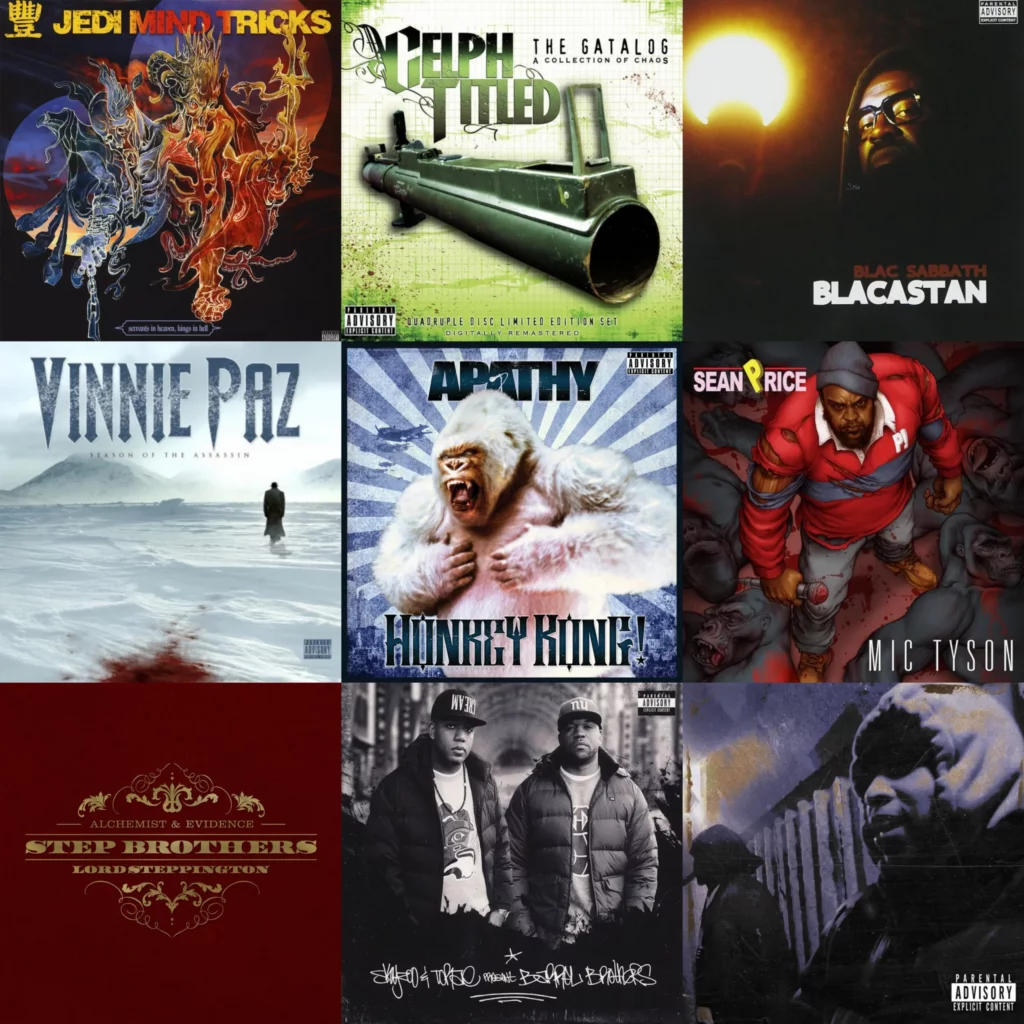
From Sean Price’s wicked punchlines and M.O.P.’s explosive delivery to the intricate rhyme schemes of Celph Titled and Apathy, the relentless aggression of Vinnie Paz and Jedi Mind Tricks, and the unpredictable verbal acrobatics of R.A. The Rugged Man, these records cover plenty of ground. There’s room for the hard-hitting West Coast boom-bap of Dilated Peoples, the dusty, soul-drenched production of Apollo Brown, and the dark, orchestral assault of Snowgoons. Different approaches, different personalities, but a shared commitment to beats that knock and rhymes that demand attention.
Every album here was released in 2000 or later. The 1990s established much of the blueprint for this particular strain of Hip Hop, but the decades that followed produced an enormous amount of uncompromising music that deserves equal attention. From the independent-label explosion of the early 2000s through the underground resurgence of the 2010s and into the current decade, hard drums and hard bars never went out of style. The sound evolved, producers developed new approaches, and successive generations of MCs kept raising the stakes.
Some albums thrive on sheer aggression, while others draw their strength from cold, calculated deliveries, intricate wordplay, or menacing production. There’s dark humor, outrageous punchlines, and competitive MC energy alongside detailed street narratives and harder-edged subject matter. The selection includes established underground favorites, overlooked releases, and newer records that carry the tradition forward.
This isn’t necessarily a list of the most influential or critically acclaimed Hip Hop albums, and obscurity alone earns no points. The main criterion for inclusion is simply that we like these albums, and while compiling the list, it grew from the intended 25 to the 50 albums you will find here. The focus is on records that deliver consistently, with strong production, memorable verses, and enough character to keep listeners coming back.
Fifty albums, countless rewind-worthy bars, and enough neck-snapping beats to keep your head nodding for days. Turn it up.
Jedi Mind Tricks - Violent By Design (2000)
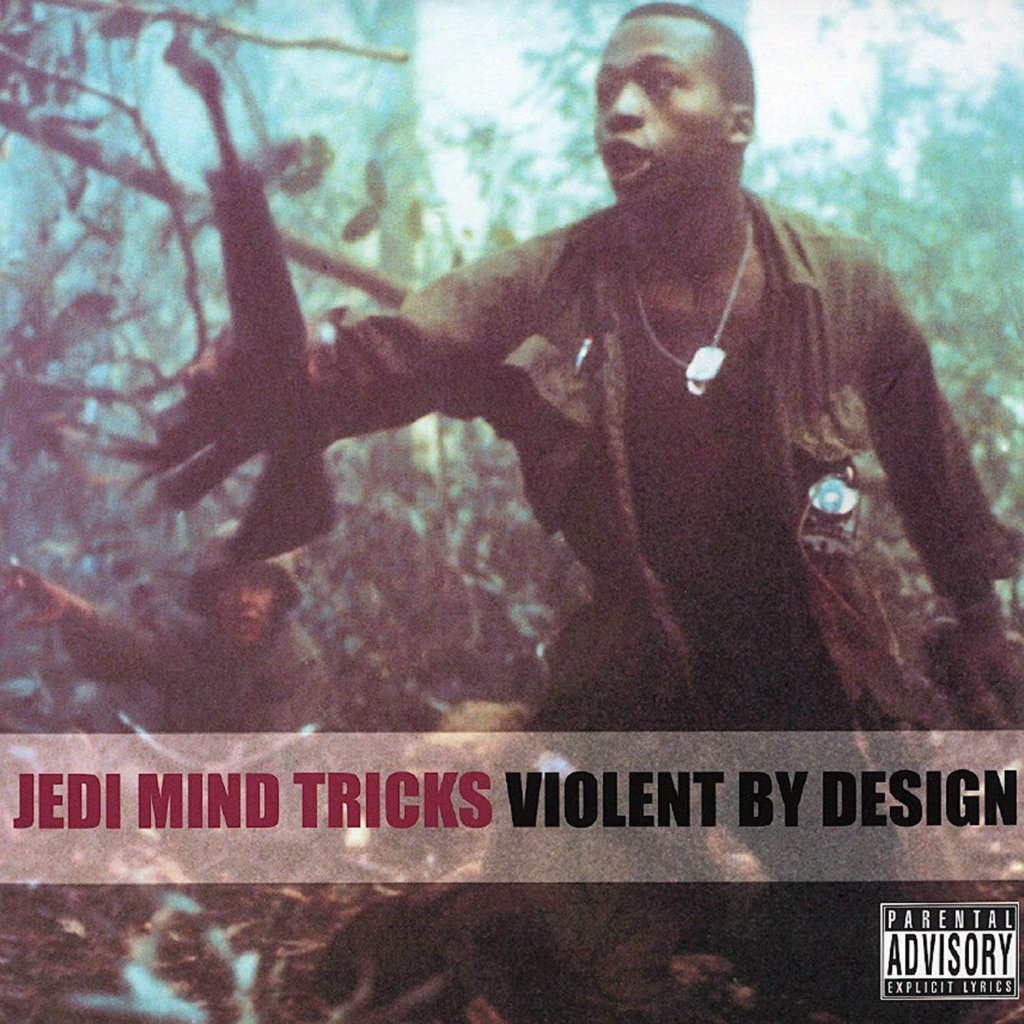
Jedi Mind Tricks’ Violent By Design is one of the defining albums of hardcore underground Hip Hop, a sprawling, relentlessly aggressive record built around Stoupe the Enemy of Mankind’s extraordinary production and the venomous delivery of Vinnie Paz and Jus Allah. Recorded in Stoupe’s bedroom, the album trades the conspiracy-heavy abstractions of the group’s debut for a considerably more confrontational approach, with violent imagery, religious provocations, and densely packed battle rhymes dominating the proceedings.
Stoupe’s production is the album’s greatest strength. Drawing heavily from film scores, orchestral recordings, and obscure international samples, he constructs intricate beats filled with mournful strings, ominous melodies, eerie vocal fragments, and hard, snapping drums. “Heavenly Divine” is a perfect example, its dramatic strings and pounding rhythm providing the backdrop for some of the album’s most ferocious verses. “Sacrifice” combines haunting melodic elements with an irresistible boom-bap foundation, while “The Deer Hunter” takes a darker, almost hypnotic approach. Every beat has its own character, and Stoupe’s meticulous arrangements give the lengthy album remarkable cohesion.
Vinnie Paz attacks his verses with a guttural intensity that would become his trademark, while Jus Allah brings a sharper, more cutting delivery and equally vicious wordplay. Their chemistry is particularly effective on “Retaliation” and “I Against I,” where intricate rhyme patterns and relentless aggression take precedence over conventional storytelling. Some of the lyrics are needlessly offensive, but the technical ability and sheer conviction behind the performances are undeniable.
The extensive guest list adds another dimension. Tragedy Khadafi brings streetwise authority to “Genghis Khan,” Mr. Lif shines on “Speech Cobras,” and Esoteric, Virtuoso, Chief Kamachi, and Bahamadia contribute memorable performances throughout.
At over an hour, Violent By Design occasionally tests the listener’s endurance, but its strongest material is exceptional. Stoupe’s production alone warrants repeated listening, and the combination of sinister orchestration, punishing drums, and uncompromising lyricism makes this one of the most formidable underground boom-bap albums of the 2000s.
M.O.P. - Warriorz (2000)

Few Hip Hop acts have ever matched the sheer ferocity of M.O.P., and Warriorz captures Billy Danze and Lil’ Fame at their most explosive. The Brownsville duo had already established themselves as hardcore specialists with three excellent albums, but their fourth LP brought everything together: thunderous production, street-level storytelling, and two of the most commanding voices in Hip Hop. These guys don’t need intricate multisyllabic rhyme schemes to tear a beat apart. Their timing, chemistry, and extraordinary vocal intensity do the damage.
“Ante Up (Robbing-Hoodz Theory)” is the obvious centerpiece, a full-blown Hip Hop riot built around DR Period’s pounding drums and blaring horn sample. Its enormous crossover success never diminished its street credibility, and it remains one of the hardest tracks ever recorded. But Warriorz has plenty of ammunition beyond its signature anthem. DJ Premier contributes several outstanding beats, including the sinister “Face Off,” the relentless “On the Front Line,” and the rugged “Follow Instructions.” His trademark chopped samples and snapping drums provide ideal ammunition for Danze and Fame’s aggressive exchanges.
Lil’ Fame handles much of the remaining production under his Fizzy Womack alias, bringing a slightly different character to tracks like “Welcome to Brownsville,” “Calm Down,” and the Foreigner-sampling “Cold as Ice.” The latter demonstrates M.O.P.’s knack for transforming familiar material into something unexpectedly menacing. Throughout the album, their performances balance shouted threats and streetwise bravado with flashes of humor, loyalty, and genuine Brownsville pride.
At nearly 75 minutes, Warriorz is a lengthy, occasionally uneven listen, but its highlights hit with extraordinary force. The production has weight, the hooks demand participation, and Danze and Fame sound completely committed to every bar. For anyone who likes their boom-bap loud, confrontational, and built to rattle speakers, Warriorz delivers exactly what the title promises.
Dilated Peoples - The Platform (2000)

Dilated Peoples brought a distinctly West Coast perspective to rugged boom-bap with The Platform, a debut that put Evidence, Rakaa Iriscience, and DJ Babu at the forefront of California’s thriving underground scene. While their approach was less confrontational than that of M.O.P. or Jedi Mind Tricks, their commitment to hard drums, competitive lyricism, and traditional Hip Hop craftsmanship made them a formidable trio. The Platform is packed with dusty samples, sharp scratches, and the kind of head-nodding beats that sound particularly good through a powerful set of speakers.
The Alchemist plays a major role in shaping the album’s sound, supplying several of its hardest productions. The title track establishes the group’s aesthetic with its heavy drums and hypnotic loop, while “Guaranteed” and “The Last Line of Defense” bring similarly rugged grooves. KutMasta Kurt’s production on “Work the Angles” is another highlight, its muscular beat and precise scratching providing the perfect foundation for Evidence and Rakaa’s tightly constructed verses. “Triple Optics” and “Ear Drums Pop” reinforce the group’s dedication to beats, rhymes, and turntablism.
Evidence’s laid-back, slightly raspy delivery contrasts effectively with Rakaa’s deeper voice and more forceful cadence. Neither MC relies on excessive aggression, preferring clever wordplay, battle-ready confidence, and carefully measured flows. DJ Babu’s cuts are an integral part of the arrangements, giving the album an unmistakable connection to Hip Hop’s DJ-centered traditions. Guest appearances from B-Real, Aceyalone, Tha Alkaholiks, and several Likwit Crew affiliates strengthen its underground credentials.
At over an hour, The Platform occasionally loses momentum, and the lyrical themes don’t always offer much variety. Still, the production remains consistently strong, and the trio’s chemistry carries the album through its quieter stretches. For this list, The Platform represents the less abrasive side of hardcore boom-bap: technically accomplished, rhythmically powerful, and deeply rooted in underground Hip Hop culture.
7L & Esoteric - Dangerous Connection (2002)

Boston duo 7L & Esoteric brought a distinctly East Coast flavor to underground Hip Hop, combining rugged boom-bap with Esoteric’s intricate rhyme schemes, battle-ready punchlines, and slightly off-kilter personality. Their second album, Dangerous Connection, sharpens the approach established on their debut, The Soul Purpose, delivering 46 minutes of hard beats and densely packed bars. DJ 7L handles most of the production, with contributions from Stoupe the Enemy of Mankind, KutMasta Kurt, and Beyonder adding some welcome variety.
The album gets straight to the point. “Watch Me” pairs Esoteric’s confident delivery with a forceful beat, while “Warning – Knife in the Face” makes its intentions clear through its menacing title and aggressive atmosphere. Esoteric favors elaborate rhyme patterns, unexpected punchlines, and a competitive edge that rarely lets up. His delivery can be abrasive, but that quality suits the music. He’s not interested in smoothing out his rough edges or chasing mainstream appeal. The focus stays firmly on lyrical skill and the satisfaction of out-rapping the competition.
DJ 7L’s production supplies the album’s backbone, built around hard drums, dark samples, and stripped-down arrangements that leave plenty of room for Esoteric’s verbal acrobatics. Stoupe’s contribution to “Terrorist’s Cell” brings the ominous orchestral character associated with his work for Jedi Mind Tricks. The guest appearances are particularly well chosen. “Speak Now” puts Esoteric alongside Apathy and Vinnie Paz, three MCs with distinct voices and a shared appetite for technical lyricism. “Rules of Engagement” takes a different direction, bringing together J-Live and Count Bass D for a meeting of sharp writing and musical versatility.
Dangerous Connection isn’t especially concerned with broadening its appeal, and some of its tracks blur together as the album progresses. Its best moments, however, capture the appeal of early-2000s underground Hip Hop: uncompromising beats, inventive wordplay, and MCs treating every verse as a competitive exercise. For listeners drawn to the harder end of boom-bap, 7L & Esoteric deliver a thoroughly satisfying record.
Non-Phixion - The Future Is Now (2002)
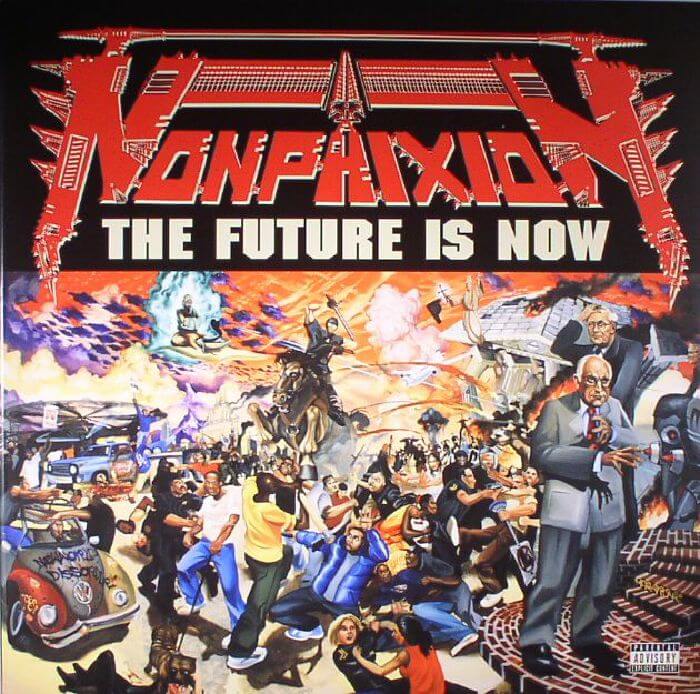
Non-Phixion’s The Future Is Now is a defining document of New York’s early-2000s underground scene, a dark, confrontational album that combines hardcore boom-bap with conspiracy theories, anti-establishment paranoia, street narratives, and the group’s distinctly abrasive personality. MCs Ill Bill, Sabac Red, and Goretex bring different strengths to the microphone, while DJ Eclipse provides the cuts and Necro handles much of the production. The result is an album that sounds grimy, hostile, and deliberately outside the mainstream.
Necro’s beats give the record much of its sinister character. “The C.I.A. Is Trying to Kill Me” pairs pounding drums with an atmosphere of paranoia, while “Black Helicopters” turns government surveillance and conspiracy theories into an ominous underground anthem. The production is heavy without becoming overly elaborate, relying on unsettling samples, thick basslines, and hard, direct rhythms. “There Is No Future,” featuring Necro, pushes the group’s bleak worldview to the forefront, while “Drug Music” finds Large Professor bringing a different flavor to the album’s otherwise dark palette.
The production roster is one of the album’s major attractions. DJ Premier supplies “Rock Stars,” giving the group a taste of his unmistakable chopped-sample precision. Pete Rock’s “If You Got Love” offers a soulful contrast, while Large Professor contributes several tracks that connect Non-Phixion’s hardcore sensibility to the classic Queensbridge and Main Source tradition. MF DOOM’s appearance on “Strange Universe” is brief but memorable, his peculiar delivery fitting neatly into the group’s paranoid world. The Beatnuts also join the crew on “Suicide Bomb,” adding another layer of New York underground pedigree.
The subject matter can be relentlessly bleak, and the group’s conspiracy-heavy lyrics sometimes sacrifice nuance for provocation. That intensity, however, is central to the album’s appeal. The Future Is Now captures a particular moment when independent Hip Hop thrived on distinctive identities, uncompromising content, and collaborations between respected underground figures. Its combination of menacing production, forceful performances, and memorable hooks makes it an essential pick for anyone drawn to the grittier end of 2000s boom-bap.
Canibus - Rip The Jacker (2003)

Canibus has never been short on lyrical ambition. His fifth album, Rip The Jacker, finally gave his formidable vocabulary, scientific references, intricate rhyme schemes, and battle-ready aggression the production they deserved. With Jedi Mind Tricks’ Stoupe the Enemy of Mankind handling the entire album, the result is one of the most compelling records in Canibus’ catalog: a meeting of cerebral, densely packed lyricism and dark, cinematic boom-bap.
The album’s unusual recording process adds to its character. Canibus recorded his vocals before hearing the finished beats, sending the a cappellas to Stoupe before leaving to serve in the U.S. Army. Stoupe then built the music around the performances, drawing on obscure international recordings, film scores, and fragments of classic Hip Hop. The arrangement works remarkably well. Rather than relying on the familiar loops and hard drums of traditional East Coast boom-bap, Stoupe constructs elaborate, often ominous backdrops that give the album a distinctive gothic atmosphere.
Tracks like “Genabis” and “Levitibus” establish the record’s dramatic tone, while “M-Sea-Cresy” threads together fragments of golden-age classics beneath Canibus’ relentless verbal assault. “Cemantics” is another highlight, its dense sample collage complementing the MC’s fascination with language, knowledge, and technical precision. Canibus barely pauses for breath, packing his verses with multisyllabic rhymes, historical references, scientific terminology, and elaborate wordplay. His delivery remains gruff and relatively unvaried, but the sheer volume of ideas makes repeated listening rewarding.
The centerpiece is “Poet Laureate II,” an extended lyrical marathon that runs for over seven minutes. Canibus treats the microphone as a vehicle for pure verbal endurance, stringing together complex rhyme patterns and imagery with almost manic determination. It’s an extraordinary display of technical ability, even if the density occasionally comes at the expense of clarity.
Rip The Jacker isn’t a casual listen, and Canibus’ relentless self-seriousness won’t appeal to everyone. Stoupe’s richly detailed production, however, gives the album the musical depth his earlier work often lacked. For fans of intricate lyricism and dark, uncompromising boom-bap, this is essential listening.
Gang Starr – The Ownerz (2003)

By 2003, Gang Starr had nothing left to prove. DJ Premier had helped define the sound of East Coast boom-bap, and Guru had spent more than a decade perfecting his cool, conversational delivery. The Ownerz, their sixth studio album and the last released during Guru’s lifetime, finds the duo returning to the fundamentals: hard drums, dusty samples, sharp scratches, and rhymes rooted in street wisdom and MC pride. It lacks the groundbreaking freshness of their early work, but there’s plenty here for anyone who appreciates Hip Hop built on skill and substance.
Premier’s production provides the album’s backbone. His beats are lean, rugged, and unmistakably his, with chopped soul samples and crisp percussion creating a sound that hits hard without unnecessary ornamentation. “Skills” is a particularly strong example, its insistent rhythm and sparse arrangement giving Guru room to reflect on what separates a capable MC from a genuine professional. “Sabotage” brings a darker edge, while “The Ownerz” captures the duo’s enduring confidence over a hard, stripped-down groove.
The guest appearances add welcome bursts of aggression. On “Rite Where U Stand,” Jadakiss matches Guru’s measured delivery with a sharper, more cutting approach. “Who Got Gunz” brings together Fat Joe and M.O.P. for a heavier dose of street rap, while “Capture (Militia Pt. 3)” reunites Premier and Big Shug with Freddie Foxxx, whose booming voice and forceful rhymes fit the track’s combative atmosphere perfectly. These collaborations reinforce the album’s connection to the New York underground without distracting from its central partnership.
Guru’s understated style remains an acquired taste for listeners who prefer explosive delivery and elaborate punchlines. His strength lies in timing, clarity, and the authority of his observations, while Premier supplies the harder edge. At times, the album’s formula becomes predictable, but the beats rarely disappoint.
The Ownerz is Gang Starr doing what Gang Starr did best: uncompromising boom-bap, disciplined MCing, and production that rewards listeners who appreciate the details. It may not always reach the heights of Step in the Arena, Daily Operation, Hard to Earn, or Moment of Truth, but its hardest tracks belong in any conversation about post-2000 New York boom-bap.
Ill Bill - What's Wrong With Bill? (2004)

Ill Bill’s What’s Wrong With Bill? takes underground hardcore Hip Hop into some seriously dark territory. The Non-Phixion co-founder had already established himself as one of New York’s most provocative MCs, and his solo debut gives him room to explore the violent fantasies, grimy street life, conspiracy theories, and twisted humor that define his approach. With brother Necro handling most of the production, the album delivers a concentrated dose of the Psycho+Logical sound: sinister loops, crushing drums, horror-film imagery, and lyrics designed to make listeners uncomfortable.
Necro’s beats are central to the album’s appeal. His production favors heavy, stripped-down rhythms and unsettling samples, often creating the atmosphere of a low-budget horror film. “Overkill” sets the tone with its menacing instrumental and aggressive delivery, while “The Anatomy of a School Shooting” pushes the album’s disturbing subject matter to an extreme. “Death Smiles at Murder,” featuring Mr. Hyde, and “Chasing the Dragon,” with Necro himself, continue the grim aesthetic, combining graphic imagery with the blunt force of traditional boom-bap. The music rarely offers much relief, and that’s clearly the intention.
Ill Bill’s writing draws from street experience, taboo subjects, dark comedy, and a fascination with the uglier corners of American culture. His delivery is forceful and conversational, with tightly packed rhymes and a knack for memorable, provocative lines. “Glenwood Projects,” featuring Uncle Howie, Necro, and Goretex, brings the focus back to the world that shaped the crew, while “Canarsie Artie’s Brigade” adds Q-Unique to the mix. These collaborations reinforce the album’s close connection to New York’s independent hardcore scene.
The relentless subject matter can become exhausting, and some tracks lean heavily on calculated outrage. Still, the album’s focused production and unmistakable personality prevent it from dissolving into empty provocation. What’s Wrong With Bill? isn’t trying to be accessible or tasteful. It’s a grimy, often outrageous showcase for Ill Bill’s lyrical aggression and Necro’s horror-inspired boom-bap, tailor-made for listeners who prefer their underground Hip Hop dark, abrasive, and completely unconcerned with mainstream approval.
R.A. The Rugged Man - Die, Rugged Man, Die (2004)
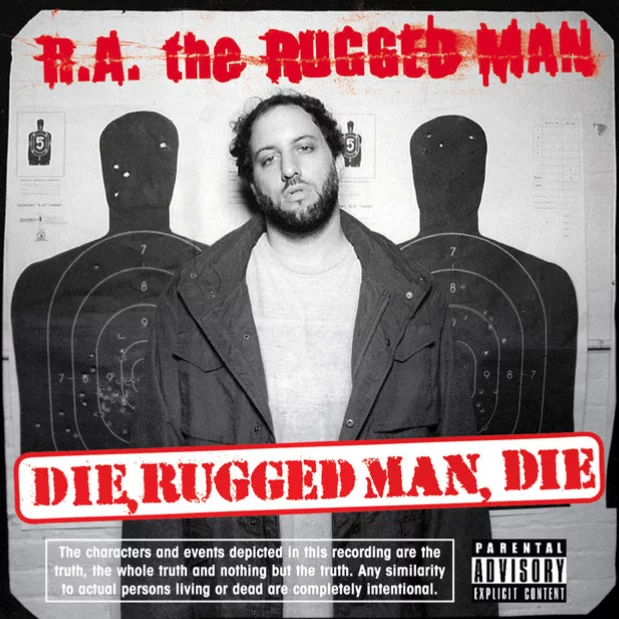
Few MCs have taken a stranger route to their commercial debut than R.A. The Rugged Man. After signing record deals in the early 1990s and late 1990s without getting an album properly released, the Long Island rapper finally delivered Die, Rugged Man, Die in 2004. Years of frustration, industry conflicts, and personal chaos inform a record that sounds like an MC determined to get everything off his chest. R.A. combines extraordinary technical ability with outrageous humor, abrasive storytelling, and a complete disregard for conventional rap-star behavior.
His lyrical approach is distinctive from the outset. R.A. packs verses with internal rhymes, rapid-fire syllables, unexpected punchlines, and bizarre details, switching between self-deprecation and boasts about his own abilities. The title track turns his troubled career into a defiant statement, while “A Star Is Born” introduces a rapper whose technical command is matched by an almost compulsive need to provoke. “Dumb” and “Brawl” bring his confrontational side to the forefront, with the latter benefiting from J-Zone’s suitably rugged production.
The beats come from a varied group of producers, giving the album a less uniform sound than some of its hardcore underground contemporaries. Ayatollah supplies the dusty backdrop for “Chains,” where R.A. shares the microphone with Wu-Tang Clan’s Masta Killa and Killah Priest. Their more measured deliveries provide an effective contrast to his manic verbal energy. “Black and White,” featuring Timbo King, brings another dose of underground grit, while “On the Block” uses Human Beatbox Bub to reinforce the record’s connection to Hip Hop’s foundational culture.
R.A.’s humor is often deliberately crude, and his willingness to court controversy can overshadow the craft behind his writing. Beneath the outrageous persona, however, sits an exceptionally skilled MC with a remarkable ear for rhythm, rhyme, and comic timing. Die, Rugged Man, Die is occasionally uneven, but its best moments are impossible to mistake for anyone else’s work. For fans who value technical fireworks, unpredictable punchlines, and an MC who refuses to play by the rules, this long-delayed debut delivers in abundance.
Jedi MInd Tricks - Legacy Of Blood (2004)

By 2004, Jedi Mind Tricks had established a distinctive place in underground Hip Hop, pairing Vinnie Paz’s aggressive delivery with Stoupe the Enemy of Mankind’s dark, sample-heavy production. Legacy of Blood, their fourth album, pushes that formula into even bleaker territory. Ominous orchestration, martial drums, religious imagery, and relentless battle rhymes dominate a record that rarely offers much breathing room. It’s a demanding listen, but when Stoupe’s production and Paz’s intensity lock together, the results hit hard.
Stoupe remains the album’s greatest asset. His beats draw on film scores, international recordings, and unsettling melodic fragments, creating music that often sounds closer to a psychological thriller than conventional boom-bap. “The Age of Sacred Terror” establishes the atmosphere with sinister orchestration and pounding percussion, while “Scars of the Crucifix” brings a similarly menacing backdrop for Paz’s venomous delivery. “And So It Burns” maintains the tension, and “The Philosophy of Horror” makes the album’s dark aesthetic explicit. Even the short interludes contribute to the mood, giving the record a continuous, almost cinematic structure.
The guest appearances provide welcome changes in voice and approach. On “Saviorself,” Killah Priest brings his trademark spiritual imagery and densely layered writing, fitting naturally into the group’s apocalyptic worldview. GZA appears on two versions of “On the Eve of War,” his controlled, razor-sharp delivery contrasting with Paz’s more explosive style. Sean Price is a particularly effective addition to “Beyond the Gates of Pain,” bringing the blunt humor and hard-edged punchlines that would become central to his solo reputation. Des Devious also contributes to the album’s darker stretches.
The main drawback is the limited variation in tone. Paz’s relentless aggression and the album’s sustained gloom can become exhausting over its 67-minute runtime, while some of the lyrics lean heavily on controversy. Still, Legacy of Blood delivers exactly what its title suggests: grim, uncompromising underground Hip Hop built around Stoupe’s intricate production and a succession of forceful performances. For listeners who prefer their boom-bap sinister, orchestral, and lyrically combative, this is one of Jedi Mind Tricks’ strongest releases.
Sean Price - Monkey Barz (2005)
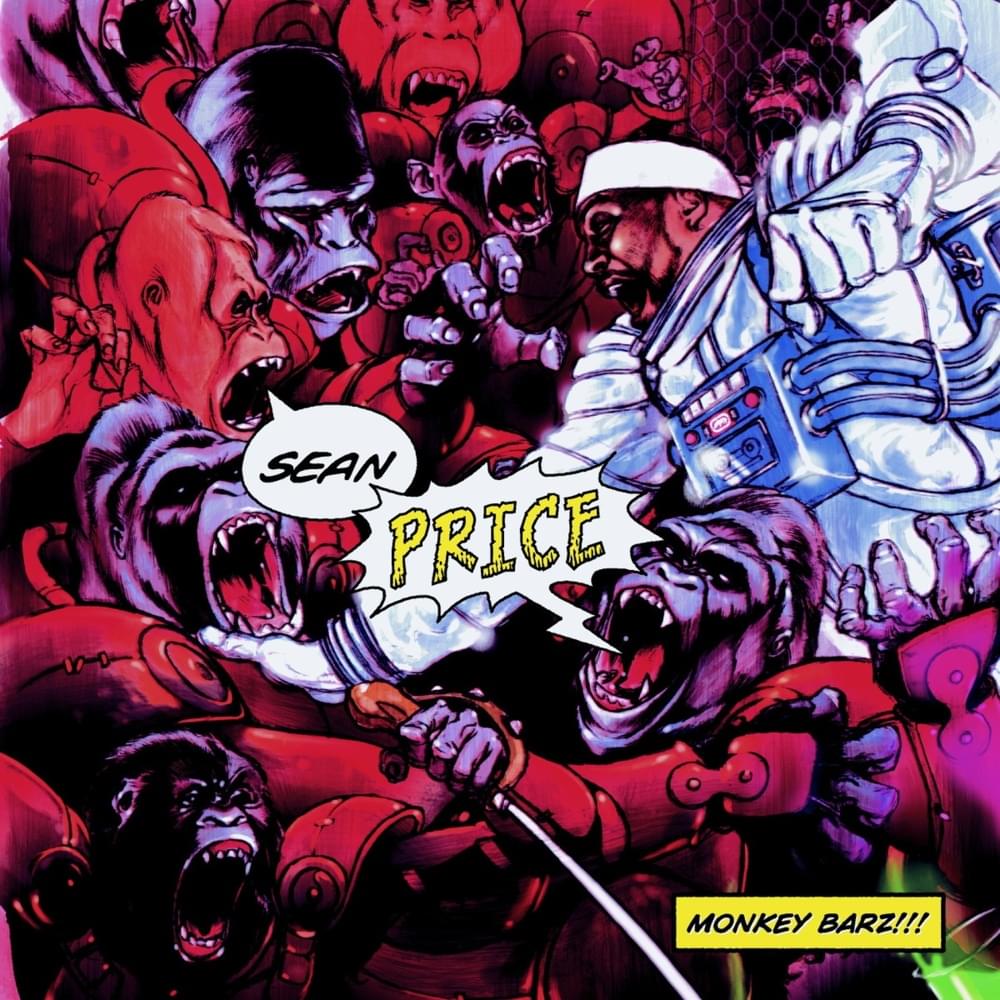
Sean Price had been a respected underground MC for years as one half of Heltah Skeltah, but Monkey Barz introduced the world to the full force of his solo personality. Released through Duck Down Records, the Brooklyn rapper’s debut is a relentless collection of hard beats, vicious punchlines, and gloriously disrespectful humor. Price had little interest in dressing up his street-level perspective or impressing listeners with elaborate concepts. His gift was making almost any subject hilarious, threatening, or both, often within the same verse.
The production draws on a broad roster of underground beatmakers, but the album maintains a consistent East Coast grit. Khrysis supplies the hard-hitting “Onion Head,” featuring Tek, while 9th Wonder’s soulful loop on “Heartburn” gives Price a slightly smoother backdrop without softening his delivery. “Boom Bye Yeah” is one of the album’s most immediately memorable tracks, pairing a forceful beat with the kind of outrageous boasts and quotable lines that became Price’s trademark. The title track and “Peep My Words” establish the tone early: rugged drums, direct arrangements, and an MC who sounds as though he’s having the time of his life tearing opponents apart.
Price’s greatest weapon is his writing. His punchlines are unpredictable, his metaphors frequently absurd, and his delivery carries a deadpan authority that makes even the most ridiculous threats sound convincing. He can switch from streetwise menace to self-mockery without losing momentum. The humor never diminishes his technical ability, either. Price packs his verses with internal rhymes and intricate wordplay, delivering them with the timing of a seasoned battle rapper. The posse cuts add to the fun, with Buckshot, Steele, Louieville Sluggah, Rock, and Ruste Juxx joining the fray across several tracks.
The album’s varied production occasionally makes it less cohesive than some more tightly curated boom-bap releases, but Price’s personality holds everything together. Monkey Barz captures an MC at full strength, armed with a distinctive voice, fearless punchlines, and an endless supply of quotable insults. For anyone who likes their underground Hip Hop grimy, funny, and lyrically ruthless, this is essential listening.
The Circle Of Tyrants - The Circle Of Tyrants (2005)
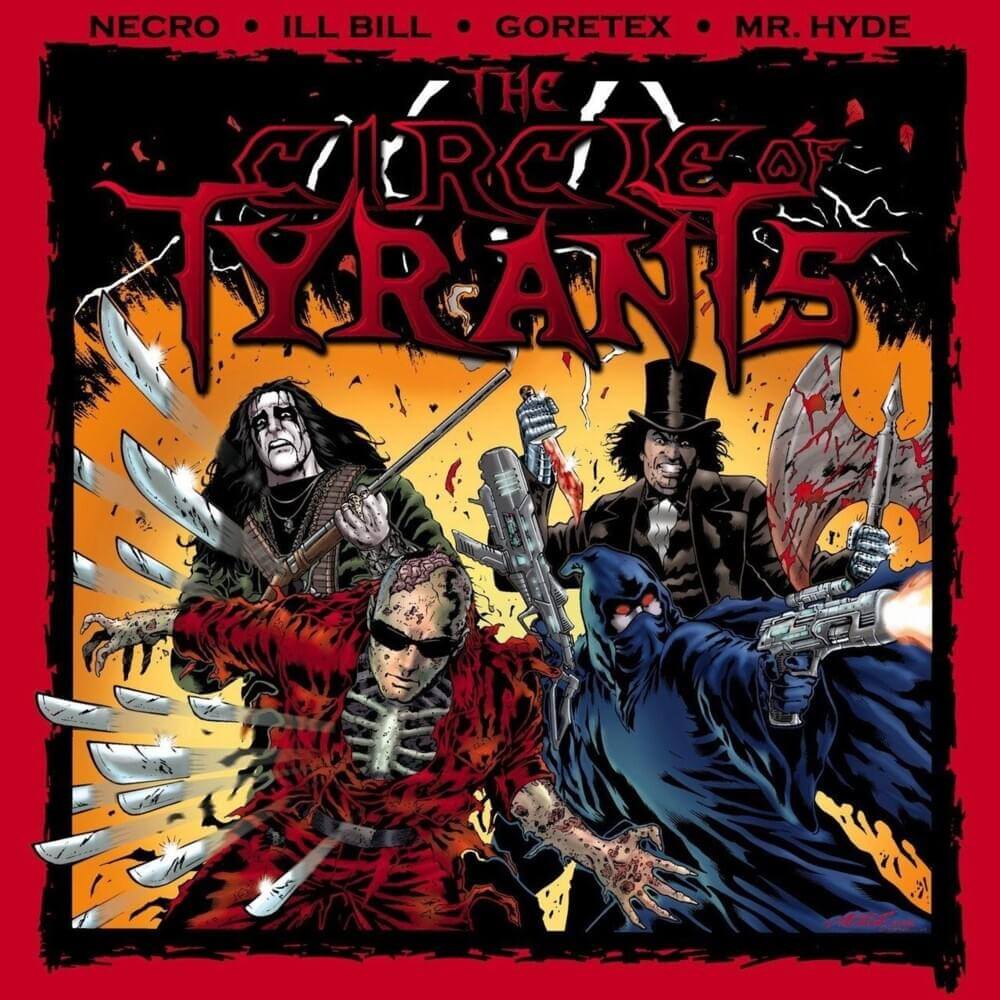
The Circle Of Tyrants brought together four figures from New York’s underground horrorcore scene: Necro, Ill Bill, Mr. Hyde, and Goretex. Their self-titled album, released in 2005 on Psycho+Logical-Records, combines the crew’s familiar fixation on violence, horror films, and macabre imagery with Necro’s heavy, metal-influenced production. The result is a dark, deliberately abrasive record that sits somewhere between hardcore boom-bap and the soundtrack to a particularly nasty horror movie.
Necro handles most of the musical work, building tracks around thick basslines, ominous keyboards, hard drums, and occasional guitar flourishes. His use of Fender Rhodes and orchestral textures gives several tracks an unsettling atmosphere, while the stripped-down arrangements leave plenty of room for the MCs to trade graphic verses. “The Chosen Few” establishes the mood immediately, and “Carnivores” and “South Of Heaven” maintain the record’s sinister character. The latter’s title hints at the group’s metal influences, which become even more explicit on the album’s two instrumental-heavy collaborations.
“Necrotura” is the most unusual track here, featuring Igor Cavalera of Sepultura on drums, Testament guitarist Alex Skolnick, and death metal vocalist Matt Harvey. The combination pushes the album well beyond conventional boom-bap, with Goretex producing a full-fledged metal assault. Skolnick and drummer Vinny Appice return for “The Ultimate Revenge,” another brief but forceful instrumental that highlights the group’s enthusiasm for extreme music. These excursions give the album a distinctive identity, even if they interrupt the flow of its rap-focused material.
On the microphone, the four MCs share a taste for shock tactics, gruesome storytelling, and aggressive battle rhymes. Necro’s production provides a consistent foundation, while the different voices and delivery styles keep the vocal performances from becoming entirely interchangeable. The subject matter is deliberately excessive, and listeners looking for lyrical subtlety or much thematic variation should look elsewhere.
The Circle Of Tyrants is a specialized record with little interest in compromise. Its metal collaborations, sinister production, and underground attitude make it a strong choice for listeners who like their boom-bap dark, confrontational, and steeped in horror.
Jedi Mind Tricks – Servants In Heaven, Kings In Hell (2006)

With Servants In Heaven, Kings In Hell, Jedi Mind Tricks delivered one of the strongest albums of their career, balancing their trademark aggression with a more varied and accessible approach. Vinnie Paz’s gravelly delivery and Stoupe the Enemy of Mankind’s cinematic production remain the foundation, but the fifth studio album benefits from sharper songwriting, memorable hooks, and an exceptional collection of guest appearances. Released through Babygrande Records, it also became the group’s first album to enter the Billboard 200, a commercial breakthrough that never quite translated into the wider recognition the music deserved.
Stoupe’s production is the main attraction. He builds around obscure samples, dramatic strings, haunting melodies, and punishing drums, giving the album a distinctive sound that draws on everything from classical music to heavy metal. “Put ‘Em in the Grave” opens with a menacing beat and relentless battle rhymes, while “Serenity in Murder” and “Black Winter Day” maintain the sinister atmosphere. “Heavy Metal Kings,” featuring Ill Bill, is a particularly effective collision of orchestral bombast and hardcore lyricism, with both MCs attacking the beat with ferocious conviction.
The defining moment, however, is “Uncommon Valor: A Vietnam Story.” R.A. The Rugged Man delivers a devastating verse about his father’s experiences in the Vietnam War, combining harrowing personal detail with extraordinary technical control. It’s an emotionally powerful performance that gives the album a depth rarely found in conventional battle rap. Sean Price brings his trademark punchlines to “Outlive the War,” while Reef the Lost Cauze and Chief Kamachi add further lyrical muscle to “Gutta Music.”
Vinnie Paz remains relentlessly combative throughout, but Stoupe’s musical range prevents the album from becoming one-dimensional. Shara Worden’s contributions to “When All Light Dies” and “Razorblade Salvation” introduce melodic contrasts that deepen the record’s atmosphere without diluting its edge.
Some of the lyrics lean heavily on shock value, a familiar weakness in Jedi Mind Tricks’ catalog. The production, performances, and outstanding guest verses compensate handsomely. Servants In Heaven, Kings In Hell captures Jedi Mind Tricks at their most complete, with “Uncommon Valor” alone deserving a place among Hip Hop’s greatest guest-verse showcases.
Celph Titled - The Gatalog: A Collection Of Chaos (2006)
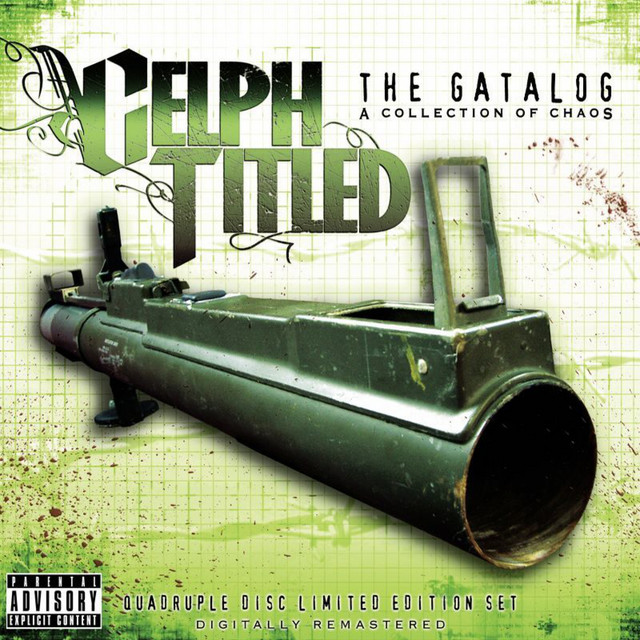
Calling The Gatalog: A Collection Of Chaos an album barely does justice to its scale. This four-disc, 75-track collection gathers Celph Titled’s guest appearances, freestyles, mixtape cuts, remixes, and assorted underground recordings dating back to 1998. It’s a sprawling archive of an MC who built his reputation on one particular skill: delivering outrageous punchlines with the precision of a demolition expert. For anyone unfamiliar with the Demigodz and Army of the Pharaohs affiliate, this is an exhaustive introduction to his craft.
Celph’s writing thrives on absurd boasts, elaborate wordplay, and insults that often land somewhere between hilarious and genuinely vicious. His delivery is forceful and mischievous, with the confidence of a battle rapper who knows he has another ridiculous line ready before his opponent has finished responding. There’s little interest in introspection or grand concepts. The pleasure comes from the sheer inventiveness of the bars, delivered with impeccable timing and an obvious love of the form.
The production roster reads like an underground Hip Hop directory. DJ Premier, J-Zone, Apathy, DJ 7L, Kno, The 45 King, and Mike Shinoda are among the contributors, giving the collection a varied musical foundation. “Primo’s Four Course Meal” is an immediate highlight, built around four DJ Premier-style beat switches that give Celph fresh rhythms to attack. “Way of the Gun” assembles Apathy, Lord Digga, and 7L & Esoteric for a heavyweight lyrical exchange, while “Blao!” puts Celph alongside Redman, Fabolous, and Hot Karl. Elsewhere, “Yell At Us” and “Devastating MCs” capture the competitive spirit of the Demigodz circle.
The enormous tracklist inevitably brings repetition, and not every freestyle or guest verse warrants preservation. That’s part of the bargain with a collection this comprehensive. The best material, however, makes a compelling case for Celph as one of underground Hip Hop’s most entertaining punchline specialists. The Gatalog documents years of relentless microphone work, capturing an era when a killer verse could travel through mixtapes and guest spots long before an MC needed a polished solo album to establish a reputation.
Army Of The Pharaohs - The Torture Papers (2006)

Army of the Pharaohs spent years building anticipation before finally delivering their debut album, The Torture Papers. Founded by Jedi Mind Tricks frontman Vinnie Paz, the Philadelphia-based collective brought together some of the underground’s most technically accomplished and aggressive MCs, including Apathy, Celph Titled, Esoteric, Reef the Lost Cauze, Chief Kamachi, and 7L & Esoteric. The result is a concentrated dose of hardcore boom-bap, driven by competitive lyricism, menacing production, and the chemistry of a crew assembled to tear through verses rather than chase commercial success.
The album’s greatest strength is its relentless succession of MCs. “Battle Cry” establishes the collective’s combative identity, with a large lineup trading forceful verses over Shuko’s dramatic production. “Gorillas” and “Henry the 8th” maintain the pressure, pairing hard drums with intricate rhyme schemes and a steady stream of battle-ready boasts. Celph Titled’s outrageous punchlines, Apathy’s technical precision, Esoteric’s inventive wordplay, and Vinnie Paz’s gravelly intensity give the performances distinct personalities, even when the subject matter revolves around familiar themes of lyrical supremacy and street toughness.
The production roster is extensive, but the album maintains a coherent sound. DC the MIDI Alien, 7L, Beyonder, Loptimist, and several others contribute dark loops, pounding percussion, and ominous melodic fragments. “The Torture Papers” is particularly effective, with Apathy’s production providing a suitably threatening backdrop for the crew’s verbal assault. “Tear It Down” and “All Shall Perish” bring similar intensity, while “Feast of the Wolves” and “King Among Kings” deliver further rounds of densely packed rhymes.
The sheer number of MCs occasionally makes individual tracks feel crowded, and the lyrical themes rarely stray far from battle rap. That’s hardly a fatal flaw when the execution is this strong. The album captures the excitement of a genuine underground supergroup, with every contributor eager to make an impression.
Although Army of the Pharaohs released several strong projects afterward, The Torture Papers remains their finest full-length statement. It distills the crew’s collective strengths into a hard-hitting, remarkably consistent album that helped define the sound of mid-2000s underground Hip Hop.
Apathy - Eastern Philosophy (2006)

After years of frustrating record deals and industry delays, Connecticut MC Apathy finally released his official solo debut, Eastern Philosophy, in 2006. By then, his work with the Demigodz had already established him as one of underground Hip Hop’s sharpest lyricists. The album gave him the opportunity to demonstrate his abilities across a complete project, combining elaborate rhyme schemes, vicious punchlines, and an unmistakable affection for the rugged East Coast sound of the 1990s.
Chum the Skrilla Gorilla handles most of the production, supplying thick drums, dusty samples, and muscular basslines that complement Apathy’s aggressive delivery. “1,000 Grams” establishes the album’s uncompromising character, while “All About Crime,” produced by Celph Titled, brings a suitably grimy backdrop for Apathy’s streetwise observations. “Here Come the Gangstas” keeps the pressure high, and “The Buck Stops Here” provides another dose of hard-hitting boom-bap. The beats have a distinctly traditional character, with little interest in contemporary commercial trends.
Apathy’s technical command is the main attraction. His verses are packed with internal rhymes, elaborate metaphors, and punchlines that range from genuinely clever to hilariously outrageous. He attacks tracks with the confidence of a seasoned battle rapper, but there’s greater variety here than on many of his earlier appearances. “9 to 5” explores the frustrations of everyday employment, while “I Remember…” offers a more reflective perspective. The excellent closing track, “The Winter,” featuring Blue Raspberry, combines a haunting atmosphere with personal writing, demonstrating that Apathy can handle introspection as convincingly as verbal combat.
His Demigodz connections are well represented. Celph Titled and Ryu join him on “Can’t Leave Rap Alone,” a celebration of their dedication to Hip Hop, while “Me & My Friends” brings another entertaining exchange of competitive verses. Poison Pen and Bad Seed contribute to “Philosophical Gangsta,” reinforcing the album’s underground credentials.
Eastern Philosophy captures Apathy at an important turning point, with his technical abilities matched by increasingly confident songwriting. The production hits hard, the punchlines arrive relentlessly, and the occasional personal track gives the album welcome depth. It’s one of the strongest underground solo debuts of its era.
Percee P - Perseverance (2007)

Percee P was already a Bronx underground legend long before Perseverance arrived in 2007. He built his reputation through battle performances, including his famous 1989 confrontation with Lord Finesse in the Patterson Projects, plus independent singles and guest appearances. His astonishing breath control and densely packed rhyme patterns earned him considerable respect among serious Hip Hop heads. It took nearly two decades for his official debut album to materialize, but the wait produced an inspired partnership: Percee P handling the rhymes, Madlib supplying every beat.
Percee’s technical ability is extraordinary. He fires off rapid sequences of multisyllabic rhymes, twisting words around complex patterns while maintaining remarkable rhythmic precision. His delivery is aggressive, nasal, and almost impossibly fast at times, with punchlines arriving before the previous ones have fully registered. “Legendary Lyricist” and “Mastered Craftsman” make his priorities abundantly clear, while “Throwback Rap Attack” celebrates the competitive spirit of the era that shaped him. There’s an old-school battle-rap mentality running through the entire record, sharpened by years of experience.
Madlib’s production is an excellent match. Rather than overwhelming Percee’s intricate flows, he constructs rugged, sample-heavy beats built around dusty drums, chopped soul fragments, and unpredictable melodic loops. “The Hand That Leads You” and “The Man to Praise” establish the album’s gritty character, while “Raw Heat” delivers the kind of stripped-down boom-bap that allows Percee’s verbal gymnastics to take center stage.
The guest appearances provide interesting contrasts. Vinnie Paz and Guilty Simpson bring heavyweight aggression to “Watch Your Step,” Diamond D joins Percee on “2 Brothers from the Gutter,” and Aesop Rock contributes his distinctive abstract lyricism to “The Dirt and Filth.” Chali 2na and Prince Po also make worthwhile appearances, adding different cadences without distracting from the main attraction.
Percee’s relentless technical approach occasionally leaves limited room for memorable hooks or emotional variation, but the sheer skill on display is remarkable. Perseverance captures a veteran MC finally receiving the full-length platform he deserved, with Madlib providing a consistently inventive musical foundation. It’s a celebration of pure lyrical craftsmanship, driven by hard drums, extraordinary breath control, and an almost obsessive dedication to rhyme.
Evidence - The Weatherman LP (2007)
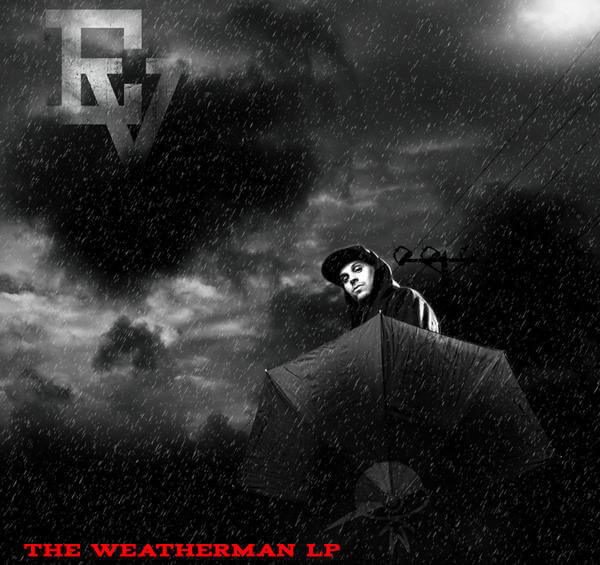
Evidence had already established himself as one of the West Coast’s most respected underground MCs through his work with Dilated Peoples, but The Weatherman LP gave him considerably more room to develop his own identity. His solo debut combines rugged boom-bap with personal reflections, understated humor, and an unmistakable Los Angeles perspective. Where many albums on this list rely on aggression and verbal intimidation, Evidence gets his point across through measured delivery, sharp observations, and an exceptional ear for production.
“Mr. Slow Flow” provides an appropriate introduction to his approach. Over a pounding Sid Roams beat, Evidence delivers tightly constructed rhymes with his trademark unhurried cadence, allowing each punchline to land without unnecessary theatrics. The Alchemist, a longtime collaborator, contributes several outstanding productions, including the infectious “LetYourselfGo,” featuring Phonte, and the atmospheric “Chase the Clouds Away.” Jake One supplies the muscular “Down in New York City,” while DJ Babu, DJ Khalil, and Evidence himself add further variety to an album built around heavy drums, dusty samples, and carefully selected melodic loops.
The guest appearances are particularly well chosen. Rakaa Iriscience and Madchild join Evidence on “Perfect Storm,” bringing different energies to a hard-hitting collaboration. Planet Asia contributes to “A Moment in Time,” while Slug delivers a memorable appearance on “Line of Scrimmage.” “Born in L.A.,” featuring Chace Infinite and Sick Jacken, celebrates the city’s underground Hip Hop tradition without resorting to familiar West Coast clichés.
The album’s emotional centerpiece is “I Still Love You,” a deeply personal tribute to Evidence’s late mother. His restrained delivery gives the song considerable weight, demonstrating that his strengths extend well beyond battle rhymes and confident boasts. Elsewhere, “All Said & Done” and “Believe in Me” explore ambition, perseverance, and the uncertainties that accompany a career in music.
At nearly 70 minutes, The Weatherman LP runs a little long, but the quality of its production and Evidence’s consistent writing make it an absorbing listen. Its hardest tracks hit with considerable force, while the more reflective material adds depth. Evidence proves that a commanding presence on the microphone doesn’t require shouting, and that traditional boom-bap can accommodate vulnerability without sacrificing its edge.
Sean Price - Jesus Price Supastar (2007)

Sean Price’s Jesus Price Supastar picks up where Monkey Barz left off, with the Brooklyn MC delivering another barrage of vicious punchlines, streetwise boasts, and hilariously disrespectful one-liners. By this point, Price had fully developed the personality that made him such a distinctive underground figure: a fearsome battle rapper with impeccable timing, an absurdist sense of humor, and a gift for turning the simplest setup into an unforgettable insult. He treats every track like an opportunity to out-rhyme, outwit, and embarrass the competition.
The production is tighter and more focused than on his solo debut, with 9th Wonder and Khrysis supplying much of the album’s backbone. Khrysis brings the heavy drums and dark, stripped-down groove of “Stop” and “King Kong,” while 9th Wonder’s soulful loops give tracks like “P-Body” and “Violent” a distinctive North Carolina flavor. The latter pairs a deceptively warm sample with Price’s menacing delivery, a contrast that suits his style perfectly. Illmind contributes the muscular “Cardiac,” which brings together Buckshot, Ruste Juxx, and Flood for a crew-style assault that fits the album’s combative spirit.
Price’s chemistry with Rock, his Heltah Skeltah partner, remains a major attraction. Their exchanges on “P-Body” and “King Kong” recall the duo’s earlier work, with Rock’s sharper, more controlled delivery providing an effective counterweight to Price’s gravelly voice and unpredictable punchlines. Elsewhere, Buckshot and Sadat X join him on “Da God,” while Skyzoo makes a brief but memorable appearance on “You Already Know.” Phonte’s contribution to “Let It Be Known” adds another welcome change of pace.
At just under 50 minutes, Jesus Price Supastar moves briskly, leaving little room for filler. Price’s lyrical approach is deliberately irreverent, but his technical ability often gets overlooked beneath the jokes. His rhyme patterns are intricate, his timing impeccable, and his delivery instantly recognizable. The beats hit hard without crowding the vocals, giving every punchline room to land.
Where Monkey Barz introduced Sean Price as a solo force, Jesus Price Supastar confirms that the formula was no fluke. It’s grimy, funny, relentlessly quotable boom-bap from an MC who made lyrical competition sound like the most entertaining job in the world.
Snowgoons – Black Snow (2008)

German production team Snowgoons made their name supplying underground MCs with oversized drums, ominous samples, and cinematic beats that sound built for maximum impact. Their second album, Black Snow, is a 21-track assault on the senses, bringing together an extensive roster of American underground rappers over the duo’s dark, bombastic production. Released through Babygrande Records, it captures the international reach of hardcore boom-bap at a time when independent Hip Hop was thriving on collaborations between artists who shared a taste for uncompromising beats and aggressive lyricism.
Snowgoons favor dramatic orchestration, heavy percussion, and densely layered arrangements. Their instrumentals often evoke action-movie soundtracks, with threatening melodies and pounding drums providing a suitably hostile backdrop for the album’s parade of MCs. The title track, featuring Ill Bill and Apathy, sets the tone with forceful performances over a menacing beat. “The Curse” brings together King Magnetic, Charon Don, Sicknature, and Reef the Lost Cauze, while “Casualties of War” pairs Brooklyn veterans Smif-N-Wessun with Respect Tha God. The production gives each track considerable weight, even when the vocal styles and lyrical approaches vary.
The guest list reads like a roll call of early-2000s underground hardcore. R.A. The Rugged Man brings his unpredictable delivery and technical fireworks to “Hold Up,” while Reef the Lost Cauze takes center stage on “This Is Where the Fun Stops.” Killah Priest joins Rasul Allah and Richard Raw of Lost Children of Babylon for “Serve Justice,” adding a dose of mystical imagery to the album’s otherwise combative atmosphere. Elsewhere, Defari, El Da Sensei, Edo G., Pace Won, Slaine, and Sick Jacken represent different corners of the underground scene.
The sheer number of contributors keeps the album moving, although 21 tracks inevitably bring some repetition. Snowgoons rarely stray far from their established formula, and the relentless intensity leaves little room for quieter moments. For listeners who want sinister loops, booming drums, and a constant supply of hard-edged MCs, Black Snow delivers a generous helping of grimy, cinematic boom-bap.
Ill Bill - The Hour Of Reprisal (2008)
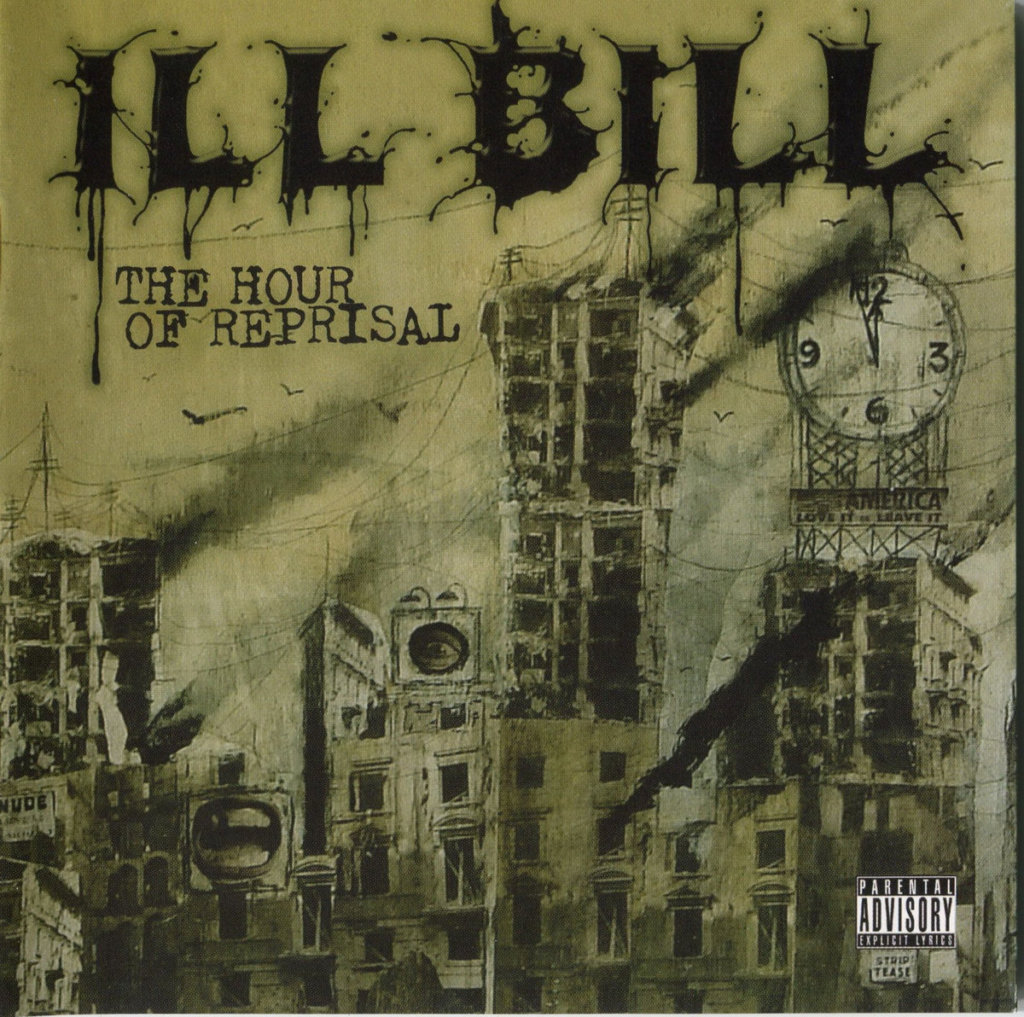
Ill Bill had already established himself as one of underground Hip Hop’s most uncompromising voices through Non-Phixion and his solo debut, What’s Wrong with Bill? His second album, The Hour of Reprisal, takes that abrasive approach in several directions, combining hardcore boom-bap, conspiracy-heavy subject matter, personal reflections, and an unusually strong connection to heavy metal and punk. Released through Uncle Howie Records and Fat Beats, it’s an intense, often unpredictable record built around Ill Bill’s gravelly delivery and taste for provocative subject matter.
The production lineup is impressive. Necro supplies several of the album’s darkest beats, while DJ Muggs, DJ Lethal, T-Ray, Sicknature, and Ill Bill himself contribute hard drums and ominous samples. DJ Premier’s “Society Is Brainwashed” brings his trademark precision to the mix, its crisp percussion and chopped samples providing a natural fit for Bill’s distrust of authority. DJ Muggs handles “This Is Who I Am,” adding a murky, heavy groove, while “A Bullet Never Lies,” featuring Vinnie Paz, delivers the kind of confrontational lyricism that fans of hardcore East Coast rap expect.
The album’s most provocative moment arrives with “White N@#?r,” produced by Necro. The deliberately inflammatory title introduces a track about race, class, and belonging, informed by Bill’s experience growing up in Brooklyn’s Glenwood Houses. He reflects on being a poor white kid in a predominantly Black cultural environment, addressing racial tension, street politics, and the complications of establishing his identity within Hip Hop. Necro’s eerie sample from Gnidrolog’s 1972 progressive-rock track “I Could Never Be a Soldier” gives the song a tense, unsettling backdrop. It’s confrontational by design, challenging easy assumptions about race and poverty while criticizing the divisions that keep disadvantaged communities apart.
The metal connections give the album another distinctive dimension. “War Is My Destiny” pairs Ill Bill and Immortal Technique with Sepultura and Soulfly frontman Max Cavalera, while “Riya” features Bad Brains vocalist H.R. and bassist Darryl Jenifer. “U.B.S. (Unauthorized Biography of Slayer)” turns Bill’s enthusiasm for thrash metal into an extended lyrical tribute. Meanwhile, “My Uncle” addresses the struggles of Bill’s drug-addicted uncle, Howie, adding personal weight to the album’s darker obsessions.
The relentless aggression and stylistic shifts occasionally disrupt the flow, but The Hour of Reprisal remains a distinctive collision of menacing boom-bap, provocative writing, and metal-inspired intensity.
O.C. & A.G. – Oasis (2009)
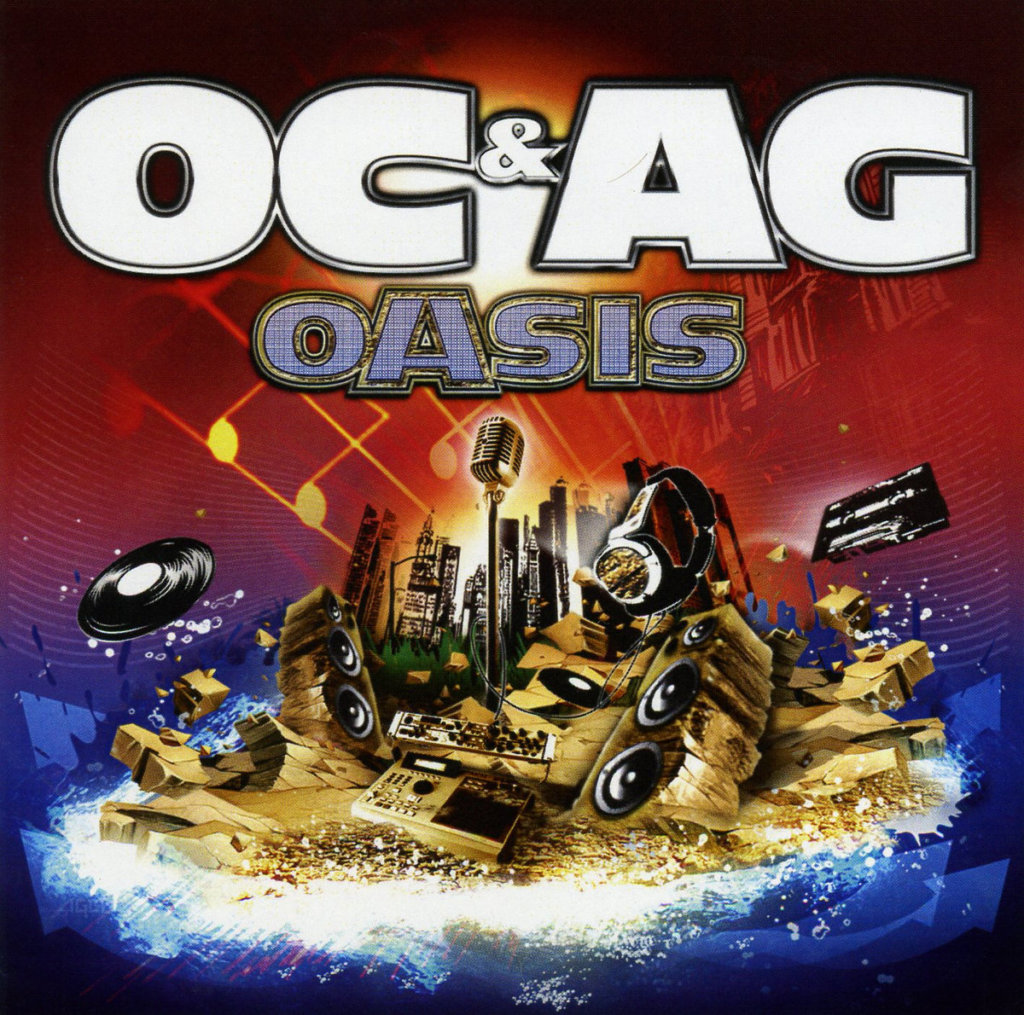
By 2009, O.C. and A.G. had spent years establishing themselves as two of the most dependable lyricists in the Diggin’ in the Crates Crew. Oasis, their first full-length collaboration as a duo, brings their complementary styles together over 17 tracks of traditional New York boom-bap. Released through D.I.T.C. Records and Nature Sounds after several delays, the album sticks to the fundamentals: hard drums, soulful samples, sharp writing, and two seasoned MCs who understand the value of a well-constructed verse.
The production roster reads like a roll call of underground New York royalty. Lord Finesse contributes several tracks, while Showbiz, E-Blaze, KC, and Statik Selektah supply beats that keep the album rooted in the D.I.T.C. tradition. The sound is varied without losing its identity, moving between dusty soul loops, rugged percussion, and stripped-down arrangements that leave plenty of room for the vocals. “Boom Bap” makes its intentions clear from the title onward, building around a sample of T La Rock and Jazzy Jay’s “It’s Yours.” The track celebrates the foundations of the culture without becoming a mere exercise in nostalgia. “Alpha Males” and “Put It in the Box” lean into the duo’s competitive instincts, while “Two for the Money” gets an extra touch of authenticity from DJ Premier’s scratches.
O.C. and A.G. bring different strengths to the partnership. O.C. is the more reflective writer, known for his measured delivery and thoughtful observations, while A.G. brings a gruffer voice and a looser, more animated style. Their contrast keeps the album lively, particularly on tracks such as “Keep It Going,” “Give It Back,” and “Supreme Squad.” Neither MC needs to shout to command attention; their confidence comes from years of experience and a clear understanding of rhythm and phrasing.
There are occasional softer moments, particularly on “Get Away” and “Pain,” where singer Mirror Image adds melodic hooks. These tracks broaden the album’s palette, although the harder cuts are more convincing for this list.
Oasis doesn’t reinvent boom-bap, and that’s hardly the point. It’s a reliable, well-crafted collaboration between two veterans who know exactly what they do best: sharp rhymes, rugged beats, and no unnecessary distractions.
La Coka Nostra - A Brand You Can Trust (2009)
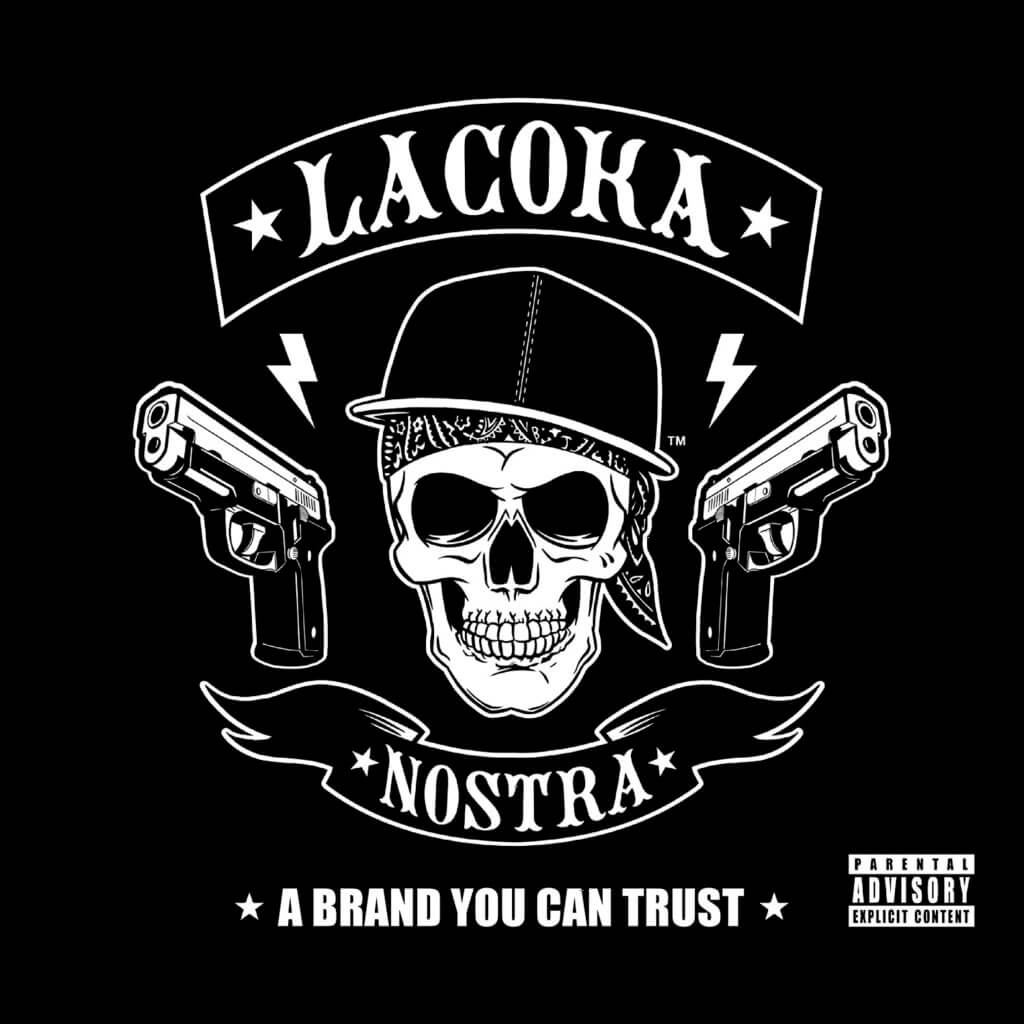
La Coka Nostra brought together several veterans of underground hardcore Hip Hop, united by a shared appetite for aggressive beats, confrontational lyrics, and an anything-goes attitude. Featuring Everlast, Ill Bill, Slaine, Danny Boy, and DJ Lethal, the supergroup spent years developing its debut before A Brand You Can Trust finally arrived in July 2009. Released through Uncle Howie and Suburban Noize Records, the album delivers nearly an hour of hard-edged rap rooted in the New York underground, with occasional detours into West Coast gangsta rap and politically charged commentary.
DJ Lethal handles most of the production, supplying thick drums, dark samples, and muscular grooves that suit the group’s abrasive delivery. “Bloody Sunday,” featuring Big Left and Cypress Hill’s Sen Dog, gets things moving with a forceful opening statement, while “Hardcore Chemical” and “Cousin of Death” maintain the pressure. Ill Bill’s production on the latter track reinforces the album’s grimy aesthetic, and The Alchemist brings his distinctive touch to “Choose Your Side,” where Bun B adds a Southern perspective to the East Coast-heavy lineup.
The group’s chemistry comes from its contrasting personalities. Ill Bill brings the technical aggression and dark subject matter associated with Non-Phixion, while Slaine delivers gritty street narratives with a rough, forceful cadence. Everlast’s gravelly voice and occasional melodic hooks provide a different texture, and DJ Lethal’s background with House of Pain and Limp Bizkit gives the music an additional connection to hardcore and rock. The guest list strengthens the album’s crossover appeal without diluting its underground character. B-Real appears on “I’m an American” and “Fuck Tony Montana,” while Sick Jacken contributes to several tracks. Snoop Dogg’s appearance on “Bang Bang” is an unexpected pairing, and “Nuclear Medicinemen,” featuring Q-Unique and Immortal Technique, delivers a particularly intense lyrical exchange.
The album’s aggressive tone occasionally becomes repetitive, and its political commentary can be heavy-handed. Still, the combination of seasoned MCs, muscular production, and well-chosen guests makes A Brand You Can Trust an entertaining hardcore rap record. It captures a particular strain of late-2000s underground Hip Hop that favored volume, attitude, and lyrical confrontation over polish.
Marco Polo & Torae - Double Barrel (2009)

Some collaborations work because two artists share a vision; others succeed because each brings exactly what the other needs. Double Barrel belongs firmly in the second category. Canadian producer Marco Polo had earned considerable respect with his sample-heavy debut, Port Authority, while Brooklyn MC Torae had introduced himself with Daily Conversation. Their joint album brings the two together for 13 tracks of rugged East Coast boom-bap, released through Duck Down Music and built around the kind of hard drums, dusty loops, and competitive rhyming that never goes out of fashion.
Marco Polo’s production is the main attraction. His beats draw heavily on soul samples, crisp percussion, and thick basslines, recalling the classic New York sound without turning the album into a simple exercise in nostalgia. The title track establishes the formula immediately, with DJ Revolution’s cuts adding an extra layer of traditional Hip Hop craftsmanship. “Danger” delivers an especially forceful instrumental, while “Stomp,” featuring Guilty Simpson, matches a muscular beat with the Detroit MC’s gravelly delivery. “Smoke,” which brings together M.O.P.’s Lil Fame and Heltah Skeltah’s Rock, is another highlight, pairing two distinctive voices with a suitably hard-hitting backdrop.
Torae handles the microphone with confidence, combining brash boasts, tightly constructed rhymes, and occasional storytelling. His style is rooted in the New York tradition, and Marco Polo gives him the ideal setting to develop it. The guest appearances add welcome variety. Masta Ace brings veteran precision to “Hold Up,” while Sean Price supplies his trademark humor and punchlines, threatening to steal the track outright. DJ Premier’s brief appearance on the intro provides an appropriate nod to the tradition that informs the album’s sound.
Not every track reaches the same level. Some of the production shares similar tempos and textures, and “Party Crashers” and “Word Play” lack the impact of the strongest cuts. Still, the album’s compact 49-minute runtime prevents the formula from wearing too thin.
Double Barrel doesn’t attempt to reinvent boom-bap. Marco Polo supplies the hard, sample-driven beats, Torae delivers capable verses, and a carefully chosen supporting cast raises the intensity. The result is one of 2009’s most satisfying straight-ahead East Coast rap albums.
Blacastan - Blac Sabbath (2010)

Connecticut MC Blacastan was one of the underground’s more distinctive voices, a technically gifted lyricist whose dense rhyme schemes and dark outlook suited the grittier end of East Coast boom-bap. His 2010 album Blac Sabbath captures those qualities across a lengthy collection of compact tracks, mixing street narratives, intricate wordplay, and the kind of rugged production that rewards listeners who prefer their Hip Hop away from the mainstream.
Blacastan’s path to becoming an MC was an unconventional one. Raised in an environment shaped by street crime, he served six years in prison for armed robbery as a teenager. Bootleg Hip Hop tapes smuggled into prison helped deepen his interest in the music and sharpen his ambitions as a writer. He emerged determined to change his life, bringing a hard-earned perspective to his lyrics without relying solely on tales of street violence. That background gives tracks like “The Dice Life,” “Returnin’ to Nam,” and “Crac House” an underlying sense of consequence. His writing often favors tightly packed imagery and layered rhymes, demanding closer attention than a casual listen might provide.
The album’s strongest moments also benefit from its connections to the New England underground. “3010” brings together Army of the Pharaohs affiliates Esoteric and Celph Titled with Blacastan, creating a natural meeting of technically focused MCs. Celph Titled’s punchline-heavy style and Esoteric’s intricate delivery complement Blacastan’s more shadowy approach. “Crate Diggaz,” featuring ColomBeyond, nods to the culture’s sample-hunting roots, while “The World” and the closing track, “Life Is Not a Game,” add further contributions from the same collaborator.
At 19 tracks, Blac Sabbath has a few short cuts that pass before they’ve fully developed, and the production varies in impact. Its appeal lies in Blacastan’s voice and writing: gritty, introspective, and technically assured without sounding polished for commercial consumption. He was never the most widely recognized name in underground Hip Hop, but albums like this explain why dedicated listeners valued him.
Blacastan passed away in 2022, aged 41. Blac Sabbath remains a worthwhile introduction to an MC who turned difficult experiences into a distinctive lyrical craft.
The Left - Gasmask (2010)

Detroit’s underground has never lacked for hard-edged lyricists, but Gas Mask captures something particularly compelling about the city’s Hip Hop identity. The debut album from The Left, a trio comprising producer Apollo Brown, MC Journalist 103, and DJ Soko, combines dusty, soul-drenched boom-bap with sharp social observations and a distinctly bleak outlook. Released through Mello Music Group, it’s a record steeped in Detroit’s atmosphere, where economic hardship, urban decay, and personal struggle sit alongside pride in the city’s musical heritage.
Apollo Brown is the album’s driving force. His production draws on smoky piano loops, haunting vocal samples, and rugged drums, creating beats that sound worn around the edges without sacrificing musical warmth. The title track establishes the mood immediately, pairing a heavy, head-nodding rhythm with Journalist 103’s vivid writing. “Battle Axe,” featuring Mu, hits with similar force, while “Reporting Live” brings in Guilty Simpson, whose gravelly delivery fits naturally into the album’s grim surroundings. Brown rarely overcomplicates his arrangements. The samples do much of the emotional work, leaving space for the MCs to tell their stories.
Journalist 103 brings a thoughtful, narrative-driven approach to the microphone. His writing addresses poverty, institutional neglect, survival, and the pressures of everyday life, often through detailed observations rather than empty declarations of toughness. “Statistics,” featuring Invincible, examines the human consequences behind the numbers used to describe struggling communities. “Real Detroit,” with MarvWon, turns the focus directly toward the city’s identity, while “Caged Birds,” featuring Finale, explores the limitations imposed on people by their circumstances. These tracks give the album a sense of purpose beyond its formidable beats.
The guest appearances deepen the connection to Detroit’s underground. Paradime, Frank West, Mu, and Finale each contribute their own perspective, while DJ Soko’s cuts reinforce the album’s commitment to traditional Hip Hop craftsmanship.
At 16 tracks, Gas Mask includes a few brief interludes that interrupt the momentum, but its overall cohesion is impressive. Apollo Brown’s production and Journalist 103’s grounded writing complement each other throughout, capturing a city in difficult circumstances without reducing its people to statistics. For fans of grimy boom-bap with substance, Gas Mask is one of the standout underground albums of 2010.
Celph Titled & Buckwild - Nineteen Ninety Now (2010)

The concept behind Nineteen Ninety Now (2010) is simple and inspired. Army of the Pharaohs affiliate Celph Titled gets an entire album’s worth of beats from D.I.T.C. producer Buckwild, mostly drawn from instrumentals he created in 1994 and 1995 and left unused for fifteen years. The result is a meeting between a punchline-heavy underground MC and a producer whose dusty samples, hard drums, and unmistakable New York sound helped define mid-1990s boom-bap. Released in October 2010, the album makes a convincing case that great beats have no expiration date.
Buckwild’s production gives Celph exactly the setting he needs. Thick basslines, crisp snares, soulful fragments, and ominous horn samples provide a sturdy foundation for his relentless verbal assault. On “The Deal Maker,” he wastes little time establishing his credentials, firing off boasts and elaborate punchlines with a mischievous sense of humor. “Eraserheads,” featuring Jedi Mind Tricks’ Vinnie Paz, brings a darker edge, while “Hardcore Data” gives Celph over five minutes to demonstrate his knack for intricate rhymes and outrageous wordplay. He can be vulgar, absurd, and technically sharp within the same verse, keeping the battle-rap energy entertaining rather than monotonous.
The guests fit the production naturally. Apathy, Ryu, and Esoteric join Celph on “Swashbuckling,” a lyrical free-for-all packed with competitive energy. “Mad Ammo” brings in R.A. The Rugged Man, whose unpredictable delivery makes him an ideal sparring partner. The highlight, however, is “There Will Be Blood,” a D.I.T.C. reunion of sorts featuring Sadat X, Grand Puba, A.G., O.C., and Diamond D alongside Celph. Hearing these veterans trade verses over Buckwild’s production connects the album directly to the era that inspired it.
Nineteen Ninety Now occasionally leans heavily on nostalgia, and Celph’s relentless punchlines won’t appeal to every listener. Still, the concept works because the music has substance beyond its retro appeal. Buckwild supplies the authentic boom-bap, and Celph attacks every beat with personality and precision. This is a celebration of classic New York Hip Hop made by artists who understand exactly why the formula still works.
Vinnie Paz - Season Of The Assassin (2010)

After years fronting Jedi Mind Tricks and Army of the Pharaohs, Vinnie Paz finally delivered his official solo debut with Season of the Assassin in June 2010. Released through his Enemy Soil imprint, the 21-track album gives the Philadelphia MC room to explore different production styles without abandoning the aggressive delivery, violent imagery, and conspiratorial subject matter that made him a fixture of underground hardcore Hip Hop. The title originally planned for the album was Assassin’s Creed, until legal issues forced a change.
With a sprawling production lineup that includes DJ Muggs, Lord Finesse, Madlib, Bronze Nazareth, Da Beatminerz, and Stu Bangas, the album moves between grimy boom-bap, cinematic orchestration, and occasional melodic detours. Stu Bangas sets a menacing tone on “Monster’s Ball,” while DJ Muggs supplies the suitably dark backdrop for “No Spiritual Surrender,” featuring Sick Jacken of Psycho Realm. Madlib’s contribution, “Aristotle’s Dilemma,” is a particularly intriguing pairing, bringing his offbeat production sensibility into Paz’s uncompromising world. The variety keeps the lengthy album from becoming entirely predictable, even if the production quality varies across its many contributors.
Paz’s gravelly, forceful delivery remains the main attraction. He attacks the microphone with dense internal rhymes and an almost relentless intensity, whether addressing street violence, religious themes, or his own distrust of authority. “Pistolvania,” featuring Philadelphia peers Freeway and Jakk Frost, connects his style to the city’s street-rap tradition, while “Brick Wall” brings Ill Bill and Demoz into a hard-hitting lyrical exchange. “Nosebleed,” featuring R.A. The Rugged Man, is another highlight, matching two technically gifted MCs whose unpredictable approaches thrive on competitive beats.
There are also unexpected touches of melody. “Beautiful Love” opens with a more accessible feel, while “Keep Movin’ On” incorporates Shara Nova’s vocals. These moments broaden the album’s palette without softening Paz’s central persona.
At 76 minutes, Season of the Assassin occasionally suffers from its length, and the relentless aggression can become exhausting. Still, Paz’s lyrical intensity, the heavyweight guest list, and the varied production make his first solo statement a substantial addition to the post-2000 hardcore underground.
Apathy - Honkey Kong (2011)

Apathy had spent years building his reputation through Demigodz and Army of the Pharaohs, earning recognition for intricate rhyme schemes, elaborate punchlines, and a deep appreciation for classic East Coast Hip Hop. His third solo album, Honkey Kong, brings those qualities together in a 16-track collection of hard-hitting boom-bap, supported by an impressive lineup of producers and underground collaborators. Released through Dirty Version Records, the album captures Apathy at a point when his technical ability and irreverent personality were fully developed.
The production credits read like a wish list for fans of rugged Hip Hop. DJ Premier, DJ Muggs, Evidence, Statik Selektah, Stu Bangas, Da Beatminerz, and Vanderslice all contribute, alongside Apathy himself. The title track, featuring Vinnie Paz, opens with a forceful beat from Vanderslice, setting the tone for an album built around heavy drums and commanding performances. DJ Premier brings his trademark precision to “Stop What Ya Doin’,” where Apathy and Celph Titled trade competitive bars over crisp percussion and chopped samples. DJ Muggs supplies the dark, brooding “Fear Itself,” while Evidence adds his production touch to “Check to Check.” The changing styles give the album some variety without sacrificing its grimy character.
Apathy’s writing is the main attraction. He moves comfortably between intricate boasts, dark humor, and sharp observations about Hip Hop, packing his verses with internal rhymes and unexpected turns of phrase. “The Villain,” featuring Ill Bill, leans into their shared taste for sinister imagery, while “The Recipe” pairs Apathy with West Coast veteran Xzibit over a pounding Stu Bangas beat. “All I Think About,” featuring Action Bronson, offers a looser, more playful exchange, with both MCs enjoying the opportunity to flex their lyrical personalities.
The album’s biggest gathering arrives on “Army of the Godz,” an extended posse cut featuring Esoteric, Blacastan, Reef the Lost Cauze, Planetary, Crypt the Warchild, Motive, Celph Titled, and Vinnie Paz. It’s a natural fit for a project rooted in underground competition and collective strength. The production and Apathy’s technical command keep Honkey Kong engaging. It’s a strong example of 2010s underground boom-bap, packed with hard beats, intricate bars, and a supporting cast that knows how to make every verse count.
Heavy Metal Kings – Heavy Metal Kings (2011)
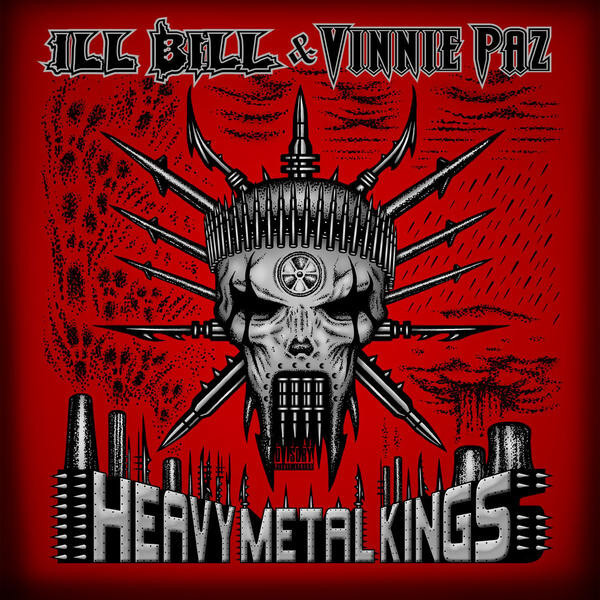
When two of underground Hip Hop’s most aggressive MCs join forces, subtlety isn’t likely to be the priority. Heavy Metal Kings, the self-titled debut from Jedi Mind Tricks frontman Vinnie Paz and Non-Phixion veteran Ill Bill, delivers exactly what the pairing promises: dark production, violent imagery, abrasive delivery, and a relentless barrage of hard-hitting bars. Released through Enemy Soil Entertainment and Uncle Howie Records, the 16-track album brings together two artists whose shared taste for horror, conspiracy, and extreme subject matter makes them natural collaborators.
The production draws from a varied cast of underground beatmakers, including C-Lance, DJ Muggs, Sicknature, Shuko, and Ill Bill himself. The sound is consistently grim, built around ominous samples, pounding drums, and cinematic flourishes that often evoke horror films or heavy metal album artwork. “Keeper of the Seven Keys” establishes the mood immediately, while “Children of God” and “The Crown Is Mine” deliver the kind of dense, menacing boom-bap that suits both MCs. DJ Muggs supplies the dark, hypnotic backdrop for “Leviathan (The Spell of Kingu),” one of the album’s most atmospheric moments.
Paz and Bill approach the microphone with different strengths. Paz brings his unmistakable guttural voice, tightly packed rhymes, and fixation on religious and historical imagery. Bill complements him with a similarly abrasive delivery, mixing technical wordplay with street narratives and gruesome references. Their styles overlap considerably, but the exchanges rarely lack energy. “Metal in Your Mouth,” featuring Q-Unique and Slaine, expands the album’s hardcore circle, while “The Vice of Killing” adds Reef the Lost Cauze and Sabac Red to the mix. “Devil’s Rebels,” featuring Crypt the Warchild, offers another dose of the combative lyrical style associated with the Army of the Pharaohs orbit.
The album’s compact runtime helps maintain its intensity. Some tracks blur together, and the relentless darkness leaves little room for variation, but the focused approach suits the duo’s shared aesthetic.
Heavy Metal Kings isn’t interested in crossover appeal or polished restraint. It’s a concentrated dose of underground hardcore, driven by menacing boom-bap and two MCs who thrive on lyrical confrontation.
Sean Price - Mic Tyson (2012)

Sean Price had one of the most distinctive voices in underground Hip Hop: gruff, commanding, and perfectly suited to his outrageous punchlines and unapologetically Brooklyn-centric perspective. On Mic Tyson, his third solo album, the Heltah Skeltah veteran delivers another concentrated dose of hard bars, dark humor, and rugged boom-bap. Released through Duck Down Music after several years of delays, the 15-track album arrived with Price in formidable form, sharpening the formula that had made Monkey Barz and Jesus Price Supastar underground favorites.
The production lineup brings together several complementary styles. The Alchemist supplies the ominous, sample-driven beats for “The Genesis of the Omega,” “Bar-Barian,” and “STFU, Pt. 2,” giving Price plenty of room to attack the microphone. AMP’s “Pyrex” and Eric G.’s “Title Track” keep the drums hard and the arrangements lean, while 9th Wonder’s “Straight Music” adds a soulful touch without sacrificing the album’s toughness. Evidence contributes to “BBQ Sauce,” where Price trades bars with Pharoahe Monch, whose intricate delivery makes him an inspired sparring partner. Across its concise 41 minutes, the album maintains a consistent focus on beats that hit hard and verses that get straight to the point.
Price’s writing is the real attraction. His delivery makes even the most absurd punchlines sound like threats, and his humor often lands harder because he delivers it with complete seriousness. “Bar-Barian” captures his talent for twisting familiar phrases into unexpected insults, while “Bully Rap,” featuring Realm Reality, embraces the competitive spirit at the heart of his music. “Solomon Grundy,” with Ill Bill and Ike Eyes, leans into darker territory, while “Frankenberry” pairs Price with Boot Camp Clik partner Buckshot. Other guests, including Torae, Ruste Juxx, and Pumpkinhead, fit comfortably into the album’s no-frills approach.
Mic Tyson was the final Sean Price solo album released during his lifetime. He would die in August 2015, leaving behind a body of work that continues to influence underground MCs. This album captures him at his best: technically sharp, consistently funny, and completely uninterested in softening his edges. Forty-one minutes of hard drums, vicious punchlines, and unmistakable Sean Price personality make Mic Tyson essential listening for fans of grimy boom-bap.
Apollo Brown & O.C. - Trophies (2012)

O.C. had been delivering sharp, thoughtful rhymes since the early 1990s, when his work with D.I.T.C. and his solo debut Word…Life established him as one of New York’s most respected MCs. On Trophies, released by Mello Music Group in 2012, he teamed up with Detroit producer Apollo Brown for an album built around the fundamentals: hard drums, soulful samples, and an MC who knows exactly what to do with a beat.
Apollo Brown supplies sixteen tracks of dusty, carefully layered boom-bap. His production has the warmth of classic New York rap, with a Detroit edge that keeps the drums heavy and the atmosphere slightly grimy. The beats rarely need elaborate arrangements. A well-chosen loop, a crisp snare, and a bassline with enough weight to move the speakers provide all the foundation O.C. needs. There are no guest MCs competing for space, and the brief instrumental title track is the only real detour. The focus stays on the chemistry between producer and rapper.
O.C. moves comfortably between battle-ready confidence, street observations, and reflections on the state of Hip Hop. On “Prove Me Wrong,” he addresses the pressure to dumb down his writing, making it clear that he has no intention of sacrificing lyrical substance to chase a wider audience. “The Pursuit” and “The First 48” bring sharp storytelling and veteran composure, while “We the People” takes a broader look at the world around him. On “The Formula,” he breaks down the principles behind his approach, backed by one of Brown’s particularly satisfying beats.
Trophies runs through familiar territory, and listeners looking for radical experimentation won’t find it here. The album’s strength lies in execution. Brown gives O.C. a consistent run of rugged, soulful instrumentals, and O.C. responds with controlled delivery, intricate rhymes, and the authority of an MC who has spent decades perfecting his craft. In 2012, when mainstream rap was moving in very different directions, Trophies offered a compelling reminder that traditional boom-bap still had plenty of life left in it.
Demigodz – KILLmatic (2013)

Demigodz spent years building a reputation in the underground before releasing KILLmatic in March 2013. Led by Apathy and Celph Titled, the collective assembled a crew of technically gifted MCs, including Esoteric, Ryu, Blacastan, and Motive, for an album steeped in grimy boom-bap, elaborate punchlines, and twisted humor. The title tips its hat to Nas’s Illmatic, but Demigodz have a different agenda. Rather than tell stories of street life with cinematic detail, they favor competitive rhyming, outlandish boasts, and lyrical excess delivered with a mischievous grin.
Apathy handles most of the production, supplying chunky drums, eerie samples, and the kind of hard-edged loops that give the MCs room to attack. The outside contributions fit the group’s aesthetic. DJ Premier brings his unmistakable scratches and rugged bounce to “Worst Nightmare,” one of the album’s immediate highlights. Snowgoons provide a suitably sinister backdrop for “The Summer of Sam,” while Marco Polo closes things out with the booming “Audi 5000.” Across the record, the beats maintain a distinctly East Coast character, with little interest in smoothing out the rough edges.
The real attraction is the interplay between the MCs. Celph Titled specializes in outrageous punchlines and gleefully offensive humor, Apathy combines precise writing with a knack for memorable boasts, and Esoteric brings a forceful, tightly controlled delivery. Ryu and Blacastan add their own grit to the mix. On “Dead in the Middle,” the crew turns lyrical one-upmanship into a competitive sport, while “The Gospel According To…” benefits from Planetary’s guest appearance. “Captain Caveman” is another highlight, with R.A. The Rugged Man matching the group’s manic energy with a verse that almost threatens to run off the rails.
KILLmatic captures Demigodz at their most focused: a crew of seasoned underground MCs trading vicious bars over beats built for head-nodding and rewinds. There’s no grand concept to distract from the central attraction. The pleasure comes from hearing skilled rappers push each other to come up with the next outrageous line, then raise the bar again. Demigodz know their territory, and on KILLmatic, they make it their own.
R.A. The Rugged Man - Legends Never Die (2013)

Eight years after Die, Rugged Man, Die, R.A. The Rugged Man returned with Legends Never Die, a second album that finally gave one of underground Hip Hop’s most technically gifted and unpredictable MCs a proper platform. Released by Nature Sounds in April 2013, the record pairs R.A.’s astonishing breath control, multisyllabic rhyme schemes, and outrageous humor with production from veterans including Buckwild, Marco Polo, Ayatollah, and Apathy. R.A. had spent decades fighting an industry that never quite knew what to do with him. Here, he sounds determined to make every bar count.
“Definition of a Rap Flow” is the obvious centerpiece. Over a brisk, stripped-down beat, R.A. unleashes a relentless stream of internal rhymes and intricate patterns, changing cadence without losing momentum. It’s an extraordinary display of technique, the kind of performance that invites immediate rewinds. “The People’s Champ,” produced by Apathy, brings the brash, combative persona, while Buckwild’s “Media Midgets” takes aim at the music business and its gatekeepers. R.A. has never been shy about airing grievances, and his industry complaints occasionally threaten to overshadow the music, but his sheer verbal firepower makes the attacks entertaining.
The guest appearances add welcome contrast. “The Dangerous Three” puts R.A. alongside Brother Ali and Masta Ace, three distinctive writers approaching the microphone from different angles. Tech N9ne and Krizz Kaliko join him for the frenetic “Holla-Loo-Yuh,” a showcase of rapid-fire delivery and technical excess. “Learn Truth,” featuring Talib Kweli, offers a more reflective counterpoint, while “Sam Peckinpah” brings together Vinnie Paz and Sadat X for a meeting of generations and styles. Beneath the bravado, “Legends Never Die (Daddy’s Halo)” and the closing “Still Get Through The Day” reveal a more personal side.
The album occasionally jumps between moods, but R.A.’s personality holds it together. Legends Never Die captures an MC with little interest in playing by industry rules and the skills to make that independence count. At his best, R.A. doesn’t merely keep up with the competition. He leaves them scrambling to catch their breath.
Step Brothers - Lord Steppington (2014)

The collaboration between Evidence and The Alchemist had been anticipated for years before Lord Steppington finally arrived in January 2014. Childhood friends who had worked together on tracks such as Dilated Peoples’ “Worst Comes to Worst,” the two had announced their Step Brothers project in 2009. Their debut album emerged from a less formal process than its long gestation might suggest. As Evidence explained, they spent time recording together until they realized they had accumulated enough material to make an album. That spontaneous chemistry runs through the finished product.
The Alchemist handles the production on 13 of the 14 tracks, delivering a collection of murky samples, thick basslines, off-kilter loops, and hard drums. His beats have a crooked, sometimes deliberately disorienting quality, perfectly suited to the duo’s dry humor and loose approach to lyricism. Evidence produced “Byron G,” which brings together Domo Genesis and The Whooliganz, the teenage group Alchemist formed with actor Scott Caan in the early 1990s. The track offers a welcome reunion with that largely forgotten chapter of his career.
Evidence provides measured, conversational verses, while Alchemist is the more unpredictable presence on the microphone, throwing out bizarre observations, strange boasts, and deliberately ridiculous lines. Their contrasting styles give the album its character. The guest list adds plenty of firepower without disrupting the atmosphere. Roc Marciano fits naturally into the dusty menace of “See the Rich Man Play,” Styles P brings his familiar authority to “No Hesitation,” and Action Bronson matches the duo’s irreverent energy on “Mums in the Garage.” “Tomorrow,” featuring Rakaa and Blu, offers another strong lyrical combination.
Lord Steppington isn’t concerned with grand concepts or polished storytelling. Its appeal lies in the chemistry between two friends, an adventurous producer working within his preferred territory, and a cast of MCs who understand the assignment. The humor can be deliberately absurd, but the beats have real weight. Alchemist and Evidence make the whole thing sound like an extended studio session among friends, with enough grimy boom-bap and sharp writing to keep the party interesting.
Skyzoo & Torae - Barrel Brothers (2014)

Skyzoo has built much of his reputation on sophisticated storytelling, intricate wordplay, and carefully constructed albums that often explore personal history and Brooklyn life. On Barrel Brothers, his 2014 collaboration with fellow New York MC Torae, he leans harder into rugged, competitive boom-bap. Arguably the grimiest album in Skyzoo’s catalog, it finds two accomplished lyricists trading sharp verses over a collection of heavyweight beats, with little interest in contemporary commercial trends.
The chemistry comes naturally. Skyzoo’s dense rhyme patterns and conversational precision complement Torae’s gruffer delivery and more confrontational approach. Neither rapper is interested in playing a supporting role, and their constant back-and-forth gives the album the atmosphere of a friendly lyrical competition. They sound like two MCs who genuinely enjoy testing their skills against each other.
The production roster is stacked. Oh No sets an aggressive tone with the opening “Talk of the Town,” while Jahlil Beats supplies the pounding drums of “Make You a Believer.” Illmind contributes three tracks, including the excellent “Tunnel Vision” and “Blue Yankee Fitted,” bringing a muscular, distinctly New York character to the proceedings. Black Milk’s “All in Together” is a particular highlight, pairing the duo with Guilty Simpson and Sean Price for a grimy four-MC assault. The late Sean P’s unmistakable presence makes an already formidable track even tougher.
Elsewhere, “Albee Square Mall” draws on Brooklyn history, “Rediscover” features Blu, and Khrysis keeps things moving with the brief “The Hand Off.” DJ Premier closes the album with “The Aura,” providing his signature combination of hard drums, chopped samples, and scratches. It’s an appropriate ending for a record so deeply connected to New York’s boom-bap tradition.
At around 46 minutes, Barrel Brothers moves efficiently between hard-hitting posse cuts, lyrical sparring, and neighborhood reflections. Skyzoo and Torae bring different strengths to the microphone, and their partnership gives each rapper an extra edge.
Dilated Peoples – Directors Of Photography (2014)

Eight years after 20/20, Dilated Peoples returned with Directors Of Photography, their fifth studio album and first release on Rhymesayers Entertainment. During the lengthy break, Evidence, Rakaa Iriscience, and DJ Babu had pursued individual projects, sharpening their respective skills while maintaining their connection as a group. Their 2014 reunion finds the Los Angeles trio sounding confident, experienced, and thoroughly committed to the hard-hitting boom-bap that established their reputation.
Evidence and DJ Babu take greater control of the production than on previous Dilated albums, giving the record a cohesive identity despite contributions from an impressive collection of outside producers. The Alchemist, DJ Premier, Diamond D, Jake One, Oh No, and 9th Wonder all contribute, supplying a mixture of dusty samples, heavy drums, and atmospheric textures. Babu’s turntable work remains essential, adding scratches and rhythmic punctuation that reinforce the group’s traditional Hip Hop foundations.
DJ Premier’s “Good as Gone” is an immediate standout, driven by pounding drums, sharp scratches, and a menacing loop that gives Evidence and Rakaa plenty of room to attack. The Alchemist provides the appropriately rugged “Cut My Teeth,” while “The Dark Room,” featuring Vince Staples, introduces a younger West Coast voice into the mix. “Opinions May Vary” brings Gangrene aboard for a grimy collaboration, and “L.A. River Drive,” featuring Sick Jacken, captures the darker side of the group’s hometown.
Lyrically, the album reflects the years spent apart. Evidence’s measured, introspective delivery contrasts effectively with Rakaa’s commanding presence and more expansive perspective. There’s still plenty of competitive rhyming, particularly on tracks like “Directors” and “The Reversal,” but the writing also addresses personal growth, experience, and the passage of time.
Directors Of Photography is a strong return from a group that helped define independent West Coast boom-bap. The production hits hard, the rhymes carry weight, and the chemistry between Evidence, Rakaa, and Babu remains intact. Eight years away did little to diminish their collective strength.
PRhyme - PRhyme (2014)

Pairing Royce da 5’9″ with DJ Premier was an exciting prospect from the moment their collaboration was announced. Released in December 2014, PRhyme brings together one of Hip Hop’s most technically accomplished MCs and one of its greatest producers for a concentrated dose of hard drums, intricate rhymes, and uncompromising boom-bap. The result is every bit as good as that combination promises.
Premier takes an unusual approach to the production, building every beat from samples drawn exclusively from the catalog of composer Adrian Younge. The restriction gives the album a distinctive musical identity, with psychedelic soul textures, ominous strings, and murky melodies chopped into Premier’s unmistakable rhythmic patterns. His trademark scratches are everywhere, and the drums hit with the precision and force that made his work with Gang Starr legendary.
Royce is in formidable shape throughout, attacking Premier’s beats with complex internal rhymes, sharp punchlines, and an aggressive delivery that rarely lets up. The title track establishes the chemistry immediately, while “Courtesy” and the brief, explosive “U Looz” are prime examples of Royce operating at full capacity. “Dat Sound Good” brings Ab-Soul and Mac Miller into the mix, “Underground Kings” features excellent contributions from Killer Mike and ScHoolboy Q, and “Microphone Preem” reunites Royce with his Slaughterhouse partners. Jay Electronica’s appearance on “To Me, To You” is another highlight.
The original nine-track album runs under 35 minutes, which always made it seem a little short. We generally dislike the practice of reissuing albums with a handful of extra tracks, but the 2015 deluxe edition is a rare exception. Four substantial additions, including “Golden Era” with Joey Bada$$, “Wishin’ II” with Black Thought, “Highs and Lows” with MF DOOM and Phonte, and “Mode II” with Logic, turn an already excellent release into a proper full-length experience.
PRhyme captures Royce and Premier pushing each other to excel, with inventive production and elite-level lyricism from beginning to end. The deluxe edition is the definitive version.
Apollo Brown - Grandeur (2015)

By 2015, Apollo Brown had established himself as one of underground Hip Hop’s most reliable producers, with acclaimed collaborations alongside O.C., Guilty Simpson, and his Ugly Heroes partners. Grandeur, released through Mello Music Group, gave the Detroit beatmaker an opportunity to assemble an enormous cast of MCs around his signature production. The result is a 19-track celebration of hard drums, dusty soul samples, and uncompromising lyricism, featuring some of the finest rappers in independent Hip Hop.
Apollo Brown’s production has always favored atmosphere over elaborate arrangements. He builds his beats around carefully selected soul fragments, warm basslines, and drums that hit with tremendous weight. There’s a melancholy quality to much of his work, even when the rappers are delivering their most aggressive verses. On Grandeur, that combination provides a remarkably consistent foundation for an unusually diverse collection of voices.
The album wastes little time establishing its credentials. Skyzoo and Torae open proceedings with the excellent “Neva Eva,” followed by Oddisee on “What You Were Lookin’ For.” M.O.P. bring their trademark ferocity to “Detonate,” one of the album’s hardest tracks, while Chino XL and Finale unleash dense, aggressive verses on “Brass Tacks.” Evidence sounds perfectly at home over the subdued soul of “There’s Always Radio.”
The highlights keep coming. Vinnie Paz and Blacastan deliver a menacing performance on “Walk With Me,” Ras Kass attacks “Enemies With Benefits,” and Freddie Gibbs joins Maffew Ragazino on “Who’s That.” “Triple Beams” pairs Westside Gunn with Planet Asia, while “Yesman Shit” features Sean Price alongside REKS. Hearing Sean P’s unmistakable voice here carries additional weight, as Grandeur arrived shortly after his death in August 2015.
Despite its extensive guest list, Grandeur maintains a strong musical identity. Apollo Brown understands how to give each MC room to operate without sacrificing his own distinctive approach. With heavyweight contributions from underground veterans and newer talents alike, this is a producer-driven boom-bap album with serious replay value and one of Apollo Brown’s strongest releases.
CZARFACE - Every Hero Needs A Villain (2015)

CZARFACE has built an impressive catalog around comic-book mythology, outrageous punchlines, and rugged boom-bap, but Every Hero Needs A Villain remains our favorite of their releases. Arriving in June 2015, the trio’s second album finds Inspectah Deck, Esoteric, and producer 7L operating at full strength, combining vicious lyricism with inventive production and a healthy appreciation for the absurd. It’s an album packed with personality, and one that rewards repeated listens.
7L’s production is a major reason it works so well. Drawing inspiration from the grimier corners of 1990s East Coast Hip Hop, he constructs beats from sinister samples, thick basslines, pounding drums, and occasional bursts of distorted guitar. “Nightcrawler,” featuring Method Man, carries the murky atmosphere of early Wu-Tang productions, while “Czartacus” and “The Great (Czar Guitar)” introduce crunchy rock riffs without sacrificing the album’s boom-bap foundation. The production has plenty of variety, but the underlying aggression never disappears.
Inspectah Deck brings the precision and authority that made him one of Wu-Tang Clan’s most respected lyricists, while Esoteric supplies a relentless stream of elaborate punchlines, comic-book references, and ridiculous threats. Their chemistry is excellent, with each MC feeding off the other’s energy. “Lumberjack Match,” “Red Alert,” and “Sgt. Slaughter” are prime examples of their competitive approach to rhyming.
The guest appearances are particularly strong. Large Professor joins the proceedings on “World Premier,” GZA contributes to “When Gods Go Mad,” and JuJu of The Beatnuts appears on “Junkyard Dogs.” MF DOOM is a perfect match for CZARFACE’s eccentric universe on “Ka-Bang!,” while Meyhem Lauren adds extra grit to “Deadly Class.” The closing “Good Villains Go Last” features R.A. The Rugged Man, whose explosive delivery provides a fitting conclusion.
Every Hero Needs A Villain captures everything that makes CZARFACE special: hard beats, intricate bars, wicked humor, and a comic-book aesthetic that gives the music its own identity. Their catalog is remarkably consistent, but this is the album where all those elements come together most convincingly.
Ryu - Tanks For The Memories (2016)

Best known as one-third of Styles of Beyond and for his work with Fort Minor, Ryu spent much of his career moving between underground Hip Hop and mainstream success. Tanks For The Memories, his 2016 solo debut, brings him back to the independent Los Angeles scene where he developed his skills, reuniting him with longtime collaborator Divine Styler for an album steeped in rugged beats, technical rhyming, and the unconventional spirit of their early work together.
Divine Styler’s involvement is particularly significant. A distinctive figure in his own right, he helped shape the Styles of Beyond sound during the group’s formative years, contributing to their early singles and developing a close creative relationship with Ryu. Their reunion gives Tanks For The Memories a sense of continuity, reconnecting the veteran MC with the people and musical environment that shaped him before Fort Minor brought wider recognition.
The production favors gritty textures, off-kilter samples, hard drums, and dark, sometimes disorienting arrangements. There’s little interest in chasing contemporary trends. Instead, the album draws on the experimental side of underground West Coast Hip Hop, with Divine Styler supplying beats that leave room for Ryu’s dense rhyme patterns and forceful delivery. Tracks such as “Radio Pollution,” “The Devil’s Got a Plan,” and “The Bumrush” lean into the album’s confrontational side, while “Mantis for Lotus” offers a more atmospheric backdrop.
Ryu’s writing reflects the experience of an MC who has spent decades navigating different corners of the industry. His work with Styles of Beyond, his involvement in Fort Minor alongside Mike Shinoda, and his exposure to major-label success gave him a broader perspective, but his commitment to underground lyricism remained intact. On Tanks For The Memories, he sounds determined to reconnect with that original purpose rather than capitalize on past commercial achievements.
The album’s 11 tracks make for a focused statement. Ryu and Divine Styler revisit their shared musical history without treating it as a museum piece, delivering an uncompromising dose of Los Angeles underground Hip Hop. Tanks For The Memories is a welcome reminder of the talent that existed beyond the city’s most famous rap exports.
Apathy - Handshakes With Snakes (2016)

Apathy has spent decades operating at the intersection of technical lyricism, battle-tested punchlines, and rugged East Coast boom-bap. On Handshakes With Snakes, his fifth solo album, the Demigodz and Army of the Pharaohs MC takes complete control of the process, handling all production, arrangement, sequencing, mixing, and mastering himself. Released in June 2016 through Dirty Version Records, the 13-track album is a tightly constructed dose of underground Hip Hop, driven by hard drums, grimy samples, and Apathy’s sharp, often wickedly humorous writing.
Apathy’s production gives the album a consistent character. The beats draw on classic East Coast traditions without sounding like exercises in nostalgia, combining rugged percussion with dark loops and punchy arrangements. “Pay Your Dues” sets the tone, while “Rap Is Not Pop” makes his position on commercial rap abundantly clear. “Don’t Touch That Dial,” featuring O.C. and Ras Kass, brings together three technically accomplished MCs, each with a distinct voice and approach. The chemistry is natural, and the track offers a welcome reminder of the lyrical competition that has long sustained underground Hip Hop.
The guest list is extensive, but Apathy remains the central attraction. Celph Titled and Pumpkinhead join him on “Amon RAW,” a showcase for elaborate punchlines and competitive rhyming, while “Blow Ya Head Off” benefits from the contributions of Blacastan and Marvalyss. “No Such Thing” adds Spit Gemz and Nutso to the mix. Elsewhere, “Moses” takes an unexpected turn with Twista and Bun B, bringing together different regional styles without abandoning the album’s hard-edged approach.
The title track features Sick Jacken and B-Real, connecting Apathy’s East Coast roots with the darker strain of West Coast Hip Hop. Across its concise 42-minute runtime, Handshakes With Snakes maintains its focus on sharp writing, forceful delivery, and beats with plenty of knock. Apathy’s decision to handle the entire production gives the album a unified sound, while the guest appearances keep the lyrical exchanges lively. It’s another strong entry in a catalog built on underground credibility and an enduring commitment to the craft of rapping.
Snowgoons - Goon Bap (2016)
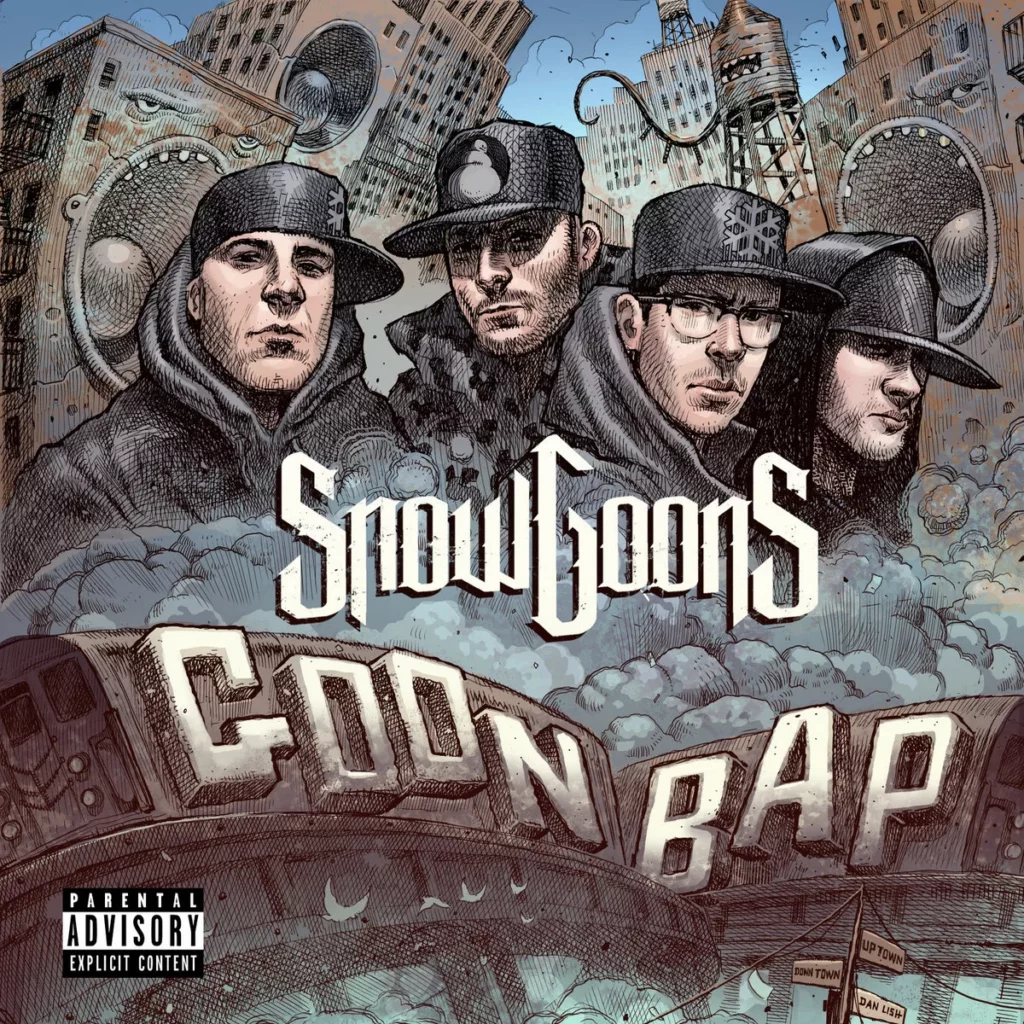
Snowgoons have built their reputation on dark, cinematic beats and a steady supply of underground MCs willing to go bar for bar. With Goon Bap, released in 2016, they pay direct homage to the 1990s boom-bap era, assembling an enormous cast of veterans and newer voices over their trademark hard-hitting production. The concept is straightforward, but the execution makes this a particularly enjoyable entry in the Snowgoons catalog.
All tracks are produced by Snowgoons, whose signature approach combines pounding drums, ominous samples, and orchestral flourishes with the occasional turntable showcase. The beats are loud, rugged, and built to accommodate multiple MCs without losing their impact. DJ Premier and Royce da 5’9″ open proceedings on the brief “Kick, Snare & Hi-Hats Intro,” establishing the album’s old-school credentials before the title track brings Reef the Lost Cauze and Sicknature into the fray.
The centerpiece is “The 90’s Are Back,” a four-minute posse cut featuring an impressive gathering of veterans, including O.C., DoItAll of Lords of the Underground, UG of Cella Dwellas, Sticky Fingaz, Dres, Nine, Sonny Seeza, Ras Kass, and Psycho Les of The Beatnuts. It’s a roll call of distinctive voices from the era that inspired the project. The Artifacts reunite for “All City Kingz,” while “Team Death Match” brings together Diabolic, Chino XL, Lil Fame of M.O.P., and Fredro Starr of Onyx for a particularly aggressive lyrical assault.
The guest list keeps delivering throughout the 22-track release. Method Man joins “I Reminisce,” Dilated Peoples appear on “Way Ahead,” and Conway shares “Solid Gold Guns” with Banish, Supreme Cerebral, and Recognize Ali. The closing stretch includes another heavyweight combination on “Killaz Supreme,” featuring Ghostface Killah, Ill Bill, Aspects, and Sick Jacken. DJ cuts scattered across the album reinforce its connection to classic boom-bap traditions.
Goon Bap is a celebration of rugged Hip Hop, powered by an expansive guest list and production that rarely lets up. Its sheer number of contributors makes it an underground rap summit, bringing generations of hard-nosed MCs together for a project built around one enduring principle: hard beats demand hard bars.
Skyzoo & Apollo Brown - The Easy Truth (2016)

Skyzoo has always been a rapper who rewards close listening. His intricate rhyme schemes, carefully constructed narratives, and sharp observations about ambition and survival set him apart from many of his contemporaries. Pairing him with Apollo Brown, one of underground Hip Hop’s most dependable purveyors of dusty soul samples and hard-hitting drums, was a natural fit. Released through Mello Music Group in September 2016, The Easy Truth delivers 15 tracks of rugged boom-bap with substance behind the bars.
Apollo Brown handles all the production, building a cohesive backdrop from warm soul loops, chopped samples, and punchy percussion. His beats have a lived-in quality, drawing on classic East Coast traditions while maintaining their own character. Skyzoo adapts effortlessly, packing his verses with internal rhymes, vivid details, and reflections on the complicated relationship between success and the streets. “Jordans & a Gold Chain” captures the material aspirations that run through Hip Hop culture, while “On the Stretch & Bob Show” nods to the radio platforms that helped shape New York’s rap scene. “They Parked a Bentley on the Corner” offers another sharp observation of changing neighborhood realities and the contradictions surrounding wealth.
The guest appearances add muscle without pulling attention away from the central partnership. Joell Ortiz joins “A Couple Dollars,” matching Skyzoo’s technical precision with his own forceful delivery. “Basquiat on the Draw” brings together Griselda’s Conway the Machine and Westside Gunn, whose grimier approach contrasts nicely with Skyzoo’s more elaborate writing. Stalley appears on “Payout,” while Patty Crash contributes vocals to “One in the Same.”
What makes The Easy Truth particularly effective is the balance between lyrical detail and straightforward musical impact. Apollo Brown’s beats knock hard enough to satisfy listeners drawn to the grittier side of boom-bap, while Skyzoo gives the material depth through his writing and controlled delivery. The album rarely strays from its established formula, but the production remains varied enough to keep the 52-minute runtime engaging.
The Easy Truth is a strong meeting of two artists who understand the enduring appeal of well-crafted boom-bap: heavy drums, soulful loops, and an MC with something worth saying.
Blacastan & Stu Bangas - The Uncanny Adventures Of Watson & Holmes (2017)

Blacastan and Stu Bangas make a formidable team on The Uncanny Adventures Of Watson & Holmes, a 2017 collaboration steeped in the grimy traditions of East Coast underground Hip Hop. Blacastan has earned respect for his intricate rhyme schemes, gravelly delivery, and street-hardened perspective, while producer Stu Bangas specializes in dark loops and hard drums that leave little room for compromise. Together, they deliver a menacing collection built around lyrical competition and rugged boom-bap.
Bangas supplies the album with a succession of sinister samples, pounding percussion, and murky textures. The production has a deliberately rough edge, recalling the harder side of New York rap without becoming a simple exercise in nostalgia. Tracks such as “Lucifer’s Sickle,” “Rap Killin’,” and “Commando” establish the mood early, giving Blacastan plenty of space to attack the beats with his forceful delivery and tightly packed bars. The title’s literary reference might suggest a conceptual mystery, but the album’s real focus is the craft of rapping, with the Watson and Holmes pairing providing a memorable identity for the collaboration.
The guest appearances bring together several veterans of the underground scene. Apathy joins Blacastan on “Summa Cum Laude,” while Esoteric appears on “Blac-O-Teric,” a natural meeting of two MCs with a shared appreciation for intricate wordplay and battle-ready rhymes. “War Crimes” features Tragedy Khadafi, whose seasoned Queensbridge perspective adds weight to the track. Ill Bill and DJ 7L contribute to “Delete,” bringing another dose of hardcore East Coast energy, while Nutso joins the closing track, “Circle Of Fire.”
Blacastan remains the album’s main attraction, delivering dense verses with the conviction of an MC who has spent years sharpening his skills outside the mainstream spotlight. His writing rewards attentive listening, and Bangas gives him the kind of production that suits his strengths. The brief interludes break up the sequence without disrupting its momentum.
The Uncanny Adventures Of Watson & Holmes is a strong underground collaboration, driven by grimy beats, technical lyricism, and a guest list drawn from the harder end of East Coast Hip Hop. It knows its territory and makes every track count.
Apathy & O.C. - Perestroika (2017)

Apathy and O.C. join forces on Perestroika, a 2017 collaboration that wraps rugged East Coast boom-bap in Cold War imagery. Both MCs have already earned their place in this list through their respective solo work, but the pairing brings a different dynamic. Apathy’s intricate rhyme schemes and penchant for elaborate punchlines meet O.C.’s measured delivery and veteran composure, creating an album built around lyrical competition and hard-hitting production.
The Soviet theme runs throughout the record, with titles such as “Soviet Official,” “Winter Winds,” “Gorbachev,” and “The Broadcast” establishing an atmosphere of political tension and impending conflict. Apathy handles production on ten of the twelve tracks, drawing on dusty drums, haunting vocal fragments, and ominous loops. The beats have the grimy, sample-based character that suits both MCs, with little concession to contemporary trends. MoSS supplies the hard-hitting “Soviet Official,” while Illinformed produces “Globetrotters,” the closing track featuring Jus Cuz.
Apathy brings technical fireworks, dense internal rhymes, and a taste for wordplay that often rewards close listening. O.C. provides a useful counterweight, relying on controlled phrasing and the authority of an MC whose credentials stretch back to the early 1990s. Their styles complement each other without either having to compromise. “Tomorrow Is Gone,” featuring Slaine and Kappa Gamma, establishes the combative mood, while “No More Soft Shit” makes the album’s attitude toward contemporary rap clear. “STOMPKILLCRUSHMODE,” featuring Celph Titled, is another highlight, with Celph’s outrageous punchlines fitting naturally alongside Apathy’s lyrical aggression.
Across its twelve tracks, Perestroika maintains a consistent identity without allowing the Cold War concept to overwhelm the music. The historical references give the album a distinctive visual and thematic thread, while the real appeal lies in the combination of hard beats and carefully constructed verses. “What It’s All About” returns to Hip Hop fundamentals, and the closing “Globetrotters” rounds things off on a strong note.
Having already demonstrated their individual strengths elsewhere on this list, Apathy and O.C. find common ground here. Perestroika is a focused underground collaboration, driven by rugged production and two MCs who understand the value of a well-placed bar.
Sean Price - Imperius Rex (2017)

Sean Price’s death in August 2015 robbed Hip Hop of one of its most entertaining and formidable MCs. Known for his gravelly voice, wicked punchlines, and complete disregard for conventional rap etiquette, the Heltah Skeltah and Boot Camp Clik veteran had a gift for making lyrical violence sound hilarious. Released on August 8, 2017, exactly two years after his passing, Imperius Rex gave fans one final collection of verses that captures the qualities that made him such a singular figure in underground Hip Hop.
The album draws on a broad selection of producers, including The Alchemist, 4th Disciple, Stu Bangas, Crummie Beats, Marco Polo, Harry Fraud, and Nottz. The result is a varied collection of hard drums, grimy loops, and dark, occasionally off-kilter production. The title track sets the tone, while “Definition of God” and “Ape in His Apex” bring the kind of uncompromising boom-bap that suited Price’s delivery. On “Refrigerator P!,” his trademark humor takes center stage, reminding listeners that his appeal extended beyond technical skill. He could make a ridiculous line sound devastating simply through timing and sheer conviction.
The guest list reads like a roll call of underground heavyweights and New York rap royalty. Buckshot and General Steele join “Apartheid,” while MF DOOM appears on “Negus,” an especially welcome meeting of two distinctive voices. “The 3 Lyrical Ps” pairs Price with Prodigy and Styles P, bringing together three MCs known for their hard-edged writing. The sprawling “Clans & Clicks” features Smif-N-Wessun, Rock, Method Man, Raekwon, Inspectah Deck, and Foul Monday, connecting Price’s Boot Camp Clik roots with the wider New York underground. His wife, Bernadette Price, appears on “Dead or Alive” and “Price Family,” adding a personal dimension to the project.
Posthumous albums can struggle to feel cohesive, but Imperius Rex keeps its focus on what mattered most: Sean Price’s voice, personality, and extraordinary ability to turn a bar into a knockout punch. The production varies, but he remains the center of attention throughout. His humor, aggression, and unmistakable delivery are all intact, making this a fitting final chapter in the recorded career of one of Hip Hop’s great characters.
Apollo Brown - Sincerely, Detroit (2019)

Apollo Brown has spent much of his career refining a distinctive brand of soulful, hard-hitting boom-bap. With Sincerely, Detroit, released in 2019, the producer turns his attention to his hometown, assembling an expansive tribute to the city’s Hip Hop community. Across 21 tracks, Brown brings together more than fifty Detroit artists from different generations, giving established names and lesser-known voices room to represent their city over his signature production.
The album’s strength lies in the breadth of its lineup. Detroit veterans such as Black Milk, Elzhi, Slum Village, Royce Da 5’9″, Phat Kat, and Guilty Simpson appear alongside younger and less widely recognized MCs. Rather than relying on a handful of headline guests, Brown builds a collective portrait of a scene with deep roots and plenty of life left in it. The result captures Detroit’s range without losing sight of the rugged boom-bap that connects its different generations.
Brown supplies the entire sonic foundation, favoring dusty soul samples, thick basslines, crisp drums, and moody loops. The beats are muscular without becoming monotonous, giving each group of MCs a strong framework for their verses. “God Help Me,” featuring Black Milk, Ketchphraze, and DJ Los, establishes the album’s hard-edged character, while “Stopwatch” puts Elzhi alongside T. Calmese and Quest MCODY. “All Day” reunites Brown’s production with Slum Village, a natural fit given the group’s central place in Detroit’s Hip Hop history. Elsewhere, “Over Do It” pairs Bronze Nazareth with Boldy James, and “Can’t Lose” brings together Phat Kat and Royce Da 5’9″.
At 21 tracks, Sincerely, Detroit is an extensive undertaking, and its sheer number of contributors means some performances make a stronger impression than others. Still, the project succeeds on its own terms. Brown gives Detroit’s artists a shared platform while letting their individual styles come through. The album’s greatest achievement is its sense of community: a city speaking for itself, one hard beat and one verse at a time.
Stu Bangas & Recognize Ali - Guerilla Dynasty (2020)

Producer Stu Bangas and MC Recognize Ali make a natural pairing on Guerilla Dynasty, a 2020 collaboration built around grimy boom-bap, menacing loops, and tightly packed verses. Bangas has spent years supplying hard-edged production for underground heavyweights, while Recognize Ali has developed a reputation for dense rhyme schemes, militant delivery, and an affinity for dark, uncompromising Hip Hop. Across these 16 tracks, the two operate in familiar territory, with little interest in chasing trends or softening the edges.
Bangas provides the album’s backbone with rugged drums, ominous samples, and stripped-down arrangements that leave plenty of room for Recognize Ali’s voice. His delivery is forceful and deliberate, each line packed with elaborate imagery, street philosophy, and competitive boasts. Tracks such as “Soul Rebel,” “Flirt With Death,” and “Numbers On The Board” capture the album’s central appeal: hard beats, intricate rhymes, and an atmosphere that stays tense from start to finish. “Voodoo Lord” pushes the darker side of the production, while “In These Streets” brings the focus back to the realities of street life.
The guest appearances add some welcome variety without disrupting the album’s grimy character. “Bullet Train” pairs Recognize Ali with Lord Goat and Ill Bill, three MCs well suited to the track’s aggressive mood. Blacastan appears on “Educated Gods” and “Gideon,” bringing his own dense writing and gritty delivery, while Smoovth and Marvalyss contribute to “Brandish Fire Arms.” “Dueling Experts,” featuring Verbal Kent and DJ Eclipse, adds another dose of underground lyricism and turntable work.
At around 43 minutes, Guerilla Dynasty keeps its focus tight. The brief skits and interludes reinforce its dark aesthetic without taking up much space, and the concise tracks rarely overstay their welcome. There are no major stylistic detours or attempts to reinvent the formula. Bangas and Recognize Ali understand what this kind of Hip Hop demands, and they deliver a concentrated dose of grimy production and hard-nosed lyricism.
Recognize Ali - Back To Mecca II (2023)

Recognize Ali has built an extensive catalog of uncompromising underground Hip Hop, but Back To Mecca II ranks among his finest releases. A sequel to his 2017 collaboration with Giallo Point, the 2023 album aims to recapture the sound of early-1990s New York rap, when dusty samples, hard drums, and fierce lyricism ruled. The result is raw gutter Hip Hop in its purest form, and if one album belongs on this list, it’s this one.
The production is filthy in the best possible sense. Most of the beats come from Anu EL, whose murky loops, heavy drums, and sinister atmospheres give Recognize Ali the perfect backdrop for his raspy, commanding delivery. Giallo Point, who produced the original Back To Mecca, contributes “Dinosaur Bone Collector,” while Sibbs Roc and Hobgoblin handle “Moonwalking” and “Duck Down,” respectively. The different producers maintain a consistent aesthetic throughout, keeping the focus on rugged rhythms and grimy textures rather than polished arrangements.
Recognize Ali thrives in this environment. His verses are packed with intricate rhyme patterns, streetwise observations, martial imagery, and the kind of relentless boasts that reward repeated listens. “Mad Izm” and “Belly Of The Beast” establish the album’s aggressive tone early, while “Mad Years In The Game” reflects the confidence of an MC who has spent years sharpening his craft outside the mainstream spotlight. On “Rec Is The Illest,” he makes his competitive intentions abundantly clear, attacking the beat with a forceful delivery that suits the track’s title.
The album’s brevity works in its favor. Fourteen tracks fly by without unnecessary detours, and turntable cuts from Tone Spliff and DJ Tray add an extra dose of classic Hip Hop character. “Rec Wuz Here” provides a fitting closing statement, with Recognize Ali leaving little doubt about his lyrical ambitions.
Across a discography full of hard-hitting releases, Back To Mecca II captures everything that makes Recognize Ali such a compelling underground MC. The beats are grimy, the bars are relentless, and the entire record sounds built for listeners who want their boom-bap dark, rugged, and completely uncompromising.