


1987 was a transitional year for Hip Hop, arriving after the stylistic breakthroughs of 1984, 1985 and 1986 and immediately before the extraordinary run of releases that would make 1988 one of the genre’s defining years. The Old School era was firmly behind us. Disco and electro influences had largely given way to harder drums, stripped-down arrangements and increasingly sophisticated sampling. Producers such as Marley Marl were developing new approaches to beatmaking, while artists were finding fresh ways to use the microphone. Hip Hop was becoming more diverse, geographically and musically, and the foundations of its Golden Age were firmly in place.
Several albums released in 1987 helped determine where the culture would go next. Eric B. & Rakim’s Paid in Full changed expectations of MCing, with Rakim’s controlled delivery, intricate internal rhymes, and unconventional phrasing setting a new lyrical standard. Boogie Down Productions’ Criminal Minded brought a harder, street-oriented perspective, pairing Scott La Rock’s rugged production with KRS-One’s commanding presence. Public Enemy introduced its confrontational approach on Yo! Bum Rush The Show, laying the groundwork for the much denser production and political urgency of its next album. LL Cool J’s Bigger and Deffer demonstrated that commercial success and lyrical confidence could go hand in hand, while Ice-T’s Rhyme Pays brought a distinctly West Coast perspective to increasingly explicit accounts of street life.
The year’s output extended well beyond these major releases. New York remained the genre’s commercial and creative centre, with artists such as MC Shan, Kool Moe Dee, Just-Ice and Dana Dane offering very different takes on East Coast Hip Hop. Philadelphia had its own growing identity through Schoolly D and Steady B, while Too $hort’s Born to Mack reflected the independent spirit developing in Oakland. Meanwhile, DJ Jazzy Jeff & The Fresh Prince and Heavy D & the Boyz represented more accessible, good-natured approaches to the music.
Our selection of the 20 best Hip Hop albums of 1987 reflects this range. Some records anticipated developments that would become fully apparent in the years ahead; others captured particular regional scenes or artistic approaches at an important moment in their development. Together, they offer a snapshot of a genre growing in confidence, ambition and diversity, with an exceptional year still to come.

1. Eric B & Rakim - Paid In Full

Few debut albums have had an impact on Hip Hop comparable to Eric B. & Rakim’s Paid in Full. Released in July 1987, it introduced an entirely different approach to rapping at a time when many MCs still relied on forceful delivery, straightforward rhymes and familiar party-rocking routines. Rakim changed the equation. His relaxed, almost conversational delivery concealed extraordinary rhythmic precision, intricate internal rhyme schemes and a vocabulary that gave his verses unprecedented complexity. He didn’t need to shout to command attention. His calm authority and remarkable rhythmic control made every line count, influencing generations of MCs.
Eric B.’s production provided the ideal setting. Built around hard drum breaks, funk samples, scratching and spacious arrangements, the beats have a stripped-down elegance that leaves plenty of room for Rakim’s voice. The chemistry between the two is apparent from the opening moments. “Eric B. Is President” and “My Melody” introduced a formidable combination of sharp turntable work and lyrical invention, while “I Ain’t No Joke” remains an extraordinary display of battle-ready confidence. “I Know You Got Soul” brings a heavier funk influence, driven by its irresistible James Brown sample, and the title track features one of Hip Hop’s most recognizable basslines. “Move the Crowd” is another highlight, with Rakim demonstrating an almost effortless command of cadence and phrasing.
The album isn’t without its shortcomings. The instrumental versions and occasional repetition interrupt the momentum, and the second half doesn’t quite match the opening run. These are minor reservations given what the album achieves.
Paid in Full anticipated much of what would follow during Hip Hop’s extraordinary late-eighties and early-nineties creative explosion. Nas, Kool G Rap and countless other MCs built on foundations Rakim helped lay here. Nearly four decades later, his performances still sound remarkably fresh, and the album’s combination of lyrical innovation, understated confidence and rugged production is as compelling as ever.
2. Boogie Down Productions - Criminal Minded

After making a name for themselves in New York’s underground Hip Hop scene, former social worker and DJ Scott La Rock joined forces with KRS-One, one of his former clients, to form Boogie Down Productions. Their 1987 debut, Criminal Minded, announced the arrival of a formidable new force. Its confrontational attitude, street-level perspective, and stripped-down production offered a tougher alternative to the increasingly diverse sounds emerging from New York.
The album’s beats are deliberately sparse, built around heavy drums, rugged funk samples and occasional reggae influences. Scott La Rock and KRS-One handled the original production credits, although Ultramagnetic MCs’ Ced-Gee also played an important, largely uncredited role in shaping the record’s sound. The result is a collection of hard, economical tracks that leave plenty of space for KRS-One’s commanding voice. His delivery is forceful and distinctive, combining sharp battle rhymes, street narratives and an emerging sense of the lyrical authority that would define his career.
The Bronx‘s ongoing rivalry with Queens takes centre stage on “South Bronx” and “The Bridge Is Over”. Both tracks are devastating responses to MC Shan and the Juice Crew, with KRS-One attacking his opponents with a combination of historical arguments, ridicule and sheer verbal aggression. They rank among Hip Hop’s greatest battle records. “Poetry” demonstrates another side of his abilities, while “9mm Goes Bang” is a gripping piece of street storytelling, driven by a reggae-influenced rhythm. “Criminal Minded” and “Dope Beat” add to the album’s uncompromising atmosphere.
Tragically, Criminal Minded would be the only BDP album released during Scott La Rock’s lifetime. His murder later in 1987 profoundly changed KRS-One’s life and artistic direction. The record captures their partnership at its most explosive: two Bronx artists with a clear vision of how they wanted Hip Hop to sound. Alongside Paid in Full and Yo! Bum Rush The Show, it helped define the direction of the genre’s next great creative period.
3. Public Enemy - Yo! Bum Rush The Show

Before Public Enemy changed the course of Hip Hop with It Takes a Nation of Millions to Hold Us Back (1988), the group introduced its uncompromising approach on this remarkable debut. Released in March 1987, Yo! Bum Rush The Show brought together Chuck D’s booming baritone, Flavor Flav’s animated personality, Terminator X’s turntable skills, and the Bomb Squad‘s abrasive production. The combination gave Public Enemy a distinctive identity from the outset, challenging the party-oriented rap that still dominated much of the scene.
Hank Shocklee, Keith Shocklee and Eric Sadler built the album around pounding drums, funk samples, scratching and dissonant electronic textures. The production is less densely layered than on the group’s subsequent records, but its rough, hard-edged character works particularly well with Chuck D’s commanding delivery. “Public Enemy No. 1” and “You’re Gonna Get Yours” establish the group’s confrontational attitude, while “Miuzi Weighs a Ton” combines heavy beats with vivid street imagery. “Rightstarter (Message to a Black Man)” introduces the political consciousness that would become central to Public Enemy’s identity. “Sophisticated Bitch” takes aim at materialism and exploitation, and “Too Much Posse” gives Flavor Flav room to inject his own eccentric personality into the group’s chemistry.
Chuck D is the album’s commanding presence, delivering his rhymes with an authority that few contemporary MCs could match. His booming voice gives even the more straightforward tracks considerable weight, while the Bomb Squad’s production provides an appropriately aggressive backdrop. The balance between Chuck’s seriousness and Flav’s unpredictable interventions gives the group an identity that was already fully recognizable.
Yo! Bum Rush The Show doesn’t reach the extraordinary intensity or production complexity of its successor, and some of its ideas would be developed considerably further in 1988. Still, the foundation is impressive. Public Enemy arrived with a sound, attitude, and perspective that immediately distinguished them from their contemporaries. The revolution was only beginning.
4. LL Cool J - Bigger And Deffer

LL Cool J was still in his teens when Radio made him one of Hip Hop’s first solo superstars. His sophomore album, Bigger And Deffer, arrived in 1987 and took his career to another level. Alongside Run-DMC’s Raising Hell and the Beastie Boys’ Licensed to Ill (both from 1986), it helped bring rap into the commercial mainstream. LL was at the top of his game, confident enough to expand his musical range without sacrificing the competitive edge that had defined his debut.
The album’s biggest surprise was “I Need Love,” one of the first rap ballads to become a major commercial hit. LL traded his familiar battle-ready bravado for a sincere expression of romantic longing, revealing a more vulnerable side without sounding out of character. Its success demonstrated that rap audiences were receptive to a different kind of performance from an MC known for toughness. The other side of LL comes through on “I’m Bad,” a hard-hitting display of lyrical confidence and rhythmic precision. “The Breakthrough” and “Go Cut Creator Go,” his tribute to DJ Cut Creator, keep the competitive spirit alive, while “The Do Wop” brings an old-school party atmosphere to the record.
Working with the L.A. Posse, LL moved away from the stark minimalism of Rick Rubin’s production on Radio. Bigger And Deffer has fuller arrangements, funkier basslines, and a more melodic approach. The production gives LL room to explore different moods, although the album is less consistent than its predecessor. Some tracks lack the punch of its strongest moments, but the highlights are formidable.
With Bigger And Deffer, LL demonstrated that an MC could move between battle rap, party records, and romantic material while retaining a recognizable personality. The album helped lay the groundwork for the commercially ambitious rap superstar, and LL made that transition sound entirely natural.
5. Ice T - Rhyme Pays

Ice-T’s debut album is rough around the edges, with uneven production and an MC who had not yet reached the full lyrical command of his later work. Still, Rhyme Pays is an undeniable classic. Released in 1987, it was one of the earliest full-length Hip Hop albums to explore what would become known as gangsta rap. The subject matter was still relatively fresh, and Ice-T approached it with a street-level perspective that gave the music a sense of authenticity. Even with limited profanity, the record introduced a world that would soon become central to West Coast rap.
The defining track is “6 ‘N the Mornin’,” a groundbreaking account of police encounters, criminal activity, and life on the streets of Los Angeles. Inspired in part by Schoolly D’s “P.S.K. What Does It Mean?”, Ice-T developed the street narrative into something distinctly his own. His conversational delivery and vivid storytelling established a blueprint that artists such as N.W.A and Compton’s Most Wanted would take in their own directions. “Squeeze the Trigger” explores similarly confrontational territory, while “Make It Funky” and “Somebody Gotta Do It (Pimpin’ Ain’t Easy)” reflect the album’s connection to the braggadocio and party rap of the preceding era.
Produced primarily by Afrika Islam, Rhyme Pays draws on drum-machine rhythms, electro-funk and the emerging West Coast sound. The musical approach can be inconsistent, and Ice-T would become a considerably sharper MC on Power (1988), The Iceberg/Freedom of Speech… Just Watch What You Say (1989) and O.G. Original Gangster (1991). But the importance of this debut goes beyond its individual tracks. Gangsta rap would eventually become a dominant commercial force, bringing its own artistic achievements and controversies. Ice-T was among the first to put that perspective on an album, earning his place as one of the genre’s original architects and a true Hip Hop O.G.
6. Schoolly D - Saturday Night The Album (Reissue)

Attitude is what Schoolly D brought to Hip Hop, and few rappers of the mid-’80s had a personality quite like his. He wasn’t the most technically accomplished MC, but his loose delivery, confrontational lyrics and unmistakable presence gave his records a character all their own. Saturday Night! The Album, his second album, finds him in top form, building on the approach of his influential debut.
Originally released independently in 1986 on his own Schoolly-D Records, the album was recorded at INS Studios in New York. Schoolly D handled the music and lyrics, with DJ Code Money contributing to the production. The beats are minimalist, hard-hitting, and steeped in funk. The title track has an especially distinctive rhythm, created when Code Money accidentally routed the drum machine’s kick and snare through a timbales sound. That happy accident gave the song its unmistakable groove.
Tracks like “We Get Ill,” “Do It Do It” and “It’s Crack” capture Schoolly’s reckless, hedonistic approach, while “Dedication to All B-Boys” gives Code Money an extended turn on the decks. The lyrics are frequently crude, misogynistic and deliberately provocative, but the music has an infectious, chaotic energy that separates Schoolly D from the more polished rap acts of the period.
The album’s influence reached well beyond Philadelphia. Ice-T drew directly from Schoolly’s style when making “6 ‘N the Mornin’,” while N.W.A and other West Coast artists would develop similar street narratives. Saturday Night! The Album helped lay the groundwork for gangsta rap, retaining the unruly spirit of early Hip Hop. Together with his debut, it belongs in every serious Hip Hop collection.
7. Dana Dane - Dana Dane With The Fame
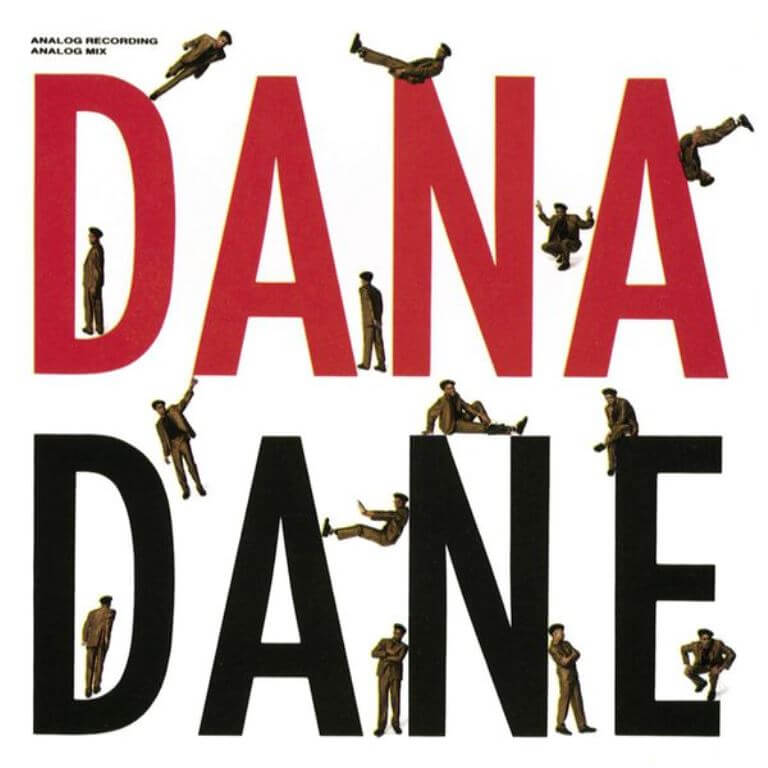
Before Slick Rick made his solo debut, Dana Dane was already carving out his own place in New York Hip Hop. The two had been part of the Kangol Crew, and their shared taste for character-driven rhymes and playful storytelling is evident in Dana Dane’s 1987 debut. Produced primarily by Hurby Luv Bug, Dana Dane With Fame is a fine, unjustly overlooked album that deserves more attention than it usually gets.
Dana Dane adopts an English accent reminiscent of his former crew member, but he has a personality and style of his own. His greatest strength is his ability to turn familiar rap subjects into entertaining little stories, delivered with a theatrical flair and an easy sense of humor. “Nightmares” is a standout, while “Cinderfella Dana Dane” puts a hip-hop spin on the Cinderella story. “This Be the Def Beat” and the title track are other highlights, driven by the playful rhymes and infectious energy that run throughout the record.
The production and overall sound are unmistakably rooted in 1987, and the album may sound more dated today than some of the other records on this list. Still, Dana Dane’s microphone skills and distinctive personality carry it through. Dana Dane With Fame is a reminder of a time when storytelling and character could make an MC stand out from the crowd. If you missed this one, it’s well worth seeking out.
8. DJ Jazzy Jeff & The Fresh Prince - Rock The House

Before Will Smith became an international movie star and DJ Jazzy Jeff earned his reputation as one of Hip Hop’s finest turntablists, the two were a couple of young talents from Philadelphia making some of the most enjoyable rap music of the era. Their chemistry was already apparent on this 1987 debut. Smith had a natural flow, a knack for storytelling and impeccable comic timing, while Jeff brought the technical skills and musical instincts to give the duo its own identity.
Rock The House is full of youthful energy and good humor. “Girls Ain’t Nothing But Trouble” turns an everyday romantic mishap into an entertaining rap story, while “Just One of Those Days” gives Smith room to spin another amusing tale. The title track captures the duo’s live energy, and “The Magnificent Jazzy Jeff” puts Jeff’s scratching and turntable skills firmly in the spotlight. “A Touch of Jazz” offers another reminder that the DJ was every bit as important to the partnership as the MC.
The album is clean, accessible and occasionally rooted in familiar battle-rap routines, but that is part of its charm. At a time when much of New York rap was becoming harder and more confrontational, DJ Jazzy Jeff & The Fresh Prince made music that was playful without lacking skill. Rock The House is a fine debut, with several classic tracks and a refreshing reminder of an era when Hip Hop was perfectly comfortable having fun.
9. Too Short - Born To Mack

Too $hort had been active in the Oakland Hip Hop scene since the early 1980s, building a following through independently produced tapes sold directly from the trunk of his car. Born to Mack, originally released on his own Dangerous Music label in 1987, was his first major album and introduced his distinctive approach to a much wider audience. Its subsequent Jive reissue helped bring the Bay Area rapper to national attention.
The formula was already firmly in place. Too $hort’s slow, conversational delivery, simple rhymes and explicit tales of street life and sexual exploits were set against sparse, funk-driven beats. He wasn’t interested in intricate lyricism or elaborate production. His appeal came from his unmistakable cadence, Oakland slang, and ability to make even the simplest groove work in his favor.
“Freaky Tales,” the album’s sprawling centerpiece, became one of his signature tracks, while “Dope Fiend Beat,” “Little Girls” and “Mack Attack” further illustrate his provocative storytelling and laid-back delivery. The material is frequently misogynistic and deliberately crude, but the combination of attitude, groove and personality gave Too $hort a sound of his own.
Born to Mack laid the groundwork for a career that would span decades and helped establish the independent hustle and musical identity of Bay Area rap. The production is primitive and the lyrics hardly subtle, but Too $hort had found a formula he would continue to refine on the albums that followed.
10. MC Shan - Down By The Law
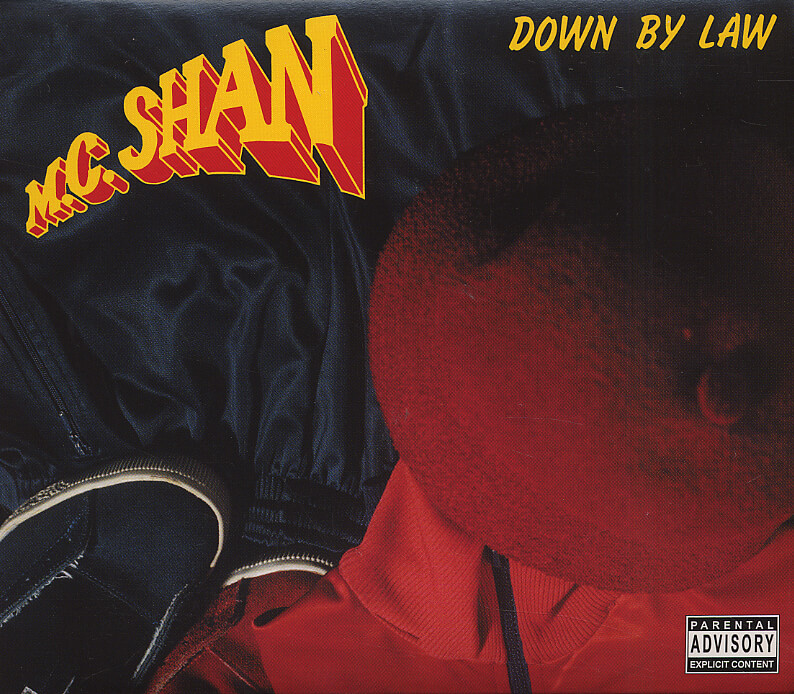
MC Shan’s debut is a very solid record, with Marley Marl handling all the production. The Queensbridge rapper had a natural, relaxed flow and a knack for making straightforward rhymes stick. Marley’s beats give the album its distinctive character, built around hard drums, inventive samples, and the early sound that would become synonymous with the Juice Crew.
The main attraction is “The Bridge,” the Queensbridge anthem that sparked one of Hip Hop’s most famous rivalries. Boogie Down Productions responded with “South Bronx,” and Shan fired back with “Kill That Noise.” The Bridge Wars would eventually become a defining chapter in New York rap history, with KRS-One and BDP generally regarded as the winners. Still, Shan more than held his own and defended the Juice Crew’s honor with conviction.
“Down By Law” and “Living in the World of Hip Hop” are other highlights. Shan may not have had the lyrical firepower of KRS-One, but with Marley Marl behind him, he had plenty going for him.
11. Just Ice - Kool And Deadly

Just-Ice’s second album is as rugged and uncompromising as the man himself. Produced by KRS-One and Just-Ice, Kool & Deadly (Justicizms) sticks to sparse, hard-hitting Hip Hop, with occasional reggae influences adding some variation. Just-Ice delivers his rhymes with the forceful presence and streetwise attitude that defined his style, making tracks like “The Original Gangster of Hip-Hop,” “Kool & Deadly” and “On the Strength” easy to appreciate.
The album’s standout is undoubtedly “Going Way Back,” an excellent collaboration with KRS-One that ranks among the finest tracks either artist recorded during this period. “Moshitup” and “Lyric Licking” also deserve attention, while “Freedom of Speech” adds another strong moment to the tracklist. Just-Ice never received the recognition his talent warranted, and this album makes a convincing case for revisiting his work.
12. Kool Moe Dee - How Ya Like Me Know

Kool Moe Dee’s second solo album captures the Treacherous Three veteran at the height of his technical abilities. His rhymes are sharp, intricate, and delivered with the precision that made him one of rap’s most respected MCs. The production, handled by a team including Teddy Riley and Kool Moe Dee himself, is more varied than the beats on some of his earlier work, although the musical backing doesn’t always match the quality of his performances.
The title track is the obvious highlight, with Kool Moe Dee taking direct aim at LL Cool J and turning their rivalry into a memorable Hip Hop moment. “Wild Wild West” is another standout, while “Don’t Dance” and “Suckers” demonstrate his command of rhythm and rhyme. How Ya Like Me Now has its uneven moments production-wise, but Kool Moe Dee’s lyrical skill gives it plenty of appeal.
13. T La Rock - Lyrical King

T La Rock’s place in Hip Hop history was already secured by “It’s Yours,” the 1984 single that became the first release on Def Jam. It took three years for his full-length debut to arrive, and Lyrical King (From the Boogie Down Bronx) delivers some of the hard-hitting material people had been waiting for. The title track, “Back to Burn,” “Bust These Lyrics” and “This Beat Kicks” are all strong examples of T La Rock’s forceful delivery and the rugged sound of mid-80s New York rap. Kurtis Mantronik contributes production to several tracks, adding to the album’s appeal. Greg Nice also appears on “Three Minutes of Beat Box.” Unfortunately, the quality isn’t consistent throughout. Tracks like “Tudy Fruity Judy” and “Having Fun” add little, and the album has too much filler to rank among the era’s very best. Still, its highlights hit hard.
14. Skinny Boys - Skinny & Proud

The Skinny Boys were often compared to the Fat Boys, thanks to their name and their emphasis on beatboxing. The resemblance may have invited comparisons, but the group deserves more attention on its own merits. Skinny & Proud, their second album, is arguably their strongest release, matching the promise of their debut with a collection of entertaining, beat-driven Hip Hop.
“Rip the Cut, Part 2” is a highlight, while “I Wanna Be Like,” “Cool Johnny” and “This Record Is Hell” bring plenty of personality. Mark Bush and Chuck Chillout handle the production, giving the trio a solid musical foundation for their playful rhymes and vocal performances. Tracks like “Cries of the City” and “Something From the Past” add some variety to the tracklist. The Skinny Boys never achieved the recognition of their heavier counterparts, but Skinny & Proud is a strong second effort from an underrated group.
15. NWA & The Posse - NWA & The Posse
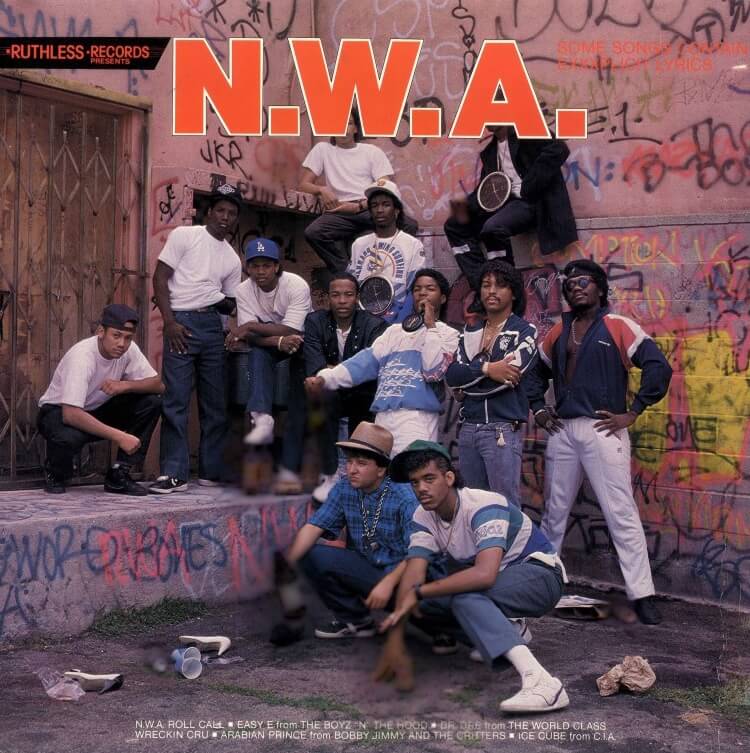
N.W.A. and the Posse is a rough collection of early recordings from N.W.A. and their extended circle, assembled before the group reached its full potential. Its historical importance is considerable, but the album itself is uneven. The N.W.A. tracks provide the main attractions, particularly the original versions of “Boyz-n-the-Hood” and “Dope Man,” which offer an early glimpse of the street-level material that would soon define the group. “8 Ball” and “Panic Zone” are also worth hearing, capturing a transitional period in West Coast rap as electro influences gave way to a harder sound. The D.O.C. appears with the Fila Fresh Crew, while contributions from the other associated acts are considerably less compelling. There is no real cohesion across the collection, and several tracks have aged poorly. For N.W.A. completists, however, this early snapshot has undeniable historical value.
16. UTFO - Legal

On Lethal, UTFO aimed to reclaim their position after the success of their debut and the less convincing Skeezer Pleezer. The return of Educated Rapper restored the group’s original three-MC lineup, while Full Force handled all the production, supplying heavy funk grooves, electronic drums and plenty of polished R&B flavor. “Mo’ Bass,” “Ya Cold Wanna Be With Me” and “The Ride” are standout cuts, with Mix Master Ice adding plenty of scratching. The title track, featuring Anthrax, brings an early rap-metal crossover into the mix.
17. Heavy D & The Boyz - Living Large
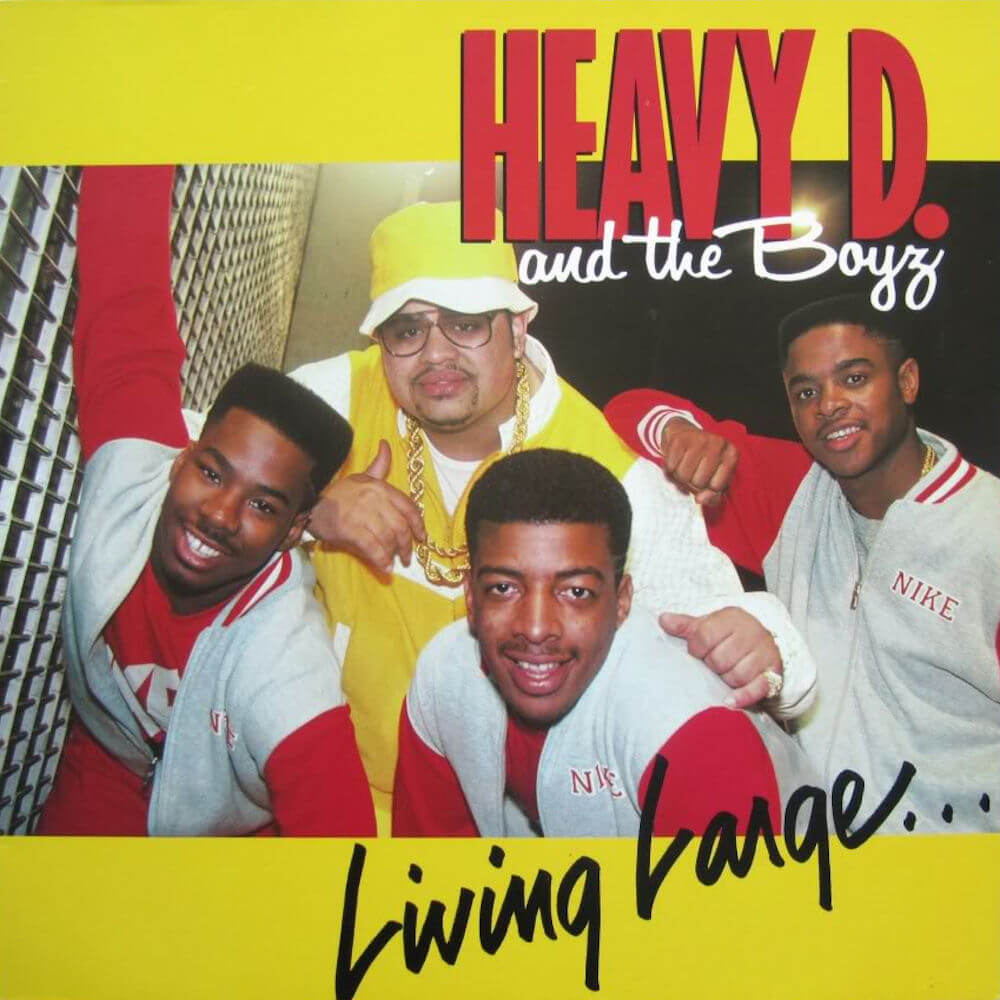
Heavy D arrived with a personality that immediately set him apart. On Livin’ Large, his debut with The Boyz, the Mount Vernon MC embraces the Overweight Lover persona with infectious humor, relaxed swagger, and an easy sense of rhythm. Marley Marl’s production on “The Overweight Lover’s in the House” gets things moving, while “Chunky But Funky” turns self-confidence into a party anthem. Contributions from Teddy Riley, DJ Eddie F, and Heavy D give the album an appealing mix of sample-based funk and early new jack swing. “Moneyearnin’ Mount Vernon” is another highlight. Heavy D was still finding his footing, but his charisma was already unmistakable.
18. Steady B - What's My Name?

Steady B’s second album found the young Philadelphia MC sounding more confident and focused than on his debut. Produced entirely by Lawrence Goodman, What’s My Name? is driven by booming drums, sharp scratching, and hard-hitting breakbeats, with DJ Tat Money helping shape the sound. “Believe Me Das Bad,” “Use Me” and the title track are among the highlights, their forceful production often compensating for Steady B’s relatively straightforward brag rap. His delivery has plenty of personality, even if his writing lacks the depth of the era’s strongest lyricists. The opening track contains an unsettling irony: “I don’t carry a gun, my mouth does the shooting.” In 1996, McGlone served as the getaway driver in a botched bank robbery that resulted in the murder of Philadelphia police officer Lauretha Vaird. His Hilltop Hustlers associate Cool C, who took part in the robbery, was convicted of the murder and later sentenced to death.
19. Fat Boys - Crushin'
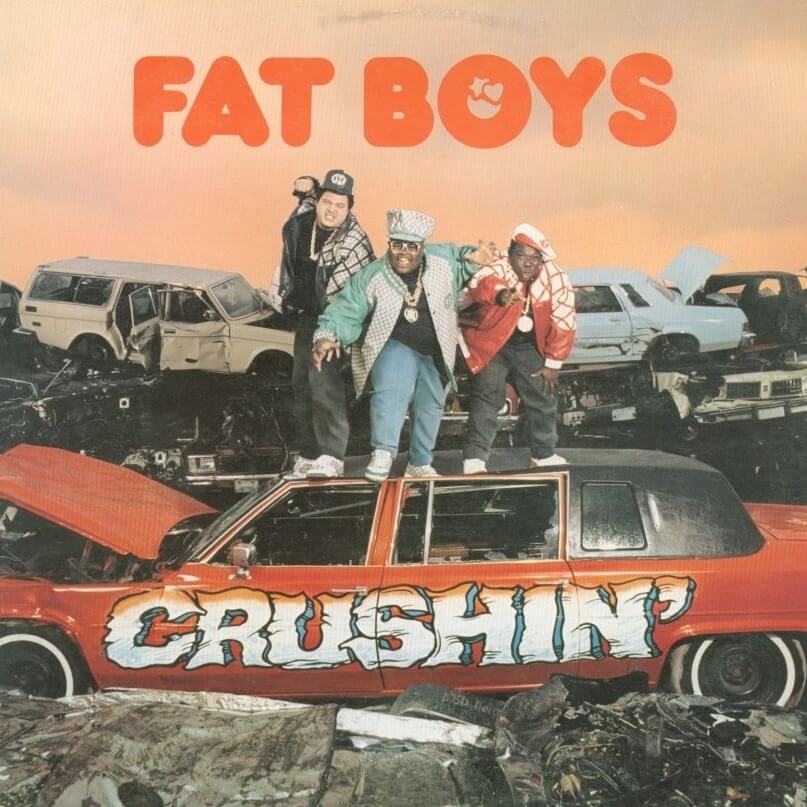
By their fourth album, the Fat Boys had become seasoned entertainers, and Crushin’ finds the Brooklyn trio at their most commercially polished. The enormous success of “Wipeout,” their unlikely collaboration with the Beach Boys, brought them a platinum record and their biggest crossover hit. The album has plenty beyond that novelty, though. The funky title track, “Rock Ruling,” “Making Noise” and “Fat Boys Dance” deliver the group’s trademark humor and party energy, while “Falling in Love” adds a melodic change of pace. Some material is lightweight, but the trio’s infectious chemistry makes this their most consistent album.
20. Tuff Crew - Phanjam

This unusual split debut introduced Philadelphia’s Tuff Crew and their Camden protégés, the Krown Rulers. With production and engineering contributions from Ultramagnetic MCs’ Ced Gee and Kool Keith, Phanjam has a gritty, drum-heavy sound built around the SP-12 and TR-808. Tuff Crew bring plenty of energy to “Tuff Is in the House” and “And We Will Rock,” with DJ Too Tuff’s scratching adding extra bite. The final two tracks belong to the Krown Rulers, who steal the show with “B-Boy Document,” a standout underground cut that makes the album worth seeking out.
The year 1987 was a remarkably diverse one for Hip Hop. From the lyrical innovations of Eric B. & Rakim and Boogie Down Productions to Public Enemy’s politically charged debut, LL Cool J’s crossover appeal, and the emerging sounds of Philadelphia, the music was moving in several directions at once. Artists like Heavy D, the Fat Boys, and DJ Jazzy Jeff & The Fresh Prince brought humor, personality, and dance-floor appeal, while Ice-T, Schoolly D, and Too $hort explored harder street-oriented territory. These 20 albums offer a snapshot of a culture expanding its reach while developing new voices and styles.