
In 1986, Hip Hop entered a new phase. The foundations laid during the genre’s first decade were beginning to support something considerably bigger: full-length albums with stronger artistic identities, more ambitious production, wider commercial reach, and increasingly distinct regional sounds. The music was moving beyond its original New York environment, while the culture surrounding it was finding new audiences across the United States and overseas. At HHGA, we consider 1986 the beginning of Hip Hop’s Golden Age, a period of extraordinary creativity that would continue through the mid-1990s.
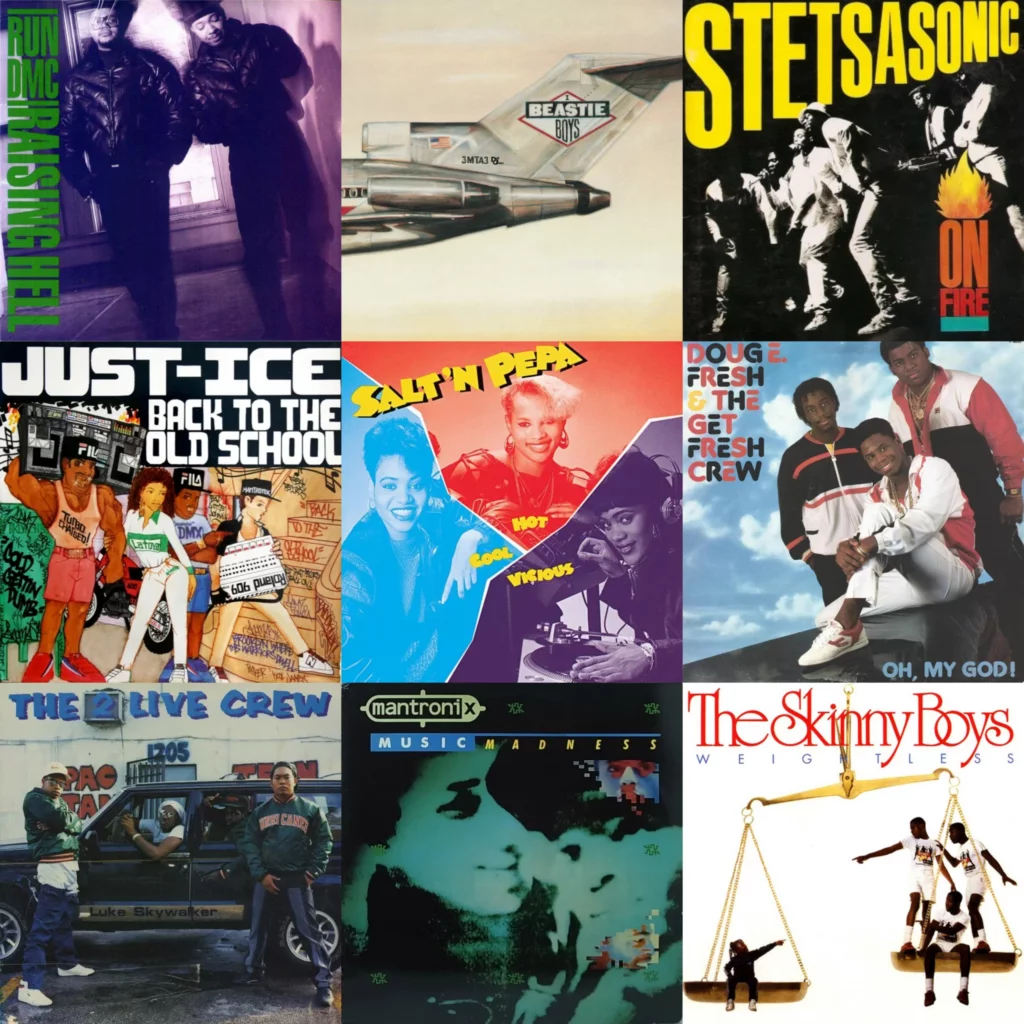
Few records capture the year’s commercial breakthrough as clearly as Run-DMC’s Raising Hell. Their third album took the stripped-down beats, forceful delivery, and streetwise attitude of their earlier work and brought them to an unprecedented audience. Rick Rubin and Russell Simmons’ production gave the trio a muscular framework, with Jam Master Jay’s turntable work providing much of the musical character. The Aerosmith collaboration “Walk This Way” became an international phenomenon, while “My Adidas” celebrated the group’s unmistakable street identity. The album’s success demonstrated that Hip Hop could compete on the biggest stages in popular music without abandoning its distinctive character.
Def Jam had another major success with the Beastie Boys’ Licensed To Ill. Adam Horovitz, Adam Yauch, and Michael Diamond combined their punk backgrounds with heavy guitar riffs, booming drums, irreverent humour, and infectious party anthems. “Fight For Your Right” and “No Sleep Till Brooklyn” became defining records of the era, introducing an entirely new audience to rap music. Elsewhere, the year offered a much wider picture of what Hip Hop was becoming.
Stetsasonic’s On Fire brought a stronger live-musician sensibility and funk influence into the mix, with Prince Paul’s developing production approach already showing considerable promise. Philadelphia’s Schoolly D took things in a darker direction on his self-titled debut, drawing on sparse electronic rhythms and uncompromising street narratives. His music helped lay some of the groundwork for the harder-edged East Coast rap that followed. Just-Ice’s Back To The Old School, produced by Kurtis Mantronik, looked toward Hip Hop’s formative years while retaining the aggressive energy of contemporary electro and hardcore rap.
Women were making their presence felt too. Salt-N-Pepa’s Hot, Cool & Vicious brought personality, humour, confidence, and a distinctive female perspective to a genre still dominated by male voices. Its success, particularly through “Push It,” marked an important moment in the growing visibility of women in Hip Hop. Doug E. Fresh’s Oh, My God! kept the party atmosphere alive through his extraordinary beatboxing, while the Skinny Boys’ Weightless offered playful rhymes and an unmistakable sense of fun. Kool Moe Dee’s self-titled debut highlighted his formidable MC skills, and Steady B’s Bring The Beat Back added another Philadelphia voice to the expanding East Coast landscape.
Meanwhile, Hip Hop was developing new regional identities. Miami’s 2 Live Crew brought booming bass, explicit humour, and an outrageous party mentality to 2 Live Is What We Are, anticipating the controversies that would surround the group in the years ahead. Afrika Bambaataa revisited his electro foundations on Planet Rock: The Album, while Mantronix’s Music Madness pushed electronic production and hard-hitting breakbeats into increasingly futuristic territory. Whodini’s Back In Black and the Fat Boys’ Big & Beautiful demonstrated that established acts were continuing to develop their own approaches to the evolving sound.
The Bronx was also asserting its place in Hip Hop’s history through the emerging Bridge Wars. KRS-One and DJ Scott La Rock’s “South Bronx” directly challenged MC Shan and Marley Marl’s “The Bridge,” turning a dispute over regional origins into one of rap’s defining lyrical rivalries. Although neither track appears among the fifteen albums featured here, their significance belongs to any account of Hip Hop in 1986. The competitive spirit, regional pride, and uncompromising MC culture they represented were central to the music’s development.
Looking back, 1986 was a remarkable year of contrasts. Hard-edged New York rap coexisted with electro, funk, rock influences, party records, and the first signs of increasingly distinct regional movements. Independent labels and major industry players operated side by side, while MTV and commercial radio brought Hip Hop into households that had previously had little exposure to the culture. The fifteen albums below capture that creative diversity as Hip Hop found an ever-larger audience and laid the foundations for the extraordinary run of music that followed.
← 1980–1985 · All years · 1987 →
1. Run DMC - Raising Hell

One of the first genuine blockbuster albums in Hip Hop, Raising Hell elevated Run-DMC to the forefront of popular music and helped usher in the genre’s Golden Age. Their third studio album found Joseph Simmons, Darryl McDaniels, and Jason Mizell operating at the height of their powers. Produced by Rick Rubin and Russell Simmons, the record combines stripped-down, hard-hitting beats with an infectious sense of rhythm and swagger. Jam Master Jay’s turntable work is exceptional throughout, providing the perfect foundation for Run and DMC’s rapid-fire exchanges and commanding vocal interplay.
From the opening scratches and playful back-and-forth of “Peter Piper” to the irresistible groove of “It’s Tricky,” the album rarely misses a step. “My Adidas” turned a celebration of street culture into an anthem, while the title track delivers an especially forceful combination of heavy drums and rock-influenced production. The Aerosmith collaboration “Walk This Way” became the breakthrough crossover hit, taking Run-DMC onto MTV and introducing Hip Hop to audiences far beyond its established following.
The album was the first Hip Hop release to achieve platinum and subsequently multi-platinum certification, demonstrating the commercial potential of rap albums on an unprecedented scale. Together with the Beastie Boys’ Licensed To Ill, released later that same year, Raising Hell helped bring Hip Hop into the mainstream worldwide. Run-DMC famously took the beat from the street and put it on TV. Few albums capture that transition with such authority.
2. Beastie Boys - Licensed To Ill

A timeless classic, Licensed To Ill brought an entirely different kind of energy to Hip Hop. The Beastie Boys, Mike D, MCA, and Ad-Rock, combined their punk-rock backgrounds, irreverent humour, and natural chemistry into a debut bursting with attitude. They were the first white rap act to achieve major commercial success while earning lasting respect within Hip Hop culture, going on to build one of the most distinctive careers in the genre’s history.
Produced by Rick Rubin, the album’s sound is built around pounding drum-machine beats, heavy guitar riffs, imaginative sampling, and the trio’s unruly vocal interplay. “Rhymin & Stealin” sets the tone with its thunderous Led Zeppelin drums and Black Sabbath guitar, while “The New Style” and “Hold It Now, Hit It” capture the infectious chemistry between the three MCs. “Paul Revere” is an ingenious piece of comic storytelling, driven by its backwards drum break, and “Brass Monkey” delivers an irresistible party groove. “No Sleep Till Brooklyn,” featuring Slayer guitarist Kerry King, takes the rap-rock combination to another level.
Of course, the juvenile humour and macho posturing, particularly on “Girls” and “Fight For Your Right,” haven’t aged equally well. But the album’s sheer exuberance, inventive production, and distinctive personality are difficult to resist. Its success was extraordinary: Licensed To Ill became the first rap album to reach number one on the Billboard 200 and eventually sold over ten million copies in the United States.
Alongside Run-DMC’s Raising Hell, it was instrumental in bringing Hip Hop to audiences around the world. It also marked one of the defining early triumphs for Def Jam, the label that was doing so much to expand the genre’s commercial reach. The Beastie Boys would grow considerably as musicians and artists on subsequent releases, but their debut caught lightning in a bottle.
3. Stetsasonic - On Fire

Before The Roots brought live instrumentation to the forefront of Hip Hop, Brooklyn’s Stetsasonic were already making a convincing case for the rap band format. Their debut, On Fire, introduced a six-member collective with a broader musical palette than most of their contemporaries. Daddy-O, Delite, and Frukwan handled the rhymes, while DBC, Wise, and a young Prince Paul contributed bass, keyboards, beatboxing, and DJ skills. The result is an energetic record that bridges old-school party rap and the harder sounds emerging in the mid-1980s.
Prince Paul deserves particular credit. His production combines pounding drum-machine patterns, deep 808 bass, scratching, and occasional instrumental flourishes. The title track is especially striking, driven by an unusually frantic hi-hat pattern that gives the beat an almost hypnotic momentum. “4 Ever My Beat” opens the album with a funky groove and excellent exchanges between the MCs, while “My Rhyme” and “Just Say Stet” highlight the group’s natural chemistry and infectious call-and-response approach. “Go Stetsa I” adds another dose of dance-floor energy, with the group sounding completely at home over its lively rhythm.
On Fire is occasionally rooted in the repetitive structures of mid-1980s rap, but the group’s collective approach gives the material plenty of personality. There is a refreshing sense of musical ambition here, with each member contributing to a larger creative identity rather than simply providing another voice over programmed beats.
Stetsasonic would develop their sound considerably on subsequent releases, but this debut deserves greater recognition in discussions of early Hip Hop innovation. An underrated Brooklyn classic, On Fire laid some of the groundwork for the live Hip Hop bands that followed.
4. Just Ice – Back To The Old School

The title might suggest a return to Hip Hop’s earliest party-rocking days, but Just-Ice’s debut was anything but a nostalgic exercise. Released in May 1986, Back To The Old School pushed the music toward a harder, more confrontational direction. The Brooklyn MC brought a fierce, deep-voiced delivery, full of boasts, threats, sharp insults, and unpredictable bursts of energy. His imposing presence was matched by the futuristic production of Kurtis Mantronik, whose electronic approach gave the album a sound unlike anything else coming out of New York at the time.
Mantronik built the beats around heavy Roland drum-machine patterns, sharp snares, booming bass, and frantic percussion. The opening “Cold Gettin’ Dumb” makes an immediate impression, its relentless rhythm providing the perfect backdrop for Just-Ice’s commanding performance. “Back To The Old School” and “Gangster Of Hip Hop” push the same uncompromising approach, while “Put The Record Back On” brings the emphasis back to the dance floor. The Original DMX’s beatboxing adds another layer of human grit to Mantronik’s tightly programmed rhythms.
The album isn’t without its rough edges. Just-Ice’s vocals sometimes struggle to cut through the booming production, and the aggressively misogynistic lyrics on tracks like “Latoya” have aged badly. Still, the combination of Mantronik’s adventurous electronics and Just-Ice’s intimidating mic presence gives the record a character all its own. Their partnership anticipated the harder, bass-heavy direction that much of East Coast Hip Hop would pursue in the years ahead.
Back To The Old School is a fascinating collision of street-level aggression and forward-thinking production. Its sound was anything but old school.
5. Salt N Pepa – Hot Cool & Vicious

Salt-N-Pepa brought a fresh personality to mid-1980s Hip Hop. Cheryl James and Sandra Denton had an easy chemistry, trading confident rhymes with a playful sense of competition and an attitude that challenged the male-dominated rap scene. The original lineup also included DJ Latoya Hanson, soon replaced by 16-year-old Deidra Roper, better known as Spinderella. Her turntable skills became an important part of the group’s identity in the years that followed. Produced by Hurby Azor, the debut balances party-ready rhythms with assertive performances. “Tramp,” “I’ll Take Your Man,” and “My Mic Sounds Nice” established the duo’s identity, while “The Showstopper” traces the beginnings of their story.
The album’s history is closely tied to “Push It,” although the song was not on the original 1986 pressing. Recorded in 1987 and initially released as a B-side, it took off after a club remix and was added to subsequent editions. Its irresistible beat and instantly recognizable hook turned Salt-N-Pepa into international stars and helped make Hot, Cool & Vicious the first album by a female rap act to achieve gold and platinum certification in the United States.
The production is relatively spare, and some tracks lack the spark of the strongest cuts. But Salt-N-Pepa’s chemistry, confidence, and dance-floor appeal give the record its own distinctive place in early Hip Hop.
6. Doug E Fresh – Oh My God

After the enormous success of “The Show” and “La Di Da Di,” Doug E. Fresh finally delivered his debut album in 1986. By then, Slick Rick had left the Get Fresh Crew to pursue his solo career, but his presence is still felt on the extended “The Show (Oh, My God! Remix).” Doug takes center stage alongside DJs Chill Will and Barry Bee, recreating the lively, interactive atmosphere of New York park jams.
The album’s greatest strength is Doug’s extraordinary beatboxing and his ability to command a crowd. “Nuthin'” captures that infectious live energy, while “Leave It Up to the Cut Professor” gives the DJs room to demonstrate their skills. “Play This Only at Night” is an intriguing change of direction, with an eerie atmosphere that anticipates some of Hip Hop’s later horror-inspired excursions.
Oh, My God! is uneven, and the preachy “Abortion” interrupts the party spirit. Still, the record captures Doug E. Fresh at a time when his vocal percussion and crowd-moving personality were central to Hip Hop’s evolving sound.
7. 2 Live Crew – 2 Live Is What We Are
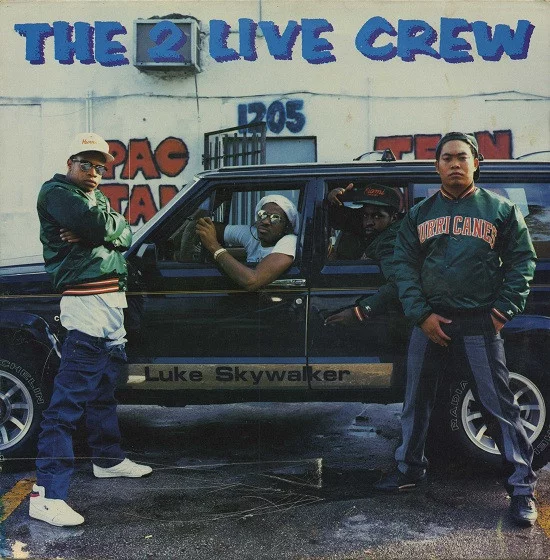
While New York dominated the Hip Hop landscape in 1986, 2 Live Crew brought an entirely different sound from Florida. Their debut introduced Fresh Kid Ice and Brother Marquis over DJ Mr. Mixx’s hard-hitting, bass-heavy production, helping put Miami on the Hip Hop map and laying important groundwork for the Miami Bass sound.
The group’s later reputation for outrageously explicit sexual lyrics was not yet fully formed here. There are hints of the direction they would pursue on subsequent albums, particularly on “We Want Some Pussy,” but the record is still largely rooted in energetic party rap, DJ skills, and bass-heavy dance music. The foundation for their more provocative identity was already in place.
Mr. Mixx is the album’s secret weapon. His frenetic scratching, fast drum-machine patterns, and booming 808 bass give tracks like “Throw The ‘D'” and “Cuttin’ It Up” an infectious club energy. “Get It Girl” delivers another dose of party music, while the group’s raw, deliberately outrageous approach helped attract controversy and bring questions of censorship and artistic freedom into the national spotlight. The 2 Live Crew Is What We Are was an important early statement from a group that would soon push Hip Hop into very different territory.
8. Mantronix – Music Madness

Kurtis Mantronik pushed the electronic side of Hip Hop further on Mantronix’s second album. Built around hard-hitting TR-808 rhythms, synthetic basslines, intricate sampling, and sharp edits, Music Madness has a club-oriented energy that set the duo apart from most of their New York contemporaries. MC Tee supplies the b-boy rhymes, but Mantronik’s inventive production is the main attraction. “Who Is It?” and “Scream” are the standouts, while “Listen to the Bass of Get Stupid Fresh Part 2” and “Electronic Energy Of…” underline his restless approach to rhythm and texture. The album occasionally follows a familiar formula, but its combination of electro-funk and Hip Hop remains exciting. Music Madness was Mantronix’s final release for Sleeping Bag Records, closing an important chapter in the career of one of the era’s most adventurous production teams.
9. Skinny Boys – Weightless
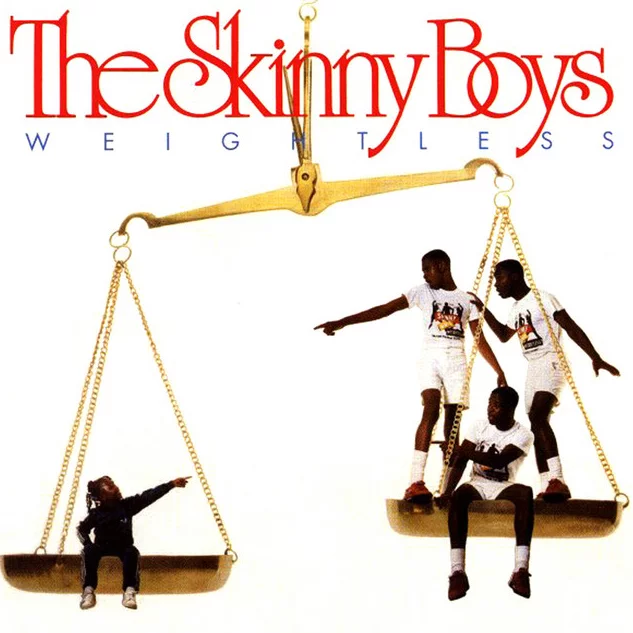
Bridgeport, Connecticut’s Skinny Boys offered a playful alternative to the Fat Boys, turning their slim physiques into the subject of jokes and boasting. The group consisted of brothers Superman Jay and Shockin’ Shawn, joined by their cousin The Human Jock Box, whose beatboxing provided the rhythmic foundation for their performances. Their debut, Weightless, produced by Mark Bush and Chuck Chillout, captures the stripped-down energy of mid-1980s party rap.
“Jockbox” gets things moving immediately, while “Awesome” and “Get Funky” deliver more of the group’s infectious combination of simple rhymes, scratching, and vocal percussion. The production is raw and repetitive, and the lyrics rarely reach beyond lighthearted boasts and jokes. Still, the Skinny Boys have an appealing chemistry, and The Human Jock Box gives the record much of its character.
Weightless is a charming snapshot of an era when personality, rhythm, and beatboxing could carry an entire album.
10. Afrika Bambaataa - Planet Rock The Album
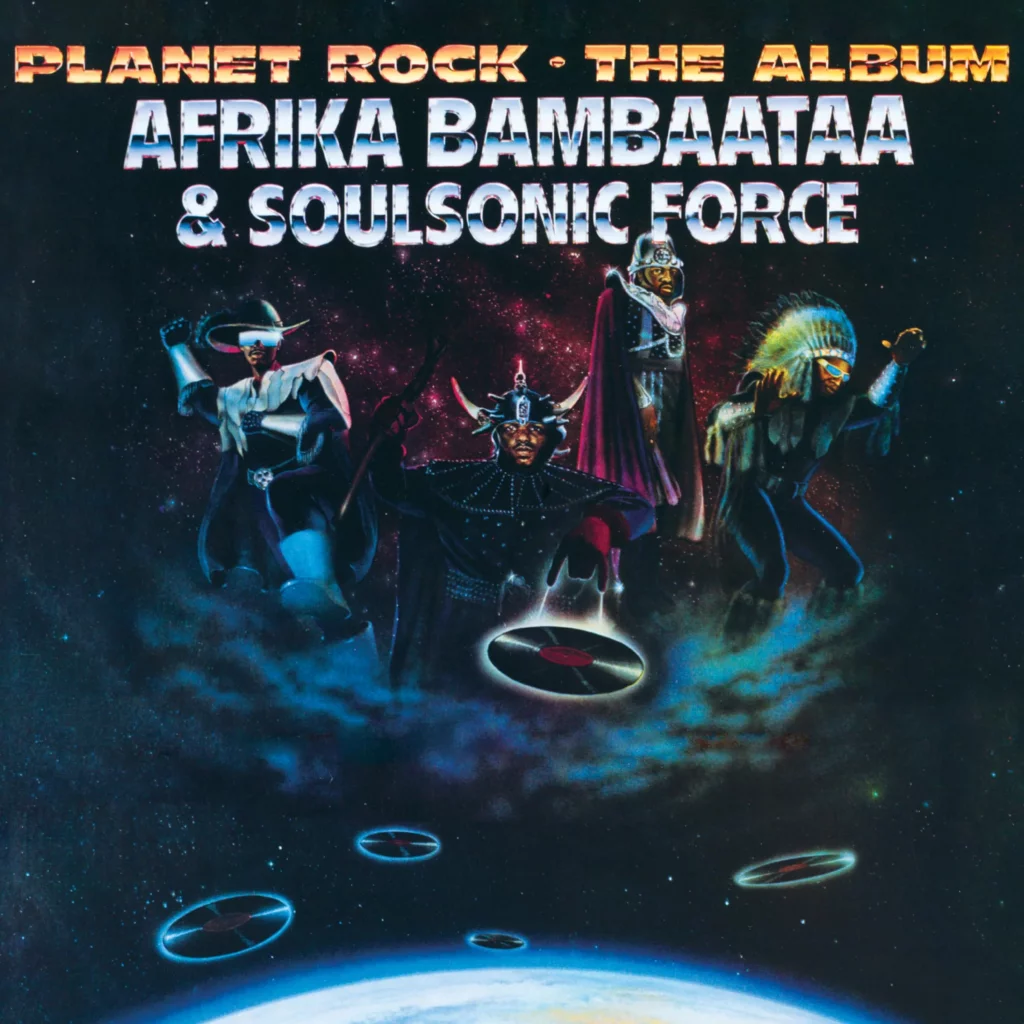
Although released in 1986, Planet Rock: The Album is essentially a collection of Afrika Bambaataa and Soulsonic Force’s groundbreaking early-1980s recordings. Its importance rests above all on “Planet Rock,” the 1982 single that fused Kraftwerk-inspired electronic melodies with the booming rhythms of the Roland TR-808. Produced by Arthur Baker and John Robie, the track helped establish electro as a distinct sound and opened up new possibilities for Hip Hop production.
“Looking For The Perfect Beat” and “Renegades Of Funk” are equally compelling, extending that futuristic approach with infectious rhythms and inventive electronic textures. The album also ventures into funkier territory on collaborations with Melle Mel and Trouble Funk. Not every track reaches the heights of its opening trilogy, but the collection captures a crucial moment in Hip Hop’s evolution.
Bambaataa’s legacy, however, became deeply controversial. From 2016 onward, multiple men accused him of sexually abusing them when they were minors. He denied the allegations. In 2025, he lost a civil case brought by an anonymous plaintiff after failing to respond to the lawsuit. Bambaataa died from prostate cancer on April 9, 2026, aged 68. His musical influence is undeniable, but his legacy cannot be discussed without acknowledging the serious allegations and the legal judgment against him.
11. Steady B - Bring The Beat Back

At just 17, West Philadelphia’s Steady B was one of the first local MCs to attract national attention. His debut, initially released independently before Jive reissued it as Bring The Beat Back, introduced the youthful leader of the Hilltop Hustlers. Lawrence Goodman supplies stripped-down, hard-hitting beats, while DJ Grand Dragon K.D. and Tat Money bring plenty of scratching to the mix. Marley Marl also contributes to “Stupid Fresh.” The title track, “Get Physical,” and the humorous “Yo Mutha” capture Steady B’s raw energy and confident delivery. The formula gets repetitive, but this is an engaging early document of Philly rap.
12. Kool Moe Dee - Kool Moe Dee

After making his name with the Treacherous Three, Kool Moe Dee launched his solo career with an album that paired his commanding delivery and sharp storytelling with production from a young Teddy Riley. “Go See The Doctor” is the clear highlight, an unusually direct and entertaining cautionary tale about sexually transmitted diseases that became an all-time Hip Hop classic. “Monster Crack” and “Little Jon” tackle harder social realities, while “Rock Steady” brings the focus back to the dance floor. Some of the production sounds dated, and the album lacks consistency, but Moe Dee’s lyrical authority is never in doubt.
13. Whodini - Back in Black

Recorded in London with producer Larry Smith, Whodini’s third album refined the group’s blend of Hip Hop and electro-funk. Jalil Hutchins and Ecstasy trade verses over polished synthesizers, live bass, and punchy drum patterns, with Grandmaster Dee now fully integrated into the trio. “Funky Beat” delivers an infectious club groove, while “One Love” is the album’s standout, pairing memorable synth work with thoughtful advice about loyalty and relationships. “Growing Up” adds a more mature perspective. Although the second half is less consistent, Back In Black is an engaging record that helped pave the way for the fusion of Hip Hop and R&B that would flourish in the years ahead.
14. Fat Boys - Big & Beautiful
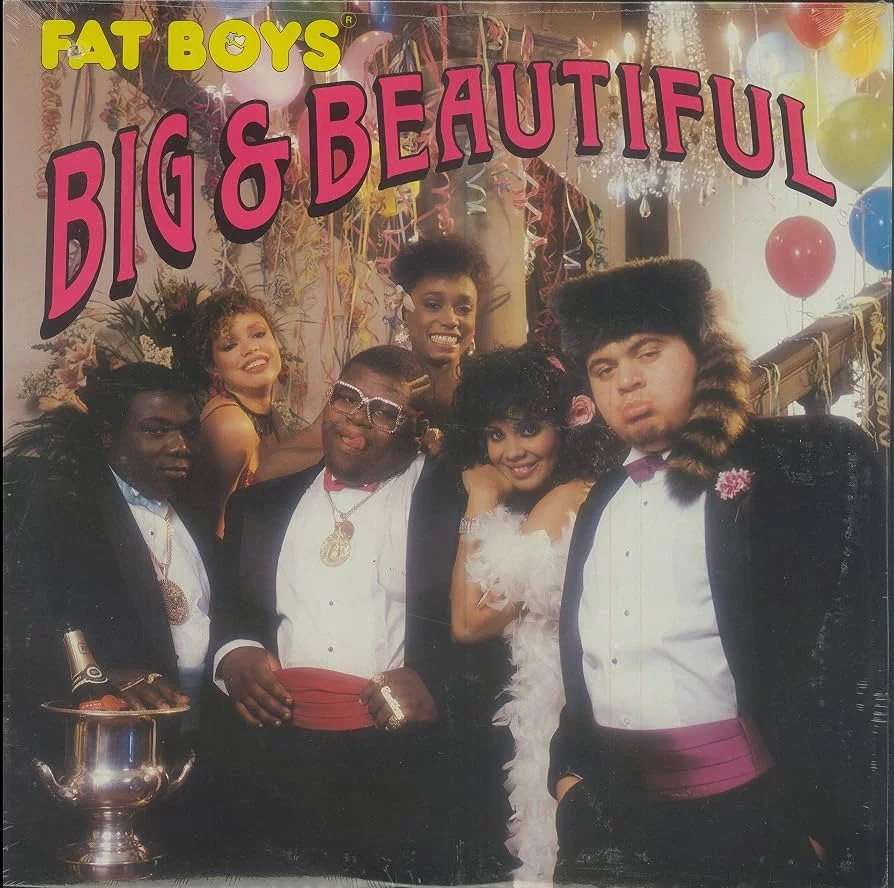
The Fat Boys’ third album finds the Brooklyn trio moving away from the production formula of their earlier records, with Dave Ogrin, Fresh Gordon, and the Latin Rascals taking over much of the production. The results are uneven, and some of the more polished arrangements lack the punch of their earlier work. Still, “Sex Machine,” their Hip Hop take on the James Brown classic, is a standout and a classic Fat Boys joint. “Double-O-Fat Boys” adds a dose of spy-movie humour, while “Beat Box, Part III” returns to one of the group’s trademarks. An entertaining, if inconsistent, final release for Sutra Records.
15. Boogie Boys - Survival Of The Freshest
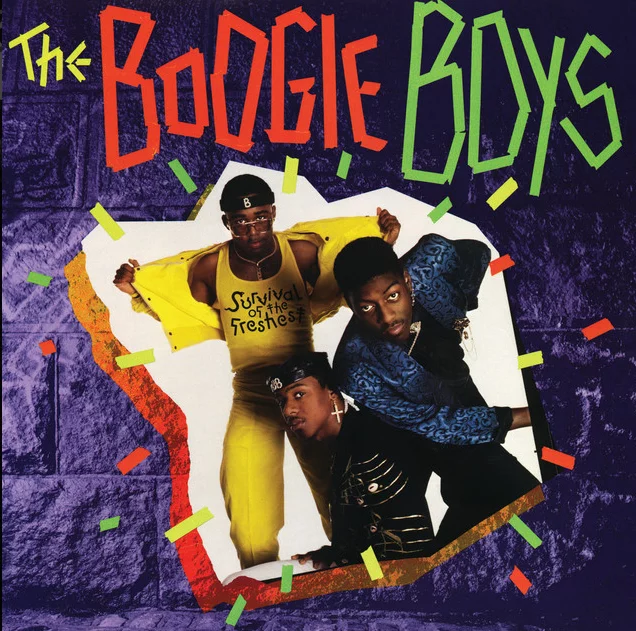
After the success of their debut City Life, the Harlem trio received a bigger budget and major-label backing from Capitol Records for their second album. Produced by Ted Currier, Survival Of The Freshest takes a polished, melodic approach to Hip Hop, built around glossy synthesizers, funk arrangements, and prominent vocal harmonies. The sound was already moving away from the harder direction Run-DMC and Def Jam were pushing, and the Boogie Boys’ attempts to blend rapping with pop and R&B often come across as dated. “Girl Talk” is an infectious highlight, while “Friend or Foe” borrows its atmosphere from John Carpenter’s Halloween. The best track, however, is “Run It,” a memorable burst of electronic funk. Uneven and occasionally corny, the album is still an interesting snapshot of mid-80s rap’s expanding musical ambitions.
1986 was a turning point for Hip Hop. Run-DMC and the Beastie Boys brought rap to unprecedented commercial heights, while artists from New York, Philadelphia, Florida, and beyond explored new production styles and expanded the music’s reach. Some of these albums have aged better than others, but together they capture a year of remarkable creativity and change. The Golden Age was taking shape, and Hip Hop would never be the same.