

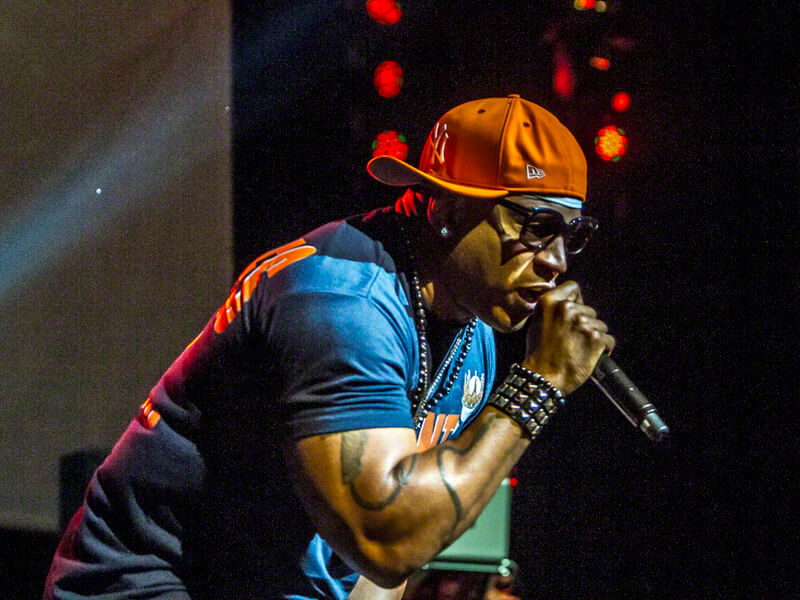
LL Cool J, born James Todd Smith, stormed Hip Hop in 1985 as a Queens-bred prodigy, blending raw swagger with a lover’s charm to become one of the genre’s enduring icons. From his Def Jam debut at 17 to his reign as a crossover king, LL’s career spans decades, delivering anthems that shaped rap’s evolution. This list of his Top 15 songs zeros in on the tracks that define his legacy—bangers that rocked boomboxes, clubs, and airwaves, capturing his knack for gritty boasts, heartfelt confessions, and genre-pushing hooks. His early work, rooted in Kangol hats and gold chains, set a blueprint for street lyricism, while his later hits embraced pop’s sheen without losing bite. Yet, as his focus shifted to acting and entrepreneurship, some argue his music lost the hunger of his ‘80s and ‘90s prime. Here, we sidestep the Hollywood glow to revisit the cuts that made him a legend.
LL’s paradox lies in his duality: a battle MC with razor-sharp rhymes and a heartthrob who penned rap’s first love ballads. Albums like Radio, Bigger and Deffer, and Mama Said Knock You Out didn’t just chart—they redefined what a rapper could be, balancing b-boy bravado with radio-ready finesse. His flow, crisp and commanding, could dismantle foes or woo listeners, a versatility few have matched. The golden era of 1985-1993, where he ruled alongside Run-DMC and Public Enemy, anchors this list, though we nod to later gems that still carried his spark. Those early joints hit like dispatches from Queensbridge corners, raw and unfiltered, before LL’s pivot to movies and TV sometimes dulled his mic’s edge.
We don’t ignore the man behind the bars. LL’s larger-than-life persona—part street poet, part matinee idol—infuses every verse, for better or worse. His feuds, from Kool Moe Dee to Canibus, fueled classics but occasionally fed ego over art. This list lets the music breathe, diving into songs that shook the culture, not the headlines that trailed them. These are LL Cool J at his rawest: a kid from Hollis who turned charisma into a dynasty, making the world nod to his rhythm. Let’s crank the volume and revisit the tracks that built his throne.
Also read: Essential Rap Songs: Top 15 Lists For Every Influential Hip Hop Act
15. I Need Love (1987)
“I can’t sit and wait, for my princess to arrive / I gotta struggle and fight, to keep my dream alive / I’d search the whole world for that special girl / And when I finally find you, watch our love unfurl / I need love…”
“I Need Love” (1987), from Bigger and Deffer, captures LL Cool J at his boldest, crafting rap’s first true love ballad with timeless charm. Produced by LL and L.A. Posse, the track leans on a minimalist beat—soft keys, a gentle drum loop—that cradles his heartfelt plea. LL’s flow, tender yet confident, pours out devotion, his rhymes painting a vulnerable lover far from his battle-MC grit. Each verse balances sincerity with swagger, making every listener feel the ache of longing. The hook, simple and soulful, sticks like a first crush, its melody etched in Hip Hop’s DNA. Unlike LL’s later, often clunky ballads, this cut nails the sweet spot—raw emotion wrapped in ‘80s cool. It hit #14 on the Billboard Hot 100, proving rap could woo as well as war. Admit it: you hum along, word for word, a soft spot for LL’s classic still burning.
14. The Ripper Strikes Back (1999)
“Ask Canibus / He ain’t understanding this / Cause ninety-nine percent of his fans don’t exist / I’m going underground and blowin’ your rep down / Next time save that shit for the lyricist lounge”
“The Ripper Strikes Back” (1999), a blistering salvo from LL Cool J, ignites in response to Canibus’s “2nd Round K.O.,” a diss sparked by a feud over LL’s “4, 3, 2, 1” verse. Dropped as a promotional single, LL’s track is a lyrical onslaught, produced by Trackmasters with a pounding, synth-heavy beat that mirrors his relentless energy. His flow cuts like a blade, each bar laced with razor wit and veteran swagger, dismantling Canibus’s challenge with surgical precision. LL’s rhymes brim with confidence, flipping boasts into verbal haymakers that reaffirm his throne. Lines weave disdain with clever jabs, proving his pen remains lethal after a decade-plus in the game. The production’s gritty pulse amplifies his dominance, letting every syllable hit hard. Born from Queens’ competitive fire, this isn’t just retaliation—it’s a clinic in lyrical supremacy, LL reminding pretenders he’s untouchable. While the beef faded, “The Ripper Strikes Back” endures, a raw display of why LL Cool J’s crown stays polished.
13. Going Back To Cali (1988)
“Going back to Cali, stylin’, profilin’ / Growlin’ and smilin’ while in the sun / The top is down on the black Corvette / And it’s fly, cause it’s sittin’ on Dayton’s…”
“Going Back to Cali,” a 1988 gem from the Less Than Zero soundtrack and later Walking With a Panther, radiates LL Cool J’s effortless cool. Crafted with Rick Rubin, who co-wrote and produced, the track rides a minimalist funk groove—slapping bass, sparse drums, and jazzy horns—that hums with West Coast swagger. LL’s flow glides, his rhymes blending vivid tales of Hollywood allure with Queens-bred grit, each verse a postcard from a hustler’s daydream. His delivery, laid-back yet commanding, captures a young MC reveling in fame’s glow while staying rooted. Rubin’s production strips it down, letting LL’s charisma fill every bar, the beat’s hypnotic pulse amplifying his storytelling. The song’s vibe, both cinematic and street, paints Cali as a land of temptation, LL navigating its shine with a knowing smirk. This classic, born from his Def Jam prime, pulses with the energy of an artist owning his moment, cementing his knack for crafting hits that vibe as hard as they boast.
12. The Breakthrough (1987)
“Not only on the stage, I rock in the park / And I’m a killer in the daytime, and worse after dark / So don’t never ever mess with the king of the sound / LL Cool J, the baddest around…”
“The Breakthrough,” from LL Cool J’s 1987 sophomore effort Bigger and Deffer, delivers raw Hip Hop in its purest form. Produced by DJ Pooh and LL, the track thumps with a stark, pounding drumbeat, stripped of hooks or choruses—just a relentless canvas for LL’s lyrical barrage. His flow is ferocious, unloading four minutes of unbroken rhymes with the hunger of a Queens teen proving his worth. Each verse crackles with brash boasts and sharp wordplay, LL’s voice commanding every second, weaving confidence into every line.
The minimalist production—little more than kicks, snares, and faint scratches—lets his bars breathe, amplifying the intensity of his delivery. Born in LL’s Def Jam heyday, “The Breakthrough” captures the essence of ‘80s rap: unpolished, urgent, and driven by MC prowess. It’s not a radio hit—it’s a street sermon, LL flexing his mic dominance with no frills, just skill, cementing his early reign as a lyrical force who could hold a track solo and still electrify.
11. You'll Rock (1985)
“The momentum of this party can only increase / The design of this rhyme is a masterpiece / You’ll wanna kick steps to this musical feast / And witness the force I’m about to release…”
“You’ll Rock,” from LL Cool J’s 1985 debut Radio, pulses with the raw energy of a young B-boy staking his claim. Produced by Rick Rubin, the track rides a booming, stripped-down beat—crisp drums and subtle bass—that embodies ‘80s Hip Hop’s gritty soul. LL, just 17, unleashes a torrent of braggadocious rhymes, his flow brimming with unshakable confidence. Each verse flexes his lyrical dexterity, weaving boasts with a charisma that demands attention, his voice sharp and commanding.
The production’s lean funk lets LL’s bars shine, every line hitting like a jab from a Queens corner. Born in the dawn of Def Jam’s rise, “You’ll Rock” captures LL as a prodigy, his hunger palpable as he carves his name into rap’s early pantheon. It’s not just bravado—it’s a blueprint of the MC he’d become, blending street swagger with a magnetic pull. This standout cut radiates the spirit of a B-boy owning the mic, fearless and electrifying.
10. The Boomin' System (1990)
“Big beats bumpin’ with the bass in back / All the sophisticated suckers catch a heart attack…”
“The Boomin’ System,” the explosive opener from LL Cool J’s 1990 album Mama Said Knock You Out, hits like a sonic earthquake, demanding every speaker’s allegiance. Produced by Marley Marl, the track thunders with a deep, trunk-rattling bassline and crisp drums, crafting a beat that vibrates through bones. LL dives in headfirst, his flow brimming with swagger as he celebrates the song’s seismic power, urging listeners to crank the volume and feel its pulse. His rhymes, sharp and commanding, flex his dominance, each bar a call to revel in the music’s raw force.
The production’s funky loops and heavy low-end amplify LL’s energy, making car systems quake and rooms shake. Born in LL’s comeback era, after doubters questioned his reign, this cut roars with defiance, setting a relentless tone for the album. It’s not subtle—it’s a declaration, LL reclaiming his throne with a banger that blends Queens grit with universal appeal. “The Boomin’ System” remains a high-octane classic, its infectious drive proving LL’s knack for igniting albums with unyielding charisma and bass that still slaps.
9. Doin' It (1996)
“It’s the first time together and I’m feeling kinda horny / Conventional methods of making love kinda bore me / I wanna knock your block off, get my rocks off / Blow your socks off make sure your G spots soft…”
“Doin’ It,” from LL Cool J’s 1996 album Mr. Smith, pulses with a sultry charm that’s hard to resist, a guilty pleasure wrapped in mainstream gloss. Produced by Rashad Smith, the track rides a thumping bassline and smooth, funky drums, crafting an infectious groove that lights up dancefloors. LL’s flow drips with playful seduction, his rhymes weaving raunchy flair with undeniable charisma, each verse a wink to the listener.
The song’s vibe, steamy yet fun, balances raw energy with polished appeal, making it a radio juggernaut. LL cleverly weaves in a sample from Audio Two’s “Top Billin’,” flipping the “Go Brooklyn” chant into a nod to his roots, grounding the slick production in Hip Hop’s DNA. Featuring LeShaun’s sultry vocals, the track’s call-and-response amps up its heat, creating a chemistry that hooks instantly. Born in LL’s mid-‘90s pivot to crossover stardom, “Doin’ It” captures his knack for blending street swagger with pop allure. It’s not his deepest cut, but its bold, feel-good pulse proves LL could own any lane with effortless style.
8. Go Cut Creator Go (1987)
“Three years ago in St. Albans Queens / I was rockin’ at a park called one eighteen / Little kids stood and watched as I rocked the spot / Didn’t know years later I’ll be standing on top”
“Go Cut Creator Go,” from LL Cool J’s 1987 album Bigger and Deffer, erupts as a vibrant salute to his DJ, Cut Creator, and the art of turntablism. Produced by LL and L.A. Posse, the track thumps with a neck-snapping beat—booming drums and funky bass—that sets a lively stage. LL’s flow radiates energy, his rhymes hyping Cut Creator’s razor-sharp scratches and slick cuts, each verse a nod to their seamless bond.
Cut Creator steals the show, his turntables weaving bursts of funk and vocal snippets, a masterclass in ‘80s DJ craft. LL’s delivery, brash yet precise, captures the thrill of a rapper-DJ duo ruling the stage, a cornerstone of Hip Hop’s golden age. The song’s raw vibe, born in LL’s Def Jam prime, pulses with the spirit of Queens block parties, where mics and decks were king. It’s not a chart-chaser—it’s a love letter to the culture, celebrating synergy over spotlight. “Go Cut Creator Go” remains a dope time capsule, proving LL’s roots ran deep in rap’s purest traditions.
7. It's Get No Rougher (1989)
“Who could take the game of rap and rule it alone / Demonstrate many styles on the microphone / Build an empire like an African King / I had to show and prove Jack the Ripper could swing / I’m a rapper’s nightmare, I crush my opponents / There’s only one title: I own it…”
“It Gets No Rougher,” from LL Cool J’s 1989 album Walking With a Panther, burns as an underrated jewel in his catalog, brimming with raw intensity. Produced by the Bomb Squad, the track unleashes a chaotic, sample-heavy beat—jarring horns, pounding drums, and jagged funk loops—that hits like a street brawl. LL’s flow is ferocious, his rhymes slicing through with razor-sharp boasts and Queens-bred grit, each verse proving the song’s bold claim. His delivery, confident and unrelenting, rides the production’s wild energy, turning every bar into a lyrical uppercut.
The Bomb Squad’s signature sound, dense and explosive, amplifies LL’s swagger, crafting a sonic storm that feels both urgent and timeless. Born in an era when LL faced pressure to top his early classics, this cut captures him hungry, refusing to be outdone. Often overlooked amid Panther’s mixed reception, “It Gets No Rougher” stands tall, a fierce collision of LL’s mic dominance and the Squad’s avant-garde genius. It’s not a radio darling—it’s a banger for purists, pulsating with the fire of an MC at his peak.
6. The Do-Wop (1987)
“LL has iced all the washed up slobs / Vigilante of rap, so to hell with the mob / Don’t run from the cops, makin’ suckers jock / And I’m only 18 makin’ more than your pops”
“The Do-Wop,” tucked into LL Cool J’s 1987 album Bigger and Deffer, fuses nostalgic charm with Hip Hop’s pulse, a clever gem that sparkles with creativity. Produced by LL and L.A. Posse, the track melds doo-wop’s smooth harmonies—think street-corner serenades—with a crisp, upbeat drum loop and funky bass. LL’s flow dances through a vivid tale of past exploits, his rhymes painting wild adventures with a storyteller’s flair. Yet, a sly question lingers—are these memories real, or just a young MC’s vivid dreams? His delivery, playful yet sharp, keeps listeners guessing, each verse blending bravado with a wink.
The production’s retro vibe, layered with doo-wop vocals, grounds the song in ‘50s romance while LL’s energy pulls it firmly into ‘80s rap. Born in his Def Jam prime, “The Do-Wop” captures LL’s knack for bending genres without losing street cred. It’s not his hardest hitter, but its inventive spirit and narrative pull make it a standout, proving LL could spin stories as deftly as he slung boasts, leaving a trail of intrigue.
5. I'm Bad (1987)
“No rapper can rap quite like I can / I’ll take a musclebound man and put his face in the sand…”
“I’m Bad,” from LL Cool J’s 1987 album Bigger and Deffer, erupts with a bravado turned to eleven, cementing LL as Hip Hop’s boldest showman. Produced by LL, L.A. Posse, and DJ Pooh, the track thunders with a relentless beat—booming drums, screeching scratches, and a funky bassline that hits like a sucker punch. LL’s flow is a lyrical onslaught, his rhymes stacking boasts sky-high as he declares himself rap’s untouchable king. Each verse pulses with Queens swagger, his voice dripping with confidence, daring anyone to challenge his crown. The hook, a chant of pure dominance, locks in, urging heads to nod and fists to pump.
Fresh off his Radio breakthrough, LL channels a teenager’s hunger into a larger-than-life anthem, every bar a flex of charisma and skill. The production’s raw edge, spiked with turntable flair, amplifies his presence, crafting a street and stadium-ready sound. Lines weave comic-book bravado with gritty reality, LL painting himself as a hero who’d “battle anybody” while staying rooted in Hollis. It’s not subtle—it’s a war cry, built to shake speakers and ignite crowds.
A chart-climbing hit, “I’m Bad” captures LL at his peak, blending golden-age grit with a timeless energy that still electrifies. Its relentless vibe and cocky charm make it a cornerstone of his legacy, proof that when LL said he was bad, the world believed him.
4. I Can't Live Without My Radio (1985)
“My radio, believe me, I like it loud / I’m the man with a box that can rock the crowd / Walkin’ down the street, to the hardcore beat / While my JVC vibrates the concrete”
“I Can’t Live Without My Radio,” from LL Cool J’s 1985 debut Radio, throbs with the heartbeat of a B-boy’s world, a love letter to the boombox that defined ‘80s Hip Hop. Produced by Rick Rubin, the track slams with a minimalist beat—thundering drums and sharp bass stabs—that roars like a street corner cypher. LL, barely 17, spits with fiery devotion, his rhymes exalting his radio as a lifeline, pumping life into every verse. His flow crackles with youthful zeal, each line a vow to the culture that raised him, from Hollis to park jams. The hook, bold and anthemic, makes you feel the weight of that boombox on his shoulder.
The production’s raw power, spiked with turntable scratches, mirrors LL’s unpolished hunger, crafting a gritty and magnetic vibe. Lines about blasting tapes and defying haters capture the B-boy spirit—defiant, vibrant, unstoppable. Born in Def Jam’s infancy, this cut helped forge rap’s early identity, LL’s voice a beacon for a generation glued to their speakers. It’s not just nostalgia—it’s a blueprint, tying Hip Hop’s roots to its future. “I Can’t Live Without My Radio” endures as a classic, its energy still sparking playlists, a reminder of when LL made the world turn up the volume and feel the culture’s pulse.
3. Jack The Ripper (1988)
“How ya like me know / I’m gettin bizzier / I’m double platinum / I’m watching you get dizzier”
“Jack the Ripper,” a 1988 scorcher released as the B-side to “Going Back to Cali” on the Less Than Zero soundtrack, unleashes LL Cool J’s fury in a blistering diss aimed at Kool Moe Dee. Produced by Rick Rubin, the track snarls with a raw, pounding beat—grimy bass, jagged scratches, and relentless drums—that feels like a street clash set to wax. LL’s flow is a lyrical blade, carving through Moe Dee’s taunts from “How Ya Like Me Now” with vicious precision. Each verse blends razor-sharp insults with supreme confidence, LL mocking his rival’s fading star while cementing his own. The hook, a taunting “Jack-Jack-Jack,” hits like a knockout punch, crowning LL’s dominance.
Fueled by one of Hip Hop’s fiercest feuds, this cut captures LL at his most combative, a 20-year-old king refusing to bow. Rubin’s production, laced with samples like James Brown’s “Funky Drummer,” amplifies LL’s onslaught, every bar a testament to his mic control. Lines flip Moe Dee’s own words against him, turning beef into a masterclass in lyrical warfare. Born in LL’s Def Jam prime, “Jack the Ripper” thrives on battle-born adrenaline, proving his pen could slice deeper than any challenger’s.
This isn’t a radio pleaser—it’s a war cry, raw and unyielding, embodying golden-age rap’s competitive pulse. LL’s victory in this clash wasn’t just personal; it was a cultural flex, solidifying his reign. “Jack the Ripper” endures as a brutal classic, its intensity and wordplay a reminder of why LL Cool J ruled when the stakes were highest.
2. Rock The Bells (1985)
“LL Cool J is hard as hell / battle anybody / I don’t care who you tell”
“Rock the Bells,” from LL Cool J’s 1985 debut Radio, stands as a pillar of his legacy, a thunderous anthem that etched his name into Hip Hop’s foundation. Produced by Rick Rubin, the album version—clocking in at just over four minutes—erupts with a relentless beat: booming drums, sharp snares, and those iconic, clanging bells that jolt like a street alarm. LL, a 17-year-old from Queens, unleashes a torrent of rhymes, his flow brash and precise, stacking boasts with a charisma that grabs and holds. Each verse pulses with B-boy energy, LL claiming his spot as rap’s new voice, his delivery raw yet polished.
Dig deeper, and the original seven-minute version, a rarer cut, amplifies the fire. Packed with extended verses and even harder bell hits, it’s a hidden gem that lets LL’s hunger stretch, his rhymes weaving vivid tales of mic dominance. Both versions shine, but the long cut feels like LL unbound—every bar a flex, every bell a knockout. Rubin’s production, gritty and minimalist, strips away fluff, letting LL’s voice command the chaos. The bells, sampled from Trouble Funk’s go-go vibes, add a unique edge, blending funk with rap’s nascent fury.
Born in Def Jam’s infancy, “Rock the Bells” captures LL at his purest—a kid with a Kangol and a dream, out to conquer. It’s not just a song—it’s a declaration, bridging park jams to global stages. The track’s raw power, whether in its lean album form or sprawling original, defined ‘80s rap’s blueprint, influencing MCs from Rakim to Nas. Its energy still crackles, demanding speakers quake and heads nod. “Rock the Bells” isn’t merely a debut standout; it’s a landmark, proof of LL Cool J’s genius—young, fearless, and built to last, ringing out as a cornerstone of Hip Hop’s golden dawn.
1. Mama Said Knock You Out (1990)
“Don’t call it a comeback / I’ve been here for years / Rockin my peers / and puttin suckas in fear”
Mama Said Knock You Out,” the title track from LL Cool J’s 1990 album, roars as a defiant war cry, silencing doubters who questioned his staying power. At 22, already a Hip Hop titan, LL faced whispers that Walking With a Panther had dulled his edge. Teaming with Marley Marl, he crafts a comeback anthem that burns with ferocity, proving he’s still rap’s heavyweight champ. Marl’s production is a sonic juggernaut—built on James Brown’s “Funky Drummer,” with snatches of Chicago Gangsters’ “Gangster Boogie,” Sly & The Family Stone’s “Trip to Your Heart,” Digital Underground’s “Humpty Dance,” and LL’s own “Rock the Bells.” The beat, a gritty collage of funk and soul, thumps with relentless drive, its layered samples creating a chaotic yet tight groove.
LL’s flow is a lyrical haymaker, each verse packed with razor-sharp boasts and raw hunger. His voice, brimming with Queens fire, delivers lines like punches, daring critics to step up only to get floored. The iconic hook—“Don’t call it a comeback!”—lands like a battle cry, etched into Hip Hop’s DNA. Marl’s masterful production amplifies LL’s fury, the beat’s heavy kicks and sampled horns fueling a sound that’s both nostalgic and forward-leaning. Every element, from the funky bass to the turntable scratches, locks in, making each bar hit harder.
Born in LL’s pivotal moment, the track captures a veteran refusing to fade, his confidence a spark that reignited his reign. It’s not just defiance—it’s a clinic in MC craft, LL weaving intricate rhymes with street swagger, proving his pen remains lethal. The song’s energy, raw and electrifying, turned skeptics into believers, its video—LL in a boxing ring—cementing the metaphor. Beyond its cultural splash, “Mama Said Knock You Out” endures for its timeless pulse, a masterclass in sampling that bridges golden-age grit with universal appeal. This is LL Cool J at his peak—unbowed, unbreakable, and swinging for the knockout, leaving no doubt he’s built to rule the mic.
Want to delve deeper into the creation of this Hip Hop anthem? Check out Marley Marl’s “Classic Recipes: Recreating LL Cool J ‘Mama Said Knock You Out’” for a behind-the-scenes look at its production.