

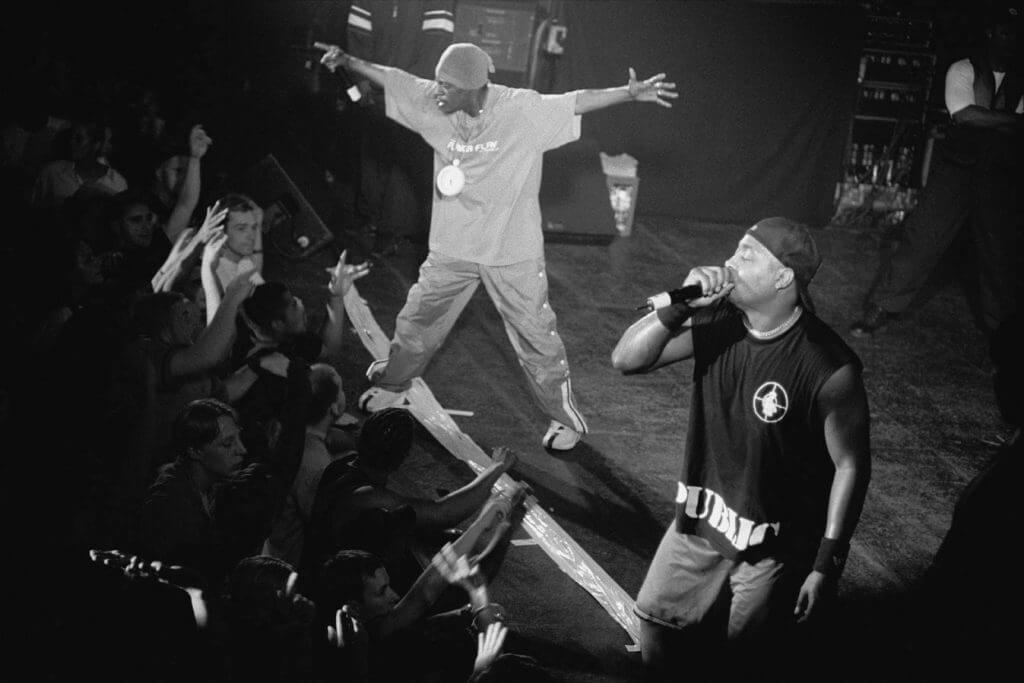
Public Enemy formed in Long Island, New York, in 1985 and hit the world in 1987 with a sound that demanded attention. Their music arrived fully charged, powered by Chuck D’s forceful baritone, Flavor Flav’s chaotic timing, the Bomb Squad’s layered, aggressive production, and Terminator X’s precise turntable work. Their sound was built from sirens, distorted funk loops, chopped soul samples, and drums that hit with no hesitation. Every track feels engineered for confrontation, conviction, and clarity.
From the beginning, their albums came loaded with urgency. The beats are dense and tightly packed—basslines run beneath screeching horns, record scratches jab through the mix, and samples from James Brown, jazz cuts, or obscure spoken-word clips give each track its own texture. The production never fades into the background. Chuck D delivers each verse like a speech, clipped and sharp, while Flavor Flav throws in offbeat energy that breaks the tension without softening it. Their music doesn’t drift. It moves with purpose.
Each record plays like a broadcast, wired into a political frequency that cuts through the noise. Public Enemy speaks from the ground up, grounded in the Black Power ethos, and zeroed in on the structures that control the narrative—mainstream media, systemic racism, cultural erasure. The sound is militant and sometimes chaotic, but always organized. Songs like “Bring the Noise” hit like a siren, while the quieter moments, like the chilling piano loop in “Black Steel in the Hour of Chaos,” stay locked into a rhythm that carries tension all the way through.. The structure is tight. Verses land one after another, choruses repeat like slogans, and interludes snap in to keep the message rolling.
Public Enemy’s catalog covers decades, from the stripped-down aggression of Yo! Bum Rush the Show to the layered intensity of It Takes a Nation of Millions to Hold Us Back, the expansive Fear of a Black Planet, and the precise impact of Apocalypse 91… The Enemy Strikes Black. Later records shift in texture and tone, but the mission stays the same. Each album is built with care, volume, and vision.
This group didn’t fade into the background or rest on old records. They still tour across the globe, bringing the same energy that made their early shows feel like rallies. The sound hits just as hard in front of festival crowds as it did in small clubs. Chuck D still delivers with command. Flavor Flav still throws sparks. Public Enemy’s music hasn’t slowed down—it’s kept moving, loud and clear.
This ranking looks at the full arc of their studio albums. The focus is on the sound, the mood, and the structure that made each release its own force. From 1987 to the present, Public Enemy has kept the pressure on. These records speak in full volume.

18. Revolverlution (2002)

Public Enemy’s 2002 release mixes new tracks, live cuts, and remixes, reflecting digital music’s rise, but its scattershot structure muddles the impact. Production varies from funk-heavy “Gotta Give the Peeps What They Need,” with thumping bass and crisp scratches, to the abrasive “Son of a Bush,” driven by jagged guitars. Live renditions like “Fight the Power” crackle with raw energy, though remixes such as “Shut ‘Em Down” lean toward trip-hop and lose punch.
Things swing from defiant to reflective, tackling post-9/11 tensions and political corruption. Chuck D’s commanding baritone bites on “Get Your Shit Together,” urging action over booming drums, but Flavor Flav’s sparse presence leaves gaps. Tracks like “Can a Woman Make a Man Lose His Mind?” feel disjointed, diluting focus.
Spanning 21 tracks, the album’s sprawling mix of interviews, PSAs, and fan remixes disrupts flow, despite strong moments like “Revolverlution” and its tight groove. Chuck’s sharp critiques shine, but the hodgepodge presentation—live clips, dated remixes, and brief skits—makes it a lower-tier effort, thrilling in parts yet lacking the cohesion of Public Enemy’s finest work. | 6/10
17. Nothing Is Quick In The Desert (2017)
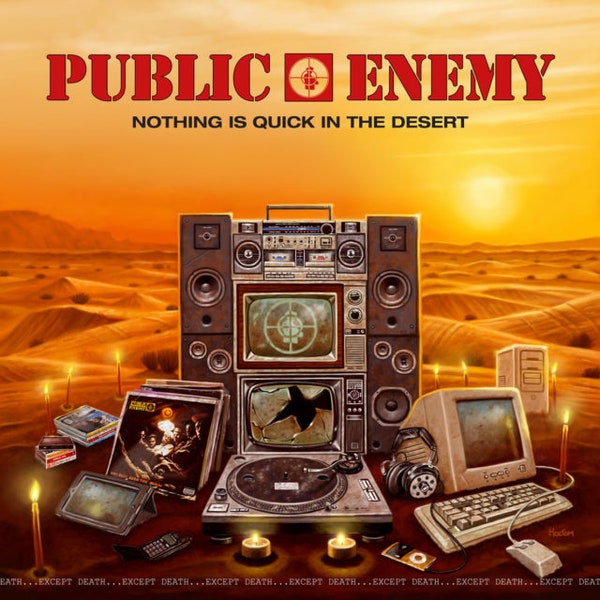
Nothing Is Quick in the Desert was a free Bandcamp drop with flashes of Public Enemy’s classic fire but uneven execution. David “CDOC” Snyder’s production blends abrasive beats with metallic guitars, as seen in “sPEak!,” where thumping horns and sharp scratches complement Chuck’s megaphone delivery. “Smash the Crowd,” featuring Ice-T and PMD, surges with crunchy riffs, though Khari Wynn’s solos often spin aimlessly. “Rest in Beats” closes with soulful samples, honoring fallen heroes over a somber rhythm.
The mood bristles with defiance, targeting corporate media and political stagnation, yet lyrics sometimes stumble into clumsy slogans. “Beat Them All” swings at Trump with blunt jabs over a stuttering beat, but lines like “Sells Like Teens Hear It” lack precision. Flavor Flav’s yelps on “Yesterday Man” add chaotic energy, yet his cultural references feel dated, undercutting the urgency.
The album’s 40-minute structure is tight but disjointed. “So Be It” rambles over a repetitive hook, while “SOC MED Digital Heroin” thumps with gritty bass but drags. Spoken-word snippets add depth, but brief tracks like “Exit Your Mind” disrupt flow. Chuck’s incisive critiques shine, yet Flav’s erratic presence struggles to cohere.
Nothing Is Quick in the Desert is a mid-tier effort, delivering potent moments of Public Enemy’s protest spirit but hampered by inconsistent production and lyrical missteps, falling short of their finest work. | 6/10
16. Man Plans God Laughs (2015)

Public Enemy’s 2015 release delivers a compact, if uneven, dose of their signature Hip Hop activism. Gary G-Wiz’s production blends pummeling breakbeats and funky grooves, but often feels thin. “Man Plans God Laughs” drives with gritty guitar samples and thumping drums, while “Lost in Space Music” bounces with Chuck D and Flavor Flav’s dynamic interplay over crisp scratches. Yet tracks like “Give Peace a Damn” clutter with busy beats, diluting impact.
This is a confrontational listen, tackling corporate greed and racial injustice, but it lacks the precision of their peak work. Chuck’s bars boom on “No Sympathy from the Devil,” railing against systemic tyranny with strained intensity, though the spiritual undertones feel forced. “Honky Talk Rules,” with Sheila Brody’s vocals, reworks The Rolling Stones to critique colonialism, but its execution veers hokey. Flav’s cheerleading adds energy, yet his ad-libs sometimes overshadow the message.
Clocking in at 27 minutes with 11 tracks, the album’s brevity keeps it focused but feels more like an EP. “Mine Again” delivers sharp African pride over a sparse beat, while “Corplantationopoly” thumps with twitchy funk, though its critique grows heavy-handed. The structure flows but lacks cohesion, with some tracks, like “Earthizen,” sputtering on weak hooks.
Man Plans God Laughs is a spirited effort with flashes of Public Enemy’s fire, but flimsy production and inconsistent messaging place it mid-tier, short of their classic intensity. | 6.5/10
15. The Evil Empire Of Everything (2012)

Released three months after Most of My Heroes Still Don’t Appear On No Stamp and serving as a companion set, The Evil Empire of Everything delivers a familiar blend of soulful Hip Hop and social critique, but it lands in P.E.’s mid-tier catalog. Gary G-Wiz, Johnny Juice, and Professor Griff’s production mixes funky grooves with sparse beats, like the Stax-inspired “…Everything,” where Chuck D grapples with race over smooth horns. “Beyond Trayvon” hits hard with its somber piano and raw verses on Trayvon Martin’s death, yet feels heavy-handed at times. “31 Flavors” bounces with Flavor Flav’s lively go-go rhythm, though his antics occasionally overshadow the message.
The Evil Empire Of Everything aims for urgency but often settles into predictability, leaning on well-trodden themes of systemic injustice. “Riotstarted,” with Tom Morello’s guitars and Henry Rollins’ shouts, crackles with energy but verges on caricature. “Don’t Give Up the Fight” reworks Bob Marley’s groove with Ziggy Marley’s vocals, yet lacks the spark to elevate it beyond homage. The album’s intensity feels forced in places, missing the nuanced fire of their classics.
Spanning 13 tracks, the structure is cohesive but uneven. “Notice” drives with tight funk, while “Say It Like It Really Is” drags with overlong verses. Interludes like “Spit Your Mind” add depth but disrupt flow. Chuck’s lyrics confront corporate greed, yet some, like “Fame,” feel repetitive. Flav’s charisma lifts weaker moments, but not enough to push the record higher.
The Evil Empire of Everything is a decent effort with strong moments, but its formulaic approach and inconsistent execution keep it from Public Enemy’s top ranks. | 6.5/10
14. Greatest Misses (1992)

Greatest Misses offers a disjointed mix of new tracks and remixes that struggles to cohere. The Bomb Squad’s production delivers dense, funky layers on “Hazy Shade of Criminal,” with pounding drums and vocal samples amplifying Chuck’s sharp critique of systemic injustice. “Hit Da Road Jack” grooves with gritty bass, but “Gett Off My Back” falters, Flavor Flav’s P-Funk-infused rhymes feeling repetitive and strained.
The album confronts racial and media issues, yet its energy wanes. “Tie Goes to the Runner” drives with urgent horns, but remixes like “You’re Gonna Get Yours” and “How to Kill a Radio Consultant” dilute the originals’ power with lackluster tweaks. Flav’s playful delivery adds spark, but his limited presence leaves gaps.
With 12 tracks split between six new songs and six remixes, the structure feels like a half-finished project. “Air Hoodlum” bounces with a basketball-inspired beat, but talk-show snippets disrupt flow. The live “Shut Em Down” crackles despite rough audio. Greatest Misses is a middling Public Enemy effort, with flashes of brilliance in its new cuts but dragged down by weak remixes and a lack of focus, falling short of their revolutionary peak. | 6.5/10
13. New Whirl Odor (2005)

Public Enemy’s New Whirl Odor delivers a punchy, if uneven, blast of their signature Hip Hop intensity. Producers Johnny Juice and Abnormal craft a sound that leans on gritty beats and sharp samples, echoing the group’s early fire without matching its complexity. “Bring That Beat Back” thumps with chunky funk and head-nodding drums, while “Superman’s Black in the Building” sprawls over 12 minutes, blending rapid-fire rhymes with a slower, poetic close.
The album’s vibe is urgent and confrontational, driven by Chuck D’s commanding voice. His rhymes in “Preachin’ to the Quiet” boom over a relentless beat, calling out media manipulation with razor-sharp clarity. The tone pushes for awakening, tackling hypocrisy and systemic neglect with conviction, even if it lacks the spark of Public Enemy’s peak.
Across 15 tracks, New Whirl Odor keeps a steady flow, opening with Al Sharpton’s fiery intro. “MKLVFKWR” slams with chaotic energy, while “Revolution” builds on a funky bassline, maintaining momentum. The structure varies pace effectively, though some tracks, like “New Whirl Odor,” feel repetitive. Lyrically, Chuck targets societal complacency, from poverty in “Superman’s Black in the Building” to media distortion in “Makes You Blind.”
New Whirl Odor is a solid Public Enemy effort, far from their finest but stronger than critics often claim. Its bold beats and incisive rhymes carry the group’s revolutionary spirit, delivering a reliable, if not groundbreaking, addition to their legacy. | 7/10
12. Rebirth Of A Nation (with Paris) (2006)

Rebirth of a Nation, a collaboration between Public Enemy and Paris, blasts with old-school Hip Hop energy, rooted in gritty, socially charged beats. Paris’ production delivers a lean, 1990s-inspired sound, blending heavy basslines and sharp samples. “Raw Shit” opens with booming drums and serrated synths, featuring Paris and MC Ren, while “Hard Truth Soldiers” rattles with trunk-shaking percussion alongside Dead Prez and The Conscious Daughters. “Hannibal Lecture” pounds with stark bass, amplifying Paris’ fiery verses.
The album pulses with resistance. Chuck D’s intensity drives “Can’t Hold Us Back,” joined by Dead Prez and Kam, railing against systemic oppression over a relentless beat. Flavor Flav’s “They Call Me Flavor” injects zany energy, its funky groove and playful rhymes offering a brief breather. “Plastic Nation” seethes with disdain for superficiality, backed by a sparse, thumping rhythm.
From start to finish, the record maintains a cohesive flow. “Rise” layers sonic bursts and vocal samples, echoing Public Enemy’s classic intensity, while “Invisible Man” slows for introspective bars over a pulsing bassline. “Field Nigga Boogie (XLR8R Remix)” closes with Immortal Technique’s gritty verse and funk-driven beats. The structure balances posse cuts with solo tracks, maintaining a dynamic energy.
Paris’ lyrics, penned for most tracks, tackle war, racism, and cultural decay, with “Hell No We Ain’t All Right!” addressing post-Katrina neglect. Rebirth of a Nation is a bold, engaging effort, its tight production and fiery performances proving Public Enemy’s enduring vitality, revitalized by Paris’ militant vision. | 7/10
11. What You Gonna Do When The Grid Goes Down? (2020)
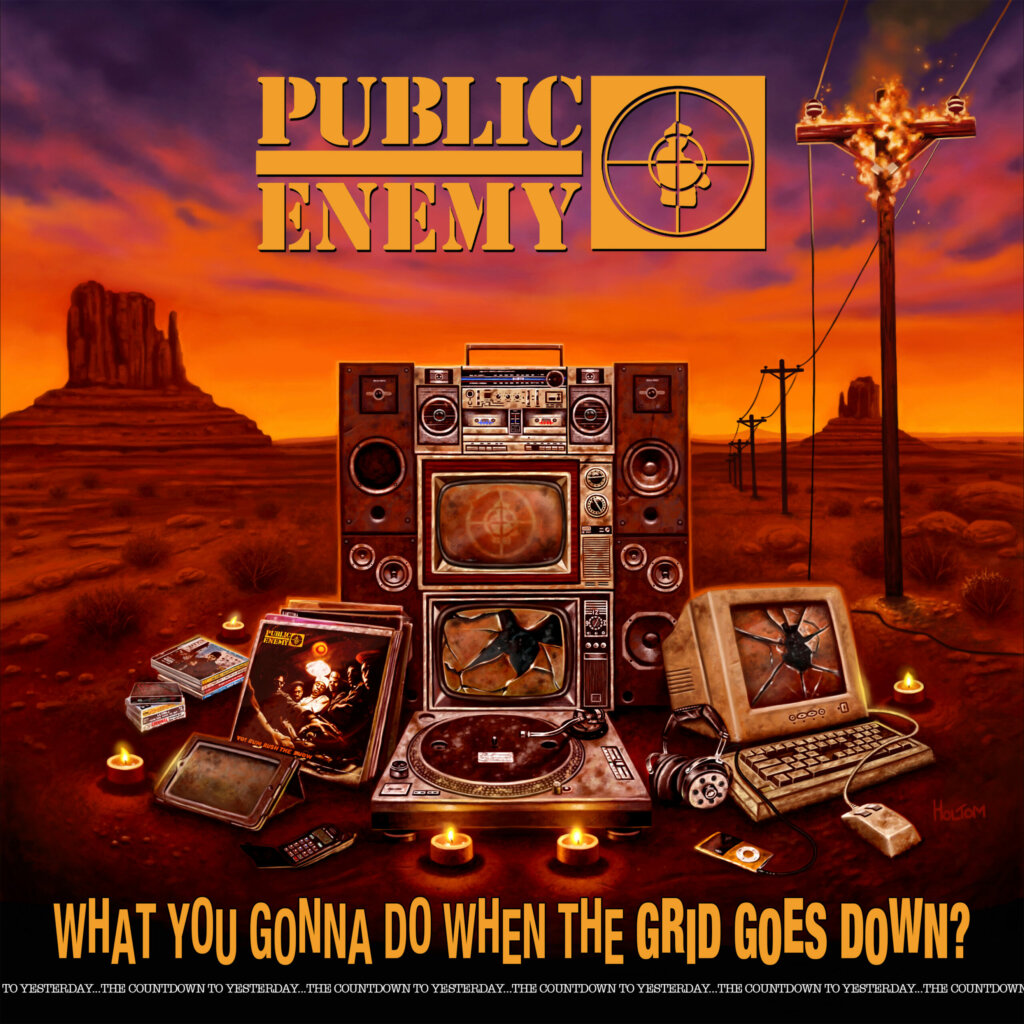
What You Gonna Do When The Grid Goes Down? crackles with Public Enemy’s fierce energy, a return to Def Jam fueled by 2020’s chaos. Production blends classic funk and soul with modern grit, as in “State Of The Union (STFU),” where DJ Premier’s eerie beat and pounding drums amplify Chuck D’s biting anti-Trump rhymes. “Fight The Power: Remix 2020” pulses with squelching bass, featuring Nas, Rapsody, and Black Thought, its urgency matching the original’s fire.
The album’s mood is defiant yet reflective, confronting systemic injustice with precision. On “Public Enemy Number Won,” Chuck and Flav are joined by Mike D, Ad-Rock, and Run-DMC, over a reimagined “Public Enemy No. 1” beat, blending nostalgia with fresh vigor. Flavor Flav’s lively delivery on “Rest In Beats” honors fallen peers, backed by soulful samples and steady percussion. The tone urges resistance while acknowledging time’s weight.
Spanning 17 tracks, the record weaves new cuts with revamped 2017 Nothing is Quick In The Desert songs, maintaining cohesion. “GRID” grooves with psychedelic funk, featuring Cypress Hill and George Clinton, while “Go At It” surges with Hip Hop/rock crossover energy and frazzled guitars. “Yesterday Man” slows for introspective bars over distorted riffs, balancing the album’s pace. Interludes like “Closing: I Am Black” add thematic depth.
Chuck’s lyrics tackle police brutality and political corruption, with “State Of The Union (STFU)” delivering razor-sharp critiques. Flav’s chaotic energy keeps things dynamic. What You Gonna Do When The Grid Goes Down? is a powerful record, proving Public Enemy’s enduring ability to confront the moment with unrelenting force. | 7/10
10. Most of My Heroes Still Don't Appear On No Stamp (2012)
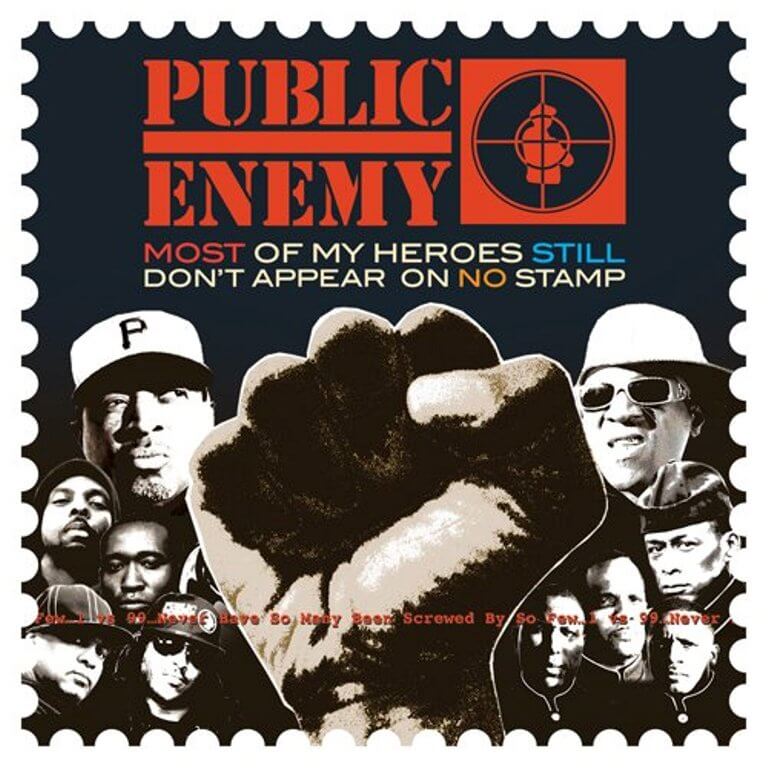
Most of My Heroes Still Don’t Appear On No Stamp unleashes a fierce sonic assault, blending gritty beats with sharp social commentary. Produced by Gary G-Wiz and others, the album delivers a lean, hard-hitting sound. “Run Til It’s Dark” opens with freight-train drums and screeching guitar riffs, while “Get Up Stand Up” pulses with funky brass and pounding percussion, amplified by Brother Ali’s rapid-fire verse. “I Shall Not Be Moved” thumps with a relentless bassline, Chuck D’s flow driving its defiant energy. The production is spare yet forceful, echoing the J.B.’s groove with bursts of white noise and turntable scratches.
The album radiates urgency and rebellion, the content charged with a call to action. Chuck D slices through “Catch The Thrown,” joined by Cormega and Large Professor, railing against elitism over a driving beat. Flavor Flav’s “Most of My Heroes Still…” adds a playful edge, its Z-Trip-produced funk groove lifting the track’s nod to unsung heroes. “Truth Decay” carries a somber weight, Chuck’s incisive rhymes decrying lies over a minimalist drum loop. The album bristles with defiance, urging listeners to challenge systemic inequities.
“Hoover Music” blends buzz-saw guitars with slamming beats, creating a raw, rap-rock intensity. “FassFood” races with frenetic energy, its chaotic percussion matching Chuck’s rapid delivery. Interludes like “…Don’t Appear On No Stamp (Part I)” weave spoken-word tributes to figures like Angela Davis, grounding the album’s narrative. The structure balances high-octane anthems with reflective moments, keeping the pace varied yet cohesive.
Chuck’s lyrics confront corporate greed and societal neglect, name-checking heroes like Che Guevara in “WTF?” while “Get It In” with Bumpy Knuckles pushes for resistance. Most of My Heroes Still Don’t Appear On No Stamp is a vibrant, potent call to arms, its lean production and fiery verses proving Public Enemy’s enduring power to provoke and inspire. | 7/10
9. Black Sky Over the Projects: Apartment 2025 (2025)

A surprise drop via Flavor Flav Records, Black Sky Over The Projects: Apartment 2025 lands with gritty urgency. C-Doc and others deliver dense, analog-heavy production, weaving distorted guitars and tape hiss into tight grooves. “Siick” opens with serrated riffs and booming drums, Chuck D addressing political decay. “Confusion (Here Come the Drums)” pulses with live drums and scratched samples, Flav’s chaotic energy balancing Chuck’s precision.
Black Sky Over The Projects: Apartment 2025 is intense, blending defiance with sharp clarity. “What Eye Said” races with throwback vigor, its chopped loops and static bursts amplifying Chuck’s call to wield language with purpose. “Cmon Get End” swings funkier, Flav’s erratic flow bouncing over rubbery bass and cracked snares. “Evil Way,” produced by Chuck, leans into rock textures—crashing cymbals, thick distortion—while tackling corruption with calm force.
Things flows tightly, each verse landing with intent. “Fools Fools Fools (Dirty Drums Mixx)” shines with Tré Cool’s live drums, Chuck dissecting digital lies over a clean mix. “Public Enemy Comin Throoooo” crackles with Flav’s hype and Chuck’s surgical bars, asserting their legacy. “Ageism” loops a gritty funk groove, addressing industry neglect, while “March Madness” closes with Flav’s ragged rant on gun violence, its distorted loop and staggered beats leaving unresolved tension.
Chuck’s lyrics confront media manipulation and societal erosion, every line direct and weighty. Flav’s unpredictable energy keeps things dynamic. Black Sky Over The Projects: Apartment 2025 is a strong, focused late-career highlight, proving Public Enemy’s vital voice endures, delivering Hip Hop that demands attention. | 7.5/10
8. There's A Poison Goin' On (1999)
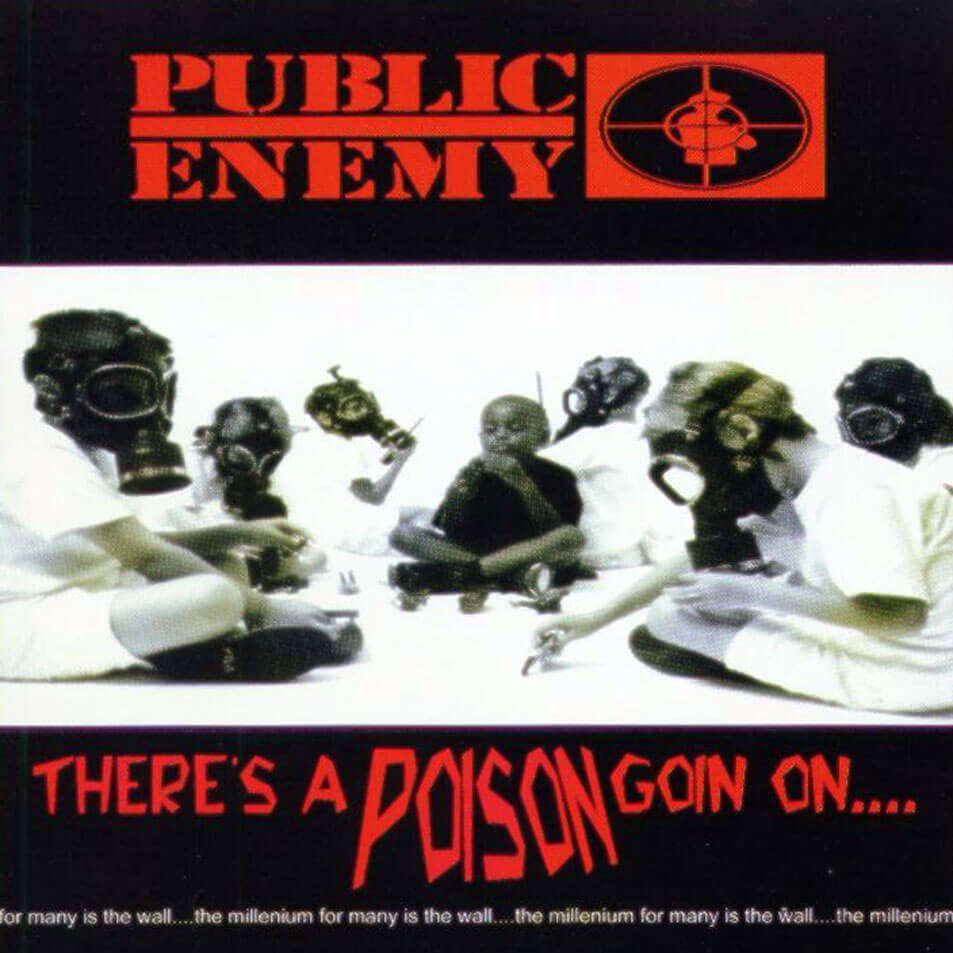
There’s a Poison Goin’ On hits with a sharp, defiant sound, reigniting Public Enemy’s revolutionary fire. The Bomb Squad and others craft sparse, punchy beats, trading dense layers for focused intensity. “Do You Wanna Go Our Way???” roars with heavy guitars and slamming drums, while “Crayola” explodes with vibrant funk loops and turntable scratches. “World Tour Sessions” blends smooth R&B grooves with steady percussion, creating space for Chuck D’s commanding delivery.
The mood crackles with urgency and rebellion. “Here I Go,” tears into commercialized Hip Hop over a jagged, relentless beat. Flavor Flav’s “What What” injects playful energy, its self-produced funk groove bouncing with quirky hooks. “Swindlers’ Lust” seethes with disdain for industry greed, underscored by chilling horn blasts. The album pushes listeners to confront cultural erosion with unyielding clarity.
“41:19” pulses with raw drums and vocal samples, while “Crash” surges with a driving bassline. “First the Sheep Next the Shepherd?” amplifies Chuck’s critique of conformity with eerie horns. Brief interludes like “Dark Side of the Wall: 2000” add context without disrupting momentum. The structure balances aggression with precision, keeping every moment purposeful.
Chuck’s lyrics tackle media distortion and corporate exploitation, while Flav’s levity prevents the tone from turning heavy-handed. There’s a Poison Goin’ On is a potent, focused return, its lean production and incisive verses delivering Public Enemy’s signature intensity, proving their voice remains vital and uncompromising. | 7.5/10
7. How You Sell Soul to a Soulless People Who Sold Their Soul? (2007)
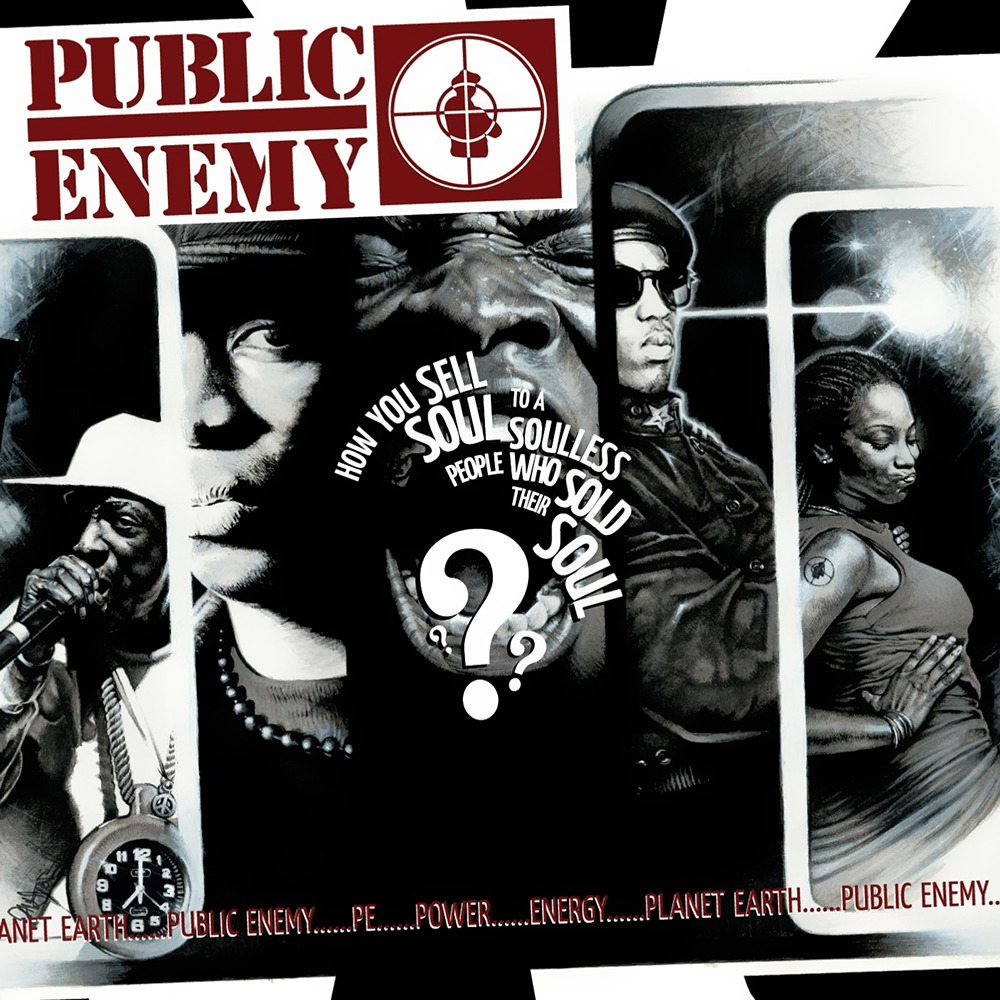
The sound of How You Sell Soul to a Soulless People Who Sold Their Soul? hits with unrelenting force, blending classic Hip Hop grit with fresh energy. Gary G-Wiz’s production delivers a dynamic mix, from the searing metal riffs of “Black Is Back” to the soulful Commodores loop in “Escapism.” “Harder Than You Think,” one of Public Enemy’s greatest tracks, anchors the album with its crisp horn stabs and pounding drums, evoking their early anthems while soaring as a timeless call to resistance. “Sex, Drugs & Violence,” featuring KRS-One, thumps with raw percussion, amplifying its fierce critique.
“Can You Hear Me Now” slaps with sharp rhymes over a heavy bassline, targeting consumer culture’s grip. Flavor Flav’s “Flavor Man” and “Col-Leepin” inject playful energy, their quirky hooks and upbeat tempos offering a counterpoint to the intensity. “Bridge of Pain” reveals Flav’s serious side, its somber beat reflecting his personal struggles. The album burns with defiance, urging action while grappling with societal decay.
The album’s 19 tracks are sequenced into cohesive arcs, with newsreel interludes like “Radiation of a Radiotvmovie Nation” adding thematic weight. “Frankenstar” grooves with funky grit, while “Eve of Destruction” slows to a haunting cover of Barry McGuire’s classic. “The Enemy Battle Hymn of the Public” builds with layered synths, keeping the pace dynamic.
Lyrically, the album confronts materialism and complicity, with “The Long & Whining Road” weaving Public Enemy’s history into a reflective groove. “Harder Than You Think” stands out, its anthemic power demanding accountability. How You Sell Soul to a Soulless People Who Sold Their Soul? signified a vibrant return, its tight production and searing delivery proving Public Enemy’s revolutionary fire still blazed, making it a compelling listen that echoes their legacy. | 7.5/10
6. Muse Sick-n-Hour Mess Age (1994)

Muse Sick-n-Hour Mess Age surges with a bold, intricate sound that grabs you by the collar. The Bomb Squad, steered by Gary G-Wiz and Carl Ryder here, delivers a dense production packed with funky guitar loops and heavy drums. “Give It Up” kicks with a twangy riff and pulsing bass, crafting an infectious groove that demands movement. “What Kind Of Power We Got?” layers a vibrant, funk-driven beat with Flavor Flav’s lively delivery, while “Bedlam 13:13” weaves eerie choral tones and booming percussion into a gripping, chaotic soundscape. Each track feels alive, stacked with samples like Isaac Hayes’ soulful loop in “Death Of A Carjacka.” The album’s denseness, however, makes it one of Public Enemy’s least accessible works, its layered production sometimes overwhelming, leading to its general underappreciation—though it’s stronger than critics often claim.
There’s urgency and conviction from beginning to end here. Chuck D demands immediate attention on “Whole Lotta Love Goin On In The Middle Of Hell” with sharp critiques of societal decay. His rhymes in “So Whatcha Gone Do Now?” ride a smooth, jazzy beat, delivering pointed commentary on community struggles with fierce clarity. Flavor Flav injects energy, his playful flow in “What Kind Of Power We Got?” balancing Chuck’s intensity with a buoyant edge. The album pulses with a defiant spirit, confronting tough issues while keeping the vibe electric and engaging.
Muse Sick-n-Hour Mess Age is ambitious, sprawling across 21 tracks with a rich, varied flow. “I Stand Accused” grooves with a mid-tempo beat, bolstered by Easy Mo Bee’s co-production, as Chuck tackles betrayal with precision. “Live And Undrugged Pt. 1 & 2” channels classic Public Enemy energy, its rugged drums fueling Chuck’s fiery verses before shifting to a reflective spoken-word close. Interludes like “Harry Allen’s Interactive Super Highway Phone Call To Chuck D” add depth, offering a glimpse into the group’s forward-thinking mindset. Songs like “What Side You On?” build with thumping bass and dynamic drum solos, keeping the momentum alive.
The album dives deep into Black community challenges, from crime in “So Whatcha Gone Do Now?” to historical injustices in “Thin Line Between Law & Rape.” Chuck’s lyrics are razor-sharp, urging accountability while radiating hope, as in the uplifting “What Kind Of Power We Got?” Despite its length and dense production, the album’s vibrant production and passionate delivery hold strong. Muse Sick-n-Hour Mess Age is a powerful, often underappreciated chapter in Public Enemy’s legacy, blending their signature intensity with fresh sonic experiments, delivering a bold, engaging listen that burns with purpose. | 8/10
5. He Got Game (1998)

He Got Game, the soundtrack to Spike Lee’s basketball drama, pulses with a lean, vibrant sound that reignited the group’s fire. The Bomb Squad, joined by producers like Danny Saber and D. R. Period, trades their signature dense chaos for stripped-down, melodic grooves. “He Got Game” anchors the album with a looping Buffalo Springfield’s “For What It’s Worth,” layered with Stephen Stills’ vocals and church-like chorales, creating a soulful, reflective vibe. “Resurrection” drives with menacing synths and a thumping bassline, while “Unstoppable” scratches strings over a relentless beat, featuring KRS-One’s sharp verses. The production feels focused, blending funk samples and austere rhythms with a modern edge.
The vibe on He Got Game is intense yet introspective, weaving defiance with social critique. Chuck D’s lyrics cut deep, with vivid rhymes on “Politics Of The Sneaker Pimps” that skewer corporate exploitation in basketball over a funky, minimalist loop. His verses in “Game Face” boom with authority, painting hoops as a metaphor for struggle, backed by a steady, propulsive beat. Flavor Flav adds playful energy; his buoyant flow in “Shake Your Booty” lightens the album’s weight with a danceable groove. The tone stays urgent, grappling with ambition, betrayal, and redemption in a world where dreams are commodified.
“Is Your God A Dog” builds on a haunting piano and stark drums, letting Chuck’s pointed lyrics on faith and corruption shine. “House Of The Rising Son” erupts with a Who-inspired riff and pounding rhythm, shifting from quiet verses to explosive choruses. Interludes like “Sudden Death” keep the pace brisk with cinematic vocal samples. Tracks like “Super Agent” use simple, repetitive beats to underscore Chuck’s biting commentary on greed, while “Revelation 33 1/3 Revolutions” recalls the group’s classic intensity with layered percussion and vocal chants.
He Got Game uses basketball as a lens to probe systemic issues, from the “slave trade” of pro sports in “Unstoppable” to the hustle of youth in “What You Need Is Jesus.” Chuck’s lyrics are incisive, blending street wisdom with moral clarity. The album’s melodic polish and focused production make it a compelling return, its grooves and messages hitting hard. He Got Game is Public Enemy at a crossroads, crafting a sound that’s accessible yet fierce, a vibrant and too often overlooked P.E. chapter that burns with purpose. | 8/10
4. Apocalypse 91... The Enemy Strikes Black (1991)
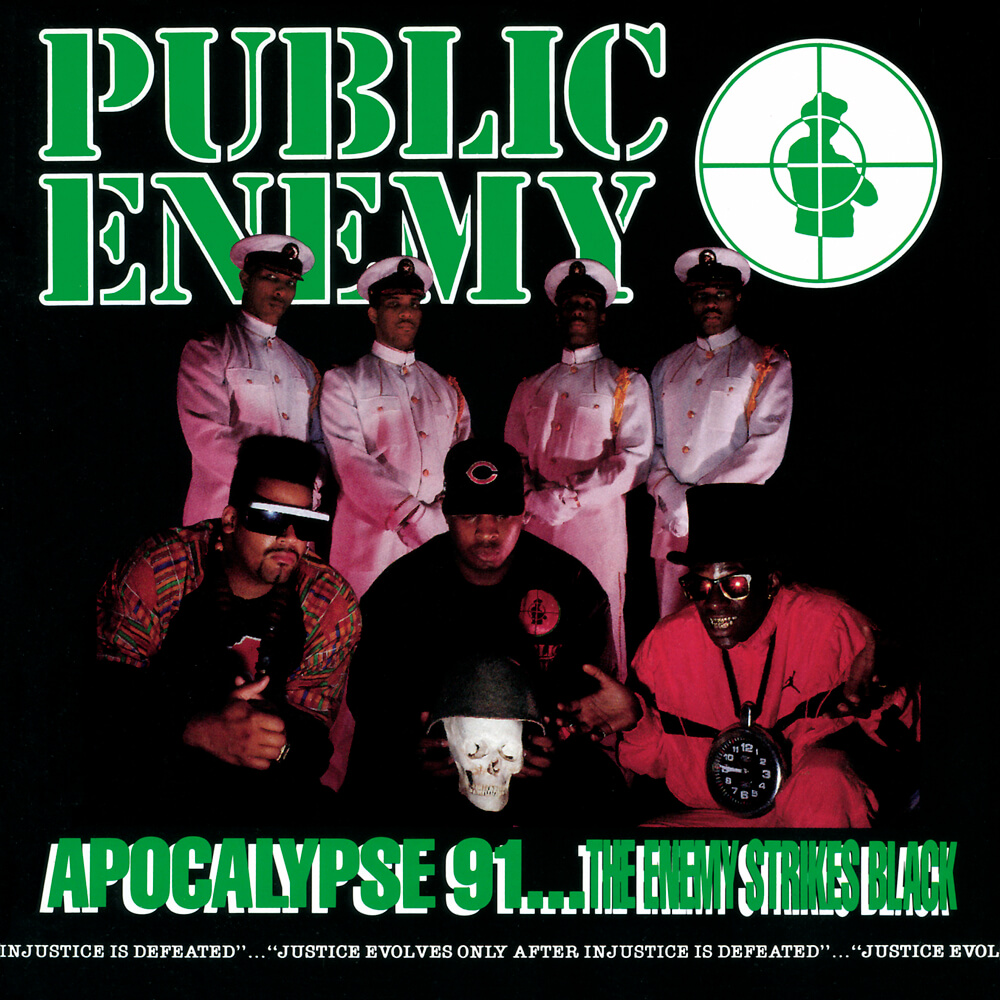
Apocalypse 91… The Enemy Strikes Black lands like a sonic battering ram, its sound sharp, lean, and aggressive. The Bomb Squad, now in an executive role with the Imperial Grand Ministers of Funk handling most production, strips away the dense layers of Fear Of A Black Planet for a tighter, more punishing approach. Tracks like “Can’t Truss It” roar with slamming drums and a squealing horn loop, creating a relentless groove that feels like a chase through city streets. “Lost At Birth” opens with a throbbing bassline and an air-raid siren, its urgency amplified by Terminator X’s jagged scratches. The production is crisp, every sample—from James Brown’s funky riffs in “Nighttrain” to the bluesy guitar lick in “I Don’t Wanna Be Called Yo Niga”—locked into place with precision.
Everything is fierce and focused, charged with a sense of mission. Chuck D cutting through the mix like a blade, his delivery on “1 Million Bottlebags” seething with contempt for liquor stores flooding Black neighborhoods. His rhymes are direct, dissecting systemic issues and community self-destruction with equal clarity. Flavor Flav, the group’s spark of levity, balances the intensity with his playful yet pointed verses. In “I Don’t Wanna Be Called Yo Niga,” his rapid-fire flow over a soulful piano and funk beat demands respect with a mix of humor and defiance. The album feels like a rallying cry, urgent and unyielding, urging listeners to confront both external oppression and internal failures.
Apocalypse 91 is disciplined, with tracks built for impact rather than sprawl. “How To Kill A Radio Consultant” pulses with a driving rhythm and distorted vocal samples, its structure tight as Chuck rails against radio’s neglect of rap. “Nighttrain” shifts between sparse verses and a dense, guitar-heavy chorus, mirroring the song’s critique of betrayal within the community. The album’s pacing is relentless, with brief interludes like the chilling KKK-sampled intro to “A Letter To The N.Y. Post” adding stark context without breaking the momentum. Each song feels purposeful, its production tailored to amplify the message—whether it’s the eerie fiddle in “A Letter” or the chaotic energy of “Move!” with its propulsive bass and shouted refrains.
Thematically, the album turns inward, scrutinizing Black community struggles alongside systemic racism. “Can’t Truss It” recounts the slave trade’s horrors over a menacing beat, while “1 Million Bottlebags” condemns alcoholism’s grip with a pounding rhythm that mirrors its urgency. Even the Anthrax collaboration “Bring The Noise” feels heavy, its thrash-metal guitars clashing with Chuck’s commanding vocals, though it lacks the original’s spark. Despite this, the album’s focus remains razor-sharp, blending social critique with infectious energy.
Apocalypse 91… The Enemy Strikes Black is Public Enemy at their most direct, with production that hits hard and lyrics that cut deep. Its streamlined sound and urgent tone make it a powerful call to action, as relevant now as it was in 1991, driven by Chuck D’s fiery conviction and the group’s unrelenting drive. | 8.5/10
3. Yo! Bum Rush the Show (1987)

Yo! Bum Rush The Show’s sound is raw, aggressive, and unpolished, a blend of booming drums, jagged guitar riffs, and gritty samples that feel like they’re scraped from the streets of Long Island. The Bomb Squad’s production, still in its early stages, leans heavily on funk and soul loops—think Dennis Coffey’s “Getting It On” in “You’re Gonna Get Yours”—but spikes them with abrasive scratches and pounding rhythms. Tracks like “Miuzi Weighs a Ton” hit with thunderous force, built on Melvin Bliss’ “Synthetic Substitution,” where every drum kick feels like a punch to the chest.
The album feels defiant, almost confrontational, with a youthful swagger that pulses through every track. Chuck D’s bars are a commanding force, delivering dense, relentless rhymes with the precision of a drill sergeant. In “Public Enemy No. 1,” his voice cuts through a warped JBs’ “Blow Your Head” loop, spitting intricate verses that brim with bravado. Flavor Flav, the wild card, injects frenetic energy, his ad-libs and verses—like the trash-talking chorus of “Yo! Bum Rush The Show”—adding a layer of chaotic charm. The album feels like a crew storming a club, ready to seize the mic and dominate, as described in the title track’s vivid imagery of rushing the stage.
Structurally, this is a dense, high-energy gauntlet. Songs don’t follow predictable patterns; they shift and surprise. “Raise The Roof” starts with a sparse drum track, then piles on guitar stabs and Terminator X’s dizzying scratches, building into a chaotic call to action. “Timebomb” is a relentless sprint, with Chuck unloading a single, breathless verse over a sped-up Meters sample, the pace mirroring his lyrical urgency. The production is less layered than Public Enemy’s later work, but its rawness gives it a visceral edge. Tracks like “M.P.E.” strip things down, letting Chuck and Flav trade verses over a grinding beat, their chemistry crackling as they bounce off each other.
The album leans heavily on braggadocio, with glimmers of the social consciousness that would define the group’s later work. “Rightstarter (Message to a Black Man)” urges self-education and resistance over a scratch-heavy beat, hinting at Chuck’s revolutionary fire. “Megablast” tackles drug addiction with stark, simultaneous verses from Chuck and Flav, paired with a mournful sample from The Escort’s “All We Need Is Another Chance.”
Yo! Bum Rush The Show is a bold debut. Its raw energy, driven by the Bomb Squad’s gritty production and Chuck D’s commanding presence, carves out a new space in Hip Hop. The album’s intensity and innovative sound—capped by Terminator X’s turntable wizardry in “Terminator X Speaks With His Hands”—make it a gripping listen, a foundation for the seismic impact Public Enemy would soon deliver. | 8.5/10
2. Fear Of A Black Planet (1990)
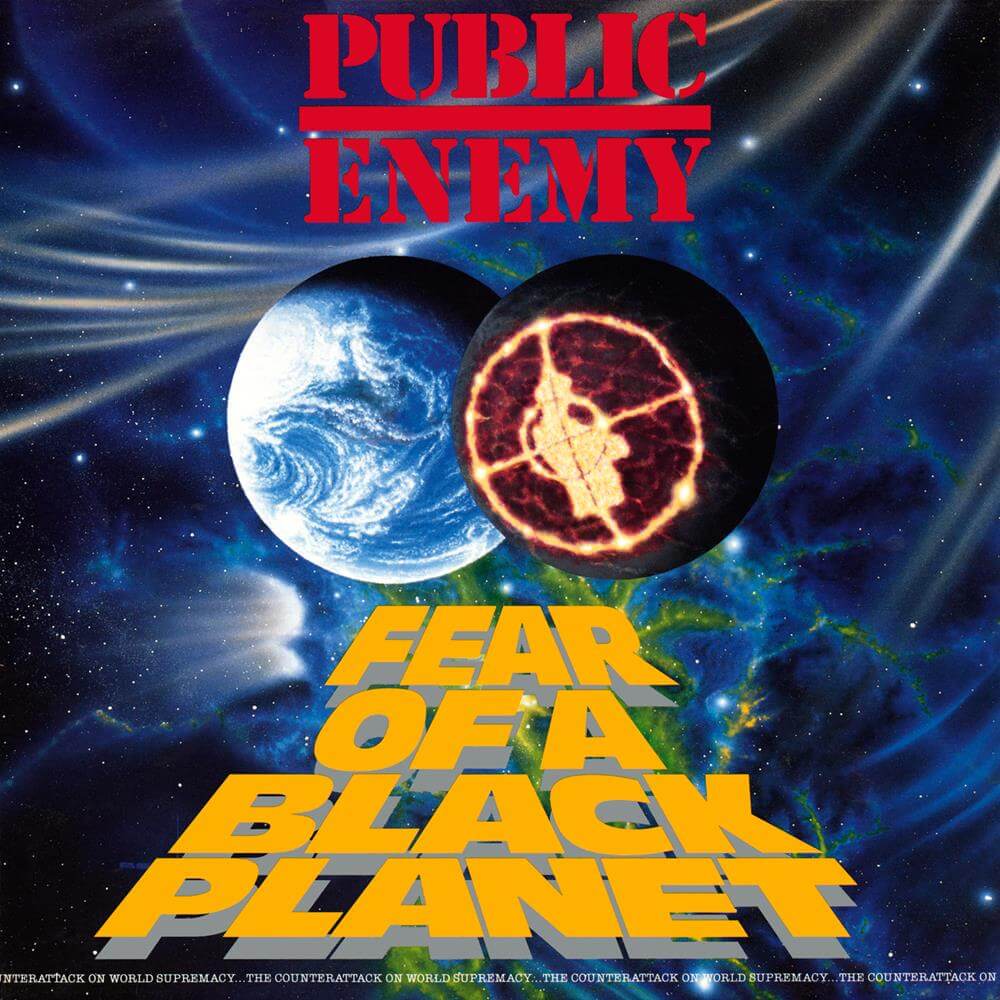
Fear Of A Black Planet is a dense, chaotic, and urgent record, a sonic assault that demands attention. The Bomb Squad’s production builds a wall of noise—layered samples, pounding drums, and screeching scratches that feel like a city on the brink of riot. Tracks like “Fight the Power” pulse with funk-driven basslines and sharp, jagged breaks, weaving over a dozen samples into a groove that’s both relentless and danceable. The music confronts, pulling you into its world of protest and defiance.
The content is electric, teetering between rage and celebration, cutting deep into systemic racism and cultural betrayal. Chuck D is like a battering ram, steady and unyielding, as in “Burn Hollywood Burn,” where he calls out the film industry’s stereotypes with surgical precision. Flavor Flav, often the jester, balances the intensity with biting humor. His solo track “911 Is a Joke” laces its critique of emergency service neglect with a playful cadence, but the anger beneath is unmistakable. The album’s energy swings between these poles—Chuck’s righteous fury and Flav’s sly wit—creating a dynamic that keeps you hooked.
Fear Of A Black Planet is a masterclass in controlled chaos. The Bomb Squad treats each song like a collage, stitching together fragments of funk, soul, and even stray bits like news clips or radio static. “Contract on the World Love Jam” sets the tone with a frenetic instrumental, blending distorted voices and pulsing beats into a disorienting opener. Songs like “Pollywannacracka” shift gears mid-track, moving from sparse verses to crowded choruses that explode with sound. This isn’t verse-chorus-verse monotony; the tracks breathe, evolve, and surprise, rewarding repeated listens with new details—a stray horn stab or a buried vocal sample.
The album’s thematic weight is carried by its unflinching focus on racial politics. “Anti-Nigger Machine” accuses media of censorship, its dense production mirroring the suffocating control it describes. “Who Stole the Soul?” digs into cultural theft with a mournful bassline, while “Fear of a Black Planet” tackles interracial relationships over a jittery, funk-inflected beat. Even the controversy-stirring “Welcome to the Terrordome” feels raw, its frantic pace and layered samples reflecting Chuck D’s embattled mindset amid public backlash. Yet, the music never feels preachy; it’s too alive, too visceral, with Terminator X’s turntable work—like the defiant scratches in “Leave This Off Your F**kin Charts”—adding a rebellious edge.
Fear Of A Black Planet is a product of its time, born in an era when sampling was a wild frontier before legal restrictions tightened. The Bomb Squad’s intricate grooves, built from countless sources, create a sound that’s wholly original yet deeply rooted in Black musical traditions. The album’s power lies in its ability to be both a call to arms and a celebration of resilience, its beats and rhymes as urgent today as they were in 1990. | 9.5/10
1. It Takes A Nation Of Millions To Hold Us Back (1988)
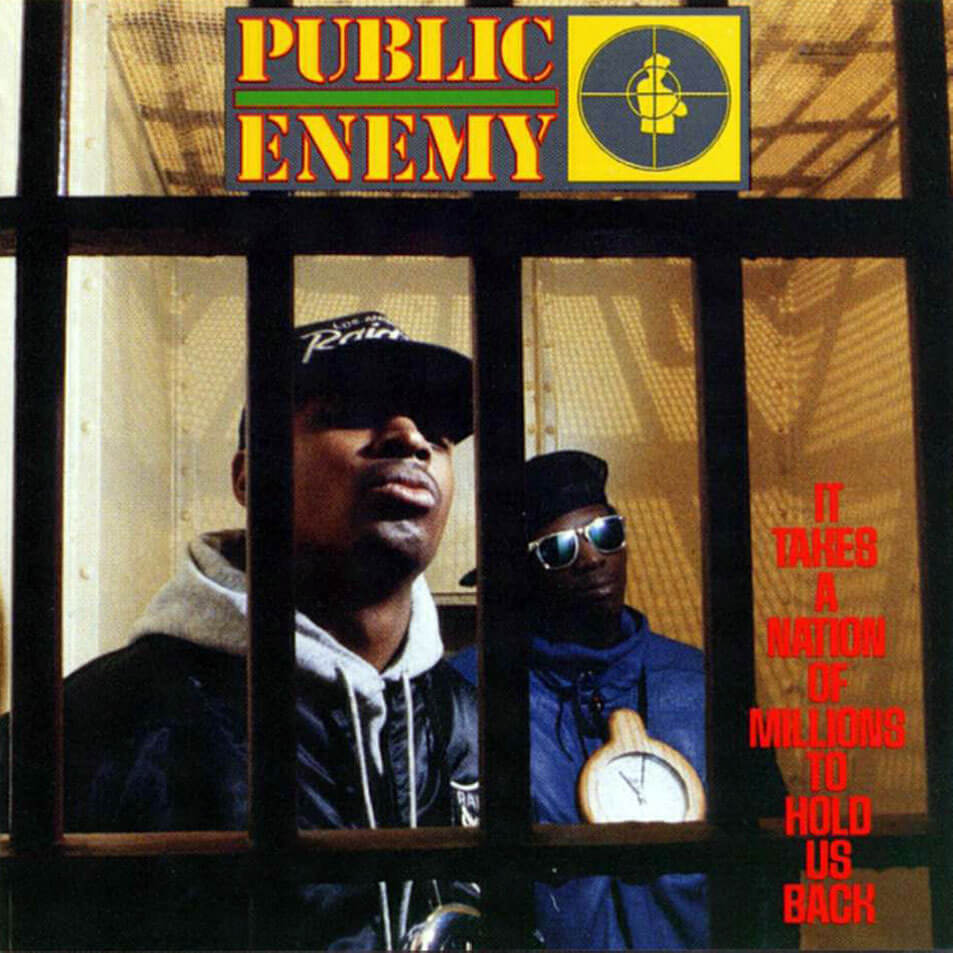
It Takes a Nation of Millions to Hold Us Back is a tightly constructed album with a clear political and cultural direction. The album opens with “Countdown to Armageddon,” a live intro that blends sirens, crowd noise, and words from the S1Ws. There’s no beat—just rising tension. It sets a mood of urgency, as if the listener is stepping into something volatile and deliberate. The energy builds without resolution, ending in a burst that drops directly into “Bring the Noise.”. It follows immediately with rapid percussion, dense layering, and lyrics that assert the group’s identity and purpose. Chuck D delivers lines with force and consistency. Flavor Flav adds contrast with unorthodox timing and vocal style.
The Bomb Squad’s production is based on high-density sampling, sharp cuts, and precise sequencing. Beats and loops are not allowed to drift. The sound is always coordinated, with frequent bursts of vocal samples and sirens that mark transitions or underline key phrases. “Don’t Believe the Hype” exemplifies this structure. The track maintains a tight rhythm while Chuck D addresses misinformation and distorted narratives. The production emphasizes repetition and clarity, reinforcing the song’s message.
“Cold Lampin’ with Flavor” shifts the focus. Flavor Flav takes the lead, moving in short, rhythmically loose phrases. His delivery contrasts with Chuck D’s and serves a distinct function in the album’s pacing. The musical backdrop is consistent with the rest of the record—sample-driven, compressed, and percussive.
“Terminator X to the Edge of Panic” kicks off with a Queen sample that gets chopped and looped into a driving rhythm. The drums snap hard. Chuck D delivers lines at a higher tempo, calling out radio stations, DJs, and control over Black expression in music. Flavor Flav’s voice echoes and twists across the beat, and Terminator X takes the spotlight with a scratch-heavy breakdown that gives the track a raw edge. “Louder Than a Bomb” continues the album’s pattern of structured repetition, with Chuck D delivering sustained critiques of institutional systems. The rhythm section remains tight, and the layering supports the lyrical content without drifting into abstraction.
“Caught, Can We Get a Witness?” plays with repetition and rhythm. The beat is built from James Brown drum breaks and vocal chops that loop quickly. The lyrics hit on sampling laws, creativity, and originality in Hip Hop. Chuck D raps with intensity, and the hook lands hard with each cycle.
“She Watch Channel Zero?!” cuts in with thrash guitar from Slayer, chopped into a harsh rhythm under thick drums. Chuck D’s lyrics aim at media saturation and its influence on identity, maintaining a consistent tone and pace. The musical backing is louder and more distorted here, but the timing remains strict. “Night of the Living Baseheads” returns to a sample-heavy beat. The lyrics address substance use and social conditions, delivered in short, clipped phrases. Vocal samples appear throughout, often repeating words for rhythmic emphasis.
“Black Steel in the Hour of Chaos” slows the pace. A looping Isaac Hayes piano sample runs under Chuck D’s story of prison resistance. The lyrics move through a first-person escape narrative. The drums stay heavy, and Flav’s voice drops in between verses like a distorted radio transmission.
“Rebel Without a Pause” returns to a faster tempo. A high-pitched loop runs through the entire track. Chuck D raps in full-length verses without significant pause, maintaining intensity. Flavor Flav interjects briefly at intervals. “Prophets of Rage” and “Party for Your Right to Fight” maintain this energy. They rely on repeated phrases, sampled voices, and high-density percussion. The lyrics remain focused on direct commentary, using consistent phrasing and vocal force.
The sequencing of the album is intentional. Each track follows from the last without breaking the overall pace or tone. The group presents its ideas without deviation or dilution. The production holds everything in place, using repetition and density to keep the energy constant.
It Takes a Nation of Millions to Hold Us Back is one of the best albums of all time, in any genre. It meets its goals in full and leaves no space unaccounted for. | 10/10