
In August 1995, OutKast walked onstage at the Source Awards in New York to collect the trophy for Best New Rap Group, and the crowd booed them. André answered with the line that would follow the South for the next decade: the South got something to say. That moment captures the year better than any sales chart. New York still held the center of Hip Hop, but the music was coming from everywhere, and the old hierarchy was losing its grip.
On the East Coast, the Wu-Tang Clan’s solo campaign hit full stride. Raekwon’s Only Built 4 Cuban Linx… turned RZA’s dusty soul loops and film dialogue into a crime saga told in slang so dense it needed decoding. GZA’s Liquid Swords went colder and slower, built on chess metaphors and kung-fu samples, while Ol’ Dirty Bastard’s Return to the 36 Chambers sounded like a man making it up as he went, brilliantly. Mobb Deep’s The Infamous reduced Queensbridge to hollow piano figures and Prodigy’s flat, menacing calm. Below the radar, Big L, Smif-N-Wessun, Show & A.G. and AZ kept the underground sharp and lyrical, and 2Pac released Me Against the World from a prison cell, the most inward-looking record of his career.
The South answered with weight of its own. Goodie Mob’s Soul Food set Organized Noize’s warm, churchy grooves under songs about poverty and faith in Atlanta. Eightball & MJG slowed Memphis storytelling to a lean, and Three 6 Mafia’s Mystic Stylez turned the same city’s tape culture into something murky and occult. Out West, DJ Quik polished G-funk on Safe + Sound, E-40 brought Vallejo’s elastic slang to a national audience, and The Pharcyde traded skits for melancholy on Labcabincalifornia, with a young Jay Dee behind the boards. In Philadelphia, The Roots proved a live band could hold its own against the sampler.
Around the music, the industry darkened. Eazy-E died in March. Bad Boy ruled radio with glossy hits, Death Row signed 2Pac after his release in October, and the hostility on display at the Source Awards hardened into a coastal feud with real consequences.
Ranking forty albums from 1995 means setting a Staten Island crime opera next to a Memphis horror tape and a Bay Area slang manual. We tried to honor that range. What follows is a year when every region found its own accent and refused to drop it.
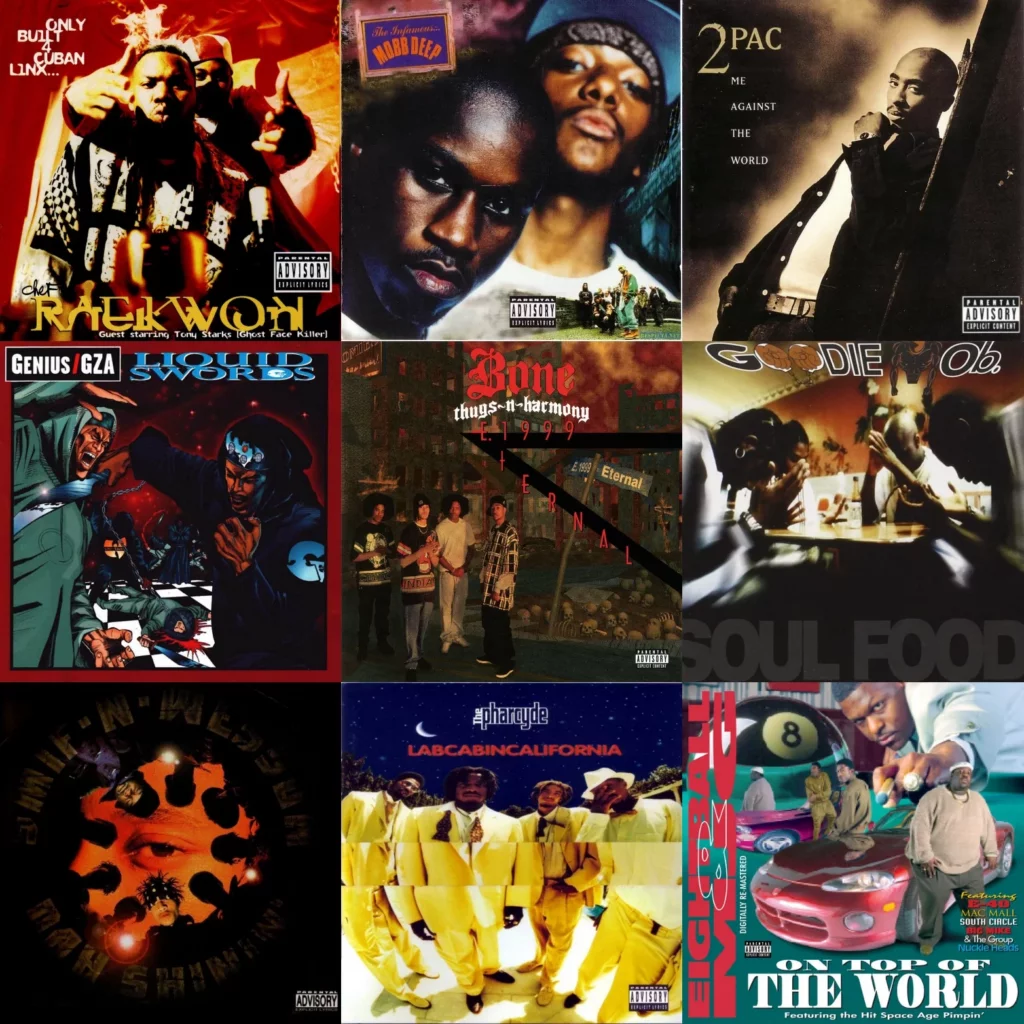
1. Raekwon - Only Built 4 Cuban Linx...

The slang came first. On Only Built 4 Cuban Linx…, Raekwon talked in a private code of Staten Island street talk, Five Percent lessons and luxury brand names, and dared listeners to keep up. Kool G Rap had laid the groundwork for mafioso rap, but nobody had built a whole album around it with this much detail. The record was loosely set up as a film: Raekwon as the star, Ghostface Killah as the co-star and RZA as the director. Every Clan member turns up somewhere, so this is as much a group effort as a solo debut.
The partnership at the center drives everything. Raekwon raps low and unhurried, slurring his syllables together like a man explaining a deal he has already closed. Ghostface comes in higher and more urgent, his verses jumping between images as if he is telling the story while it happens. On “Criminology” they pass the mic back and forth at speed over a tense string loop, and the contrast makes each of them sharper. “Rainy Dayz” slows the pace, with Blue Raspberry’s wordless vocals floating over a gloomy groove while the two MCs turn reflective.
RZA’s production carries the cinematic idea. He favors orchestral samples, minor-key piano and dusty soul, and he lets loops run until they turn hypnotic. “Incarcerated Scarfaces” rides a stark, repeating figure that leaves room for Raekwon’s most quotable verse. “Ice Cream” brings in Method Man and Cappadonna for a lighter, flirtatious detour over a mellow sample, and the album breathes because of it. The skits and film dialogue between songs, usually filler on Hip Hop records of the era, here hold the plot together.
Two posse cuts show how far the cast reached. “Verbal Intercourse” put Nas on a Wu-Tang record, the first outsider to get a verse on a Clan project, and he delivers one of his best of the decade. “Wu-Gambinos” goes the other way, a family meeting where the members take on mob aliases and trade verses like crew members reporting in.
For all its gangster fantasy, the album rarely celebrates. Raekwon writes about betrayal, paranoia, and the cost of the life, and “Heaven & Hell” weighs that cost openly. It is a crime story told by someone who knows how these stories end, which is why the purple tape still sounds like the blueprint every later mafioso record had to answer to.
2. Mobb Deep - The Infamous

Prodigy was barely out of his teens when he wrote the verse that opens “Shook Ones Pt. II”, and he used that fact against the listener: young in years, he claims, but old in the head, with a heart that turns cold when it counts. That line sets the terms for The Infamous. Nobody here is a kid, and nobody is safe.
The jump from Juvenile Hell is startling. On their debut, Mobb Deep sounded like any number of hungry New York acts. Two years later, on their second album, Havoc and Prodigy had a sound nobody else owned. Havoc’s production strips Queensbridge down to its bones: warped piano figures, murky samples, voices drifting in from somewhere off-mic, and drums that land with a dull, heavy thud instead of a crack. The warped keys on “Shook Ones Pt. II” hang in the air like a threat, and “Survival of the Fittest” works the same narrow register, cold and patient.
Prodigy is the album’s voice. He raps in a level, almost bored tone, and that calm makes the violence in his lines more disturbing than any amount of shouting would. Havoc is rougher around the edges, a steady second voice who keeps the pressure on. Their chemistry shows on “Drop A Gem On ’Em”, where the threats come measured and deliberate, and on “Party Over”, which turns a night out into a list of reasons to watch the door. “Temperature’s Rising” breaks the pattern, following a friend on the run with a tenderness the rest of the record denies itself.
The guests step into Mobb Deep’s world on Mobb Deep’s terms. Nas and Raekwon join the duo on “Eye for an Eye (Your Beef Is Mines)”, a four-man posse cut that holds its menace from first bar to last. Ghostface Killah and Raekwon bring their Staten Island energy to “Right Back at You”, and the Queensbridge pair never lose control of their own album.
That density divides listeners. Some hear an all-time top ten record; others find it too dark and airless to return to. We understand the second camp, but the claustrophobia is the point. The Infamous is the sound of a neighborhood where every corner has eyes, recorded by two young men who had stopped expecting it to change.
5. 2Pac - Me Against The World
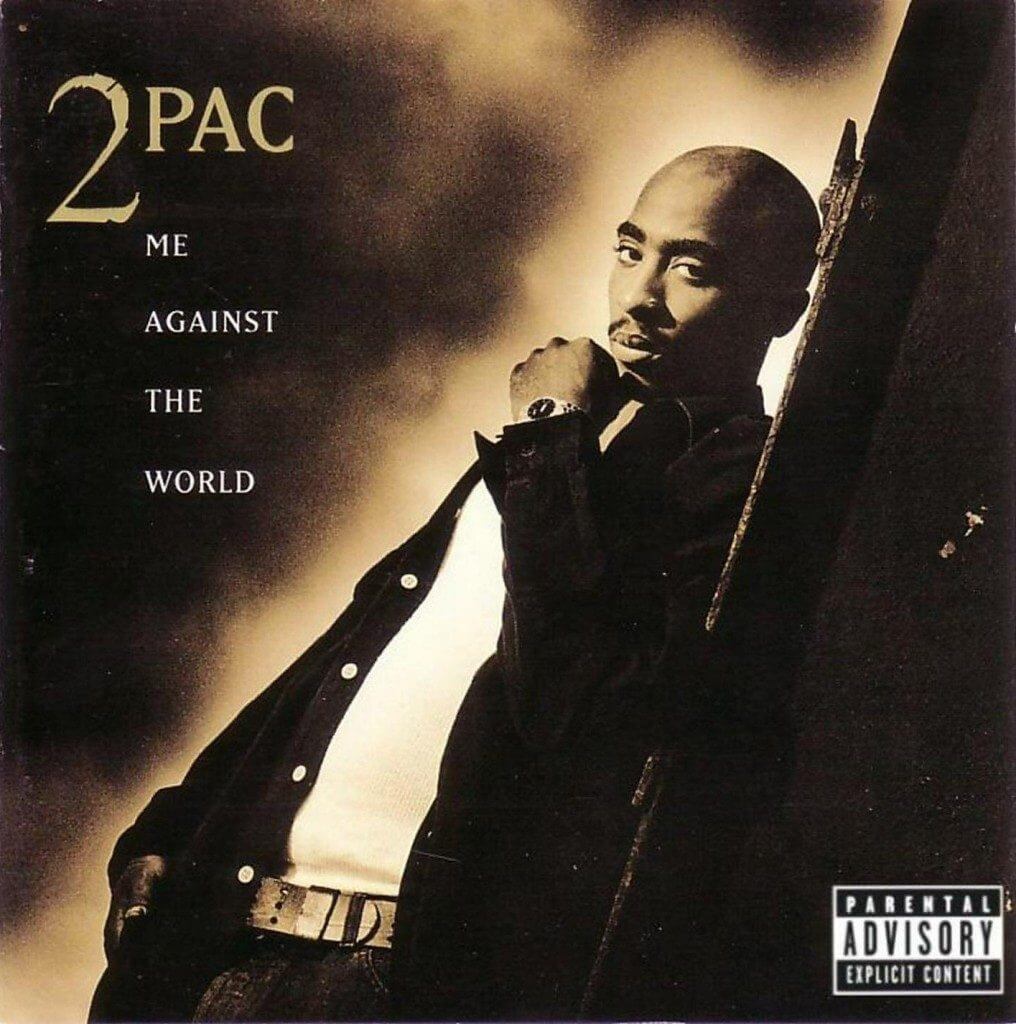
All Eyez On Me has the bigger reputation, but this is 2Pac’s best album. All Eyez On Me sprawls across two discs of Death Row excess; Me Against The World is tighter, better balanced and far more honest. On his third album, Pac had not fully disappeared into the thug persona that would swallow his final year, and the record is stronger for every contradiction he leaves in.
It arrived while he was behind bars, and it sounds like the work of a man who expected the worst. The intro stitches together news reports about his near-fatal shooting, and “If I Die 2Nite” picks up the thread at once, mortality and paranoia sitting in the same frame. “Lord Knows” and “Death Around The Corner” press on that nerve harder, Pac’s voice tight and agitated, as if he is checking the window between lines.
The production does a lot of quiet work. The beats lean on soulful samples and slow, heavy grooves, and they rarely push for aggression. “So Many Tears” moves at a mournful pace that lets him take stock of the friends and years he has lost, and “Can U Get Away” softens into a smooth, melancholy plea to a woman stuck in a bad relationship. That restraint gives his writing room. You hear the self-doubt, the anger and the longing clearly, without the bluster that crowded his later work.
“Dear Mama” is the album’s heart and the song most people know him by. Pac thanks his mother without sanding down the hard parts: the poverty, her addiction, his own trouble growing up. The gratitude lands because the song refuses to pretend things were easy. “Old School” offers a different kind of warmth, a fond look back at the Hip Hop pioneers who shaped him, from a rapper usually framed as an outsider to that New York lineage. “Temptations” and “Heavy In The Game” bring in his complicated dealings with women, lighter in tone but cut from the same cloth of confession.
Across fifteen tracks, Pac argues with himself and lets the listener hear him lose a few rounds. Later albums gave the world the icon. This one gives us the person, frightened and grateful and furious, a few months before the myth took over.
4. GZA – Liquid Swords

GZA never raises his voice. Across Liquid Swords, the oldest member of the Wu-Tang Clan raps in an even, deliberate tone, placing each word where it does the most damage and moving on. The calm is the menace. Where Raekwon and Ghostface on Cuban Linx tumbled over each other, the Genius works like a surgeon, and RZA builds him an operating room to match.
This is RZA at his coldest. The beats rest on sinister piano loops, dusty drum breaks and a constant hiss of vinyl crackle, with long gaps of near-silence that make every snare hit sound louder. Dialogue from Shogun Assassin runs through the album like a plot, tying the samurai imagery to the street stories. “Cold World” sets a bleak, wintry melody under GZA’s portrait of a neighborhood with no warmth left in it, while “Investigative Reports” turns into a grim crime briefing with Raekwon, Ghostface and U-God filing their own testimony.
GZA’s writing rewards patience. “Killah Hills 10304” unfolds as a dense street narrative, every line packed with detail, and “Labels” shows off his wit by stringing record company names into a pointed critique of the industry that owns them. His metaphors open up on the third or fourth listen, which is a rare quality in an era of instant punchlines.
Every Clan member turns up, and the guests sharpen the record without taking it over. Inspectah Deck delivers one of his finest verses on “Duel Of The Iron Mic”, his rapid, clipped delivery cutting against GZA’s slower pace. Method Man brings a looser, sing-song energy to “Shadowboxin’”, and the contrast with GZA’s precision gives the track its spark. “Swordsman” pulls inward, darker and more personal.
The one thing that keeps Liquid Swords below the top two is the framing. GZA leans heavily on intros, skits and film snippets, and on repeated listens they slow the momentum between songs that need no setup. The actual tracks are close to flawless; the connective tissue occasionally gets in their way.
Strip that away and the album has a mood no other Wu record matched: the sound of a man thinking several moves ahead while everyone around him reaches for a weapon.
5. Bone Thugs-N-Harmony – E. 1999 Eternal
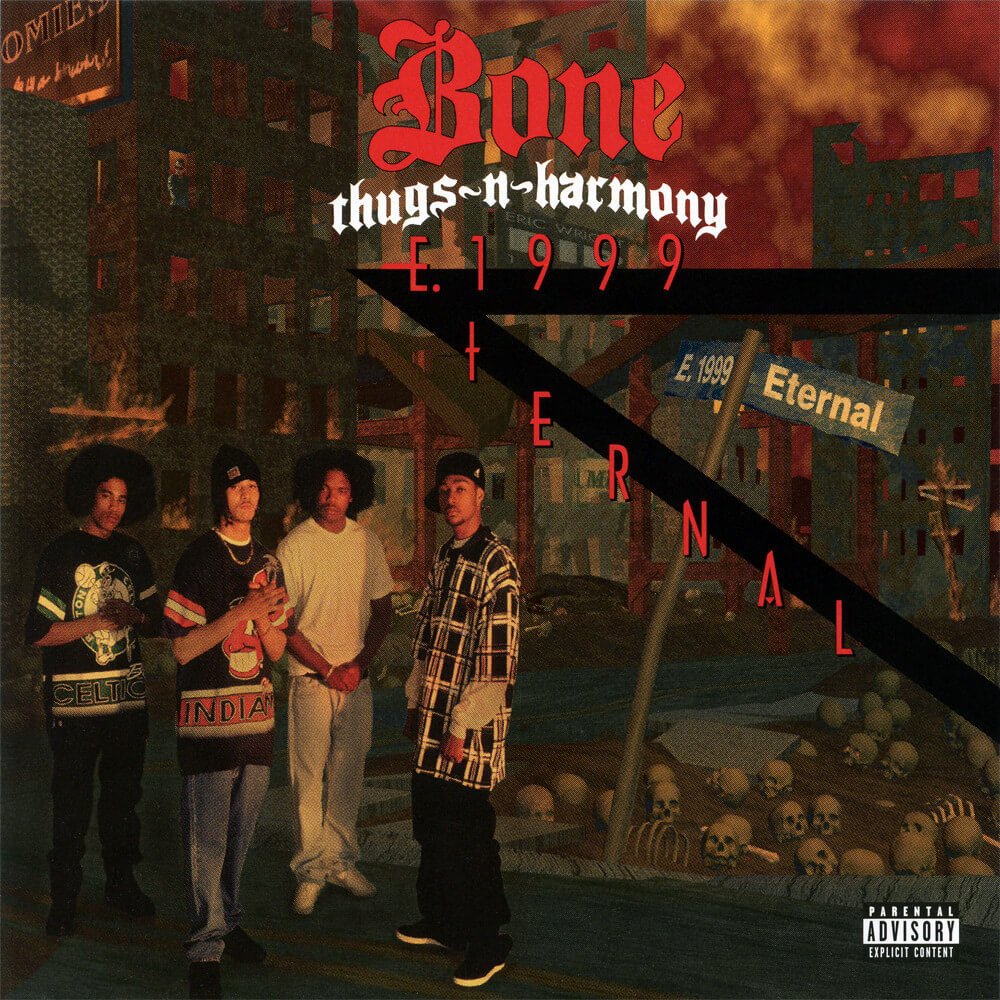
Five voices, one breath. On E. 1999 Eternal, Krayzie, Layzie, Bizzy, Wish and Flesh-n-Bone rap so fast and so closely together that individual verses blur into a single rolling current, then split apart into harmonies before anyone notices the seam. Faces Of Death and the Creepin On Ah Come Up EP had introduced the style. This is where the Cleveland crew learned to control it, and their second album put them in a category apart from almost every other group in Hip Hop.
It arrived in July, four months after the death of their mentor Eazy-E, and the loss shadows the record. “East 1999” and “Eternal” open on eerie synths, rumbling bass and low, ominous melodies, and the group sound less like rappers than a congregation chanting in a darkened room. “Crept & We Came” and “Land Of Tha Heartless” turn to violent street tales, delivered with a rhythmic exactness that is almost mathematical. “Mo’ Murda” pushes the darkness further than anything else here, its unsettling mood matching the grim subject.
DJ U-Neek is the quiet architect. His beats move slowly and leave lots of open space: deep bass, haunting piano figures, synthesized strings and occasional G-funk touches that point back to Ruthless Records’ Los Angeles roots. That slow tempo is the trick. Against the measured pulse, Bone’s double-time flows sound even quicker, and the harmonized hooks have room to hang.
The record knows when to exhale. “1st Of Tha Month” turns the day the welfare checks arrive into a celebration of small comforts, its sunny hook one of the most infectious of the year. “Budsmokers Only” and “Buddah Lovaz” ease the pressure with smoked-out detours.
The emotional peak is “Tha Crossroads”. The album cut, “Crossroad”, mourned family and friends; the remixed single version extended that grief to Eazy-E and became the group’s signature. Soulful harmonies carry a meditation on mortality and the hope of meeting the departed again, and the song gave Bone a reach far beyond their street narratives.
The spiritual and the violent sit side by side across the whole record, and the group never pretend they belong in separate rooms. That tension, carried in five interlocking voices, gave the Midwest its first truly original Hip Hop sound.
6. Goodie Mob - Soul Food (1995)

OutKast looked at Atlanta with wide eyes and a taste for experimentation. Their friends in Goodie Mob looked at the same streets and saw the weight. On Soul Food, Cee-Lo, Khujo, Big Gipp and T-Mo write about poverty, racism, faith and family as if each subject were a load carried on the back, and the album never pretends the load is light.
The record opens with “Free”, Cee-Lo’s voice rising almost unaccompanied in a gospel cry, and that spiritual pull runs through everything after. Organized Noize build the music from Southern roots: heavy drums and thick basslines under twanging guitars, mournful harmonica, organ swells, and soulful vocal refrains. The warmth of those sounds pushes against the bleakness of the lyrics, so even the darkest songs carry a sense of home.
“Cell Therapy” is the album’s most unsettling moment. Over a creeping, ominous groove, the group describes a world of surveillance and social control, gated communities and helicopters overhead, a country tightening its grip on its Black citizens. It sounds paranoid until you listen to the details. “Thought Process” lets each member lay out his own version of the pressure, and the differences matter: Cee-Lo raspy and preacherly, the other three blunter and closer to the pavement.
The title track turns a family meal into a portrait of the traditions that keep a community together, and “Guess Who” pays heartfelt tribute to mothers and what they gave up. Then “Dirty South”, with Big Boi alongside, rides a bass-heavy Organized Noize beat and turns a regional nickname into a banner. Goodie Mob helped carry that phrase into the wider Hip Hop vocabulary at a time when Southern artists still had to fight for a hearing.
Soul Food gave Atlanta its conscience: four men at the dinner table, saying grace and naming everything that threatened the meal.
7. Smif-N-Wessun – Dah Shinin’

Tek and Steele sound like two friends finishing each other’s sentences on a stoop. Their voices are rough, conversational and close together, and on their full-length debut they trade lines so naturally that whole songs come across as a single conversation overheard. Dah Shinin’ arrived ahead of most of the Boot Camp Clik catalog and set the tone for it.
Da Beatminerz, the production team of Mr. Walt and Evil Dee, give the duo a sound built from murky jazz samples, thick, brooding basslines and heavy drums mixed loud and low. “Bucktown” is the centerpiece, a hypnotic saxophone loop over a marching rhythm that turns their corner of Brooklyn into a place of danger, loyalty and local reputation. The arrangement barely changes, and it does not need to: the loop settles in, the drums do the lifting, and Tek and Steele supply the swagger.
Their shared Jamaican heritage marks the record apart from its peers. “Sound Bwoy Bureill” mixes patois and sound-system rivalry into hardcore boom-bap, and the pair sound completely at home in both languages. “Wrektime” and “Wontime” open the album with blunt, forceful performances, and “Cession At Da Doghillee” crowds Boot Camp affiliates onto one loose, rowdy posse cut where the chaos is half the fun.
The subject matter seldom wanders far from weed, weapons and neighborhood codes. That narrow focus works because the partnership and the beats carry so much character; repetition becomes atmosphere. At close to 70 minutes the album asks for patience, though the consistent mood and the strength of the early run keep it moving.
Dah Shinin’ captured Brooklyn’s underground at the moment it found its own sound, a smoky, bass-heavy murk that the rest of the Clik would spend the next two years exploring.
8. The Pharcyde – Labcabincalifornia

The class clowns grew up, and a lot of people missed the jokes. Bizarre Ride II The Pharcyde had made Imani, Bootie Brown, SlimKid3 and Fatlip famous for manic humor and playground insults. Three years later, Labcabincalifornia arrived mellow, mid-tempo and full of doubt, and critics in late 1995 heard a sophomore slump. It fell short of gold. Time has reversed that verdict almost completely.
The change in sound starts with personnel. Original producer J-Swift was gone, and the group recorded much of the album in a modest home studio they called the LabCabin. To fill the gap they turned to a little-known Detroit beatmaker named Jay Dee, who produced six tracks. His drums swing slightly behind the beat, loose and warm, and his jazz samples sit soft and low in the mix. “Runnin’” glides on a lilting acoustic loop while the four MCs trade verses about fear, backing down and finding the nerve to stand still. “Drop” is stranger, a hazy, stop-start groove whose Spike Jonze video had the group perform the song backwards, then ran the footage in reverse.
The group shared the work. Diamond D supplies the slinky “Groupie Therapy”, SlimKid3 produces the dreamy “She Said”, and Fatlip’s “Devil Music” closes in on the hollow side of success. Across those tracks the Pharcyde write about industry exploitation, addiction, transactional sex and relationships coming apart, with a cynicism that replaced the old mischief. The voices are still distinct, Fatlip’s nasal sarcasm against SlimKid3’s softer, sung phrasing, but they now sound like men taking stock.
Fatlip left after the album came out, ending the four-man lineup. The record’s reputation grew alongside Jay Dee’s, as the producer became J Dilla. Labcabincalifornia became the sketchbook where one of Hip Hop’s great drum programmers worked out his feel, made by a group brave enough to stop being funny.
9. Eightball & MJG – On Top Of The World

Eightball talks; MJG cuts. The Memphis duo built their partnership on that contrast, Eightball calm and conversational, leaning back on the beat like a man telling a story he has told before, MJG sharper and quicker, attacking the rhythm with a harder edge. On their third album the pair sound fully at ease with each other, and their reputation as one of the South’s rap heavyweights starts here.
On Top Of The World is a richer record than Comin’ Out Hard or On The Outside Looking In. The production borrows from G-funk, with whining synthesizers, deep, rubbery basslines and smooth, rolling tempos, then plants it in heavier Southern soil. “Pimp In My Own Rhyme” and “Break ’Em Off” give the grooves time to stretch, and the duo ride them without rushing. “Space Age Pimpin’” floats off into futuristic funk, slow and seductive, the kind of song that sounds better at two in the morning than at noon.
Beneath the polish, the writing is thoughtful. “Funk Mission” looks hard at the damage drug addiction leaves behind, and “Hand Of The Devil” turns greed and temptation into a cautionary tale with a grim ending. “Friend Or Foe” brings in Mac Mall, E-40 and Big Mike to weigh loyalty against suspicion, a guest list that tied Memphis to the Bay and Houston at a time when the coasts drew most of the attention. “What Can I Do” turns inward, counting what success has cost and finding the old problems still waiting at home.
This is an album that grows. On first listen, it plays as smooth Southern pimp rap; with time, the detail in Eightball’s storytelling and the push and pull between the two voices come forward. Our appreciation for it rises every year, and we suspect we are not alone. Memphis had found a sound that was its own, patient and heavy, and it was in no hurry to prove anything to anyone.
10. Ol’ Dirty Bastard - Return To The 36 Chambers

The album begins with several minutes of ODB rambling, crooning and ranting about his past before a single beat lands, and that is the only warning anyone gets. Return To The 36 Chambers is the second of the four classic Wu-Tang solo records that followed the Clan’s monumental 1993 debut Enter The Wu-Tang, and it is the one that refuses every rule the others kept. ODB once claimed there was no father to his style. This record is the proof.
His voice is the instrument and the event. He slurs, hollers, mutters and breaks into off-key singing, sometimes inside a single bar, dragging syllables past where the beat expects them and then snapping back on time when it matters. “Shimmy Shimmy Ya” is the purest example: a plinking, slightly off-balance piano loop, a stomping beat, and Dirty swaying between a lazy croon and a bark, turning a nonsense chant into one of the most recognizable hooks of the decade. “Brooklyn Zoo” goes harder, his threats delivered with a lurching, drunken swagger that makes them funnier and more alarming at once.
RZA keeps the production skeletal and gritty, closer to a demo than a finished mix. The drums clank like a radiator pipe, the samples sit rough and unpolished, and the empty space leaves room for ODB to wander. “Hippa To Da Hoppa” and “Cuttin’ Headz” race along with him barely hanging on, the hooks lurching back in when you least expect them, the ad-libs piling up into a kind of commentary track.
Other Wu solo records chased atmosphere or narrative. This one chases impulse. Repetition, false starts and abrupt detours become part of the fun, and the album works because nobody tried to tidy it.
Many have copied the ad-libs and the drunken singing since. Nobody has copied the nerve, the sense of a man who heard Hip Hop’s rules and decided they were optional for him alone.
11. Big L – Lifestylez Ov Da Poor & Dangerous

Big L set up a punchline the way a comedian sets up a joke: a casual boast, a pause in the rhythm, then a twist so outrageous it made the boast sound modest. On Lifestylez Ov Da Poor & Dangerous, his debut and the only album released in his lifetime, the Harlem MC packs nearly every bar with that kind of trick, threats so elaborate they turn funny and jokes so cold they turn threatening.
“Put It On” opens the case with Kid Capri on board and a smooth, head-nodding groove that lets L stroll through his verses with total confidence. “M.V.P.” flips a DeBarge sample into something lush and polished, and the contrast between the sweet music and L’s crude, gleeful bragging is the point. “All Black” swings the other way, a gloomy beat under some of the darkest humor of the year, and “No Endz, No Skinz” sharpens his wit into a cynical take on money and relationships.
The production comes mostly from the D.I.T.C. circle, with Buckwild, Lord Finesse and Showbiz supplying hard drums, soulful loops and darker textures. It does the job, though it rarely matches the MC. Several beats sound interchangeable, and in places a more distinctive backdrop would have pushed his writing further into the spotlight it deserved.
The posse cuts show what kind of company he kept. “Da Graveyard” gathers a crew of Harlem and Bronx rappers, including a young Jay-Z in one of his early recorded appearances, and L outshines the field with ease. “8 Iz Enuff” crowds even more voices onto one track, a rapid-fire competition that he anchors with wordplay you only catch on the fourth listen.
Lyrically, Big L is untouchable here: technically precise, quick-witted and blessed with flawless comic timing. His death in 1999 left the album as a single complete statement from one of the most naturally gifted punchline MCs New York ever produced. Rest in peace.
12. KRS One - KRS One
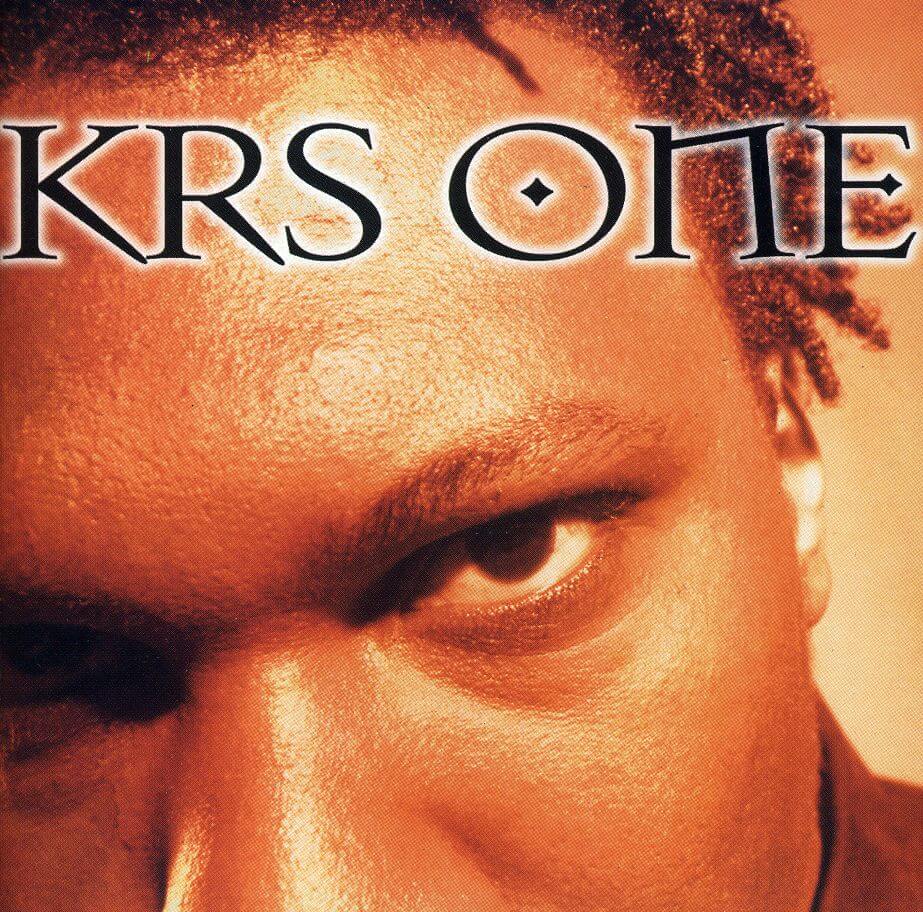
KRS-One originally planned to call this album Hip-Hop Vs. Rap, and the abandoned title tells you where his head was. On his second solo record under his own name, the Teacher draws a line between the culture he grew up in and the industry selling it back, and he spends most of the album standing guard on his side.
DJ Premier sets the tone. “Rappaz R N Dainja” opens on a pounding beat and a cluster of chopped stabs, with KRS barking his warnings in that booming, preacherly voice that never sounds rushed. Premier’s “MCs Act Like They Don’t Know” is the classic: a hypnotic, repeating loop, cut-up vocal scratches on the hook and KRS in full battle mode, mocking rivals who pretend not to recognize the source of their style.
The deeper cuts carry the argument. “Hold” is a clever cautionary tale about chasing the wrong things, told with the storytelling patience of his Boogie Down Productions years. “The Truth” picks a fight with organized religion over a sparse, solemn instrumental, and it divided listeners. “Represent The Real Hip Hop” and “Ah Yeah” make his mission statement plain.
It lacks some of the spark and playfulness of Return Of The Boom Bap, but the hit rate is at least as high. In a year dominated by Wu-Tang crime sagas and a rising South, this sold well and still got overlooked. We count it among the best records in his catalog, which is no small claim.
13. DJ Quik - Safe + Sound

At the 1995 Source Awards, the same night the New York crowd booed OutKast, DJ Quik walked on stage and performed “Dollaz + Sense”, a song calling MC Eiht a fake and a coward, deep in hostile territory. That nerve runs through Safe + Sound, and it sits beside some of the most graceful music Quik ever made. This is his best album.
The sound took a leap. Quik leaned far more on live players, and the arrangements gained detail and depth. “Summer Breeze” drifts on twangy guitar and airy strings while he looks back on his youth with unusual tenderness. The title track moves at an easy, melodic pace under verses about the strain of growing up, and the instrumental “Quik’s Groove III” lets guitar and flute trade ideas in a loose, jazzy conversation. “Keep Tha ‘P’ In It” hands 2nd II None and Playa Hamm a busy, jazz-flavored arrangement to bounce off.
Then the grudge kicks in. “Let You Havit” goes after Eiht over a funky groove and mocks the Compton’s Most Wanted video in which a Quik lookalike gets chased down. On “Dollaz + Sense”, he paints Eiht as a movie gangster, a jab at his Menace II Society role. Suge Knight’s name in the credits as executive producer fits the mood.
Sex raps, nostalgia and threats share the tracklist without friction. Quik and Eiht made peace in 1998, but Safe + Sound captures Compton’s finest musician at the moment his craft and his temper peaked together.
14. AZ - Doe Or Die

Few MCs have entered with a calling card like AZ’s verse on Nas’s “Life’s A Bitch”. Doe Or Die had to prove that one appearance was no fluke, and AZ did it with the smoothest delivery in New York. His flow glides, multisyllabic rhymes slipping into place without visible effort, and even his grimmest lines arrive with a calm, almost melodic composure.
“Uncut Raw” opens on a sparse, shadowy beat that leaves him all the room he needs. From there the album moves between hustler fantasy and the suspicion that comes with it. Pete Rock supplies two very different settings: the breezy “Gimme Yours”, with Nas on the hook, and the intricate “Rather Unique”, whose hypnotic melodic loop pushes AZ into his most dazzling rhythmic display. Buckwild’s mellow funk on “Ho Happy Jackie” brings out his wit in a sly tale of manipulation and materialism.
“Sugar Hill” became the calling card, a sunny L.E.S. production with Miss Jones singing the hook and AZ dreaming of the good life without losing the edge in his voice. “Mo Money Mo Murder (Homicide)” swings to the opposite pole. Over D/R Period’s haunting beat, AZ and Nas trade verses about greed and betrayal, the two Queens MCs bringing out a menace neither shows alone.
Some beats fade beside the highlights, and the consistency wavers. AZ carries the weaker stretches anyway. Doe Or Die is the work of a stylist so polished that the luxury he raps about starts to sound like it belongs to him.
15. Tha Dogg Pound - Dogg Food
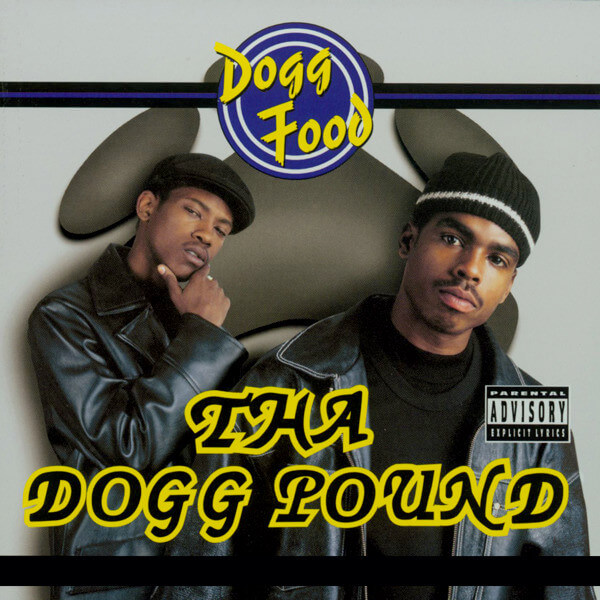
After years as the supporting cast on The Chronic and Doggystyle, Daz Dillinger and Kurupt finally had a Death Row album of their own, and they made it sound like a block party. Dogg Food keeps the G-funk vocabulary, but Daz, who produced most of the record with help from DJ Pooh and Soopafly, pushes it toward brighter, bouncier grooves: rubbery basslines, whistling synth melodies and funk arrangements that sound built for car stereos in the sun.
The partnership works on contrast. Kurupt is the technician, a quick, slippery flow that twists around the beat with a confrontational bite. Daz raps plainer and steadier, a laid-back anchor beside his partner’s restless energy. “Dogg Pound Gangstaz” and “Respect” set that balance early.
“New York, New York” made the most noise. DJ Pooh’s stomping beat, Kurupt’s forceful verses and Snoop Dogg’s hook turned a nod to the city into a provocation, and the video, with the duo towering over a miniature Manhattan and kicking over buildings, landed squarely in the coastal feud. “Let’s Play House” eases the tension, Nate Dogg and Michel’le gliding across a smooth, sensual groove.
The skits break up the flow, and the later tracks lean heavily on Nate Dogg’s hooks to stay afloat. Even so, Dogg Food gave Daz and Kurupt an identity of their own inside the label’s machine: louder, sunnier and a lot less patient than their mentors.
16. The Roots - Do You Want More?!!!??!

The Roots sampled themselves. For their second album, the Philadelphia band taped their own jam sessions and cut the recordings into loops, keeping the repetition and pocket of boom-bap while every note came from their own hands. Black Thought announces the concept at the start, describing what follows as organic Hip Hop jazz, and the record lives up to the label.
Compared to the independently released Organix, which still had rough edges, this is smooth and assured from the first bar, and it began one of the most consistent catalogs in Hip Hop. Scott Storch’s Fender Rhodes gives the album its color, soft chords floating over Questlove’s crisp, dry drums and Hub’s round bass, with Steve Coleman’s saxophone drifting in and Rahzel beatboxing in the gaps. “Mellow My Man” is the purest jazz moment in their whole discography.
The rapping keeps the grooves from turning into lounge music. Black Thought lands his syllables squarely on the snare, and Malik B.’s gruffer, slightly lopsided voice pulls against him in a way later albums missed. “Proceed” and “Distortion To Static” lay out that partnership, and “Silent Treatment” slows into a tender song about a relationship gone quiet.
Next to Resurrection or The Low End Theory, it is the gentlest jazz rap record of its era. The master tapes burned in the 2008 Universal fire, which makes every surviving copy a small piece of those Philadelphia rehearsal rooms.
17. Show & AG - Goodfellas

Three years after Runaway Slave, one of the high points of 1992, the lights went down. Show & A.G. returned with Goodfellas, a record that trades the debut’s exuberance for a heavier, more confrontational Bronx mood. It has been slept on and underrated ever since, and it deserves far better.
Showbiz handles most of the beats, and his sound has toughened. Thick basslines, forceful drums, sharp horn stabs and shadowy melodic fragments push the mix toward menace. “Never Less Than Ill” hits first and hardest, booming percussion under a piercing horn figure. “Next Level” appears twice: Showbiz’s original bounces, while DJ Premier’s “Nyte Tyme Mix” slides into darker territory with a creeping melody and tightly controlled drums, one of the finest remixes of the year.
A.G.’s higher-pitched voice slices through that density. He fills “You Know Now” with punchlines and challenges, then shifts to storytelling on “I’m Not The One”, a botched-robbery tale told with a sharp eye for irony. The D.I.T.C. family fills out the record. “Got The Flava” turns into a lively posse cut with Method Man and Party Arty, and Party Arty returns on “Neighbahood Sickness” with an aggressive delivery that suits the beat.
Next to their near-perfect debut, Goodfellas can sound grim. Taken on its own terms, it is boom-bap built with craftsmanship and no interest in compromise.
18. Aceyalone – All Balls Don’t Bounce

While much of Los Angeles rapped about guns and money, Aceyalone rapped about words. The Freestyle Fellowship frontman came out of the Good Life Café open-mic scene, where stretching a flow until it bent was the whole game, and his solo debut carries that spirit onto a major label stage at Capitol.
His delivery changes shape constantly. He speeds up, slows down, drops into a near-spoken register, then rattles off a run of internal rhymes that land in unexpected places. “Arhythmaticulas” turns that habit into a showpiece, Acey twisting syllables and rhythms like a man doing math out loud. The title track rides an upbeat, funky groove with a catchy refrain, and “Mic Check” puts his breath control and timing front and center. “Mr. Outsider” turns inward, a reflective look at identity and belonging from someone who never fit the dominant West Coast mold.
The Project Blowed family is close at hand. Abstract Rude and Mikah 9 drop in, linking the album to the South Central workshop scene where a whole generation of underground MCs was building its own vocabulary away from the charts.
Like every Aceyalone record, this one is underrated by everyone except the true connoisseurs. The 2004 reissue, All Balls Don’t Bounce: Revisited, brought some deserved attention back. If you missed it, the jazzy loops and acrobatic flows are waiting, and they make the rest of mid-90s Los Angeles sound strangely conservative.
16. E-40 - In A Major Way

E-40 raps as if the English language came with a remote control and he alone could change the speed. On In A Major Way, the Vallejo veteran lurches from lazy drawl to double-time sputter within a single line, stretching vowels, clipping consonants and coining slang faster than anyone outside the Bay could look it up. The rhythm of his words matters as much as their meaning, and the effect is equal parts comedy and menace.
The production, mostly from Studio Ton, Mike Mosley and Sam Bostic, gives him the right ground to play on. Drums knock hard, basslines sit deep and wide, and buzzing synths add a nervous tension that pulls away from Los Angeles G-funk. “Da Bumble” and “Sideways” bounce with the loose, rolling tempo that defined Bay Area slap, while “Sprinkle Me” turns the playfulness up and lets 40 bend phrases into shapes you never saw coming. “1-Luv” adds a soulful, sung hook and a welcome dose of warmth.
“Dusted ’N’ Disgusted” gathers 2Pac, Spice 1 and Mac Mall for a heavyweight posse cut, though E-40’s own manic energy still sets the pace. The skits and a softer second half slow the momentum.
Released on his family’s Sick Wid It label, the album pushed a regional dialect onto national radio without translating a word. Half the slang in American rap since owes 40 some royalties.
20. Onyx – All We Got Iz Us

The party is over. On Bacdafucup, Onyx slammed through mosh-pit anthems with bald heads and a grin. Two years later, their second album opens with a skit in which Sticky Fingaz argues with himself over whether to pull a trigger, and the mood never lifts.
“Last Dayz” sets the tone with a slow, ominous loop and verses about mortality, death treated as a scheduled appointment. The title track describes a world where the only people you can rely on are standing next to you, and even they are watched closely. The production, largely kept in-house, favors dark loops, rumbling bass and uneasy rhythms over the stomping energy of the debut. “Walk In New York” turns the city into enemy territory, “Shout” lets the aggression out in a more direct burst, and “Betta Off Dead” crawls along at a pace as disturbing as its title.
Sticky is the wild card. His raspy, unpredictable voice veers toward hysteria, cracking and shouting as if he is losing the argument with himself in real time. Fredro Starr counters with a lower, steadier growl, menace delivered with patience.
The relentless gloom leaves no room for relief, and it is exhausting by design. Fans who came for “Slam” were not prepared. All We Got Iz Us is the record where Onyx stopped performing aggression and started documenting the fatalism underneath it.
21. Three 6 Mafia – Mystic Stylez

The keyboards sound cheap on purpose. On Mystic Stylez, DJ Paul and Juicy J build their beats from bargain-bin synth presets, distorted bass, drum-machine rattles, and ominous minor-key melodies that hover in place instead of moving forward. Tension builds through repetition, as in a horror film score where nothing happens for a long time and then everything does. “Da Beginning” sets that mood at once, and the rest of the debut never climbs out of the basement.
Six voices fill the room. Lord Infamous is the standout, theatrical and sinister, folding tricky triplet rhyme patterns into his occult imagery. Koopsta Knicca drifts through like a ghost, and Gangsta Boo cuts in with a forceful bark that gives the crew another dimension. Crunchy Black adds street-level grit. The rapping is not always polished, and the lyrics lean hard on provocation, but the chants, ad-libs, and overlapping exchanges become part of the beat itself.
“Now I’m Hi, Pt. 3” and “Porno Movie” push deep into lurid territory, while “Tear Da Club Up” aims the darkness straight at a crowd. “Live By Yo Rep” shows their confrontational side. “Da Summa” opens a window onto a brighter, more relaxed Memphis, though the shadows stay close.
Memphis rap often sounded like it came from another planet, and this is the clearest early transmission. The slowed-down menace and lo-fi dread would echo through Southern rap, horrorcore, and internet underground scenes for decades.
22. Kool G Rap - 4,5,6

Kool G Rap was writing crime fiction in rhyme long before Raekwon made it fashionable. By 1995 the mafioso wave he helped start was cresting, and his solo debut 4,5,6 arrived as the veteran’s answer: colder, tighter and darker than anything he had made with DJ Polo.
G Rap writes like a crime novelist with a deadline. His verses fill up with characters, double-crosses, hustling schemes and violent consequences, all locked into dense multisyllabic chains that hit with the force of a jackhammer. He rarely boasts in the abstract; he builds scenes, choosing a few precise details and letting them carry the weight. “Executioner Style” and “Take ’Em To War” set the tone with ominous samples and tough, unadorned drums.
“Fast Life” opens the window. Buckwild lays down a polished, soulful groove, and G Rap and Nas, two generations of Queens storytellers, trade verses about money and the price of status. Nas shines, but the older man’s knotted phrasing gives the song its signature. “Blowin’ Up In The World” eases into a jazzy bassline and understated piano, while “Money On My Brain” and “Ghetto Knows” drift back into the shadows of temptation and betrayal.
Dr. Butcher and Buckwild keep the production functional and stark. It serves the writing but lacks the character of the Polo years. 4,5,6 is the sound of a pioneer stepping into the genre he invented and reminding everyone who wrote the first chapter.
23. LL Cool J - Mr Smith

After the misjudged snarl of 14 Shots To The Dome, LL Cool J stopped trying to out-tough the competition and went back to what nobody could take from him: charm. Mr. Smith trades grit for gloss, and the move suits him far better than the scowl ever did.
The Trackmasters shape most of the record, and their production is lush and layered, R&B textures folded into Hip Hop drums with an ear for radio. LL’s delivery relaxes to match. He sounds confident and unhurried, flirting with the beat more than attacking it, and his voice carries the easy authority of someone who had already been famous for a decade.
“Hey Lover”, with Boyz II Men singing the hook, is the template: sultry, slow and cinematic, LL in full romantic mode without losing the cocky edge in his verses. “Doin’ It” turns the flirtation into a playful, explicit back-and-forth with LeShaun, each line answered by the other, and it may be the most purely fun single of his career.
He keeps a foot in the street. “I Shot Ya” brings back a tougher beat and a battle mentality, a reminder that the man who made Mama Said Knock You Out had not forgotten how to fight.
The mix of seduction and swagger works because LL knows exactly which version of himself the music needs. Mr. Smith is a veteran finding a second prime by admitting what he does best.
24. Cypress Hill – III: Temples Of Boom

Cypress Hill released their third album on Halloween, and DJ Muggs scored it accordingly. After the commercial rush of Black Sunday, Temples Of Boom sinks into a thick, paranoid fog, and Muggs’ production has never been better: dark and psychedelic, built from echoing diva wails, noir strings, Buddhist chants, sitar and organ swells, but funky from start to finish.
“Spark Another Owl” opens on familiar stoner ground. From there the weed haze turns into something closer to dread. “Illusions” is the high point, a hypnotic slow-burn where layered samples and stray bell chimes curl around B-Real’s anxious, introspective verses, his nasal whine sounding more haunted than playful. “Boom Biddy Bye Bye” and “Let It Rain” keep the tension simmering, grimy drums and minor-key loops turning gun talk into something like ritual.
“No Rest For The Wicked” is the cold centerpiece, a diss aimed at Ice Cube over a brooding backdrop that gives B-Real’s barbs extra sting. “Throw Your Set In The Air” and “Locotes” root the record in Latino street mythology instead of chasing radio.
It lacks the shock of the debut, when nobody had heard anything like Cypress Hill. But the group always kept one foot in the alternative crowd and one with Hip Hop heads who appreciate an acquired taste, and here they go deepest into that second camp. Temples Of Boom is the sound of a stoner party turning into a séance.
25. Tha Alkoholiks - Coast II Coast

Tha Alkaholiks drank harder than anyone in Los Angeles and rapped like they had something to prove to New York. On their second album, J-Ro and Tash keep the boozy, punchline-heavy chaos of 21 & Over but sharpen every edge, and E-Swift’s production gains weight and detail without sobering up.
“WLIX” opens as a fake radio broadcast with members of Lootpack and Declaime passing the mic, a loose, underground warm-up. “Read My Lips” kicks things into gear, J-Ro and Tash volleying punchlines over a mid-tempo groove, finishing each other’s jokes with the ease of drinking buddies. “DAAAM!” rolls on a fat bassline and call-and-response hooks built for a crowd.
The guests show how wide the Liks’ network ran. Diamond D produces “Let It Out”, a suspenseful, cinematic beat drawing on the Enter The Dragon soundtrack, and the group respond with some of their sharpest bars. Q-Tip turns up on “All The Way Live”, his smooth tone a cool contrast to the rowdy hosts, and a young Xzibit brings a harder bark to the piano-laced “Hit And Run”. “Flashback” plays dress-up with old-school Hip Hop, affectionate and funny.
The subject matter rarely strays from liquor, women, and lyrical one-upmanship. The craft keeps it from going stale. Coast II Coast earned its title honestly: a West Coast crew that loved East Coast boom-bap and threw the best party on either side of the feud.
26. Brotha Lynch Hung – Season Of Da Siccness
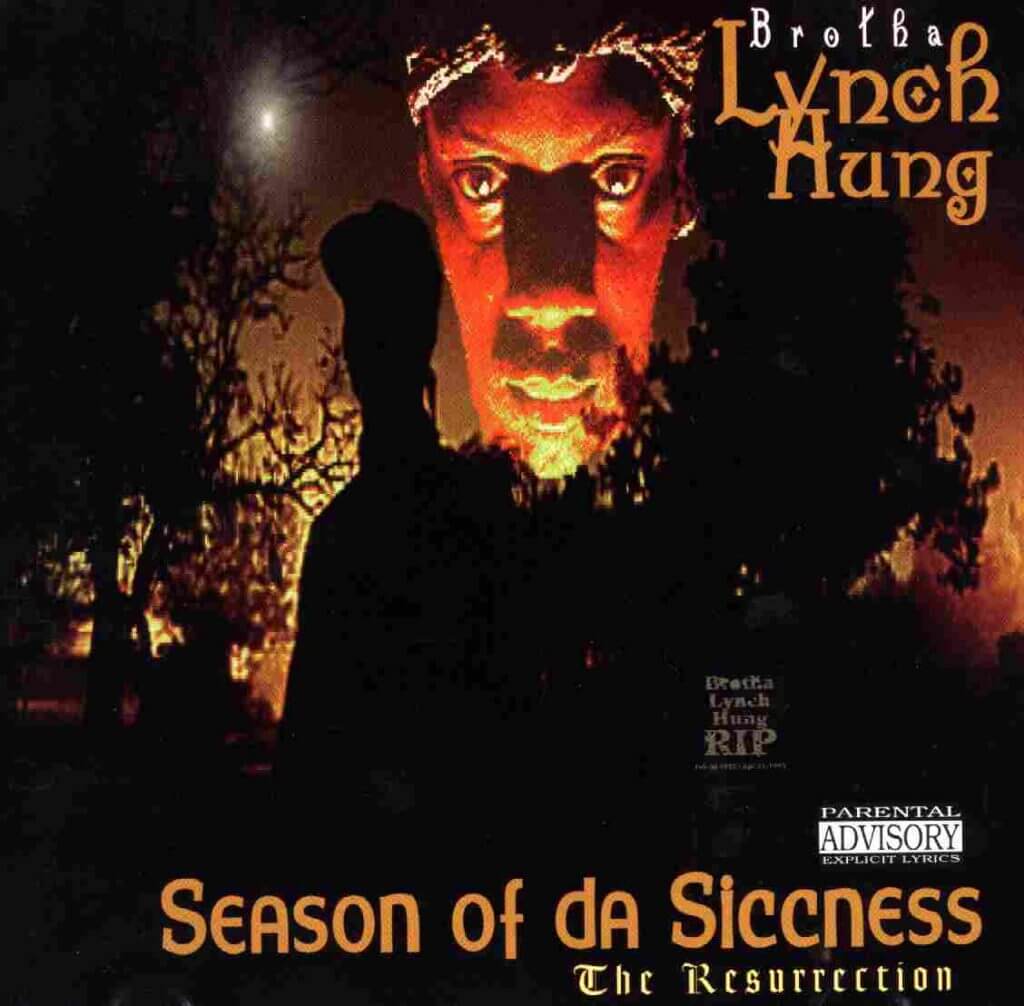
Brotha Lynch Hung produced every beat on his full-length debut himself, and it shows in the details. The Sacramento MC bends G-funk out of shape: synths turn sour and plasticky, basslines drag like chains, and the drums lurch with an uneasy, staggering swing. The result sounds like a party record left to rot in a basement.
Over it, Lynch raps with a quick, elastic flow that slides from deadpan to deranged mid-verse. The stories are shockingly graphic, full of gore and cannibal imagery, and this is not an album for the faint of heart. But the violence is rarely empty. Lynch had lost friends to the street, and underneath the horror runs real grief and intelligence, sometimes surprisingly emotional. “Locc 2 Da Brain” and “Siccmade” set the sinister tone, “Rest In Piss” turns contempt into dark comedy, and “Welcome 2 Your Own Death” closes the coffin lid.
Lynch deserves far more credit as one of horrorcore’s pioneers and as an underrated technician on the mic. Season Of Da Siccness is hard to digest and impossible to forget: his best and most essential record, the place where Sacramento’s nightmares first found a voice.
27. Masta Ace - Sittin' On Chrome

A hidden track changed Masta Ace’s career. “Born To Roll”, a bass-heavy remix of “Jeep Ass Niguh” tucked away on SlaughtaHouse, took off on car stereos across the West, South and Midwest, and his Los Angeles label Delicious Vinyl wanted a whole album in that spirit. Ace, never one to repeat himself, reinvented his style again and called the result Brooklyn bass music.
The formula keeps the jazzy, soulful samples of New York boom-bap and drops booming, subwoofer-friendly low end underneath. “The I.N.C. Ride” glides on an Isley Brothers groove, and the title track cruises at a summertime pace. Ace stays cool and observant throughout, sharing the mic with Lord Digga, Paula Perry and Leschea, and the deeper cuts keep their feet on the pavement: “People In My Hood” sketches neighborhood characters with a sharp eye, and “Terror” darkens the mood. Skits about a cousin visiting from Los Angeles tie the coasts together and point toward the concept albums Ace would make later.
Production and lyrics are top-notch. At sixteen tracks and well over an hour, with skits and a closing reprise padding the back end, the album runs too long for a higher spot. In the middle of the coastal feud, Ace built a bridge and drove across it with the windows down.
28. B.G. Knocc Out & Dresta – Real Brothas

Most listeners first heard these brothers trading verses with Eazy-E on “Real Muthaphuckkin G’s”, the 1993 broadside against Dr. Dre and Snoop Doggy Dogg that became Eazy’s biggest solo hit. Two years later, Real Brothas arrived a few months after Eazy’s death, still carrying his grudge. B.G. Knocc Out and Dresta are among mid-90s Compton’s most overlooked acts, and their debut deserves far more recognition.
The chemistry is the foundation. Dresta raps calm and deliberate, while B.G. Knocc Out comes in higher-pitched and more urgent, their verses slotting together with the ease of siblings. “Jealousy” and “Life’s A Puzzle” turn personal, dealing with betrayal and hardship, “Compton & Watts” plants their flag in the neighborhoods they represent, and “50/50 Luv” offers a sober look at loss.
Rhythm D leads a production team that keeps the funk warm and heavy, with deep basslines and shimmering synths. “Compton Swangin’” borrows the bounce of Kool & the Gang’s “Hollywood Swinging”, and the title track stays lean.
Then comes “D.P.G./K”, picking up where the Eazy collaboration left off with a direct attack on Dre, Snoop and Tha Dogg Pound. Real Brothas is the sound of the Ruthless camp fighting on without its leader, and doing it with more style than history remembers.
29. Group Home - Livin' Proof

Livin’ Proof carries a reputation: DJ Premier’s brilliant beats, wasted on two rappers who could not keep up. We think that verdict is unfair. Lil’ Dap and Melachi The Nutcracker will win no prizes for rhyme schemes, but no MC alive would have outshone these beats, and the Brooklyn duo’s plain, conversational voices suit the music better than critics admit.
The Gang Starr Foundation members had built a buzz on Hard To Earn, and Premier rewarded them with some of the finest work of his career. Stripped-back drums hit with a dull, heavy snap, jazz loops circle hypnotically, and his scratched vocal hooks stitch the songs together. “Supa Star” became an underground favorite, the title track and “Suspended In Time” are pure head-nod, and “Baby Pa” and “2 Thousand” twist Bob James and Isaac Hayes into something cold and gray. Guru steps behind the boards for “Serious Rap Shit”, joined on the mic by Big Shug, while Big Jaz produces “4 Give My Sins”.
Dap and Melachi sound like two guys from the block describing what they see, sincere and unvarnished. Over Premier at his peak, that turns out to be enough. This is a dope album, and its reputation deserves a rewrite.
30. Bushwick Bill – Phantom Of The Rapra
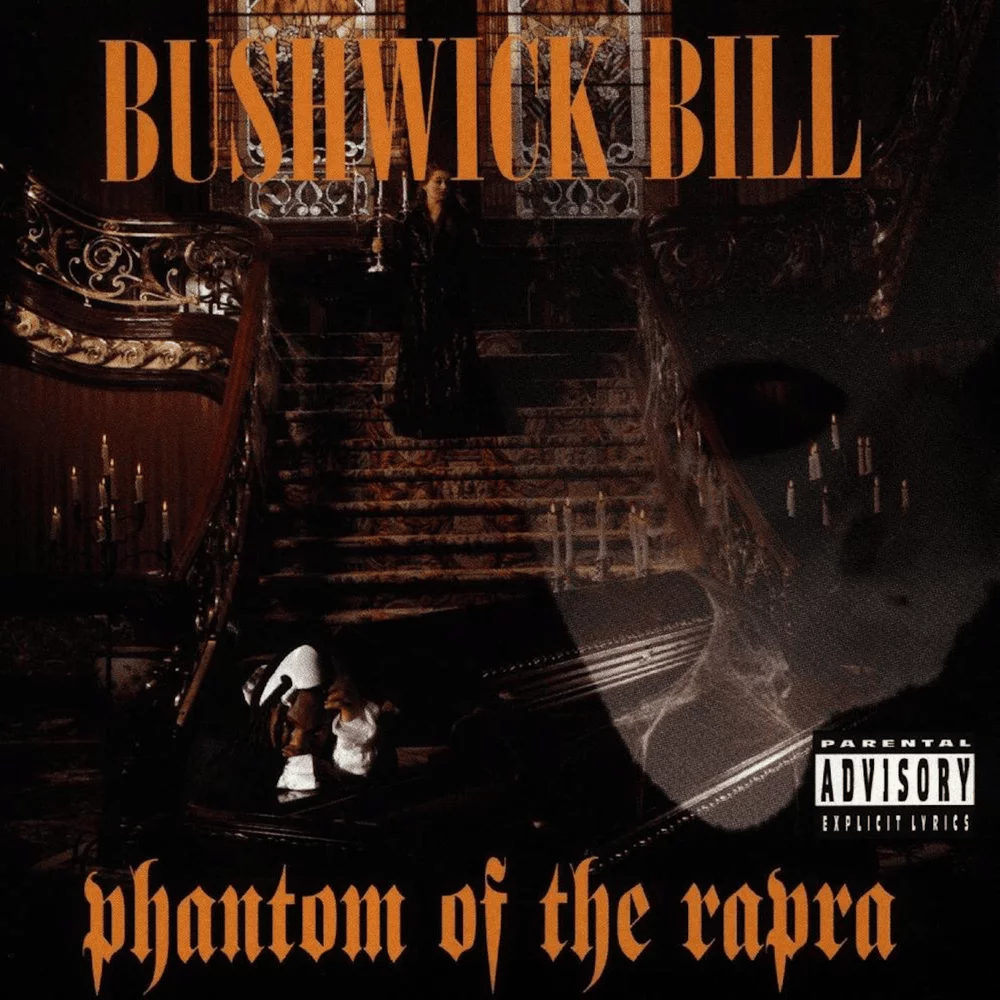
The title is a pun, and Bushwick Bill means it. Phantom Of The Rapra opens with a spoken intro in which he lays out his fascination with opera, drawing a line between its stories of sex, violence, and tragedy and the life he knew in the ghetto. Then the curtain rises on a horror show.
Born in Jamaica and raised in Brooklyn, Bill became one of Houston’s most recognizable voices through the Geto Boys, and his second solo album pushes the group’s darkness further into the macabre. His delivery is the main attraction: a raspy, high, cackling voice that swings from frantic aggression to wounded confession without warning. “Wha Cha Gonna Do?” hits early with heavy drums and menacing guitar, Bill rapping like a man on the edge of losing control, and he leans hard into gore and graveyard imagery elsewhere.
The surprise is how often he lowers his guard. “Times Is Hard” sets softer guitar and keyboards under a vulnerable look back at poverty and personal struggle, and these quieter moments give the shock tactics a human center.
The jumps in tone can be jarring, but they keep the record unpredictable. It is a clear step up from Little Big Man: a Southern horror opera starring the smallest man in Houston with the biggest appetite for darkness.
31. Erick Sermon – Double Or Nothing

Erick Sermon spent 1994 making other people sound incredible. He produced Redman’s Dare Iz A Darkside and Keith Murray’s The Most Beautifullest Thing In This World, and by the time he returned to his own career, his ears had moved well past the heavy, lumbering funk of EPMD and his solo debut No Pressure. Double Or Nothing is the result: warm, late-night and deep in the low end, the record where the Def Squad sound came into focus.
The beats glide where his earlier work stomped. Sermon folds jazz samples, live touches and melodic vocal hooks into rolling basslines, and he brings in fresh hands, including an early Rockwilder on “Boy Meets World” and “Welcome”. “Bomdigi” bounces on a playful, elastic groove, “Focus” and “Man Above” ease into reflective territory, and the album moves at such a steady, smooth pace that songs flow into one another like a slow drive across town.
Sermon will never top a list of great MCs. His lazy, slurred drawl and simple rhymes are competent enough to carry an album, and he was smart enough to call in the best help available. Redman crashes “Freak Out” and “Move On” with manic energy, Keith Murray’s tangled vocabulary lights up “Welcome” and “Set It Off”, and “Open Fire” puts the full Def Squad on one track.
The skits add little, and there is no single giant hit. What remains is a must-have for EPMD and Def Squad fans, and for anyone who wants to hear one of Hip Hop’s great producers at the controls of his own record.
32. Naughty By Nature – Poverty’s Paradise
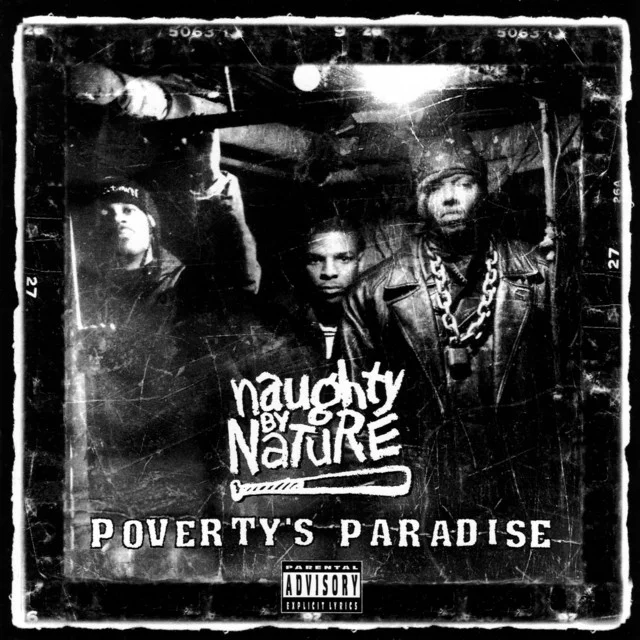
Treach raps like he is sprinting downhill, words tumbling over each other in tight, syncopated bursts that somehow always land on the beat. On their fourth album, Naughty By Nature stick to the formula that made them stars: party-starting singles, hardcore lyrical workouts and social commentary, all built on Kay Gee’s rollicking basslines and chant-along hooks.
“Feel Me Flow” is the summer anthem, riding a loose, funky sample from The Meters while Treach glides at full speed. “Clap Yo Hands” and “Craziest” keep the crowd moving, and Vinnie, sharper than on earlier records, holds his own beside his partner. The tougher side surfaces on “Chain Remains” and “Holdin’ Fort”, which look hard at life in the hood without romanticizing it, and “Klickow-Klickow” and “Respect Due” bring the lyrical fury.
The Illtown trio change little here, and some of the beats run slower and funkier without breaking new ground. Consistency is the strength: few weak spots, plenty of replay value. It became the group’s final album for Tommy Boy and won the first Grammy ever awarded for Best Rap Album, a victory that still sparks debate given everything else 1995 produced. Naughty By Nature collected the trophy anyway, as reliable as the summer they soundtracked.
33. WC & The MAAD Circle – Curb Servin’
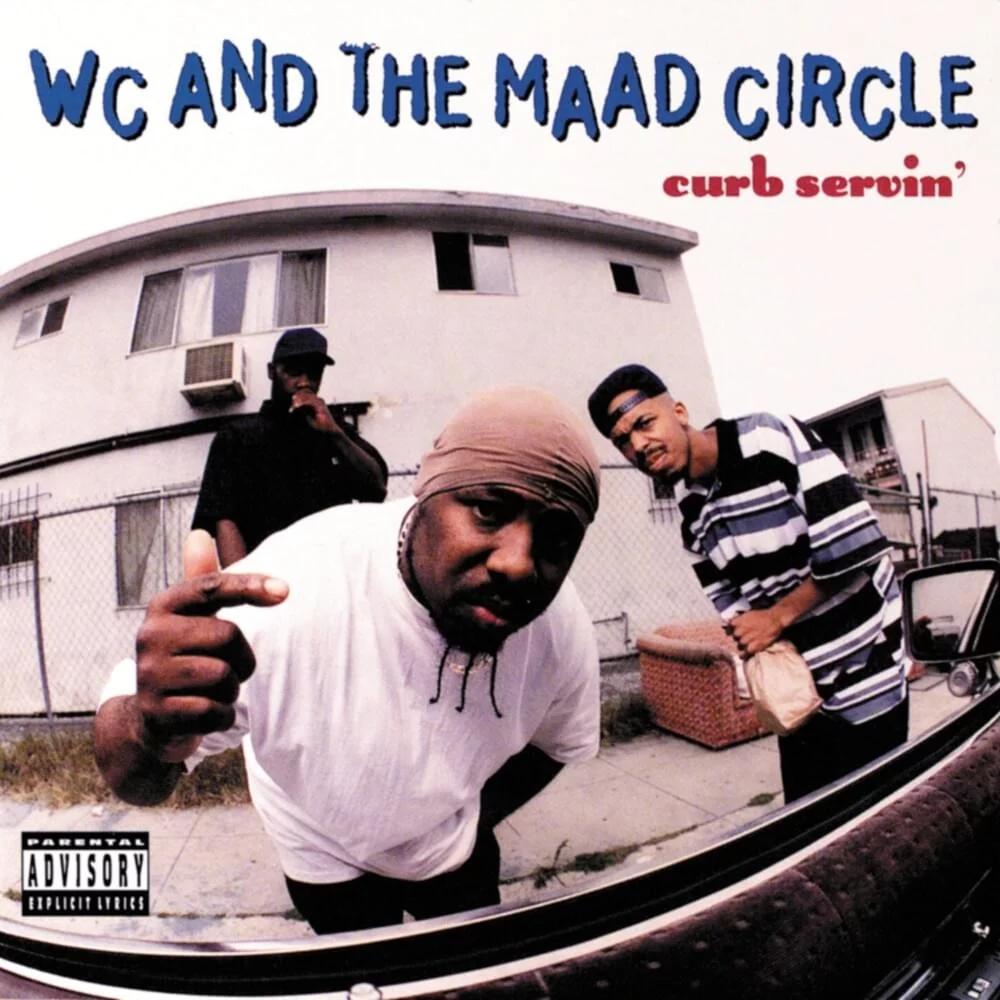
WC’s voice could fill a room without a microphone. Gravelly, commanding and full of streetwise humor, it carries Curb Servin’ almost single-handedly, since Coolio had left for solo stardom and returns only for a guest turn on “In A Twist”. From Low Profile onward, everything WC touched in this era was consistently strong, and this second MAAD Circle album belongs in any serious conversation about West Coast classics.
His brother DJ Crazy Toones produced most of it, digging deep into old-school funk. The title track flips Tom Tom Club’s “Genius Of Love” into a rolling, trunk-rattling groove, Parliament-Funkadelic echoes run through several cuts, and Rhythm D builds “The Creator” on a Shalamar sample for a heartfelt thank-you to God for surviving the streets. Ice Cube produces “Homesick” and turns up with Mack 10 on “West Up!”, a meeting that would grow into Westside Connection the following year.
The “Granny” skits wear thin, and some songs lean on familiar gangsta tropes. WC’s charisma and Toones’ funk make up the difference. Curb Servin’ is one of the best of the West, waiting for the attention it was denied in 1995.
34. Mic Geronimo - The Natural
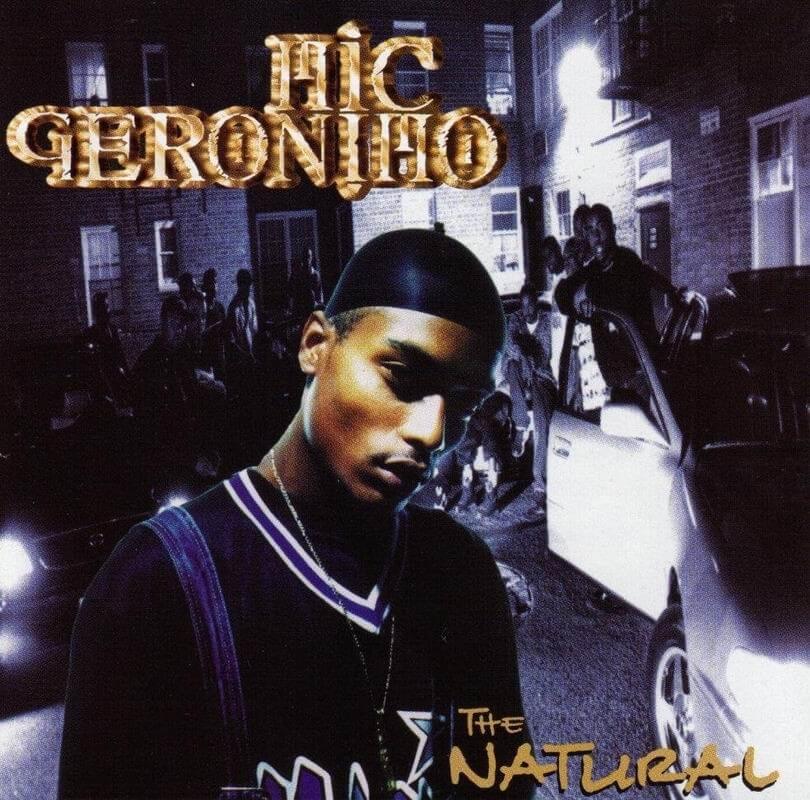
If you wanted to explain mid-90s New York rap to someone with one album, The Natural would do the job. Dusty loops, heavy basslines, a calm Queens MC and a guest list full of future stars: every element of the era is here, assembled with care, before Bad Boy-era gloss reshaped Mic Geronimo’s career.
Geronimo raps in a measured, low-key cadence that leaves the drama to the details. He has the skills to carry an album, and solo cuts like “Shit’s Real” and the title track prove it. The production is consistently strong. Buckwild’s “Masta I.C.” sets a moody loop under Roc Raida’s scratches, Mark Sparks bends Bob James into the wistful “Wherever You Are”, and Da Beatminerz add murky weight to “Lifecheck”. Royal Flush rides shotgun on more than half the tracks.
“Time To Build” is the historic footnote, a DJ Irv production that put Jay-Z, DMX and Ja Rule on one track before any of them were famous. O.C. drops by for “Men Vs. Many”. The album is dope from front to back, missing only that special spark that would rank it higher. As a snapshot of Queens in 1995, few records come closer to the real thing.
32. Count Bass-D - Pre-Life Crisis

In a year of sample-driven boom-bap, a church drummer from Nashville sat down and played the whole band himself. Dwight Farrell, better known as Count Bass D, handled most of the bass, drums, piano, and Fender Rhodes on his debut, gigging on his own record instead of looping four bars. Pete Nice and Bobbito Garcia signed him to their short-lived Sony imprint Hoppoh, and Sony had no idea what to do with the result.
The music blends cocktail jazz, gospel chords and loose, laid-back funk, with guitar, flugelhorn and saxophone drifting in from guest players. Count raps and sings in a warm, conversational tone, funny and self-deprecating, about subjects no one else touched in 1995. “T-Boz Tried To Talk To Me!” spins a daydream about the TLC singer, “Carmex” pays tribute to lip balm, and “Sandwiches (I Got A Feeling)” bounces along on a lead guitar line. “Broke Thursday” and “Sunday School” show the jazz and gospel roots underneath the jokes.
The album sold poorly, and Sony dropped him. A cult following grew anyway. Pre-Life Crisis sounds like a one-man version of the live, soulful Hip Hop that would take over years later, made by someone too early and too odd for the market he landed in.
33. Too $hort - Cocktails

Too $hort never changed the words much. What changed on Cocktails was the band. Recorded largely in Atlanta, where the Oakland veteran had relocated, his ninth album leans on The Dangerous Crew playing live: Shorty B’s thick, rubbery basslines, Pee-Wee and Ant Banks building grooves from talkbox, P-Funk synths, and loose, rolling drums.
The results are warm, unhurried, and made for cruising. “Cocktales” sets $hort’s slow, deliberate drawl over Shorty B’s funk, and the explicit storytelling is exactly what fans came for. “Giving Up The Funk” borrows from Parliament, “Sample The Funk” nods to the Ohio Players, and “Paystyle” keeps the pimp narratives coming at a lazy, confident pace. The D.O.C. and MC Breed join him on the opener “Ain’t Nothing Like Pimpin’”, while “We Do This” gathers 2Pac, Breed and Father Dom for one of the album’s strongest moments.
The subject matter barely moves from women, hustling, and the game, and listeners who want variety will find little here. Those who stay for the grooves get one of $hort’s most cohesive records, a commercial peak that went platinum. Cocktails is the sound of a Bay Area legend taking his funk south and finding it travels well.
37. Channel Live – Station Identification
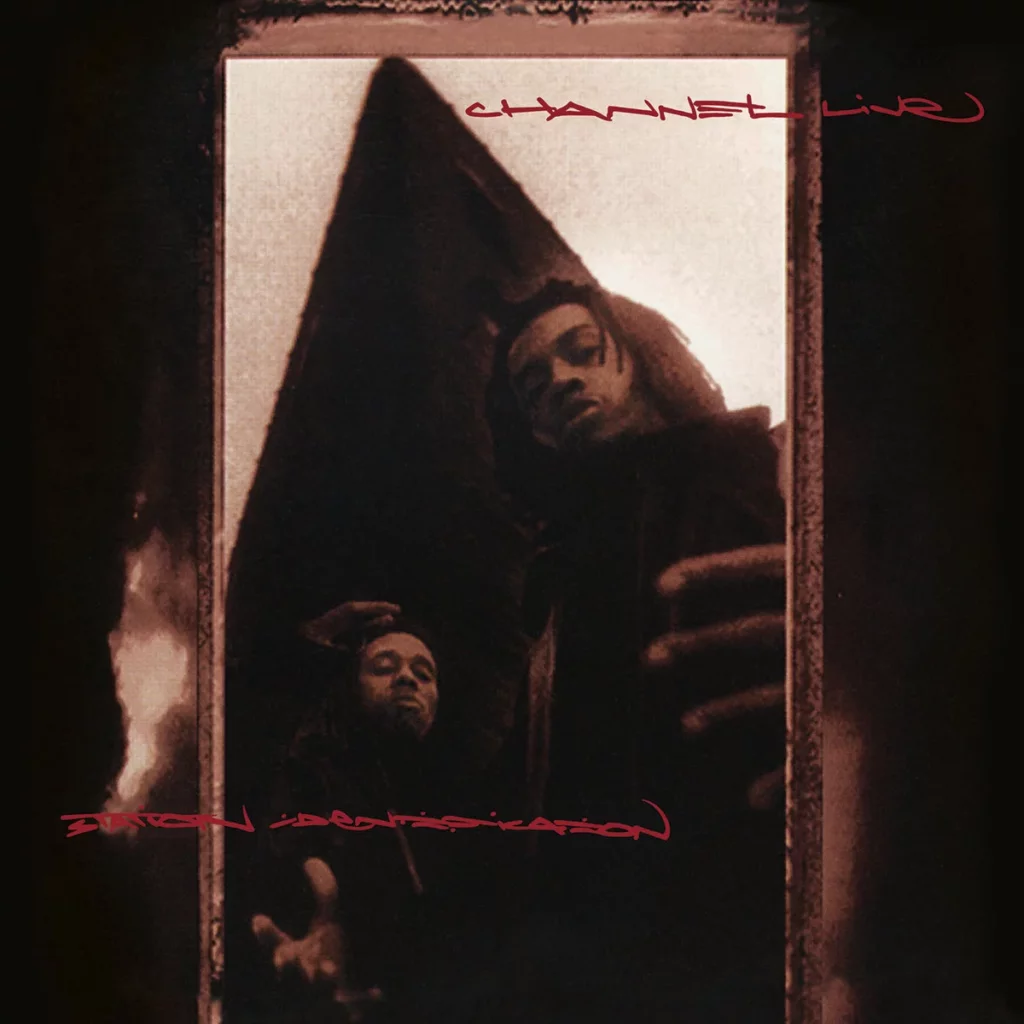
“Mad Izm” kicks in with a stuttering, off-balance beat, and Hakim Green and Tuffy Morgan attack it at full volume, trading lines with the urgency of men warning a crowd before the building collapses. KRS-One joins them on the track, and the single became the New Jersey duo’s calling card.
KRS discovered Channel Live, executive produced their debut, and built most of the beats himself, alongside contributions from Salaam Remi and Rheji Burrell. His production is lean and hard, stripped down to heavy drums and sparse loops that leave the MCs exposed. Playing off the group’s name, the album runs like a pirate broadcast, with short “Channel” interludes between songs. They add little, but the concept holds the record together.
“Reprogram” is the other peak, a Teacher-approved call to rewire the mind, delivered with the same breathless energy. “Build & Destroy” and “Alpha & Omega” show the Five Percent teachings underneath the battle rhymes, and Remi’s “Homicide Ride” darkens the mood.
A few mid-album tracks fade beside the singles, and in a crowded 1995 the album got lost in the shuffle. Station Identification still sounds like KRS-One passing the torch to two students who could shout as loud as he did.
38. King Tee – IV Life

King Tee’s baritone moves at its own pace, deep and unhurried, as if no beat could rush him. On his fourth album, his first for MCA after leaving Capitol, the Compton veteran found music to match. Working mostly with Broadway, the producer behind Mad Kap, he traded the heavy funk of his early records for a relaxed, faintly psychedelic, jazz-tinged sound that owed as much to New York’s underground as to Los Angeles car culture.
“You Can’t See Me” opens on a familiar sample before melting into a mellow, melodic groove. “Dippin’” is the cruising single, smooth and mid-tempo, a lazy Sunday afternoon on wheels. Da Mic Profesah’s “Way Out There” drifts further out on wistful piano and soft synths. Ultramagnetic’s Moe Love and TR Love bring a starker edge to “3 Strikes Ya’ Out”, a pointed look at California’s sentencing laws.
Tee was also the mentor behind the Likwit Crew, and he made room for them. E-Swift joins on “Duck”, and “Free Style Ghetto” hands the mic to Tha Alkaholiks, Breeze and a young Xzibit. IV Life flew under the radar while Death Row ruled, which is a shame: it caught a G-funk elder quietly sketching a different future for the West.
39. Fat Joe – Jealous One’s Envy

Fat Joe dropped “Da Gangsta” from his name for his second album and picked a title whose initials spelled J.O.E., a nod to the acronyms of his heroes LL Cool J and KRS-One. The change suited a record that sounds sharper and more ambitious than Represent, made by a South Bronx MC with a booming voice and a clear plan.
He also widened his circle. Diamond D still supplies key beats from the D.I.T.C. camp, but DJ Premier, Domingo, L.E.S. and Joe Fatal bring darker, more varied textures. Premier’s remix of “The Shit Is Real” is a highlight, cold and clipped, and “Bronx Tales” opens with KRS-One alongside Joe over Diamond’s tough loop. Raekwon joins him on “Respect Mine”. “Envy” flips Marvin Gaye’s “Sexual Healing” into a smooth single that gave Joe his first Hot 100 entry, and a hint of where his career would head.
The historic moment is “Watch Out”, where Big Punisher makes his first ever appearance on record, already rapping with a breathless density that would soon eclipse his mentor.
A few filler tracks slow things down. This is still one of Joe’s best albums, made before he went pop, with the best help in New York at his side.
40. Nine - Nine Livez

Nine’s voice sounds like it was scraped off the pavement. The Bronx MC raps in a raspy, gravel-throated baritone so rough that it turns even ordinary lines into threats, a growl that arrived a few years before DMX made that kind of delivery a commercial force. On his debut, the voice is the main event, and it rarely lets up.
Rob Lewis and Tony Stoute produced everything, and their beats lean dark and sample-heavy: thick drums, moody loops, and deep low end. “Whutcha Want?” became the hit, a swinging bassline built for Nine’s bark, and it carried him onto the Hot 100. Stoute’s “Redrum” goes for horror-movie eeriness, while “Any Emcee” sweetens things with a smooth sample of The Spinners’ “I’ll Be Around” and a scratched Rakim vocal on the hook. “Da Fundamentalz” and “Tha Cypha” stick to straight boom-bap.
Guests are almost absent; only A.R.L. Da X’Rsis turns up on “Retaliate”, and the album rests entirely on its host. Nine does not say anything especially deep, and some beats repeat themselves over an hour-long runtime. The sheer force of his presence carries it. Nine Livez is a sleeper from the Bronx that hits harder every time it comes back around.
Honorable Mentions
- K-Rino – Danger Zone
- Miilkbone – Da Miilkcrate
- Coolio – Gangsta’s Paradise
- Grand Puba – 2000
- Tommy Wright III – Runnin-N-Gunnin
- 10 Wanted Men- Wanted: Dead or Alive
- Souls Of Mischief – No Man’s Land
- Mad CJ Mac – True Game
- Das EFX – Hold It Down
- Lil Keke – Don’t Mess wit Texas
- Special Ed – Revelations
- Doug E Fresh – Play
- King Just – Mystics Of The God
- The Nonce – World Ultimate
- 5th Ward Boyz – Rated G
- Mystidious Misfitss – A Who Dat? (1995)
- Schoolly D – Reservoir Dog
- DJ Screw – 3 ‘N The Mornin’ (Part Two)
- Mack 10 – Mack 10
- Blackout – Dreamworld
- Luniz – Operation Stackola
- Junior M.A.F.I.A. – Conspiracy
- Kam – Made in America
- Spice 1 – 1990-Sick
- Tru – True
- Grits – Mental Releases
- The Grouch – Don’t Talk to Me
- Master P – 99 Ways to Die
- Ray Luv – Forever Hustlin’
- Rappin’ Ron & Ant Diddley Dog – Bad N Fluenz
- 11/5 – Fiendin 4 Tha Funk
- Ant Banks – Do Or Die
- Young D Boyz – Straight Game
- Gangsta Pat – Deadly Verses
- Key-Kool & Rhettmatic – Kozmonautz
- Funkdoobiest – Brothas Doobie
- Main One – Birth Of The Ghetto Child
- Cold World Hustlers – Iceland
- Dre Dog – I Hate You With a Passion
- Double XX Posse – Ruff, Rugged & Raw
- Mystidious Misfitss – A Who Datt
- Questionmark – Asylum The Album
- Red Hot Lover Tone – #1 Player
- Sham & The Professor – Split Personalities
- Rottin Razkals – Rottin Ta Da Core
- Da Nayborhoodz – Afta Dark… Illa Than Expected
- The B.U.M.S (Brothas Unda Madness) – Lyfe ‘n’ Tym
- DJ Krush – Meiso
- Various Artists – Return Of The DJ
- Tales From The Hood – Soundtrack
- Friday – Soundtrack
- The Show – Soundtrack
- Guru – Jazzmatazz Volume II: The New Reality
Forty albums later, what stays with us about 1995 is how little the best records agreed on. Raekwon built a crime saga out of soul samples and Five Percent slang. Bone Thugs-N-Harmony sang about death in five-part harmony. Count Bass D played every instrument himself and rapped about lip balm. Three 6 Mafia made a horror film out of bargain-bin keyboards, while DJ Quik hired a band and used it to insult MC Eiht. No single sound owned the year, and nobody seemed to be waiting for permission.
It was also a year of debuts and departures. Big Pun made his first appearance on a Fat Joe posse cut, Jay Dee began reshaping the drum programming of an entire generation on a Pharcyde record, and a young Jay-Z, DMX and Ja Rule crowded onto one Mic Geronimo track before any of them was famous. Eazy-E did not live to see the spring, and the Ruthless camp spent the rest of the year fighting in his name.
The tension that hung over the Source Awards in August did not ease when the year ended. Death Row had 2Pac, Bad Boy had the radio, and the feud between them was heading somewhere nobody would be able to undo. At the same time, the South was proving André right, the Bay Area was exporting its slang, and the New York underground kept producing records too stubborn to chase a hit.
Some of these albums sold millions. Others vanished from the shelves within months and found their audience years later. We ranked them as carefully as we could, but the list is meant as a starting point. Put on one you skipped, and then turn the page to 1996.