


Cypress Hill changed the way the world heard West Coast Hip Hop. When they came up in the early ’90s, the Los Angeles scene was already booming, but no one sounded like this trio from South Gate. B-Real’s nasal, razor-sharp delivery cut through DJ Muggs’ smoky, sample-heavy production, while Sen Dog’s menacing ad-libs gave every track weight and attitude. Their sound was grimy and cinematic, full of paranoia and humor, soaked in weed smoke and street knowledge. Over time, that mix made them legends—not just in Hip Hop, but in global music culture.
Across more than three decades and nine studio albums, Cypress Hill has never followed a single formula. They started with gritty, sample-driven street music before diving into the high-energy chaos of Black Sunday and the dark psychedelia of III: Temples of Boom. As the 2000s rolled in, the group opened up new lanes, experimenting with Latin influences, metal crossovers, and expansive soundscapes that pushed Muggs’ production into even stranger territory. What’s remarkable is that even with all the evolution, their chemistry never disappeared. B-Real still sounded hungry, Muggs still stayed ahead of trends, and their unapologetic Cannabis anthems kept the culture in focus.
Ranking Cypress Hill’s albums means tracing the history of a crew that ignored commercial expectations and built their own sonic world. Some records stand out as cultural landmarks, while others reveal a willingness to experiment even when the results divided fans. Through every era—major label dominance, underground resurgence, and the streaming age—they’ve kept their sound raw and uncompromising. Few groups from their generation can say the same.
This list breaks down the journey from the jagged brilliance of their debut to the hypnotic chaos of Elephants on Acid and beyond. Each album represents a different version of Cypress Hill—sometimes militant, sometimes introspective, always original. Whether they were dominating MTV rotations in 1993 or blowing minds with psychedelic sound design in the 2010s, they carried the flag for real artistry in Hip Hop. Let’s dig into their catalog and see how every project measures up in the story of one of the culture’s most inventive groups.

10. Rise Up (2010)

Cypress Hill surfaced after a six-year gap with Rise Up, their initial outing on Snoop Dogg’s revived Priority label following a stagnant run at Columbia. The album merges persistent weed motifs and street edge with rap-rock detours and Latin touches, as seen in Tom Morello’s sharp guitar on the title track’s pounding rhythm, Daron Malakian’s heft on “Trouble Seeker,” and “Armada Latina” with Marc Anthony and Pitbull. B-Real shifts to a deeper, steadier delivery away from his classic nasal edge, paired with Sen Dog’s robust backing, while DJ Muggs appears minimally—chiefly on “Take My Pain” featuring Everlast’s moody chorus—leaving the production eclectic and distant from their hallmark grit.
“K.U.S.H.” lists strains across mellow funk, “Light It Up” taps Pete Rock’s Barry White flip for brash drive, and “Carry Me Away” explores emo-rap depth via Mike Shinoda. “Pass the Dutch” mixes sitar and bagpipes oddly, while “It Ain’t Nothin'” echoes old bass thump. The range covers rock-rap pushes, Latin hooks, and quieter reflections, akin to prior nu-metal drifts but lacking tight focus.
Rise Up musters some spark from guests and grown lyricism through the smoke, yet its stylistic sprawl erodes any core strength, making it the weakest link in Cypress Hill’s lineup. | 6/10
9. Till Death Do Us Part (2004)
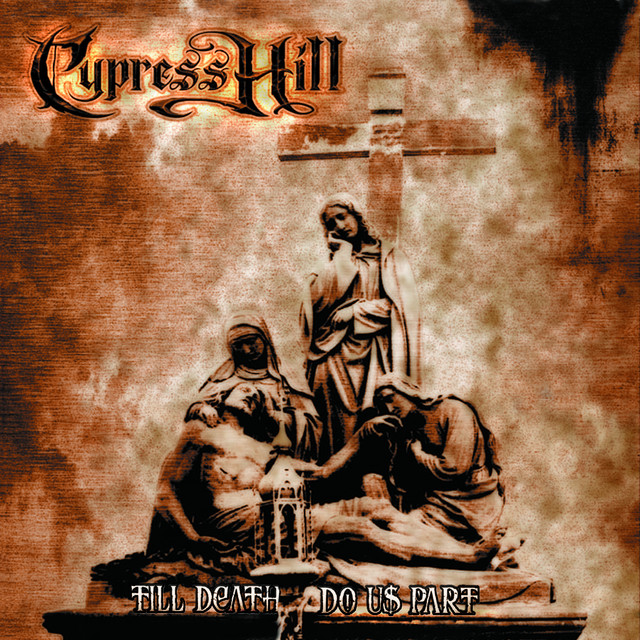
Cypress Hill delivered their seventh studio album, Till Death Do Us Part, three years after Stoned Raiders, continuing to stretch beyond rigid formulas with a diverse palette of Latin Hip Hop, dancehall, reggae, rock, and even harp-laced introspection across 16 tracks. The opener “Another Body Drops” sets a menacing tone with hard beats and rock edges, while “Latin Thugs” featuring Tego Calderón brings fiery bilingual aggression, and “Ganja Bus” with Damian “Jr. Gong” Marley infuses reggae rhythms into weed-centric vibes. DJ Muggs anchors much of the production alongside The Alchemist on one cut, blending gritty street tales with social shadows in tracks like the somber “Never Know” and the urgent “Street Wars.”
Guest spots elevate the mix: Prodigy and Twin trade bars on the lively “Last Laugh,” Tim Armstrong adds punk urgency to the radio-slick “What’s Your Number?,” and the title track closes with laid-back reflection amid skits like “Bong Hit” and “Eulogy.” “One Last Cigarette” weaves jazzy sax and xylophone into dark narratives, though some middle cuts like “Till Death Comes” and “Money” drag with monotonous pacing.
Lyrically rooted in violence, hustling, and herb life but framed with deeper context, the album experiments boldly yet scatters focus, landing as a capable but inconsistent veteran effort lower in Cypress Hill’s ranks. | 6.5/10
8. Back In Black (2022)
Back In Black finds Cypress Hill reflecting on legacy, partnering with Black Milk for a concise 30-minute return to boom-bap fundamentals that echoes their ’90s grit without matching its intensity. Black Milk’s crisp drums, warm bass lines, and live-instrument warmth create a polished, band-ready sound, livelier than recent DJ Muggs efforts yet sometimes blending into mid-tempo sameness. Tracks like “Takeover,” “Certified,” and “Champion Sound” assert veteran status with B-Real’s sharp nasal flow and Sen Dog’s rugged edge, while Demrick adds punch on “The Original.”
The duo balances weed anthems and legalization calls in “Open Ya Mind” with street bravado and introspection, as “Come With Me” flips a Hail Mary hook into hazy allure. Quirky synths nod to Muggs’ eerie past, but weaker spots like “Hit ‘Em” and “Bye Bye” drag with repetitive percussion and forgettable verses, diluting the swagger.
This late-career entry coasts on chemistry and familiarity, delivering smooth arena-ready hooks for longtime listeners, though its safe restraint keeps it from standout impact in their catalog. | 6.5/10
7. Stoned Raiders (2001)
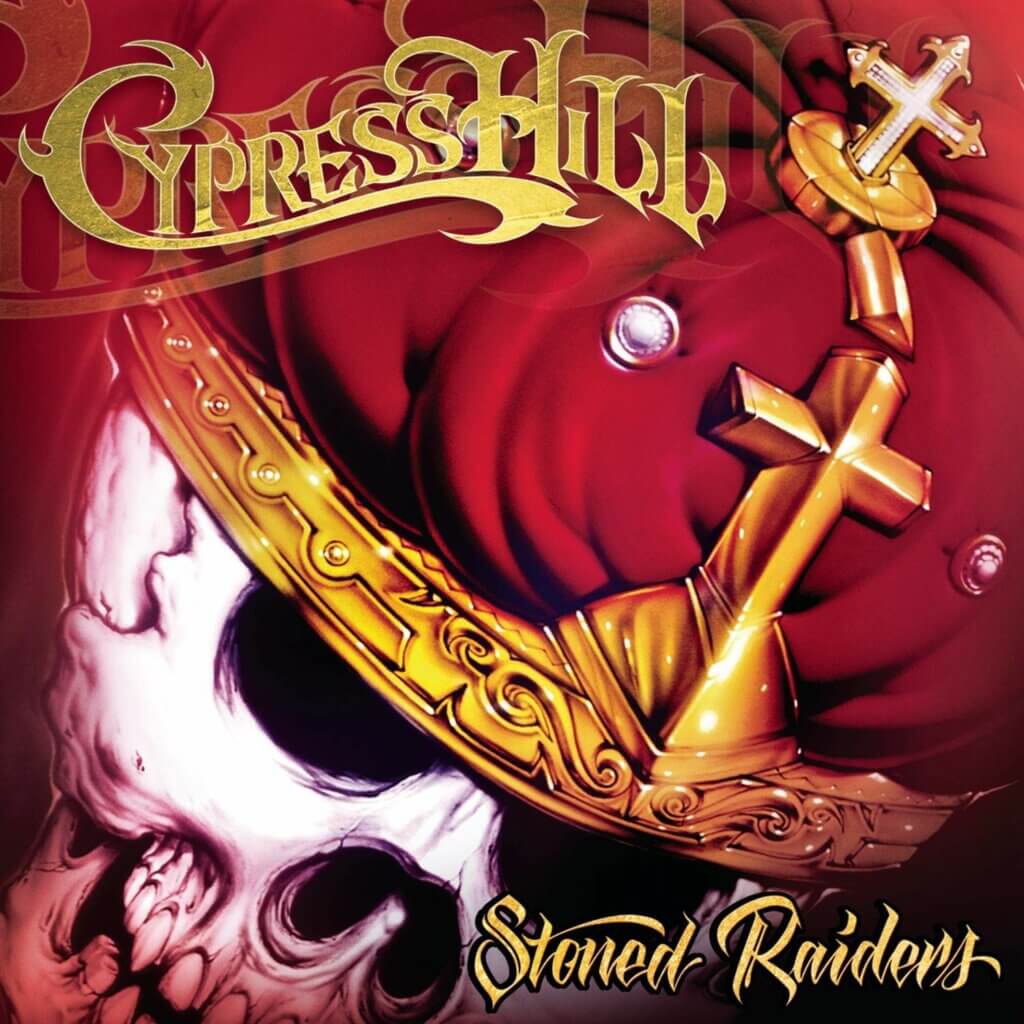
Stoned Raiders marks Cypress Hill’s eighth album, a decade after their debut, weaving rap-rock elements from Skull & Bones seamlessly into their Hip Hop foundation. DJ Muggs and live drummer Bobo deliver precise percussion—from shuffling jazz rhythms to Roni Size-style breaks and layered psychedelia—that powers rock-leaning tracks like the slow-burning “Bitter” with its surf guitar and fragmented flows, or “Amplified” echoing Rage Against the Machine via a memorable chorus. The opener “Trouble” features Fear Factory’s Christian Olde Wolbers on disorienting guitar over driving beats, while “Lowrider” channels West Coast funk through Mellow Man Ace’s synth-driven hook and gritty bassline.
Hip Hop highlights shine in “Southland Killers,” pitting B-Real against MC Ren in fierce interplay, and “Kronologik” with Kurupt, offering a captivating timeline of their career with sharp references. “It Ain’t Easy” surges with aggressive guitars and orchestral touches on survival themes, Sen Dog blending Spanish flair into the aggression. Cameos from Redman, Method Man on “Red, Meth & B,” and King Tee inject variety, though some lack spark amid thinner rap beats.
B-Real’s piercing nasal style and Sen Dog’s raw power navigate the weed-fueled, political haze, yet weaker Hip Hop moments pale beside bolder rock hybrids, placing Stoned Raiders as a competent but inconsistent later-era entry. | 7/10
6. Skull & Bones (2000)

Skull & Bones deploys Cypress Hill’s bold double-disc gambit, their fifth full-length a decade in, splitting into a Hip Hop-focused “Skull” side and a rap-rock “Bones” counterpart with Sen Dog back in the fold. DJ Muggs dominates the first disc’s ominous, funky soundscapes—punchy loops and cinematic dread—where B-Real’s fluid nasal rhymes and Sen Dog’s blunt force thrive on cuts like “Rap Superstar,” a brash anthem of endurance, and “Certified Bomb,” boasting over high-strung beats. “Highlife” showcases B-Real’s narrative edge amid weed haze and street lore, though misfires like “Stank Ass Hoe” veer into crass redundancy, and “We Live This Shit” rehashes old vibes without spark.
The “Bones” disc pivots to overdriven guitars and live-band crunch, chasing rap-metal trends with mixed results: “Rock Superstar” amps the title track’s aggression effectively, “Valley of Chrome” brews surreal menace with a metal-ready chorus, and “Dust” grinds gritty and elusive. Sen Dog pushes forward on “A Man,” but the rock experiments often lack memorable riffs or hooks, exposing the group’s limits beyond Hip Hop roots.
Muggs’ production intoxicates sonically, especially on “Skull,” marking their strongest pure-rap effort since Black Sunday, yet the “Bones” overreach dilutes focus, landing Skull & Bones mid-pack in a catalog built on tighter innovation. | 7/10
5. Elephants On Acid (2018)
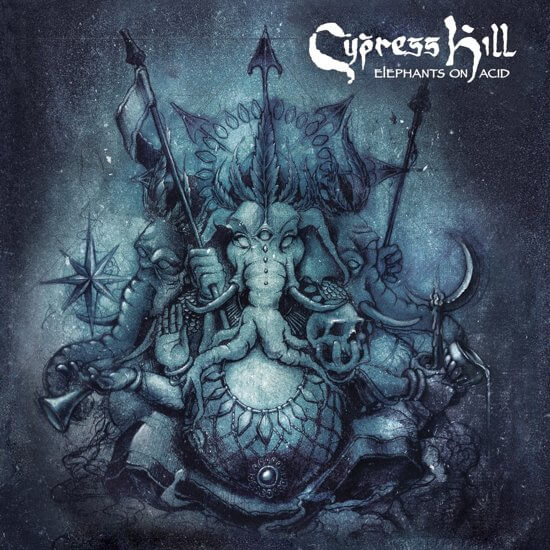
Elephants On Acid brings DJ Muggs back into the fold and steers Cypress Hill into their most immersive psychedelic space since the mid-90s. Across 21 tracks, the record unfolds less like a standard studio album and more like a smoked-out travelogue, drifting from Los Angeles alleys to Cairo streets. Live sitar, oud, and flute, recorded in Egypt, bleed into searing guitars, sub-bass, and worn-vinyl textures, so a song like “Band of Gypsies” feels both like a cypher and a hallucination.
Muggs builds a dense atmosphere where interludes matter: the elephant calls and piano lilt of “LSD,” the crackling ritual feel of “Holy Mountain,” and the organ fog of “Jesus Was a Stoner” stitch the narrative together rather than just padding the runtime. When the group locks into darker gear—”Put Em in the Ground,” “Locos,” “Warlord,” “Reefer Man”—the mix of menace, mysticism, and classic weed worship lands with real force, echoing Temples of Boom without merely recreating it.
Not everything hits; the long tracklist, frequent skits, and more cartoonish detours like “Crazy” or “Oh Na Na” can break the spell. Still, the overall effect is a late-career reinvention that feels surprisingly vital: a sprawling, often beautiful hallucination where Cypress Hill sound fully engaged with the possibilities of their own mythology. | 7.5/10
4. IV (1998)

Cypress Hill IV captures the group at a transitional peak, with Sen Dog’s return amplifying B-Real’s nasal menace over DJ Muggs’ cinematic production that blends mid-tempo grooves with sharper, faster pulses. The album opens with the harrowing “Looking Through the Eye of a Pig,” where B-Real embodies a crooked cop’s descent into paranoia and self-destruction amid slicing beats and barnyard dread, setting a tone of gritty frontline reportage from L.A.’s endless streets. Tracks like “Checkmate” and “Riot Starter” surge with hyper energy, echoing early Bomb Squad aggression through Public Enemy-style sirens and electric guitar spikes, while “Tequila Sunrise” infuses smooth Latin horns into their weed-soaked world.
Muggs layers spaghetti western samples, Spanish guitar, and distorted vocals to evoke war-torn illusions, as in the apocalyptic “Clash of the Titans,” where blood-soaked blades and tolling bells fuel battle cries. “Dr. Greenthumb” delivers dusty funk and humorous skits celebrating herb life, standing as the timeless standout amid obligatory pot anthems like “High Times.” Guests including MC Eiht, Barron Ricks, and Chace Infinite add flavor on cuts like “Prelude to a Come Up” and “Feature Presentation,” though some filler like “Steel Magnolias” drags the pacing.
Beneath the threats and bravado lies moral undertow—warnings for ghetto youth—framed in lapsed-Catholic imagery and corroding realities. The closer “Lightning Strikes” flirts with rap-rock via metallic riffs, hinting at future pivots. This raw, comeback-fueled effort ranks solidly mid-catalog: potent when locked in, yet stretched by uneven spots. | 7/10
3. Cypress Hill III: Temples of Boom (1995)

Cypress Hill III: Temples of Boom finds Cypress Hill stepping off the commercial high of Black Sunday and into a thick, paranoid fog, doubling down on mood over immediacy. Released on Halloween, it leans hard into dread: DJ Muggs builds a world of echoing divas, noir strings, Buddhist chants, sitars, and organ swells that feel less like beats and more like haunted architecture. The opener “Spark Another Owl” reaffirms their stoner identity, but from there the record drifts into a darker headspace where weed haze blurs into full-blown paranoia and occult imagery.
“Illusions” stands as one of their finest moments, a hypnotic slow-burn where Muggs’ layered samples and stray bell chimes wrap around B-Real’s anxious introspection. “Boom Biddy Bye Bye” and “Let It Rain” keep the tension simmering, their grimy drums and minor-key loops turning gun talk into ritual. The Ice Cube-directed “No Rest for the Wicked” hits like a cold-blooded centerpiece, its brooding backdrop giving B-Real’s barbed shots extra weight, while “Throw Your Set in the Air” and “Locotes” anchor the record in street mythology rather than radio hooks.
Lyrically, B-Real and a largely backgrounded Sen Dog don’t reinvent their persona, but over Muggs’ most immersive, psychedelic production, familiar themes mutate into something stranger and more internal. The result is less bouncy than the first two albums and lighter on obvious singles, yet as a front-to-back experience, Temples of Boom is their most cohesive descent into the shadows—a slow, suffocating classic for listeners willing to get lost in it. | 7.5/10
2. Cypress Hill (1991)
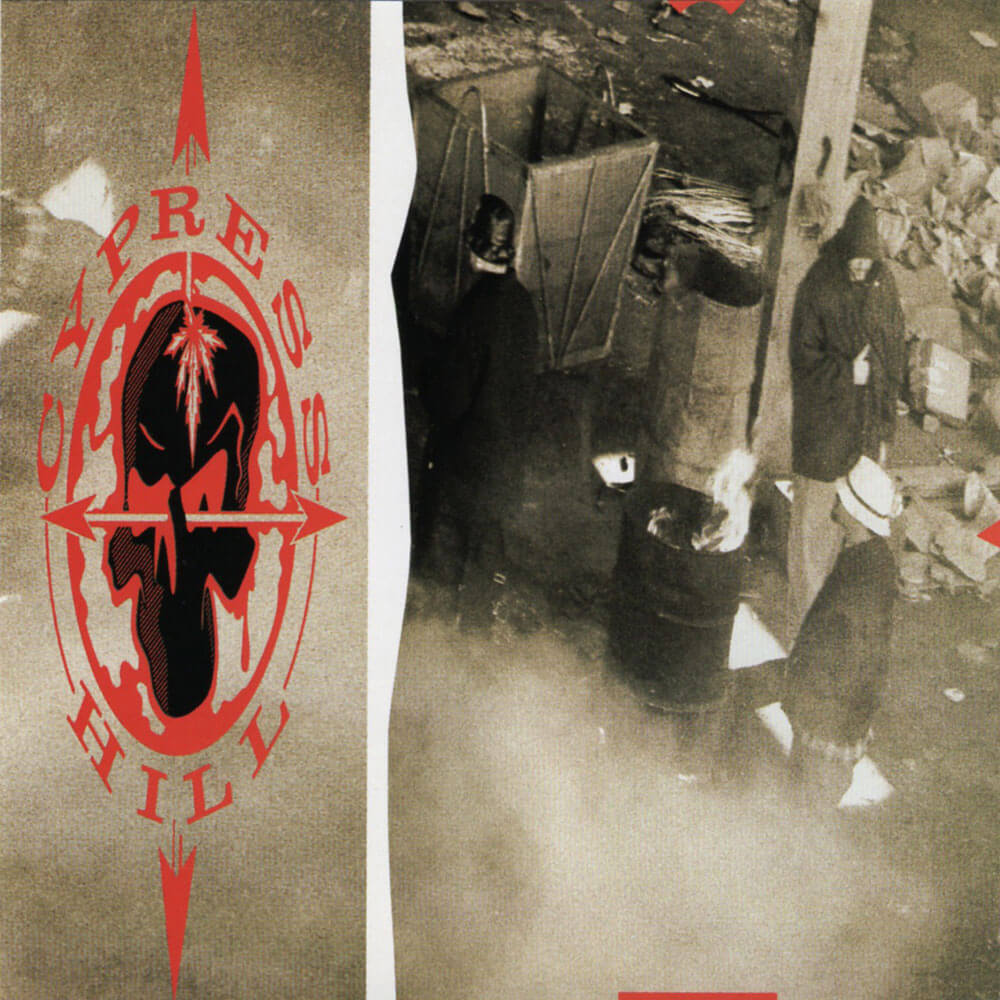
Cypress Hill’s self-titled debut crashed into the early ’90s Hip Hop landscape like a shotgun blast from the shadows, instantly redefining what West Coast rap could sound like. Emerging from South Gate, the trio—B-Real’s piercing nasal whine, Sen Dog’s gravelly menace, and DJ Muggs’ warped production—forged a blueprint that blended Latino flair, stoner haze, and gritty street surrealism into something utterly alien. Slow, deliberate beats laced with fat basslines, eerie samples, and distant echoes mimicked the disorienting pull of a weed high, turning tracks into hazy rituals where violence and humor blurred into cartoonish threats. This wasn’t standard gangsta posturing; it was psychedelic paranoia wrapped in nursery-rhyme menace, influencing everyone from Dr. Dre’s G-funk pivot to generations of imitators who could never quite capture its force.
The opener “Pigs” unleashes immediate fury against authority, but “How I Could Just Kill a Man” cements the blueprint: B-Real’s singsong flow dissects cycle-of-violence logic over Muggs’ creeping groove, a timeless gut-punch that crossed over to college radio and rock crowds. “Hand on the Pump” follows with robotic vocal chops and funky bass propulsion, demanding listeners hit the floor, while “The Phunky Feel One” injects pure adrenaline through psychedelic urgency. “Hole in the Head” amps the goofy brutality with Scooby-Doo chants, “Latin Lingo” and “Tres Equis” weave bilingual chill amid the chaos, and “Stoned Is the Way of the Walk” enshrines their pro-cannabis gospel as an anthem. “Real Estate” claims turf pride with vivid LA snapshots, balancing mysticism and survival.
Muggs’ Golden Age flex—detailed yet old-school lively—keeps every beat kinetic, bridging hardcore edges with rock appeal and Latino representation that opened doors for outsiders. B-Real’s bizarre, frightening persona dominates, Sen Dog anchors the hooks, and the whole feels like a junkyard cypher under weed smoke. Decades later, it remains fresh: raw innovation that dodged clichés, popularized marijuana themes, and proved Hip Hop could be grimy, cerebral, fun, and alien all at once. No filler, pure ignition—a landmark that launched a dynasty. | 8.5/10
1. Black Sunday (1993)
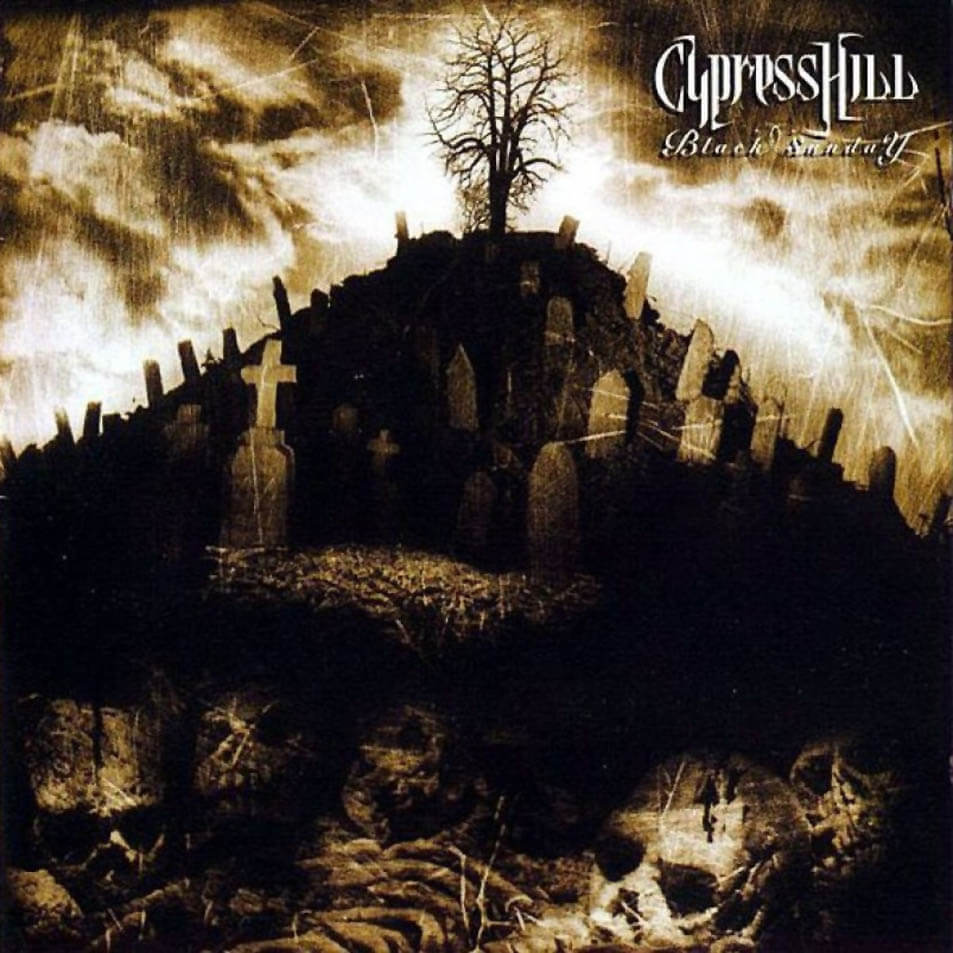
Black Sunday is Cypress Hill’s platinum juggernaut, refining the debut’s alien blueprint into a sharper, crossover machine that traded raw sketches for structured bangers, cementing their rock-rap bridge and stoner supremacy. DJ Muggs elevates his siren-shriek wizardry—police wails, car alarms, whale moans—into densely packed grooves that recycle urban noise into hooks, powering the flawless opening stretch. “I Wanna Get High” kicks off with hypnotic allure, its mellow sway pulling listeners into THC-fueled unity across “every denomination, every color, every religion,” while pro-hemp soundbites on “Hits from the Bong” (built from Dusty Springfield’s sultry curl) blend hippie advocacy with street tutorials on water hits and smooth pulls.
The crown jewel “Insane in the Brain” explodes next, B-Real’s loco taunt (“Who you tryin’ to get crazy with ese’?) riding Muggs’ carnival scream of a beat into MTV immortality, spawning imitators from Redman to Onyx while shifting Hip Hop westward toward G-funk haze. “Lick a Shot” captures frantic survival post-shooting, jazzy bass clattering under impressionistic urgency, and “I Ain’t Goin’ Out Like That” surges with defiant bark, Sen Dog echoing B-Real’s nasal yowl in perfect canine tandem. “Hand on the Glock” reboots the debut’s pump anthem with verse-chorus polish, while “When the Ship Goes Down” stretches choruses long but locks in gangster comedy amid self-defense cycles.
Beneath the pot paeans—”Wanna Get High,” “Legalize It”—lies gothic bloodlust: sudden deaths, entombment dreams, and morbid rituals evoking Poe more than party anthems. The sepia cemetery art and Black Sabbath nods amplify the sweltering madness, where weed numbs yet emboldens amid South Gate’s gang shadows. Instrumentals like “Lock Down” offer breather grooves, but rare filler (“When the Ship Goes Down”‘s repetition) barely dents the 44-minute fug of intoxication and vigilance.
This sophomore peak—vital, consistent, formula-perfected—marks Cypress Hill’s last undisputed classic, pioneering Latino breakthrough, gothic Hip Hop’s gateway, and production economy that aged into timeless wine. Brevity keeps it zipping; personality makes it inimitable. For a generation, it was Exodus through smoke; for Hip Hop, a tenor-shifting masterpiece. | 9/10