
1993 was one of the richest years in Hip Hop history. The genre was at the height of its Golden Age, with established artists refining their approaches, new voices making their presence felt, and regional scenes developing increasingly distinct identities. From the grimy boom-bap emerging from New York to the smooth G-funk of Los Angeles, the jazz-inflected experimentation of the alternative underground, and the growing force of Southern rap, the music covered an extraordinary amount of ground.
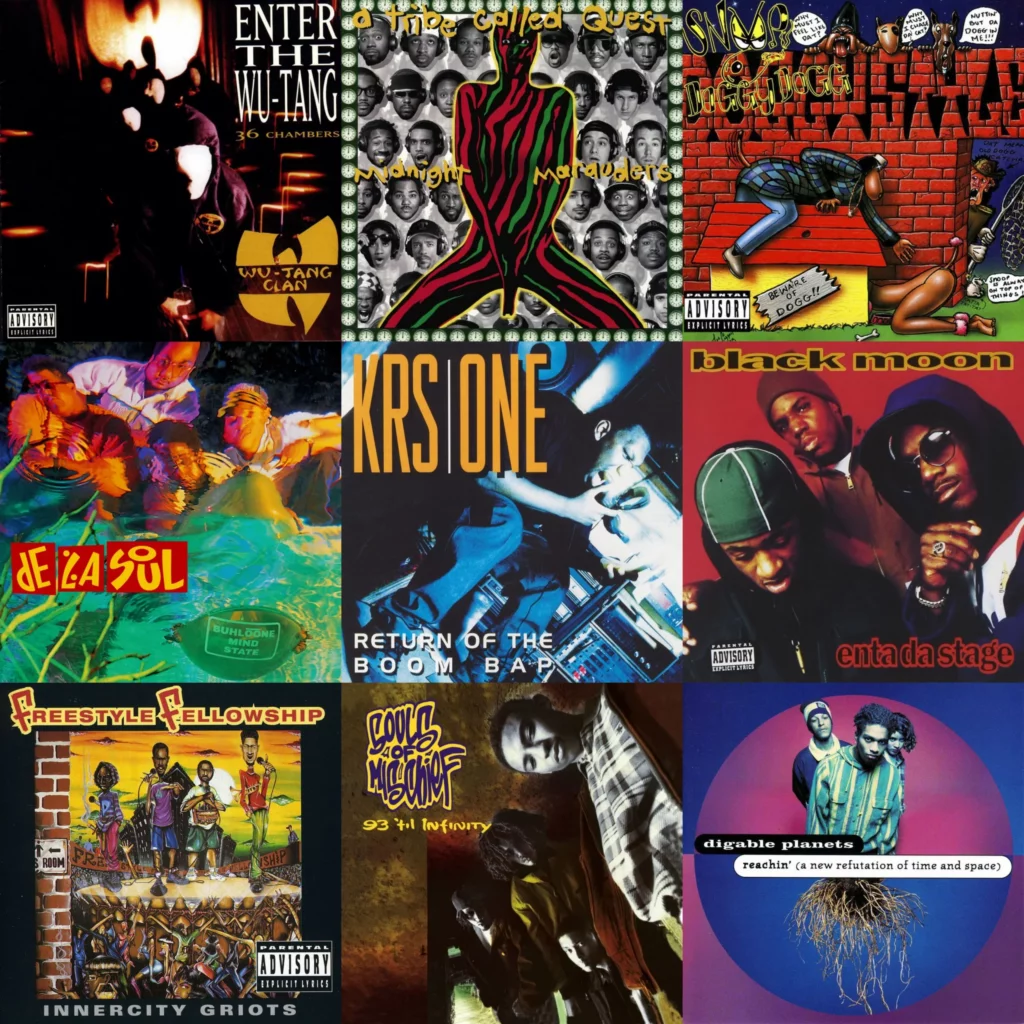
On the East Coast, a new generation of New York artists was changing the landscape. Wu-Tang Clan’s Enter the Wu-Tang (36 Chambers) introduced a collective with an unmistakable identity, built around RZA’s dusty, menacing production and the contrasting personalities of its nine MCs. A Tribe Called Quest continued to refine its jazz-inflected approach on Midnight Marauders, while De La Soul took a more exploratory direction with Buhloone Mind State. Black Moon’s Enta Da Stage helped establish a harder-edged underground sound, and Masta Ace turned his attention to the commercialization of rap on the inventive Slaughtahouse. KRS-One, meanwhile, returned with Return of the Boom Bap, reaffirming his commitment to the foundations of the culture.
The underground was equally adventurous elsewhere. Los Angeles groups Freestyle Fellowship pushed intricate vocal techniques and unconventional rhythms on Innercity Griots, while Del tha Funkee Homosapien brought his eccentric perspective to No Need for Alarm. In the Bay Area, Souls of Mischief’s 93 ’til Infinity paired relaxed delivery with nimble lyricism, and Digable Planets distinctively connected jazz and Hip Hop on Reachin’ (A New Refutation of Time and Space). The Roots released their independently recorded debut Organix, offering an early glimpse of the live instrumentation and musical ambition that would define their subsequent career.
Meanwhile, West Coast gangsta rap was reaching another commercial and creative peak. Dr. Dre’s production provided the foundation for Snoop Doggy Dogg’s Doggystyle, a record whose laid-back delivery, memorable characters, and irresistible G-funk grooves made an immediate impact. Cypress Hill expanded their audience with the darker, bass-heavy Black Sunday, while Ice Cube’s Lethal Injection, Ice-T’s Home Invasion, and Too $hort’s Get In Where You Fit In offered different perspectives on the West Coast sound. Further north, Mac Mall introduced himself with Illegal Business?, and The Coup brought a politically charged perspective to the Bay Area underground with Kill My Landlord.
The South was developing its own identity at an impressive pace. Memphis duo Eightball & MJG delivered the gritty, street-level storytelling of Comin’ Out Hard, while Houston’s Geto Boys returned with Till Death Do Us Part. Scarface continued his development as a solo artist on The World Is Yours, and K-Rino made his debut with the densely lyrical Stories From The Black Book. These records reflected regional experiences and approaches that deserved recognition alongside the increasingly dominant sounds of New York and Los Angeles.
There was no shortage of commercially successful rap either. Onyx brought explosive aggression to Bacdafucup, Naughty By Nature followed their breakthrough with 19 Naughty III, and Queen Latifah delivered one of her strongest statements on Black Reign. 2Pac’s Strictly 4 My N.I.G.G.A.Z. revealed an artist developing his political and social perspective, while Fat Joe made his first major statement with Represent. Even some of the genre’s established names had notable moments, although the albums released by LL Cool J, Run-DMC, Big Daddy Kane, and MC Lyte generally struggled to match the strongest work of the year.
The diversity extended beyond the music itself. The release of Menace II Society brought another uncompromising depiction of inner-city life to the screen, accompanied by a soundtrack that reflected the atmosphere of contemporary West Coast Hip Hop. The year also brought its share of losses, including the death of Apache, whose hit “Gangsta B****” had made him a recognizable name.
With so many different styles, regional movements, and individual artistic statements competing for attention, narrowing 1993 down to 40 albums is no easy task. The following selection looks beyond commercial success and historical reputation to assess the records themselves: their production, performances, songwriting, originality, and lasting musical appeal. These are our picks for the 40 best Hip Hop albums of 1993.
Also read: Top 150 Hip Hop Albums Of The 1990s
1. Wu Tang Clan - Enter The Wu Tang (36 Chambers)

Few albums have changed the direction of Hip Hop as dramatically as Wu-Tang Clan’s debut. Released at a time when Dr. Dre’s The Chronic had brought West Coast G-funk to the forefront, Enter the Wu-Tang (36 Chambers) offered a radically different vision of rap. Dark, abrasive, unpredictable, and packed with lyrical invention, it brought together nine MCs with distinct personalities under the direction of one producer who understood exactly how to make them sound like a unit. The result was a landmark in New York Hip Hop and one of the most extraordinary group albums ever recorded.
RZA’s production is the foundation of the Wu-Tang aesthetic. Working with chopped-up soul samples, haunting piano fragments, heavy drums, and dialogue from old kung-fu movies, he created a deliberately unpolished sound that gave the album its distinctive atmosphere. The beats are often sparse and lopsided, with unexpected changes and strange sonic details that keep the listener alert. There is nothing glossy about the music. “Bring Da Ruckus” sets the tone with its ominous opening, while “Da Mystery of Chessboxin'” and “Wu-Tang Clan Ain’t Nuthing ta F’ Wit” demonstrate how effectively RZA’s rugged production accommodates a succession of contrasting voices.
The nine MCs are equally responsible for the album’s extraordinary character. GZA’s calculated precision, Method Man’s unmistakable charisma, Ghostface Killah’s vivid intensity, Raekwon’s streetwise delivery, Inspectah Deck’s intricate wordplay, and Ol’ Dirty Bastard’s completely unpredictable vocal approach all contribute to the group’s chemistry. U-God, Masta Killa, and RZA complete a formidable lineup. “Protect Ya Neck” is the ultimate demonstration of their collective firepower, with the members trading verses in an extended lyrical showcase that never loses its competitive edge.
There is considerably more to the album than battle rhymes and aggressive performances. “C.R.E.A.M.” is a devastating account of poverty, crime, and the struggle for financial survival, with Raekwon and Inspectah Deck delivering some of their finest verses over RZA’s haunting piano loop. “Can It Be All So Simple” offers another reflective moment, with Raekwon and Ghostface looking back on their past.
The album’s influence on the direction of East Coast rap was enormous, inspiring a generation of artists to embrace darker samples, rougher production, and uncompromising lyrical approaches. Over three decades later, Enter the Wu-Tang (36 Chambers) still sounds remarkably distinctive. Its combination of individual brilliance, collective chemistry, and RZA’s groundbreaking production makes it an easy choice for the number one position.
2. A Tribe Called Quest - Midnight Marauders

Following The Low End Theory was an almost impossible assignment. A Tribe Called Quest had already reached an extraordinary level of musical sophistication, lyrical chemistry, and artistic confidence, leaving little room for improvement. Their third album, Midnight Marauders, nevertheless comes remarkably close to matching its predecessor. Perhaps less revolutionary in its overall approach, it is every bit as accomplished, with Q-Tip, Phife Dawg, and Ali Shaheed Muhammad operating at the peak of their creative abilities.
Q-Tip once again handles most of the production, drawing from jazz, soul, funk, and R&B to construct a collection of irresistibly warm grooves. The basslines are particularly infectious, the drums have plenty of punch, and the horn arrangements add color without overwhelming the music. Compared with the slightly darker atmosphere of The Low End Theory, there is a sunnier, more playful quality to much of Midnight Marauders. The recurring robotic tour guide, introducing different aspects of the group between tracks, adds a distinctive thread of humor and personality to the album’s sequencing.
“Electric Relaxation” is a highlight, its mellow instrumental providing the perfect setting for Q-Tip and Phife Dawg’s effortless exchanges. “Award Tour” has an equally infectious appeal, driven by an irresistible groove and the duo’s celebration of their growing international recognition. “Oh My God”, featuring an explosive contribution from Busta Rhymes, brings additional energy, while “We Can Get Down” is another superb example of Tribe’s ability to combine intricate musicianship with accessible songwriting.
Phife is particularly impressive throughout. His animated delivery and conversational storytelling provide an ideal contrast to Q-Tip’s more relaxed approach. On “8 Million Stories”, he turns a succession of everyday frustrations into an entertaining narrative, while “Sucka Nigga” finds Q-Tip addressing the complicated history and cultural implications of a deeply charged word. Elsewhere, “Lyrics to Go” and “God Lives Through” demonstrate the group’s continued willingness to explore different lyrical and musical directions.
There is little filler across the album’s fourteen tracks. The chemistry between the two MCs is exceptional, Q-Tip’s production is consistently inventive, and Ali Shaheed Muhammad’s contributions help maintain the musical cohesion. Midnight Marauders captures A Tribe Called Quest at a moment when their sound was fully developed, and their creative instincts were almost infallible. Delivering two consecutive albums of this caliber is an extraordinary achievement. Few groups in Hip Hop history have managed it.
3. Snoop Doggy Dogg - Doggystyle

The anticipation surrounding Snoop Doggy Dogg’s solo debut was extraordinary. After making a memorable entrance on Dr. Dre’s “Deep Cover” and stealing much of the spotlight on The Chronic, Snoop had become the most exciting new voice in Hip Hop. Expectations were enormous, and Doggystyle met them almost effortlessly. With Dre handling the production, Snoop delivered a record that took the emerging G-funk sound to another level and became one of the defining albums of West Coast Hip Hop.
Dre’s production is remarkably consistent, built around deep basslines, silky keyboards, crisp drums, and generous helpings of funk. Drawing heavily from the musical tradition of Parliament-Funkadelic, he creates grooves that are immediately recognizable without becoming repetitive. “Gin and Juice” is the perfect example, its infectious instrumental providing an ideal backdrop for Snoop’s relaxed account of partying and neighbourhood life. “Gz and Hustlas” has a similarly irresistible groove, while “Da Shiznit” finds Snoop playing with his flow and delivering some of the album’s most entertaining wordplay. The music is smooth, but there is plenty of detail and personality beneath the surface.
Snoop himself is the undeniable attraction. His distinctive drawl, unusual rhythmic phrasing, and effortless charisma give familiar gangsta rap subject matter an entirely different character. He rarely sounds hurried, allowing his verses to unfold with conversational ease that contrasts beautifully with the precision of Dre’s production. Their chemistry is exceptional throughout. Kurupt, Daz Dillinger, and Nate Dogg add valuable contributions, with the latter particularly effective on the memorable “Ain’t No Fun (If the Homies Can’t Have None).”
There are darker moments too. “Murder Was the Case” is a gripping narrative about violence, mortality, and the consequences of street life, delivered with an unsettling calmness. Snoop also puts his own spin on Slick Rick’s storytelling tradition with “Lodi Dodi”, demonstrating his ability to entertain through character-driven narratives and playful lyrical detail.
If The Chronic introduced G-funk to the wider Hip Hop audience, Doggystyle took the formula to its commercial and creative peak. Dre’s production and Snoop’s extraordinary personality make for a remarkably cohesive record, capturing Los Angeles rap at a defining moment. Snoop would release plenty of worthwhile music in the decades that followed, but the combination of youthful hunger, distinctive style, and Dre’s production on this debut proved impossible to recreate.
4. De La Soul - Buhloone Mind State
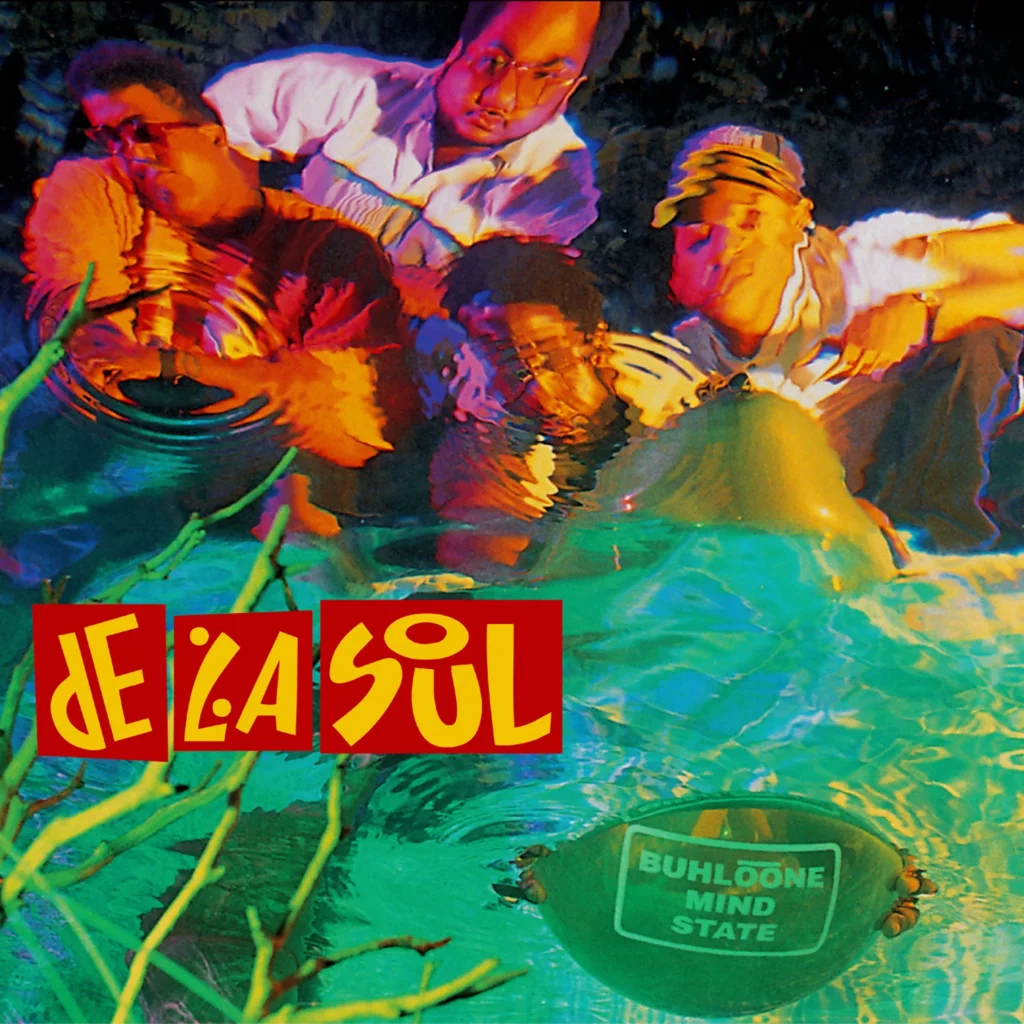
Of De La Soul’s first four albums, Buhloone Mindstate is arguably the least appreciated, partly because it lacks the immediate appeal of 3 Feet High and Rising or the accessible grooves of De La Soul Is Dead. That difference in approach has sometimes obscured how accomplished the record is. Posdnuos, Trugoy, and Maseo take another creative turn, moving toward a more organic, jazz-centered sound while retaining the sharp writing and eccentric personality that define the group. Prince Paul is at the controls for the final time on a full De La Soul album, and the partnership produces some of its finest work.
The title refers to a balloon: as De La Soul’s popularity expanded, the group was determined not to let its identity become inflated or compromised. With gangsta rap and harder-edged East Coast Hip Hop dominating much of the conversation in 1993, the trio followed its own instincts. They brought jazz legends Maceo Parker, Fred Wesley, and Pee Wee Ellis into the sessions, giving tracks like “Patti Dooke” and “I Am I Be” a lively, live-band quality. Parker’s saxophone takes center stage on the instrumental “I Be Blowin’,” while Prince Paul draws on jazz recordings by Eddie Harris, Lou Donaldson, Duke Pearson, and Milt Jackson for a production style rich in texture and detail.
The album moves comfortably between different moods. “Breakadawn” turns a sample of Michael Jackson’s “I Can’t Help It” into one of De La Soul’s most beautiful grooves. “Ego Trippin’ (Part Two)” has the playful energy associated with the group’s earlier work, while “En Focus,” featuring Dres of Black Sheep and Shortie No Mass, is another highlight. Guru contributes spoken passages to “Patti Dooke,” Biz Markie appears on “Stone Age,” and Japanese duo Scha Dara Parr bring an unexpected international dimension to the brief “Long Island Wildin’.” The instrumental passages and shorter interludes help the record flow as a unified piece rather than a collection of separate singles.
There is considerable depth in the writing, particularly on “I Am I Be,” where Posdnuos and Trugoy reflect on identity, experience, and artistic independence. Buhloone Mindstate asks for more attention than some of De La Soul’s earlier records, but the rewards are substantial. Its musical sophistication, adventurous production, and thoughtful performances put it right alongside the group’s finest work.
5. KRS One - Return Of The Boom Bap

After five albums with Boogie Down Productions, KRS-One began a new chapter under his own name. There was no shortage of expectations surrounding his first solo release, but Return of the Boom Bap delivered exactly the kind of record his audience wanted: forceful rhymes, hard drums, sharp social commentary, and an MC completely in command of his craft. The title announces its intentions, and the music follows through. At a time when Hip Hop production was moving in several different directions, KRS-One brought the focus back to the fundamentals without sounding stuck in the past.
DJ Premier handles much of the production, giving the album its unmistakable rhythmic backbone. His beats are lean, heavy, and built around rugged loops that leave plenty of room for KRS-One’s voice. Showbiz, Kid Capri, and KRS-One himself contribute behind the boards, adding variation without disrupting the album’s character. “Outta Here” is a highlight, with KRS reflecting on his development as an artist and his place in Hip Hop. Premier’s production gives the track a brooding atmosphere, while KRS delivers his account with the authority of someone who has lived every chapter of the story.
“Sound of da Police” is the album’s defining statement. Its insistent horn sample and pounding drums provide the backdrop for a direct confrontation with police brutality and institutional racism. KRS’s comparison between plantation overseers and modern law enforcement gives the track its historical perspective, while the unmistakable “Whoop! Whoop!” refrain turns the record into a rallying cry. Three decades later, its message has lost none of its force.
There is more to the album than confrontation. “I Can’t Wake Up” is an imaginative, often hilarious concept track in which KRS imagines himself as a blunt passed between various Hip Hop figures. “Black Cop” tackles the contradictions of Black police officers over a reggae-influenced groove, while “Mad Crew” brings a different kind of energy to the record. The title track and “Mortal Thought” further demonstrate KRS’s ability to shift between subjects and approaches without losing his commanding presence.
Return of the Boom Bap has the lyrical precision, musical variety, and conviction we expect from KRS-One at his best. With Premier supplying some of his finest early-1990s work, this is one of the strongest albums of KRS-One’s career.
6. Black Moon - Enta Da Stage

Black Moon’s debut is one of the defining records of early-1990s Brooklyn street rap. Where much of Hip Hop in 1993 was moving toward the smoother, funk-driven sound coming out of Los Angeles, Enta Da Stage took a darker route. DJ Evil Dee and Da Beatminerz built the album around dusty jazz samples, heavy basslines, hard snares, and rugged drum breaks. The result is a sound that feels distinctly New York: stripped down, menacing, and full of attitude. From the ominous opening of “Powaful Impak!” onward, the production sets a mood that rarely lets up.
Buckshot is the voice at the center of it all. His relaxed but commanding delivery gives the battle rhymes a natural authority, and his timing is as important as the words themselves. “How Many MCs…” finds him dismissing inferior competition with infectious confidence, while “Buck Em Down” hits with a harder, more confrontational edge. He doesn’t need elaborate vocal tricks or theatrical aggression. His Brooklyn cadence and sharp wordplay are enough to make every verse count. The presence of Five Footaz adds to the crew atmosphere, while the interplay between Buckshot and the Beatminerz gives the album a remarkably consistent character.
“Who Got Da Props?” became Black Moon’s signature track, its memorable hook and irresistible groove offering an immediate way into the album. “I Got Cha Opin” takes a jazzier approach, with a looser rhythm that provides welcome variation. These tracks demonstrate that Enta Da Stage isn’t limited to battle rhymes and hard-edged posturing. There is musicality and groove throughout, even when the lyrical subject matter turns confrontational.
The album arrived as New York rap was reclaiming attention amid the commercial dominance of West Coast G-funk. Black Moon helped set the tone for a wave of rugged East Coast releases, with the Beatminerz production approach proving especially influential. Enta Da Stage has lost none of its appeal: every drum break, sample, and Buckshot verse contributes to a sound that remains instantly recognizable.
7. Freestyle Fellowship - Innercity Griots
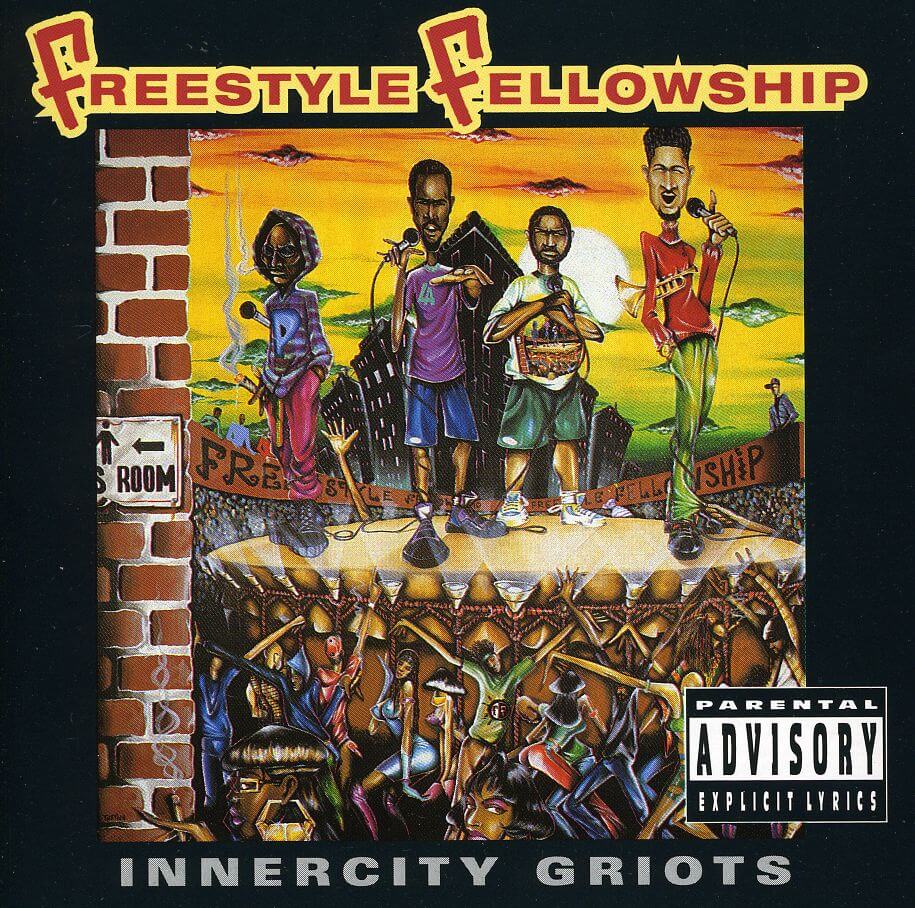
Freestyle Fellowship’s second album takes the promise of their rough-edged debut, To Whom It May Concern, and turns it into something considerably more ambitious. Myka 9, Aceyalone, P.E.A.C.E., and Self Jupiter had developed their skills in the Los Angeles underground surrounding the Good Life Cafe and Project Blowed, where MCs were encouraged to experiment with rhythm, language, and unconventional approaches to rapping. On Innercity Griots, that spirit comes through in every performance. The four rappers push each other into increasingly intricate exchanges, making the album a remarkable display of collective skill and imagination.
Their individual styles are clearly defined, but the real excitement comes from the way they interact. They trade lines, switch cadences, interrupt one another’s patterns, and weave elaborate rhyme schemes into performances that rarely follow predictable paths. Myka 9’s elastic flow, Aceyalone’s inventive phrasing, P.E.A.C.E.’s intensity, and Self Jupiter’s commanding presence give the group a wide range of voices. Tracks like “Respect Due,” “Heavyweights,” and “Everything’s Everything” capture the competitive energy and lyrical ingenuity that made Freestyle Fellowship such a distinctive crew.
The production is equally unconventional. Jazz is a major influence, with loose arrangements, unexpected shifts, and live-sounding instrumentation providing an ideal setting for the MCs. “Inner City Boundaries,” featuring Stetsasonic’s Daddy-O, combines that musical approach with thoughtful observations about urban life and identity. “Way Cool” moves in a funkier direction, giving the four members room to play off one another over a lively groove.
There is also a more reflective side to the album. “Park Bench People” is a standout, with Myka 9 observing the people around him and addressing poverty, addiction, and the daily realities of life on the street. Its understated jazz backdrop gives his storytelling room to breathe. “Hot Potato,” built around a sample of The Grass Roots’ “You and Love Are the Same,” provides a welcome change of pace with its infectious bounce.
Innercity Griots belongs in the company of adventurous early-1990s records like The Low End Theory, Bizarre Ride II the Pharcyde, and Buhloone Mindstate. Freestyle Fellowship brought a distinctly Los Angeles perspective to this alternative strain of Hip Hop, combining extraordinary technical ability with musical curiosity, humor, and social awareness.
8. Souls Of Mischief - 93 'Til Infinty

In a year when West Coast Hip Hop was often associated with gangsta rap and G-funk, Oakland’s Souls of Mischief offered a refreshing alternative. A-Plus, Opio, Phesto, and Tajai brought a youthful energy and an impressive command of language to their debut, combining intricate rhyme schemes, playful exchanges, and laid-back production. As members of the wider Hieroglyphics collective, they shared an interest in lyrical experimentation, but 93 ’til Infinity never turns technical ability into an academic exercise. The four MCs sound like friends enjoying the competition, constantly pushing one another while keeping the music loose and entertaining.
The production comes from several members of the Oakland scene, including A-Plus, Domino, Jay Biz, Del the Funky Homosapien, and Casual. Their contributions give the album a warm, jazz-inflected character, built around crisp drums, deep basslines, and memorable keyboard samples. The title track is the obvious centerpiece. A-Plus’s smooth, hypnotic beat provides the perfect setting for four verses that capture the group’s relaxed confidence and youthful outlook. Its appeal goes beyond nostalgia; the groove and performances still sound inviting decades later.
There is plenty of lyrical competition elsewhere. “That’s When Ya Lost,” produced by Del and featuring Pep Love, finds the group trading sharp, fast-moving verses over a rugged beat. “Live and Let Live” has a more reflective tone, while “Make Your Mind Up” pairs a mellow musical backdrop with the group’s trademark verbal dexterity. “Never No More,” produced by A-Plus, and “Batting Practice” further demonstrate how comfortably the four MCs move between different rhythms and approaches. Even when the subject matter revolves around boasting, relationships, and youthful experiences, the writing is full of wit and inventive detail.
9. Digable Planets - Reachin'
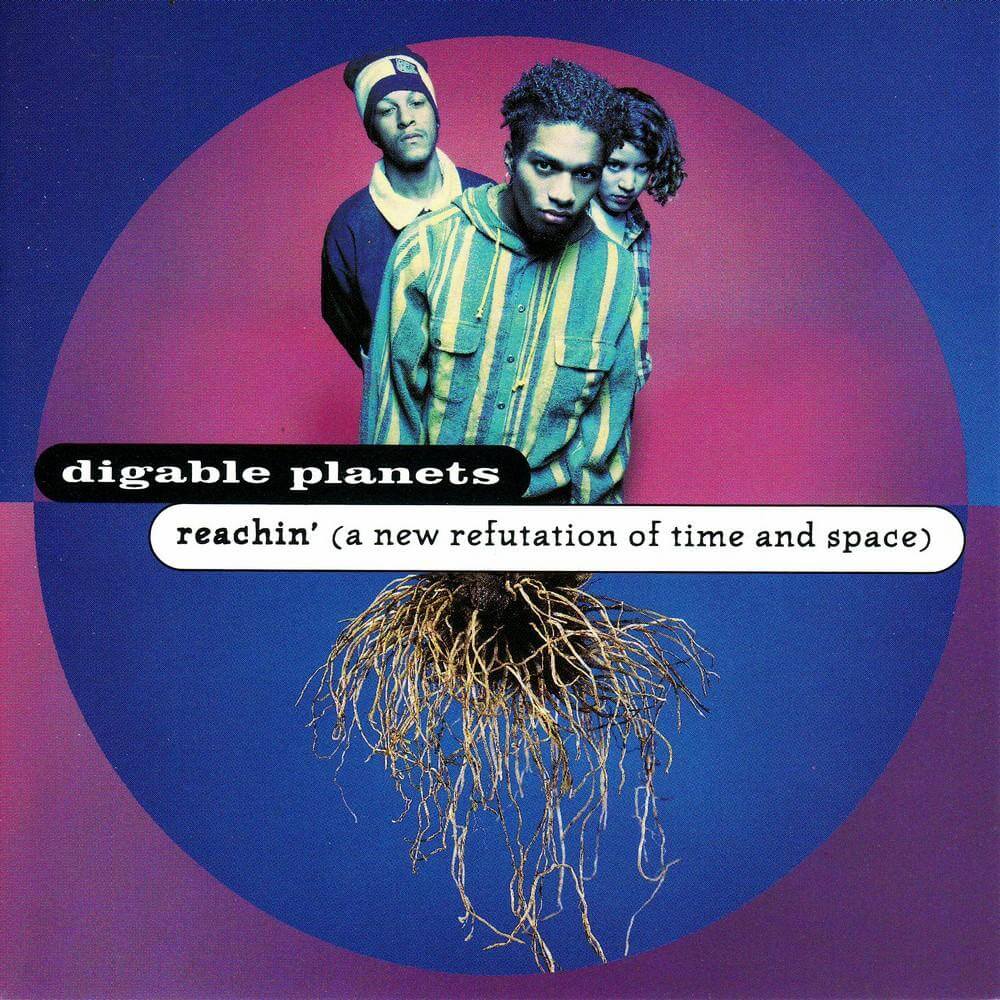
Digable Planets brought a different kind of energy to Hip Hop in 1993. While harder-edged street rap was attracting much of the attention, Butterfly, Ladybug Mecca, and Doodlebug offered a relaxed, jazz-inflected alternative built around thoughtful lyrics, understated humor, and an easy rapport between the three MCs. Their debut, Reachin’, belongs in the same conversation as the finest work by A Tribe Called Quest and De La Soul from this period. It has a musical identity all its own, though, with Butterfly’s production drawing heavily on the jazz records that surrounded him growing up.
The beats are warm and unhurried, built around upright basslines, brushed drums, muted horns, and carefully chosen samples. The trio’s conversational delivery fits these arrangements perfectly. Rather than competing for attention, the three voices move naturally around one another, trading observations and verses with the relaxed timing of jazz musicians. “Rebirth of Slick (Cool Like Dat)” captures this approach beautifully. Its infectious bassline and memorable refrain made it the group’s biggest hit, but the album has plenty of equally rewarding moments. “Where I’m From” combines sharp social observations with a laid-back groove, while “Pacifics” and “What Cool Breezes Do” establish the record’s distinctive atmosphere from the outset.
There is substance beneath the cool exterior. “La Femme Fetal” addresses abortion rights and the political forces surrounding reproductive freedom, while “Nickel Bags” examines the realities of drug culture and urban life. “Last of the Spiddyocks” takes a more playful approach, drawing on the history of jazz musicians and their relationship with drugs. The writing is rarely heavy-handed, and the group’s understated delivery gives even its more serious subjects room to breathe. “Escapism (Gettin’ Free)” adds another dimension, reflecting the desire to find freedom from everyday pressures.
Reachin’ is remarkably consistent across its fourteen tracks. Butterfly’s production gives the album a cohesive musical character, while Ladybug Mecca, Doodlebug, and Butterfly bring enough personality and lyrical variety to keep the material engaging throughout. Its success never depended on following the dominant West Coast trends of the time. Digable Planets found their own lane, and this debut still sounds as inviting and distinctive as it did in 1993.
10. Cypress Hill - Black Sunday
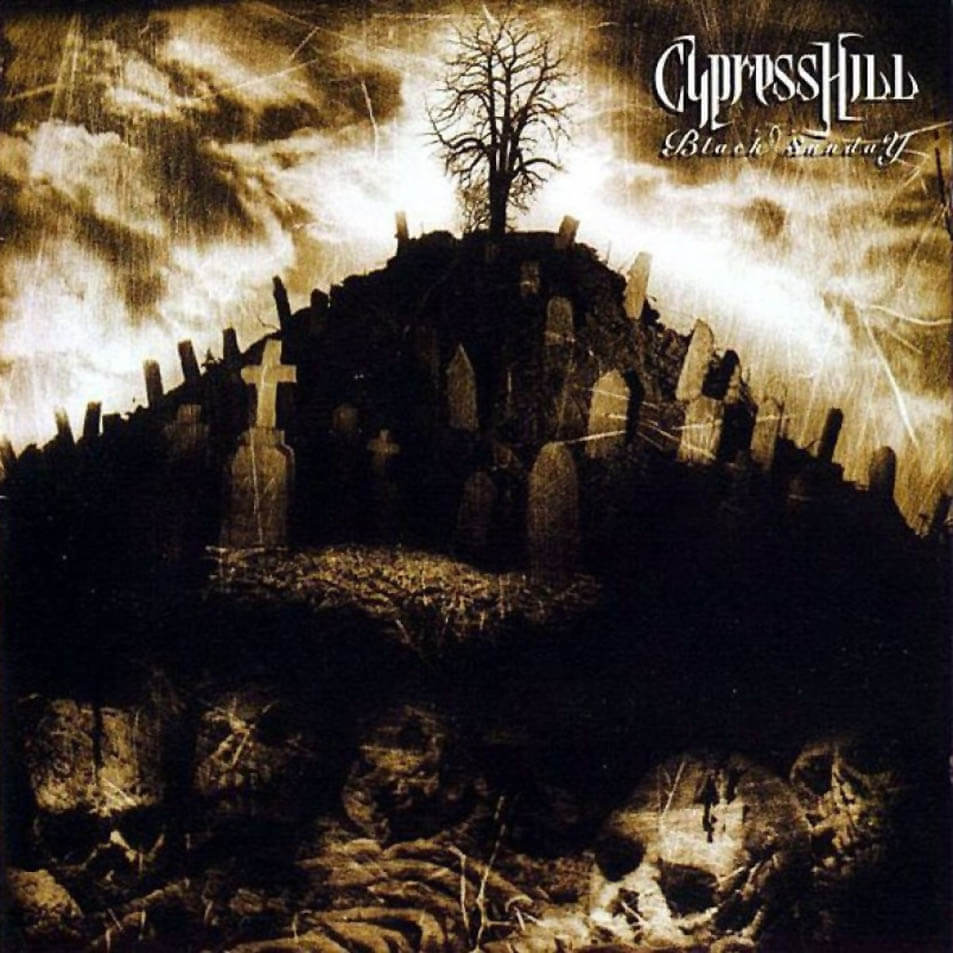
Cypress Hill’s second album took the group far beyond the Hip Hop audience that had embraced their 1991 debut. Black Sunday became an international breakthrough, introducing B-Real’s unmistakable nasal delivery, Sen Dog’s forceful presence, and DJ Muggs’ dark production to listeners who might otherwise never have paid attention to Hip Hop. For purists who prefer the rougher edges of the self-titled debut, the follow-up may be a less satisfying record. Still, Muggs delivers some of his finest work here, giving the album a sound that is instantly recognizable.
The opening stretch is particularly strong. “I Wanna Get High” sets the mood with a hypnotic groove, followed by “Insane in the Brain,” whose bizarre, carnival-like beat and infectious hook turned it into a worldwide anthem. Muggs has a knack for transforming unusual sounds into memorable musical hooks, using eerie sirens, distorted effects, and heavy basslines to create an atmosphere that is simultaneously playful and menacing. “When the Shit Goes Down” and “Lick a Shot” continue in a harder direction, while “I Ain’t Goin’ Out Like That” pairs B-Real’s frantic delivery with Sen Dog’s aggressive responses.
The group’s obsession with marijuana is naturally a major theme. “Hits from the Bong” is built around a memorable Dusty Springfield sample, while “Legalize It” and “I Wanna Get High” leave little doubt about Cypress Hill’s position on the subject. There is a darker side to the album as well. The lyrics frequently return to violence, paranoia, death, and the dangers of street life, giving the record a distinctly sinister undercurrent beneath its stoner humor.
Black Sunday isn’t as consistently compelling as its predecessor. Some tracks are less memorable, and the interludes interrupt the flow. The production, however, carries the album through its weaker moments. Muggs’ combination of eerie samples, heavy drums, and unconventional textures gives Cypress Hill a musical identity few other groups could imitate. For all its crossover success, Black Sunday is still unmistakably Hip Hop.
11. Masta Ace Inc. - Slaughtahouse

Masta Ace has always been one of Hip Hop’s most inventive MCs, finding new ways to approach the music without losing sight of what makes a great rap record. With Slaughtahouse, he took a pointed look at the growing glorification of violence in Hip Hop, using satire and dark humor to expose the absurdity of gangsta posturing. Released under the Masta Ace Incorporated name, the album marked a significant change of direction after his earlier solo work. Ace also made room for his crew, creating a group dynamic that gives the record a different character from a conventional solo album.
The concept revolves around an imaginary slaughterhouse where the exaggerated violence of gangsta rap is taken to ridiculous extremes. On the title track, Ace adopts the persona of a cartoonishly ruthless character, turning the conventions of hardcore rap against themselves. “Who U Jackin’?” continues the satire, while “Style Wars” takes aim at the attitudes and rivalries surrounding the genre. The humor never undermines the lyrical craft. Ace’s writing is sharp, his flow controlled, and his ability to construct elaborate scenarios gives the album considerably more depth than its deliberately outrageous premise might suggest.
Musically, Slaughtahouse has a heavier, bass-driven sound than Masta Ace’s first album. Production contributions from Ace, Uneek, the Bluez Brothers, Latief, and the Beatheads give the album a varied but cohesive feel, combining New York-style rhyming with funkier, West Coast-influenced grooves. “Boom Bashin’” and “The Mad Wunz” are highlights, while “Saturday Nite Live” closes the album on a lively note. “Jeep Ass Niguh” also points toward the bass-heavy direction Ace would explore further on Sittin’ on Chrome.
What makes Slaughtahouse particularly interesting is the way Ace uses the language and musical conventions of hardcore rap to question its values. He understood the appeal of tough imagery and knew how to make it entertaining, but he was equally aware of the difference between creative exaggeration and the glorification of real violence. Three decades later, that distinction gives the album plenty of relevance. It’s a clever, entertaining, and unusually forward-thinking record from one of Brooklyn’s finest lyricists.
12. Ultramagnetic MCs - The Four Horsemen
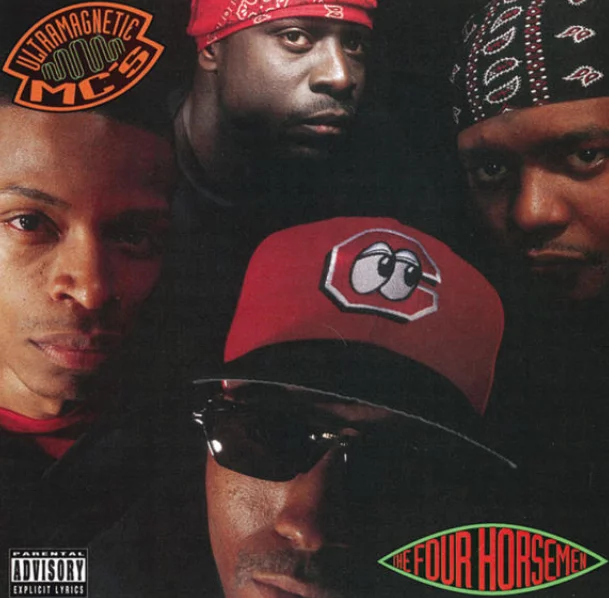
After the uneven Funk Your Head Up, Ultramagnetic MCs returned to independent label Wild Pitch Records for their third album. The move gave Kool Keith, Ced Gee, TR Love, and DJ Moe Love greater freedom to return to the unconventional approach that had made Critical Beatdown such an influential record. The Four Horsemen doesn’t quite reach the heights of that debut, but it finds the Bronx group sounding considerably more focused than on their previous release.
Ced Gee handles most of the production, drawing on the abrasive loops, unusual samples, and hard drums associated with the group’s earlier work. Godfather Don contributes four tracks, adding a darker, jazzier dimension to the album. His production on “Checkin’ My Style,” “Raise It Up,” and “See the Man on the Street” gives the record some of its strongest moments. The latter two tracks benefit from a slightly more spacious approach, while “Checkin’ My Style” puts Kool Keith’s eccentric delivery in particularly sharp relief.
Lyrically, the group operates in its own universe. Kool Keith’s unpredictable rhymes move between bizarre imagery, surreal humor, boasts, and obscure references, while Ced Gee provides a contrasting presence. “We Are the Horsemen” sets the tone, and “Two Brothers with Checks (San Francisco, Harvey)” is an immediate highlight, driven by the group’s distinctive chemistry. “Saga of Dandy, the Devil & Day” takes its baseball references into typically strange territory, while “Delta Force II” and “Time to Catch a Body” bring back the harder-edged battle-rap approach.
The album isn’t entirely consistent, and a few tracks lack the impact of its best material. Still, The Four Horsemen captures something important about Ultramagnetic MCs: their refusal to settle into familiar formulas, even when returning to the sound that first brought them recognition. It’s an unpredictable, often compelling record that deserves its place in the group’s catalog.
13. Gunshot - Patriot Games
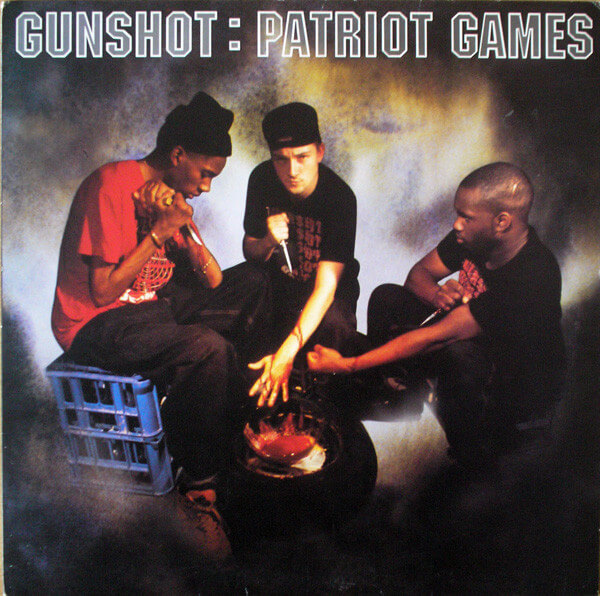
By 1993, Britain’s Britcore movement had developed a sound and identity of its own. Groups like Hijack, Hardnoise, Silver Bullet, and Demon Boyz pushed Hip Hop towards increasingly aggressive territory, and East London’s Gunshot were among the movement’s most formidable representatives. Following a run of singles that included “Battle Creek Brawl” and “Children of a Dying Breed,” MCs Alkaline and Mercury and DJ Wildchild Rix delivered their debut album, Patriot Games.
The record is a relentless exercise in hardcore Hip Hop. Wildchild Rix supplies clattering breakbeats, abrasive samples, punishing rhythms, and sharp scratches, creating a turbulent backdrop for the two MCs. Alkaline is particularly impressive, attacking the beats with a rapid-fire flow, a rough Cockney delivery, and an unmistakable sense of urgency. Mercury complements him with equally confrontational verses, giving the duo a formidable presence across tracks like “25 Gun Salute,” “World War 3,” “Day of the Jackals,” and “Mind of a Razor.”
There is little interest in softening the edges. The production is deliberately abrasive, the performances uncompromising, and the political anger adds weight to the aggression. Patriot Games captures Britcore at full intensity and gives Gunshot a strong claim among the finest groups to emerge from the UK scene. Their impact never travelled as widely as their music deserved, but this debut is a major achievement in British Hip Hop.
14. 2Pac - Strictly For My N.I.G.G.A.Z.

2Pac’s second album captures an artist rapidly expanding his reach without abandoning the political anger that defined his debut. Following the controversy surrounding 2Pacalypse Now and his breakthrough acting role in Juice, Shakur had become a much more visible figure. Vice President Dan Quayle had publicly criticized his music, and 2Pac responded with another collection of confrontational rhymes, social observations, and personal reflections. The album also finds him experimenting with a broader range of production styles.
“Holler If Ya Hear Me” is an immediate statement of intent, driven by a hard beat and Shakur’s urgent delivery. “Last Wordz” brings together Ice Cube and Ice-T for a formidable display of West Coast and East Coast attitude, while “Souljah’s Revenge” and “The Streetz R Deathrow” return to the political and social concerns of his debut. Shakur’s writing is increasingly assured, and his ability to shift between aggression, vulnerability, and humor gives the album much of its character.
The more accessible side of his music comes through on “I Get Around,” a playful collaboration with his Digital Underground associates Shock G and Money-B. Its loose groove and easy chemistry contrast with the intensity elsewhere. “Keep Ya Head Up,” featuring Dave Hollister, is the album’s emotional centerpiece, addressing the struggles faced by women, particularly single mothers, with unusual empathy for a mainstream rap record of its time. “Papa’z Song” turns inward, examining the pain of growing up without a father.
The production is less consistently compelling than the performances, and the album occasionally wanders across its lengthy tracklist. But its strongest moments reveal an MC developing a remarkably broad perspective. Strictly 4 My N.I.G.G.A.Z... connects the militancy of 2Pacalypse Now with the greater emotional range and ambition that would define Shakur’s later work.
15. Lords Of The Underground - Here Come The Lords

Lords of the Underground brought an infectious amount of energy to the New Jersey Hip Hop scene with their 1993 debut. The trio of DoItAll, Mr. Funke, and DJ Lord Jazz had a chemistry that made an immediate impression. Their rapid-fire delivery and animated vocal styles invite comparisons to Das EFX and Fu-Schnickens, though Lords of the Underground rely less on vocal gimmicks and more on the strength of their individual personalities and collective momentum.
Production by Marley Marl and K-Def gives Here Come the Lords a strong musical foundation. The beats combine hard-hitting drums, funky basslines, jazz and soul samples, and sharp scratches from DJ Lord Jazz. K-Def’s contributions are particularly impressive, bringing a fresh edge to the established Marley Marl sound. The music has plenty of bounce, but never sacrifices the hard drums and rugged feel that made New York rap so compelling at the time.
“Chief Rocka” is the album’s defining moment, an irresistible party anthem built around a memorable groove and the trio’s spirited exchanges. “Funky Child” is another standout, with its infectious horn loop and energetic performances. The title track sets the tone with a confident introduction, while “Flow On (New Symphony)” gives the MCs room to trade verses over an equally lively production. “From da Bricks” pays tribute to their Newark roots, adding a more grounded perspective to the album’s party-ready atmosphere.
The trio’s lyrical approach isn’t particularly complex, and the high-pitched delivery may take some getting used to. Their enthusiasm, however, is infectious, and the production rarely lets the momentum drop. Here Come the Lords is an exceptionally entertaining debut, powered by strong beats, memorable hooks, and three MCs who clearly enjoy making records together.
16. Queen Latifah - Black Reign

Queen Latifah had already earned her place in Hip Hop history with All Hail the Queen, but her third album is arguably her finest work. Black Reign finds her at the height of her powers, combining the commanding presence of an accomplished MC with a warmth and emotional openness that give the record unusual depth. Her growing success outside music never comes at the expense of her identity as a rapper. If anything, this is a more assured and versatile performance than on her earlier albums.
The album’s best-known track, “U.N.I.T.Y.,” remains one of the most important records in Hip Hop’s history of challenging misogyny. Latifah addresses street harassment, domestic violence, and the disrespect directed at women, delivering her message with authority rather than turning it into a lecture. Its impact is considerable, but the song is only one part of a remarkably varied album. “Black Hand Side” opens with a confident display of lyrical skill, while “Rough…” brings together KRS-One, Treach, and Heavy D for an impressive exchange between four distinctive voices.
Production from S.I.D., Tony Dofat, and KayGee gives the album a rich mixture of hard-hitting Hip Hop, funk, soul, and R&B. “Just Another Day…” is a beautifully observed portrait of everyday life in the neighborhood, while “Superstar” and “Mood Is Right” bring a more relaxed, melodic quality. Latifah’s ability to move between rapping and singing adds another dimension to the music.
The death of her brother Lance, known as Winki, in a motorcycle accident deeply affected the album. She addresses that loss directly on the closing “Winki’s Theme,” an instrumental tribute that gives the record an intimate and moving conclusion.
Black Reign captures Queen Latifah’s strength, personality, and emotional range at a remarkable point in her career. It is a deeply personal album from an artist who had already become one of Hip Hop’s most important voices.
17. Ice-T - Home Invasion
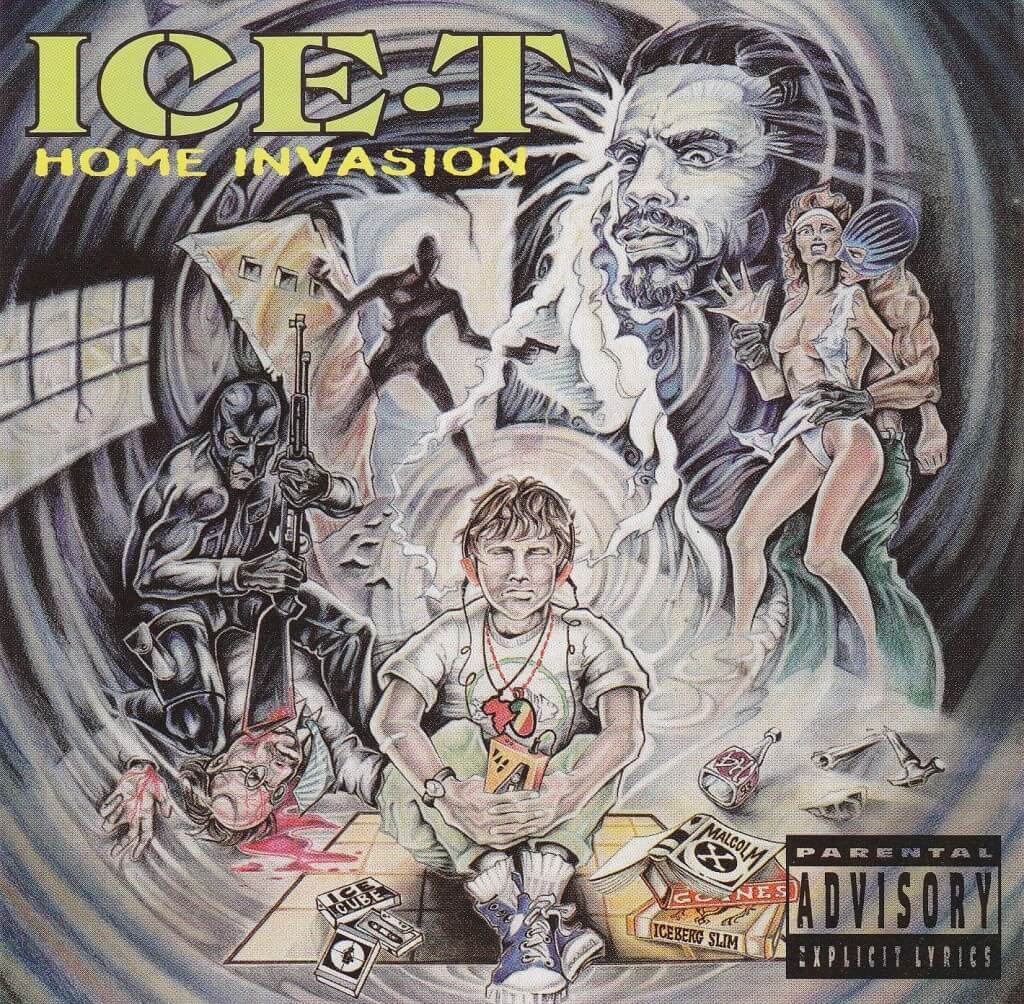
Following the outstanding O.G. Original Gangster was never going to be easy, and Ice-T’s fifth solo album falls short of that standard. Home Invasion also came out of a particularly turbulent period in his career. The controversy surrounding Body Count’s “Cop Killer” had brought censorship, political pressure, and conflict with Warner Bros. The label postponed the album and objected to its original cover artwork, prompting Ice-T to leave and arrange a new deal with Priority Records.
The frustration surrounding those events hangs over the record. Ice-T sounds more confrontational than playful, and the album lacks the loose energy and consistency that made O.G. Original Gangster such a compelling listen. The production, handled primarily by Ice-T alongside DJ Aladdin and SLEJ Da Ruff Edge, favors dark loops and heavy beats over the smoother G-funk sound gaining popularity on the West Coast. It’s a harder, less immediately accessible record.
There are still plenty of strong moments. “It’s On” gets things moving with a forceful opening, while “Gotta Lot Of Love” offers a welcome change of mood. “99 Problems,” featuring Brother Marquis, deserves particular attention as the original version of the song later reworked by Jay-Z. “That’s How I’m Livin’,” “Pimp Behind The Wheels,” “Depths Of Hell,” and “Race War” also demonstrate that Ice-T hadn’t lost his ability to deliver compelling street narratives and pointed commentary.
Home Invasion is an uneven follow-up to a major achievement, and the absence of the personality and variety of its predecessor is noticeable. Still, its best tracks are strong enough to make this a worthwhile chapter in Ice-T’s catalog.
18. Geto Boys - Till Death Do Us Part
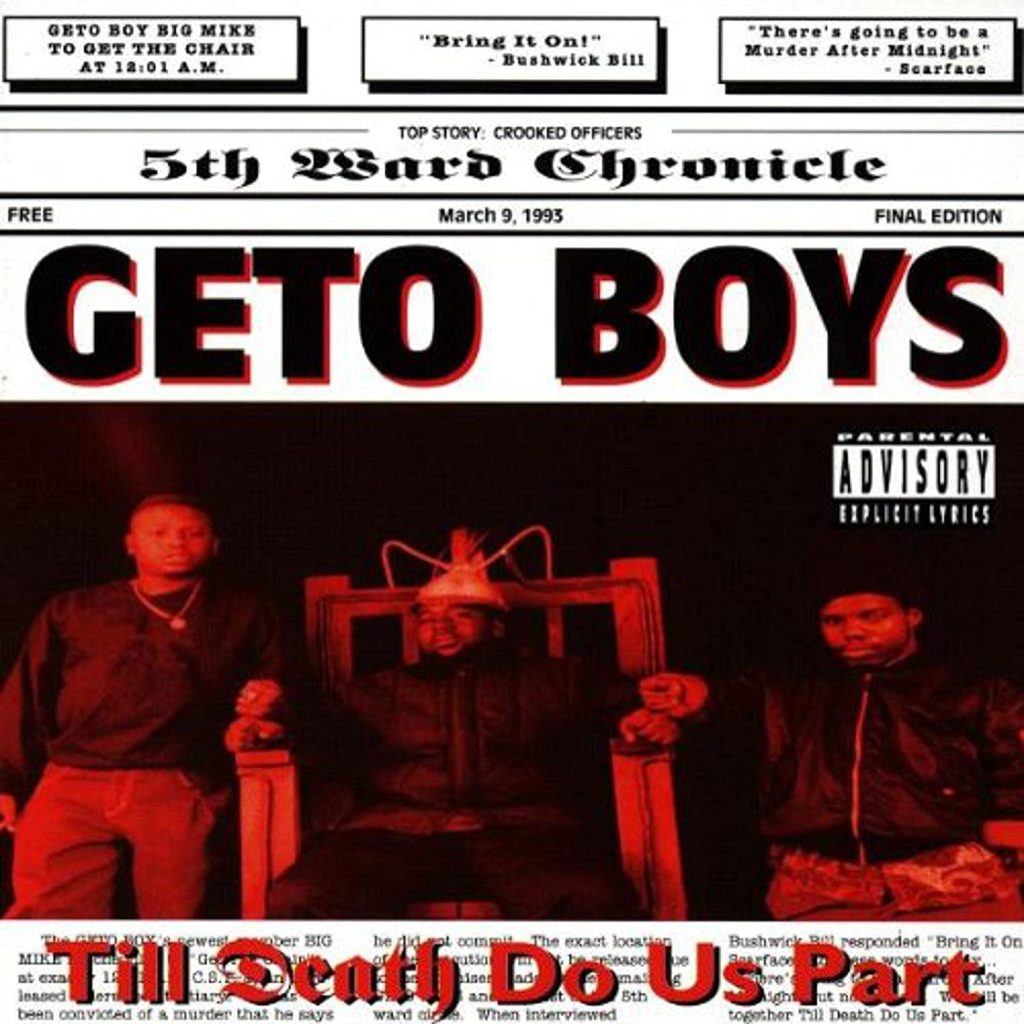
The Geto Boys’ fourth album marked a significant change in the group’s lineup. Willie D had left after We Can’t Be Stopped to pursue a solo career, and New Orleans rapper Big Mike was brought in to join Scarface and Bushwick Bill. Replacing Willie D was never going to be easy. His chemistry with the other two members had been central to the group’s identity, but Big Mike proves a capable addition, bringing his own personality and an energetic Southern flow.
Musically, Till Death Do Us Part moves toward a fuller, more melodic production style. N.O. Joe, John Bido, Mike Dean, and J. Prince contribute to a sound built around live instrumentation, heavy bass, keyboards, and guitar. The result is less dependent on the sample-heavy approach of the group’s earlier records, giving the album a distinct character. “G.E.T.O.” and “Raise Up” are particularly effective, while “Straight Gangstaism” gives Big Mike a chance to make his presence felt.
Scarface delivers some of his most compelling performances on “Six Feet Deep,” a somber reflection on death, loss, and the consequences of street life. “Crooked Officer” takes aim at police corruption, while “Bring It On” brings together an extensive collection of Rap-A-Lot artists. As usual, the Geto Boys don’t shy away from graphic subject matter, and tracks like “Murder Avenue” won’t appeal to every listener.
Big Mike’s arrival changes the group’s dynamic, and the absence of Willie D is noticeable. Even so, Till Death Do Us Part is a strong album in its own right, with enough excellent material and distinctive Houston character to earn its place in the Geto Boys catalog.
19. Del - No Need For Alarm

With No Need for Alarm, Del the Funky Homosapien moved away from the P-Funk-heavy approach of his debut and pursued a tougher, more independent direction. Without the involvement of his cousin Ice Cube, Del took greater control of his music, bringing fellow Oakland artists from the Hieroglyphics collective into the process. The result is a record with a distinctly underground character, closer in spirit to the rugged New York sound of the period than to the G-funk dominating much of the West Coast.
The production is deliberately understated. Murky jazz samples, crooked horn lines, deep bass, and hard drum breaks give the album a loose, slightly off-kilter feel. Del, A-Plus, Casual, Domino, Snupe, Jay-Biz, and the Stimulated Dummies all contribute behind the boards, giving the record some variation without sacrificing its overall cohesion. “Catch a Bad One” and “Wrong Place” are immediate highlights, while the title track and “Worldwide” keep the focus on stripped-down beats and sharp lyrical exchanges.
Del’s writing also takes a more confrontational turn. The playful character sketches and eccentric humor of I Wish My Brother George Was Here give way to a steady stream of battle rhymes, punchlines, and attacks on weak MCs. “Wack M.C.’s” makes that attitude explicit, while “You’re in Shambles” sets the tone from the opening moments. His elastic delivery remains unmistakable, even when the subject matter becomes more direct.
At fourteen tracks, the album occasionally circles around similar tempos and lyrical themes. Still, its rough production and Del’s unpredictable personality give No Need for Alarm a character of its own. It also introduced a wider audience to the Hieroglyphics crew, whose members would become central to Oakland’s independent Hip Hop scene.
20. Ice Cube - Lethal Injection

Lethal Injection marked a clear shift in Ice Cube’s musical direction. By 1993, G-funk had become the dominant sound of West Coast Hip Hop, and Cube moved away from the abrasive production of his first solo records toward smoother grooves, heavier basslines, and melodic funk. The change divided listeners, particularly those who preferred the anger and uncompromising social commentary of AmeriKKKa’s Most Wanted and Death Certificate.
At its best, the new approach suits him remarkably well. “You Know How We Do It” is one of Cube’s finest laid-back records, its relaxed groove and effortless delivery capturing the atmosphere of Los Angeles street life. “Bop Gun (One Nation),” featuring George Clinton, connects contemporary West Coast rap with its P-Funk roots. Cube’s storytelling instincts are still sharp on “Ghetto Bird,” which examines the police helicopter surveillance of South Central neighborhoods. These tracks demonstrate that a change in musical style didn’t mean abandoning his West Coast perspective.
The album is less convincing when Cube returns to more confrontational material. “Really Doe” has plenty of attitude, but tracks like “Cave Bitch” and “When I Get to Heaven” lack the focus and lyrical bite of his earlier work. The political urgency that distinguished his first two albums has largely receded, and some of the gangsta posturing sounds less inspired.
There is plenty to enjoy on Lethal Injection, even if it doesn’t reach the heights of Cube’s previous releases. Its strongest moments reveal an artist adapting comfortably to G-funk, while the weaker cuts explain why this album occupies a position just outside the top three in his catalogue.
21. Naughty By Nature - 19 Naughty III

Naughty by Nature had a difficult balancing act to maintain after the enormous success of their 1991 self-titled album. Their appeal came from combining hard-edged New Jersey street rap with infectious hooks and party records, and 19 Naughty III continues along that path with considerable confidence. DJ Kay Gee handles nearly all the production, providing Treach and Vin Rock with crisp drums, funk-driven samples, and arrangements that leave plenty of room for the group’s energetic delivery.
Treach is once again the main attraction. His rapid-fire flow, intricate rhyme patterns, and unmistakable vocal presence give tracks like “The Hood Comes First” and “It’s On” their momentum. The latter is among the album’s strongest cuts, pairing a forceful performance with a particularly effective beat. “Hot Potato,” featuring Freddie Foxxx, brings together two commanding MCs, while “Ready for Dem” adds Heavy D to the mix.
The biggest hit, “Hip Hop Hooray,” is an irresistible party anthem, built around a memorable hook and an instantly recognizable chant. “Sleepin’ on Jersey,” featuring Queen Latifah, reinforces the group’s local identity, while “Daddy Was a Street Corner” offers a more grounded account of street life.
That division between street credibility and mainstream accessibility was always Naughty by Nature’s defining tension. Some listeners gravitated toward the harder material, while others preferred the club-friendly singles. 19 Naughty III doesn’t entirely resolve that divide, but Kay Gee’s consistently strong production and Treach’s exceptional performances make the combination work remarkably well. It’s one of the group’s finest albums.
22. Too Short - Get In Where You Fit In
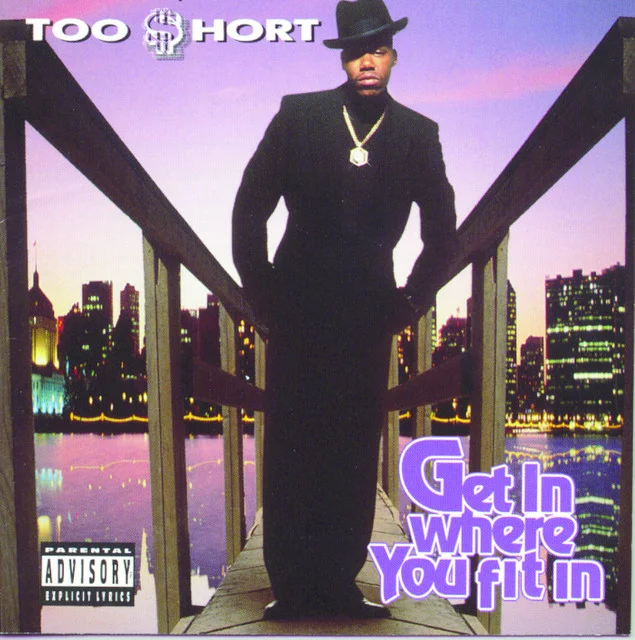
By 1993, Too Short had developed one of the most recognizable styles in West Coast Hip Hop. Get In Where You Fit In, his fifth album for Jive and eighth overall, finds him doing what he does best: explicit player tales, leisurely deliveries, and unapologetic Oakland attitude. There is little lyrical development compared with his earlier records, but the production gives this album a particularly satisfying groove.
The Dangerous Crew, with major contributions from Ant Banks, provides a funky, bass-heavy foundation that suits Too Short’s unhurried flow. The sound has plenty of P-Funk influence, with thick basslines, crisp drums, and melodic touches that give the tracks room to breathe. Quincy Jones III also contributes production, adding to the variety without taking the album away from its Oakland identity.
The title track, featuring Rappin’ Ron and Ant Diddley Dog, is a highlight, while “Playboy $hort” and “Gotta Get Some Lovin'” deliver the familiar mix of humor and sexual bravado. “I’m a Player” is another standout, built around a memorable funk groove. “The Dangerous Crew,” featuring Spice 1, Ant Banks, Goldy, and Pee Wee, brings the collective together for an effective posse cut.
Too Short was never particularly interested in lyrical reinvention, and listeners know what to expect from him. The consistency of his delivery, however, is part of the appeal. Get In Where You Fit In is one of the strongest entries in his extensive catalogue, with the funky production and relaxed confidence making it an especially enjoyable Oakland rap record.
23. Onyx - Bacdafucup

Onyx’s debut is one of the most uncompromising records in the 1993 New York Hip Hop landscape. The group’s abrasive approach was never going to appeal to everyone: Fredro Starr, Sticky Fingaz, Sonny Seeza, and Big DS deliver their verses with a hoarse, almost constantly shouted intensity, often sounding as if they’re trying to overpower the beat. For listeners who prefer smoother flows and laid-back performances, Bacdafucup can be exhausting. For those drawn to hardcore rap at its most unruly, it’s a thrilling experience.
Chyskillz produced most of the album, with Jam Master Jay closely involved in the sessions and contributing production alongside Kool Tee. The beats are dark, heavy, and stripped down, driven by hard drums, ominous samples, and occasional bursts of horns. The sound suits Onyx’s confrontational attitude, giving the group room to turn every track into a full-scale assault.
“Throw Ya Gunz” announces their intentions immediately, while “Bichasniguz” introduces the group’s collective vocal attack. “Atak of da Bal-Hedz” pushes the intensity further, and “Shifftee” has the same infectious aggression. Then there’s “Slam,” an undeniable anthem whose shouted hook and explosive rhythm carried Onyx far beyond the underground.
The group’s deliberately crude style can become repetitive, and the constant aggression leaves little room for subtlety. That’s hardly the point. Bacdafucup is built around attitude, volume, and sheer momentum, and it delivers on all three. A hugely entertaining debut that has lost none of its impact.
24. The Roots - Organix

Before becoming one of Hip Hop’s most accomplished live bands, the Roots were a young Philadelphia group building an audience through relentless touring. Their independently released debut, Organix, captures that early period in an unpolished but revealing form. The album was initially sold at the group’s European shows, where their combination of live musicianship and MC performances attracted enough attention to secure a major-label deal.
The sound is already recognizably the Roots. Questlove’s drumming, Leonard Hubbard’s bass, and Scott Storch’s keyboards create loose jazz, soul, and funk grooves, giving the record a different character from the sample-driven boom-bap dominating much of the East Coast at the time. “Pass the Popcorn” and “Popcorn Revisited” are early examples of the band’s musical chemistry, while the live performance “Essawhamah?” captures their ability to turn a Hip Hop set into a full-band experience.
Black Thought’s technical ability is apparent throughout, even if his writing still leans heavily on battle rhymes and boasts. Malik B adds another vocal dimension, and “The Session (Longest Posse Cut in History)” brings together a large cast of MCs for an extended twelve-minute cypher. The instrumental and vocal sections of “Leonard I-V” offer another glimpse of the group’s musical ambitions.
At over an hour, Organix is rough around the edges. Some tracks sound like sketches, and the recording lacks the refinement of the albums that followed. Its value lies in hearing the Roots develop their identity in real time. The foundations of their distinctive approach are already here.
25. Mac Mall - Illegal Business?

Recorded when Mac Mall was only 15, Illegal Business? is an astonishing debut and one of the defining albums of early-1990s Bay Area Hip Hop. Hailing from Vallejo and related to E-40, Mall brought a distinctly local perspective to his stories of street life. His delivery is remarkably composed for someone so young: a relaxed, measured drawl that gives his accounts of hustling, violence, and survival an understated authority. There is little sense of a teenager trying to sound older than he is. Mall already knows how to command a track.
The real star, however, is producer Khayree. His thick, bass-heavy beats give the album a sound quite different from the polished G-funk dominating Los Angeles at the time. Dark synthesizers, funky melodies, and weighty drums create an atmosphere that is unmistakably Bay Area, laying important groundwork for the region’s emerging Mob music sound. Tracks like “It’s All Good,” “Cold Sweat,” and “Don’t Wanna See Me” demonstrate how effectively Khayree’s production complements Mall’s unhurried flow. “Versatile” is another highlight, while “Ghetto Theme” offers a more reflective perspective on life in the neighborhood. The album also features Mac Dre and Ray Luv on “Pimp Shit,” connecting Mall’s debut to the wider Vallejo scene.
At nearly 75 minutes, Illegal Business? occasionally stretches its ideas, but Khayree’s production gives the record a remarkably consistent identity. The combination of Mall’s youthful perspective and the producer’s deep, distinctive sound makes this a major early statement from a region developing its own Hip Hop language.
26. Scarface - The World Is Yours
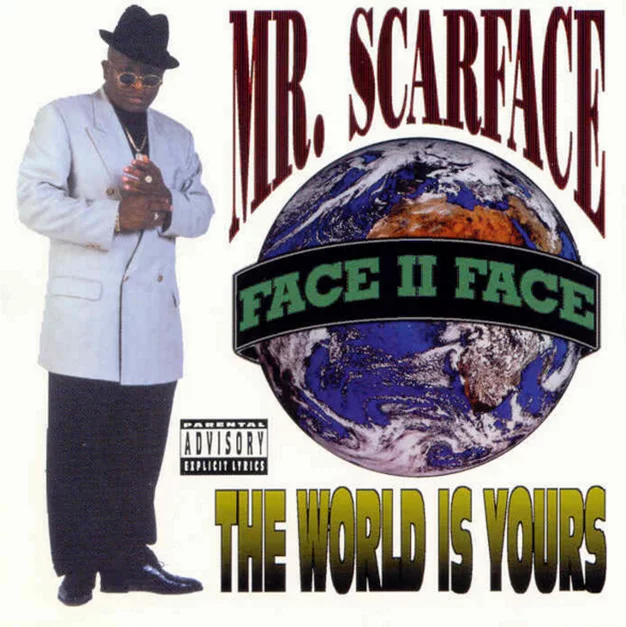
Scarface’s second solo album finds him continuing to develop the qualities that made him the most compelling member of the Geto Boys. Following the success of Mr. Scarface Is Back, Brad Jordan had established himself as a formidable solo artist, and The World Is Yours gives him room to explore a wider emotional and musical range. N.O. Joe handles most of the production, introducing a smoother, funkier sound built around deep basslines, melodic keyboards, and slower grooves. The result has a different character from the harder, sample-driven approach of his debut.
Scarface’s storytelling remains the main attraction. He moves comfortably between street narratives and more personal reflections, with the gravelly delivery and vivid detail that have always distinguished his work. “Comin’ Agg” brings back the confrontational side of his music, while “The Wall” explores a more troubled state of mind. “I’m Black” addresses racial identity, and “Mr. Scarface, Part III: The Final Chapter” continues the character-driven storytelling associated with his earlier work.
The album’s high point is “Now I Feel Ya,” an expansive, deeply personal performance that ranks among the finest songs in Scarface’s catalogue. Its reflective tone and emotional honesty reveal another dimension of an artist often associated with darker street narratives. “Let Me Roll” and “Funky Lil Aggin” provide lighter moments, giving the record some stylistic variety.
At close to 70 minutes, The World Is Yours is less focused than Scarface’s strongest albums. But it also contains some exceptional material and captures an important stage in his development. The groundwork for 1994’s The Diary is already audible, especially on “Now I Feel Ya,” a song that belongs among his greatest achievements.
27. The Coup - Kill My Landlord
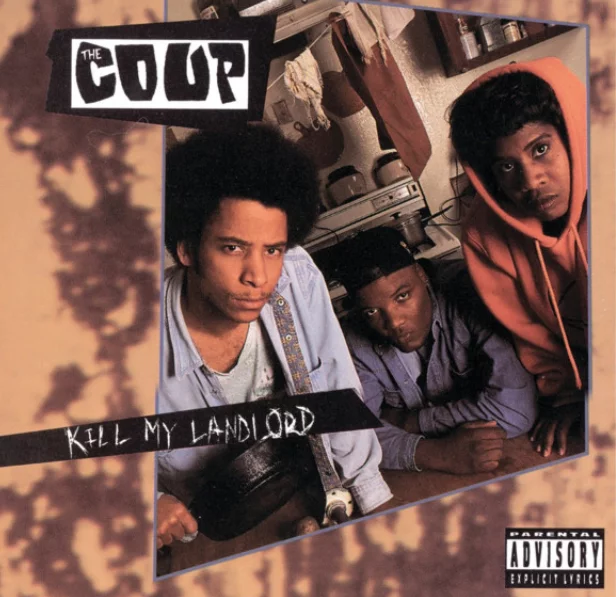
Oakland’s The Coup entered Hip Hop with a perspective and musical identity distinctly their own. On Kill My Landlord, Boots Riley, E-Roc, and DJ Pam the Funkstress combine politically charged writing with a deep appreciation for funk, creating an alternative to the gangsta rap dominating much of the West Coast at the time. Riley’s lyrics address capitalism, racism, police abuse, and economic inequality, but his delivery is conversational and frequently humorous. The political content never turns the album into a lecture. There is wit, personality, and an understanding of everyday life running through the social criticism.
Boots Riley handles most of the production, building the tracks around funky basslines, soulful samples, hard drum breaks, and DJ Pam’s scratching. The grooves have a loose, infectious quality that gives the album plenty of musical appeal. “Dig It!” and “Not Yet Free” establish the group’s revolutionary outlook, while “The Coup” delivers its message over an irresistible funk backdrop. “I Know You” takes aim at police brutality, and the title track brings the album’s anti-establishment attitude into sharper focus. “Last Blunt” provides a lighter moment, demonstrating that the group can be playful without abandoning its perspective.
The production is relatively stripped-down in places, and the album lacks some of the polish of the records that followed. That roughness, however, suits the material. Kill My Landlord introduced a group with a clear political identity, a distinctive sense of humor, and a knack for making serious ideas move to a funky beat. The Coup would build on this foundation with a remarkable run of albums, starting here.
28. Tha Alkoholiks - 21 & Over

Tha Alkaholiks made their debut with an album that knows exactly what it wants to be: 35 minutes of unrestrained party rap. With King Tee as their mentor and guiding influence, Tash, J-Ro, and E-Swift brought a loose, irreverent energy to the West Coast scene. There are no grand statements or complicated concepts here. The trio is interested in drinking, smoking, having fun, and making records that get people moving.
E-Swift is the musical driving force, supplying funky, sample-heavy beats built around hard breaks, catchy horn snippets, and infectious grooves. The production has a distinctly old-school sensibility, drawing on the spirit of earlier party rap rather than the synthesizer-heavy G-funk sound popular in Los Angeles. Tash and J-Ro complement each other with animated deliveries, playful punchlines, and an easy back-and-forth chemistry. King Tee makes a memorable appearance on “Likwit,” a fitting introduction to the crew that would become central to the group’s identity.
“Only When I’m Drunk” is an obvious highlight, while “Turn Tha Party Out” benefits from an appearance by the young Lootpack. “Make Room” and “Mary Jane” keep the momentum going, with hardly a wasted moment across the ten tracks.
21 & Over doesn’t pretend to be anything other than a good time, and its concise running time is part of its appeal. Tha Alkaholiks arrived fully formed, delivering a funky, entertaining debut that helped make the Likwit Crew a significant part of 1990s West Coast Hip Hop.
29. Intelligent Hoodlum - Tragedy: Saga Of A Hoodlum
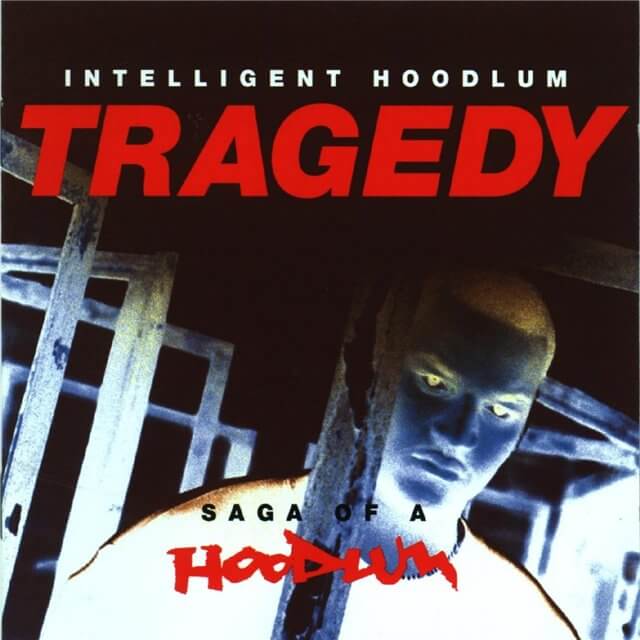
Tragedy’s second album, released under the Intelligent Hoodlum name, is an overlooked Queensbridge gem. Following his politically charged 1990 debut, Percy Chapman takes a grittier approach here, bringing his social awareness into closer contact with the realities of street life. His writing addresses poverty, violence, police pressure, and the choices facing young men growing up in the projects. The perspective is thoughtful and confrontational, delivered with a noticeably rougher vocal tone and greater maturity.
K-Def handles most of the production, with Marley Marl contributing to several tracks. Their beats are classic New York boom-bap, built around soulful and jazz-influenced samples, hard drums, and deep basslines. “Grand Groove” is an immediate highlight, pairing a memorable groove with Tragedy’s assured delivery. “The Posse (Shoot ‘Em Up)” brings a more aggressive edge, while “Street Life” and “Mad Brothas Know His Name” capture the album’s street-level atmosphere. “Pass the Teck” is particularly interesting for its appearance by a young Havoc, years before Mobb Deep became one of Queensbridge’s defining acts.
Tragedy moves effortlessly between militant commentary, battle rhymes, and detailed observations of his surroundings. There is a strong connection to the socially conscious Hip Hop of the late 1980s, but the production and subject matter point toward the darker Queensbridge records that would follow. Tragedy: Saga of a Hoodlum deserves considerably more attention than it receives.
30. Eightball & MJG -Comin' Out Hard

Memphis had a developing Hip Hop identity of its own in the early 1990s, and Comin’ Out Hard was one of the records that brought it into sharper focus. Eightball and MJG’s debut is a gritty, nine-track introduction to a duo with a natural understanding of how to work together. Their stories revolve around hustling, violence, ambition, and survival, all delivered from a distinctly Southern perspective.
The chemistry between the two MCs is central to the album’s appeal. Eightball has a measured, conversational delivery, often taking time to develop his narratives. MJG is more animated and forceful, adding urgency to their exchanges. Neither overshadows the other, and their contrasting styles give the record a compelling dynamic.
The title track sets the tone with its ominous production and determined performances. “Armed Robbery” and “9 Little Millimeta Boys” are particularly effective examples of their storytelling, unfolding as tense street narratives with vivid details and uncomfortable consequences. “Mr. Big” brings out the duo’s boastful side, while the production throughout favors deep bass, restrained drums, and dark melodic touches.
Comin’ Out Hard is rough around the edges, but its directness suits the material. Eightball and MJG arrived with a clear sense of who they were, creating a sound rooted in Memphis rather than following the dominant styles of New York or Los Angeles. A foundational record from one of the South’s great rap partnerships.
31. MC Ren - Shock Of The Hour

MC Ren’s solo debut arrived at a turning point in his career. After establishing himself as one of N.W.A’s commanding voices, he had already proved he could carry a project with Kizz My Black Azz. Shock of the Hour takes a less straightforward path. During its creation, Ren joined the Nation of Islam and converted to Islam, abandoning his original Life Sentence project and reshaping the album around his changing beliefs. The result is a record divided between two very different perspectives.
The first half sticks to the hard-edged gangsta rap Ren had perfected with N.W.A. “Same Ol’ Sh*t” confronts the brutality and paranoia behind street life, while “F**k What Ya Heard” and “One False Move” find him in familiar confrontational mode. His deep voice and clipped, authoritative delivery give these tracks plenty of weight.
“Mayday on the Frontline” marks the transition into the album’s more political and religious material. “Attack on Babylon” imagines an apocalyptic reckoning, while the title track envisions America’s destruction as a form of justice for Black people. “Do You Believe” questions Black Christianity in light of historical oppression. The change in subject matter is striking, although the ideas are not always developed with the same precision as Ren’s street narratives.
Tootie and Dr. Jam handle most of the production, favoring rumbling bass, rough percussion, and whining synths over the smoother G-funk dominating the West Coast. The beats maintain a suitably dark atmosphere, even when their industrial textures become repetitive.
Shock of the Hour is uneven, particularly in its second half, but its collision of gangsta rap and Nation of Islam commentary makes it a fascinating entry in MC Ren’s catalogue.
32. K-Rino - Stories From The Black Book
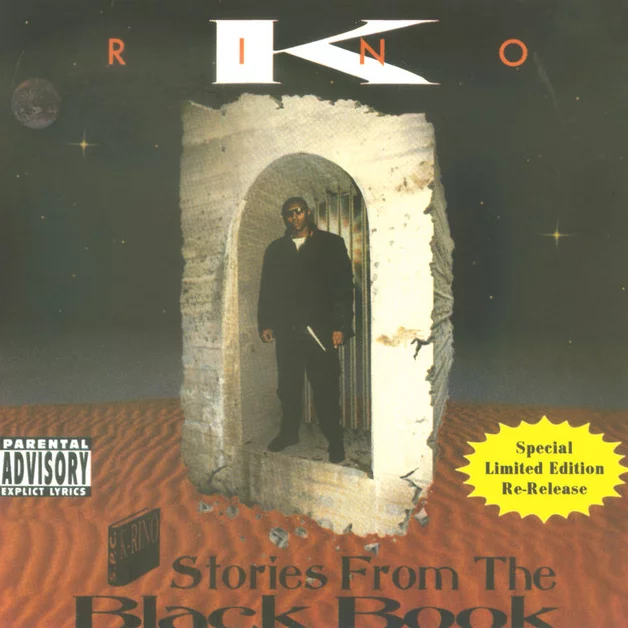
K-Rino’s debut is a dark, uncompromising introduction to the Houston rapper and the South Park Coalition (SPC), the collective he founded. Rooted in the streets of South Park, Stories From the Black Book combines detailed street narratives with philosophical detours, giving the album a lyrical focus that sets it apart from much of the Southern rap of its era.
K-Rino’s deliberate delivery and commanding voice give his writing considerable weight. “Tied In” and “Never Give a Freak” examine the dangers and consequences of street life without glamorizing them, while “Goin’ to da Clinic” tackles its subject with unsettling directness. Elsewhere, “Four Dimensions of a Universe” and “Step Into the Mind” reveal a more abstract, introspective side. “Ultimate Flow” puts his technical abilities front and center, while the bizarre humor of “Cartoon Orgie” adds an unexpected turn.
The production, largely handled by SPC affiliates including Dope-E, is sparse and ominous. Heavy drums, slow tempos, and minimal instrumentation leave plenty of room for K-Rino’s intricate writing, although the similar textures can make the 66-minute album sound somewhat monotonous. “War in South Park,” featuring Ganksta NIP and Point Blank, brings the collective together for a forceful neighborhood statement, while “Creator of Life” offers a more reflective moment.
Stories From the Black Book is rough and occasionally overlong, but K-Rino’s storytelling and lyrical ambition give it a strong identity. It is an important early document of Houston’s underground Hip Hop scene.
33. King Tee - Tha Triflin' Album
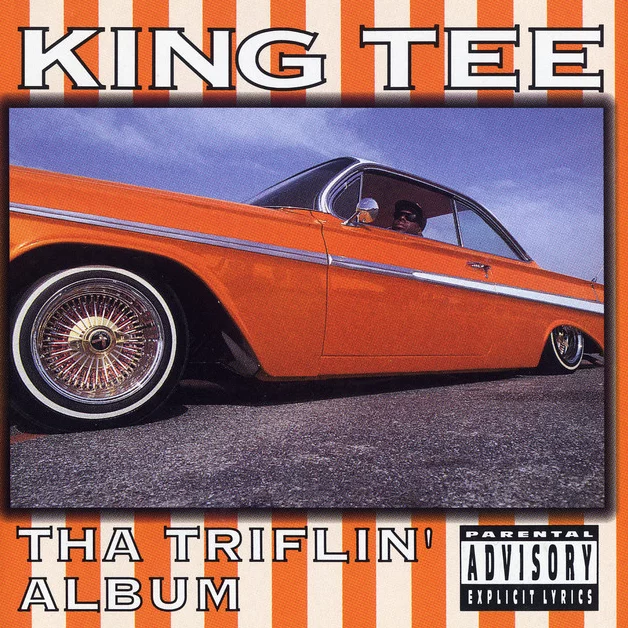
King Tee had already delivered several strong albums, and Tha Triflin’ Album is another dope LP. His third release finds the Los Angeles veteran in relaxed, charismatic form, combining streetwise humor, party records, and sharp observations over a steady supply of funk-heavy beats. The result is an entertaining record with very little interest in taking itself too seriously.
DJ Pooh handles much of the production, with contributions from King Tee, DJ Aladdin, Broadway, DJ Bobcat, Marley Marl, and others. The music is built around crisp breaks, thick basslines, and soulful funk samples, giving the album a loose, infectious groove. Tee’s husky voice and conversational delivery fit the production perfectly. “I Got It Bad Y’all,” featuring his protégés Tha Alkaholiks, is a highlight, while “Just Flauntin’” and “Blow My Sox Off” bring plenty of playful West Coast flavor.
There is more to the album than party material. “Black Togetha Again,” produced by King Tee himself, offers a socially conscious perspective, while “Triflin’ Nigga” takes aim at irresponsible behavior. Ice Cube makes memorable appearances on “King Tee’s Beer Stand” and “Hoe B-4 Tha Homie,” adding to the album’s irreverent character.
Tha Triflin’ Album also gave Tha Alkaholiks a prominent early platform, helping lay the groundwork for the Likwit Crew. A consistently enjoyable release, it captures King Tee at the height of his powers.
34. Erick Sermon - No Pressure
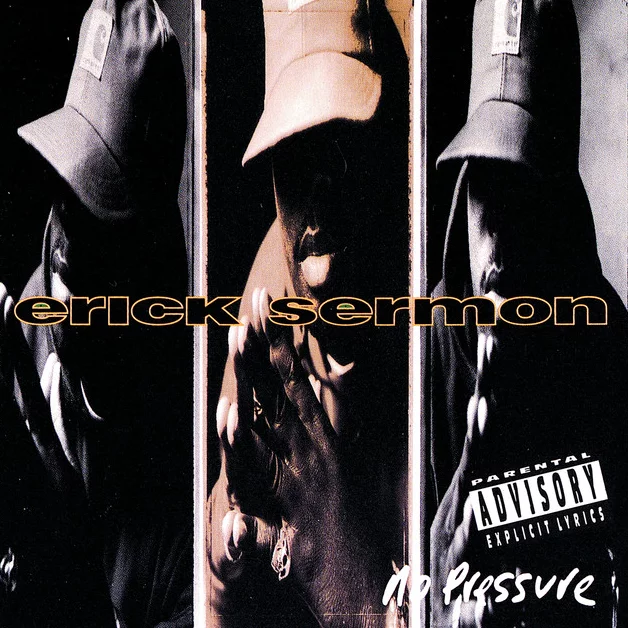
Following EPMD’s breakup, Erick Sermon stepped out on his own with No Pressure, a solo debut that puts his production skills firmly in the foreground. Having usually shared the microphone with Parrish Smith, Sermon now carries most of the vocal duties himself. His laid-back, deadpan delivery works well in places, although the absence of his longtime partner is noticeable over the course of the album.
The production is the main attraction. Sermon builds on EPMD’s funk-heavy foundations, using thick basslines, crisp drums, and prominent Zapp samples to give the record a harder edge. “Stay Real” is one of the strongest tracks, while “Hittin’ Switches” delivers another dose of his trademark funk. “Payback II” and “Imma Gitz Mine” keep things moving, but the album really comes alive when Sermon brings in guests.
Keith Murray makes an explosive impression on “Hostile,” an early demonstration of the distinctive style that would soon make him a force in his own right. “The Ill Shit” pairs Ice Cube and Kam with Sermon, while “Swing It Over Here” brings together Redman and Murray for an especially entertaining collaboration.
No Pressure is somewhat repetitive across its 54 minutes, and Sermon is more convincing behind the boards than as a solo MC. Still, the production is excellent, and the guest appearances add plenty of personality. A strong first chapter in Sermon’s solo career.
35. LL Cool J - 14 Shots To The Dome

By 1993, LL Cool J already had 4 classic albums under his belt (well, 3 anyway). In the rapidly changing Hip Hop landscape, LL may have tried a bit too hard to emulate the ‘hardcore / grimy’ NYC sound of the time. Production on this album is a little all over the place, too loud sometimes and too bland elsewhere. Half of the tracks on this joint are classic LL, the other half not quite so strong. So: not a classic album by any means, but with enough dope tracks on it to deserve a place on this list anyway.
Top tracks: Back Seat | Funkadelic Relic | Crossroads | Straight From Queens
36. Das EFX - Straight Up Sewaside
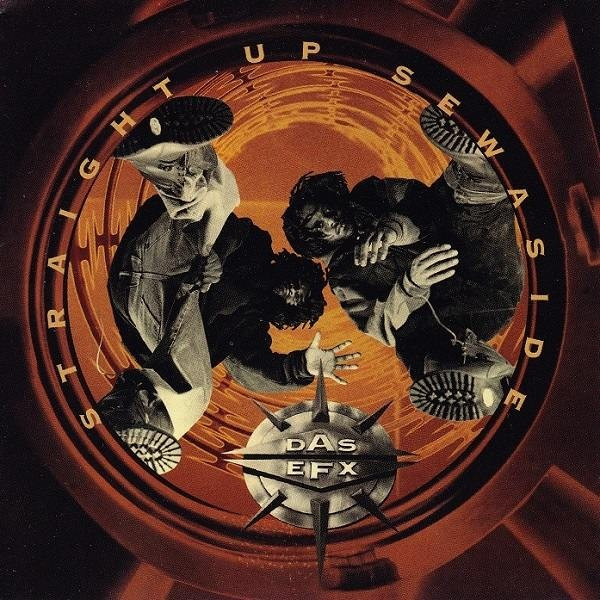
Following the enormous success of Dead Serious, Das EFX faced the challenge of proving they were more than a novelty act. On Straight Up Sewaside, Skoob and Drayz retain their rapid-fire delivery and intricate rhyme patterns while dialing back some of the exaggerated vocal quirks that made their debut so distinctive. The result is a darker, tougher record that puts greater emphasis on their skills as MCs.
Solid Scheme handles most of the production, with Charlie Marotta also contributing and PMD serving as executive producer. The beats favor rugged drums, bass-heavy grooves, and funk samples, giving the album a harder New York feel. “Undaground Rappa” makes an immediate impression, while “Gimme Dat Micraphone” and “Check It Out” let the duo loose with their tightly interwoven flows. “Freakit” and “Baknaffek” provide the catchier moments, and “Kaught in da Ak” is another highlight, built around a Beastie Boys reference.
The album doesn’t have quite the same immediate appeal as Dead Serious, and some of the production lacks variation. Still, Skoob and Drayz remain entertaining throughout, packing their verses with internal rhymes, inventive phrasing, and the chemistry that made them stand out in the first place.
Straight Up Sewaside may not match its predecessor’s impact, but it is a strong second album from a duo with considerably more lyrical ability than their imitators.
37. Da King & I - Contemporary Jeep Music

Brooklyn duo Da King & I made a strong impression with their sole album, Contemporary Jeep Music. DJ Majesty handles the production, giving MC Izzy Ice an impressive collection of beats built around heavy jazz samples, soulful horn lines, chunky drums, and well-placed changes in rhythm. The title suggests booming car-stereo music, and several tracks deliver exactly that, with an infectious bounce and plenty of knock.
“Flip Da Scrip” is the obvious highlight, driven by a memorable groove and Izzy’s confident, nimble delivery. “Krak Da Weazel” and “This Is How We Do” keep the momentum going, while “Let’s Take a Trip” provides another showcase for Majesty’s knack for arranging samples and drums. Izzy isn’t the most technically elaborate MC of his era, but his clear voice, relaxed confidence, and playful wordplay fit the production perfectly. The more reflective “Tears” offers a welcome change of mood, bringing a different emotional dimension to the album.
Majesty’s work is the main attraction throughout. The beats have a lively, richly layered quality, with crisp transitions and enough variation to keep the eighteen-track sequence moving. Contemporary Jeep Music never received the attention its quality warranted. It is an especially enjoyable slice of early-1990s Brooklyn Hip Hop, with DJ Majesty’s production deserving far wider recognition.
38. Poor Righteous Teachers - Black Business

Poor Righteous Teachers’ third album finds Wise Intelligent at the height of his lyrical powers. His commanding delivery has gained in intensity, while his intricate multisyllabic rhymes and distinctive ragga-inflected flow give the record a character few other MCs could match. His verses move between sharp street observations and the Five-Percent Nation teachings that have always been central to the group’s identity.
A notable change behind the boards sees Wise Intelligent, Culture Freedom, and Father Shaheed handling most of the production, with longtime collaborator Tony D contributing four tracks. The result is a harder, more distinctly East Coast sound than on the group’s earlier albums. Horn-filled loops, forceful drums, and rugged boom-bap rhythms provide a fitting backdrop for Wise Intelligent’s emphatic performances. The beats hit hard without crowding the lyrics, allowing his dense rhyme patterns and shifting cadences to take center stage.
Black Business is a particularly strong entry in Poor Righteous Teachers’ remarkably consistent 1990s run. Wise Intelligent’s originality and technical ability deserve far wider recognition, and this album gives him an excellent platform to demonstrate both.
39. Spice 1 - 187 He Wrote
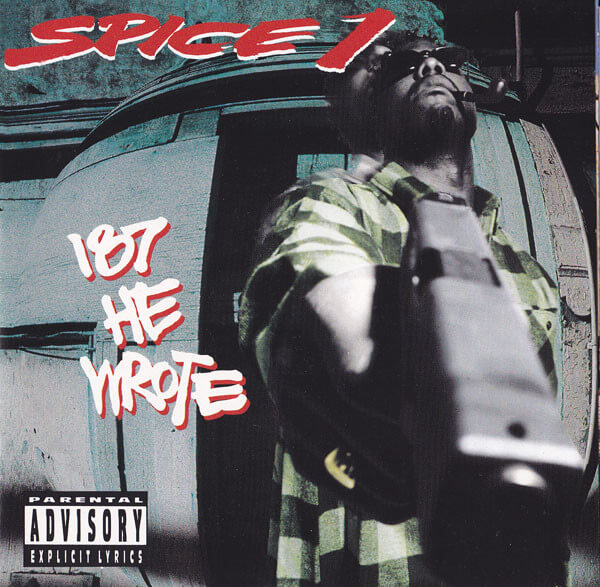
Spice 1 took a darker, more uncompromising direction on his second album. Where his debut mixed hard street narratives with broader social commentary, 187 He Wrote concentrates on murder, guns, hustling, and the constant threat of violence. The title combines California Penal Code Section 187, the statute for murder, with a nod to the television series Murder, She Wrote. It gives a clear indication of the territory Spice 1 explores across fifteen tracks.
His delivery is a major part of the album’s appeal. Spice 1 moves between tightly packed, rhythmic verses and a distinctive stuttering flow, filling his stories with vivid details and memorable vocal inflections. The title track and “Dumpin’ Em in Ditches” establish the bleak atmosphere, while “Trigga Gots No Heart” and “RIP” explore the consequences of street violence. “Trigga Happy” takes an unusual approach by telling its story from a firearm’s perspective.
The production comes from a varied group of West Coast contributors, including E-A-Ski & CMT, Ant Banks, Too $hort, Prodeje, and Mentally Blunted. Their beats range from heavy, bass-driven grooves to spare, funky arrangements that leave room for Spice 1’s narratives. “The Murda Show,” featuring MC Eiht, is a standout, while Bo$$ adds another voice to the heist narrative of “Don’t Ring the Alarm.”
The relentless focus on violence can make the album feel repetitive over its full hour, but Spice 1’s commanding performances and the strength of the production keep it engaging. 187 He Wrote is a defining example of the darker side of early-1990s West Coast gangsta rap.
40. Fat Joe - Represent

Before becoming a mainstream star, Fat Joe was a straightforward Bronx MC with a taste for rugged beats and uncompromising street rhymes. His debut, released under the name Fat Joe da Gangsta, is firmly rooted in the early-1990s New York sound. The biggest attraction, however, is the production, with several leading members of the Diggin’ in the Crates crew providing a remarkably consistent collection of beats.
Diamond D handles most of the production, delivering dusty jazz samples, hard drums, and the kind of heavy, head-nodding grooves that defined the D.I.T.C. sound. Lord Finesse and Showbiz contribute as well, while The Beatnuts take care of “The Shit Is Real.” “Livin’ Fat,” “Bad Bad Man,” and “I Got This in a Smash” are among the other highlights. The production gives the album a distinctly New York identity, with enough variation to keep the nearly fifty-minute record moving.
Joe himself is a capable, if relatively uncomplicated, MC. His delivery is commanding and his Bronx street persona comes across convincingly, even if his rhymes lack the technical sophistication of some of his contemporaries. On “You Must Be Out of Your Fuckin’ Mind,” sharing the microphone with Kool G Rap and Apache makes that difference particularly apparent. The single “Flow Joe” and “Watch the Sound,” featuring Grand Puba, are among the strongest performances.
Represent is a beats-and-rhymes album in the best sense. Fat Joe would become a considerably different artist over the following years, but this debut captures him in a distinctly rugged New York setting. For fans of D.I.T.C. and classic boom-bap, the production alone makes it worthwhile.
Honorable Mentions
- Leaders of the New School – T.I.M.E. (The Inner Mind’s Eye)
- MC Lyte – Ain’t No Other
- Just Ice – Gun Talk
- Big Daddy Kane – Looks Like A Job For…
- Brand Nubian – In God We Trust
- Run DMC – Down With The King
- Ed O.G & Da Bulldogs – Roxbury 02119
- E-40 – Federal
- Jungle Brothers – J.Beez Wit The Remedy
- Digital Underground – The Body Hat Syndrome
- DJ Jazzy Jeff & The Fresh Prince – Code Red
- Kam – Neva Again
- Above The Law – Black Mafia Life
- B.O.N.E. Enterprise – Faces Of Death
- Mobb Deep – Juvenile Hell
- Mad Kap – Look Ma Duke, No Hands
- Menace II Society Soundtrack
- Yaggfu Front – Action Packed Adventure!
- Funkdoobiest – Which Doobie U B?
- Kaos – International Dope Dealers
- Threat – Sickinnahead
- Domino – Domino
- MC Breed – The New Breed
- Original Flavor – Beyond Flavor
- Yall So Stupid – Van Full Of Pakistans
- Capital Tax – The Swoll Package
- Trends Of Culture – Trendz
- Illegal – The Untold Truth
- Da Youngstas – The Aftermath
- Rumpletilskinz – What Is A Rumpletilskin?
- Prime Minister Pete Nice & Daddy Rich – Dust to Dust
- Brokin English Klik – Brokin English Klik
- Ant Banks – Sittin’On Somethin’ Phat
- Bloods & Crips – Bangin’ On Wax
- Shaquille O’Neal – Shaq Diesel
- Yo Yo – You Better Ask Somebody
- Bo$$ – Born Gangstaz
- Class A Felony – Class A Felony
- Esham – KKKil The Fetus
- Akinyele – Vagina Dinner
- The Click – Down & Dirty
- Mac Dre – Young Black Brother: The Album
- JT The Bigga Figga – Playaz In The Game
- DMG – Rigormortiz
- Private Investigators – React Like Ya Knew
- Pudgee Tha Phat Bastard – Give ‘Em The Finger
- Blood Of Abraham – Future Profits
- The Conscious Daughters – Ear To The Street
- Guru – Jazzmattaz
- Justin Warfield – My Field Trip To Planet 9
Looking back at 1993, what stands out is the sheer range of music Hip Hop was producing. New York was reclaiming its place in the conversation with rugged, sample-heavy records from Wu-Tang Clan, Black Moon, and KRS-One, while the West Coast offered far more than the gangsta rap and G-funk dominating the charts. De La Soul, Souls of Mischief, Freestyle Fellowship, and Snoop Doggy Dogg each represented a different side of the region’s creative energy. Meanwhile, artists across the country were finding their own ways to expand the music’s vocabulary.
There was no single formula for making a great Hip Hop album. Jazz-inflected experimentation, uncompromising street narratives, intricate lyricism, funk-driven production, and socially conscious rhymes all had room to thrive. The underground and the mainstream were producing records with lasting appeal, often without much concern for what the other side was doing.
That diversity is a major reason 1993 deserves its place among Hip Hop’s greatest years. The albums on this list capture a moment when regional identities were strong, producers were pushing their craft forward, and MCs had plenty to say. More than three decades later, these records still reward repeated listening. That’s the mark of a remarkable year in Hip Hop.