

The 1990s were the decade in which Southern Hip Hop began to establish its own identity, with regional scenes developing distinctive sounds, perspectives, and audiences. While New York and Los Angeles still dominated much of the conversation, artists across the South were building something of their own. Houston had the uncompromising street narratives of the Geto Boys and Rap-A-Lot Records, Memphis was developing an eerie, bass-heavy underground sound around Three 6 Mafia, and Atlanta was finding its voice through OutKast, Goodie Mob, and the production of Organized Noize. In New Orleans, Cash Money and No Limit were laying the groundwork for a different kind of Southern takeover, while Miami’s bass-heavy party music had already been making its presence felt. There was no single Dirty South formula. Each city brought its own musical traditions, slang, subject matter, and attitude to the culture.
What connected these scenes was a growing sense of regional identity. Southern artists drew on funk, soul, blues, local club music, and the realities of their surroundings, developing approaches to production and songwriting that sounded distinctly their own. Some records were built around heavy bass and uncompromising street tales, others leaned into social commentary, soulful instrumentation, eccentric samples, or hypnotic rhythms. The accents, references, and local details were integral to the music. These artists weren’t waiting for approval from New York or Los Angeles. They were building audiences at home and increasingly finding listeners far beyond their own cities.
The albums from this period also reveal how much variety existed within Southern Hip Hop before the commercial explosion of the late 1990s and early 2000s. Memphis horrorcore, Houston gangsta rap, Atlanta’s eclectic Dungeon Family sound, New Orleans street rap and bounce, and Florida bass music each followed different paths. Some of these records reached audiences well beyond their immediate surroundings, while others remained relatively underground, cherished by listeners who recognized something special in their approach.
Our selection of 25 crucial Dirty South Rap albums from the 1990s reflects that diversity. These records capture a decade of regional experimentation, street-level storytelling, musical ambition, and growing Southern confidence. Together, they tell the story of a generation of artists who gave Southern Hip Hop a distinct identity and laid much of the groundwork for its growing influence in the years that followed.

Geto Boys - Geto Boys (1990)
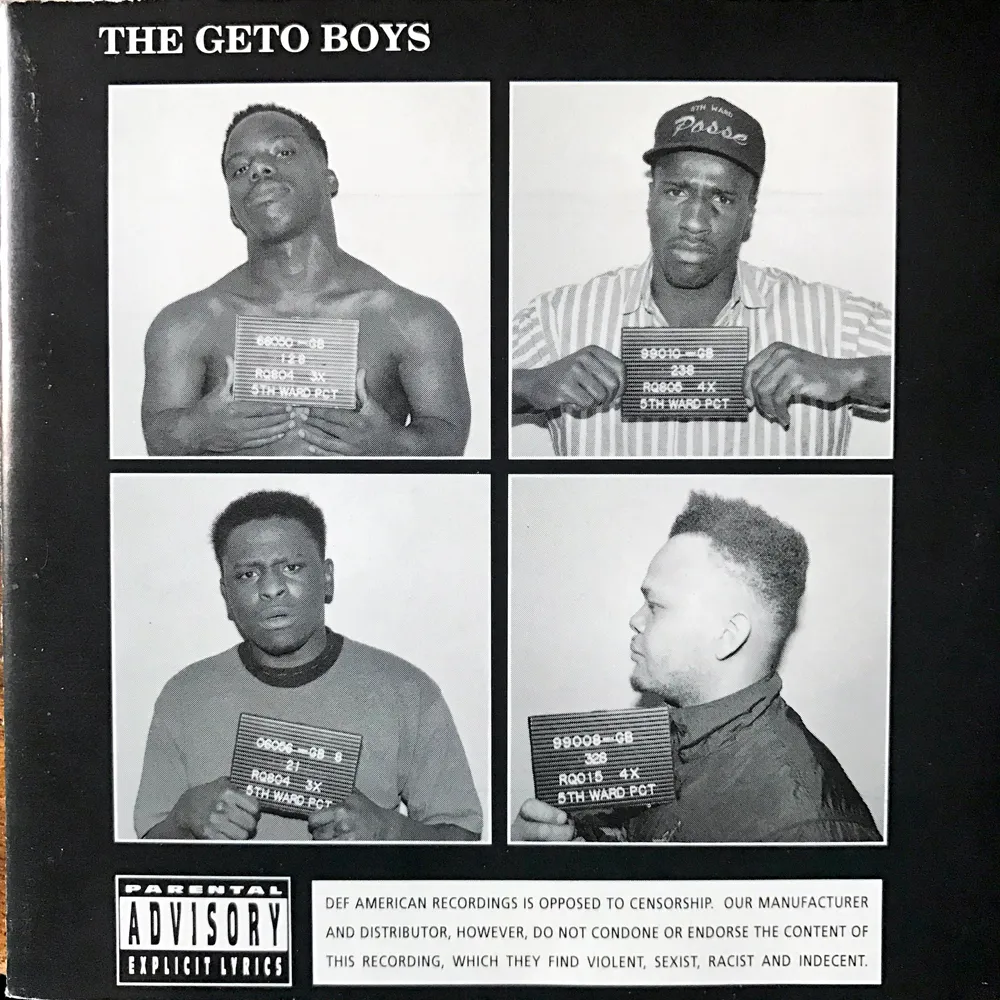
Few albums announced Houston‘s arrival in the national Hip Hop conversation as forcefully as the Geto Boys’ self-titled 1990 release. A reworked version of their earlier Grip It! On That Other Level, the album brought together some of the group’s most notorious material in a sharper, more concentrated package. The addition of a couple of new songs, placed at either end of the album, gives the collection a stronger sense of identity and makes it a more satisfying listen than the predecessor it was built on. With Rick Rubin involved in the remixing and production, the Geto Boys’ previously chaotic sound acquired a harder, more focused edge. The result was an extraordinarily confrontational record that made little effort to accommodate listeners unfamiliar with the realities and tensions of the streets that shaped it.
The trio of Scarface, Willie D, and Bushwick Bill had an unusual chemistry. Scarface was already developing the narrative instincts and psychological depth that would distinguish his solo career, Willie D brought an aggressive, combative presence, and Bushwick Bill specialized in disturbing characters, black humor, and deliberately outrageous performances. Their contrasting personalities gave the album much of its volatility. The production is relatively sparse, built around heavy drum patterns, ominous basslines, and stripped-down funk elements. There is little musical decoration to soften the impact of the lyrics.
“Mind of a Lunatic” remains one of the album’s most unsettling moments. Bushwick Bill’s detached delivery makes its disturbing psychological narrative even more uncomfortable, while “Assassins” takes the group’s fascination with horror-inspired imagery into particularly violent territory. On “Trigga Happy N****a,” the Geto Boys confront the destructive mentality surrounding street violence, mixing provocation with observations about the environment that produces it. Scarface gets an opportunity to demonstrate his storytelling ability on “Scarface,” a grim tale of betrayal and survival that offers an early indication of the exceptional writer he would become. “Do It Like a G.O.” provides a more straightforward burst of group bravado.
The album hasn’t aged gracefully in every respect. Some of its sexual material, particularly “Gangsta of Love,” is difficult to defend, and the relentless shock tactics occasionally overshadow the group’s more thoughtful writing. Still, its historical importance is considerable. Coming out of Houston’s Rap-A-Lot Records, the Geto Boys brought a distinctly Southern perspective into a national conversation still dominated by New York and Los Angeles. Their willingness to explore paranoia, mental instability, violence, and life on the margins opened a different window into American street life. Geto Boys was abrasive, controversial, and frequently disturbing, and Houston Hip Hop would never be quite the same.
Scarface - Mr. Scarface Is Back (1991)

Scarface’s solo debut picks up where the Geto Boys’ most compelling material left off, taking their fascination with violence, paranoia, and psychological instability into more personal territory. On Mr. Scarface Is Back, Brad Jordan establishes himself as one of the most distinctive storytellers in Southern Hip Hop. His deep, commanding voice and deliberate delivery give even the most outrageous narratives a disturbing sense of plausibility. Houston street life provides the setting, but Scarface is equally interested in the damaged minds, conflicting impulses, and moral compromises of the people caught up in it.
The album opens with its title track, immediately establishing a threatening atmosphere. Production throughout draws on heavy funk basslines, ominous samples, and booming drums, with enough space in the arrangements to let Scarface’s voice dominate. “Diary of a Madman” is particularly unsettling, following a descent into paranoia and mental disintegration. Scarface handles the subject with remarkable composure, making the character’s increasingly disturbed thoughts all the more convincing. “Born Killer” and “Murder by Reason of Insanity” explore similar territory, reflecting the Geto Boys’ horrorcore tendencies while giving Scarface room to develop his own narrative approach.
His greatest strength, however, is storytelling. “A Minute to Pray and a Second to Die” is an outstanding example, with Scarface shifting perspectives to recount the aftermath of street violence. The Marvin Gaye sample adds a mournful dimension to a narrative concerned with loss, desperation, and the consequences of choices made in a matter of seconds. There is a genuine sense of tragedy beneath the brutality. “Money and the Power” examines the attraction of wealth and control, while “The Pimp” offers a change of pace, allowing Scarface’s dry humor and commanding personality to come through.
Where Willie D often attacked listeners head-on and Bushwick Bill gravitated toward the bizarre and grotesque, Scarface was developing a more reflective, psychologically complex style. Mr. Scarface Is Back isn’t quite as consistently compelling as his finest later work, and some of its material remains rooted in the shock tactics of early Geto Boys. Still, the album reveals an exceptional writer finding his voice. Alongside the group’s increasingly important releases on Rap-A-Lot Records, it helped establish Houston as a serious force in Southern Hip Hop. Scarface’s subsequent career would take that foundation to remarkable heights.
Geto Boys - We Can't Be Stopped (1991)

The Geto Boys had already established a reputation for taking Hip Hop into uncomfortable territory, but We Can’t Be Stopped took their confrontational approach to another level. Released in 1991, the Rap-A-Lot album arrived amid controversy surrounding the group, with its infamous cover depicting Bushwick Bill being rushed to hospital following a near-fatal self-inflicted gunshot wound. The image was shocking, even by the group’s standards, and captured the atmosphere surrounding a trio whose music rarely acknowledged boundaries of good taste or commercial acceptability. Inside, Scarface, Willie D, and Bushwick Bill continued to explore the violence, paranoia, anger, and contradictions of Houston street life.
Musically, the album draws on stripped-down funk loops, heavy basslines, and spare drum patterns. The production has a rough, almost claustrophobic quality, leaving plenty of room for the three MCs to impose their contrasting personalities. The undeniable centerpiece is “Mind Playing Tricks on Me,” built around an eerie Isaac Hayes sample. Scarface, Willie D, and Bushwick Bill each describe different manifestations of paranoia and psychological distress, turning familiar gangsta rap subject matter into something remarkably personal. Scarface’s account of seeing imagined enemies, in particular, is an outstanding piece of writing. The song’s uneasy atmosphere and memorable hook made it one of the defining records of early Southern Hip Hop.
Much of the remaining album operates at a considerably higher level of aggression. “Homie Don’t Play That” is driven by Willie D’s booming threats and an infectious funk groove, while Bushwick Bill’s “Chuckie” takes inspiration from horror films for a particularly twisted narrative. The title track is an angry attack on the music industry and the double standards imposed on the group, with all three members contributing to its defiant tone. “F*** a War” extends that hostility toward political and institutional hypocrisy, giving the album another dimension beyond its street narratives.
There are weaker moments, particularly Bushwick Bill’s drawn-out sex rap “The Other Level,” but they don’t seriously undermine the record. What makes We Can’t Be Stopped such an important Geto Boys album is the contrast between its outrageous provocations and the psychological depth of its finest material. With “Mind Playing Tricks on Me,” the group demonstrated that Houston gangsta rap was capable of considerably more than shock tactics and street bravado. The album remains one of Rap-A-Lot’s defining releases and a crucial chapter in the development of Southern Hip Hop.
UGK - Too Hard To Swallow (1992)

Port Arthur, Texas, was a long way from the established centers of Hip Hop, and UGK had little interest in sounding like anyone else. On their 1992 debut, Bun B and Pimp C brought the realities, language, and attitude of their corner of the Gulf Coast into a sound shaped by Southern funk, blues, and the street narratives of the era. Too Hard to Swallow is a rough-edged introduction to a duo whose chemistry was already unmistakable, even if their approach would become more refined on subsequent albums.
Pimp C handled most of the production, drawing heavily on the warmth and groove of 1970s soul and funk. His beats are often sparse, with thick basslines, chopped samples, and unhurried rhythms leaving plenty of room for the two MCs. Rufus’ “Tell Me Something Good” becomes the foundation for “Something Good,” where Pimp’s melodic, laid-back hook plays off Bun’s more controlled delivery. Bill Withers’ “Use Me” is reworked into “Use Me Up,” a track that brings a welcome note of vulnerability to an album otherwise preoccupied with hustling, money, sex, and survival. These records reveal Pimp’s instinct for finding something soulful in familiar material and giving it a distinctly Texas character.
The contrast between the two rappers is central to the album’s appeal. Bun B is measured and precise, with a conversational flow that makes his street narratives easy to follow without sacrificing detail. Pimp C has a rougher, more animated presence, his unmistakable drawl giving even the most outrageous lines a personality of their own. “Pocket Full of Stones” is one of the album’s defining moments, with Bun describing the routines and dangers of the drug trade in a manner that avoids romanticizing its consequences. “Short Texas” takes a more confrontational approach, turning regional pride into a warning to outsiders. Elsewhere, “I’m So Bad” and “Cramping My Style” reveal the duo’s taste for humor, sexual bravado, and loose-limbed Southern swagger.
The production occasionally sounds unfinished, and the album lacks the consistency and sonic richness UGK would achieve later in the decade. That roughness, however, belongs to its identity. Too Hard to Swallow introduced a partnership built on complementary voices, soulful instincts, and an unmistakable sense of place. UGK were already making music on their own terms, bringing Port Arthur into the wider Hip Hop conversation without sanding away what made it different.
K-Rino - Stories From The Black Book (1993)
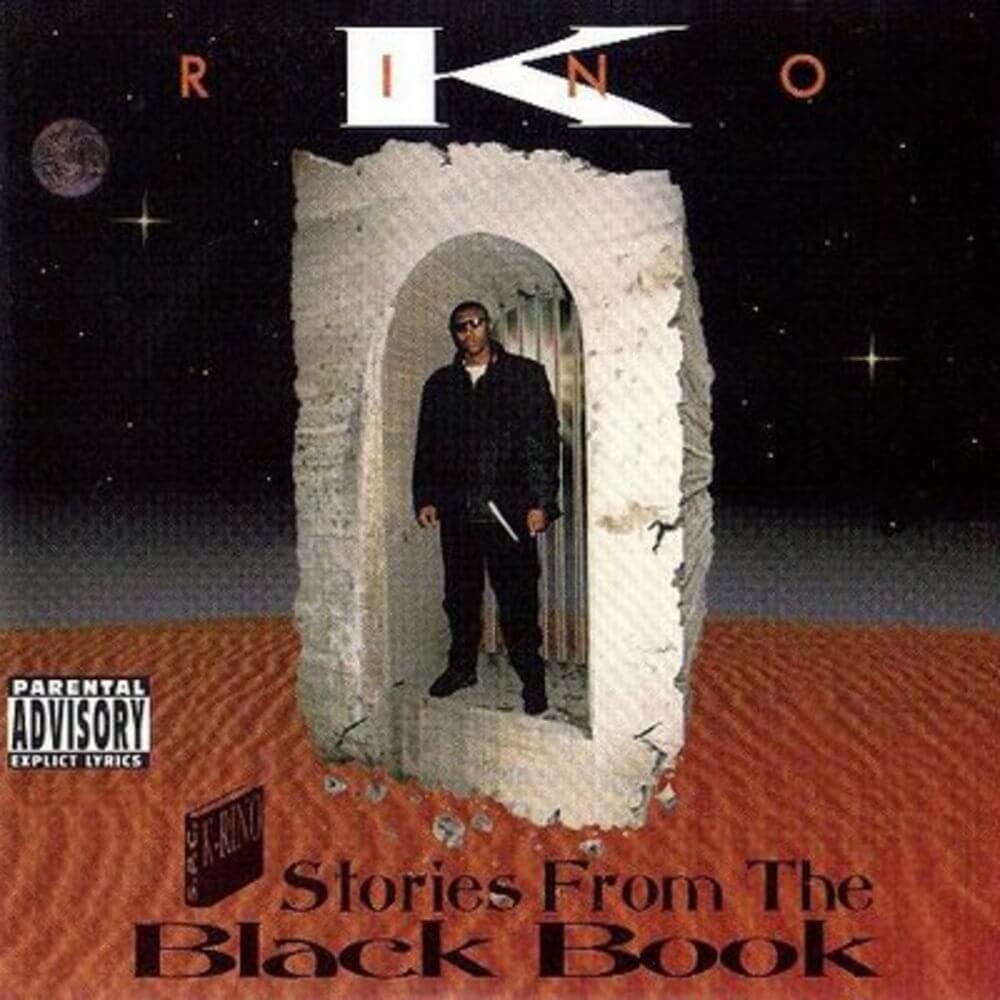
Houston’s underground had a life well beyond the records reaching national audiences, and K-Rino was one of the key figures building that world from the ground up. As founder of the South Park Coalition, he helped create a network of local MCs whose music reflected the realities of their neighborhood without much concern for commercial expectations. His 1993 debut, Stories From The Black Book, is an uncompromising introduction to that approach: a lengthy, dark collection built around intricate writing, bleak street narratives, and an unusually wide-ranging imagination.
K-Rino’s greatest asset is his ability to construct stories with a strong sense of place and consequence. “Tied In” and “Never Give a Freak” explore the codes and dangers of street life, with detailed accounts that resist the easy glamour often attached to hustling. “Goin’ to da Clinic” takes a particularly uncomfortable subject head-on, while K-Rino’s deliberate delivery gives the material an almost conversational authority. He doesn’t need to rush through a verse to make an impression. His control of language and knack for vivid detail keep the listener engaged, even when the subject matter becomes grim.
There is considerably more to the album than street reportage. “Four Dimensions of a Universe” and “Step Into the Mind” reveal a rapper interested in abstract ideas and philosophical questions, while “Ultimate Flow” puts the emphasis squarely on technical ability. The contrast between these tracks and the neighborhood narratives gives the album its particular character. K-Rino was already developing the lyrical ambition that would become a defining feature of his extensive catalogue.
The production, with contributions from SPC affiliates including Dope-E, is generally spare and ominous. Heavy drums, slow-moving rhythms, and minimal melodic decoration leave plenty of space for the vocals. The approach suits the subject matter, although the beats don’t always offer enough variation across the album’s 66 minutes. “War in South Park,” featuring fellow SPC members including Ganksta NIP and Point Blank, brings the collective’s neighborhood identity into focus. “Creator of Life” offers a more reflective counterpoint, while the eccentric “Cartoon Orgie” adds an unexpected dose of humor.
Stories From the Black Book is rough around the edges, and its production can become monotonous, but K-Rino’s writing gives it a distinctive personality. It captures a Houston underground scene developing on its own terms and introduces an MC whose ambitions extended well beyond the usual street-rap subjects. For understanding the depth and independence of early 1990s Houston Hip Hop, this is an important piece of the story.
Eightball & MJG - Comin' Out Hard (1993)

Memphis had its own developing Hip Hop identity in the early 1990s, and few records announced it with the authority of Eightball & MJG’s Comin’ Out Hard. Released in 1993 through Houston’s Suave House Records, the album connected the two cities while remaining firmly rooted in the experiences and outlook of its Memphis creators. Across nine tracks, Eightball and MJG describe a world of hustling, ambition, violence, and hard-earned confidence. Their perspective is distinctly Southern, delivered without any attempt to imitate the styles dominating New York and Los Angeles.
The chemistry between the two MCs is immediate. Eightball tends to take a measured, reflective approach, with a conversational delivery that gives his stories room to develop. MJG is more forceful and animated, bringing a sharper edge to their exchanges. They understand how to complement one another, shifting between detailed accounts of street life and displays of authority without losing the album’s sense of cohesion. The title track lays out their intentions over a heavy, ominous groove, with both rappers making clear that they have come a long way and have no intention of being overlooked.
The storytelling is particularly effective on “Armed Robbery” and “9 Little Millimeta Boys.” These tracks unfold like compact crime stories, with tension built through specific details and the consequences of choices made in the street. The production keeps the atmosphere suitably bleak. Deep bass, restrained drum patterns, and eerie melodic fragments give the album a dark, unhurried pulse. The beats are relatively simple, but that sparseness leaves the voices and narratives at the center. There is a strong funk sensibility underneath the hard exterior, especially when the duo shifts into a more boastful mode.
“Mr. Big” captures that other side of Eightball & MJG. Its larger-than-life attitude and confident performances point toward the success they would eventually achieve, while remaining connected to the street perspective that runs through the record. The album doesn’t need elaborate arrangements or a succession of stylistic detours. Its nine tracks maintain a consistent mood and give the two rappers space to establish their identities.
Comin’ Out Hard is a rough debut in places, but its directness is a major part of its appeal. It introduced one of Memphis’ most important rap partnerships and helped bring the city’s voice into a wider Southern conversation. Eightball & MJG would grow considerably as artists, but the foundation was already here: two distinctive MCs, a strong sense of place, and an instinct for turning street experience into compelling Hip Hop.
OutKast - Southernplayalisticadillacmuzik (1994)

Atlanta announced itself as a serious Hip Hop city in 1994, and OutKast emerged with a sound that had little interest in following the established coastal formulas. On Southernplayalisticadillacmuzik, André 3000 and Big Boi introduced their own version of Southern rap: steeped in funk, grounded in the realities of their surroundings, and full of youthful ambition. Working closely with Organized Noize, the duo built an album that drew on the musical heritage of the South while giving Atlanta a distinct voice in a national Hip Hop landscape still dominated by New York and Los Angeles.
Organized Noize’s production is central to the album’s identity. Rather than relying on the stark drum programming common in much early 1990s rap, the collective brought a warmer, more organic feel to the music. Thick basslines, live-sounding drums, languid guitar parts, and touches of psychedelic soul give the tracks a loose, rolling groove. The influence of 1970s funk runs throughout, but the production never comes across as a simple exercise in nostalgia. “Player’s Ball” established the group’s personality early on, its relaxed groove and vivid account of Atlanta’s holiday-season hustling introducing a world that would become familiar across the album.
André and Big Boi were already a compelling pairing. Big Boi’s confident, rhythmically assured delivery gives the songs a strong anchor, while André brings a more reflective, unpredictable quality to their exchanges. Their writing moves between youthful swagger, social observation, and the frustrations of growing up in an environment where opportunity is often limited. “Git Up, Git Out,” featuring Goodie Mob’s CeeLo and Big Gipp, is a highlight, urging listeners to break out of complacency and take responsibility for their lives. “Crumblin’ Erb” takes a more relaxed approach, imagining a world with less violence and more room for peace. On “Funky Ride,” the group stretches out over a spacious, psychedelic groove, allowing the musicianship to take center stage.
The album’s Southern identity is never a marketing pose. It comes through in the slang, the local references, the cadences, the funk influences, and the way these young MCs describe the world around them. Southernplayalisticadillacmuzik gave Atlanta a defining early statement and introduced two rappers whose creative ambitions would soon take them in remarkable directions. Organized Noize helped establish the musical language, but André and Big Boi gave it its personality. The South had arrived with its own vocabulary, and OutKast made sure the rest of Hip Hop heard it.
E.S.G. – Ocean Of Funk (1994)

Before Houston’s chopped and screwed sound reached a wider audience, E.S.G. was already giving the city a musical identity of its own. His 1994 debut, Ocean of Funk, draws on the G-funk that dominated West Coast rap at the time, but reshapes it around the rhythms, car culture and street perspective of Houston’s Southside. With production primarily from Sean “Solo” Jemison and Earl Winters, the album combines high-pitched synths, warm soul samples and heavy 808 drums into a slow-rolling sound that belongs unmistakably to H-Town.
The opening “Swangin’ and Bangin (Screwed)” is historically significant: it brought DJ Screw’s slowed-down treatment onto an officially released commercial album, offering an early glimpse of a technique that would become central to Houston rap. The original “Swangin’ and Bangin” is the more immediate anthem, with E.S.G. describing candy-painted slabs, booming car systems and the rituals of cruising through the city. The two versions make an effective introduction to the relationship between E.S.G.’s music and Screw’s emerging aesthetic. Houston’s car culture wasn’t simply a lyrical backdrop; it shaped the way the music was made and experienced.
Elsewhere, Jemison and Winters give the album a rich musical palette. “Flipping” blends soulful samples with booming drums, while “Anticipation” layers swirling synths over a relaxed funk groove. The production has a spacious, sometimes eerie quality, with melodies that linger long after the drums have settled into their familiar rhythm. E.S.G. matches these arrangements with an easygoing delivery, his conversational flow carrying street narratives and regional pride without forcing the performance. “If It Ain’t One Thang It’s Another” and “Smoke On” capture his laid-back personality, while “Crooked Streets” turns toward the harsher realities of neighbourhood life, reflecting on the cycle of violence with considerably more weight. “The South” makes the regional allegiance explicit.
Ocean of Funk catches Houston rap at a moment when its local character was taking shape. E.S.G. had a feel for the city’s everyday details, from the cars and music systems to the slang and street loyalties, and he turned those details into compelling rap without losing sight of the music. The screwed version of “Swangin’ and Bangin” gives the album an important place in the history of DJ Screw’s technique, while the original track remains one of the defining Houston anthems of the decade. Add the lush production, E.S.G.’s unhurried presence and an early Pen & Pixel cover that already hints at the visual excess of Southern rap to come, and Ocean of Funk becomes an indispensable piece of the city’s 1990s story.
Scarface - The Diary (1994)
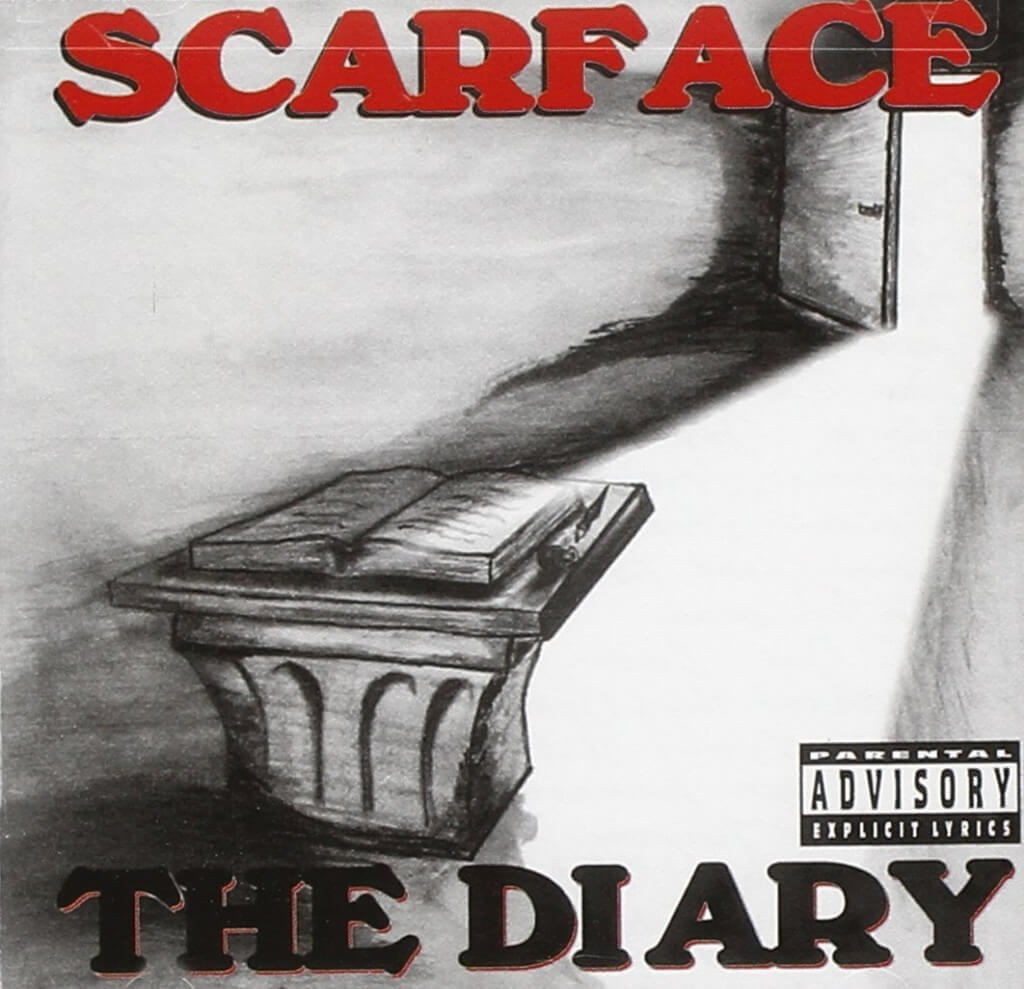
By 1994, Scarface had become one of Houston rap’s most compelling storytellers. The Diary, his third solo album, takes the psychological depth that distinguished his earlier work and gives it even sharper focus. Across a concise 43 minutes, Brad Jordan moves between street violence, paranoia, mortality, and moments of dark humor, bringing an unusually human perspective to gangsta rap. His stories are often brutal, but Scarface has little interest in presenting violence as consequence-free entertainment. There is always a sense of the damage left behind.
The production, with contributions from Mike Dean, N.O. Joe, and other Rap-A-Lot collaborators, gives the album a suitably ominous atmosphere. Deep basslines, eerie keyboards, and heavy, deliberate drums create a sound that is unmistakably Houston, with enough space in the arrangements for Scarface’s voice and narratives to dominate. “The White Sheet” and “Jesse James” establish the darker side of the record, building tense scenarios around revenge, violence, and the threat of sudden death. Scarface’s delivery is central to their impact. His deep, unhurried voice has an authority that makes every detail sound considered, whether he’s describing a confrontation or examining the thoughts that lead someone toward it.
The album reaches its emotional center with “I Seen a Man Die.” Scarface follows a man’s life through poverty, crime, incarceration, and an early death, giving the narrative a tragic inevitability without reducing its subject to a cautionary symbol. The song’s somber production reinforces the weight of the story, while Scarface’s writing makes the consequences of street life painfully concrete. It’s among his finest performances, and one of the defining examples of his ability to find human tragedy within the conventions of gangsta rap.
There are other dimensions to the album. “Goin’ Down” brings a welcome change of mood, its playful keyboard groove giving Scarface room for humor and swagger. The title track, meanwhile, returns to the record’s darker psychological territory, with the rapper turning inward and laying out the thoughts and experiences that have shaped him. The shifts between these moods give the album a convincing sense of personality. Scarface can be intimidating, reflective, funny, and deeply troubled, sometimes within the same stretch of music.
The Diary is one of the great Houston rap albums of the 1990s, and a high point in Scarface’s remarkable catalogue. Its brevity gives every track purpose, while its combination of vivid storytelling, musical atmosphere, and emotional intelligence reveals a rapper working at the height of his powers. Few MCs have examined the human cost of street life with Scarface’s clarity and conviction.
UGK - Super Tight (1994)

With Super Tight, UGK sharpened the sound they had introduced on their debut and brought the musical identity of Port Arthur into even clearer focus. Released in 1994, the album finds Pimp C and Bun B moving comfortably between street narratives, social criticism, sexual bravado, and moments of genuine introspection. The music has the unhurried swing of Southern funk, with Pimp C drawing on soul and blues to create something distinctly Texan. There is no rush to get anywhere. The grooves roll, the bass sits deep in the mix, and the two MCs take their time making their points.
Pimp C’s production is the album’s great strength. Church organs, warm guitar lines, soulful samples, and thick basslines give the tracks a rich musical character, even when the subject matter turns bleak. “It’s Supposed to Bubble” is a prime example, built around Pleasure’s “Thoughts of Old Flames” and carried by an easygoing groove that suits UGK’s champagne-soaked swagger. “Front, Back & Side to Side” has a similar cruising appeal, while “Underground” makes a confident declaration of allegiance to the duo’s independent Southern identity. Pimp C understood that hard street rap didn’t have to sound cold or musically austere.
The darker material gives the album much of its substance. On “Feds in Town,” Bun B delivers a tense solo account of life under the pressure of law enforcement, with the production adding an uneasy sense of surveillance. “Protect and Serve” takes aim at police corruption, its sarcastic hook sharpening the anger behind the lyrics. “Stoned Junkee” is particularly striking, examining addiction from the perspective of a user and bringing the consequences of drug culture into view. Even the raunchy “I Left It Wet for You” takes an unexpected turn when Pimp C touches on suicidal thoughts. UGK’s characters and subject matter rarely fit neatly into one category.
Bun B and Pimp C are in excellent form throughout. Bun’s controlled, articulate delivery gives the narratives structure, while Pimp’s distinctive drawl, melodic instincts, and unpredictable personality supply much of the album’s character. Their chemistry makes the shifts between humor, confrontation, and reflection sound entirely natural.
Super Tight is where UGK’s particular blend of Southern funk, street-level storytelling, and larger-than-life personality comes into full view. The duo would reach an even wider audience with Ridin’ Dirty, but the musical and lyrical foundations of that classic are already firmly in place here. Few records capture the slow-rolling confidence of Texas rap as convincingly.
Three 6 Mafia - Mystic Stylez (1995)

Memphis rap often sounded like it came from somewhere else entirely, and Mystic Stylez remains the clearest early expression of that otherworldly identity. Released in 1995, Three 6 Mafia’s debut album brought together DJ Paul, Juicy J, Lord Infamous, Koopsta Knicca, Gangsta Boo, and Crunchy Black in a murky, self-contained world of horror imagery, street violence, drug references, and occult obsessions. The music was as distinctive as the subject matter. While much of mainstream rap was built around hard drums and recognizable funk samples, Three 6 Mafia were creating something slower, stranger, and considerably more unsettling.
DJ Paul and Juicy J’s production is the album’s defining feature. Cheap-sounding keyboards, distorted bass, ominous synth melodies, and drum-machine rhythms give the tracks a claustrophobic atmosphere. The beats often seem to hover rather than move, allowing tension to accumulate through repetition. “Da Beginning” introduces this sound immediately, setting the tone with its eerie textures and deliberately oppressive mood. “Now I’m Hi, Pt. 3” and “Porno Movie” take the group further into their lurid, underground territory, while “Tear Da Club Up” channels the same dark energy into a more aggressive, crowd-directed track. The production has a hypnotic quality that makes the album’s strange musical world difficult to shake.
The group members bring different personalities to the microphone. Lord Infamous is particularly memorable, with his theatrical delivery, sinister imagery, and intricate rhyme patterns. Koopsta Knicca adds a distinctive, almost ghostly presence, while Gangsta Boo’s forceful voice gives the group another dimension. Their performances are not always technically polished, and some of the lyrics rely heavily on provocation, but the collective chemistry matters more than individual virtuosity. The voices, ad-libs, and exchanges become part of the production itself.
“Live by Yo Rep” captures the group’s confrontational side, while “Da Summa” offers an intriguing contrast. Its lighter, more relaxed atmosphere briefly opens a window onto a different Memphis, even as the familiar darkness remains close by. That contrast gives the album a little breathing room without disrupting its identity.
Mystic Stylez became a reference point for generations of Memphis artists, and its influence eventually reached well beyond the city. Its distorted, repetitive production and ominous atmosphere helped lay the groundwork for sounds that would emerge in Southern rap, horrorcore, and later underground movements. Three 6 Mafia created a world with its own rules, and Mystic Stylez remains one of the most distinctive documents of 1990s Hip Hop.
Goodie Mob - Soul Food (1995)

Atlanta’s Southern identity took on a more socially conscious dimension with Goodie Mob’s Soul Food. Released in 1995, the debut album brought Cee-Lo, Khujo, Big Gipp, and T-Mo together in a compelling account of life in the South, shaped by poverty, racism, spirituality, family, and the daily struggle to get by. Where OutKast often approached their surroundings with youthful curiosity and musical experimentation, Goodie Mob sounded more burdened by the realities they described. Their perspective was deeply local, but the concerns behind their writing reached well beyond Atlanta.
Organized Noize supplied the perfect musical foundation. Their production draws heavily on gospel, blues, and Southern funk, combining heavy drums and thick basslines with twanging guitars, mournful harmonicas, church organs, and soulful vocal passages. The result has a distinctly organic character, with a warmth that often sits in contrast to the bleakness of the lyrics. “Cell Therapy” is one of the album’s most unsettling tracks, its ominous groove accompanying a paranoid account of surveillance, social control, and life in a society that seems increasingly hostile to its Black citizens. The title track takes the opposite route, grounding its reflections in the familiar image of a family meal and the traditions that hold a community together.
The four MCs bring different qualities to the group. Cee-Lo’s expressive voice and melodic instincts give the music much of its spiritual dimension, while Khujo, Big Gipp, and T-Mo approach their verses with a more rugged, street-level directness. “Thought Process” is a powerful early example of their collective chemistry, with each member examining the pressures of poverty and survival from his own perspective. The opening “Free” sets a reflective tone, and “Guess Who” offers a heartfelt tribute to mothers and the sacrifices they make. These songs give the album an emotional range that extends well beyond social commentary.
“Dirty South” is another defining moment. Featuring OutKast’s Big Boi, the track turns regional identity into a declaration of pride, with a bass-heavy Organized Noize production that gives the phrase a lasting cultural significance. Goodie Mob helped bring the term into wider Hip Hop vocabulary, at a time when Southern artists were still fighting for recognition on a national level.
The title Soul Food captures the album’s central idea: music, family, faith, and community as sources of sustenance in difficult circumstances. Goodie Mob gave Atlanta a voice that was thoughtful, uncompromising, and unmistakably Southern. Alongside OutKast, they were central to the emergence of a new Atlanta sound, and this debut remains one of its richest expressions.
Eightball & MJG - On Top Of The World (1995)

By the time Eightball & MJG released On Top of the World in 1995, the Memphis duo had already developed a distinctive approach to Southern street rap. Their third album brought that identity into a bigger, more polished setting, pairing their detailed accounts of hustling, loyalty, and survival with a sound that absorbed some of the West Coast’s G-Funk vocabulary without losing its Memphis character. The result is one of their most accomplished records, capturing two MCs growing in confidence while remaining closely connected to the world that shaped them.
The production is notably richer than on Comin’ Out Hard and On the Outside Looking In. Funky synthesizers, deep basslines, and smooth, rolling rhythms give tracks like “Pimp in My Own Rhyme” and “Break ‘Em Off” an expansive feel. The influence of G-Funk is clear, but the music has its own Southern swing, with a slightly heavier, more grounded quality. The duo knows how to work a groove, allowing the beats to breathe while keeping their verses sharp and purposeful. “Space Age Pimpin'” takes the smoother side of the album into futuristic territory, built around a seductive funk atmosphere that suits their relaxed confidence.
Eightball and MJG’s contrasting styles remain a major part of the appeal. Eightball’s calm, conversational delivery often carries the more reflective passages, while MJG brings a harder edge and a sharper rhythmic attack. They use that chemistry to explore subjects beyond the familiar hustler’s perspective. “Funk Mission” examines the destructive effects of drug addiction, while “Hand of the Devil” turns greed and temptation into a cautionary tale. “Friend or Foe,” featuring Mac Mall, E-40, and Big Mike, considers the shifting loyalties and suspicions that come with street life. The guest appearances also connect the Memphis duo to a wider network of artists working outside the dominant coastal centers.
“What Can I Do” turns inward, addressing the sacrifices and frustrations that accompany success. It gives the album another dimension, showing that the rewards of making it out do not necessarily resolve the problems that came before. Across the record, Eightball and MJG move naturally between hard-edged narratives, personal reflection, and unapologetic celebration.
On Top of the World marked a major step forward for Eightball & MJG. Its combination of Memphis storytelling, polished funk production, and the duo’s distinctive vocal interplay helped carry their music to a wider audience. They had found a bigger canvas without losing their sense of place, and the album remains one of the strongest full-length statements of mid-1990s Southern rap.
DJ Screw - 3 'N The Mornin' (Part Two) (1995)
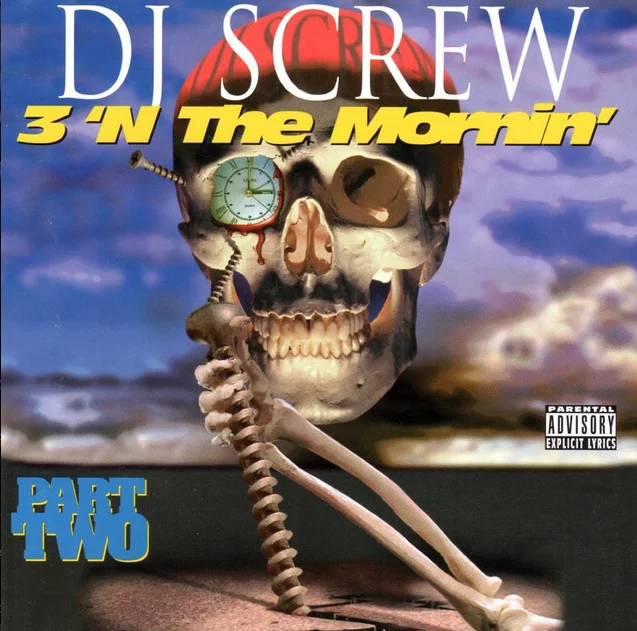
Houston rap has rarely sounded as unmistakably local as it does on DJ Screw’s 3 ‘N The Mornin’ (Part Two). Released in 1995, the album brought the city’s emerging chopped and screwed aesthetic to a wider audience, drawing on a culture that had already been developing through Screw’s influential grey tapes. The technique was simple in principle but transformative in practice: slow the music down, stretch the voices, cut and repeat phrases, and let the gaps and shifts in rhythm become part of the groove. The result was a sound with its own sense of time, perfectly suited to Houston’s late-night cruising culture.
Screw’s work here is closely tied to the Screwed Up Click, with E.S.G., Lil’ Keke, Big Moe, and other Houston MCs contributing to the record’s distinctive collective character. “Watch Yo Screw” sets the pace, E.S.G.’s measured delivery sitting comfortably over a beat that seems to drag every syllable into the same heavy motion. Familiar local material is given a different emotional weight through Screw’s manipulation. On “Smokin’ and Leanin’,” the slowed rhythm and altered vocal textures turn the track into something hazy and unsettling. The music is recognisable, but its proportions have changed.
That transformation is central to the album’s appeal. Screw doesn’t simply reduce the tempo; he changes how the listener hears the performances. Hooks linger, verses take on a more conversational quality, and individual lines acquire a weight they might lose at normal speed. “Servin’ a Deuce” gains a reflective quality from the treatment, while “Pimp Tha Pen” gives Lil’ Keke room to ride a sparse, heavy groove. The MCs remain important, but Screw’s editing and sequencing shape the experience as much as the original performances.
The closing “South Side” captures the atmosphere especially well. Built around Roy Ayers’ “Everybody Loves the Sunshine,” it drifts through the track at an unhurried pace, evoking Houston streets in the early hours. Across the album, Screw turns local rap into something immersive, where the space between beats matters as much as the beats themselves.
There is no other album on this list that represents Houston’s 1990s rap culture in quite this way. While Scarface and the Geto Boys brought the city’s street narratives to national attention, and UGK gave neighbouring Port Arthur its own distinctive voice, DJ Screw developed an entirely different musical identity around the voices of Houston’s MCs. 3 ‘N The Mornin’ (Part Two) documents the Screwed Up Click at a formative stage and captures the sound that would become inseparable from the city. Chopped and screwed music eventually travelled far beyond Houston, influencing producers and rappers across generations, but its roots are here: in the local artists, records and late-night culture that DJ Screw transformed into something uniquely Houstonian.
Master P - Ice Cream Man (1996)
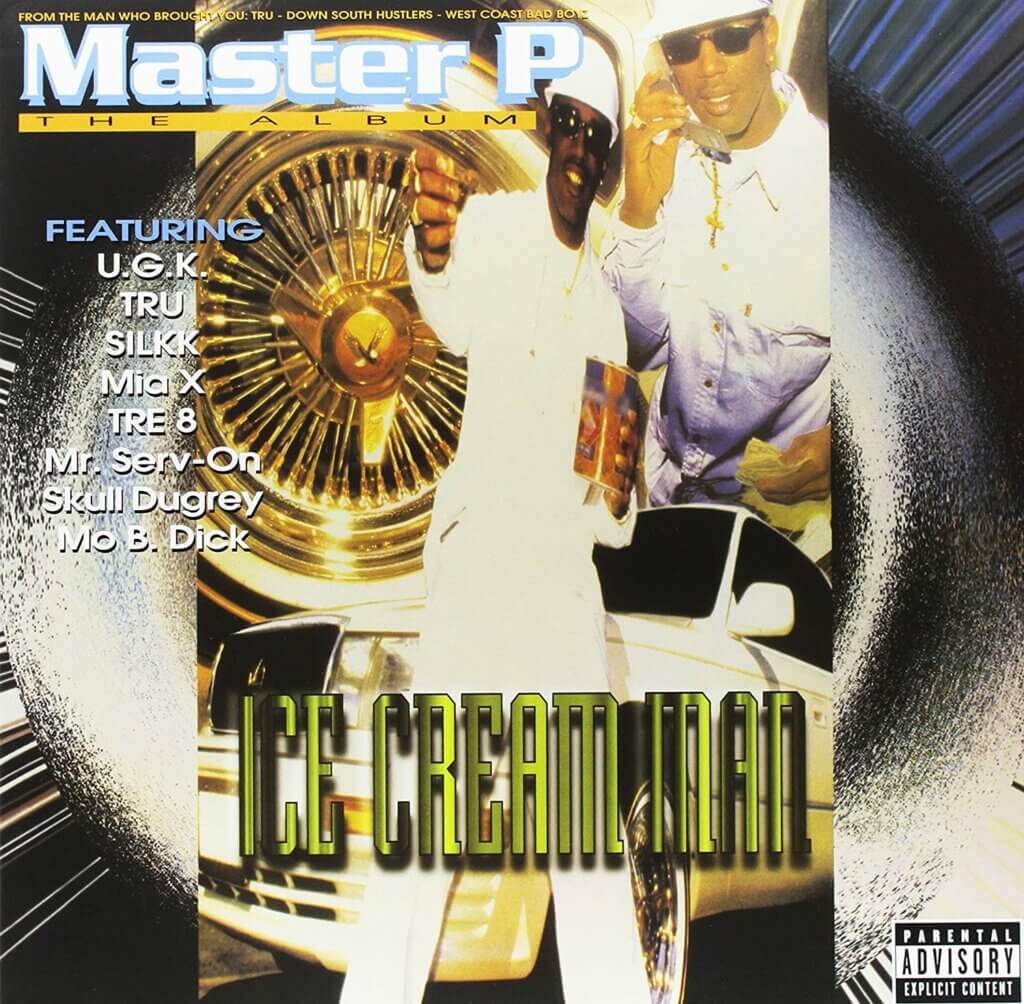
The rise of No Limit Records was built on an unusually clear vision: Master P understood the appeal of street-level gangsta rap, knew how to turn it into an effective business, and surrounded himself with a production team capable of giving the label a recognisable sound. Ice Cream Man, his fifth studio album, was the breakthrough that began taking that formula beyond New Orleans. Released in 1996, it combines West Coast G-funk influences with the heavier bass, darker keyboards and unhurried rhythms that would become closely associated with No Limit’s music.
Beats By the Pound are central to the album’s identity. Their production favours thick basslines, slow-rolling drums and sinister synth melodies, creating a sound that is often more atmospheric than flashy. “Time for a 187” sets a menacing tone, while “The Ghetto Won’t Change,” built around an Al Green sample, brings a soulful dimension to the record. Its reflections on poverty and the persistence of neighbourhood problems provide some contrast to the album’s frequent celebrations of hustling and street credibility. The music has a strong sense of mood, with the beats giving Master P plenty of room to work his particular style.
Master P has never been a technically elaborate MC. His delivery is direct, steady and conversational, and his strength lies in the authority he brings to a performance. He knows how to make a hook stick and how to give a track personality without relying on complicated rhyme schemes. “Bout It, Bout It II” is the obvious centrepiece, its infectious refrain and hypnotic groove turning the song into a statement of intent for the No Limit movement. Elsewhere, “Things Ain’t What They Used to Be” offers a more weary perspective on street life, while the album’s many accounts of hustling and violence reveal the world Master P was drawing from and selling to his audience.
At over 80 minutes, Ice Cream Man is an expansive listen, and not every track has the focus of its strongest moments. The length also reflects Master P’s approach to making records: a generous supply of music, recurring themes and a sound designed to keep listeners engaged. What matters historically is how effectively the album brought these elements together. Its success gave No Limit the momentum to expand its operation, develop its roster and turn New Orleans into a major force in the national rap conversation. Ice Cream Man catches Master P just before that expansion took off, with “Bout It, Bout It II” already sounding like the anthem of a label preparing to take over.
OutKast - ATLiens (1996)

With ATLiens, OutKast took the Atlanta identity they had introduced on Southernplayalisticadillacmuzik and sent it into unfamiliar territory. The 1996 album trades much of the debut’s warm, live-band funk for darker, more spacious production, while Big Boi and André 3000 turn their attention toward isolation, ambition, temptation, and the strange experience of growing up in the public eye. The extraterrestrial imagery is more than a visual theme. OutKast approach the world from the perspective of outsiders, observing their surroundings with curiosity, suspicion, humor, and occasional frustration.
The change is apparent from the opening moments. The solemn prayer of “You May Die (Intro)” leads into “Two Dope Boyz (In a Cadillac),” where a heavy drum pattern and ominous piano give the duo room to address imitators and the pressures of the rap business. On the title track, Big Boi and André take on production themselves, building an eerie, rolling groove around a memorable vocal refrain. The beat has a spiritual quality, as if the music is coming from somewhere beyond the ordinary Atlanta streets they describe. Their growing confidence behind the boards becomes one of the album’s defining developments.
The two MCs also sound increasingly comfortable pursuing different interests within the same record. Big Boi remains grounded in sharp observations, intricate rhythms, and street-level detail, while André moves toward abstraction and philosophical reflection. Their interplay is particularly effective on “Wheels of Steel,” with its anxious organ and guitar accents, and “Elevators (Me & You),” whose restrained bassline and uncluttered arrangement give the verses room to unfold. André’s recollection of a high school reunion turns a seemingly ordinary encounter into a meditation on ambition, changing circumstances, and the distance between past expectations and present reality.
There is plenty of variety elsewhere. “Jazzy Belle” examines sexuality and responsibility over a moody, understated groove, while “Babylon” confronts temptation and spiritual uncertainty. Goodie Mob’s Khujo and T-Mo join “Mainstream,” extending the Atlanta collective’s conversation about identity and the consequences of poor choices. “Decatur Psalm” brings Big Gipp and Cool Breeze into a darker portrait of street life, and Cee-Lo’s distinctive vocals add another texture to “Wailin’.” The closing “13th Floor/Growing Old,” framed by Big Rube’s spoken-word passage, leaves the album with a sober reflection on time and mortality.
ATLiens is where OutKast’s imagination really began to open up. Its production is more adventurous, its writing more introspective, and its contrasts between Big Boi and André increasingly fascinating. Atlanta had found a sound that belonged unmistakably to the city while reaching well beyond its borders.
UGK - Ridin' Dirty (1996)
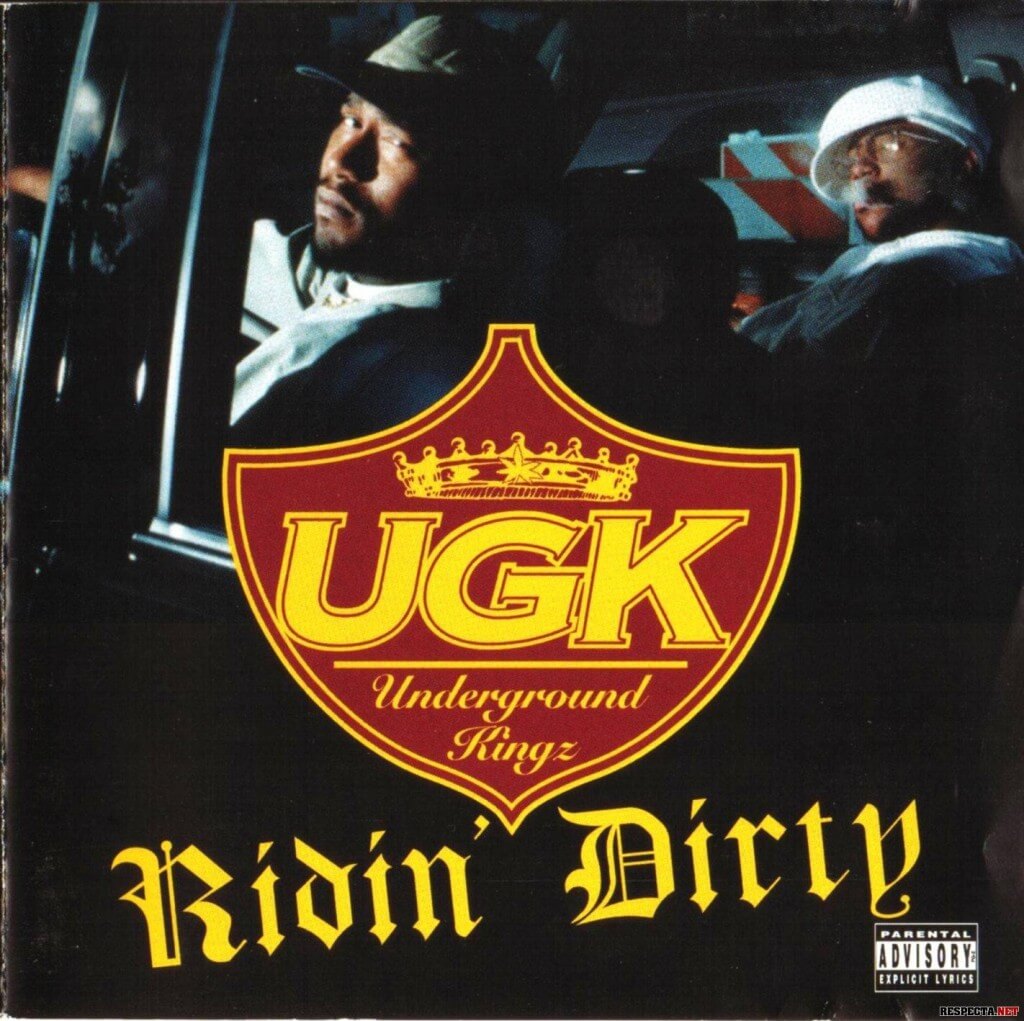
By 1996, UGK had found a sound that belonged entirely to them. Pimp C and Bun B came from Port Arthur, Texas, and Ridin’ Dirty, their third album, captures the confidence of a duo no longer looking outward for direction. Its music draws on Southern funk and soul, with deep bass, languid grooves, and Pimp C’s instinct for turning familiar musical textures into something distinctly regional. The result is an album with plenty of swagger, but also an unusually clear-eyed view of the world behind it.
The opening “One Day” establishes the record’s more reflective side. Over a mournful soul backdrop, Bun B and Pimp C consider mortality and the uncertainty of life on the streets. There is no grand speechmaking. Their observations come from experience, delivered with the matter-of-fact quality that makes the song so affecting. “Murder” shifts the mood considerably, driven by a harder, more urgent beat and Bun B’s forceful delivery. The contrast gives the album its emotional range, moving between fatalism, aggression, celebration, and moments of quiet contemplation.
Pimp C’s production is central to that balance. His beats are often deceptively simple, built around a bassline, a carefully chosen sample, and drums that leave plenty of space for the rappers. “Diamonds & Wood” is a prime example. Its hypnotic groove and memorable hook accompany a closer look at material success and the compromises that come with the hustler’s lifestyle. The title track takes a similarly measured approach, with the duo laying out their code and circumstances over a slow, menacing rhythm. On “3 in the Mornin’,” the atmosphere becomes hazier, while “Pinky Ring” brings the focus back to the pleasures and status symbols of their world.
Bun B and Pimp C have one of the most distinctive partnerships in Southern rap. Bun’s precise, commanding verses give the songs structure and momentum, while Pimp’s drawling delivery, melodic instincts, and occasional bursts of humor add an entirely different character. They rarely sound interchangeable, and their differences are a big part of what makes the album work. Tracks like “Hi-Life” and “Good Stuff” find room for celebration without abandoning the record’s underlying street perspective.
Ridin’ Dirty is UGK at full strength: musically rich, lyrically grounded, and unmistakably Southern. It captures the contradictions of their world without trying to tidy them up, and its blend of Port Arthur perspective and Pimp C’s deep funk sensibility remains one of the defining sounds of 1990s Hip Hop.
Master P - Ghetto D (1997)
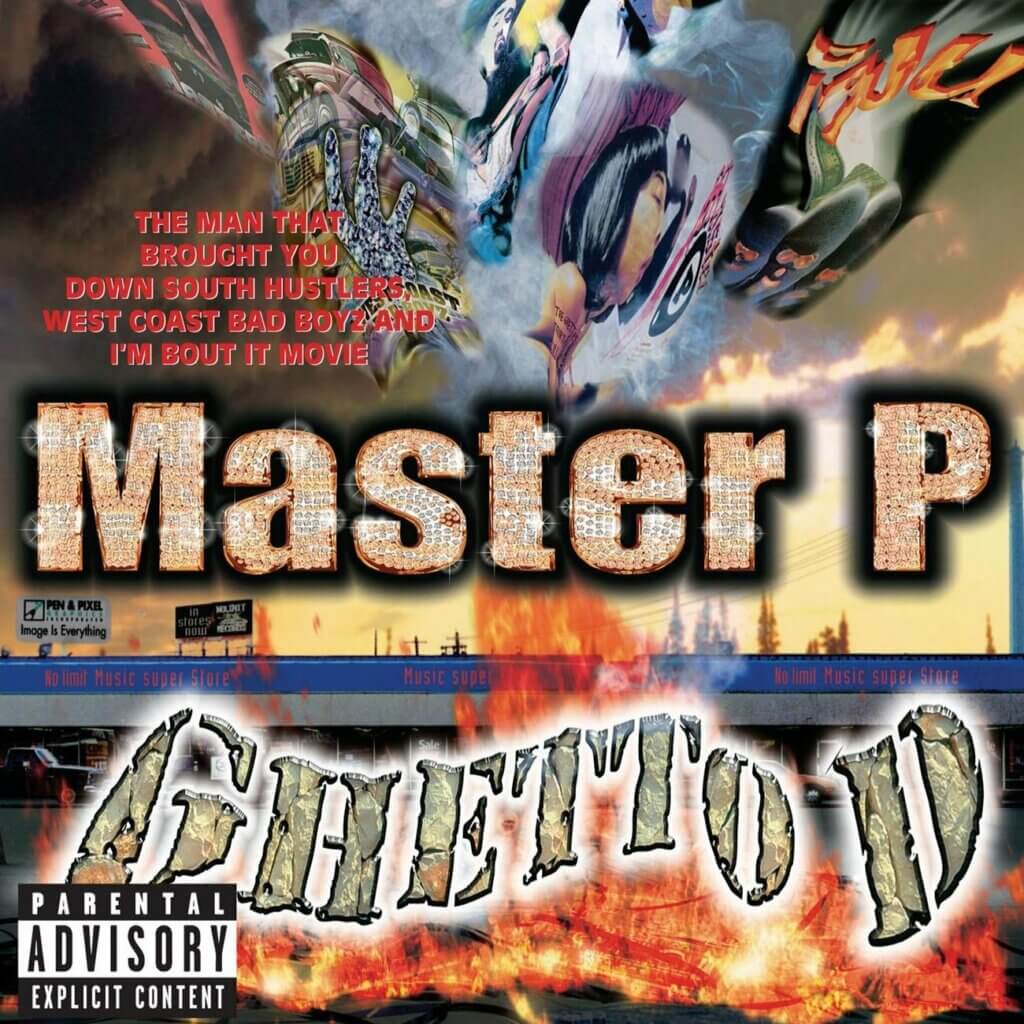
The No Limit sound was built for maximum impact: booming bass, blunt hooks, hard-edged keyboard figures, and a seemingly endless supply of rappers ready to make their presence felt. Ghetto D is perhaps the fullest expression of that formula. Master P’s sixth studio album stretches across roughly 80 minutes, moving between street narratives, extravagant boasts, crew anthems, and moments of genuine sadness. It is excessive by design, with the scale and energy of a label operation determined to take over the rap business on its own terms.
The title track sets the tone by reworking the familiar musical framework of Eric B. & Rakim’s “Eric B. Is President” into a blunt account of the drug trade. Master P has never been the most technically accomplished MC, but his gravelly voice, emphatic delivery, and instinct for memorable phrases give the music a personality of its own. “Make ‘Em Say Uhh!” takes that approach to its logical extreme. Built around a pounding beat and an instantly recognizable chant, it is a posse cut in which Mystikal’s explosive performance threatens to run away with the track. Master P keeps the record anchored through sheer force of personality.
Much of Ghetto D operates as a showcase for the No Limit roster. Mia X brings authority and composure to “Plan B,” while Fiend and Silkk the Shocker contribute to the label’s collective energy elsewhere. The album’s most affecting moment comes with “I Miss My Homies,” a tribute to lost friends that draws on the O’Jays’ “Brandy.” Its mournful melody and straightforward expressions of grief provide a striking counterweight to the surrounding boasts, threats, and celebrations. Master P’s music was often associated with excess, but this track reveals the personal losses beneath the image.
Beats By the Pound supply the album with its recognizable musical framework. Their production favors booming 808s, heavy bass, stark keyboard figures, and uncomplicated arrangements built for maximum impact. “Bourbons and Lacs” brings a smoother, more melodic touch, while much of the record maintains a relentless Southern bounce. The beats are not especially intricate, but they are effective, and their consistency gives this sprawling collection a recognizable identity.
Ghetto D captures No Limit at the height of its ambition. Its length and repetitive stretches are part of the package, but so are the infectious hooks, the roster’s collective energy, and Master P’s extraordinary ability to turn a regional operation into a national phenomenon. The album helped bring New Orleans street rap to a mass audience and became one of the defining releases of the Dirty South’s commercial breakthrough.
Three 6 Mafia - Chapter. 2: World Domination (1997)
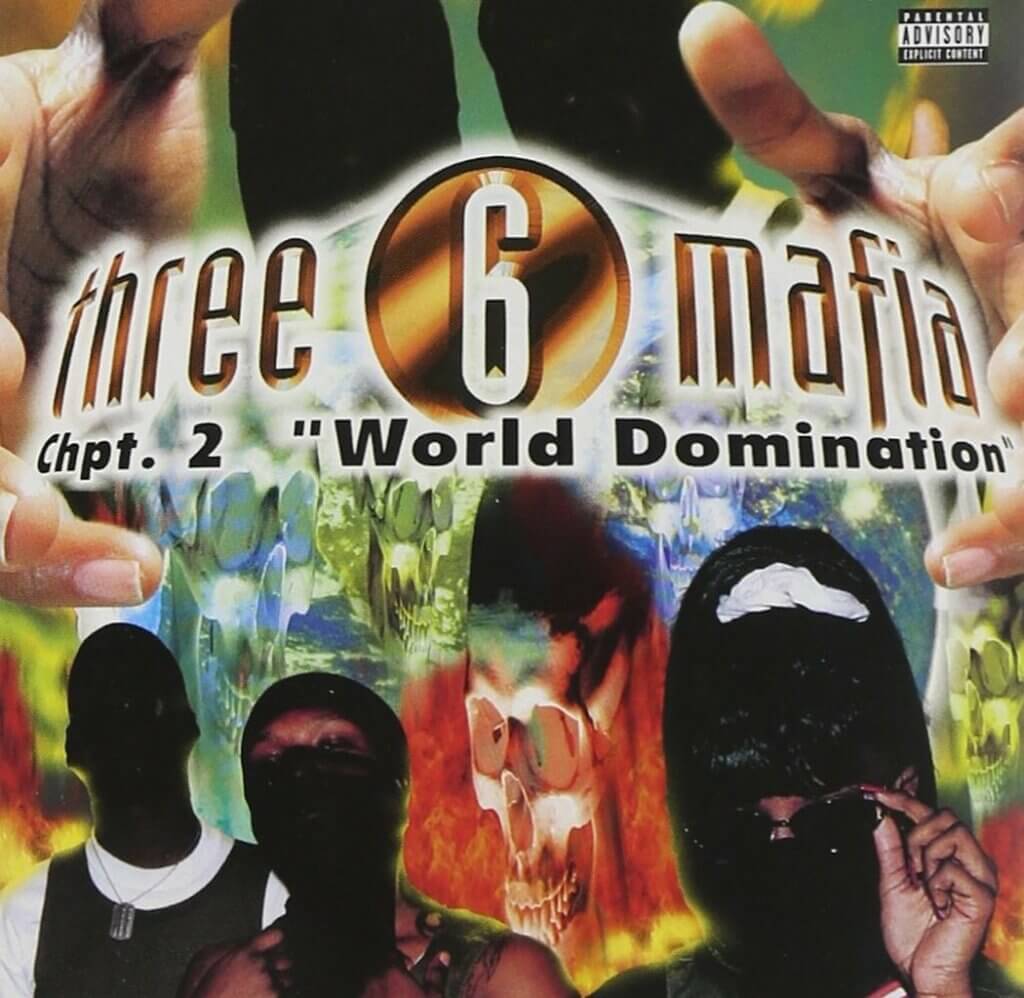
Memphis rap had developed a language of its own by the time Three 6 Mafia brought Chapter. 2: World Domination to a wider audience in 1997. The group’s music was built around ominous keyboard patterns, booming drum machines, distorted bass, and hypnotic repetitions that gave their records an atmosphere unlike anything coming out of Atlanta, Houston, or New Orleans. Their second studio album refines the approach heard on Mystic Stylez, retaining its unsettling character while making room for a bigger, more immediate sound.
DJ Paul and Juicy J are responsible for much of the album’s appeal. Their production often relies on a handful of carefully chosen elements, but the combinations are distinctive. A cheap-sounding keyboard can become genuinely menacing when placed against a heavy bassline and a relentless drum pattern. “Late Nite Tip” is one of the clearest examples, its slow, hypnotic groove providing the perfect setting for the group’s nocturnal fantasies. “Weed Is Got Me High” takes a similarly unhurried approach, with a hazy hook and a rhythm that lumbers along without losing its tension.
The album also gives Three 6 Mafia plenty of opportunities to turn that atmosphere into outright chaos. “Hit A Muthafucka” is an aggressive crew anthem, driven by confrontational verses and a beat designed to hit hard. “Tear Da Club Up” brings the group’s infamous club energy to the forefront, with its chant-like delivery and pounding rhythm anticipating the more openly celebratory direction Southern rap would take in the following years. These records have a physical quality that makes their appeal easy to understand, even when the lyrical content is deliberately abrasive.
There is a strong collective identity throughout World Domination. DJ Paul and Juicy J provide the musical framework, while Lord Infamous, Koopsta Knicca, Gangsta Boo, Crunchy Black, and the other members bring different vocal personalities to the group’s dark, often theatrical narratives. Lord Infamous’s twisted imagery and Koopsta’s eerie delivery are particularly suited to the production, while Gangsta Boo brings a forceful presence that cuts through the murk. Tracks such as “Neighborhood Hoe” retain the grimier character of the group’s earlier work, keeping the album connected to the underground Memphis scene from which it emerged.
Chapter. 2: World Domination captures Three 6 Mafia at an important stage of their development. The music remains strange, repetitive, and occasionally abrasive, but its club appeal is increasingly apparent. The album carried Memphis’s distinctive sound beyond its regional audience and provided an important link between the group’s underground beginnings and the crunk-driven Southern rap explosion that followed.
Goodie Mob – Still Standing (1998)

The title of Goodie Mob’s second album carries a certain defiance. Released three years after Soul Food, Still Standing finds Cee-Lo, Big Gipp, Khujo, and T-Mo confronting a changing world without abandoning the social consciousness and Southern perspective that defined their debut. The mood is darker and more unsettled this time around. Personal struggles, racial identity, community responsibility, and spiritual questions run through the record, giving it a weight that distinguishes it from the more celebratory side of late-1990s Southern rap.
Organized Noize remain central to the group’s sound, drawing on the same rich vocabulary of funk, soul, gospel, and blues while exploring some harsher textures. Live instrumentation, heavy drums, prominent basslines, and expressive guitar work give the production an organic quality, but the arrangements are often more brooding than those on Soul Food. “They Don’t Dance No Mo'” turns a criticism of changing club culture into an infectious, slightly uneasy groove. Its message is delivered with humor and frustration, reflecting Goodie Mob’s suspicion of trends that come at the expense of cultural identity.
The four MCs approach the material from different angles. Cee-Lo’s raspy voice and preacher-like phrasing are particularly compelling on “The Experience,” an extended examination of the N-word and its complicated place in Black culture. The track moves between anger, reflection, and historical awareness without offering easy answers. “Black Ice (Sky High)” brings the group together over a forceful, atmospheric beat, while “Gutta Butta” and “Greeny Green” return to the harder realities of street life. There is also a gentler side to the album. “Beautiful Skin” is an affectionate tribute to Black women, delivered with a warmth that provides a welcome contrast to the surrounding tension.
The closing stretch reveals another dimension of the record. Gospel influences come through on “Fly Away,” while the guitar-driven “Just About Over” draws on the emotional intensity of Southern blues. Organized Noize move comfortably between these moods, giving the album a musical breadth that complements the group’s shifting perspectives.
Still Standing does not attempt to repeat the particular chemistry of Soul Food. Its atmosphere is heavier, its subject matter often more difficult, and its musical choices less immediately inviting. But Goodie Mob’s conviction remains intact. The four voices still sound like members of the same community, arguing, reflecting, and finding strength in their shared experience. In an era when Southern rap was becoming increasingly visible on a national scale, Still Standing kept Atlanta’s socially conscious tradition firmly in view.
OutKast - Aquemini (1998)

The chemistry between Big Boi and André 3000 had always depended on their differences. On Aquemini, their third album, those differences become the driving force behind a remarkably ambitious record. Big Boi remains connected to the streets and everyday realities of Atlanta, delivering tightly constructed verses with rhythmic precision. André moves further into philosophical reflection, surreal imagery, and unconventional storytelling. Neither compromises his identity, and the tension between their approaches gives the album much of its character.
“Return of the ‘G'” makes that clear from the outset. Over dramatic strings and hard drums, Big Boi addresses the expectations placed on Southern rappers, while André responds to criticism of his increasingly eccentric appearance and artistic direction. Their exchanges are sharp, funny, and confrontational, setting up an album that refuses to conform to anyone else’s idea of what Atlanta rap should sound like. The production, handled by Organized Noize and OutKast themselves, is equally adventurous. Live instrumentation, dusty funk, soulful samples, and electronic textures coexist without the record losing its cohesion.
Few tracks capture the group’s imaginative reach like “SpottieOttieDopaliscious.” Its languid horn arrangement and reggae-tinged rhythm create the setting for a sprawling spoken-word account of nightlife, attraction, and disappointment. The track unfolds at its own pace, with Big Boi and André offering different observations along the way. “Rosa Parks” takes a more rambunctious approach, combining acoustic guitar, harmonica, and stomping drums with the duo’s playful wordplay and undeniable rhythmic chemistry. The contrast between these songs says a lot about the album’s range.
There is considerable depth beneath the musical experimentation. “Da Art of Storytellin’ (Part 1)” is an absorbing piece of narrative rap, while “Aquemini” explores friendship, individuality, and the uncertain balance between personal ambition and shared purpose. “Synthesizer” brings George Clinton into the mix for a dose of psychedelic funk, and “Chonkyfire” closes the album with a dense, guitar-driven eruption. Elsewhere, “Skew It on the Bar-B” gives Raekwon an opportunity to connect OutKast’s Atlanta perspective with the mafioso imagery of New York rap.
Aquemini is an album in which two distinct personalities continually challenge and complement each other. Its musical imagination is extraordinary, but the writing gives the experimentation real substance. OutKast had moved well beyond the expectations attached to Southern rap, creating a record whose scope and ambition matched the individuality of the artists behind it.
Juvenile – 400 Degreez (1998)
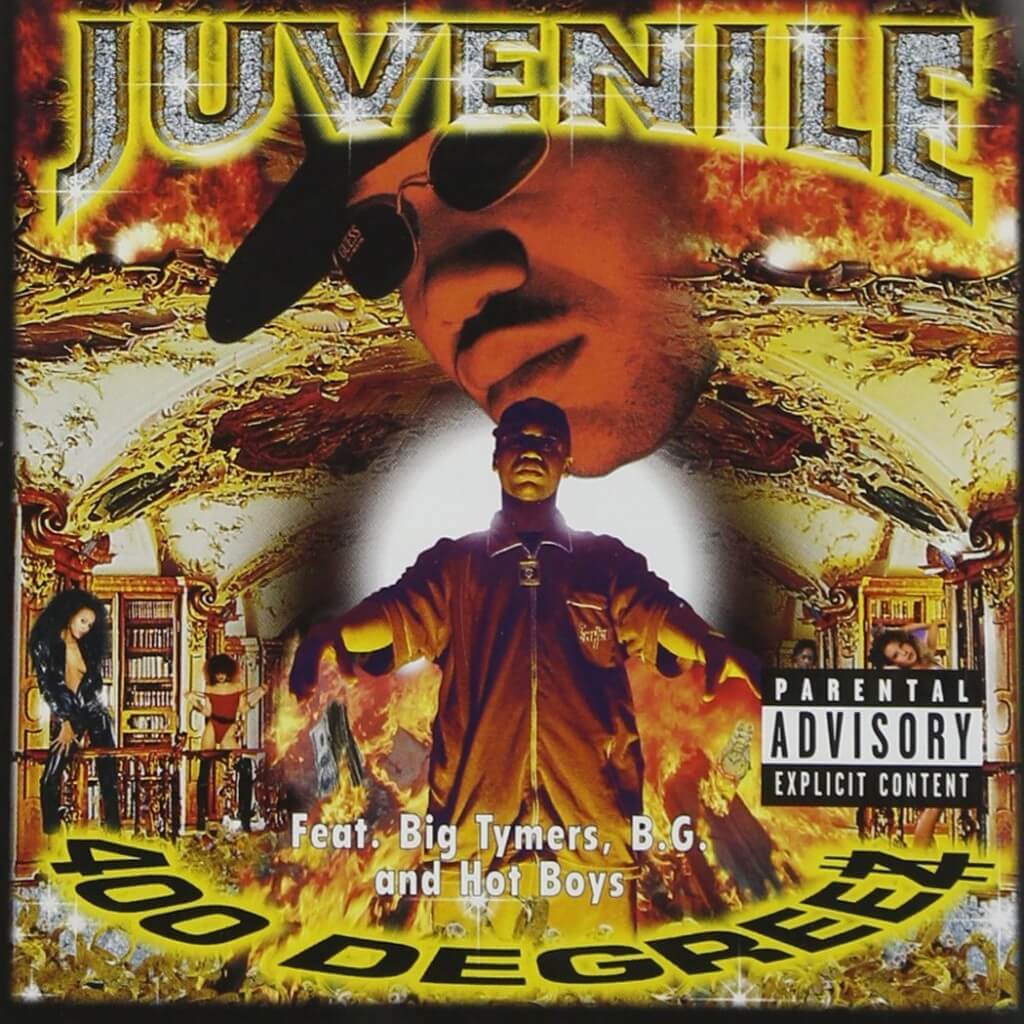
Few albums capture the sound and attitude of late-1990s New Orleans rap as vividly as Juvenile’s 400 Degreez. Released on Cash Money Records, the album brought the city’s bounce music to a much wider audience, with Mannie Fresh supplying infectious, sharply constructed beats and Juvenile delivering street narratives in a drawl that was impossible to mistake for anyone else’s. His style is conversational, often humorous, occasionally menacing, and full of local expressions and observations. He doesn’t sound like an MC performing stories from the Magnolia Projects. He sounds like someone talking about the world he knows.
Mannie Fresh’s production is the other essential ingredient. His beats are built around booming bass, skittering hi-hats, insistent rhythms, and deceptively simple melodic hooks. The arrangements leave room for Juvenile’s voice while giving the songs an unmistakable bounce. “Ha” is a perfect example. Its repetitive, almost taunting beat turns Juvenile’s observations about money, loyalty, and street behavior into an addictive series of accusations. The delivery is so distinctive that even the smallest change in inflection carries weight. The remix with Jay-Z brought another prominent voice into the mix, but the original track’s appeal rests squarely on Juvenile’s personality.
Then there is “Back That Azz Up,” one of the defining party records of its era. Mannie Fresh builds the track around a dramatic string introduction before unleashing a beat that seems to gather momentum with every bar. Juvenile supplies the swagger, while Lil Wayne and Mannie Fresh help turn the record into a full Cash Money celebration. Its impact extended well beyond New Orleans, making the city’s bounce rhythms familiar to audiences who had previously paid little attention to its rap scene.
The album has considerably more to offer than its biggest singles. “Ghetto Children” takes a sobering look at the conditions shaping young lives, while “Rich N****z” finds Juvenile in a more boastful mood, riding one of Mannie’s livelier productions. Across the record, he moves easily between street-level detail, humor, frustration, and celebration. His loose cadence and distinctive phrasing give even familiar subjects a local character.
400 Degreez was a major breakthrough for Cash Money, but its importance goes beyond commercial success. It brought New Orleans slang, bounce rhythms, and street perspective into the national conversation without sanding away their regional character. Mannie Fresh and Juvenile created a sound that was immediately recognizable, and the album remains one of the essential documents of the city’s Hip Hop culture.
Koopsta Knicca - Da Devil's Playground: Underground Solo (1999)

Koopsta Knicca’s contribution to Three 6 Mafia’s early sound was distinctive even within a group built around unusual voices and unsettling personalities. His solo debut, Da Devil’s Playground: Underground Solo, gives that individuality room to develop. Much of the material dates back to 1994, making the album a document of an earlier Memphis underground, recorded before Three 6 Mafia reached a much wider audience. Released in 1999, it brings together the dark aesthetic of that formative period with the benefit of the group’s later studio experience.
DJ Paul and Juicy J provide most of the production, drawing on the elements that made the Memphis sound so recognisable: ominous keyboard figures, heavy programmed drums, thick bass and samples that seem to drift in and out of focus. The tempos often move at a crawl, giving the music a hypnotic, almost narcotic quality. “Torture Chamber” sets the tone with its claustrophobic atmosphere, while the beats leave plenty of space for Koopsta’s voice to occupy the foreground. The production doesn’t need elaborate arrangements to create tension. Repetition, distortion and carefully chosen sounds do the work.
Koopsta’s delivery is the album’s defining feature. Where Lord Infamous often sounded theatrical and otherworldly, Koopsta favoured a smoother, more relaxed approach. His voice has a peculiar calmness, even when the lyrics turn toward murder, paranoia and street violence. He rarely needs to raise his intensity. The contrast between his measured flow and the subject matter makes the performances especially unsettling, giving the album a character distinct from the more explosive side of Three 6 Mafia.
There is some variation within that dark framework. “Smokin’ on a Junt” moves toward a hazier, more laid-back mood, while “Front a Busta” brings a harder edge. “Ready 2 Ride,” featuring DJ Paul and Crunchy Black, comes closer to the group sound, with a more familiar Three 6 Mafia combination of voices and production. The older recordings give the album a slightly uneven character, but also preserve something of the atmosphere surrounding Memphis rap in the mid-1990s.
Koopsta Knicca, who died in 2015, left behind a voice that remains instantly recognisable. Da Devil’s Playground captures him at unusual length, away from the group dynamic, and offers a particularly dark snapshot of the Memphis underground before its sound travelled far beyond the city.
Hot Boys - Guerrilla Warfare (1999)
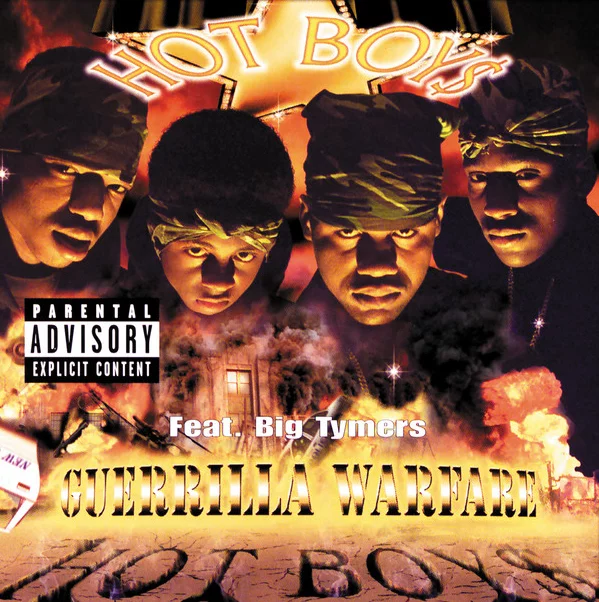
By 1999, Cash Money Records had become one of the most exciting forces in Southern rap, and the Hot Boys were at the centre of its rapid rise. Juvenile, B.G., Turk and Lil Wayne brought four distinct personalities to Guerrilla Warfare, their second group album, with Mannie Fresh supplying the production that tied everything together. The result is an exuberant, often unruly record that captures New Orleans rap at the height of its late-’90s momentum.
Mannie Fresh’s beats are the album’s driving force. His version of bounce combines rubbery basslines, crisp drum programming, playful synthesizers and hooks designed to stick after a single listen. The arrangements are deceptively economical, with small musical details and rhythmic changes keeping the tracks lively. “We On Fire” is a perfect example. Its call-and-response structure gives each member room to make an impression, while the repeated hook turns the track into a group anthem. The energy comes from the interplay between the voices as much as from the beat itself.
The album moves easily between party records and darker street narratives. “I Need a Hot Girl,” featuring the Big Tymers, is an infectious mid-tempo track that became one of Cash Money’s signature hits, while “Tuesday & Thursday” takes a more suspicious view of life on the streets, with the rappers describing the constant threat of surveillance and violence. Mannie Fresh understands how to make even the harder material move. His production rarely gets bogged down, and the bounce remains present whether the subject is partying, hustling or settling scores.
The group dynamic is what gives Guerrilla Warfare its personality. Juvenile brings the relaxed authority and distinctive drawl already familiar from 400 Degreez. B.G. has a tougher, more street-focused delivery, while Turk adds another rough-edged voice to the mix. Lil Wayne is still a teenager, and his performances lack the control he would develop later, but his energy and willingness to attack a verse make him an interesting presence. “Respect My Mind” offers an early glimpse of the ambition that would eventually take him well beyond the group.
Not every track reaches the same level, and the album occasionally loses focus across its lengthy running time. Its strongest moments, however, are difficult to separate from the larger Cash Money story. Guerrilla Warfare captures the label’s young stars operating as a genuine crew, with Mannie Fresh giving their different styles a common musical language. At a time when New Orleans rap was breaking into the national mainstream, the Hot Boys supplied the personality, hooks and youthful volatility that made Cash Money’s takeover feel inevitable.
Eightball & MJG - In Our Lifetime (1999)

After spending time on separate solo projects, Eightball & MJG reunited in 1999 with a sound that reflected how far they had travelled since Comin’ Out Hard. In Our Lifetime, Vol. 1 retains the Memphis duo’s streetwise perspective, but the production takes a smoother, more soulful direction. T-Mix handles much of the album, joined by Atlanta producer Mr. DJ and a few contributions from Organized Noize. The result is a warm, unhurried record built around deep bass, melodic samples, and Southern funk grooves.
The change in atmosphere suits the two MCs. Eightball has always been the more reflective of the pair, favouring conversational storytelling and observations drawn from experience. MJG brings a sharper rhythmic attack, his quicker delivery adding movement to the slower arrangements. Their contrasting styles remain central to the album’s appeal, whether they are looking back on their lives or addressing the pressures that come with success. “Daylight” is a particularly effective example, pairing reminiscence with a mellow instrumental built around hypnotic guitar and deep bass. “Love Hurts” gives Eightball room for a more personal account of hardship, while “Nobody But Me” has a heavier groove that suits MJG’s commanding presence.
The guest appearances are well chosen. Cee-Lo contributes to “Paid My Dues,” bringing his soulful voice to the album’s more reflective side. André 3000 adds a different kind of energy to “Throw Your Hands Up,” his unpredictable delivery playing off the Memphis duo’s more grounded approach. These collaborations add variety without taking attention away from the partnership at the album’s centre.
There is a noticeable shift from the G-funk influence that coloured some of their earlier work toward a richer, more organic Southern sound. The arrangements draw on older funk and soul, while modern drum programming keeps the music firmly in the late 1990s. Eightball & MJG sound comfortable in this setting, with no need to chase contemporary trends or repeat the formula of their first albums.
In Our Lifetime, Vol. 1 lacks the immediate impact of Comin’ Out Hard or On Top of the World, but its appeal lies in the maturity of its writing and the ease of the performances. It captures two veteran Memphis rappers at a point when experience had become an asset, giving their music a reflective depth without losing the distinctive chemistry that brought them together.