
At HHGA, we celebrate Hip Hop. The site has dozens, even hundreds, of lists that honour the music we love. Curating year by year comes at a price, though. To have an informed opinion, we listen to every new album released under the Hip Hop banner. All of them. That means sitting through a lot of music that has no business carrying the name.
Notice the title says rap albums, not Hip Hop albums. To us that difference matters. When we tell people about HHGA, the reply is too often “Oh, you like Hip Hop, like Drake?” No. Not like Drake. It shouldn’t bother us, but it does when our love for this culture gets lumped in with plastic pop acts like Drake (or worse). As KRS-One once put it, “Rap is something you do, Hip Hop is something you live.” The records on this list were rapped, but as far as we’re concerned, none of them were lived.
The offenders come in many shapes. There’s trap and mumble rap, which for us sits next to Hip Hop without being part of it, the same way R&B and neo-soul do. That doesn’t make everything filed under trap garbage by definition, and Travis Scott’s Rodeo gets regular spins around here. But there’s also ringtone rap, comedy rap, glossy pop-rap and a rap-rock experiment that should never have left the studio. And then there are the fallen giants: artists who gave us classics, then put out records that made us wonder what happened. Since we have to hear all of it anyway, we figured we might as well get something out of the ordeal. So here it is: a totally gratuitous list whose only purpose is to vent about a sad, sad corner of the rap universe.
Every album here got at least two full listens: one focused on the lyrics, one more casual. Some of those sessions were pure torture. Others were laughable head-scratchers. We don’t mean to be churlish, but spitting some bile at the worst records we’ve had the misfortune of hearing is more fun than it should be.
A few ground rules. The list leans toward recent years. That’s not because the 1990s and the 2000s had no bad albums. It’s because some of the newer offenders are still stuck somewhere unpleasant in our heads. And every album here got real traction. Hundreds of wack projects thankfully go unheard. These got exposure, airplay, even fans, and that’s what earns them a spot in the rant.
Soulja Boy Tellem - Souljaboytellem.com (2007)
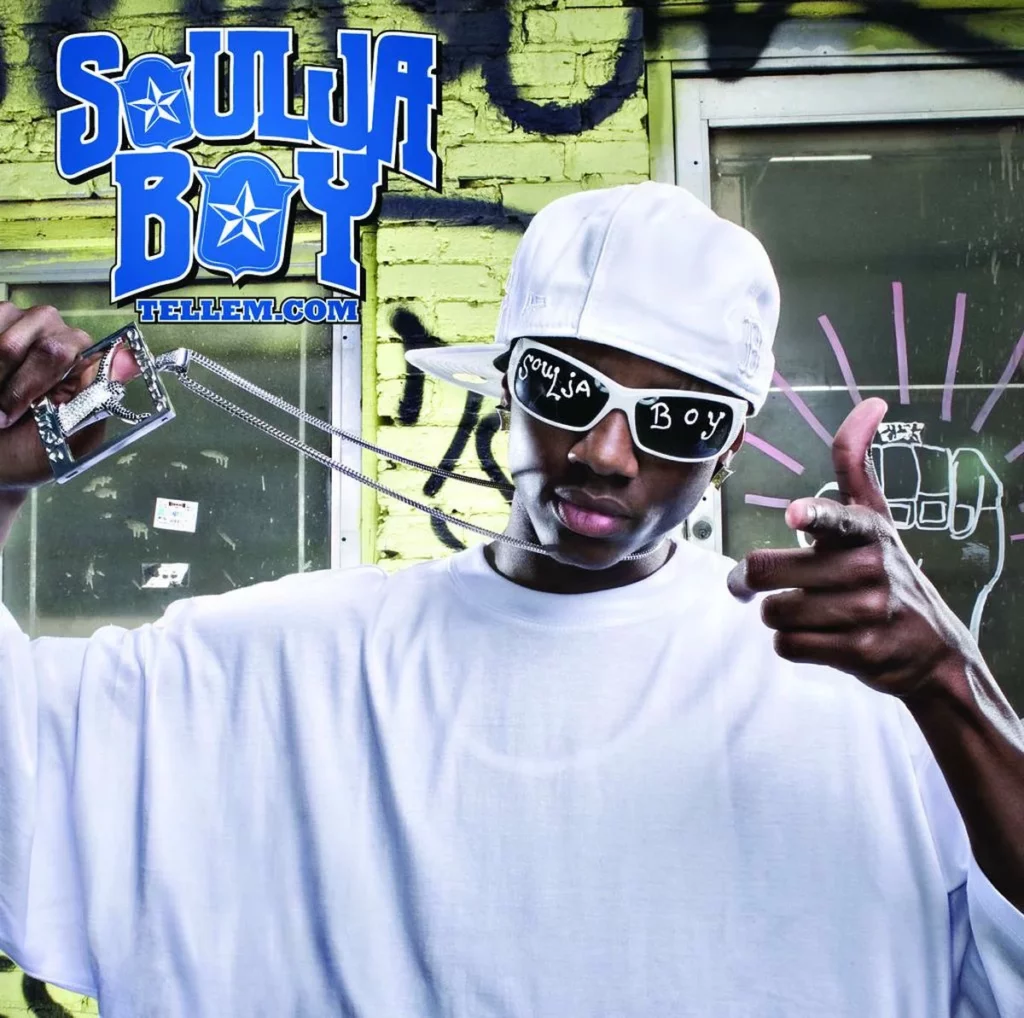
In 2007, mainstream rap was reduced to a 99-cent ringtone, and souljaboytellem.com led the way. This debut is ground zero for the ringtone rap era, the bleak moment major labels realized a viral dance and a three-word hook could stand in for lyricists, beatmakers, and actual songs.
The album sounds less like a major-label release than a ringtone demo kiosk at a suburban mall. Every track runs the same formula: hollow 808s, tinny hi-hats and kindergarten-level synth melodies. The steel drums and snaps of “Crank That” and “Yahhh!” strip out any warmth or musicality and leave sterile loops that grate within thirty seconds. Nothing evolves. Hear the first two minutes, and you’ve effectively heard all fifty. “Bapes” and “Donk” blur into one monotonous drone.
Hip Hop has always prized wit, storytelling and technical skill. Soulja Boy offers none of them. He treats the listener like a toddler with a short attention span, so most songs barely qualify as written. They’re excuses to chant a catchphrase like “Superman that ho” or “booty meat” over a two-bar loop until the track mercifully fades. Take away the YouTube dance tutorial and the oversized white tees, and his delivery is flat, breathless, and empty of personality. He doesn’t ride the beat. He shouts over it.
souljaboytellem.com proved that in the early YouTube era, marketing and gimmicks could completely replace substance. It’s a disposable, cynical cash grab that lowered the bar for mainstream rap and turned a genre built on verbal mastery into background noise for middle school dances.
Lil Wayne - Rebirth (2010)
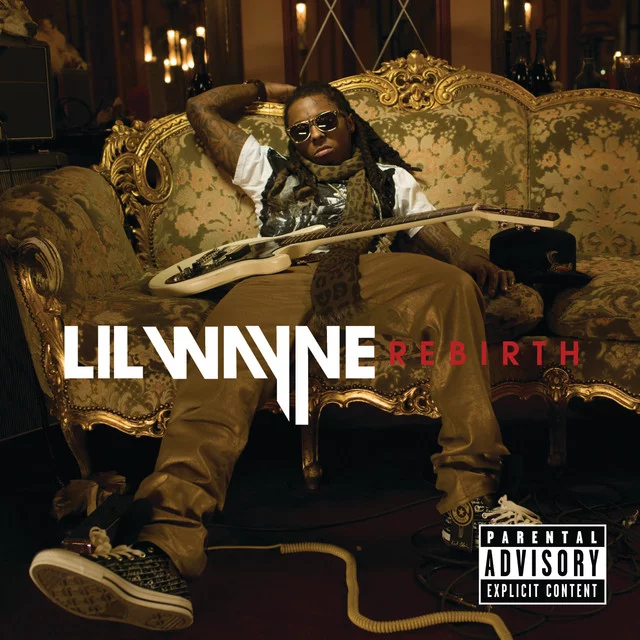
Is this even a rap album? Whatever it is, it sucks bad. In 2008, Lil Wayne stood at the absolute peak of Hip Hop, fresh off the multi-platinum triumph of Tha Carter III and a legendary mixtape run. So naturally, for the follow-up, he abandoned everything that made him brilliant and recorded a rap-rock album. Rebirth is a baffling, grating, thoroughly misguided vanity project, a midlife crisis caught on tape.
The problem isn’t that a rapper wanted to make rock. The problem is that Wayne clearly had no idea how. Instead of punk’s raw energy or classic rock’s grit, you get over-compressed power chords and stock drum loops that could have come off a mid-2000s video game soundtrack. Wayne picked up the instruments himself, guitar on “On Fire” and bass on “Da Da Da,” and the clunky results sound like someone testing a distortion pedal at Guitar Center for the first time.
Then there are the vocals. His raspy croak worked wonders as a melodic accent on earlier hits. Here it’s pushed to breaking point and buried under so much Auto-Tune that he reportedly considered calling the album Rebirth of Auto-Tune. On lead single “Prom Queen” and the excruciating “Paradice,” he wails flat and strained over generic pop-punk, with lyrics that read like a rebellious teenager’s diary. “Get a Life” barely amounts to more than him yelling the title.
The lone bright spot is “Drop the World,” and that’s mostly down to Eminem’s ferocious, scene-stealing verse. It reminds you what Wayne can do when he sticks to his strengths, and it shows how far out of his depth he is everywhere else. You can trace a line from here to the emo-rap wave that came years later. Historical curiosity doesn’t make it any less painful to sit through.
Iggy Azalea – The New Classic (2014)
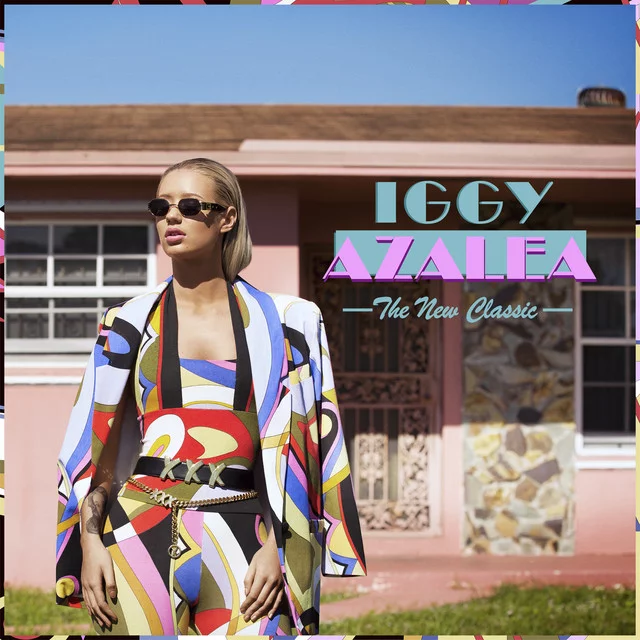
Calling your debut The New Classic takes an audacity Iggy Azalea can’t back up on the mic. What you actually get is 42 minutes of hollow, over-processed pop-rap that sounded dated on arrival.
The core problem is identity. Azalea raps in an exaggerated, borrowed Southern accent that clashes hard with her Australian roots. She sounds like a tourist mimicking the genre’s tropes without understanding its soul. Her delivery is stiff and mechanical, with no charisma and no wit. “New Bitch” and “Goddess” run through the usual boasts about money, fame, and haters. When she tries for introspection on “Walk the Line” and “Impossible Is Nothing,” it reads like a bumper sticker.
The glossy EDM-trap production, mostly by The Invisible Men, seems built for retail store playlists. She gets outshone on her own songs, too. Charli XCX’s hook carries “Fancy,” and Rita Ora’s chorus does all the heavy lifting on “Black Widow.” Azalea’s verses come across as mandatory interruptions.
When closer “F**k Love” finally limps in, the title has become the joke. This is a manufactured mid-2010s pop product, all flash and no substance.
Lil Dicky - Professional Rapper (2015)
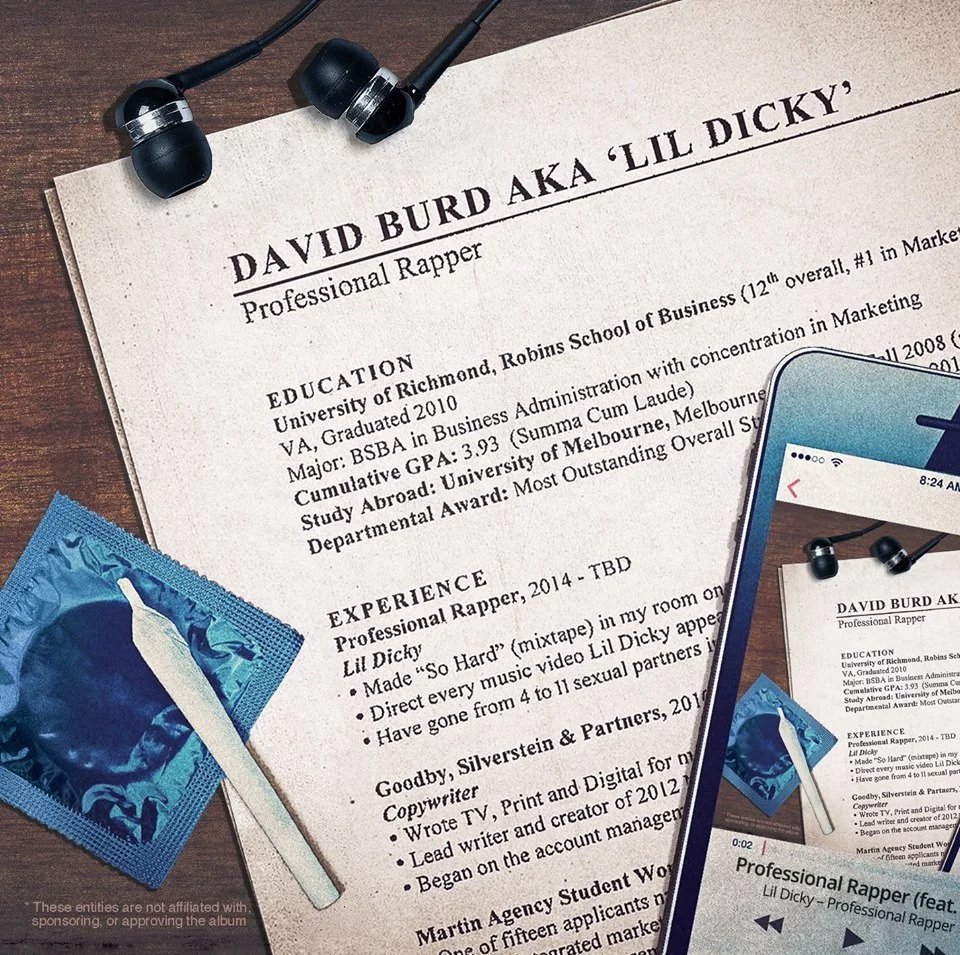
Maybe this album was meant as a joke. If so, it went right over our heads. Lil Dicky’s Kickstarter-funded debut is the 89-minute monument to a brand of comedy rap that mistakes a punchline for a personality. On paper, Dave Burd’s pitch sounds like a clever subversion: a self-deprecating suburbanite navigating the rap industry like a corporate job. In practice, Professional Rapper plays like a tedious LinkedIn post set to generic, radio-ready beats.
His outsider status could have given him something sharp to say about the genre. Burd goes for the lowest-hanging fruit instead: cheap gags about being frugal, awkward sex, and endless reminders that he isn’t a “typical” rapper. The jokes are juvenile and already dated on arrival, a leftover frat-house sketch from 2009.
What really grates is the unearned smugness. Burd can rap. His flow is nimble, and his rhyme schemes are tight. But he spends that skill bragging about how little he cares while desperately begging to be taken seriously. “Molly,” with Brendon Urie, and closer “Truman” pivot to earnest storytelling, and the tonal whiplash is impossible to buy when it sits next to “Lemme Freak,” which even gets a pointless Auto-Tuned outro sequel, and the endless hookup dialogue of “Pillow Talking.”
The album wants the commercial success and critical respect of mainstream Hip Hop without engaging with the culture. Whenever the writing gets lazy, it falls back on “it’s just a joke.” It still peaked at number 7 on the Billboard 200. By the time the bloated runtime finally wraps up, the novelty hasn’t just worn off. It’s actively irritating.
Lil Yachty – Teenage Emotions (2017)
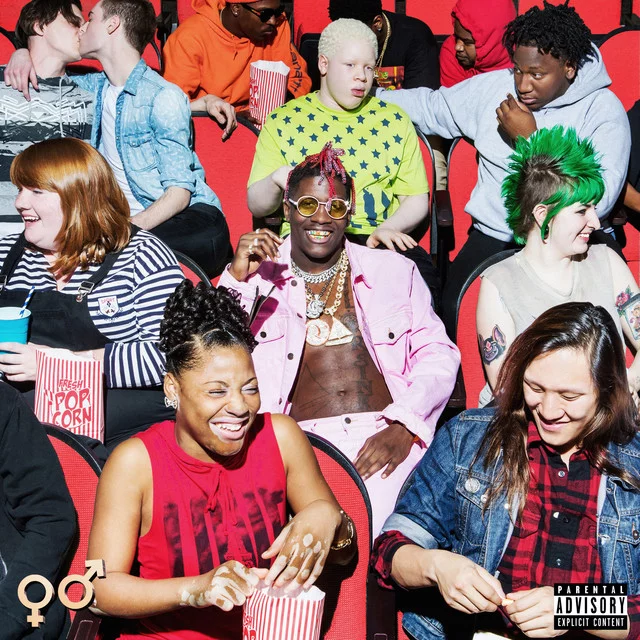
These lyrics are so bad. That’s nothing new for mumble rap, but man. When Lil Yachty broke through in 2016 with Lil Boat, the appeal was effortless. He wasn’t trying to be a lyrical heavyweight. He made bubbly, naive bubblegum trap that felt joyful and weird. On his debut album, Teenage Emotions, he takes everything charming about that formula, bloats it to a grueling 69 minutes and smothers it in misguided pop ambition.
Across 21 tracks, Yachty swings between low-effort trap bangers and saccharine, after-school-special pop, and he fails at both. “Better,” with Stefflon Don, reaches for uplifting crossover appeal, but his heavily Auto-Tuned, off-key warbling turns the sincerity into unintended comedy. The writing reads like Hallmark-card clichés scribbled down in five minutes. Back in rap mode on “DN Freestyle” or “Peek a Boo,” the energy is just as lifeless. Over paint-by-numbers trap beats, he sounds bored, not laid-back, and his repetitive flows and lazy punchlines wear thin long before the halfway mark. The Migos and YG features don’t help.
Quality control is nowhere to be found. Playing the album front to back is like sifting through a hard drive of unfinished demos, and by the closing stretch whatever goodwill his playful persona earned has evaporated. This is what happens when a viral niche artist gets pushed into a big commercial statement before he’s ready. It’s bloated, unfocused, and exhausting, and it takes an artist known for pure fun and makes him sound joyless.
Eminem – Revival (2017)
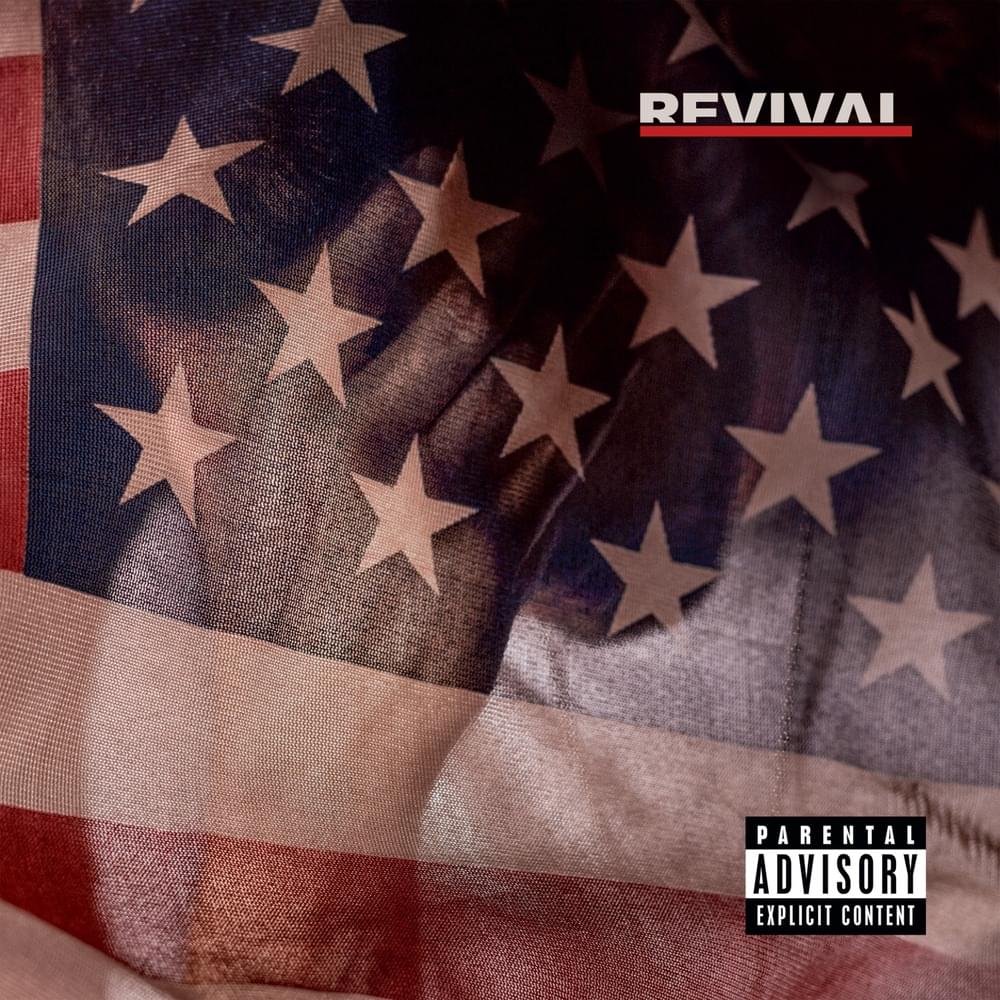
This is far from the worst album on this list, and of course there are hundreds of albums out there worse than this one. But it earns its spot by showing how far an artist at the very top can fall. On Revival, Eminem sounds like a legacy act desperately trying to work out what year it is. For 77 exhausting minutes, he swaps sharp, cohesive songwriting for clunky stadium-pop hooks, recycled rock samples, and a choppy, rigid delivery that turns almost every verse into a chore.
The production is the biggest culprit. In 2017, with Hip Hop sounding grittier and more modern than ever, Eminem leaned into Rick Rubin’s worst impulses: lazy loops of classic rock staples like “I Love Rock ’n’ Roll” on “Remind Me” and The Cranberries’ “Zombie” on “In Your Head.” Add an assembly line of pop-star choruses from Beyoncé, Pink, Alicia Keys and Ed Sheeran, and the record plays like a calculated radio grab built on a formula that expired a decade earlier.
Technically, he still crams syllables into every bar. The artistry gets buried under a stiff, staccato flow that ignores the pocket of the beat entirely. His once razor-sharp wit has decayed into dad jokes and bathroom humor. “Your booty is heavy duty like diarrhea,” he raps on “Remind Me,” and any chance of taking the album seriously goes with it. Even the urgent politics of “Untouchable” come out so heavy-handed and grating that the message drowns in the noise.
The moving closing pair, “Castle” and “Arose,” finally offers a glimpse of the raw, vulnerable storyteller fans actually want, proof he can still make affecting music. Getting there means wading through seventeen tracks of bloated filler, misplaced pop crossovers and technical overcompensation. It was still his eighth consecutive number one album.
Drake - Scorpion (2018)
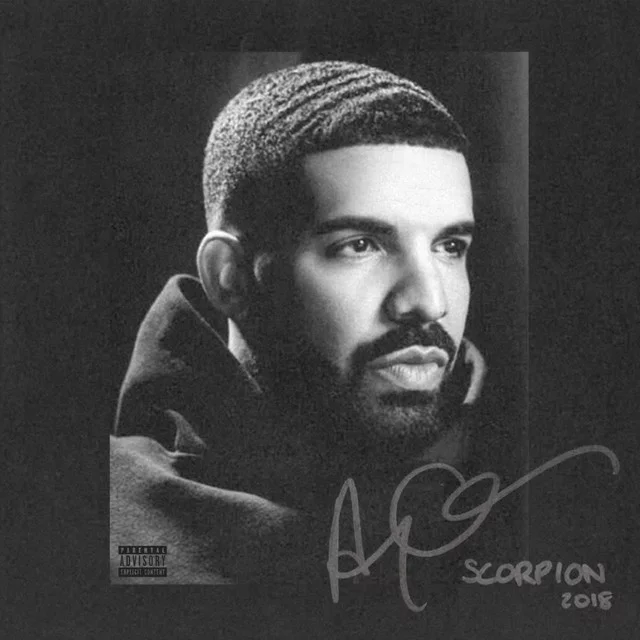
We’ve never hidden our feelings about Drake. We’ve written about him at length before: we don’t like the way he looks, moves, talks, or raps. None of it, really, much like DMX once said. To us he’s a marketing product, a pop star who somehow keeps getting filed under Hip Hop. His first few albums were bearable, we’ll admit. Everything he’s released in the past decade has been dreadful, and Scorpion is just one of the many low points.
There’s a fine line between an ambitious double album and a bloated, algorithm-chasing endurance test. Scorpion doesn’t just cross that line. It erases it. This is 25 tracks and roughly 90 minutes of monotonous, cynical, tedious music, built to rack up streams rather than to say anything. It’s less an album than a corporate content dump designed to flood Spotify playlists. The split into a rap “A-Side” and an R&B “B-Side” is a gimmick, and all it does is show how creatively bankrupt both halves are.
The rap side gives us twelve tracks of the same tired grievances. He’s rich, he’s misunderstood, everyone is out to get him, he’s untouchable. Yet he sounds completely drained while saying it. “Nonstop” and “I’m Upset” plod along with zero urgency while Drake mumbles bars in a flat, half-asleep monotone. Even a Jay-Z feature on “Talk Up” gets wasted on a beat that sounds like an unfinished demo. His responses to the Pusha T beef, and to the revelation of his secret son, come off as calculated damage control. There’s no real vulnerability in them.
The R&B side swaps self-pity for lethargic, watery slow jams. Apart from the bounce of “Nice for What” and the viral hook of “In My Feelings,” it’s a slog of filler. “Peak” and “Summer Games” drift by without leaving a single melody behind. “Ratchet Happy Birthday” is the low point, a corny, off-key mess that plays like a rejected joke track. “Don’t Matter to Me” runs a close second: it takes an unreleased Michael Jackson vocal and drains every ounce of soul out of it.
By the time closer “March 14” crawls in, fatigue has crushed any sense of triumph. Scorpion is the sound of an artist too big to hear “no” in the studio: a joyless, padded-out chore of a record that mistakes length for greatness.
Lil Xan - TOTAL XANARCHY (2018)
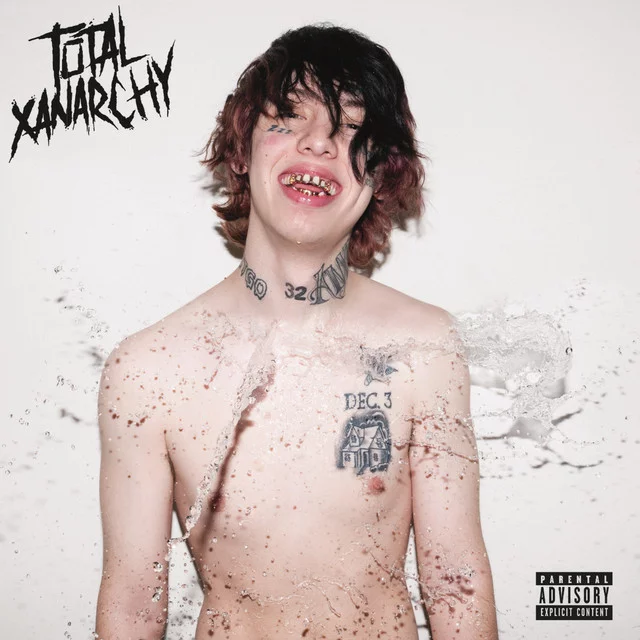
Forty-three minutes of the SoundCloud era hitting rock bottom. Total Xanarchy arrived in April 2018 at the peak of the viral hype around Diego Leanos, better known as Lil Xan. Across 16 tracks, it exposes him as an artist hopelessly out of his depth on a major label. The songs feel unfinished, the sound never changes, and there’s no artistic identity to speak of. Even the melancholic pull that briefly made “Betrayed” a hit is nowhere to be found.
Lyrically, it’s an endurance test. His vocabulary is so limited it makes elementary school poetry look avant-garde. Verses are padded with half-hearted flexes, recycled drug references, and mumbled filler that rarely connects from one line to the next. “Basically” and “Who I Am” reveal nothing about the person behind the face tattoos. When he reaches for emo-rap vulnerability, his delivery is so flat that the emotion evaporates on impact. The Guardian put it best: “there are no good lyrics on this album.”
The beats don’t help. Thin, plasticky trap percussion and drowsy synth loops sound like a folder of forgotten 2017 throwaways. Every big-name guest just shows how little presence Xan has on his own record. Charli XCX rescues “Moonlight” with a glossy hook, and the moment his verse starts, he sounds outmatched. 2 Chainz on “Tick Tock,” YG on “Round Here,” and Rae Sremmurd on “Shine Hard” all bring an easy charisma that makes the headliner sound like the guest. Diplo’s “Color Blind” is an electropop detour built for playlists, not for this album.
Bad in every respect, down to the atrocious cover art. In 2026, the album was pulled from streaming services. Hard to imagine anybody missing it.
6ix9ine - DUMMY BOY (2018)
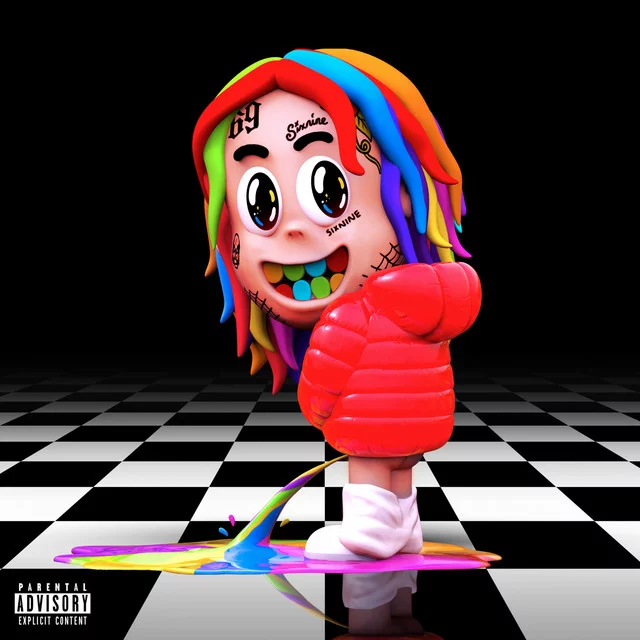
It doesn’t get much worse than this. DUMMY BOY arrived in November 2018 amid a leak and 6ix9ine’s federal racketeering arrest. It proves that unlimited label resources and A-list features can’t disguise a total absence of substance. His hoarse, one-note bark once gave his early SoundCloud singles a chaotic energy. Here it has hardened into self-parody: the same nursery-rhyme cadences, hollow bravado, and repetitive ad-libs. On “STOOPID,” the shouting isn’t menacing. It’s monotonous.
He gets outshone on his own record, and he treats his guests like life rafts. Nicki Minaj shows what real mic presence sounds like on “FEFE.” Kanye West, erratic as he was in 2018, still brings more personality to “KANGA” than the host does. On the Latin trap of “BEBE” and “MALA,” Anuel AA does all the heavy lifting. The beats slap on the surface, but they’re wasted on a vocalist who never writes a memorable verse. Strip away the tabloid headlines, the chart-gaming features and the booming 808s, and you’re left with an empty vessel shouting into the void.
Migos – Culture II (2018)
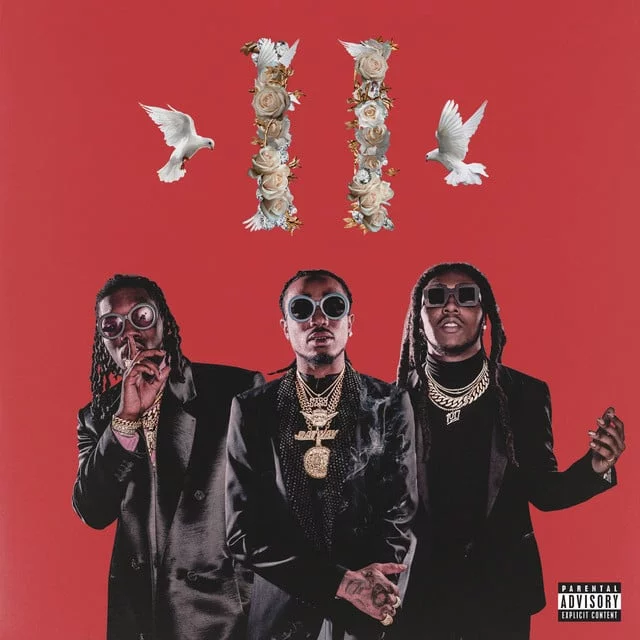
One Migos song is exhausting enough. Culture II gives you 24 of them across 106 minutes. Culture was the sleek sports car that proved Migos could take over the mainstream without losing their Atlanta edge. Its sequel is a 24-passenger party bus running on fumes, an endurance test of the streaming era built to game the Billboard chart rules, not to reward anyone actually listening. Vulture summed it up in a headline: “Culture II Isn’t an Album, It’s a Data Dump.”
The highlights are there if you dig. Pharrell’s buoyant, whistling production on “Stir Fry” is a genuine high point. “Walk It Talk It,” with Drake, charms through sheer hypnotic repetition. “MotorSport” has enough star power from Nicki Minaj and Cardi B to coast on momentum alone. But those three are scattered across a double album, so you have to wade through the rest to find them.
And the rest is a slog. The formula is exposed early. From there, Quavo, Offset and Takeoff sound like factory workers clocking overtime instead of rap’s premier hitmakers. The triplet flows turn mechanical, the ad-libs lose their spark, and the subject matter shrinks to an endless loop of luxury cars, jewelry, and generic boasts. Track after track runs past four minutes on the same call-and-response pattern, and the songs blur into each other.
Cut the tracklist in half, and there might be a decent LP buried in the rubble. As it stands, sitting through it front to back is a sentence you serve. The album went double platinum anyway, a cautionary tale of quantity over quality in the streaming age.
Logic – Confessions of a Dangerous Mind (2019)
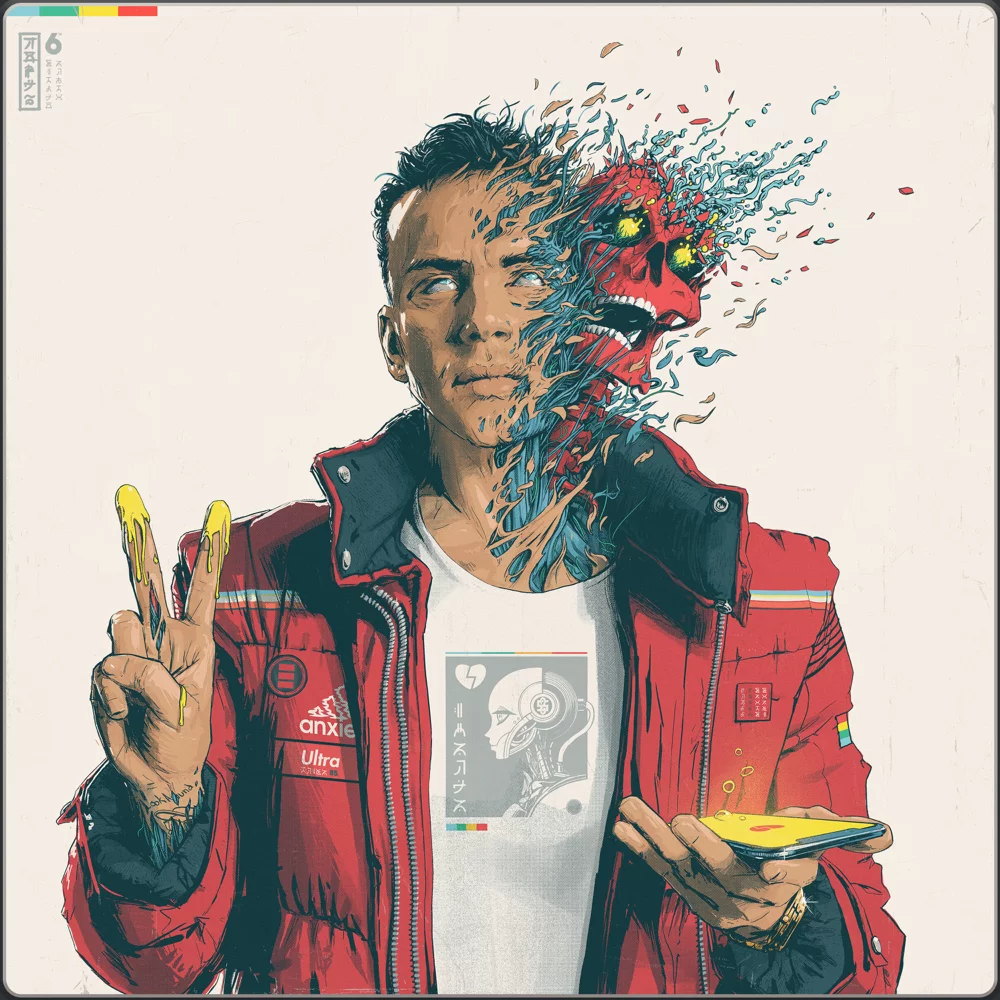
Logic billed his fifth studio album as a deep dive into the dark, anxiety-inducing reality of fame and social media toxicity. What Confessions of a Dangerous Mind actually delivers is a 55-minute identity crisis. He tries to parody modern trap tropes while indulging every cliché he claims to despise.
The title track opens things promisingly. It tackles depression, imposter syndrome and internet hate over a smooth boom-bap beat, and for nearly five minutes the focused, lyrical Logic of Under Pressure seems to be back. Then “Wannabe” and “clickbait” arrive, and the premise collapses. He never dissects internet culture. He repeats buzzwords and complains about critics, mistaking repetitive hooks for satire.
For a rapper who built his name on technical precision and storytelling, the writing is shockingly lazy: filler syllables, recycled rhymes, and juvenile shock value that undercut his own “peace, love and positivity” message. “Don’t Be Afraid to Be Different,” with a bafflingly dated Will Smith verse, sounds like a rejected Disney Channel anthem. “Icy,” with Gucci Mane, is a hollow imitation of the mainstream trap Logic spent years trying to set himself apart from.
Longtime producer 6ix does everything he can to keep the ship afloat. The beats are crisp, bass-heavy, and polished, and “Homicide” proves the foundation is there. Eminem steals it from him, of course. But slick production only highlights how empty the words on top of it are. Coming less than two months after his Supermarket soundtrack, the album lacks quality control, cohesion, and any sign of self-editing. It sets out to expose the dangers of the internet and ends up exposing his own creative burnout. Dope cover art, though.
DJ Khaled - Father Of Asahd (2019)
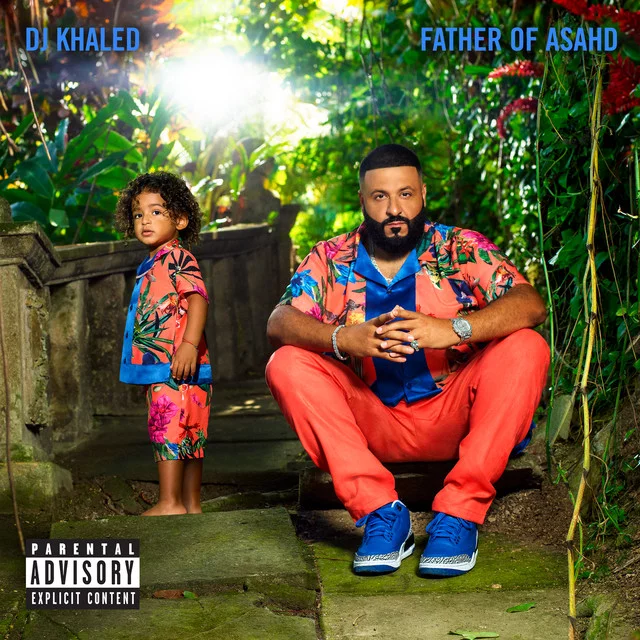
This man is exhausting, and he has never released a decent album. Father of Asahd is one of his worst. His eleventh album proves that throwing money, A-list features, and radio bait at a wall doesn’t add up to anything cohesive. Khaled barks his trademark ad-libs over intros and outros of songs he barely seems to have touched, like an executive slapping his logo on someone else’s homework.
The combinations are paint-by-numbers, built for streams. “No Brainer” reunites the “I’m the One” crew of Justin Bieber, Quavo and Chance the Rapper for a sanitized retread. “Just Us” squanders SZA on a lazy interpolation of OutKast’s “Ms. Jackson.” “Top Off” wastes Jay-Z, Beyoncé and Future on a plodding, lifeless beat. Naming the album after his toddler and crediting him as executive producer looks like branding, not tribute. Nipsey Hussle and John Legend’s “Higher” is genuinely moving, and its sincerity only exposes how disposable everything around it is. It’s loud, expensive, star-studded, and completely soulless.
Chance The Rapper - The Big Day (2019)

Chance the Rapper threw a 77-minute wedding reception and forgot to invite the music. For years, Chancelor Bennett was Hip Hop’s golden child, mixing joyous gospel, intricate wordplay, and raw Chicago grit on Acid Rap and Coloring Book. On The Big Day, his official debut album, all that goodwill evaporates into Hallmark-card clichés and baffling creative choices.
The concept is a celebration of his recent marriage, and it goes from endearing to suffocating fast. Over 22 tracks, he hammers home that he loves his wife with all the subtlety of a megaphone. Real vulnerability or sharp storytelling about marriage and adulthood never shows up, just surface-level platitudes. “I Got You (Always and Forever)” could pass for a jingle written for a mid-budget romantic comedy.
With no clear vision steering it, the album lurches between saccharine pop, half-baked house and generic trap. “Hot Shower” is the low point: a hollow, cartoonish beat with verses so aggressively goofy they border on self-parody. “Ballin Flossin,” with Shawn Mendes, is glossy and forgettable, built for retail store playlists. The title track builds toward an emotional peak and then collapses into a grating, screamed breakdown that wrecks the mood.
A stacked guest list can’t rescue it either. Nicki Minaj, Gucci Mane and Megan Thee Stallion all turn in competent verses, stranded inside songs with no weight or direction. Three meandering skits pad an already exhausting runtime and drag the pacing to a crawl. Unchecked optimism took the place of quality control, and the man who once seemed like a generational talent delivered an album that feels like a joyless chore.
DaBaby - BLAME IT ON BABY (2020)

Plenty of people seem to like this kind of rap. We don’t. BLAME IT ON BABY landed less than seven months after KIRK. It runs barely past EP length, yet listening to it feels like two hours. Hear one DaBaby verse from 2019 and you’ve heard the whole album, only now with slower beats, lazier hooks, and charisma on fumes.
His relentless, tongue-twisting pocket used to be his selling point. Here it’s a prison. From opener “CAN’T STOP” to the phoned-in Future team-up “LIGHTSKIN SHT,” it’s the same inflection and the same checklist of wealth, violence, and bravado. His favorite words are bitch and n*a. When he reaches for melody on “SAD SHT” and “FIND MY WAY,” he sounds stiff, and Auto-Tune can’t hide it. “ROCKSTAR” works, but that’s Roddy Ricch’s doing. “NASTY” wastes Megan Thee Stallion and Ashanti on a beat that never finds its groove.
By the time the 90-second “AMAZING GRACE” limps to the finish, nothing has stuck. Blame the artist, not the baby.
Blueface - Find The Beat (2020)

Find the Beat is worse than bad. Blueface built his name on rapping off-beat, and on his debut album, he seems to have actually found the beat. That doesn’t make this trainwreck any easier to sit through. Staying on rhythm strips away the one quirk that made him interesting. What’s left is a flat, breathless monotone over a sterile assembly line of generic trap drums and lifeless piano loops.
In a corner of rap where dumb, nonsensical lyrics are the rule rather than the exception, Blueface somehow sinks lower than nearly all his peers. He cycles through money, women, and street posturing with a middle-schooler’s vocabulary, propped up by his own catchphrases. Does anyone actually find this amusing rather than cringeworthy? Oh well. Ignore the lyrics entirely, and the album still sucks.
The guests only make it worse. Next to the likes of DaBaby on “Obama” and Polo G on “Murder Rate,” Blueface sounds like a contest winner who got to rap alongside professionals. He’s found the beat now. Next, he should go looking for better ones, and for a good ghostwriter while he’s at it.
Trippie Redd - Pegasus (2020)

A bloated piece of crap. Pegasus is named after a mythical winged horse, yet across 26 tracks and 74 minutes it never gets off the ground. It collapses under its own runtime, its half-baked ideas and a total absence of quality control.
Trippie Redd simply refuses to edit himself. Instead of a tight, curated tracklist, you get a disorganized hard-drive dump of leftover demos. Songs bleed into each other with no sense of pacing or arc, all propped up by repetitive mid-tempo trap beats and lethargic R&B loops that drain the room of energy by the halfway mark. On Life’s a Trip, his raw, nasal wail had a punk-adjacent urgency and real melodic charm. Here it mostly curdles into off-key whining drowned in Auto-Tune, paired with placeholder songwriting. When he isn’t recycling tired flexes and surface-level heartbreak tropes, he smothers decent instrumentals with cringeworthy lines that read like first drafts.
A stacked guest list can’t save it. Future, Lil Wayne, Young Thug and Busta Rhymes mostly sound phoned in or awkwardly bolted onto songs that don’t suit them, and their main effect is to pad an already exhausting tracklist further. The real sparks, like the short, rap-forward “Sleepy Hollow” or “TR666” with Swae Lee, are buried so deep in filler that finding them is like panning for gold in a swamp.
A decent ten-track EP is hiding somewhere in this mess. Trippie’s answer was a deluxe edition that pushed the whole thing to nearly two hours.
6ix9ine - TattleTales (2020)

This is the bottom of the barrel. Below it, even. That’s where 6ix9ine sits, as a person and as an artist. It’s embarrassing that this vile person making this vile music has an actual fanbase. Who are these people listening to this clown unironically? Worse still, he gets filed under Hip Hop/Rap, which is an insult to the genre and everyone who loves it.
TattleTales was meant to be a victory lap. It was the first album Daniel Hernandez released after he cooperated with federal prosecutors against his former Nine Trey Bloods associates and came home from prison. Instead, it plays like a desperate, creatively bankrupt half-hour tantrum, a social media troll stretched to album length. Lyrical depth was never his selling point, but his early work at least had a raw, abrasive energy. Here even that is gone. The trademark screaming sounds are forced and strained, without a shred of conviction. The lyrics never get past boasts about internet clout, juvenile insults at his critics, and hollow flexing. Singles “Gooba” and “Trollz” lean on controversy to hide the fact that there’s basically no songwriting underneath. By the midpoint, the endless yelling brings on fatigue, not adrenaline.
When he isn’t shouting over bargain-bin trap beats, he tries awkward pivots, and none of them land. Dragging in Akon for “Locked Up Pt. 2,” a nostalgia-bait sequel to Akon’s 2004 hit, feels cynical and out of touch, and it exposes how little 6ix9ine can do with a melody beyond drowning it in grating Auto-Tune. “Yaya” is a stiff, charmless grab at a Latin crossover hit. Even Nicki Minaj sounds like she phoned in her verse on “Trollz”. The song shot to number one, then fell more than 30 places the next week. That says everything about a record that mistakes attention for artistry.
Strip away the legal drama and the online beefs, and what’s left is a pile of loud, badly written, instantly forgettable tracks. TattleTales isn’t just a horrendous album; it’s a genuine annoyance. FOH.
Tom MacDonald & Madchild - Killing The Neighbors (2020)
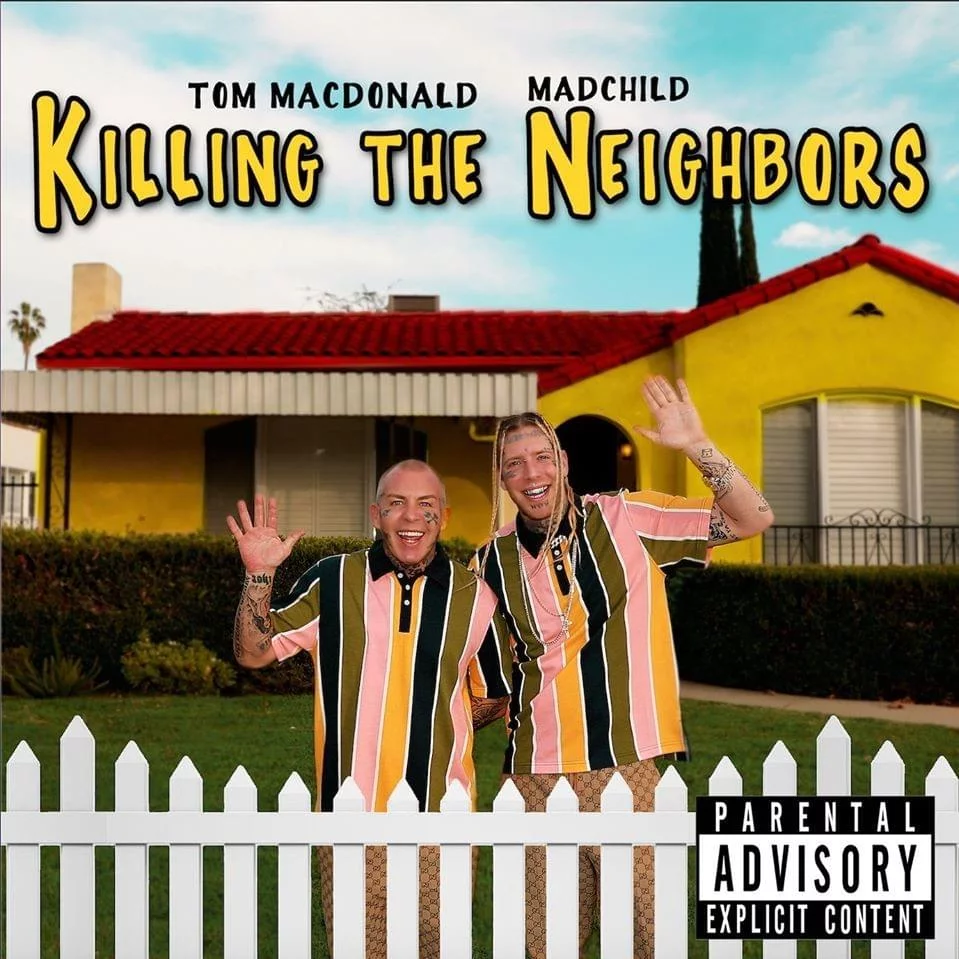
We could have filled this list with Tom MacDonald albums. The man is prolific, and every bit of his output sucks. Killing The Neighbors, his team-up with Swollen Members veteran Madchild, is especially bad. It proves that two Canadian rappers shouting into a microphone doesn’t automatically count as rebellion. Sometimes it’s just noise. Listening to it feels like an endless scroll through a 2014 Facebook comment section, set to cheap-ass trap beats.
The album’s biggest sin is its desperate dependence on cheap shock value. These songs read like they were written by an edgy middle schooler angling for a trip to the principal’s office. Instead of sharp social commentary or clever satire, MacDonald deals in blunt buzzwords, tired stereotypes, and a permanent victim complex. He wants to sound fearless. He sounds insecure, forever begging for outrage to justify his own existence.
The music is a slog too. Dated, ominous synth loops and booming, over-compressed 808s have all blurred together before the halfway mark. Over them, MacDonald stays stuck in one grating register: a loud, strained yell with no dynamics and no nuance. When he reaches for something personal on “Sober” and “D.R.U.G.,” it drowns in melodramatic hooks, courtesy of regular collaborator Nova Rockafeller, and surface-level lyrics that swap real vulnerability for theatrics. Forgettable skits pad out the rest.
Then there’s Madchild. A seasoned underground MC with decades in the game and a gravelly, instantly recognizable cadence should have lifted this material. Instead, he coasts on autopilot, trading his usual dark imagery for generic tough-guy posturing that sinks right down to McDonald’s level. Neither pushes the other. Together, they just bring out each other’s worst instincts, and the result is mistaking volume for passion, contrarianism for intelligence and edginess for art.
Drake - Certified Lover Boy (2021)

Another Drake abomination. Three years after Scorpion, he served up 21 tracks and a bloated 86 minutes of the same streaming-era endurance test. By 2021, Drake had perfected algorithmic wallpaper. This is music made to fill the background of playlists, club lounges and muted Instagram stories, not to be listened to.
To be fair, the opener is pretty good. “Champagne Poetry” is soulful and sample-driven, and it hints at an album that never arrives. “Papi’s Home” is OK. After that comes the same song nineteen times over with different features: an undifferentiated sludge of mid-tempo trap beats, watery R&B synths and sleepy, half-hearted deliveries. “Girls Want Girls” and “Way 2 Sexy” trade wit for meme-ready shock value, with cringeworthy punchlines that sound focus-grouped. He even found room for an R. Kelly writing credit on “TSU”.
The real crime, though, is how predictable it all is. For almost an hour and a half, Drake milks the same tropes he’s been leaning on for a decade: hollow braggadocio, petty jabs at unnamed enemies, and self-pitying laments about the burdens of extreme wealth and toxic relationships. A stacked guest list doesn’t help. Jay-Z, Lil Wayne, Future, Travis Scott, 21 Savage and more mostly sound as uninspired as the host. Even the cover is a shrug: twelve pregnant-woman emojis, courtesy of Damien Hirst.
Certified Lover Boy? More like Certified Boring Boy. Or Certified Mediocre Boy, Certified Whiny Boy, Certified Formulaic Boy. Take your pick. It takes zero risks, shows zero growth and leaves zero lasting impression once “The Remorse” mercifully fades out. No, just no.
DaBaby - Baby On Baby 2 (2022)
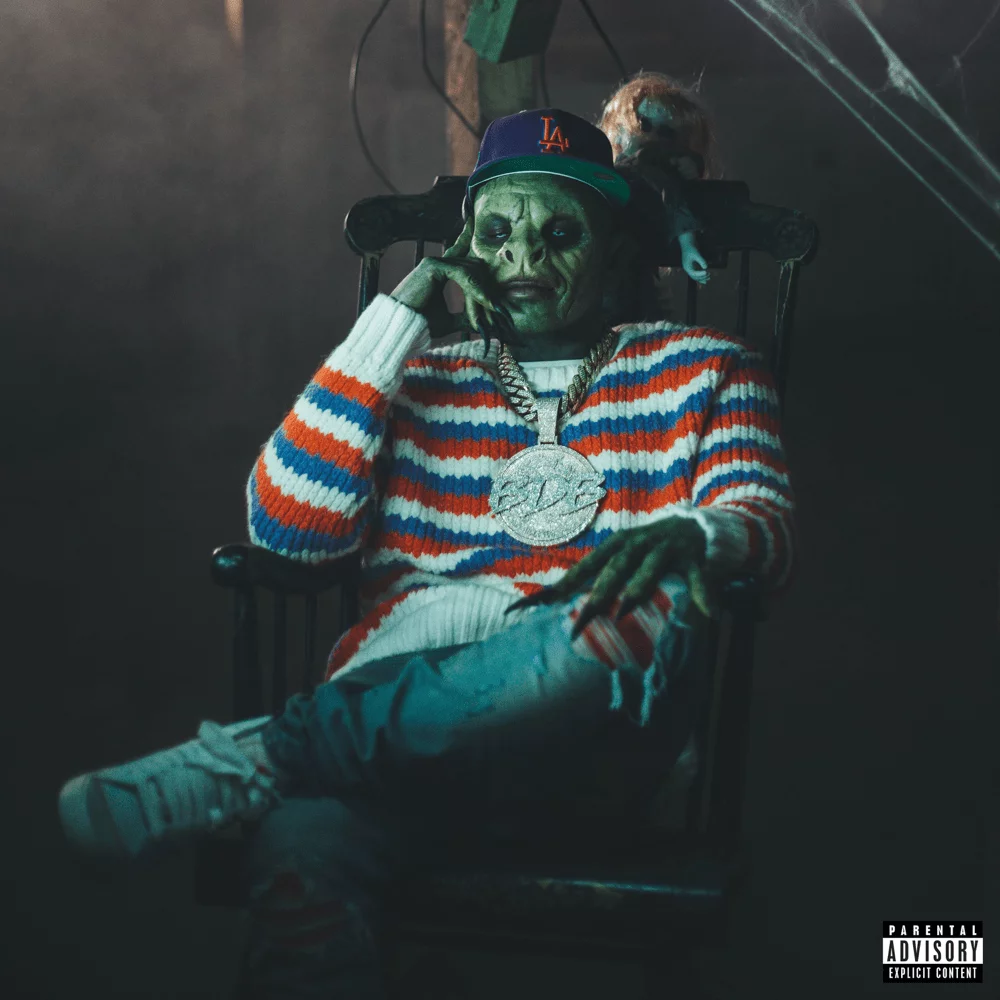
Self-inflicted irrelevance has rarely sounded this dull. Baby on Baby 2 arrived more than a year after DaBaby was widely condemned for homophobic remarks, and it had a clear job: to prove he still deserved the spotlight. Instead, it’s a monument to artistic stagnation. At 14 tracks and barely 31 minutes, it shouldn’t be a slog, yet it is.
By track two, the problem is obvious. DaBaby has run out of ideas. People joked for years that all his songs sound the same, and this album plays like an unintentional parody of that joke. It’s the same stiff, triplet-heavy cadence over interchangeable, bass-boosted trap beats from start to finish, and a once-electrifying style curdles into a monotonous drone.
Lyrically, he’s stuck in a loop of grievances. Most of the runtime goes to complaining about being “blackballed” by the industry and rehashing old controversies. On “GO AGAIN (Intro)” and “DROP DAT DISS,” his show of unbothered dominance rings hollow, undercut by an obsessive need to convince you he’s still on top. The shock bars on “BOOGEYMAN” feel less like bravado and more like a desperate bid for headlines. Even those barely made a dent: the album opened at number 34 on the Billboard 200.
The only bright spot comes near the end. On “BLANK,” soul veteran Anthony Hamilton, the album’s sole guest, brings some real emotion and warmth. All that does is expose how shallow the twelve tracks before it are. When closer “DON’T LET EM LIE” fades out, one thing is clear. No industry conspiracy is holding DaBaby back. His own refusal to evolve is.
Jack Harlow – Come Home the Kids Miss You (2022)
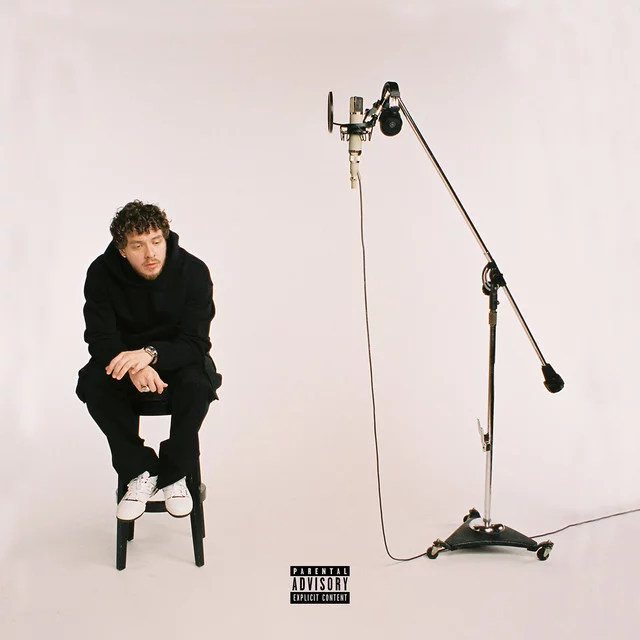
White Drake. If Come Home the Kids Miss You were a meal, it would be unseasoned chicken breast on a solid gold platter. Rarely has a mainstream rap album sounded so expensive while having so little flavor, substance or charisma.
After the viral success of “Whats Poppin” and a likable enough debut, Jack Harlow had the whole industry’s co-sign. He could have proved he belonged at the top. He delivered 45 minutes of beige, algorithm-friendly background music made for TikTok loops and retail store playlists. Harlow raps like a guy desperate for you to know he’s famous, with nothing interesting to say about it. His verses are clogged with eye-rolling flexes, clunky similes and lazy double entendres that sound like rejected captions from a 2014 Instagram feed. On “Dua Lipa” and “Movie Star,” the self-aggrandizement isn’t even fun. It’s exhausting, delivered in a half-asleep monotone that mistakes smugness for swagger.
Despite the heavyweight credits, the production is sterile, and the beats wash over you without leaving a dent. “First Class” lazily loops Fergie’s “Glamorous.” It’s a cynical cash grab, not an inspired flip: he coasts on the sample’s familiarity while delivering some of the most basic bars of his career. The A-list guests only expose him. Drake glides through “Churchill Downs” with a sharp, reflective verse that makes Harlow’s part sound like a rough draft. Pharrell, Justin Timberlake and Lil Wayne are wasted on songs with no sonic identity of their own.
Given all that, the title is deeply ironic. Nobody misses this version of Jack Harlow. And to think it earned a number one single, a number three debut and a Grammy nomination for Best Rap Album.
Lil Pump - Lil Pump 2 (2023)
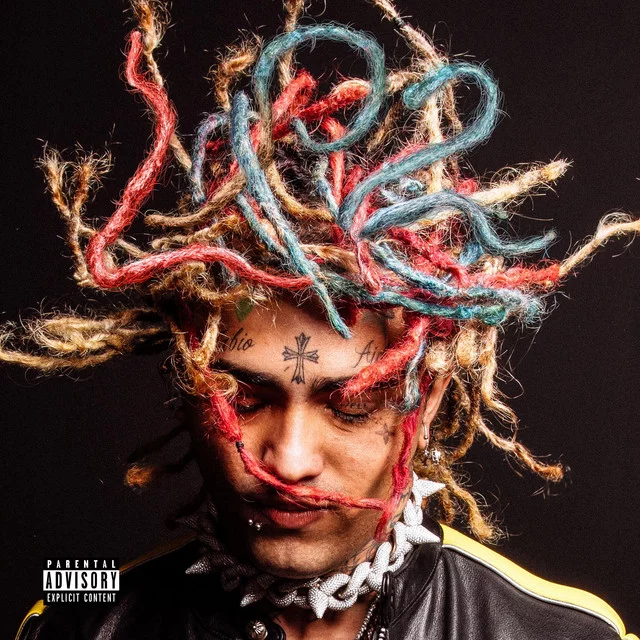
Some artists confuse nostalgia for relevance. On Lil Pump 2, Gazzy Garcia tries to recapture the blown-out chaos of his 2017 debut and proves that lightning doesn’t strike twice. Back then the joke was stupid, but everyone was in on it. Six years later, the joke hasn’t evolved, the punchline is dead, and Pump is the only one still laughing.
Nobody expects lyrical depth from a Lil Pump record. The real sin is the suffocating laziness. “Pull Up” and “Fendi on Fendi” sound like discarded voice memos, with the same flows, ad-libs, and flex-rap tropes he leaned on as a teenager, minus the manic energy that once made them bearable. “Pump Rock x Heavy Metal” is middle-school rock cosplay. YoungBoy Never Broke Again sleepwalks through “I Don’t Mind,” Ty Dolla $ign tries to polish a turd on “She Know,” and two Smokepurpp reunions only show how far both have fallen.
The album failed to chart anywhere. It isn’t even bad enough to be entertaining, just aggressively forgettable.
Kanye West - Donda 2 (2022)
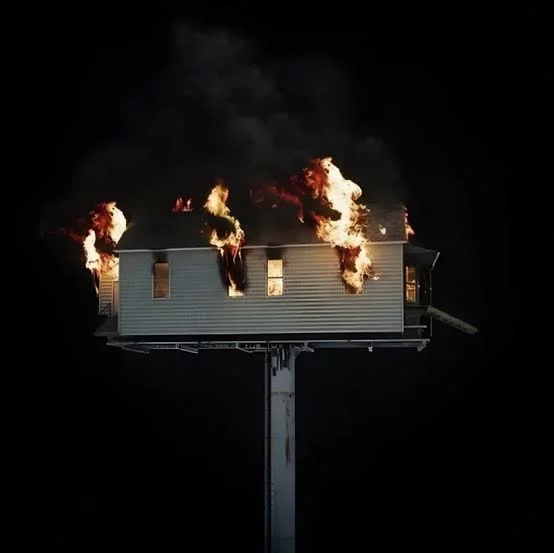
The best moment on Donda 2 is borrowed from West’s own past. “True Love” opens on the same Pete Rock & CL Smooth drum break that drove “Runaway,” and for about a minute, with XXXTentacion’s posthumous hook floating over it, the old instincts kick in. Then West starts in on childcare arrangements after the divorce, and the album never recovers.
For a man who once obsessed over every snare hit right up to release day, this is a brazen exercise in the bare minimum. Most of what follows is bitterness about Kim Kardashian and threats aimed at Pete Davidson, delivered in half-mumbled reference vocals over loops that stop rather than end. These are placeholder melodies, groans and half-formed cadences that any other artist would leave on the studio floor. Here they get released, and they come off as plain contempt for the listener’s time. The dark, bass-heavy pull of “Security” and “Too Easy” hints at something. Future, Baby Keem, and Don Toliver all sound better prepared than the host.
The rollout was its own insult. West locked the whole thing inside a $200 Stem Player while complaining about streaming payouts, and Billboard ruled it ineligible for its charts. When it finally landed on streaming services in 2025, the fix for some of the gaps was a verse generated by AI. The My Beautiful Dark Twisted Fantasy perfectionist was nowhere to be found. This is the one Kanye album where the sketch was the product, and fans were asked to pay full price for a blueprint and pretend it was a skyscraper.
Drake - For All The Dogs (2023)
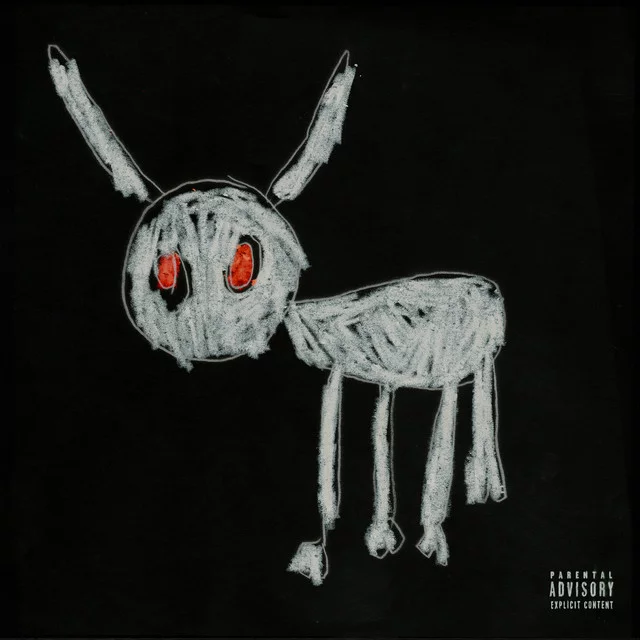
Two years and two more albums after Certified Lover Boy, Drake had learned nothing. For All the Dogs runs 23 tracks and nearly 85 minutes. It doesn’t play like an album. It plays like a data dump assembled on a tour bus with zero quality control: playlist padding stacked high enough to bury whatever focus might have been in there.
About half the tracklist sounds like scraps from Certified Lover Boy or Honestly, Nevermind. The beat switches go nowhere. They don’t build tension or tell a story. They seem designed to fool you into thinking something is happening. “7969 Santa” and “Calling for You” meander without a hook or a purpose, and they’re bogged down by tedious spoken-word outros and skits that kill what little momentum the record manages.
Thematically, Drake’s world has never felt smaller. Bitter complaints about exes, paranoid jabs at unnamed industry peers, hollow flexes about money and status: the same grievances he’s been airing for more than a decade. On “Fear of Heights,” the pettiness turns plain mean-spirited, with thinly veiled shots at Rihanna years after the fact. The sensitive nice-guy routine felt fresh in 2011. From a man in his late thirties, it comes off as cynical and emotionally stunted.
The delivery doesn’t help. On sluggish R&B cuts like “Bahamas Promises” and “Tried Our Best,” his crooning has none of the warmth or melodic pull of his early peak. When he isn’t sleepwalking through moody late-night beats, he latches onto younger artists to stay relevant. Yeat flattens him on “IDGAF,” his own song, leaving Drake sounding like an awkward guest. Even “Slime You Out” sinks under his clunky verses, despite SZA’s best efforts.
The few flashes of competence come from the classic boom-bap of “8AM in Charlotte” and from J. Cole, who walks away with “First Person Shooter.” Think about that: the best moment on a Drake album belongs to someone else.
¥$ – Vultures 2 (2024)

Our reaction on release day still stands: “At this point, we’re tired of everything Kanye, and his practice of releasing messy unfinished projects.” Vultures 2 plays like a public post-mortem of creative decay, uploaded to streaming services like a corrupted hard drive dump. After the already chaotic Vultures 1, Kanye West and Ty Dolla $ign strip away whatever fleeting cohesion the first part had. Yeezus and The Life of Pablo sounded unfinished on purpose. This sounds unfinished because nobody cared.
The engineering is baffling. Mixes are flat, vocal levels swing from song to song, and tracks cut off as if someone tripped over a studio cable. “HUSBAND” is a droning, off-key Ye murmur that should have stayed a voice memo, and then it turns up again, tacked onto the end of “LIFESTYLE.” “530,” a long-circulating track from the Donda 2 era, arrives with its mumbled placeholder outro intact, as if writing actual lyrics was too much trouble. Worst of all is “SKY CITY,” a beloved Yandhi-era leak that comes with an uncanny, robotic AI-filtered verse in place of West’s own. Coming from a man who built a legacy on obsessive perfectionism, handing his voice to an algorithm is the ultimate surrender.
Ty Dolla $ign does his best on “SLIDE” and “RIVER,” and it’s like painting a condemned building. Lil Wayne, Future, Playboi Carti, and the rest can’t lift songs dragged down by lifeless, repetitive drums and West’s tired self-pity. The plan to fix it all with post-release patch updates treats music like a buggy video game. When the last update finally drops (or has it already, who cares?), a few strong moments may surface. But damn, man.
That’s enough bile for one sitting. We’d be lying if we said writing this wasn’t therapeutic. Revisiting some of these records was another story. Our ears have earned a long rest.
None of this is a war on new artists or on young listeners. Every era has its junk, and plenty of the garbage on this list sold millions while far better records sat unheard. What bothers us is the drift: wordplay, storytelling and craft being swapped for viral hooks, bloated tracklists and features stacked to game the charts. And when artists who once gave us classics fall into the same trap, it stings even more.
So consider this a palate cleanser. Close this tab, put on something that was actually lived, and dig into the rest of the site. There are hundreds of lists here that celebrate the music the way it deserves. That’s where our heart is.
Think we were too harsh? Not harsh enough? Is there an album you think we let off the hook? Let us know. We’ve already suffered through plenty, so a few more listens won’t kill us.