

Mobb Deep occupy a unique place in the history of New York Hip Hop. Few groups translated the atmosphere of their surroundings into music with the same conviction as Queensbridge duo Havoc and Prodigy. Their records captured a particular side of 1990s New York: the paranoia, territorial loyalties, everyday dangers, and constant calculations involved in surviving an environment where trust was difficult to come by. Havoc developed a production style that made those conditions audible, drawing on eerie piano loops, ominous samples, heavy bass lines, and sparse drum patterns. The beats often left considerable space between their elements, creating tension through restraint. Over them, Prodigy delivered concise, sharply observed accounts of street life in a voice that was unmistakably his own. Havoc brought a different cadence and perspective to the microphone, giving the duo a chemistry that extended beyond their respective roles as rapper and producer.
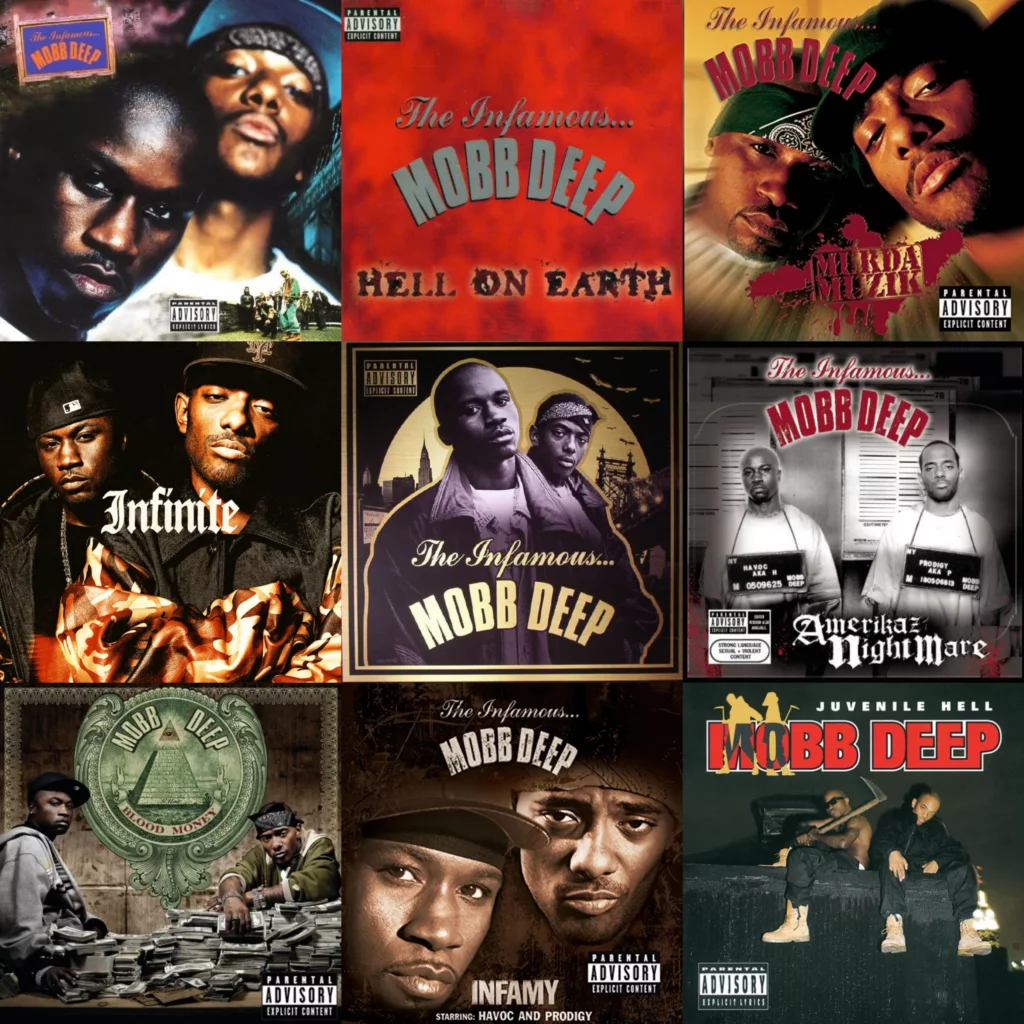
Their early development was less fully formed. Juvenile Hell (1993) contained contributions from respected New York producers such as DJ Premier and Large Professor, but its sound leaned toward the more conventional East Coast rap of the period. Two years later, The Infamous changed the direction of their career. Largely produced by Havoc, with important contributions from Q-Tip, the album introduced a colder, more cohesive musical identity. “Shook Ones Pt. II” became one of the defining records of the decade, while “Survival of the Fittest,” “Eye for a Eye (Your Beef Is Mines),” and “Temperature’s Rising” revealed different dimensions of the duo’s writing and storytelling. Hell on Earth (1996) pushed further into that territory, pairing Havoc’s increasingly assured production with some of Prodigy’s most commanding performances.
Murda Muzik (1999) brought a broader sound and greater commercial exposure without abandoning their Queensbridge identity. Its success also marked the beginning of a more complicated period. Infamy (2001) embraced contemporary production trends, while Amerikaz Nightmare (2004) attempted to reconnect with the harder approach that had defined their breakthrough years. Their subsequent move to G-Unit Records resulted in Blood Money (2006), a collaboration shaped by a very different production environment and commercial agenda.
The later chapters of Mobb Deep’s story were marked by separation, reconciliation, and loss. After briefly splitting in 2012, Havoc and Prodigy reunited and released The Infamous Mobb Deep in 2014, combining new material with previously unreleased recordings from their classic period. Prodigy died in June 2017, aged 42, bringing an end to one of Hip Hop’s most distinctive partnerships. Havoc continued to work with their shared legacy, eventually reuniting with The Alchemist and other collaborators for Infinite in 2025.
Across their catalog, Mobb Deep’s music documents an artistic partnership that evolved considerably without losing its connection to Queensbridge. The following ranking examines their studio albums, from the early experiments to the records that defined their legacy.
9. Juvenile Hell (1993)
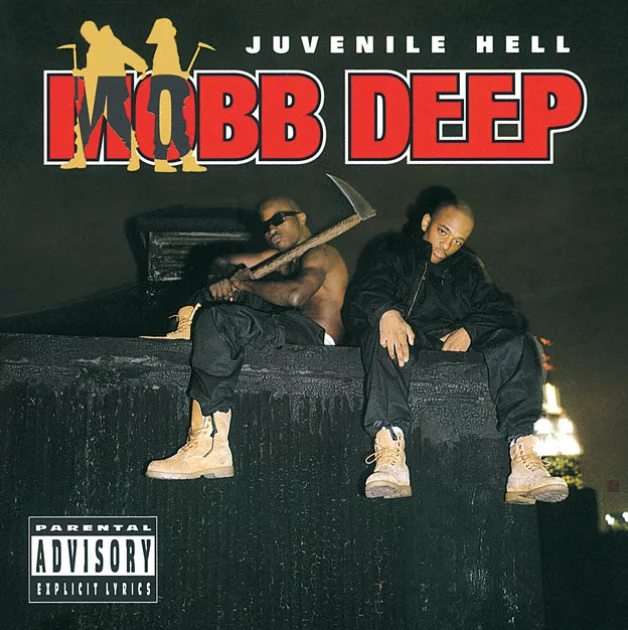
There is an interesting contrast between the teenage voices on Juvenile Hell and the adult subject matter they gravitate toward. When Havoc and Prodigy recorded their debut, they were only 18 and 19, entering a New York scene where young MCs such as Illegal, Da Youngsta’s, and Shyheim were already delivering street-oriented rhymes with considerable confidence. The former Poetical Prophets were cut from a similar cloth. Their lyrics dealt with violence, street politics, sexual bravado, and the pressures of growing up in Queensbridge, delivered with an aggression that occasionally outpaced their technical development.
Musically, Juvenile Hell belongs to the early-1990s East Coast boom-bap tradition. The production is energetic and drum-heavy, with horn samples and familiar sample-based arrangements. DJ Premier provides one of the album’s strongest moments on “Peer Pressure,” building a suitably forceful backdrop for the duo’s account of negative influences and street pressures. Large Professor contributes an alternative mix of the same track, adding another connection to the Queensbridge production lineage. “Locked In Spofford” is another early indication of their interest in detailed street narratives, while “Stomp ‘Em Out,” featuring Big Noyd, has the confrontational attitude that would become central to their later work.
Havoc and Prodigy are still developing their individual styles. Their voices are noticeably younger and higher-pitched than on The Infamous, and their performances occasionally lean toward straightforward teenage bravado. The production also lacks the consistency and distinctive atmosphere that Havoc would bring to their subsequent albums. Tracks such as “Hit It From The Back” lean heavily into juvenile sexual humor, while other material sounds closer to the conventional hardcore rap of the period than the Queensbridge sound they would eventually make their own.
There are enough promising moments to make Juvenile Hell an interesting starting point. The album attracted some attention through its singles and high-profile production contributions, but its commercial performance was disappointing, and 4th & B’way dropped the duo shortly afterward. That setback preceded a fundamental change in their approach, with Havoc taking greater control of the production.
In retrospect, Juvenile Hell is a fascinating document of two young MCs still finding their identity. The ingredients were already there, but the defining Mobb Deep sound was still two years away. | 5/10
8. Infamy (2001)

With Infamy, Mobb Deep entered a new phase of their career, one that reflected the changing commercial landscape of Hip Hop at the turn of the century. Following the platinum success of Murda Muzik, Havoc and Prodigy had little reason to remain confined to the stripped-down formula that had brought them their reputation. Their fifth album retains plenty of Queensbridge aggression, but its production is noticeably more polished, with greater emphasis on synthesizers, R&B influences, and radio-friendly arrangements. Scott Storch and EZ Elpee join Havoc and The Alchemist behind the boards, giving the record a different character from the duo’s celebrated 1990s work.
The strongest material comes when Mobb Deep concentrate on what they do best. “The Learning (Burn),” featuring Big Noyd and Vita, addresses the escalating feud with Jay-Z, following his attack on Prodigy in “Takeover.” Prodigy responds with characteristic hostility, delivering pointed verses over one of Havoc’s harder productions. “Crawlin'” continues the confrontation, while “Get Away” pairs a forceful beat from EZ Elpee with the duo’s familiar street-level perspective. “Nothing Like Home,” featuring Littles, is another effective reminder of their Queensbridge roots. These tracks have the tension and directness associated with Mobb Deep at their best.
The album takes some unexpected turns. “Hey Luv (Anything),” featuring R&B group 112, is an obvious attempt to reach a wider audience, built around a smoother melodic approach that sits uneasily alongside the duo’s harder material. The Scott Storch-produced “There I Go Again,” featuring Ron Isley, moves even further into R&B territory. Such collaborations were increasingly common in mainstream rap at the time, but the contrast with Mobb Deep’s established identity is particularly pronounced. Havoc still provides several effective beats, although the overall production lacks the cohesion of their strongest albums.
Infamy is an uneven record caught between two directions. Prodigy and Havoc retain their chemistry and their ability to deliver compelling street rap, while the commercial experiments occasionally dilute the atmosphere that made their earlier work so distinctive. The album has enough strong material to warrant attention, but it also marks a clear departure from the uncompromising approach that defined Mobb Deep’s greatest period. | 5.5/10
7. Blood Money (2006)
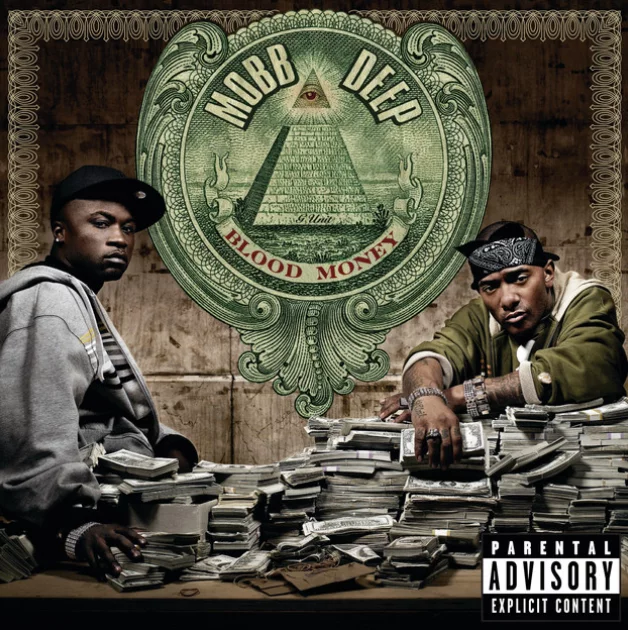
The G-Unit association brought Mobb Deep back into the commercial spotlight, but it also placed Havoc and Prodigy in an environment that wasn’t always suited to their particular strengths. After leaving Jive Records, the duo signed with 50 Cent’s G-Unit Records in 2005. The connection made sense on paper: 50 Cent was a fellow Queens rapper, Havoc had already contributed beats to several G-Unit-related projects, and the label offered an opportunity to reach a considerably larger audience. The resulting Blood Money, however, often sounds like a collision between two different musical identities.
The guest appearances are a major part of that equation. 50 Cent features prominently, joined by Lloyd Banks, Tony Yayo, and Young Buck, while Mary J. Blige and Nate Dogg provide the R&B connections. Havoc remains responsible for much of the production, but outside contributions from Sha Money XL, Exile, J.R. Rotem, and others give the album a more polished, contemporary character. Some of these changes work better than others.
When the familiar Queensbridge chemistry comes through, Blood Money delivers. “Put ‘Em In Their Place” is an immediate highlight, with Havoc supplying a menacing beat that gives Prodigy and Havoc plenty of room to trade hard-edged verses. “In Love With The Moula” has a similarly cold, stripped-down quality, while “Pearly Gates” is one of the album’s most provocative moments. The latter features 50 Cent questioning the existence of heaven, with Prodigy adding his own bleak perspective. The subject matter generated controversy, but the track’s combination of dark humor and fatalism makes it one of the more memorable cuts here.
Elsewhere, the G-Unit influence becomes harder to ignore. “Have A Party,” featuring 50 Cent and Nate Dogg, is built for mainstream radio, while “Backstage Pass” and “Capital P, Capital H” do little to distinguish Mobb Deep from the other acts on the label. The abundance of guest appearances also leaves Prodigy and Havoc competing for space on their own record.
Blood Money has its share of strong Mobb Deep material, and its best tracks justify its place in the catalog. Still, the album never quite finds a convincing balance between the duo’s Queensbridge identity and G-Unit’s commercial ambitions. The result is an occasionally impressive record that sounds like Mobb Deep operating on somebody else’s terms. | 6/10
6. Amerika'z Nightmare (2004)

After parting ways with Loud Records, Mobb Deep moved to Jive for their sixth album, Amerikaz Nightmare. Following the uneven Infamy, Havoc and Prodigy were clearly looking to reconnect with the harder approach that had defined their strongest work. There is a noticeable improvement here, particularly in Prodigy’s performances. His delivery has regained some of its earlier urgency, and the duo sound more focused on the material that made their name. The production, however, remains inconsistent, and the album never quite reaches the level of intensity its best tracks suggest.
Havoc handles most of the production, with The Alchemist contributing several beats. Their work provides the album’s strongest foundation. The title track opens with a suitably ominous atmosphere, while “Flood the Block” brings back the heavy drums and threatening mood associated with Mobb Deep’s classic period. “Win or Lose,” produced by The Alchemist, is an outstanding cut, built around a compelling loop that gives Prodigy and Havoc plenty of room to deliver. “When U Hear The” is another highlight, with The Alchemist supplying a lean, hard-hitting backdrop. These tracks have the urgency and musical character that made the duo so effective during the 1990s.
There are also some questionable choices. “Shorty Wop” is an awkward detour, while “Real Gangstaz,” produced by Lil’ Jon, brings crunk influences that don’t sit particularly comfortably with Mobb Deep’s established sound. Kanye West’s contribution to “Throw Your Hands (In the Air)” takes the album in another direction, although it does little to strengthen its overall identity. The Alchemist-produced “Got It Twisted” became the album’s biggest commercial success, reworking Thomas Dolby’s “She Blinded Me with Science” into an unusual street-rap backdrop. The Jadakiss collaboration “One of Ours Part II” and Nate Dogg-assisted “Dump” add further variety without reaching the heights of the strongest tracks.
Amerikaz Nightmare is an uneven comeback attempt, but a worthwhile one. Its best moments demonstrate that Havoc and Prodigy still had the chemistry, lyrical ability, and instinct for hard-hitting Hip Hop that made them such a formidable duo. The album never sustains that level throughout, but “Win or Lose,” “When U Hear The,” and “Flood the Block” give it a strong case as one of their better post-1990s releases. | 6.5/10
5. The Infamous Mobb Deep (2014)

After an eight-year gap between studio albums and a very public falling-out, Havoc and Prodigy reunited for The Infamous Mobb Deep. Their reconciliation followed a period of tension in 2012, when the duo appeared to have reached the end of their partnership. A 20th-anniversary tour in 2013 brought them back together, eventually leading to a new album. The double-disc format gave the project an unusual historical dimension: one disc of contemporary recordings and a second containing previously unreleased material from the sessions for The Infamous.
The new material finds Mobb Deep reconnecting with the darker sound that had defined their best work. “Taking You Off Here” opens with a familiar sense of menace, driven by Havoc’s hard-hitting production and the duo’s renewed focus. “Say Something,” produced by !llmind, has a similarly direct approach, while “Murdera” and “Check the Credits” bring back the uncompromising attitude associated with their Queensbridge catalog. The Alchemist-produced “Lifetime” is another strong moment, its production providing a fitting backdrop for Prodigy’s distinctive delivery. Havoc shares production duties with !llmind, Boi-1da, The Alchemist, Kaytranada and others, giving the album some variation without losing its central identity.
Not every track reaches the same level. Some of the guest appearances and more contemporary production choices interrupt the album’s darker atmosphere, and the sheer amount of material makes the complete package an extended listening experience. Still, the strongest new recordings have the urgency and chemistry that had been missing from some of their earlier post-1990s releases. Prodigy and Havoc sound comfortable working together again, with neither having to imitate their younger selves.
The second disc, The 1994/1995 Infamous Sessions, is a major attraction for longtime fans. Its unreleased recordings offer a glimpse into the period when Mobb Deep were developing their signature sound, with appearances from Nas, Raekwon, Ghostface Killah and Big Noyd. Hearing these archival performances alongside the new material gives the album a fascinating connection between the group’s formative years and its later work.
The Infamous Mobb Deep is not on the level of the duo’s classic 1990s albums, but it is a rewarding return from two artists whose partnership had seemed finished. Prodigy’s death in 2017 gave the record additional significance: it was the last Mobb Deep studio album released during his lifetime. | 7/10
4. Infinite (2025)
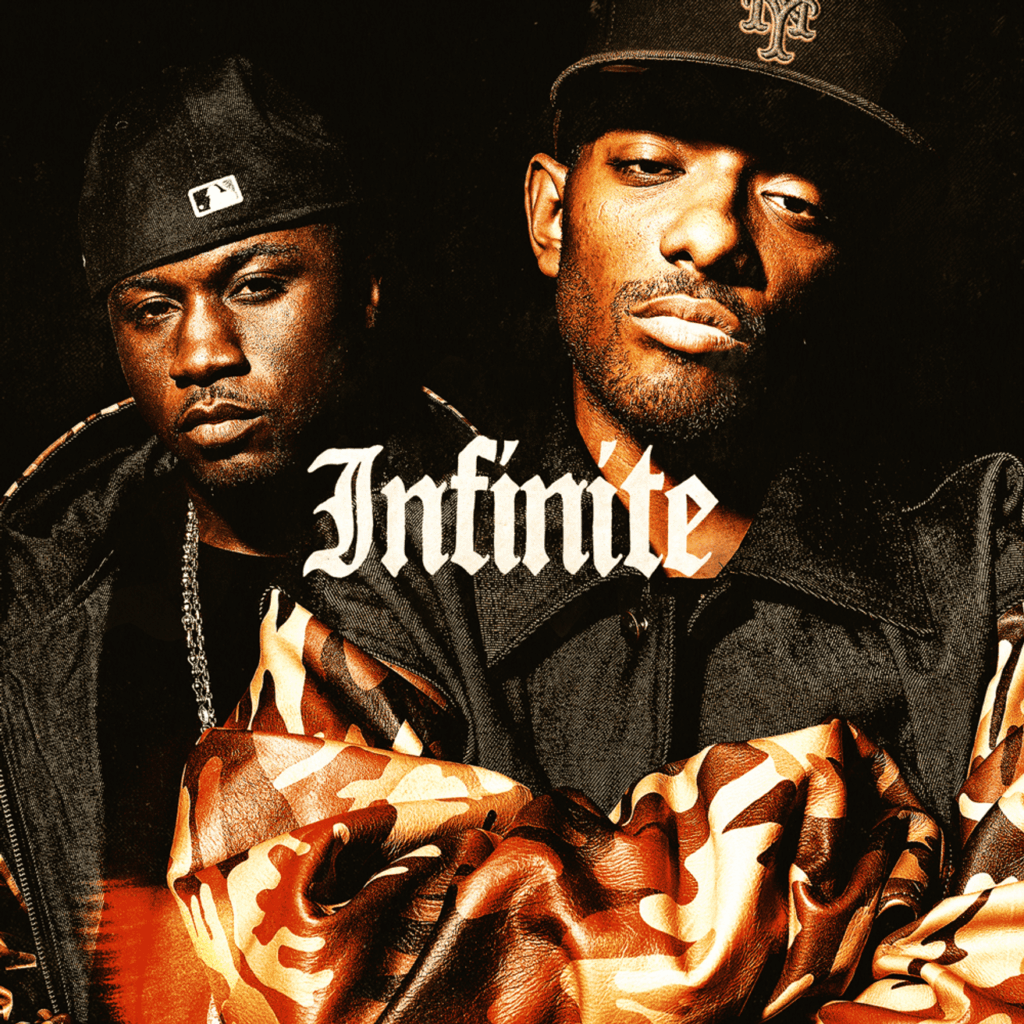
Nine years after Prodigy’s death, Havoc returned with Infinite, a final Mobb Deep album built around previously unreleased vocals from his longtime partner. Working with The Alchemist, he assembled a 15-track collection that gives those archival performances a new setting without losing sight of the duo’s identity. Posthumous albums often raise questions about how much unreleased material should be used and how carefully it has been handled. Here, the involvement of Havoc, who knew Prodigy’s voice and writing better than anyone, gives the project a clear sense of purpose. The result is a fitting final chapter for one of Queensbridge’s defining partnerships.
Havoc handles most of the production, bringing back the ominous piano loops, sparse drums, and heavy atmosphere associated with Mobb Deep’s classic work. The Alchemist contributes four tracks, adding his own distinctive approach to the album’s dark palette. “Against the World” sets the tone with a haunting piano figure and Prodigy’s unmistakable voice. “Easy Bruh” and “Mr Magik” carry the same threatening energy, while “The M. The O. The B. The B.” reconnects the duo with Big Noyd. The Alchemist’s “Gunfire” is another highlight, built around tense production that gives the verses a suitably menacing backdrop. On “Taj Mahal,” “Score Points,” and “My Era,” his contributions add variety without disrupting the album’s overall character.
The guest appearances are carefully chosen. Nas features three times, including “Pour the Henny,” one of the album’s most affecting moments. Prodigy’s reflections on mortality take on added weight in light of his passing, while Nas responds with the perspective of someone who shared much of the same history. “Clear Black Nights” brings Raekwon and Ghostface Killah into the mix, with the three veterans trading verses over Havoc’s production. Clipse make an effective appearance on “Look at Me,” while Jorja Smith and H.E.R. provide melodic contributions to two versions of “Down for You.” These collaborations add different dimensions without turning the album into a parade of guest appearances.
There are a few weaker moments. The repetitive hook on “The M. The O. The B. The B.” wears thin, and some of the cleaner production lacks the abrasive edge of Mobb Deep’s earlier records. A few tracks also pass by before fully developing their ideas. Those shortcomings don’t overshadow the care evident throughout the project.
Infinite gives Prodigy’s final recorded performances a thoughtful setting, with Havoc bringing their shared musical language back into focus. It cannot replace the classic albums that defined Mobb Deep’s legacy, and it doesn’t need to. As a final collaboration between two artists whose chemistry shaped decades of New York Hip Hop, it is a deeply satisfying farewell. | 7.5/10
3. Murda Muzik (1999)

After The Infamous and Hell on Earth, Mobb Deep faced the difficult task of following two albums that had become central to the group’s identity. Murda Muzik answered that challenge with another substantial collection of Queensbridge rap, while taking Havoc and Prodigy to a new level of commercial success. Released in August 1999, the album reached number three on the Billboard 200 and became their first platinum record. Its wider reach came without a wholesale change of direction. The duo still dealt in street narratives, grim observations, and the tension that had defined their previous work, although the production occasionally made room for a more expansive late-1990s sound.
The road to release was complicated. A change in Loud Records’ distribution arrangements delayed the album, and extensive bootlegging meant that much of the original material was already circulating before the official release. Havoc and Prodigy responded by recording five new tracks, among them “Spread Love,” “It’s Mine,” and the Lil’ Kim remix of “Quiet Storm.” Several songs from the leaked version were left behind, including “Nobody Likes Me” and “Power Rap.” The original sequence has since acquired its own reputation among longtime fans, but the retail album contains plenty of material that belongs among Mobb Deep’s best work.
“Adrenaline” and “Allustrious” capture the duo’s familiar intensity, while “Streets Raised Me” brings Big Noyd into the picture for a detailed account of the environment that shaped them. “The Realest,” featuring Kool G Rap, is a particularly strong meeting of two generations of New York street rap. The Alchemist produced that track and “Thug Muzik,” contributions that helped begin a lasting creative relationship with Mobb Deep. Nas joins the duo on “It’s Mine,” adding another important Queensbridge connection.
Then there is “Quiet Storm.” Havoc’s production gives Prodigy room to deliver one of his most memorable performances, and the track became one of the group’s defining records. The remix with Lil’ Kim brought a different energy to the song and helped push it to a much wider audience.
At 19 tracks, Murda Muzik is less concentrated than Hell on Earth, and its broader commercial appeal occasionally softens the atmosphere. The strongest material, however, is exceptional. Mobb Deep had carried their Queensbridge perspective into the mainstream without abandoning the qualities that made their music distinctive. | 8/10
2. Hell On Earth (1996)

Following The Infamous was an imposing challenge, but Mobb Deep answered with an album that many longtime fans consider their finest. Released in November 1996, Hell on Earth takes the musical direction of its predecessor and pushes it into even bleaker territory. Havoc handles the entire production, giving the record a remarkably consistent identity built around ominous piano figures, eerie strings, heavy bass, and hard, sharply defined drums. The atmosphere is oppressive without becoming monotonous, and the music gives Prodigy an ideal setting for some of the most commanding performances of his career.
Prodigy’s writing is particularly vicious here. His delivery has a cold authority, and his verses often sound like observations from someone who has already calculated every possible outcome. “Drop a Gem on ‘Em” addresses Tupac following his attacks on the duo, placing Mobb Deep directly in the East Coast-West Coast conflict that dominated the period. “In the Long Run,” originally hidden as an enhanced CD bonus track, takes aim at Keith Murray. The confrontational material is balanced by the album’s wider collection of street narratives, with “Animal Instinct,” “More Trife Life,” and “Apostle’s Warning” adding to its sense of paranoia and constant danger.
Havoc’s production deserves equal attention. The instrumental on “G.O.D. Pt. III” has the tension of a crime-film score, while “Hell on Earth (Front Lines)” pairs a haunting musical backdrop with Prodigy’s vivid descriptions of street survival. “Nighttime Vultures” brings Raekwon into Mobb Deep’s world, and “Extortion,” featuring Method Man, is another memorable meeting of New York’s leading hardcore voices. Nas and Big Noyd contribute to “Give It Up Fast,” adding to a guest list that includes familiar collaborators without distracting from the central partnership.
The album’s relentless mood is its defining characteristic. There is little interest in easing the listener into more comfortable territory, and Havoc rarely breaks the tension with lighter arrangements. That consistency gives Hell on Earth a powerful internal logic, with each track contributing to the same bleak portrait of Queensbridge life.
Whether it surpasses The Infamous is a debate that will never have a definitive answer. What is beyond dispute is the level of craft and conviction on display. Prodigy was at the height of his lyrical powers, Havoc had developed a production identity instantly recognizable as his own, and Mobb Deep had delivered another defining album of 1990s New York Hip Hop. | 8.5/10
1. The Infamous... (1995)

Few Hip Hop groups have made a greater leap between their first and second albums than Mobb Deep. Juvenile Hell (1993) introduced two young MCs with plenty of attitude, but their writing and musical identity were still taking shape. Two years later, Havoc and Prodigy returned with The Infamous, an album that transformed their reputation and gave Queensbridge one of the defining records of 1990s New York rap.
The change starts with Havoc’s production. Working largely with a modest setup in his Queensbridge apartment, he developed a style built around eerie piano loops, muffled basslines, rugged drums, and unsettling melodic fragments. The beats are sparse, but every element serves the atmosphere. Q-Tip played an important supporting role, contributing production, improving the drum programming on several tracks, and mixing the album. His influence helped sharpen the sound while preserving the character that Havoc and Prodigy had been developing. The result is a remarkably coherent collection of instrumentals that rarely need to raise their volume to create tension.
Prodigy takes full advantage of that musical setting. His measured, conversational delivery makes his accounts of violence, paranoia, and survival particularly convincing. “Shook Ones, Pt. II” is the obvious centerpiece, pairing one of the most recognizable beats in Hip Hop with verses that capture the psychology of street confrontation. “Survival of the Fittest” is equally formidable, while “Trife Life,” “Up North Trip,” and “Cradle to the Grave” extend the album’s portrait of life in an environment where danger is an everyday consideration. Havoc is an effective MC in his own right, and the contrast between his delivery and Prodigy’s gives the duo a distinct chemistry.
The guest appearances are carefully integrated. Nas and Raekwon join Mobb Deep on “Eye for a Eye (Your Beef Is Mines),” Ghostface Killah appears on “Right Back at You,” and Big Noyd makes several memorable contributions. “Temperature’s Rising,” featuring Crystal Johnson, adds another dimension through its account of a friend facing imprisonment, while Q-Tip’s appearance on “Drink Away the Pain (Situations)” brings a different musical texture.
What makes The Infamous so extraordinary is the completeness of its vision. The production, performances, and writing all contribute to a world that is vivid and unsettling. Alongside Illmatic, Ready to Die, and Enter the Wu-Tang (36 Chambers), it helped define a remarkable period for New York Hip Hop. Three decades later, its influence is still audible in generations of producers and MCs who have drawn from Havoc’s production and Prodigy’s approach to street storytelling. | 9/10