

Jay-Z’s career is one of Hip Hop’s great stories of reinvention. Shawn Carter grew up in Brooklyn’s Marcy Houses and spent years chasing a record deal that never came. Eventually, he stopped waiting. With Damon Dash and Kareem “Biggs” Burke, he co-founded Roc-A-Fella Records and released Reasonable Doubt in 1996. The debut introduced an MC with a sharp eye for detail, a dry sense of humor, and a gift for turning street experience into intricate stories about ambition, risk, money, and survival. Jay could make hustling sound like a business plan while letting you hear the paranoia and compromise underneath the success.
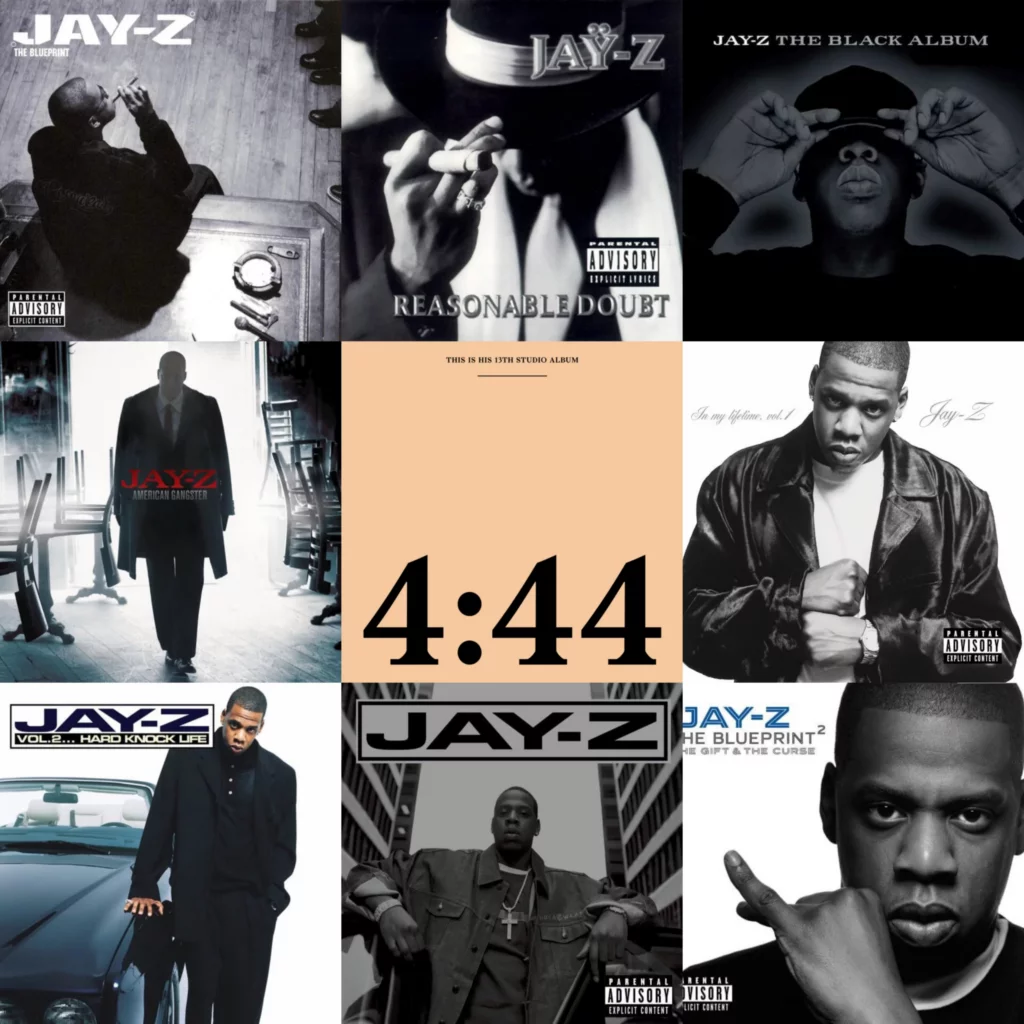
Reasonable Doubt remains one of rap’s great debuts, but Jay never settled into a single mode. Vol. 2… Hard Knock Life (1998) made him a fixture on the charts. The Blueprint (2001), built largely on soul-sampling production from Kanye West, Just Blaze, and Bink, paired his conversational flow with razor-sharp punchlines and some of his finest writing. The Black Album (2003) was billed as his farewell. It brought together a heavyweight lineup of producers for a record that moves between personal reflection, bravado, and a look back at everything he had built. Fourteen years later, 4:44 found him older, more candid, and willing to examine his own failings. Each phase sounds different, yet the voice is always unmistakably his.
His impact reaches well past the records. Roc-A-Fella proved an independent label could become a major force, and his later years running Def Jam and building Roc Nation took him deeper into the industry’s business side. Jay became the template for the rapper-as-entrepreneur, turning musical success into a far broader empire. That’s part of his cultural weight, though it isn’t why he’s on our list.
Jay-Z routinely lands at or near the top of greatest-rapper rankings, and the argument for him is strong: a deep catalog, multiple classics, rare longevity, and lines that keep revealing new layers years later. We have him at number 18 because our rankings blend personal taste with achievement, and we connect more deeply with the MCs placed above him. That doesn’t shrink his stature. Across three decades, Jay-Z has remained one of rap’s sharpest writers and most defining figures. Below, we rank his 13 solo studio albums, from the weakest to the best.
13. Kingdom Come (2006)
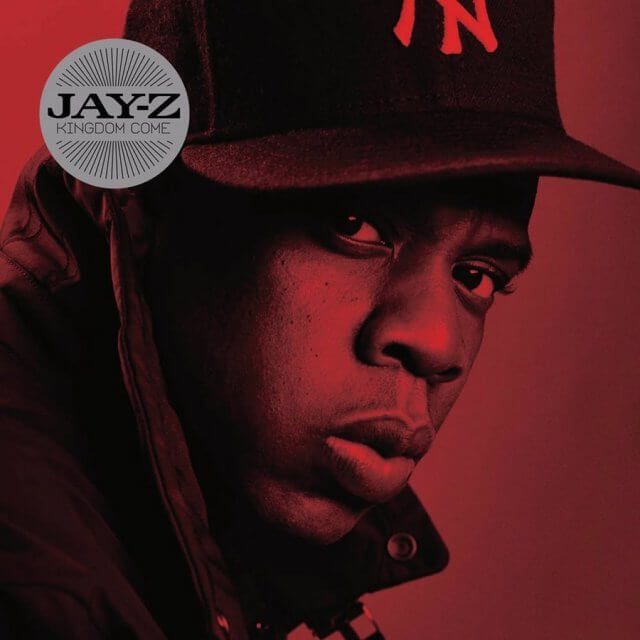
Three years after The Black Album was sold as his farewell, Jay-Z returned with Kingdom Come, and the comeback sounded more like obligation than hunger. On paper, the credits are impressive: Just Blaze handles the opening stretch, and Dr. Dre produced four tracks and mixed the entire album. In practice, much of it is polished but flat, and Jay often sounds like he’s going through the motions. The bigger problem is that it has no clear direction. Lead single “Show Me What You Got” promised a triumphant return, but the album wanders between grown-man reflection, glossy R&B features and the Chris Martin collaboration “Beach Chair” without ever deciding what it wants to say. There are flashes of the old Jay, most notably on “Minority Report,” his somber response to Hurricane Katrina, and the candid “Lost One.” Those moments are too rare to save it. Jay himself has since called Kingdom Come his worst album, and we won’t argue. | 5/10
12. The Blueprint 3 (2009)

The Blueprint 3 came out after Jay-Z bought his way out of his Def Jam contract and moved to his new Roc Nation imprint, and much of it plays like a victory lap for the mogul. The opening run is strong. Kanye West and No I.D. bring soulful, stadium-sized production to “What We Talkin’ About” and “Thank You.” “D.O.A. (Death of Auto-Tune)” takes aim at the era’s favorite vocal effect, and “Empire State of Mind” became an inescapable New York anthem. After that, the album runs out of steam. Timbaland’s synth-heavy beats on “Off That,” “Venus vs. Mars” and “Reminder” sound thin and dated, and “Young Forever” and “So Ambitious” feel built for radio. Jay raps with ease but little urgency, leaning on boasts about wealth and status. Early appearances from J. Cole, Drake and Kid Cudi give the album some historical interest, and it set a record as his eleventh No. 1. Still, it rarely lives up to the Blueprint name. | 5.5/10
11. Magna Carta…Holy Grail (2013)
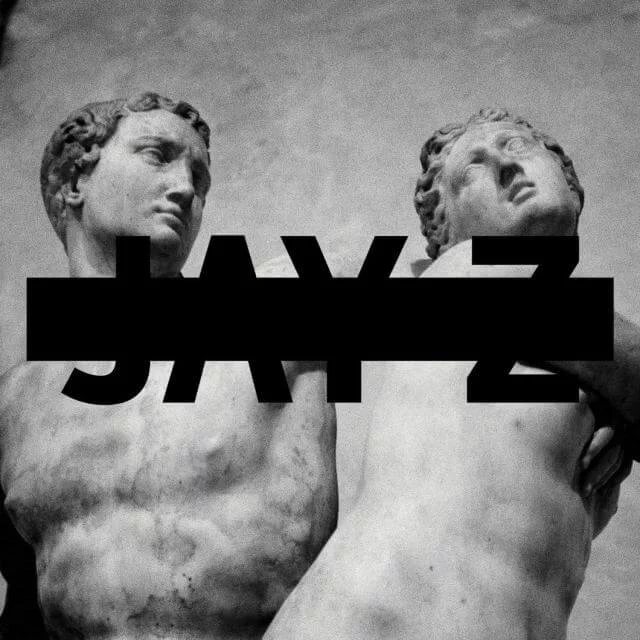
Magna Carta Holy Grail is remembered more for its rollout than for its music. Samsung bought a million copies and gave them away to Galaxy users through an app, so the release had become a corporate event before anyone heard a note. The album is glossy and expensive-sounding, with Timbaland and J-Roc handling most of the production. “Holy Grail,” which pairs a Justin Timberlake hook with lines borrowed from Nirvana’s “Smells Like Teen Spirit,” became a major hit. The trouble is the writing. On “Picasso Baby” and “Tom Ford,” Jay leans heavily on art, fashion labels and luxury goods, and the name-dropping wears thin fast. The record is at its best when he looks inward. “Oceans” with Frank Ocean, “Jay Z Blue,” which wrestles with fatherhood after the birth of Blue Ivy, and the closer “Nickels and Dimes” point toward the more reflective artist who would emerge on 4:44. | 5.5/10
10. The Dynasty: Roc La Familia (2000)
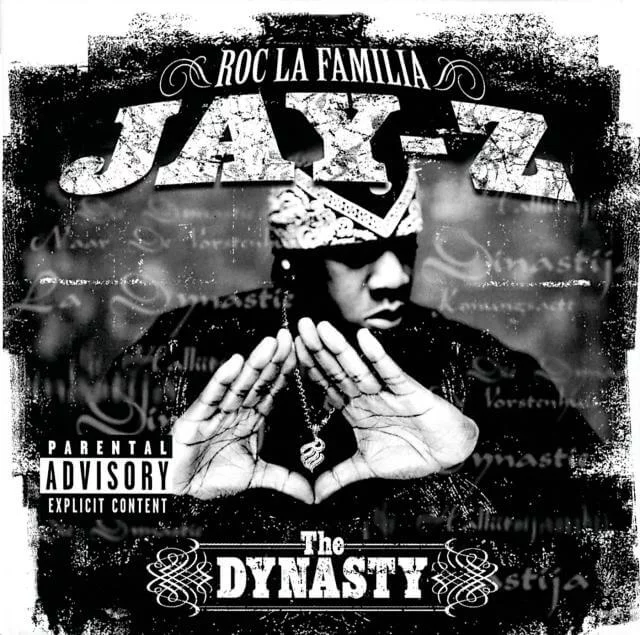
The Dynasty started life as a Roc-A-Fella compilation meant to introduce Beanie Sigel, Memphis Bleek, Amil and Freeway, and it shows. It was released as a Jay-Z album, yet he sits out “Holla” and “The R.O.C.” entirely, and only five of the 16 tracks are his alone. That’s a shame, because Jay was nearing his peak, and the best songs here find him letting his guard down. “Soon You’ll Understand” traces the end of a relationship, “Where Have You Been” confronts an absent father, and “This Can’t Be Life,” with a devastating Scarface verse, is among the most affecting records in his catalog. The album also gave a big platform to Just Blaze, Kanye West and Bink, whose soulful sound would shape The Blueprint a year later. Elsewhere, filler like “Get Your Mind Right Mami,” “You, Me, Him and Her” and “Squeeze 1st” drags. It’s not a bad album, but it’s not a real Jay-Z solo record either. | 6.5/10
9. The Blueprint2: The Gift & The Curse (2002)
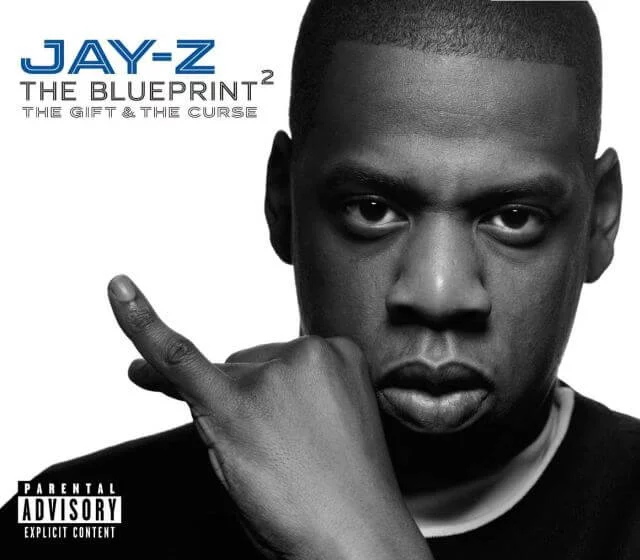
A year after The Blueprint, Jay-Z got ambitious and made a double album. The Gift is the pop-leaning half, built around the Kanye West-produced “‘03 Bonnie & Clyde” with Beyoncé and the Neptunes’ “Excuse Me Miss,” both top-ten hits. The Curse turns darker and more street-focused, with the chilling narrative “Meet the Parents,” the gritty “Some How Some Way” with Beanie Sigel and Scarface, and the title track, aimed at Nas and Jaz-O. Just Blaze and Kanye handle much of the production again, and there are real highlights scattered across both discs, including “A Dream,” “The Watcher 2” with Dr. Dre and Rakim, and the M.O.P.-assisted “U Don’t Know (Remix).” The problem is the sheer size of it. Stretched across almost two hours, the album loses focus, and detours like the Lenny Kravitz collaboration “Guns & Roses” don’t help. Trimmed to one disc, this could have been something special. Jay seemed to agree, later putting out the condensed Blueprint 2.1 and calling the original one of his worst albums because it had too many songs. | 6.5/10
8. Vol. 3…Life and Times Of S. Carter (1999)
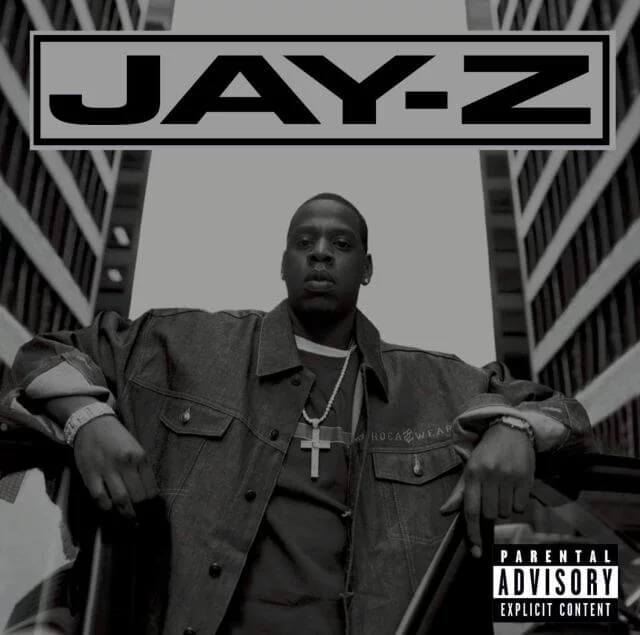
Released three days before the turn of the millennium, Vol. 3… closed out Jay-Z’s In My Lifetime trilogy at the height of his commercial run. It debuted at No. 1 with 462,000 copies sold in its first week and eventually went triple platinum. The rollout was messy. An early version leaked onto the streets of New York, and Jay’s belief that record executive Lance “Un” Rivera was behind the bootleg led to the stabbing at the Kit Kat Klub, which ended with Jay pleading guilty to assault. Rivera has since said Jay wasn’t the one who stabbed him.
Musically, Vol. 3… tries to balance the pop reach of Vol. 2… with the street edge of Reasonable Doubt, and Jay’s flow has rarely been sharper. DJ Premier’s “So Ghetto” holds down the New York side, while Timbaland heads south on “Snoopy Track” with Juvenile and the UGK-assisted “Big Pimpin’,” the album’s biggest single. The courtroom concept of “Dope Man” and the menacing “Come and Get Me” show how much he’d grown as a songwriter. The album sags in places, though. The Mariah Carey collaboration “Things That U Do” feels made for radio, and crew cuts like “Pop 4 Roc” slow things down. It’s strong, if not quite essential. | 7/10
7. Vol. 2…Hard Knock Life (1998)

Vol. 2… is the album that turned Jay-Z from a respected New York lyricist into a superstar, and it’s where he worked out how to take the street to the charts. In My Lifetime, Vol. 1 had reached awkwardly for radio with Babyface and Blackstreet. This time the crossover felt natural. The title track, built by The 45 King around a sample from the musical Annie, is one of the boldest flips of its era. Jay learned how hard it is to repeat that trick a year later with “Anything.” “Can I Get A…,” with Ja Rule and Amil, became another smash.
The production moves away from the glossy Bad Boy sound of Vol. 1. Swizz Beatz gives three tracks a harder edge, including “Money, Cash, Hoes” with DMX, while Timbaland, Irv Gotti and Jermaine Dupri handle the pop-leaning singles. DJ Premier and Erick Sermon keep a foot in classic boom-bap. Jay sounds supremely confident throughout, especially on “Ride or Die” and “It’s Like That.” Solo tracks are even rarer here than on The Dynasty, but the guests feel like part of his rise rather than a distraction. The payoff was his first No. 1 album, five weeks at the top, a Grammy for Best Rap Album, and the best sales of his career. | 7.5/10
6. In My Lifetime, Vol. 1 (1997)
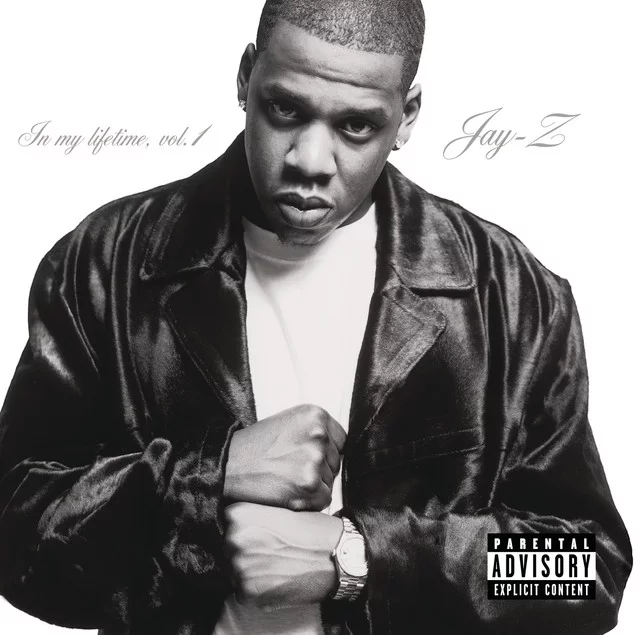
Released in November 1997 through Roc-A-Fella’s new distribution deal with Def Jam, In My Lifetime, Vol. 1 finds Jay-Z caught between two identities. The death of The Notorious B.I.G. earlier that year hangs over the record, and Jay later said it wasn’t fun to make the way Reasonable Doubt had been. Chasing a bigger audience, he brought in Puff Daddy’s Hitmen for much of the production, along with Teddy Riley, and the results are uneven. “(Always Be My) Sunshine” with Babyface and Foxy Brown, and “I Know What Girls Like” with Puffy and Lil’ Kim, sound like awkward crossover attempts and clash with the darker material around them.
That darker material is excellent, though. Jay was a sharper and more confident rapper than ever. Ski’s “Streets Is Watching” is a tense, paranoid portrait of the game, “Where I’m From” paints a vivid picture of his Brooklyn, and “Imaginary Players” mocks pretenders with sly humor. DJ Premier, who handles the intro and “Friend or Foe ‘98,” keeps a thread running back to the debut. The closer, “You Must Love Me,” is one of Jay’s most vulnerable songs, and it includes his confession that he shot his older brother at 12. Commercially, the plan worked: the album debuted at No. 3 and went platinum. | 7.5/10
5. 4:44 (2017)
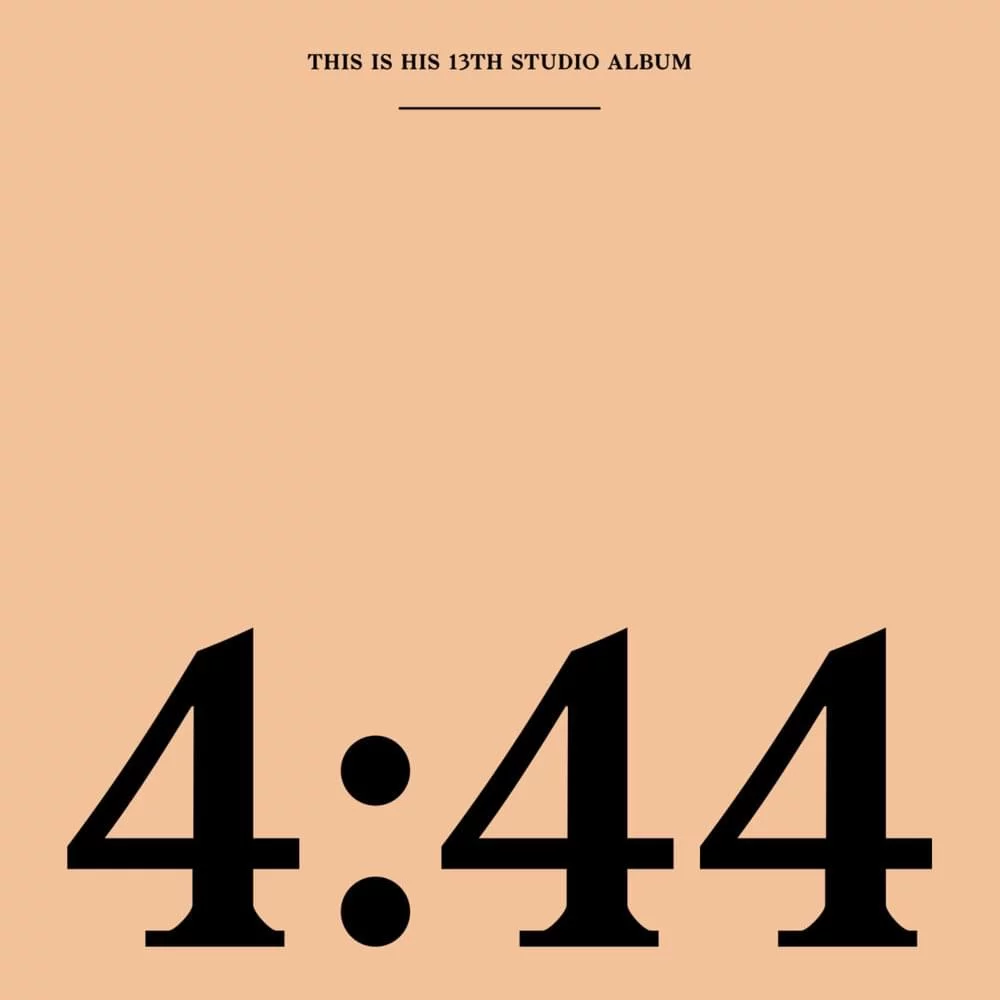
Few people expected Jay-Z, at 47, to make the most personal album of his career. 4:44 arrived a year after Beyoncé’s Lemonade aired the couple’s marital troubles, and although No I.D. has said the record wasn’t meant as a direct reply, it’s hard to hear it any other way. Jay wrote the title track after waking up at 4:44 one morning, and the song plays like one long, unguarded apology for his infidelity.
That honesty runs through the whole album. The opener, “Kill Jay Z,” goes after his own ego and reopens old wounds, from his friendship with Kanye West to the night he shot his brother. On “Smile,” he celebrates his mother, Gloria Carter, living openly as a lesbian, and lets her close the song with a poem. “Family Feud,” with Beyoncé, turns tabloid drama into a call for unity, while “The Story of O.J.” and “Legacy” take on race, ownership and generational wealth.
No I.D. produced the whole album, mostly in his home studio. His warm, sample-rich beats, drawing on Nina Simone, Stevie Wonder, Donny Hathaway and others, give the album a cohesion Jay hadn’t had in years. At ten tracks and around 36 minutes, there’s no fat. Our one reservation is that some of the money lessons tip over into lecturing. Still, we loved it, and not just us: the album debuted at No. 1, and it earned a Grammy nomination for Album of the Year. More importantly, it showed how a rapper can grow older on record without losing his edge. | 8/10
4. American Gangster (2007)
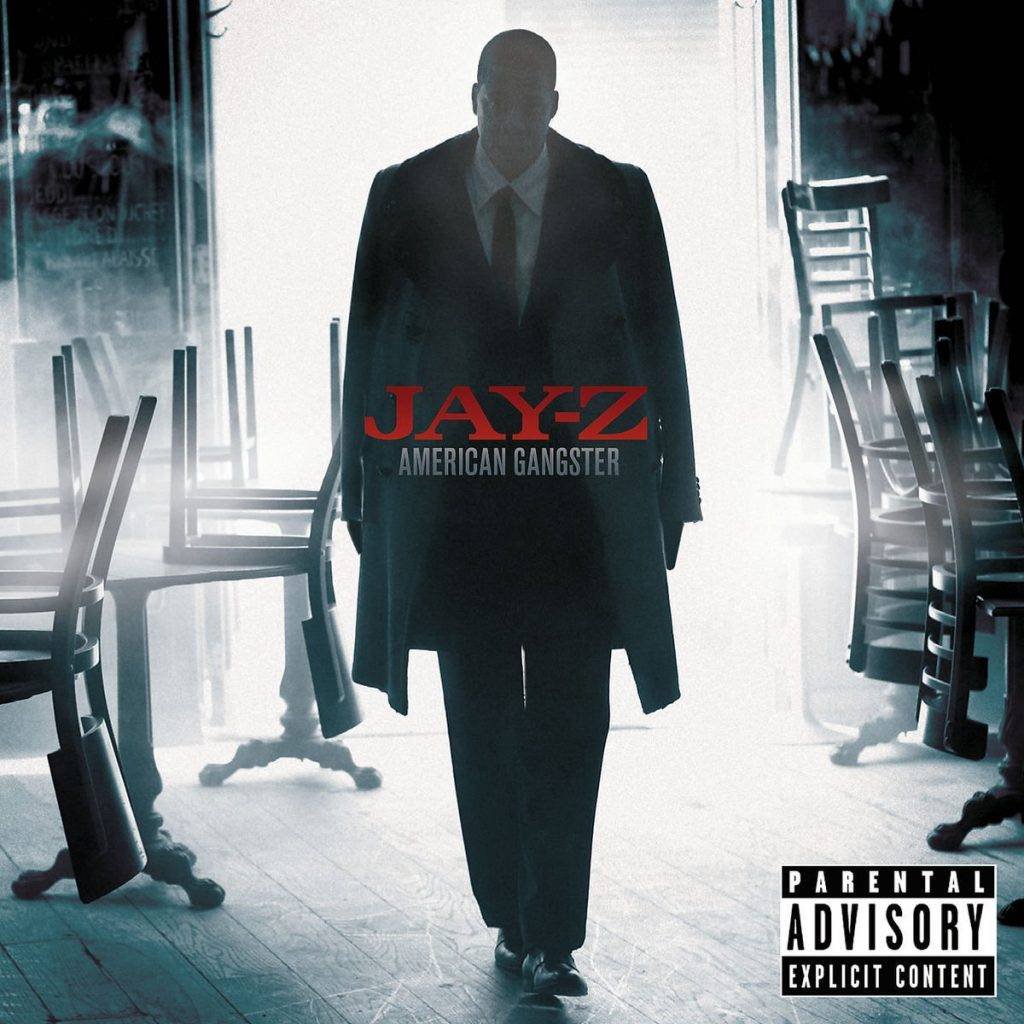
A year after Kingdom Come, Jay-Z found his spark again at the movies. Watching Ridley Scott’s American Gangster, the story of Harlem drug kingpin Frank Lucas, he recognized things his father, his uncles and he himself had seen growing up, and he built a concept album around it. This isn’t a soundtrack. Jay uses the film as a lens on his own past in Marcy. He kept it playing on the monitors above the vocal booth while he recorded, and he pulled the album from iTunes rather than let it be sold song by song.
The record follows a loose rise-and-fall arc. “Pray” and “American Dreamin’” lay out the hunger and desperation that pull a young man into the game. “Roc Boys (And the Winner Is)…” celebrates the payoff with blaring horns, and “No Hook” takes a colder look at the hustler’s code. Later, “Success,” with Nas, turns to the isolation that comes with winning, “Say Hello” takes on censorship and the Jena Six case, and “Fallin’” brings the story to a sobering close.
Diddy and the Hitmen’s LV and Sean C handle six tracks, dressing up their 1970s soul and funk loops with live horns, strings, drums and even percussion played on bottles. The Neptunes, Just Blaze, No I.D., DJ Toomp and Jermaine Dupri fill out the rest. The sound is warm and cinematic without tipping into nostalgia, and Jay raps with a focus he hadn’t shown in years. A few tracks lose the thread of the concept, but this is the finest album of his second act. | 8/10
3. The Black Album (2003)
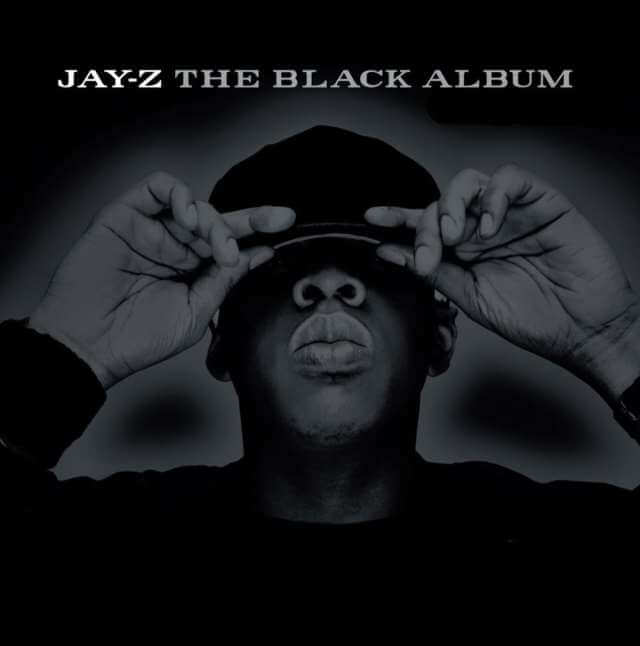
The Black Album was sold as a farewell. After eight albums in eight years, Jay-Z, a few weeks from turning 34, announced he was stepping away from the mic, and he set out to make a send-off worthy of the moment. His plan was to use a different producer on every song. A few names repeat, but the lineup is still staggering: Just Blaze, Kanye West, the Neptunes, Timbaland, Eminem, DJ Quik, 9th Wonder, Rick Rubin and more. There are no credited guest verses. This is Jay alone, looking back.
He opens with his own story. On “December 4th,” named after his birthday, his mother, Gloria Carter, recalls his childhood between verses that trace his rise from Marcy to the top. On “Moment of Clarity,” produced by Eminem, Jay deals with his father’s death and admits he simplified his rhymes to sell more records, tipping his hat to Common and Talib Kweli along the way. “What More Can I Say” and “Encore” are triumphant victory laps, and Just Blaze’s “Public Service Announcement” became one of his signature anthems.
The singles hit hard in very different ways. Timbaland’s “Dirt off Your Shoulder” and the Neptunes’ “Change Clothes” both reached the top ten. Rick Rubin’s “99 Problems,” with its crashing rock drums and guitar, turned a roadside traffic stop into one of the most quoted songs of Jay’s career. Kanye’s “Lucifer,” DJ Quik’s “Justify My Thug” and 9th Wonder’s “Threat” keep the quality high deep into the tracklist. If anything sags, it’s “Change Clothes,” which feels slight next to the rest.
The album debuted at No. 1, became his best-selling record of the 2000s and earned a Grammy nomination for Best Rap Album. Roc-A-Fella’s a cappella vinyl release also inspired a wave of remixes, most famously Danger Mouse’s The Grey Album. The retirement didn’t last, but as a closing statement, The Black Album comes close to perfect. | 8.5/10
2. Reasonable Doubt (1996)

No major label wanted Jay-Z, so he built his own. After a frustrating stint with Payday Records, he walked away from the deal he had chased for years and formed Roc-A-Fella with Damon Dash and Kareem “Biggs” Burke. They released Reasonable Doubt in June 1996 through a distribution deal with Priority. It peaked at No. 23 on the Billboard 200, still the lowest chart position of his career, and didn’t go platinum until 2002. Today none of that matters. Few debuts in Hip Hop sound this assured.
Jay tells stories of hustling, ambition, betrayal, and the mental toll of street life with the cool of someone who has thought through every move. His conversational delivery makes intricate wordplay sound effortless, and his humor keeps the record from turning into a parade of tough-guy poses. Beneath the Cristal, the Lexus and the Scarface fantasies, doubt and regret keep creeping in. Jay later compared the studio to a psychiatrist’s couch, and you can hear it.
The production gives him room to work. Ski, DJ Premier, Clark Kent and others build the album around soulful samples, jazzy piano and measured boom-bap drums. It’s smoother than much of the era’s street rap without losing its edge. “Can’t Knock the Hustle,” with Mary J. Blige, sets the tone, blending street ambition with polish. Ski’s “Dead Presidents II” turns a Lonnie Liston Smith sample into a meditation on money and survival. On “Brooklyn’s Finest,” Jay trades verses with The Notorious B.I.G. over Clark Kent’s beat, two MCs who never wrote their rhymes down matching each other’s wit and authority. “22 Two’s” is a dazzling display of pure wordplay.
The album’s greatest strength is how it examines the hustler’s mindset from the inside. Premier’s “D’Evils” traces the corrosive pull of greed and paranoia, “Can I Live” weighs the rewards of the life against its cost, and “Regrets” looks back at the losses that came with his rise. Even on “Feelin’ It,” where he enjoys the spoils for a moment, he never fully drops his guard. Jay presents success as something worth chasing but never entirely safe to trust.
His later mainstream dominance makes this restrained debut feel like a different chapter. The writing is sharp, the production is consistently strong, and Jay already sounds fully formed. It’s a defining New York rap record, and it misses the top spot by the narrowest of margins. | 9/10
1. The Blueprint (2001)

Everything came together on The Blueprint. Jay-Z recorded it in an astonishing burst, reportedly laying down nine songs in two days. At the time he was awaiting two criminal trials, one for gun possession and one for assault, and fending off shots from Nas, Prodigy and others. That pressure could have produced a bitter, defensive record. Instead, he made the most confident and complete album of his career.
The sound hits you first. After several glossy, club-focused records, Jay turned to vintage soul, and his producers built nearly every track around a vocal sample from the likes of Al Green, Bobby “Blue” Bland, David Ruffin and the Jackson 5. Kanye West handled four songs, including “Izzo (H.O.V.A.)” and “Heart of the City (Ain’t No Love).” Just Blaze delivered “Girls, Girls, Girls,” “U Don’t Know” and “Song Cry,” and Bink supplied the triumphant opener “The Ruler’s Back” and the closer “Blueprint (Momma Loves Me).” Those warm samples sound like they’re coming from your parents’ living room speakers. They made Kanye and Just Blaze two of the most in-demand producers in the game and pulled mainstream Hip Hop back toward sampling for years.
Over those beats, Jay is at his peak. He moves easily between swagger and reflection, looking back on his early years on “Blueprint (Momma Loves Me),” his hustling days on “Never Change” and lost love on “Song Cry,” one of the most affecting songs he’s written. Then there’s “Takeover.” Built around the Doors’ “Five to One,” it’s in the conversation for the greatest diss track ever, and it changed the trajectories of both its targets, with Nas answering on “Ether.”
The guest list is tiny. Eminem, who also produced “Renegade,” is the only other rapper with a verse, and whether he outshines Jay is still a fun argument. Even the lighter cuts mostly work, though “Jigga That N***a” sits awkwardly at the center of the album and could have been left off.
Released on the same day as the September 11 attacks, The Blueprint still debuted at No. 1. It earned a perfect five mics from The Source and was later added to the Library of Congress’s National Recording Registry. It’s Jay-Z’s masterpiece, and the top spot was never in doubt. | 9.5/10