

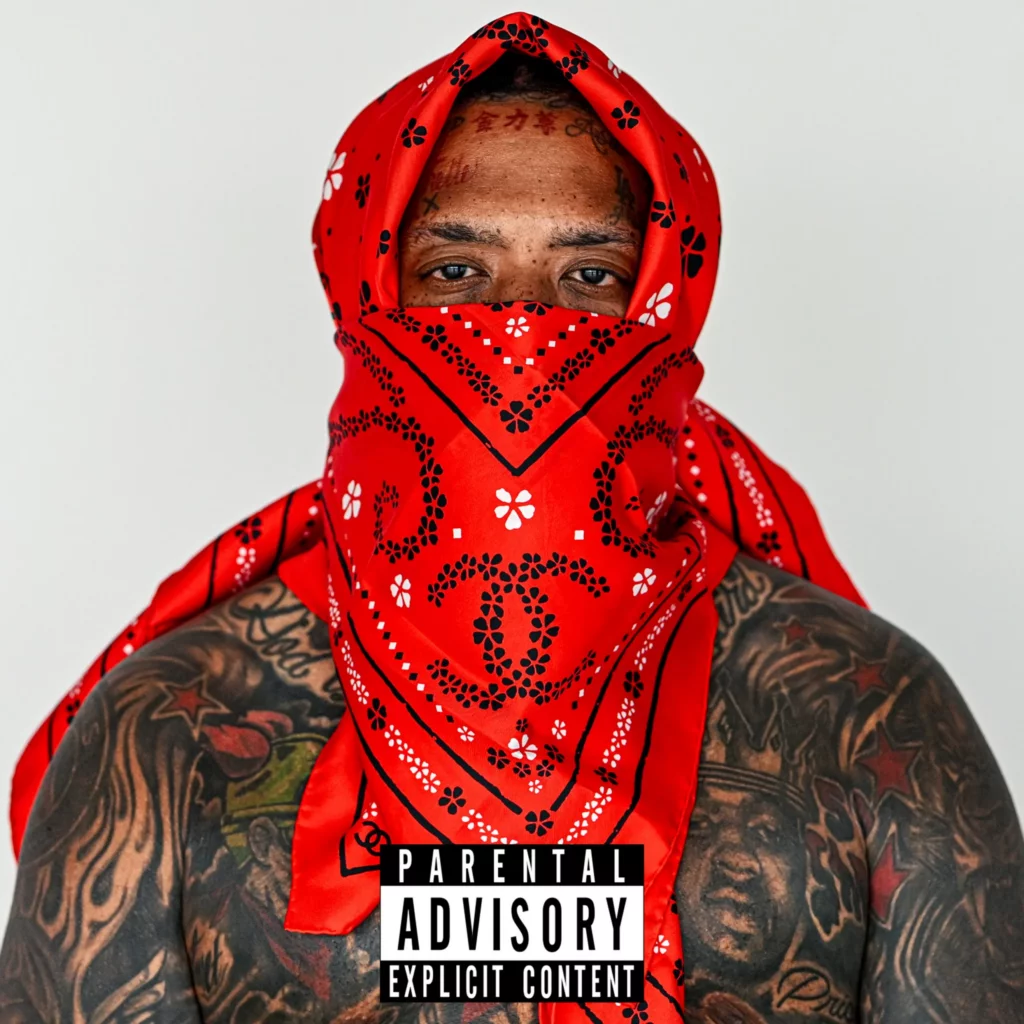
Heelmatic does two jobs with one word. In wrestling, a heel is the villain, the performer the crowd pays to boo. The rest of the title points to Nas’s Illmatic, a debut built on the kind of street memory Gunn mines here. Put together, the two halves describe a man who knows exactly how his money was made and has stopped pretending otherwise. Gunn built his empire selling drugs to neighbors and relatives during Buffalo’s crack years, long before the designer references, and this album keeps returning to that ledger.
Westside Gunn has said he never really saw himself as a rapper so much as a curator, and his albums usually play that way. He picks beats with an expert’s ear, rotates in guests and uses his own voice to stitch it all together. We’ll be honest about that voice. The high, nasal register and the barrage of ad-libs have always taken us a while to adjust to, and coming from a man in his forties, it still sounds unnatural to our ears. What we can’t argue with is the attitude behind it or his taste in beats. On Heelmatic, released through Griselda and Mass Appeal, his writing finally matches the curation.
The production comes from a tight circle: Camoflauge Monk, Cee Gee, Denny Laflare, JR Swiftz, King JVY B and Gunn himself. Between them they build a cold, consistent palette of hypnotic loops and crunchy drums, and several tracks let their loops ride out through long instrumental outros. AA Rashid opens “Grant Heel” with a spoken-word meditation on luck. “Blowdysseus” then sets the mood with a drumless loop and a Stove God Cooks hook that hangs over the track like smoke. Stove God appears four times on the album, and his melodic hooks become the connective tissue between Gunn’s harsher passages.
“Koke Slam” is where Gunn steps out from behind the jewelry. In under two minutes, he takes us down to a dim basement. Dice rattle in a game of cee-lo, pots get scraped, Auntie B packages product, and a woman named Gina survives an overdose. There’s no hook to cushion it and no flex to close it out. It’s the sharpest storytelling he has put on record in years, and it changes how every luxury reference that follows lands.
Those references are still plentiful. Lead single “Zilla” and “Price Choppers” lean on the familiar inventory of million-dollar jewelry and sold-out rooms. They’re entertaining in the moment, but they sound like Gunn on autopilot and wear thin on repeat listens. “Don Pistola” makes better use of the same habit. Benny the Butcher and Conway the Machine, Gunn’s cousin and brother and his partners in founding Griselda, join him on a track where talk of high-end art investments sits beside friends serving decades. The two never quite reconcile, and the tension is deliberate. These are men who got out with their lives and can’t stop counting the ones who didn’t.
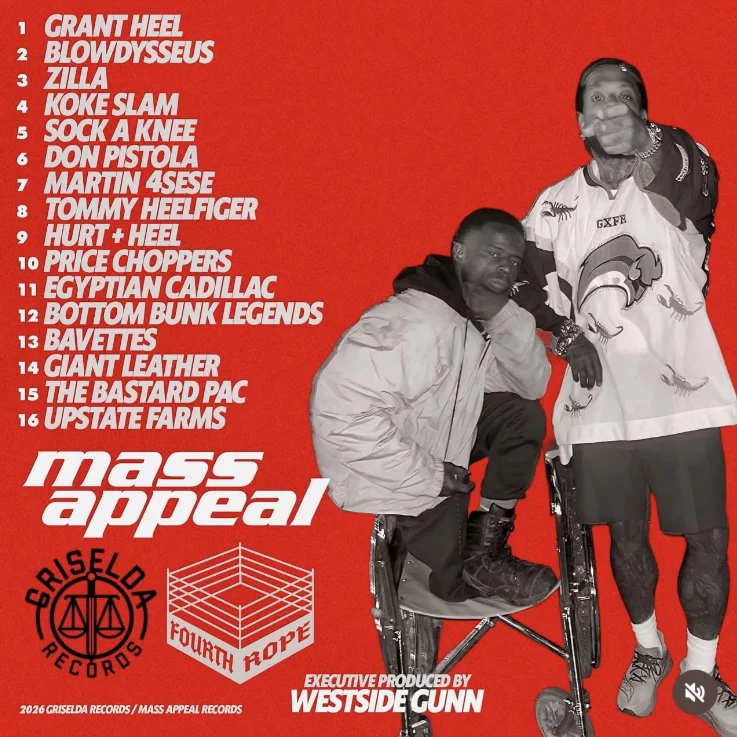
The album peaks on “Martin 4Sese.” The opening drops into a dusty breakbeat wrapped in haunting strings. Then Nas arrives with a verse that asks what all those diamond purchases actually mean in rap now. Coming from the man whose debut gave this album half its name, the question carries real weight. Rome Streetz also appears, and a borrowed Missy Elliott laugh adds a flash of mischief to an otherwise sombre track.
“Hurt + Heel” is the seven-minute centerpiece, a smoky, jazz-tinged groove where Gunn shares space with Benny and Brother Tom Sos. Brother Tom Sos gives the album its gospel dimension. His refrains frame Gunn’s life as a choice between the art and the drug game, and they admit the money from that choice never washes clean. That shifts the record’s emotional register. Earlier Gunn projects tended to treat the past as set dressing for the present. Here it sounds like something he’s carrying.
The back half holds its nerve. Stove God returns on “Tommy Heelfiger” and “Bavettes,” Benny steps back in on “Bottom Bunk Legends,” and Conway makes his second appearance on “The Bastard Pac.” Each guest arrives where the record needs a change of voice, and Gunn never lets the family turn into filler. Brother Tom Sos returns on the closer, “Upstate Farms,” and Gunn uses it to say goodbye to lost friends like Lando and to honor Claire. It’s a quiet ending from a rapper whose default setting is noise. The church-pew mood of those final minutes hits harder because the album has already taken us down to the basement.
Heelmatic works because Gunn’s two roles finally pull in the same direction. The curator picks beats that keep the mood cold, and the rapper uses them to tell the truth about where the money came from. It’s his best-rounded and best-realized album in years. The ad-libs will test some ears, ours included, but the villain has finally given his crowd a backstory.
8/10
Also read: The Best Hip Hop Albums Of 2026