

There are almost no clear photographs of billy woods. In press shots his face is turned away, cropped, or hidden behind a hand or a hood, and the name on the records is a pseudonym he has never swapped for the one he was born with. That is a strange fit with the music, because his records are full of names, dates, places and half-buried histories. His verses come in fragments: a detail from a news report, a family memory, a joke that sours halfway through the bar. He delivers all of it in a dry, level voice that almost never rises to tell you which line matters most.
Some of that history is his own. He was born in Washington, D.C. to a Jamaican mother who taught English literature and a Zimbabwean father, a Marxist intellectual. In 1980 the family moved to Zimbabwe, where his father took a post in the government. After his father’s death, woods and his mother came back to D.C. in 1989. Soon after, Do the Right Thing and Public Enemy pulled him toward Hip Hop. He wrote his first real rhyme in 1997, in a laundromat in Kennebunk, Maine.
The independent route came early. In 2002 he founded Backwoodz Studioz as a one-man operation, taking his cue from the success of Cannibal Ox’s The Cold Vein and MF DOOM’s Operation: Doomsday. He also spent those early years as a protégé of Cannibal Ox’s Vordul Mega. Most of his 2000s output went into Super Chron Flight Brothers, his duo with Priviledge, which he has described as leaning into comedy and tragedy. By the early 2010s the group had split, the label was barely breaking even, and woods meant History Will Absolve Me to be his farewell. It found a cult audience instead and turned his career and Backwoodz around. Around the same time he met Elucid, and Armand Hammer began. The label now has a distribution deal with Fat Possum and a roster that has long outgrown its one-man beginnings.
This ranking covers every studio album woods has made, alone or with others. That means the solo records from Camouflage to Golliwog; the collaborations with Kenny Segal, Moor Mother and Messiah Musik; the Reavers album Terror Firma; the three Super Chron Flight Brothers records; and the Armand Hammer catalogue, from Race Music through the two albums with the Alchemist to this year’s Snakes & Ladders.
Our main question for each record: does the production give his writing room to land, or bury it? And when he shares the mic, does the other voice sharpen his? Start at the bottom and work up. He still won’t face the camera, but by number one you will know a great deal about where he has been.

25. Indonesia ( (with Priviledge as Super Chron Flight Brothers) (2009)

Marmaduke’s beats are the problem here. He produced most of Super Chron Flight Brothers’ second album and pushed the duo toward a grime-tinged electro sound. The cold, synthetic pulse never settles in behind the two rappers. Priviledge and woods write the way they did on Emergency Powers: The World Tour, moving from political broadsides to goofy weed raps to wounded storytelling, often within a few songs. That range needs beats with some give, and these mostly push against the verses. The result is a record that takes real effort to get through. Indonesia isn’t a bad album, and the chemistry between the two MCs survives the mismatch. Placed between its predecessor and the warmer Cape Verde, though, it is the weakest of the three Super Chron albums, and one for the hardcore fans only. | 5/10
24. Terror Firma (with The Reavers ) (2005)
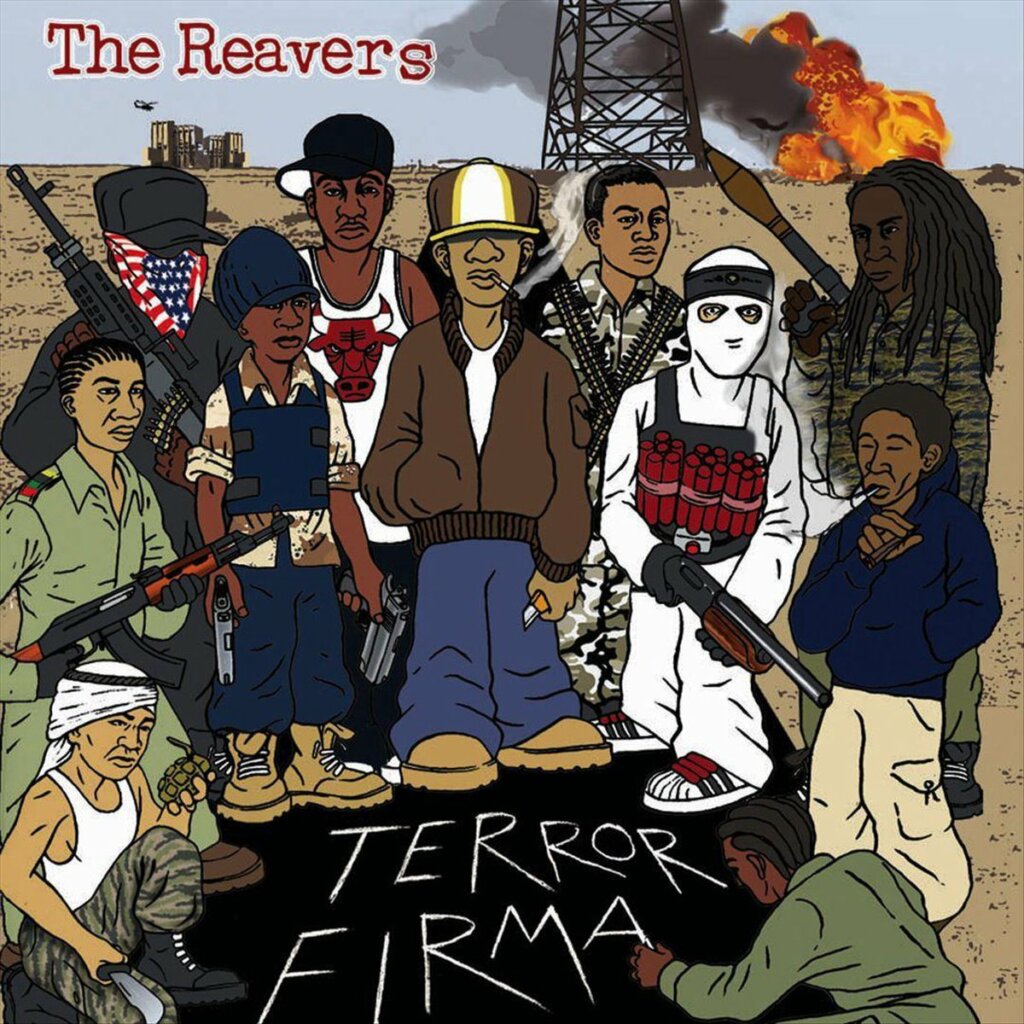
Count the names: Vordul Mega of Cannibal Ox, ex-Killarmy MC Dom Pacino, Kong and Spiga of Monsta Island Czars, Akir, Karniege, Hasan Salaam, Keith Masters, Goldenchild, Priviledge and billy woods. The Reavers made one album, a double LP sold as a concept record whose concept never comes into focus. Early comparisons to the Wu-Tang Clan miss what made the Clan work. Wu verses fed off each other, while these rappers mostly take their turn and step aside, so the crew sounds assembled rather than bonded. Long stretches go flat. The high points hold up, though. “Slums,” “America,” “Shadows,” “Warrior” and “Dusted” catch the roster locking into a shared mood. Put out by Nature Sounds with Backwoodz Studioz, Terror Firma has a scrappy, overstuffed charm that rewards anyone who tracks down a copy. | 6.5/10
23. The Chalice (2004)

Here is woods as a sketch of the writer he would become. His second album came about a decade before his name meant anything outside a small corner of the New York underground, and the bars that work hint at the later style: specific, sideways, heavy with images that take a second listen to unpack. “Mind Control,” “Gourmet,” “Pit & The Pendulum” and “Magic” are the clearest examples, rough at the edges but sharp in the details. The beats are grimy and murky, rooted in the experimental independent sound of the early 2000s, and they suit a rapper still finding his voice. The trouble is volume. At 72 minutes, the strong songs sit among too many tracks that repeat the same mood without adding to it. Listeners who know the 2010s records will find the roots of that work here. Newcomers should save it for later. | 6.5/10
22. Camouflage (2003)

Backwoodz Studioz began with this record, a dark, dense debut that sits squarely in the New York underground of its moment. The production would fit beside early Def Jux releases: murky loops, heavy drums, a sense of the city closing in. Vordul Mega, woods’ mentor at the time, turns up, and the link to Cannibal Ox’s world is audible in the album’s bleak, cramped atmosphere. What stands out is how steady the writing already is. On “The Things They Carried,” “Amazing Grace,” “Dirge” and “Undeclared Wars,” woods packs his verses with detail and tells stories with a control many rappers never find. Twenty tracks is a lot of the same gloom, and the middle sags under it. The sound belongs to 2003 more than to woods, but the voice on top of it is unmistakably his, and you can trace a straight line from here to the records that made his name. | 6.5/10
21. Cape Verde (with Priviledge as Super Chron Flight Brothers) (2010)
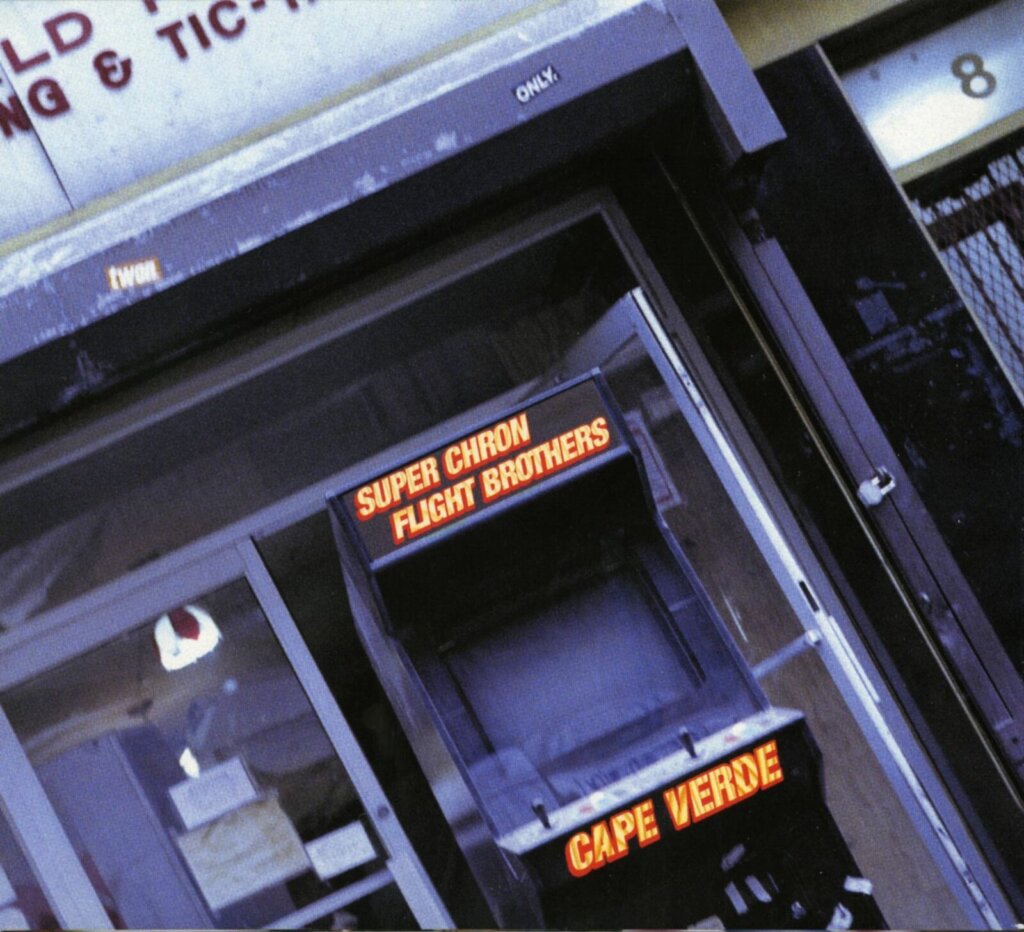
After the misstep of Indonesia, the final Super Chron Flight Brothers album finds its footing again and lands close to the level of Emergency Powers: The World Tour. The beats are layered and slightly off-center, with enough experimental texture to keep the ear busy without fighting the rappers for control. Mostly, anyway: on a handful of tracks the instrumentals sit too far forward, and the vocals get swallowed. When the balance holds, the pairing works beautifully. Priviledge and woods trade verses full of irony and sharp asides, and their wit cuts in two directions, funny on the surface and pointed underneath. The jokes carry information, and the serious moments are never far from a punchline. As a parting statement, Cape Verde leaves the duo sounding sharp and in on the joke, with plenty still to say when the group split. | 7/10
20. Terror Management (2019)
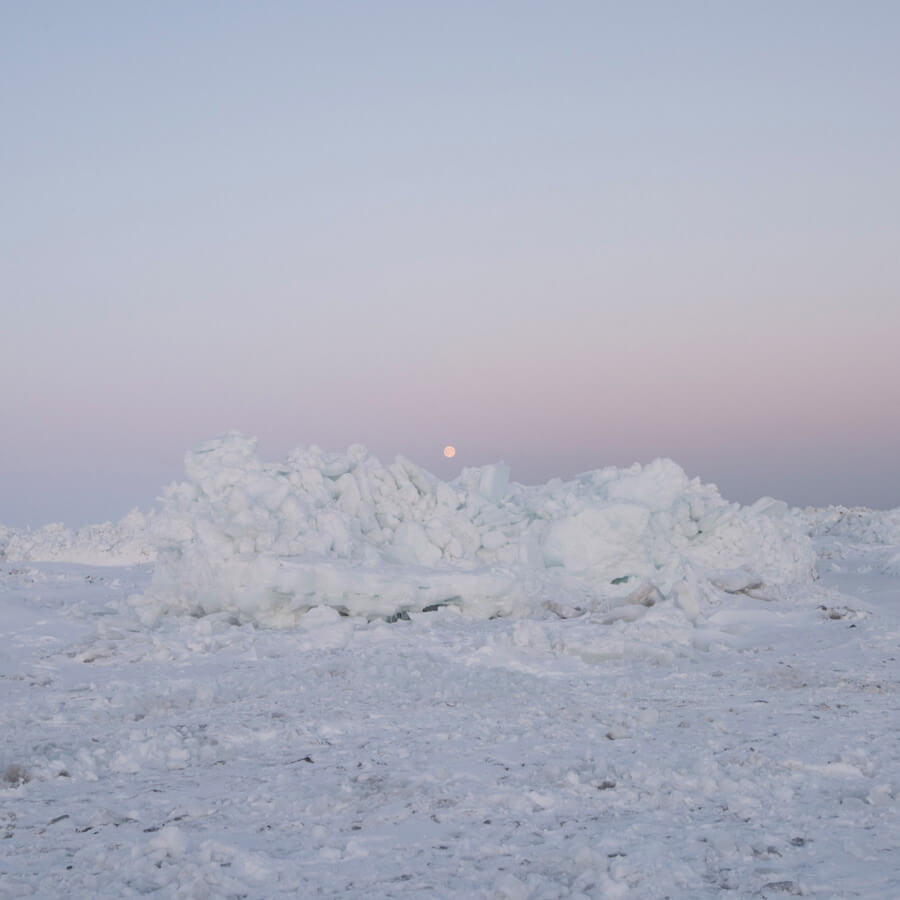
Two months after Hiding Places, woods put out a second album that pulls in the opposite direction. Where the Kenny Segal record grips from its first bars, Terror Management holds back. Preservation, Blockhead and Messiah Musik split the production, and together they build an uneasy, broken-up atmosphere: beats that drift, loops that sound slightly warped, space left where you expect a kick drum. The approach suits the subject. These songs picture a world of failing institutions, environmental collapse and social unrest, and the jagged music matches that picture. The cost is momentum. Several tracks are so understated that they slip past without leaving a mark.
The writing carries the record. woods is at his most sardonic, mixing gallows humor into scenes of decay and finding the absurd in the grim. “Western Education Is Forbidden” turns its loaded title into a sharp look at power and schooling, while “Myth” ties his social critique back to personal, inward-looking verses, a balance he handles better than almost anyone in the underground. Terror Management is a lesser release from a peak year, and it plays like one. Lesser woods, though, still gives you more to chew on than most rappers’ best work. | 7/10
19. Race Music (with ELUCID as Armand Hammer) (2013)

The first Armand Hammer album makes no effort to welcome you in. Its beats are heavy and slow-moving, built on plodding drums and electronics that flicker and lurch where you least expect them, and the mood they set is deliberately unsettling. Over that, billy woods and ELUCID pile up fractured images and leave the listener to draw the lines between them. ELUCID’s voice is the more urgent of the two, and woods answers with his flat, measured delivery. Neither explains himself. Lines about race, power and identity arrive as glimpses, and the meaning takes shape over several listens.
“New Museum” and “Willie Bosket” show the method at its strongest. Both songs are cryptic on the surface, but the details are chosen with such care that the target comes into view the longer you stay with them. Across seventeen tracks the pressure rarely lets up, and the album demands real stamina from the listener. That is part of the design. Race Music opened a run of three Armand Hammer records in the 2010s, and here the duo sets out its terms: thick, opaque, unwilling to simplify. Few debuts in experimental Hip Hop arrive this sure of where they stand. | 7.5/10
18. Dour Candy (2013)
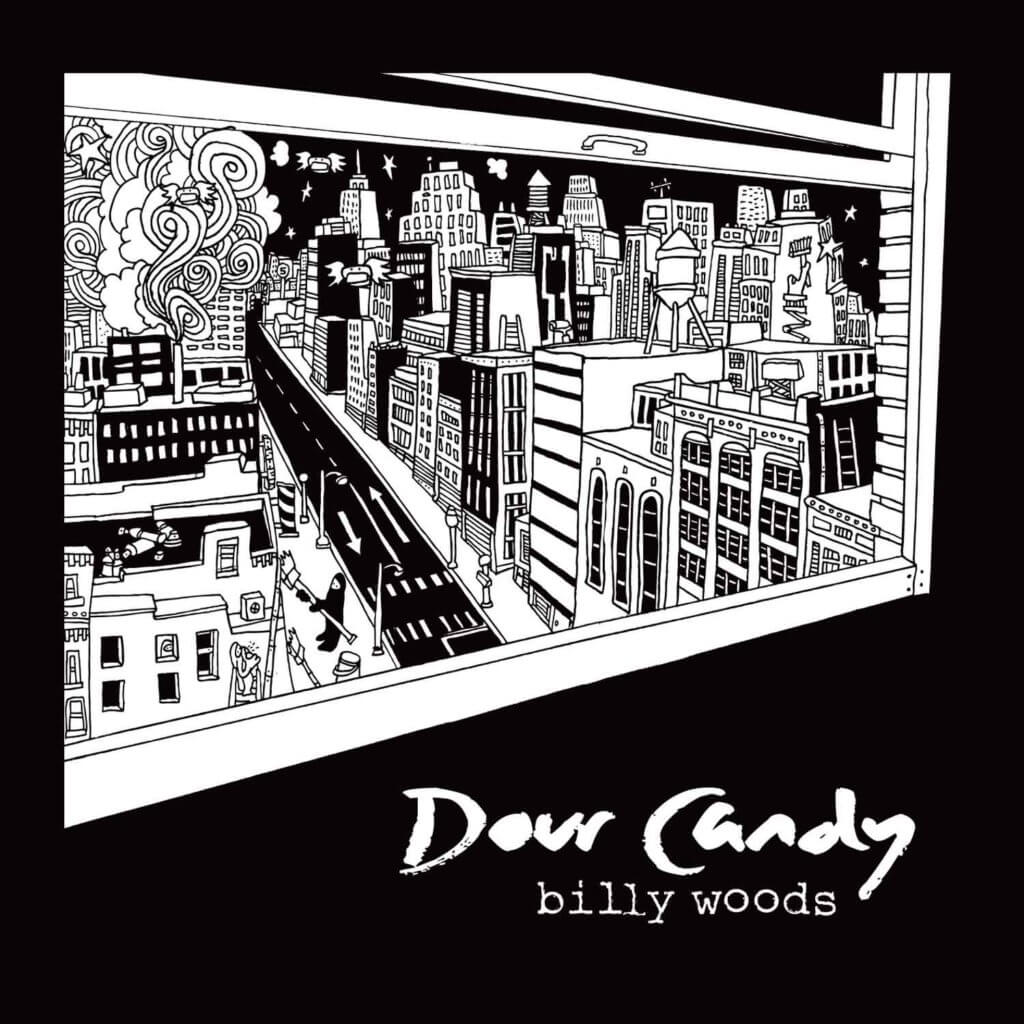
Blockhead’s beats give this album a smoother surface than anything woods had rapped over before. His production on their first full-length together is clean and tidy, built on chopped samples that move along at an even, unhurried pace. Next to the murk of History Will Absolve Me, the calm can be disarming, and woods uses it. The easier groove lets his writing slip in quietly, so the lines that sting tend to sting later.
The songs drift through nightlife, relationships and city streets, and woods blurs autobiography with invention until it is hard to tell which scenes he lived and which he made up. That uncertainty keeps tracks like “Tumbleweed” and “One Thousand One Nights” alive long after the first listen. “Gilgamesh” and “Tinseltown” rank among his sharpest cuts of the decade. The guests know their place: Aesop Rock, ELUCID and Open Mike Eagle add color to their verses without pulling the album toward their own styles.
What Dour Candy lacks is the gut-level force of the record before it. The smooth production occasionally lulls where it should unsettle. Its appeal is slower and more sly, a sweet coating that takes several listens to wear down to the bitterness underneath. | 7.5/10
17. Emergency Powers: The World Tour (with Priviledge as Super Chron Flight Brothers) (2007)

The beats on the Super Chron Flight Brothers debut owe a clear debt to MF DOOM: dusty, off-kilter loops, odd snippets and a looseness that makes room for jokes. DOOM himself produced “Dirtweed,” and the rest of the album, with beats from Dr. Monokrome, Essex Dogs, Goldenchild, NASA and others, fits that model so well that his track blends right in. This is the one Super Chron record where music and rhymes meet on equal footing.
Priviledge and woods make full use of the setup. Their verses jump from pointed social critique to weed songs to plain bragging, and the switches come off as natural, two friends talking over each other about everything at once. The wordplay is quick and the humor is dry. Tracks like “Rent Control” and “Public Defenders” carry real weight. The guests stay in the family: Trife Da God turns up on “Guy Fawkes,” Hasan Salaam on “Public Defenders,” and Cannibal Ox take over “Adamantium,” a nod to the scene that raised woods.
Seventy-one minutes is a long run for a debut, but the album keeps its energy to the end. Few people heard it in 2007. It is the best thing the duo ever made, and one of the most slept-on records of that year. | 7.5/10
16. Snakes & Ladders (with ELUCID as Armand Hammer) (2026)

Armand Hammer released their eighth album with no warning, a year after 2025’s Mercy. Sixteen tracks in 43 minutes, and the writing is aimed squarely at the present. “Assembly Lines” sets a job hunt that ends with an AI interviewer over a grinding industrial beat from Preservation. On “Lock Out (Tag Out),” Sebb Bash mixes jazz rap and boom bap while the duo picks at the data centers built to cool down those same systems. “Nightswim” turns the spread of surveillance cameras into a tense, guitar-driven nocturne.
This is ELUCID’s record. His verses hit harder and more urgently than ever, while woods makes his strongest single statement on “Gravity,” a soulful solo turn that closes the first half. clipping. open the album with the harsh textures of “Deadbolts,” and $ilkMoney brings a jolt of aggression to “Risk.”
The production is where things come loose. Many of the beats are jazzy and drumless, and they lack the sense of design that held We Buy Diabetic Test Strips together or the focus of the two Alchemist albums. Some of them sound like leftovers from earlier sessions. The verses are sharp enough to carry those stretches, but the album plays as a dispatch from a duo with a lot to say right now, without the polish of its best work. | 7.5/10
15. Today, I Wrote Nothing (2015)
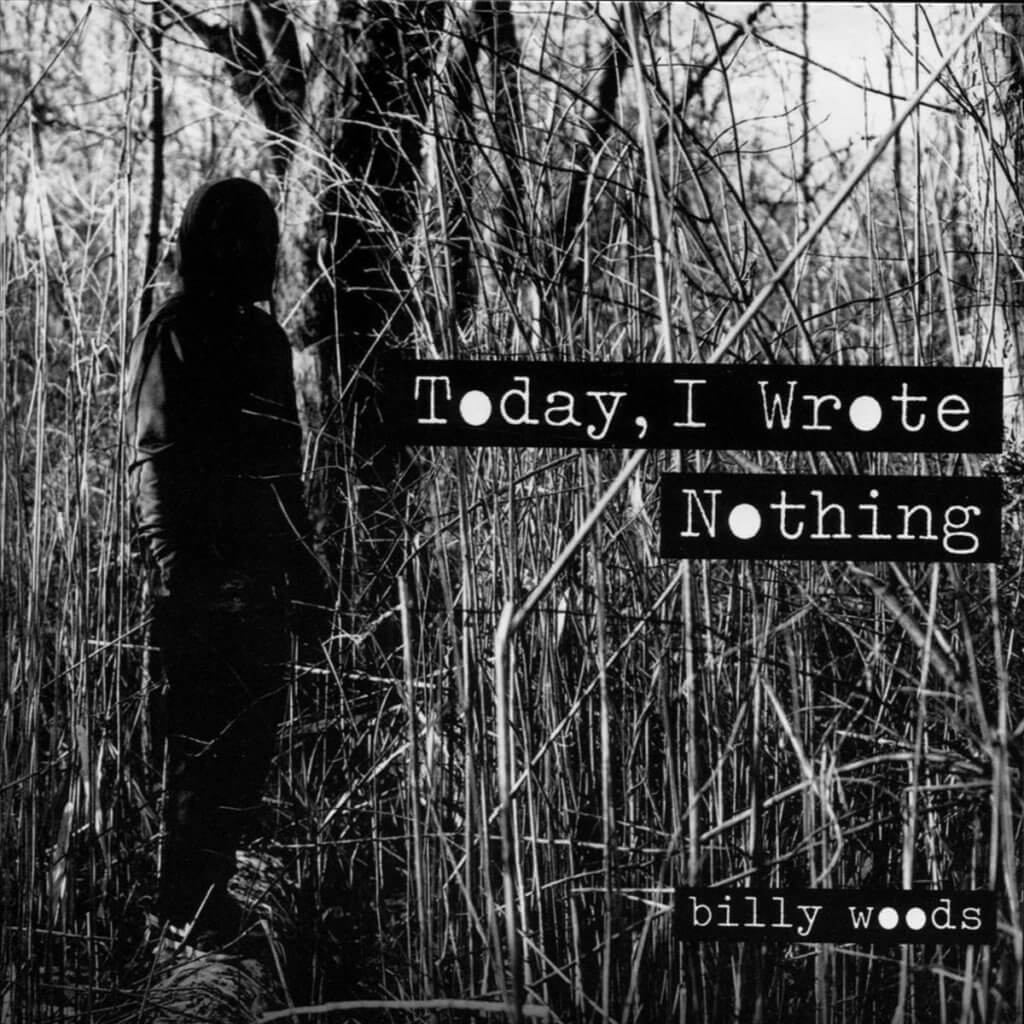
Twenty-four tracks, most of them around two minutes long. woods built this album out of fragments: short stories, snapshots and stray thoughts that end almost as soon as they start, more like a notebook than a set of songs. Elsewhere in his catalogue he stays with a theme until he has turned it over completely. Here he keeps moving, switching scenes and subjects before any single idea can settle.
He has named The Wire and Cormac McCarthy’s Blood Meridian as touchstones, and you can hear both in the record’s mix of streetlevel detail and bleak, sweeping violence. The writing runs close to stream of consciousness, and the jumps can be disorienting. Some sequences don’t add up to much, and a listener looking for a through-line will come away frustrated. What holds the album together is the voice. woods raps in a conversational tone, as if thinking out loud at the next barstool, and his dry wit makes the strangest leaps sound offhand and natural.
Today, I Wrote Nothing is not his peak, and it doesn’t try to be. It’s a sketchbook from a writer working at full speed, and a big part of how he became one of the decade’s most impactful voices in Hip Hop. | 7.5/10
14. Shrines (with ELUCID as Armand Hammer) (2020)

A Siberian-Bengal tiger, sedated and pinned down inside a Harlem apartment: that real photograph on the cover tells you most of what you need to know about Shrines. Danger has been brought indoors and barely held in place, and the whole record operates in that state of uneasy containment. The beats are left-field and off-balance, built from loops that lurch and textures that rub against each other, and they match the coded, metaphor-heavy writing of billy woods and ELUCID beat for beat.
The album came out in 2020, and it carries the weight of that year. Verses circle around social collapse and the daily work of staying alive, with meaning tucked several layers below the surface. Passive listening gets you very little. Close attention gets you a lot.
The guest list is chosen with care. Earl Sweatshirt, Quelle Chris and R.A.P. Ferreira each slip into the album’s murky palette and add their own grain without breaking the spell, which keeps Shrines sounding like one long thought instead of a gathering of friends. The record lacks the instant pull of the Armand Hammer albums ranked above it, and its first impression is mostly fog. Give it time, and the shapes inside that fog become clear one by one. | 8/10
13. Church (2022)

After the sprawling ambition of Aethiopes, woods came back a few months later with something leaner. Church sticks to beats and bars. The structure is plainer and the sequencing more direct, though the strangeness that runs through all of his work never leaves the room. Messiah Musik produced the entire album, and his beats sit in the same family as those of Blockhead and Kenny Segal: dark, textured loops with enough warmth and swing to let a newcomer in. For listeners who bounced off woods’ denser records, this is the easiest door.
His delivery here has hardened into something close to spoken word, deliberate and commanding, each line set down with weight. The writing stays vivid and detailed, and it never stalls. “Fever Grass” and “Cossack Wedding” pack whole stories into tight frames, “Pollo Rico” finds a vivid scene in the everyday, and “All Jokes Aside” turns his dry humor inward. On “Classical Music,” AKAI SOLO and FIELD join him and hold their own without changing the record’s temperature.
There isn’t a weak track on it. In a crowded 2022, Church made the case for woods as a generational lyricist through sheer consistency: the same sermon, preached with no wasted words. | 8/10
12. Mercy (with ELUCID as Armand Hammer) (2025)

The Alchemist cut his palette down for the second Armand Hammer collaboration. Warm basslines, muted drums and broken-off loops leave wide gaps of air around the verses, and Mercy builds its pressure in those gaps instead of through big crescendos. “Laraaji” sets the terms with faint guitar and slow, heavy drums, the two MCs moving carefully, like chess players thinking several moves ahead. woods writes in clipped, vivid fragments. ELUCID weaves abstract thinking through hard street language.
Violence, faith and survival come back again and again. “Nil by Mouth” drags its drums as the duo picks at moral decay and numbness, and “Scandinavia” closes the walls in further, with percussion that lands like distant explosions. The tension breaks once, on “Calypso Gene,” where Cleo Reed’s gospel-tinged vocals rise over dusty organ. Earl Sweatshirt and Pink Siifu slot in without disturbing the mood.
Next to the restless energy of We Buy Diabetic Test Strips, Mercy stays grounded and controlled, sparse almost to the point of discomfort. That control is the record’s strength and its limit. Every sound is placed with care, and the writing comes through in sharp relief, but the album rarely lets itself catch fire. | 8/10
11. Rome (with ELUCID as Armand Hammer) (2017)
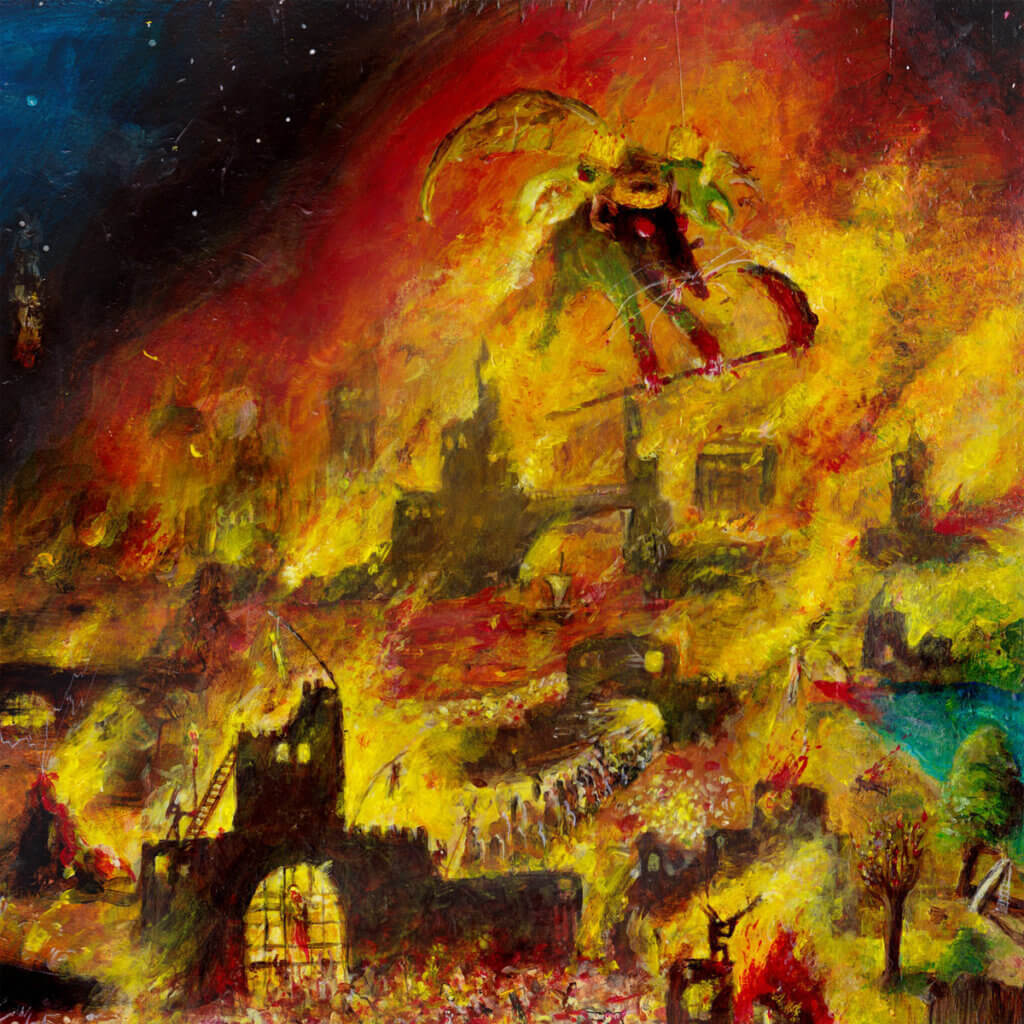
Messiah Musik, August Fanon, Fresh Kills, High Priest, Kenny Segal and JPEGMafia all handed in beats for the second Armand Hammer album. A producer roster that wide usually means a patchwork. Rome holds together instead. The beats share a crooked, shadowy logic, with loops that lean slightly out of time and low end that seems to seep up from the floor, and the duo’s voices pull it all into one dark world.
The writing is cryptic and cerebral, close to stream of consciousness, but it lands with real sting. woods and ELUCID have a talent for the cutting aside, the casual line that dismantles a target in passing. At one point the target is a rival’s music, waved through as harmless, inoffensive and without any bite, the review of a man who is unimpressed but not interested enough to bother being cruel. That kind of withering calm runs through the record.
Rome is bleak and slow to open up, and the first few listens can be hard going. The patience pays off in a strange, hypnotic beauty that grows with every spin, as details buried deep in the mix start to rise to the surface. Two albums in, Armand Hammer had found a sound that could absorb any producer they invited. | 8/10
10. Aethiopes (2022)

Preservation had been circling billy woods for years before this. He produced beats on Terror Management and brought woods onto his own album, Eastern Medicine, Western Illness. Aethiopes is where that partnership comes fully together. Preservation produced the whole record, and his sound is thick with dread: shadowy loops, unsettling textures and space that never quite lets the listener relax. It’s the ideal setting for a writer who works in hints and half-lit scenes.
woods fills that space with some of his richest writing. The verses pile up historical references, coded images and pointed social critique, and many lines only open up on the third or fourth listen. In this territory his closest peer is Brooklyn’s Ka, another rapper who treats every word as a deliberate choice, but woods is looser and stranger in how he moves from one image to the next.
The guest list is strong. ELUCID, Boldy James, Quelle Chris and El-P all appear, and each one knows he is a visitor. The record stays centered on woods, who is in total command. Preservation’s sequencing carries the album from one dark room to the next without a dead spot, and the balance between heavy writing and atmospheric production never tips. There isn’t a weak moment on it. Aethiopes is the sound of a producer and a rapper who have learned exactly how much room the other one needs. | 8.5/10
9. Haram (with ELUCID as Armand Hammer) (2021)

The Alchemist made Armand Hammer approachable without taming them. His beats on Haram are spooky and atmospheric, built from eerie loops and smoky textures, with drums that hit cleaner and more steadily than the jagged rhythms the duo usually favored. The music is far less abrasive than Rome or Shrines, but still odd enough to fit the strangeness of the writing. That balance opened the group up to a new audience and gave their verses a different kind of gravity.
The title is the Arabic word for “forbidden,” and billy woods and ELUCID build the album around taboo: racial violence, power, rot inside the social order, private struggles that rarely make it into a verse. They write in their usual coded, layered style, and the meanings keep shifting the longer you listen.
The guests fit the theme. Earl Sweatshirt delivers one of the record’s sharpest verses on “Falling Out The Sky.” On “Chicharonnes,” Quelle Chris joins a song about police violence over a chilling instrumental that refuses to soften the subject. “Stonefruit” ends the album on an emotionally loaded closing verse from woods, the moment where all that withheld feeling finally comes through.
The cover is gruesome, and deliberately so, a warning about what’s inside. There are no weak tracks. Haram ranks among the Alchemist’s finest, and it turned Armand Hammer from a cult concern into the group everyone in the underground was talking about. | 8.5/10
8. BRASS (with Moor Mother) (2020)
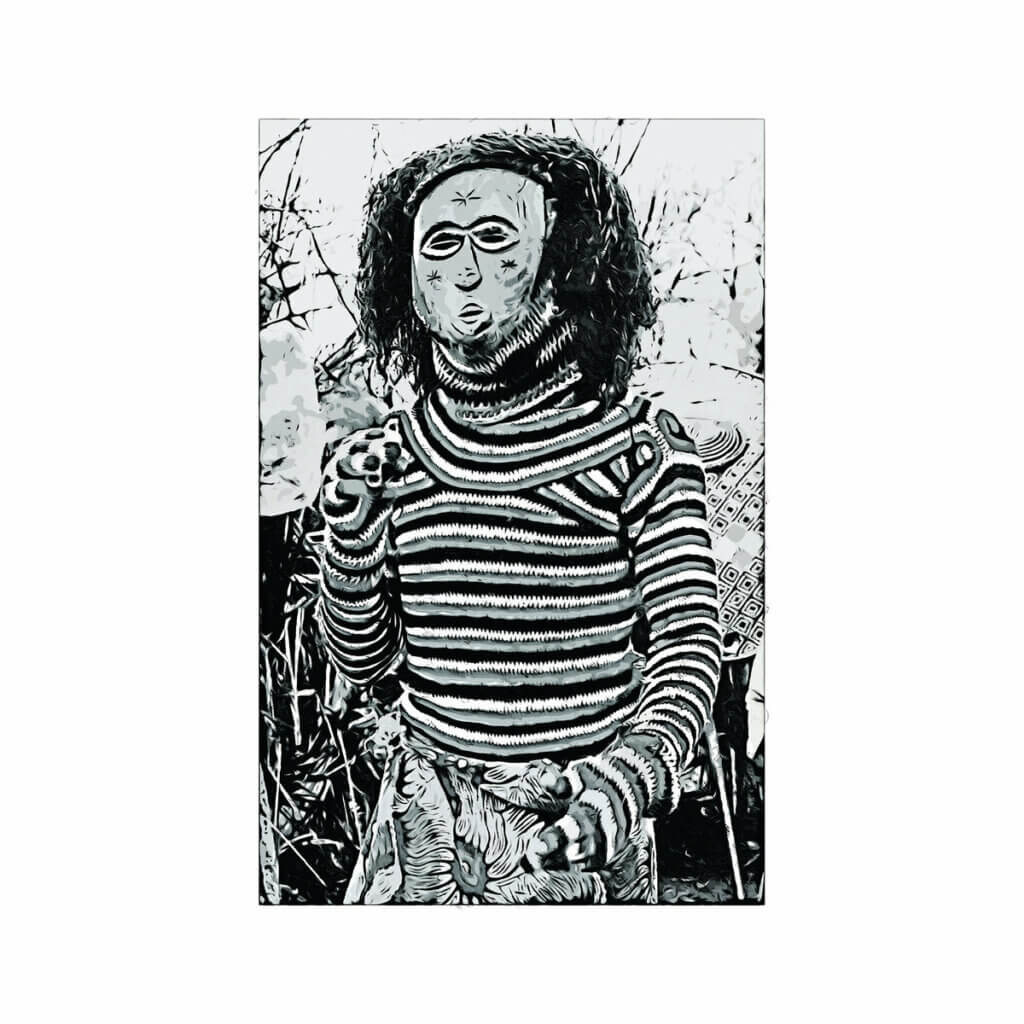
“Furies” announced this partnership. Producer Willie Green built the track on a Sons of Kemet sample, and Moor Mother and billy woods wind their allegories around it, voices crossing and tangling until the story is impossible to pull apart. After working together on Shrines, the two went on to make a full album, and that first single set out the method: two very different writers circling the same images from opposite sides.
The contrast drives the record. Moor Mother, a poet and experimental musician, delivers her lines like incantations, urgent and ritualistic. woods stays dry and grounded, a narrator setting down detail. Together they make an album that hovers between the otherworldly and the earthbound. One review compared its sound to an iron pot hanging over a fire at night, and the image fits: heat, darkness and something slowly cooking.
The production credits stretch from Willie Green to the Alchemist and Preservation, and the guests include John Forté, ELUCID and Mach-Hommy. Wide lists like that often scatter an album. BRASS holds together because the beats follow the mood of the two lead voices instead of competing for attention, and every guest steps into a world already set up for them.
This is a slow-building record, and it takes several listens before the shape of it comes through. Moor Mother brought woods closer to free jazz and spoken-word poetry than he had ever gone, and he sounds completely at home there. | 8.5/10
7. Maps (with Kenny Segal) (2023)

Life on tour has always been a stock subject in rap, usually as a parade of crowds, cities and excess. Maps goes the other way. Kenny Segal and billy woods, back together four years after Hiding Places, make an album about the disorientation of the road: brief encounters with strangers, late-night drives, the dull exhaustion of never staying anywhere long enough to unpack. woods uses those small moments to reach for bigger ones, about displacement and the slippery idea of home, and about a world where everyone is in transit and no one is sure where they are headed.
His deadpan suits the material. He tells the strangest details of the road in the same level tone he uses for the most ordinary ones, and the effect is funny and unnerving in equal measure. Segal’s beats start from boom bap and bend it with jazz and experimental textures. They are bass-heavy and grimy but spacious, with plenty of room for the words. “Year Zero” and “Soundcheck” sink deep into moody, soulful loops, and the lead single “Facetime” brings in Baltimore singer Samuel T. Herring for a rare, melodic counterweight. Danny Brown and saxophonist Shabaka Hutchings are among the guests, and each adds color without pulling focus.
Most important, the duo doesn’t repeat itself. Maps takes the chemistry of Hiding Places and points it outward, toward motion, distance and fatigue. Segal widened his sound to match, and woods came back from the road with a travelogue nobody else could have written. | 8.5/10
6. Known Unknowns (2017)

Ask fans to name the best billy woods album and this one rarely comes up. We think that’s a mistake, and it’s why Known Unknowns sits this high. Blockhead produced most of it, four years after Dour Candy, and the difference between the two records says a lot. The smooth surface is gone. In its place come dusty samples, abstract loops and rhythms that stumble and lurch just off the grid, a moody, murky setting that tightens the tension in every verse.
woods meets that darkness with some of his sharpest writing. He tells stories out of order, laying references on top of each other like pieces of a puzzle that only fits together after several listens. The humor is pitch-black and the worldview cynical, but the details are precise. “Washington Redskins” takes on identity and power through a name loaded with history, and the political edge of the album keeps running into private, personal reflection.
Aesop Rock produced “Bush League” and “Cheap Shoes,” and his beats bring a jittery unpredictability that knocks the album slightly off its axis at exactly the right moments. Moving between two producers could have split the record in two. Instead, the shifts keep it alive from start to finish without breaking the mood.
The later albums with bigger reputations tend to crowd this one out. Known Unknowns has woods at the top of his game all the same, and its quiet place in the catalogue suits it: a record you find on your own, then start pressing on everyone you know. | 9/10
5. Paraffin (with ELUCID as Armand Hammer) (2018)
Distorted drums, eerie loops and ghostly vocal fragments drifting in and out of the mix: Paraffin sounds like a room with bad wiring. The third Armand Hammer album of the 2010s is the group’s most abrasive and inward-looking, and its production stays minimal and jagged throughout. Beats rarely sit still. A loop decays, a drum pattern buckles, a sample surfaces for a few bars and disappears, so the music keeps changing under the rappers’ feet. The texture carries as much meaning as the words.
billy woods and ELUCID push their writing to match. They trade verses about decay, oppression and survival in a society coming apart, and they offer no comfort and no neat conclusions. The lines are cryptic but never vague. Each image is bleak and sharply drawn, whether the subject is state violence, private wounds or a creeping existential dread, and the pair’s contrasting voices keep the tension high: ELUCID coiled and intense, woods steady and sardonic, each verse setting the other off.
“Dettol” and “Rehearse with Ornette” are the high points, and neither lets up. The first takes its name from a household antiseptic and has the same sting. The second, nodding to Ornette Coleman, leans into dissonance the way free jazz does, treating friction as the point instead of a problem to fix. Both tracks show the album’s core idea: unease, handled with control, can be as gripping as any hook.
Paraffin is hard going, and it means to be. It offers no relief and asks the listener to stay in the discomfort, to feel what survival costs when the world is falling apart. Of all the Armand Hammer records, this is the one that sounds most like the times it was made in, and most like a warning about what came next. | 9/10
4. History Will Absolve Me (2012)
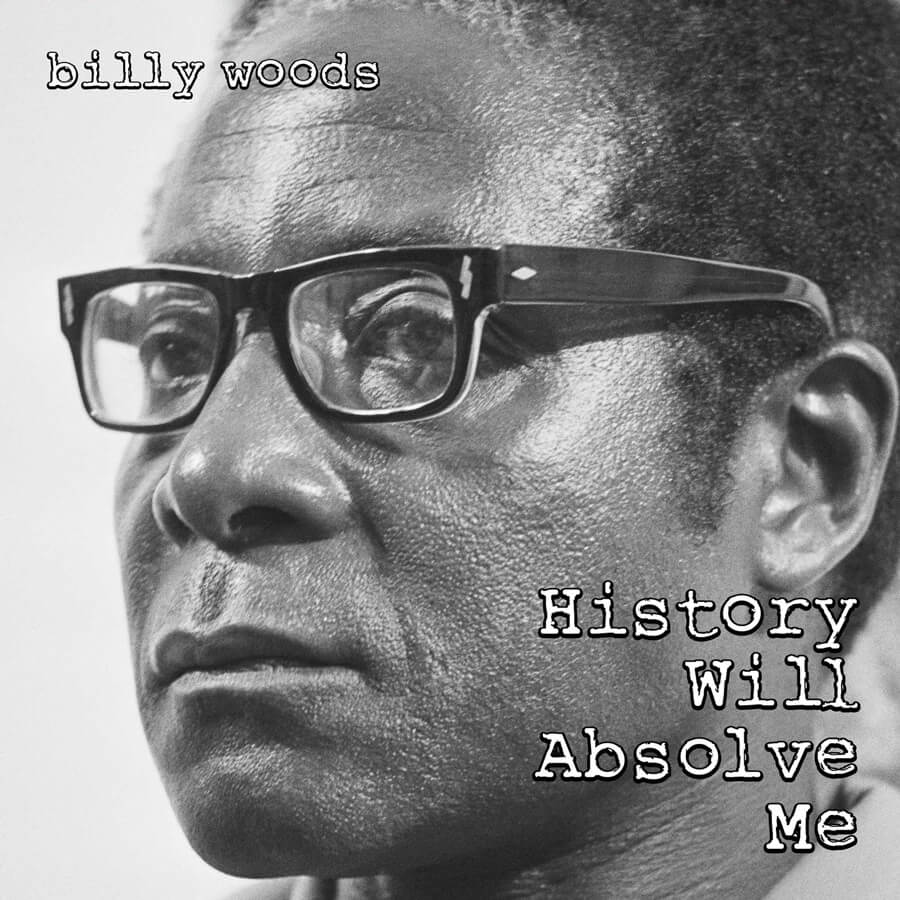
The title comes from Fidel Castro’s defense speech at his 1953 trial, the words of a man who expected to lose in court and win in the long run. woods made this album believing it would be his last. His group had broken up, his label was struggling, and he planned to leave music behind. History, as it turned out, came around much sooner than he expected.
The production comes from Blockhead, Willie Green, Marmaduke and Man Mantis, and together they build a closed-in, menacing world: sparse percussion, ominous samples, layers of dissonance that never quite resolve. The beats are gritty and erratic, and the tension they create is close to suffocating. That pressure is exactly what woods needed. His flow is unorthodox, tipping across bar lines and stopping short, and the surreal, harsh writing pushes straight into the walls the music puts up.
He swings between the intensely personal and the sweep of history, exposing his own weak points with a stubborn pride, and he lets dark humor slip into even the bleakest verses. The jokes keep the gloom from settling into one long monotone. “Crocodile Tears” sets a scathing attack over a haunting piano line, aimed at rappers who parade their social conscience while chasing money and fame. “Duck Hunt” rides a jazzy, off-balance beat as woods unpacks how language is used to steer and control people, his references jumping from literature to history to pop culture in the space of a few bars.
Nearly an hour long and thick with detail, the album asks for close attention and repeat listens. This is the record where woods found the full shape of his voice. It was supposed to be a farewell. It turned out to be the point where everything that followed began. | 9/10
3. We Buy Diabetic Test Strips (with ELUCID as Armand Hammer) (2023)

“Landlines” opens the album on a creeping, eerie note, and woods and ELUCID go straight into memory, nostalgia and the sense of time running down. Then “Switchboard” arrives with a bouncing beat and a hook that sticks, the closest Armand Hammer had come to a pop song, even as the verses dig into how technology has wormed its way into every corner of daily life. The jump between the two tracks sets out the record’s range from the start.
More than a dozen producers shaped that range. JPEGMAFIA, El-P, Kenny Segal, Preservation, DJ Haram, Messiah Musik and Willie Green are among the names, with ELUCID himself behind the boards on a track, and the beats swing from harsh, grinding industrial noise to drifting, dreamlike interludes. What keeps it all in one piece is the duo’s command. They switch flows to fit each setting, and their two voices give the album a center that no beat can knock loose.
The peaks hit hard. “Trauma Mic,” produced by DJ Haram and featuring Pink Siifu, is a full-scale assault of pounding drums and distorted guitars, with woods and ELUCID wrestling their own demons and the world’s cruelties in the same breath. El-P’s “The Gods Must Be Crazy” is wild and unpredictable, his clattering, sci-fi sound pushing the rappers into their most mind-bending writing. Moor Mother is among the guests, a link back to BRASS.
Across the album they take on aging, history and politics with sharp, unexpected angles, and nothing on the tracklist drags. We Buy Diabetic Test Strips was Armand Hammer’s first record for Fat Possum, a decade into their partnership. The bigger stage changed nothing about how they work. It only proved how far their sound could stretch and still be theirs. | 9/10
2. GOLLIWOG (2025)

The golliwog was a blackface rag doll out of 19th-century children’s books, a racist caricature sold as a toy. woods takes that object as the title and builds a horror album around it, slow and stalking, all dread and no cheap shocks. Across 18 tracks, the Alchemist, Preservation, Kenny Segal, El-P, Steel Tipped Dove and others make music of industrial rot and mental decay. Beats seem to seep up from a flooded basement.
“Jumpscare” opens with groaning metal and an unnerving stillness, and woods barely raises his voice, murmuring like someone reading an autopsy report in the next room. Conductor Williams packs “STAR87” with wires, phones and strings, and woods walks through the clutter like a longtime tenant. Kenny Segal loops a brittle piano under hiss on “Misery,” where woods sounds worn down and still razor-sharp. Preservation’s “Waterproof Mascara” sets a warped scream under nervous piano stabs, the tensest moment on the record.
The guests deepen the dark. El-P and Despot meet on the cold, distorted “Corinthians.” DJ Haram and Shabaka Hutchings make “All These Worlds Are Yours” a spiral of metallic menace. Yolanda Watson’s ghostly voice drifts through “A Doll Fulla Pins,” and on “Lead Paint Test” woods, ELUCID and Cavalier trade hushed verses over a drum loop wound tight as a pressure cooker. “Dislocated” ends the album in a jazz-soaked near silence that resolves nothing.
woods scatters his lines like evidence at a crime scene. The violence he describes is inherited and familiar, never exaggerated, and that is what makes it frightening. The record pushes his long-running themes of alienation, Black identity and historical trauma into an abstract, almost theatrical form. For years Hiding Places was our pick for his best work of the past decade. GOLLIWOG is the first record to put that verdict in serious doubt. | 9/10
1. Hiding Places (with Kenny Segal) (2019)

For a rapper who keeps his face out of every photo, the title says a lot. Hiding Places is billy woods at his most exposed, and the album sounds like a man looking for cover and finding none. The anxiety runs through every song: worries about money, safety, family, and a world that always seems one bad day from collapse. Nothing here resolves into a clean story. woods hands over fragments, scenes glimpsed through a crack in the door, and leaves the listener to sit inside the unease with him.
It was his first full album with Kenny Segal, and the fit was immediate. Segal’s beats are gritty and layered, built on murky, slightly lopsided loops that keep the ground shifting. Haunted piano phrases, heavy, rumbling bass and samples cut off at odd angles crowd in close around the voice, so the record has the tight, airless intimacy of a small apartment at 3 a.m. On “Spongebob” and “Checkpoints,” the loops wobble just enough to keep you off balance, and woods leans into that wobble, letting his lines drift behind the beat and then snap back into place.
The writing is as sharp as anything in his catalogue. Images arrive in bursts, allusions stay half-hidden, and the humor is so dark it almost passes unnoticed. “A Day in a Week in a Year” captures a numbing alienation, time folding in on itself until one bad day becomes indistinguishable from the next. Throughout, he moves between private demons and public failures without changing his tone, and that steadiness makes the bleakest lines land harder. He never sounds like he’s performing distress. He sounds like he’s reporting it.
What puts Hiding Places at the top is how completely its two halves lock together. Many woods albums have great verses over strong beats. Here, Segal’s production and woods’ writing seem to come from the same nervous system, every hiss and stumble in the music matching a flinch in the words. Two months later woods released Terror Management, four years later the pair made Maps, and the records that followed have been bigger, braver and more ambitious. GOLLIWOG has come closest to taking its place.
Hiding Places is still the clearest look we have at the man behind all those turned-away photographs. He spent a whole album searching for somewhere to hide, and in the process, told us more about himself than ever before. | 9.5/10
Look at where the albums landed. Every record in our top ten came out in 2012 or later, and all five at the bottom date from 2003 to 2010. Most Hip Hop careers follow the opposite curve: a sharp early peak followed by a slow fade, with every new album measured against a debut nobody can repeat. billy woods made his best work after the age when most rappers have already made theirs, and the line is still climbing. Hiding Places came out when he was past forty, GOLLIWOG closer to fifty, and Snakes & Ladders arrived in 2026 with ELUCID sounding hungrier than ever.
Volume matters too. Twenty-five albums in just over two decades, and since 2017 there has been at least one new record almost every year, often two or three. Prolific artists usually pay for that pace with filler. woods hasn’t. The albums ranked in the teens here, Rome, Church, Mercy, Shrines, would be career highlights for most of his peers. Even the weakest entries have something worth hearing: the Reavers’ scrappy charm, the early flashes on Camouflage, the wit that survives Marmaduke’s beats on Indonesia.
Then there is the range of collaborators. Blockhead, Kenny Segal, Preservation, Messiah Musik and the Alchemist each brought out a different side of him, and each time he adjusted without losing his own voice. Moor Mother pulled him toward free jazz and poetry. ELUCID gave him a partner sharp enough to push him across eight Armand Hammer records. Few rappers sound this distinctly themselves over this many kinds of music.
All of it happened outside the industry. woods built Backwoodz Studioz from a one-man operation into one of the most respected independent labels in the underground, putting out his own records on his own terms and making room for other artists along the way. The catalogue grew without radio hits, major-label budgets or a public face, carried by word of mouth and the writing itself.
Put those things together, the late peak, the steady output, the range and the independence, and very few catalogues in Hip Hop can match it.