

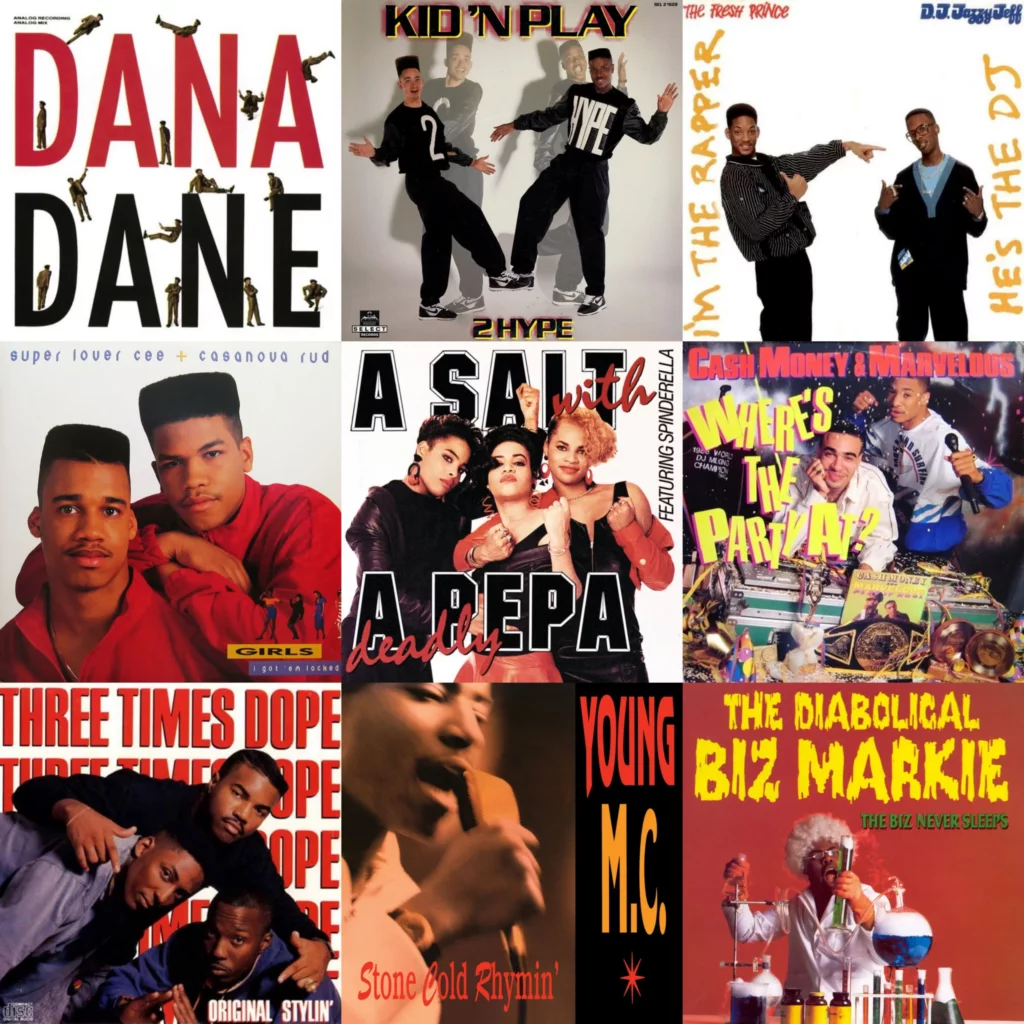
There was a time when Hip Hop didn’t have to be hard to be taken seriously. In the late 1980s, plenty of MCs were perfectly happy making records about parties, girls, everyday adventures, and the occasional embarrassing situation. They cracked jokes, traded clever rhymes, showed off their skills, and rocked the microphone over funky beats without worrying about sounding threatening. Having fun was a perfectly legitimate reason to make a Hip Hop record.
DJ Jazzy Jeff & The Fresh Prince, Kid ‘n Play, Young MC, Nice & Smooth, Super Lover Cee & Casanova Rud, DJ Cash Money & Marvelous, and Three Times Dope were among the artists who thrived in this environment. Their records were packed with personality, catchy hooks, playful boasting, and infectious grooves. Some achieved enormous commercial success, while others remained favorites among dedicated Hip Hop heads. What connected them was an easygoing attitude and a genuine enthusiasm for entertaining an audience.
Of course, the late ’80s were also the years when Public Enemy, Boogie Down Productions, N.W.A, and others were pushing Hip Hop in harder, more confrontational directions. That music was essential to the culture’s development, but the lighter side of Hip Hop was flourishing right alongside it. And there was no contradiction in enjoying all of it.
As gangsta rap became increasingly prominent in the early 1990s, this particular brand of playful, good-natured Hip Hop gradually lost ground. Some of these artists were dismissed as soft, corny, or overly commercial, even when their rhyming abilities and production were excellent. Looking back, that criticism seems especially unfair. There’s plenty of musical quality and genuine MC talent on these albums, and much of the material has aged remarkably well.
For this list, we’ve selected 18 albums released during the late 1980s, when this style of Hip Hop was at its peak. We’ve limited the selection to one album per act, even though several acts made multiple records that would qualify. And while most of these albums are relatively clean, the occasional curse word or cheeky sexual reference doesn’t disqualify an otherwise good-natured record.
These are albums made for dancing, laughing, nodding your head, and enjoying some seriously funky Hip Hop. No obligatory tough-guy posturing, no manufactured menace, and no apologies for having a good time. Just talented MCs, skilled DJs, great beats, and a sense of fun that deserves another listen.
Heavy D & The Boyz – Livin’ Large (1987)
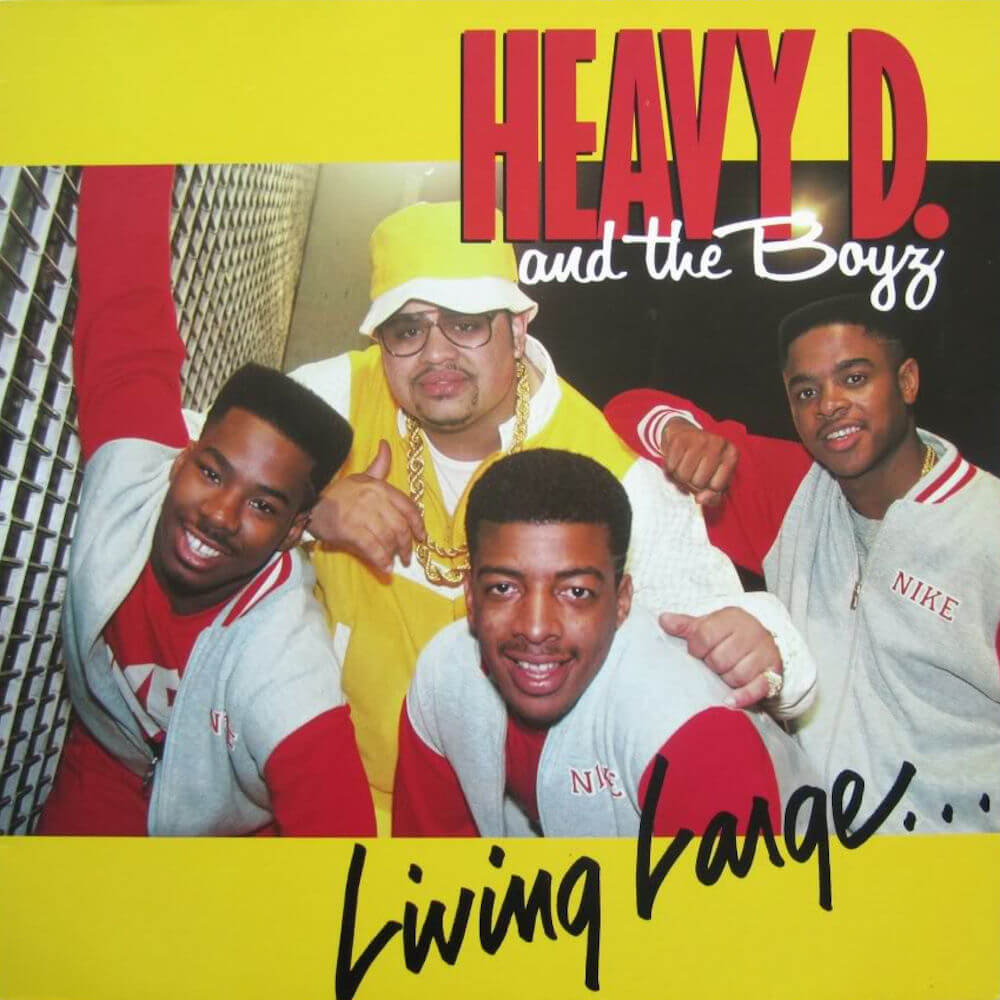
Before Heavy D became one of Hip Hop’s most charismatic crossover stars, Dwight Myers was a young MC from Mount Vernon, New York, with a booming voice, effortless rhythm, and a personality too big to contain. His debut album with The Boyz, Livin’ Large, released in October 1987, captures the early stages of that transformation. It’s an exuberant record built around funky beats, playful boasts, and a refreshing lack of tough-guy posturing. Heavy D called himself the Overweight Lover, and he was perfectly happy making that larger-than-life persona the centerpiece of his music.
The album opens with “The Overweight Lover’s in the House,” produced by Marley Marl, and immediately establishes Heavy D as a natural entertainer. Over a punchy, soul-sampling beat, he delivers his rhymes with a relaxed swagger and an infectious sense of humor. “Chunky But Funky” continues the celebration of his size and personality, turning what could have been an easy target for ridicule into a source of confidence. Heavy D wasn’t interested in conforming to anyone else’s idea of what an MC should look or sound like. He had his own style, and he made it work.
The production is another major attraction. With contributions from Marley Marl, Teddy Riley, DJ Eddie F, and Heavy D himself, Livin’ Large sits at an interesting crossroads between traditional sample-based Hip Hop and the emerging sounds of new jack swing. “Here We Go” and “On the Dance Floor” lean into danceable rhythms, while “Moneyearnin’ Mount Vernon” pays tribute to Heavy D’s hometown over a funky, bass-driven groove. “I’m Getting Paid” finds him celebrating his newfound success, and “Mr. Big Stuff” delivers another dose of playful self-confidence.
Not every track reaches the heights of the album’s strongest moments. Heavy D was still developing as an MC, and some of the material revolves around familiar boasts and variations on his Overweight Lover persona. But his natural charisma carries the record, and the production has enough funk and rhythmic variety to keep things moving.
Livin’ Large would eventually be overshadowed by the more polished Big Tyme in 1989, the album that truly launched Heavy D & The Boyz into the mainstream. Still, this debut has a charm all its own. Heavy D could rap, dance, make people laugh, and command a room without pretending to be the toughest guy in it. That combination made him special, and Livin’ Large is an enjoyable reminder of where it all began.
Fat Boys - Crushin' (1987)
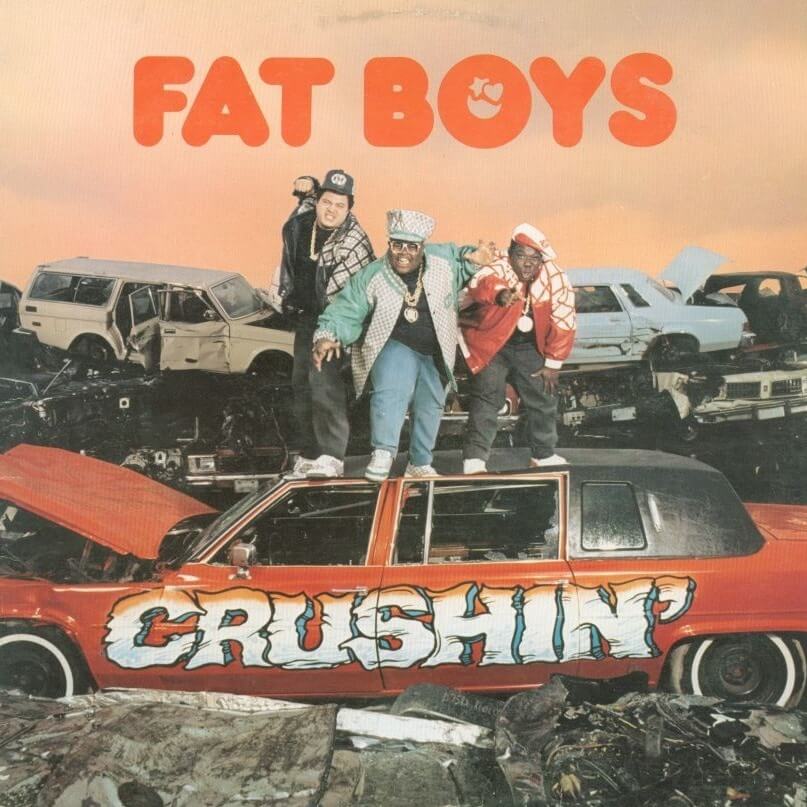
The Fat Boys were among the most important acts in bringing Hip Hop to a mass audience during the early 1980s. Prince Markie Dee, Kool Rock-Ski, and Buff Love combined humor, beatboxing, and an approachable image that helped introduce rap to people who might otherwise never have given it a chance. Their first albums played an important role in Hip Hop’s expansion, although consistency was never their greatest strength. Across their discography, excellent singles and entertaining moments tended to sit alongside filler. Crushin’, their fourth album, is arguably their most consistent effort, even if it doesn’t entirely escape that familiar problem.
Released in 1987, Crushin’ found the Brooklyn trio embracing a bigger, more polished sound as they moved toward the mainstream. The results were commercially successful, making this their first platinum album and their only release to reach the top ten of the Billboard 200. The biggest reason was “Wipeout,” their inspired collaboration with the Beach Boys, which reworked the Surfaris’ surf-rock instrumental into a high-energy Hip Hop crossover hit. The combination sounds ridiculous on paper, but the record is irresistibly entertaining. The Beach Boys provide the vocal hooks, the Fat Boys bring their booming rhymes, and the whole thing rides a frantic groove that still works beautifully at a party.
There’s plenty to enjoy beyond that enormous single. The title track opens the album with a funky, confident groove, while “Rock Ruling” and “Making Noise” deliver the trio’s familiar combination of humor, rhythmic chants, and booming beats. “Fat Boys Dance” is another party-ready highlight, and “Falling in Love” shows a softer side, pairing the group’s playful personalities with a surprisingly melodic approach. “Protect Yourself/My Nuts” even finds them addressing safe sex, a reminder that their humor could occasionally serve a practical purpose.
Naturally, not everything works equally well. Some tracks rely on repetitive arrangements and simplistic rhymes, and the increasingly polished production occasionally smooths away the rougher edges that made their earlier records distinctive. The group themselves were reportedly unhappy with the crossover direction, concerned that the success of “Wipeout” was pulling them away from their original Hip Hop audience.
Still, Crushin’ gets the balance right often enough to make it an enjoyable listen from beginning to end. The Fat Boys understood that Hip Hop could be funny, accessible, and musically adventurous without losing its identity. Their contribution to the culture deserves recognition, and this album captures their entertaining personalities at a commercial peak. Even when the material gets a little silly, the sheer enthusiasm is hard to resist.
Dana Dane – Dana Dane With Fame (1987)
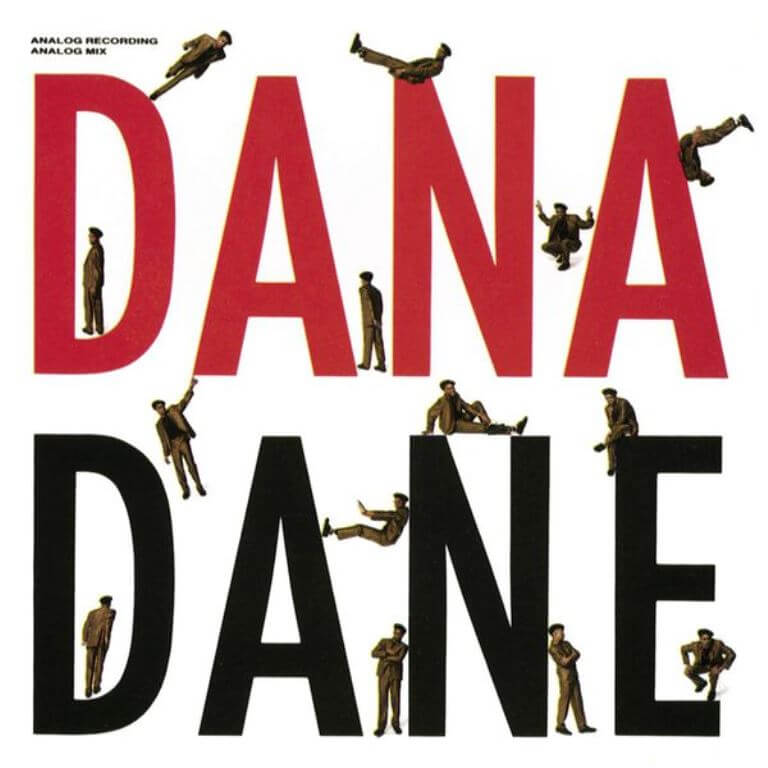
Dana Dane had a knack for turning ordinary situations into entertaining rap stories. With his smooth delivery, sharp sense of humor, and flair for colorful characters, the Brooklyn MC offered an alternative to Hip Hop’s growing emphasis on toughness. His debut, Dana Dane with Fame, released in 1987 on Profile Records, is full of playful narratives, clever rhymes, and funky production. It belongs to the same tradition of humorous storytelling that made Slick Rick such a compelling MC, though Dana Dane had his own style and personality.
The album’s best-known track, “Cinderfella Dana Dane,” puts a Hip Hop spin on the Cinderella story, following a young man who dreams of meeting the right woman at a party. Dana Dane handles the premise with an easy charm, mixing romantic wish fulfillment with comic details and an ending that suits the fairy-tale setup. “Delancey Street” takes a different approach, offering a vivid account of a streetwise character navigating New York life. Dana Dane’s delivery gives his stories a conversational quality, allowing the details and punchlines to land without overplaying them.
“Dana Dane with Fame” introduces his crew and establishes his credentials over a bouncy, sample-driven beat. “This Be the Def Beat” brings a little more musical muscle, while “A Little Bit of Dana Dane” and “Nightmares” add further evidence of his range. Across the album, producer Spyder-D supplies crisp drum programming, funky samples, and arrangements that leave room for the MC’s voice and personality. The music has the bright, uncluttered feel of an era when a strong beat and a memorable rhyme scheme could carry an entire record.
The album does have its weaker moments. Some of the production sounds dated, and a few tracks lack the narrative spark of the highlights. Dana Dane’s relatively relaxed delivery also lacks the unpredictable energy of Slick Rick, whose The Great Adventures of Slick Rick would arrive the following year. Still, Dana Dane’s storytelling is engaging enough to keep the album moving.
Dana Dane with Fame captures a side of late-’80s Hip Hop built around imagination, humor, and the pleasure of a well-told story. Dana Dane didn’t need a menacing image or tales of street violence to hold an audience’s attention. Give him a funky beat, a good premise, and a few minutes at the microphone, and he knew how to entertain.
Chubb Rock – Chubb Rock Featuring Hitman Howie Tee (1988)
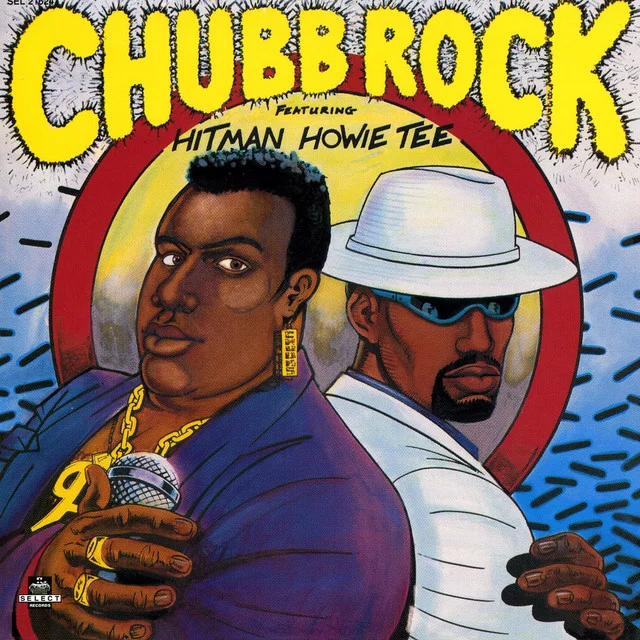
Before Chubb Rock became known for the intricate rhymes and polished production of his early-’90s hits, he made his debut with an album full of funky grooves, playful boasts, and youthful energy. Chubb Rock Featuring Hitman Howie Tee, released in 1988 on Select Records, pairs the Brooklyn MC with producer Howie Tee for a record that captures the lighter, party-oriented side of Golden Age Hip Hop. Chubb was already a formidable lyricist, but here he sounds equally interested in entertaining a crowd.
“DJ Innovator” opens the album with a salute to turntablism, establishing the connection between the MC and the DJ that sits at the heart of Hip Hop. Chubb’s confident delivery and nimble rhymes give the track momentum, while Howie Tee supplies a funky backdrop. “I Feel Good” keeps the mood upbeat, and “Do It Again” brings another dose of dance-floor energy. The production is rooted in the sample-heavy sound of the period, with chunky drums and funk elements providing a sturdy foundation for Chubb’s voice.
The album’s playful side comes through on tracks like “Joker” and “Rock ‘N Roll Dude,” where Chubb leans into humor and personality rather than adopting a hard-edged persona. “Daddy’s Home” and “Girl I Love You” explore romantic themes, while “Momma Was a Rolling Stone” borrows its title from the Temptations classic, giving the track an immediate connection to the soul tradition that informed so much late-’80s Hip Hop. The subject matter varies, but the album maintains an accessible, good-natured character throughout.
Howie Tee’s production is central to the record’s appeal. His arrangements give Chubb enough space to display his verbal dexterity without sacrificing the grooves. The two share production and writing credits, creating a close partnership that would continue on later projects. Chubb’s flow is already impressive, though his writing and delivery would become more refined on subsequent albums, particularly The One and I Gotta Get Mine Yo.
The debut has its uneven stretches, and some of its romantic material is less compelling than the stronger party tracks. Still, its best moments capture Chubb Rock’s natural charisma and technical ability before commercial success reshaped his sound. Chubb Rock Featuring Hitman Howie Tee is an enjoyable reminder of an era when an MC could display serious rhyming skills, crack a few jokes, and keep the party going all on the same record.
Kid 'n Play - 2 Hype (1988)
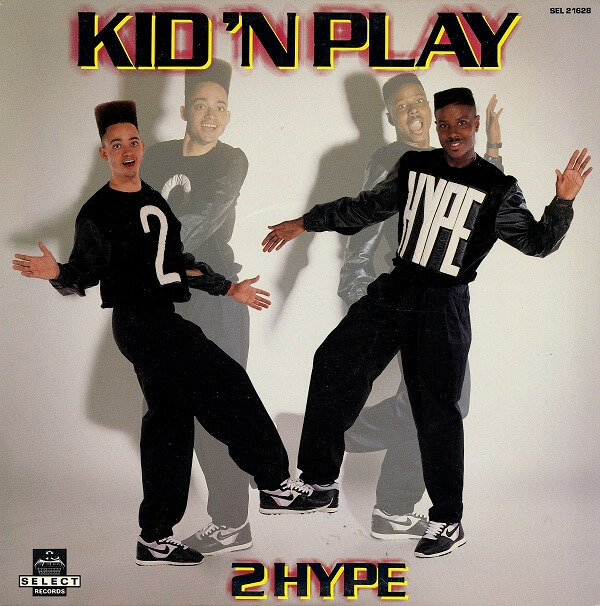
Kid ‘n Play’s debut album 2 Hype is a reminder of a time when Hip Hop could be playful, danceable, and downright goofy without sacrificing its musical credentials. Released in October 1988 on Select Records, the album introduced Christopher Reid (Kid) and Christopher Martin (Play) as one of the most entertaining duos in the game. They had charisma to spare, a natural chemistry on the mic, and absolutely no interest in cultivating a tough-guy image. Their mission was simple: make people dance, laugh, and have a good time.
Produced by Hurby “Luv Bug” Azor and the Invincibles, 2 Hype runs on punchy drums, funky samples, catchy hooks, and an infectious party atmosphere. The title track sets the tone, while “Rollin’ with Kid ‘n Play” is an irresistible introduction to the duo’s chemistry. Kid’s towering high-top fade became an unmistakable part of their image, but the music had plenty going for it, too. They traded verses with an easygoing confidence, mixing playful boasts with comic observations and crowd-pleasing chants. There was genuine craft beneath the colorful presentation.
“Gittin’ Funky” is another highlight, built for the dance floor and driven by the kind of groove that made late-’80s party rap so infectious. “Brother Man Get Hip” brings a friendly, communal spirit, while “Last Night” and “Undercover” lean into storytelling and romantic misadventures. The latter features The Real Roxanne, whose appearance adds another voice to the album’s lighthearted take on relationships. Even “Do the Kid ‘n Play Kick Step,” an instruction manual for the duo’s signature dance move, captures the spirit of an era when Hip Hop could inspire an entire room to get involved.
Kid ‘n Play were sometimes dismissed as too soft or too commercial by listeners who preferred their rap harder and more confrontational. That misses the point. The pair had their own lane, and they worked it with infectious enthusiasm. They weren’t trying to out-threaten anyone. They wanted to entertain, and they understood that humor, personality, and a good beat were perfectly legitimate tools for an MC.
2 Hype eventually earned Gold certification, helping establish Kid ‘n Play as major figures in the era’s party-rap movement. The duo would go on to expand their reach through films, most notably House Party, but this debut captures their appeal in its purest form. It’s upbeat, charming, and packed with the kind of uncomplicated fun that never needed an excuse. Sometimes, getting everybody on the dance floor is more than enough.
DJ Jazzy Jeff & The Fresh Prince – He's The DJ, I'm The Rapper (1988)
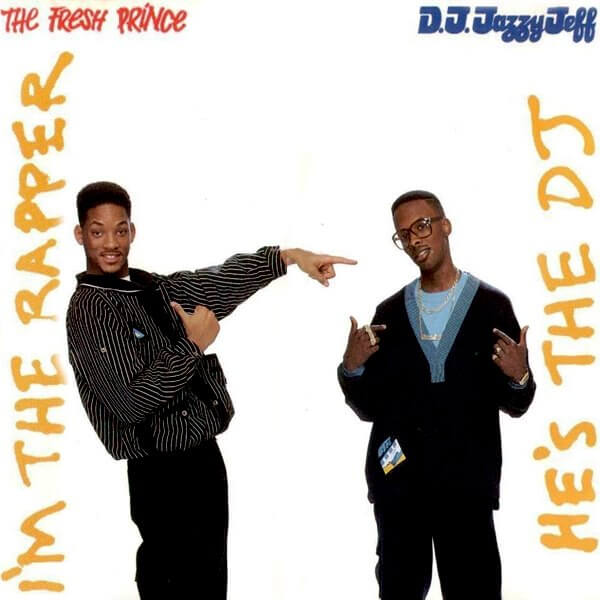
DJ Jazzy Jeff & The Fresh Prince were among the most entertaining acts in late-’80s Hip Hop, and He’s the DJ, I’m the Rapper captures them at their best. Released in March 1988 on Jive Records, their second album expanded on the formula established with their excellent 1987 debut, Rock the House, combining Jeff Townes’ exceptional turntable skills with Will Smith’s humorous storytelling and effortless charisma. With this list limited to one album per act, consider this entry a celebration of that debut as well. Either record would deserve a place here, but He’s the DJ, I’m the Rapper is the duo’s defining achievement.
At a time when Hip Hop was becoming increasingly confrontational, Jazzy Jeff and the Fresh Prince found enormous success with an approach built around everyday situations, youthful misadventures, and infectious party grooves. Smith had a gift for turning ordinary experiences into hilarious stories, delivered with impeccable comic timing and a conversational flow that made even his most ridiculous scenarios entertaining. “Parents Just Don’t Understand” is the obvious example, a brilliantly constructed tale of teenage frustration that became a massive crossover hit and earned the duo the first Grammy Award for Best Rap Performance.
But reducing the album to its biggest single would be a mistake. “A Nightmare on My Street” is another storytelling classic, turning Freddy Krueger into the subject of a funny, imaginative horror tale. “Brand New Funk” is an irresistible party anthem, built around a James Brown sample and driven by one of Smith’s most energetic performances. “Time to Chill” and “Let’s Get Busy Baby” keep things moving, while the title track puts the spotlight firmly on Jazzy Jeff’s extraordinary DJ skills.
That last point is important. Jazzy Jeff was already one of Hip Hop’s finest turntablists, and his scratching, mixing, and technical precision gave the duo credibility that their family-friendly image sometimes obscured. Smith was no slouch on the microphone either. His clear diction, rhythmic control, and natural storytelling ability made him a distinctive MC in an era packed with great rappers.
He’s the DJ, I’m the Rapper became a multi-platinum success and helped bring Hip Hop to an enormous new audience. Some hardcore fans dismissed the duo as too commercial or harmless, but the music speaks for itself. Along with Rock the House, this album represents a particularly enjoyable chapter in Hip Hop history, when two talented young artists from Philadelphia could make funny, funky, accessible records without worrying about appearing tough. Great rhymes, outstanding DJ work, and plenty of personality. What’s not to like?
Super Lover Cee & Casanova Rud - Girls I Got 'Em Locked (1988)
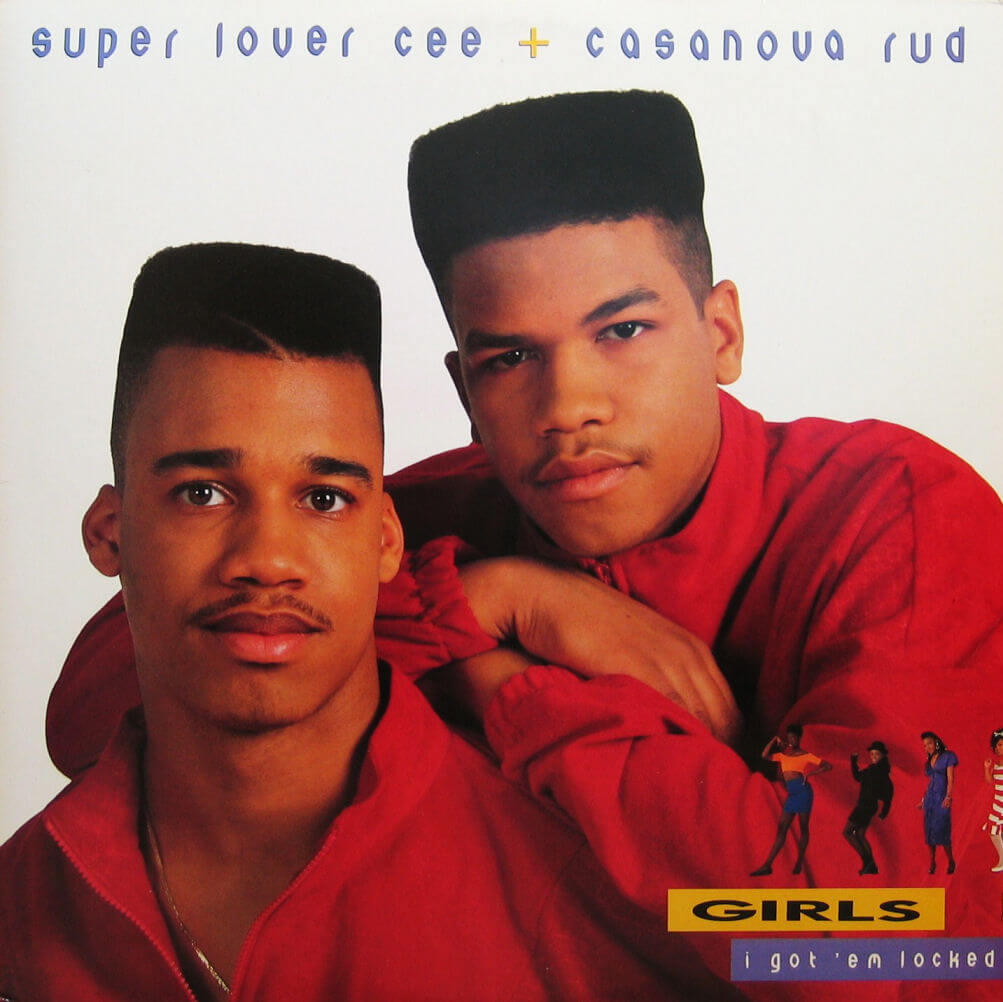
Super Lover Cee & Casanova Rud’s Girls I Got ‘Em Locked is exactly the kind of album this list was made for. Released in 1988, this overlooked New York Hip Hop gem delivers ten tracks of funky beats, playful rhymes, and infectious energy, capturing a period when entertaining an audience was every bit as important as establishing street credibility. The duo had plenty of confidence, a healthy appetite for bragging, and a knack for making records that sounded like a party in full swing. Their chemistry and enthusiasm make this one of the more enjoyable obscurities of Hip Hop’s late-’80s golden era.
From the opening “I’m Back” through “Girls Act Stupid-aly” and “All You MC’s,” the album moves between lighthearted boasting, battle rhymes, and humorous observations about women and relationships. Super Lover Cee and Casanova Rud trade lines with an easygoing swagger, keeping things lively without resorting to aggressive posturing. “Pump It Back” and the title track maintain the party atmosphere, while “Come And Get Some” and “Super-Casanova” give the duo more chances to show off their rhyming skills.
A key part of the album’s appeal is its production, especially the involvement of the legendary Paul C. McKasty. Although the duo handled most of the production themselves, Paul C played a crucial role as recording and mixing engineer, helping shape the record’s hard-hitting, sample-driven sound. His pioneering work with the SP-1200 sampler would influence an entire generation of East Coast producers, including Large Professor. He also received full production credit for “I Gotta Good Thing,” one of the album’s highlights.
Then there’s “Do the James…,” the spectacular closing track built around intricately arranged James Brown samples. Its layered breaks, funky rhythms, and inventive construction make it a fascinating early example of the production techniques that would help define New York Hip Hop in the years ahead.
Girls I Got ‘Em Locked never received the recognition enjoyed by some of its contemporaries, but its combination of skilled rhyming, infectious grooves, and adventurous production has aged exceptionally well. It’s a record that deserves attention from anyone interested in the roots of sample-heavy East Coast Hip Hop, and a perfect reminder that serious musical craftsmanship and good-natured fun were once perfectly natural companions.
Salt N Pepa – A Salt With A Deadly Pepa (1988)
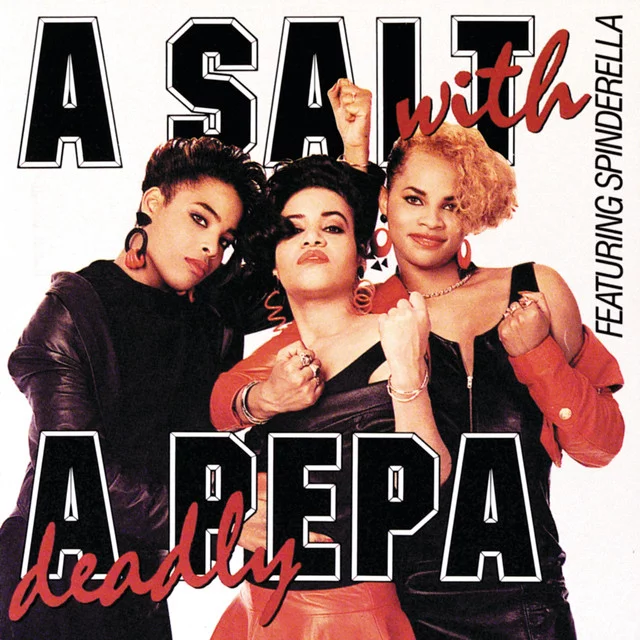
Salt-N-Pepa had already made history with their 1986 debut Hot, Cool & Vicious, but their second album, A Salt with a Deadly Pepa, released in July 1988, found Cheryl James (Salt), Sandra Denton (Pepa), and DJ Spinderella refining their winning combination of attitude, humor, and irresistible dance-floor energy. At a time when female MCs still had to fight for recognition in a male-dominated genre, Salt-N-Pepa were making hit records on their own terms, delivering confident rhymes about relationships, independence, and having a good time. Their playful approach never came at the expense of their skills or personality.
Produced by Hurby “Luv Bug” Azor and the Invincibles, A Salt with a Deadly Pepa is packed with booming drum machines, funky basslines, and catchy hooks. The title track gets things moving with the duo’s trademark swagger, while “I Like It Like That” and “Solo Power (Let’s Get Paid)” demonstrate their ability to trade sharp, rhythmic verses with effortless chemistry. Salt’s more controlled delivery and Pepa’s animated, conversational style complement each other beautifully, giving the music a lively, spontaneous character.
The album’s biggest highlight is “Shake Your Thang,” featuring Washington, D.C. go-go legends E.U. Built around the Isley Brothers’ “It’s Your Thing,” the track is a celebration of individuality and dancing however you please. It’s infectious, funky, and perfectly suited to Salt-N-Pepa’s confident personalities. “Get Up Everybody (Get Up)” keeps the party moving, while their energetic interpretation of “Twist and Shout” demonstrates their willingness to reach beyond conventional Hip Hop production. “Spinderella’s Not a Fella (But a Girl D.J.)” gives their DJ some deserved attention, and “Hyped on the Mic” brings the focus back to their rhyming abilities.
There’s plenty of cheeky humor and sexual confidence throughout the record, but the overall atmosphere remains upbeat and good-natured. Salt-N-Pepa weren’t interested in pretending to be gangsters or intimidating their listeners. They were outspoken, funny, occasionally provocative, and completely comfortable expressing themselves.
A Salt with a Deadly Pepa earned gold certification and helped establish the group as one of Hip Hop’s most successful acts. Their later albums would bring even greater commercial recognition, but this record captures the exuberance of their early years particularly well. With its funky production, memorable performances, and infectious enthusiasm, it’s an excellent example of late-’80s Hip Hop at its most entertaining.
DJ Cash Money & Marvelous - Where's the Party At? (1988)

If the title doesn’t give it away, DJ Cash Money & Marvelous’ Where’s the Party At? is all about having a good time. Released in 1988 on Sleeping Bag Records, the Philadelphia duo’s debut album is a lively collection of party rhymes, playful humor, funky beats, and impressive turntable work. MC Marvelous brings the personality, but DJ Cash Money is the musical force driving the record, demonstrating why he would become one of the most respected DJs of his generation. Together, they made an album that captures the irreverent spirit of late-’80s Hip Hop.
Marvelous has a knack for ridiculous titles and cheeky punchlines. “Find an Ugly Woman” and “Ugly People Be Quiet” lean heavily into juvenile humor, while “Marvelous’ Drawers” keeps the jokes coming. This is deliberately silly stuff, delivered with a wink rather than any pretense of seriousness. Marvelous isn’t trying to deliver social commentary or establish a fearsome reputation. He’s there to entertain, and his lively delivery gives even the most ridiculous material an infectious charm. The title track and “All About Partyin'” spell out the duo’s intentions, providing the sort of crowd-pleasing energy that made records like this a staple of the era.
The real star, however, might be Cash Money. Already making waves on the DJ battle circuit, he brings an exceptional level of technical skill to the album. His cuts, scratches, and inventive manipulation of samples give the tracks a musical dimension that goes well beyond backing beats for an MC. Cash Money was revolutionizing turntablism during this period, pioneering techniques that would influence generations of DJs, and his work here offers a glimpse of that talent. “The Mighty Hard Rocker” and “Music Maker” give him room to shine, while the arrangements throughout the album demonstrate his instinct for keeping a party moving.
The chemistry between the two is what makes Where’s the Party At? work. Marvelous supplies the jokes and boasts; Cash Money provides the grooves, breaks, and scratches that give the album its character. The production is rooted in funk and sample-heavy old-school Hip Hop, with enough rhythmic variation to keep things lively across thirteen tracks.
Where’s the Party At? may not have the lyrical sophistication of more celebrated Golden Age releases, but that’s beside the point. It’s an entertaining snapshot of a period when Hip Hop embraced humor, DJ showmanship, and uncomplicated fun. Put it on, and the title becomes less a question than an invitation.
Rob Base & DJ EZ Rock – It Takes Two (1988)

Few records capture the sheer excitement of late-’80s Hip Hop as immediately as Rob Base and DJ E-Z Rock’s It Takes Two. Released in 1988, the duo’s debut is built for parties, with booming drums, irresistible funk samples, and Rob Base’s energetic delivery driving the music forward. The album arrived as Hip Hop was finding new ways to dominate dance floors, and its best moments remain powerful reminders of how much excitement two MCs and DJs could generate with the right ingredients.
The title track is the obvious centerpiece. Built around a heavily chopped sample of Lyn Collins’ “Think (About It),” including its instantly recognizable drum break, “It Takes Two” turns James Brown-associated funk into a relentless party anthem. DJ E-Z Rock’s cuts and Rob Base’s enthusiastic rhymes give the record its momentum. The hook is simple, the beat hits hard, and the arrangement keeps finding ways to build excitement. It became a massive crossover hit, reaching audiences well beyond Hip Hop’s core following. Its influence on sampling and dance music has been considerable, but its most important quality is how effortlessly it gets people moving.
The rest of the album operates in a similar spirit. “Joy and Pain” reworks Maze featuring Frankie Beverly’s soul classic into a Hip Hop party record, with Rob Base bringing his own energy to the familiar refrain. “Get on the Dance Floor” is another highlight, driven by a funky groove and an uncomplicated invitation to move. “Keep It Going Now” maintains the momentum, while “Make It Hot” and “Creativity” offer further examples of the duo’s straightforward, dance-oriented approach. Rob Base isn’t the most intricate lyricist of his era, but his animated delivery and natural enthusiasm suit this material perfectly. E-Z Rock, meanwhile, supplies the cuts and rhythmic instincts that give the tracks their character.
The album does have some limitations. Its production leans heavily on familiar samples, and several tracks struggle to match the title song’s impact. The duo’s approach is direct rather than especially varied, making the full album less consistent than its signature single.
Still, It Takes Two earns its place among the era’s most enjoyable party records. Rob Base and DJ E-Z Rock understood that a great Hip Hop track didn’t need a complicated message or elaborate arrangement. Sometimes a devastating break, a memorable hook, and an MC who sounds like he’s having the time of his life are all you need.
Three Times Dope - Original Stylin' (1989)
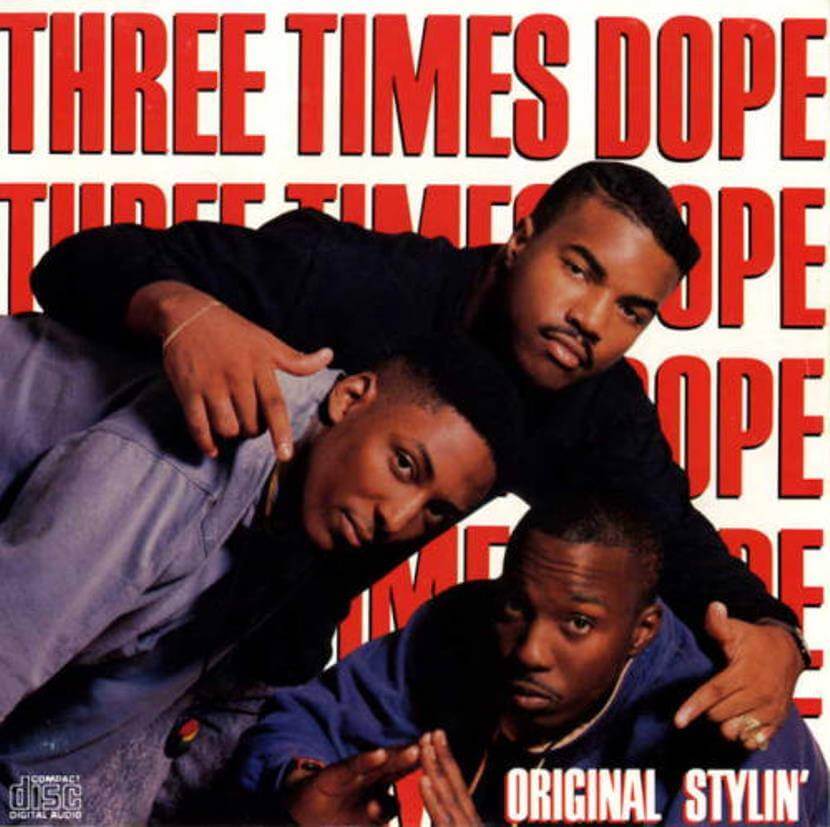
Philadelphia’s Three Times Dope brought a distinctive local flavor to late-’80s Hip Hop. MCs EST, Chuck Nice, and Woody Wood had the skills and personality to compete with the better-known New York acts, but their debut, Original Stylin’, never loses sight of what makes a great party record: funky beats, memorable hooks, playful boasts, and three MCs who sound comfortable sharing the microphone. Released on Arista Records in 1989, the album captures a group balancing lyrical ambition with an easygoing sense of fun.
The title track sets the tone, with the trio taking turns on the microphone over a lively, funk-driven beat. EST brings a confident, technically capable delivery, while Chuck Nice and Woody Wood contribute their own voices and rhythms. Their exchanges give the record an appealing group dynamic. These are MCs who enjoy displaying their skills, but they also understand that personality matters. “Greatest Man Alive” and “Once More You Hear the Dope Stuff” continue the self-assured boasting, while “From Da Giddy Up” keeps the energy high with a groove built for a party.
Producer Lawrence Goodman, working with Chuck Nice as co-producer, gives the album a funky foundation, balancing sampled elements with crisp drums and arrangements that leave plenty of room for the vocals. Engineer Joe “Da Butcher” Nicolo helps give the record a clean, punchy sound. “Funky Dividends” lives up to its name with a groove that emphasizes the album’s musical strengths, while “Improvin Da Groovin” leans into the dance-floor appeal. The trio also make room for a more serious message on “Increase the Peace / What’s Going On,” bringing social awareness into the mix without disrupting the album’s overall upbeat character.
Original Stylin’ isn’t flawless. Some tracks follow familiar late-’80s formulas, and the production occasionally lacks the depth and inventiveness found on the era’s strongest albums. Still, the trio’s chemistry keeps the material engaging, and the album benefits from its refusal to settle into one mood. Braggadocio, funk, humor, and a little social commentary all have room here.
Three Times Dope would follow up with Live From Acknickulous Land in 1990, but their debut remains their defining work. Original Stylin’ has the confidence of a group that knows its craft and the good sense to make the whole thing enjoyable. It’s a record made by MCs who can rhyme, entertain, and keep a party moving.
Stezo - Crazy Noise (1989)
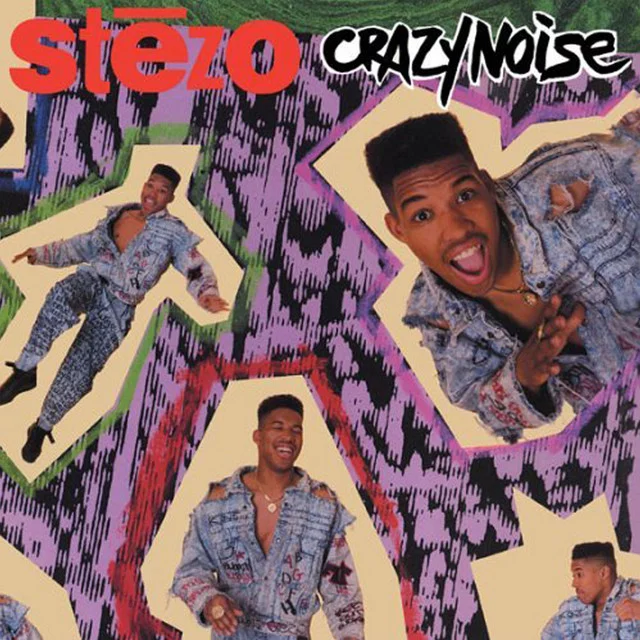
Before Stezo stepped out as a solo artist, he was known as a dancer for EPMD, helping bring the duo’s funky, head-nodding music to life onstage. His 1989 debut, Crazy Noise, proved he had plenty to offer behind the microphone, too. Released through Sleeping Bag Records, the album combines punchy production, lively party rhymes, and an infectious sense of rhythm. Stezo’s approach fits this list perfectly: he’s interested in making people move, having fun, and demonstrating his skills without getting caught up in tough-guy theatrics.
“Freak the Funk” establishes the album’s priorities immediately, pairing Stezo’s energetic delivery with a groove designed for the dance floor. “Bring the Horns” gets things moving with its brassy accents, while “Put Your Body into It” makes its intentions clear in the title alone. Stezo has a direct, animated style that suits these tracks, and his background as a dancer comes through in the music’s emphasis on movement and rhythm. He knows how to ride a beat and keep the energy up without crowding the production with unnecessary words.
“It’s My Turn” is the album’s standout. Its use of the drum break from Skull Snaps’ “It’s a New Day” helped introduce one of Hip Hop’s most enduring breaks to a wider audience. The loop would become a staple of sample-based production throughout the 1990s, making Stezo’s record an important part of that history. The track itself is an excellent piece of late-’80s Hip Hop, built around a rugged rhythm that gives his confident rhymes plenty of room. “Getting Paid” and “To the Max” maintain the momentum, while “Jimmy’s Gettin’ Funky” brings a playful touch to the proceedings.
The album benefits from the work of engineer and mixer Paul C, whose technical skill gives the beats clarity and punch. The production is funky without becoming cluttered, and the twelve tracks move at a brisk pace. A few songs cover familiar ground, but Stezo’s enthusiasm keeps the record lively.
Crazy Noise may not have the name recognition of the era’s biggest releases, but it deserves attention as an entertaining debut from an artist who understood Hip Hop’s physical appeal. Stezo could dance, rap, and make records that got a crowd moving. Here, he puts all three talents to work.
Special Ed – Youngest In Charge (1989)
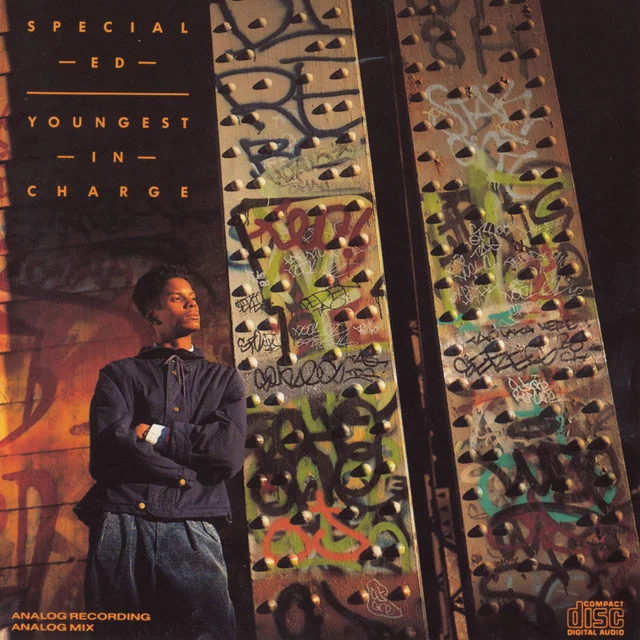
Special Ed was only sixteen when he released Youngest in Charge, but the Brooklyn MC already sounded like a seasoned veteran. His debut arrived in 1989 with an impressive combination of technical skill, easy confidence, and playful personality. Special Ed could deliver intricate rhymes without sounding strained, and he had the kind of natural charisma that made even straightforward boasts entertaining. Youngest in Charge is packed with that youthful self-assurance, making it one of the most enjoyable albums of its era.
“I Got It Made” is the obvious centerpiece, and an absolute Hip Hop classic. Built around a funky sample of Average White Band’s “School Boy Crush,” the track finds Special Ed describing his enviable lifestyle with a relaxed, almost conversational swagger. He boasts about skills, rides, and riches, delivering every line as if success were the most natural thing in the world. There’s no desperation in his voice and no need to prove himself through aggression. The beat is irresistible, the rhymes are memorable, and the entire performance radiates confidence. Decades later, the song remains one of the defining records of late-’80s Hip Hop.
“I’m the Magnificent” is another highlight, with Special Ed taking inspiration from the old-school tradition of MC self-promotion while adding his own nimble delivery and sharp wordplay. The track demonstrates how much he could accomplish with a straightforward battle-rap premise. “Think About It” and “I Got It Made” reveal different sides of his personality, while “Hoedown” brings a playful, almost cartoonish energy to the album. Throughout, producer Howie Tee provides funky, sample-driven beats that give Special Ed plenty of room to work his magic.
The album isn’t entirely consistent. A few tracks feel less memorable beside its strongest cuts, and some of the production reflects the limitations of its period. Still, Special Ed’s skills rarely let the listener down. His timing, breath control, and ability to make complex rhymes sound effortless were remarkable for someone so young. He could be funny, boastful, and technically sharp without losing the relaxed charm that made his music so appealing.
Youngest in Charge captures a moment when Hip Hop rewarded individuality and lyrical ability, and Special Ed had plenty of both. “I Got It Made” alone would secure the album’s place in the genre’s history, but the surrounding material confirms that this wasn’t a one-hit wonder’s debut. The kid really did have it made.
Twin Hype – Twin Hype (1989)
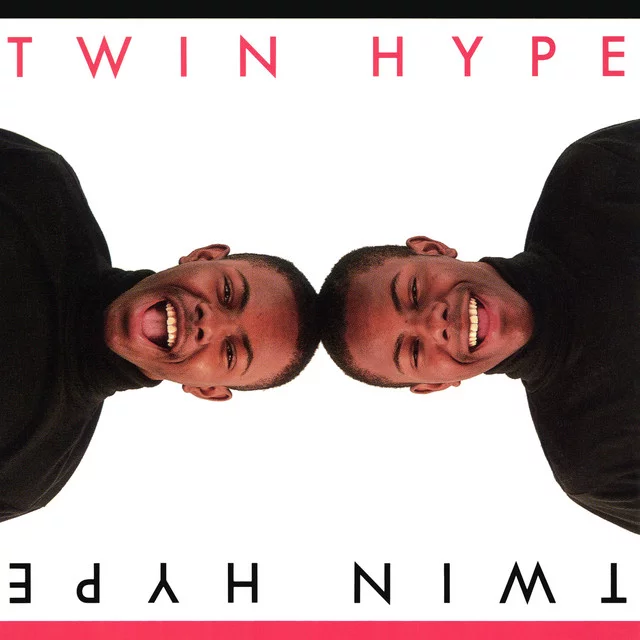
Twin Hype’s self-titled debut is one of the weaker albums on this list, but it earns its place through sheer party energy and one absolutely timeless single. Released in 1989 on Profile Records, the album introduced New Jersey twin brothers Sly and Slick, alongside DJ King Shameek, at a time when Hip Hop was branching out in all sorts of directions. Their sound incorporated elements of hip-house, funk, and traditional East Coast rap, resulting in a record that could get a dance floor moving even when the material didn’t quite live up to its best moments.
That best moment arrives immediately. “Do It to the Crowd” is a stone-cold classic, driven by a monstrous bassline, energetic drums, clever sample work, and King Shameek’s cuts. The track captures the anything-goes spirit of late-’80s party rap, with the twins delivering commanding, deep-voiced rhymes over a groove that practically demands movement. It also reflects the period’s growing fascination with hip-house, blending Hip Hop’s rhythmic foundations with the propulsive energy of club music. The song reached the top ten of the US Dance chart and remains a crossover gem that sounds great decades later. If the album contained nothing else, “Do It to the Crowd” would still make it worth checking out.
Unfortunately, the rest of Twin Hype struggles to maintain that momentum. “For Those Who Like to Groove” offers another dose of dance-floor energy, while “Tales of the Twins” and “My Metaphors” give Sly and Slick room to demonstrate their rhyming abilities. But too many tracks feel ordinary by comparison, with repetitive grooves and lyrics that lack the spark of the opening single. The brothers have imposing voices and an obvious enthusiasm for the music, but they aren’t consistently compelling MCs, and the album drifts whenever the production fails to deliver.
This was a mixed bag back in 1989, and it hasn’t aged particularly well compared with some of the other records on this list. The hip-house production can sound dated, and the weaker cuts offer little reason to revisit the album in full. Still, this collection is about celebrating a particular spirit in late-’80s Hip Hop, and Twin Hype certainly had that spirit. Their music was made for parties, dancing, and getting a crowd moving, without any need for a serious message or a tough-guy image.
Twin Hype may not be an essential album from the era, but “Do It to the Crowd” absolutely is. That one track earns its place here, and sometimes a timeless party record is reason enough to make a list like this one.
Nice & Smooth - Nice & Smooth (1989)
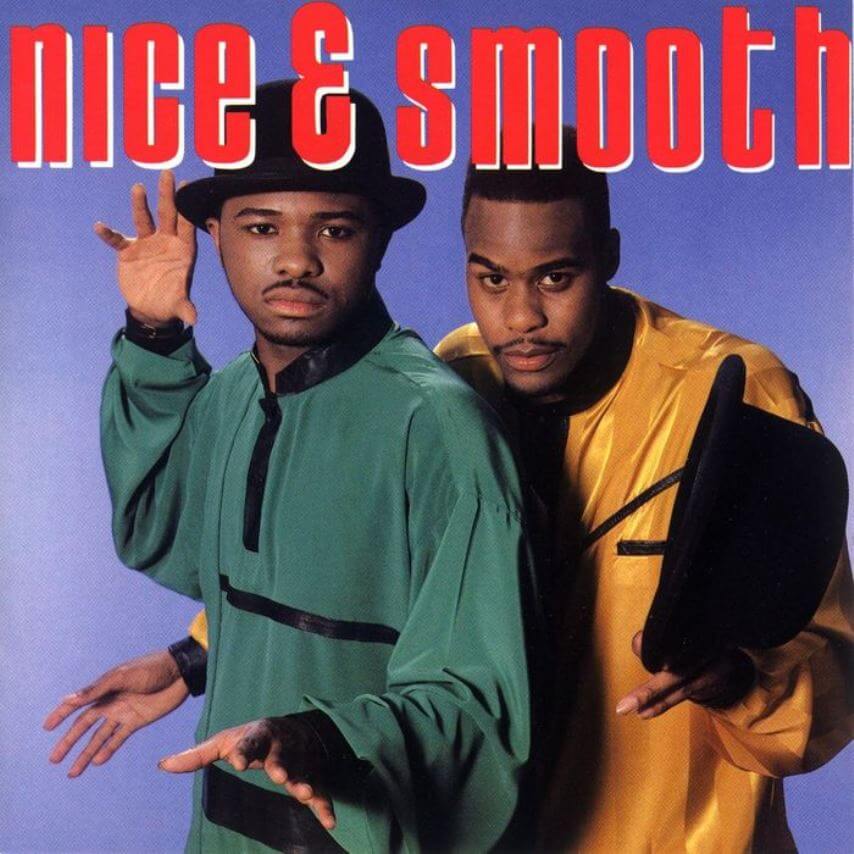
Greg Nice and Smooth B made an interesting pair. One was loud, animated, and gloriously unpredictable; the other was cool, smooth, and measured in his delivery. Together, they formed one of the most entertaining duos in late-’80s New York Hip Hop. Their self-titled debut, released in May 1989 on Fresh and Sleeping Bag Records, captures that chemistry in its early stages. It’s a somewhat uneven album, but when the two MCs find their groove, their combination of humor, catchy hooks, and funky production is hard to resist.
Greg Nice is the obvious personality here. His high-energy delivery, spontaneous-sounding interjections, and playful rhymes give tracks like “No Delayin'” and “We Are No. 1” an infectious sense of fun. Smooth B provides the counterweight, delivering his verses with a relaxed confidence and a more conventional rhythmic precision. Their contrasting styles are the album’s biggest strength. They can trade lines, finish each other’s thoughts, or simply bounce off one another, making even straightforward boasts entertaining. Neither MC needs to manufacture a tough persona. They’re having too much fun on the microphone for that.
The production, handled by the duo themselves, leans heavily on funk samples, familiar breaks, and simple, effective grooves. “Funky for You” is the standout, built around a buoyant rhythm that perfectly suits Greg Nice’s animated performance and Smooth B’s laid-back flow. “Dope Not Hype” is another highlight, with both MCs showing that their comic personalities don’t come at the expense of their rhyming abilities. “Perfect Harmony” captures their musical chemistry in miniature, while “More and More Hits” finds them confidently making their case for recognition.
The album does have its weaker moments. “Something I Can’t Explain” stretches a romantic theme over six minutes, disrupting the momentum, and several other tracks rely on repetitive hooks and loosely assembled rhymes. The production can be rudimentary, too, and the fifteen-track running order could have benefited from some editing. This isn’t a forgotten masterpiece, and Nice & Smooth would make a more polished and satisfying album with Ain’t a Damn Thing Changed in 1991.
Still, that later success shouldn’t overshadow the appeal of this debut. Its rough edges are part of the charm, and the duo’s personalities carry the record through its less memorable stretches. Nice & Smooth captures a side of Golden Age Hip Hop that sometimes gets overlooked: technically capable MCs who understood that making people smile was a skill in itself. With its funky grooves, offbeat humor, and unmistakable chemistry, this is a welcome reminder that Hip Hop didn’t always have to take itself so seriously.
Kwame – The Boy Genius Featuring a New Beginning (1989)
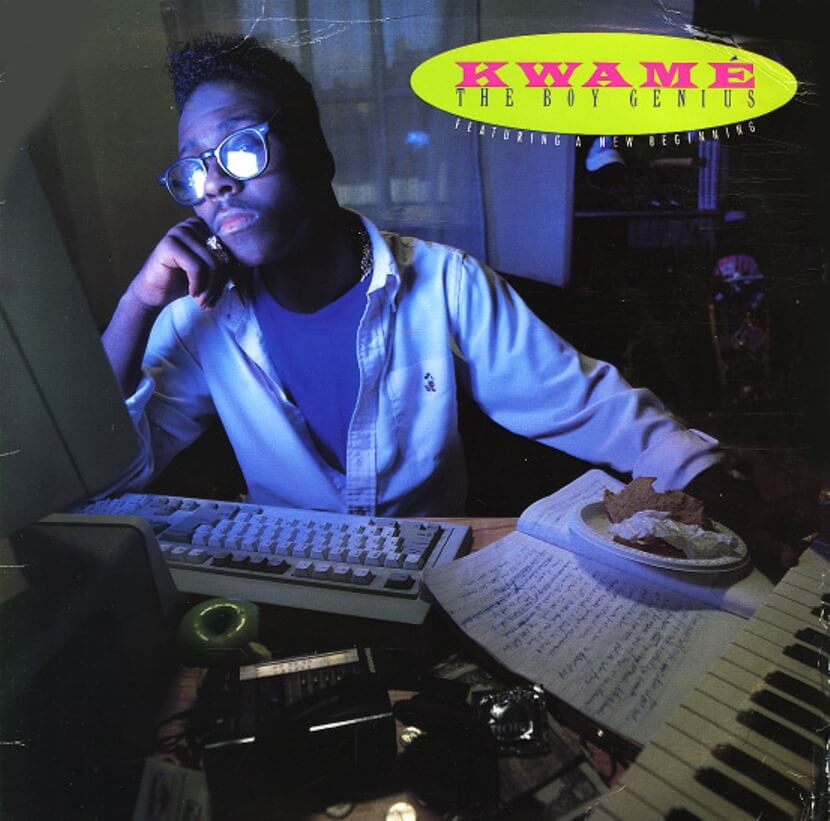
Kwamé arrived in 1989 with a polka-dot wardrobe, a high-top fade, and a nickname that sounded like a challenge: The Boy Genius. At just sixteen, the Queens MC had a distinctive personality and the rhyming ability to back it up. His debut, Kwamé the Boy Genius: Featuring a New Beginning, is an entertaining snapshot of late-’80s Hip Hop at its most imaginative, mixing goofy humor, funky production, and intricate verbal displays without taking itself too seriously.
The album opens with “Boy Genius,” an introduction to Kwamé’s self-assured, slightly nerdy persona. He presents himself as a young innovator with a head full of rhymes, backed by a lively groove that draws on vintage funk. “The Rhythm” is even better, pairing nimble, densely packed verses with a loose, infectious beat. Kwamé moves through his rhymes with impressive control, shifting his cadence and stacking internal rhymes while keeping his delivery conversational. The playful image sometimes obscured his technical ability, but tracks like these make a strong case for his skills as an MC.
The centerpiece is “The Man We All Know and Love,” a six-minute comic tale about Kwamé’s romantic pursuits, including an ill-advised encounter with one of his mother’s friends. The storytelling draws on the tradition of humorous rap narratives associated with Slick Rick and Dana Dane, while Kwamé adds absurd vocal impressions and snippets of familiar songs. His falsetto rendition of Minnie Riperton’s “Loving You” is particularly ridiculous. The track is silly, deliberately exaggerated, and entirely in keeping with the album’s mischievous spirit.
Elsewhere, “U Gotz 2 Get Down” brings party energy, while “The Mic Is Mine” and “Push the Panic Button!!!” give Kwamé room to demonstrate a harder-edged delivery. The backing group A New Beginning adds vocal support, and the production, credited to Hurby “Luv Bug” Azor and the Invincibles, keeps the music bright and funk-driven. At eight tracks and roughly 35 minutes, the album moves quickly, though “Sweet Thing” is a less memorable finish.
Kwamé would develop his colorful, polka-dot image even further on subsequent releases, but this debut captures the appeal in its earliest form. Beneath the youthful eccentricity is a gifted MC with a sharp ear for rhythm, a vivid imagination, and a genuine knack for entertaining people. The Boy Genius is a reminder that lyrical skill and a sense of humor make excellent company.
Young MC - Stone Cold Rhymin (1989)
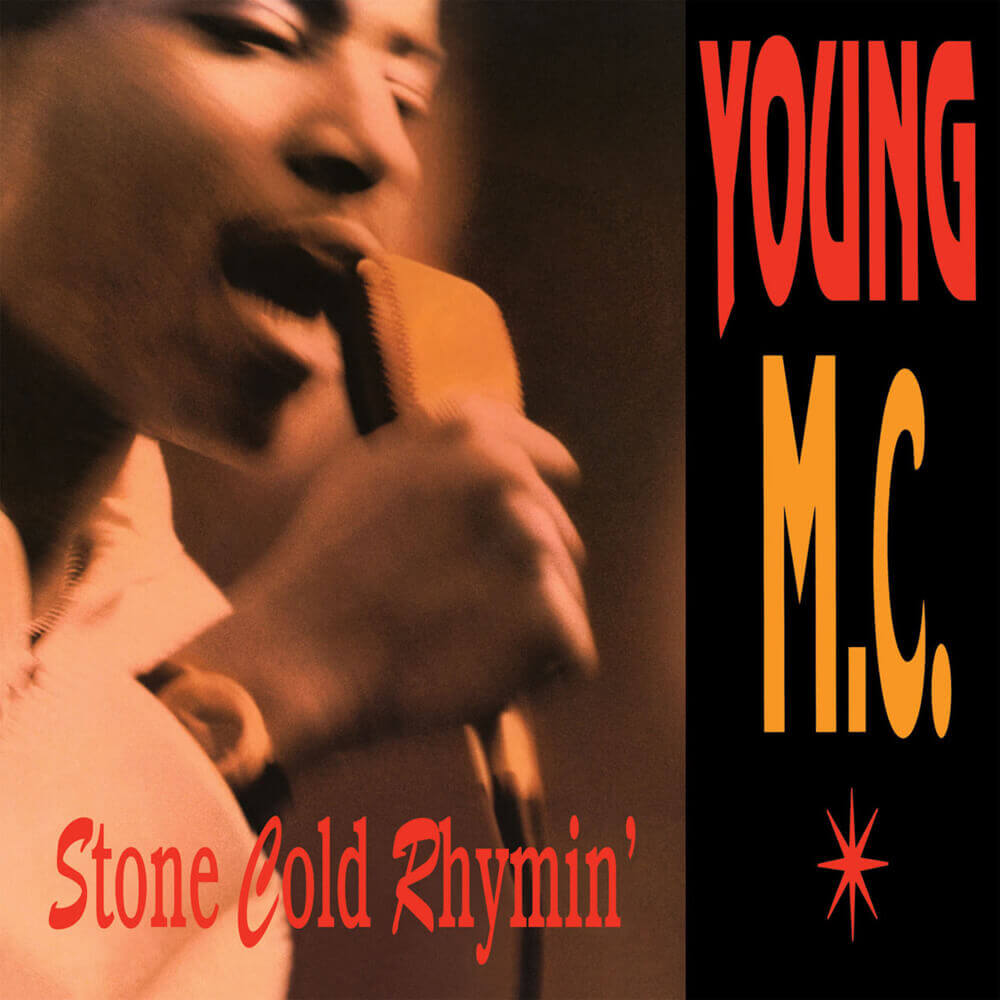
When Stone Cold Rhymin’ dropped in September 1989, Young MC had everything it took to become a star. He had the rhyming skills, the charisma, the timing, and an ear for catchy beats. His debut album went platinum, “Bust a Move” became a massive international hit, and “Principal’s Office” earned him another crossover success. Still, plenty of Hip Hop fans and critics dismissed Marvin Young as lightweight pop-rap, a commercially friendly alternative to the harder sounds emerging from the West Coast and elsewhere. His clean-cut image and good-natured subject matter made him an easy target for accusations of being soft or inauthentic. That reputation has never done this excellent album justice.
Young MC was a genuinely skilled emcee. His delivery is crisp, his timing impeccable, and his rhymes packed with internal patterns, clever punchlines, and tightly constructed verses. He could make intricate wordplay sound effortless, a skill that sometimes gets overlooked because he wasn’t shouting about street life or trying to intimidate his competition. Listen to “I Come Off,” where he announces himself with infectious confidence, or “Non Stop,” where his controlled flow rides a more unusual, atmospheric beat. “Got More Rhymes” is another reminder that there’s plenty of substance beneath the accessible surface. Young MC knew how to write, and he knew how to rap.
The production deserves equal credit. Matt Dike and Michael Ross provide the album’s funky, sample-heavy foundation, while the Dust Brothers bring their distinctive collage approach to “Know How.” Flea of the Red Hot Chili Peppers adds bass to “Principal’s Office” and “Bust a Move,” helping give the latter its unmistakable bounce. The beats are playful and immediately memorable, but there’s enough detail in the arrangements to reward repeated listens. “Bust a Move” may be the obvious highlight, yet the album runs much deeper than its biggest hit.
The timing worked against Young MC’s reputation. As gangsta rap gained momentum, an articulate rapper delivering humorous stories and clever boasts over funky, radio-friendly production was increasingly treated as an embarrassment. The irony is that Stone Cold Rhymin’ has aged remarkably well. Its best moments demonstrate the same fundamental skills that make any great MC worth hearing: flow, rhythm, wordplay, and personality.
Young MC never needed a tougher image to prove himself. Stone Cold Rhymin’ was an excellent album in 1989, and it remains one today. Dismissing it because it was accessible misses what made it special in the first place.
Biz Markie – The Biz Never Sleeps (1989)
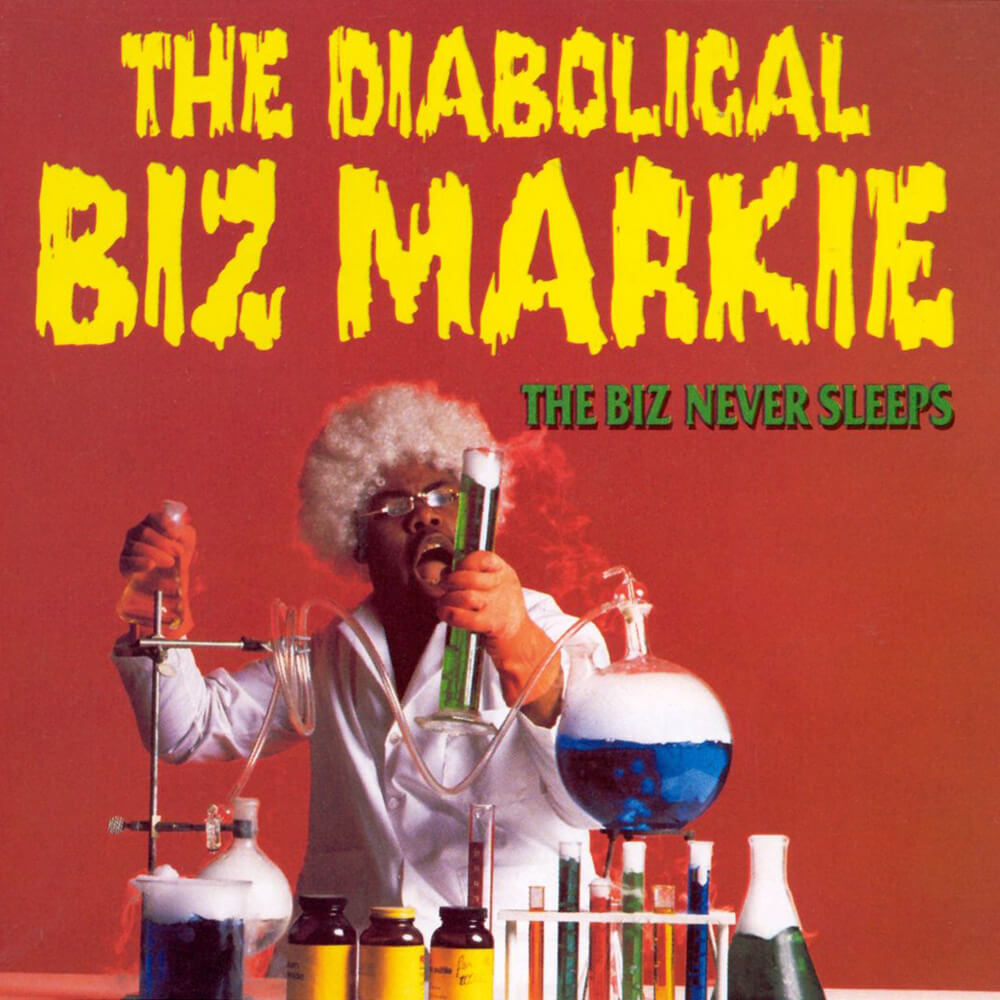
Nobody embodied Hip Hop’s playful side quite like Biz Markie. With his goofy grin, deliberately off-key singing, outrageous humor, and larger-than-life personality, the Clown Prince of Hip Hop was a genuine original. His second album, The Biz Never Sleeps, released in October 1989 on Cold Chillin’ Records, is a perfect example of how much fun Hip Hop could be when an artist was comfortable being himself. Following his equally entertaining 1988 debut Goin’ Off, Biz returned with another collection of funky beats, funny stories, and wonderfully eccentric performances that sounded like nobody else’s records.
Of course, The Biz Never Sleeps is best remembered for “Just a Friend,” one of Hip Hop’s most recognizable songs. Built around an interpolation of Freddie Scott’s “You Got What I Need,” the track tells a familiar story of romantic disappointment, with Biz delivering its unforgettable chorus in a gloriously terrible singing voice. The humor works because there’s something genuinely endearing about his performance. The song became a massive crossover hit, reaching the Billboard Hot 100’s top ten, and remains a party favorite decades later.
But there’s plenty happening beyond that famous single. “Spring Again” is another standout, combining Biz’s distinctive delivery with a warm, infectious groove. “The Dragon” finds him indulging his taste for bizarre humor, while “My Man Rich” celebrates friendship with the kind of easygoing enthusiasm that characterized his best work. “I Hear Music” and “Things Get a Little Easier” keep the album’s funky momentum going, and “A Thing Named Kim” offers another helping of Biz’s entertaining storytelling.
Production from Biz himself, alongside contributions from his longtime collaborator Cool V, gives the album its appealingly loose, sample-driven character. The drums hit hard, the basslines are thick, and the arrangements leave plenty of space for Biz’s unconventional rhyming. He wasn’t a technically polished MC in the traditional sense, but his timing, distinctive voice, and ability to turn almost anything into an entertaining performance were talents in their own right.
Biz Markie never worried about appearing cool in the conventional sense. He embraced his eccentricities, made himself the punchline when necessary, and understood that Hip Hop could accommodate laughter as easily as aggression. The Biz Never Sleeps captures that spirit beautifully. It’s funny, funky, occasionally ridiculous, and thoroughly enjoyable, a reminder that personality and imagination can carry a Hip Hop album a very long way.