


In the shadowy underbelly of West Coast Hip Hop, where the beats hit like a meat cleaver and the lyrics carve up your psyche, few names evoke as much visceral dread and respect as Brotha Lynch Hung. Born Kevin Danell Mann on January 10, 1969, in Sacramento, California, this rap veteran has been slicing through the game since he was just 13, starting out under the alias Ice Cold before his half-brother Sicx dubbed him Brotha Lynch Hung—a nod to the infamous Black Panther Huey Newton’s hanging reference, twisted into something far more sinister. Lynch is a rapper, a producer, a storyteller, and a straight-up architect of nightmares, dropping his debut album Season of da Siccness in 1995 on Black Market Records and building a cult following with his unapologetic blend of gangsta rap and gore-drenched narratives. Over the decades, he’s collabed with heavy hitters like Tech N9ne, joined the Strange Music roster in 2009, and dropped gems like Loaded and The Virus, all while maintaining that raw, Sacramento street edge that separates him from the pack. His pedigree? Undeniable—Lynch is the godfather of West Coast horrorcore, influencing a generation of MCs who dare to dip into the dark side.
Speaking of horrorcore, let’s break it down for the uninitiated. This subgenre of Hip Hop amps up the hardcore rap blueprint with themes straight out of slasher flicks: death, violence, occult rituals, cannibalism, torture, and supernatural vibes that make your skin crawl. Popularized in the early ’90s with East Coast pioneers like Gravediggaz and their 6 Feet Deep album, horrorcore flips gangsta rap’s street tales into something more transgressive, often blending heavy metal influences, demonic imagery, and shock value that pushes boundaries. It’s about building atmospheres that haunt you long after the track ends, turning rap into a horror movie soundtrack. And Brotha Lynch Hung? He’s the undisputed kingpin of this realm on the West Coast, elevating horrorcore from niche gimmick to legit art form with his graphic, cannibalistic flows and cinematic storytelling. Tracks like “Rest in Piss” and his infamous baby-eating bars set the standard for how raw and relentless the genre could get, earning him a rep as the “horror-rap supremacy” among fans and peers alike. Although he’s often credited as a major pioneer and even the main creator of horrorcore rap, Lynch himself has claimed that his style is less literally “horrorcore” and instead falls more directly under his own distinct category called ripgut, which specifically emphasizes graphic violence and cannibalistic themes.
Now, fast-forward to the early 2010s, when Lynch linked up with Strange Music and unleashed what many consider his magnum opus: the Coathanga Strangla trilogy, comprising Dinner and a Movie (2010), Coathanga Strangla (2011), and Mannibalector (2013). This conceptual series marked a killer comeback for the Sac-town legend, weaving a serialized narrative around his alter ego, the “Coathanga Strangla”—a deranged, flesh-craving killer on a rampage. Dropping on Strange Music, these albums blend Lynch’s signature horrorcore gore with polished production, guest spots from the likes of Tech N9ne and Snoop Dogg, and a storytelling arc that escalates from setup to slaughterhouse climax. Dinner and a Movie kicks it off with theatrical flair, Coathanga Strangla ramps up the strangulation metaphors, and Mannibalector seals the deal with cannibalistic fury, all while showcasing Lynch’s evolution from underground menace to mainstream-adjacent monster. In a era where Hip Hop was leaning pop and trap, this trilogy reminded us that the genre’s roots run deep in the macabre, proving Lynch’s staying power in a game that chews up and spits out lesser talents.
In this piece, we’ll dissect each album on its own merits—breaking down the beats, bars, and body counts that make this trilogy a horrorcore hallmark. Strap in, ’cause we’re about to feast.
Dinner And A Movie (2010)
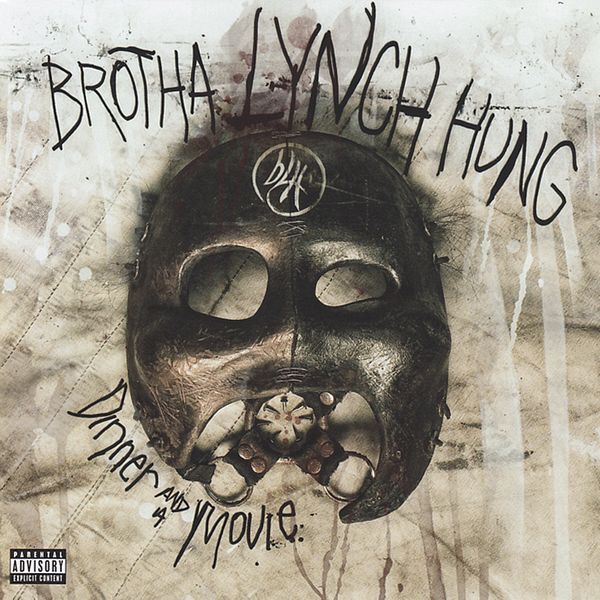
Brotha Lynch Hung’s 2010 resurgence via Dinner and a Movie is a landmark in his catalog, marking his debut on Tech N9ne’s Strange Music and his most visible project since the seminal Season of da Siccness from 1995. This 22-track endeavor, stretching over 77 minutes, emerges as a tightly woven conceptual masterpiece framed as an “audio movie,” complete with strategic skits, jarring visuals in verse, and understated emotional undercurrents that fuse serial-killer lore with gangsta rap grit. As the opener to the Coathanga Strangla trilogy, it revitalizes the Sacramento pioneer’s career, channeling his rip-gut innovation into a narrative that redefines horrorcore for the 2010s with focused cohesion and cinematic ambition.
The album immerses audiences in the fractured mind of the “Coathanga Strangla,” a volatile killer unburdening his confessions from an interrogation cell, evolving through cycles of hardship, aggression, self-doubt, and an abrupt pivot toward some semblance of reckoning. Skits act as pivotal connectors—police probes, news snippets, and inner dialogues—propelling the plot while preserving a claustrophobic mood from the eerie start to the haunting close. This setup elevates the project beyond disjointed tracks, mirroring slasher cinema where gore intertwines with pathos, much like how horror films thrive on loyal niches despite broader dismissal. Lynch masterfully offsets brutality with real-life anchors, evoking sympathy for the monster without diluting the dread, appealing to dedicated fans who value the genre’s edge over mainstream gloss.
Lyrically, Lynch operates at peak form, his fluid, multi-syllabic patterns painting atrocities with film-like detail while grounding them in human frailty. He sidesteps empty provocation, instead layering psychological complexity—dueling inner forces, career reflections, and raw fury—that transform the shock into a nuanced character portrait. This depth sustains engagement, turning what could be niche excess into a broader commentary on Hip Hop’s expressive potential, where macabre tales reflect societal truths. Lynch’s delivery cuts sharp and steady, his influence echoing in peers who’ve borrowed his dark flair, proving his longevity stems from skill as much as staying power.
Production merges Lynch’s West Coast menace with Strange Music’s modern polish, overseen largely by Lynch himself alongside contributors like Axis, Seven, DJ Epik, Young MC, N-Pire, and Freddy Machete. The beats conjure a shadowy G-Funk revival: murky depths, heavy bass, lingering synths, and club pulses infused with Rob Zombie-esque twists—voice tweaks, sound bursts, and tense interludes that amplify unease. Hooks cling infectiously even in the bleakest murder odes, creating an oppressive yet rhythmic canvas that rarely relents, ideal for the story’s grim progression. This sonic synergy breathes fresh vigor into Lynch’s style, making the album his most refined since early classics without compromising its raw underbelly.

Highlights abound, blending solo prowess with strategic guests. The intro “The Interrogation (Intro)” with First Degree The D.E. and Don Rob sets a chilling tone, leading into “Colostomy Bag” featuring C-Lim and G-Macc, where savage declarations meet throat-choking intensity. “D.O.A.” alongside First Degree The D.E. echoes Lynch’s rapid influence, while “Sit In That Corner Bitch!” delivers bedroom brutality with multisyllabic menace. “Murder Over Hard” with G-Macc and a BZO-skit capper fits its theme with ironic hooks, and “I Tried To Commit Suicide” plus its G-Macc end-skit delves into despair and maternal loss, ranking among the era’s rawest introspections. “Split Personality” featuring G-Macc explores good-evil splits, and lead single “Meat” with First Degree The D.E. and G-Macc twists poverty into cannibalistic desperation, capturing the album’s sentimental-macabre core. “Siccem!” enlists First Degree The D.E. and G-Macc for West Side vibes, though it’s the project’s softer spot. The posse “Don’t Worry Momma, It’s Just Bleeding” unites Tech N9ne, Krizz Kaliko, and First Degree The D.E. in a lyrical storm that honors influences without derailing unity. “I Plotted (My Next Murder)” ramps up club-stomping murder schemes, “Nutbagg” with First Degree The D.E. ups explicit stakes, and “I Heard That Song B 4” featuring C-Lim, Tall Cann G, and COS warns foes with regional nods. “Anotha Killin'” brings Snoop Dogg and Tha Dogg Pound for West Coast homage, shining as a token of Lynch’s impact despite not topping his dominance.
In essence, Dinner and a Movie excels as conceptual Hip Hop’s dark triumph, demanding resilience but yielding brilliance in structure, density, and raw sentiment beneath the horror. It’s not universal fare—like a staged snuff flick, it cringes and captivates in equal measure—but for those attuned, it affirms Lynch as an undervalued architect, not mere provocateur. By harnessing Strange Music’s platform, he crafts a comeback milestone that spotlights his societal insights amid the slaughter, urging Hip Hop to celebrate its outliers. This opener sets a diabolical standard for the trilogy’s unfolding nightmare.
Coathanga Strangla (2011)

Brotha Lynch Hung’s sophomore entry in the Coathanga Strangla trilogy, Coathanga Strangla, dropped in 2011 on Strange Music, picking up the bloody thread from Dinner and a Movie with heightened intensity and refinement. Spanning 21 tracks and clocking over 74 minutes, this project escalates the “Coat Hanger Strangler” lore, thrusting listeners into a post-escape frenzy of victim chases, unhinged violence, and mental breakdown. The Sacramento vet builds on the first album’s tragic setup, shifting the killer from reluctant desperation to a deranged embrace of his impulses, all while teasing the climactic horrors to come in Mannibalector. This middle chapter avoids sequel pitfalls, sharpening the conceptual edge that revitalized Lynch’s career, delivering a more focused horrorcore experience that cements his synergy with Tech N9ne’s imprint.
The narrative unfurls like a slasher sequel on steroids, employing unsettling skits—police chatter, victim setups, and fractured thoughts—to stitch the chaos into a cinematic whole. From the opener “Working Late (Intro)” featuring Lauren Brinson and Tabitha McGlothin, which sets a tense prelude, the album dives into manic disarray, making the plot tough to track beat-for-beat but amplifying the protagonist’s spiraling psyche. This mirrors the evolution from Dinner and a Movie‘s grounded struggles, pushing into full psychosis with a blend of revulsion and reluctant sympathy. Skits like “Look What I Did ” with Devious, “Fucc Off Again,” “The Visit,” involving Brinson and Don Rob, and the closing “Outro” with Brinson keep the immersion tight, depicting authority’s helplessness and the killer’s inner storms without bloating the runtime.
Lynch’s delivery anchors the mayhem, his trademark growl and stuttered flows embodying the frantic antihero with razor precision. He layers high-speed, multi-syllabic schemes over grotesque vignettes, evoking empathy amid the nausea by rooting savagery in human frailty—like cycles of neglect and solitude. This vulnerability peaks in sobering cuts toward the end, contrasting the front-loaded murder sprees and adding tragic depth to the monster. The content’s vulgar punch tests limits, but Lynch’s artistry shines in transforming shock into storytelling, proving detractors wrong by evolving his rip gut style into something profoundly engaging for Hip Hop heads who crave the dark side.
Sonically, Coathanga Strangla refines the predecessor’s blueprint under the guidance of Michael “Seven” Summers and collaborators like DJ Epik, Mr. Blap, Phonk Beta, and Axis. The production marries West Coast grit with horror flair: booming bass horns that rattle trunks, delicate piano runs, thunderous strings, pounding drums, and funky rhythms laced with eerie vibes. This creates a relentless tension, from foreboding pulses to upbeat cadences that nod to G-Funk while evoking Carpenter-esque suspense or Hitchcock chases. The polish elevates Lynch’s vision, making the album thunderous yet concise, with no filler despite the track count—ideal for a concept piece that demands full attention.
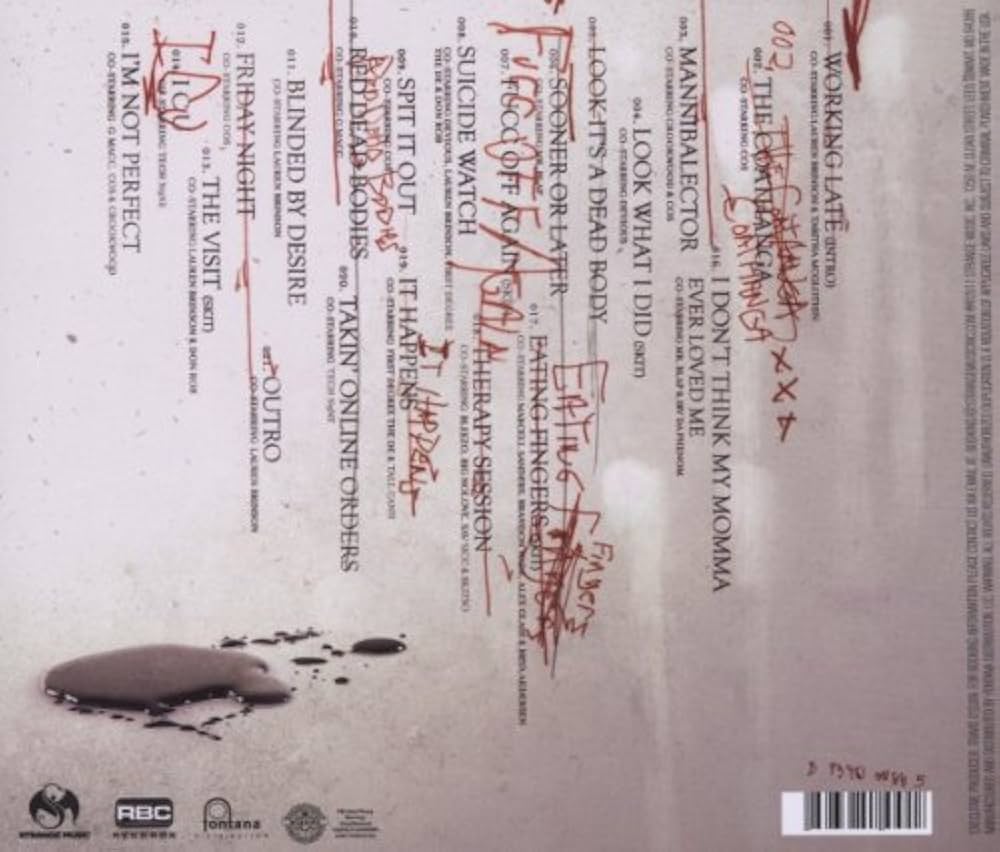
Standouts pepper the project, demonstrating Lynch’s range. “The Coathanga” with C.O.S. and “Mannibalector” featuring Crookwood and C.O.S. launch as anthemic bangers, stacking dark imagery with unforgettable hooks. “Look It’s a Dead Body” thumps with triumphant horns and knocks, capturing Lynch at his rawest. The early posse “Suicide Watch” enlists Devious, Brinson, First Degree the D.E., and Don Rob over horror-junkie bass, while “Red Dead Bodies” with G Macc builds dread through deep drums. “Blinded by Desire” featuring Brinson injects funky piano and catchy patterns into a captivating narrative, and “Sooner or Later” with Mr. Blap’s ethereal vocals anticipates explosive fallout. “Spit It Out” alongside C.O.S. disturbs with cannibalistic dives that border on empathetic, much like the best from the trilogy’s opener. Tech N9ne collabs steal scenes: “I C U” channels bounce beats for gruesome intensity, and “Takin’ Online Orders” adds drop-dead humor with Tech’s syllable-shredding frenzy. “I’m Not Perfect” teams G Macc, C.O.S., and Crookwood for flawed reflections, while “I Don’t Think My Momma Ever Loved Me” with Mr. Blap and Irv Da Phenom tugs at heartstrings as the deepest personal cut. “Friday Night” featuring C.O.S. maintains the vibe, and the closing posse efforts “Therapy Session” with Bleezo, Big NoLove, Sav Sicc, and Skitso, plus “It Happens” involving First Degree the D.E. and Tall Cann, deliver spectacular group energy—though “It Happens” feels more experimental with mumbled hooks and freestyle vibes. “Eating Fingers” rounds out the features with Skitso, Bleezo, Alex Glass, and Brya Akdersen in a brief, bizarre burst.
Ultimately, Coathanga Strangla is a masterful Hip Hop sequel, trading some of Dinner and a Movie‘s fresh shock for tighter narrative and vulgar consistency. It’s darker, dirtier, and more immersive, affirming Lynch as a storytelling savant predating dark lyricists like Tech or DMX. For fans of conceptual darkness, it’s essential, leaving appetites whetted for the trilogy’s end while highlighting Strange Music’s role in hijacking Hip Hop norms. Lynch’s rejuvenation here isn’t fleeting—it’s a calculated strike, blending Singleton street realism with Carpenter chills in a package that’s nauseatingly genius.
Mannibalector (2013)
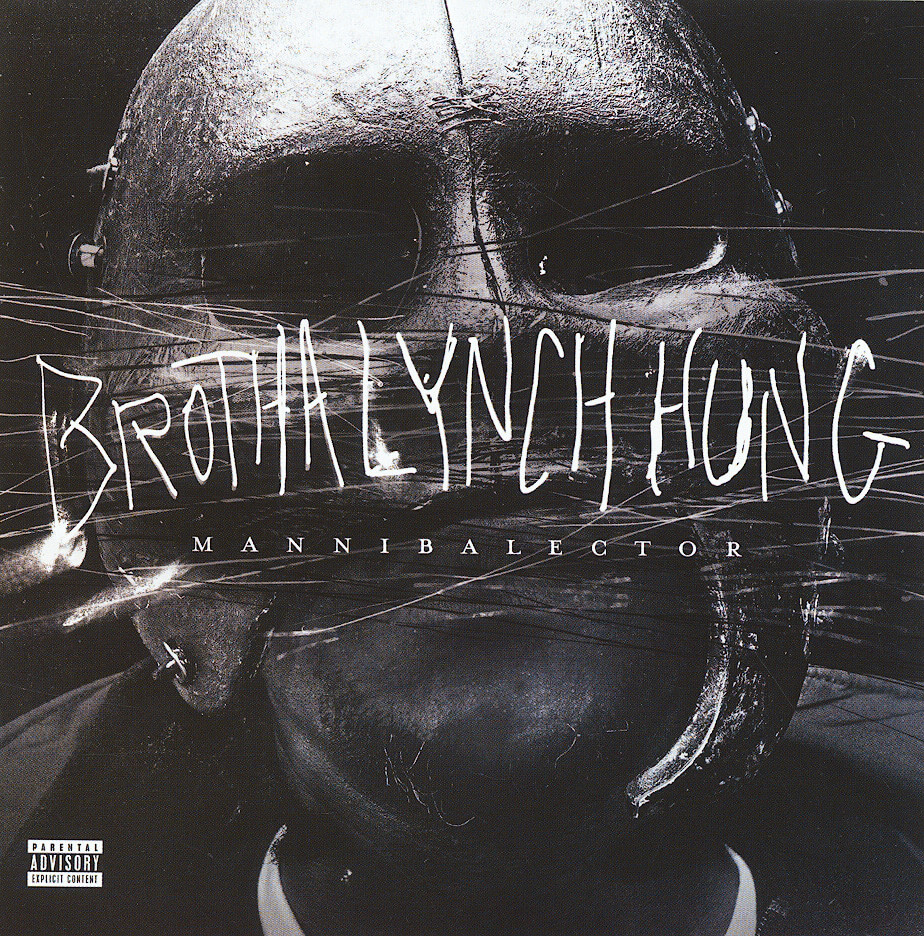
Brotha Lynch Hung’s 2013 release, Mannibalector, serves as the gripping finale to the Coathanga Strangla trilogy, capping off the saga that began with Dinner and a Movie‘s tragic origins and escalated through Coathanga Strangla‘s manic unraveling. Dropping February 5 on Strange Music, this eighth solo album debuted at number 67 on the Billboard 200, proof of the series’ growing pull despite its niche appeal. Spanning 20 tracks and over 63 minutes, it plunges deeper into the “Coat Hanger Strangler” alter ego—now fully embodying the Lecter-like “Mannibalector”—chronicling a descent into remorseless savagery, body disposal, and fractured charm. Building on the prior entries’ cinematic foundation, Lynch refines the horrorcore formula into a more streamlined beast, blending visceral thrills with subtle introspection to deliver a cohesive close that elevates the trilogy as one of Hip Hop’s underappreciated conceptual feats.
The narrative arc here resolves the killer’s arc with slasher-film precision, evolving from the conflicted desperation of the opener and the deranged acceptance in the sequel to outright psychological collapse. Skits function as seamless connectors, mimicking TV news broadcasts, river-side admissions, bacon-tinged asides, and probing queries that heighten the immersion. This structure transforms isolated horrors into a serialized rampage, complete with a late twist that sparks debate among fans, rewarding those who’ve followed the storyline’s threads. Lynch infuses the brutality with wit and self-referential nods to his discography and life, critiquing Hip Hop’s landscape amid the gore—existential gripes about the industry’s state or personal lows that add layers beyond mere sensationalism. The unified artwork across the trilogy further ties it visually, creating a multimedia experience that positions Lynch as a musical filmmaker mastering inner turmoil and criminal extremes.
Lynch’s vocal command anchors the project, his growled cadences and blistering multis navigating the madness with technical flair that predates and influences darker peers. He adapts seamlessly—frenetic over chaotic orchestration or measured on sparse setups—crafting a villain who’s horrifying yet oddly magnetic through clever turns and disturbing charisma. This duality sets him apart in horrorcore, where others might settle for crude slashes; Lynch builds a character whose allure amplifies the terror, turning polarizing content into artful provocation. Moments of vulnerability break through the carnage, offering glimpses of surrender or disillusionment that humanize the monster, much like the reflective shifts in the series’ earlier chapters but refined here for maximum impact.
Production crafts an auditory nightmare, with a team led by Michael “Seven” Summers alongside Robert Rebeck, NonStop, and Axis delivering beats that fuse ominous swells with West Coast punch. Atmospheric flourishes abound: buzzing insects, distressed cries, sampled agony, and builds that erupt into heavy bursts, evoking horror icons from Hitchcock’s suspense to Craven’s grit. Tracks layer minimalist keys and strings with powerful percussion, countering any dismissal of the genre as gimmicky by creating immersive soundscapes that enhance the storytelling without overwhelming it. This detail-oriented approach mirrors the trilogy’s progression, polishing the raw edge of the debut and the thunderous polish of the middle act into a fitting, intense endpoint.

Key cuts showcase the album’s range, blending solo menace with targeted collaborations. The “Newsflash (Intro)” sets a media-frenzy tone, flowing into “Krocadil,” where rapid flows dissect discontent over disturbing strings. “Bacon N Eggs (Skit)” with Arthur Lea III and Lauren Brinson adds quirky dread, leading to “MDK” featuring Trizz’s assist over minimalist menace. “Disappeared” layers screams for oppressive tension, while “Fucced Up (Skit)” maintains the skit-driven pace. “Eating You” enlists Bernz and Wrekonize for a feast of depravity that explodes into metal, and “Tha Package” benefits from Yelawolf’s standout verse on lethal deliveries. “Something About Susan” with COS and Irv Da Phenom masquerades slinky melodies as sinister seduction, and “The River (Skit)” with Donald Robinson deepens the plot. “Can I Have a Napkin?” mixes history and dark humor, “Mask and Knife” teams G Macc and Bleezo for blade-wielding intensity, and “Meat Cleaver” wields unrelenting savagery. “I Give Up” alongside COS reveals a deeper, out-of-character vulnerability amid the chaos, while “Instruments (Skit)” with Gary Adams builds unease. “Stabbed” unites Tech N9ne and Hopsin in a lyrical frenzy, “Body On the Floor” sustains the dread, and “Have You Checked the Children? (Skit)” with Brinson chills. “Sweeney Todd” incorporates buzzing effects for demonic flair, and “Dead Bitch” closes with unyielding grit.
Ultimately, Mannibalector emerges as a polarizing triumph, grotesque and in questionable taste yet undeniably fun and cohesive—pure horrorcore that prioritizes guttural bars over gaudy excess. Some may rank it as the trilogy’s weakest link, with a shaky bookend or occasional bloat, but it outshines by wrapping the narrative in bold execution, affirming Lynch’s talent transcends the genre’s limits. In a field where mainstream glances from Eminem or DMX highlight its edges, Lynch carves a career-defining niche, proving his partnership with Strange Music yields overlooked gems. For those with the stomach, it’s a bloody, charming conclusion that cements the series as Hip Hop’s hidden horror epic, urging the culture to recognize its unsung innovators.
Conclusion
As we carve our way to the end of this deep dive into Brotha Lynch Hung’s Coathanga Strangla trilogy, it’s clear that Dinner and a Movie, Coathanga Strangla, and Mannibalector is a towering achievement in West Coast Hip Hop’s darker corners. Over these three albums, Lynch constructs a serialized horror epic that evolves from the killer’s tormented beginnings in poverty and conflict, through a spiral of unbridled psychosis, to a brutal, Lecter-esque resolution laced with twisted charisma and reluctant introspection. Each installment builds on the last, refining the “audio movie” concept with skits that propel the plot, production that drips with eerie tension, and lyrics that blend gore with genuine emotional weight, proving Lynch’s rip-gut style is as much about psychological depth as it is shock value. In an era where trap and pop dominated, this series reminded us that Hip Hop’s roots can still thrive in the macabre, influencing a new wave of artists daring to explore the shadows.
What elevates the trilogy to masterpiece status is how meticulously well-thought-out every element feels—from the narrative arcs that reward repeat listens to the guest spots that amplify the menace without derailing the solo vision. But let’s not sleep on the incredible cover art, which forms a unified visual narrative perfectly tailored to the music and content. Dinner and a Movie‘s front features a gruesome metallic mask, in front of a stained backdrop, evoking the album’s themes of desperate carnage. Coathanga Strangla ramps up the dread with its hanging hands dripping blood, tying directly into the strangulation imagery and chaotic escape vibes. Mannibalector seals it with another menacing mask, all in dark tones that mirror the cannibalistic fury inside. These visuals are eye-catching, and they’re integral, enhancing the horrorcore immersion and turning the physical (or digital) package into an extension of Lynch’s cinematic world.
In the grand scheme, this trilogy cements Brotha Lynch Hung as the undisputed architect of West Coast horrorcore, a cult hero who’s influenced everyone from Tech N9ne to underground spitters pushing boundaries. It’s a body of work that demands a strong stomach but rewards with unparalleled storytelling, proving that when done right, the genre can be as artistically legit as any slasher classic. If you haven’t feasted on these yet, strap in—Sacramento’s nightmare king has served up a timeless spread.