


The air is thick with smoke, the bass drum is dusty, and the sample loop is dripping with regret. You can smell the ambition, the paranoia, and the subtle scent of expensive cologne mixed with the grime of the concrete—you are listening to ‘noir’ street rap.
This subgenre, a powerful, dark, and visceral strain of street Hip Hop, has experienced a spectacular, undeniable revival since 2010. But to truly appreciate its current dominance—spearheaded by collectives like Griselda and producers like Daringer and Alchemist—we must first pay respect to the original architects.
The foundation of this sound was laid in the mid-1990s. Artists like Kool G Rap invented the narrative, detailing the hustler’s life with cinematic complexity. Nas’s early brilliance captured the philosophical angst of the kingpin. But it was the Wu-Tang Clan, through masterpieces like Raekwon’s Only Built 4 Cuban Linx…, who perfected the sound of Mafioso Rap—gritty, sample-heavy, and focused on the high stakes of street crime. Simultaneously, Mobb Deep perfected the cold, paranoid, and sparse Queensbridge sound, while AZ’s lyrical elegance provided the necessary contrast.
Critically, this style of street rap is defined by its grit—a stark contrast to the West Coast’s dominant style of the era. Where Gangsta Rap built the polished, often sunny, and bass-heavy funk of G-Funk, New York’s crime sagas were drenched in the moody darkness of hard-chopped soul and jazz. The New York sound was about the hustle in the shadows, the details in the stairwell, and the weight of the city, perfectly captured by raw, dense boom-bap rhythms.
As the 2000s turned toward commercialized mainstream sounds, this intricate, sample-driven storytelling retreated into the deepest corners of the underground.
Then came the “reboot.”
In 2010, the sound was brought roaring back to life by a single, visionary project: Roc Marciano’s self-produced masterpiece, Marcberg. Marci stripped the sound down to its bare, minimalist essentials—sparse drums, chilling jazz loops, and an atmosphere thick with dread. He proved that the sophisticated, detailed, street-centric narratives still held enormous cultural weight. Marcberg became the essential Rosetta Stone, a silent blueprint passed from veteran to hungry newcomer, providing the structural key for the entire second wave.
The success of Marcberg cracked the foundation wide open, ushering in the decade of street rap’s second reign. Since then, a flood of incredible, uncompromising albums—from the dominance of Griselda to the rise of producers like BodyBagBen and Big Ghost Ltd and the consistent excellence of The Alchemist—have captured the hearts of purists worldwide. These records prioritize craft and lyrical continuity. While this movement is largely centered around the New York metropolitan area (Buffalo, New Jersey, NYC), its influence extends to a few choice producers and lyricists nationally who have adopted this specific style.
This list chronicles 100 records (no EPs) that define the modern street rap movement, proving that sometimes, the grimiest stories make for the richest cinema.
Roc Marciano - Marcberg (2010)
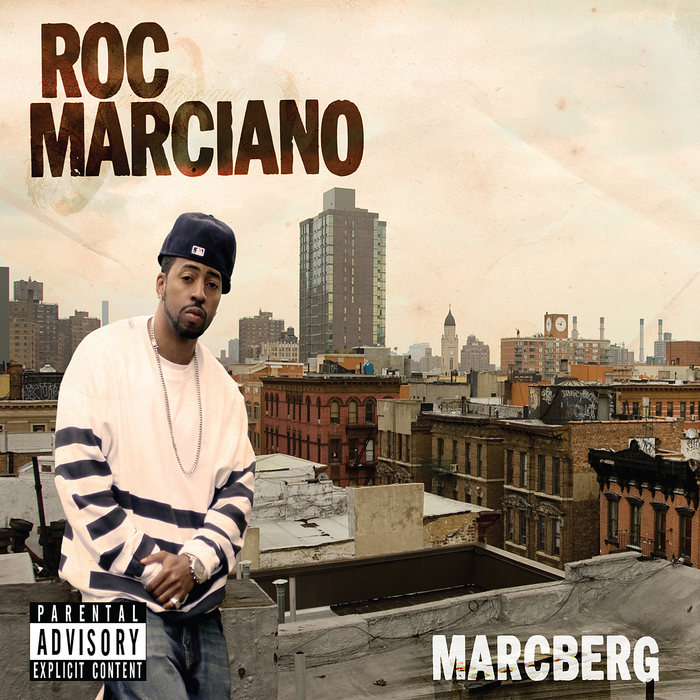
Roc Marciano walked into 2010 with a vision sharpened by years in the trenches, and Marcberg is the moment that vision hardened into something cold, disciplined, and unmistakably his. The album strips away every distraction, leaving nothing but dust-coated loops, minor-key fragments, and a voice that moves with the precision of a pickpocket. Marciano produced the entire record himself, and the result is an atmosphere that hangs low and grainy, like a dim apartment lit by a single bulb. The loops cycle in tight formation—brief soul lines, eerie jazz phrases, and film-noir fragments running on repeat—creating a sense of pressure that never cracks.
Tracks like “Snow,” “It’s a Crime,” and “Don Shit” carry a steady pulse built from sparse drums and short melodic phrases. Nothing feels busy. Everything is deliberate. The space inside these beats gives Marciano room to unload dense, hyper-syllabic bars that spill in long, confident stretches. His delivery stays calm even when the scenes he describes cut deep: cold stairwells, robberies gone sideways, expensive coats brushed against concrete walls, and the steady grind of survival. He threads humor through the violence—an offhand insult, a strange reference, a flamboyant flex delivered with a deadpan edge. That mix gives the record its strange electricity.
“Jungle Fever” stands out for its extended metaphor, turning a relationship with cocaine into something personal, vulnerable, and tightly controlled. Marciano doesn’t rush the concept; he builds it line by line, giving the track an emotional weight that shifts the album’s center of gravity. “Pop” and “Whateva Whateva” add flashes of dark comedy and sharp detail, grounding the violence in the everyday texture of Long Island and pre-gentrified New York.
Marcberg is the quiet reset point for the movement this list tracks. Nearly every album that follows draws something from its stripped-down production style, its confidence in long-form verses, or its commitment to street-level detail. Marciano created a lane that he and others would expand, twist, and rework, but the blueprint sits right here.
Action Bronson - Dr. Lecter (2011)

Action Bronson’s debut Dr. Lecter is a blast of Queens street eccentricity delivered with a chef’s precision and a graffiti writer’s impulsive streak. The record shines with the confidence of someone who knows exactly how he wants his voice to hit the ear: quick bursts of dense slang, brash humor, and food-obsessed detail fired over breakbeats that sound pulled straight from a dusty studio floor. Tommy Mas builds the entire project from chopped drums and quick-cut soul loops, creating a tight, punchy frame that keeps Bronson locked into a steady forward motion.
Bronson’s presence is loud and immediate from “Moonstruck,” where he slices through a gritty, horn-driven loop with lines that jump from street grime to kitchen heat in a matter of seconds. “Barry Horowitz,” with its snapping drums and bright guitar chops, gives him room to run wild with sports references and smirking boasts. His pacing is relentless on “The Madness,” which strips production down to its bones so the verses carry all the weight. Tracks name-checking athletes and bodybuilders—“Larry Csonka,” “Ronnie Coleman,” “Chuck Person”—move with the same attitude: Bronson uses these figures as loose anchors for wild scenes, tangling old-school braggadocio with his own surreal brand of storytelling.
The food lexicon is everywhere, delivered with a tone that comes from real kitchen experience. “Brunch” slows the momentum for a moment, letting Bronson lay out a breakup narrative with unusual restraint, while “Bag of Money” and “Jerk Chicken” shift into rougher territory with guests who bring grit but rarely match Bronson’s flair. “Get Off My P.P.” is the record’s most chaotic rush, riding a Dizzy Gillespie flip that pushes Bronson into full attack mode.
Dr. Lecter is a straight-ahead New York Hip Hop record powered by sharp drums, fast talk, and a rapper who treats every verse like an open flame. Bronson sounds hungry, loud, and fully locked into his own strange world—exactly the energy that would carry him into his later cult status.
Meyhem Lauren - Self Induced Illness (2011)

Meyhem Lauren’s Self Induced Illness is an oversized brick of Queens attitude, ambition, and street detail delivered with no hesitation. The project stretches across dozens of tracks, moving like a long night spent drifting through different corners of the city, each beat carrying a new shade of smoke, steel, and swagger. The scale is wild—over forty cuts in some versions—and the length turns the album into an endurance test in the best possible way. The sprawl gives room for every instinct Lauren had at the time: graffiti memories, food talk, mob flick nods, quiet threats, and hungry declarations. The excess is part of the appeal. In an era when many rappers pass off little twenty-five-minute projects as full-lengths, this kind of overloaded release feels alive and fearless.
Lauren’s voice is the anchor. It hits with weight and clarity, pushing each bar forward with an almost conversational confidence. He paints the New York hustle with clean edges: meals plated next to muddy stairwells, Polo gear pressed against concrete reality, old codes mixing with new ambition. That mix of grime and indulgence became central to his identity, and you can hear the early formation of that style throughout the project.
The production roster is huge—J-Love, PF Cuttin, Shakim Allah, Thorotracks, Anger Bangers, and more. Every producer pulls from rugged sample chops and sharp drums, giving the album the feel of a mixtape dug from an East Coast vault. The beats stay focused on grit and rhythm, and the wide range of textures keeps the marathon running without dead air. The guest list reads like a blueprint for the New York revival: Action Bronson, Roc Marciano, A.G. Da Coroner, Thirstin Howl III, Kool G Rap, Raekwon.
Self Induced Illness is long, loud, and fully committed—a rough-cut document of a Queens rapper stepping into his lane with absolute purpose.
Kool G Rap – Riches, Royalty, Respect (2011)

In 2011, Kool G Rap returned to the underground with an album that fit squarely within the re-emerging street rap revival. Riches, Royalty, Respect arrived during a moment when stripped-down, sample-driven street rap was gaining fresh momentum, and G Rap used the space to reaffirm the precision and detail that shaped his long career. The record leans into his strengths: dense rhyme patterns, cold street narratives, and a measured delivery that carries the weight of decades spent studying every corner of the hustle.
The production team is varied, but the overall mood stays locked into a dark East Coast frame. DJ Supa Dave supplies some of the album’s strongest backdrops. “In Too Deep” moves with symphonic soul chopped into a heavy pulse, giving G Rap room to lay out scenes of entrapment and paranoia. “Sad,” built from Lee Moses’ aching vocal, turns into one of the project’s emotional centers. G Rap’s gravel-toned delivery cuts through the sample, giving the track a tense, mournful quality. The autobiographical “Pages of My Life” is another Supa Dave highlight, offering a stripped account of setbacks and survival without drifting into sentimentality.
Marley Marl reconnects with his longtime collaborator on “$ Ova Bitches,” bringing a sharp, vintage edge. Alchemist’s appearance on “American Nightmare,” with Havoc delivering a tightly wound verse, creates one of the album’s most intense moments. The beat thumps like a slow walk through a dim hallway, and G Rap uses the space to outline the darker layers of the Queens underworld he knows so well.
Not every experiment lands—some tracks pull in lighter concepts that don’t match the grit surrounding them—but the album never loses its core identity. Riches, Royalty, Respect is a late-career project grounded in skill, discipline, and a clear vision of street rap’s colder truths.
Action Bronson & The Alchemist - Rare Chandeliers (2012)

Rare Chandeliers runs with the swagger of a late-night grindhouse film. The cover hints at the chaos inside: loud colors, strange weapons, and a smirk that never fades. Action Bronson and The Alchemist build an atmosphere soaked in cigarette haze and warped guitar pedals, and the tape runs with that energy from the first bar.
Alchemist leans into a heavy, psychedelic palette. The loops carry bruised rock riffs, brittle jazz fragments, and dramatic cuts lifted from older exploitation flicks. “The Symbol” rides a wah-drenched guitar line that swings between bluesy wails and smoky restraint, giving Bronson room to slide between threats, jokes, and sharp left-turn references. “Gateway to Wizardry” opens on a soft, floating sample before Alchemist flips the floorboards and drops a snarling, saturated rhythm that drags the track into a different dimension. Bronson adapts without blinking, stacking vivid lines with a quick, rolling cadence while Styles P cuts through with a direct, seasoned attack. “Eggs on the Third Floor” brings in loose jazz phrasing and a sudden mid-track shift that tightens the room around Bronson’s voice.
Bronson treats every verse like a kitchen experiment. He tosses in spices, knives, travel stories, wrestling names, rare dishes, and street corners in the same breath. His tone stays brash, amused, and restless. One moment he is describing an obscure cut of meat; the next, he is sketching an alleyway incident with deadpan precision. That blend gives the tape its strange humor. On “Bitch, I Deserve You,” the jokes fade for a moment as he moves into a more personal register over Alchemist’s slow keys and low brass.
The guests match the mood. ScHoolboy Q brings a raw, jagged energy to “Demolition Man,” while Sean Price turns “Blood of the Goat” into a thick, murky exchange.
Rare Chandeliers thrives on risk, grime, and momentum. Alchemist’s production pulls Bronson into darker corners, and Bronson fills the space with color, appetite, and wild imagination. The tape sits at a sharp intersection of street grit and theatrical flair, powered by two artists working with total confidence.
Roc Marciano - Reloaded (2012)
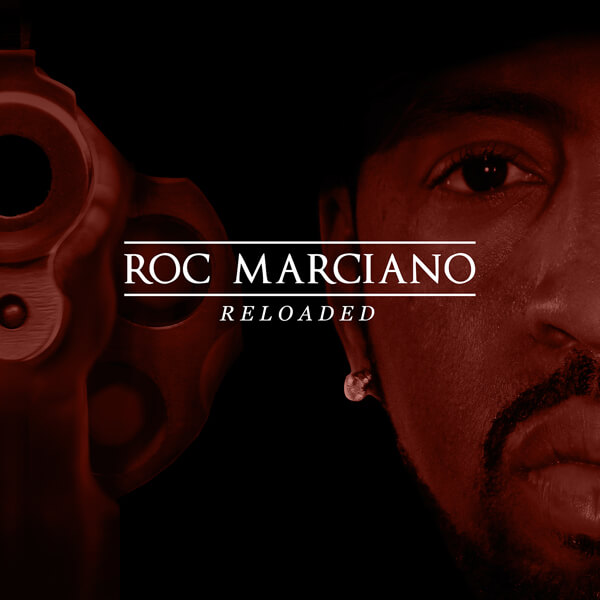
Roc Marciano’s Reloaded drops listeners into a haunting and cinematic world. The album rolls out with a sense of elegance layered over grit—each track feels like an intimate scene lit by dim, flickering street lights. From the first beat, there’s a clear sense that Reloaded is meant to be experienced as a complete world, where every element is stitched together to evoke the essence of New York’s shadows and silent backstreets. Marciano’s beats come sparsely arranged, often without drums, stripping away all excess to let his verses hit with an almost whispered intensity. Dark, looping piano notes and vintage samples echo through, creating the mood of a film noir that’s both tense and captivating.
Marciano’s lyrical style in Reloaded is as sharp and controlled as a wire cutter, slicing into scenes of street life with a poet’s eye for detail. His verses aren’t about delivering clear-cut stories; they’re like snapshots that pull you into hidden, gritty moments. Each line delivers the vibe of his world, slipping between the luxurious and the deadly with an almost offhand precision. Marciano’s imagery stands out in every verse: he’ll mention a mink coat and a firearm in the same breath, weaving together details that hit like flashes of neon on wet asphalt. His pacing is slow and deliberate—as if he’s inviting you to look around, notice the textures, and feel the weight of the world he’s describing.
The production in Reloaded feels like it’s dipped in sepia tones, looping in soulful, melancholic samples that give each track a timeless quality. There’s no rush to these beats—only layers of strings, horns, and the occasional eerie hum. The result is a sound that feels stripped-down and personal, with an atmosphere that leans into silence, letting the weight of Marciano’s words settle without distraction. Each track bleeds into the next, maintaining a cohesive tone that’s equal parts menace and luxury, pulling listeners along a journey through city streets and smoke-filled rooms.
In Reloaded, Marciano refuses to follow trends, crafting an album seemingly more interested in building its own world than appealing to any specific style. Each listen feels like discovering new layers hidden in the shadows, with details and turns of phrase that bring something fresh to the experience each time. Reloaded isn’t an album you passively consume—it’s one you sink into, letting the understated beats and lyrical precision pull you deeper into Marciano’s unique vision of Hip Hop. Reloaded is a masterpiece, a modern classic, and Roc Marciano’s best album.
Boldy James – My 1st Chemistry Set (2013)
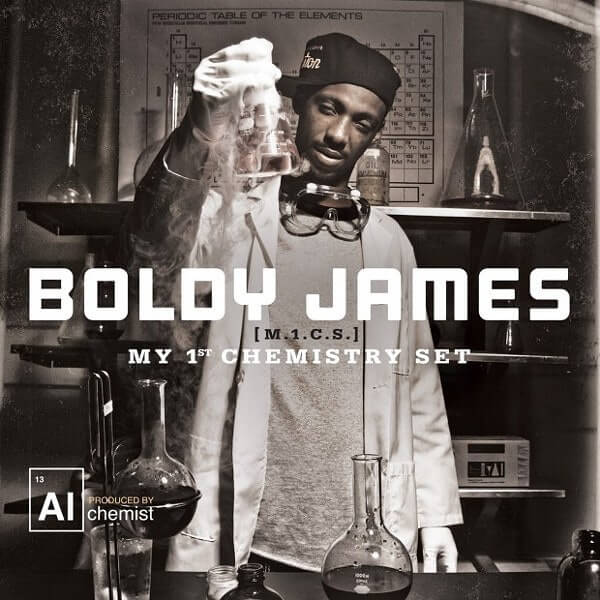
Boldy James and The Alchemist lock into a cold, methodical rhythm on My 1st Chemistry Set. The record moves like a late-night drive through Detroit’s quieter industrial blocks, where the only light comes from scattered streetlamps and the glow of a pager. Alchemist keeps the production lean. Piano fragments, faint strings, and brittle vocal snippets drift in and out of the frame, creating an atmosphere that hangs low and slow. The drums sit deep in the background or vanish altogether, leaving Boldy’s voice exposed in a way that heightens the tension.
Boldy approaches each track with the same quiet tone. His delivery stays even, almost level with the beat, but the writing has sharp corners. He describes local slang, street codes, and day-to-day movement with the precision of someone sorting memories by hand. “Moochie” runs through definitions and neighborhood shorthand with a steady cadence that turns every line into a coded message. “Rappies” stretches its phrases into long strands, twisting grim humor into its darker moments. He approaches violence and hustle without dramatics, laying out each detail as part of the larger routine.
The language he uses is grounded and specific: cars, corners, debts, weapons, and the weight of certain decisions. The tone stays controlled, which gives the writing a strange power. There is no attempt to raise the temperature. The coldness is the point. Boldy moves inside each beat with patient timing, threading multi-syllabic patterns through Alchemist’s muted loops without ever raising his volume.
Alchemist carries equal weight in shaping the record’s mood. “You Know” leans on a restless bass pattern and thin strings, while “Moochie” rattles with violin tremolos and a small, eerie chime. Nothing overwhelms the vocals. Everything is designed to create a suspended, foggy environment where Boldy’s verses land with quiet impact.
Freeway cuts in with his trademark intensity, Action Bronson trades quick lines on “Traction,” and Earl Sweatshirt drifts into “Reform School” with a dense, coiled verse. Boldy remains the center of gravity, holding the album together with a steady, unmoving voice that carries the weight of his stories.
My 1st Chemistry Set is a slow burn built on discipline: detailed writing, minimalist production, and a mood that never breaks. It introduced a creative partnership that shaped the next decade of street-driven Hip Hop and set a new bar for this darker, more cinematic corner of the underground.
Prodigy & The Alchemist - Albert Einstein (2013)
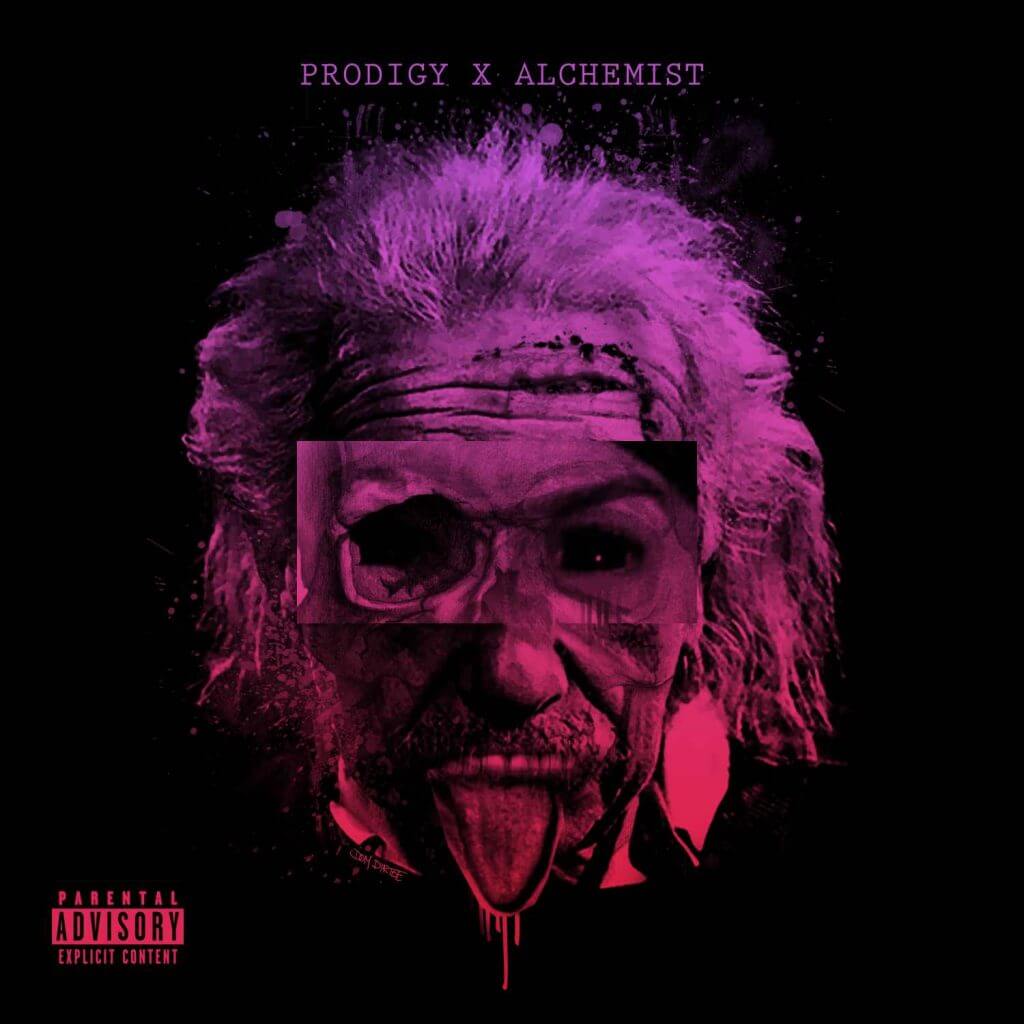
Albert Einstein is the sound of Prodigy locking back into his instincts with a sharper edge and a clear sense of direction. The Alchemist handles the entire production load and builds an environment that brings Prodigy’s voice into tight focus. The music is cold, murky, and hypnotic, shaped from warped keys, clipped vocal fragments, and drum patterns that hit with a blunt thud. The opener “IMDKV” lays down the mission immediately: piercing piano stabs, a slow pulse, and Prodigy stepping into every bar with the kind of controlled violence he sharpened in the 90s. That rhythm carries through the album even as Alchemist changes textures from track to track.
Prodigy drops lines with a steady, grounded cadence. There is no attempt at theatrical inflection; the impact comes from his pacing and the way he shapes each threat, detail, or memory with absolute clarity. On “Give ’Em Hell,” he floats over a drifting melody without loosening his grip. “Confessions” twists into a thick knot of sirens, strings, and scattered percussion, and Prodigy cuts through the chaos with blunt storytelling that lands like slow, heavy footsteps in a dark hallway. “Bear Meat” returns to stark piano and hard drums, pushing Prodigy into a sharper snarl, and the hook recalls the clipped, aggressive chants of his earliest Mobb Deep work.
Alchemist widens the album’s palette in small but noticeable ways. “Breeze” moves with a soft glow, almost reflective, but the drums keep it grounded. “Curb Ya Dog” brings in a loose, funky swing that shakes the dust off the record without breaking its mood. Tracks with guests fold naturally into the album’s rhythm: Raekwon and Havoc on “R.I.P.” give the record a late-night cipher feel, Roc Marciano glides into “Death Sentence” with his calm menace, and Action Bronson snaps into “The One” with a sharp, bright tone that cuts against Prodigy’s gravel.
Albert Einstein is a focused, late-career high point for Prodigy and a strong example of Alchemist’s ability to shape an entire world from warped samples and disciplined drum work.
Ka - The Night's Gambit (2013)
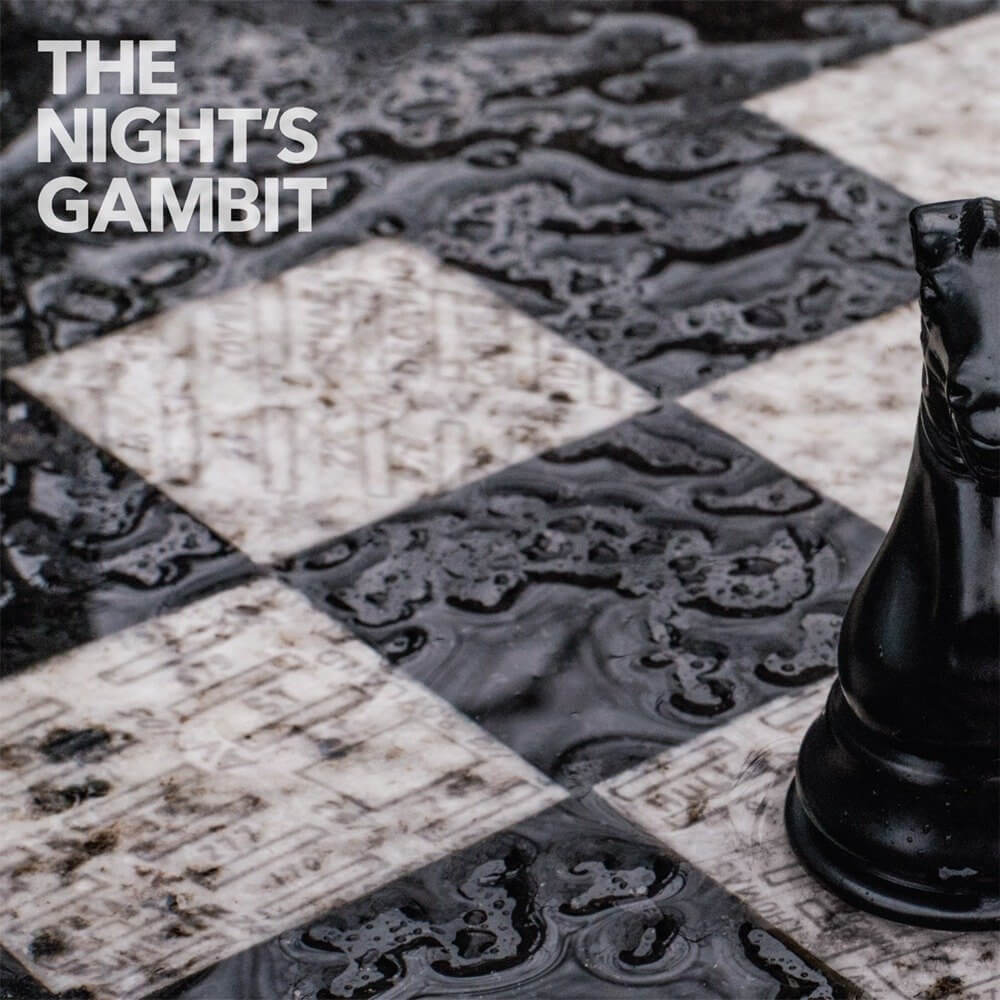
The Night’s Gambit is Ka operating at full focus, a self-produced, meticulously crafted examination of survival and consequence in Brooklyn streets. The album drifts through Brownsville like fog over empty avenues, each loop and chord stripped to essentials. Drums are quiet pulses, percussion flickers like a distant heartbeat. The sparse textures leave Ka’s voice exposed, demanding attention. His monotone, gravelly delivery reads every line as a careful observation, every pause weighted with the past.
The chess metaphor threads through every verse, shaping the structure and strategy of Ka’s storytelling. Streets, hustles, betrayals—they move like pawns, knights, and bishops under Ka’s careful direction. Tracks like “30 Pieces of Silver” and “Knighthood” transform crime, survival, and loyalty into a careful game of calculated sacrifice. “Our Father” and “Barring the Likeness” trace moral ambiguity and guilt across beats that echo with haunting, filtered soul samples, minor-key piano, and wailing organ tones. Ka blends reflections on street life with philosophy, religion, and cultural observation, letting imagery and internal rhyme carry the weight of narrative instead of traditional hooks or choruses.
Though his approach is understated, the content is uncompromisingly street. Ka documents fear, loss, hustling, and the consequences of betrayal with the precision of a crime reporter, but the method is poetic—dense, coded, layered. He doesn’t announce danger or aggression with volume; it creeps through the diction, the pacing, the careful choice of words. “Soap Box” and “Nothing Is” highlight his control over tension and mood, making the listener acutely aware of stakes without ever spelling them out bluntly.
Ka’s production and lyricism converge to create one of the most precise, deliberate albums in modern underground Hip Hop. Every beat and verse exists in conversation, revealing details only after repeated listens. Among his catalog, The Night’s Gambit occupies a rare space: it is as hard as any album on this list while advancing his poetic, cerebral style. It is an essential study in minimalist mastery, proving that street narratives can be intricate, thoughtful, and uncompromisingly real.
Freddie Gibbs & Madlib - Piñata (2014)
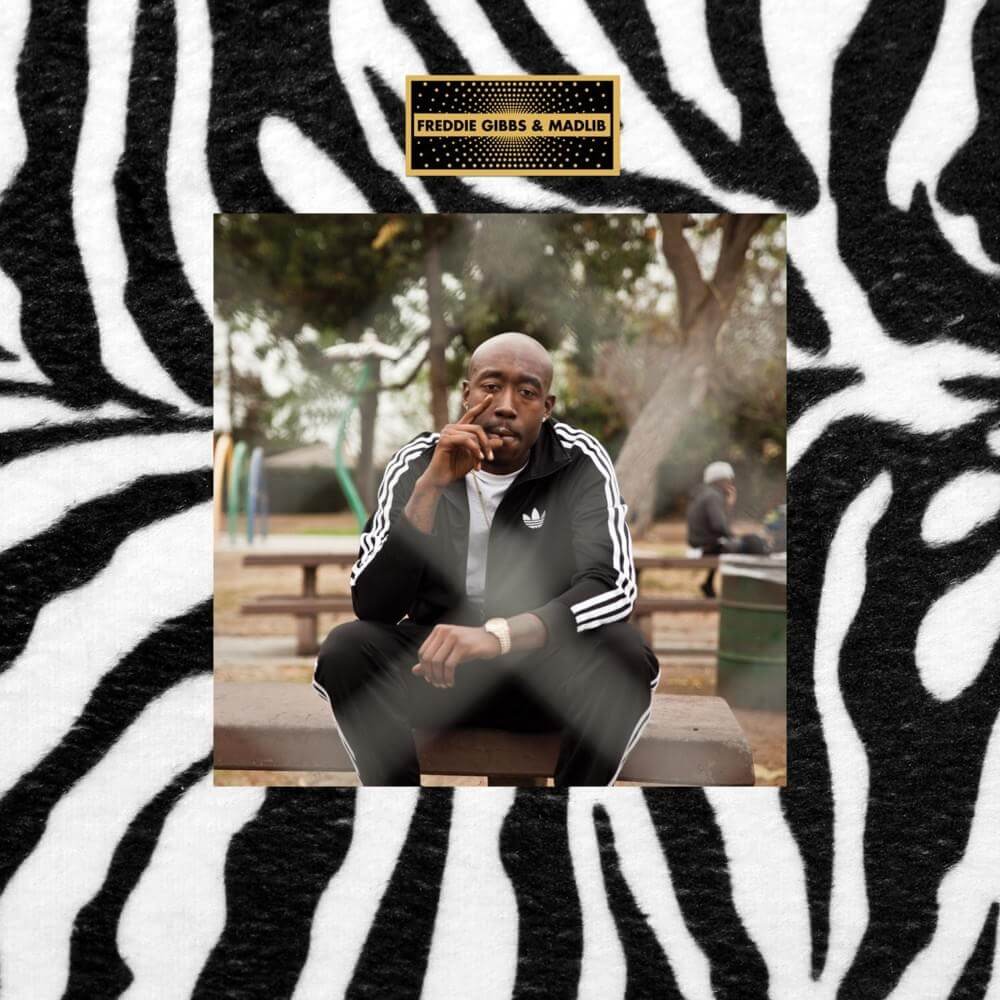
Piñata moves with the force of a noir crime film pressed onto vinyl. Freddie Gibbs steps into the record with a voice shaped by Gary, Indiana’s long grind, and Madlib frames every verse with dense, dust-covered loops that shift like drifting smoke. Their collaboration forms a world where the streets feel close, every detail weighted, and the tension never loosens.
Gibbs raps with a direct, grounded tone. His delivery cuts through Madlib’s tangled samples with crisp precision, never losing pace even when the drums slide off the grid. Tracks like “Thuggin’” present his most hard-edged writing: clipped memories, blunt threats, and a steady focus on survival. He carries that intensity into “Real,” where each line lands with sharp intent. The writing across the album is rooted in lived experience, often heavy, and shaped by a constant awareness of consequences. That weight becomes clearer on “Deeper,” where he moves into regret and heartbreak without softening his voice. The mix of resolve and vulnerability gives the album its central tension.
Madlib builds the entire backdrop from soul fragments, forgotten soundtrack pieces, and grainy funk. The loops breathe and warp, often slipping into odd corners before snapping back into shape. His beat on “Shame” glows with a worn, late-night warmth, while “Harold’s” jumps with loose energy. He stacks small details—dialogue clips, sudden drops, rough edits—until each track feels like a scene rather than a simple rhythm.
Guest verses appear throughout the record without disturbing its tone. Raekwon slides into “Bomb” with cold confidence, Scarface adds weight to “Broken” and Danny Brown his manic energy to “High,” while Domo Genesis and Earl Sweatshirt lock into the drifting haze of “Robes.” Each voice sits inside Madlib’s grainy palette instead of rising above it.
Piñata carries the grit of street rap and the restless imagination of Madlib’s crate-digging style. The record is tense, soulful, and full of sharp detail, driven by two artists who build a dark, lived-in world without blinking.
Rozewood - The Ghost Of Radio Raheem (2014)

Rozewood dropped The Ghost of Radio Raheem when the mainstream was drowning in trap hi-hats and auto-tune, delivering a record that feels like a Molotov cocktail thrown through the window of modern Hip Hop. From the opening seconds of “Top Floor,” icy piano loops ride over Lex Boogie’s thunderous drums, setting the temperature: cold, dangerous, and urgent. Rozewood’s voice is gravel soaked in grit, every syllable punching through the speakers like the weight of a city block. He spits lines that track the hustle, betrayal, and losses of street life with surgical precision, invoking the ghosts of classic New York rap while writing his own scripture.
Production throughout is cinematic and varied, pulling from a tight crew of underground craftsmen. Snowgoons deliver menace on “Black China Doll,” Apollo Brown drapes “Story of My Life” in mournful soul, and Stu Bangas closes with the apocalyptic “Black Christ.” Knxwledge’s remix of “Pyramid Points” sneaks through with dusty, vinyl-aged textures, giving the sense of a crate-digged artifact rather than a modern concession. Each beat works with Rozewood’s delivery, building tension and atmosphere that echo the shadows of Bed-Stuy summers and Queens streets alike.
Hus Kingpin, El Da Sensei, and BIGREC appear to weave through “Star Temples,” “Tristate Agenda,” and “$100 Taper,” trading verses without ever diluting Rozewood’s vision. The lyrical content is dense with metaphor and street wisdom, capturing the cold reality of survival while maintaining a cinematic flair. Lines like “I move work like the ghost of Radio Raheem move the speaker” hit with the clarity of a bell in a dark alley.
This is one of the most slept-on albums in modern underground Hip Hop. Poor marketing, limited promotion, and chronic unavailability have kept it out of the hands of most listeners. If you’ve never experienced this one and manage to track it down, the reward is immediate: a lean, mean, and hauntingly vivid boom-bap experience that refuses to compromise. The Ghost of Radio Raheem is unflinching, gripping, and immersive—an album that reminds you why East Coast Hip Hop can still scare the unprepared.
Meyhem Lauren & Buckwild - Silk Pyramids (2014)

Silk Pyramids is Queens grit dipped in Bronx dust, shaped by Meyhem Lauren’s blunt delivery and Buckwild’s deep-stack sample craft. The record moves with the directness of a street mural: bold outlines, sharp angles, no wasted space. Buckwild builds every beat from thick drum loops, clipped soul fragments, and the kind of vocal snippets that hang in the air like smoke in a corner bodega. That foundation gives Lauren room to fire off lines with his usual mix of hunger, bravado, and a dry sense of humor that never softens the tone.
“100 MPH” sets the frame with a bright, chopped melody and Action Bronson’s booming presence locking in beside Lauren. It is the closest thing here to a victory lap, loud and full of momentum. Tracks like “Love and Loyalty” and “Q.U. Cartilage” shift into slower, late-night rhythms where Lauren leans into his gravelly authority, trading detail-heavy memories with a steady calm. The pulse tightens again on “Narcotics Anonymous,” where Heems’ crooked cadence pushes the beat in an odd direction, giving the song an off-balance tension that works.
When Buckwild reaches for heavier drums—“Aztec Blue,” “Been Official,” “Where the $ At”—the album opens up. “Aztec Blue” rides a familiar loop but Buckwild reshapes it with thicker percussion and a touch of melancholy, letting Lauren drift into stories of graffiti nights and neighborhood codes. “Been Official” closes the project with a hypnotic vocal fragment spinning in the background while Lauren snaps through every bar as if taking inventory of his past and present on the same page.
Not every track lands with the same weight—Buckwild’s occasional carnival-style melodies flatten the mood—but the core of Silk Pyramids hits hard. The partnership draws strength from discipline: one producer, one emcee, a shared love for no-frills East Coast Hip Hop. The result is a cold, street-level record built on rhythm, hunger, and concrete detail, the kind of album that carries the grit of 90s New York into a newer era without losing its pulse.
Conway The Machine - Reject 2 (2015)

Reject 2 hits with the cold certainty of an artist who already knows his lane. Conway raps with a steady, slurred bite shaped by gunshot trauma, and that tone gives the tape its edge. His delivery is tight and unhurried, focused on detail, and every line lands with the weight of lived experience. There is no gloss here. The project moves through Buffalo’s darker corners with a voice that holds pain, defiance, and a dry sense of humor at the same time.
Daringer builds most of the production, and his work locks the entire record into a narrow, dangerous alley. He uses brittle drums, ghostly jazz loops, and short, sharp soul fragments. The beats carry a drained quality, as if the light has been pulled out of them, leaving only the essential pieces. That mood gives Conway plenty of room to craft threats, memories, and coded talk without raising his voice. “1000 Corpses” opens the tape with a slow, uneasy riff that drags the listener in. “Blakk Tape” deepens the mood with a hazy, mid-tempo loop that holds its shape from start to finish.
The features slide into the atmosphere with ease. Roc Marciano and Westside Gunn cut into “Rex Ryan” with sharp, focused verses, while “Beloved” brings one of the tape’s strongest moments: Mach-Hommy drifting through the hook, Benny snapping through his verse, and Conway holding the center with a calm, heavy tone. Westside Gunn and Skyzoo bring a brighter spark to “Sky Joint,” lifting the jazzy undercurrent without breaking the grit.
Across the tape, Conway stays locked in. His lines are dense, his rhythm is clean, and the honesty in his writing is immediate. No filler, no shortcuts.
We still rate Reject 2 as one of his best projects. On more recent projects, Conway sometimes drifts into occasional trap-leaning experiments we don’t care for very much—but with this tape, he delivers pure gutter grit from start to finish, and his authenticity hits hard on every track.
Westside Gunn - FLYGOD (2016)
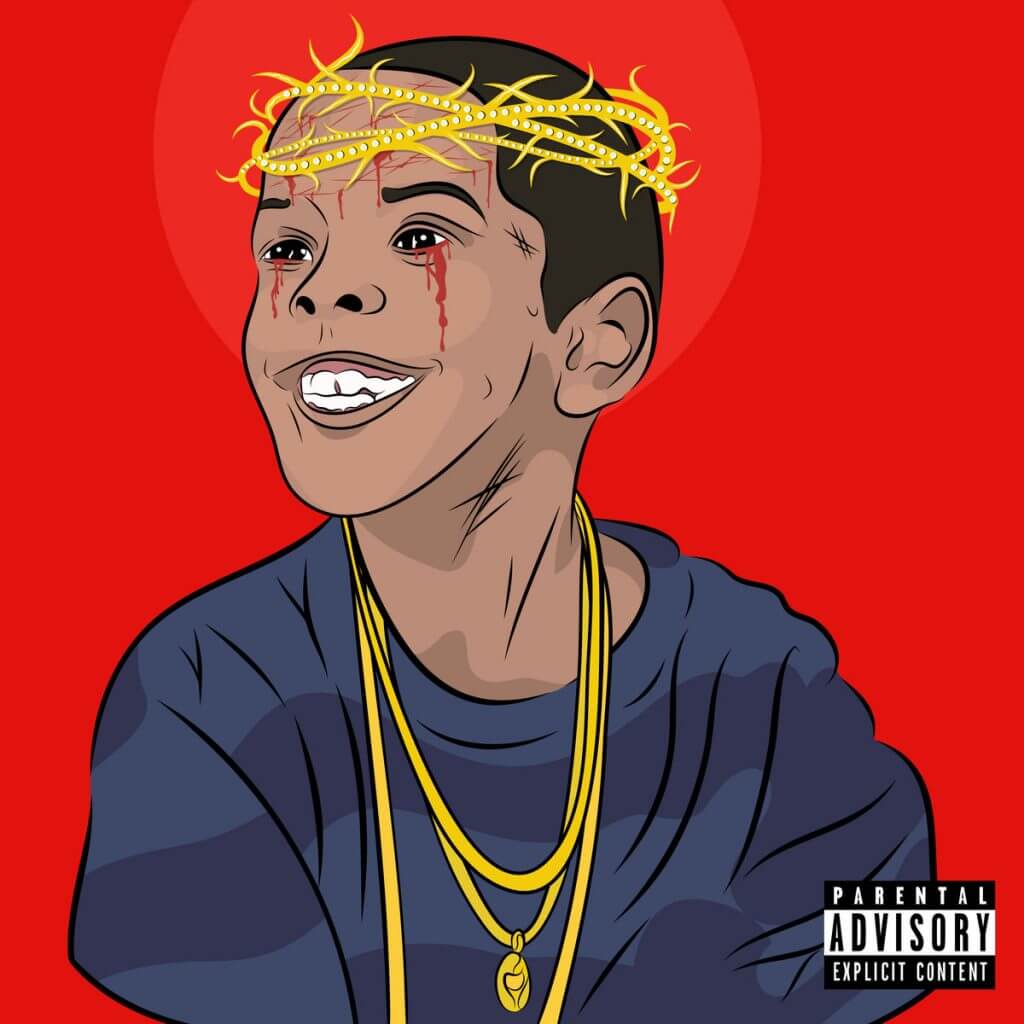
FLYGOD is Westside Gunn stepping into his role as architect of a new lane in modern Hip Hop, shaping a world built on high fashion, street pressure, boxing lore, and a sharp eye for detail. His voice cuts through the album with a bright, nasal ring, and he leans into that tone with confidence. The ad-libs hit like punctuation marks—short bursts of energy that turn into part of the rhythm. He approaches each verse as a designer approaches fabric: arranging fragments of luxury talk, coded street references, and quick flashes of violence into tight, stylish patterns.
The production moves across a wide range of cold, soul-driven textures. Daringer provides the backbone with stripped-down loops that leave plenty of open space, giving Gunn’s voice room to twist and dart between phrases. Strings drift through the background on some tracks, while others rely on brittle drum patterns or slow, mournful piano lines. The Alchemist and Statik Selektah add their own edges, widening the mood without breaking the album’s focus. The sound is rugged and unpolished, as if rescued from a forgotten reel, and that worn quality strengthens the album’s dark glow.
Guests appear throughout the record, shaping it into a full portrait of the early Griselda circle. Conway steps in with a grim calm that contrasts Gunn’s sharper cadence. Benny delivers one of his early standout performances, cutting into a piano line with tight control. Keisha Plum brings spoken-word pieces that deepen the album’s art-driven atmosphere. Danny Brown, Meyhem Lauren, Mach-Hommy, Skyzoo, and others add distinct energy, turning the album into a curated gallery of voices.
Across its length, FLYGOD builds the core of the modern Griselda identity: a mix of street tension, art-world flair, and icy minimalism. The details pile up—horns crying in the distance, bells circling a verse, guitar lines bending under pressure—until the album forms a full environment. It remains one of the key works of the 2010s underground, a project driven by intent, personality, and sharp creative control.
Ka - Honor Killed The Samurai (2016)
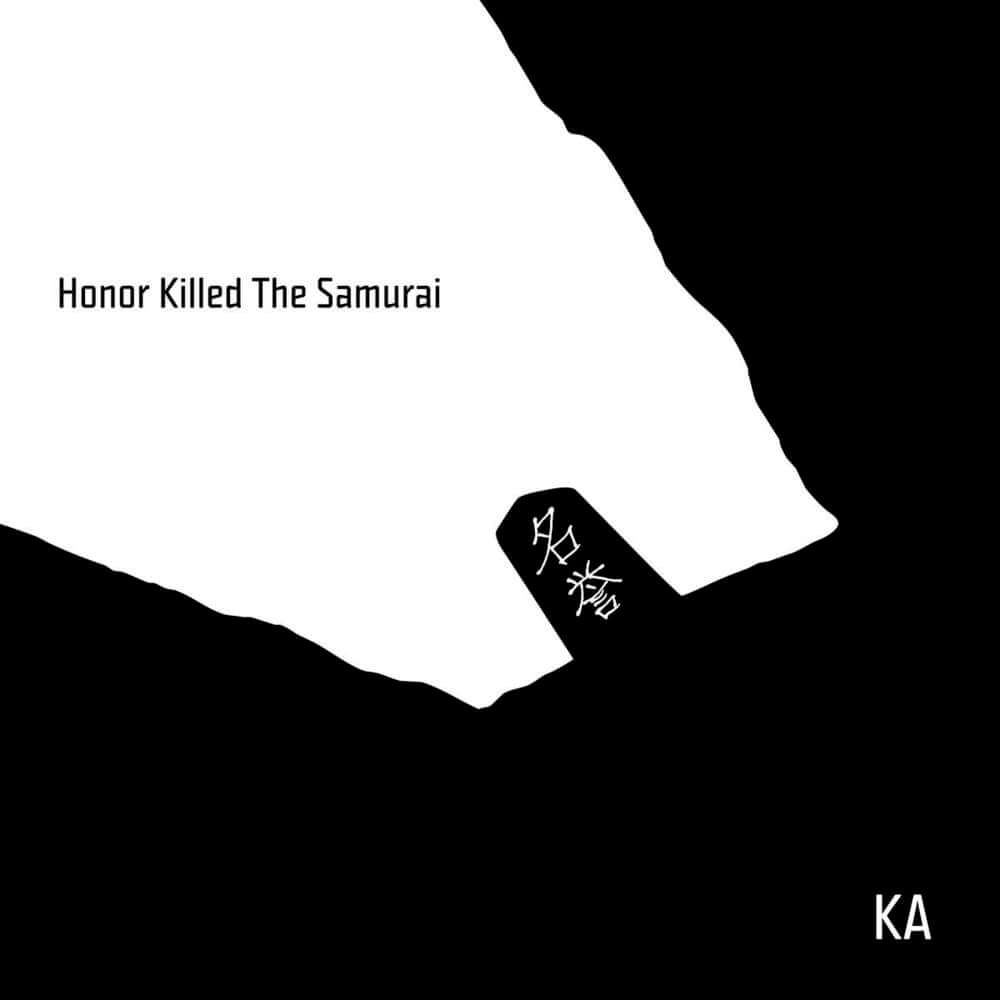
Honor Killed The Samurai is Ka narrowing his focus to a surgical point, transforming Brownsville streets into the code-bound, disciplined world of feudal warriors. The album drifts through ten tracks like a low-slung, nocturnal meditation. Beats are spare, often drumless, with long, somber loops that carry hints of gongs, strings, and wind instruments. Each sound hovers in the air, giving Ka’s hushed, gravelly delivery room to dictate rhythm and tension. Silence and space are as important as notes; every pause lets the listener feel the weight of survival, loyalty, and betrayal in his narratives.
The samurai metaphor structures the album, turning hustlers, gangbangers, and street survivors into masterless ronin and disciplined warriors. Tracks like “Just” and “Conflicted” deal with moral codes and consequences. Ka narrates moments of fear, trust, and vigilance, showing the stakes of street life without spelling them out. His lines operate like chess moves or precise sword strikes: each one layered, calculated, and necessary. On “$,” he critiques materialism while reflecting on the responsibility and impact of wealth in a community. Even in seemingly personal vignettes, the listener feels the streets’ danger, the weight of choices, and the vigilance required to survive.
The production reinforces the thematic tension, slow and austere, like the soundtrack to a black-and-white martial arts film set in Brooklyn alleys. Samples are carefully chosen: whispered strings, subtle percussion, and atmospheric textures that feel ancient yet immediate. Every track feels intentional, each bar honed with the precision of a master craftsman.
Though Ka rarely depicts street action explicitly, Honor Killed The Samurai is as gritty as any project on this list. It confronts the dangers, betrayals, and ethical compromises of survival, translating them into disciplined, poetic form. The album’s quiet menace, its obsessive attention to detail, and the moral and tactical calculations woven through its lyrics align it firmly with the cinematic underground street rap tradition. This is an album for listeners willing to sit in the shadows, tracing the careful movements of a rapper whose work operates at the intersection of street reality and austere artistry.
Mach Hommy - H.B.O. (2016)

H.B.O. is Mach-Hommy staking his claim in underground Hip Hop with a record built around obscurity, precision, and the kind of detail that demands repeated listens. From the first loop, the album drifts in a smoky, jazz-inflected haze. Sparse drum patterns hover beneath fractured piano riffs, muted horns, and warped soul samples, leaving pockets of empty space that feel deliberate, almost tense. Each instrumental carries the weight of a vinyl crate unearthed from a forgotten corner, dusty but luminous, and the beats bend and stretch under Mach-Hommy’s attention.
Mach-Hommy raps with a deliberate cadence, weaving dense, multi-syllabic rhymes that oscillate between Haitian Creole, historical allusions, and references to street economy. The lyrics are puzzles, intricate enough to reward close listening, yet rhythmically precise, threading through the ghostly loops with a quiet authority. Tracks like “1080p” and “Bey Six” combine jagged street realism with intellectual flare, balancing the grim and the cerebral without ever slowing the album’s momentum.
Production comes from Daringer, The Alchemist, and August Fanon, among others, each contributing to a palette that moves from dark minimalism to abstract jazz, occasionally brushing against cinematic textures. The result is a loose, meditative atmosphere that allows Mach-Hommy’s lyrical density to breathe. Even without dense percussion, the tracks pulse with motion—snaps, scratches, and looping samples form a lattice for his verses to inhabit.
While Mach-Hommy was aligned with Griselda at the time, H.B.O. operates on its own terms. The record is a mix of street grit, cultural assertion, and high-concept artistry, treating music as a scarce, tangible object rather than a disposable commodity. Every beat, every verse, every vocal inflection contributes to a layered experience that sits between underground classic and intellectual statement. H.B.O. transforms the boom-bap ethos into something abstract, precise, and unmistakably Haitian in perspective, establishing Mach-Hommy as one of the era’s most compelling, enigmatic voices.
Havoc & The Alchemist - The Silent Partner (2016)
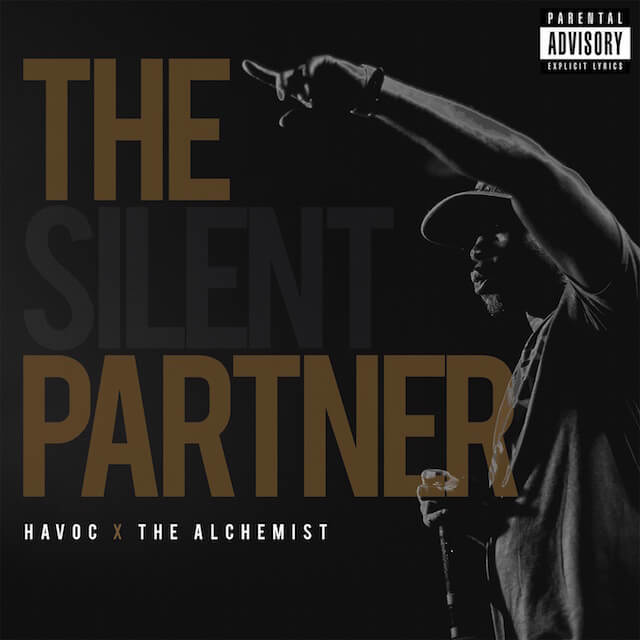
The Silent Partner opens like a window into Queensbridge after dark. The streets are slick, the shadows heavy, and the air hums with tension. From the first piano chord of “Impose My Will,” the album announces itself: dark, deliberate, and precise. Havoc’s voice cuts low and steady, a veteran moving through familiar terrain, painting streets, schemes, and codes with measured menace.
The production is a conversation between two generations of New York grit. Havoc’s signature drum-heavy minimalism anchors the beats, each kick and snare calibrated to suggest paranoia, urgency, and the threat of sudden violence. Alchemist layers his own vision over this foundation: fractured soul samples, warped horns, and ghostly vocal snippets hover over the hard drums, giving the tracks a cinematic edge without diluting their raw power. On “Buck 50s & Bullet Wounds,” a menacing piano licks across the beat while Method Man’s presence sharpens the tension. “Smooth Ride Music” drifts on a lone saxophone, scattered scratches, and a subtle bongo pulse, revealing new textures with each spin.
Havoc’s lyricism revisits streets he knows intimately. His verses trace familiar territory—street codes, hustling, and the weight of survival—but his delivery carries authority, focused and unyielding. Guest appearances punctuate rather than dominate. Prodigy raps gun talk on “The Gun Holds a Drum,” and Cormega closes “Hear Me Now” with introspection, leaving Havoc’s narrative at the center.
The album is lean—eleven tracks that never overstay their welcome—but dense with detail. Every beat, sample choice, and line reinforces a specific mood: dark, calculated, and alive with menace. The Alchemist and Havoc understand each other, allowing the record to breathe while maintaining tension. The Silent Partner is the sound of two seasoned architects in dialogue, shaping the streets of Queens into music: grim, intelligent, and exacting. It’s an album that demands attention and rewards patience, a late-night walk through the city’s shadows with a guide who knows every turn.
Hus Kingpin & Big Ghost Ltd - Cocaine Beach (2017)

Cocaine Beach plays like a slow cruise down a sun-soaked coastline, where beauty and danger exist in the same frame. Big Ghost Ltd builds the world: warm Latin jazz chords, atmospheric movie-score samples, and dusty soul loops, all filtered with a tactile grit that keeps the luxury from feeling untouchable. Drums hit hard and deliberate, anchoring the lush textures in classic boom-bap punch. The result is tropical noir—vivid, stylish, and tense.
Hus Kingpin moves through this environment with a raspy, deliberate flow, detailing high-stakes deals, international travel, and the exacting rules of street discretion. On “Carlos Leader” and “Coke Casa,” he frames drug operations as precise, calculated ventures, tracing the routes of cash, product, and reputation across exotic locales. His cadence slows to let dense imagery land, each line a brushstroke in a larger cinematic portrait of wealth, paranoia, and ambition.
Collaborators like SmooVth, Rozewood, Milano Constantine, Planet Asia, and Vinnie Paz enter like co-conspirators in a heist film, each voice adding tension, menace, or swagger. On “Cocaine City” and “Leather Walls,” Hus and Willie The Kid detail the weight of power and loyalty in a world that measures success in both risk and opulence. Big Ghost Ltd’s production shifts from languid, sun-drenched warmth to sudden menace—beat switches on tracks like “Wave Stars / Piranha Bones” throw the listener off balance, reflecting the precarious nature of the empire Hus describes.
The sequencing maintains a cinematic flow, moving from introspective planning to violent enforcement and back to reflective luxury, a rhythm of anticipation and payoff. Tracks like “Cocaine Shores” close the album with layered posse energy, underscoring the reach of Hus’s network and the stakes of the operations he chronicles.
Cocaine Beach translates the life of high-risk hustle into an immersive listening experience. Hus Kingpin’s visual storytelling combined with Big Ghost Ltd’s tension-soaked, luxurious production creates a record where every line, sample, and drum hit carries weight. It is a defining statement in modern street rap, where the glitter of paradise always casts a shadow over the grind.
Kool G Rap - Return Of The Don (2017)
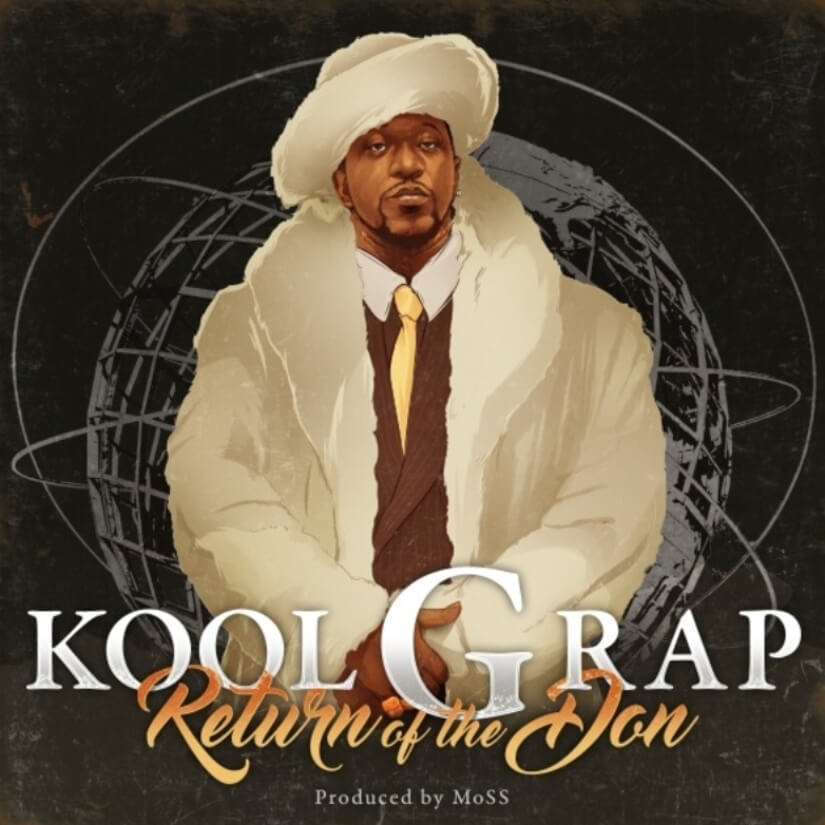
Return of the Don moves with the kind of understated menace only Kool G Rap can deliver. From the self-titled opener, his voice slices through MoSS’s hard, scratch-heavy boom-bap with the authority of someone who has lived the streets he describes. Each line lands with precision, layered with internal rhymes that twist and fold within the bars, creating dense, cinematic narratives that pull the listener into LeFrak City’s shadows.
The album’s production is built on a classic Queensbridge aesthetic. MoSS constructs beats that are dark, dusty, and unadorned, letting drums thump like footsteps in empty hallways while vinyl samples hum with muted tension. Flute lines on “Mack Lean” drift across a minimalist rhythm, giving space for Kool G Rap and guests like Fred The Godson to trade sharp, husky verses. On “Wise Guys,” soul scratches punctuate the chorus while M.O.P.’s Lil’ Fame and Freeway inject controlled chaos, elevating the track without crowding G Rap’s commanding presence.
Raekwon’s measured threat on “Out for That Life” hits like a dagger, Cormega and Sheek Louch haunt “Capitol Hill” with streetwise authority, and the late Sean Price smashes “Popped Off” with grit that mirrors G Rap’s own intensity. Each collaboration feels intentional, complementing the overarching sense of menace and strategy threaded throughout the record.
At eleven tracks, the album remains compact but full of detail. G Rap’s flows are measured, avoiding unnecessary flash while emphasizing rhythm, enunciation, and wordplay. MoSS’s beats provide an unyielding frame, guiding each verse with tension and clarity. Return of the Don is not a bid for nostalgia—it is a statement of mastery. G Rap demonstrates that after decades, he remains capable of leading the pack, asserting the principles of street storytelling with technical finesse and quiet menace.
Your Old Droog - Packs (2017)
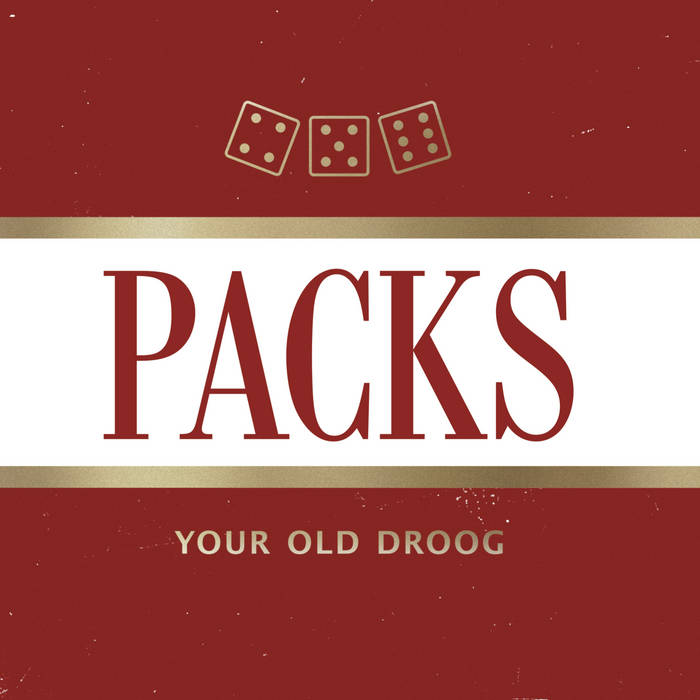
Packs is Your Old Droog stepping into a fuller, sharper version of himself. The album opens with “G.K.A.C.,” a grim little story told with the calm precision of someone who knows how to build pressure without raising his voice. That balance defines much of the record. Droog shifts between street stories, sardonic humor, and everyday observations with an ease that comes from long hours studying how language bends over a beat. His delivery stays dry, almost relaxed, even when the subject matter dips into danger or dark comedy.
The beats across Packs line up with his tone. Producers like The Alchemist, 88-Keys, RTNC, and Edan supply loops that feel lived-in: dusty drums, clipped jazz riffs, harp strings, horn puffs, and the occasional odd sample pushing the mood in unexpected directions. Nothing here aims for flash. The music works like a tight frame for Droog’s voice, giving him space to stack rhymes and build scenes. Tracks like “Bangladesh” hover on a simple pattern with a soft flute dancing at the top, while “Winston Red” drifts on a woozy blues riff that brings out Droog’s reflective side.
Lyrically, Packs is loaded. Droog piles references, sideways jokes, and small details into every verse. He writes with a sense of place—corner stores, local slang, small cons, washed-up dreamers, quick hustles, and the tug of New York pride. He treats humor as another tool, slipping punchlines next to grim setups without turning the album into a comedy record. “You Can Do It! (Give Up)” stands out for its careful character sketches, walking through three failed ambitions with a mix of sympathy and bite.
Guests like Danny Brown, Wiki, and Heems add flashes of energy, but Droog stays in control. He sounds grounded, confident, and fully aware of his lane. Packs confirms Droog as a writer with a sharp ear and a clear voice, working within the classic Hip Hop framework while bending it toward his own strange, specific world.
Roc Marciano - Rosebudd's Revenge (2017)
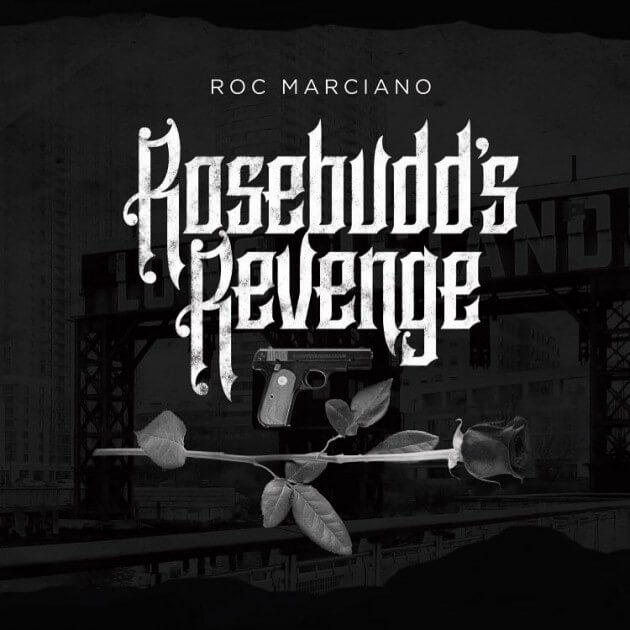
Rosebudd’s Revenge has a slow-burn quality, drawing you in with Roc Marciano’s signature mix of sharp imagery, humor, and menace. Every verse feels like stepping into a new chapter of a crime novel, full of sly detail and strange glamour. Marciano’s voice glides over the beats like a low hum in a back room—controlled, unhurried, barely raising his tone, even as he drops bars that make you hit rewind.
The beats sit on a razor-thin line between vintage and cinematic, pulling from rich, layered samples that bring a touch of old-school grit, while still sounding polished and atmospheric. With its murky layers and subtle drums, each track is like an unmarked location on a back-alley map. Marciano’s production style is sparse but lush, bringing a controlled sense of grandeur while never overloading any single moment.
Tracks like “Pimp Arrest” or “Burkina Faso” are filled with snapshots of high life—fur coats, expensive dinners, mobster deals in shadowy rooms. And yet, there’s a humor underneath it all, a quiet wink in his delivery, whether he’s rapping about exotic locales or a luxury item. Every line has a purpose, with layers that stick in the mind long after the track ends. Marciano moves fluidly from luxury to violence, tossing in phrases that sound more like insults from a 1930s gangster movie than modern rap.
Sporadic guest verses add another layer (especially Ka on “Marksmen”), but Marciano controls the album with a sense of ease, playing the narrator of a film he’s both living in and observing. It’s Hip Hop stripped down, rebuilt in a new, crooked form, leaving the sense of watching a classic that’s fully in Marciano’s own world. Rosebudd’s Revenge is Hip Hop noir, drifting between shadows and indulgence, full of dry humor and intricate, unapologetic wordplay. This is Roc Marciano’s most underappreciated record.
billy woods - Known Unknowns (2017)

Known Unknowns is billy woods at his most street-focused, grounding his dense writing in the grit and pressure of New York life with a directness rarely found elsewhere in his catalog. The album runs on Blockhead’s dark, dust-heavy production: warped vocal fragments, muffled basslines, anxious horn lines, and loops that carry the wear of a long night. The drums hit with a tired, deliberate weight, while small pockets of silence sharpen the tension. The result is a sonic environment that mirrors the album’s title—shadowed corners, half-heard conversations, and information shared in fragments.
woods’ delivery stays low and controlled, every bar shaped with dry humor, dread, and a sharp eye for the small details that stack up to a bigger truth. His verses move between street-level memories, political pressure, and personal history without signaling a shift, creating a steady rush of images that pile on each other. “Bush League” opens with a loop that sounds frayed at the edges; woods steps into it with lines about survival, disappointment, and routine danger. “Wonderful World” moves through addiction corridors and strained relationships with an unblinking calm. “Police Came to My Show” operates like a field report, mixing paranoia with a shrug that carries decades of fatigue.
Blockhead’s production keeps everything anchored in a late-night atmosphere. The beats slide between jazz decay and industrial grime, always giving woods a narrow path to cut through. Tracks like “Keloid” and “Strawman” intensify that pressure, pushing his writing toward clipped, vivid snapshots of violence, migration, and institutional rot. Aesop Rock, ELUCID, Open Mike Eagle, Homeboy Sandman, Breeze Brewin enter the frame, adding texture while keeping the spotlight fixed on woods’ stark voice.
Known Unknowns is a tightly wound work of noir rap. The writing is sharp, the production stays locked in a dark, anxious mood, and the perspective is that of someone who has lived close to danger long enough to speak about it with calm authority rather than shock.
CRIMEAPPLE & Big Ghost Ltd. - Aguardiente (2018)
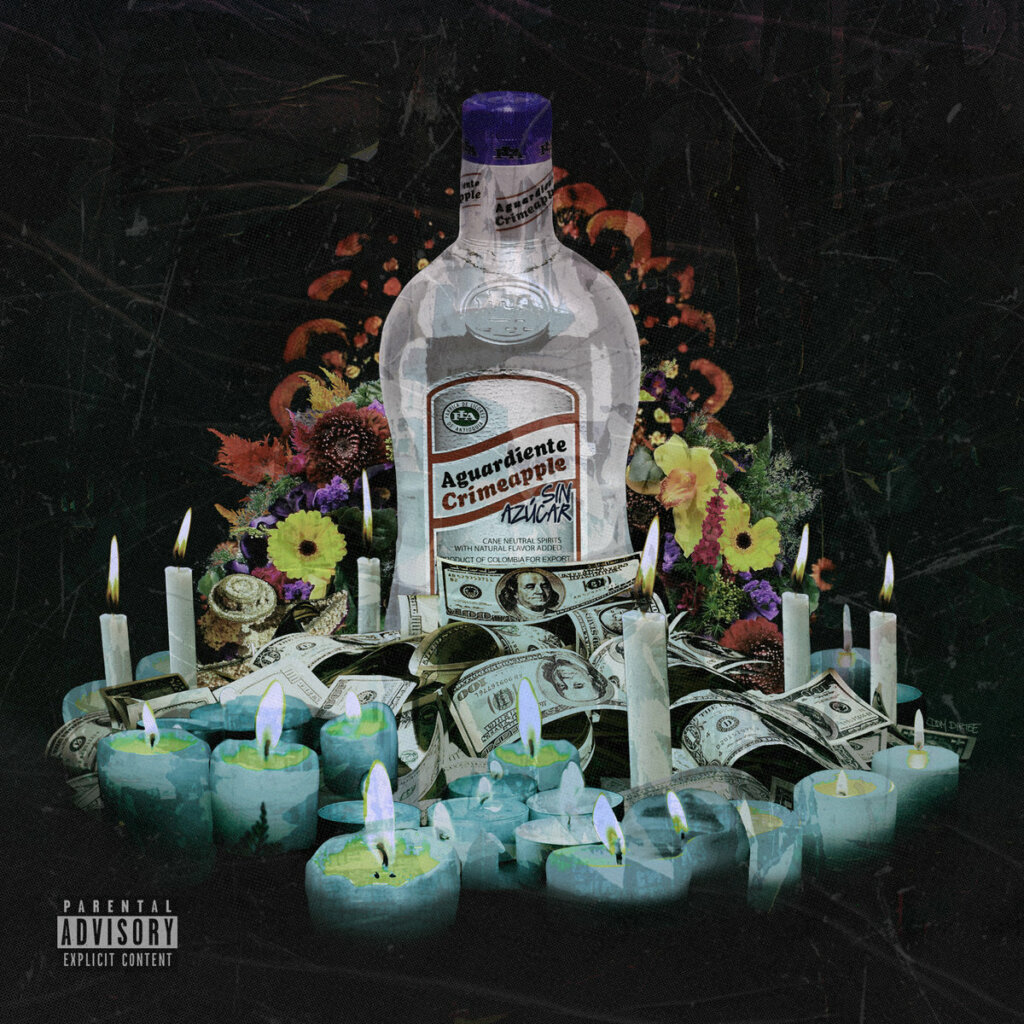
The first notes of Aguardiente drop like the opening scene of a cold crime film: muted piano keys, a faint hiss in the background, and a sample that loops with quiet tension. Big Ghost Ltd. shapes the entire album around that atmosphere. His production leans on dramatic soul and jazz fragments pulled from older recordings, the kind that sound worn around the edges. Many tracks unfold without heavy drums, creating a slow, deliberate rhythm that keeps every verse close to the chest. When percussion enters, it arrives in short, rugged patterns that deepen the sense of confinement. Each beat feels like a room where the air never moves.
CRIMEAPPLE uses this environment to build detailed street narratives with a steady voice. His lines slide between English and Spanish, shaping a point of view rooted in his Colombian background and New Jersey surroundings. He delivers threats, observations, and coded humor with a tone that stays controlled even during violent moments. The writing is economical, and the punchlines hit without extra decoration. “Crime State of Mind” lays out a quick robbery with clipped commands and sharp images. “Another Round” turns liquor brands into characters inside a tense robbery story, proving how far he can stretch a concept without breaking the album’s cold mood.
Beneath the bravado, several tracks reflect on trust and fractured relationships. “Your Love” carries a heavy undercurrent of disappointment, its slow beat framing lines about loyalty gone sideways. Features from Benny the Butcher, Daniel Son, Vic Spencer, and others deepen the grit without pulling focus away from CRIMEAPPLE’s direction.
Aguardiente reads like a tight crime anthology: dark rooms, coded conversations, and sudden flashes of violence. Big Ghost supplies a smoky, claustrophobic palette, and CRIMEAPPLE responds with verses packed with detail. The album is focused, atmospheric, and anchored in its own world.
Benny The Butcher - Tana Talk 3 (2018)
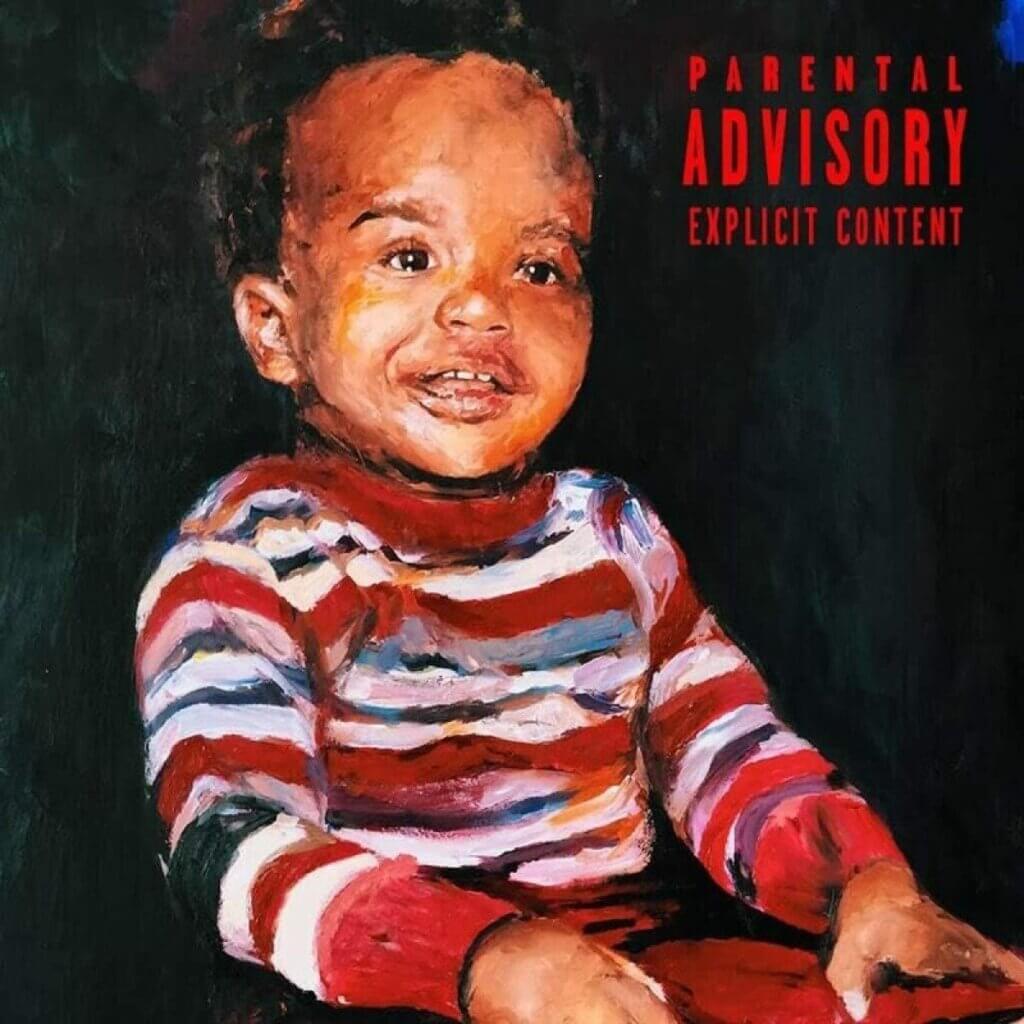
Tana Talk 3 arrives with the weight of Buffalo on its back, and Benny hits every track with the discipline of someone who kept ledgers long before he kept rhyme books. The album is rooted in the cold corners of Montana Avenue, and he uses that ground as the anchor for his approach: tight storytelling, sharp pacing, and a focus on the mechanics of the street economy. His delivery stays steady throughout the record, and every bar carries a clear sense of calculation. He lays out numbers, timelines, and instructions the way an older hustler might speak to the room, and that tone gives the album its shape.
Daringer and The Alchemist split the production, creating a frame that stays dim and deliberate. Most loops sit low in the mix, carved from soul and jazz fragments that sound worn from age. The drums land with restraint, leaving space for Benny’s voice to guide the environment. “Rubber Bands & Weight” rolls forward on a woozy guitar line, while “Broken Bottles” hangs off a muted soul sample that keeps the pressure tight. When the pianos drift in on “‘97 Hov,” the track shifts into a colder, echoing second half that deepens Benny’s focus rather than pulling him out of it. Nothing feels ornamental; every beat feels selected to underline the details in his writing.
Guests add value. Westside Gunn and Conway sound locked in on “B.R.I.C.K.”, trading short bursts of menace. Royce da 5’9” brings a sharp, reflective edge to “Who Are You?”, and Meyhem Lauren adds weight to “Echo Long.” Across the entire record, Benny keeps a tight grip on tone and structure. The writing stays grounded in lived experience, and the production stays focused on mood over flash.
Within the broader Griselda catalog, this album carries a clarity and sense of purpose that still feels unmatched. For us, Tana Talk 3 remains Benny’s strongest album.
Jay Royale - The Ivory Stoop (2018)

Jay Royale’s The Ivory Stoop brings the listener onto the marble steps that define Baltimore’s rowhome architecture and the everyday life surrounding it. The album uses that setting as its anchor, pulling scenes from Royale’s upbringing and placing them against production that feels worn, cold, and rooted in the grit of mid-Atlantic street life. His delivery is firm and patient, shaped by the weight of lived experience rather than performance theatrics. Each verse has the tone of someone reporting what he has seen with precision.
Producers Ray Sosa, Jsoul, Mute Won, and others build a dark, cohesive mood through muted pianos, uneasy horns, and drum patterns that stay unpolished by design. “Walk With A Gun” and “The Arithmetic” run on brittle loops that sound like they were chopped straight off dusty vinyl. Jsoul’s work on “Vintage Garments” adds a layer of tragic elegance through somber brass and sharp cuts from DJ Grazzhoppa, anchoring the album in Hip Hop’s core techniques. The production never slips into nostalgia for its own sake; it works as a frame for Royale’s Baltimore stories.
Royale focuses on detail rather than big declarations. “Half Moon Caesars” shows him studying tapes from New York legends in his youth, absorbing codes and cadences while building his own identity. “The Iron,” with Benny The Butcher, and “Walk With A Gun,” with Conway The Machine and Ill Conscious, link Baltimore to the wider street-rap renaissance without diluting Royale’s voice. He handles heavy content with control, especially on “Malcolm Little,” where he draws connections between survival, paranoia, and the long shadow of violence in his city.
The Ivory Stoop is a carefully constructed debut, guided by strong penmanship and a consistent production vision. This is an essential entry in the modern noir-rap canon.
Roc Marciano - RR2: The Bitter Dose (2018)

2018 saw Roc Marciano in a state of abundance, dropping three releases: RR2: The Bitter Dose, KAOS with DJ Muggs, and Behold A Dark Horse. While the latter two burned bright but brief – both barely stretching past EP length and carrying their share of rough edges – RR2 rose above them with its full 48-minute runtime and sustained dopeness. Though it might not reach the heights of his absolute best records, it easily claims the crown as 2018’s strongest Marciano offering.
RR2: The Bitter Dose dropped into 2018’s Hip Hop landscape like a silk-lined leather glove on cold concrete. The 48-minute album unfolds with deliberate patience, each track built on minimalist production that gives Marciano’s words room to hang in the air. The production style strips everything down to its essence – ghostly piano notes, distant soul samples, and analog synths create negative space where most albums would pack in layers. This sparseness becomes a strength, turning each track into an intimate confessional booth where Marciano’s stories live and breathe.
His lyrics paint vivid pictures of both opulence and grit. Designer furs and luxury cars sit comfortably next to street corner wisdom and hard-won philosophy. When he raps about success, it’s not just about the material – there’s always a deeper meditation on power, respect, and the unwritten codes that govern both. The album’s guest features understand the assignment. Action Bronson and Knowledge the Pirate drop in with verses that blend earthly excess with divine imagery, adding new dimensions to the album’s exploration of wealth as both a blessing and a burden.
RR2: The Bitter Dose transforms familiar Hip Hop themes through Marciano’s unique lens. Money talk becomes meditation. Luxury becomes liturgy. The whole album plays like a series of parables delivered from a velvet throne, each verse containing lessons wrapped in silk-smooth wordplay. By the time the album closes with “Power,” where gospel samples lift Marciano’s street sermons to new heights, you’ve witnessed something rare – an MC who knows exactly who he is, operating at the peak of his abilities. RR2: The Bitter Dose doesn’t try to reinvent Hip Hop; instead, it distills the genre’s core elements into something potent and pure.
Conway The Machine - G.O.A.T. (2018)

G.O.A.T. hits with cold precision from its opening seconds. Conway steps into this tape with a sharpened voice, steady pace, and a steady stream of tight, street-bound details. His tone is clipped and guarded, shaped by long hours in Buffalo stairwells, and the writing across the record leans into danger, discipline, and the pressure of old decisions that never fade. The verses come in short bursts, packed with coded lines, sharp punchlines, and a blunt sense of humor that cuts through the darker moments.
Daringer builds most of the production, and his approach fits the tape’s title. His loops are stripped down and grainy, often built from uneasy jazz phrases or soul riffs that hang in the air like low fog. The drums hit with a dry snap that leaves plenty of room for Conway’s voice to sit at the front. The Alchemist adds a single beat on “Trump,” and the track’s slow burn widens the tape’s tension. The sound across the project stays tight, unpolished, and heavy with atmosphere.
“Th3rd” carries one of Conway’s strongest verses from this era, and Raekwon drops into the track with a veteran’s authority. “Die On Xmas” pushes the tone deeper into winter-cold menace, and Benny’s verse is delivered with razor-clean focus. “Rodney Little” holds a different weight, with Prodigy giving one of his final recorded appearances, and Conway adjusts his cadence to match the darker glow that runs beneath the hook. “Mandatory” brings a sharp performance from Royce 5’9”, while “Bishop Street” and “Arabian Sam’s” pull everything back into Conway’s core zone: steady pacing, tight rhyme chains, and a low-boil intensity.
Across the tape, Conway stays locked in. No filler, no drift. G.O.A.T. carries the grit, the short-fuse energy, and the hard focus that defined his strongest early run, and its consistency still hits hard today.
ANKHLEJOHN & Big Ghost Ltd - Van Ghost (2018)
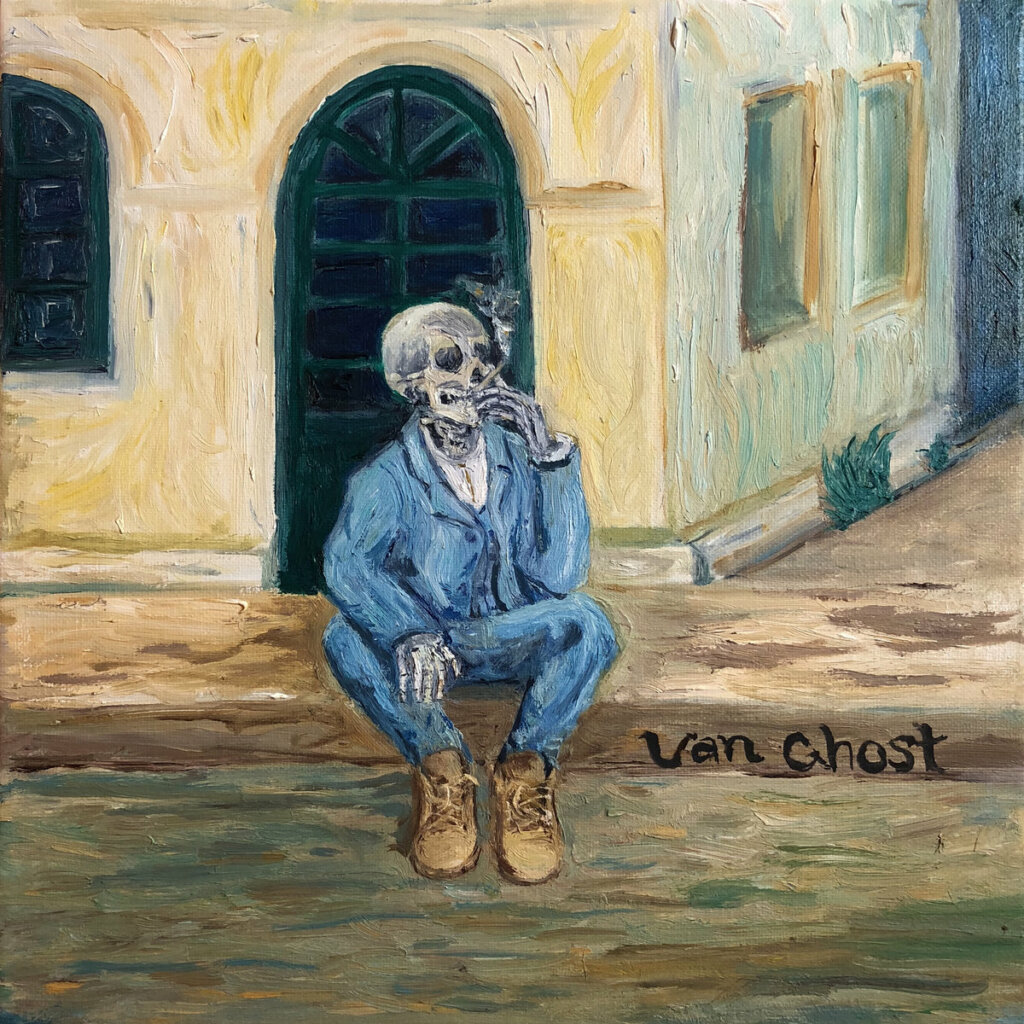
Van Ghost is one of the most distinctive releases in the modern noir-rap lane. ANKHLEJOHN and Big Ghost Ltd build the entire record around Vincent van Gogh’s world, using the painter’s titles as doorways into a harsh, street-level retelling of isolation, obsession, and spiraling intensity. The concept never turns into a gimmick. The titles act as anchors, and ANKHLEJOHN bends each one toward life in Washington D.C., turning art history into something sharp, immediate, and grounded in real pressure.
Big Ghost approaches the production with a stark, almost liturgical style. His drums hit with a blunt, gravelly knock, but the real weight comes from the strange mix of instruments circling the rhythm: brittle harpsichords, mournful pianos, and choral fragments that drift in and out like distant warnings. Tracks such as “The Church at Auvers” and “The Starry Night” build a cold, reverent mood, as if the beats were assembled inside an abandoned chapel with smoke hanging in the rafters. The loops are tight, and the shifts in texture give each track a distinct identity without breaking the album’s unity.
ANKHLEJOHN is in full control here. His voice has a rough edge that cuts through the ornate production, and his ad-libs rattle around the beats with a manic energy. He moves from clipped threats to loose, winding reflections without losing momentum. The writing hits hard because he keeps the imagery concrete: cramped rooms, risky exchanges, late-night routes through the city. The nods to Van Gogh give the record an added layer, but the power of the verses comes from their detail and directness.
Hus Kingpin guests to bring a smoother tone to “Almond Blossoms,” giving the track a moment of dark luxury, while Fly Anakin, Eto, and CRIMEAPPLE turn “At Eternity’s Gate” into a tight cipher built on sharp punchlines and focused aggression.
Van Ghost is a fully realized statement: conceptual, textured, and rooted in street detail, with production and writing locked into the same shadowed world.
Westside Gunn - Supreme Blientele (2018)
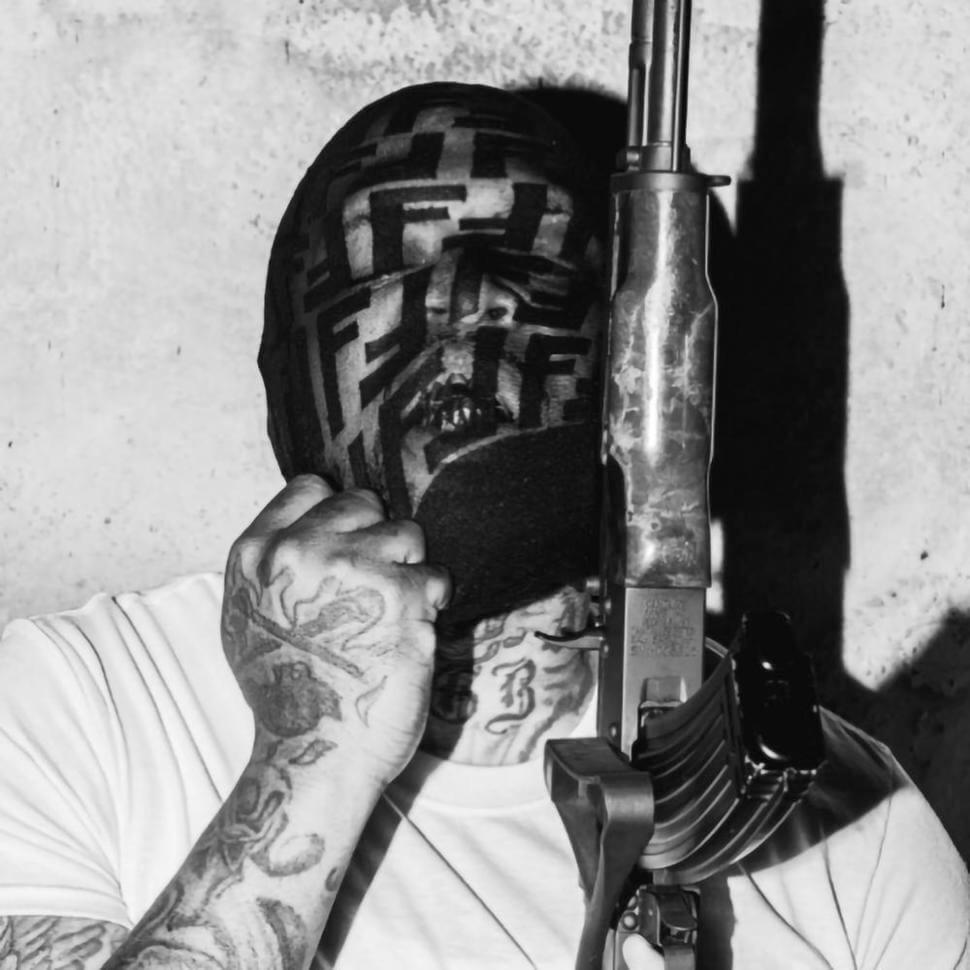
Supreme Blientele sharpens everything Westside Gunn had been building since Flygod and turns it into a tight, gleaming brick of noir Hip Hop. The title nods to Ghostface Killah and the world of pro wrestling, and the album moves with that same theatrical force: bright lights, hard angles, and a constant rush of swagger poured over bruised drums and bruised horns. Gunn treats the project like a showcase for his ear, pulling in Daringer, The Alchemist, Pete Rock, Harry Fraud, 9th Wonder, Sadhugold, Roc Marciano, Statik Selektah, and Hesh. The producers approach the album like a stained-glass cathedral of chopped soul and jagged jazz. Each beat snaps into place with a sense of intention—dusty loops, warped voices, and grooves shaped for Gunn’s sharp cadence.
Gunn raps with an icy grin throughout. His voice cuts in a clipped, piercing fashion, and the ad-libs spark off the beats like stray wires. He talks in flashes: expensive fabrics, tense street moments, sudden violence, and flashes of luxury piled on the kitchen table. Tracks such as “Big Homie Arn,” “GODS Don’t Bleed,” and “Dean Malenko” show his instinct for rhythm, switching between short, stabbing lines and stretched phrases that wrap around the drums. The album also taps into his love for wrestling, and titles like “RVD,” “Ric Martel,” and “Mean Gene” give the record its own strange, colorful world.
Benny the Butcher and Conway show up to barrel through “Brutus” and “GODS Don’t Bleed” with a hungry edge. Jadakiss drops into the mix with a calm threat, while Busta Rhymes brings heavy bark to “Brossface Brippler.” CRIMEAPPLE, Elzhi, Roc Marciano, and Anderson .Paak each land clean verses or hooks, giving the album a wide range of textures without breaking its focus.
Moments such as “Elizabeth,” “Amherst Station,” and “Wrestlemania 20” widen the mood with warm keys and syrupy soul loops. The structure is tight, the pacing steady, and the tone remains fixed in a haze of glamor, violence, and ambition. Supreme Blientele is one of Gunn’s most complete statements—bold, confident, and rich with detail.
Kool G Rap & 38 Spesh - Son Of G Rap (2018)
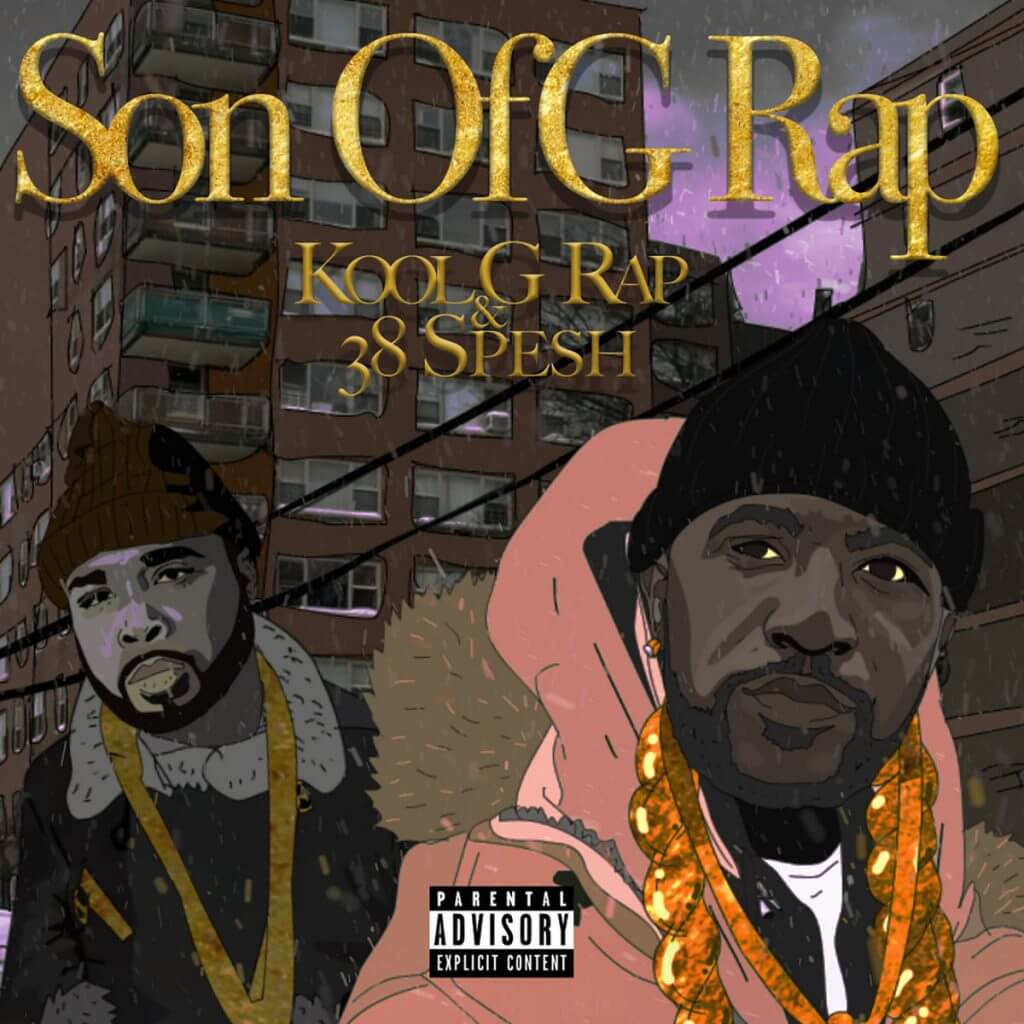
Son of G Rap opens with a low, grinding bassline and soulful scratches, immediately setting a mood of street tension and quiet menace. From “Upstate 2 Queens” onward, Kool G Rap moves with the authority of a master, his multi-syllabic rhymes folding over the rugged drums and cinematic piano flourishes crafted by 38 Spesh. Spesh occupies every corner of the beat with subtle touches—dusty soul loops, tense orchestral stabs, and minimalist drums that leave room for G Rap’s narratives to breathe.
The album’s structure balances the veteran’s gravitas with Spesh’s controlled aggression. On tracks like “G Heist,” G Rap’s detailed criminal vignettes dominate the canvas, while Spesh follows with measured precision, trading punchlines and street wisdom in a manner that feels deliberate rather than forced. The interplay rarely falters; when they trade bars, it’s a seamless back-and-forth, the younger MC amplifying the dark storytelling without mimicking it.
Freddie Gibbs and Meyhem Lauren ignite “Flow Gods” over Pete Rock’s smooth yet ominous beat, while Cormega adds weight to “Dead or Alive,” and AZ contributes a reflective verse on “Honest Truth.” Each cameo complements the album’s central energy, never detracting from G Rap and Spesh’s core dialogue.
Production throughout the fifteen tracks maintains a cohesive, classic New York tone. Moog-heavy loops, crackling samples, and sharp drum hits give each track a sense of place: the stairwells, rooftops, and corners of Queens and Rochester come alive in sound. Even when the album drifts into personal reflection, as on “Aborted Child,” the tone remains grounded in grit, giving moments of vulnerability a hard-edged realism.
Son of G Rap confirms that G Rap’s voice still carries authority and that 38 Spesh has absorbed his lessons without losing his own style. The album thrives in its precision, lyrical density, and atmospheric beats, offering a bridge between the original Mafioso era and the modern underground, where shadowed streets and cold-soul loops still command attention.
Roc Marciano & DJ Muggs - KAOS (2018)

KAOS brings Roc Marciano and legendary DJ Muggs together for a short, dark ride that feels like flipping through chapters in a gritty novel. Each track is its own shadowy vignette, tightly bound to the album’s murky, ominous feel. Right from the intro, with its retro crime-flick vibe, the mood is set like a worn-out film reel that’s gritty in the best way.
Muggs lays down beats that sound dusty, cinematic, and often hypnotic. Songs like “Dolph Lundgren” kick off with Roc dropping verses like he’s speaking in code, while Muggs backs him up with the kind of minimal, strumming guitar that pulls you straight into the story. The album’s beats range from gritty rock influences, like in “White Dirt,” to eerie keys in “Aunt Bonnie,” a track that hits heavy on themes of revenge and violence.
Though KAOS doesn’t span a wide length—only ten tracks—it carries an impact, its brevity turning it into a quick but potent listen. Tracks like “Caught a Lick” roll out haunting, low-slung beats that stay with you, Roc’s flow sinking into the rhythm with ease. “Wild Oats” leans into a mafioso vibe, while “Shit I’m On” captures Roc’s self-assured, throne-room swagger over brooding piano keys.
While KAOS might feel lean compared to Roc’s more expansive works, it doesn’t waste a single verse. If there’s a downside, it’s the album’s brief run—its dark atmosphere could’ve lingered longer. Yet, in those ten tracks, Roc and Muggs pack in an intense, cinematic world that sticks in your mind like a sharp, quick scene from a classic crime story.
Conway The Machine - The Blakk Tape (2018)

The Blakk Tape is Conway at his most stripped-down and cold-blooded, built on a frame of snarling drums, grainy loops, and street parables delivered with a steady, unshaken voice. Daringer anchors the tape with a run of beats that move like slow-burning fuses—tight drum patterns, low piano lines, and samples twisted into sharp shapes. Tracks such as “Devil’s Work” and “Puzo,” lock into a bleak rhythm that fits Conway’s tone: blunt, methodical, and rooted in lived detail. The tape widens for a moment when V Don and Bozack Morris step in, offering spacey tension on “8 Birds” and a cracked ’90s organ groove on “Biscotti Biscuit.” Those shifts never break the mood; they deepen it.
Conway’s delivery carries the tape. His voice cuts through each beat with a rough edge shaped by experience. He keeps his lines tight and pointed, moving between clipped threats, coded language, and quick sketches of Buffalo corners. Tracks such as “Fish Fry,” “Rare Form,” and “Alpaca” build around that stance. He piles on images of gunmetal, fast money, and paranoia without letting the writing drift into empty posturing. Every bar fits the pace of the music, slow enough to let the menace breathe but sharp enough to feel immediate.
A different tone rises on “Pavement.” The production softens, and Conway shifts into grief, naming losses and tracing the weight those memories still press on him. It’s the one moment on the tape where he lets the armor drop, and it gives the project a necessary layer of depth without breaking its direction.
Released during Griselda’s explosive 2018 run, The Blakk Tape locks Conway’s style into focus. The project is lean, icy, and grounded in the dark logic of his city. Every element—production, pacing, and voice—moves with precision, giving the tape a stark, memorable identity within his catalog.
Westside Gunn - Hitler Wears Hermes 7 (2019)
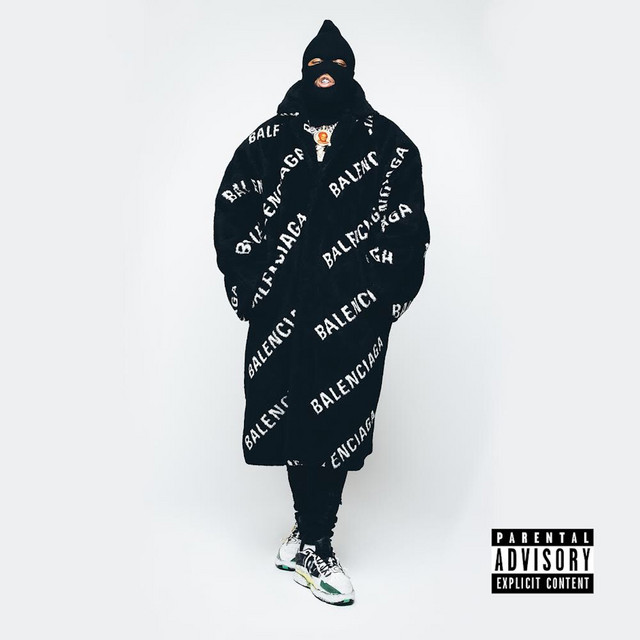
Hitler Wears Hermes 7 delivers Westside Gunn at the height of his eccentric, opulent, and streetwise sensibility. The seventh entry in the series moves through dense, cinematic beats that hang like smoke in a dimly lit room. Daringer, The Alchemist, Statik Selektah, and DJ Green Lantern craft a range of moods: stripped-down drums, looping soul samples, filtered horns, and occasional drumless stretches that leave space for Gunn’s voice to dominate. Tracks like “Size 42” and “Broadway Joes” fold tension and elegance into a single frame, while “Undertaker vs. Goldberg” adds eerie flourishes, filtered horns, and a ghostly sweep of keys that let Conway the Machine’s verse hit like a punch to the chest.
Gunn’s voice, high-pitched and wiry, slices through the tracks with clipped intensity. His ad-libs—sharp, erratic, and sometimes playful—punctuate the rhythm, threading humor and menace together. He leans into street tales, hustler braggadocio, and blue-collar absurdities: cheap buses for moving weight, luxury sneakers, and local landmarks twisted into swagger. Songs like “Kelly’s Korner” and “Lucha Bros” carry a cinematic weight, while quieter moments such as “Whoopy” allow traces of warmth and humor to surface without disrupting the project’s grit.
Benny the Butcher, Conway, Curren$y, Fat Joe, and Boldy James show up to deliver precise, controlled bars that ride the beats with elegance and menace. Keisha Plum’s spoken-word outro closes the tape like a final brushstroke on a dark canvas.
The album’s pacing alternates between terse bursts and extended narrative runs, lending the tape a sense of movement that mirrors the unpredictable streets of Buffalo. Some tracks drift in minimalism, but the restraint heightens impact rather than dulling it. Hitler Wears Hermes 7 captures the fusion of high art and hard street life that defines Westside Gunn: brash, stylish, and lethal, yet calculated in its chaos. It’s a tape that thrives on detail, attitude, and the thrill of unpredictability—for us, the best from the series.
Freddie Gibbs & Madlib - Bandana (2019)
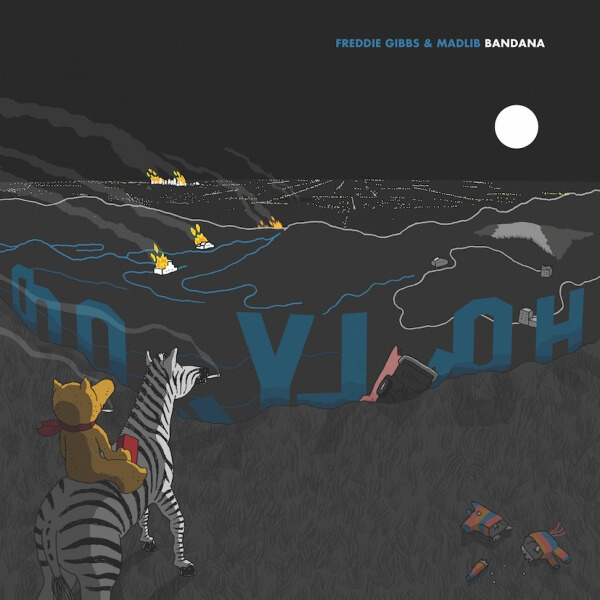
Bandana tightens the bond between Freddie Gibbs and Madlib, drawing listeners deep into the mechanics of street survival and musical craft. Gibbs’ narratives move through precise, Scorsese-like crime vignettes, documenting the daily grind of hustlers and the reverberations of violence. His voice carries the weight of lived experience—Gary, Indiana streets, prison corridors, and the faint echoes of loss—laid bare over beats that insist you pay attention.
Madlib’s production is dense and textured, a collage of dusty soul, fractured jazz, and unexpected samples. Drums stumble just enough to unsettle, guitar riffs crackle in the background, and cinematic snippets punctuate the narrative. Tracks like “Flat Tummy Tea” erupt with distorted riffs and tumbling percussion, while “Crime Pays” drifts on a hypnotic, smoky loop, framing Gibbs’ storytelling in an almost voyeuristic way. The off-kilter drum programming keeps the listener alert, creating tension even in quieter moments.
Lyrically, Gibbs moves between methodical precision and rapid-fire bursts. “Half Manne Half Cocaine” portrays the duality of indulgence and consequence, while “Fake Names” captures the haunting aftershocks of street violence. On “Palmolive,” Pusha T and Killer Mike add weight, but Gibbs commands the frame, threading imagery with economy and rhythm. “Education,” with Yasiin Bey and Black Thought, layers intellect over grit, holding the listener’s attention as voices collide over Madlib’s smoky sample bed.
The album balances aggression and reflection. Gibbs asserts dominance, reckons with past decisions, and maps survival with exacting detail, while Madlib’s beats provide a volatile yet cohesive canvas, sometimes minimal, sometimes baroque, but always in service of the story. The textures of sound—creaking bass, splintered percussion, ghostly vocal loops—mirror the precarious world Gibbs inhabits.
Bandana is a cinematic excavation of street life, an album where every sample, every pause, every lyric functions as a frame in a larger film. Gibbs raps with the clarity of someone who has seen it all, Madlib guides the mood with patient, meticulous craft, and together they create a tense, immersive record that lingers long after the last beat fades.
Rome Streetz - Noise Kandy 3: The Overdose (2019)

Noise Kandy 3: The Overdose dives straight into the grit and tension of New York streets. Rome Streetz moves through alleys, rooftops, and stoops with a pen sharp enough to etch every detail of survival, ambition, and consequence. His flow is relentless, snapping over drum breaks with compact, intricate rhyme schemes that demand attention. The city’s weight is in every line—drug deals, street politics, fleeting alliances, and the occasional moral reckoning.
The production foregrounds texture and atmosphere. Statik Selektah, Wavy Da Ghawd, Messiah Muzik, and others layer dusty soul loops, horns, and occasional off-kilter melodies atop raw, punchy drums. Tracks like “World In My Palm” balance warmth and menace, while “Voodoo” thrives on a slightly eerie, hypnotic loop that frames Rome’s aggressive yet measured delivery. The beats rarely clutter; they carve space for his words to land with precision. Even quieter moments, like “Stay Golden” with Planet Asia, feel charged, every note and hi-hat creating tension around the lyricist’s lines.
Guest appearances punctuate the project without stealing focus. Al.Divino, Bubba Rock, and Mooch deliver sharp verses that mesh seamlessly with Rome’s narratives, enhancing the album’s sense of a shared street reality. Collaborations never dilute the intensity—they add layers, like ambient shadows to the central figure’s story.
Rome Streetz blends street reportage with reflective insight. “Rich Porter Or Pookie” and “Blood All Over The Money” dissect the mechanics of the hustle, while tracks like “Heart On Icepack” explore loyalty, risk, and the human cost behind each transaction. His cadence fluctuates between staccato bursts and lingering lines, guiding the listener through a cinematic underworld that is as intoxicating as it is dangerous.
Noise Kandy 3: The Overdose positions Rome Streetz at the forefront of modern underground Hip Hop. Every beat, every loop, every bar works in service of an immersive, tense, and meticulous world. It’s a record built for the streets and the headphones, a proof that intricate lyricism and textured boom-bap can carry the weight of gritty, cinematic storytelling.
DJ Muggs & CRIMEAPPLE – Medallo (2019)
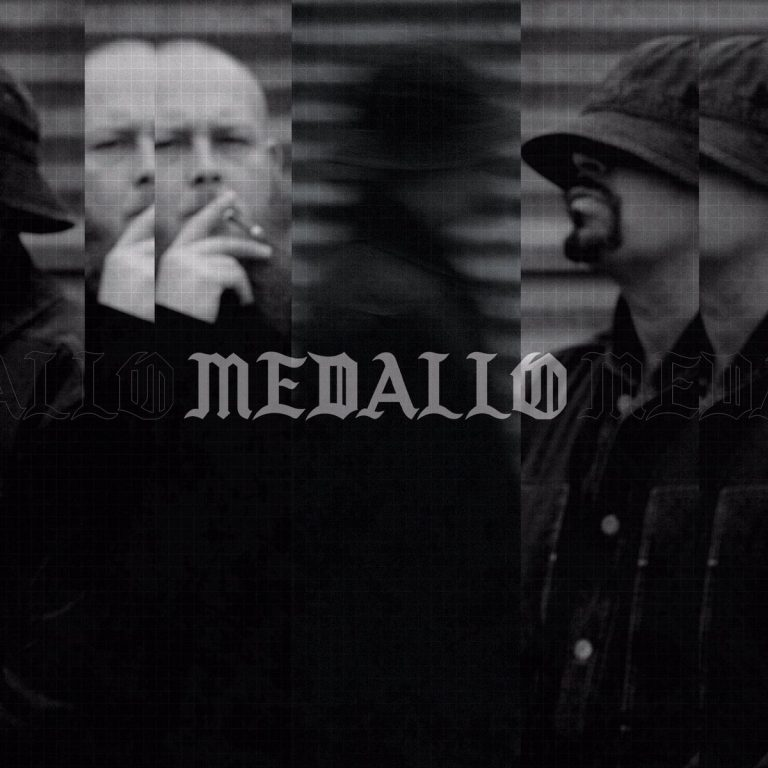
Medallo opens with a tense, cinematic pulse, a sonic world steeped in shadow and smoke. DJ Muggs builds each track from dense, ominous loops of soul, orchestral swells, and distorted vocals, layering them over drums that hit like slabs of concrete. The percussion is relentless but precise, driving the narrative without overwhelming it. The album carries a constant air of danger—opulent yet hazardous, like a luxury hotel perched atop a city built on illicit trade.
CRIMEAPPLE navigates this atmosphere with a flow that is sharp, controlled, and commanding. He moves fluidly between English and Spanish, weaving Colombian references and bilingual punchlines into his storytelling. Tracks like “En Vivo Desde Manrique” and “Tiburones” place the listener squarely in Medellín’s tense streets, while “Camisas” and “Prescription” explore the ritual of high-stakes hustling, mixing vivid street details with mentions of designer brands and fine dining. His voice rises and falls like a measured warning, carrying the weight of someone who has seen the machinery of the drug trade from the inside.
The collaboration thrives on its meticulous design. Muggs’ loops grind against each other with a psychedelic haze, creating claustrophobic spaces where CRIMEAPPLE’s dense, multi-syllabic verses can wind, coil, and strike. “No More 2 for 5” and “Aguas Profundas” layer sparse instrumentation with a sense of menace, while “Tellin’ Me Lies” closes the album with a touch of warmth, the soulful sample contrasting the earlier tension. Guest appearances are absent, forcing an unbroken focus on the synergy between producer and MC.
Medallo operates like an audio film. Every beat, every rhyme, every pause builds the world of the album with ruthless clarity. CRIMEAPPLE documents the perilous details of his streets while Muggs scores them with darkness and style. The album rewards attention, revealing layers of craft and subtlety across repeated listens. It is a record where mood, narrative, and texture collide, leaving the listener in a world at once beautiful, dangerous, and unmistakably alive.
Hus Kingpin – Slime Wave (2019)
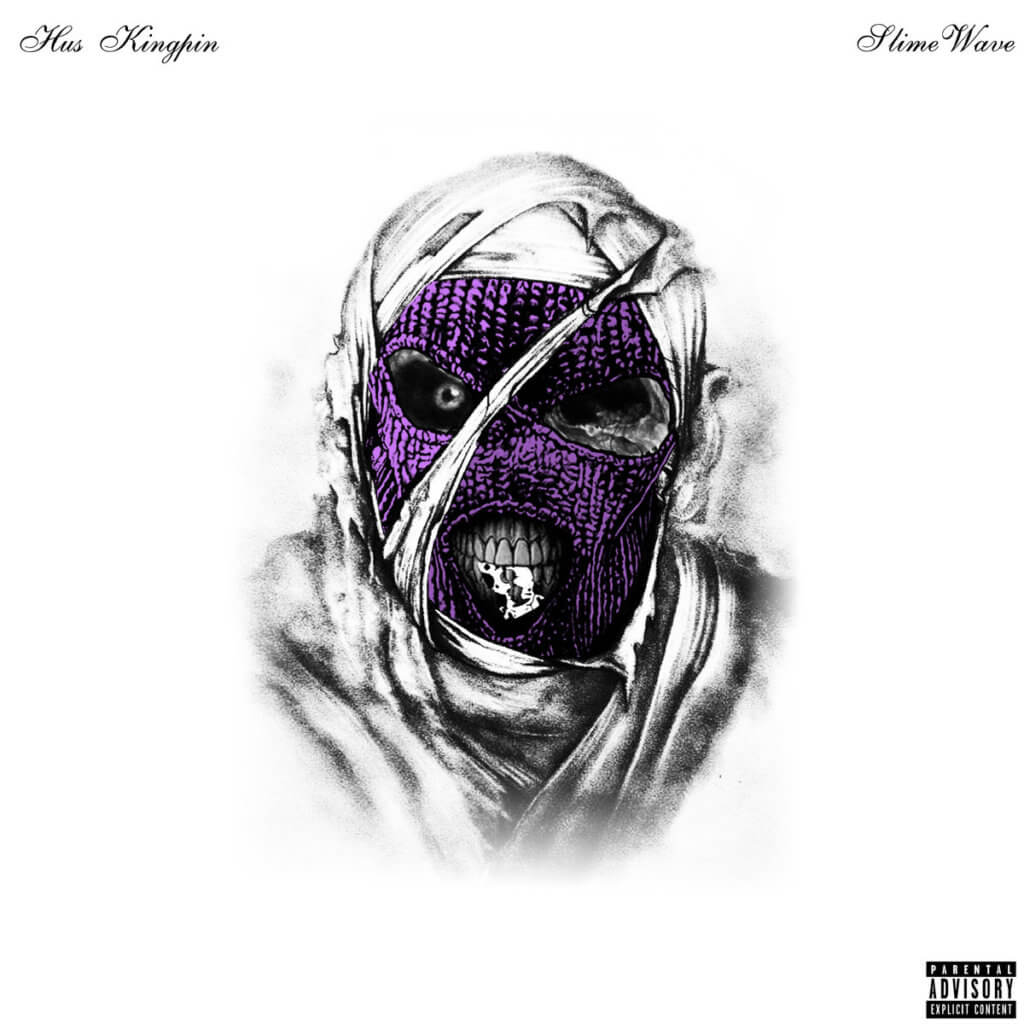
On Slime Wave, Hus Kingpin strings together a set of tracks that feel like a single, velvety continuum, where each sample and beat carries a haze of soul, jazz, and R&B from the ’70s and ’80s. The production favors texture over impact: hi-hats whisper, snares tap lightly, and loops stretch and shimmer, creating a floating, hypnotic pulse that frames Kingpin’s delivery. The percussion rarely drives the track, instead letting the instrumental layers breathe and shimmer like reflections on wet asphalt.
Hus Kingpin’s voice rides the hazy production with a distinct lilt, slightly nasal but unwavering in confidence. His lyrical world blends street code, the rewards of the hustle, and high-end references, drawing a map of opulence and grit. Tracks like “Pyramid Prism” and “Hempstead Pt. II” layer collaborative voices from Fashawn, Guilty Simpson, and SmooVth, weaving threads of camaraderie into Kingpin’s atmospheric vision. He leans on dense internal rhymes and rapid-fire metaphors, mapping out a life lived on the edge while maintaining a lounge-like ease. Even when his solo spots falter, such as “Ghost of Camay,” the production keeps the album’s trajectory smooth and immersive.
Features pepper the record without crowding it, creating variety that enhances rather than dilutes Kingpin’s presence. On “Luxury,” Planet Asia mirrors the album’s blend of street sophistication and suave swagger, while “Sky Closers” gives Killah Priest space to push Kingpin into a higher lyrical register. Each beat, whether handled by JuneLyfe, Scary Hour, or Bronze Nazareth, contributes to the overarching mood—a polished yet shadowed sound that stays cohesive across fifteen tracks.
Slime Wave floats between opulence and street logic, letting hushed percussion and soulful loops hold space for lyricists to navigate. Hus Kingpin occupies this world with assured charisma, making the album an immersive listen for those drawn to cinematic, late-night Hip Hop where swagger and street sense intertwine.
Roc Marciano - Marcielago (2019)
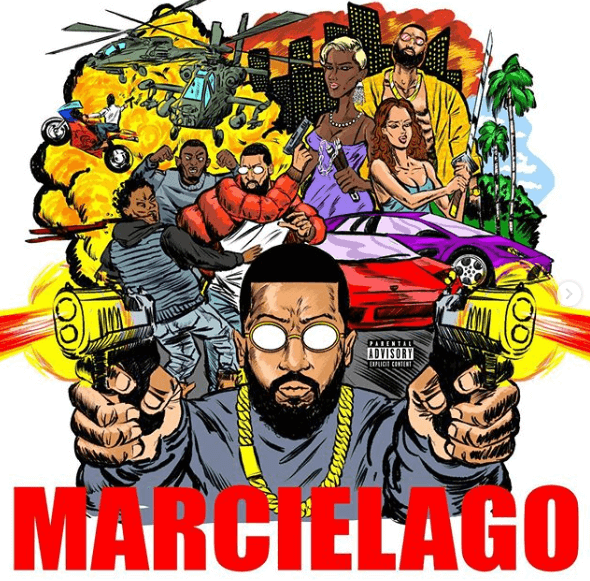
Marcielago takes listeners into Roc Marciano’s world—an unmistakable blend of sly humor, grit, and laid-back, streetwise storytelling. In his signature unhurried tone, Marciano moves through each track like he’s gliding around his turf, spinning yarns over lo-fi beats that could have been lifted from some long-lost blaxploitation film. The production keeps things intentionally sparse, laying out loops that feel both rich and restrained, allowing his vocals to flow without obstruction, as if nothing on the tracks should dare to compete with his voice.
From start to finish, Marcielago feels like it’s basking in a dim light, heavy with cigarette smoke and slow-lounging bass lines. In “Tom Chambers,” Marciano’s slow, confident flow mirrors the subtle shift in beats, stacking quick-witted lines about the streets and luxury with a coolness that almost feels effortless. He’s giving us a camera’s-eye view of the opulence and grit coexisting in his world, painting characters who seem to materialize and vanish between bars.
When Westside Gunn appears on “Boosie Fade,” their contrasting styles spark, giving the track a raw, electric feel. Marciano’s steady tone next to Gunn’s more punctuated delivery plays out like two different textures layered in one room. And then there’s “God Loves You,” where Marciano shows a rare vulnerability, shifting briefly from his usual bravado to talk about his journey, dropping any façade. The track doesn’t wallow in emotion but lets Marciano’s words hold the weight of reflection.
The album’s charm is in its simplicity. Tracks like “Choosin Fees” and “I.G.W.T.” don’t rely on catchy hooks or sweeping production; instead, they play with subtle, soulful loops and light percussion that pull you in deeper with each listen. It’s like Marciano is offering listeners a quiet invitation rather than demanding attention. And while Marcielago may be Roc Marciano’s most accessible project for some, it remains unmistakably true to his vision, never bending to outside trends.
Griselda - WWCD (2019)

WWCD hits like a hail of gunfire over a smoky, desolate cityscape. Westside Gunn, Conway the Machine, and Benny the Butcher move through streets and stoops with precise menace, trading bars that map every corner of Buffalo’s underworld. Each verse details the mechanics of the hustle, the fallout of betrayal, and the weight of survival with uncompromising clarity. The trio’s interplay gives the album a kinetic, lived-in feel, with lines snapped between members as if finishing each other’s sentences mid-thought. Conway slurs his way through grim tales, Benny’s delivery crushes with the authority of a street philosopher, and Gunn punctuates the chaos with his high-pitched ad-libs, chaotic punctuation that, while divisive, has become his signature.
Daringer and Beat Butcha shape the record’s aural environment with spare, dusty loops and minimal drums. Daringer’s beats hover between ominous soul samples and eerie cinematic motifs, while Beat Butcha drives the boom-bap edge with punchy drums that push tracks like “Chef Dreds” and “Scotties” into high-tension territory. The production gives the MCs room to dominate each track, emphasizing the cadence, rhyme schemes, and tension in every line. The mood is noir—claustrophobic, dangerous, and exhilarating.
Lyrical content moves through cocaine-dealing parables, prison reflection, and triumph over adversity, frequently punctuated by dark humor or absurdist exaggeration. Benny tallies his victories with precision, Conway documents the cost of the grind, and Gunn colors the world with theatrical flourishes. Guests like Raekwon and 50 Cent integrate smoothly, offering resonance without diluting the trio’s tone, while Eminem’s closing verse on “Bang” feels disconnected, a rare blemish on a tightly controlled narrative.
WWCD brings Griselda’s underground ethos to a wider stage without softening their vision. The album delivers tense, cinematic boom-bap, lyrical dexterity, and relentless street detail. Every beat, ad-lib, and bar immerses the listener in a Buffalo painted with grit, danger, and the kind of precision only a crew like Griselda can summon. It’s an album that demands attention, insisting that the streets speak through the music without compromise.
SmooVth & Royalz – China White (2019)
China White drifts through the senses like smoke curling in a dim, upscale lounge. The album’s title signals a lethal undertone, yet Royalz’s production unfolds in soft, luxurious layers: muted piano chords, dusty horn stabs, and filtered jazz and soul samples that seem to breathe in a warm, analog haze. The drums are subtle, almost imperceptible at times, leaving space for each loop to stretch and shimmer, allowing the album to pulse like a slow, calculated heartbeat. The sequencing reinforces this, creating a continuous, meditative atmosphere that feels like a single, extended scene from a high-stakes crime film.
SmooVth moves through this environment with the precision of a surgeon. His cadence is calm, measured, and entirely unhurried, letting complex internal rhymes roll off with conversational ease. He blends accounts of street trade with references to international luxury, European cities, and designer goods, crafting verses that suggest experience and discipline rather than flamboyant bravado. On tracks like “Papaver Somniferum” and “Business Hours,” he narrates the mechanics of the hustle with a quiet authority, while songs such as “Impossible” and “Street Struck” allow guest voices to punctuate the mood without breaking the album’s cohesion.
The record maintains a consistent, immersive tone throughout fifteen tracks, where even moments of tension—whether a discussion of coded street dealings or the threat implied by the title track—are softened by the warmth of Royalz’s loops. Tracks like “Romeo” and “Luxury” glide with understated sophistication, offering listeners a cinematic sense of the rewards and risks of the street.
China White thrives in its control of atmosphere, merging SmooVth’s smooth, precise delivery with Royalz’s velvety, jazz-inflected beats. The result is an album that balances danger and elegance, where slow-burning tension meets elegant sonic textures. It affirms SmooVth’s role as a defining voice in the lo-fi, soul-driven East Coast revival, presenting street life through a lens of measured, immersive cool.
The Musalini - Return Of The Oro (2020)
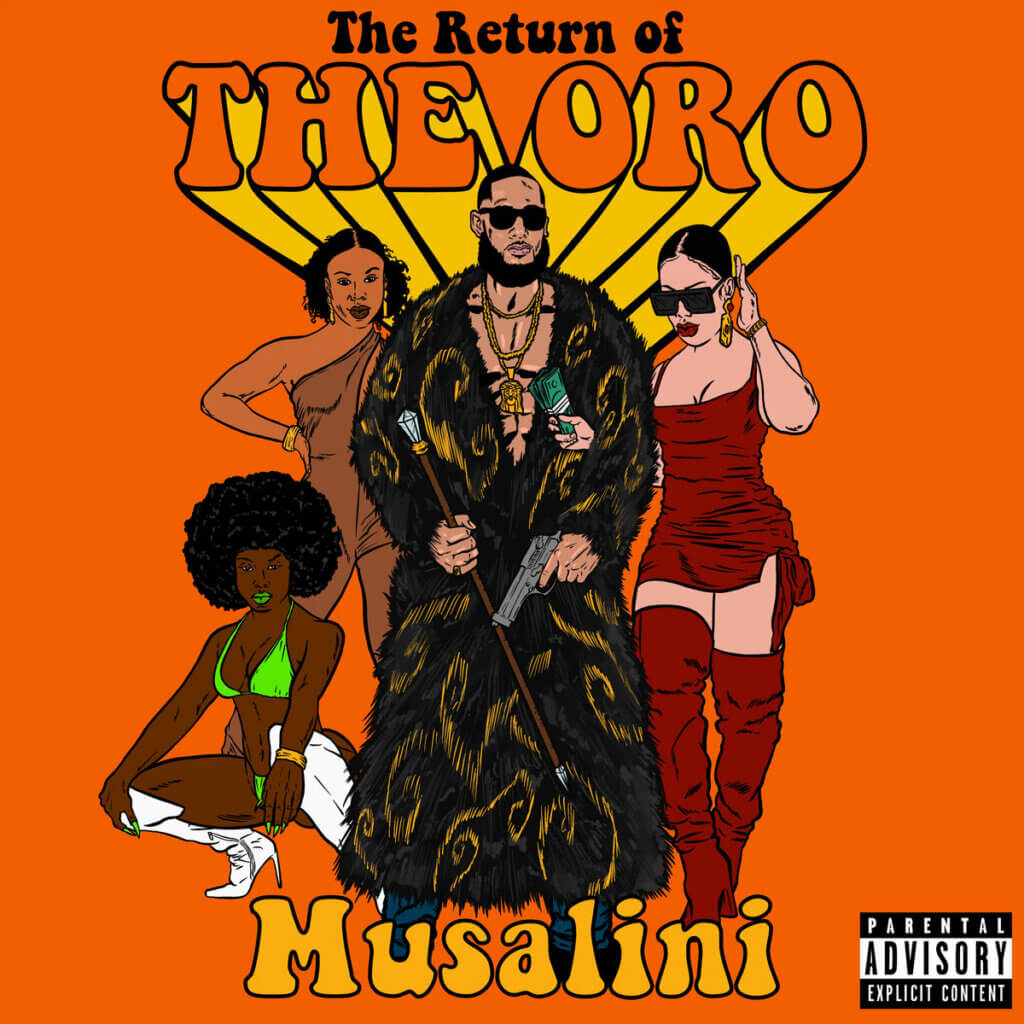
Return Of The Oro opens with a sense of calm control. The Musalini builds the album around polished boom-bap loops, expensive textures, and the measured tone that defines his catalog. Every track carries the aura suggested by the title: gold as status, gold as discipline, gold as a standard that cannot bend.
The beats rely on warm soul samples and soft R&B fragments. The loops have weight without turning muddy, and the drums hit with a steady snap that keeps the rhythm grounded. Nothing pulls attention away from the voice, and nothing crowds the space. Each instrumental feels carefully selected, as if every producer understood the same mission: clean lines, emotional depth, and a smooth surface hiding a dangerous interior.
The Musalini raps with controlled precision. His tone stays low, his cadence unhurried. The writing focuses on the hustle and coded affluence—girls, fashion houses, foreign bills, luxury travel, fine dining, and the hidden mechanics that support those images. He never overexplains. He drops references that operate like signals meant for listeners who already understand the language. That restraint strengthens the mood. The rhymes move through conversations about profit, protection, and presentation with the confidence of someone who treats every detail as part of a larger strategy.
Across the record, the focus remains locked on quality and intention. Every bar, loop, and feature supports the same direction: elegance rising from the tension of street life.
Return Of The Oro delivers a clear vision of The Musalini’s world—stylish, guarded, precise—and reinforces his place in the modern New York underground where craft, detail, and coded luxury guide the music instead of theatrics.
ANKHLEJOHN - The Face Of Jason (2020)
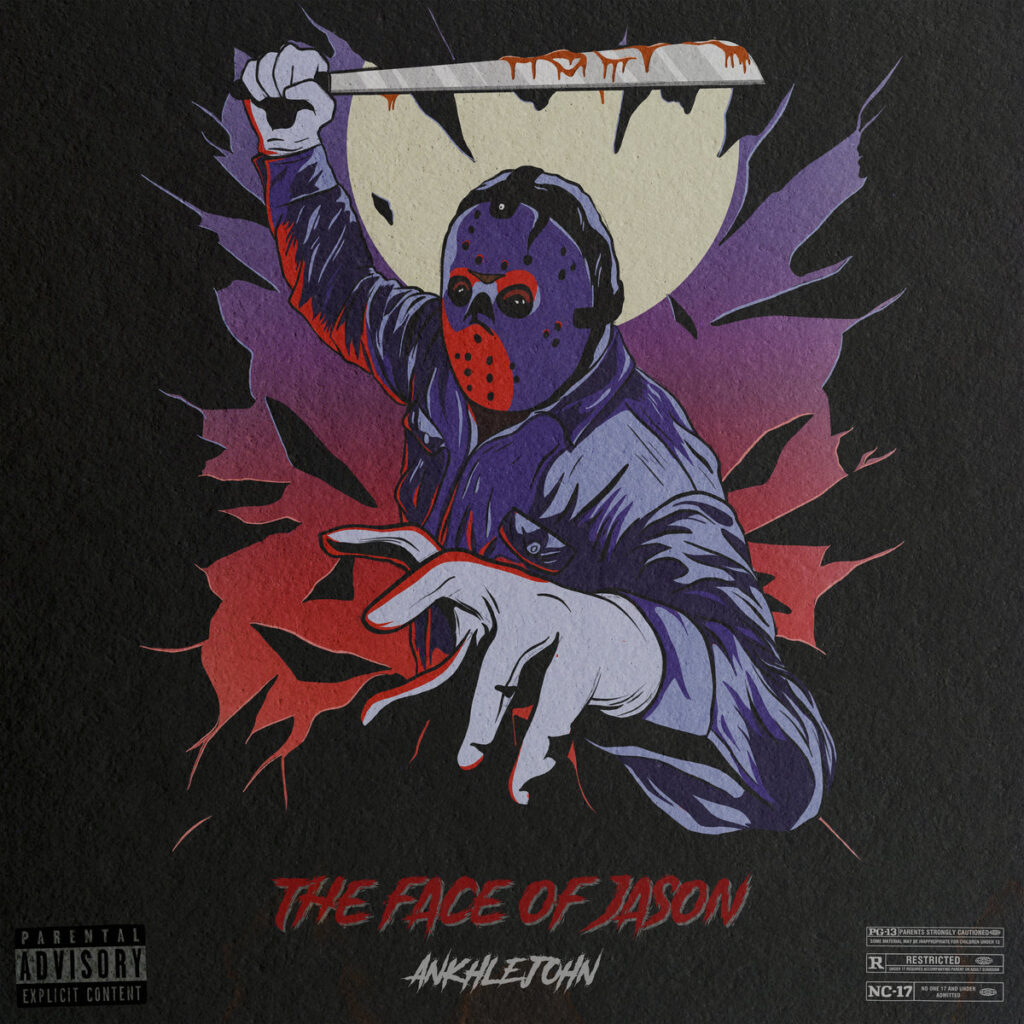
The Face Of Jason brings ANKHLEJOHN and V Don into the same room and locks the door, leaving nothing but cold air, sharp drums, and a sense of dread built from small details. The project draws its tone from horror cinema, but the fear comes less from shock and more from the steady, unblinking confidence running through the writing. ANKH steps into the mask without exaggeration. He keeps his voice low, lets the menace build slowly, and treats each bar like a fragment of a larger myth.
V Don shapes the album with minor-key loops, clipped vocal fragments, and piano lines that trail off like unfinished thoughts. His production thrives on tension. The drums land with weight, and the spaces between them stay tight and controlled. Nothing drifts. Nothing softens the mood. Tracks like “Ghost Busters,” “Red Room Vibes,” and “Define the Climate” carry the same atmosphere: dim light, heavy air, and movement that happens without warning.
ANKHLEJOHN uses this environment to deliver dense, coded street writing. His cadence has a slurred edge, but the intent stays sharp. Lines swing between blunt warnings, dark humor, and flashes of abstract imagery. “The Candyman” sets the tone immediately, opening with that line about 10,000 hours—a mix of frustration, pride, and work ethic distilled into one statement. Across the record, he treats each verse like a closed-door conversation, revealing pieces of a world that runs on strategy and paranoia. The horror theme never becomes a gimmick. It functions as a lens through which his usual concerns—survival, retaliation, reputation—grow even colder.
The guest spots fit the environment. Jah-Monte, Medhane, Fly Anakin, and Rahiem Supreme slide into the gloom without breaking the alignment. Their verses expand the edges of the world without shifting the tone.
The Face Of Jason is one of ANKHLEJOHN’s strongest concept-driven releases: tightly focused, atmospheric, and anchored by the chemistry between his voice and V Don’s bleak, disciplined production. Together with Van Ghost, this is our favorite ANKHLEJOHN project. If you’ve slept on it, you should check it out now.
Eto - The Beauty Of It (2020)
The Beauty Of It gives Eto a larger frame than the quick strikes he usually drops. At forty minutes, the album allows him to stretch out his voice, let ideas build, and work with a roster of producers who each bring weight without pulling the record in competing directions. The result is a cold, deliberate piece of modern street Hip Hop built from sharp drums, grim loops, and a steady stream of coded memories.
Eto’s voice cuts through everything. His higher pitch tightens the tension, giving even the calmest lines a sense of danger. He writes with close focus: snitches, abandoned corners, small hustles, regrets, quick jokes thrown in the middle of violence. The hooks land with a worn confidence, especially on tracks like “Lawless” and “Pissin In Bottles.” He rarely wastes space. Even the interludes carry intent, tying the theme of finding clarity in ugly moments to film quotes and fragments of reflection.
The production list reads like a who’s who of underground specialists—The Alchemist, Daringer, Statik Selektah, Large Professor, Marco Polo, V Don, and others. Despite the spread, the sound stays tight. The loops are dusty and minor-key. The drums hit with precision. Marco Polo brings a sinister wobble to “Beloved,” Statik Selektah loads “Rusty Stainless” with a bruising swing, and Alchemist twists “The Pot” around a grimy, hypnotic pattern. Each beat feels selected for tone, not flash, giving Eto a consistent base from start to finish.
Rome Streetz, Willie the Kid, Vinnie Paz, Ill Bill, Sha Hef, Jai Black, and more step into the world without derailing its direction. Their presence broadens the album’s angle on paranoia, pride, and neighborhood codes.
The Beauty Of It is a measured, confident entry in Eto’s catalog. The record brings together disciplined writing, focused production, and a steady atmosphere that never loses sight of the grit that defines his best work.
Freddie Gibbs & The Alchemist - Alfredo (2020)
Freddie Gibbs and The Alchemist lock into a narrow, controlled mood on Alfredo, building an album that runs on discipline and sharply drawn detail. Gibbs handles every verse with calm authority, switching cadences with ease and leaning into a voice that can sound relaxed even when the writing centers on risk, loss, or the mechanics of illegal work. His strength here comes from clarity: he describes each scene with stripped-down phrasing, leaving no fog around the intent.
The Alchemist’s production shapes that clarity. He pieces together piano loops, faint horn lines, and soft-focus guitar phrases, relying on repetition and subtle shifts rather than big flourishes. The drums stay light, sometimes dropping out entirely, which turns the instrumentals into slow-burning frames for Gibbs’ voice. Nothing feels rushed, and nothing feels crowded. The beats pull from jazz and soul, but the mood is colder, as if recorded in a quiet room late at night with the lights low.
Across the album, Gibbs uses that environment to balance confidence with blunt honesty. “1985” opens with steady menace. “Skinny Suge” drifts into personal territory without softening the tone. “Baby $hit” blends daily chaos and parental responsibility in a way that highlights how easily Gibbs shifts from one world to another. His writing avoids glamor even when he references luxury; the tension between comfort and consequence stays present in every verse.
The features each take on the production in their own way. Rick Ross brings a slow burn to “Scottie Beam.” Benny the Butcher hits “Frank Lucas” with tight phrasing. Tyler, the Creator adds a reflective streak to “Something To Rap About,” while Conway the Machine anchors “Babies & Fools” with weary insight.
At thirty-five minutes, Alfredo leaves quickly, but the focus never slips. Every track feels deliberate, shaped by two artists who know exactly how to build a tight, noir-inflected street rap record without wasting a second.
Grafh - Oracle III (2020)
Oracle III pushes Grafh back into the center of the New York underground with a project built on pressure, density, and sharp technique. The album is long for this era—fifteen tracks, nearly an hour—and the length works in his favor. Instead of quick fragments, he delivers a full body of work shaped by heavy boom-bap drums, grim sample loops, and a constant sense of urgency. The record stays rooted in Queens, but the ambition stretches across regions through a stacked feature list and a wide range of producers.
Grafh enters the project with a steady, forceful cadence. His voice cuts through the mix with a coarse edge, and he loads each verse with tight internal patterns, coded threats, and street logic shaped by years of experience. Tracks like “Opulence,” “Anonymous,” and “How Can I Lose” highlight this approach. He raps with precision, focusing on language that feels lived-in—small choices, quiet warnings, and the weight of survival. His writing stays direct. No filler, no abstract haze, no empty bravado. The confidence comes from work, not spectacle.
The production reinforces that approach. DJ Green Lantern brings bruising drums and stripped piano loops. Harry Fraud adds colder textures and drifting melodies. Mr. Porter supplies widescreen tension without pulling away from the grit that defines the album. The beats stay rugged, rhythmic, and tightly built. They hit with the snap of mid-90s New York, but the mixes keep the sound updated, allowing space for his voice to dominate.
The features sharpen the edges rather than soften them. Benny the Butcher attacks “Blow” with focused aggression. Conway the Machine stalks through “Pray.” Royce Da 5’9” turns “Agenda” into one of the album’s heaviest moments. Even when the record dips into different pockets—like the bounce-leaning “Let Me See It”—it never loses the sense of pressure that drives the project.
Oracle III is a tough, detailed album from an MC who refuses to coast. The writing is tight, the beats hit hard, and the project shows a veteran operating with clarity and hunger.
Realio Sparkzwell & Clypto - Bloody Luciano (2020)
Bloody Luciano pulls from the noir corner of Hip Hop where discipline, tension, and coded language shape the rhythm as much as the drums. Realio Sparkzwell writes with the clipped focus of someone tracking every angle in the room, and Clypto builds an environment that sweats under low light. Together they deliver a cold, high-detail crime saga built from tight loops, blunt observations, and the quiet menace of planned work.
Realio’s voice is heavy and grainy, landing each bar with a controlled cadence. His writing leans on operational detail: routes, checks, rules, and the steady grind of a life shaped by strategy. The Luciano motif gives him a frame rooted in hierarchy and calculation, but he keeps the language grounded in Syracuse’s grit. His verses stick to concrete images—counted bills on a scarred table, coded calls behind cracked blinds, and the burn of long nights spent handling pressure. There’s no drift into myth; everything stays close to the street and its demands.
Clypto’s production shapes the album with dark, dust-layered soul fragments and short jazz phrases stretched into tension. The drums punch in quick bursts, sometimes dropping out to leave Realio suspended over bare loops that crackle like old tape. Horn stabs, filtered vocal snippets, and minor-key phrases circle the tracks with a slow, dangerous pulse. The beats stay lean and deliberate, and every loop carries the air of a late-night stakeout. The mood never loosens, giving the album a tight grip from front to back.
Nowaah the Flood and Ty Farris appear with tones that match the album’s environment—Nowaah with a sharp, almost serrated delivery, Ty with his clipped Detroit authority. Tone Spliff’s cuts slice through “Desparados” like a quick flash of steel.
Bloody Luciano is cold-blooded noir rap delivered with clarity and discipline. Realio Sparkzwell brings precision and lived intensity, and Clypto builds a world thick with suspicion, strategy, and the hum of late-night plotting.
Stove God Cook$ & Roc Marciano - Reasonable Drought (2020)
Reasonable Drought opens in a haze of late-night opulence and street calculation. Roc Marciano builds each track from muted soul and jazz loops, the drums nearly absent, leaving space for Stove God Cook$’s voice to cut sharply through the minimalism. The production is cinematic without grandeur—like watching a drug lord count cash under a single flickering light, the shadows thick, the air tense.
Stove God raps with a strained, almost chanting cadence that draws the listener into his world. He mixes grim street logistics with religious metaphor, treating the cocaine trade like sacred scripture. Lines from “Bread of Life” and “The Last Supper” turn the act of hustling into ritual, blending designer brand braggadocio with the grime of Syracuse streets. He peppers verses with pop culture nods, references to films, rappers, and local touchstones, creating texture that is immediate and specific.
Tracks like “Jim Boeheim” showcase his technical precision, weaving internal rhymes with precise timing, while “Cocaine Cologne” hits with wry humor and existential tension: money, danger, and devotion intersect in every bar. Even when the beats are skeletal, Stove God fills them with movement, his voice operating as an instrument that shapes the rhythm as much as the words.
The album moves deliberately, each song a self-contained narrative in the larger story of ambition, risk, and survival. Marciano’s production balances austerity with opulence: a faint horn here, a dusty piano there, creating a sense of wealth tinged with threat. Guest features are absent, forcing Stove God to carry the thematic weight, which he does with a blend of charisma and menace.
Reasonable Drought positions Stove God Cook$ as an immediate force in underground Hip Hop. The collaboration with Roc Marciano produces a record dense with craft, detail, and texture. It’s an album that rewards close attention: each listen uncovers the interplay of lyric, cadence, and beat, revealing the careful construction behind its smooth, dangerous, and enthralling exterior.
Boldy James & The Alchemist - The Price Of Tea In China (2020)
The Price of Tea in China begins in a quiet, tension-filled room. Boldy James speaks in measured tones, each line precise and deliberate, laying out the mechanics of life in Detroit’s streets with a calm but piercing clarity. Alchemist frames these narratives with stripped-down, haunting loops, dusty soul samples, and minimal percussion. The absence of overbearing drums leaves space for James’s voice to thread through every beat, each word weighted with consequence.
From the opening “Carruth,” which recalls family tensions over a skeletal piano, to “Surf & Turf,” where Boldy alternates tight, cascading flows with Vince Staples, the album is a study in restraint and focus. Tracks like “Giant Slide” and “Pinto” unfold like street-level vignettes, filled with the minutiae of drug dealing, late-night drives, and fleeting alliances. Names, locations, and objects are specific: Pyrexes full of powder, gloves clasping pistols, insomniac hours spent in surveillance and calculation. These details build tension naturally, requiring listeners to lean in rather than being hit with dramatics.
Benny the Butcher, Freddie Gibbs, Vince Staples, and Evidence each add their distinct presence, but the narratives remain James’s domain, cold and methodical. The Alchemist shifts the mood between tracks with subtlety: from the cavernous melancholy of “Grey October” to the looming suspense of “Run-Ins,” the beats suggest cinematic danger without intruding on the lyrical content.
This album thrives on its disciplined construction. Boldy’s monotone delivery carries a quiet menace, emphasizing stakes and survival over flash or theatrics. Every track moves with purpose, revealing the weight of past choices, fleeting victories, and the precarious line between freedom and incarceration. The Price of Tea in China demands attention, rewarding careful listening with a dense, immersive account of street life, and proving Boldy James and The Alchemist remain masters of understated, precise, and gripping Hip Hop.
Jay Royale - The Baltimore Housing Project (2020)
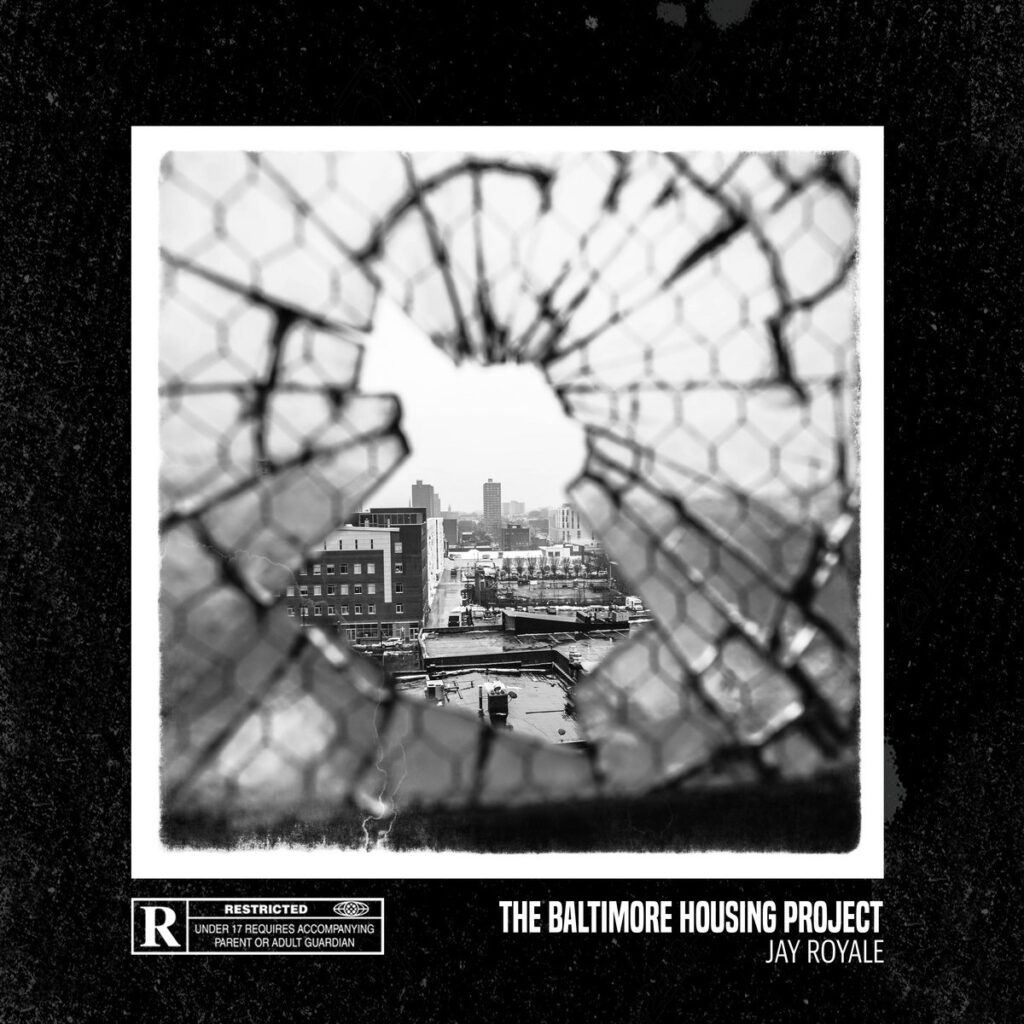
The Baltimore Housing Project moves deeper into the world Jay Royale introduced on The Ivory Stoop, shifting the angle from the marble steps outside to the cramped corridors, corners, and pressures inside East Baltimore’s housing units. The album title doubles as a mission statement and a physical location. Royale writes with the urgency of someone who knows the habits, codes, and tensions of the environment he describes. His tone carries more bite than on his debut, and the writing leans harder into street etiquette, neighborhood memory, and the strain that comes with living under constant watch.
The production stays rooted in the tradition of hard-edged East Coast Hip Hop without drifting into imitation. Ray Sosa, Ice Rocks, Level 13, J Soul, Mika Dough, M.W.P., and Trevor Lang supply a mix of dusty drums, brooding pianos, and strings that sit low in the mix. Several tracks use dialogue snippets or razor-sharp cuts as small bursts of commentary, almost like overheard conversations cracking through the walls. These details give the record a tight, enclosed mood that matches the project setting implied by the title.
Royale’s delivery is quick, rhythmic, and confident. “Thousand Gram Figero,” with Skyzoo, stacks bar-heavy exchanges over a stark loop. “Skee Rack,” with Ransom, digs into distrust and survival tactics with controlled aggression. Ill Conscious appears on “Pearl Handled” and “Charles S. Dutton,” bringing sharp-eyed detail to themes of protection, childhood memory, and the paths that shape their adult identities. Willie the Kid adds crisp precision on “Lime,” while Termanology joins “Tint Cruddy” with a steady, focused verse over a warm, airy loop.
Throughout the record, Royale keeps the lens tight on East Baltimore life. His voice cuts through the production with authority, delivering scenes built from close-range observation. The Baltimore Housing Project is a strong second statement that expands his world with clarity and force.
ANKHLEJOHN - As Above, So Below (2020)
As Above, So Below finds ANKHLEJOHN at the intersection of street clarity and philosophical inquiry, threading the microcosm of daily struggle through the macrocosm of spiritual law. The album opens with “City of God,” a gentle, starlit loop of distant horns and muted piano, immediately setting a reflective tone. Navy Blue’s production is spacious and lo-fi, drums appearing only intermittently, allowing ANKHLEJOHN’s raspy, urgent voice to drive the narrative. Each track moves deliberately, giving weight to the lyrical density and letting moments of insight linger.
The title track concept—what happens above mirrors what happens below—shapes the album’s perspective. ANKHLEJOHN wrestles with morality, consequence, and the unseen forces guiding life on the block. On “Final Destination,” he turns the mundane and dangerous routines of street survival into meditations, while “The Lightway” channels resilience and guidance, referencing figures like Elijah Muhammad in a tone of spiritual acknowledgment. He navigates esoteric references, alchemy, and Hermetic principles without breaking the flow of street storytelling, folding philosophy into the immediacy of lived experience.
Fly Anakin features on “Rick James” and Wiki on the closing “As Above So Below” layer texture onto the hypnotic beats, while tracks like “Look Beyond” with Da$h and Al.Divino drift in near-drumless meditation, creating calm ripples that highlight ANKHLEJOHN’s focus and precision. Even the briefest gestures—soft piano hits, muffled horn lines, subtle vocal samples—amplify the album’s sense of introspection and quiet triumph.
Across 42 minutes, ANKHLEJOHN balances technical skill with thoughtful restraint. He shifts from aggressive delivery to measured reflection, never losing the intensity of his perspective. Navy Blue’s understated beats provide a canvas for this exploration, allowing the lyrics to breathe and the ideas to resonate. As Above, So Below confirms ANKHLEJOHN’s ability to expand the language of street rap into philosophical, spiritual terrain, creating a record where grit, thought, and melody coexist in quiet, compelling tension.
Vic Spencer & SonnyJim - Spencer For Higher 3 (2020)
This third chapter in the Spencer For Higher series plants Vic Spencer’s crooked grin and sideways worldview on top of SonnyJim’s silky boom-bap. The Chicago MC drifts between dry comedy and sharp, left-field commentary, while the UK producer lays down loops that feel like late-night jazz spun through a cracked filter. The series has four volumes, and any one of them could sit on this list; this entry represents the full run, a long stretch of consistent collaboration where the pair carved out their own corner of noir Hip Hop.
SonnyJim handles every beat here, leaning into warm soul fragments, dusty horns, and small rhythmic details that shift the room without overwhelming it. His drums snap clean and direct. He favors loops that sound slightly off-center—tiny wrong turns in the sample that give the record its crooked smile. Tracks like “I Ain’t Got No Weed Stash” and “Globework” stretch out with lounge-style textures, but the rhythm always hits with intent, grounding the strangeness in a firm boom-bap spine.
Vic Spencer raps over these beats with a deadpan tone that hides dense internal rhyme patterns. He swings from surreal one-liners to sharp observations about street life, craft, frustration, and his place in Hip Hop’s undercurrent. “Seat for One” and “Eloquent Listening” show him at his driest, dropping quick-shot images and odd metaphors with no setup. On “The Soul of Harold Washington,” he shifts into local memory, stacking Chicago details with calm certainty.
Rome Streetz guets firing off tight bursts on “Choose It to Lose It,” Che Noir brings a firm, methodical verse to “The Best Natural Face,” and Jeremiah Jae draws the album into a hazier mood on “Parachute Made of Money.”
Across the full series, Spencer and SonnyJim built a world of sharp humor, crooked elegance, and head-nodding discipline. Spencer For Higher 3 is the volume chosen here, but the entire run belongs in the conversation.
Ty Farris - No Cosign Just Cocaine 3 (2020)
After highlighting Spencer For Higher 3 as the stand-in for a full series, we do the same here: No Cosign Just Cocaine 3 represents the entire five-part run Ty Farris built around the same title. Any volume could sit on this list. This one carries the clearest picture of what the series is about—discipline, detail, and an unfiltered record of Detroit’s grind.
The album opens with a voice steeped in gravel and pressure. Farris pushes every bar with a clipped urgency, as if he’s recounting events while watching the next one unfold out the corner of his eye. His lines stack tight internal patterns and sharp turns in phrasing, loading each verse with cold observations, coded street mechanics, and blunt admissions about survival. His delivery stays locked in a forward tilt: calm enough to stay controlled, tense enough to suggest danger around every detail.
The production crew—Bozack Morris, Stu Bangas, Trox, Vinyl Villain, DirtyDiggs, J Bansky, and others—works inside a single mood. Their beats swing between mournful soul fragments, icy piano loops, warped horns, and drums that hit like metal on concrete. Nothing is pretty; everything is worn, heavy, and stripped down to the essential parts. This is the Detroit sound at its most unforgiving: grey skies, cracked pavement, cigarette ash stuck to winter coats.
Individual tracks form small, enclosed scenes. “Ride Thru the Jungle” crawls with eerie atmosphere, while “No Receipt, No Return” sinks into memories of adolescence with a cold stare. “Black Mamba Venom” pushes venomous confidence over a tense Stu Bangas pattern. “Money Outta the Ziplock” brings Eddie Kaine into a knife-edged exchange built on devious drums. Eto brings a calm, grainy croak to “Sunday at Dirty Diggs,” while Flee Lord stomps through “Had to Scheme” with clipped aggression. M.A.V. loads “The War” with a serrated tone. Each appearance is defined by voice, energy, and imagery alone.
By the time Farris reaches “Who I Am,” the record has traveled through paranoia, loss, discipline, and pride without softening its edges. No Cosign Just Cocaine 3 is the distilled core of the full NCJC series—cold documentation, sharp writing, and Detroit’s spirit rendered in hard lines and smoked-out soul.
Westside Gunn - Pray For Paris (2020)
Pray For Paris is Westside Gunn at his most ornate, stepping out of the grime-caked Buffalo corridors he made famous and into a gleaming, art-heavy universe shaped by fashion houses, auction rooms, and luxury myths. The grime is still here—grisly snapshots, clipped boasts, and his unmistakable high-pitched bite—but the surroundings glow in a way his earlier material rarely allowed. The result is an album that widens his palette without stripping away the cold steel underneath.
The project pulls its mood from Gunn’s trip to Paris Fashion Week. That experience gives the record its strange balance of couture gloss and street menace. The Virgil Abloh cover, the auction clip that opens the album, and the constant references to rare fabrics and gallery pieces all feed the persona Gunn sharpens across these tracks. His voice cuts through soul loops, piano stabs, and murky jazz fragments like an eccentric curator leading a tour through his personal vault. His ad-libs slice the silence, working like small jolts of electricity.
A long lineup of producers gives the record strong dimension. Daringer’s brooding loops keep the floor muddy. The Alchemist brings grand, stately horn and vocal chops on “$500 Ounces.” DJ Muggs adds tension. Tyler, the Creator’s contributions tilt toward warm, smoky soul. DJ Premier injects a sharp boom-bap snap on “Shawn vs. Flair.” The guest list is deep: Conway and Benny unleash tight, snarling verses on “George Bondo” and “Allah Sent Me,” while Freddie Gibbs, Roc Marciano, Joey Bada$$, Wale, Boldy James, and others bring color without drowning Gunn’s eccentric flair.
There is cleaner shine here than on Supreme Blientele or the early HWH tapes. The grime is still intact, but the edges are smoother, and the polish is hard to ignore. We prefer Gunn in his gutter element, but Pray For Paris remains a strong document of his ambition—his last project with this level of focus and weight.
Daniel Son, Futurewave & Asun Eastwood - Bite The Bullet (2020)

Bite The Bullet brings together Daniel Son, Asun Eastwood, and Futurewave in a tense, methodical exploration of survival, sacrifice, and the harsh realities of the street. From the opening bars of “Floor Shot,” compressed drums hit like controlled impacts, layered over smoky soul loops that create a sense of shadowed corridors and high-stakes pressure. Futurewave’s production runs thick with texture—eerie keyboards, distant vocal snippets, and filtered strings swell across the tracks, providing a dense, atmospheric foundation for the MCs’ narratives.
Daniel Son raps with icy calculation. His measured, cryptic delivery treats each line as a directive, outlining strategy, logistics, and the mental discipline required to endure pressure. On “Keep Your Mind” and “Sokoudjou,” his voice slices through the layered beats with precision, describing the inevitability of confrontation and the necessity of endurance. Asun Eastwood counterbalances this with urgency and immediacy. On “Fried Eggs” and “Lap Dances,” his sharper cadence and emotional tone translate the grind of the street into tangible tension, giving the listener the sense of navigating unpredictable terrain.
The collaboration thrives in contrast. On tracks like “Hands Free” featuring Rome Streetz, drums and layered samples maintain suspense while the verses carry cryptic accounts of consequence and calculation. “Bite The Bullet,” closing the album, blends thick boom-bap percussion with spectral loops, framing Saipher Soze’s guest verse in a quiet, menacing intensity. Across all twelve tracks, beats and rhymes hold a consistent, dark gravity, with no flash or filler—every sample, snare hit, and verse contributes to the album’s disciplined focus.
Fans of this corner of Canadian Hip Hop should also check out the album’s predecessor, Physics of Filth (2018), and the wider output of Daniel Son, Asun Eastwood, Futurewave, and their affiliates. Bite The Bullet builds on that lineage with careful craft and streetwise precision, offering listeners a sustained, immersive experience of underground boom-bap that respects the weight of its subject matter without compromise.
Ka - Descendants Of Cain (2020)
Descendants Of Cain is Ka moving deeper into the shadows, turning Brownsville into a world haunted by inevitability and moral weight. Over its thirty-three minutes, the album drifts through thirty tightly wound tracks, each built from sparse loops, muted piano chords, and occasional subtle drones. Percussion is nearly absent, leaving Ka’s voice—husky, measured, almost stage-whispered—to dictate rhythm and tension. The atmosphere is solemn, like stepping into an empty cathedral where every sound is amplified, every pause felt.
Ka casts his streets in biblical terms, drawing parallels between the story of Cain and Abel and the cycles of betrayal, violence, and survival he witnessed growing up. On tracks like “Solitude of Enoch” and “Patron Saints,” the neighborhood itself becomes a stage for moral reckoning. He details childhood games turned into lessons in vigilance, adults whose choices shaped the young, and the invisible codes that govern life in Brownsville. Lines like “Our heroes sold heroin” and “I was raised to age a few years in a day” compress lifetimes of experience into a handful of words, making every syllable carry weight.
Roc Marciano and Willie the Kid appear sparingly, their voices folded into Ka’s somber canvas without breaking the cohesion. Production is austere and deliberate, incorporating faint blues guitar, delicate strings, and filmic samples that evoke an ancient, almost liturgical tone. The album avoids hooks or conventional structure, letting each track breathe and the themes of legacy, choice, and fatalism settle.
Even without overt depictions of street transactions, Descendants Of Cain is street rap at its core. It details survival, trust, and moral compromise in an unforgiving environment, translating these realities into a disciplined, poetic framework. The album demands attention and patience, revealing its intricacies with each listen. It positions Ka as a craftsman of modern underground Hip Hop, one who turns quiet, austere production and whispered reflection into a cinematic, morally dense portrait of urban life, proving that street narratives can be meditative, allegorical, and devastatingly precise.
Rome Streetz - Noise Kandy 4 (2020)

Noise Kandy 4 opens with the sound of late-night streets and flickering streetlights, every verse tracing the pulse of Queens with meticulous care. Rome Streetz raps with a controlled intensity, his dense, multi-syllabic lines threading through beats that are both shadowy and soulful. From the organ-laden tension of “Relapse” to the grim storytelling of “Prophet & a Pusher,” the album details hustling, survival, and personal reflection with sharp, exacting imagery.
The production relies on dusty samples, minimal percussion, and understated jazz loops, giving the tracks a raw, late-90s East Coast energy. Sebb Bash, Wavy Da Ghawd, Futurewave, DJ Skizz, Chronic Tone, and The Artivist layer textures with precision, balancing space and momentum so Rome’s bars dominate the mix. “Higher Self,” featuring Estee Nack, glides over a haunting flute loop while exploring elevation and street wisdom. “NY Fitted” uses symphonic swells to carry dense rhyme patterns with weight, while “Mommy’s Seed” rides a swinging jazz sample with head-nod energy.
Rome’s lyricism is relentless and exact. Each track focuses on the mechanics of survival, the philosophy of street life, and human desire. “Toxic” details betrayal over tense instrumentation, while “Favorite,” with Bub Rock, provides a sensual counterpoint without softening the grit. Break drums and chopped loops punctuate key lines, letting every word hit sharply.
Noise Kandy 4 sustains intensity from start to finish. The beats, samples, and lyrics are tightly interwoven, producing an album that demands focus and rewards close listening. Rome Streetz continues to expand the Noise Kandy series with precision and vision, delivering a record dense with detail, atmosphere, and uncompromising street wisdom.
Roc Marciano - Mt. Marci (2020)
Listening to Mt. Marci feels like stepping into a dimly lit, opulent room where the stories are both luxurious and lethal. The album drifts between moods of calm menace and lavish detail, Roc Marciano’s raps moving with a deliberate pace that lets you absorb every detail, from the glint of diamond chains to the subtle threats hiding in his words. The beats throughout are unmistakably his — stripped-down, eerie, with loops that feel as if they’ve been dug from the deepest, dustiest crates. They give off a hazy glow, with minimal percussion and melodies that feel expansive and intimate at the same time.
Marciano’s voice slides over these tracks with ease, carrying his deadpan wit and sharp observations. He paints scenes with dark humor, never rushing, letting his low-key delivery add layers of tension. Take “Wicked Days,” where he riffs on the wildness of his own life over an off-kilter beat that hums and rattles. Here, Marciano’s words are both the calm center and the storm, unbothered by anything that might shake others. His humor is always in play, adding unexpected levity that feels like an inside joke he’s letting you in on. Even as he drops lines about handling firearms or making big moves, there’s a slyness there that’s hard to ignore.
The guest features add their own heat, weaving into Marciano’s style without taking the spotlight. On “Broadway Billy,” Kool Keith’s surreal imagery pairs with Marciano’s gritty storytelling, creating a kind of back-and-forth that’s as strange as it is engaging. Stove God Cook$, ScHoolboy Q, and Action Bronson bring their own twists, but each feature fits right into Marciano’s atmosphere — a mix of dark luxury and looming danger. They don’t feel like interruptions; they’re more like accomplices joining in on Marciano’s tales.
What stands out on Mt. Marci is Marciano’s confidence — he knows the world he’s built, and he doesn’t waver. The sparse production lets his voice cut through, each verse clear and powerful against beats that don’t try to outshine him. By the time you reach tracks like “Steel Vagina” and “Trenchcoat Wars,” Marciano’s sense of place and control over his art is undeniable. The album is steeped in grit but polished, rich but hauntingly minimal.
BodyBagBen & J Scienide - Enough To Plague A Saint (2021)
Enough To Plague a Saint is built from tension, scripture-tinged grit, and a sharp sense of discipline. BodyBagBen shapes the album with bruising drums and dark, dust-covered soul loops, the kind that hit with weight and leave a low hum behind every bar. The production is tight and heavy, with thick basslines and chopped vocal fragments that give the record an almost ritual feeling, as if every track circles the same altar of pressure, sin, and hard-earned survival.
J Scienide cuts through this environment with a firm voice and an organized, methodical rhyme style. His verses carry a mix of tactical detail, coded warnings, and the kind of street logic that comes from paying close attention to every move around you. He pulls religious language into the grind of the day-to-day, twisting talk of saints, demons, and plagues into symbols of corruption, ambition, and the grind for position. Scienide doesn’t drift into abstraction—his references stay tied to the underground, the booth, and the weight of choices that come with trying to keep a circle tight and a reputation sharper than the next man’s.
BodyBagBen’s beats produce a steady chokehold: booming kicks, brittle snares, low-end thrum, and chopped soul fragments that sound burned at the edges. The loops are grim and deliberate, shaped by repetition and menace rather than polish. The album was built during the first months of lockdown, and it carries that closed-room intensity—no open air, no bright corners, just head-nodding pressure and sharpened language.
Rome Streetz brings his own energy with his clipped ferocity, Wordsworth with careful precision, Ill Conscious with a cold snap in his tone, Napoleon Da Legend and Rasheed Chappell with tightly packed wordplay. Each guest verse adds another layer of grit and technical focus.
Enough To Plague a Saint is a heavy, disciplined record, fueled by BodyBagBen’s dark production and J Scienide’s controlled, hard-edged writing—street rap built with craft, weight, and an unbreakable sense of purpose.
IAMGAWD & Custom Made - The Eternal Reflection (2021)

IAMGAWD & Custom Made’s The Eternal Reflection is an introspective journey framed by Chicago grit and dark, cinematic boom-bap. Custom Made’s production is dense and deliberate: minor-key piano loops creak under tense string swells, and heavy, precise drums hit like a heartbeat under stress. The soundscape is dramatic without excess, a backdrop that reflects urgency and vigilance. Each beat carries a sense of weight, shaping the environment for IAMGAWD’s sharp delivery.
IAMGAWD addresses legacy, personal accountability, and the fleeting nature of material gain. He moves through verses with meticulous wordplay, referencing time, memory, and the permanence of character. His voice is urgent and deliberate, cutting through the production with a rhythm that commands attention. Lines trace the tension between youthful ambition and the cost of survival, often painting scenes of Chicago’s streets where opportunity and danger collide. Philosophical moments are anchored in concrete imagery: the loss of community, generational cycles, and the stakes of one’s decisions.
Guest contributions appear as distinct voices: Brittney Carter’s melodic hook on “Chosen” drifts with vulnerability, Skooda Chose and Philmore Greene bring clipped, precise narratives on “From Chicago With Hate,” and Xavier West delivers a youthful, raw cadence that contrasts IAMGAWD’s seasoned flow. Each feature enters with a clear identity, layered over Custom Made’s controlled, brooding production.
The album is structured around reflection—tracks like “Theme Music to Life’s III” confront pessimism and societal decay, while “The Ghost of Cavalier Mitchell” nods to Chicago’s musical heritage. The Eternal Reflection emphasizes careful observation, both outward at the city and inward at one’s choices, never shying from detail. The cohesion between MC and producer creates a space that feels tense, thoughtful, and consistently compelling. IAMGAWD’s exploration of time, morality, and consequence is amplified by production that is equally exacting and dark, resulting in an album that holds the listener in its reflective, controlled grip.
Boldy James & The Alchemist - Bo Jackson (2021)
Bo Jackson is Boldy James and The Alchemist at their fullest intensity, a collision of precise street narratives and expansive, textured production. The album unfolds like a series of cinematic vignettes: Detroit corners and anxious nights painted over Alchemist’s brooding, layered loops. While the core remains minimalist, subtle flourishes—melancholic guitar lines, muted piano, smoky synths—give the sound a richer weight than their previous collaborations. It is warmer, more fluid, yet every beat carries the tense undertow of life in the streets.
Boldy James delivers his trademark monotone with uncanny control. Every line reads like a dossier on survival, betrayal, and the mundane rituals of street commerce. On tracks like “Illegal Search & Seizure,” he condenses a friendship ruined by snitching into a two-minute masterclass in sharp, vivid detail. “Photographic Memories” brings Earl Sweatshirt and Roc Marciano into the fold, their verses layering over Alchemist’s hypnotic, slightly psychedelic instrumental. Benny the Butcher, Curren$y, and Freddie Gibbs appear throughout, each insertion adding unique texture without altering the album’s tension or focus. Boldy navigates these contributions with the ease of a veteran, letting his vision dominate while inviting the guests to echo his world.
Alchemist operates at peak form here, weaving atmospheric loops that shift from shadowed menace to mournful warmth, from sputtering drum fills to kaleidoscopic melodic touches. His work on “Turpentine” and “Photographic Memories” feels particularly alive, balancing unsettling textures with hypnotic rhythm. Boldy responds in kind, bending his flow to the nuances of the beat, delivering lines that are at once weary and precise.
This album is the culmination of a decade-long collaboration, a document where both artist and producer reach their apex. Across Boldy James’ extensive catalog, Bo Jackson sits at the top for us, rivaled only by The Price of Tea in China and Manger on McNichols. Every track carries weight, every story lands, making it the most gripping and fully realized project of his career.
Eddie Kaine & Big Ghost Ltd - A Tree Grows In Brooklyn (2021)

Eddie Kaine and Big Ghost Ltd link up for a Brooklyn record built on grit, memory, and stubborn survival. The title points straight to that idea: growth in a place that rarely gives you room to breathe. The project runs on hard drums, dusty soul loops, and Kaine’s gravel-rich voice cutting through every track with the steadiness of someone who has lived every detail he’s describing.
“Can’t Look Back” hits immediately. Big Ghost pulls a mournful vocal fragment into a steady knock, and Kaine enters with a sharp, urgent delivery that sets the temperature for the rest of the album. Songs like “East Flatbush” and “If U Know Me” keep that energy alive; the beats swing between tense soul and rough-edged boom-bap, always built wide enough for Kaine to push his cadence forward without crowding the rhythm. Big Ghost brings thick bass, crisp snares, and samples that sound weathered by years of city noise.
Kaine writes about Brooklyn with the eye of someone who never left. The stories come from real corners and long relationships, not broad slogans. His voice is tough but steady, shaped by the kind of experience that does not need embellishment. He talks about family weight, neighborhood shifts, and the reach of old decisions with a tone that stays grounded.
Rim features bringing sharp edges to “All Wrong + Bucktown Salute.” Skyzoo meets Kaine on “Free Lunch” with a calm, writerly tone. On “Suicide Squad,” Ty Farris, UFO Fev, Vic Spencer, and Ea$y Money jump into a heavy posse cut built for pure barring out. Each contribution fits the album’s rhythm of street detail and tough reflection.
Across the record, Kaine and Big Ghost build a world tied to real Brooklyn history, day-to-day pressure, and the grind of long growth in concrete. The result is a rugged, soulful entry in the modern noir wing of Hip Hop’s underground.
Ka - A Martyr's Reward (2021)
A Martyr’s Reward tightens Ka’s lens on his world, moving from observation to introspection with the precision of a scalpel. The album unfolds over thirty tracks that drift across sparse, sunken beats, threadbare piano lines, muted strings, and occasional guitar twangs. Drums hover like a distant pulse, never dominating, leaving Ka’s gravelly voice to dictate the rhythm. Each track moves with the weight of reflection, carrying a stillness that forces attention to every syllable, every breath.
Ka frames survival as a moral enterprise. Lines on “I Need All That” catalog what has been stolen from him and his community—culture, music, identity—while “I Notice” reads like a field report on systemic oppression, surveillance, and inherited struggle. The narratives move seamlessly between childhood recollections, street codes, and philosophical musings, each thought grounded in concrete images: rooftops, fire escapes, city streets at dawn. His voice carries the authority of experience, calm but insistent, coaxing the listener into the intimate space of his memory.
The production is minimalist but expansive. Ka introduces warmer textures than on Descendants Of Cain, letting choral samples, subtle organ swells, and delicate strings hover in the background. Navy Blue appears on “We Living/Martyr,” weaving his own verse into the contemplative flow without breaking the album’s quiet intensity. Songs like “Peace Peace Peace” and “Having Nothin’” layer melancholy with restrained hope, their phrasing echoing the tension between loss and endurance.
Every song treats lyrical economy as architecture, each metaphor, internal rhyme, and double entendre placed with precision. Themes of loyalty, sacrifice, and quiet perseverance dominate, reflecting Ka’s own negotiation with adulthood, artistry, and responsibility. A Martyr’s Reward is not designed for casual listening; it demands patience and rewards careful attention. It positions Ka as a craftsman of introspective street Hip Hop, creating an atmosphere where reflection carries weight, absence of excess sharpens focus, and survival is measured in principles upheld rather than victories won.
CRIMEAPPLE & DJ Muggs - CARTAGENA (2021)

Cartagena is a humid, dangerous record built on DJ Muggs’ warped sense of rhythm and CRIMEAPPLE’s sharp, bilingual street writing. Muggs pulls his samples through layers of heat and distortion, shaping loops that feel swollen with tropical tension. Horn stabs bend out of pitch, percussion thumps in short bursts, and the low-end hangs like dense air in a crowded port city. His production keeps the temperature high without slipping into bright colors; everything carries a varnish of smoke, salt, and late-night paranoia.
CRIMEAPPLE moves through this environment with controlled force. His voice cuts clean through Muggs’ murky textures, switching between Spanish and English in tight, coded patterns. He builds scenes around Cartagena’s Caribbean pull—sun-bleached wealth, humid backrooms, and the quiet calculation behind every handshake. His lines swing between gourmet indulgence and illicit strategy, delivered with a straight face and a steady pulse. He drops references to dishes, fabrics, and brands with the same confidence he uses when describing risk and retaliation, giving the album a sense of luxury pressed against danger.
The structure is lean: a run of tracks that stay locked into the concept without drifting. Muggs’ loops repeat with a hypnotic edge, the kind that draw attention to the internal rhymes and the coded phrases CRIMEAPPLE threads into every bar. On “Grey Skies,” the beat hangs low and humid while he lays out a controlled morning ritual. “Bathtubs Full of Veuve” moves with clipped drums and splashes of filtered melody, guiding him into a string of sharp boasts and quick cuts. “Papas” rides a darker pulse, pushing him into colder imagery and fast arithmetic.
There are no guests. The album depends entirely on the chemistry between CRIMEAPPLE and Muggs, and the two lock into the concept with focus. Cartagena is a tight, tropical noir record built on heat, shadow, and a steady hand at the mic and the boards.
Lukah - When The Black Hand Touches You (2021)
When The Black Hand Touches You positions Lukah as a commanding voice in Memphis Hip Hop, a project where conscience, craft, and grit collide. The album navigates the weight of street life, inherited trauma, systemic oppression, and survival with a focus that never softens the edges. Lukah treats each beat like a room to inhabit, walking through it with precise steps, letting the music breathe as he unfolds histories, warnings, and strategies for endurance.
Production—handled by Cities Aviv, Hollow Sol, Livin, and Lukah himself—stitches together dusty soul loops, off-kilter gospel organs, and moody choral samples that float over stripped-down drums. Tracks like “Black Coffins” use warped choirs to press the listener into the stark realities of early death, poverty, and police violence. “Maroon Floors” lifts that pressure with bright, celebratory horns, marking survival as an achievement in a hostile environment. On “Ammo / Pearl,” Lukah maneuvers his voice over a tempo that shifts mid-track, moving from a slow, deliberate crawl to a tense, urgent pace, demonstrating his command of rhythm and storytelling.
Lyrically, Lukah fuses literary precision with raw immediacy. He dissects generational trauma on “Auction,” indicts systemic failures on “Virus,” and personalizes communal struggle on “Black Water,” detailing the ways society marks Black lives from birth. His flows alternate between deliberate and rapid-fire, matching the tone of the beat and the subject matter. On tracks like “Negro Pie,” he invokes Hip Hop history, name-dropping Wu-Tang, while Livin’s soulful samples underpin the narratives with warmth and tension.
The album balances darkness and hope, anger and reflection. Each song feels intentional, whether pressing forward with urgency or pausing for introspection. When The Black Hand Touches You is a disciplined, layered exploration of survival, a Memphis record rooted in local texture yet conversant with the broader street-rap canon. Lukah crafts an album that demands attention, rewarding listeners who engage with both its sonic detail and its uncompromising perspective.
IAMGAWD & Doc Da Mindbenda - Hell’s Angels & Heaven’s Demons (2021)
IAMGAWD delivers an intense record with Hell’s Angels & Heaven’s Demons. This album confirms why he is one of the most slept-on artists on this list. The album revolves around a tight concept—inner conflict, temptation, discipline, and the price a person pays for sticking to principle. It’s a Chicago street philosophy session delivered with gravel in the voice and heavy weight in every bar.
Doc Da Mindbenda gives the project a thick, lived-in atmosphere. His production leans on warm soul fragments, murky jazz pieces, and vocal phrases that sound pulled from weathered vinyl. Even the brighter melodies carry a shadow. The drums punch through the haze with a firm, old-school snap, giving the record a strong backbone without crowding the detail in IAMGAWD’s writing. Every beat holds a slow burn, setting up space for long stretches of reflection, threat, and spiritual tension.
IAMGAWD handles the concept head-on. His verses circle around choice and consequence—how a quick thrill leads one way and how discipline leads another. He shifts between street detail, scripture-like warnings, and coded metaphors without losing clarity. His tone stays urgent throughout the album, pushing each idea like a man who’s lived through the lessons he’s describing. Tracks such as “Dreadhead Zombies” and “Gotham Gangways” draw on gritty memory and a sense of mortality. “Blessings” and “Honor Me” bring a more reflective mood. “A Father’s Love” adds emotional depth without softening the record, turning the concept inward in a personal way.
Longer cuts like “Do Em Filthe” expand the album’s pressure with extra voices, each bringing their own attitude and phrasing. Shorter pieces like “Bulletproof Dreams” and “Same Shit, Different Day” tighten the focus around survival, fatigue, and a stubborn drive to push forward.
Hell’s Angels & Heaven’s Demons is as strong as anything on this list. IAMGAWD’s writing hits hard, and Doc Da Mindbenda’s production gives the album a grounded, heavy presence. This one deserves far more attention than it gets.
DJ Muggs & Rome Streetz - Death & The Magician (2021)
A heavy, rainy night hangs over every second of Death & The Magician. DJ Muggs constructs a claustrophobic, almost industrial backdrop with distorted piano loops, droning textures, and metallic percussion that hits like iron against concrete. Tension coils under every track, from the dark murmurs on “6 of Cups” to the haunting strings and sharp snares on “Stone Cold Soul,” giving each moment a cinematic edge. The album’s sound is dense, eerie, and relentless, a perfect frame for the tarot-inspired concept threading through the work.
Rome Streetz delivers with technical ferocity, filling the space with complex internal rhymes, staccato bursts, and serpentine multis that cut through Muggs’ layered atmospheres. Themes of fate, transformation, and high-stakes survival anchor each track. “Prayers Over Packages” sets a tone of calculated urgency, while “Ace of Swords” unspools precise street narratives with the weight of inevitability. Guest appearances, like Knowledge the Pirate on “Zig Zag Zig” or Rigz on “Horn & Halo,” inject energy and menace, trading bars that match the tension without diminishing the album’s cohesive intensity.
The production is intentionally abrasive, with high-frequency noise and distorted samples creating an undercurrent of paranoia, while industrial boom-bap drums drive each track forward with an unflinching pulse. The album moves at a compact, controlled pace—13 tracks in 34 minutes—leaving no moment for filler. Muggs’ signature psychedelic noir and street grit merge seamlessly, offering a space where lyrical dexterity meets ominous, cinematic beats.
Death & The Magician delivers a dark, immersive experience. The album is precise in structure and mood, a focused exploration of streets, psyche, and inevitability. It balances intricate lyricism with Muggs’ shadowy production, making it an essential listen for anyone following underground Hip Hop where intensity, atmosphere, and craftsmanship collide.
The Musalini & O Finess - No Squares In My Circle (2021)
No Squares In My Circle begins with a clear code: loyalty is currency, trust is scarce, and anyone who breaks formation gets cut loose. The Musalini and O Finess build the album around that principle, shaping a tight, stylish record grounded in street discipline and quiet ambition.
O Finess lays out a set of warm, soul-driven loops that carry a vintage glow. Pianos drift through soft filters, the low end sits close to the chest, and crisp drums keep the rhythm firm. The production leans toward smoky late-night tones without drifting into gloom. Each beat feels handpicked for restraint and texture, giving the album a smooth continuity from “Front Center” through “Pastor Lies.” The sequencing strengthens that unity; every track lands like another room in the same building, with its own lighting but the same architecture.
The Musalini maintains an unhurried cadence across the record. The luxury he describes functions as an earned outcome of survival, not decoration. In tracks like “Snake Skin,” “3 Horseman,” and “Black Orchid,” he outlines the rules of operation with a tone that suggests experience, not performance. The writing depends on detail over punchlines, allowing the atmosphere to build through specifics rather than broad statements.
Across its fifteen tracks, No Squares In My Circle maintains a tight grip on its theme. The Musalini and O Finess create a world defined by caution, polish, and strategic movement, delivering a strong example of modern East Coast street rap built on clarity, craft, and selective trust.
SmooVth & Giallo Point - Amongst Wolves (2021)
The title hints at the record’s mindset: sharp eyes, quick judgment, and the constant pressure of moving through a world where one mistake is expensive. SmooVth handles that terrain with calm authority. His voice stretches across the tracks with an easy sway, almost conversational, but the writing carries weight. He outlines codes, travel, risk, and payoff with the tone of someone who paid attention when it mattered.
Giallo Point builds the album’s frame with dusty soul, narrow-eyed jazz, and soundtrack fragments that give each piece a quiet charge. The music leans toward dramatic strings, drifting keys, and tight drums that crack in short, clipped bursts. Nothing here runs loose; every loop feels like it was cut from a film score left sitting too long in a damp basement. The mood settles into a cool, late-night tension that suits SmooVth’s steady delivery.
Tracks like “Double Dutch,” “Grey Heron,” and “Nickel” highlight the chemistry. The beats glide on muted melodies while SmooVth threads in stories about travel, discipline, and the cost of ambition. “Real Me” brings a reflective edge, and “The Ave” brightens the palette with warm guitar flourishes tied to family and loyalty. The writing stays grounded in detail—no sweeping declarations, no loose symbolism—just precise language about the lifestyle and its demands.
When guests appear, the energy shifts without derailing the album’s rhythm. Asun Eastwood sharpens “Bullet Holes” with clipped urgency. Rigz cuts into “Boss” with tight phrasing. Hus Kingpin floats through “Hieroglyphics” with cryptic lines over dim piano. Big Twins roughens “Sparks Fly,” and Eddie Kaine and Rim bring grit to “Plates.” Each track keeps the center of gravity intact.
Across Amongst Wolves, the duo builds a focused crime-noir atmosphere. SmooVth sounds alert and controlled, and Giallo Point’s production wraps the record in cold glamour. The result is a polished, street-level project that thrives on detail, restraint, and refined toughness.
Rome Streetz & Ransom - Coup De Grace (2021)
Coup De Grace brings two sharp technicians into the same room and lets them draw blood for thirty-seven minutes. Rome Streetz comes in with his serrated Brooklyn cadence, pushing tight detail and clipped imagery. Ransom enters with a colder, calculated precision built on stacked syllables and long, unbroken thought patterns. The record moves with a steady, high-pressure rhythm created by two MCs who refuse to soften their edges.
The production roster is wide—V Don, Nicholas Craven, 38 Spesh, Wavy Da Ghawd, Animoss, Stack Moolah, and others—but the throughline is the same: somber loops, dusty drums, and a low, stalking tension. The beats lean on soul fragments, muffled jazz phrases, and grainy textures that leave space for the verses to hit hard. The tone is nocturnal, the kind of sound you’d expect under dim streetlights or in the back of a late-night meeting where every word is weighed.
Rome raises the urgency every time he enters, cutting through the beats with raw energy and tight breath control. His verses often hinge on tight pivots, coded references, and direct street logic. Ransom approaches the same terrain with a calmer, analytical tone. He folds layered rhyme schemes into blunt reflections about survival, discipline, and calculated ambition. When they trade sections, the tension sharpens. The record thrives on that pressure: two different styles delivering equally heavy blows.
Che Noir has a strong feature on “Claudine,” building her verse on sharp phrasing and a steady command of the pocket. The Game arrives on “Pray For The Weak” with a darker, more narrative-driven tone. Lou From Paradise and Tyrant bring a jagged energy to “Bandoleros,” pushing the track into rougher territory.
Coup De Grace is a tight, uncompromising project built on technical writing, icy production, and the natural friction of two veterans raising the stakes on every track.
Mach-Hommy - Pray For Haiti (2021)
Pray For Haiti is one of Mach-Hommy’s most vivid statements: a dense, layered portrait of Haitian pride, diaspora pressure, and spiritual weight delivered through cold luxury and dusty soul. The album moves with its own internal logic. Mach raps like someone sorting coded archives—quick switches between English, Creole, and French, stray proverbs, clipped humor, and grim warnings dropped with a flat, controlled cadence. Nothing arrives with emphasis; the punchlines slide in quietly, which gives them sharper impact.
The production builds a humid, smoked-out atmosphere. Piano loops drift like old tape left in the sun, snares hit in short bursts, and melodies hang in the air without resolution. Conductor Williams, The Alchemist, Camoflauge Monk, Messiah Musik, Cee Gee, and others give the record a warm, haunted glow. “The 26th Letter” opens with a rush of bars that cut straight through a muted jazz loop. “Kriminel” brings a soulful lift from Nicholas Craven. “Folie A Deux,” “Blockchain,” “Marie,” and “Magnum Band” keep the grip tight: low-tempo beats, faint horns, flickers of guitar, and lines packed with cultural and political references.
Mach threads Haitian history through nearly every corner of the album. He points toward revolution, exploitation, foreign interference, and the emotional cost carried by families spread across borders. He ties those themes to everyday economics—the cost of survival, the value of art, the uneven exchange between Haiti and the rest of the world. None of it is presented with grand speeches; the commentary arrives inside small lines, tossed-off phrases, and shifts in language.
Westside Gunn shapes the project’s structure and appears on a handful of tracks, while Tha God Fahim, Melanie Charles, and Keisha Plum add brief accents. Their contributions sit inside Mach’s world without pulling the narrative away from his voice.
Across fourteen tracks, Pray For Haiti builds a rich, shadowed environment where history and street knowledge sit side by side. The record carries a rare mix of confidence, mystery, and cultural depth, delivered with a writer’s discipline and a sharp ear for mood.
Machacha - The Hundred (2021)
Copenhagen Crates marked its 100th release with The Hundred, a dense, steel-gray compilation driven largely by Machacha’s ear for somber loops and stripped-down drums. His fingerprints run through the project: dim soul chops, faintly echoing strings, and rhythms that move with a heavy, deliberate step. His name on a project is a mark of quality, and this entry on the list represents his entire recent run—years of elevating every emcee who steps onto his production. If this sound sits in your lane and you haven’t gone through the Copenhagen Crates catalog, you’re missing one of the most consistent sources of modern noir Hip Hop.
The album brings together a stacked roster of underground lyricists who treat each beat like a live wire. Eto, Josiah The Gift, and DJ Swab open “In The Dark” with clipped delivery and tight imagery over a beat that swirls with low-lit tension. SmooVth, Supreme Cerebral, and Jamil Honesty trade grim, detail-driven verses on “Levels,” keeping pace with a muted piano loop that circles beneath them. Ankhlejohn and M.A.V. lock into “Hate Da Game” with gravel-toned reflections on risk and routine.
Jay Nice and Mickey Diamond bring icy focus to “Unfriendly Extortion,” their cadences slicing clean through Machacha’s murky backdrop. Pro Dillinger and $auce Heist strike with raw urgency on “Get Back,” while Mooch, Estee Nack, and Recognize Ali unload fast, jagged patterns on “The Guillotine.” Rigz, Napoleon Da Legend, and John Creasy tighten the atmosphere on “Elegant Street Talk,” shifting the record into a colder, more reflective space.
Even the contributions from Giallo Point, DJ TMB, DJ Swab, and Brainorchestra slide naturally into the album’s mood—shadowed melodies, crisp drums, and slow-burn tension.
The Hundred is a sharp document of the modern underground, shaped by a producer whose consistency has become its own calling card. Machacha built the frame; the emcees filled it with grit, detail, and pressure.
Hus Kingpin - Portishus (2021)
Portishus opens with a haze of suspense and luxury, a sonic space where streets and sophistication collide. Hus Kingpin leans into the eerie, cinematic soundscapes of Portishead, blending them with the dusty boom-bap rhythms of New York underground rap. The percussion is muted, often tucked behind layers of slowed-down jazz, reverb-soaked piano, and vinyl hiss, giving the beats a tense, almost hypnotic pulse. Hus’s voice rides over it all, relaxed and slightly raspy, threading intricate narratives of hustle, survival, and paranoia.
The album begins with “Who Made You Look,” a moody track sampling LL Cool J, immediately establishing Hus as both predator and chronicler of the streets. His lyrics are densely coded: references to high-stakes deals, discreet travel, and the economics of the grind layer over the hypnotic instrumentation. Tracks like “The Gram Tape” and “Money, Sex, Drugs” trace the mechanics of a drug empire without glorifying it, presenting a meticulous account of the burdens and calculations of success. On “A Killer’s Quench,” Vinnie Paz, Doza The Drum Dealer, and KingPen Slim add ominous textures, their flows slicing through the nocturnal production.
Portishus thrives on atmosphere. “Dark Mourning” weaves grief and menace together, while “Beth Gibbons” channels a spectral, almost psychedelic mood, nodding to the album’s Portishead inspiration. Hus’s flow adapts to each beat, stretching and compressing over loops that are both opulent and claustrophobic, reflecting the duality of wealth and danger. Features from SmooVth, Planet Asia, and Willie the Kid punctuate the record with varied textures, adding depth without diluting the core aesthetic.
The sequencing keeps the listener immersed in Hus’s world: a slow-moving, tension-filled environment where luxury and menace coexist. Every track feels intentional, part of an overarching vision of stealth, elegance, and grit. Portishus confirms Hus Kingpin’s mastery of cinematic, mood-driven Hip Hop, translating the precision of street narratives into a rich, atmospheric listening experience. This album is Hus at his most focused, carving a distinct niche at the intersection of classic New York grit and brooding trip-hop noir.
M.A.V. & Hobgoblin - Angelz & Demonz 3 (2021)
Angelz & Demonz 3 inhabits a shadowed space where street life and internal conflict collide. Hobgoblin’s production drapes every track in dusty, lo-fi textures: muted piano chords echo through echoing corridors, fragmented jazz loops shimmer with unease, and spectral vocal snippets drift like warnings from a distant alley. The percussion strikes deliberately, each kick and snare weighted, often sparing, emphasizing tension over rhythm. The album’s mood is dark and oppressive, a reflection of the ongoing war between ambition and temptation, morality and survival.
M.A.V. articulates that tension with meticulous precision. His verses are dense with autobiographical detail, mapping transactions, corners, and characters in his Queens and Rochester neighborhoods. On tracks like “Piece of Work” and “Never Knew,” he traces the subtle compromises and dangers of street life, alternating between measured reflection and hard-edged observation. “Walt and Julius” and “Lanes” bring guest voices—Vinnie Paz and Ty Farris—whose gruff textures add layers of urgency, matching the weight of Hobgoblin’s loops.
The series’ duality—“Angelz” and “Demonz”—threads through every beat and rhyme. M.A.V. examines desire, faith, and ethical friction with a delivery that is rugged and methodical, his cadence allowing each syllable and internal rhyme to puncture the listener. Hobgoblin’s beats push the narrative forward, making silence and space as impactful as the notes themselves, framing each story with melancholy and foreboding.
At just under an hour, the album maintains relentless intensity. Interludes like “Intermission 1” and “Intermission 2” punctuate the work with brief respites, while tracks such as “Forbidden Fruit” and “Snakeskins” extend the psychological tension, balancing street detail with abstract reflection.
Angelz & Demonz 3 is an intricate, uncompromising record where production and lyricism fuse to probe the pressures of the street and the mind. The combination of Hobgoblin’s shadowy instrumentation and M.A.V.’s razor-sharp storytelling makes the album an immersive dive into modern East Coast underground Hip Hop, dark, intelligent, and precise.
Rome Streetz - KISS THE RING (2022)
KISS THE RING fits the spirit of this list without hesitation. It is cold, direct street rap built on sharp imagery and relentless detail. The record carries the attitude of someone stepping into a bigger arena without changing his mechanics. Rome Streetz enters Griselda’s circle and delivers a long, layered set of verses shaped by risk, hunger, and a lifetime of coded experience from Queens to Brooklyn.
Rome raps with nonstop intention. Every track is packed tight with inner rhymes, quick pivots, and clipped threats that land with the rhythm of someone trained on corner conversations and late-night plotting. He uses short bursts of philosophy, dark humor, and violent warning shots to keep the pace high. “Big Steppa” and “Heart on Froze” open the record with a jolt, each line hitting like a raised eyebrow or a knife twist. On “Long Story Short,” he narrows the lens to a grim narrative told with blunt economy, turning small observations into criminal procedure. “Reversible” and “Tyson Beckford” highlight his ability to shape a hook without sacrificing density.
The producers create a tight corridor of dusty samples, clattering loops, and crooked melodies. Conductor Williams leans into tense, almost jagged fragments that constantly restart, forcing Rome into a tightrope stride. Daringer, Camoflauge Monk, and DJ Muggs add bruised soul and warped jazz. The Alchemist shows up with murky keys and a slow burn. Each beat gives Rome space to attack without offering comfort. Benny the Butcher and Stove God Cooks show up to trade sharp lines with him on “Blow 4 Blow.” Boldy James brings a leathery calm to “Serving.” Armani Caesar strikes a dangerous energy on “Armed & Dangerous.”
The only thing that misses the mood is the lazy, cheap cover artwork, which undersells the weight and the quality inside. Everything else hits hard. KISS THE RING is a grim, skill-driven statement from an elite technician working inside a dark, cinematic lane he understands at a cellular level.
Knowledge The Pirate & Big Ghost Ltd - Wolves Don't Eat With Shepherds (2022)
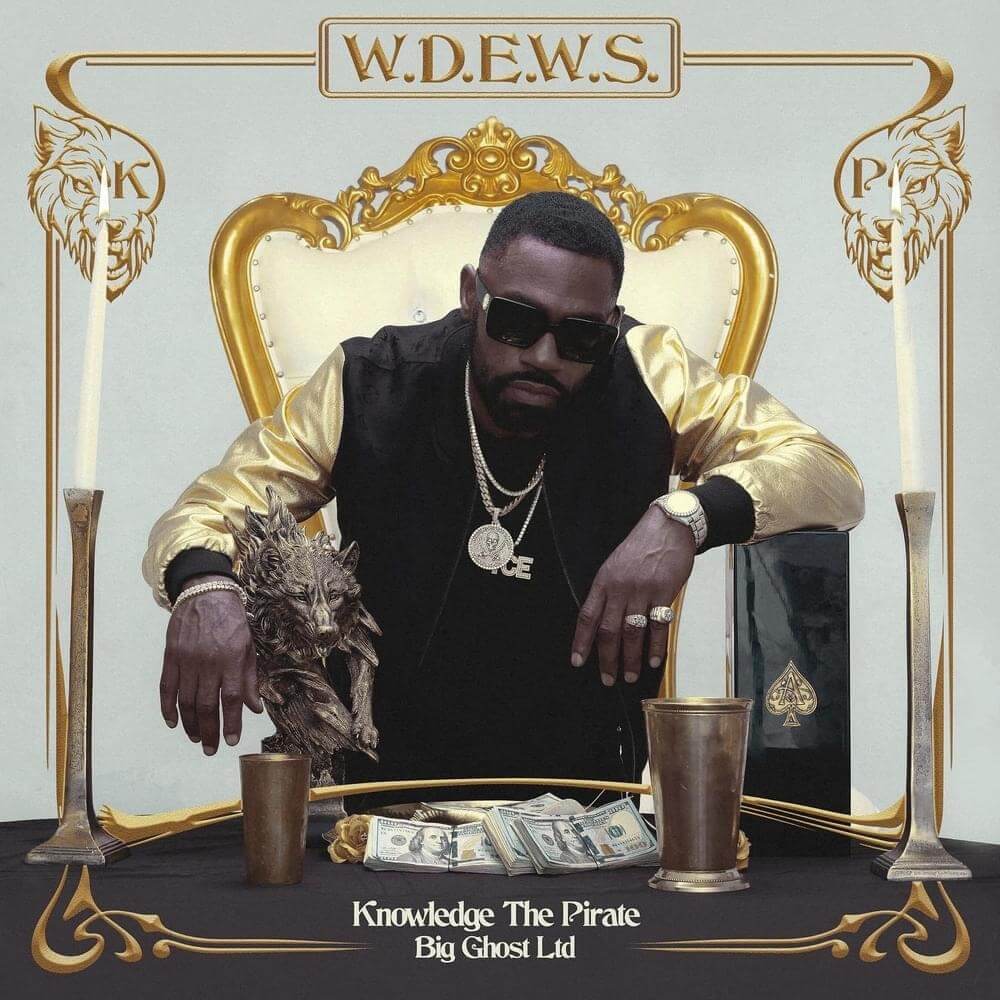
Wolves Don’t Eat With Shepherds is a cold, disciplined record built on authority, calculation, and an internal logic that never breaks. Knowledge The Pirate locks into his world with total confidence, speaking in clipped codes and grim aphorisms, while Big Ghost Ltd shapes an atmosphere that feels tense from the first bar to the final fade. The album runs 38 minutes and wastes none of them. Every track tightens the grip.
Knowledge’s voice sets the tone immediately. He raps with a gravelly calm, cutting through each beat with the steady cadence of someone who has nothing left to prove. His writing mixes maritime references, street protocol, and sharp warnings delivered with dry humor. “Pull Up” opens with strings that sound ready for a standoff; he approaches it like a veteran detailing old hostilities. “Heavy Crown” digs into power and responsibility. “Trenches” turns financial ambition into blunt arithmetic. Across the record, his flow stays unhurried, which gives every line weight.
Big Ghost Ltd answers with production that hits hard without turning chaotic. His drums are loud, crisp, and upfront. The loops are built from grit-stained soul, bruised gospel fragments, and streaks of distorted horns. Tracks like “Devotion” and “Know God” lean into mournful textures, while “Bad Boys” and “Treasure Chest” swing toward darker guitar-driven moods. The sequencing keeps the pressure steady, like a walk through late-night alleys where every corner hides a consequence. Flee Lord appears to bring sharp energy to “Bad Boys,” and Ty Farris locks in tightly on “Treasure Chest.”
What makes Wolves Don’t Eat With Shepherds hit so hard is its discipline. No theatrics, no wasted space, no reach for sentimental release. Knowledge and Big Ghost build a world governed by hierarchy and survival, then stay loyal to its rules. The result is a dark, confident record that stands among the most controlled and sharply executed projects in Knowledge The Pirate’s catalog.
DJ Muggs & Rigz - Gold (2022)

Gold is built around pressure, scarcity, and the idea that value comes from discipline rather than shine. DJ Muggs shapes the entire record with a cold, bleached-out palette: narrow loops, sharp percussion, and samples that drift like smoke in a locked room. Every beat feels stripped to bone and metal, with just enough melody to create tension. Muggs has been working in this shadowy lane for decades, and the production here has the kind of confidence that comes from repetition and refinement rather than excess. Nothing is crowded. Nothing softens the edges.
Rigz moves through this environment with a voice that cuts clean. His writing is dense without slipping into tangles, and the themes stay grounded in self-worth, earned status, and the cost of holding onto something valuable. He returns to the gold metaphor from several angles: purity, weight, scarcity, and the work required to pull anything valuable out of hostile terrain. His tone is steady and exact. He stacks internal rhymes, keeps his phrasing tight, and brings a clear sense of purpose to every verse. There are no detours. His focus never loosens.
Tracks like “Gold,” “Every Season,” “Supreme,” and “What We Got” show how well Rigz handles Muggs’ minimal framework. The space inside these beats amplifies his control. When Muggs leans into darker textures, Rigz answers with lines that read like coded lessons. When the samples lean warmer—“Where Ya Soul At,” “Fools Gold”—he shifts to reflection without softening the steel in his voice.
Guests appear across the album and contribute distinct tones: Mooch’s grainy hookwork, Rob Gates’ grit, Rome Streetz’s rapid phrasing, Meyhem Lauren’s blunt luxury talk, Big Twins’ rasp, Times Change’s quick bursts, and MAV’s calm weight. Every feature widens the album’s range of voices.
Gold works as a study in restraint and pressure. Muggs keeps the environment harsh. Rigz sharpens his writing to match it. The result is an album built on clarity, craft, and steady force.
Benny The Butcher - Tana Talk 4 (2022)
Tana Talk 4 opens with the weight of expectation but wastes no time finding its footing. Benny returns to the world that shaped him, trading the glossy edge of Burden of Proof for the cracked-soul grit that suits his voice and writing far better. The Hit-Boy sheen from 2020 never matched the grain in Benny’s delivery, and this album pushes that slickness aside. Daringer and The Alchemist guide most of the record, and their approach gives Benny the kind of stark canvas where his detail-heavy style thrives.
From the start, he raps like someone taking stock of years spent in survival mode. “Johnny P’s Caddy” sets the tone with a slow, burning Alchemist loop. Benny writes from a place where success and danger sit in the same seat, and his lines carry a steady mix of confidence and caution. “Super Plug” narrows in on family obligations and the cost of every move he made along the way. “Bust a Brick Nick” digs into old memories that still haunt him, using small snapshots—hospital rooms, cold nights, late calls—to show how those images stay in his head no matter how far he’s climbed.
Daringer’s work is stripped down and blunt, built from soul fragments, sharp drums, and loops that circle like old worries. Alchemist brings warmer textures, with horns, soft keys, and dusty guitar lines adding shape to tracks like “Thowy’s Revenge” and “Mr. Chow Hall.” The switch between the two producers gives the album variety without turning it scattered.
J. Cole steps in with strong energy, turning “Johnny P’s Caddy” into a standout moment; Stove God Cooks slides into “Back 2x” with sharp wit; Conway, Westside Gunn, 38 Spesh, and Boldy James each bring their own edge and attitude.
Tana Talk 3 remains Benny’s peak, but Tana Talk 4 is a welcome return to the environment that built his legend. The writing is tight, the mood is grimy, and the production hits the right temperature for his voice. Benny needed this course correction, and he handles it with authority.
IAMGAWD & The Black Depths – Murder Castle (2022)
This record drops you straight into a cold Chicago night: low lights, vacant corridors, and a pulse that never relaxes. IAMGAWD and The Black Depths build their album around the menace of H. H. Holmes’ hotel, treating the structure as a living thing. Every track tightens the walls a little more. The concept never feels like a gimmick; it works as a frame for the duo’s interest in paranoia, strategy, and hidden intent.
The Black Depths keeps the production stripped to bone. Loops hum like old machinery, pianos hover in the background like flickering bulbs, and drums land with the weight of someone shutting a steel door. Space is part of the tension—air pockets inside the beats feel as dangerous as the snares themselves. Even the brighter moments carry a sense of something lurking nearby.
IAMGAWD approaches the theme with a gravel-throated conviction. His verses swing between coded threats, street detail, and cold humor. He uses architectural language—rooms, passages, corners—as a way to describe calculated movements and mental traps. His voice cuts clean through the murk, and his breath control keeps long stretches of dense writing steady. Tracks like “Murder Castle,” “Straitjacket Rap,” and “The Most Exalted” underline how sharp and disciplined he is when the subject matter leans toward psychological horror.
Features hit hard, too. Vakill brings serrated phrasing on “Buck 50s N Starter Jackets.” Vic Spencer and Weasel Sims push “Triple Homicide” into a meaner rhythm, feeding off the faster, more melodic beat. Skanks The Rap Martyr unloads tight internal patterns on “House of 1000 Corpses,” leaning into the album’s macabre streak without softening it. WateRR adds a grounded presence on “Cooley High,” matching the production’s tension while giving the album one of its most immediate tracks.
Murder Castle is a dark, structured, and unflinching project—an underground release that treats concept and craft with equal weight. IAMGAWD and The Black Depths commit fully to their world, and the intensity never slips.
Meyhem Lauren & Daringer - Black Vladimir (2022)
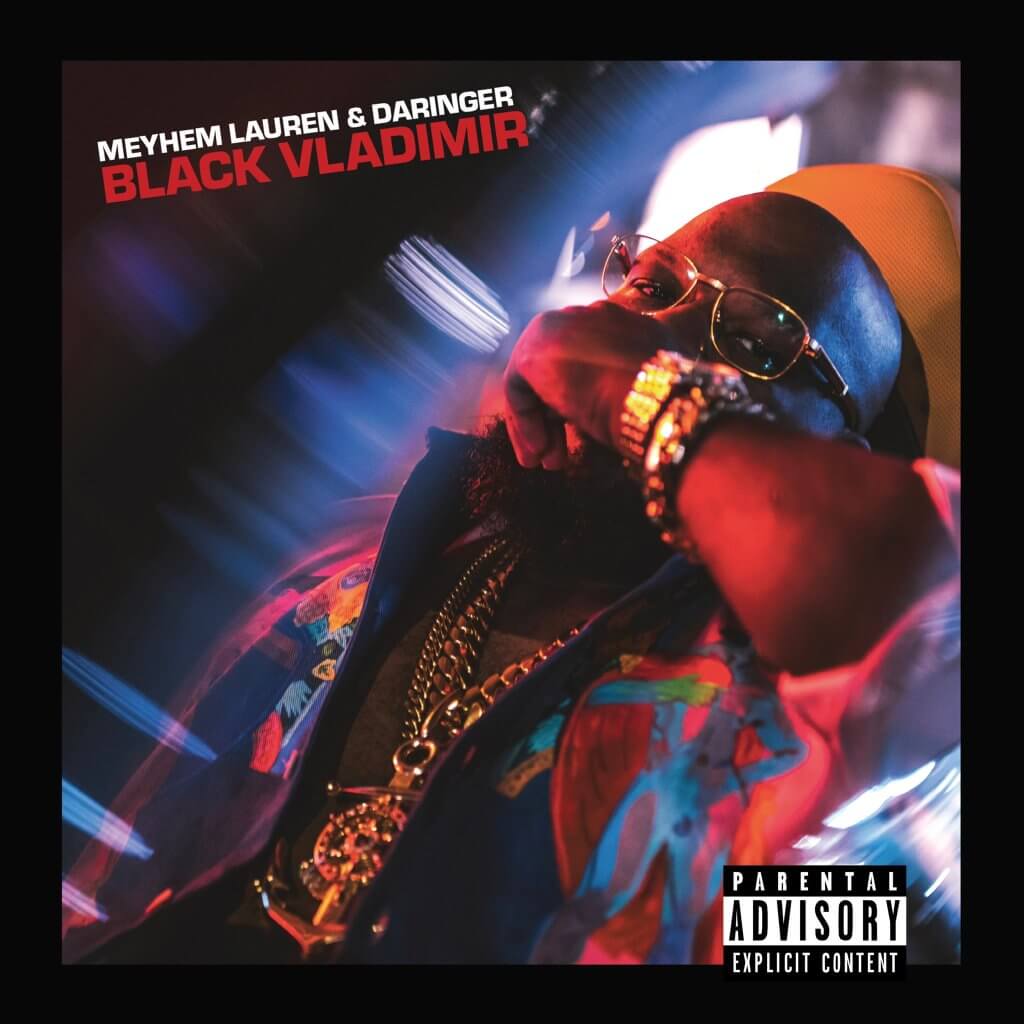
Black Vladimir is a cold, heavy record built on Daringer’s grainy loops and Meyhem Lauren’s loud, confident delivery. The sound is stripped down and unnerving: short piano figures, blunt drums, and samples that drift like smoke in a room with no windows. Daringer locks into tight, repetitive patterns that feel like surveillance audio—close, compressed, and tense. The beats hit with force but never crowd the space, giving Lauren room to bark, sneer, and pile luxury references on top of street talk.
Lauren uses his trademark blend of gourmet flexing and hardened detail to paint a world where silk shirts, rare ingredients, and violent reminders of the past all sit in the same breath. He attacks these beats with a hard stomp, pushing phrases into the pocket with a clipped edge. “Black Pinot” sets the record’s tone through sharp, loud lines about power, travel, and expensive habits. “Broken Rubberbands” continues the pressure with dense internal rhymes tossed out like they cost nothing. “Conflict Resolution” is darker, built on an eerie loop that drags the listener into a narrow hallway of horns and muffled bass, while Lauren loads the track with blunt warnings and cold authority.
Action Bronson appears on the opener with eccentric phrasing. Conway the Machine snaps into “Red Pesto” with tightly packed bars, pushing the track into a heavier zone. Westside Gunn enters “Trigger Point Therapy” with his sharp, high-pitched delivery before the beat shifts into a second rhythm where Lauren tightens his flow. Hologram approaches “Raspberry Crush” with a jagged cadence, while Flee Lord drives “Top Grain Leather” with his rasp and clipped threats.
Across the record, the mood stays thick and unwelcoming. There is no soft lighting, no warm polish—only hard loops, violent imagery, and icy luxury. Black Vladimir hits like a late-night stakeout, built on discipline, repetition, and a partnership that understands the value of pressure.
Roc Marciano - The Elephant Man's Bones (2022)
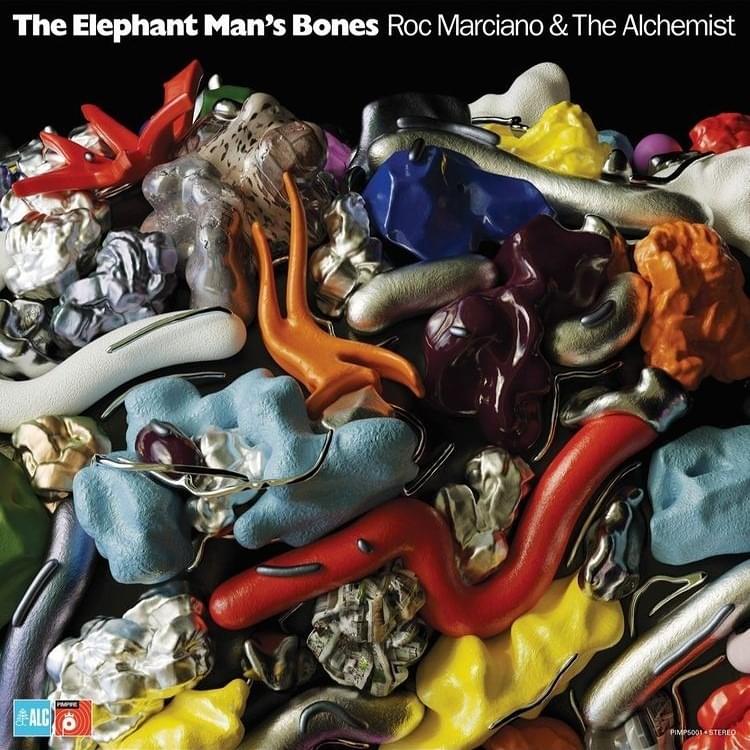
Roc Marciano’s The Elephant Man’s Bones collaboration with The Alchemist as sole producer is like a careful dive into his past while drawing on Alchemist’s current sensibilities. There’s a blend of grit and polish here that’s captivating, a nod to Roc’s earlier, harder-edged style, alongside Alchemist’s refined, sometimes eerie production choices.
Tracks like “Daddy Kane” pull you in with a memorable melody without feeling repetitive. Action Bronson’s feature here is characteristically outlandish, with some humorous lines somehow managing to fit the mood. Bronson’s eccentricity breaks up the album’s darker moments and adds a layer of levity that seems intentional rather than distracting.
Marciano’s lyricism on this album has an edge, dense with punchlines and wild visuals. His nonchalant delivery is sharpened, and he packs each line with enough detail to make you feel the weight of his narratives. On “The Horns of Abraxas,” Marciano delivers verses so vivid that you feel immersed in each image, with Ice-T’s storytelling bringing a touch of old-school flair, enhancing the album’s storytelling depth.
The Alchemist’s production on this album deserves its own spotlight. He seems to have crafted the beats with Marciano’s career in mind, selecting elements that nod to earlier works while updating the sound for a modern audience. “Bubble Bath” brings back some heavy kicks and drums layered with a simple, catchy xylophone line, conjuring memories of tracks Marciano’s early fans might recognize from his UN days. The choice to include drumless loops and some harder drum tracks throughout the album gives it a sense of variety without disrupting the flow. “Trillion Cut,” with its classic piano jabs and Boldy James’ feature, is a high point—a timeless track.
The album’s structure is notable, with almost every track clocking in under three minutes, except for “Rubber Hand Grip.” This shorter format keeps the album moving at a brisk pace, giving each song a kind of vignette feel. The brevity works well for both the mood and style, keeping the energy up and letting each track settle without overstaying.
The Elephant Man’s Bones is a nostalgic nod and a refresh, capturing Marciano’s unique brand of storytelling with Alchemist’s meticulous production choices. It’s an album that invites repeated listens and continues to reveal new layers with each pass.
Boldy James & Nicholas Craven - Fair Exchange No Robbery (2022)
Boldy James and Nicholas Craven deliver Fair Exchange No Robbery, a 2022 collaboration that moves with icy focus and measured force. The album opens with “Straight & Tall,” a stark, tense introduction where Craven’s sampled piano and distant strings create a chilly backdrop for Boldy’s monotone, hyper-detailed verses. Every syllable carries weight, painting Detroit corners, minor betrayals, and the minutiae of street life with clinical clarity.
Craven builds the beats from melancholy soul, obscure 70s jazz, and minimalist grooves, often leaving space for Boldy’s voice to dominate. Tracks like “Town & Country” and “Designer Drugs” layer sparse drums under haunting loops, producing a slow burn that highlights every pause, breath, and subtle inflection in the delivery. “Stuck In Traffic” adds layered Rhodes and cowbell taps that circle Boldy’s reflections on missteps and missed opportunities, grounding abstract ideas in concrete, tactile imagery.
Boldy’s lyrics weave English and local vernacular into vivid micro-stories. “Scrabble” threads references to games, sports, and everyday objects into metaphors for control, risk, and ambition. On “Power Nap,” he threads a moment of calm into chaos, his voice folding into Craven’s stretched, hypnotic loops, showing the quiet pressure behind high-stakes street operations. Drug use, hustling, and survival appear throughout, but here they are instruments for reflection as much as narrative propulsion.
The album sustains a consistent mood of detachment, melancholy, and quiet authority, rarely breaking the meditative rhythm. “Monterey Jack” and “Six Toes” expand the palette with off-kilter samples and subtle dissonance, allowing Boldy to roam between braggadocio and introspection without losing focus. Across ten tracks, Fair Exchange No Robbery moves deliberately: every loop, snare hit, and bar aligns to a single vision of disciplined streetcraft.
The record fuses hyper-detailed lyricism with atmospheric production, demonstrating Boldy’s control over narrative tension and Craven’s mastery of sparse, soulful loops. The result is an album that feels like a long-form confession, cold, meticulous, and unforgettable.
Vega7 The Ronin & Superior - Sleep Is The Cousin (2023)
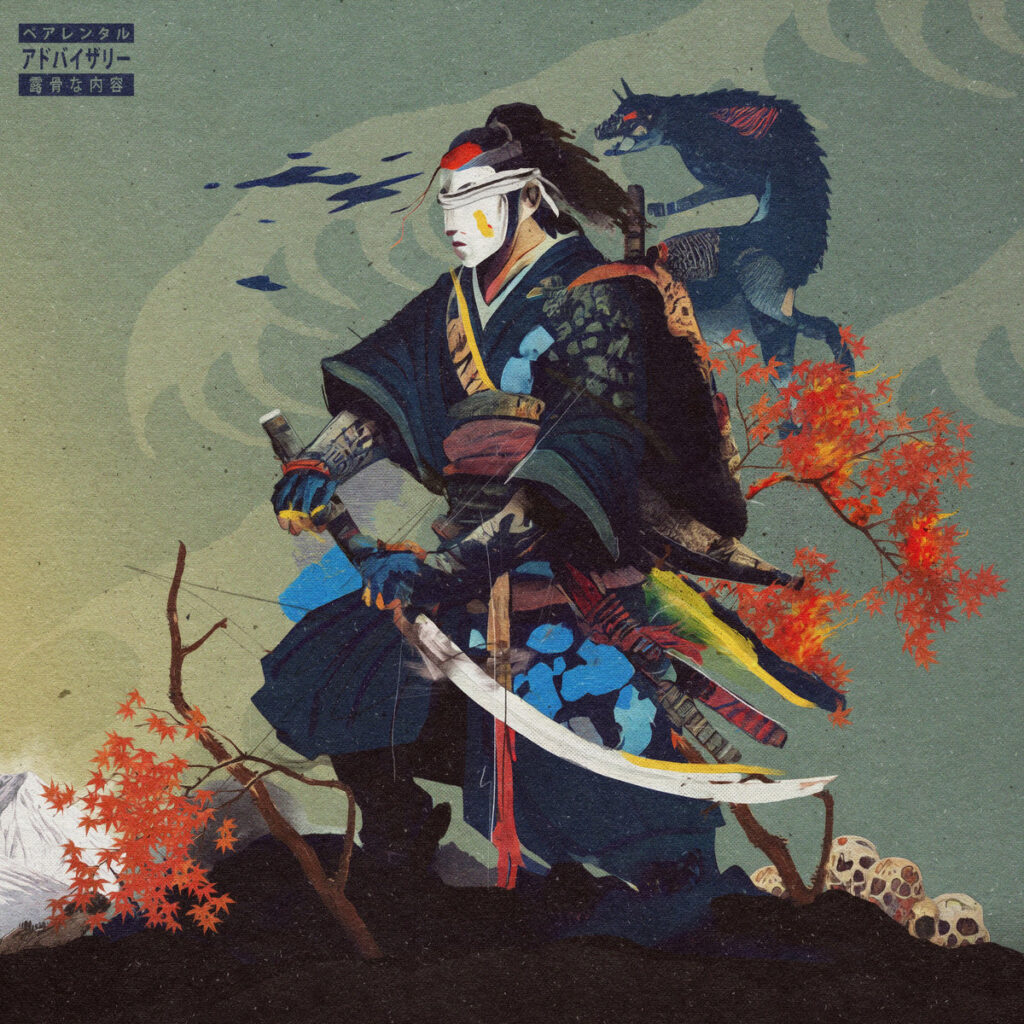
Vega7 The Ronin and German producer Superior deliver Sleep Is The Cousin, a 2023 collaboration built around relentless focus, sacrifice, and the mental toll of constant vigilance. The album opens with “N1 (Sleep Is the Cousin),” a glistening boom-bap track where Superior’s crisp drums and soulful piano loops set a tense, alert atmosphere. Vega7’s measured delivery cuts through the instrumental, laying out a life governed by discipline and calculation.
Superior crafts beats with layered soul and jazz samples, weaving in subtle organ swells, orchestral stabs, and warm basslines. The percussion is sharp and precise, driving tracks like “‘72 Dolphins” and “Saleen” with a head-nodding insistence that mirrors Vega7’s focused cadence. Even when stripped down, as on “Stone Fish Venom” with ghostly background vocals and sparse piano, the production holds an emotional weight, underscoring the psychological cost of vigilance and the sacrifices of ambition.
Vega7 The Ronin blends martial arts philosophy with street realism, using the Ronin metaphor to illustrate self-discipline, solitude, and the calculated pursuit of goals. On “Buckwheat,” he trades bars with Daniel Son over blaring horns, detailing loyalty and betrayal in precise, methodical verses. “Body Count” layers strings and subtle guitar riffs under Vega7’s controlled delivery, emphasizing the operational mindset required to survive and thrive.
The album shifts fluidly across moods, from the spacier tones of “NightShade” featuring Lord Owen to the rap-rock edge of “M-65 Jackets,” while the drumless penultimate track “The Mutiny” closes with tension and declaration. The crooning closer, “R.E.M.,” provides a moment of reflection after nearly forty minutes of concentrated energy.
Sleep Is The Cousin combines Vega7’s disciplined lyricism with Superior’s polished, intricate boom-bap. Every loop, drum hit, and bar contributes to a vision of unrelenting focus, time as a resource, and the spiritual and physical cost of a life dedicated to the grind. It is a precise, engaging debut that rewards close attention.
Mickey Diamond - Bangkok Dangerous 4 (2023)

Mickey Diamond built the Bangkok Dangerous series on discipline, sharp detail, and a world shaped by international crime fiction. Bangkok Dangerous 4 deepens that approach. The record feels humid and tense, as if every track takes place under neon lights in a city where nobody sleeps. Diamond treats the microphone like a control panel: every line deliberate, every image part of a larger operation. This entry represents the full Bangkok run—each volume cuts with the same precision—and it also reflects the strength of his Gucci Ghost releases, which share his gift for coded luxury talk and tight structure.
A wide circle of underground producers builds the album’s dark frame. The beats draw from warped soul fragments, distressed jazz loops, and score-like textures that hint at far-off cities and covert routes. The drums stay crisp and direct. Every track feels stripped of comfort, leaving only the sample, the rhythm, and a thin current of danger. No two beats sound alike, but they all keep the same atmosphere: shadowy, deliberate, slightly off-balance.
Diamond writes with a controlled, almost mechanical rhythm. His flow stays steady while the lines twist through references to wrestling, fine dining, overseas currency, and strategic violence. He raps like someone who keeps multiple plans running at once. On “The Shooter Remains Anonymous,” his tone is cold and focused, walking the listener through a clean exit from a job. “Wolf” and “Danger Room” push deeper into that mindset, with rhymes built on predator imagery and discipline. “Tex Avery” flips cartoon exaggeration into sharp threats, showing how easily he blends humor with coded menace. Ty Farris brings a hard edge to “Enough Is Enough,” matching Diamond’s intensity with a heavier tone and sharper delivery.
Bangkok Dangerous 4 is a dope, atmospheric record with no wasted space. Mickey Diamond uses every second to sharpen his world: crime, wealth, control, and the exact language of someone who studies pressure for a living.
Jay Royale - Criminal Discourse (2023)
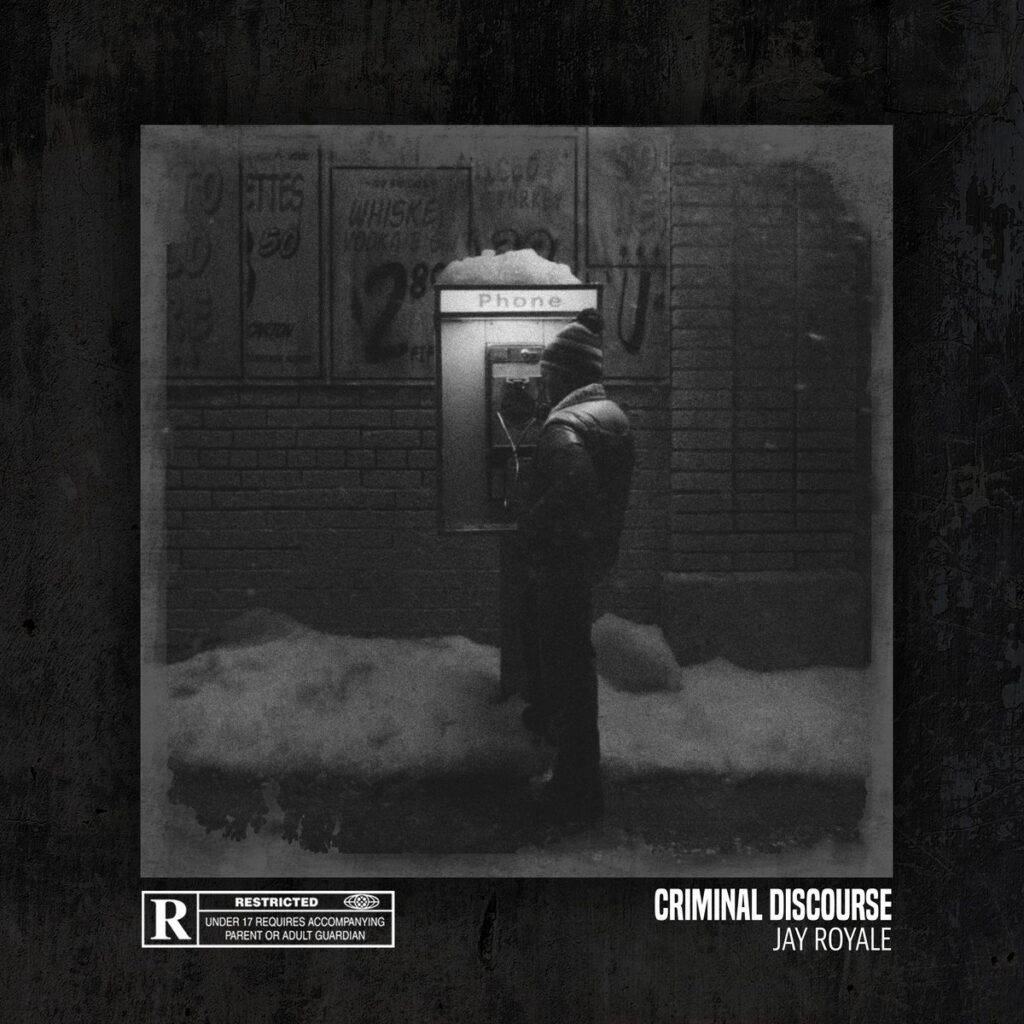
Criminal Discourse closes Jay Royale’s Baltimore trilogy with a concept shaped around communication, coded language, and the constant threat of surveillance. The theme runs through every layer of the record. Royale writes from the perspective of someone who grew up learning how to speak in fragments, avoid certain words, and keep an ear tuned for background clicks on the line. The album examines payphones, burner phones, and whispered codes as crucial survival tools inside the world he documents. This approach gives the project a sharp, investigative edge, as if every bar is built around protecting information while exposing the tension behind it.
The production pulls from the darker side of 1990s East Coast Hip Hop. Ray Sosa, Crown, Buon Anni, Stu Bangas, Beateljouss, S Eyes Finest, Alcapella, J. Depina, and J-Soul craft beats loaded with dusty drums, faint strings, and samples that sound lifted from faded reels. Scratches from DJ Grazzhoppa, DJ Crypt, and DJ Eclipse reinforce the focus on analog communication, cutting in like intercepted transmissions. The mood stays cold and calculated, with each track shaped to match the paranoia and discipline Royale describes.
Royale’s delivery tightens around this theme. His verses are clipped, direct, and packed with coded detail. “Carlito & Kleinfeld,” featuring Kool G Rap, swings into a tense orchestral loop that mirrors the organized-crime imagery in the writing. “The Alleged,” with Willie the Kid, rides a heavy Stu Bangas beat that opens space for vivid crime scenes. Saigon appears on “Slot Time” with a focused verse centered on ambition and the pressure of timing. Havoc brings weight to “The Wise & Lakid,” adding grit from an elder statesman of cold street rap. AZ arrives on “The Shhhh Dialect” with sharp precision, grounding Royale’s warnings about loose talk.
As a closing chapter, Criminal Discourse expands the trilogy’s world with tighter storytelling, heavier production, and a clear command of theme and structure.
Eto & Body Bag Ben - Integrity 2 (2023)
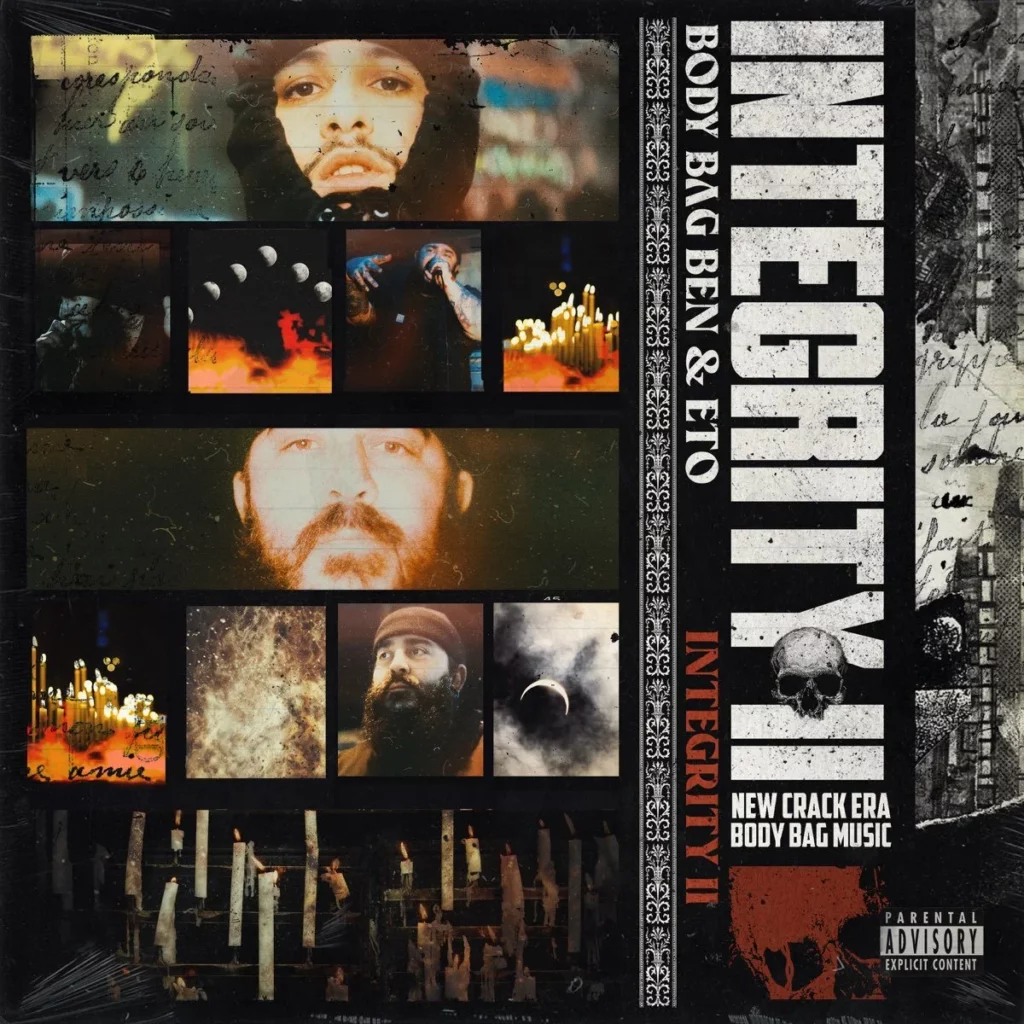
Integrity 2 brings Eto and Body Bag Ben back together five years after their first chapter, and the result is a hard-edged, unflinching return to the type of street-centered boom-bap that both artists have sharpened through years in the underground. The record opens with “Pros & Cons,” where Ben drops heavy drums wrapped in grainy soul fragments, giving Eto a stark frame for his cold, clipped delivery. The atmosphere is tense and unpolished, built from tight basslines, dusty loops, and percussion that lands with blunt force.
Eto works through the album with a steady, gravel-throated cadence that cuts through the production without theatrics. His writing leans on coded slang, cautionary accounts, and steady reminders of the cost that sits behind every decision. On “Lions Share,” he shifts between short bursts of imagery and longer, weary reflections on survival. Ben’s production keeps the pressure high through each track: muffled strings, warped samples, and drum patterns that punch through the mix with total confidence.
Rick Hyde brings sharp, clipped phrasing to “Where We From,” trading lines with Eto over a thick, low-lit instrumental. Daniel Son appears on “Set It Off” with a colder, more calculated tone, matching the weight of Ben’s brooding loops.
The back half of the album pushes into darker territory. “Vitamins & Minerals” carries a shadowy swing that drags like late-night footsteps, while “Purgatory” drops into a slower, more suffocating rhythm, giving Eto room to speak in grim, measured statements. The closer, “Integrity 2,” ties the record together with a haunting sample and a drum pattern that hits like a steady warning.
This is rugged, disciplined Hip Hop built on tight chemistry and shared intent. Anyone drawn to this vein of modern street rap should also revisit the first installment and explore the wider Rochester–Oxnard connection surrounding these two artists.
Madlib, Meyhem Lauren & DJ Muggs - Champagne For Breakfast (2023)
Champagne For Breakfast brings Meyhem Lauren into a world shaped by two architects of psychedelic, sample-driven Hip Hop. Madlib delivers warped soul fragments, stray vocal slices, and loose, off-kilter rhythms that drift like heat on pavement. Muggs brings colder air: filtered loops, stark drums, and a sense of pressure under every bar. The contrast doesn’t fracture the record; it creates a wide field for Lauren to work in, stretching from haze to menace without losing its grip on street luxury.
Lauren sets the tone immediately. His baritone cuts through Muggs’ grainy textures on “Fresh Out the Water,” where he fires off sharp, detail-rich lines that trace high-end habits and past hustles with the same steady voice. On “Szechuan Capital,” Action Bronson follows him with a slippery, animated verse, building on the track’s piano bounce and bright switch-ups. Madlib’s presence grows on pieces like “Midnight Silk” and “Wild Salmon,” where he strips away the drums and lets warped jazz loops circle Lauren’s voice. The effect is dreamlike, but Lauren never drifts; his delivery stays grounded in the same mix of culinary slang, fashion talk, and street-coded memory that has defined his writing for years.
Muggs’ tougher production frames some of Lauren’s strongest moments. “Big Money” bangs with heavy drums and a hook built for chest-out confidence. “Dom VS Cris” turns a murky loop into an anthem for indulgence. Each beat gives Lauren room to expand his persona: refined, direct, and locked into the idea of earned luxury.
Across the album, the sound remains thick with grit and high-living detail. Champagne For Breakfast is a polished example of late-era psychedelic boom-bap, shaped by two veteran producers and carried by Lauren’s unwavering presence—an album soaked in excess, experience, and cold focus.
Rome Streetz & Big Ghost Ltd - Wasn't Built In A Day (2023)
Wasn’t Built In A Day unfolds like a blueprint for the careful accumulation of power and respect. Big Ghost Ltd. crafts beats that are grand without excess: dusty piano loops collide with orchestral swells, mournful horns punctuate the streets’ weight, and percussion hits with sharp, crunchy authority. The production is spacious yet dense, giving each verse room to breathe while keeping the listener aware of the looming pressure of legacy and discipline.
Rome Streetz navigates this canvas with precision. His bars trace the grind of a decade-long climb, chronicling small victories and calculated moves in the street economy and the studio. Tracks like “Godspeed” and “8Balls” juxtapose contemplative reflection with aggressive energy, his cadence cutting clean through BGL’s layered instrumentation. Lyrical imagery is concrete: he names streets, characters, and transactions, making abstract ideas of patience and perseverance feel tactile and immediate.
Conway The Machine and Lukey Cage add value to the album, trading verses on “Suicide,” bringing roughened textures that bounce over Big Ghost’s cinematic loops. Method Man rides the dusty, soulful beat of “P’z N Q’z,” layering experience and swagger onto Rome’s focused narrative. Plex Diamonds and Chyna Streetz add vocal grit and melodic urgency, their contributions threading seamlessly into the album’s architecture.
Thematically, the album interrogates the cost of ambition. Rome Streetz examines the tension between quick fame and enduring achievement, dissecting ego, discipline, and the slow grind required to build an empire. His flow shifts fluidly across tracks, from staccato punchlines to spiraling multis, each rhyme sharpened against the hard-hitting beats. Interludes and short tracks allow moments of reflection, letting the tension breathe before the next surge of energy.
Wasn’t Built In A Day is a concentrated, disciplined work of street rap craft. The interplay between Big Ghost Ltd.’s commanding, cinematic production and Rome Streetz’s intricate, razor-edged lyricism makes the album feel deliberate, weighty, and unavoidable—a document of effort, patience, and the quiet ferocity required to claim and hold power in the modern underground.
Benny The Butcher & 38 Spesh - Stabbed & Shot 2 (2024)

Stabbed & Shot 2 brings Benny The Butcher and 38 Spesh back into the same room six years after their first joint album reshaped the Upstate conversation. This time they arrive as veterans with established weight behind their names, and the music reflects that shift. The hunger is still present, but it sits beside upgraded taste, sharper instincts, and a sense of long-term survival carved into every verse.
The record opens into the cold grind immediately. V Don’s production on “1st of April” is built on a bleak loop and steady percussion, giving Benny and Spesh a narrow alley of space where every bar lands like a quiet warning. “High Stakes” tightens that pressure with a darker palette. The writing stays rooted in street mathematics, coded exchanges, and the authority that comes from earning a seat at the table instead of stumbling into it.
38 Spesh’s production presence shapes much of the album’s energy, even when other producers step in. The beats lean toward high-end soul loops, wide strings, piano stabs, and drums that hit clean without washing out the grit. Tracks like “Center Stage” show how well Spesh pairs polished sampling with grounded street writing; Fraud’s beat gives the track a warmer glow, but the verses keep their edge.
Guests appear throughout the album and bring distinct shifts in tone. Busta Rhymes barrels into “Jesus Arms” with high-voltage intensity. Dave East and Klass Murda trade pointed lines on “Bad Guy,” each pushing the energy higher without breaking the track’s cold mood. Ransom’s verse on “Coke Runs” sharpens the track’s sense of risk.
Benny and Spesh spend much of the album revisiting past codes with the clarity of leaders who already lived through the fire. Luxury shows up in the lyrics, but it always traces back to the cost of earning it. Stabbed & Shot 2 is the sound of two Upstate heavyweights working from experience, tightening their approach, and reinforcing the world they built from the ground up.
CRIMEAPPLE & Big Ghost Ltd - Bazuko (2024)
CRIMEAPPLE and Big Ghost Ltd. return with Bazuko, a collaboration that detonates with control and intensity. The album opens with “Introducción,” a skittish prelude layered with shadowy textures and distant, echoing percussion, immediately placing the listener in a charged, anticipatory space. From there, Big Ghost Ltd. delivers a series of beats that are at once opulent and rugged—sweeping soul and jazz samples clash with punchy, compressed drums, producing cinematic grit that carries the weight of CRIMEAPPLE’s verses.
Tracks like “Re-Rock” and “5000 Degrees” hammer forward with jagged boom-bap rhythms, while “Laugh Now” leans into jazz-infused horns and muted piano lines. The percussion remains firm and unforgiving, giving each lyric its proper gravity. On “Chemical Imbalances,” layered kicks and snares push the verses with relentless energy, while “Smoke Signal” slides into darker, tense territory, underscoring the psychological scars that accompany a life of hustle and calculation.
CRIMEAPPLE raps with deliberate control, blending English and Spanish into rapid-fire metaphors about wealth, status, and the global grind. On “Trust Issues,” his delivery rides the grimy backdrop with sharp, deliberate cadence, while “La Trompetas” injects rhythmically complex flourishes that dance over Big Ghost’s orchestral touches. Multilingual bars and food-centric imagery thread through the record, adding texture and color to tales of high-stakes ambition and personal rigor.
The closing tracks—“Motorcycle Sicario School” and “Die Later”—layer guest verses and intricate percussion over haunting loops, concluding the album with a sense of calculated chaos. Across thirteen tracks, Bazuko keeps relentless focus: every beat, every bar, and every sample lands with maximum impact.
Bazuko is a fully realized collision of lyrical aggression and cinematic craftsmanship. CRIMEAPPLE asserts authority with dense, technical verses, while Big Ghost Ltd. crafts beats that are lavish, intense, and forceful, leaving the listener immersed in a world of high-stakes street control and unyielding confidence.
DJ Muggs, CRIMEAPPLE & RLX - Los Pollos Hermanos (2024)

DJ Muggs, CRIMEAPPLE, and RLX construct a tight, tense environment on Los Pollos Hermanos, a 2024 collaboration that reads like a manual for running a covert, high-stakes operation. The album opens with “Finest Ingredients,” a skit layered with subtle percussion and distant, distorted samples, immediately placing the listener in a space of careful calculation. From there, Muggs’ production dominates: warped organ chords, eerie horn stabs, and dusty, psychedelic loops create a persistent sense of unease, while drums hit slow and heavy, like measured steps across a polished tile floor.
CRIMEAPPLE and RLX move through the beats with meticulous delivery. On tracks like “Na Na Na Na Na” and “2 To The Chest,” RLX slices through Muggs’ sludge-like drums with a precise, aggressive flow, while CRIMEAPPLE threads multilingual metaphors and food-centered imagery throughout, reinforcing the album’s clandestine commerce theme. “Clairvoyant,” featuring T.F., layers intricate bars over a haunting, cyclical beat, amplifying the tension of planning, patience, and execution.
The lyrics emphasize operational detail and duality. MCs describe the careful balance of public appearances and ruthless enterprise, cataloging logistics, networks, and the constant watch for betrayal. “Unbreakable” and “God’s Trail” highlight calculated patience, while “Counting Chicken” emphasizes reward, movement, and control with rhythmically dense phrasing that matches Muggs’ heavy instrumentation.
Even in sparser moments, like “Where The Piff At,” the production maintains an unsettling texture—echoed voices, irregular sampling, and compressed percussion keep the environment charged. RLX carries the outro alone, threading the closing narrative with tension and precision.
Los Pollos Hermanos operates like a cinematic, urban thriller in miniature. Muggs’ atmospheric noir, paired with CRIMEAPPLE and RLX’s focused, detailed lyricism, constructs an immersive experience of ambition, secrecy, and relentless efficiency, offering a conceptually rigorous entry into the world of dark, strategic street rap.
Codenine & BoneWeso - The Cost Of Gold (2024)
Codenine and BoneWeso’s The Cost Of Gold plays like a ledger of streets and ambition, every beat and verse accounting for the price of survival and dominance. From the opening of “MATTEBLACKMARKET,” BoneWeso sets a dark, spectral tone—distant piano stabs, filtered strings, and dusty, compressed drums that hit with a dry, tense weight. Codenine cuts through the emptiness with a dense, precise flow, layering coded metaphors and sharp observations about loyalty, risk, and gain.
Tracks like “BLOODYMARY” and “FIFTYFIFTY” layer guest voices over fractured loops, adding contrasting timbres while keeping the rhythm skeletal. Nackswell’s and TheHiddenCharacter’s tones punctuate Codenine’s methodical delivery, emphasizing the psychological tension in the pursuit of wealth. “TESLATESTDRIVE” and “MOLLYWOP” stretch the album’s cinematic reach, using ambient fragments and minor-key loops that feel like neon light bouncing off wet asphalt, while Codenine’s internal rhymes trace the movement of power and danger with surgical precision.
The percussion is relentless but measured. BoneWeso balances raw, abrasive snares with open space, letting the urgency of Codenine’s narrative breathe. On “EARLYMOURNING” and “CHANNEL3,” the beats are almost claustrophobic, underscoring betrayal, surveillance, and moral debt with haunting, deteriorated samples.
Codenine’s technical skill remains a focal point: his verses pivot between abstract strategy, street lore, and philosophical reflection. “SILKROADSCHOLAR” and “PEN&TELLER” carry the weight of accumulated knowledge, the rhythm of survival, and the tension of high stakes. Even when BoneWeso strips tracks to near minimalism, as on “CCTV,” Codenine’s precision fills every gap.
The album closes with “DOCTORJACKGRIFFIN,” leaving the listener with a sense of ledger balanced in shadow—ambition realized, cost accounted for, no illusions left. The Cost Of Gold delivers tightly constructed, tension-heavy Hip Hop that calculates its every move, an unflinching study of the price exacted by pursuit and power.
Body Bag Ben & Vega7 the Ronin - Kawasaki Killers (2024)
Kawasaki Killers is a collabo between Vega7 The Ronin and Body Bag Ben, a high-octane album built around discipline, speed, and the cold efficiency of a professional hitman. The opening track, “Imagine That,” rides muted strings and tense horns, while the drums hit dusty and hard, snapping like the echo of a motorcycle engine in an empty alley. Body Bag Ben layers obscure samples, dramatic stabs, and analog grime that immerse the listener in a shadowed, cinematic underworld.
Vega7 raps with measured aggression, translating the Ronin code of self-reliance into precise, calculated lyricism. On “New Jack” and “Rage Against the Machine Gun,” dense bars thread through aggressive percussion, emphasizing speed, strategy, and relentless focus. The title track, “Kawasaki Killers,” accelerates over guitars and percussion that slice the air like a revving engine, while “Ghost in the Shell” stretches over a shadowed, echoing beat, tense and deliberate.
“The Gray Man” rides an unsettling groove, piano and horn loops winding under Vega7’s intricate flow. “Lion Tamer” and “Hip-Fire” hit with compressed, raw percussion, leaving every bar sharp and exact. Sparse, deliberate breaks give space for the themes of vigilance, discipline, and precision to register fully.
Ben’s production is rigid, heavy, and immersive, with dusty drums and textured samples pressing the narrative forward. Vega7’s delivery commands attention, philosophically charged, urgent, and meticulously structured.
Kawasaki Killers navigates high-speed alleys, shadowed corners, and empty streets, each track a study in control, power, and lethal focus. Bars strike like trained blows, percussion hums with menace, and the atmosphere stays tense, relentless, and unyielding—a sonic ride through the underground where precision is the only rule.
Rome Streetz & Daringer - Hatton Garden Holdup (2024)

Rome Streetz and Daringer’s Hatton Garden Holdup moves like a calculated heist in motion, each track a deliberate step through a dusty vault. From the drumless opening of “Ace of Bass,” Rome’s voice cuts through the sparse, slowed sample like a crowbar on steel, laying out his hustle with precision. Daringer’s beats are stripped to essentials—cracked snares, compressed kicks, and aged loops that feel like the echo of footsteps on concrete. The tension in the production is constant, a cold, industrial pulse that gives the album a cinematic weight.
“Starbvxkz” leans on a looping keyboard sample and head-nodding drums, Rome delivering battle-ready verses that pin the listener to the streets he knows. On “Sage,” ScHoolboy Q glides over a haunting backdrop punctuated with vocal snippets from The Wire, his smooth cadence contrasting with Rome’s clipped, urgent delivery. “Drive By” threads a looped guitar through terse, high-pressure rhymes, referencing pop culture and street lore with the same clinical energy.
Meyhem Lauren’s gravelly tone on “Cadillac Smoke” stretches Rome’s meticulous wordplay, while Conway the Machine on “Pro Tro” snaps over Daringer’s dusty rhythm like a co-conspirator hitting his mark. Cormega’s presence on “Weight of the World” evokes seasoned experience, layering the record with history and perspective.
Rome experiments with flow and tone across tracks: “Space X” warps into a psychedelic loop, while “Reap What You Sow” leans into reflective lamentation over the costs of street life. “Heavy Traffic” closes with a narrative loosened from strict meter, letting the story breathe over moody, ‘70s-inspired textures.
The album thrives on economy and detail. Every drum hit, every looped sample, every verse carries weight. Hatton Garden Holdup is a study in concentrated, tension-heavy Hip Hop—a dark, deliberate world where experience, patience, and technical skill govern every move.
ANKHLEJOHN - Pride Of A Man (2024)
ANKHLEJOHN’s 2024 full-length builds on his rugged code, but the tone here is heavier, quieter, and more deliberate. The record feels like a long walk through Southeast D.C. at night, where every detail matters and every decision sits on your chest. His gravel-edged voice pushes through thick, shadowed samples, turning each track into a kind of confession delivered with weight and control.
The production leans into murky soul fragments and cold jazz loops. The Alchemist, Statik Selektah, Nicholas Craven, August Fanon, V Don, Ewonee, and others provide a wide roster, but the sound stays unified through its focus on muffled drums, dim chords, and tension that never really lets go. Nothing here feels inflated or theatrical. The beats give ANKHLEJOHN room to carve out lines about discipline, loyalty, and the strain of staying centered while the world pulls at weak edges.
His writing is sharp and direct, built on clipped imagery, coded references, and a steady sense of self-interrogation. He digs into responsibility, ambition, and the pressure to maintain dignity when shortcuts line every hallway. His instinct for off-kilter patterns is strong; he snaps between tight pockets and stretched phrases without losing control of the moment. The humor is dry, the threats are grounded, and the worldview is shaped by long memory.
Throughout the album, featured voices bring their own textures. Navy Blue arrives with a reflective tone; Willie the Kid brings a calm, assured presence; Domo Genesis adds bounce and clarity; Fly Anakin snaps through phrases with sharp timing; Inspectah Deck delivers clean, authoritative precision that links the project back to a Wu-Tang lineage ANKHLEJOHN has often nodded toward.
Pride Of A Man reads like a personal codebook—direct, unpolished in spirit, and organized around the idea that honor earns its weight through consistency. It’s one of ANKHLEJOHN’s most focused statements, built with a steady hand and delivered without hesitation.
Ka - The Thief Next to Jesus (2024)
The Thief Next to Jesus is Ka’s final chapter, a quiet apocalypse carried on a whisper. The album opens with “Bread, Wine, Body, Blood,” where sparse organ chords and barely-there keys set a somber pulse. Drums are almost absent, leaving space for Ka’s gravelly voice to act as the sole instrument of movement. Each track proceeds like a meditation: measured, unhurried, relentless in its moral scrutiny. The biblical story of the two thieves on the cross underpins the project, providing a lens for examining repentance, defiance, and survival within the streets of Brownsville.
Ka pairs the weight of scripture with the precision of lived experience. On “Broken Rose Window,” he threads his upbringing through lines about the city’s cracks and the inevitability of hardship: “Thought I’d be finished in the gutter sooner/Every other corner was crack spots.” On “Fragile Faith,” he traces generational reliance on religion and the hollow promises of salvation: “Ain’t nothing shook about me but my faith/A couple hundred years asking, nothing kept us safe… still do us the same, we in the same place.” Each phrase lands with the force of a sermon, compressed into concise, almost haiku-like bars.
The production is stark and deliberate. Minimal piano, funeral organ swells, and muted choir samples give tracks like “Beautiful” and “Collection Plate” the aura of a hushed cathedral, creating space for reflection. Gospel influences surface without fanfare, threaded through call-and-response samples and haunting background vocals that anchor Ka’s contemplations in human experience. There is sorrow here, but also the brittle shimmer of endurance.
Ka’s death in 2024, just before the release of the album, cast it in a new light. The Thief Next to Jesus reads as a final declaration, a summation of a career spent mining morality, survival, and spirituality through the lens of street life. It demands patience, attention, and respect. Sparse, meditative, and fiercely deliberate, the album is a silent, unyielding coda to one of Hip Hop’s most intricate, introspective, and uncompromising voices, leaving behind a catalogue that will define how the streets speak to eternity.
Roc Marciano - Marciology (2024)
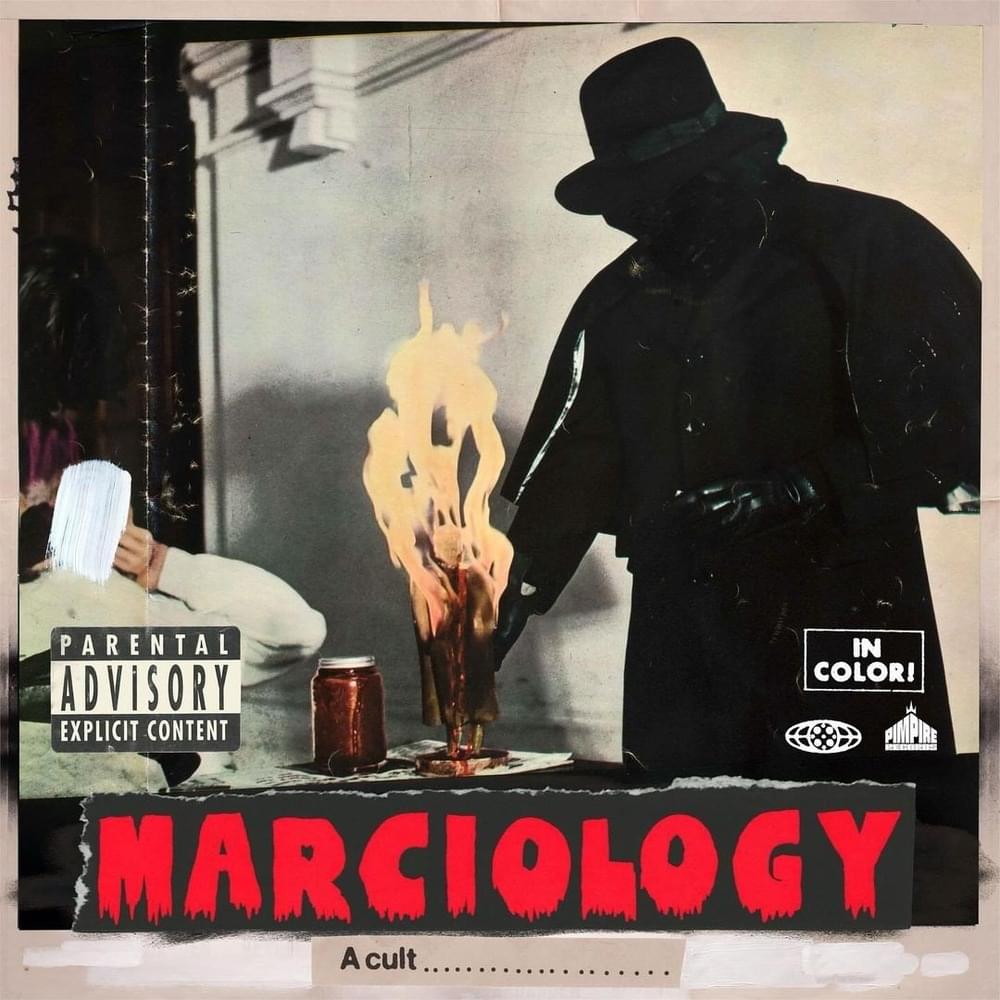
Marciology feels like a smoky night drive through empty streets, where each verse sounds like it’s waiting to ambush you. This album, split between Marciano’s own beats and contributions from The Alchemist and Animoss, doesn’t try to pummel listeners with big hooks or heavy drums. Instead, it’s all about atmosphere and restraint, creating tension through sharp lyrics and eerie loops. Marciano’s bars slink around the production with the confidence of someone who knows they’re untouchable, yet the mood remains tightly wound, almost lurking. This is Hip Hop that’s comfortable in its own shadow.
The beats here are sparse, often without a traditional bass thump, letting Marciano’s voice be the force that draws you in. His vocal delivery feels almost surgical—smooth but precise, like every word is carefully calculated. The tracks feel like film noir scenes, especially on cuts like “Went Diamond,” “Butterfly Effect, ” and “Goyard God,” where Animoss’s production works its smoky magic.
Each feature, from Larry June to CRIMEAPPLE, brings texture without stealing the show. It’s a balancing act that lets Marciano stay in the spotlight, making each track part of a coherent, tightly controlled world. Marciano’s knack for blending grit and humor keeps listeners on their toes. Every bar sounds like it’s crafted to leave a little sting, capturing those dark, clever reflections on life, pride, and street wisdom.
Marciology doesn’t lean on nostalgia, even if its minimalist, drumless beats pay homage to classic grimy Hip Hop. Instead, it feels timeless, a record that’s comfortable in its own strange vibe. Marciano’s approach may sound low-key, but there’s a confidence that shines through, solidifying his place as an artist who’s paved his own lane—one that’s dark, sharp-edged, and hypnotically cool. It’s the kind of record that begs for headphones and a bit of solitude, an album that seems content to haunt your thoughts long after it’s finished.
Mickey Diamond & Big Ghost Ltd - Gucci Gambinos (2025)

Gucci Gambinos sits firmly in the bloodline of Raekwon’s Only Built 4 Cuban Linx…—not as imitation, but as a modern extension of that mafioso-rap architecture. The album borrows the spirit of coded conversations, luxury used as warfare, and criminal mythology treated like fine art. Mickey Diamond approaches this terrain with the calm voice of someone already seated at the table, while Big Ghost Ltd supplies the cinematic darkness that turns the record into a full underworld blueprint.
Big Ghost leans into shadowy soul chops, haunted horn fragments, and drums that crack down like a closing safe. The sound is austere, dramatic, and exacting. Everything feels purpose-built: short loops that simmer rather than explode, basslines that murmur under the surface, samples treated like surveillance footage. It’s the type of palette Raekwon once thrived on—moody, unhurried, and full of secret compartments—and Diamond thrives on it as well.
Diamond’s writing is icy and methodical. His verses fuse high-end fabrics, black-market economics, and coded threats into tight sequences. “Word Bond” lays down rules with the tone of a man who’s already weighed the consequences. “Ice Cubes” treats loss like an entry in a ledger. “The Last Gangster” sharpens the album’s mafioso DNA, channeling the same mix of luxury and danger that connected Raekwon’s purple-tape imagery to the streets.
Pro Dillinger shows up with the kind of snarling, aggressive verses that give songs like “Fruits of Wisdom,” “The Untouchables,” and “Rusty Blades” a harder metallic edge. Method Man brings veteran gravitas to “Truth or Dare,” grounding the track with a heavy, lived-in cadence.
The title cut, “Gucci Gambinos,” ties it all together—Diamond outlining a world where status, silence, and strategy rule everything, while Ghost’s production stalks onward with cold discipline.
Gucci Gambinos doesn’t just nod toward Raekwon; it carries his lineage forward. It’s a controlled, atmospheric entry in Mickey Diamond’s catalogue, built on tight craft, coded storytelling, and Big Ghost’s thick, noir-soaked sound design.
Body Bag Ben & Daniel Son - Brown Body Bags (2025)

Brown Body Bags is a collaboration between Body Bag Ben and Daniel Son, a record steeped in tension and the cold, calculating nature of the underground. The title track sets the tone with dusty drums that thump like distant footsteps and fractured soul samples that flicker in the corners of the mix. Body Bag Ben constructs the beats with cinematic restraint—minor-key piano, clipped horns, and warped loops that crackle like static in a dark alley.
Daniel Son raps with icy authority, each bar clipped, deliberate, and cryptic. “Diagnostics” slides over low, grinding percussion while his whispering cadence counts the cost of mistakes in this high-stakes world. On “Jamaican Rum,” fractured loops twist around a measured snare, and his verses unfold like a ledger of cold strategy, emphasizing that every action carries consequence.
The rhythms in “Elegance” and “Triple XL” hit with compressed force, echoing the album’s focus on discipline and high-stakes precision. Daniel Son balances abstraction with exacting detail, tracing coded narratives of strategy, international tension, and silent calculation. Body Bag Ben’s production supports the verses with a dense, tactile weight, using space and tension to make every drop of the beat register.
Tracks like “War Cry” and “1 Hand Wash the Other” press with a dark insistence, loops creaking under layered percussion, creating an atmosphere of unavoidable reckoning. “Tangiers” lingers in low frequencies, with muted horns and dusty breaks framing lyrics about consequence and finality.
Brown Body Bags inhabits a dim, high-pressure world where rhythm, rhyme, and restraint define survival. Each track hits with purpose, every beat compressed and every line deliberate, shaping a record where atmosphere carries the weight and lyricism dictates the pace. It is grim, disciplined, and unyielding—a dense, dark pulse of underground Hip Hop, built for listeners who follow precision over spectacle.
Freddie Gibbs & The Alchemist - Alfredo 2 (2025)

Alfredo 2 moves into view with the calm confidence of two veterans who know exactly what they want from a collaboration. The five years since the first installment haven’t softened the edges of their partnership. Instead, Gibbs and The Alchemist return with a wider palette, a steadier hand, and a firmer grasp of the world they’re building together. The ramen bowl on the cover signals a shift—less noir, more daylight—but the core remains rooted in tight structure and lived detail.
Gibbs raps from a higher floor now. His writing circles around maintenance more than ascent: clean money, old problems that refuse to stay buried, and the mental management required when the goal is staying power. He switches tempos without strain, tightening his delivery on “Mar-a-Lago,” loosening it on “Jean Claude,” and dipping into heavier reflection on “Gas Station Sushi.” He sounds focused, measured, and aware that every decision carries weight.
Alchemist brings warmer tones into the room. Guitar runs, low brass, and hazy pianos thread through the album. Some beats open spare and then build into thicker loops; others arrive already layered, almost glowing. The production has an ease that wasn’t present in the first installment, but it never drifts. Even the softer tracks keep a quiet tension under the surface, as if something is always approaching from the next corner.
Alfredo 2 builds on the strengths of its predecessor without mimicking it. Gibbs sounds weathered and certain, and Alchemist frames him with production that feels alive and deliberate. The result is a measured, confident sequel that adds another strong chapter to one of modern Hip Hop’s most reliable pairings.
Knowledge The Pirate & Roc Marciano - The Round Table (2025)
The Round Table brings Knowledge The Pirate and Roc Marciano into a shared chamber where every detail feels coded and deliberate. The title fits the union: two veterans seated in a closed-circle alliance, trading quiet authority over a collection of looping soul fragments and sharpened street philosophy. Nothing here reaches outward. The album moves with the patience of men who already know their footing.
Knowledge’s voice carries the weight of experience. His gravelly tone lays out maritime references, Five Percent Nation language, and street protocol without rushing a line. He raps like someone returning to his own archive—careful phrasing, clipped delivery, and a calm rhythm that never chases momentum. “Eating Etiquette,” “Addicted to Danger,” and “Food for Thought” use drumless loops that place full emphasis on cadence. Knowledge works inside that space with steady control, giving each verse the sense of a coded briefing rather than a performance.
Marciano handles the production across the album, and the palette is unmistakably his: muted jazz chords, filtered soul, faint vocal fragments, and drums that appear sparingly. Instead of pushing energy, the beats tighten the focus. “Golden Rules” rides on a low, smoky loop that opens wide enough for Knowledge to stretch each bar. “Takes a Ten” adds a subtle bounce through a funk-leaning sample, breaking the stillness without interrupting the album’s overall restraint. “Magic & Kareem” tilts toward pitched-up soul, giving the midsection a brief lift.
Humor surfaces in “Ride Wit a P” and “1 on Me,” but it stays dry, folded into the larger tone of quiet calculation. Tracks like “Forks and Knives” and “Gut Feeling” dig into tactical, everyday survival—money movement, trust, and the cost of slipping. The record winds down with “Servitude” and “Receipts,” where strings and soft vocal loops pull the temperature down to a low simmer.
The Round Table holds its power through discipline. Knowledge maintains an unwavering presence, and Marciano frames him with stark, hypnotic loops. The album builds a world guided by loyalty, coded speech, and lived experience—an environment that rewards close listening and leaves no loose edges.
No dark lo albums is crazy.