


2025 has been another strong year for underground street rap—dense, uncompromising, and rooted in sharp detail. The flood of new work from independent MCs and producers has kept the strain alive in a climate often cluttered with short-form releases and algorithmic noise. These albums stayed rooted in craft: no gimmicks, no shortcuts, only cold rhythm and lived-in language. Across regional pockets—from Buffalo to Newark to Oxnard—artists continued to rebuild the code of street lyricism through grit, precision, and patience.
The foundation remains clear. The sound is built on chopped loops, fractured drums, and language that carries weight. The best records of this year kept that principle intact while finding fresh angles on street ethics, paranoia, and survival. Some worked through confessional storytelling, others leaned into coded bravado or stark realism. All kept the focus narrow and exact. Production stayed sample-heavy—drawn from soul, crime-score jazz, and forgotten regional vinyl—for a tone that reflects the conditions of modern hustler rap without romanticism or polish.
Independent labels and producers shaped much of this output. Collectives orbiting around figures like Big Ghost Ltd, Futurewave, Wino Willy, and Machacha continued to push consistent releases at a near-maniacal rate. Rappers expanded their catalogs through relentless recording streaks, refusing the traditional hiatus or marketing cycle. That consistency defined 2025: a year when productivity and precision outweighed hype. The voice of the underground did not rely on nostalgia—it thrived on clarity and repetition, on artists refining the formula until every line hit with purpose.
This list focuses on 40 full-length (+30 minutes) albums that carried that energy forward. Each one adds to the lineage built by the 2010s revival—an era sparked by Roc Marciano’s Marcberg and extended through the rise of Griselda and its affiliates. These releases prove that the philosophy of street rap is still alive: minimal production, coded writing, sharpened poise. No filler, no excess—only conviction, detail, and the craft of making every word land.

M.W.P. - Temple Of Roses

Temple of Roses is M.W.P.’s distilled half-hour of noir boom-bap—eleven tracks of deliberate, slow-burning craft from one of Europe’s most skilled underground producers. Released through Goodwill Music in early 2025, the album gathers elite lyricists like Tha God Fahim, Ty Farris, Ill Conscious, SageInfinite, Nowaah the Flood, Bub Rock, and the late Senica Da Misfit, each finding space within the Danish beatmaker’s shadowy, minimal palette.
The production leans on faint vinyl hiss, muted piano loops, and faded string samples arranged with calm precision. Drumless sections hover in place before sharp snares cut through at the right moment. DJ Grazzhoppa’s scratches lend a throwback texture, grounding the record in Hip Hop’s physical tradition while keeping its tone hushed and introspective.
“The Temple of Roses,” featuring Senica Da Misfit, serves as the emotional focal point—a somber tribute steeped in weight and patience. “Be Advised,” with Tha God Fahim and Nowaah the Flood, brings the album’s grittiest momentum, while “Fadeaway,” featuring Ty Farris, turns lyrical control into rhythm.
Temple of Roses thrives on restraint, turning subtle textures into presence. Every detail feels placed with intent—a quiet masterclass in atmosphere and command.
Circa 97 - Sicilian Summer

Sicilian Summer opens 2025 with Circa 97 in full command of his craft. Across twelve tracks, the UK producer shapes a cohesive world of crime-centered street rap built on smoky loops, low-end tension, and a through-line of ’90s grit. His guest list is elite—Daniel Son, Tha God Fahim, Pro Dillinger, Lord Juco, Snotty, and Mo Rukuz—each drawn into the same shadowy groove without breaking its flow.
The record’s tone rests on jazz and soul fragments—horns, pianos, and measured drum work stitched into deliberate, cinematic sequences. “Brown Bag Money,” with Daniel Son and Snotty, captures the hustler perspective in tight detail. “Dump Gawd 97” finds Fahim delivering militant verses over looming instrumentation, while “Nas in 92” lets nostalgia and fire share the same breath. “Plug Got an Uzi” and “Dangerous Ground” tilt toward menace, their samples creaking under pressure.
Turntable cuts from Giallo Point and a few production touches from Farma Beats widen the frame while preserving cohesion. Circa 97’s sequencing keeps the album fluid, controlled, and immersive from front to back. Sicilian Summer doesn’t posture or overreach—its strength lies in focus. This is modern noir rap engineered with total consistency and quiet authority.
Eddie Kaine & Machacha - Crown Me Kaine
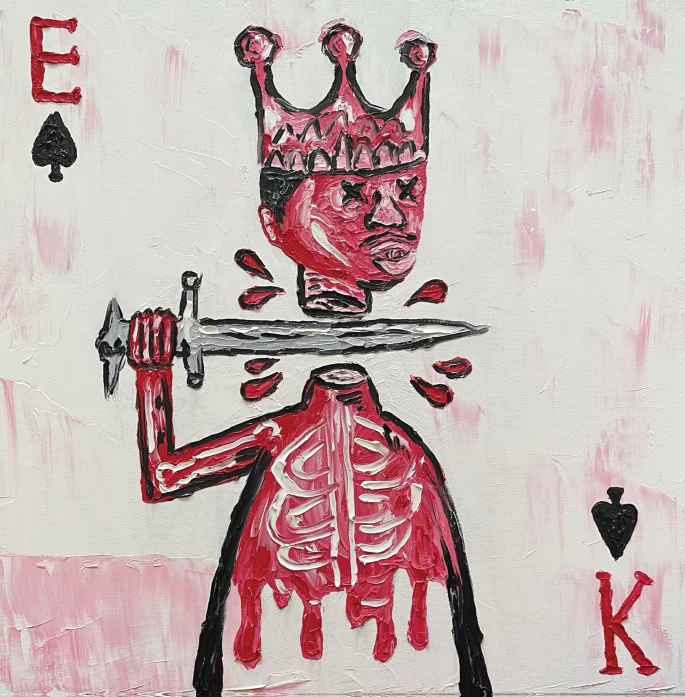
Crown Me Kaine joins Brooklyn MC Eddie Kaine with Danish producer Machacha for a lean, precisely built record rooted in grit and discipline. Across ten tracks, Kaine delivers controlled verses that balance confidence with clarity, his tone steady and unforced. He writes like someone aware of weight and consequence, sticking to tight rhythms and focused phrasing.
Machacha surrounds that delivery with a dark, unpolished atmosphere—dusty pianos, clipped horns, and measured drums stitched into a noir framework. The production stays clean but tense, every element locked to purpose. “Live and Learn” and “Maurice and Shanice” spotlight Kaine’s storytelling craft, reflecting on loss and endurance without sentiment. “Fire,” with André DeSaint and Josiah The Gift, turns technical sharpness into chemistry, while “What You On,” featuring RIM, sharpens the energy. “Gambling,” with Shottie, emphasizes risk and code, and “Crown Me Kaine” closes with conviction and calm.
At just over thirty minutes, the album never drifts or decorates. Machacha’s beats and Kaine’s pen mirror each other: both stripped of excess, both deliberate. Crown Me Kaine is a dope cross-Atlantic collaboration—tense and fully aligned with the underground’s demand for craft over spectacle.
The Bad Seed & Murda Megz - From Us With Love

From Us With Love pairs Brooklyn veteran The Bad Seed with Danish producer Murda Megz for a concentrated blast of modern New York grit. Across twelve tracks, the duo balance familiarity and progression—street-rooted but wide in scope. Megz supplies production built on ominous strings, warped vocal samples, and pounding drums that give each song its own dramatic weight. The sound is hard but clean, cinematic without polish.
The opener, “’94 Crime Spree,” sets the tone with orchestral tension and booming drums. “Watermelon Chunx,” featuring LR Blitzkrieg and cuts by Tone Spliff, hits with classic precision, while “Black Santino” stretches into darker pacing. “The Day the Internet Died” mixes humor and cynicism, framing Seed’s critique of online culture. Throughout, his writing feels grounded and reflective—part commentary, part commandment.
Seed’s performance carries stamina and insight, his gravel delivery blending bite with composure. Murda Megz matches him with beats that feel heavy yet alive, keeping pressure high without clutter. Together they find a midpoint between old-school sharpness and present-day urgency. From Us With Love captures the weight of legacy without retreating into nostalgia—a measured, forceful collaboration built on chemistry and complete command of tone.
Josiah The Gift & Machacha - The Happening

For The Happening New Jersey’s Josiah The Gift teams up with Danish producer Machacha for a focused, high-level alliance. Across eleven tracks, they carve out thirty-four minutes of cold, measured boom-bap—each sound deliberate, each verse exact. Released by Copenhagen Crates and BarsOverBs, the project blends East Coast precision with a European sense of cinematic control.
Machacha constructs the album from sparse piano loops, ghostly vocal samples, and sharp drums that move between bare tension and blunt impact. “Jeux,” featuring Vega7 the Ronin, opens on a skeletal rhythm; “Honor,” with Willie the Kid, turns orchestral flair into something regal and contained. “Guess Who,” with Eddie Kaine, raises the stakes with brisk chemistry, while “Royalties,” featuring M.A.V., expands into larger scale without losing grip.
Josiah’s delivery remains calm under pressure—tight phrasing, clipped rhythm, and writing that feels etched rather than written. “Teflon” and “The Reality,” with Jamil Honesty, ground the record in survival and accountability. Spiritual strands run through “The Lord Is My Shepherd” and “Heroes,” giving the record quiet depth.
Nothing here overstays or repeats. The Happening is pared down, disciplined, and complete—an album where every line and beat carries exact weight.
DirtyDiggs - Gold Chain Music
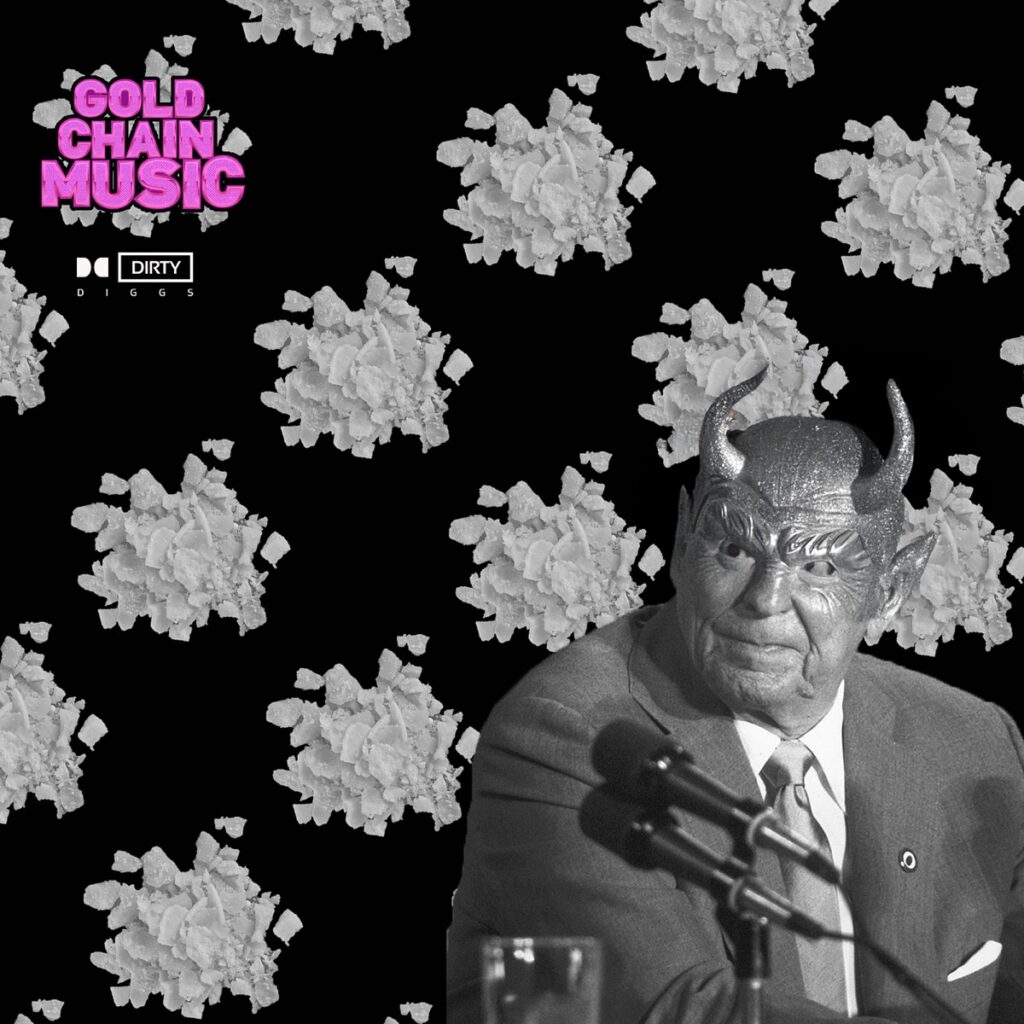
Gold Chain Music cements DirtyDiggs’ place as cornerstones of the modern West Coast underground. Across twelve tracks, the Los Angeles duo—brothers JR and Noy One—build the defining sound of their collective: rich, hazy, and luxuriously unhurried. Their production balances polish with grit, fusing soulful loops, sharp drums, and jazzy horns into something cinematic yet street-rooted. Every track drips with texture, the kind of vinyl warmth that feels hand-cut rather than programmed.
Planet Asia anchors much of the record with crisp, effortless authority. His verses glide through DirtyDiggs’ golden haze, while frequent collaborators like K.Burns, Supreme Cerebral, TriState, and Montage One match the energy bar for bar. “Butter Knives” captures the album’s essence—smoothly aggressive, laced with confidence. “Omniverse” and “Cosmos” push the mood into space, all smoky horns and slow-burn drums, while “Set It Off” turns into a posse highlight powered by veteran precision.
The pacing never slips. DirtyDiggs keep the tone cohesive, wrapping the record in a steady glow that feels equal parts soul and grind. Gold Chain Music delivers what its title implies: timeless craftsmanship and connectedness, a reminder that mastery of sound and collective identity can still drive underground Hip Hop forward.
Boldy James & Chuck Strangers - Token Of Appreciation
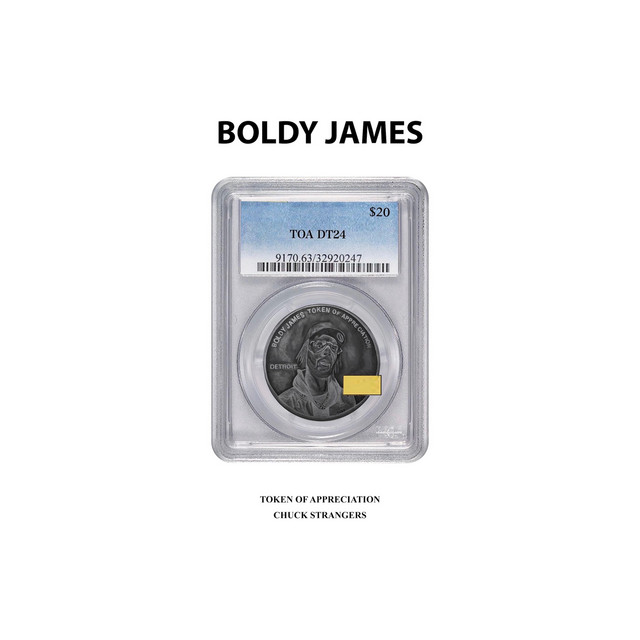
With Token of Appreciation, Boldy James regains sharp form after two uneven January drops—Murder During Drug Traffic and Permanent Ink. This collaboration with Chuck Strangers feels poised and precise, an 11-track reset that reaffirms Boldy’s standing as one of Hip Hop’s steadiest voices. Strangers surrounds him with muted jazz loops, soft snares, and foggy basslines that move with quiet rhythm and depth, while The Alchemist’s mastering seals the mix in clarity.
“B.O.B. (Big Ol’ Business)” opens with faint piano keys and subtle percussion that sink into Boldy’s deliberate pacing. “Whale Fishing” rides on a soulful, drumless loop, its repetition hypnotic, while “Thank God” and “Lop Sided” stretch the palette with warm textures and synth-organ flickers. Each track sits comfortably in stride—tight, calm, and free of excess.
Boldy’s tone remains unflinching, his storytelling stripped of bravado but rich in rhythm and detail. The lyricism feels familiar yet more deliberate, as though trimmed to the bare essentials. Nothing here forces impact; everything lands naturally. Token of Appreciation marks a full recovery—a concise, confident return that proves patience, structure, and atmosphere hit harder than output alone.
Dave East & Ransom - The Final Call
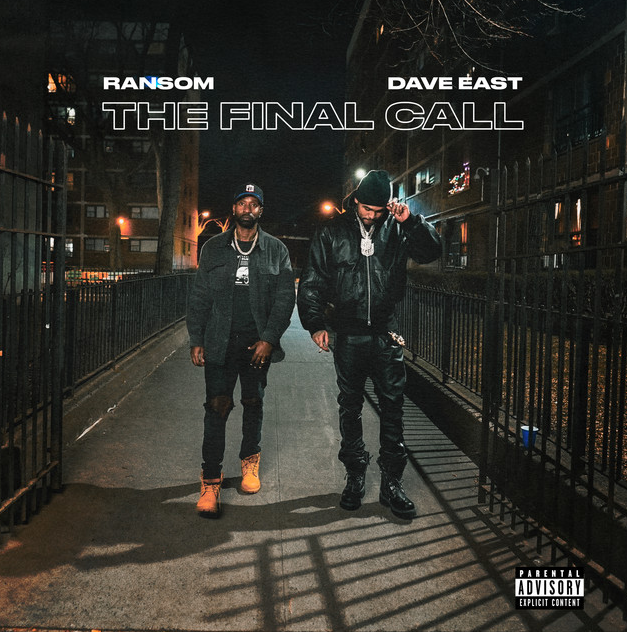
The Final Call matches Dave East’s cinematic Harlem realism with Ransom’s meticulous, philosophical edge. The ten-track collaboration lands with a slow, deliberate weight—soul loops, crisp drums, and an undercurrent of reflection running through every verse. Released on the 60th anniversary of Malcolm X’s assassination, the record carries that date’s gravity in both tone and concept.
The opener, “Audubon Ballroom,” sets a somber mood with a dusty, mournful sample, framing East and Ransom as narrators dissecting legacy and consequence. “By Any Means Necessary,” featuring Method Man, flips the energy—technical, muscular, and unrelentingly sharp—while “Soul Food in Mecca” and “Exotic Prayer Rugs” glide on elegant production that leaves room for precision. Jay Electronica’s appearance on the title track deepens the spiritual dimension, his cryptic presence reinforcing the record’s overarching reverence.
The production, handled by a wide mix of boom-bap and modern stylists, stays unified through its palette of gospel fragments, tense horns, and slow, heavy drums. East raps with renewed focus, while Ransom’s control and density ground the album in reflection and discipline. The Final Call works because of its restraint—two masters trading clarity and craft under a shared moral weight, rooted in lineage rather than nostalgia.
Westside Gunn - 12
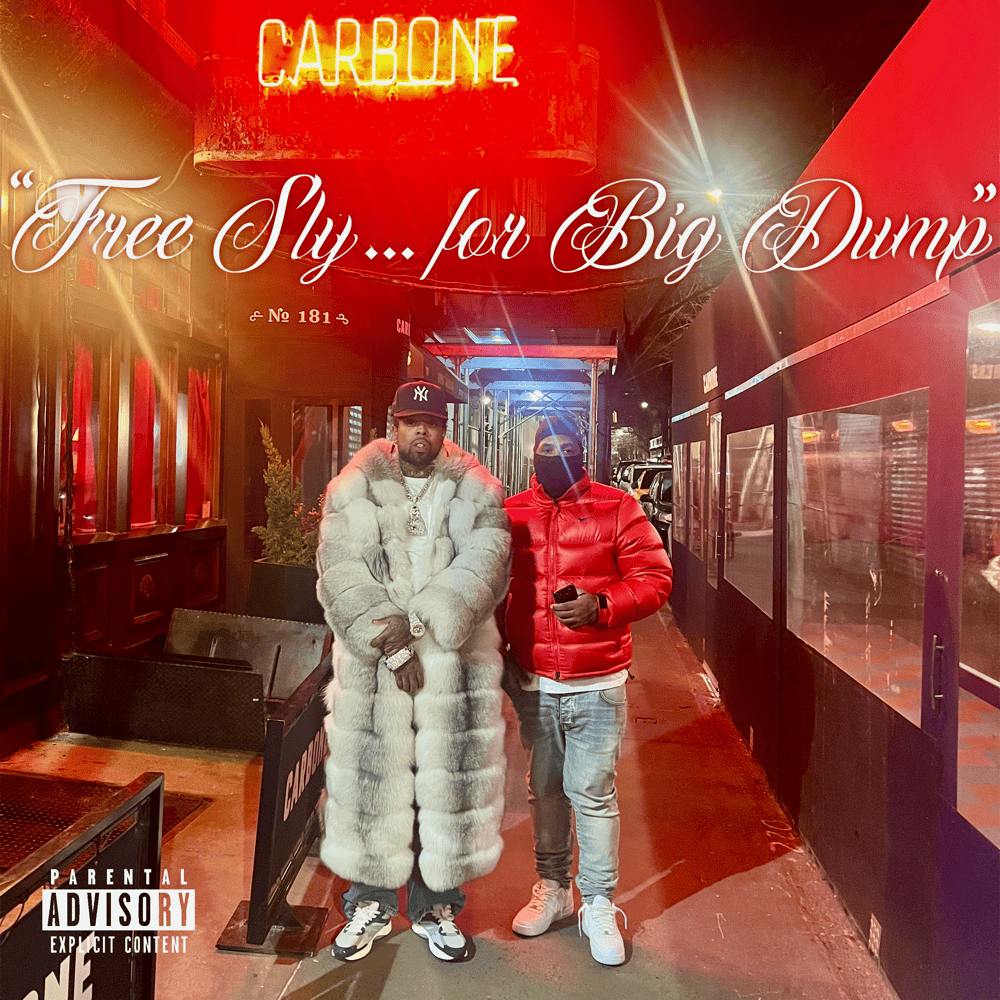
12 extends Westside Gunn’s Hitler Wears Hermes saga with a focused, reflective tone that fuses the familiar Buffalo grit with a sense of closure and tribute. The album honors Gunn’s late mentor Big Dump while spotlighting the next wave of Griselda affiliates. Across eleven tracks, he curates a tense, artful environment built around stripped-down loops and moody textures from Daringer, Conductor Williams, DJ Green, and Denny LaFlare.
Stove God Cooks remains essential to the record’s identity, appearing on more than half its songs with fluid verse work and hooks that cut through the haze. Estee Nack plays co-anchor, his eccentric phrasing pushing the intensity on tracks like “Boswell” and “Veert,” while Brother Tom Sos brings balance with a jazz-tinged presence on “Gumbo Yaya.” Highlights like “055” and “Health Science” sharpen the contrasts—soulful and grim, spiritual but grounded.
The production stays characteristically lean: dusty samples, faint horns, and cinematic restraint. Gunn’s nasal delivery and coded imagery remain his signature tools; he sounds calm but ruthless. 12 doesn’t break new ground, yet its cohesion and emotional undercurrent make it more than a sequel—it’s a quiet monument to legacy, loss, and continuation.
Ayoo Bigz - Unholy Scriptures

Unholy Scriptures announces Ayoo Bigz as a force in the new wave of Toronto street rap. Released through 100 MAD—the Onyx-founded label—the album stays true to boom-bap’s raw lineage while carrying the hardness of the modern underground. Across thirteen tracks, Bigz delivers relentless verses built on aggression, precision, and grime, his voice cutting through producer Nar’s shadowy loops with controlled fury.
The production is steeped in darkness: eerie melodies, pounding drums, and low bass lines that move like smoke through concrete corridors. “Bold Lies,” with Daniel Son, crystallizes Toronto’s underground connection—two veterans trading cold truths over sharp drums. RJ Payne ignites “Psychopath Talkin’” with unfiltered intensity, while “Top Shottaz,” featuring Sticky Fingaz and Spit Gems, crashes open like a brawl in motion. “Overdrill,” with Fuego Base, widens the album’s reach, blending traditional boom-bap grit with subtle drill tension.
What ties everything together is discipline. Bigz’s flow stays ruthless but never chaotic, his tone unflinching even as beats twist and collapse. Unholy Scriptures doesn’t slide toward melody or trend—it’s rigid, loud, and built for volume. The record confirms Ayoo Bigz’s arrival beyond Toronto, bringing his uncompromising energy squarely into the international underground frame.
UFO Fev & Body Bag Ben - Thousand Yard Stare

Thousand Yard Stare joins Harlem’s UFO Fev with Oxnard producer Body Bag Ben for a dark, tightly built record that captures the exhaustion and focus of seasoned street survival. Across ten tracks, Fev delivers sharp, grounded verses over Ben’s dense, industrial boom-bap—a sound that’s heavy with bass, eerie samples, and restrained menace. The result is an “East meets West” collaboration that thrives on precision, not flash.
Fev’s delivery sits dead center—measured, serious, and unrelenting. He writes with the calm intensity of someone who’s learned to navigate chaos. “Sauvignon Blanc” and “Shop Open” showcase that poise, weaving hustler philosophies through Ben’s grainy drums. “4 Letter Words,” the video single, anchors the record with its clear mission statement, while “2 BIG 2 FAIL,” featuring Memphis standout Lukah, adds raw horsepower. Royal Flush’s appearance on “G-Code” adds generational weight, and “4 My Young Boys,” with Vel Nine, finds rare space for reflection.
Body Bag Ben’s sound design builds the atmosphere—thick percussion, razor-cut samples, and just enough air between notes to keep tension alive. Thousand Yard Stare never loses discipline; every line and loop lands clean. It’s stark, confident underground Hip Hop from two craftsmen who understand rhythm as strategy and grit as language.
Henny L.O. & Ewonee - The Coldest Season Ever
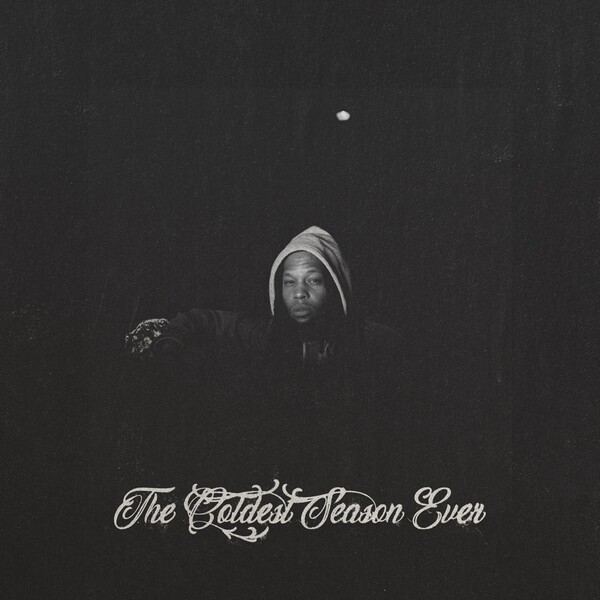
The Coldest Season Ever finds Henny L.O. back in full stride alongside producer Ewonee, crafting a cohesive record that feels like a slow exhale in winter air. Across 13 tracks, the Mutant Academy duo blend warm soul loops with crisp, rolling drums—a sound that’s grounded yet meditative, built for late nights and quiet motion. Ewonee’s production glows in restraint: jazz-inflected chords, dusty hi-hats, and calloused basslines that move like heartbeat rhythms.
Henny’s tone mirrors the beats—measured, contemplative, and quietly self-assured. He writes with focus, using small details and coded reflections to trace his growth without breaking the calm exterior. “Never Had the Bag” reveals the record’s emotional spine, while “Close Enough,” featuring Fly Anakin, slides with pure chemistry. “Puerto Rican Day Parade,” with Lord Jah-Monte Ogbon and Anakin again, raises the pulse, and “Til Tomorrow,” with Big Kahuna OG, wraps the experience in grounded optimism.
Nothing about The Coldest Season Ever reaches for spectacle. It’s smooth, consistent, and treated with care—crafted as an environment rather than a highlight reel. Together, Henny L.O. and Ewonee balance technical sharpness and subtle feeling, building an album that thrives on tone and quiet conviction.
Vega7 the Ronin & Machacha - The Ghost Orchid
The Ghost Orchid brings Queens lyricist Vega7 the Ronin back together with Danish producer Machacha for a record steeped in grit and reflection. Across twelve tracks, the duo refine their chemistry into something lean and charged—raw boom-bap without bloat. Machacha pares his sound down to cold pianos, taut drums, and faint atmospherics, turning every silence into tension. Vega7 fills that space with layered metaphors and coded wordplay that pull from war, wrestling, and spiritual struggle, delivered in a voice equal parts theory and threat.
“Quoth The Raven” sets the tone—methodical, bleak, and filled with tightly packed rhymes. “K.R.E.A.M,” featuring Machacha and Danish MC Trepac, bridges languages without breaking rhythm, while “Ritual” adds ghostly depth through Nikolaj Grandjean’s spectral vocals. “Hokage Mountain” is pure combustion, Vega7 trading barrages with André DeSaint, Shottie, and Jamil Honesty over pounding percussion. “The World’s Borough” closes the loop, grounding the album in Queens grit filtered through distant production smoke.
There’s no filler here and no overreach. The Ghost Orchid thrives on control—Machacha’s beats burn slow while Vega7 tears through them with surgical fire. Together they turn underground austerity into art, crafting one of the sharpest partnerships currently operating in rap’s modern underground.
Curren$y & Harry Fraud - Never Catch Us
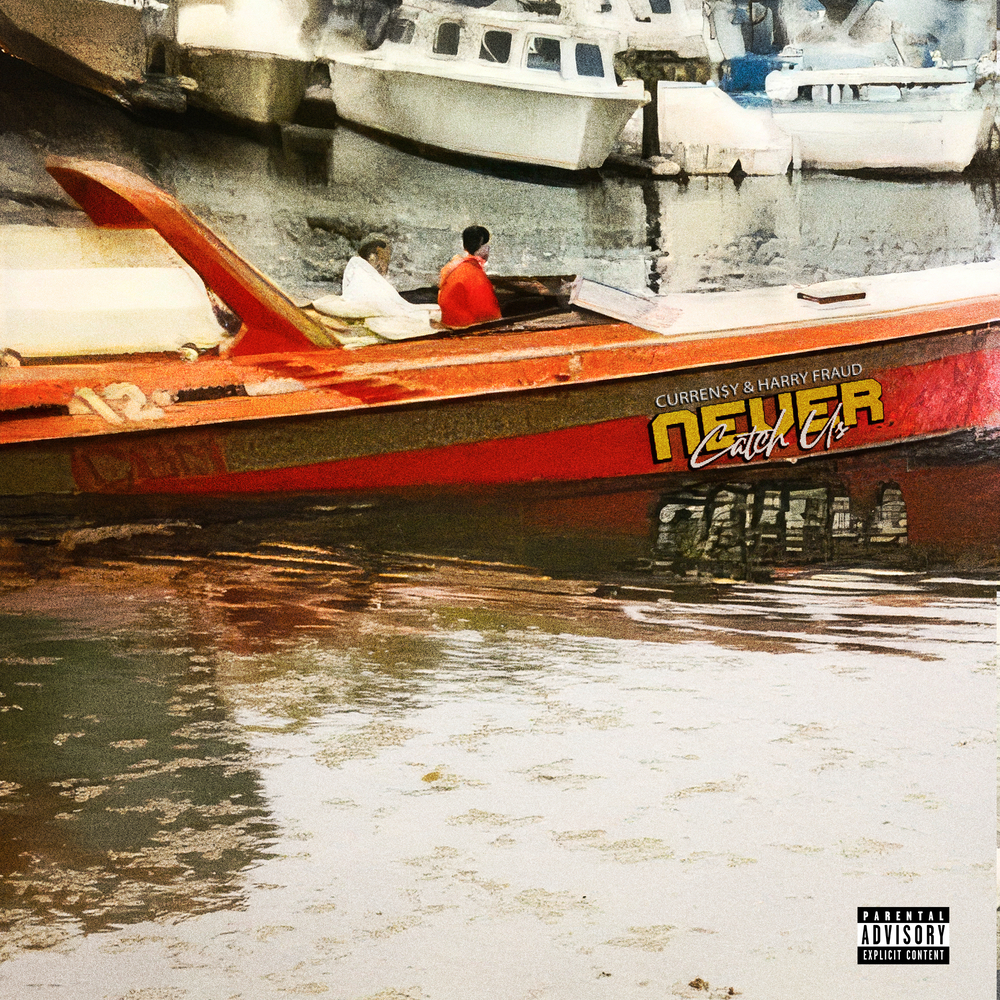
Never Catch Us extends Curren$y and Harry Fraud’s long-running partnership with another sleek, sun-drenched collection that sounds built for motion. Over twelve tracks, the New Orleans vet drifts easily across Fraud’s polished production—warm keys, soul samples, and breezy horn sections glide beneath verses about steady wins, luxury habits, and staying unbothered. It’s familiar territory, but that familiarity plays as earned confidence rather than repetition.
Fraud’s palette ranges from cinematic jazz-rap to hazy synth textures, keeping the pace light and deliberate. “Drop Zone” snaps with tighter percussion and a more energetic delivery from Curren$y, while “Airport Industries,” with Wiz Khalifa, revisits their effortless chemistry. The standout “Money Magnet,” featuring Conway the Machine and Rome Streetz, grinds darker—its eerie loop matching the duo’s menacing verses. “True Lies” stretches the vibe with Babyface Ray, Styles P, and 03 Greedo trading off against a smoky, trap-tinged beat.
The production dips briefly near the end but rebounds with “No Wrinkles” and the reflective closer “Encrypted Messages.” Never Catch Us doesn’t chase reinvention; it refines a zone both artists have mastered. The result feels precise and unforced—smooth luxury rap with just enough weight to remind you why their chemistry still works effortlessly.
WateRR & Machacha - Almighty II
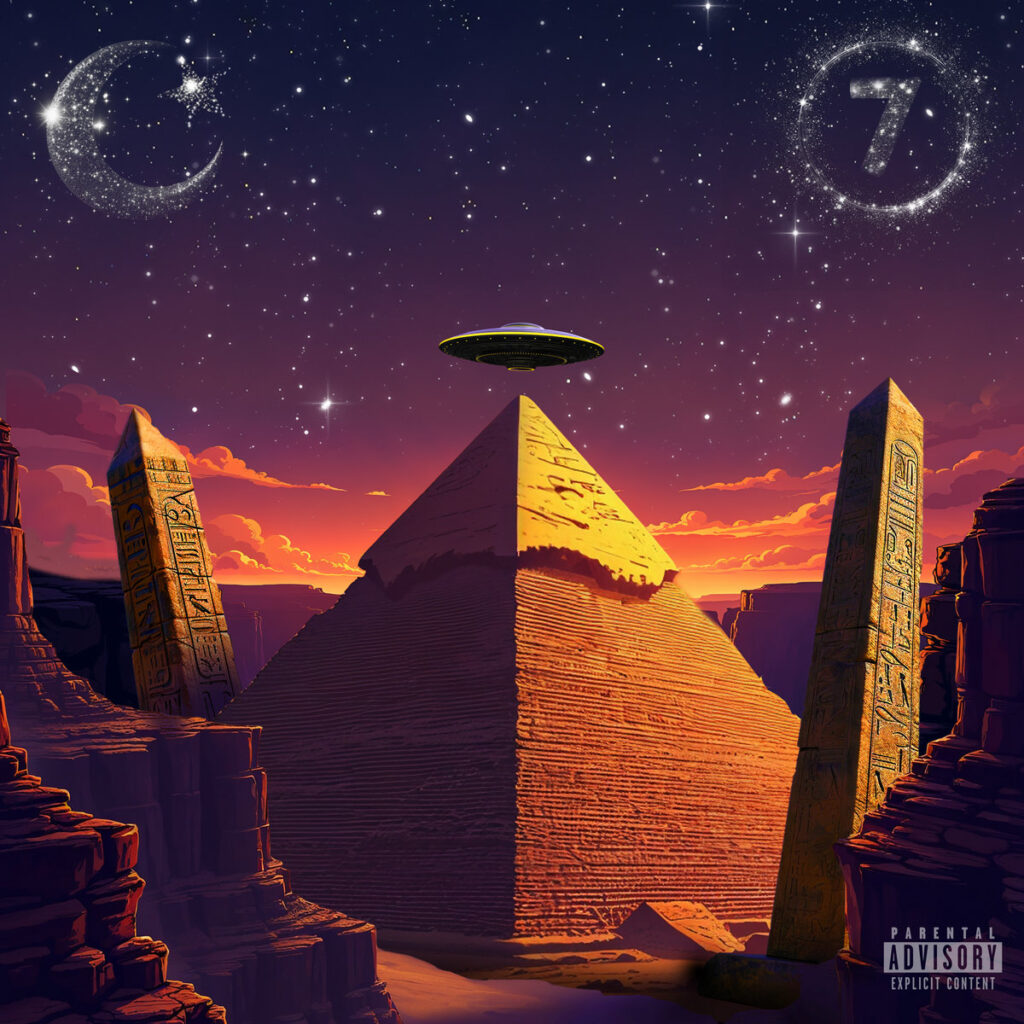
Almighty II extends the partnership between Chicago’s WateRR and Danish producer Machacha into darker, more reflective terrain. Built on twelve tightly wound tracks, the album moves like a noir film—smoke-thick atmosphere, deliberate pacing, and verses dense with coded wisdom. Released through BarsOverBS and Renaissance of the Culture, it refines the chemistry they established with the first Almighty without losing its edge.
Machacha’s production turns minimalism into drama: slow drums, eerie bass lines, and samples that sound pulled from mid-century jazz reels. Tracks like “Compass” and “Ownership Discussions” embody his precision—haunting, cinematic loops that leave room for WateRR’s gravel tone and disciplined flow. He raps like a strategist, breaking down power, independence, and self-mastery with cold clarity. “Sicario,” the lone collaboration featuring Reefa Rei, supplies the album’s most aggressive punch, while “Abu Dhabi” and “Coffee N Green” thread worldly imagery through financial poise and personal code.
Nothing here overstays its welcome. Machacha keeps the palette cohesive, each track locked into a muted glow that feels handcrafted. Almighty II doesn’t aim for grandeur, but it thrives on focus. The result is seasoned, intelligent street rap sharpened to a quiet blade, confirming this duo’s unmatched consistency in underground craftsmanship.
Sirrealist - Lotus

Lotus captures Oxnard MC Sirrealist at his most deliberate—twelve tracks of grounded lyricism and rough-edged atmosphere shaped by focus, not flourish. Released through Rowdy Dawg Records, the album trades flash for texture, its production built on dusty loops, muted basslines, and percussion that lands hard but never loud. The tone stays tight and reflective, turning street realism into something almost spiritual.
Sirrealist’s delivery defines the record—steady, low-voiced, and exact. He writes like a craftsman tracing scars with precision, his verses built around endurance and clarity. “Take Your Money,” with Ghostface Killah and Whose, balances grit and grace, turning a soul sample into a pulsing confessional, while “Another Day,” with Blu and Exile, offers rare sunlight amid the murk. The closer “Sometimes I Pray” ties everything together, returning to the Lotus metaphor of growth through struggle.
The features add color without breaking the form, and the sequencing stays airtight. Each piece feels essential. Lotus isn’t about expansion—it’s about control. Sirrealist distills hard lessons into unshaken rhythm, delivering one of 2025’s purest examples of raw underground discipline and emotional depth.
Supreme Cerebral & Macapella - Grime & Glamour

Grime & Glamour captures Supreme Cerebral and Scotland’s Macapella operating in perfect sync—lean and focused. Across eleven tracks, the Santa Ana MC and the producer balance toughness and polish, living up to the album’s title through contrast: street grit refined into something sophisticated yet grounded. Macapella’s production walks a tightrope between menace and elegance, weaving dusty drums, muted horns, and sharp soul samples into compact instrumentals carried by texture rather than excess.
Supreme Cerebral handles the space with authority, delivering crisp, detail-heavy verses that trade ego for clarity. His cadence stays steady and unshakeable, whether reflecting on legacy or bar-for-bar grimness. “Cashmere,” featuring Hus Kingpin, glides with luxury-rap poise, while “Dart Gallery,” with Ralphiie Reese, dives into lyrical sharpness. “Reminisce Over You,” with Jamil Honesty, drops into soulful reflection, and “Find A Way,” featuring Yolanda Sargent, closes the distance between grime and grace with melodic warmth.
At just over half an hour, the album’s brevity mirrors its precision—no filler, no waste. DJ TMB’s cuts emphasize its underground roots, anchoring the glamour in raw form. Grime & Glamour doesn’t overreach; it defines its world with restraint and craft, reaffirming Supreme Cerebral’s consistency in every bar.
Heem B$F - Bars & Noble 2

Bars & Noble 2 finds Heem B$F sharpening his voice and perspective, a middle chapter that feels colder and more deliberate than its predecessor. Over twelve tracks, the Buffalo MC trades bravado for balance, delivering street realism with patience and precision. The production leans heavy on moody samples and dusty drums—slow-moving, grimy, and built for reflection.
The opener “187” hits hard, setting the album’s steady, threatening tone with eerie keys and tight percussion. “1993” turns inward, soaked in memory but never sentimental, while “Gangsta Pain” and “Dog Eat Dog” lay bare the toll of loss and survival without leaning on dramatics. “Retro Flow” and “Simon Says” inject energy back into the mix, showing Heem’s ability to shift gears without losing control.
Every verse feels measured. Heem keeps his cadence clipped and sure, leaving no room for filler, his stories grounded in Buffalo’s East Side and shaped by time, loyalty, and growing perspective. Producers like Moose Tarantino and Marc Spano keep the beats stripped yet textured, letting the bars carry the weight. Bars & Noble 2 is the trilogy’s anchor—a tight, purposeful release that shows Heem maturing in craft while staying rooted in his city’s hard rhythm.
Precyce Politix - The Great And Terrible

The Great and Terrible captures North Carolina MC Precyce Politix at his most balanced—part sharp technician, part introspective storyteller. Across twelve compact tracks, he moves between grit and grace, using hard-edged production as the canvas for tightly measured reflection. Backed by a lineup of trusted collaborators including D.R.U.G.S. Beats, K-Hill, Ace Dizzy Flow, and Trblmkr, the sound stays rugged but hyper-focused, mixing dusty soul chops with clean percussion and occasional melodic lift.
The album opens with the title track’s stark mission statement, setting up a theme of duality—success shadowed by struggle, strength entwined with vulnerability. “God’s Number,” featuring K-Hill, turns lyrical mastery into meditation, while “Address It Early” and “SOS 44” channel pure technical force. “Golden I” and “Mutant Powers” close things on a more personal note, the latter connecting fatherhood and resilience through comic book metaphor.
Precyce’s voice—gravel-toned, precise, authoritative—anchors every beat. He trades bravado for control, rapping less to impress than to document. Each verse feels deliberate, every transition seamless. The Great and Terrible works because it never loses balance; it’s personal without softening, fierce without posturing. A self-styled cipher in motion, it confirms Precyce Politix as one of underground rap’s pure craftsmen.
Raz Fresco & Futurewave - Stadium Lo Champions

With Stadium Lo Champions, Raz Fresco and Futurewave operate at peak clarity—two craftsmen refining their vision rather than reinventing it. The 16-track follow-up to Gorgeous Polo Sportsmen carries the air of victory: calm, assured, and unhurried. Futurewave expands his palette with soulful loops, crackling samples, and an occasional sense of grandeur, building beats that feel heavy but open. His production keeps the pulse steady while giving Raz complete room to maneuver.
Raz’s performance is all poise and precision. His verses balance philosophy, street discipline, and sly humor, his voice steady over every switch in tone. “Steve Austin,” featuring Daniel Son, captures his competitive sharpness, while “Alpaca,” with al.divino and Estee Nack, turns density into rhythm. “Mind Light” and “Tesla Tower Power” lean into abstraction, pairing vivid imagery with Futurewave’s carefully layered drums and chopped vocals.
Nothing here sprawls or overreaches. The record’s pacing feels engineered for flow—each track folding naturally into the next without wasted space. What emerges is a clean snapshot of modern Toronto underground excellence: leveled-up sound, sharp writing, and effortless chemistry. Stadium Lo Champions is proof that mastery can sound both cold and graceful at once.
Knowledge The Pirate & Roc Marciano - The Round Table
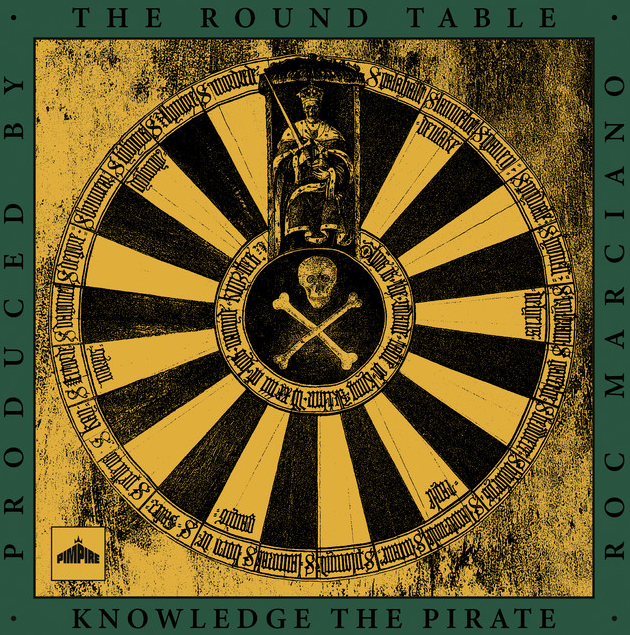
Knowledge The Pirate and Roc Marciano team up in a space of coded dialogue and quiet mastery for The Round Table. The album feels like a private exchange between peers—two veterans honing their language through discipline and subtle craft. Marciano handles the production with his signature touch, shaping an atmosphere of low-lit tension with muted jazz, filtered soul, and restrained percussion. Every beat tightens focus rather than heightens energy.
Knowledge rides these loops with unwavering control. His gravel voice carries maritime slang, Five Percent references, and street philosophy with calm precision. Tracks like “Eating Etiquette,” “Addicted to Danger,” and “Food for Thought” strip away drums entirely, turning flow into heartbeat. “Golden Rules” and “Takes a Ten” add flickers of groove without loosening the frame. “Magic & Kareem” pushes warmth through pitched-up soul, while “Forks and Knives” and “Gut Feeling” dissect survival and trust with surgical calm.
Even flashes of humor in “Ride Wit a P” or “1 on Me” stay dry and contained, part of the overall restraint. The closing pair, “Servitude” and “Receipts,” brings everything to a quiet fade. The Round Table thrives on composure—Knowledge speaks with authority earned, and Marciano ensures every detail stays locked in orbit.
Rome Streetz & Conductor Williams - Trainspotting

Trainspotting pairs Rome Streetz with Conductor Williams for a focused, unvarnished showcase of technical control. Across fourteen tracks, the Griselda MC tightens his delivery to surgical levels—sharp imagery, measured aggression, and a writing style that favors clarity over chaos. Conductor backs him with stripped-down loops and tense soul samples, framing the verses with rough edges and heavy air. The result feels direct and enclosed, built on repetition and restraint rather than scale.
From the rush of “Andre Agassi” to the menace of “Ricky Bobby” with Method Man, the tone stays relentless. “Rule 4080” flips industry wisdom into street pragmatism, while “Joe Pesci” and “10 Toes” balance aggression with calm precision. The beats rarely deviate—Conductor leans on dusty sequences and slow churn—but his attention to texture gives the record its tension.
What keeps Trainspotting alive is Rome’s poise. He moves through these tracks with fluency, controlling rhythm like a craftsman shaping each line by hand. The production’s repetition can blur, and the runtime feels clipped, but the cohesion remains tight. Trainspotting doesn’t stretch for reinvention—it’s about mastery through focus, a lean dispatch from two artists most comfortable operating without excess.
CRIMEAPPLE & DJ Skizz - Rose Gold

Rose Gold brings CRIMEAPPLE and DJ Skizz together for a third full-length that feels fluid, measured, and quietly luxurious. Across twelve tracks, the New Jersey lyricist and New York producer refine their long-standing chemistry into a sound that’s elegant but grimy, cinematic but never showy. Skizz lays down slow-burning, ornate loops—plush horns, filtered strings, and subdued drums arranged with surgical restraint. The beats breathe, creating space for CRIMEAPPLE’s bilingual precision and dry humor to unfold naturally.
“ Taste Like Butter” opens with confidence, setting the tone for a record rooted in control and mood rather than aggression. The title track “Oro Rosa” balances high polish with worn texture, while “World Famous,” featuring Estee Nack and Eto, reaches peak sharpness—three veterans gliding over Skizz’s high-end production. “97 Tape Master” nods toward mid-’90s nostalgia, and closer “Crystal City” lands smooth and cinematic.
CRIMEAPPLE’s voice stays even, his tone steeped in detachment and coded satisfaction—street wit delivered like fine conversation. Skizz’s sequencing ensures cohesion; nothing drags or spills over. Rose Gold doesn’t aim for force—it works through refinement. This is mature, understated Hip Hop built on trust between artist and producer, gleaming without losing its grit.
Daniel Son & Futurewave - Baggage Claims

Baggage Claims reunites Toronto staples Daniel Son and Futurewave for a collection of unearthed recordings from their Pressure Cooker era—tracks that sound anything but discarded. Released through WavGodMusic, the 19-song project operates as both an archive and an extension of the Brown Bag Money movement that shaped the city’s underground in the late 2010s.
Futurewave’s production is dense but controlled: murky loops, grounded percussion, and stretches of near-drumless space that leave room for Daniel Son’s clipped cadence. The beats breathe with low-end smoke and cold elegance, giving the record its dim basement feel. “Sweet Peppers” and “French River” ride that slow tempo with hypnotic pull, while “Cold Chicken” pares everything back into bleak reflection.
Daniel Son raps like muscle memory—each verse tight, coded, and driven by sharp detail rather than volume. Guests including Asun Eastwood, Al.Divino, and Recognize Ali fold naturally into the atmosphere, trading verses that enhance its heavy composure.
Though billed as a compilation, Baggage Claims feels cohesive: no filler, no gloss, just raw chemistry between MC and producer. It’s a precise snapshot of a defining moment in Toronto’s underground evolution—grimy, direct, and fully in its element.
Chubs & Fumes the Threat - Bruiser Brody 2

Bruiser Brody 2 reconnects Long Island MC Chubs with producer Fumes the Threat for a brutal, high-impact sequel that outmuscles its predecessor. Across fifteen tracks, the duo channels the chaotic energy of the late wrestling icon the album’s named after, turning that raw spirit into boom-bap built for collisions rather than comfort.
Fumes crafts dark, muddy production full of cracked samples, jagged strings, and pounding drums. His beats hit heavy but stay deliberate, matching Chubs’ thunderous presence bar for bar. Chubs attacks every verse with no slack in his cadence, his gravel-lined voice cutting through distortion and bass like a weapon. Tracks such as “Flannel Covered Caskets,” featuring Lord Goat, and “Tight Rope,” with Diabolic, feel feral—hard rhythm and street venom locked in sync. “Burly Brody” and “Hockey Mask” push that energy to the edge, coated in menace and dry humor.
The sequencing mirrors the chaos of a wrestling match—each round harder, darker, and closer to implosion. Fumes’s production never cleans up the edges; it amplifies them. By the closer “BB2 Outro,” the album feels scorched but complete. Bruiser Brody 2 is classic underground aggression—loud, relentless, and fully aware of its own destructive power.
Boldy James & Nicholas Craven - Late To My Own Funeral

Boldy James and Nicholas Craven’s Late To My Own Funeral, their third collaboration, is a lean 31-minute plunge into Detroit’s gritty underbelly. The album’s mood is heavy, with Nicholas Craven’s production crafting a somber, soulful backdrop. His beats—dusty, drumless loops, jazzy piano, and chipmunk-soul samples—set a reflective tone. “Spider Webbing Windshields” opens with a gospel sample, its sped-up vocals and eerie keys evoking a funeral procession, while Boldy’s monotone delivery unravels street tales with chilling calm.
Craven’s minimalist approach shines. “Cordon Bleu,” featuring David Wesson, weaves jazzy horns into a tense narrative of survival, while “Genie in a Bottle” layers a haunting soul loop over Boldy’s meditations on time slipping away. “Marrero” experiments with rap-rock grit, its distorted guitars adding a raw edge. Tracks like “Trapezoid” and “AT&T,” with C Dell and Nick Bruno, lean on crisp soul samples, keeping the vibe cohesive yet varied. The production avoids flash, letting Boldy’s stark lyricism—packed with subtle wordplay about loyalty, loss, and the hustle—take center stage.
The album’s structure is tight, with 10 tracks flowing seamlessly, though its brevity leaves you wanting more. “The Whole Shabang” stands out, its soulful beat and hungry verses capturing Boldy’s relentless drive. Late To My Own Funeral is introspective yet grounded, one of the better chapters in Boldy’s prolific 2025 run, proving his pen and Craven’s beats remain a potent match.
The Musalini & Khrysis - Pure IZM 2

Pure IZM 2 reunites The Musalini and Khrysis for another smooth, high-grade blend of refined street rap and soulful boom-bap. Across fourteen tracks, the duo sharpen their formula into something fluid and purposeful—a seamless extension of the world they built on the first Pure IZM. Musalini raps with composure and clean control, his tone balancing calm confidence with quiet grind, while Khrysis provides a backdrop that hums with warmth and restraint.
The production stays rooted in live-sounding drums and textured soul loops, polished but never sterile. “On The Go,” with Smoke DZA, coasts on effortless chemistry, while “Timestamp,” featuring Stalley, turns introspection into motion. “The Life,” with Elzhi, deepens the lyrical interplay under Khrysis’s lush layering, and “99 Groove” stretches into slow-burn R&B territory without dilution. Each track folds into the next, driven by atmosphere rather than flash.
Khrysis’s sequencing gives the record its flow—tight, confident, and balanced. The Musalini’s verses draw power from presence, not volume, threading everyday ambition and understated success into each line. Pure IZM 2 never feels rushed or forced; it drifts and lingers, built for night drives and long focus. This is measured Hip Hop elegance—earned, not styled.
OT The Real & 38 Spesh - Possession With Intent

OT The Real and 38 Spesh deliver a taut, streetwise gem with Possession With Intent. This 12-track collaboration runs just over 30 minutes — lean boom-bap anchored by Spesh’s sole production. He crafts cold, soulful backdrops with jazzy horns and crisp snares, softening his early grit into polished menace that suits OT’s gravelly precision.
OT, fresh off his 2023 breakout Zombie and a bustling 2025, pours relentless narratives into every bar — Philly-rooted tales of hustle hardened by intent. Tracks like “Grease,” featuring Dave East, simmer with smoky soul samples as they trade verses on survival’s labor. “Big Fish” with Grafh surges on brassy energy, rapid-fire exchanges nodding to Breaking Bad lore. “Philly Special” and Amir Ali shimmer with hometown wisdom over melodic loops, while “Richer” with Flee Lord flips money talk into defiant proof of ascent.
The mood stays reflective yet urgent, street wisdom traded without excess. No skits clutter the flow, though brevity sometimes cuts depth short — “Warlock” fades before its weight lands fully. Still, this partnership elevates OT’s lyricism against Spesh’s refined sound. A sharp East Coast statement, street-hardened and purposeful.
Westside Gunn - Heels Have Eyes 2

Heels Have Eyes 2 finds Westside Gunn expanding his signature formula—luxury grime wrapped in surreal detail and avant-garde flair. Released through Griselda, the project stretches the 2021 EP into a full narrative of mayhem, art, and bravado, bruised by Gunn’s distinct rasp and theatrical touch. Across twelve tracks, he curates a world of cracked-glass opulence, balancing his chaos with deliberate aesthetic control.
Production from Conductor Williams, DJ Muggs, Harry Fraud, and Denny LaFlare keeps the sound rugged but spacious—dusty drums, warped samples, and eerie textures pulling tension through every bar. “POWER HOUSE HOBBS,” with Benny the Butcher, feels like a family cipher drenched in menace, while “BRIKOLAI VOLKOFF,” featuring Stove God Cooks, builds into a hypnotic standoff of style. “AUNT GINA,” with Skyzoo, shifts toward reflective storytelling, proving how well Gunn’s eccentric rhythms can ride more grounded backdrops.
Guest appearances come heavy, yet Gunn remains the thread. His tone—divisive as ever—slides between satire, luxury monologue, and coded memoir. Songs like “DEMNÀ LEFT BALENCI” and “LOVE YOU PT. 2” push his high-fashion obsessions to new absurd edges.
Heels Have Eyes 2 cements Gunn’s strange command of contrast: ugliness turned elegant, chaos turned ritual, street life recast as high art.
Knowledge The Pirate - Before Common Era

Before Common Era marks Knowledge The Pirate’s second release of 2025, following his summer collaboration with Roc Marciano, The Round Table. Where that record thrived on drumless luxury, this solo effort restores weight to the rhythm section, grounding his sound in grit and definition. Across twelve tracks produced by E.L.E.M.N.T., VVStears, and DJ Brown, the Harlem veteran keeps his formula sharp—moody, deliberate, and heavy with coded reflection.
E.L.E.M.N.T.’s production drives much of the record, layering murky strings and thick low-end under Knowledge’s hardened tone. “Sun God” sets the foundation with spiritual swagger, while “Upper Echelon,” featuring Crimeapple, turns cunning lyricism into an art form. RJ Payne brings raw energy to “Night Crimes,” his aggression amplifying the album’s nocturnal atmosphere. Between these bright flashes sits the steady pulse of “Prisoner,” “Chosen,” and “Gold Cuff Links,” tracks that stretch small moments into full stories.
Knowledge’s voice—rasped, deliberate, and grounded—remains the record’s anchor. His writing never drifts from structure or control, tracing resilience and stature without nostalgia. Before Common Era doesn’t reinvent the Pirate lineage; it reinforces it. Where The Round Table gilded the frame, this album returns to metal and dust—the sound of mastery without embellishment.
Slang Hugh & Che Uno - Language Arts

With Language Arts, Slang Hugh and Che Uno deliver a blunt, tightly framed record that strips underground Hip Hop to its essentials. Over fourteen tracks, the Toronto duo blend hard drums, chopped soul, and disciplined rhyme structures into a project that feels deliberate from front to back. Released through Type A Records, it’s less about surprise than execution—a clear picture of two veterans intent on showing control.
Slang Hugh builds the sound from rough textures: dry snares, worn piano loops, and subtle scratches that keep each track taut. His beats act like scaffolding—minimal but sturdy enough to carry heavy bars. Che Uno handles that weight with force and measure, weaving sharp images and coded reflection into his clipped cadence. Their chemistry comes from contrast: Hugh’s steadiness against Uno’s grit.
Guests punctuate the flow without breaking it. “Ra As It Getz,” with DJ Stylus, channels classic late-night radio energy; “Knowledge Ra,” with Asun Eastwood, leans toward reflective heat; and “Hexx Value,” featuring Daniel Son, brings raw momentum. “Paz Abdullah” closes the record in a long, controlled flare.
Language Arts isn’t loud or sprawling—it’s methodical. Every sound feels hand-cut, every verse delivered with intent. The result is hard, direct, and quietly authoritative.
Asun Eastwood, Lord Juco & Jesse Green Beats - Two Birds

Two Birds is a collaboration between Toronto mainstays Asun Eastwood and Lord Juco under the steady hand of Jesse Green Beats for a concise, high-grade record. Built on 13 tracks and running just over half an hour, the project feels intentional—gritty, stylish, and composed without excess.
Jesse Green’s production threads dusty drums and faint soul samples with a clean, muted punch. His loops are simple but never flat, giving both MCs the space to lean on tone and cadence. Asun delivers with his familiar weight—gravelly, straight-ahead, grounded in realism. Juco plays counterpoint, drawing in luxury codes and sly wordplay that balance the record’s hard edges. Together, their exchanges hit with the poise of veterans who know each other’s rhythm.
“Solar Power” sets a smoky tone early, leading into “TBH” and “Shake & Bake,” where the tempo pushes higher. “Refined Motor Skills,” with Cousin Feo and HWY 308, adds an international flare without breaking focus, while “Dead Silence” and “Edible Arrangements” keep the mood dark, slick, and exact.
Two Birds may not reinvent the formula, but it locks in completely. Each verse lands clean, each beat hums with intent. The result is measured, confident Hip Hop from three stylists sharpening a familiar blade.
Ca$ablanca & Cap Chino - Chicken x Chopsticks II

Chicken x Chopsticks II reunites Ca$ablanca and Cap Chino for a sharp, stripped sequel that feels as lean as it is deliberate. Across fourteen tracks, the duo revisits the martial-arts noir aesthetic of their 2018 cult release, delivering a record defined by grit, control, and cohesion.
Cap Chino locks in a sound built on rugged loops and crisp drums, alternating between cold minimalism and smoky, VHS-era atmosphere. The beats carry a sense of quiet menace—tight chops, subtle static, and an undercurrent of unease. Ca$ablanca thrives in that space, his gravel-toned delivery steady and precise, layering coded street reflections with occult and cinematic imagery.
“Lopan’s Revenge” opens with tension and scale, immediately setting the tone for the sequel. “X-Files,” featuring Meph Luciano, deepens the eerie edge, while “Ca$aMigo$” and “Kane & Lynch / Dog Day$” drive energy through calculated aggression. “Spectre” closes it all with ghostly finality, fading into silence rather than conclusion.
Every feature—Meph Luciano, O The Great, Kincee—adds friction rather than ornamentation. Nothing here overstays. Chicken x Chopsticks II isn’t built for spectacle; it’s built for focus. In 36 minutes, Ca$ablanca and Cap Chino carve another entry in their ongoing mythos—strict, contained, and undeniably sure-handed.
Ferris Blusa & Observe Since 98 - Let Go And Let Gawd

Let Go And Let Gawd extends the creative partnership between Ferris Blusa and Observe Since 98 into deeper, more conceptual territory. Structured as a late-night radio broadcast from “Newellton Soul 53 F.M.,” the 16-track album flows through sermons, song breaks, and fragments of reflection, forming an unbroken mood of grit and grace.
Observe crafts a warm but heavy sound—dusty drum breaks, faded soul loops, and faint gospel flashes saturate each track. His production feels like it’s echoing from another era, keeping a live, analog quality beneath the static. Ferris Blusa moves through this haze with weight and patience. His deep, gravelled tone and deliberate cadence give the writing gravity, focusing on faith, endurance, and clarity earned through repetition.
“The Chitlin Circuit” ties underground hustle to Black performance history, while “In Gawd We Trust” folds faith into exhaustion. “The Heartless,” featuring Aubren Jay, softens the edges with layered vocals, and “Upon Arrival,” with Jamil Honesty and M.A.V., strikes with orchestral power. Between skits and station IDs, everything connects under a consistent theme: struggle filtered through reverence.
Let Go And Let Gawd doesn’t aim for novelty, it builds a self-contained world. The tone stays grounded, the production hums, and Ferris delivers with unwavering conviction.
Apollo Brown & Ty Farris - Run Toward The Monster
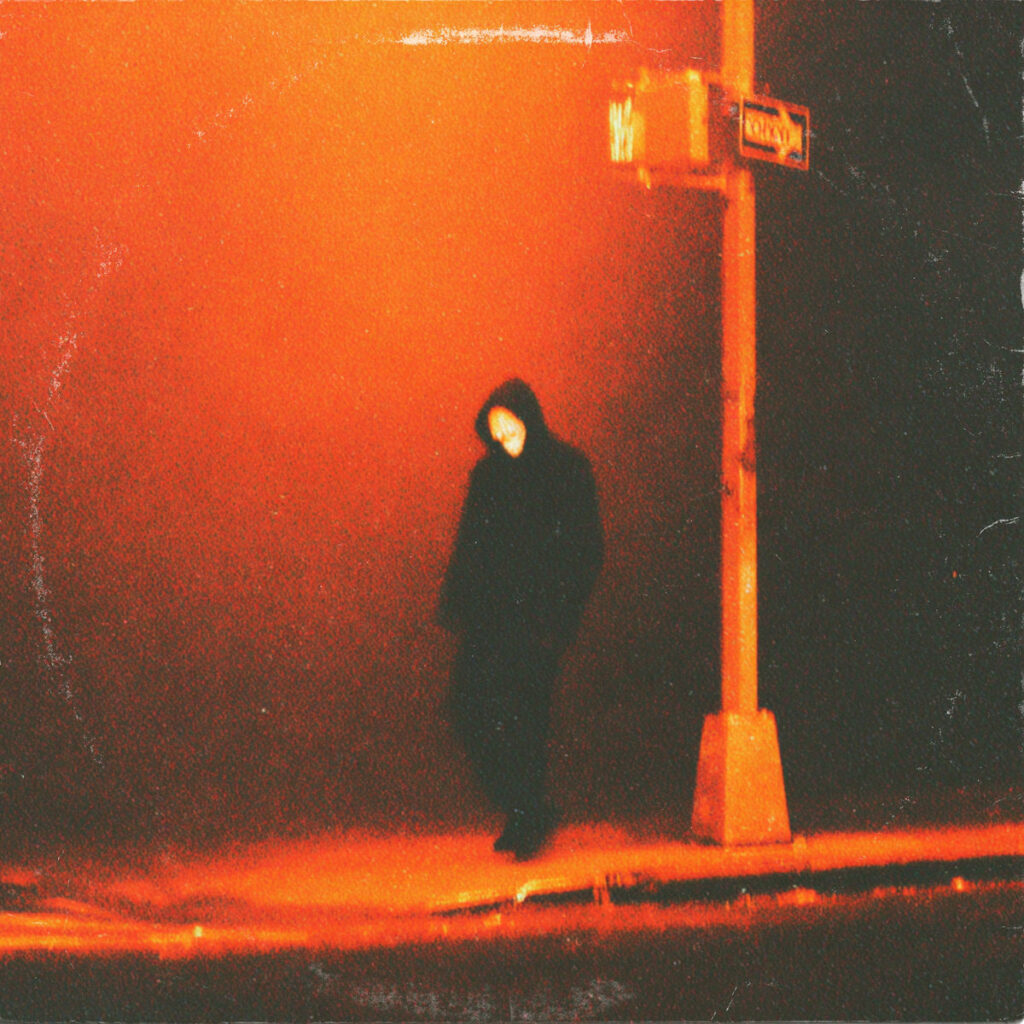
Run Toward the Monster brings together Detroit’s Apollo Brown and Ty Farris for a stripped, unpretentious album built on focus and skill. Across thirteen tracks, Brown’s soul-drenched loops and heavy drums provide a cold foundation for Farris’s hard-earned reflection and technical control. The result is his strongest work—a clear, deliberate record that finds strength in restraint.
From “Run” through “Follow My Soul,” Brown maintains a tense yet soulful atmosphere, his production marked by crackling samples and a steady rhythm. Farris raps with command, tackling choice, survival, and authenticity without losing pace. “No Celebrations” and “Details” dissect street myths and false glory, while “Authenticity,” featuring Mickey Diamond, grounds the album in quiet conviction.
Midway, “Ctrl Alt Delete” veers into hazier territory, its murky tone matching Farris’s guarded introspection. “Beautiful Struggle” and “Sacred” balance reflection and pride, maintaining the same measured intensity. The final section—“Cold Is the Gun,” “Street Patriots,” and “Flawless Victory”—locks into Detroit realism, its calm authority closing with “Young Rebels,” a sober nod to those still fighting their way out.
Every beat feels deliberate, every verse shaped for clarity. Run Toward the Monster doesn’t chase shock or spectacle; it’s built on craft, consistency, and understanding—Detroit discipline at its finest.
Hus Kingpin - Portishus 2
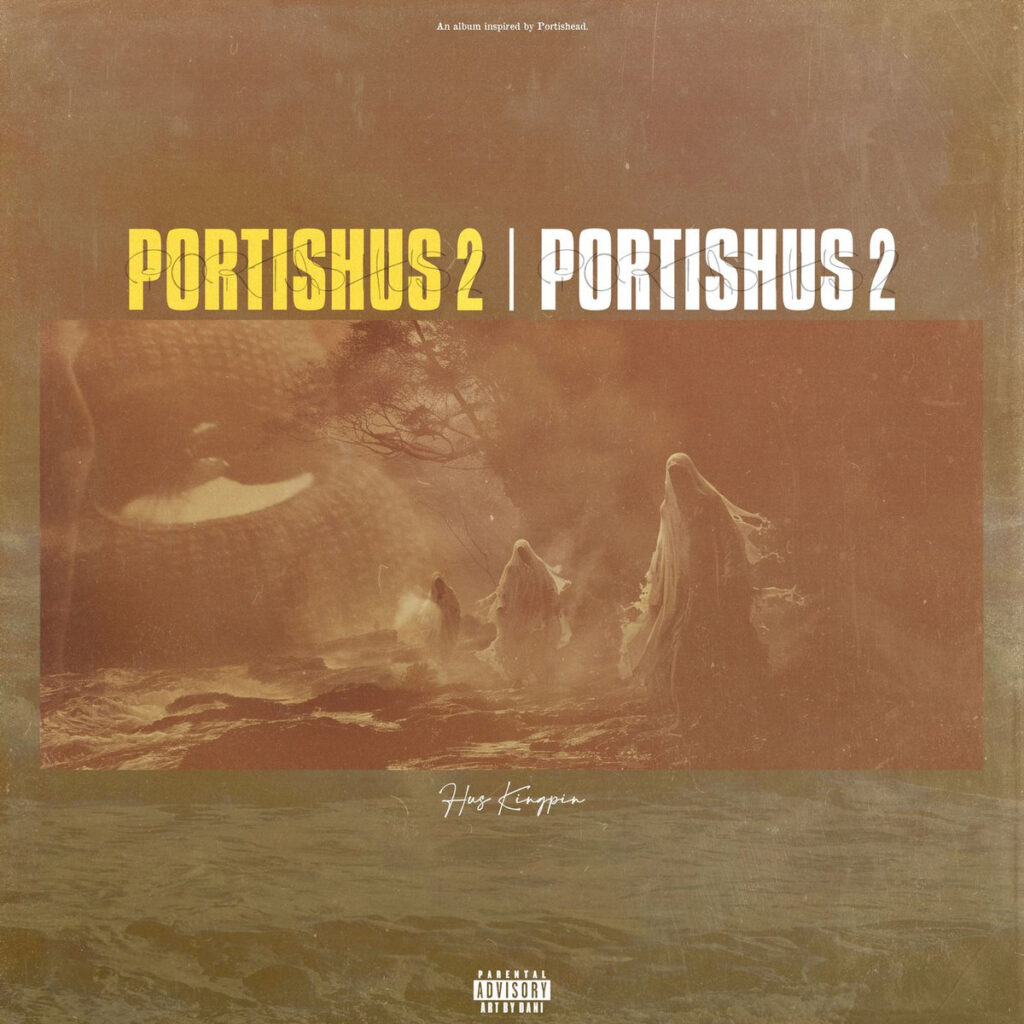
With Portishus 2, Hus Kingpin returns to the fogged-out world he built on the first Portishus, and this follow-up is just as strong. The Long Island veteran leans into a slow, shadowy mood shaped by his long-running fascination with iconic UK trip-hop band Portishead. Their influence is clear in the dusty drums, eerie samples, and looping melodies that echo the tension and melancholy of Dummy and Portishead. Instead of imitating the band, Hus filters that mood through his own voice, turning trip-hop’s cold haze into a street-level noir.
Producers like Doza the Drum Dealer, Def Language, Manny Megz, and Dani build murky, stretched-out beats that move with a hypnotic pulse. The atmosphere is thick and unhurried, giving Hus’ clipped delivery room to drift between paranoia, luxury, and quiet menace. Tracks nod directly to Portishead’s catalog—titles, textures, and pacing all point back to that lineage—but the core is still heavy East Coast Hip Hop.
Conway the Machine, MF Grimm, SmooVth, P.U.R.E., and others slide in, their verses add grit while keeping the album locked inside its smoky, late-night tone. We really liked the first Portishus, and this second chapter holds the same weight. It is atmospheric Hip Hop with a distinctive twist, guided by Hus Kingpin’s deep connection to Portishead’s haunting aesthetic.
Body Bag Ben & Daniel Son - Brown Body Bags

Brown Body Bags, the collaboration between Body Bag Ben and Daniel Son, is a study in tension and discipline. The record moves with quiet calculation—dusty drums, fractured soul fragments, and piano loops folded into heavy air. Body Bag Ben builds each beat like a pressure chamber: minimal, sharp, and cinematic in tone.
Daniel Son’s delivery is clipped and measured, every bar coded with precision. On “Diagnostics,” his voice rides low percussion while counting the cost of mistakes; “Jamaican Rum” turns a warped loop into a blueprint for survival. “Elegance” and “Triple XL” carry his trademark stoicism, trading flourish for focus. His lyrics trace the language of strategy and control—the sound of decisions made in silence.
Body Bag Ben’s production treats space as an instrument. “War Cry” and “1 Hand Wash the Other” move like slow detonations, percussion rattling under looping static. “Tangiers” settles into muted horns and dusty low-end, closing the record in weary reflection.
Nothing here bends toward comfort. Brown Body Bags thrives on pressure, rhythm, and intent. Every sound lands with purpose; every verse tightens the frame. It’s underground Hip Hop stripped to its essentials—dark and utterly self-assured.
Mickey Diamond & Big Ghost Ltd - Wolf Tickets

Mickey Diamond and Big Ghost Ltd end 2025 with Wolf Tickets, a 44-minute display of precision and dominance. Across twelve tracks, the Detroit lyricist and the secretive producer refine their proven formula—cold, calculated raps over skeletal, soul-drenched boom-bap. Diamond’s delivery is clipped and confident, his focus absolute, his hunger undiminished across a prolific run.
The record opens with “Peter & Paul,” its chopped soul loop setting a grim pace. “High Steaks” swings with swagger and fight-night energy, while “Black Tears” and “Missed Calls” weigh grit against fatigue. “No Jumper” hits hardest—relentless verses over one of Big Ghost’s sharpest beats. The album’s center, with “I Dare You” and “You Can’t Buy Love,” blends confrontation and self-check without dropping intensity.
Big Ghost’s production stays lean: eerie loops, punchy snares, and a noir-like atmosphere that never releases tension. “Blood Moon” coils into near-paranoia before “One Shot Kill” ends the album in smoke and gallows humor.
There’s no filler or distraction—only command. Wolf Tickets proves this duo’s strength lies in focus and craft, not embellishment. It’s street rap stripped to its essence: menace, discipline, conviction. A heavyweight statement delivered with precision and zero compromise.
Conway The Machine - You Can't Kill God With Bullets

Conway the Machine’s You Can’t Kill God with Bullets is an hour-long, 18-track statement that fuses atmospheric boom-bap, soul loops, and trap tension into one heavy listen. Released on Drumwork Music Group, it features production from The Alchemist, Daringer, Conductor Williams, Apollo Brown, araabMUZIK, Timbaland, and others, along with appearances by Roc Marciano, G Herbo, Lady London, and Heather Victoria. Conway’s gravel-toned delivery carries burden and defiance, tracing wounds from his 2012 shooting while confronting fame’s strain and loyalty’s decay.
After the H. Rap Brown-sampling intro, tracks like “The Lightning Above the Adriatic Sea,” “BMG,” and “Hell Let Loose” stretch across dusty loops and tense trap percussion, shifting tones without breaking cohesion. Timbaland’s “Crazy Avery” jolts the middle with off-balance drums as Conway fumes about betrayal; Daringer’s “The Painter” pares everything down to solitude. Late highlights like “Nu Devils,” “Hold Back Tears,” and “Don’t Even Feel Real (Dreams)” merge grief and pride, closing with reflective soul.
At times, the length and sonic density blur, but the cohesion feels intentional—Conway’s world is cyclical, not linear. The record turns trauma, suspicion, and survival into purpose, proving once again that his pain remains his power and his voice his weapon.
Bluehillbill & Vinyl Villain - Lufthansa Heist

Lufthansa Heist pairs Boston lyricist Bluehillbill with producer Vinyl Villain for a tight, noir-styled record that turns low-lit crime stories into cinematic Hip Hop. Across 20 tracks and over 45 minutes, the duo shape a world that’s tense, methodical, and faithful to the codes of their craft. Vinyl Villain’s production is grim but textured—crackling drums, smeared samples, and muffled basslines that feel pulled from forgotten film reels. Each beat has its own rhythm of danger and patience, a perfect setting for Bluehillbill’s hard-snarled delivery and clipped phrasing.
From the slick precision of “Presidential Pressure” to the weary menace of “02124 Shit,” the album moves like a sequence of scenes, every track adding to its cold criminal mythology. “Jimmy the Gent” and “Billy Kimber” use character-driven writing to give the project a mob movie pulse, while “Motion” with Obijuan and “Static” with Al.Divino spiral into darker, more abstract corners. Even the brief interludes—like “Breaded Handguns” or the title track—push the mood forward rather than interrupting it.
Bluehillbill raps with restraint and confidence, blending coded references with direct storytelling. His tone stays steady throughout—confident but never theatrical, worn in by lived experience. Vinyl Villain’s beats reinforce that control; his sequencing ties everything together, leaning less on hook or buildup and more on gray texture and timing. The chemistry they share keeps the long runtime fluid, like one extended night unfolding block by block.
By the time “These Hands” closes the record, the whole thing feels less like an album and more like a single, well-edited reel. There’s drama, darkness, and rhythm held in perfect proportion. At the end of the year, Lufthansa Heist lands as one of the most fully realized noir street rap records of 2025—dense, cinematic, and exact in tone from the first knock to the last echo.